Vergleichen von 2 Unternehmen Verwaltung von Stilen Ppt Images Gallery
Try Before you Buy Download Free Sample Product
Audience
Editable
of Time
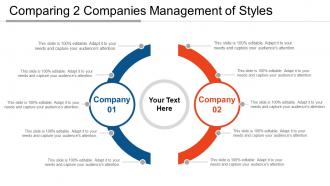
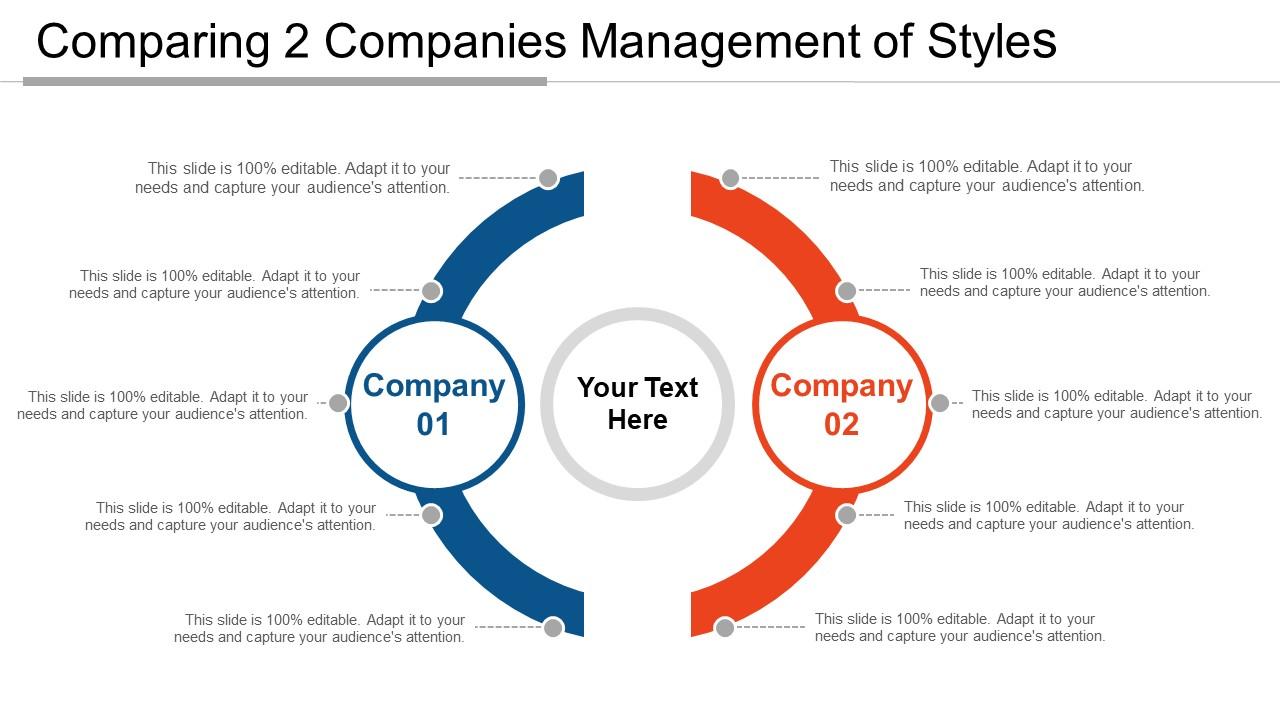
Brechen Sie mit unserer Ppt-Bildergalerie zum Vergleichen von 2 Unternehmen in die Freiheit aus. Entdecken Sie eine Vielzahl von Möglichkeiten, bevor Sie Dies ist ein Vergleich von 2 Unternehmen Verwaltung von Stilen ppt Bildergalerie. Dies ist ein zweistufiger Prozess. Die Phasen in diesem Prozess sind der Vergleich von 2 Unternehmen, der Unternehmensvergleich und der Unternehmenswettbewerb.
Eigenschaften dieser PowerPoint-Präsentationsfolien:
Präsentation zum Vergleich von 2 Unternehmen der Stilverwaltung ppt-Bildergalerie. Dies ist ein Vergleich von 2 Unternehmen für die Verwaltung von Stilen ppt-Bildergalerie. Dies ist ein zweistufiger Prozess. Die Phasen in diesem Prozess sind der Vergleich von 2 Unternehmen, der Unternehmensvergleich, der Unternehmenswettbewerb.
People who downloaded this PowerPoint presentation also viewed the following :
Vergleichen Sie 2 Unternehmen Management Of Styles Ppt Images Gallery mit allen 5 Folien:
Vorsicht Leute vor unhygienischen Bedingungen mit unserer Vergleichen von 2 Unternehmen Management Of Styles Ppt Images Gallery. Initiieren Sie Maßnahmen, um eine gesunde Umgebung zu schaffen.
FAQs for Comparing 2 companies management of styles
So autocratic managers are the ones who make every decision solo - no team input whatsoever. They're all about direct orders and strict control, expecting everyone to comply immediately. Picture a military setup but in your typical office (honestly kind of exhausting if you ask me). Communication only flows downward from boss to employee. There's rigid hierarchy with zero room for creativity or independence. Sure, it works during emergencies when you need quick action. But most of the time? It just kills morale and stops people from bringing fresh ideas to the table.
Honestly, democratic management works because people actually want to participate when they feel like their voice matters. You get way better buy-in that way. Plus, when you're making decisions together, you're pulling from everyone's different perspectives - which usually means better solutions overall. The thing is, you can't fake it though. If you ask for input, you better actually listen and use it (or at least explain why you didn't). Otherwise people see right through that and it backfires. It's just human nature - we want to feel heard, not like we're just checking some participation box.
Honestly, transformational leadership works because it makes people actually care about what they're doing. You connect their daily work to something bigger - a real purpose they can get behind. That emotional investment is huge. Also focus on each person's growth individually (seriously, everyone wants a boss who gives a damn about their development). Let them innovate and think creatively too. People feel way more motivated when they're trusted to come up with ideas. The trick is being genuine about it though - like, don't fake it. Start by really talking to your team about their goals and showing how their work matters.
Oh that's when you basically let people run their own show and don't micromanage. People get way more creative and happy when they can work how they want - honestly some of my best work happens when my boss just leaves me alone lol. You'll have more time for the big stuff too. But here's the thing - some people actually need more guidance or they'll just flounder around. And tracking who's doing what becomes tricky. Only works if your team's already pretty solid and self-motivated.
Oh man, situational leadership is actually pretty smart. You basically change how you manage based on what each person needs for that specific task. New team member? Be more hands-on and direct. Someone who's been around forever and knows their stuff? Just delegate and get out of their way. The whole "stick to one leadership style" thing is so 2010 anyway. You're constantly switching between coaching, supporting, directing - whatever fits the moment. It's about reading what they actually need, not what feels comfortable for you. Honestly takes some practice but it works way better than being rigid about it.
Dude, emotional intelligence is massive for managers. It's reading the room and not being a robot basically. I've watched super smart managers crash and burn because they couldn't tell when someone was stressed or pissed off. You gotta connect with people, handle awkward conversations without making them worse. Active listening helps - actually ask how your team feels about stuff instead of assuming. Also that thing where you pause before reacting when you're annoyed? Game changer. Trust me, the managers who get this right are the ones people actually want to work for.
Honestly, servant leadership works because you flip the script - instead of expecting people to serve you, you serve them first. Ask your team "what do you need from me?" rather than just dumping tasks on them. When you actually care about their growth and remove roadblocks, people develop crazy loyalty. They'll want to show up! Plus it builds future leaders naturally since you're not hoarding power. I mean, who doesn't want to feel valued as a real person instead of just another cog? The whole vibe shifts from competition to collaboration, and engagement goes through the roof.
So strategic managers are the big picture people - they're planning 3-5 years ahead, setting company direction, making those huge resource calls. Tactical managers? They're executing all that through daily ops and short-term moves. Picture chess (I know, random comparison but it works) - strategic is your whole game plan, tactical is figuring out your next couple moves. Most jobs mix both honestly, but strategic is more about the "why" and "what" stuff. Tactical gets into "how" and "when." Which one energizes you more - brainstorming future vision stuff or putting out today's fires?
Yeah, transparency totally works. When people know what's actually going on - decisions, challenges, where the company's headed - they don't feel like they're being kept in the dark about everything. Nobody likes that mushroom treatment, you know? Your team will actually care more about their work when they understand the "why" behind it. Plus they'll be way more likely to speak up with ideas or give you real feedback instead of just nodding along. Honestly, even sharing context about stuff that seems super obvious to you makes a huge difference. Try it in your next meeting.
When things get crazy at work, you gotta be direct and decisive - people need clear guidance, not a committee meeting. Autocratic leadership actually works great in crises (I know, sounds harsh but it's true). Still explain your reasoning though, so the team doesn't feel steamrolled. Sometimes you can also go the inspirational route - rally everyone around "we're getting through this together" energy. Really depends on what your specific situation needs. Some crises need straight command-and-control, others need more emotional buy-in. Figure out if your team needs direction, motivation, or both first.
Oh man, this is so true from my experience! People from high-power-distance cultures (think many Asian countries) are way more comfortable with directive, top-down leadership. Meanwhile, egalitarian cultures want that collaborative vibe. Communication's tricky too - some folks want blunt feedback, others need it sugarcoated. I've definitely stepped on toes there. Your decision-making speed expectations can totally clash too, depending on whether someone's culture values consensus or quick individual calls. Honestly though? Just ask your team what works for them instead of guessing.
Dude, remote work totally breaks those micromanaging bosses who need to hover constantly. Can't physically walk over and breathe down someone's neck anymore, right? So they're forced to focus on actual results instead of counting how many hours you're parked at your desk. The smart managers figure out how to communicate better and - here's a wild concept - actually trust their people. But man, watching the old-school control freaks try to adapt? It's rough. They really struggle with letting go. Most can learn though, if they're willing to stop being so obsessed with monitoring every little thing their team does.
Honestly, you've gotta read the room with each person. New hires need more hand-holding - that's just reality. But your senior devs? They'll hate you if you're breathing down their necks constantly. I switch between being more directive with junior folks, coaching the mid-level people, and basically just staying out of my experienced team's way unless they ask. Some managers are so rigid with their approach - drives me crazy. Figure out who's skilled at what and how motivated they are for each project, then adapt from there. Sounds obvious but you'd be surprised how many people miss this.
Ugh, micromanaging is the worst - it totally crushes morale because people feel like you don't trust them. Everything becomes a bottleneck since it all has to go through you. Your team stops thinking for themselves and just waits for your approval on tiny stuff. Plus you'll burn yourself out trying to control every detail. Honestly, good people will just quit because they feel suffocated. I've seen it happen so many times. If you're doing this, try setting clear expectations up front, then actually let them do their jobs. It's hard but you gotta step back.
Honestly, each generation wants something totally different from their managers. Boomers are used to that old-school hierarchy thing - clear boss, clear rules, formal everything. Gen X just wants you to leave them alone and judge them on results (which makes sense). Millennials need way more hand-holding - they want collaboration, coaching, constant feedback. Gen Z cares about authenticity and purpose, plus they're all about flexible work and digital communication. Your team's probably a mix of all these people, so you can't just pick one style. Adapt to whoever you're dealing with at the moment.
-
Perfect template with attractive color combination.
-
Best way of representation of the topic.