Compensation Scheme Powerpoint Presentation Slides
Try Before you Buy Download Free Sample Product
Audience
Editable
of Time
Presenting you a unique and subtle design, compensation scheme PowerPoint presentation slides for distribution of salary and wages you pay to your employees for the work they do. Compensation scheme includes is broken down in the compensation, benefits, performance and talent management and is shown through an inherent PPT slide, further straight salary, salary plus commission, commission only, tertiary volume, are discussed as different types of compensation plans. Pay for performance comparison and building a compensation plan PowerPoint slides are included here for a subjective overview. We have incorporated job profile templates and performance-based appraisal parameters, employee performance summary, employee feedback with chart sheets and comparison parameters for an individual proposition. Bar graphs are included for thorough comparisons between different parameters. Various exclusive icons are included here for an engaging experience, along with subject concerned additional slides. Proceed with our designs for a reliable experience on employment compensation approach related professional presentations and forget about disappointments. Network your thoughts with our Compensation Scheme Powerpoint Presentation Slides. They will create an enduring web for you.

People who downloaded this PowerPoint presentation also viewed the following :
Content of this Powerpoint Presentation
Slide 1: This slide introduces Compensation Scheme. State Your Company Name and begin.
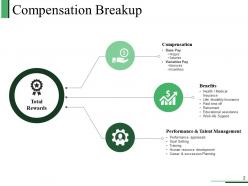
Slide 2: This slide showcases Compensation Breakup with these important parameters we have listed- Compensation, Performance & Talent Management, Benefits.
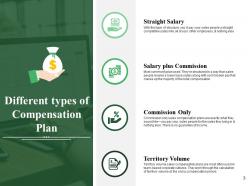
Slide 3: This slide shows Different types of Compensation Plan . You can use these types as per your requiremement- Straight Salary, Salary plus Commission, Commission Only, Territory Volume.
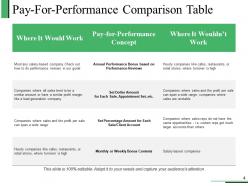
Slide 4: This slide displays Pay-For-Performance Comparison Table. Monitor the comparison on the basis of mentioned parameters, you can alter them as per your requirements.
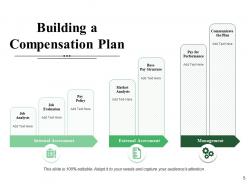
Slide 5: This slide displays Building a Compensation Plan. You can edit and add your content in the following parameters- External Assessment, Mangement, Internal Assessment.
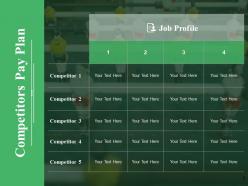
Slide 6: This slide presents Competitors Pay Plan table. You can compare with the competitor from this table.
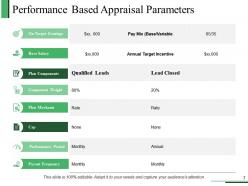
Slide 7: This slide displays Performance Based Appraisal Parameters. We have considered 6 most important and commonly considered factors listed- On-Target Earnings, Payout Frequency, Performance Period, Cap, Plan Mechanic, Component Weight, Plan Components, Base Salary.
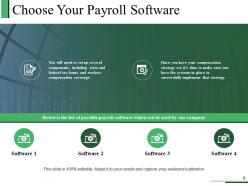
Slide 8: This slide showcases Choose Your Payroll Software. You can add your software and use accordingly.
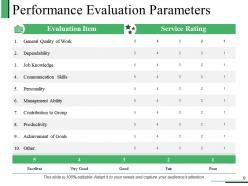
Slide 9: This slide presents Performance Evaluation Parameters. You can add your rating in the table with these parameters- Evaluation Item, Service Rating.
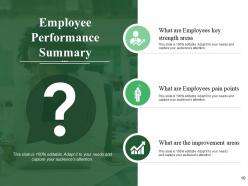
Slide 10: This slide displays Employee Performance Summary. You can add your company data here by using these parameters- What are Employees pain points, What are Employees key strength areas, What are the improvement areas.
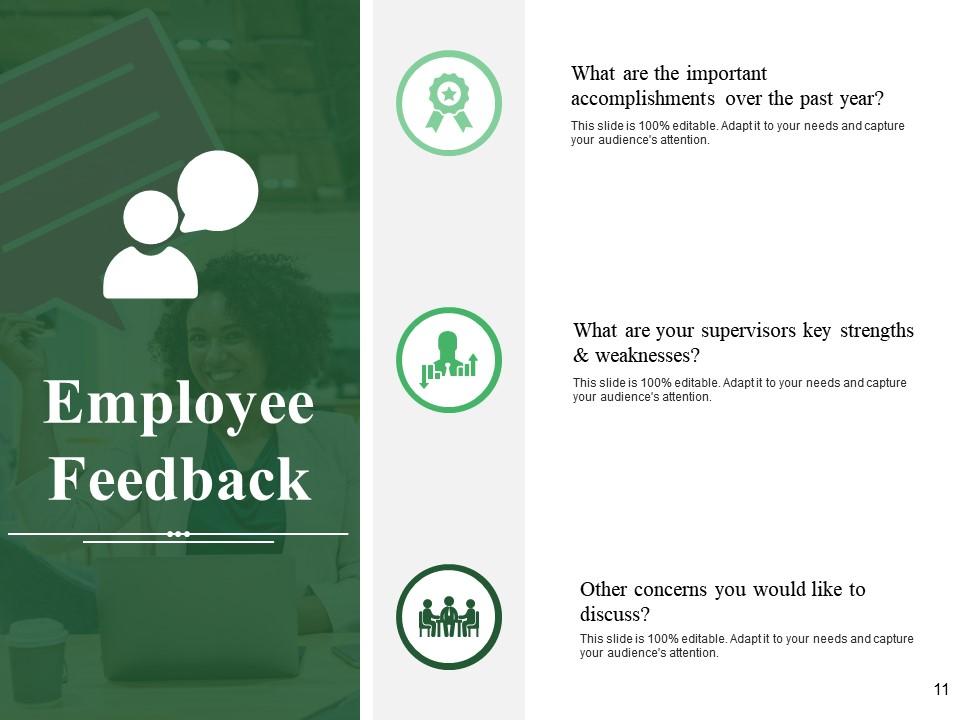
Slide 11: This slide is about Employee Feedback. Add your information as per requiremement.
Slide 12: This slide shows about Compensation Scheme Icons. Use this as per your requirement.
Slide 13: This slide displays Compensation Scheme Icon.
Slide 14: This slide is a Coffee Break image for a halt.
Slide 15: This slide forwards to Charts & Graphs.
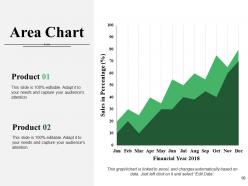
Slide 16: This is an Area Chart slide for product/entity comparison.
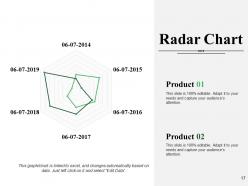
Slide 17: This is a Radar Chart slide for product/entity comparison.
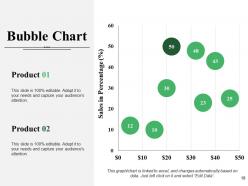
Slide 18: This slide presents a Competitive Analysis Bubble Chart for product specifications to show.
Slide 19: This slide is titled Additional slides to proceed forward.
Slide 20: This is a Vision, Mission and Goals slide. State them here.
Slide 21: : This is an Our Team slide with name, image&text boxes to put the required information.
Slide 22: This is an Our Goal slide. State them here.
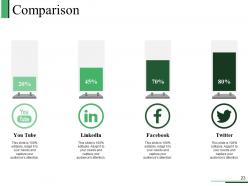
Slide 23: This slide shows a comparison slide and years for comparison of Product 01, Product 02, Product 03 etc.
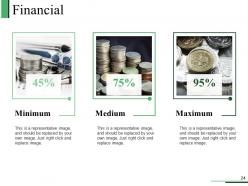
Slide 24: State your Financial score in this slide with relevant imagery and text.
Slide 25: This is a Quotes slide to convey message, beliefs etc.
Slide 26: This is a Timelines slide to show- Plan, Budget, Schedule, Review.
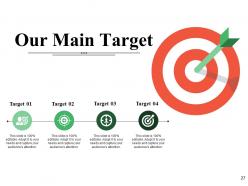
Slide 27: This is a Target slide. State your targets here.
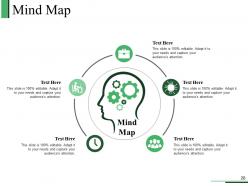
Slide 28: This slide presents a Mind map with text boxes.
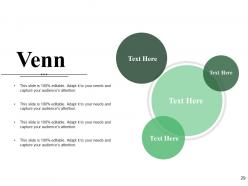
Slide 29: This is a Venn diagram image slide to show information, specifications etc.
Slide 30: This is a Thank You slide with Address# street number, city, state, Contact Numbers, Email Address.
Compensation Scheme Powerpoint Presentation Slides with all 30 slides:
Ensure folks don't feel inhibited with our Compensation Scheme Powerpoint Presentation Slides. It helps clear gnawing doubts.
FAQs for Compensation Scheme
Key factors include market benchmarking, job complexity, performance metrics, internal equity, and budget constraints. These elements work together to create competitive packages that attract talent while maintaining cost control, with many organizations finding that strategic compensation design enhances employee retention, drives performance outcomes, and ultimately delivers sustainable competitive advantage.
Employee performance impacts compensation structure by enabling merit-based pay increases, bonus eligibility, and advancement opportunities tied directly to individual contributions and results. Organizations use performance metrics to differentiate compensation levels, with high performers receiving premium rewards, stock options, and accelerated career progression, ultimately creating competitive advantage through talent retention and motivation.
Market research plays a crucial role in determining competitive salary levels by analyzing industry benchmarks, regional compensation data, job market trends, and competitor practices across similar roles. Through comprehensive salary surveys and compensation analytics, organizations can establish fair pay structures, attract top talent, and maintain competitive positioning, while ensuring their compensation packages align with current market rates and support strategic talent acquisition goals.
Compensation schemes attract top talent by offering competitive salaries, performance bonuses, equity participation, comprehensive benefits, and career advancement opportunities. These strategic packages enhance organizational reputation while reducing turnover costs, with many companies finding that well-structured compensation ultimately delivers stronger employee engagement, improved performance outcomes, and significant competitive advantage in talent acquisition.
Fixed compensation provides predictable income, easier budgeting, and reduced financial stress, while variable compensation motivates performance, aligns employee goals with company objectives, and enables higher earning potential. Many organizations find that combining both approaches delivers optimal results, with fixed elements ensuring stability and variable components driving productivity, ultimately enhancing talent retention while maintaining competitive advantage.
Different industries approach compensation schemes based on their unique operational needs, talent markets, and performance metrics, with technology companies emphasizing equity and bonuses, healthcare focusing on base salaries with performance incentives, and financial services combining high base pay with substantial variable compensation. Manufacturing and retail sectors typically prioritize structured salary bands with merit increases, while consulting firms leverage project-based bonuses, ultimately enabling organizations to attract top talent and drive competitive advantage.
Benefits packages significantly enhance employee satisfaction and retention by providing financial security, work-life balance support, and demonstrating organizational investment in workforce wellbeing. Companies with comprehensive benefits, including healthcare, retirement plans, and flexible arrangements, report up to 40% lower turnover rates, ultimately reducing recruitment costs and preserving institutional knowledge while strengthening competitive positioning in talent markets.
Technology enhances compensation management through automated payroll systems, AI-driven performance analytics, cloud-based HRMS platforms, and real-time data visualization tools. These solutions streamline salary calculations, minimize errors, and enable dynamic pay adjustments, with many organizations finding that integrated compensation technologies deliver faster processing, improved transparency, and ultimately stronger employee satisfaction while reducing administrative costs.
Compensation scheme effectiveness should be assessed through employee retention rates, performance improvement metrics, recruitment success rates, internal equity measurements, and budget adherence analysis. These metrics enable organizations to evaluate whether their compensation strategies attract top talent, motivate desired behaviors, and maintain competitive positioning, with many companies finding that regular assessment drives both employee satisfaction and organizational performance.
Organizations ensure internal equity by conducting regular pay audits, establishing clear job evaluation frameworks, implementing transparent salary bands, and maintaining consistent performance-based criteria across all roles and departments. Through systematic compensation reviews, companies can identify and address pay disparities while ensuring similar positions receive comparable compensation, ultimately delivering fairness and reducing turnover risks.
Compensation schemes vary significantly through salary structures, benefit priorities, performance incentives, equity participation, and regulatory frameworks shaped by cultural values and economic conditions. While Western countries often emphasize individual performance bonuses and stock options, many Asian and European markets prioritize job security, comprehensive healthcare, and collective benefits, with organizations increasingly adapting their compensation strategies to attract talent in diverse global markets.
Compensation schemes can be tailored through flexible benefits packages, performance-based incentives, career development opportunities, work-life balance options, and personalized recognition programs. Organizations increasingly offer cafeteria-style benefits, remote work stipends, and skills-based pay structures, with many companies finding that customizable compensation approaches enhance employee satisfaction, reduce turnover, and attract diverse talent across multiple generations and backgrounds.
Transparency in compensation schemes builds employee trust by eliminating pay inequities, reducing workplace speculation, and demonstrating organizational fairness through clear criteria and decision-making processes. This openness enhances employee engagement, reduces turnover, and strengthens retention rates, with many organizations finding that transparent pay structures ultimately deliver improved morale and competitive advantage in talent acquisition.
Performance bonuses serve as variable compensation that aligns employee achievements with organizational goals, complementing base salaries, benefits, and long-term incentives within a comprehensive strategy. These targeted rewards enhance talent retention, drive specific behaviors, and create competitive advantage, with many companies finding that strategic bonus structures ultimately deliver improved performance outcomes while supporting both individual motivation and broader business objectives.
Legal considerations include compliance with minimum wage laws, equal pay regulations, overtime requirements, tax obligations, and employment contract stipulations. These frameworks vary significantly across jurisdictions, with many organizations finding that proactive legal review streamlines implementation while minimizing compliance risks, ultimately delivering regulatory confidence and competitive compensation structures.
-
Easy to edit slides with easy to understand instructions.
-
Understandable and informative presentation.