Slides de apresentação em PowerPoint de estratégia de remuneração

Rating:
90%
Slide 1 of 29
Favourites Favourites

Try Before you Buy Download Free Sample Product

Audience Impress Your
Audience
Editable 100%
Editable
Time Save Hours
of Time
The Biggest Sale is ending soon in
0
0
:
0
0
:
0
0
Rating:
90%

Recursos desses slides de apresentação em PowerPoint:

Eles têm designs PPT infinitos. Eles também são gráficos de PowerPoint íngremes e de alta qualidade. Eles também são úteis para os estudos de gestão, pesquisadores de RH, profissionais de negócios, etc. Eles podem ser conteúdos reescritos, símbolos, formatos e imagens em PowerPoint, etc. Eles são totalmente factuais com bastante espaço para recuperar o já fornecido para adicionar título ou subtítulo. Eles estão familiarizados com os slides do Google.

Conteúdo desta apresentação em PowerPoint

Slide 1 : Este slide apresenta a Estratégia de Remuneração. Indique o nome da sua empresa aqui para começar.
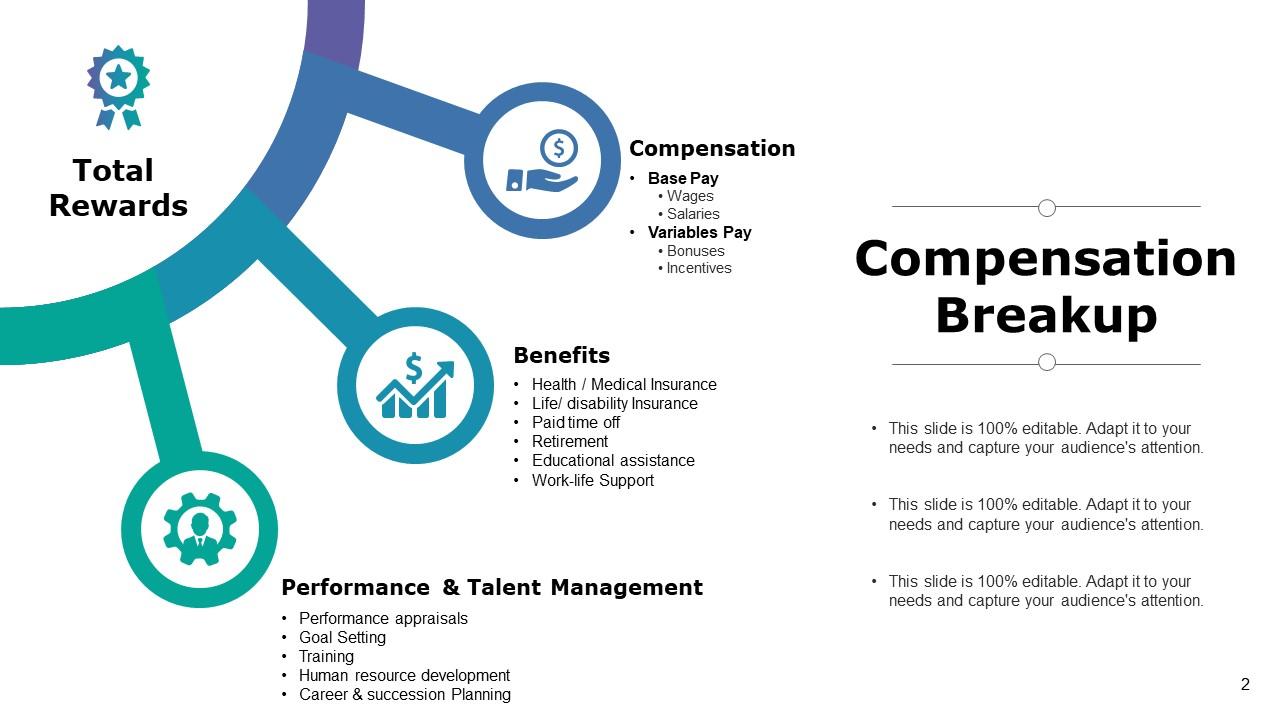
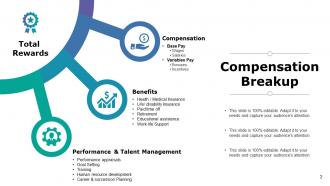
Slide 2 : Este slide apresenta a divisão da compensação que consiste em recompensas totais. Estes são divididos em - Remuneração, Benefícios, Desempenho e Gestão de Talentos.
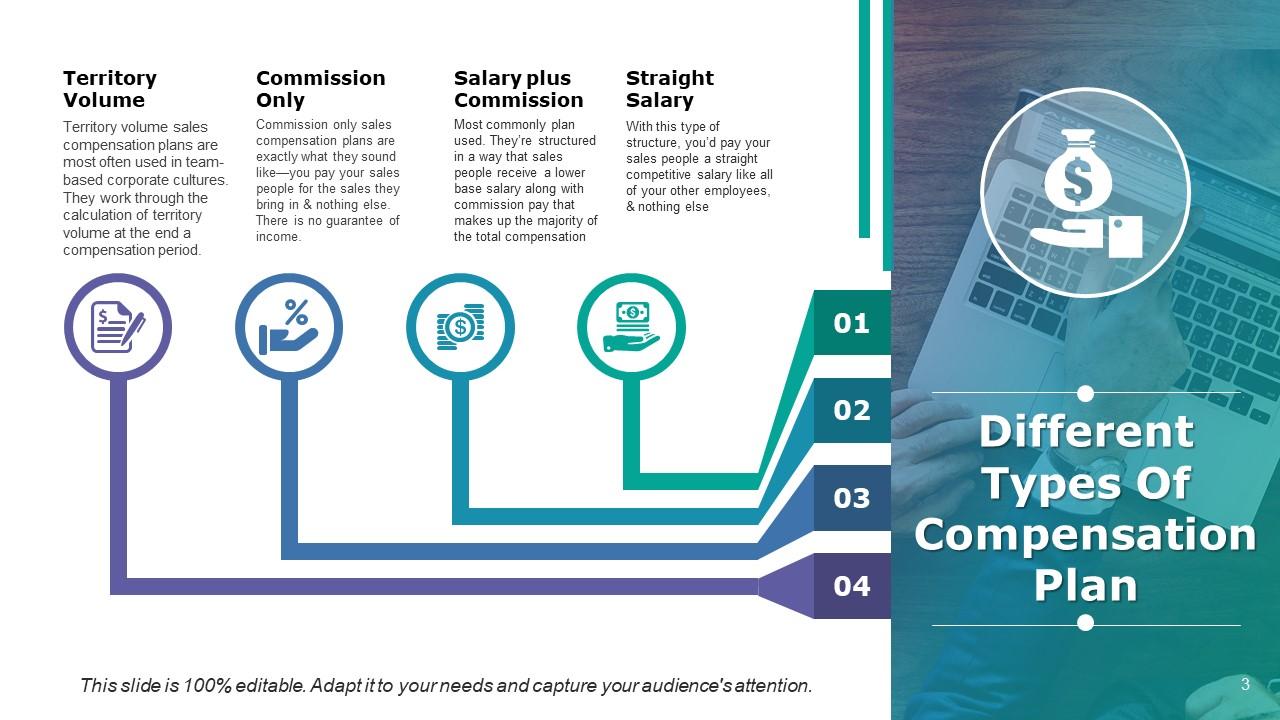
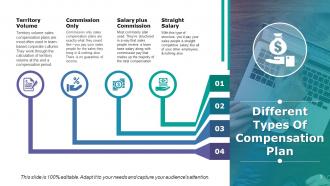
Slide 3 : Este slide mostra os diferentes tipos de planos de remuneração, que são: Volume do território, Apenas comissão, Salário mais comissão, Salário direto.
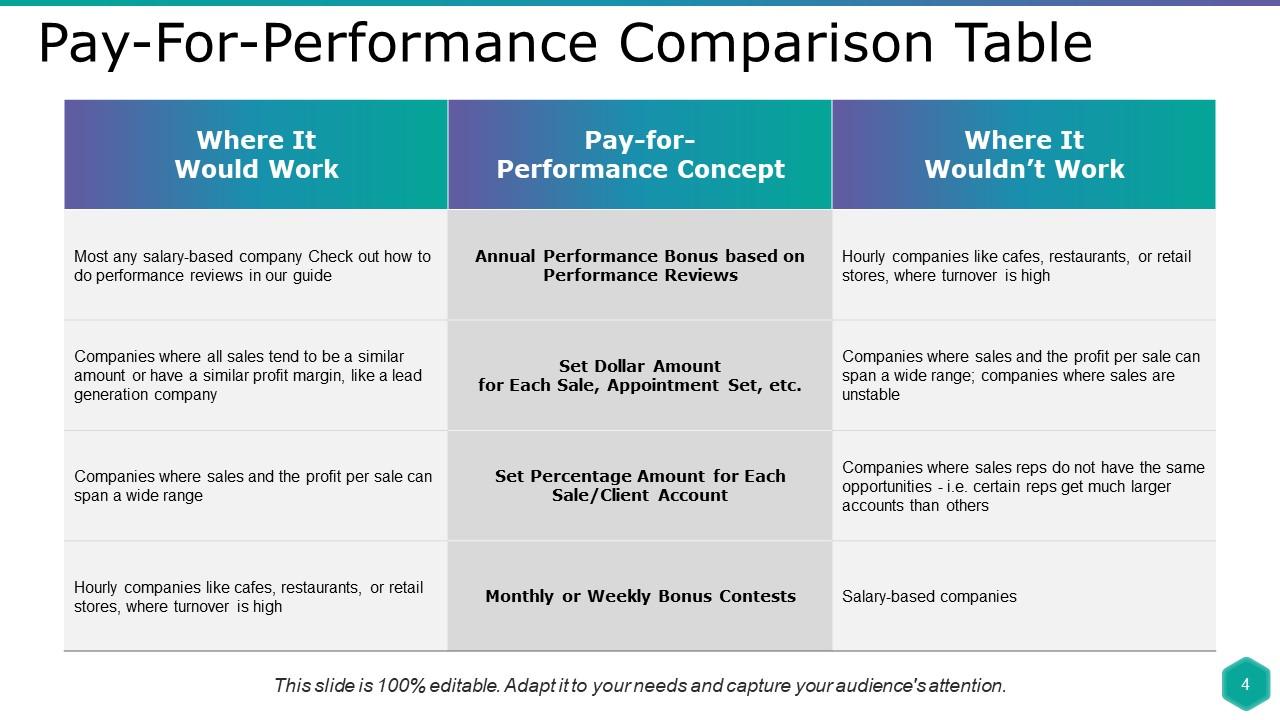
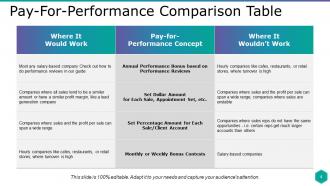
Slide 4 : Este slide apresenta a tabela de comparação de pagamento por desempenho.
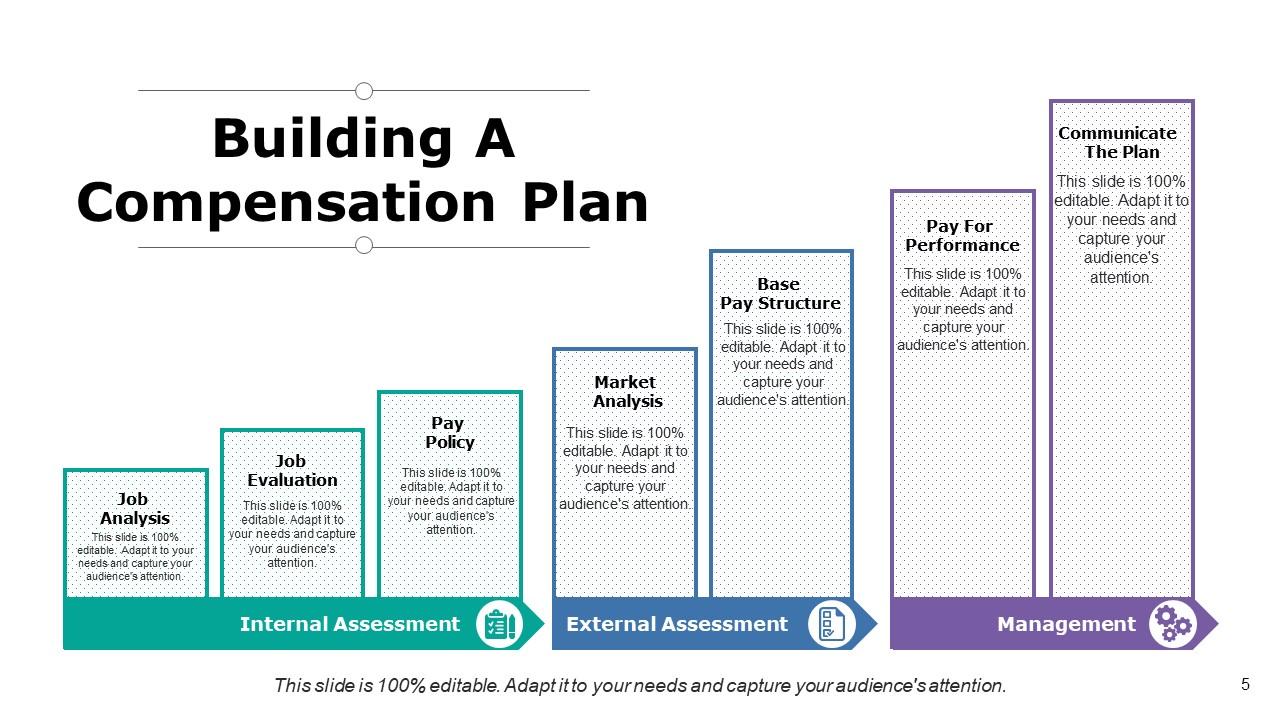
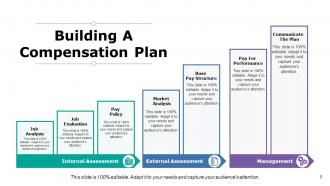
Slide 5 : Este slide fornece uma visão geral de Construir um Plano de Compensação que inclui as seguintes etapas - Análise de Cargos, Avaliação de Cargos, Política de Salário, Análise de Mercado, Estrutura de Salário Base, Pagamento por Desempenho, Comunicar o Plano.
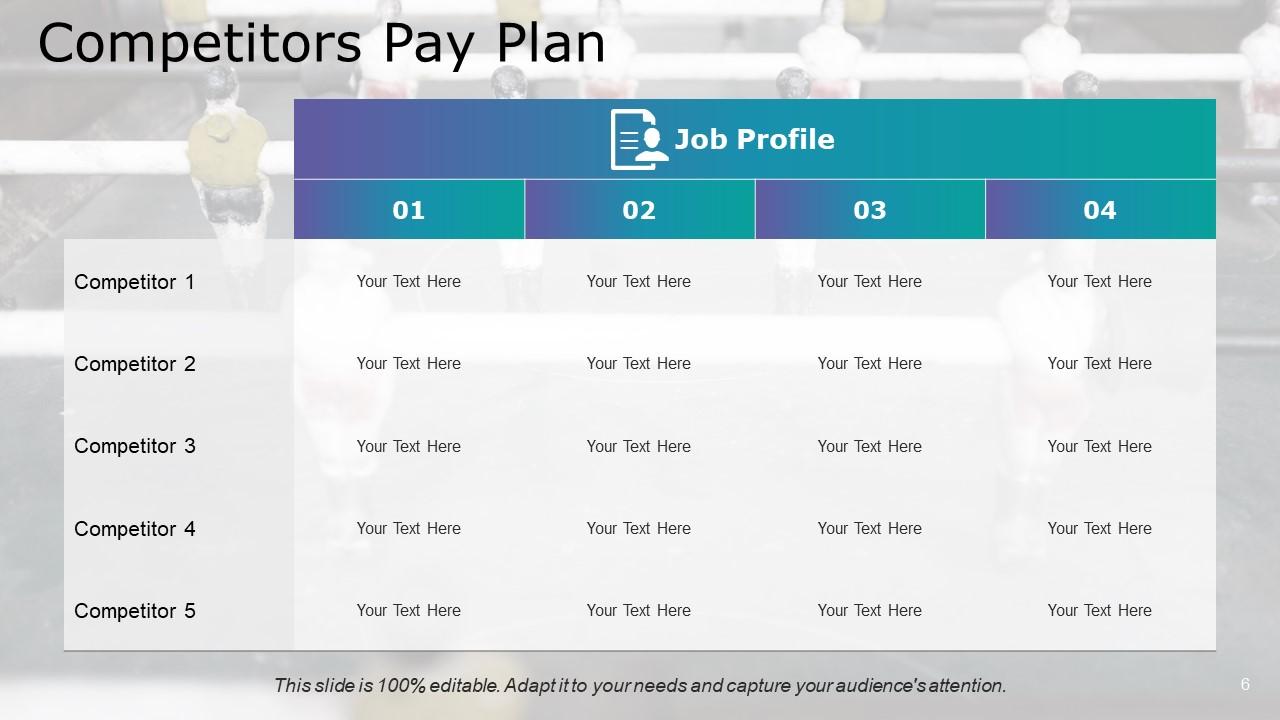
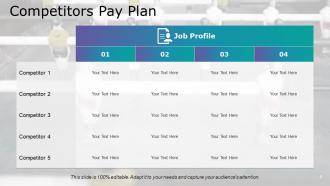
Slide 6 : Este é um slide do Plano de Pagamento dos Concorrentes para mostrar o nome dos seus concorrentes.
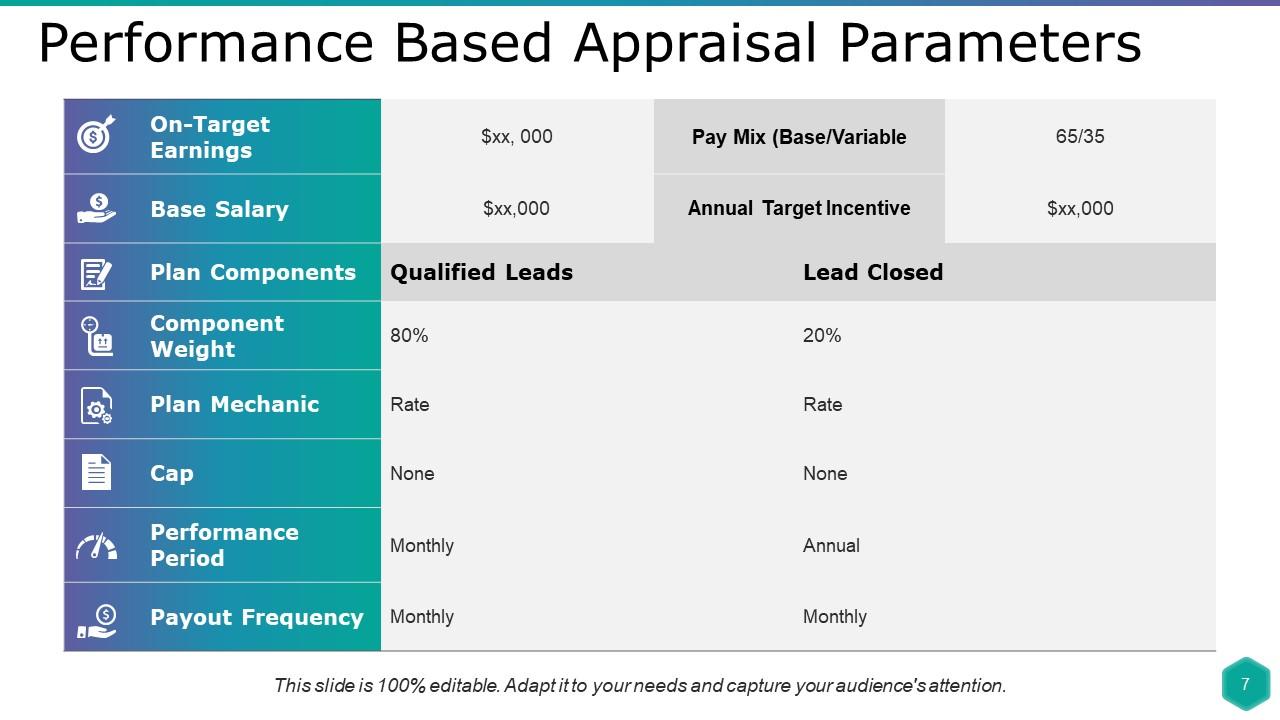
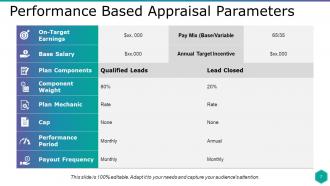
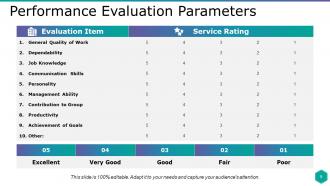
Slide 7 : Este slide apresenta os parâmetros de avaliação com base no desempenho.
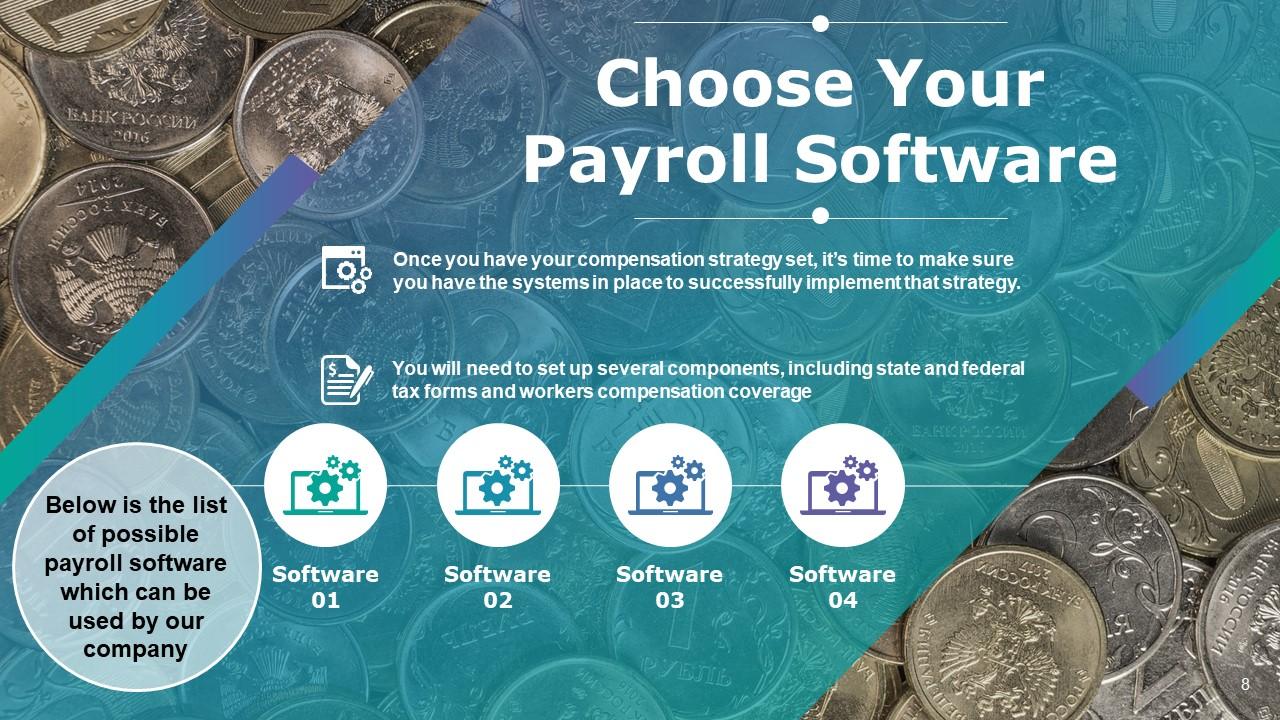
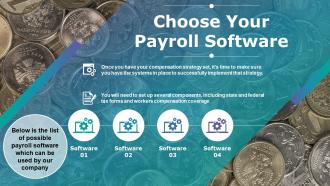
Slide 8 : Este é o slide Escolha seu software de folha de pagamento. Apresenta a lista de possíveis softwares de folha de pagamento que podem ser usados por sua empresa.
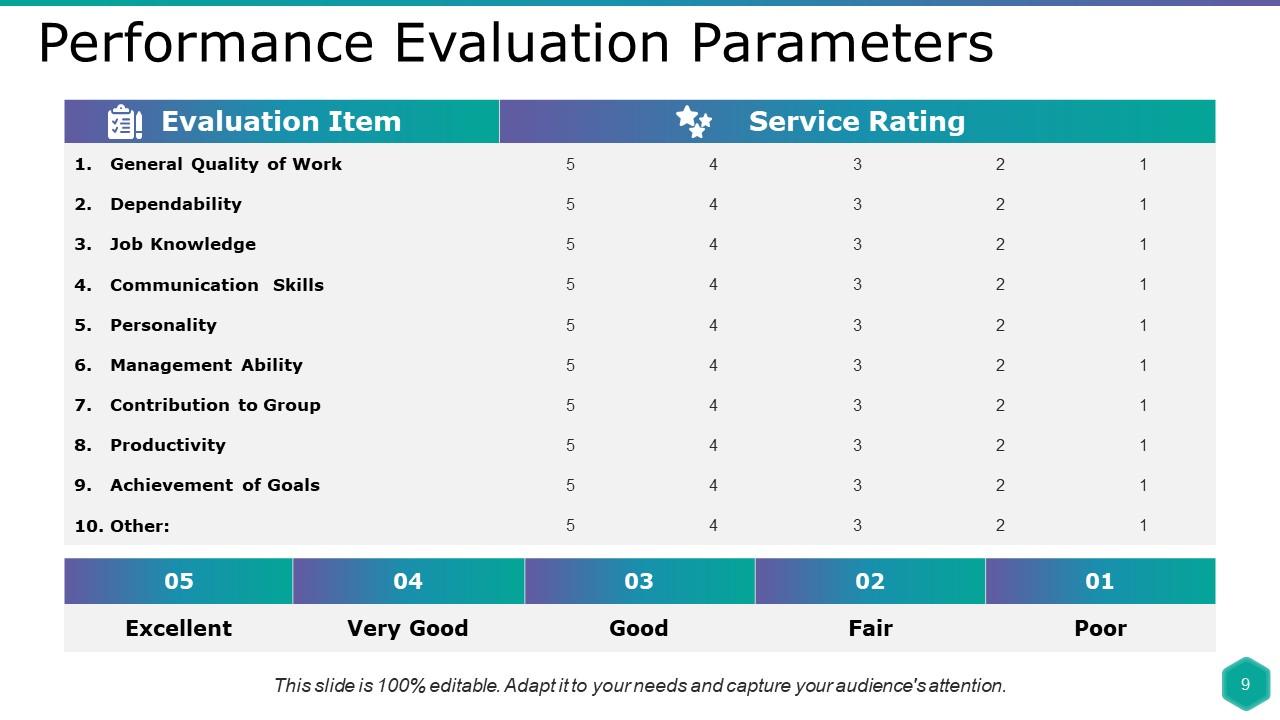
Slide 9 : Este slide mostra os parâmetros de avaliação de desempenho em uma forma tabular.
Slide 10 : Este slide apresenta o Resumo do Desempenho do Funcionário, que inclui as seguintes perguntas - Quais são as principais áreas de força dos funcionários? Quais são os pontos de dor dos funcionários? Quais são as áreas de melhoria?
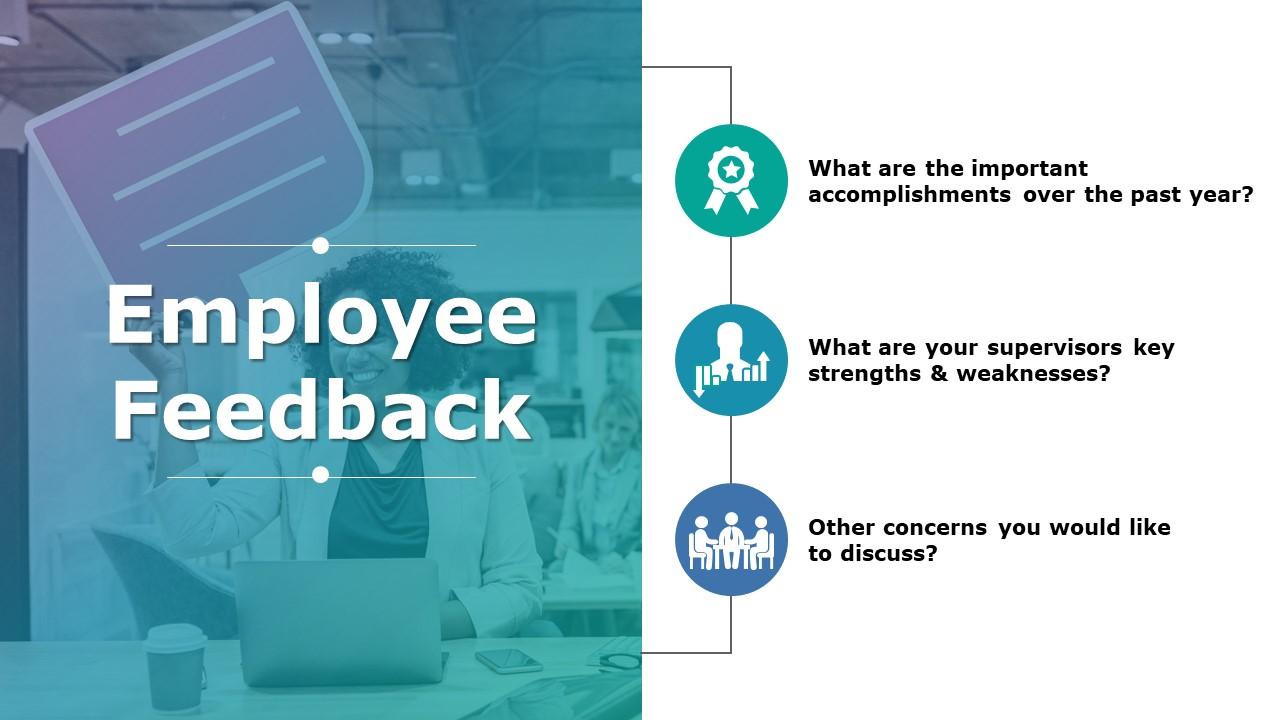
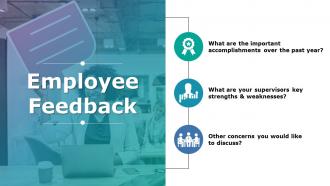
Slide 11 : Este é o slide de Feedback do funcionário que mostra- Quais são as realizações importantes durante o ano passado? Quais são os principais pontos fortes e fracos de seus supervisores? Outras preocupações que você gostaria de discutir?
Slide 12 : Este é um slide de imagem do Coffee Break para uma parada. Você pode alterar o conteúdo conforme sua necessidade.
Slide 13 : Este é um slide de ícone de estratégia de compensação apresentando várias imagens de ícones que podem ser usadas conforme a necessidade.
Slide 14 : Este é outro slide do ícone de estratégia de remuneração.
Slide 15 : Este é um slide de Tabelas e gráficos. Você pode alterar o conteúdo conforme sua necessidade.
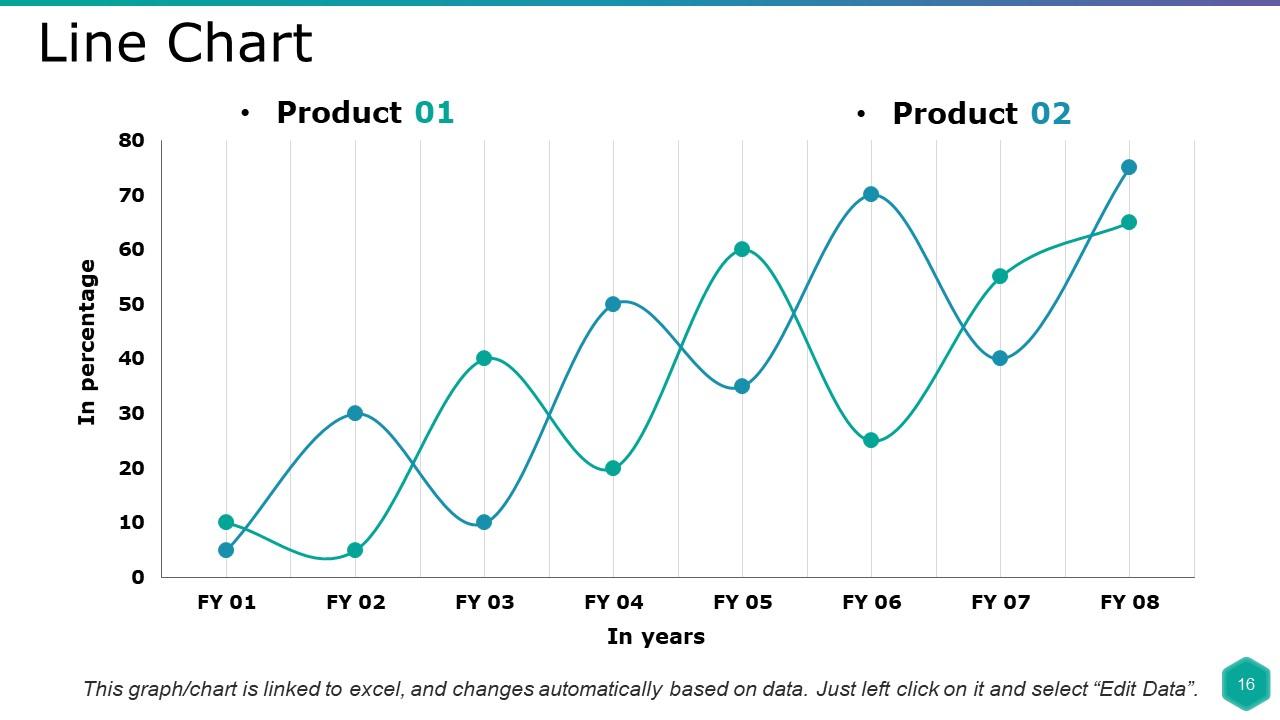
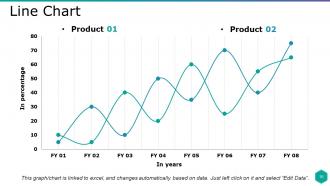
Slide 16 : Este é o slide da imagem do Gráfico de Linhas para apresentar o Produto 01, comparação do Produto 02, crescimento, análise etc.
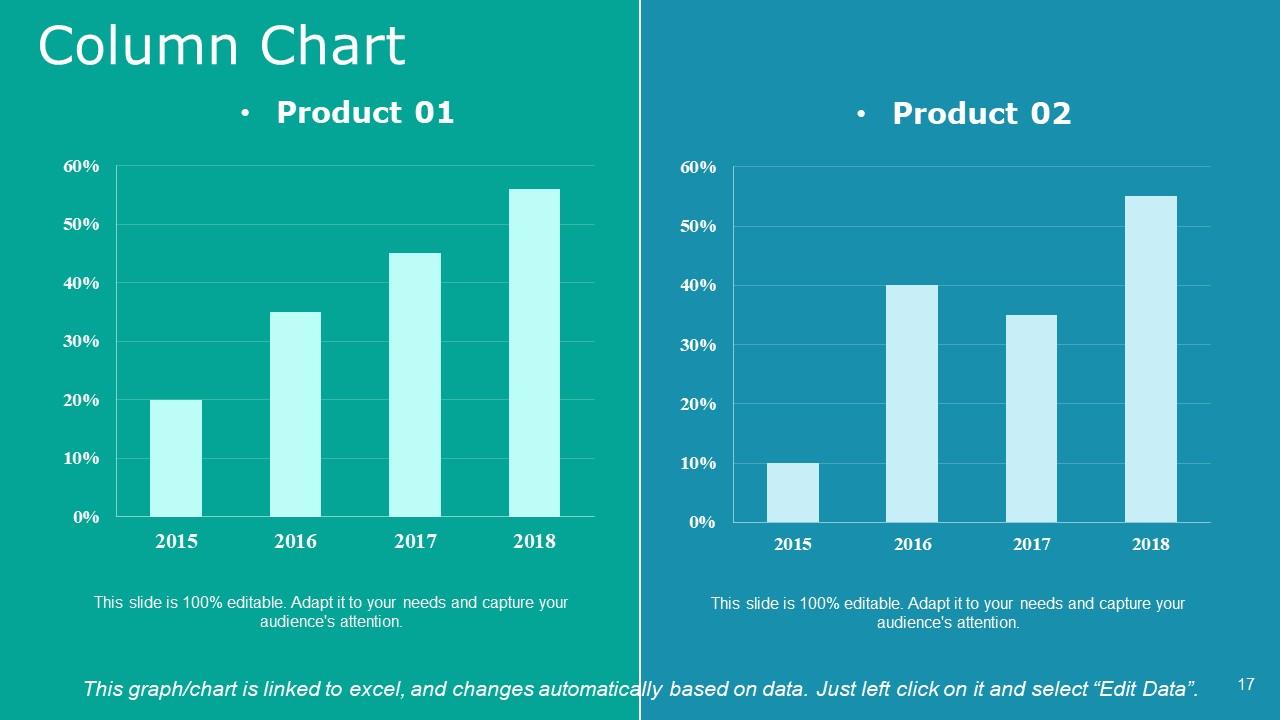
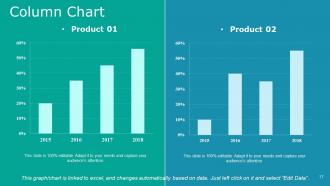
Slide 17 : Este slide apresenta o Gráfico de Colunas para mostrar a comparação de produtos, crescimento, análise, etc.
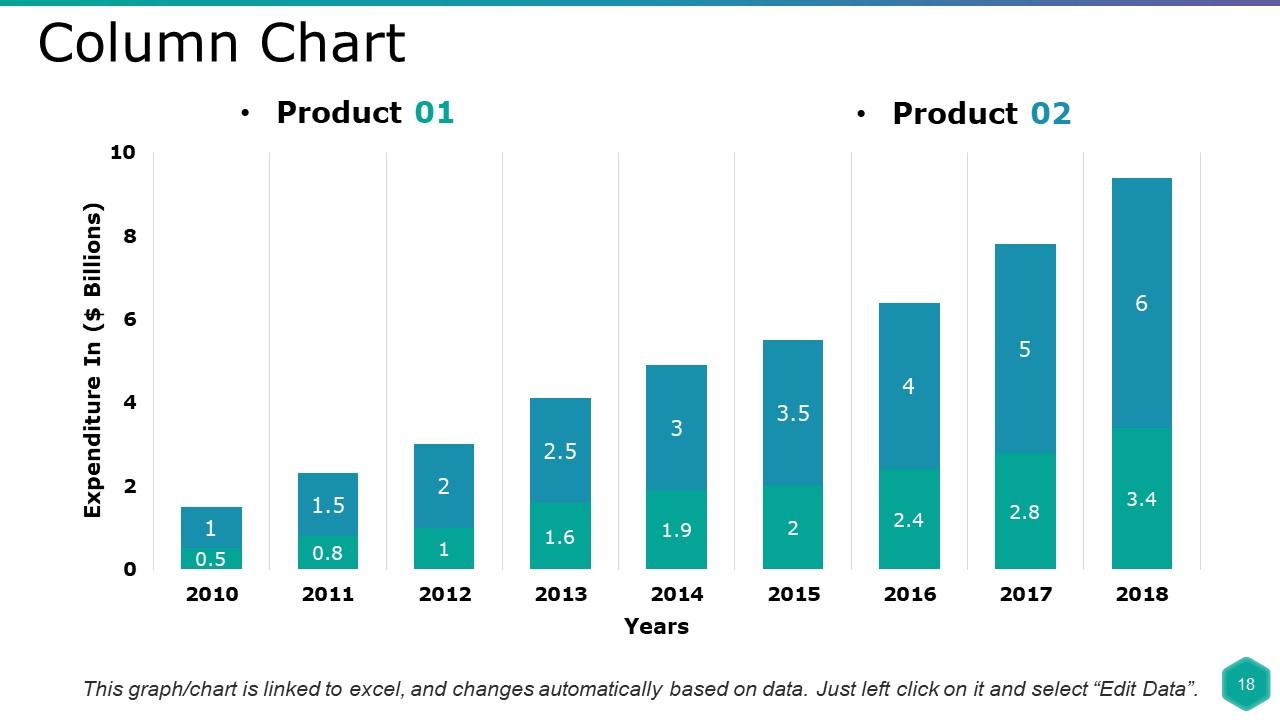
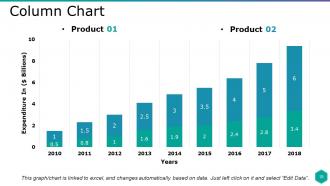
Slide 18 : Este é outro slide do Gráfico de Colunas que mostra Despesas e Anos.
Slide 19 : Este slide é intitulado Slides adicionais para prosseguir. Você pode alterar o conteúdo conforme sua necessidade.
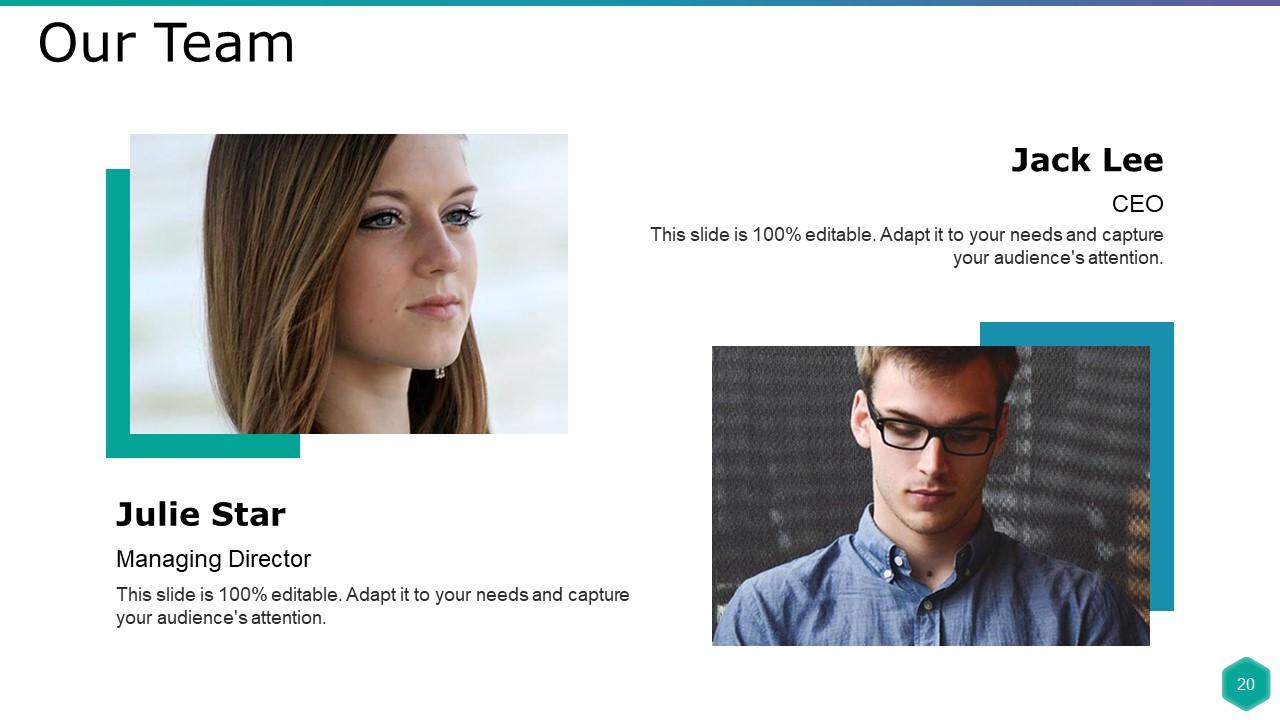
Slide 20 : Este slide é intitulado Nossa equipe para apresentar informações da equipe, especificações, etc.
Slide 21 : Este é um Sobre nós para apresentar as informações da empresa, especificações, etc.
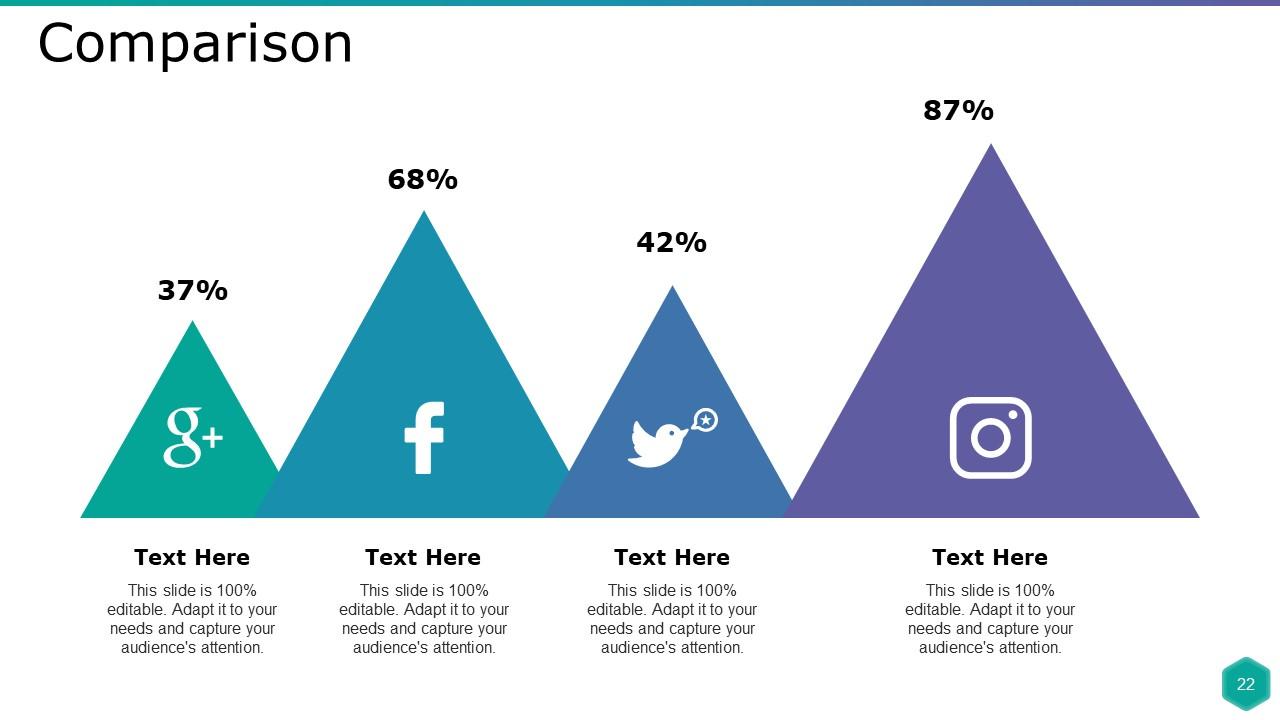
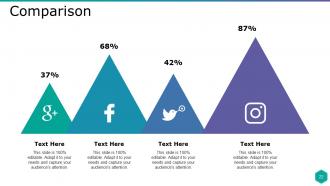
Slide 22 : Este é um slide de comparação com os respectivos ícones. Comparação de estado, especificações, informações etc. aqui.
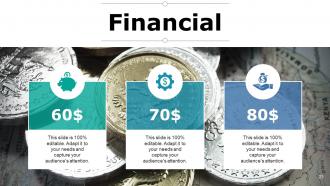
Slide 23 : Este slide mostra os aspectos financeiros da empresa. Você pode adicionar ou alterar conforme a necessidade.
Slide 24 : Este slide apresenta citações. Indique citações inspiradoras aqui ou adicione / modifique o texto conforme a necessidade.
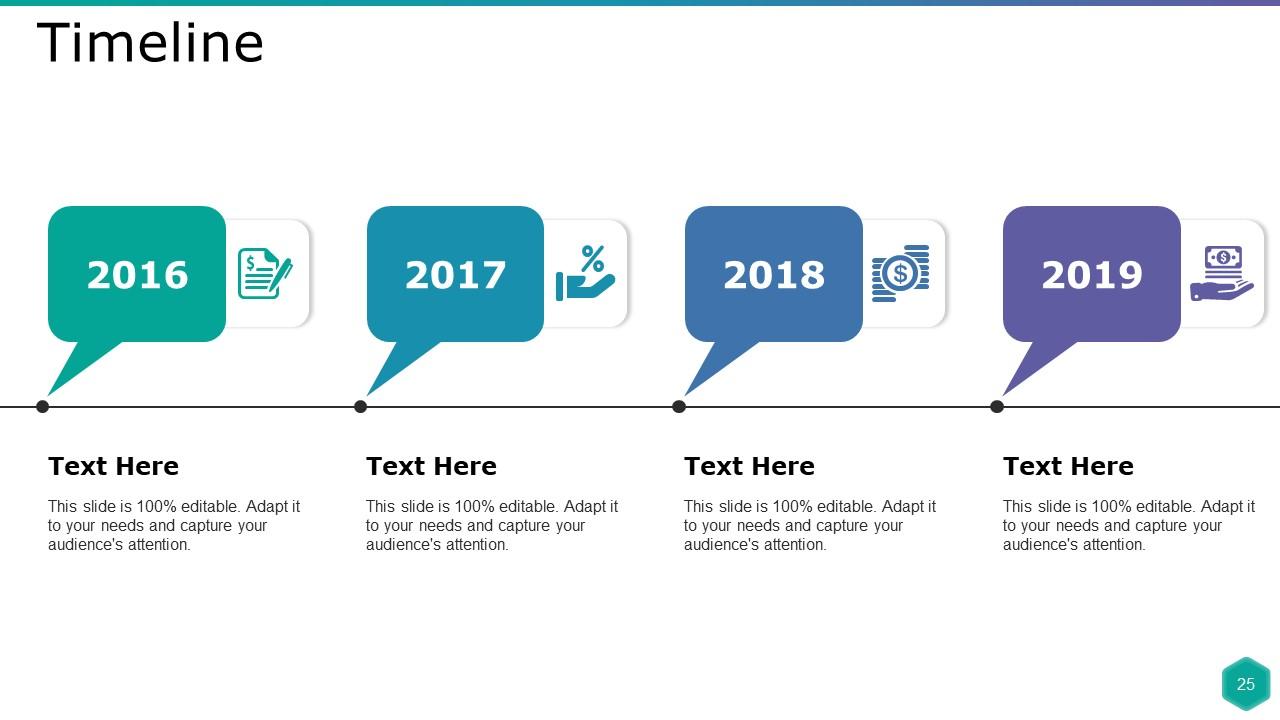
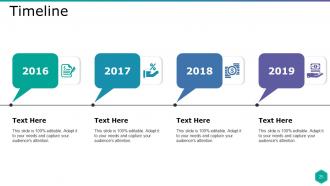
Slide 25 : Este slide exibe uma linha do tempo. Apresente o crescimento da empresa, marcos, evolução, etc. aqui.
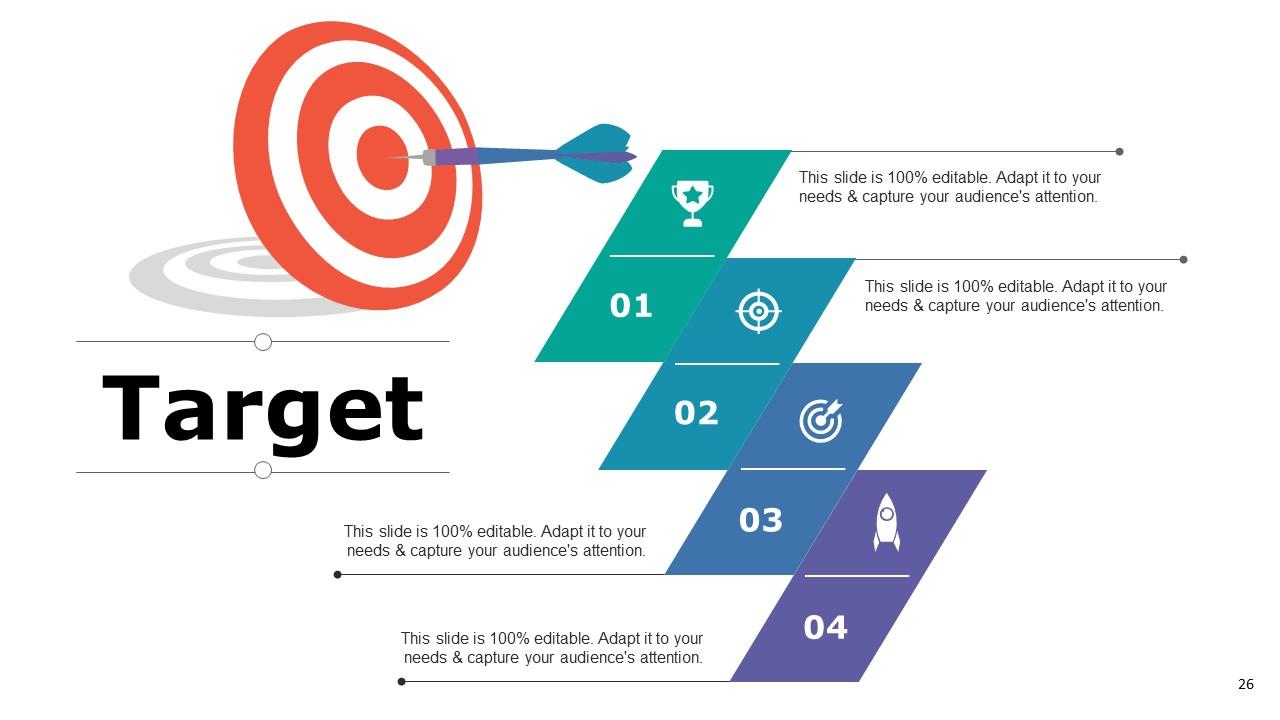
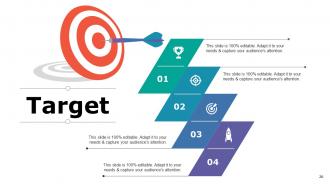
Slide 26 : Este é um slide de imagem de destino com caixas de texto para indicar seu destino.
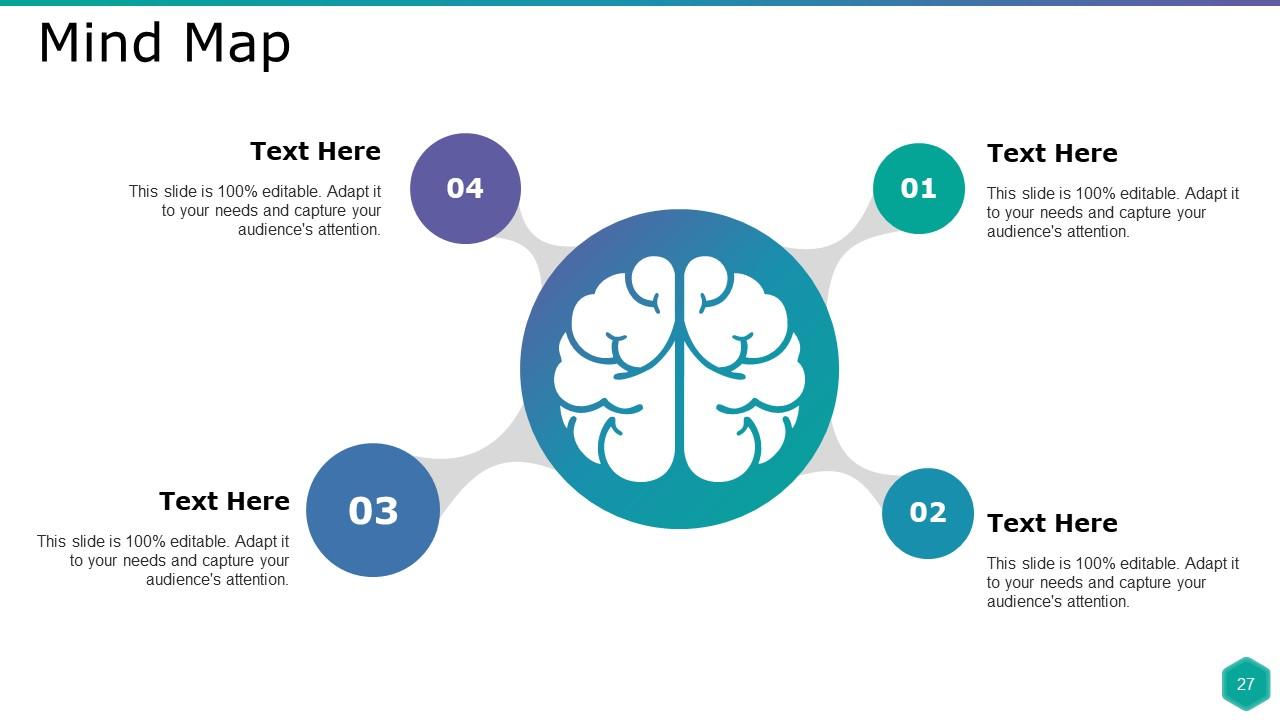
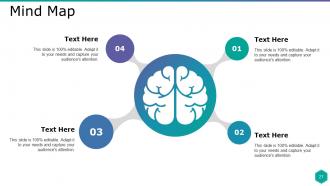
Slide 27 : Este slide contém a imagem do Mapa Mental para mostrar a segmentação comportamental ou qualquer coisa relativa.
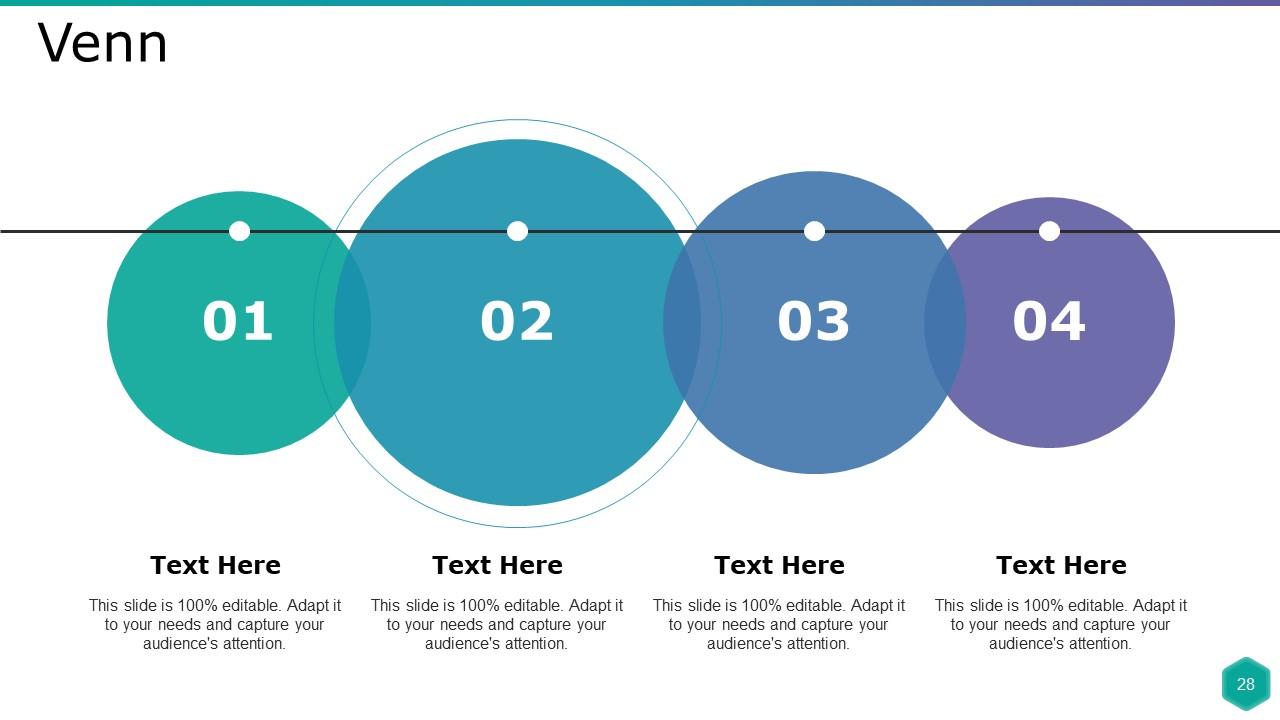
Slide 28 : Este é um slide de diagrama de Venn para mostrar as relações lógicas, comparação etc.
Slide 29 : Este slide é intitulado Obrigado pelo reconhecimento com o endereço #, rua, cidade, estado, número de contato e outros detalhes.

FAQs for Compensation Strategy

Start with salary benchmarking and figure out your variable pay structure. Benefits are huge too - and honestly, good health coverage beats fancy office perks every time. Equity comp matters if you're that stage. You'll want performance metrics that actually connect to raises, plus you gotta know where you stand against competitors. The thing is, most companies screw up by not checking competitor data regularly enough. I'd audit what you have now vs industry standards first. Then tackle the biggest gaps that might make people leave. Oh, and don't sleep on PTO policies - people notice that stuff more than you think.

Figure out what actually makes your business money first, then pay people for doing exactly that. Growing? Reward new customers and revenue. Need better retention? Focus on tenure bonuses or long-term stuff. Don't fall into the trap of rewarding everything though - I've watched so many companies create these insanely complicated plans that just confuse everyone. Honestly, simpler is way better here. Pick 2-3 metrics that really matter right now and tie comp directly to those. That's it.

Your performance rating basically controls everything money-wise. High performers usually see 4-6% raises while everyone else gets maybe 2-3%. They also get first dibs on bonuses and promotions. Honestly, if you're underperforming, don't expect much - maybe nothing at all. Stock options and other incentives follow the same pattern too. Here's the thing though - you've got to document everything properly. I've seen so many companies mess this up and then wonder why their employees don't trust the process. Nothing's worse than people thinking it's all just favoritism, you know?

Yeah, absolutely track market trends or you'll hemorrhage talent to competitors who do. I'd check salary surveys and industry reports quarterly - don't wait until people start jumping ship. Remote work totally flipped everything on its head, right? Geography matters way less now for pay scales. Watch for economic shifts too. Set up regular reviews of your comp data so you can pivot fast when the market moves. This is especially crucial for those high-demand tech skills everyone's fighting over. Better to be ahead of the curve than scrambling to catch up.
So internal equity is basically making sure people doing similar work get similar pay - sounds simple but gets messy fast. You don't want your team finding out someone makes way more for the same job, trust me on that one. Look at job duties, skills needed, and performance levels to set up fair pay bands. I'd start by checking what you're already paying folks in comparable roles and see where things are totally out of whack. It prevents both drama and potential legal headaches down the road.

Most companies do best with like 70-80% fixed salary and 20-30% variable. Base pay should cover living expenses so people aren't freaking out about bills. Then tie the variable stuff to performance that actually matters. Sales teams can handle more variable comp, but support roles need that steady paycheck. Here's the thing though - don't make those performance targets impossible to hit. I've watched so many teams get crushed by unrealistic goals that nobody ever reaches. Just ask your people what actually motivates them first, then build from there instead of copying some other company's playbook.

Start with pay audits - just crunch the numbers by gender across different roles and departments. Set up clear salary bands so everyone knows what each level pays. When you're doing promotions and raises, don't rely on gut feelings (that's where bias creeps in big time). Stop asking about salary history during interviews too - it just keeps the cycle going. Make everything as data-driven as possible, then actually do something about the gaps you find. Oh, and transparent processes are huge here. Most companies say they care about this stuff but then wing it when it comes to actual decisions.

Honestly, tech makes comp admin so much easier - you can automate all those painful calculations and stay on top of pay equity stuff without losing your mind. HRIS platforms are great for tracking salary bands and running market comparisons instantly. No more spreadsheet hell! Analytics tools will flag pay gaps or retention issues before they blow up on you. The trick is finding something that actually plays nice with whatever HR systems you're already using. Otherwise you'll just create more headaches for yourself, which... been there. Short sentences work. But seriously, the real-time data insights alone make it worth switching over from manual processes.

Ugh, budget's gonna be your first headache. Plus your team will probably freak out thinking they're getting screwed over - and let's be real, someone always does think that even when they're not. Leadership might drag their feet on approving anything too. Oh, and don't forget all the compliance stuff you'll need to check. Honestly though, most problems come from bad communication. People immediately assume the worst if you don't explain why you're changing things. I'd start small with like one department first. Get their feedback before you roll it out everywhere and potentially mess up big time.

Dude, compensation is all over the place depending on your industry. Tech companies are obsessed with equity - they'll throw stock options at janitors if they could. Manufacturing sticks to solid base pay plus bonuses when you hit production targets. Finance? That's where it gets crazy - sometimes half their paycheck comes from bonuses alone. Healthcare pays less cash but the benefits are insane (which honestly makes sense given the burnout). Bottom line: figure out what your industry actually cares about and what gets your team fired up. Don't just copy whatever Silicon Valley's doing this week.

Honestly, company culture is huge for how people feel about their pay. When there's transparency and trust, employees feel way better about their compensation even if it's not top dollar. Toxic workplaces though? Total opposite - people think they're getting ripped off no matter what you pay them. I've seen this play out so many times. Your culture basically becomes the filter for how every paycheck gets judged. Be open about pay decisions and actually celebrate people's wins. Makes such a difference - like your money goes further without spending more.

Look, at minimum you need to check your comp strategy once a year, but twice is honestly better these days. The market's just moving too fast. Budget planning season is when most people do their big review, but don't get stuck waiting for that if you're bleeding talent to competitors. That's a recipe for disaster. Quick pulse checks matter whenever there's market drama or you're adding new roles. I'd set up quarterly reviews to track your key numbers - keeps you from getting blindsided. If candidates are ghosting you or people keep leaving for better offers elsewhere, time to act fast regardless of your "official" timeline.

Okay so wage compliance is huge - don't mess around with federal and state minimums, overtime, or equal pay stuff. Misclassifying exempt vs non-exempt employees will cost you big time, trust me on that one. Each state has its own weird requirements too, like salary transparency laws or living wage rules that pop up randomly. The legal stuff changes constantly which is honestly a nightmare to keep up with. But seriously, loop in a lawyer from the start instead of scrambling to fix problems later. Way easier that way.

Honestly, anonymous pulse surveys are your best bet - people actually tell the truth when they're not worried about getting in trouble. Regular comp surveys and focus groups help too. Ask about pay equity, what they value most (salary vs benefits), and if compensation matches performance. Don't sleep on exit interviews though, departing employees will give you the real tea since they have nothing to lose. One-on-one chats with team leads work great for ongoing feedback. But here's the thing - you've gotta actually do something with what you learn, not just collect responses and forget about them. Maybe start quarterly to build some trust first.

Track turnover and how long it takes to fill roles - those tell you a lot. Employee satisfaction scores matter too, obviously. Check if your pay matches what other companies offer for similar positions. Performance metrics are huge though - are your best people actually staying? That's literally why we do this stuff. Don't forget internal equity either; weird pay gaps between similar roles will bite you later. I'd say review everything quarterly instead of waiting for the annual review. Way easier to fix problems when they're small, you know?

Ratings and Reviews

90% of 100
Review Form
Write a review
Most Relevant Reviews
  1. 100%

    by Efrain Harper

    Very unique and reliable designs.
  2. 80%

    by Derek Mills

    Unique research projects to present in meeting.

2 Item(s)

per page: