Conduzindo um estudo de viabilidade do projeto para garantir a lucratividade Apresentação em Powerpoint Slides

Rating:
90%
Conducting Project Viability Study To Ensure Profitability Powerpoint Presentation Slides
Slide 1 of 49
Favourites Favourites

Try Before you Buy Download Free Sample Product

Audience Impress Your
Audience
Editable 100%
Editable
Time Save Hours
of Time
The Biggest Sale is ending soon in
0
0
:
0
0
:
0
0
Rating:
90%

Recursos desses slides de apresentação em PowerPoint:

Encante seu público com este estudo de viabilidade de projeto para garantir slides de apresentação em Powerpoint de lucratividade. Aumente o limite de sua apresentação implantando este modelo bem elaborado. Atua como uma ótima ferramenta de comunicação devido ao seu conteúdo bem pesquisado. Ele também contém ícones estilizados, gráficos, recursos visuais, etc., que o tornam um chamariz imediato. Composto por quarenta e quatro slides, este deck completo é tudo que você precisa para ser notado. Todos os slides e seu conteúdo podem ser alterados para se adequar ao seu ambiente de negócios exclusivo. Além disso, outros componentes e gráficos também podem ser modificados para adicionar toques pessoais a este conjunto pré-fabricado.

Conteúdo desta apresentação em Powerpoint

Slide 1 : Este slide apresenta a Condução do Estudo de Viabilidade do Projeto para Garantir a Rentabilidade. Comece informando o nome da sua empresa.
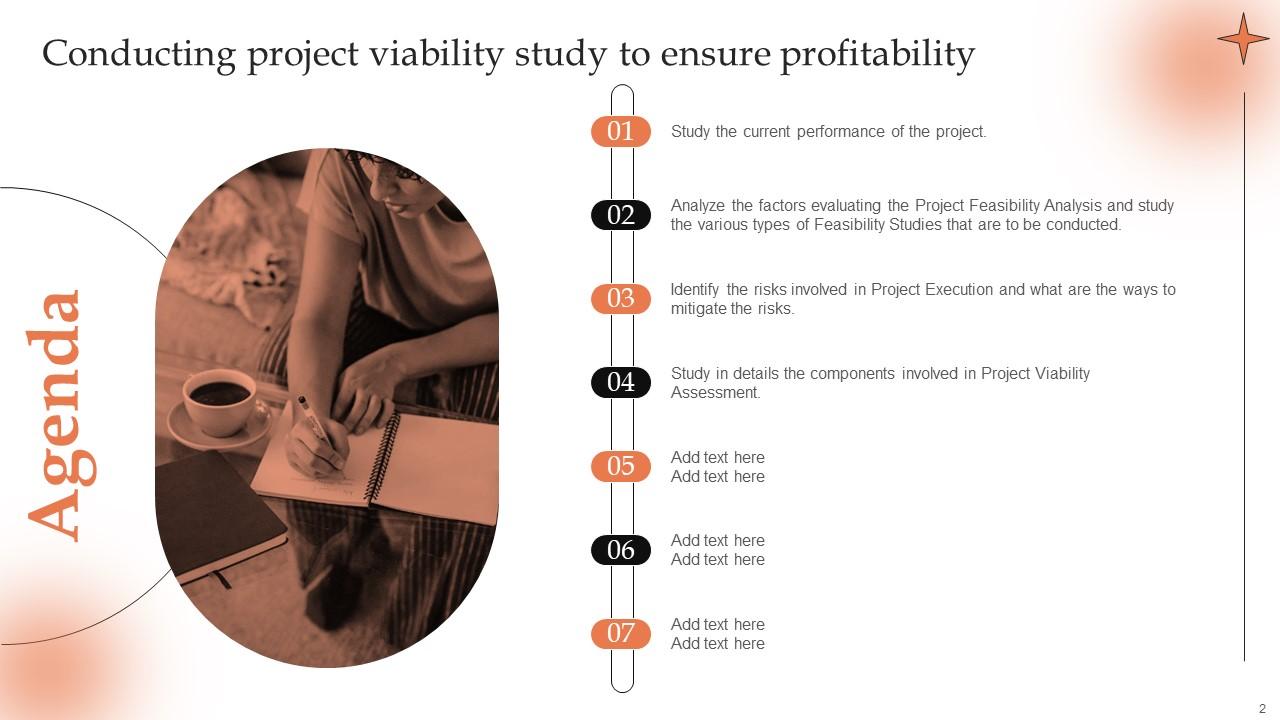
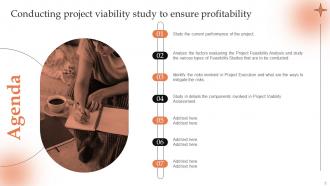
Slide 2 : Este slide descreve a Agenda da apresentação.
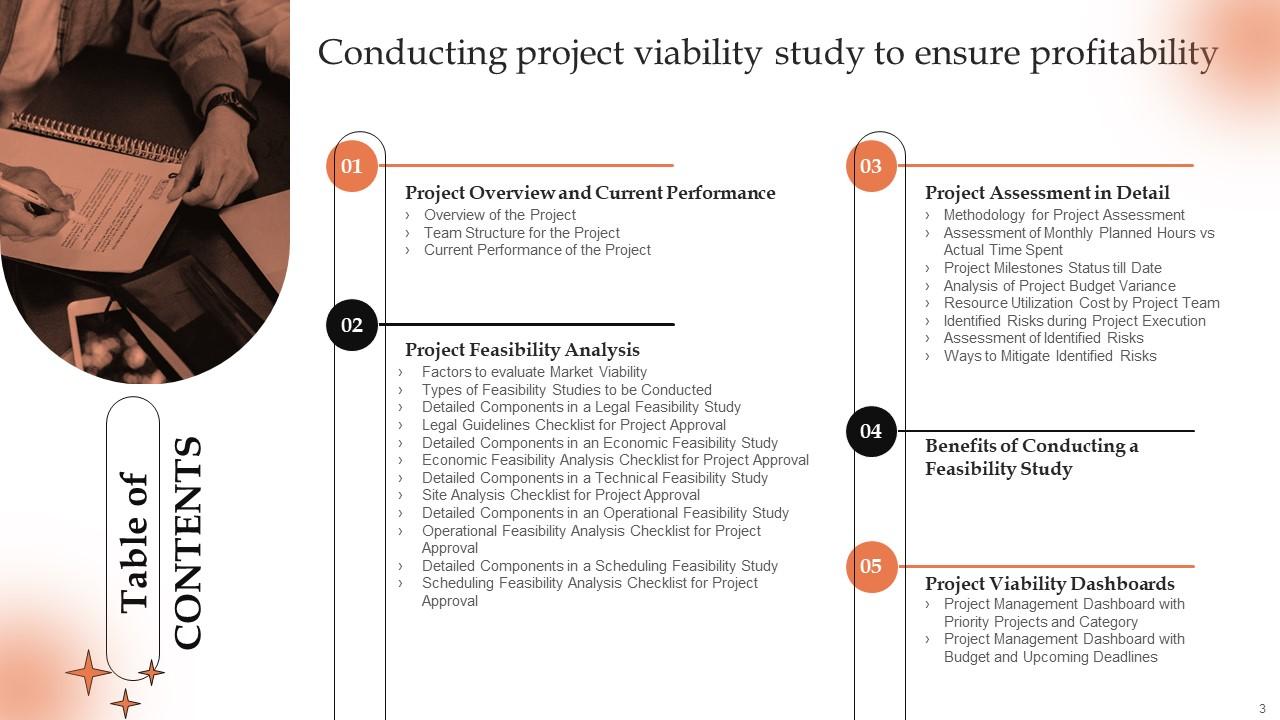
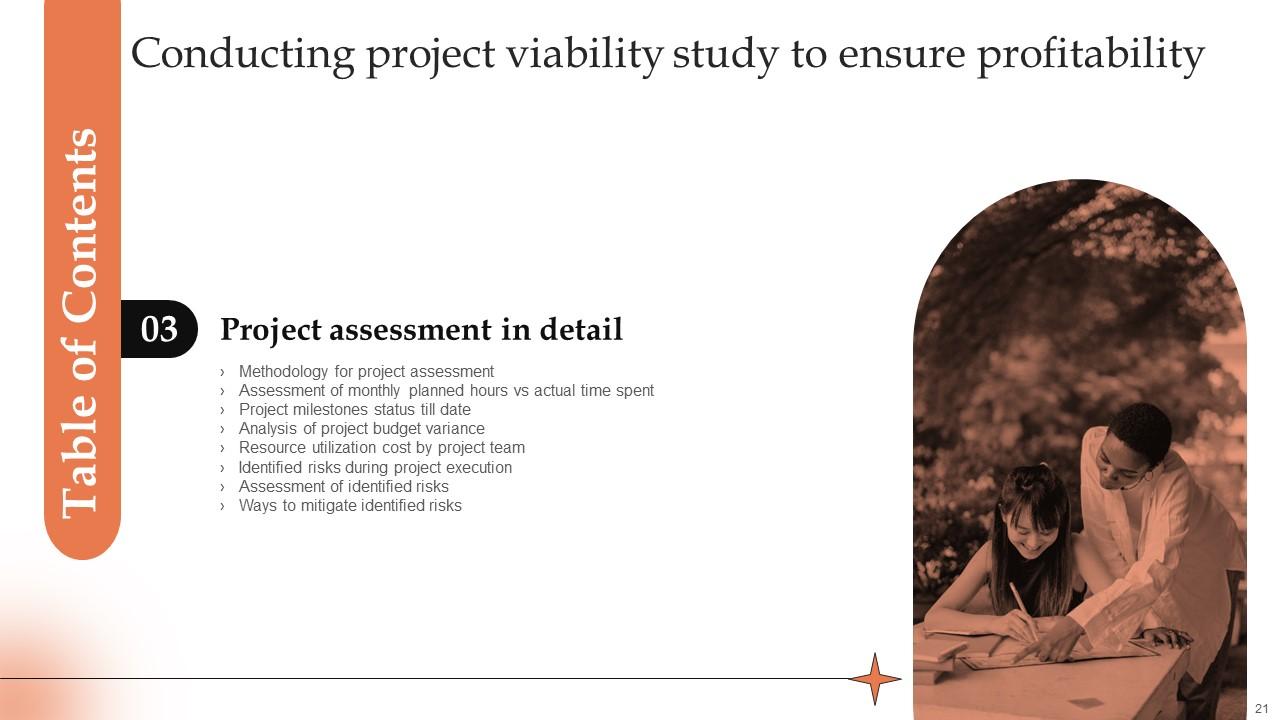
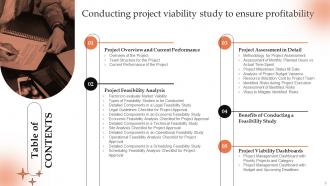
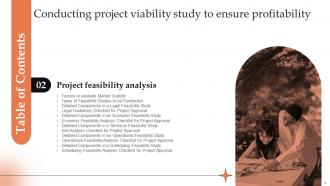
Slide 3 : Este slide incorpora o sumário.
Slide 4 : Este slide destaca o título dos tópicos a serem abordados posteriormente.
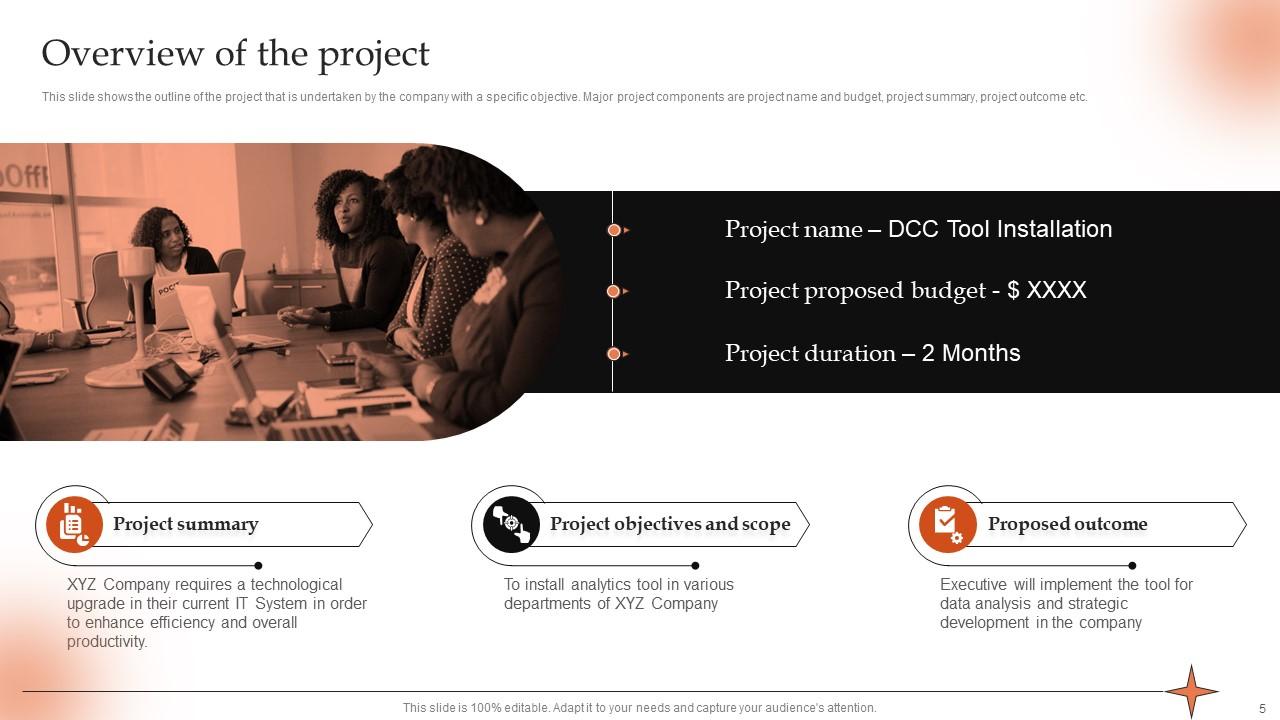
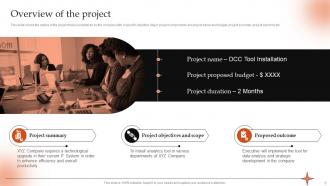
Slide 5 : Este slide mostra o esboço do projeto que é realizado pela empresa com um objetivo específico.
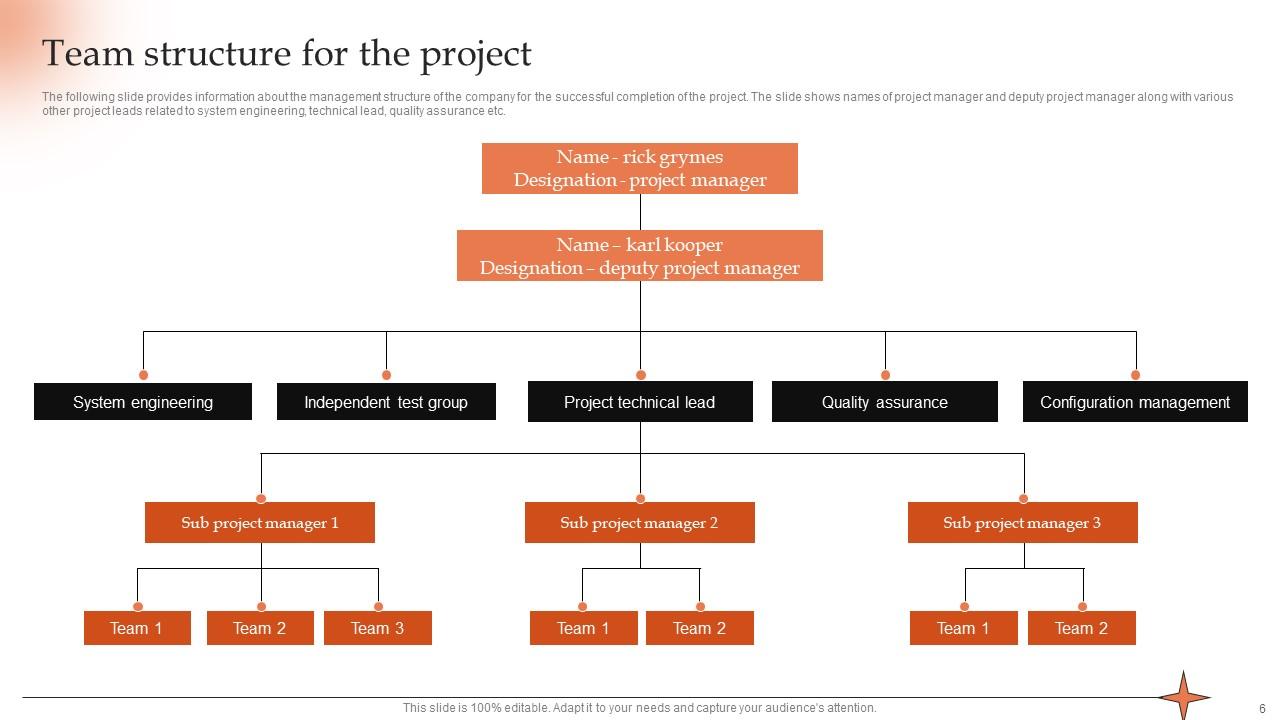
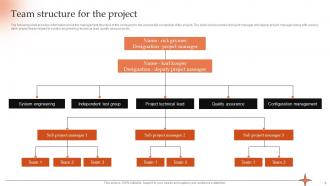
Slide 6 : Este slide apresenta a estrutura da Equipe para o projeto.
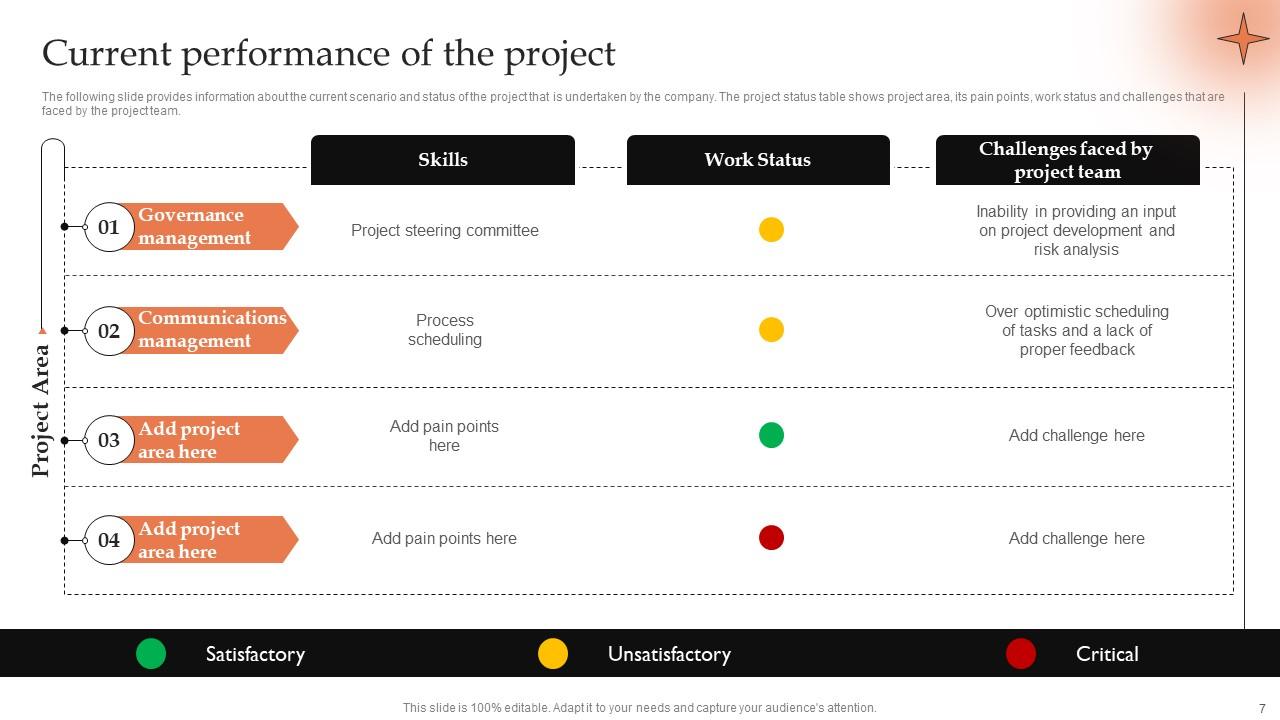
Slide 7 : Este slide exibe o desempenho atual do projeto.
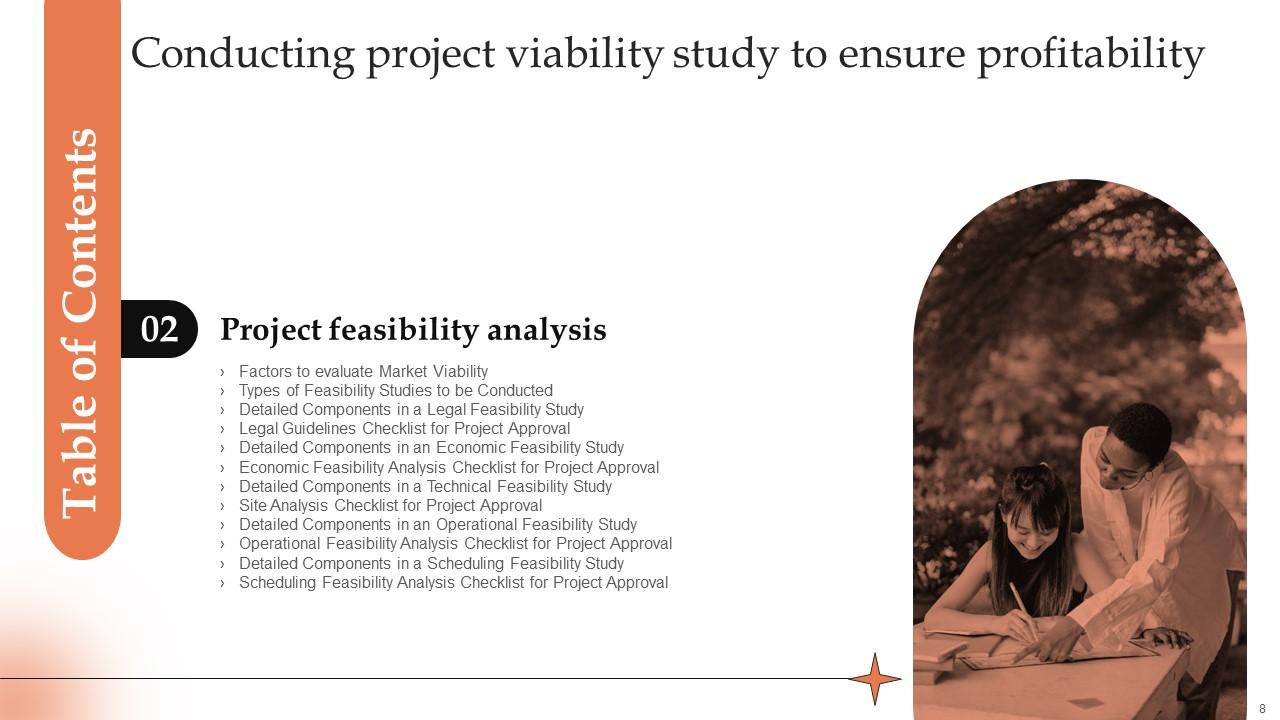
Slide 8 : Este slide elucida o Título para o Conteúdo a ser discutido mais adiante.
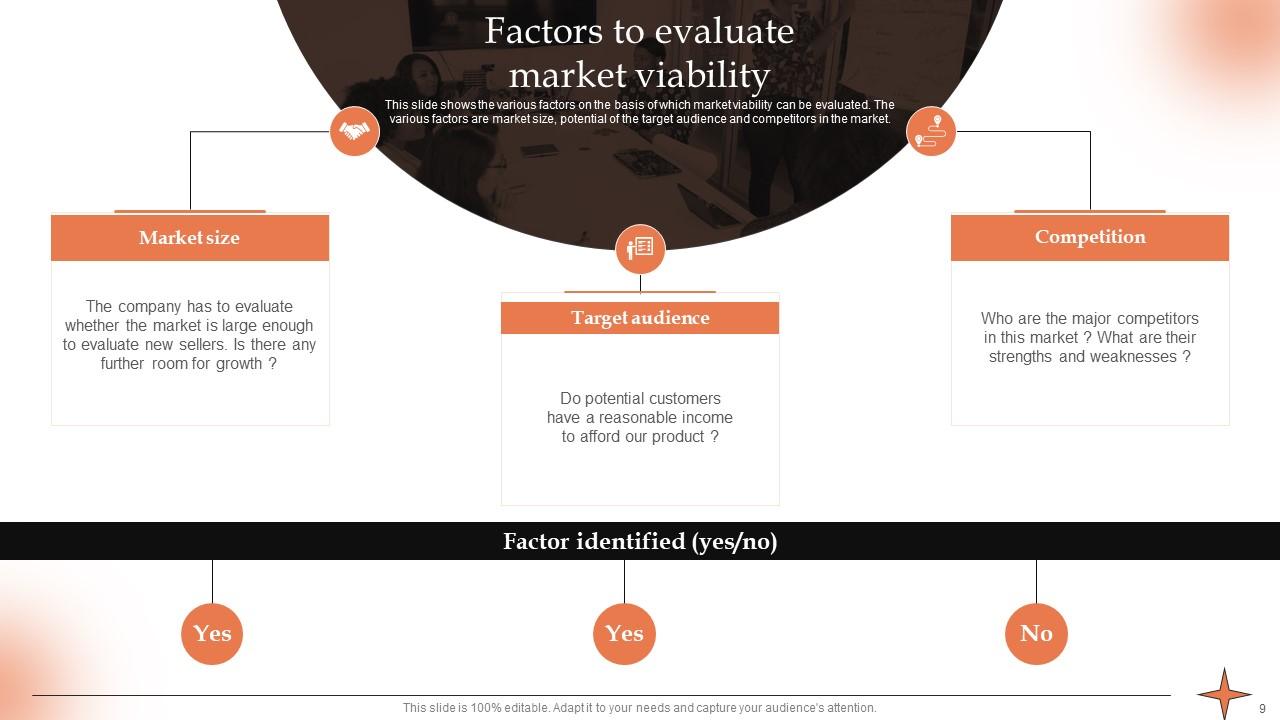
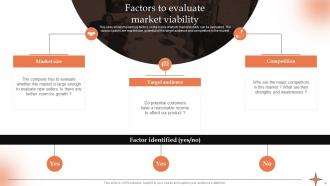
Slide 9 : Este slide apresenta os Fatores para avaliar a viabilidade do mercado.
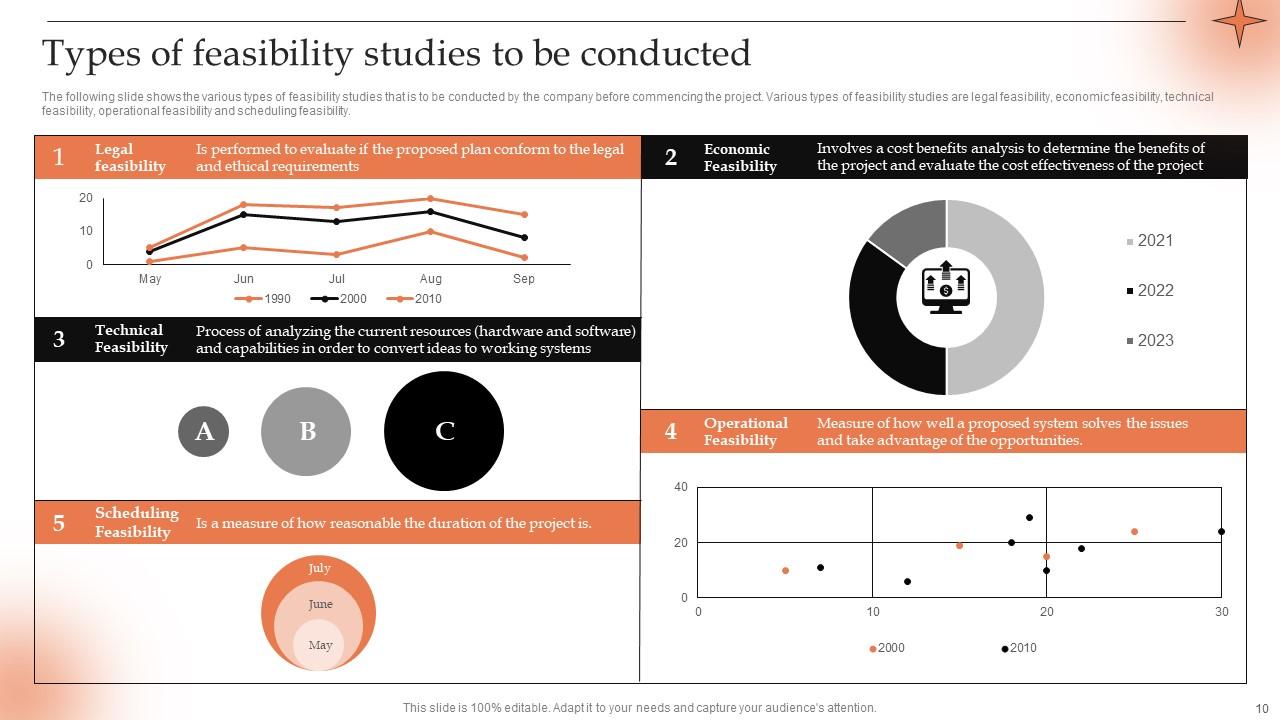
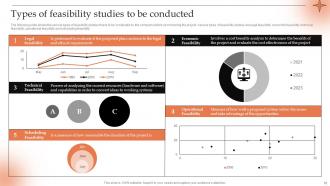
Slide 10 : Este slide apresenta os tipos de estudos de viabilidade a serem conduzidos.
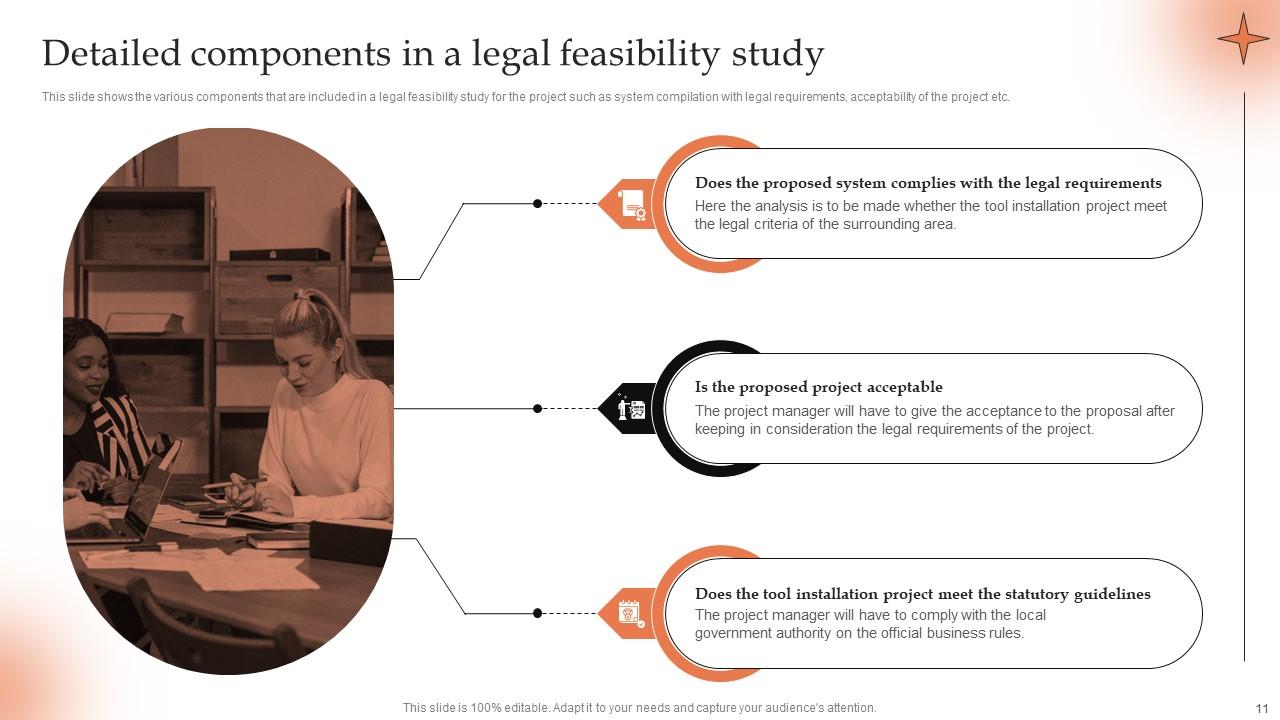
Slide 11 : Este slide retrata componentes detalhados em um estudo de viabilidade legal.
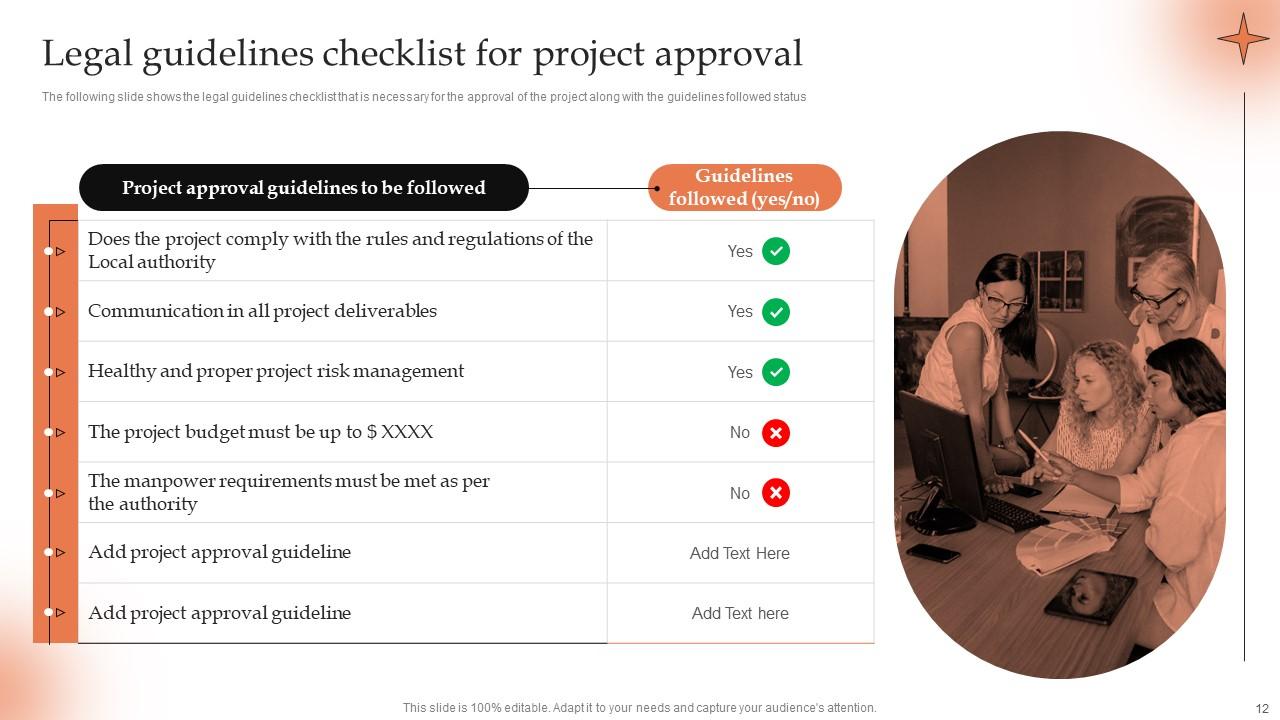
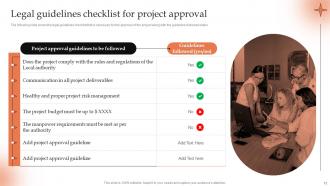
Slide 12 : Este slide destaca a lista de verificação das diretrizes legais para aprovação do projeto.
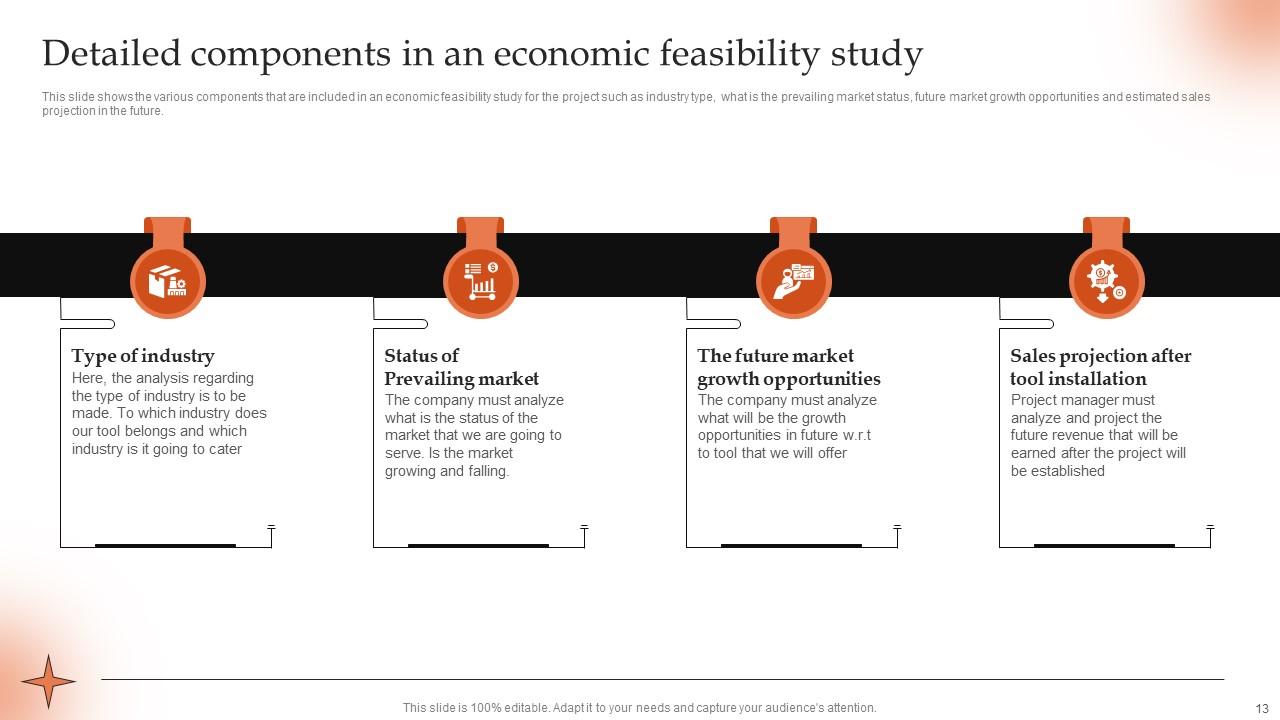
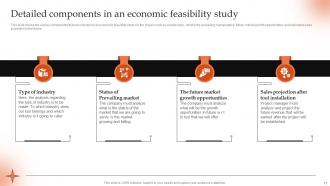
Slide 13 : Este slide mostra os componentes detalhados em um estudo de viabilidade econômica.
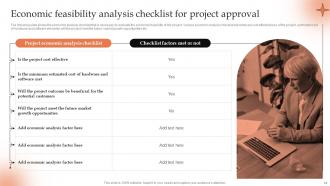
Slide 14 : Este slide revela o checklist de análise de viabilidade econômica para aprovação do projeto.
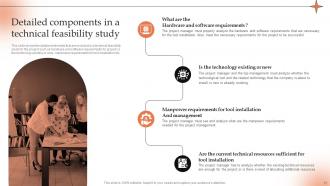
Slide 15 : Este slide lista os componentes detalhados em um estudo de viabilidade técnica.
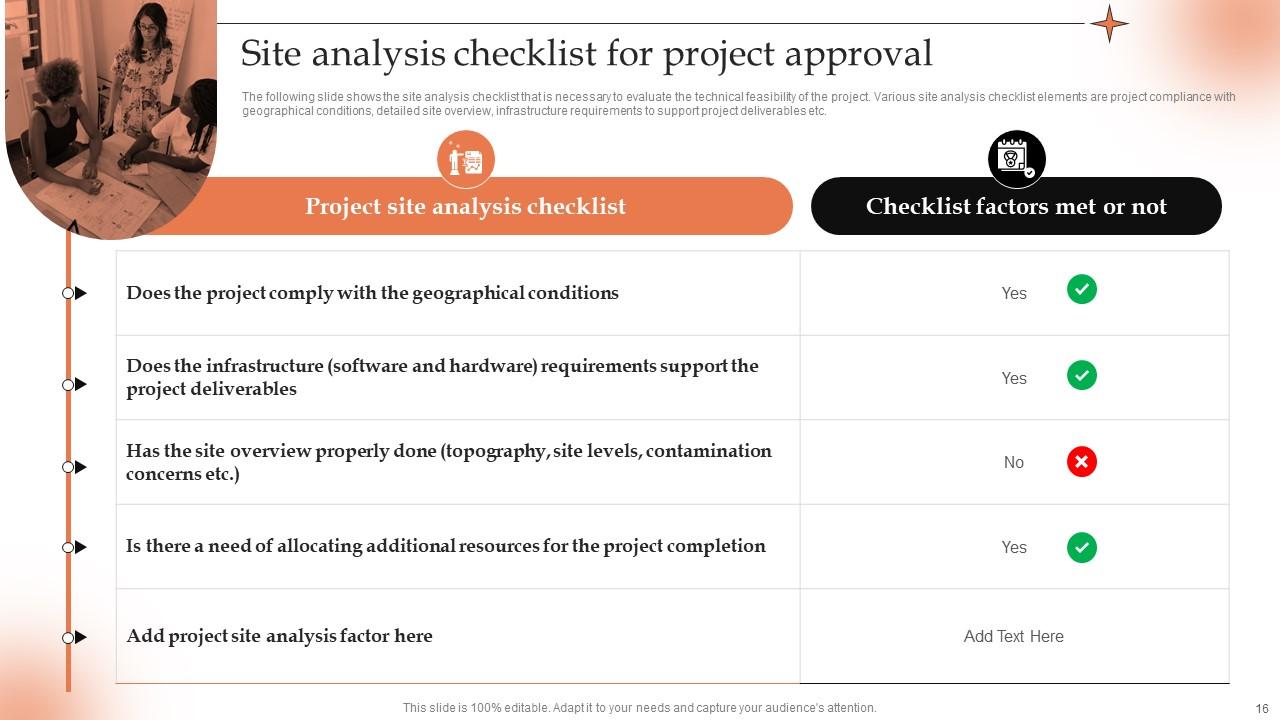
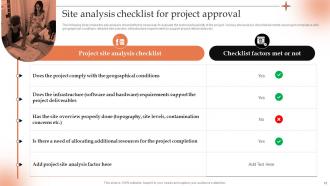
Slide 16 : Este slide fala sobre o checklist de análise do site para aprovação do projeto.
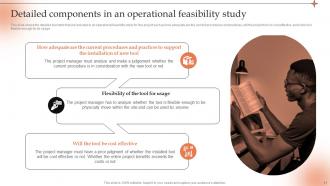
Slide 17 : Este slide representa os componentes detalhados em um estudo de viabilidade operacional.
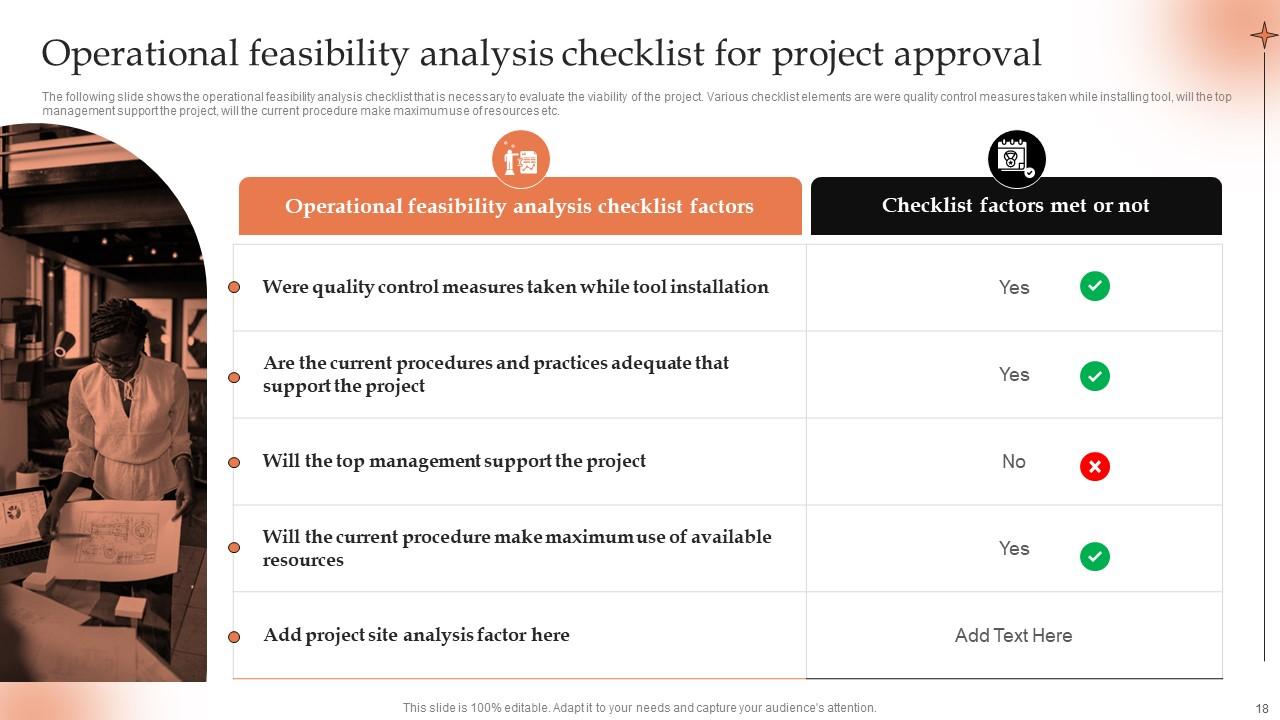
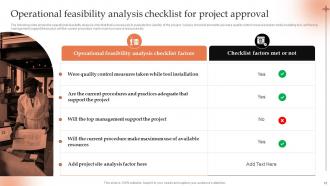
Slide 18 : Este slide apresenta o checklist de análise de viabilidade operacional para aprovação do projeto.
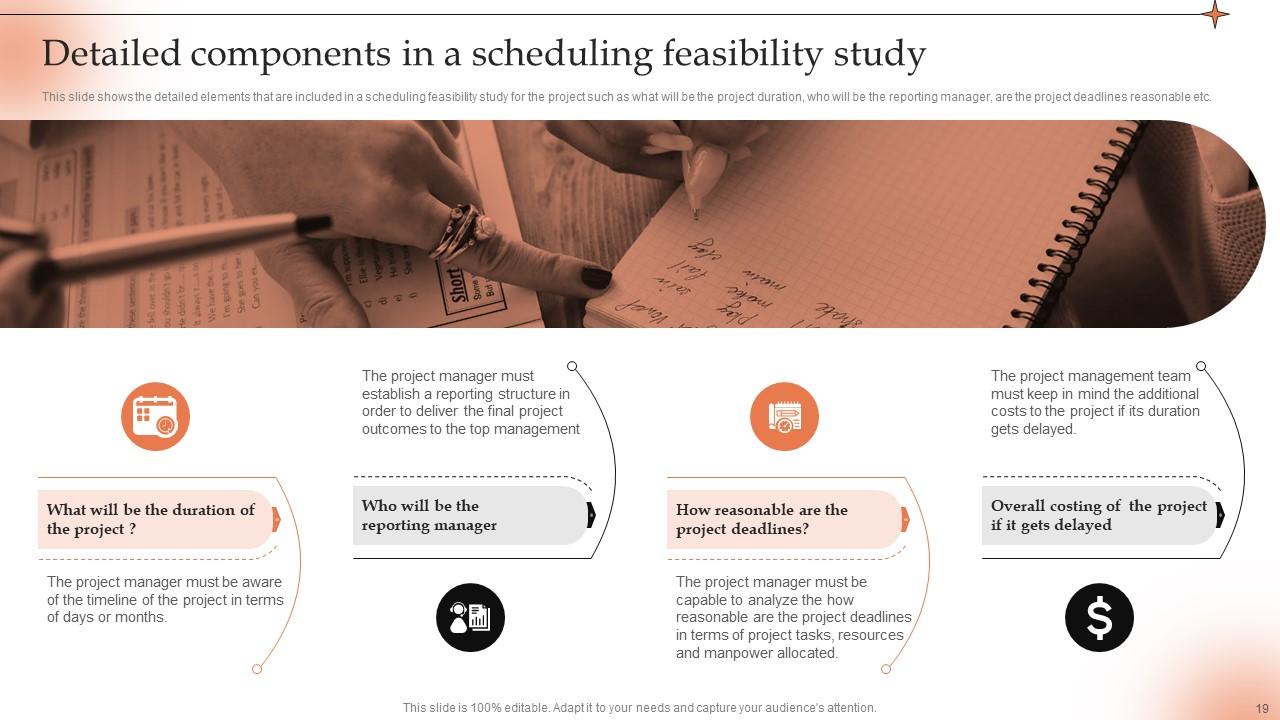
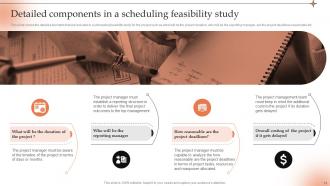
Slide 19 : Este slide mostra os elementos detalhados que estão incluídos em um estudo de viabilidade de cronograma para o projeto.
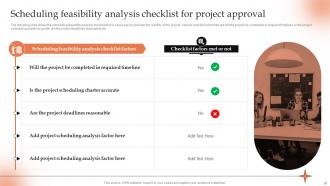
Slide 20 : Este slide trata da lista de verificação de análise de viabilidade de agendamento para aprovação do projeto.
Slide 21 : Este slide menciona o Título das Ideias a serem discutidas posteriormente.
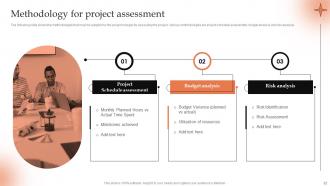
Slide 22 : Este slide apresenta a Metodologia para avaliação de projetos.
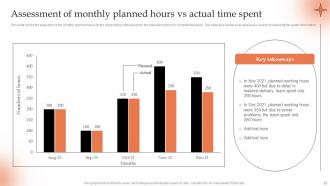
Slide 23 : Este slide revela a avaliação das horas mensais planejadas versus o tempo real gasto.
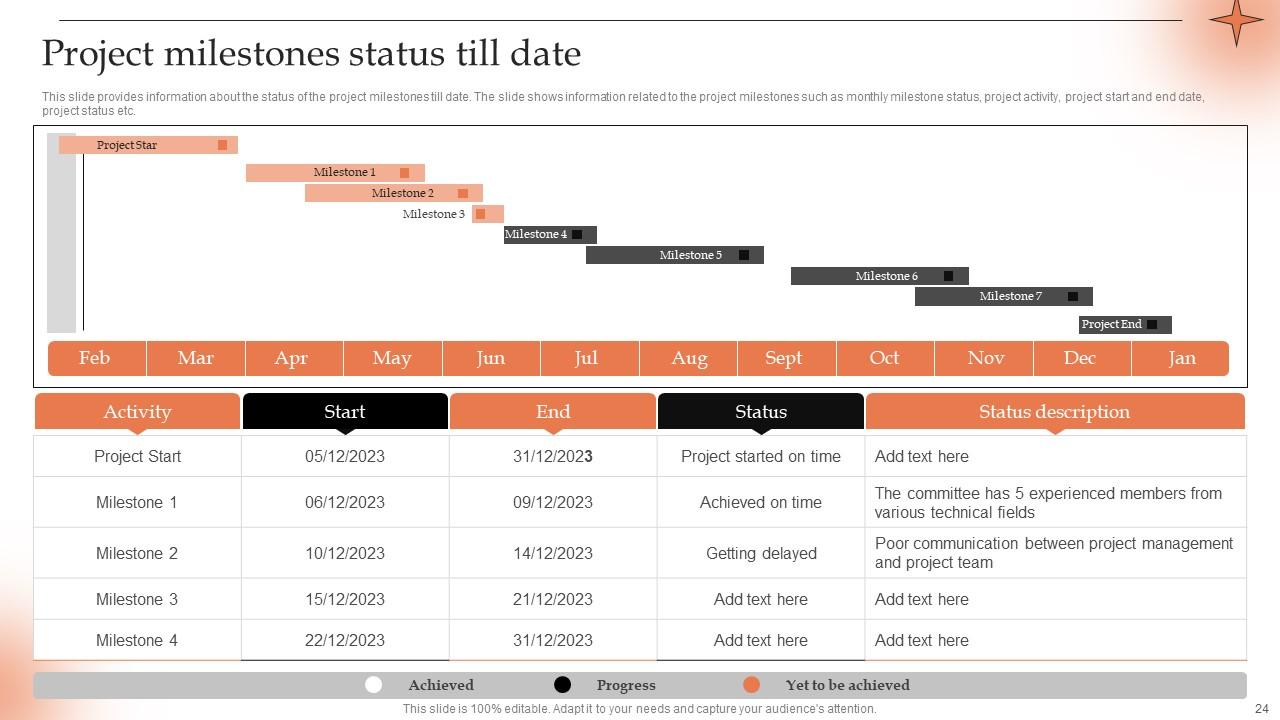
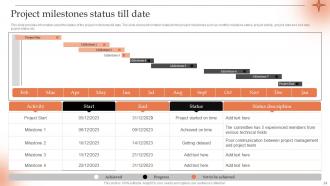
Slide 24 : Este slide descreve o status dos marcos do projeto até a data.
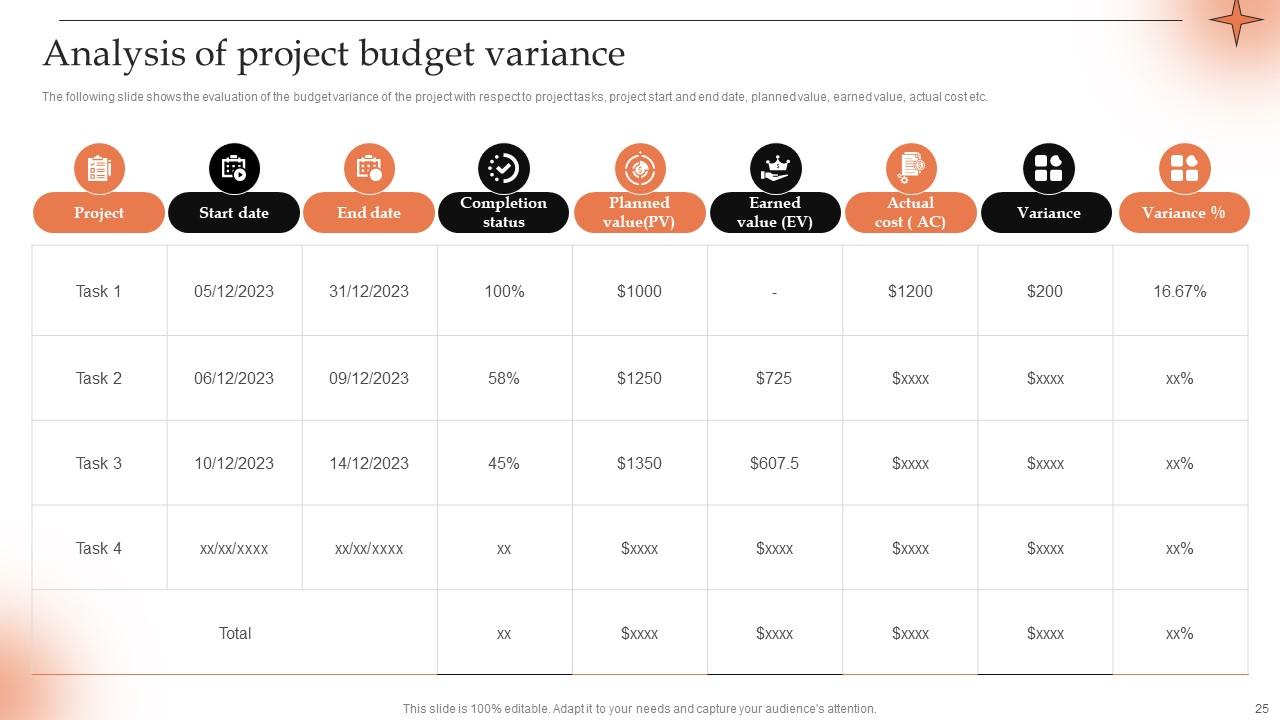
Slide 25 : Este slide exibe a análise da variação do orçamento do projeto.
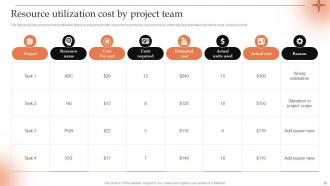
Slide 26 : Este slide se concentra no custo de utilização de recursos por equipe de projeto.
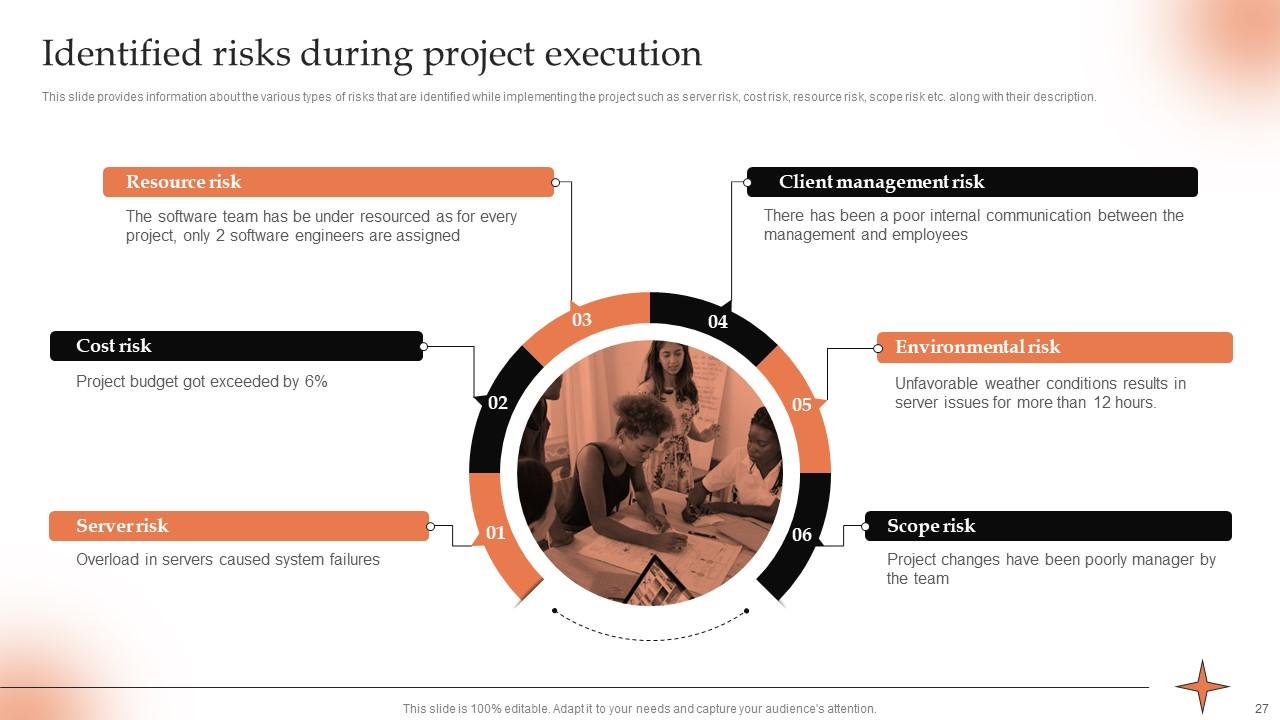
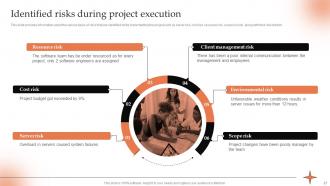
Slide 27 : Este slide enfatiza os riscos identificados durante a execução do projeto.
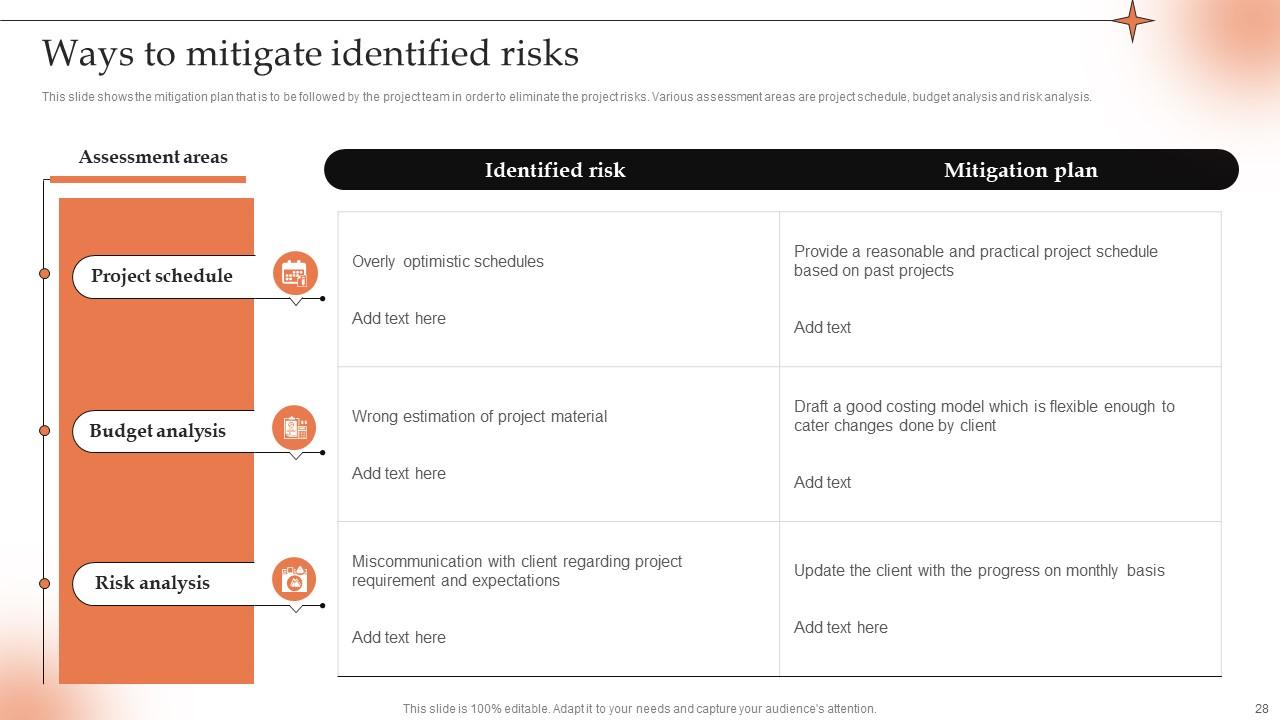
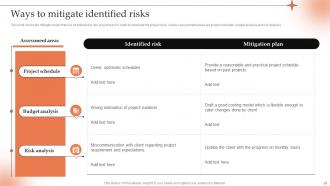
Slide 28 : Este slide retrata as Formas de mitigação dos riscos identificados.
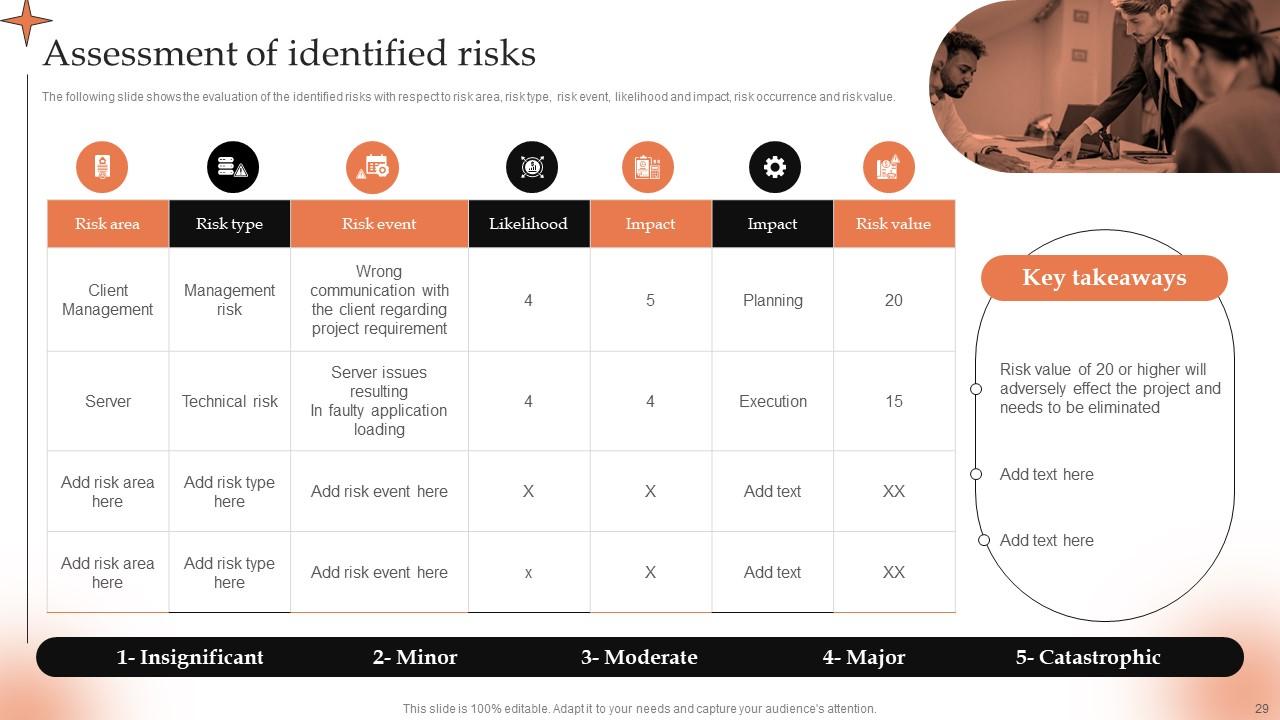
Slide 29 : Este slide mostra a Avaliação dos riscos identificados.
Slide 30 : Este slide indica o título das ideias a serem abordadas no modelo a seguir.
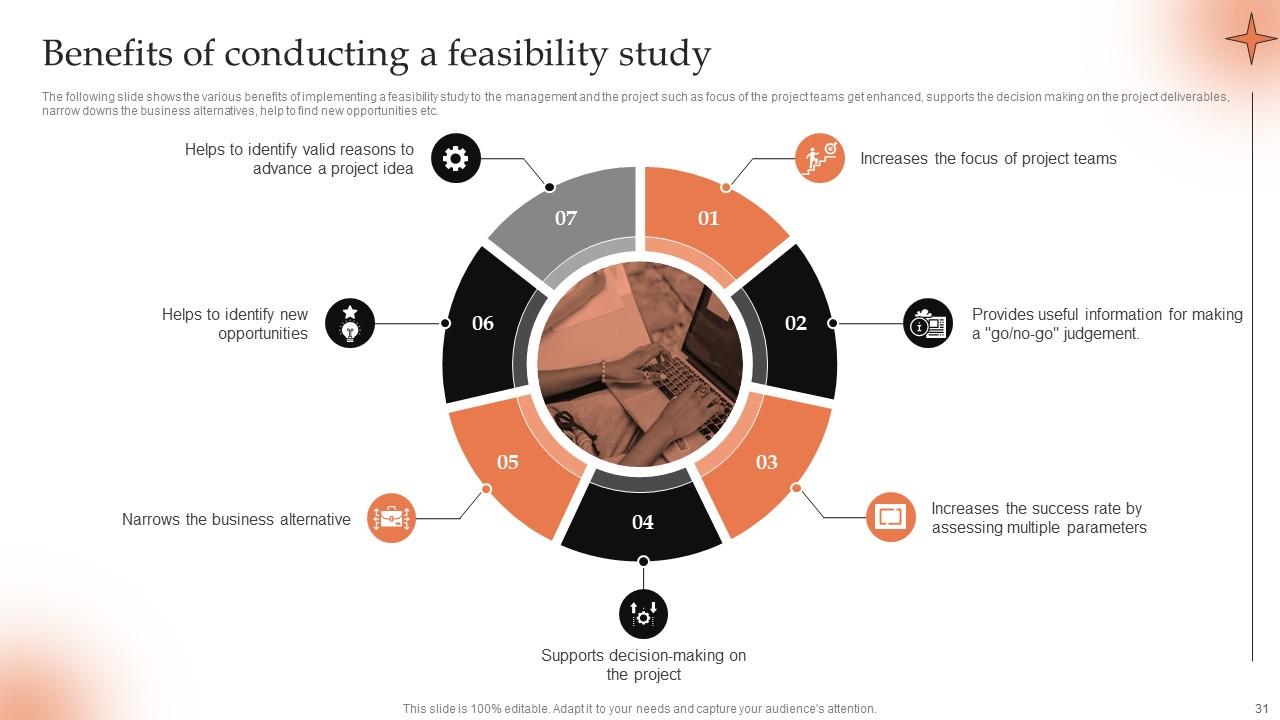
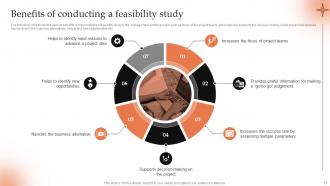
Slide 31 : Este slide destaca os benefícios da realização de um estudo de viabilidade.
Slide 32 : Este slide incorpora o título dos componentes a serem discutidos a seguir.
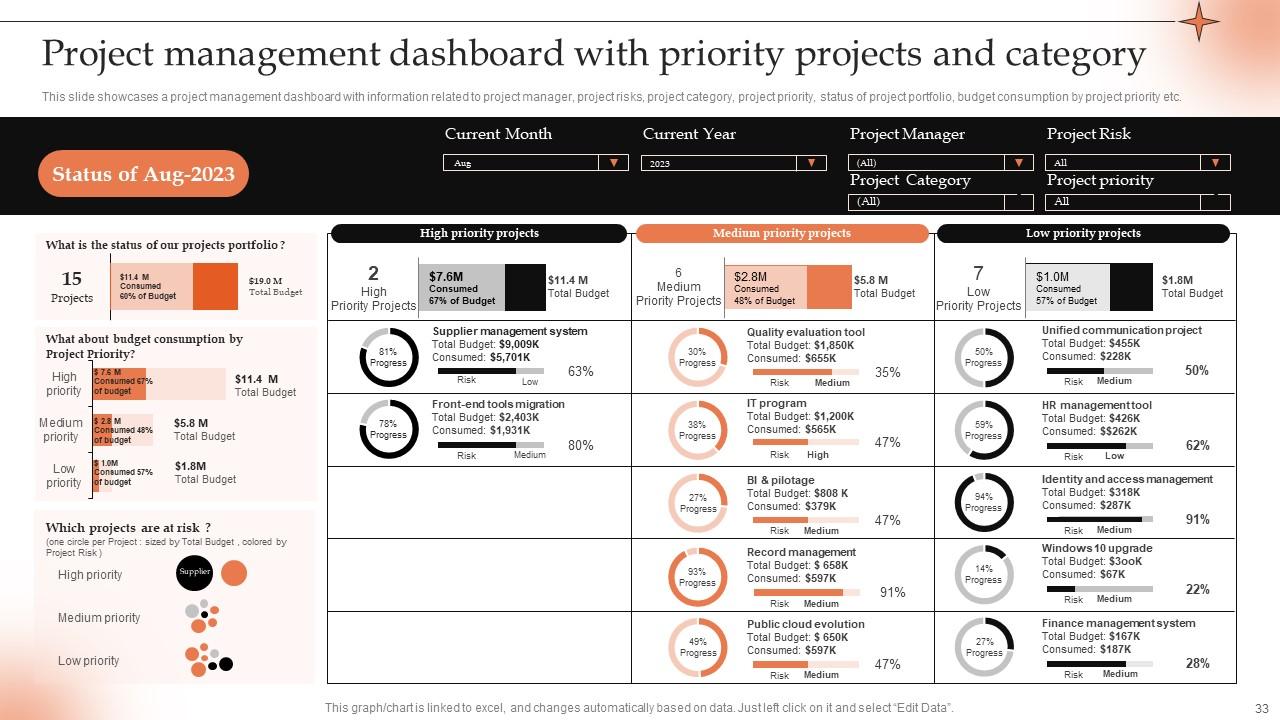
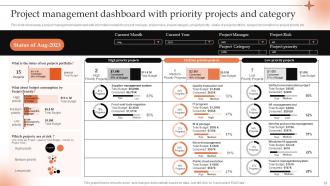
Slide 33 : Este slide apresenta o painel de gerenciamento de projetos com categorias e projetos prioritários.
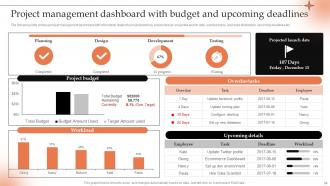
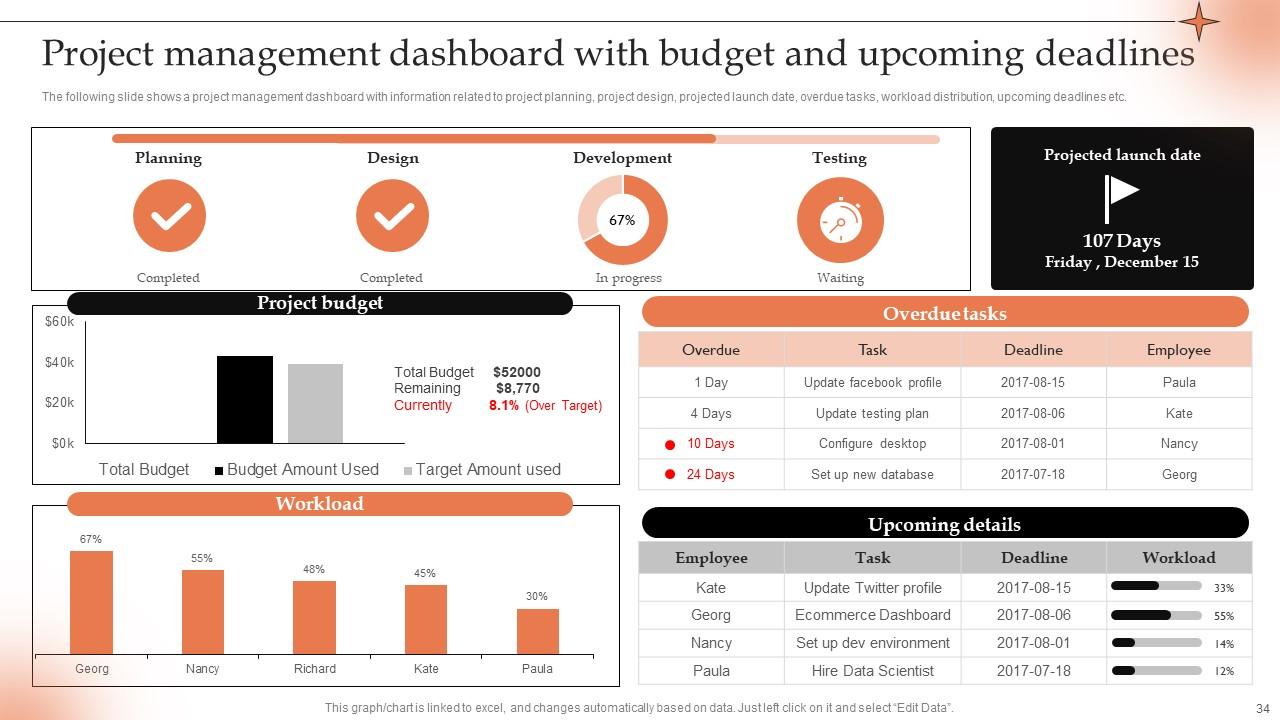
Slide 34 : Este slide exibe o painel de gerenciamento de projetos com orçamento e prazos futuros.
Slide 35 : Este é o Slide de Ícones contendo todos os Ícones usados no plano.
Slide 36 : Este slide é usado para mostrar algumas informações adicionais.
Slide 37 : Este é o slide do quebra-cabeça com imagens relacionadas.
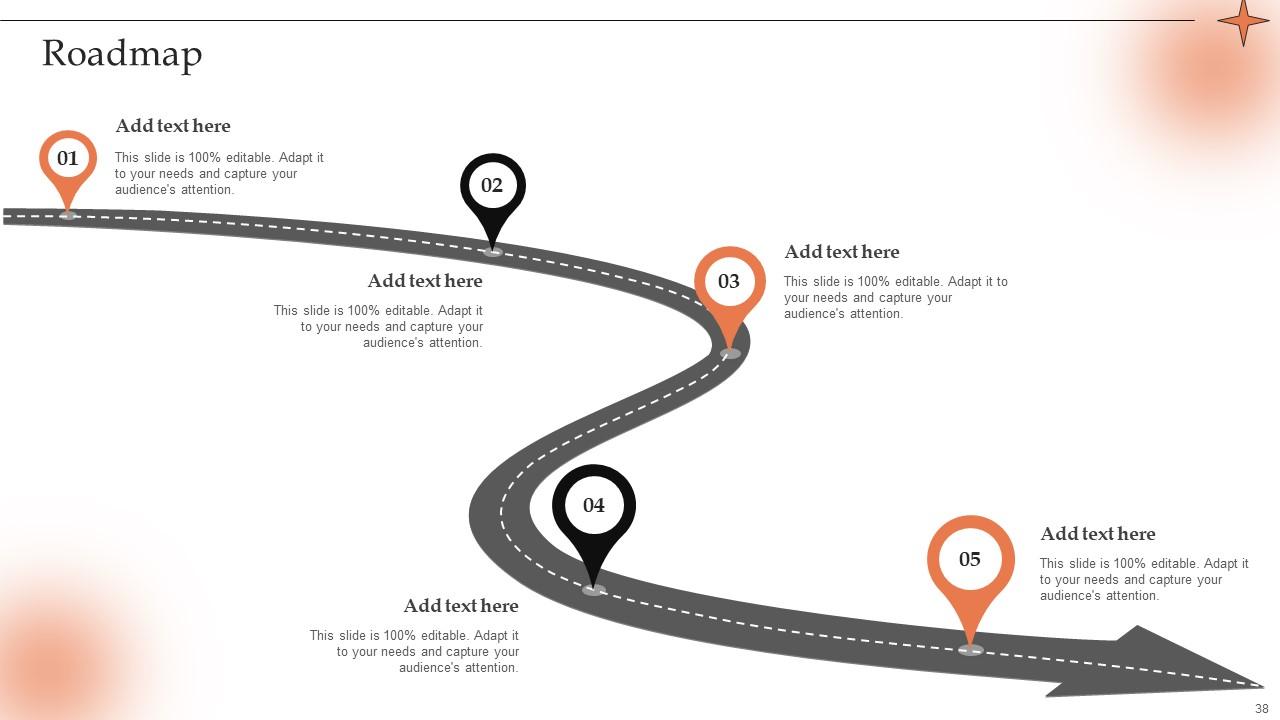
Slide 38 : Este slide retrata o Roadmap da empresa.
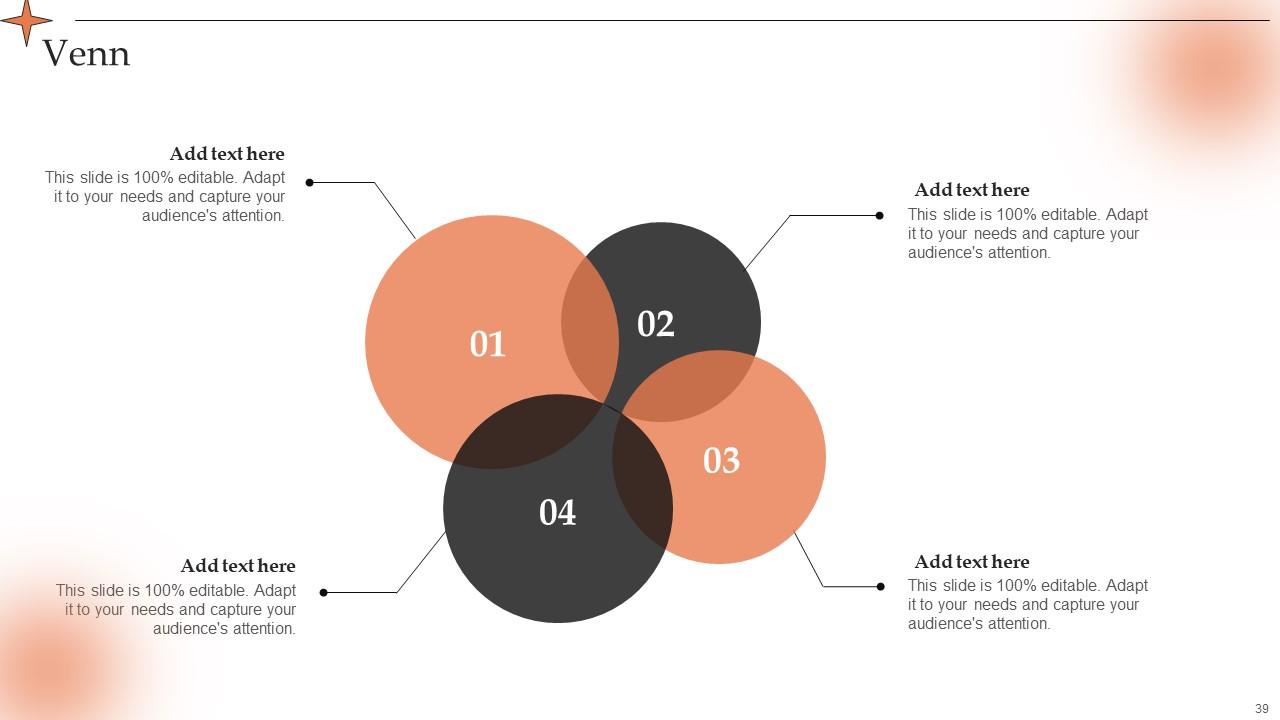
Slide 39 : Este é o slide do diagrama de Venn.
Slide 40 : Este slide contém os post it para lembretes e prazos.
Slide 41 : Este é o slide Nosso objetivo. Indique os objetivos da sua empresa aqui.
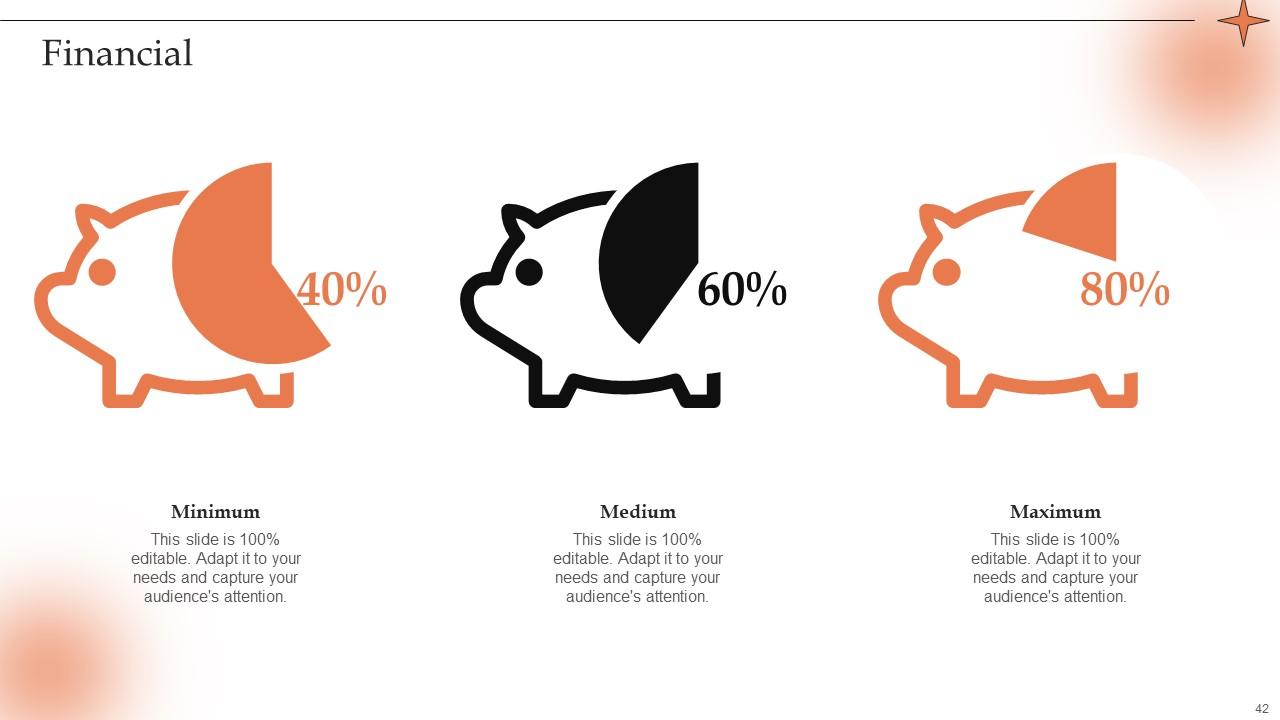
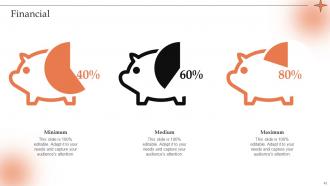
Slide 42 : Este slide elucida informações relacionadas ao tema Financeiro.
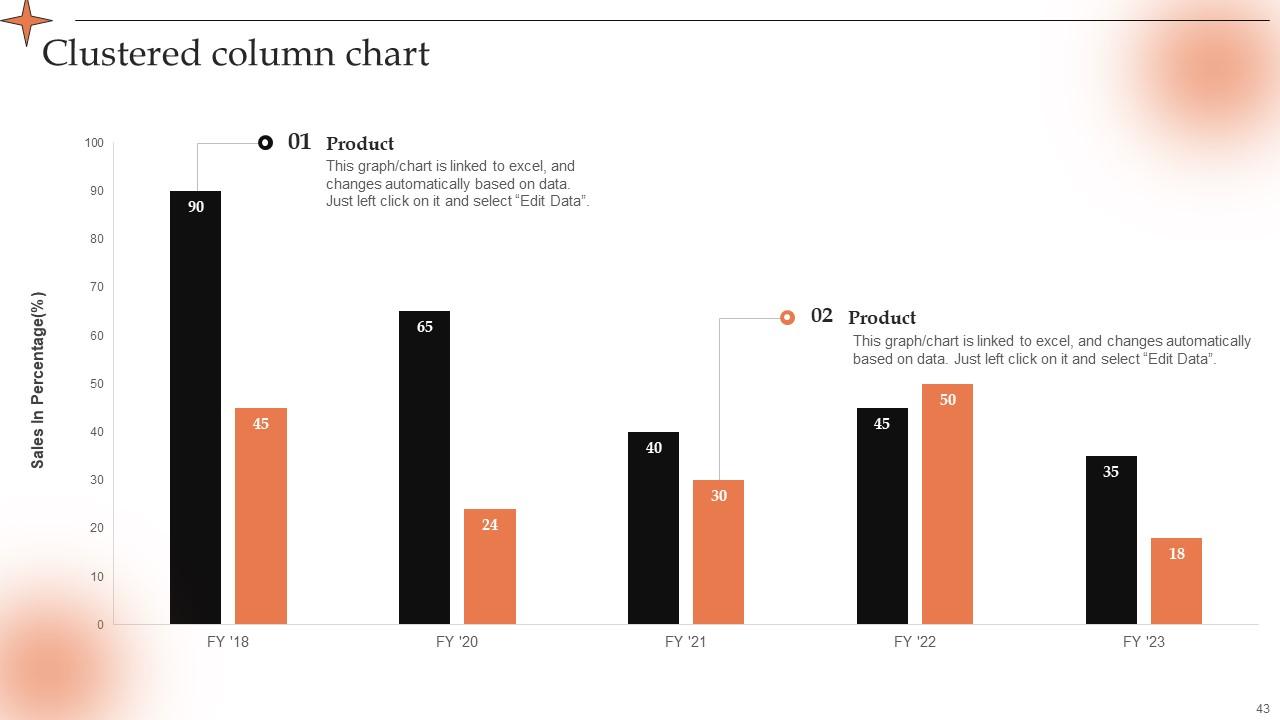
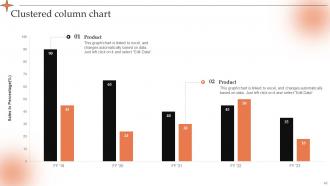
Slide 43 : Este slide representa o gráfico de colunas agrupadas.
Slide 44 : Este é o slide de agradecimento pelo reconhecimento.

FAQs for Conducting Project Viability Study To Ensure Profitability

So basically you need to hit four key things for your viability study. Money stuff first - will this thing actually turn a profit or give you the ROI you're after? Technical side is next - do you have the skills and tech to make it happen? Market research is critical (seriously, I can't tell you how many projects I've watched crash because no one actually wanted the product). Oh and don't forget operational - can your team handle the workload and timeline? Honestly just start with whatever feels like the biggest risk factor.

Definitely run NPV and IRR first - those will tell you if you're actually gonna make money once you factor in time value. Payback period is worth checking too, even though it's pretty basic stuff. Here's the thing though: your initial numbers are probably way too rosy, so do some sensitivity analysis to see what happens when things go sideways. Oh, and don't forget those sneaky hidden costs that always pop up. If your NPV comes back positive and IRR beats your cost of capital, you're golden.

Honestly, start with the free stuff first - government databases and Census data are goldmines. SurveyMonkey or Google Forms work great for getting actual customer feedback. IBISWorld has solid industry reports but they're pricey. Google Trends is weirdly helpful for tracking market momentum (I use it way more than I thought I would). Throw in some competitor analysis with SEMrush if you've got budget left. Focus groups are useful too but don't go crazy - stick to 3-4 tools max or you'll drown in data and never actually finish your analysis.

Look, risk assessment is basically your reality check before diving into a project. You map out everything that could go sideways - tech problems, blown budgets, market shifts, whatever. Then figure out how likely each thing is and how badly it'd hurt if it happened. I know it feels like being a downer, but trust me on this one. The whole point is deciding whether the potential payoff is worth the headaches you might face. Oh, and when you're talking to higher-ups about it? Don't downplay the scary stuff. Better they know now than freak out later.

You definitely want to figure out who can kill your project before you're too deep in. Map out everyone who'll be impacted - users, executives, regulators, whoever. Understanding their influence and what they actually want is key. It's like scoping out the room before a big meeting, except way more critical. Miss someone important or totally misjudge where they stand? They can wreck everything later when fixes cost a fortune. I always start with the obvious people, then ask each of them who else needs to be looped in. You'll be surprised how many stakeholders fly under the radar initially.

Honestly, your team makes or breaks the whole thing. Experienced people will catch problems that rookies completely miss - like unrealistic deadlines or solutions that sound good on paper but won't actually work. I've seen so many projects go sideways because someone thought they could wing it without the right expertise. Get people who've done similar stuff before. They'll give you honest timelines instead of those "oh we can totally do this in 3 weeks" estimates that always backfire. Worth investing in good people upfront rather than dealing with expensive surprises later.

Ugh the worst thing is getting caught up in wishful thinking - teams convince themselves terrible ideas will work just because they're excited. Also don't rush through market research or use ancient data (learned that one the hard way). Get the right people involved from day one or you'll miss obvious problems. Risk assessment sucks but do it anyway. Actually talk to real customers instead of just guessing what they want. Oh and definitely pad your timeline and budget because something will go wrong. Trust me on that last part.

Dude, environmental stuff will absolutely wreck your project if you don't handle it upfront. Check local regulations first - seriously, I've watched teams get completely blindsided by wetland rules they didn't know existed. Get a site assessment done early too. Your location makes a huge difference here. Air quality regs, impact studies, potential cleanup costs - all that adds up fast and can drag out your timeline forever. Plus you don't want surprise liabilities popping up later. It's honestly one of those things that seems boring until it destroys your budget.

Look, technology adoption can totally make or break your project. I've watched so many "genius" solutions flop because nobody wanted to actually use them - kind of frustrating to see all that work go nowhere. You've got to figure out if your users are ready for new tech and whether they even have the setup to handle it. Their digital skills matter too. Build in proper training and change management from day one. Don't just assume people will jump on board. Really assess this stuff early in your viability study, otherwise you might end up with something that just collects dust.

So you need to figure out who's actually getting impacted by this thing. Local people, your workers, customers - basically anyone whose day-to-day changes because of what you're doing. Job creation's huge, but don't forget about environmental stuff and how you're messing with (or improving) local infrastructure. Surveys work well, though honestly they're kind of a pain to organize. I'd also check out similar projects to see what went wrong or right. The biggest thing? Don't just focus on the wins. Being upfront about the downsides saves you headaches later when people start complaining.

ROI, NPV, and payback period are your bread and butter - start there for the financial stuff. But don't ignore market demand and competitive positioning because I've watched so many "profitable" projects crash when they hit real-world conditions. Resource availability matters too, obviously. For complex projects, timeline feasibility becomes huge since delays just murder your margins. Oh, and definitely run risk assessment scores upfront. Here's what I'd do: calculate your break-even point first, then see if your timeline actually makes sense with what you've got to work with.

Oh man, compliance stuff can totally kill a project if you're not careful. I learned this the hard way on a job last year - everything looked perfect until we hit the regulatory wall. You've got to map out all that permit and inspection nonsense right from the start, not halfway through when you're already bleeding money. Honestly, some of these requirements are just bonkers, but they'll add months to your timeline regardless. Don't make my mistake of treating compliance as an afterthought. Bake those costs into your budget immediately or you'll hate yourself later.

So SWOT analysis is basically your project reality check - maps out Strengths, Weaknesses, Opportunities, and Threats. Super useful because it makes you think past "will this work?" to consider what might blow up in your face. I've watched way too many teams crash because they only looked at the good stuff. The whole point? Gives everyone a real picture of risks vs rewards. Run it early when you're figuring out if something's even worth doing - you'll spot the deal-breakers and know where you need backup plans. Honestly saves so much headache later.

Think of scenario planning as basically testing how screwed you'd be if things go sideways. You model out best case, worst case, and what'll probably actually happen - because let's be real, nothing ever goes according to plan. When market conditions shift or costs blow up, you'll already know if your project can survive it. Run three different scenarios minimum. Figure out which assumptions are make-or-break so you know what to watch like a hawk once things get rolling. Way better than just crossing your fingers and hoping for the best.

Look, I'd hit three main things for risk mitigation. Build contingency plans for your biggest risks - like actual "what if" scenarios with clear steps. Don't put all your eggs in one basket either - diversify funding, suppliers, whatever you can. Phase everything out so you can test stuff early before you're in too deep (learned this the hard way). Oh, and definitely keep a risk register with owners assigned to each thing. Trust me, when everything goes crazy later, you'll be glad someone's actually responsible for each piece. Being proactive beats scrambling around trying to fix things after they blow up.

Ratings and Reviews

90% of 100
Review Form
Write a review
Most Relevant Reviews
  1. 100%

    by Dennis Stone

    Keep doing the good work guys. Surpass the needs and expectations always!!
  2. 80%

    by Drew Alvarado

    I am extremely pleased with these PPT slides that we used for our event. They were easy to modify and came out great in all aspects!

2 Item(s)

per page: