


Diapositivas de presentación de PowerPoint de liderazgo corporativo
El liderazgo corporativo guía y motiva a la empresa a realizar su misión, brinda claridad del propósito, también ayuda a dirigir los recursos para el logro de los objetivos y la mejora de la eficiencia. Las empresas requieren liderazgo para mejorar la gestión de riesgos, administrar el cambio de manera efectiva, aumentar el compromiso de los empleados, nutrir a los futuros líderes, etc. Consulte nuestra plantilla diseñada profesionalmente sobre Liderazgo corporativo para inspirar a sus compañeros de equipo a hacer lo mejor posible, administrar bien los recursos y crear una visión en realidad. El propósito de esta propuesta es explicar todos los elementos de los líderes y el liderazgo en el mundo empresarial para aclarar su importancia y todas las responsabilidades asociadas a ella. Las empresas pueden mostrar los conceptos básicos de gestión y liderazgo corporativo de una manera creativa utilizando citas e imágenes de alta calidad para cada tema. La plantilla muestra una teoría completa del liderazgo, sus estilos, categorías, cualidades de un buen líder, etc., con los pros y los contras de cada uno de ellos. Uno puede demostrar las teorías de liderazgo corporativo en el mazo para que los empleados entiendan qué elementos hacen que un trabajador sea un líder eficiente en función de sus rasgos y habilidades. Las organizaciones pueden estudiar y guiar el liderazgo utilizando una cuadrícula gerencial, modelos de objetivos y más para explicar al equipo sobre sus estándares, finanzas y rutina profesional. Habla con nuestro equipo de expertos y personaliza esta plantilla 100 % editable según tus necesidades. Obtenga acceso y descargue la propuesta ahora.























-

- Google Slides is a new FREE Presentation software from Google.
- All our content is 100% compatible with Google Slides.
- Just download our designs, and upload them to Google Slides and they will work automatically.
- Amaze your audience with SlideTeam and Google Slides.
-

Want Changes to This PPT Slide? Check out our Presentation Design Services
-

- WideScreen Aspect ratio is becoming a very popular format. When you download this product, the downloaded ZIP will contain this product in both standard and widescreen format.
-

- Some older products that we have may only be in standard format, but they can easily be converted to widescreen.
- To do this, please open the SlideTeam product in Powerpoint, and go to
- Design ( On the top bar) -> Page Setup -> and select "On-screen Show (16:9)” in the drop down for "Slides Sized for".
- The slide or theme will change to widescreen, and all graphics will adjust automatically. You can similarly convert our content to any other desired screen aspect ratio.
Compatible With Google Slides

Get This In WideScreen
You must be logged in to download this presentation.


Do you want to remove this product from your favourites?
Características de estas diapositivas de presentación de PowerPoint:
Entregue esta plataforma completa a los miembros de su equipo y otros colaboradores. Con diapositivas estilizadas que presentan varios conceptos, estas diapositivas de presentación de Powerpoint de liderazgo corporativo son la mejor herramienta que puede utilizar. Personalice su contenido y gráficos para que sea único y estimulante. Las setenta y nueve diapositivas son editables y modificables, así que no dude en ajustarlas a su entorno empresarial. La fuente, el color y otros componentes también vienen en un formato editable, lo que hace que este diseño PPT sea la mejor opción para su próxima presentación. Entonces, descarga ahora.

People who downloaded this PowerPoint presentation also viewed the following :
Contenido de esta presentación de Powerpoint
Diapositiva 1 : esta diapositiva muestra el título, es decir, "Liderazgo corporativo" y el nombre de su empresa.
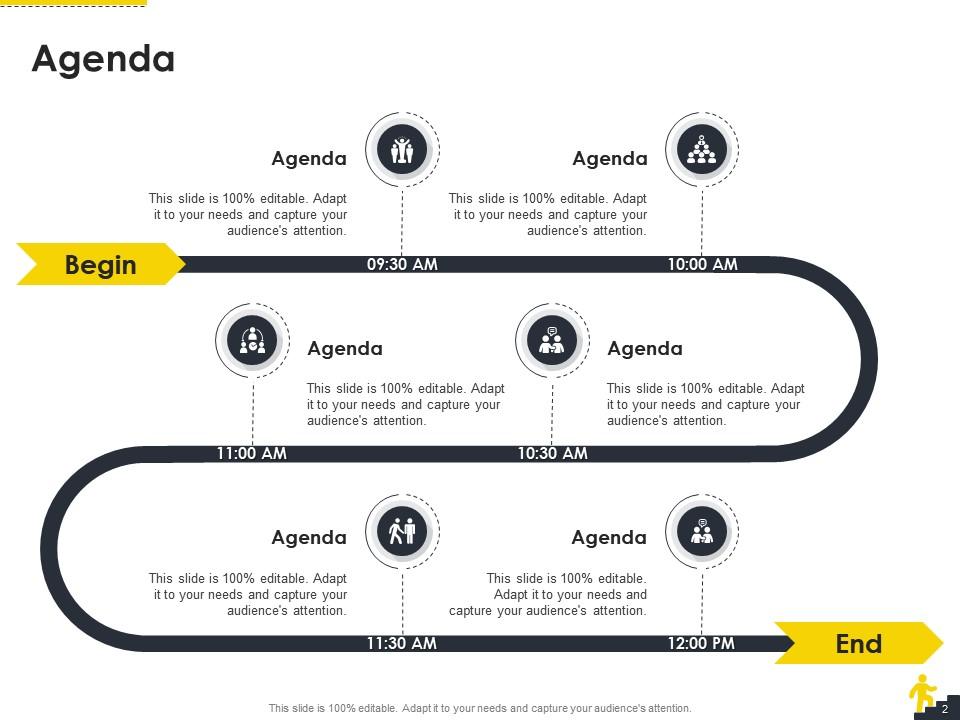
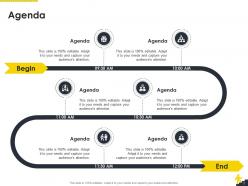
Diapositiva 2 : Esta diapositiva presenta la agenda del proyecto.
Diapositiva 3 : Esta diapositiva muestra el título de 'Liderazgo es Influencia'.
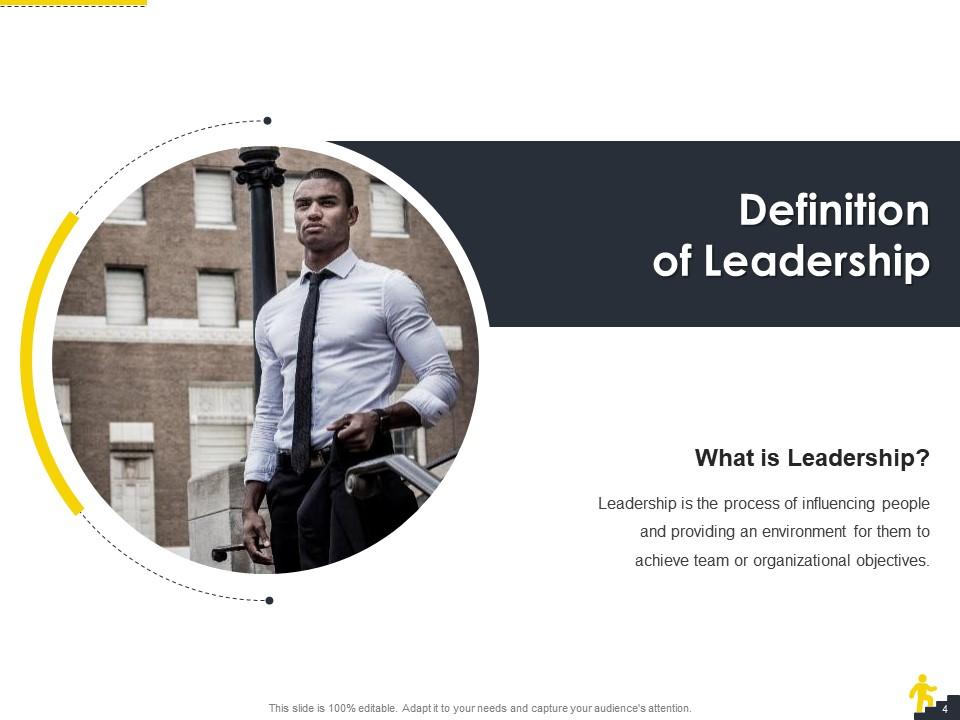
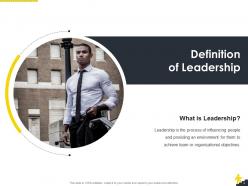
Diapositiva 4 : Esta diapositiva muestra la definición de liderazgo.
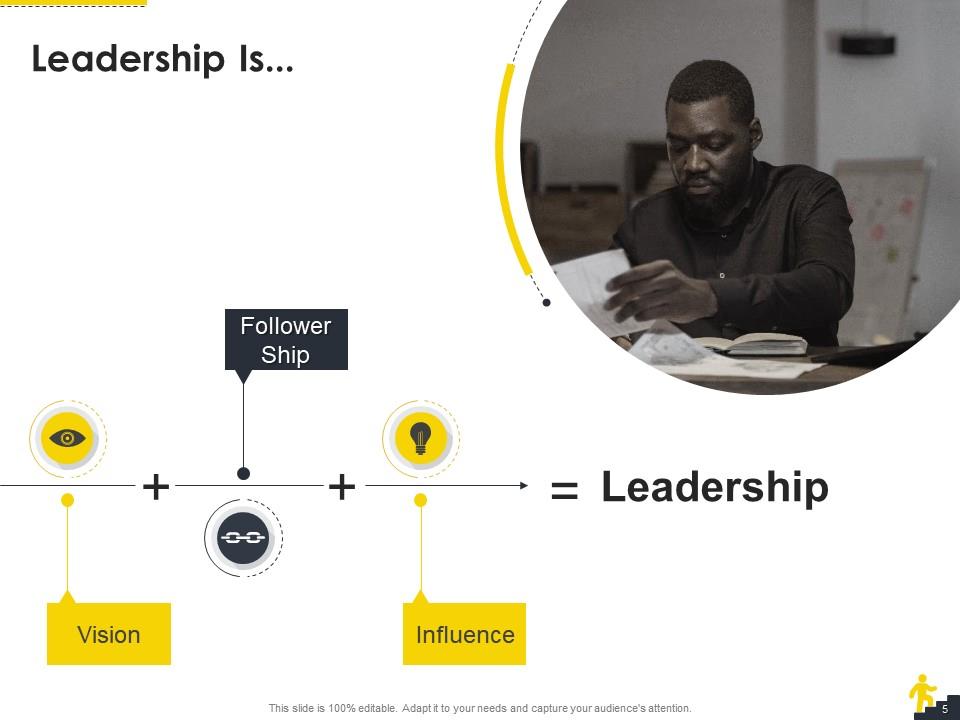
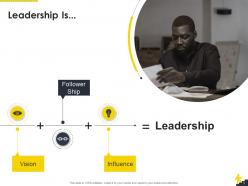
Diapositiva 5 : Esta diapositiva muestra el significado del liderazgo en una fórmula y el uso de imágenes/símbolos.
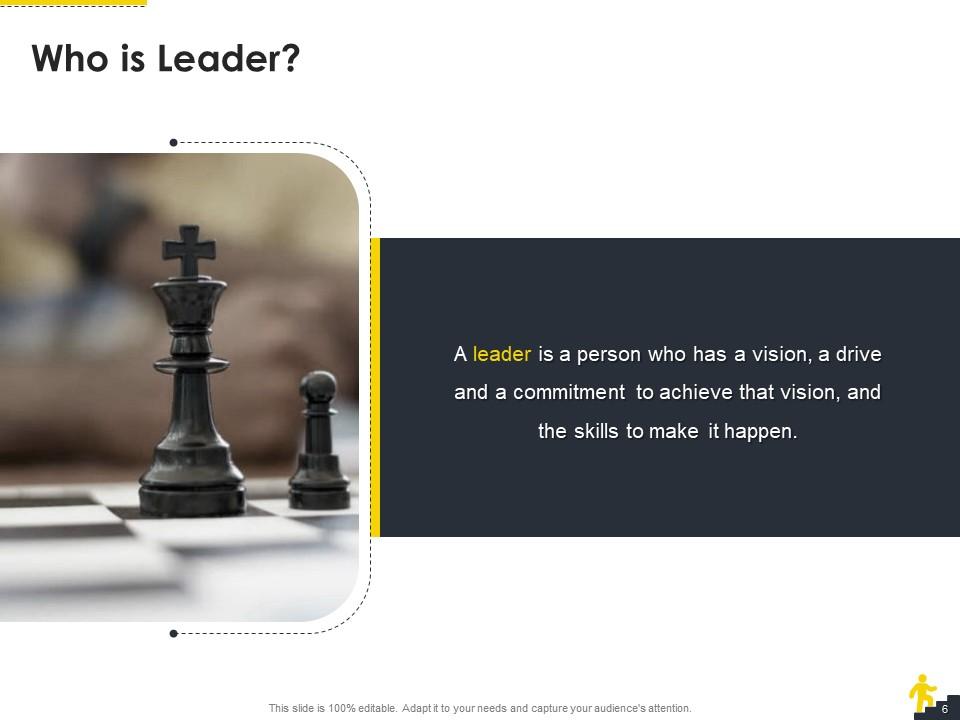
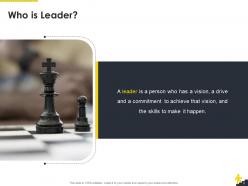
Diapositiva 6 : Esta diapositiva explica la definición de un líder.
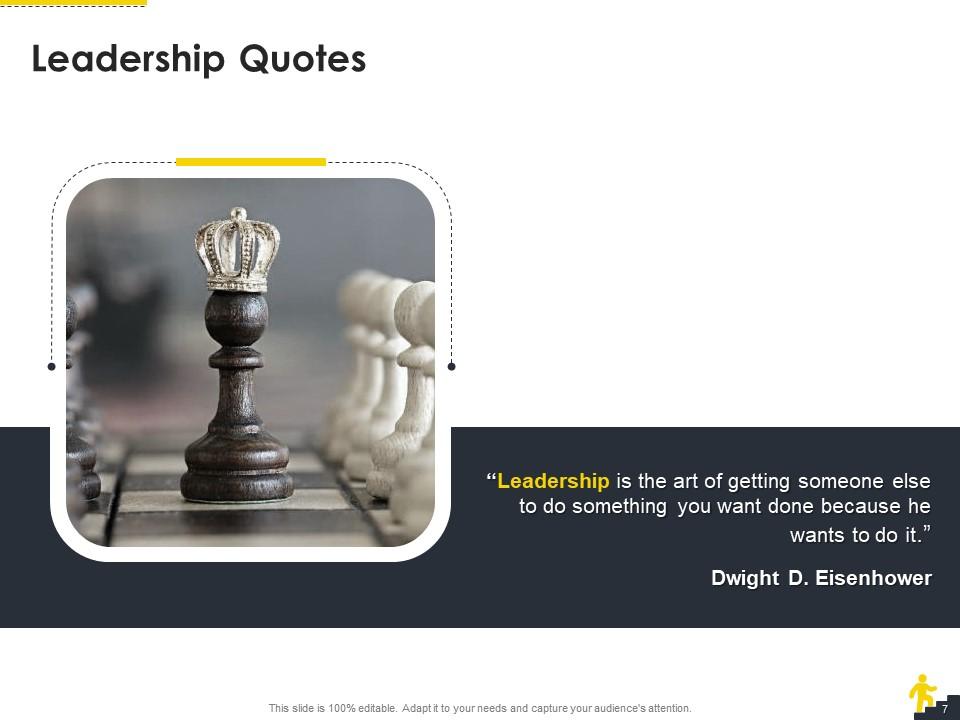
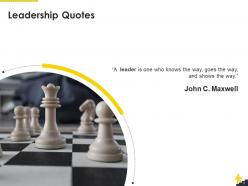
Diapositiva 7 : Esta diapositiva muestra la cita de liderazgo.
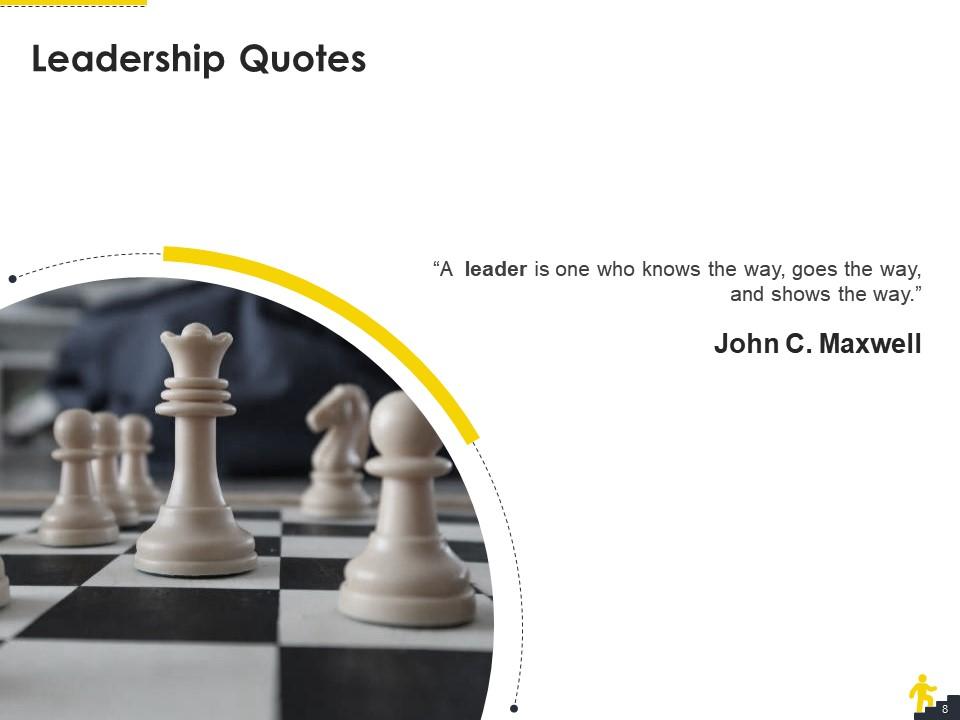
Diapositiva 8 : Esta diapositiva muestra una cita de liderazgo.
Diapositiva 9 : Esta diapositiva muestra la cita de liderazgo.
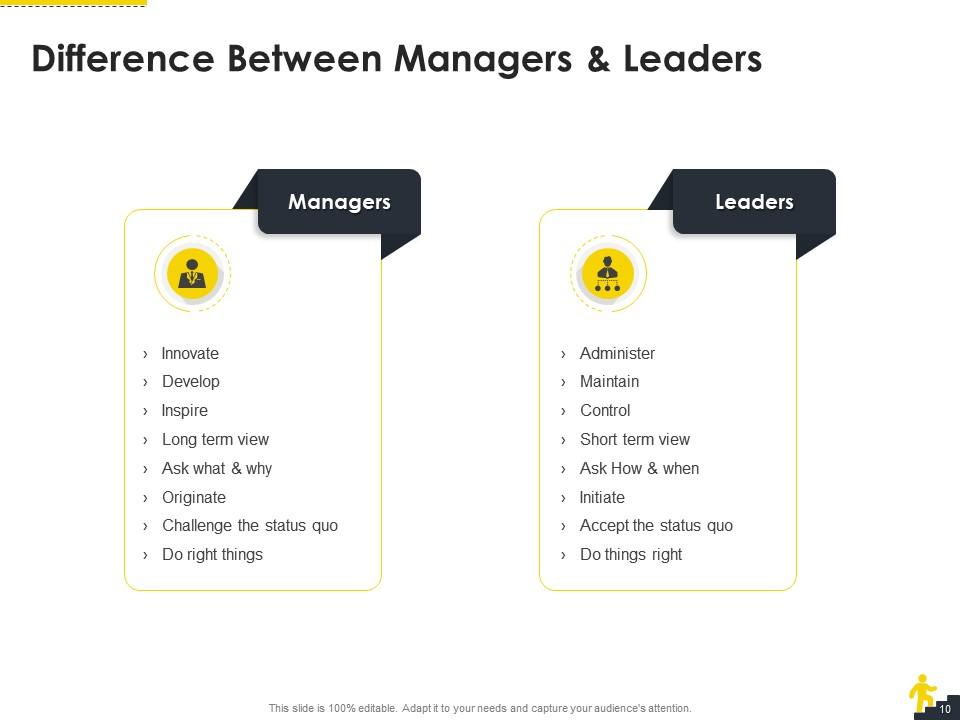
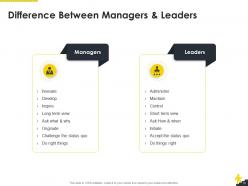
Diapositiva 10 : Esta diapositiva explica la diferencia entre gerentes y líderes.
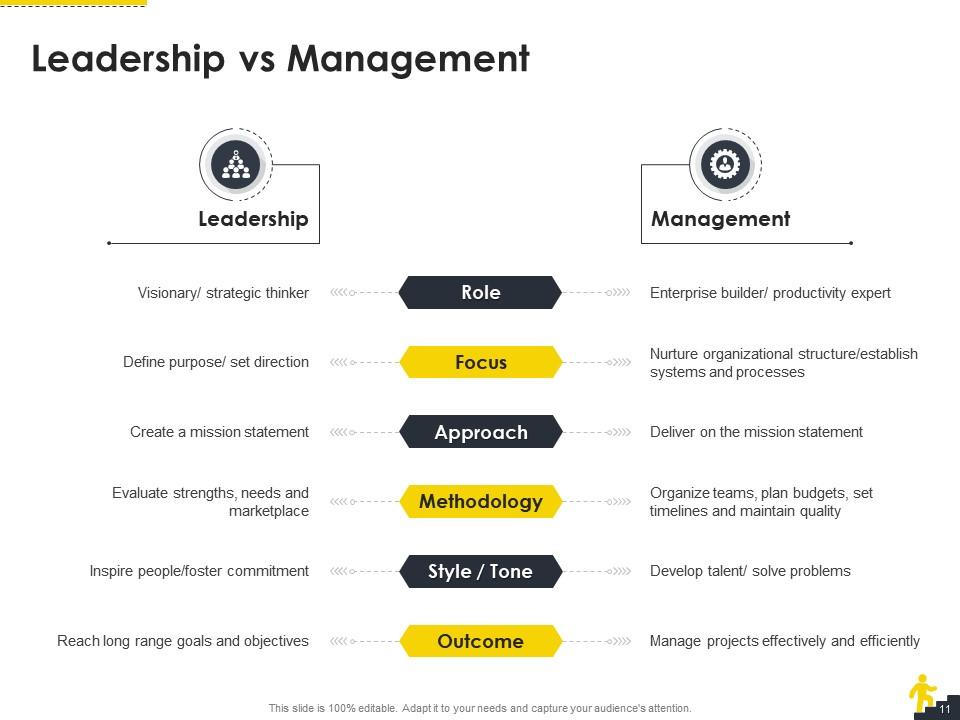
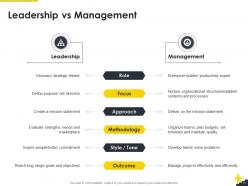
Diapositiva 11 : Esta diapositiva presenta la diferencia entre liderazgo y gestión.
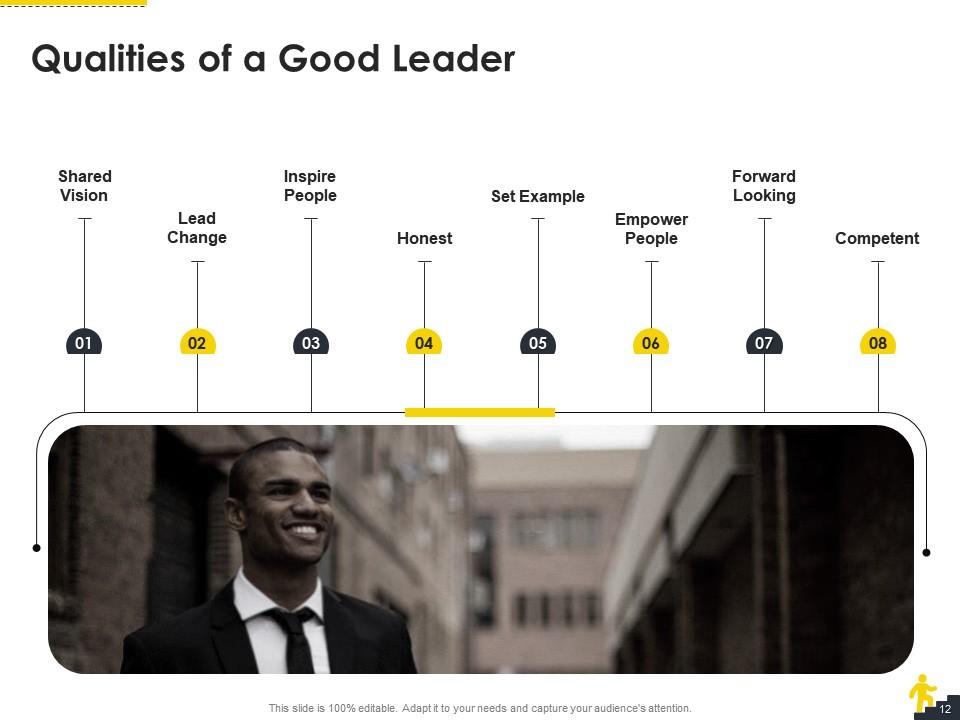
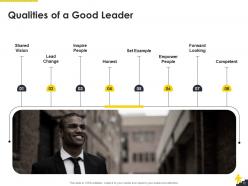
Diapositiva 12 : Esta diapositiva muestra las cualidades de un buen líder.
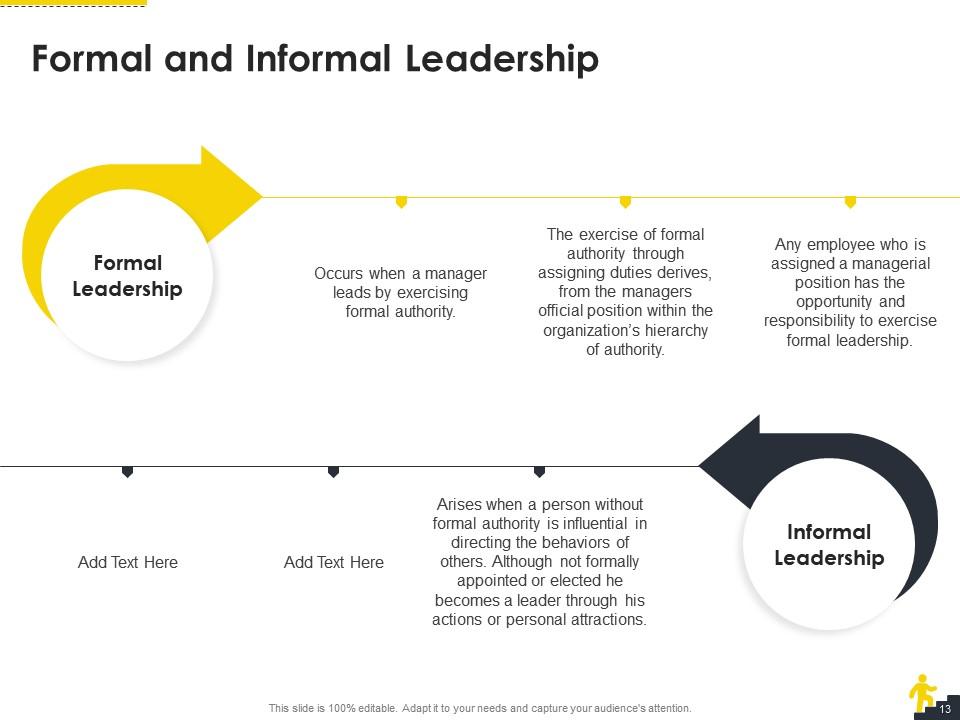
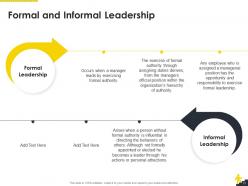
Diapositiva 13 : Esta diapositiva explica el liderazgo formal e informal.
Diapositiva 14 : Esta diapositiva muestra el título de los estilos de liderazgo.
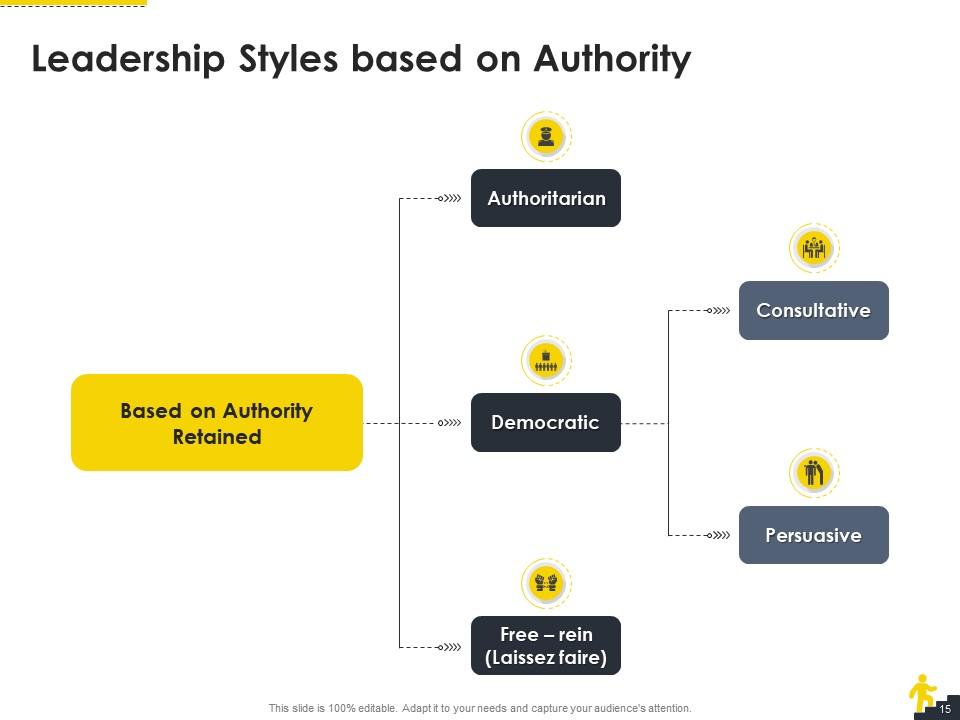
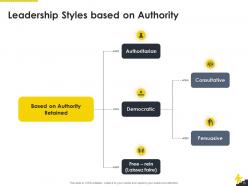
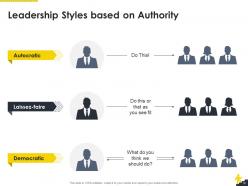
Diapositiva 15 : Esta diapositiva muestra los estilos de liderazgo basados en la autoridad.
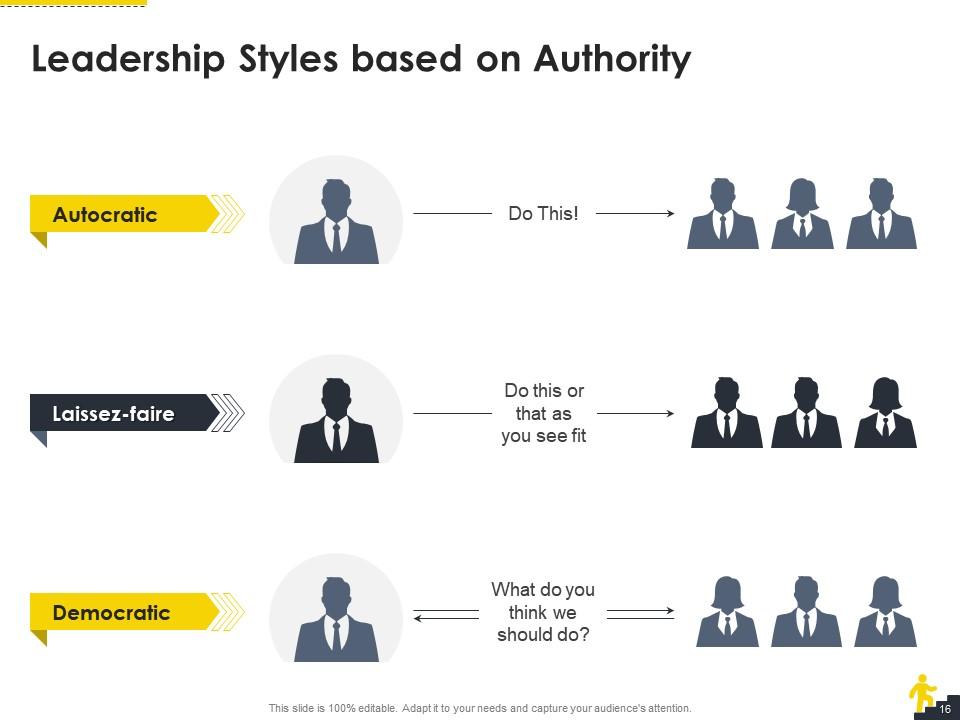
Diapositiva 16 : Esta diapositiva muestra los estilos de liderazgo basados en la autoridad.
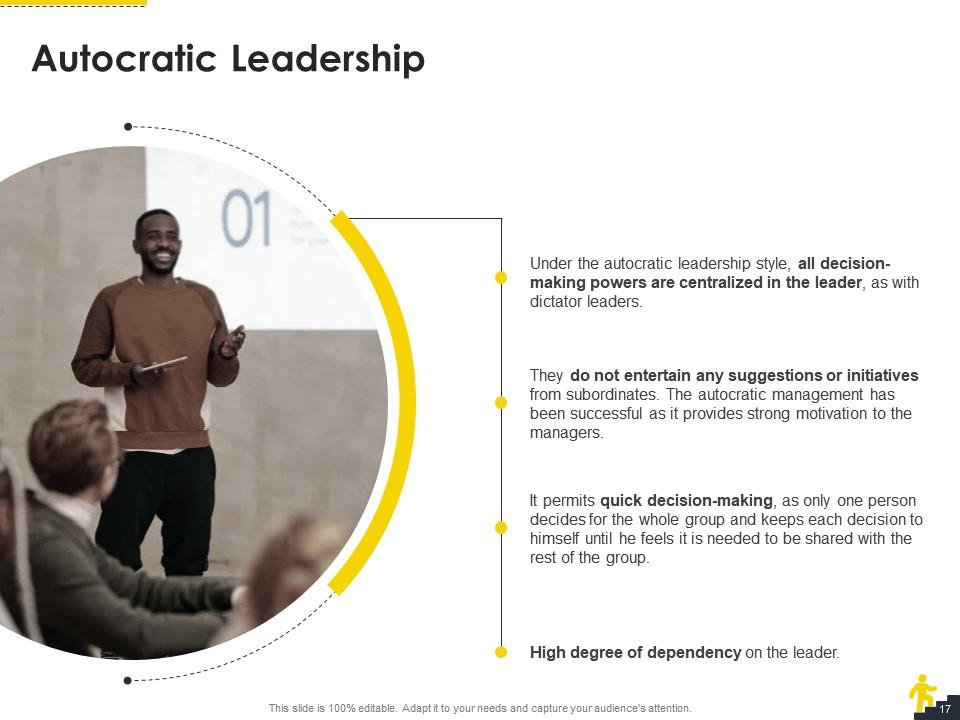
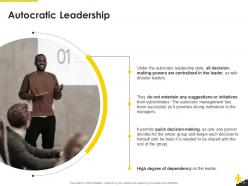
Diapositiva 17 : Esta diapositiva muestra el liderazgo autocrático.
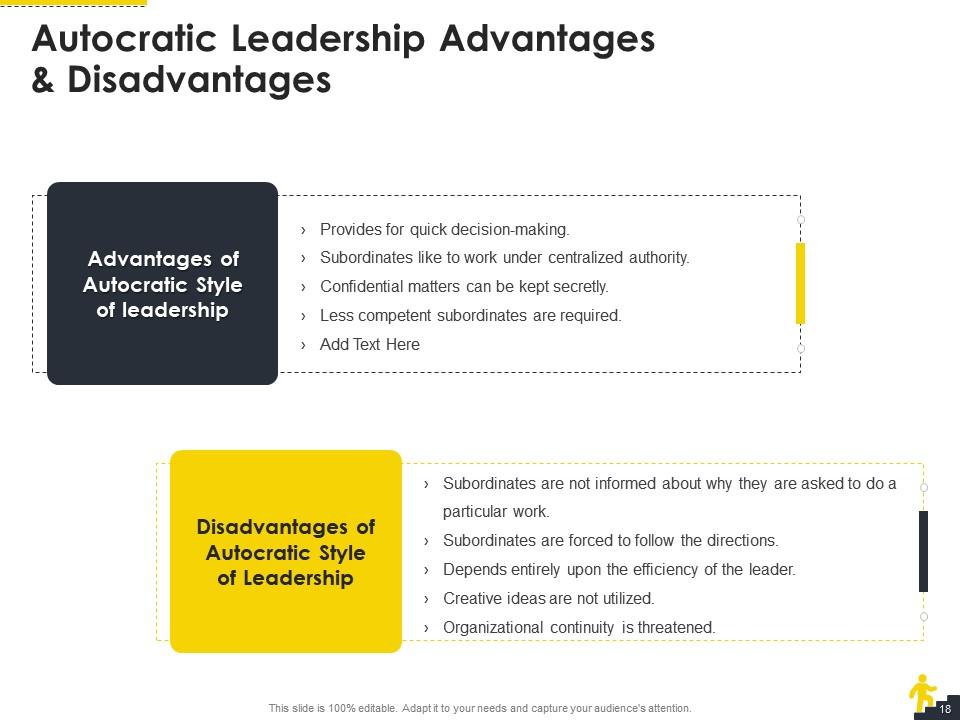
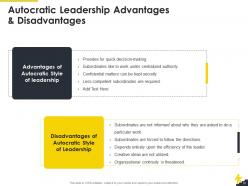
Diapositiva 18 : Esta diapositiva muestra las ventajas y desventajas del liderazgo autocrático.
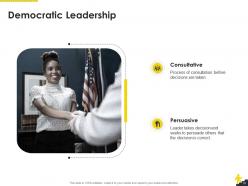
Diapositiva 19 : Esta diapositiva describe el liderazgo democrático.
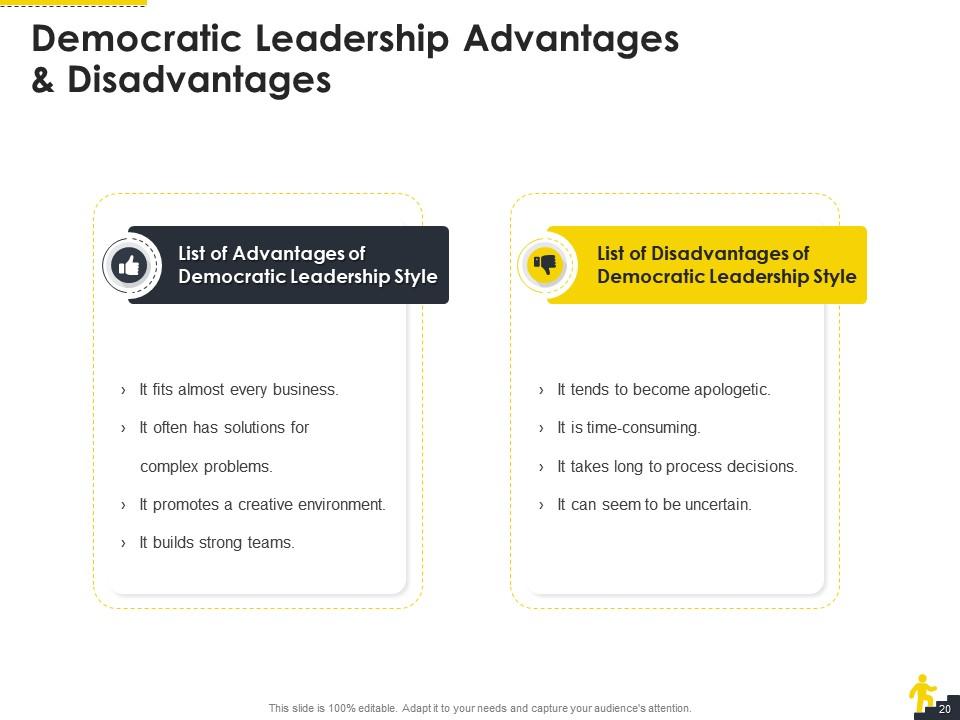
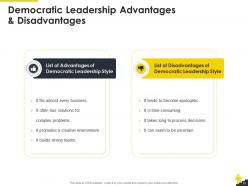
Diapositiva 20 : Esta diapositiva presenta las ventajas y desventajas del liderazgo democrático.
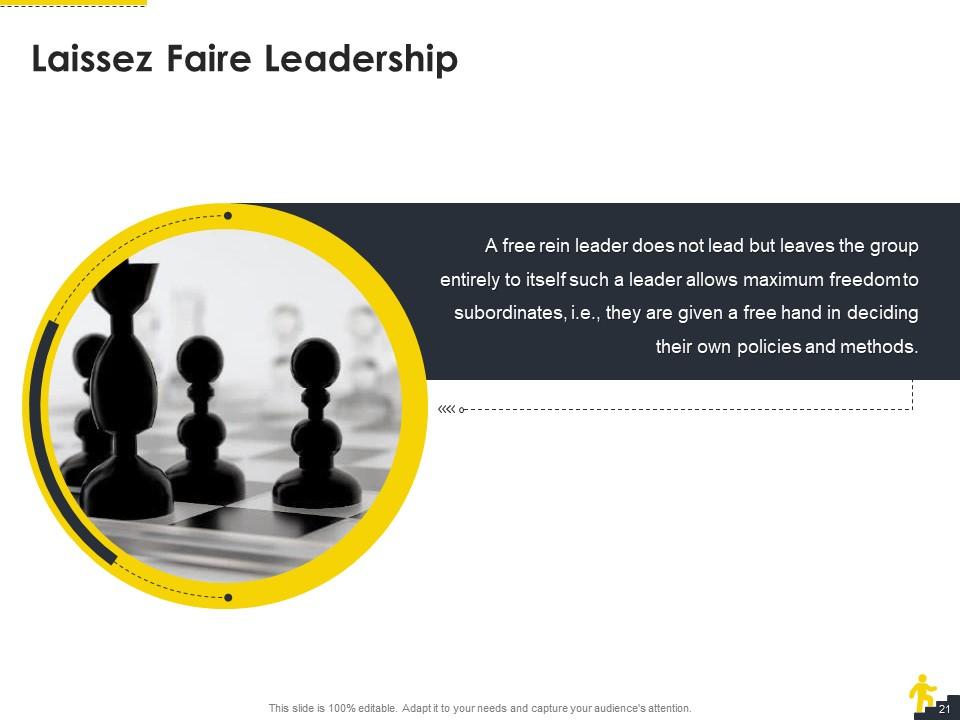
Diapositiva 21 : Esta diapositiva muestra el liderazgo de Laissez Faire.
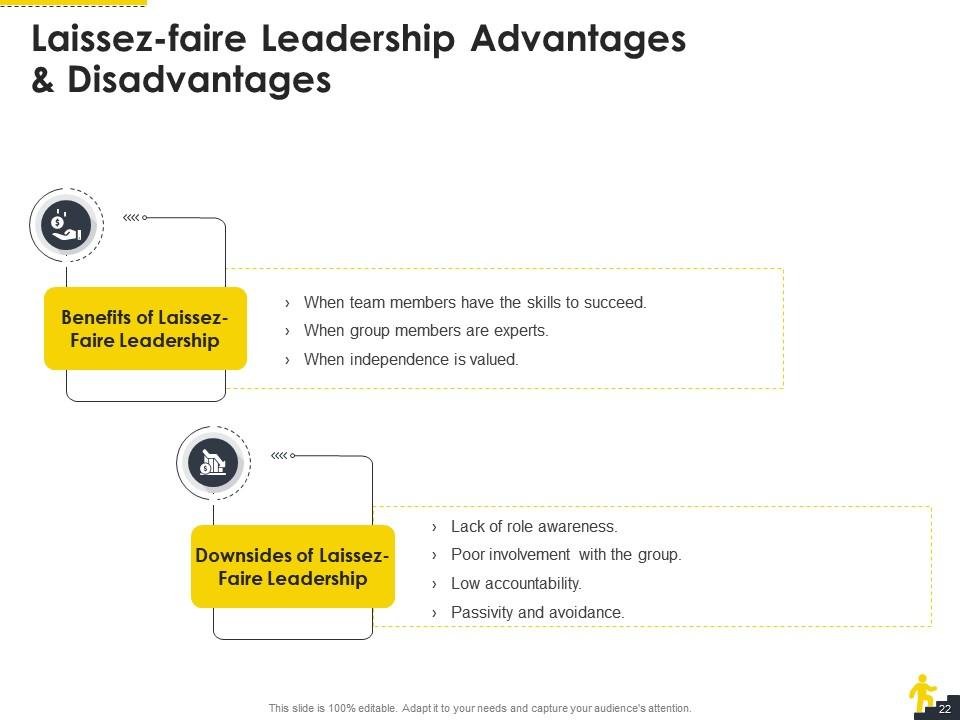
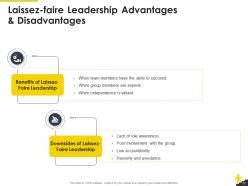
Diapositiva 22 : Esta diapositiva muestra las ventajas y desventajas del liderazgo de Laissez Faire.
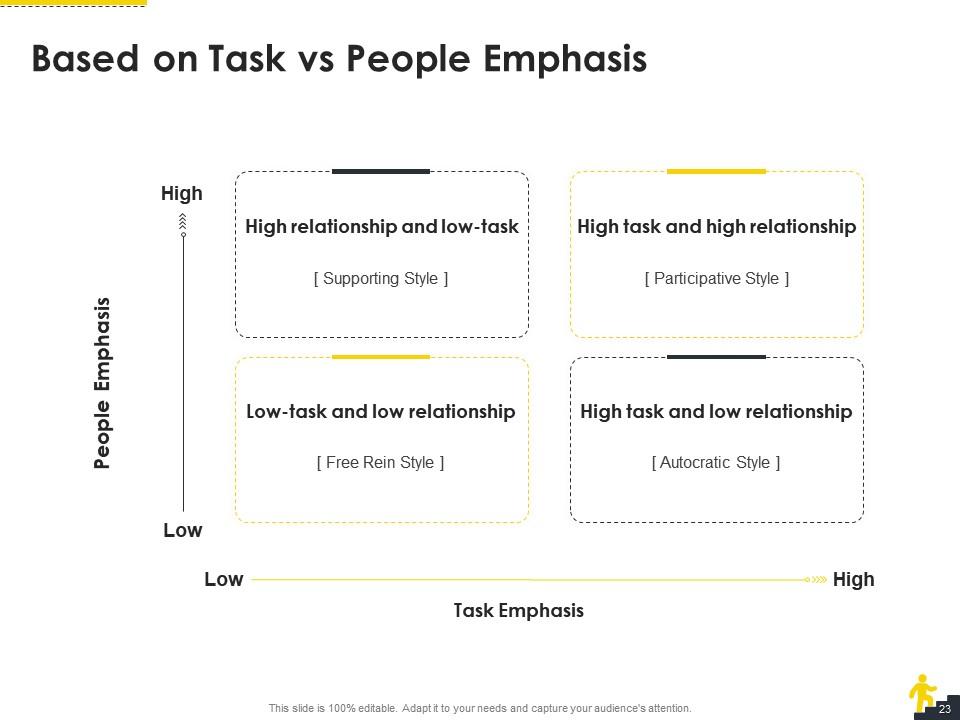
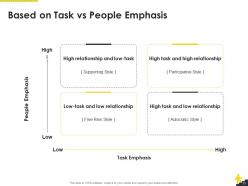
Diapositiva 23 : Esta diapositiva presenta más sobre el liderazgo basado en el énfasis en tareas versus personas.
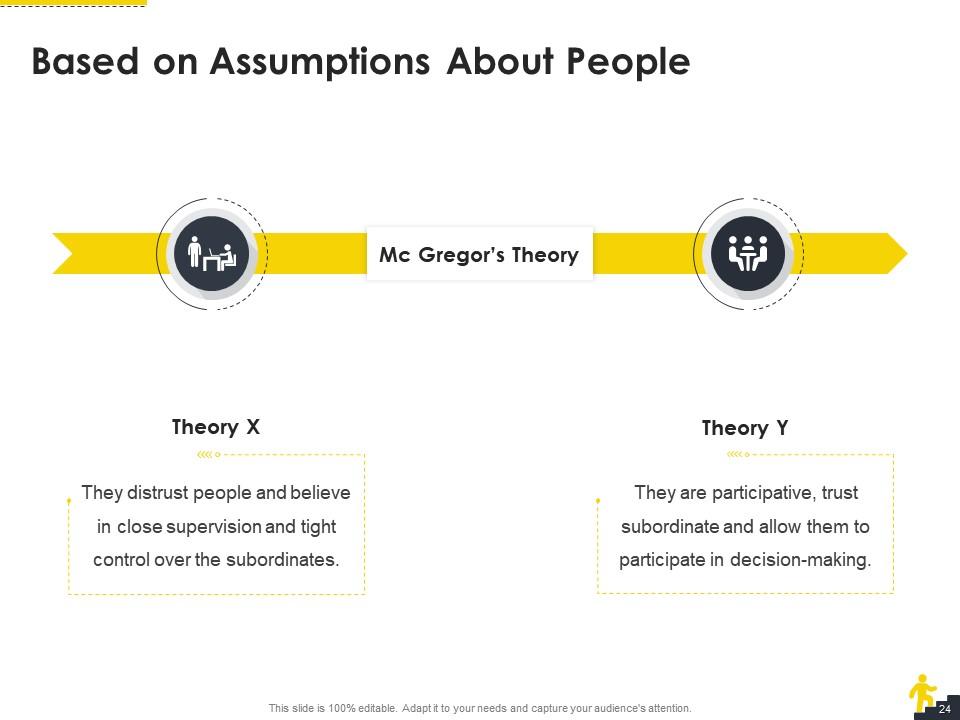
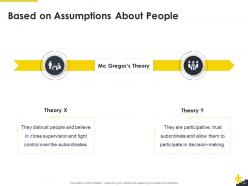
Diapositiva 24 : Esta diapositiva muestra más sobre el liderazgo basado en suposiciones sobre las personas.
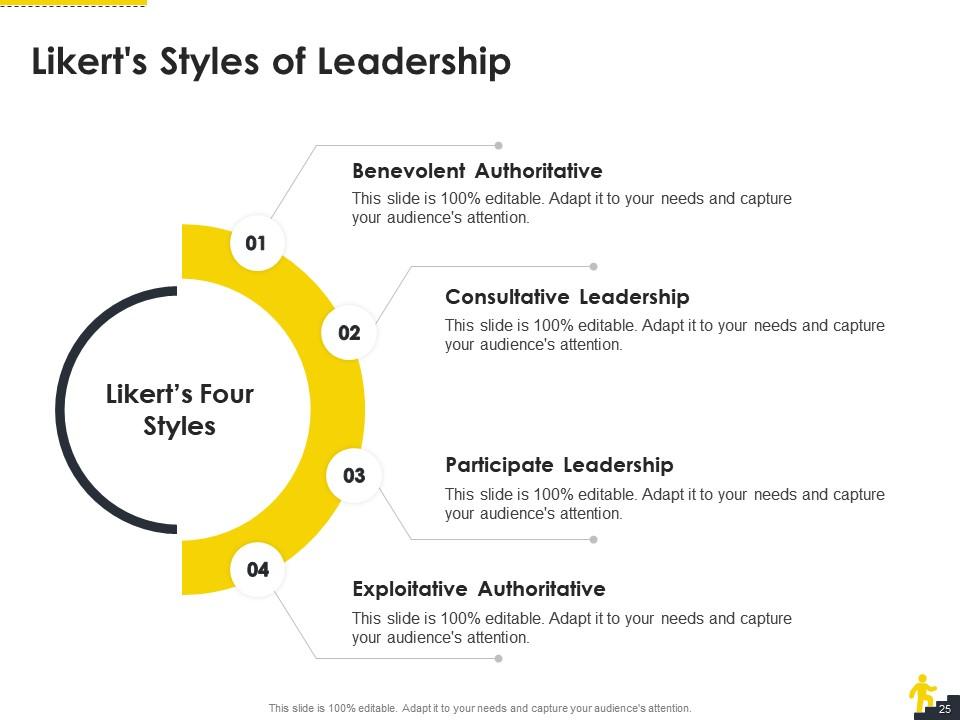
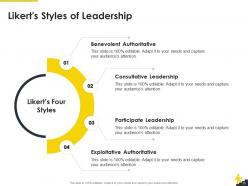
Diapositiva 25 : Esta diapositiva muestra los estilos de liderazgo de Likert.
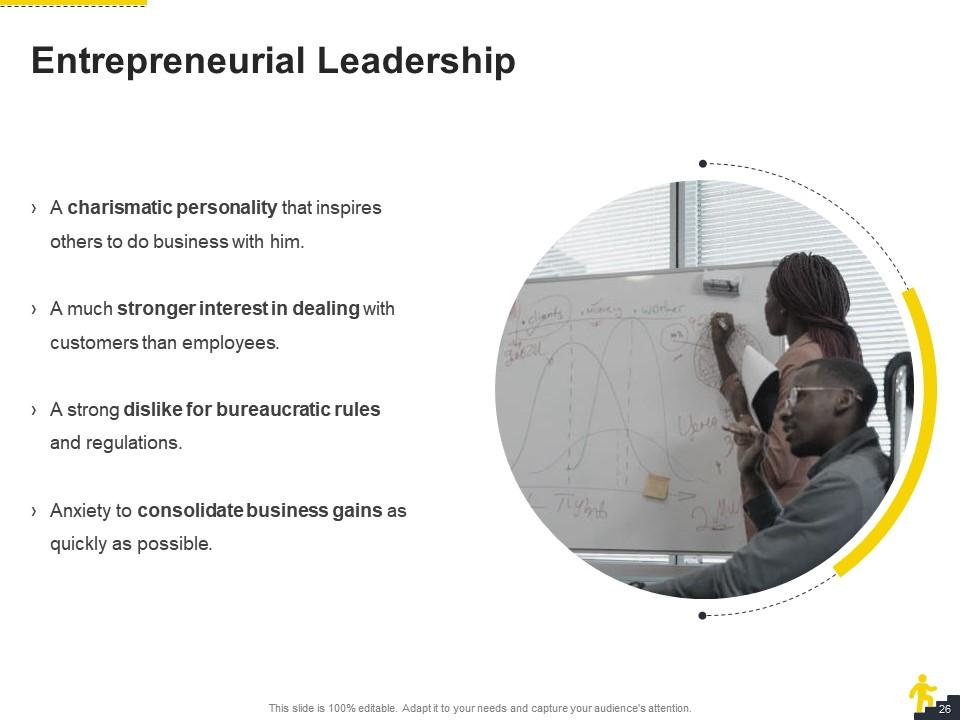
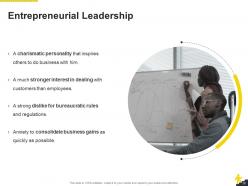
Diapositiva 26 : Esta diapositiva muestra el liderazgo empresarial.
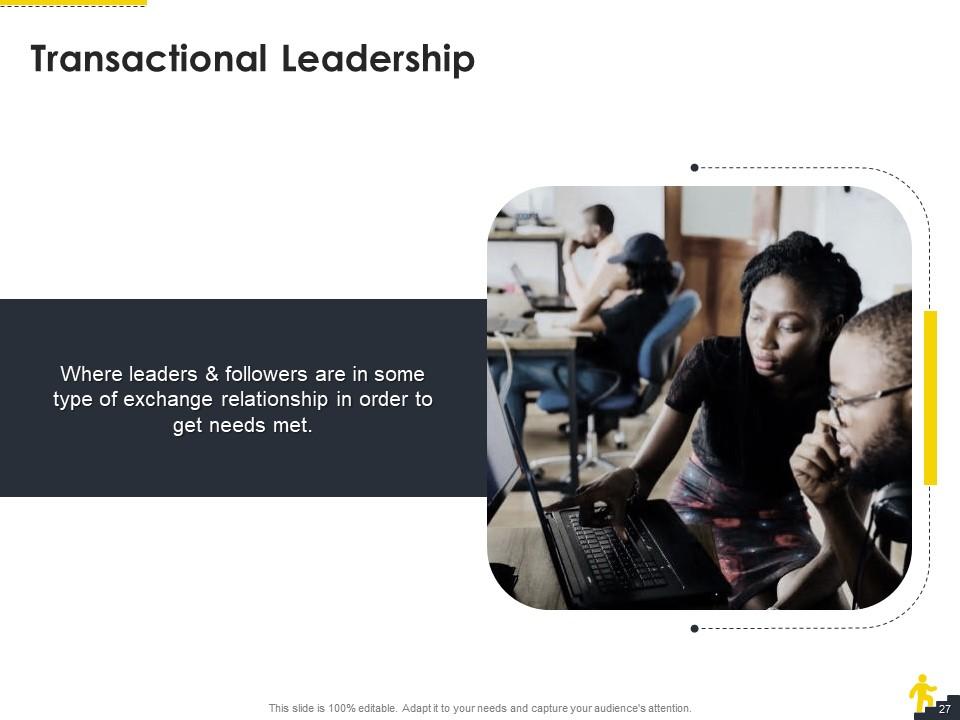
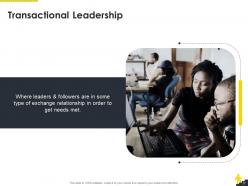
Diapositiva 27 : Esta diapositiva explica sobre el liderazgo transaccional.
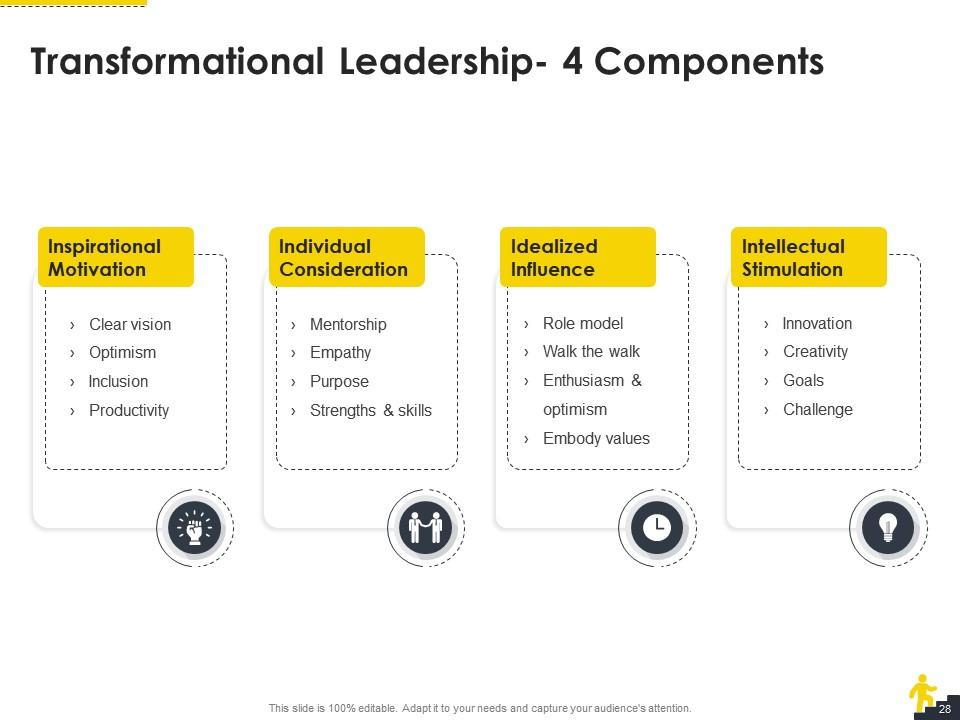
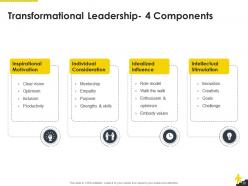
Diapositiva 28 : Esta diapositiva muestra 4 componentes del liderazgo transformacional.
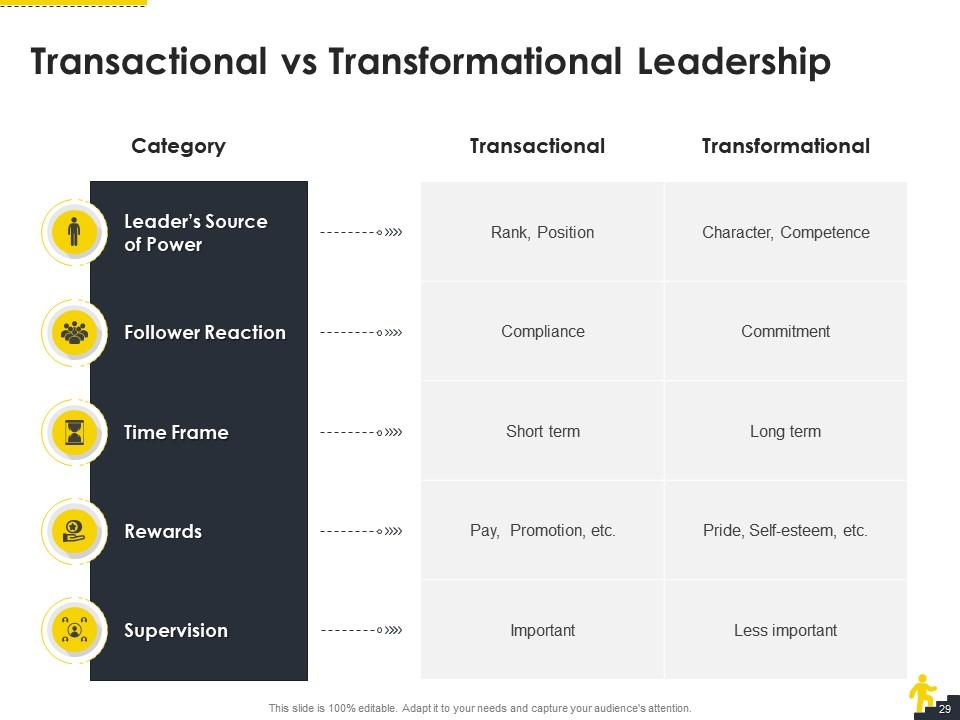
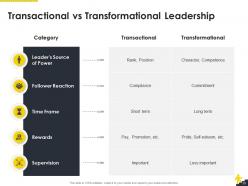
Diapositiva 29 : Esta diapositiva muestra la diferencia entre el liderazgo transaccional y el transformacional.
Diapositiva 30 : Esta diapositiva muestra el título de las teorías del liderazgo.
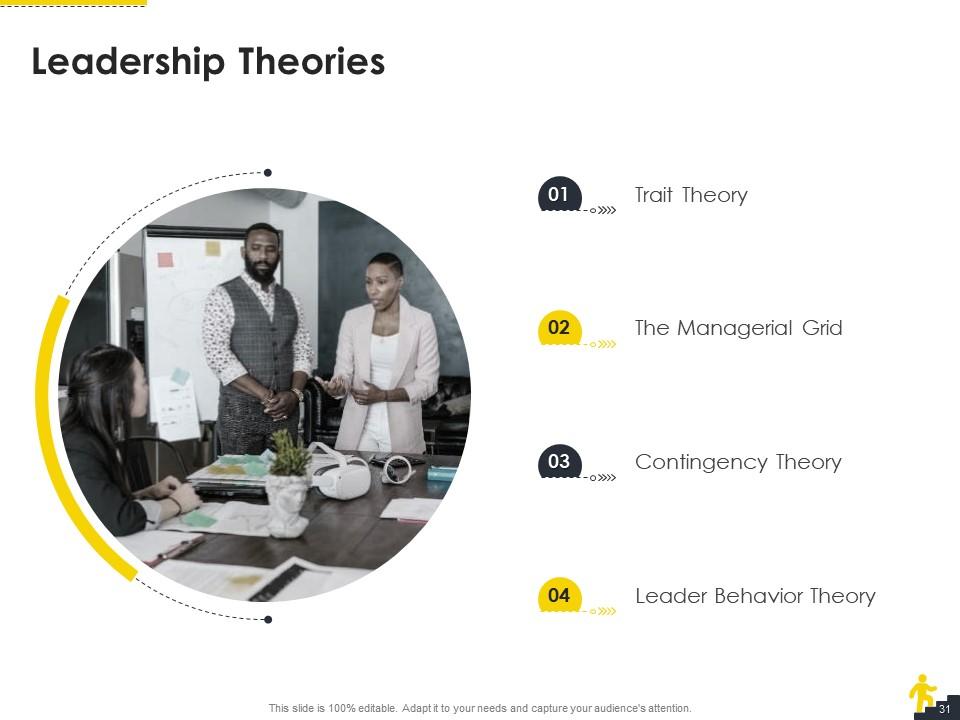
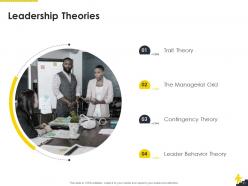
Diapositiva 31 : Esta diapositiva explica las teorías de liderazgo.
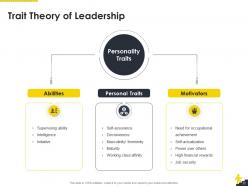
Diapositiva 32 : Esta diapositiva muestra la teoría de los rasgos del liderazgo.
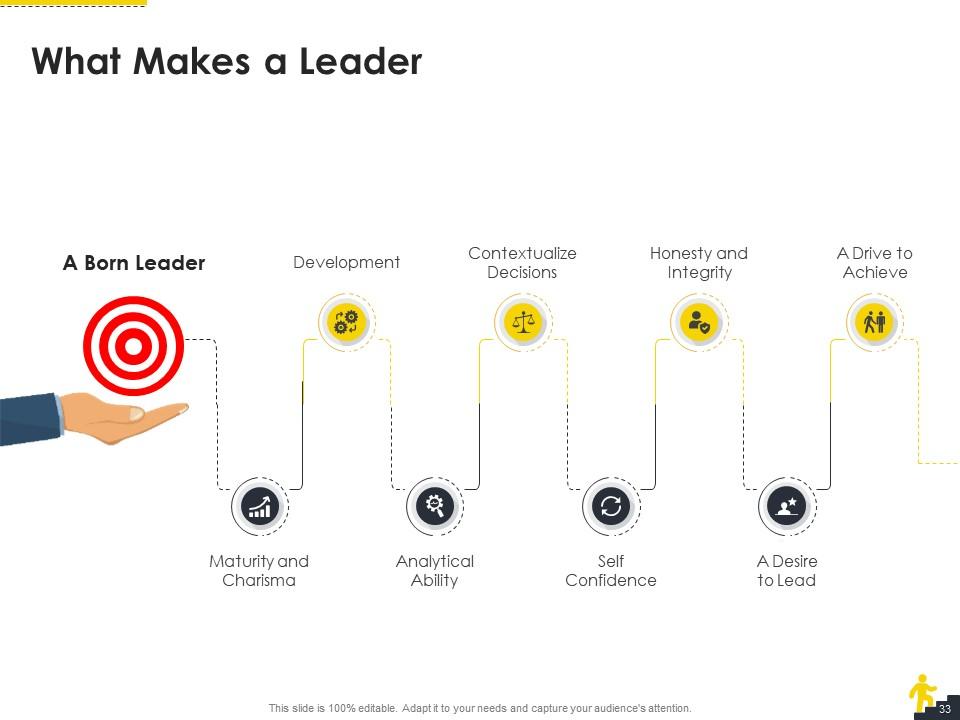
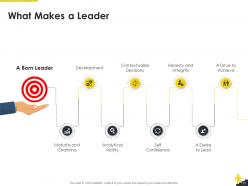
Diapositiva 33 : Esta diapositiva muestra las cualidades que hacen a un líder.
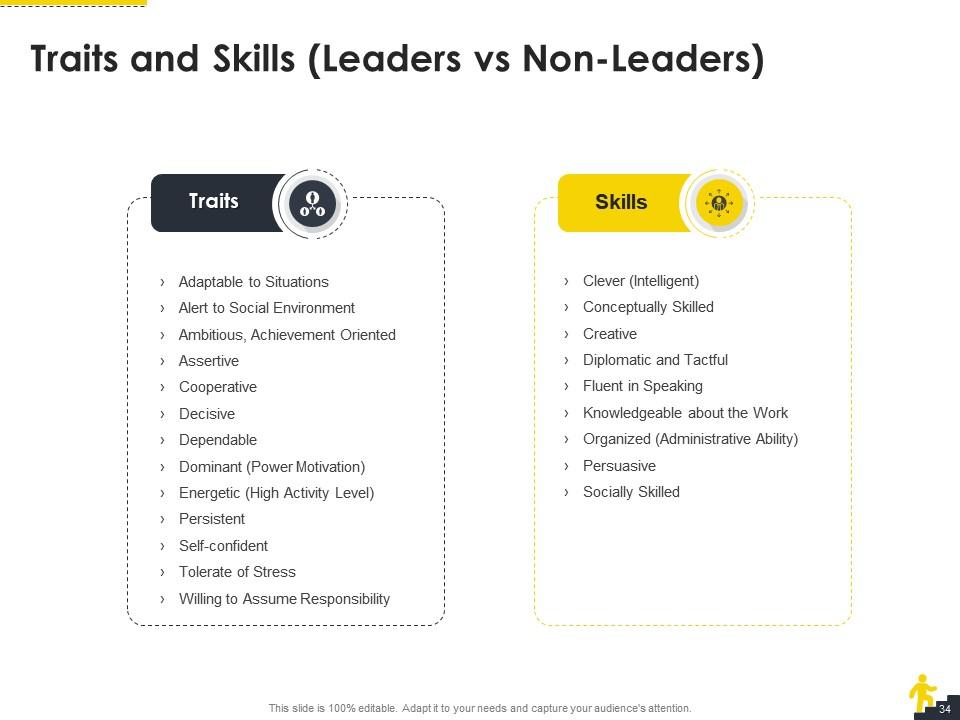
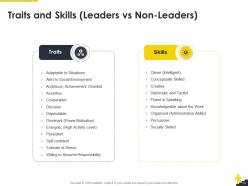
Diapositiva 34 : Esta diapositiva muestra las características y habilidades de un líder.
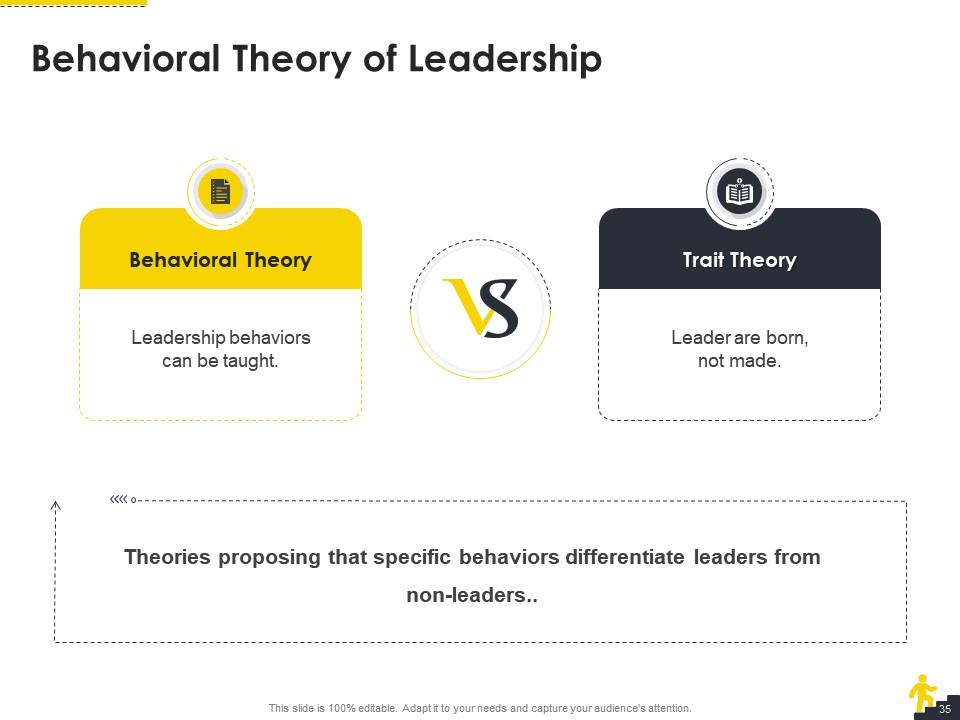
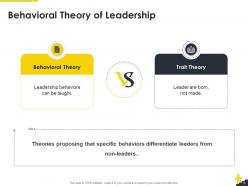
Diapositiva 35 : Esta diapositiva presenta la teoría conductual del liderazgo.
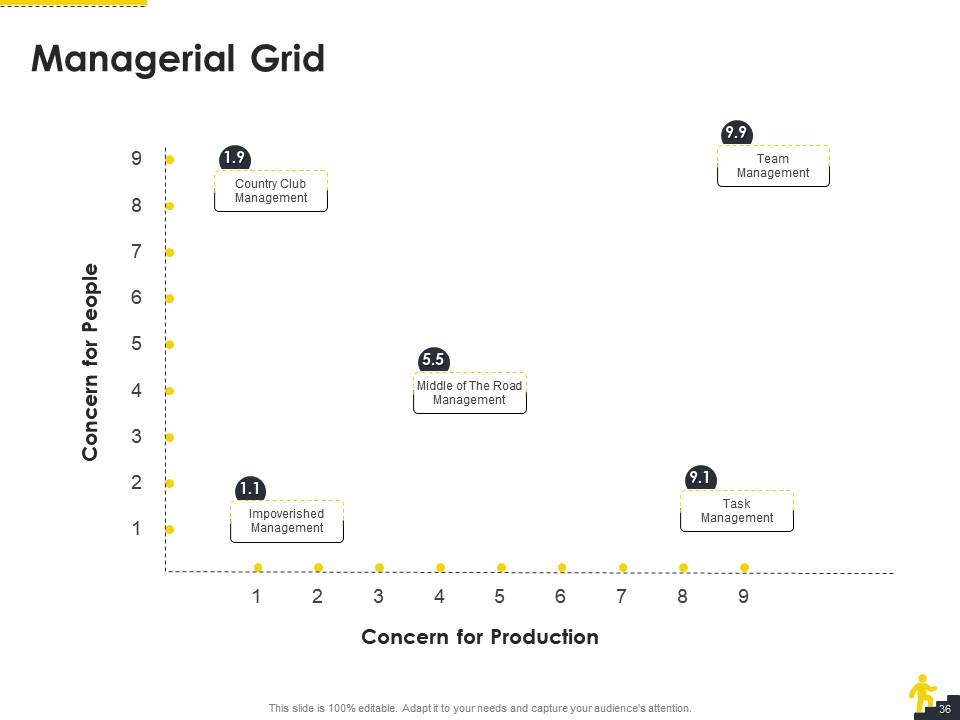
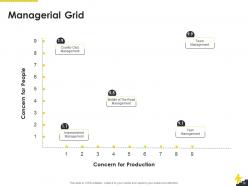
Diapositiva 36 : Esta diapositiva muestra la matriz gerencial.
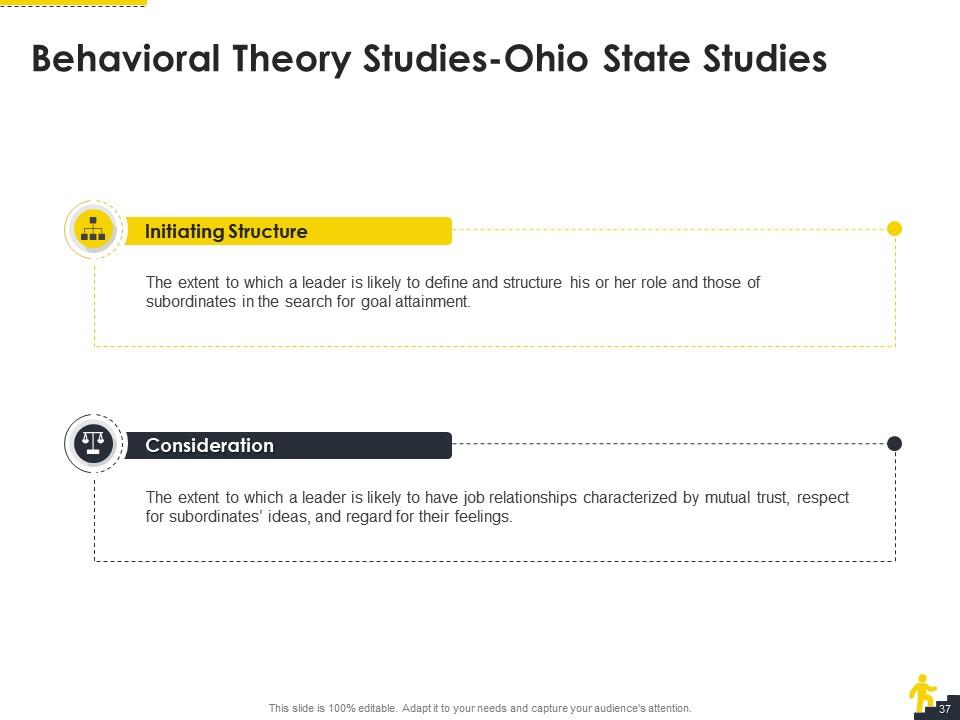
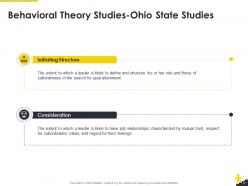
Diapositiva 37 : esta diapositiva muestra la teoría del comportamiento y los estudios del estado de Ohio.
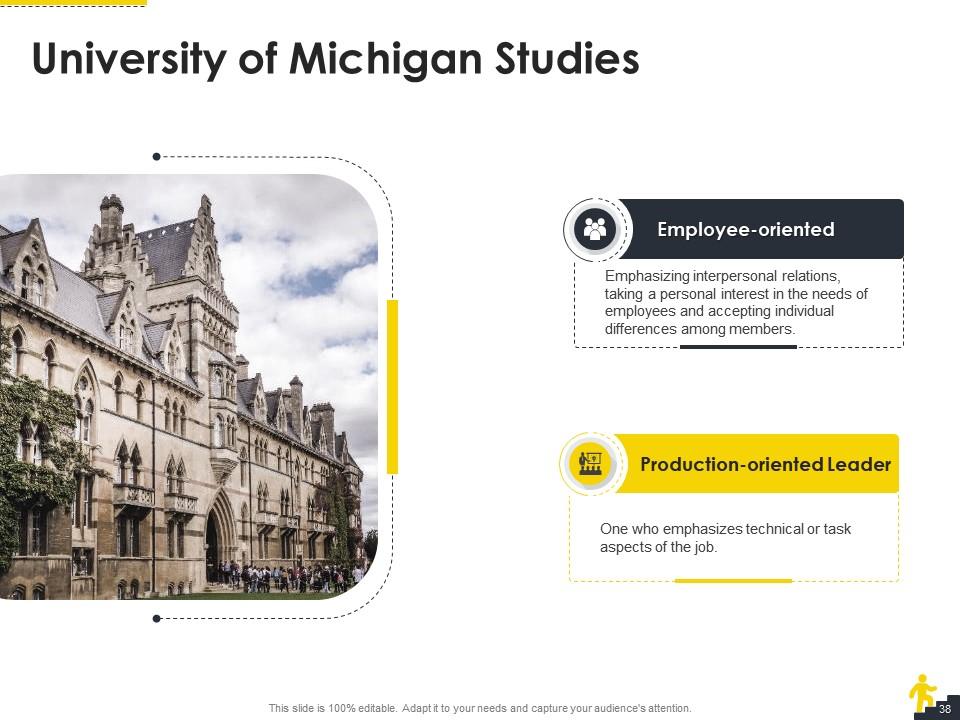
Diapositiva 38 : Esta diapositiva muestra los estudios de la Universidad de Michigan.
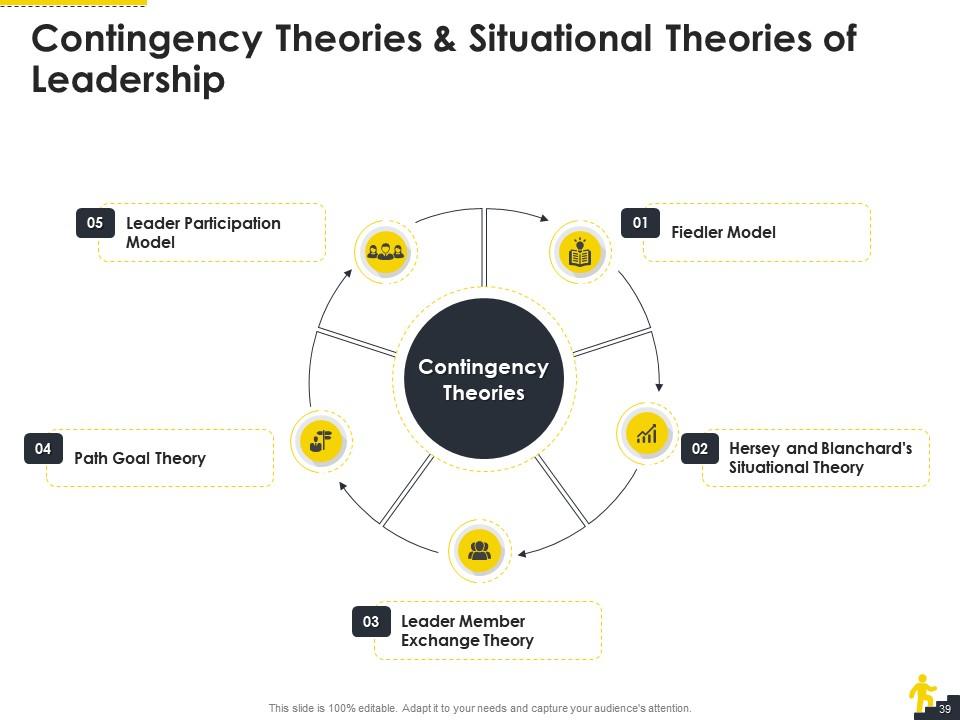
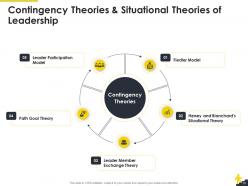
Diapositiva 39 : Esta diapositiva explica las teorías de contingencia y las teorías situacionales del liderazgo.
Diapositiva 40 : Esta diapositiva muestra el título de 'pausa para el café'.
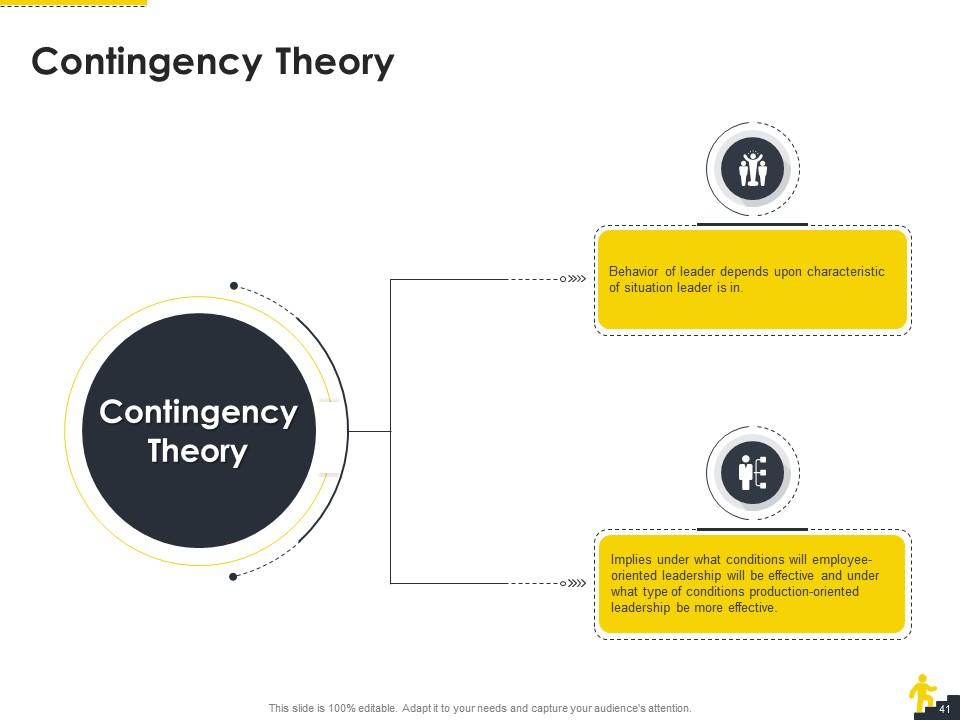
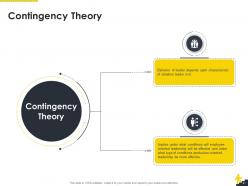
Diapositiva 41 : Esta diapositiva muestra la teoría de la contingencia.
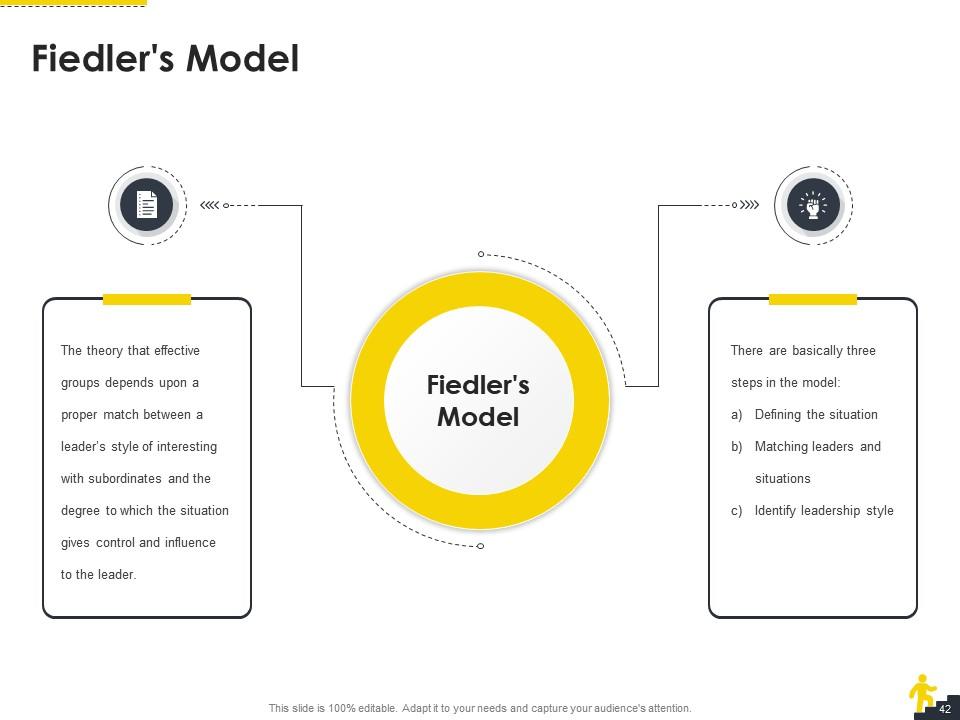
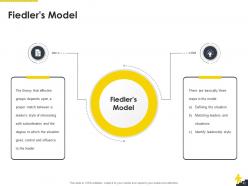
Diapositiva 42 : Esta diapositiva presenta el modelo de Fiedler.
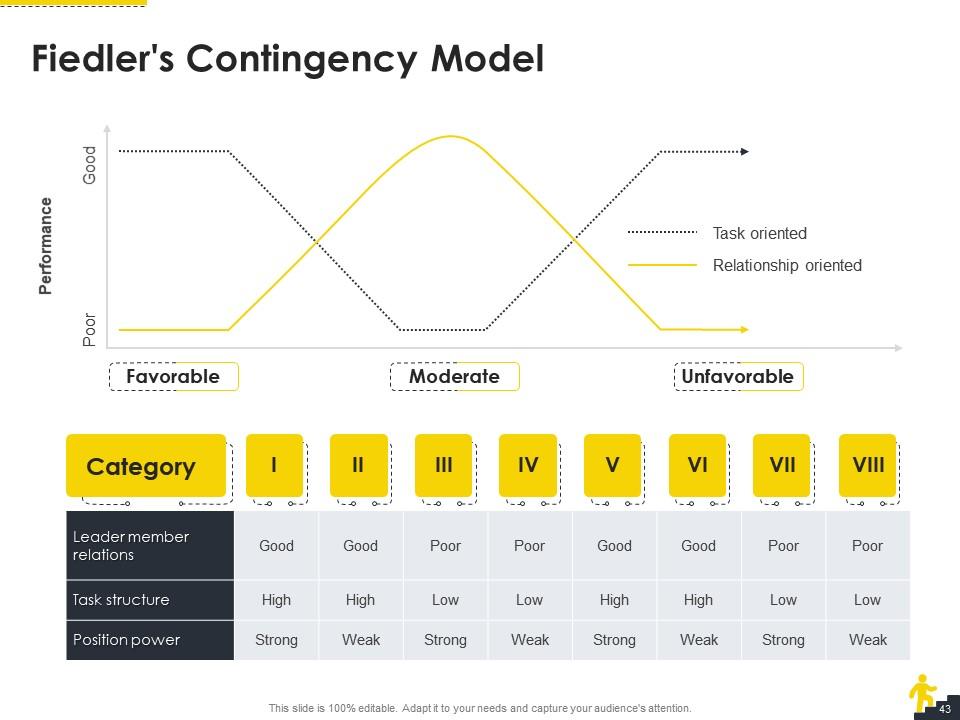
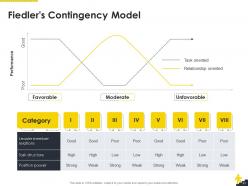
Diapositiva 43 : Esta diapositiva muestra el modelo de contingencia de Fiedler.
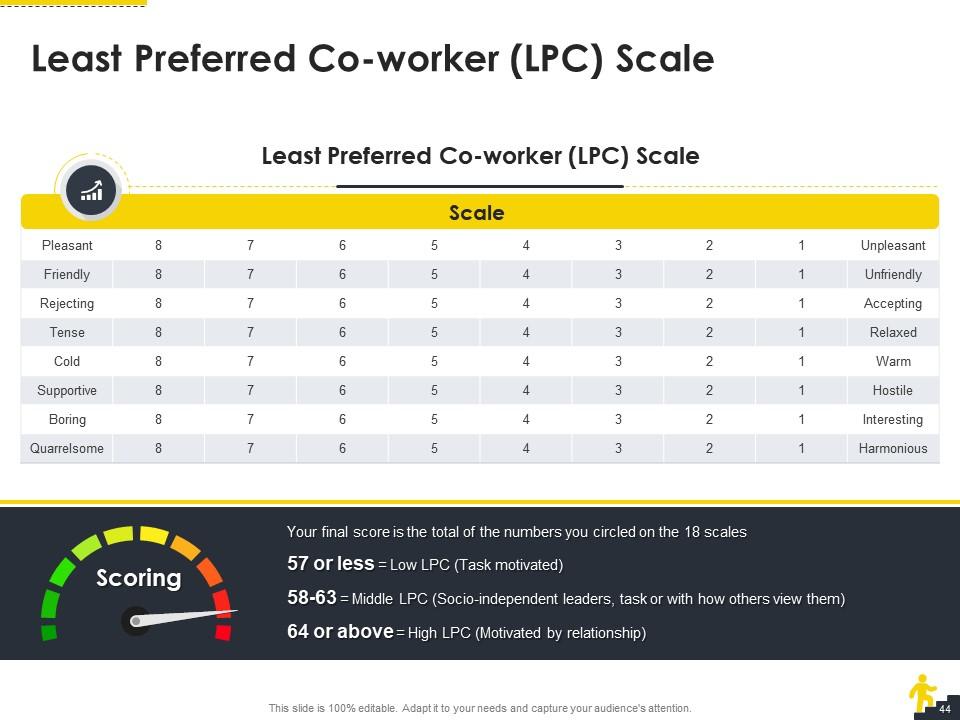
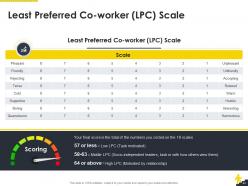
Diapositiva 44 : Esta diapositiva muestra la tabla de la escala de compañeros de trabajo menos preferidos.
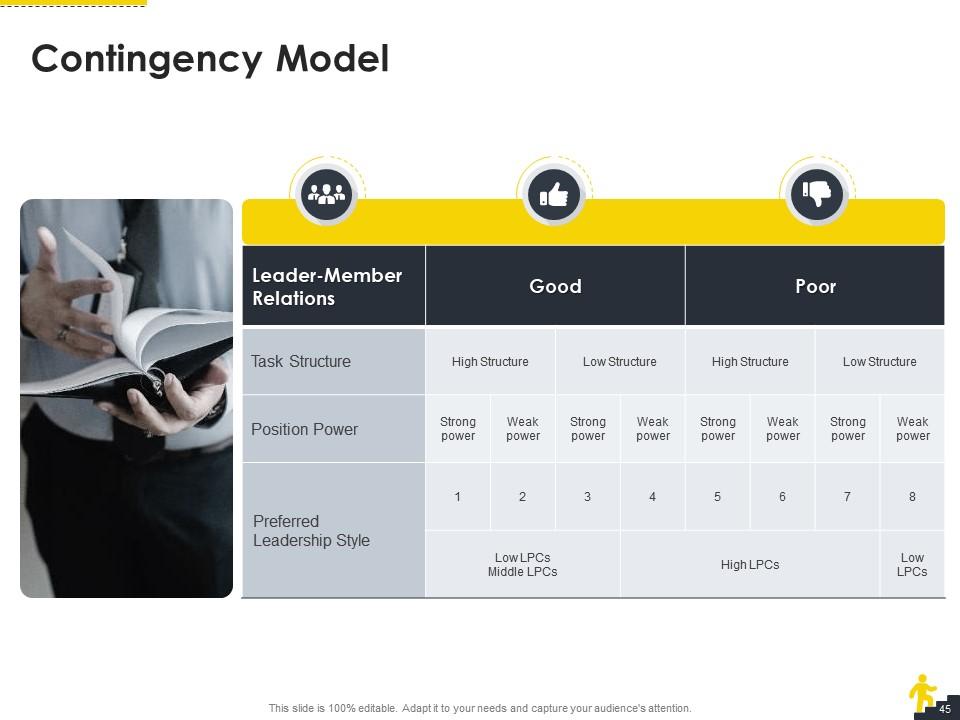
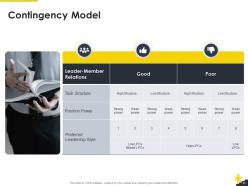
Diapositiva 45 : Esta diapositiva muestra el modelo de contingencia.
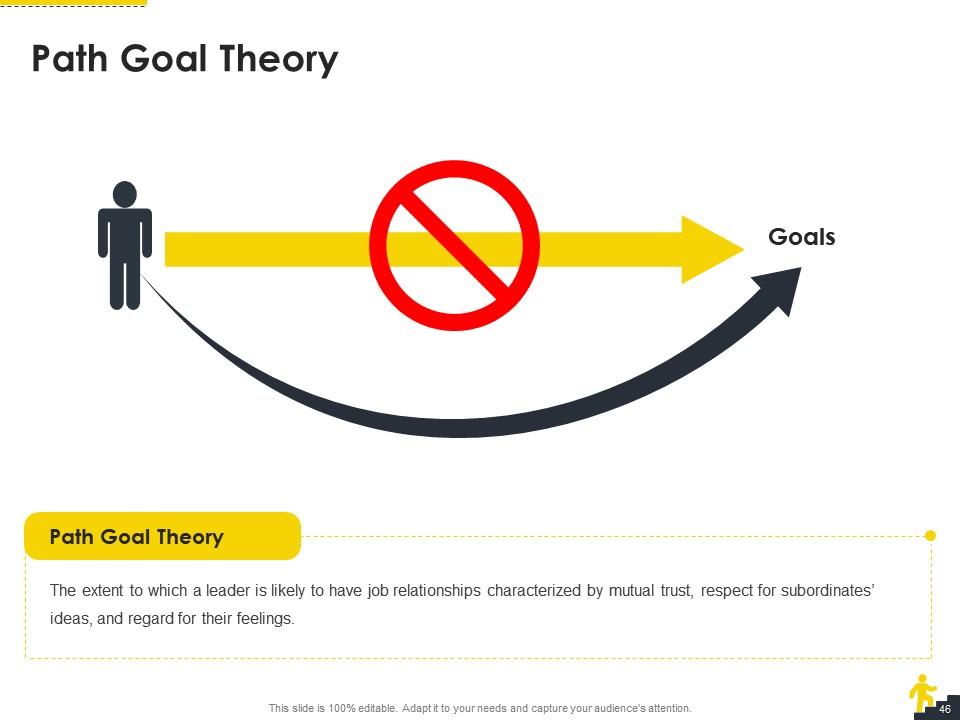
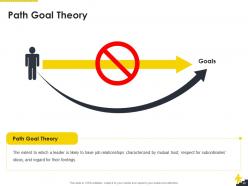
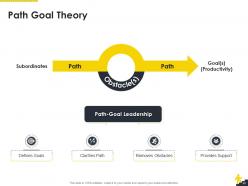
Diapositiva 46 : Esta diapositiva explica la teoría de la meta del camino.
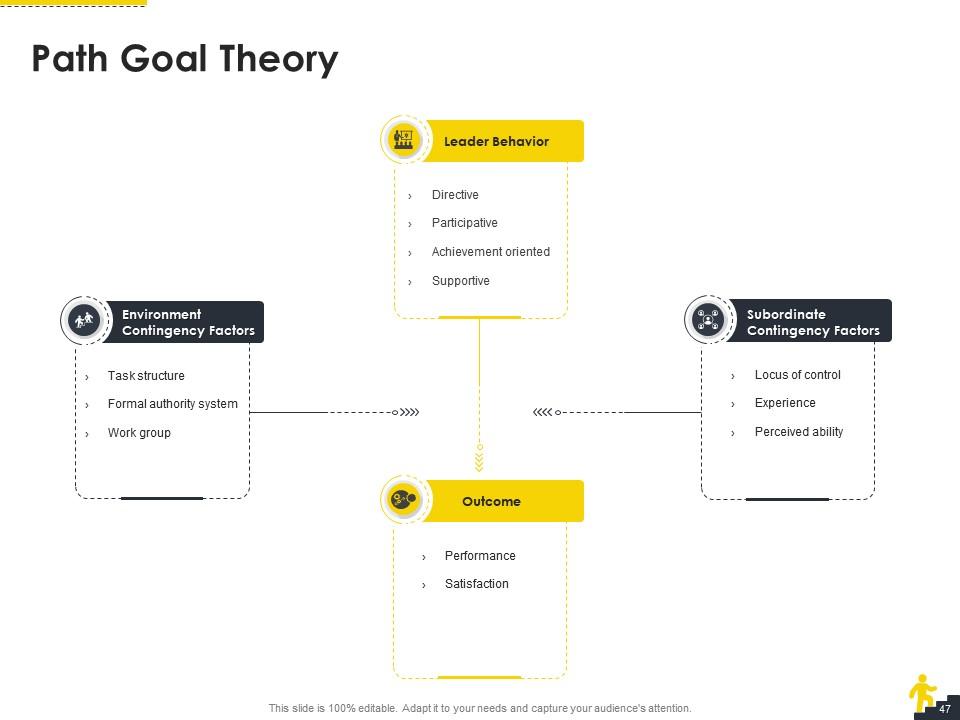
Diapositiva 47 : Esta diapositiva explica la teoría de la meta del camino.
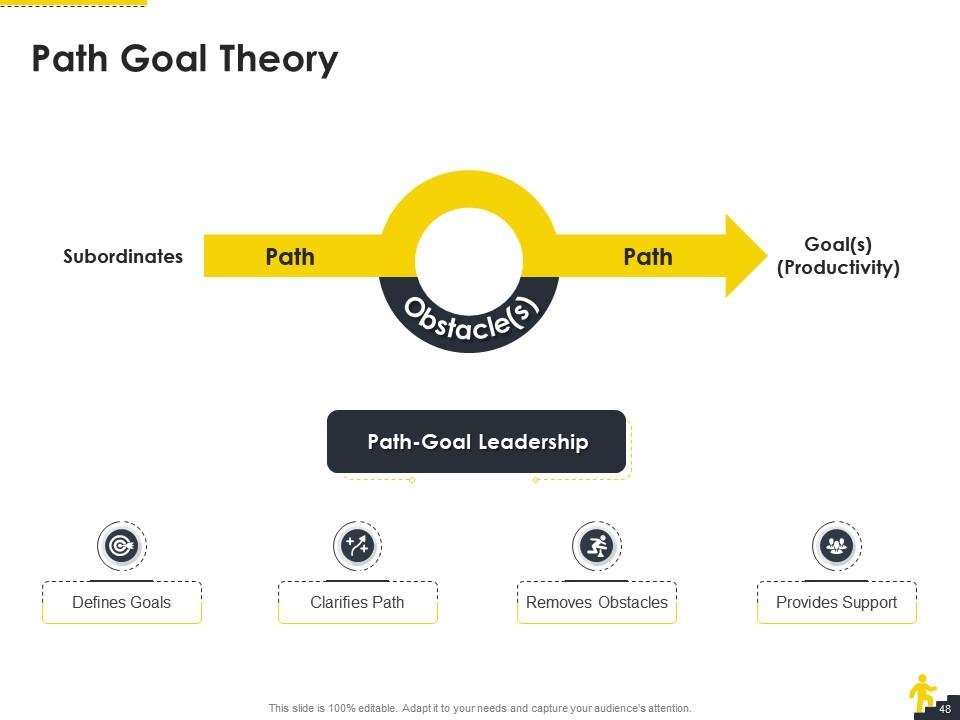
Diapositiva 48 : Esta diapositiva explica la teoría de la meta del camino.
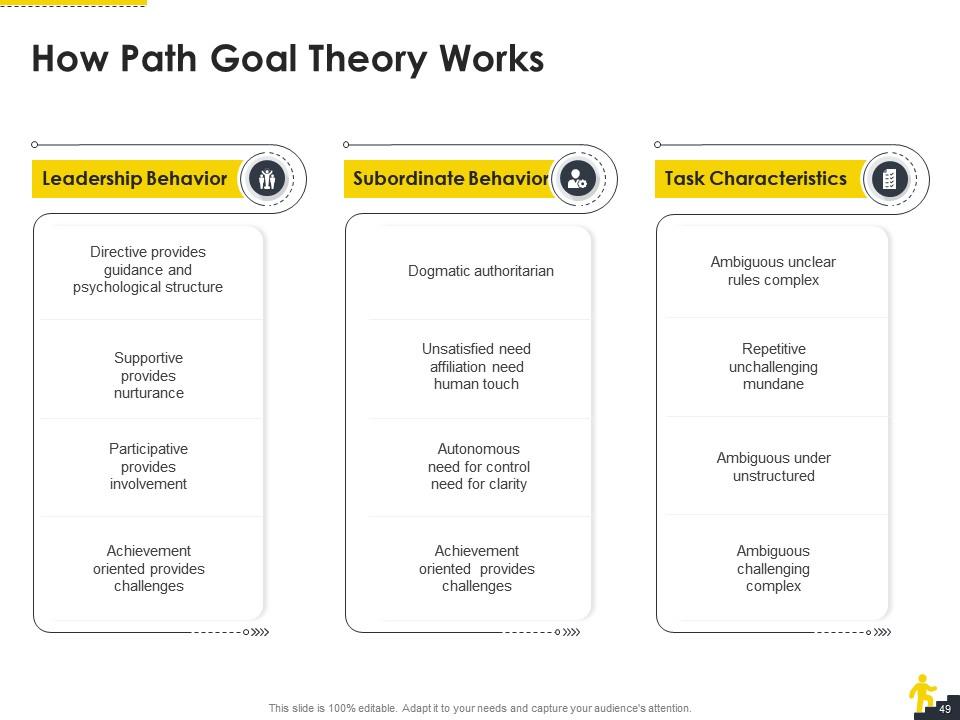
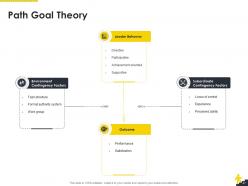
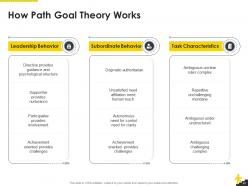
Diapositiva 49 : Esta diapositiva muestra cómo funciona la teoría de la meta del camino.
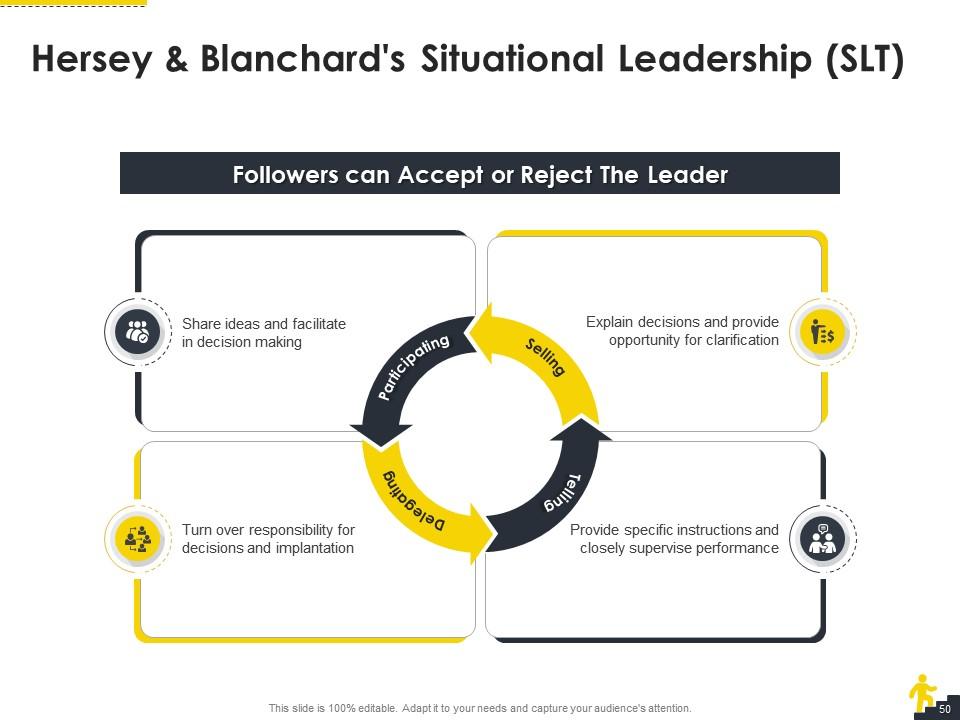
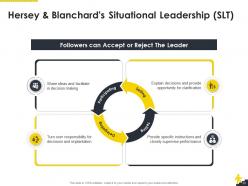
Diapositiva 50 : Esta diapositiva presenta el liderazgo situacional de Hersey & Blanchard.
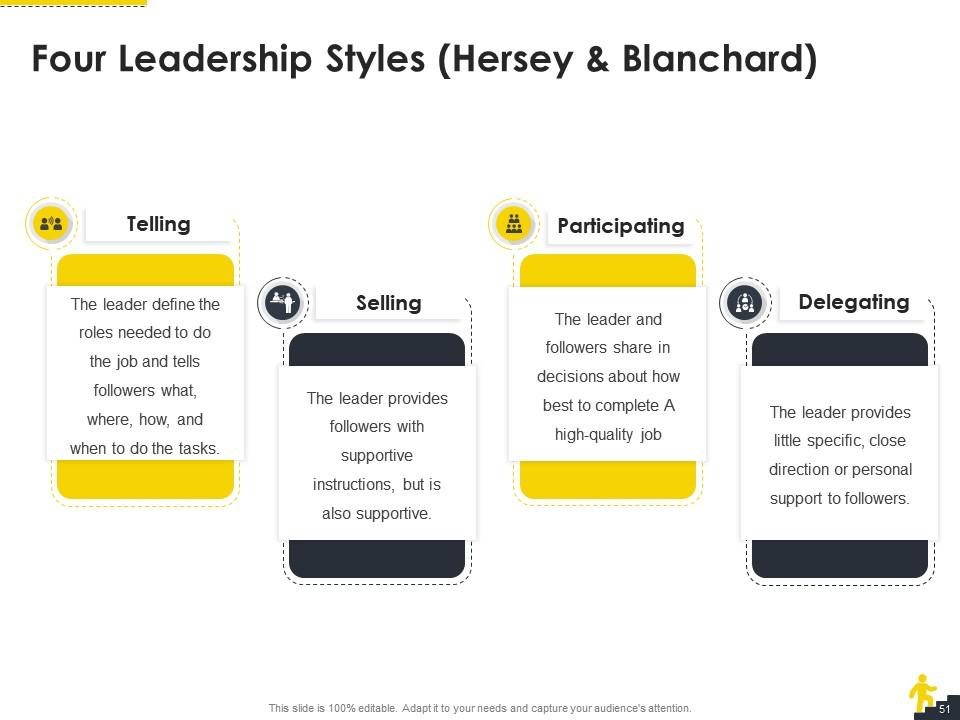
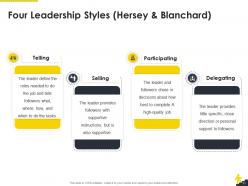
Diapositiva 51 : Esta diapositiva muestra cuatro estilos de liderazgo.
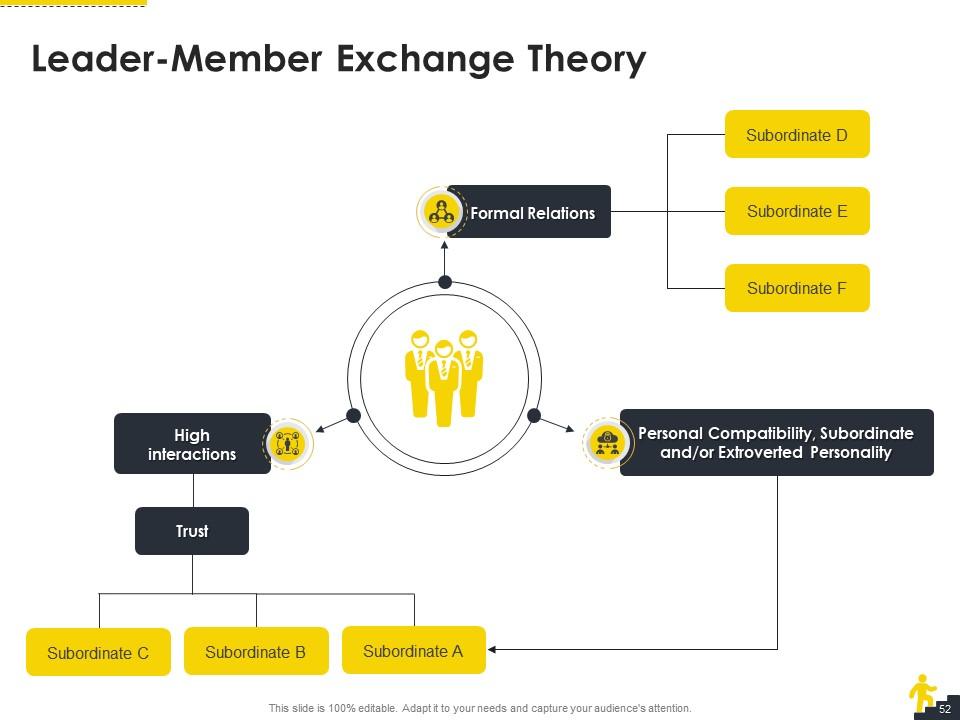
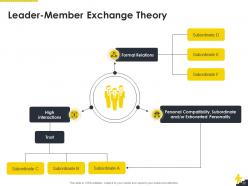
Diapositiva 52 : Esta diapositiva describe la teoría del intercambio líder-miembro.
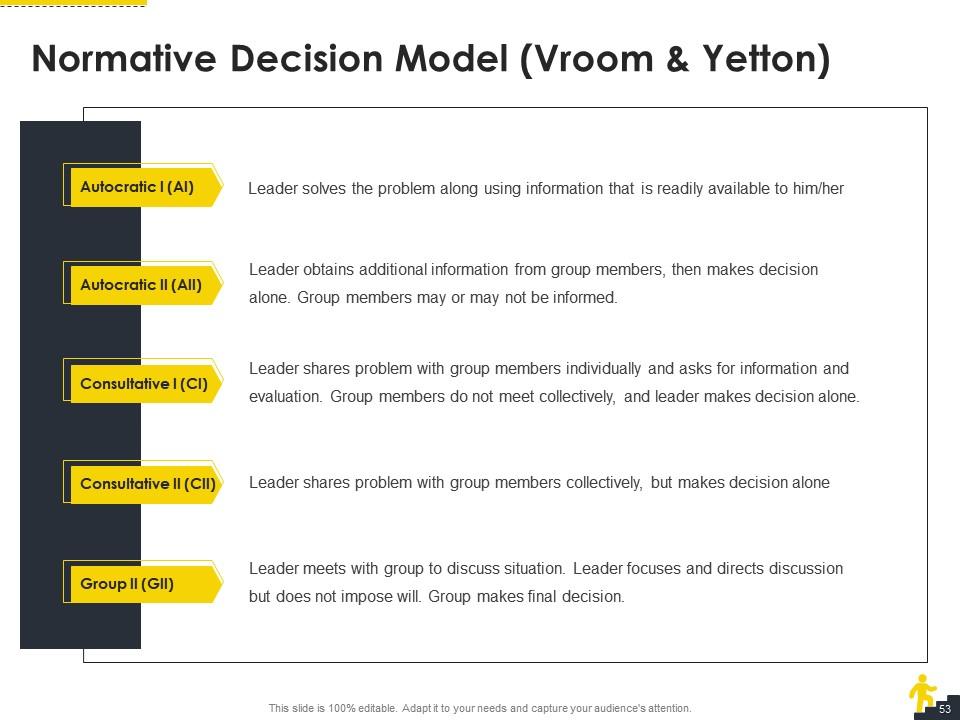
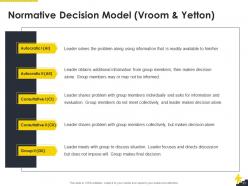
Diapositiva 53 : Esta diapositiva muestra el modelo de decisión normativa.
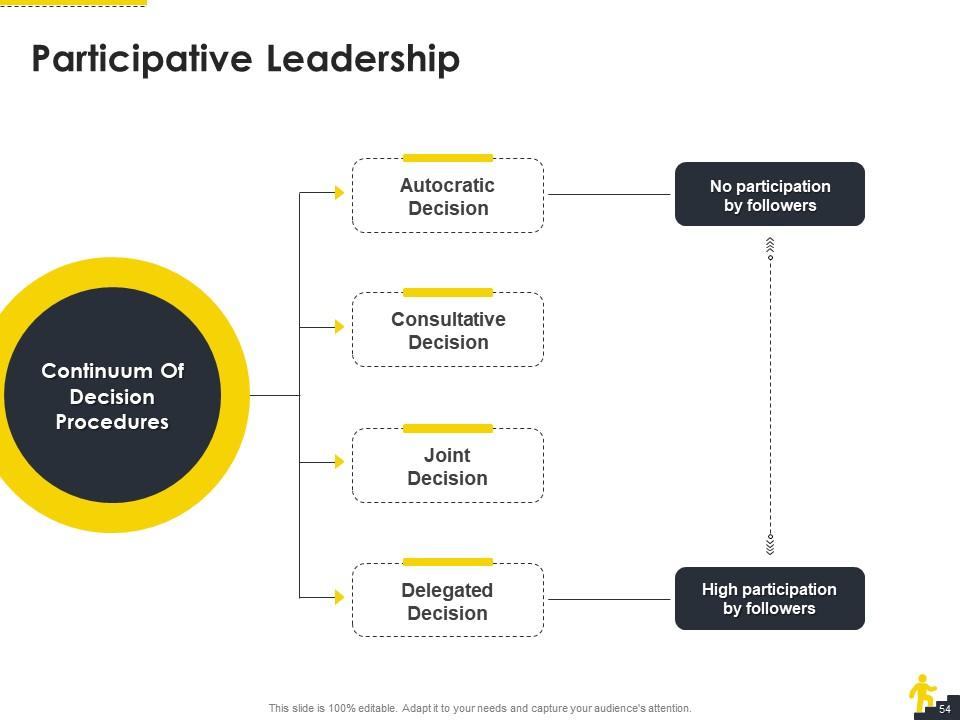
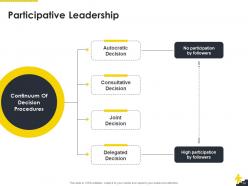
Diapositiva 54 : Esta diapositiva presenta el liderazgo participativo.
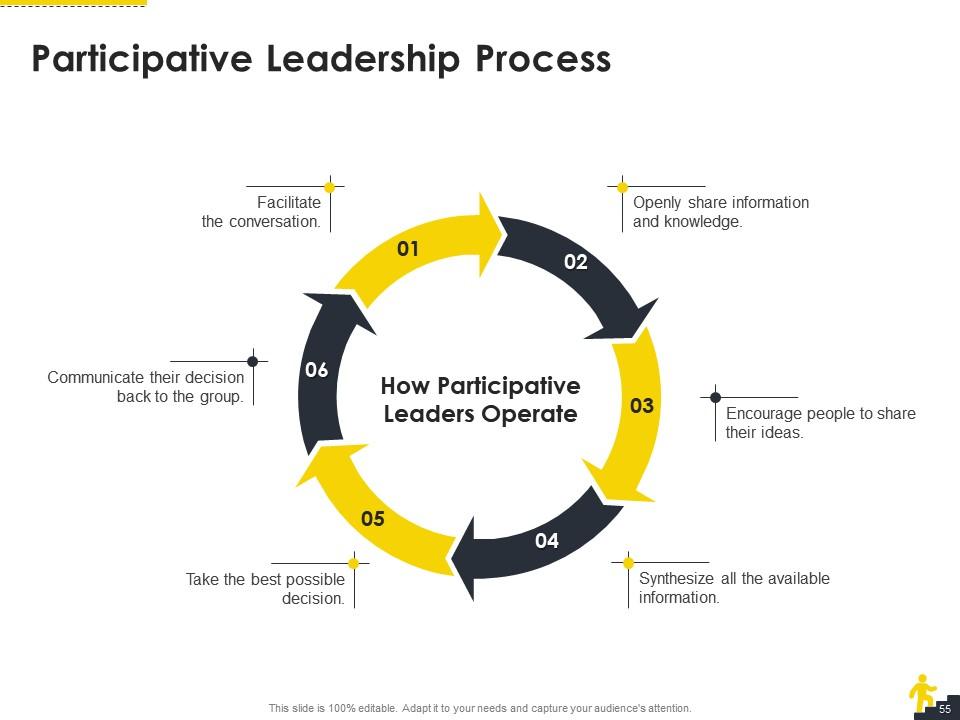
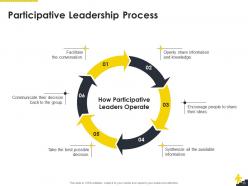
Diapositiva 55 : Esta diapositiva explica el proceso de liderazgo participativo.
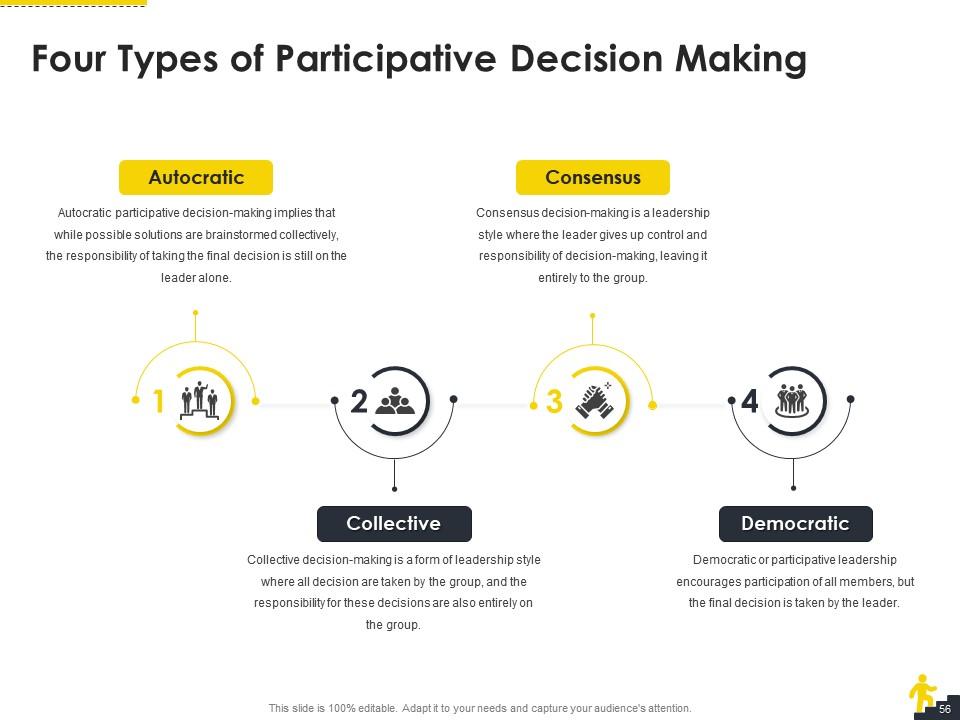
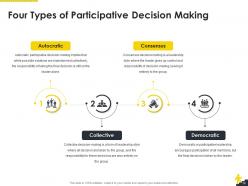
Diapositiva 56 : Esta diapositiva muestra cuatro tipos de toma de decisiones participativa.
Diapositiva 57 : Esta es la diapositiva de iconos para el proyecto.
Diapositiva 58 : esta diapositiva muestra el título de las diapositivas adicionales.
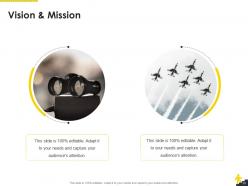
Diapositiva 59 : Esta diapositiva presenta la visión y misión de la empresa.
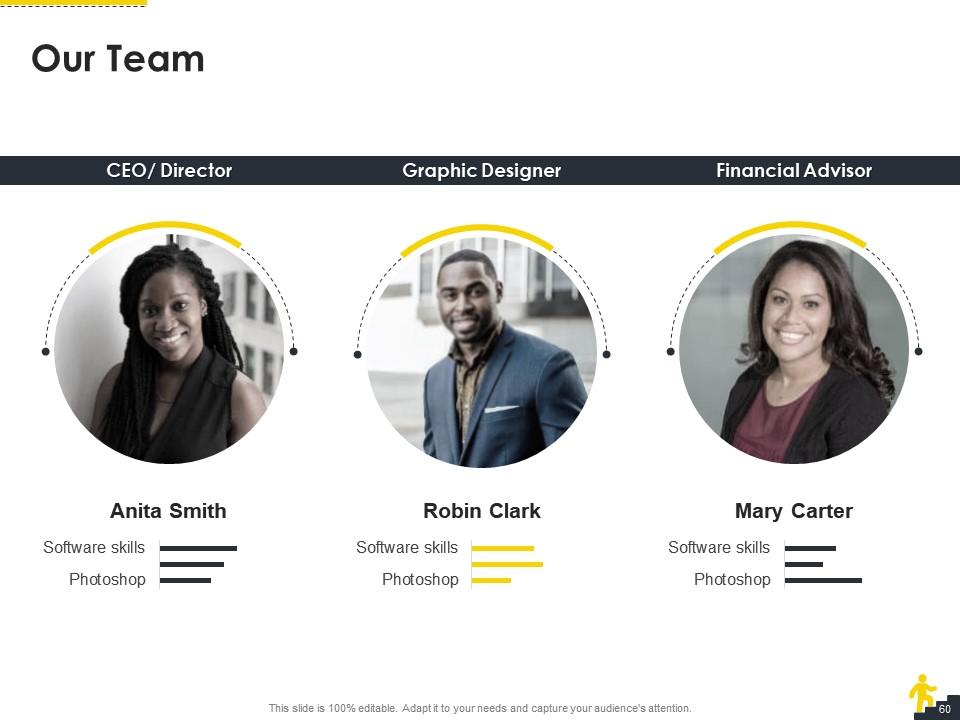
Diapositiva 60 : Esta diapositiva muestra detalles de los miembros del equipo responsables del proyecto.
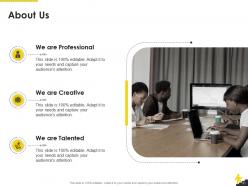
Diapositiva 61 : Esta diapositiva muestra información sobre la empresa.
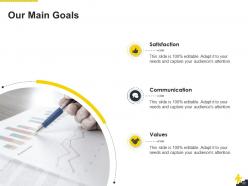
Diapositiva 62 : Esta diapositiva muestra los objetivos de la empresa.
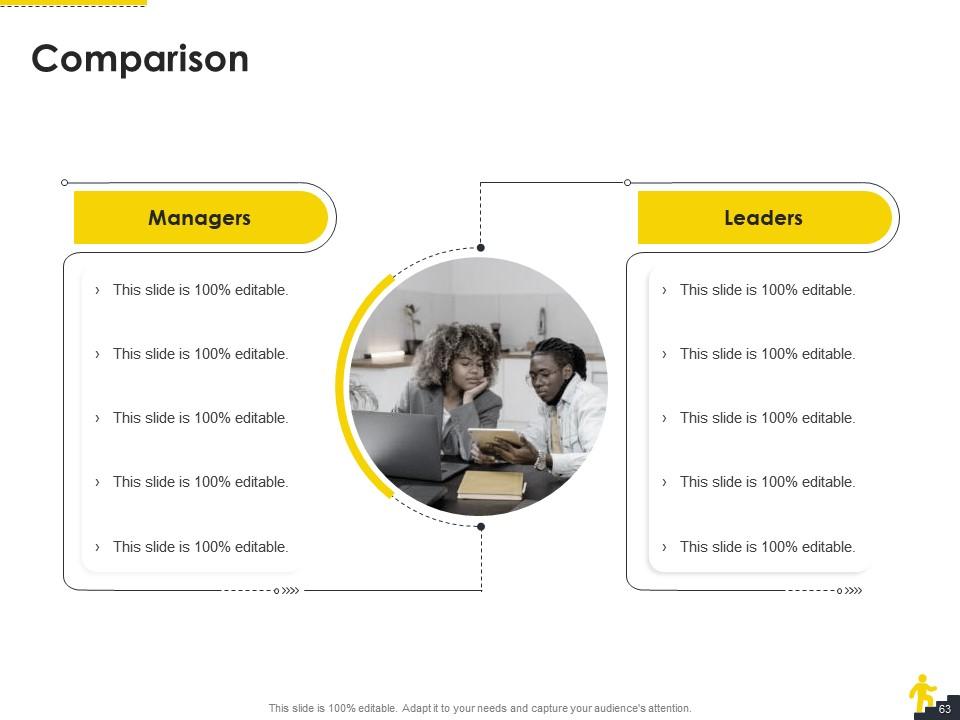
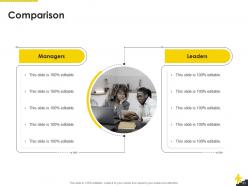
Diapositiva 63 : Esta diapositiva presenta una comparación de gerentes y líderes.
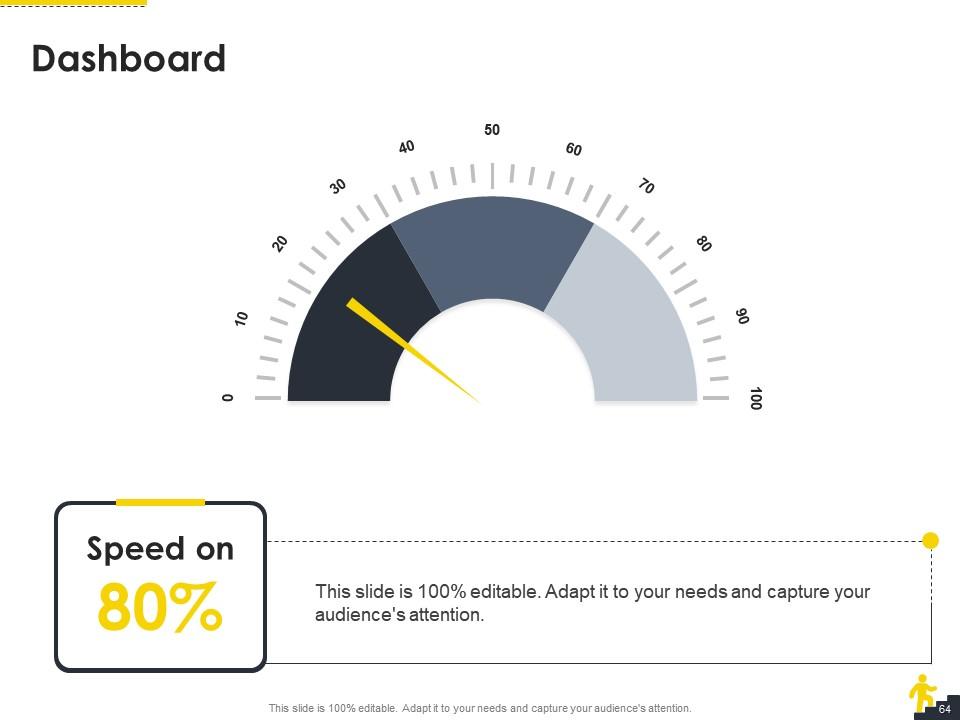
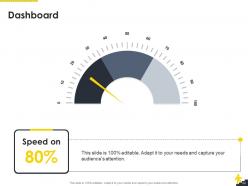
Diapositiva 64 : Esta diapositiva muestra el tablero del proyecto.
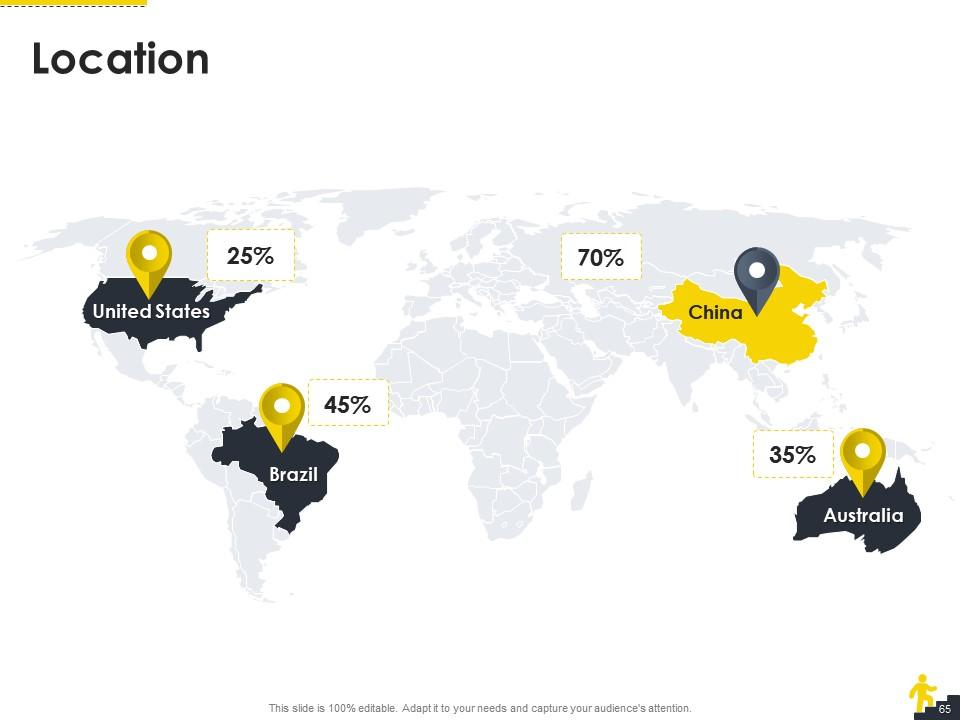
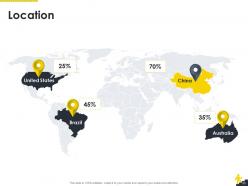
Diapositiva 65 : esta diapositiva muestra la ubicación de la empresa en todo el mundo.
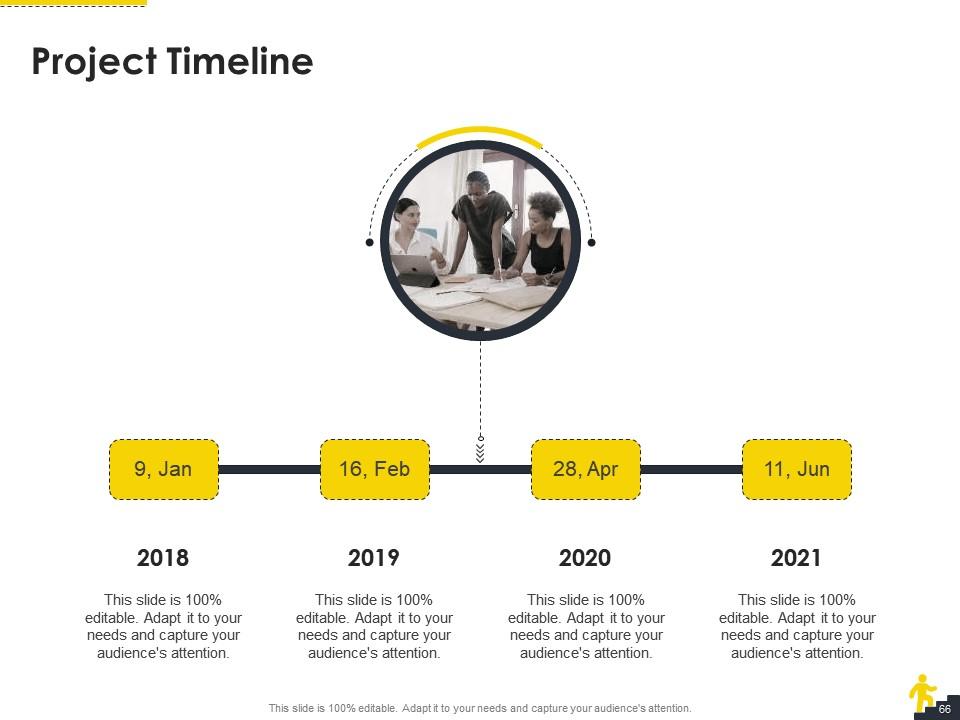
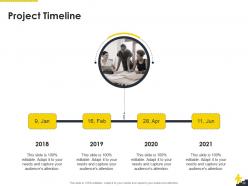
Diapositiva 66 : Esta diapositiva brinda detalles de la línea de tiempo del proyecto anual.
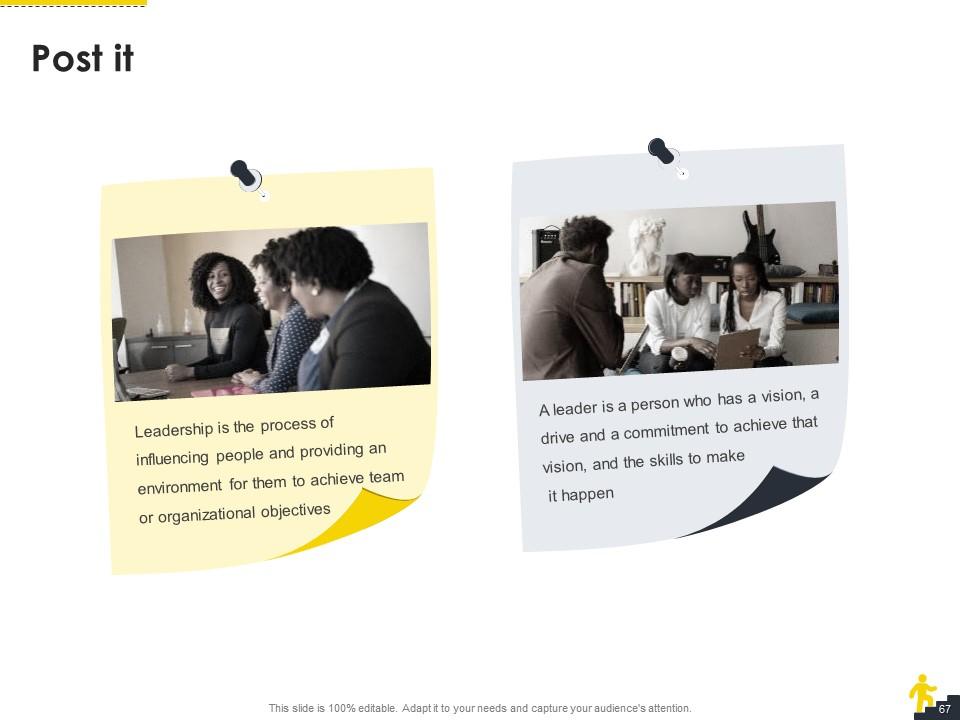
Diapositiva 67 : esta diapositiva muestra publicaciones de comentarios anteriores.
Diapositiva 68 : Esta diapositiva presenta el rompecabezas relacionado con la empresa.
Diapositiva 69 : Esta diapositiva exhibe los objetivos de la empresa.
Diapositiva 70 : Esta diapositiva muestra el venn del proyecto.
Diapositiva 71 : Esta diapositiva explica el mapa mental del proyecto.
Diapositiva 72 : Esta diapositiva muestra el lego del proyecto.
Diapositiva 73 : Esta diapositiva presenta las siluetas del proyecto.
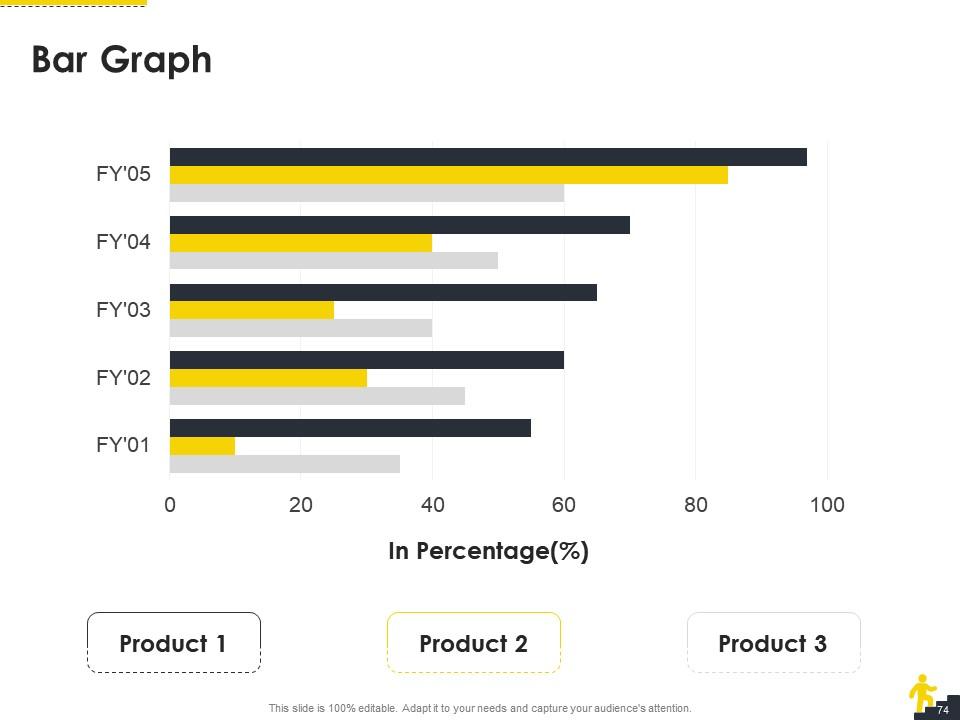
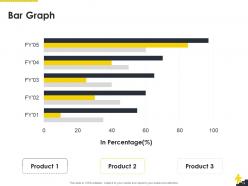
Diapositiva 74 : Esta diapositiva muestra los gráficos de barras para diferentes productos. Los gráficos están vinculados a Excel.
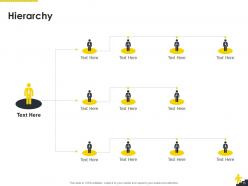
Diapositiva 75 : Esta diapositiva muestra la jerarquía de la empresa.
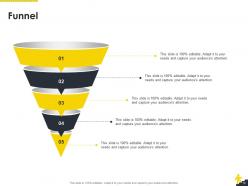
Diapositiva 76 : esta diapositiva muestra el embudo relacionado con el proyecto.
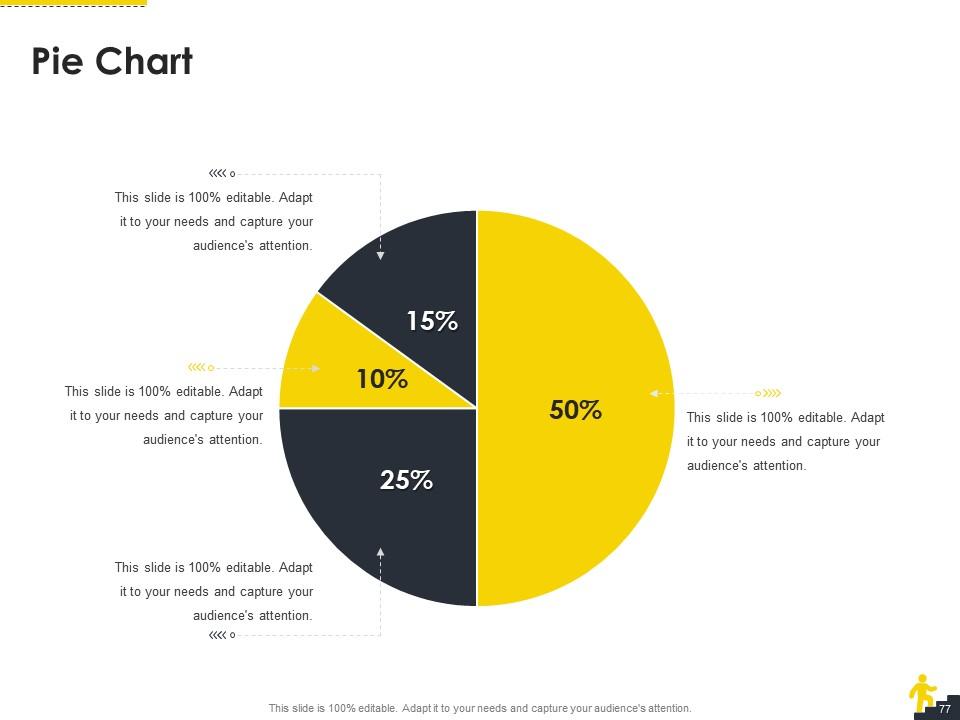
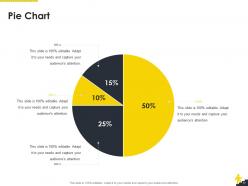
Diapositiva 77 : Esta diapositiva muestra los gráficos circulares para diferentes productos. Los gráficos están vinculados a Excel.
Diapositiva 78 : esta diapositiva contiene detalles de contacto de la empresa, incluidos el número de teléfono, la dirección de correo electrónico, la dirección de la oficina, etc.
Diapositiva 79 : Esta es la diapositiva de agradecimiento.
Diapositivas de presentación de Powerpoint de liderazgo corporativo con las 79 diapositivas:
Utilice nuestras diapositivas de presentación de Powerpoint de liderazgo corporativo para ayudarlo a ahorrar su valioso tiempo de manera efectiva. Están listas para adaptarse a cualquier estructura de presentación.
-
Great product with highly impressive and engaging designs.
-
Unique and attractive product design.
-
Excellent Designs.
-
It saves your time and decrease your efforts in half.
-
Perfect template with attractive color combination.
