Cosméticos Empresa Pitch Deck Ppt Template

Rating:
80%
Cosmetic Company Pitch Deck Ppt Template
Slide 1 of 36
Favourites Favourites

Try Before you Buy Download Free Sample Product

Audience Impress Your
Audience
Editable 100%
Editable
Time Save Hours
of Time
The Biggest Sale is ending soon in
0
0
:
0
0
:
0
0
Rating:
80%

Características destes slides de apresentação do PowerPoint:

Forneça aos seus investidores insights essenciais sobre seu projeto e empresa com este influente modelo de PPT Pitch Deck de empresa de cosméticos. Este é um modelo de PPT de apresentação detalhada que abrange todas as informações e estatísticas abrangentes de sua organização. De modelos de receita a estatísticas básicas, há gráficos e gráficos exclusivos adicionados para tornar sua apresentação mais informativa e estrategicamente avançada. Isso lhe dá uma vantagem competitiva e amplo espaço para mostrar suas marcas USP. Além disso, todos os três slides adicionados a este deck ajudam a fornecer uma análise de várias facetas e fundamentos principais. Incluindo a história da sua empresa, estratégias de marketing, tração, etc. A maior vantagem deste template é que ele é flexível para qualquer domínio de negócio seja e-commerce, revolução de TI, etc, para introduzir um novo produto ou trazer mudanças para o um existente. Portanto, baixe agora este deck completo em formato PNG, JPG ou PDF.
Conteúdo desta apresentação em PowerPoint

Slide 1 : Este slide exibe o título, ou seja, 'Cosmetic Company Pitch Deck' e o nome da sua empresa.
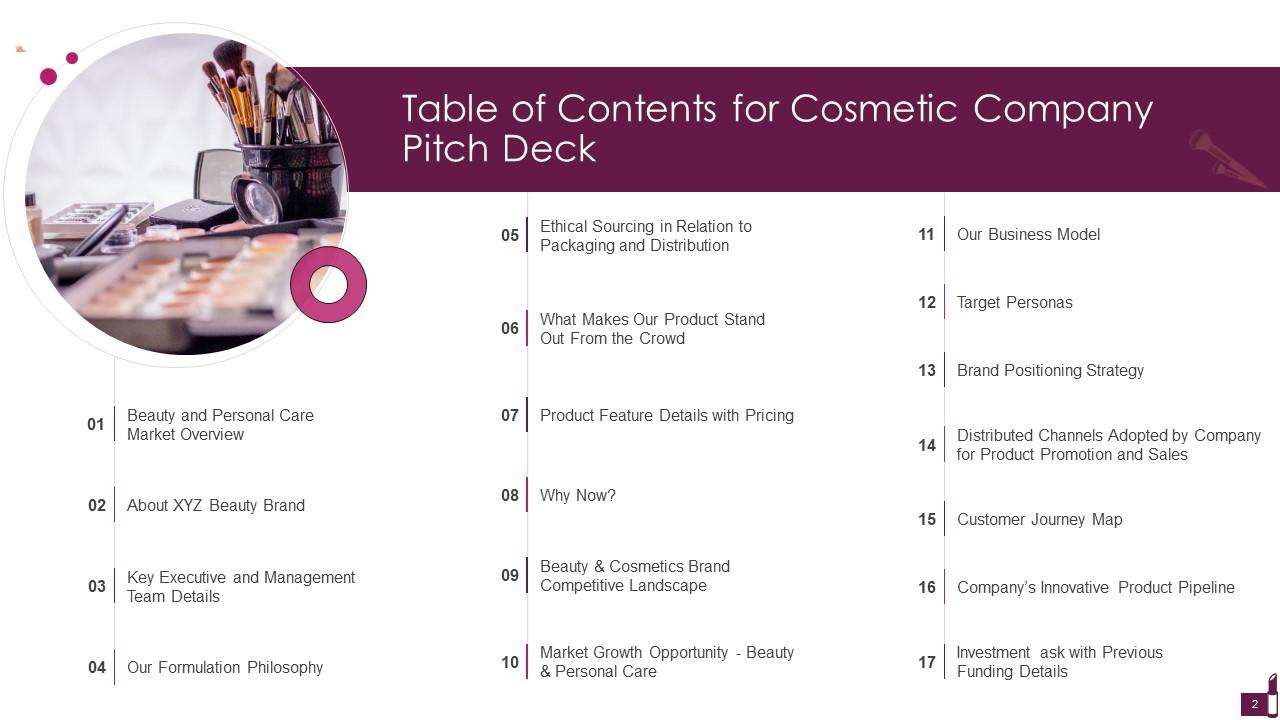
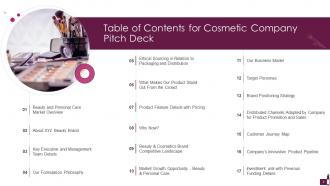
Slide 2 : Este slide apresenta o índice.
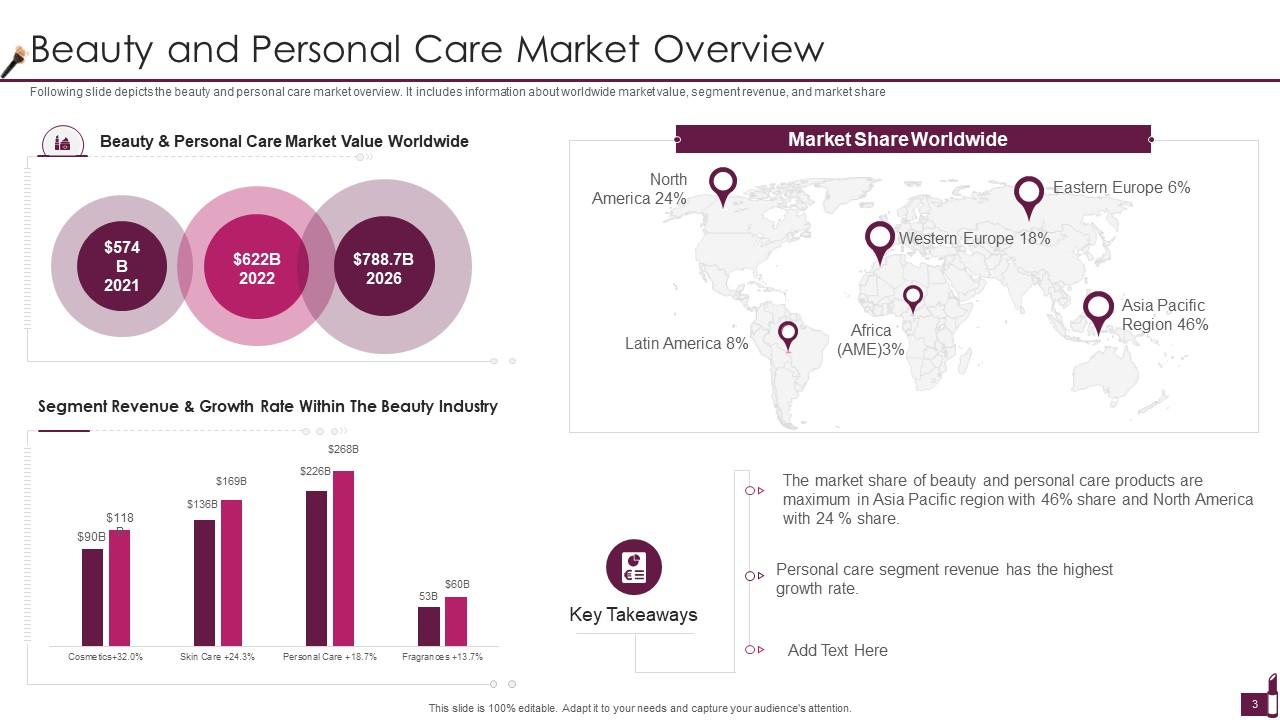
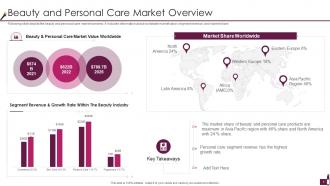
Slide 3 : Este slide mostra a visão geral do mercado de beleza e cuidados pessoais.
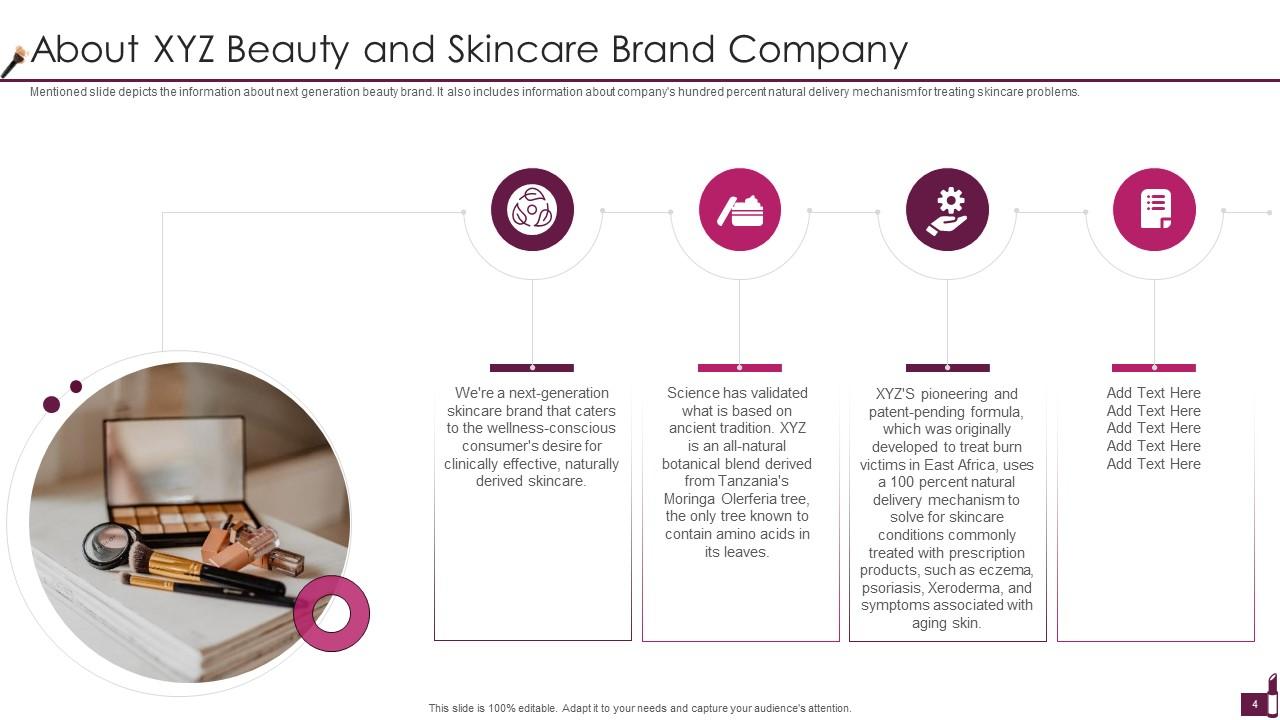
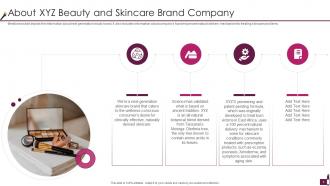
Slide 4 : Este slide mostra as informações sobre a marca de beleza da próxima geração.
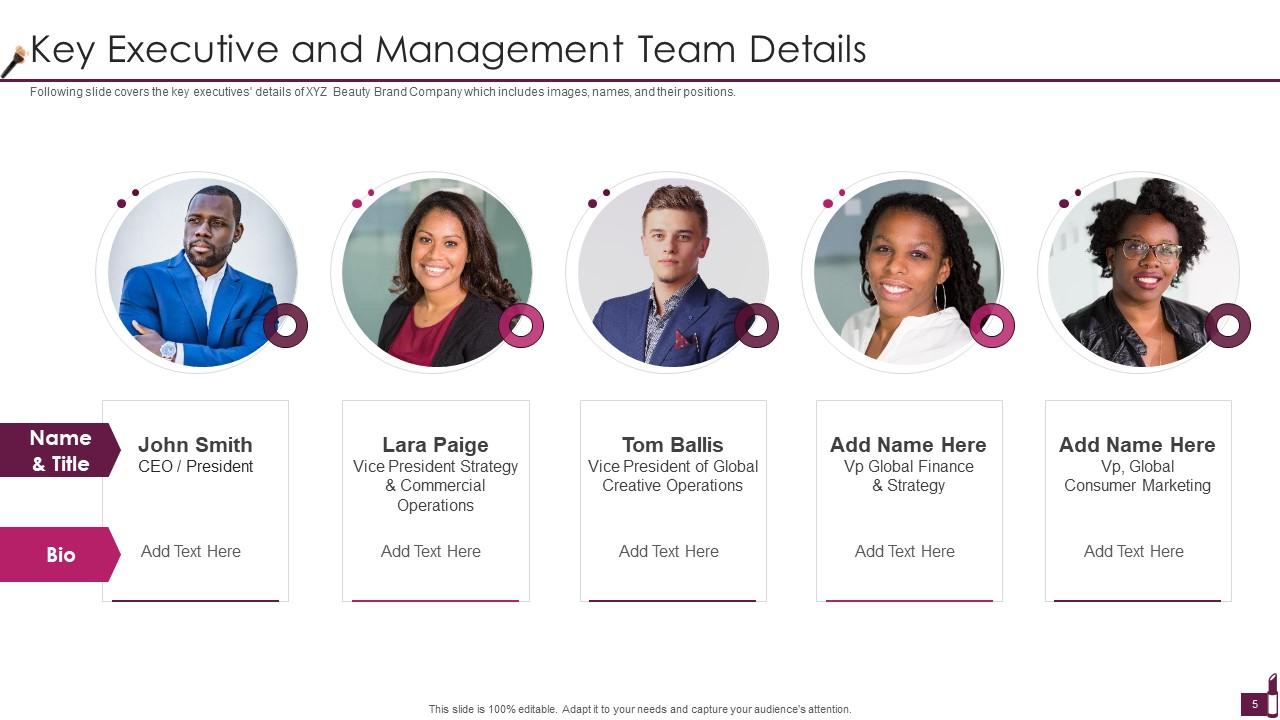
Slide 5 : Este slide cobre os detalhes dos principais executivos da XYZ Beauty Brand Company, incluindo imagens, nomes e seus cargos.
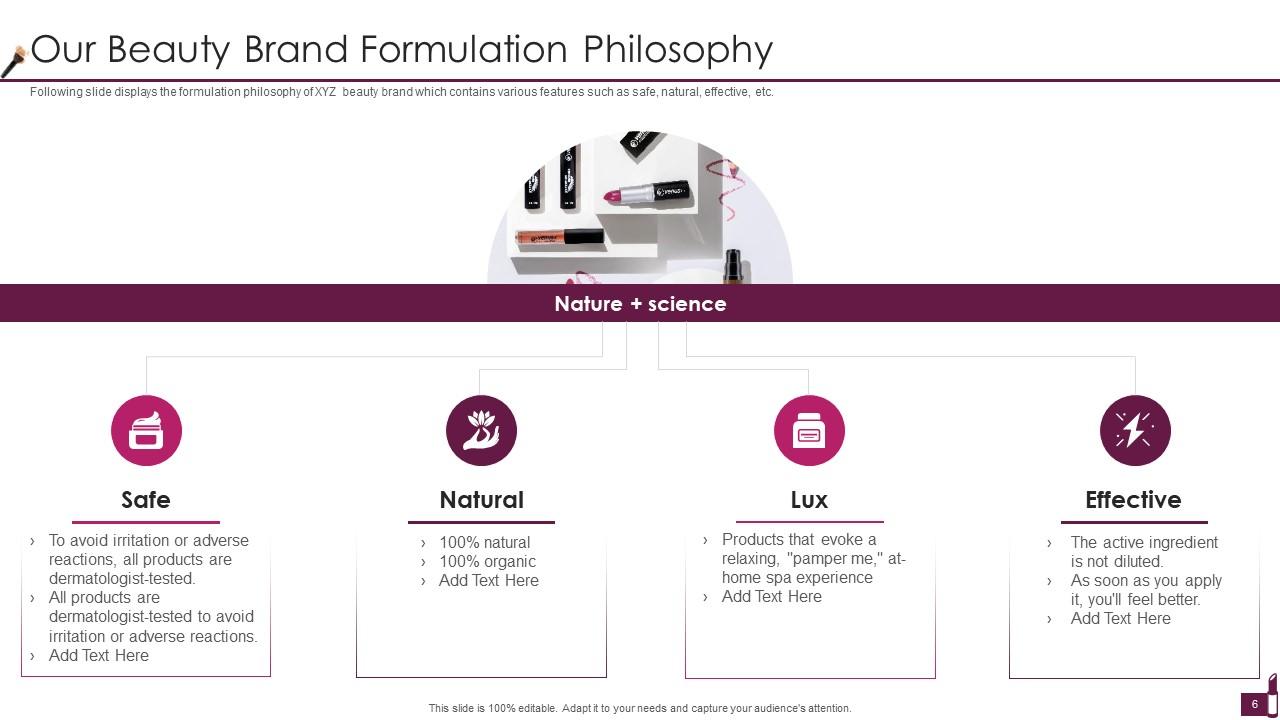
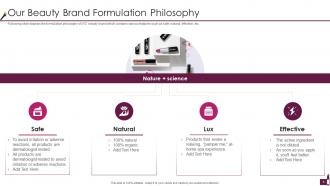
Slide 6 : Este slide mostra a filosofia de formulação da marca de beleza XYZ, que contém vários recursos, como seguro, natural, eficaz, etc.
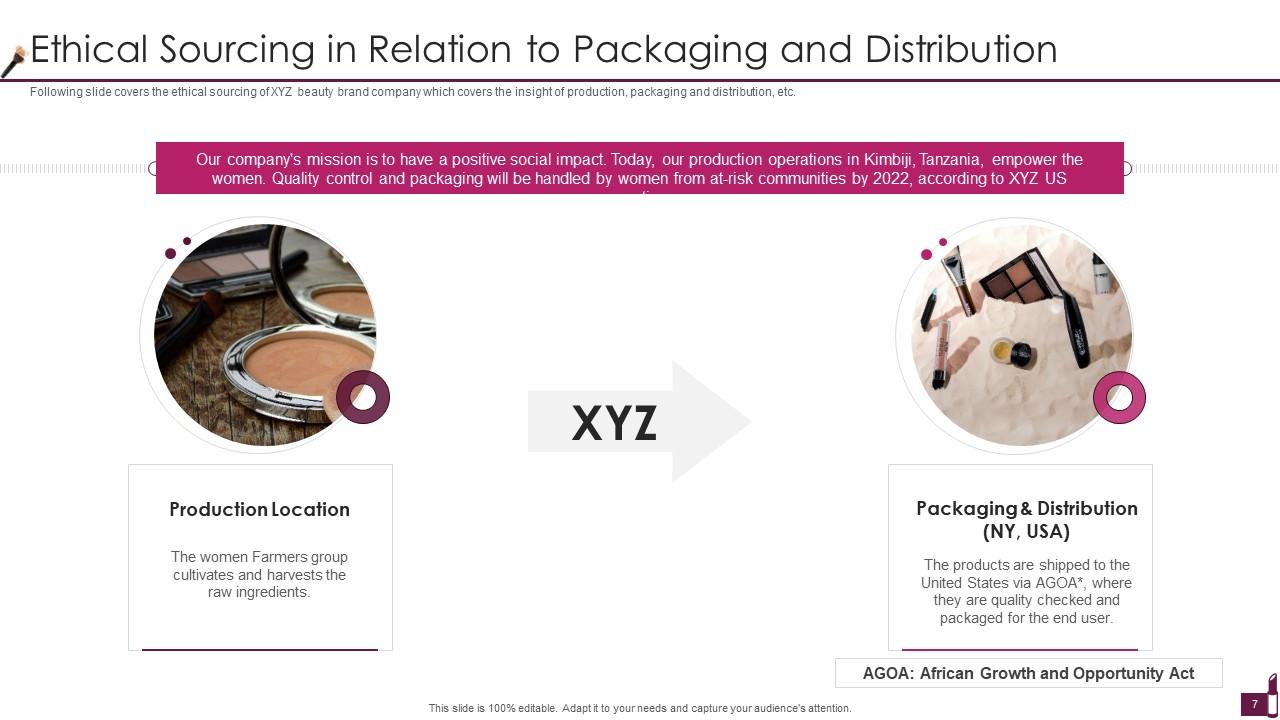
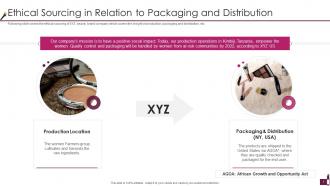
Slide 7 : Este slide aborda o fornecimento ético da marca de beleza XYZ, que abrange a visão de produção, embalagem e distribuição, etc.
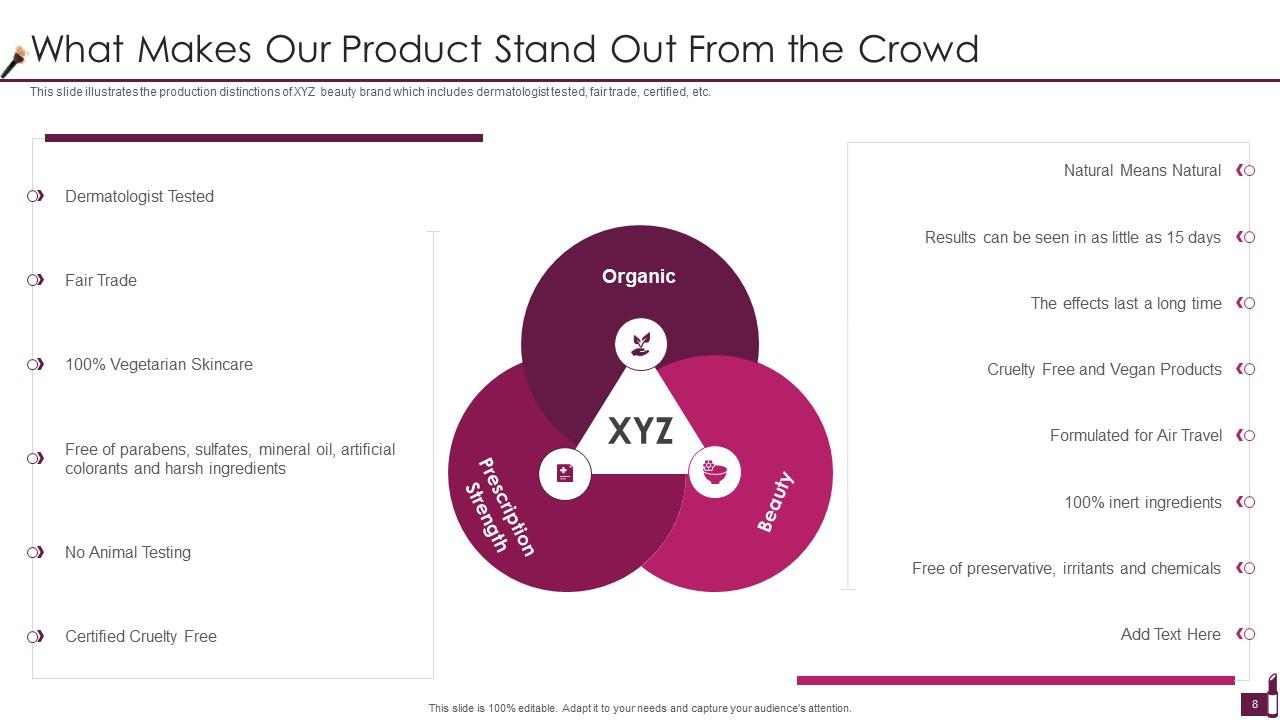
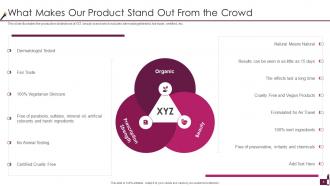
Slide 8 : Este slide ilustra as distinções de produção da marca de beleza XYZ, que inclui testes dermatológicos, comércio justo, certificados, etc.
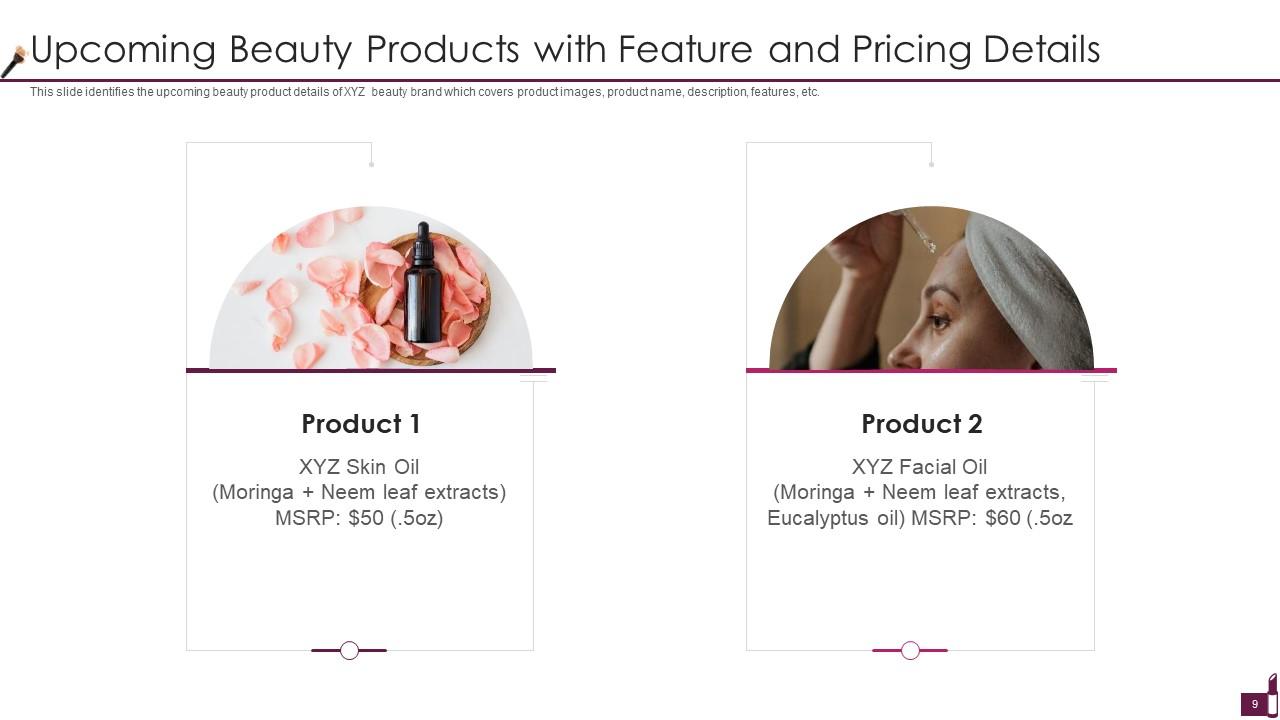
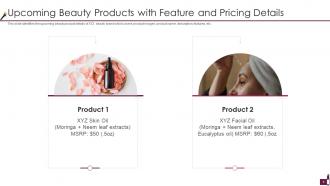
Slide 9 : Este slide identifica os próximos detalhes do produto de beleza da marca de beleza XYZ, que abrange imagens do produto, nome do produto, descrição, recursos etc.
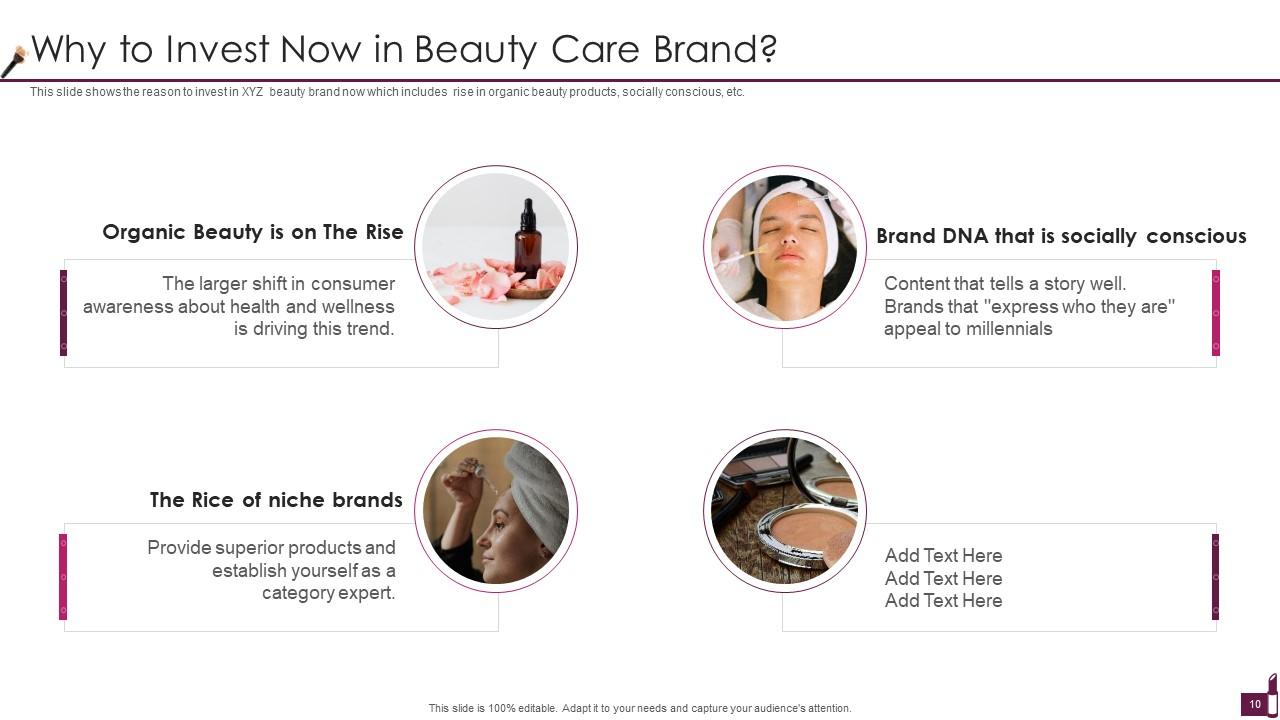
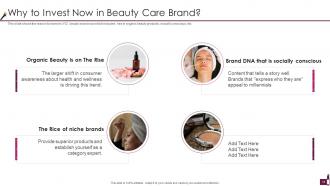
Slide 10 : Este slide mostra o motivo para investir na marca de beleza XYZ agora, que inclui aumento de produtos de beleza orgânicos, socialmente conscientes, etc.
Slide 11 : Este slide mostra o cenário competitivo da marca de beleza XYZ, que abrange resultados significativos em comparação com os concorrentes.
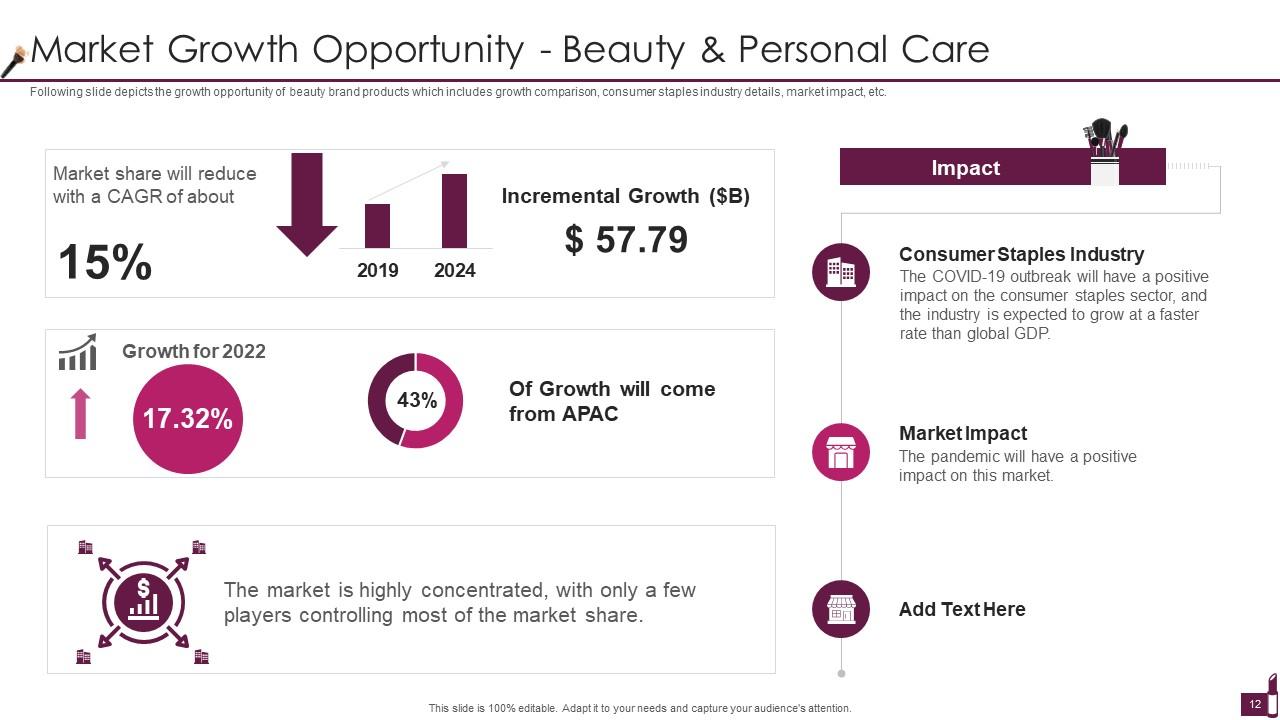
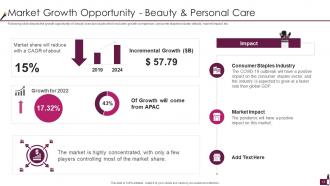
Slide 12 : Este slide mostra a oportunidade de crescimento de produtos de marcas de beleza, que inclui comparação de crescimento, detalhes do setor de consumo básico, impacto no mercado etc.
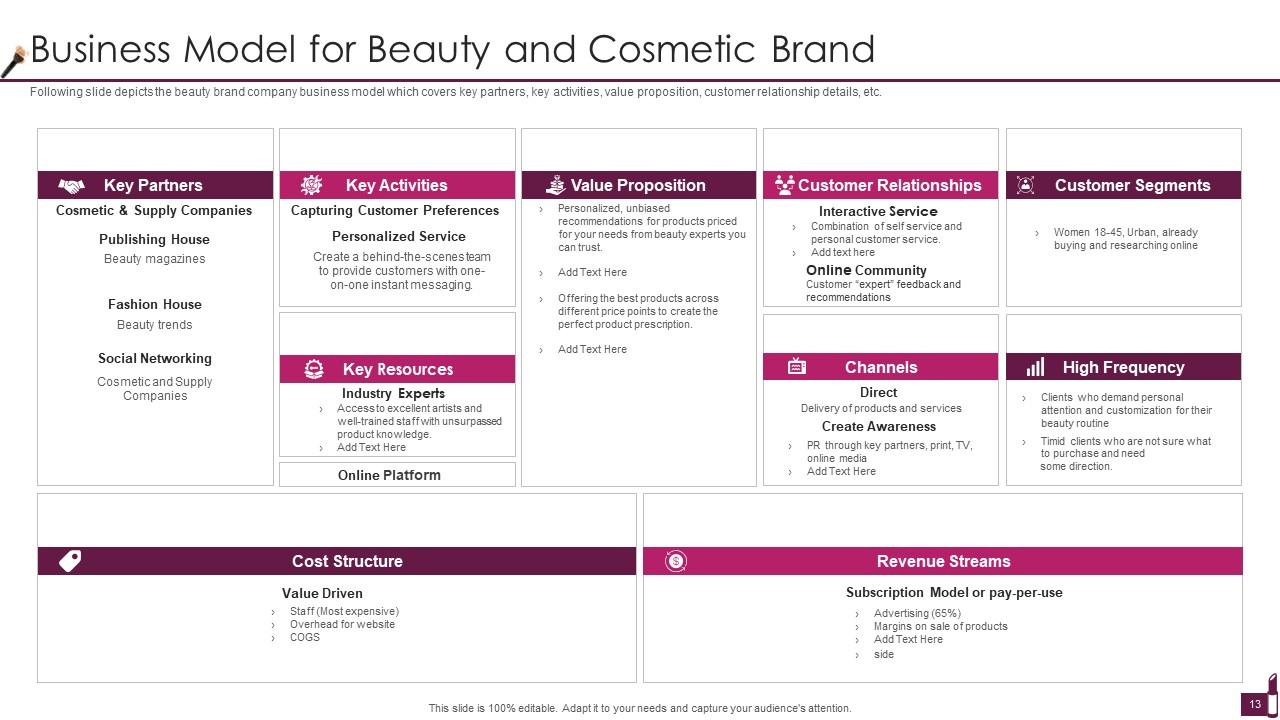
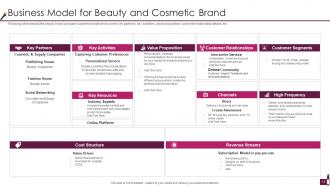
Slide 13 : Este slide mostra o modelo de negócios da marca de beleza que abrange os principais parceiros, atividades principais, proposta de valor, detalhes do relacionamento com o cliente, etc.
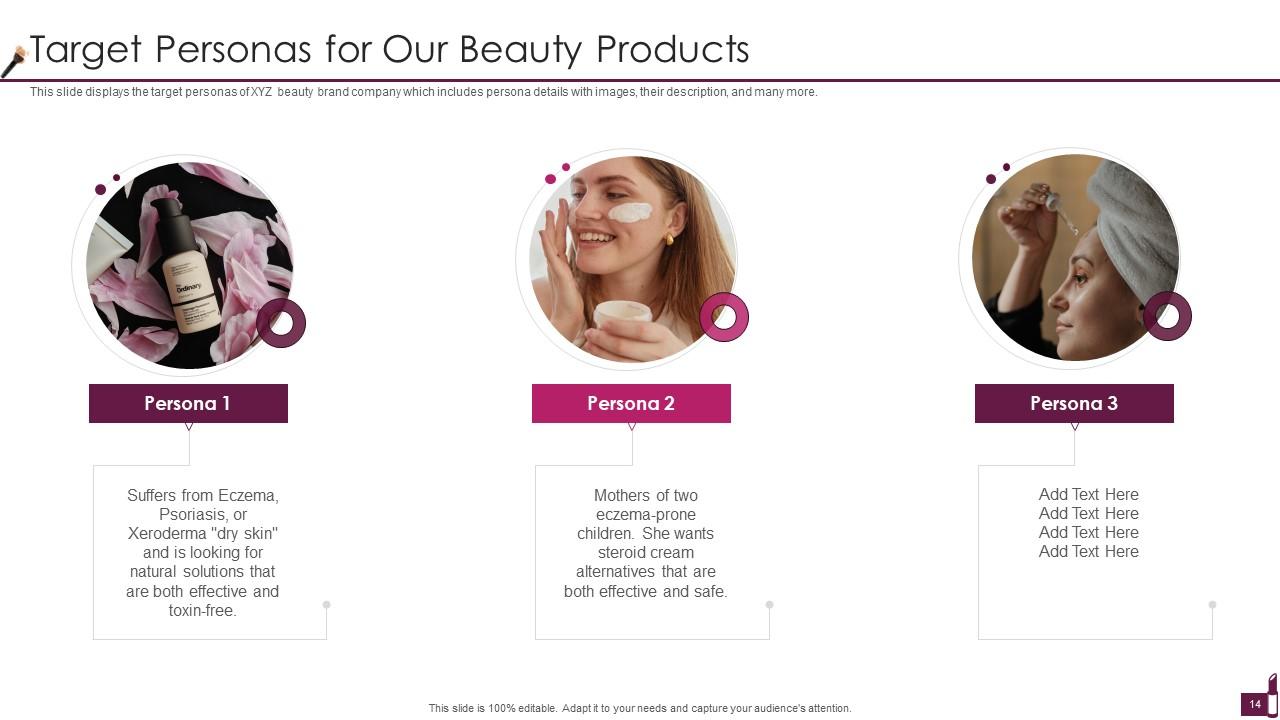
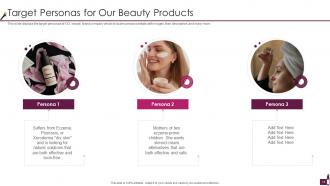
Slide 14 : Este slide mostra as personas alvo da empresa da marca de beleza XYZ, que inclui detalhes da persona com imagens, sua descrição e muito mais.
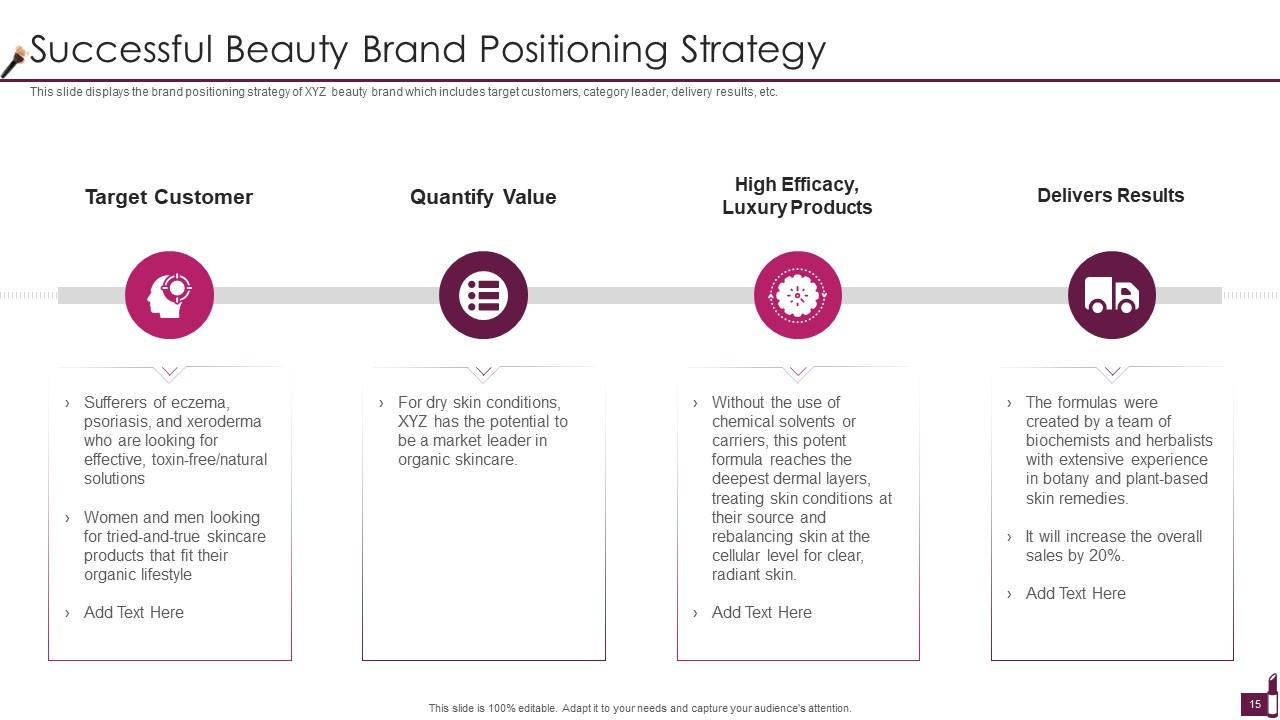
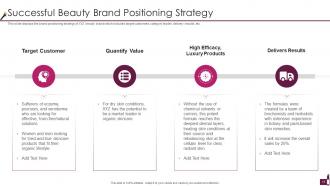
Slide 15 : Este slide mostra a estratégia de posicionamento da marca de beleza XYZ, que inclui clientes-alvo, líder da categoria, resultados de entrega, etc.
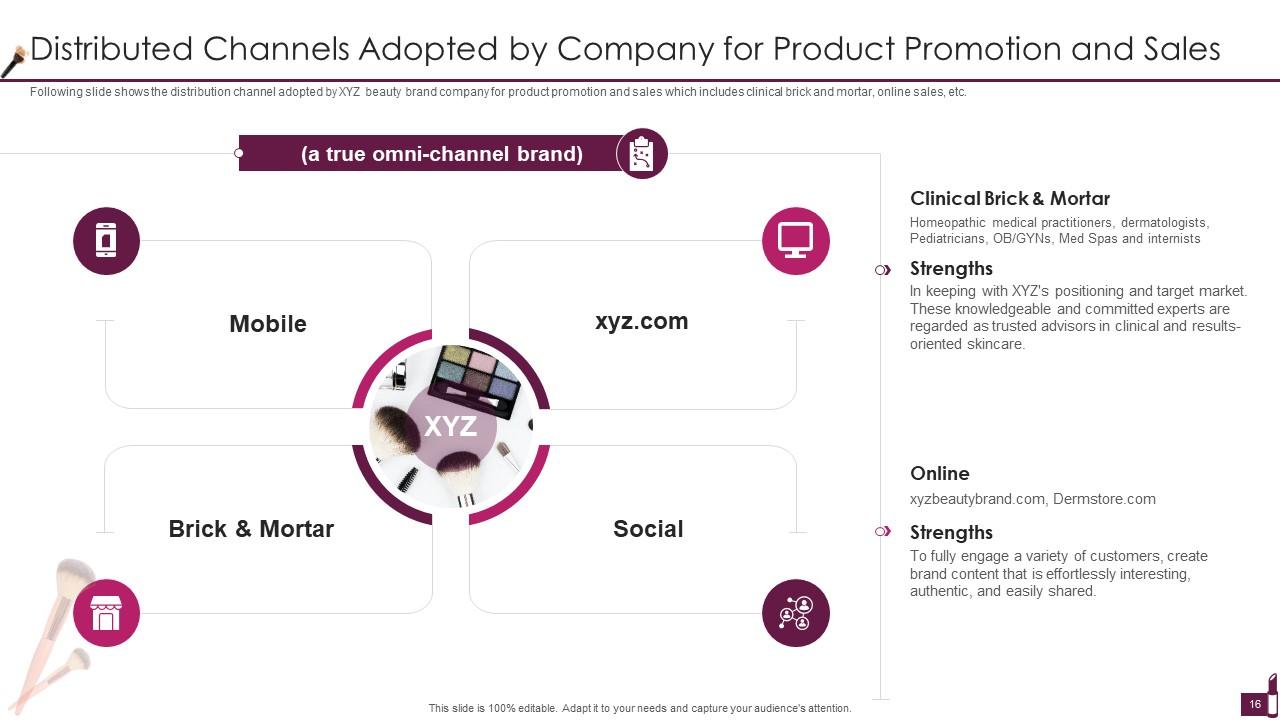
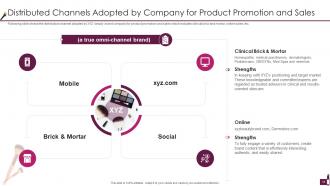
Slide 16 : Este slide mostra o canal de distribuição adotado pela empresa da marca de beleza XYZ para promoção e vendas de produtos.
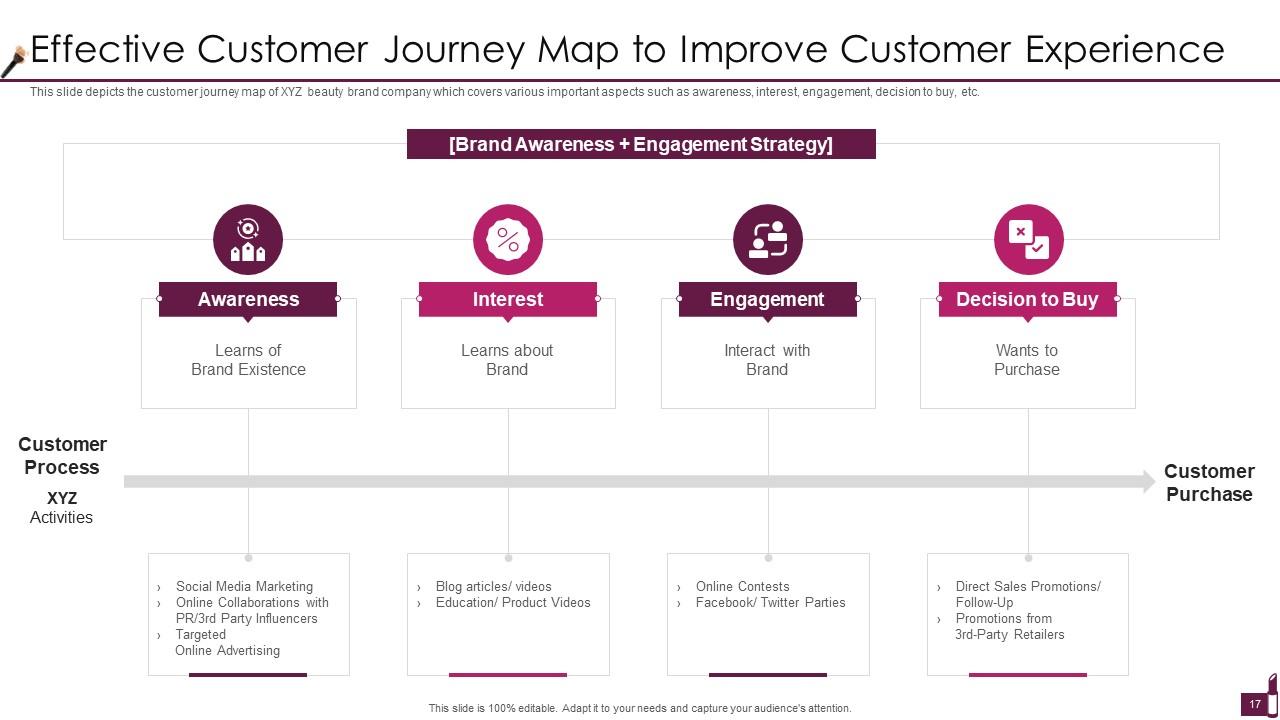
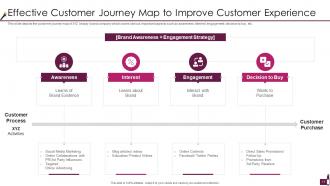
Slide 17 : Este slide mostra o mapa da jornada do cliente da marca de beleza XYZ, que abrange vários aspectos importantes, como conscientização, interesse, engajamento etc.
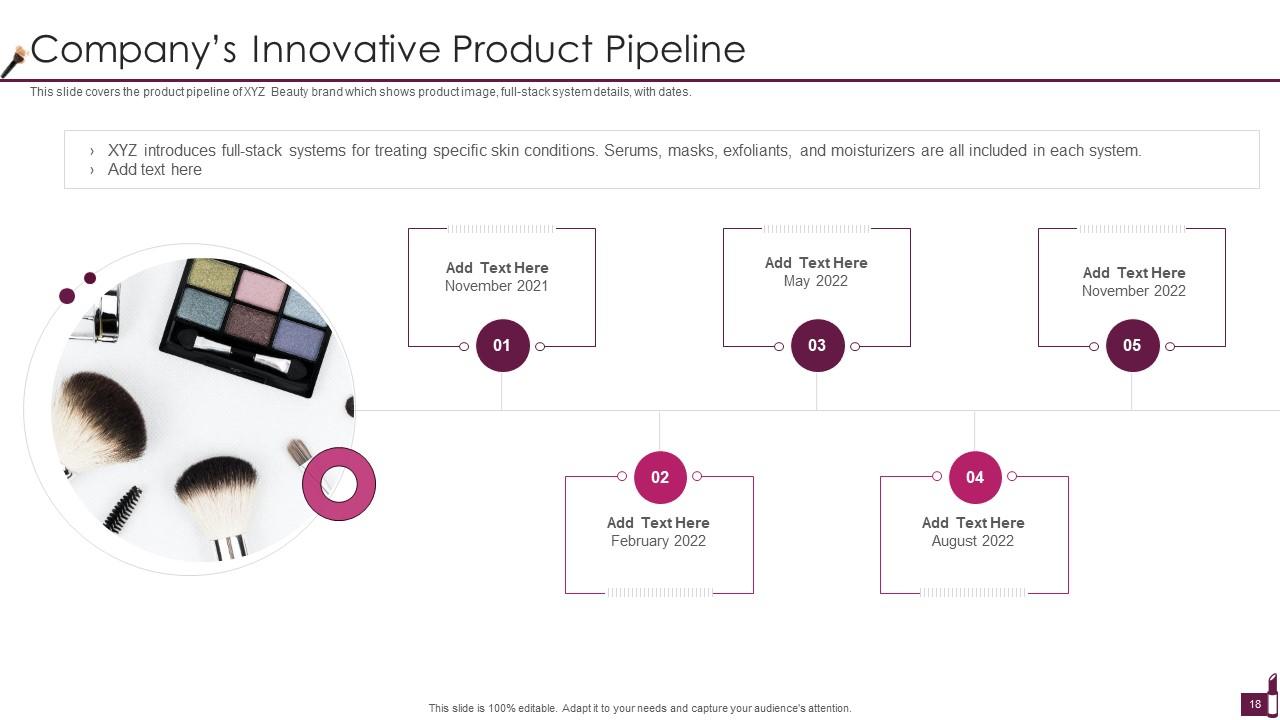
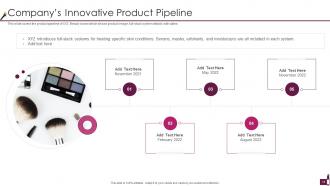
Slide 18 : Este slide cobre o pipeline de produtos da marca XYZ Beauty, que mostra a imagem do produto, detalhes do sistema full-stack, com datas.
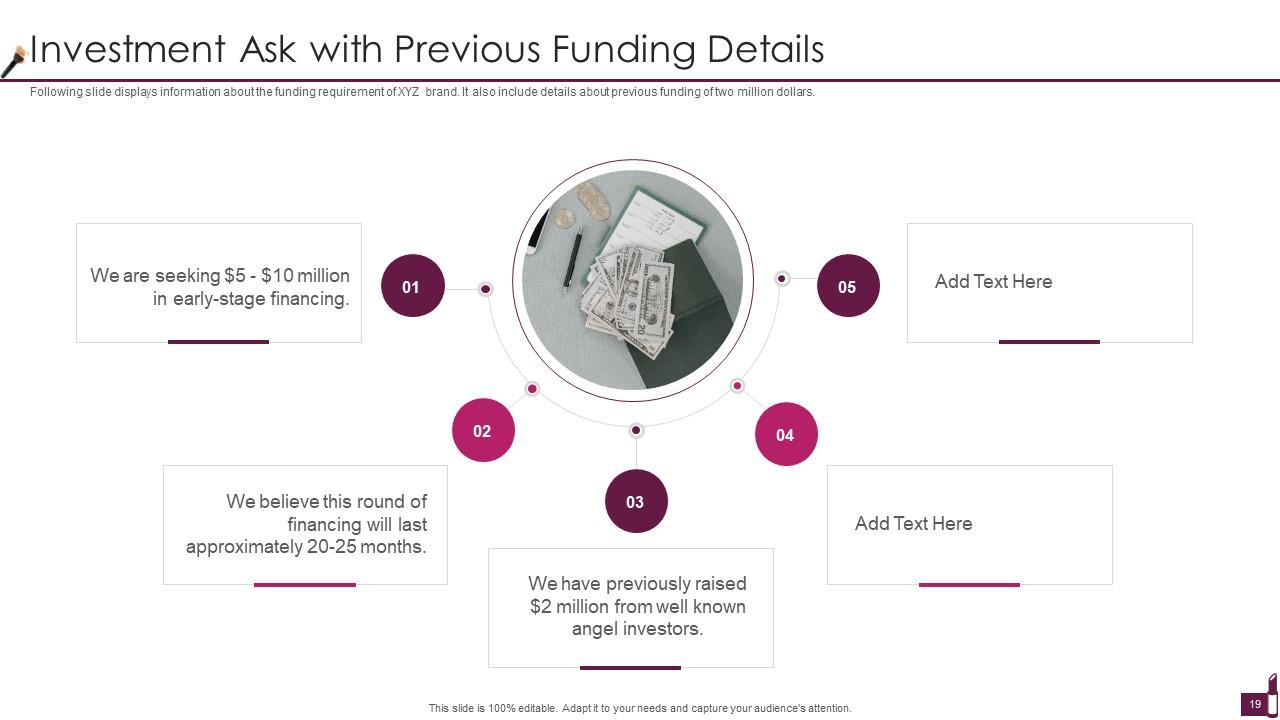
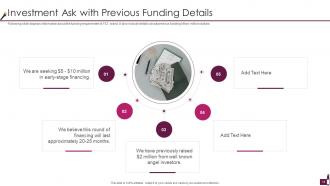
Slide 19 : Este slide apresenta informações sobre a necessidade de financiamento da marca XYZ.
Slide 20 : Este é o slide dos ícones.
Slide 21 : Este slide apresenta o título para slides adicionais.
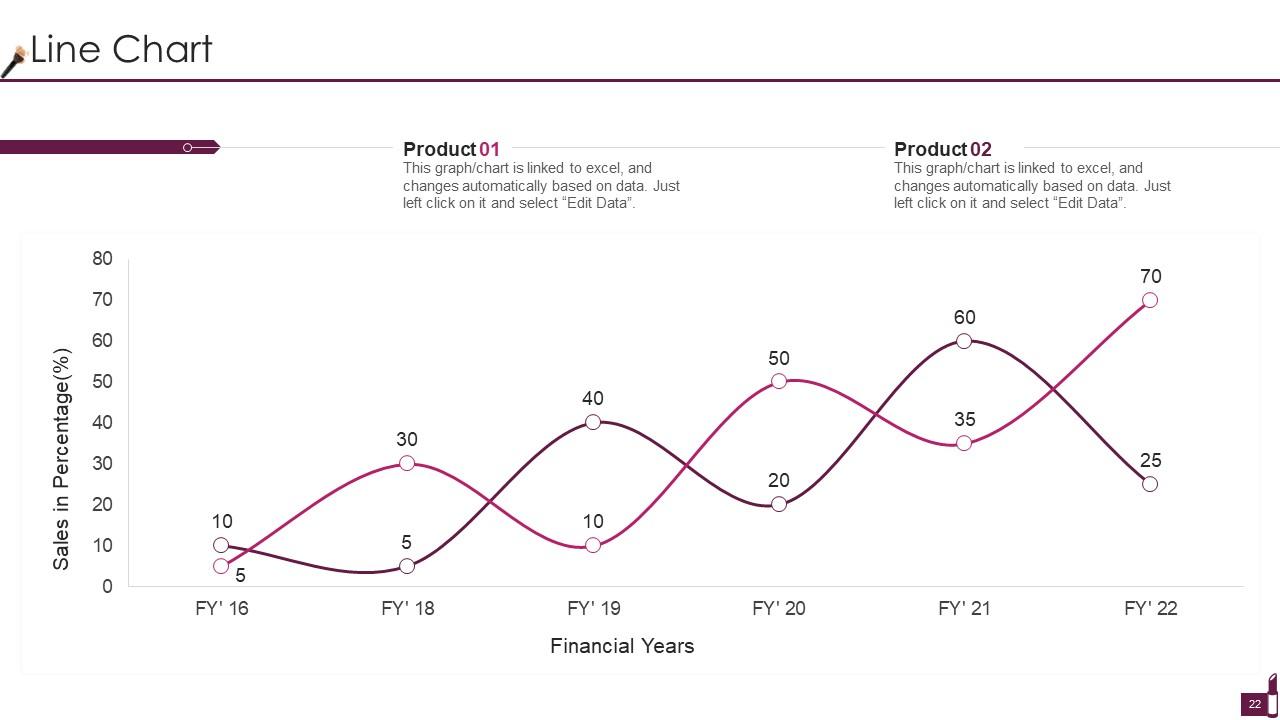
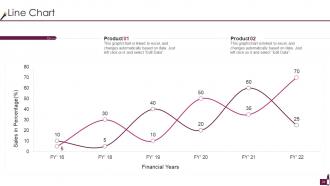
Slide 22 : Este slide apresenta gráficos de linhas de vendas anuais para diferentes produtos. Os gráficos estão vinculados ao Excel.
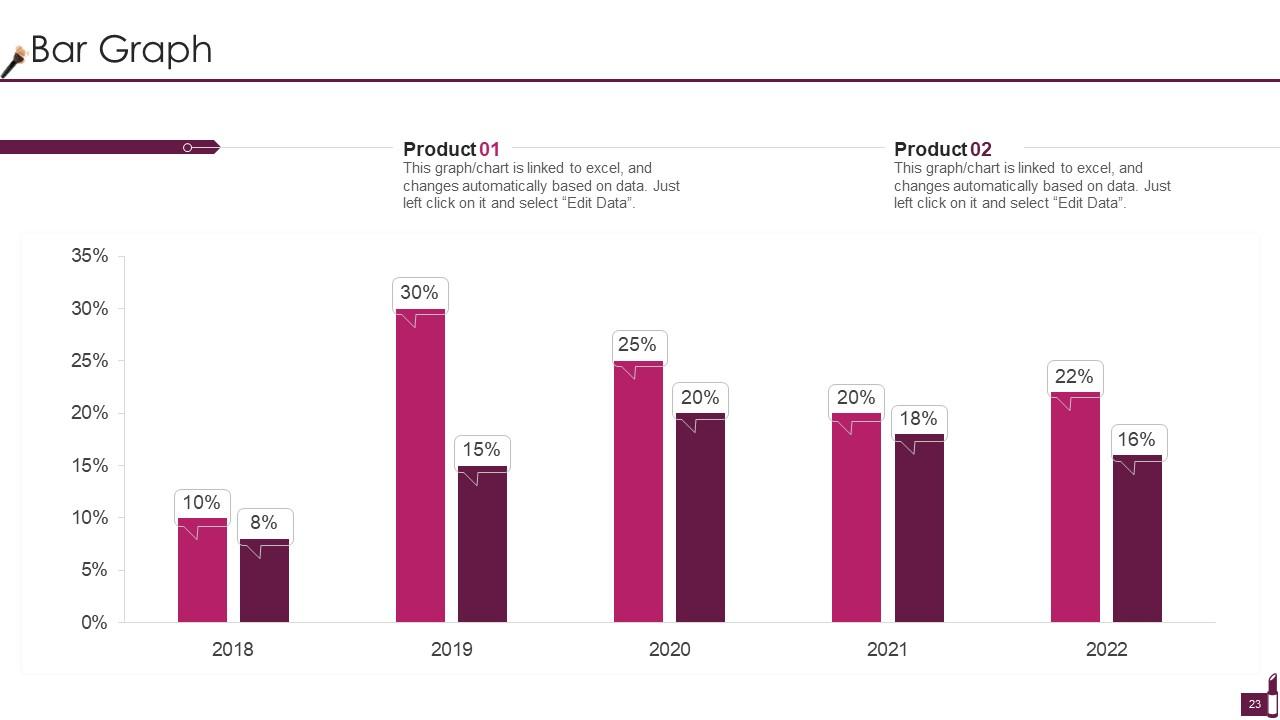
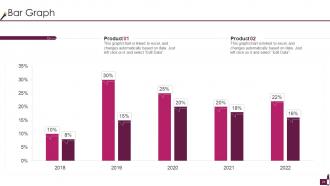
Slide 23 : Este slide mostra um gráfico de barras anual para diferentes produtos. Os gráficos estão vinculados ao Excel.
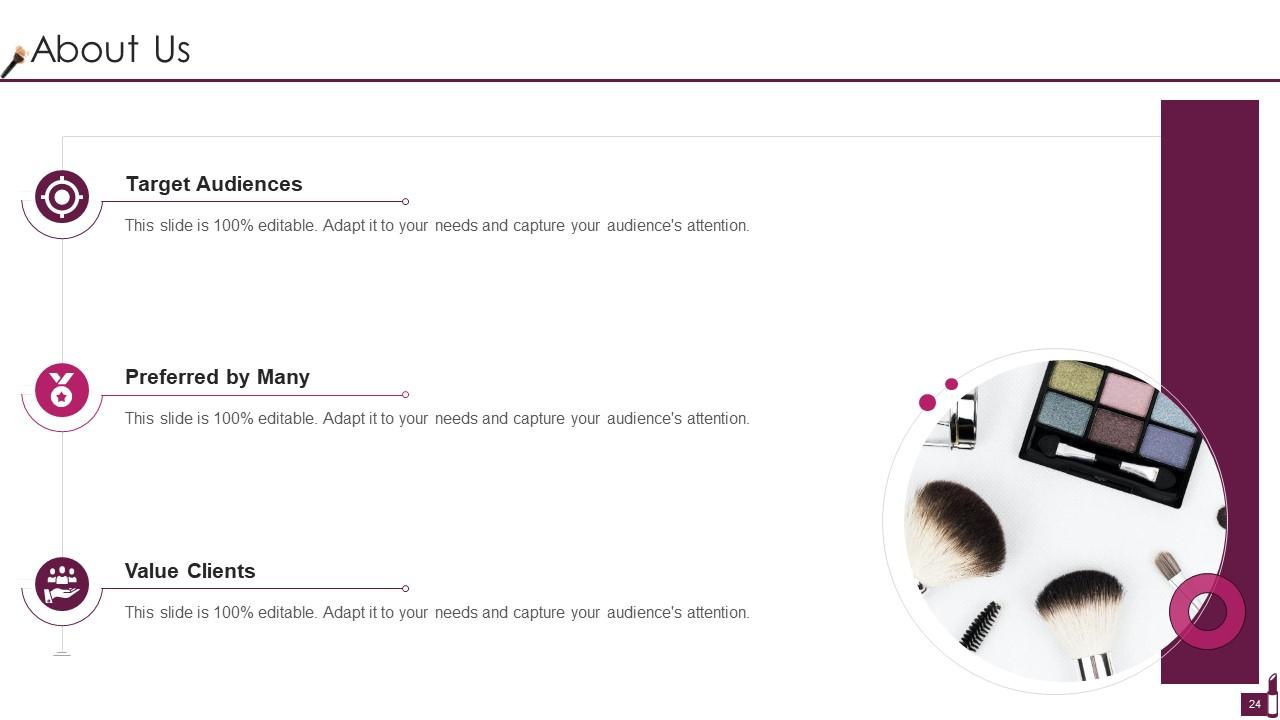
Slide 24 : Este slide mostra sobre sua empresa, público-alvo e os valores de seus clientes.
Slide 25 : Este slide apresenta a visão, missão e objetivos da sua empresa.
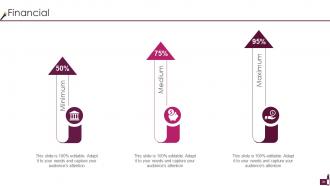
Slide 26 : Este slide mostra as finanças.
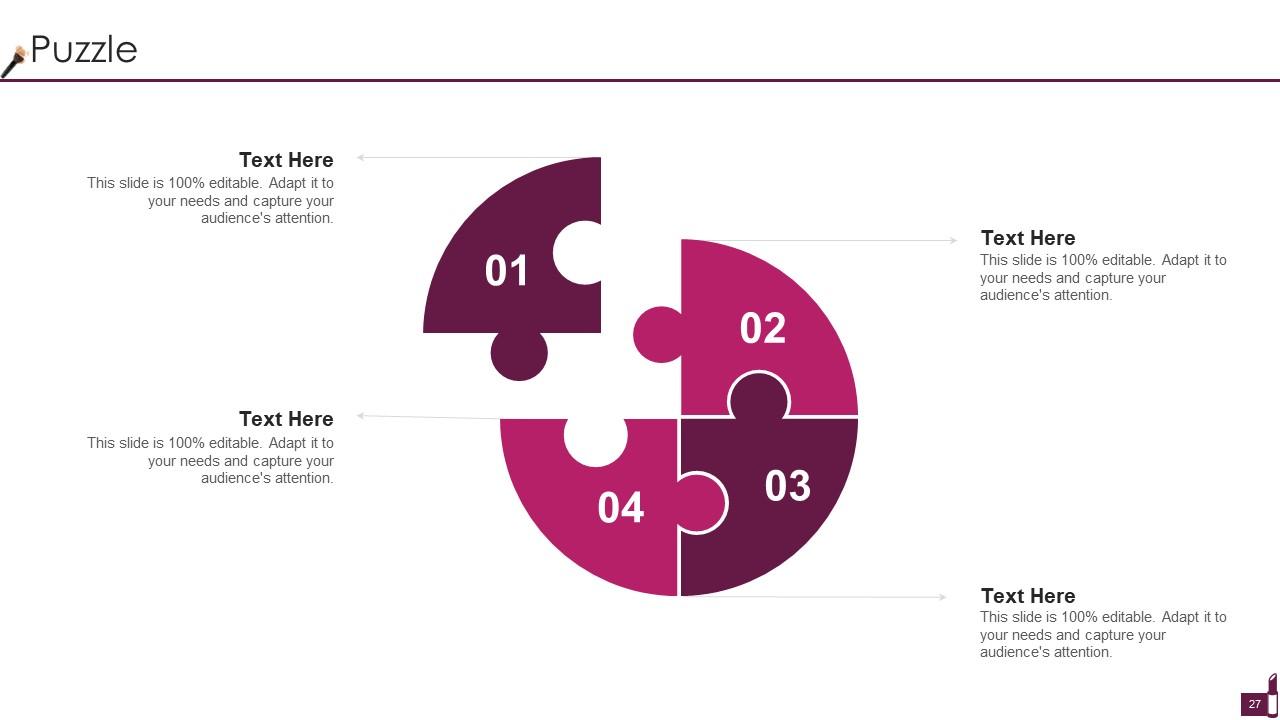
Slide 27 : Este slide mostra o quebra-cabeça.
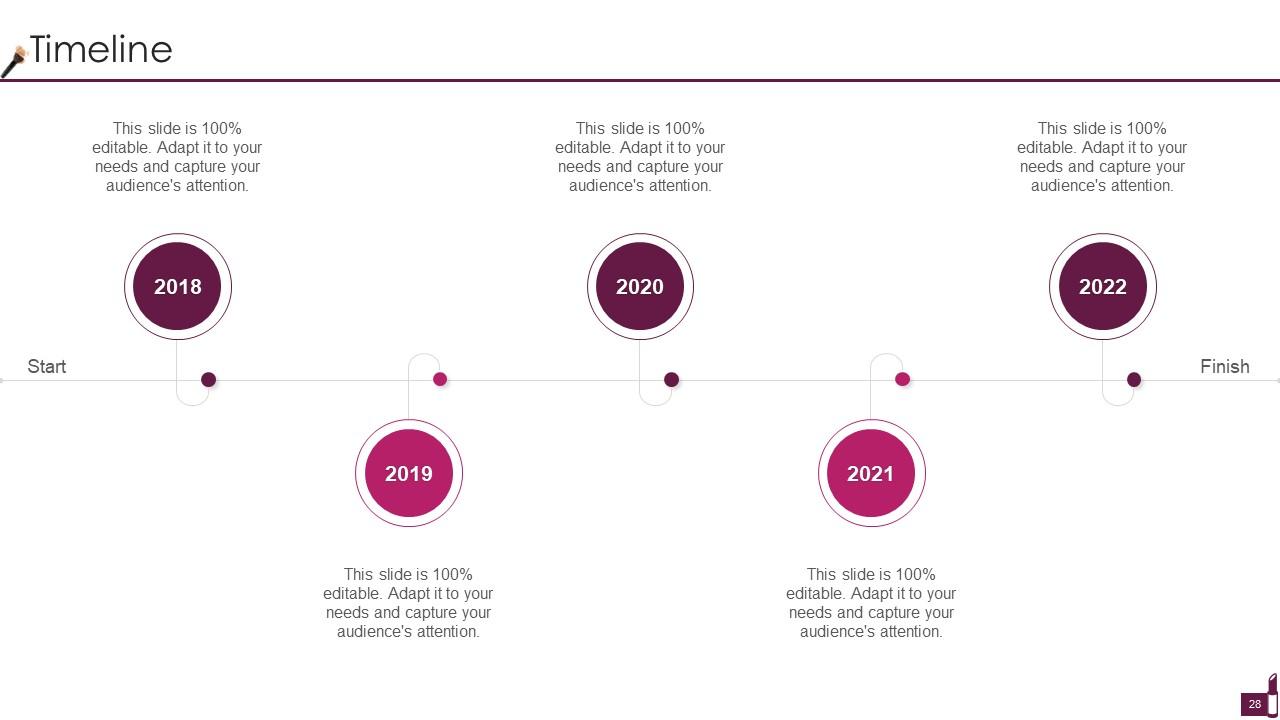
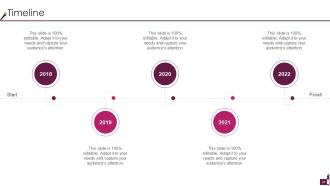
Slide 28 : Este slide mostra a linha do tempo anual.
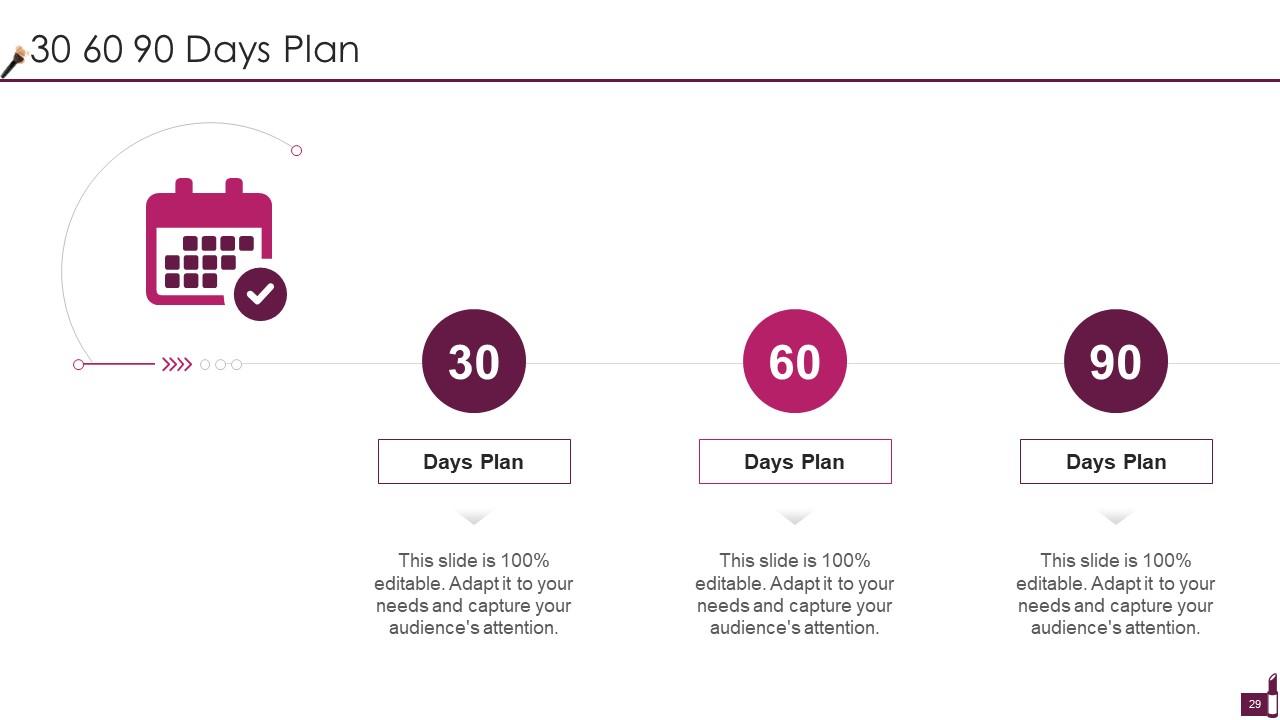
Slide 29 : Este slide mostra o plano de 30-60-90 dias para projetos.
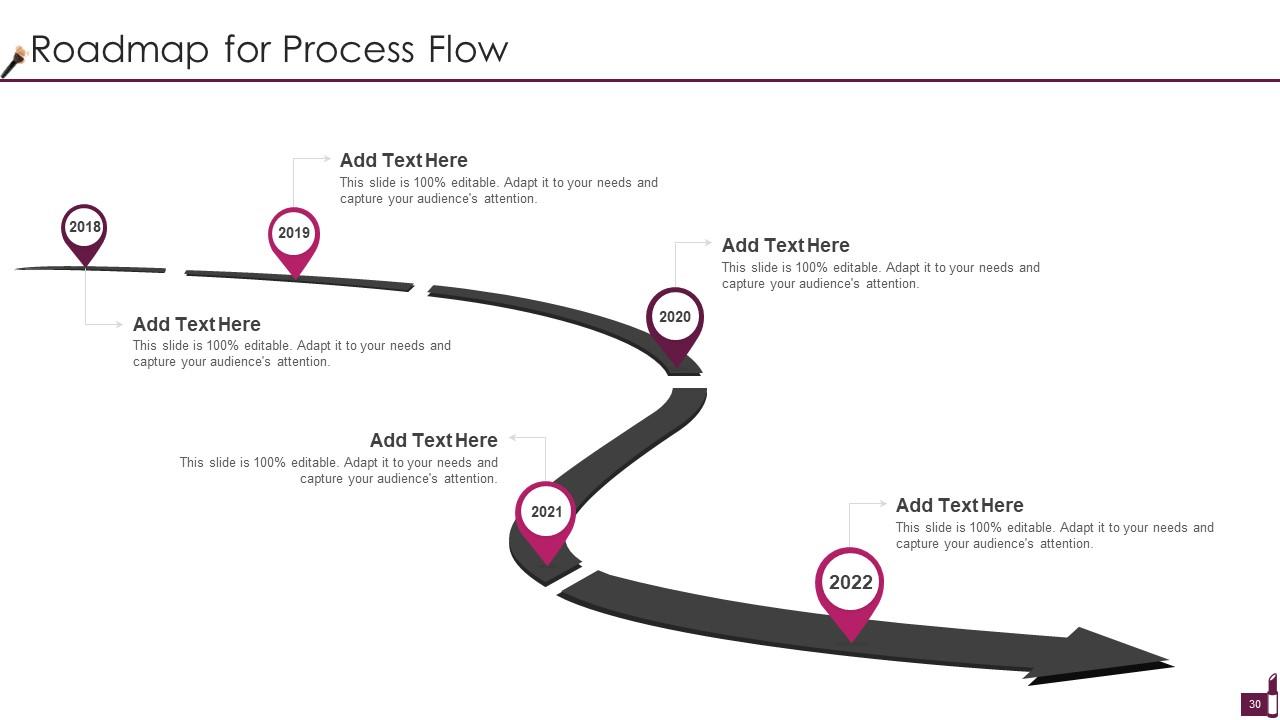
Slide 30 : Este slide mostra o roteiro.
Slide 31 : Este é o slide de agradecimento e contém detalhes de contato da empresa, como endereço do escritório, número de telefone etc.

FAQs for Cosmetic Company Pitch

So many cool things happening right now! Refillable packaging is everywhere, plus waterless formulas are getting really good. Fenty and Rare Beauty have these concentrated products you just mix at home - cuts down on all that shipping waste. Solid shampoo bars are actually amazing (I was totally skeptical at first). Coffee grounds in scrubs, fruit waste in serums - upcycled ingredients are having a major moment. Oh, and look for B-Corp certified brands if you don't want to get greenwashed. Plastic-free everything is basically the goal now.

Honestly, your skin type makes a huge difference in what'll actually work for you. Oily skin can usually handle the stronger stuff - salicylic acid, retinoids, all that. Sensitive skin? Stick with gentler options like ceramides and niacinamide. Dry skin absolutely loves hyaluronic acid and rich oils. Combination skin is honestly such a pain because different areas need totally different things. Oh, and definitely patch test behind your ear first - learned that one the hard way! Reading ingredient lists sounds boring but it's actually super helpful once you get the hang of it.

Okay so preservatives are actually super important - they stop nasty bacteria and mold from growing in anything with water (which is like 99% of skincare). Your moisturizer would literally become a science experiment without them, it's disgusting. They keep products from going bad too fast. I know "preservative-free" sounds trendy but honestly? It's usually not worth the risk. Stick with stuff that has phenoxyethanol or even parabens - I used to avoid parabens but they're actually pretty safe. Better than getting a face infection from sketchy formulations.

Ugh, watch out for buzzwords like "miracle" or "fountain of youth" - total BS. Before/after pics that look crazy dramatic? Usually fake. I always check if they mention actual studies, not just random testimonials. "Clinically proven" means literally nothing without details btw. Another thing - products claiming they work like prescription treatments but sold as regular cosmetics are sketchy as hell. Honestly though, the biggest tip is trusting your gut. If it sounds too good to be true, it probably is! Start googling those ingredient names too.

Okay so first things first - get a primer and foundation that actually matches your skin. Test it on your jawline though, not your hand! For eyeshadow, neutrals are your friend when you're starting out. Blend upward and outward, and honestly brown mascara is so much more forgiving than black while you're figuring things out. Oh and dust some powder over everything or it'll all slide off before noon (learned that the hard way lol). Your first few tries might look weird but that's totally normal! Maybe just focus on one thing at a time until you get the hang of it.

So dermatologists basically do patch testing and go through ingredient lists with you. They check your skin type and look for stuff that might irritate you - fragrances, preservatives, that kind of thing. The cosmetics industry isn't regulated like prescription drugs (which is honestly kind of wild), so doctors mostly rely on what they've seen work or not work. pH levels matter, plus how concentrated the active ingredients are. Oh, and whether products will mess with each other. My advice? Try one new thing at a time so you'll actually know what's causing problems.

Oh man, social media changed everything for beauty brands. Like, I literally discover most products through TikTok and Instagram now instead of actual ads. Influencers and beauty creators have way more power than traditional marketing - people trust them more because it feels real, you know? Brands are smart about this too. They're focusing on building genuine relationships with content creators and getting customers to post their own reviews and tutorials. I swear I've bought so much skincare just from scrolling my feed lol. It's all about authenticity now rather than those super polished campaigns that feel fake.

So there's some crazy stuff happening in cosmetics right now. Apps can analyze your skin and create custom products just for you - like, actually tailored formulations. 3D printing is making personalized makeup possible too. The ingredient game is totally changing with AI discovering new compounds and nanotech making everything absorb way better. Oh, and biotechnology is creating sustainable alternatives that don't suck for the environment. Smart packaging even changes color now, which honestly feels a bit extra but whatever. If you're thinking about jumping in, I'd pick one area first - maybe the personalization stuff since everyone's obsessed with custom everything these days.

Hey! So FDA handles cosmetic labeling but weirdly doesn't require safety testing like with drugs - makes no sense to me. You gotta list ingredients by amount, show net weight, company details. Europe's way more strict and bans stuff we still use here. Companies basically test themselves if they want to, though animal testing isn't required anymore which is good. Oh and definitely get a regulatory person involved if you're launching something - screwing up labels gets pricey real quick. The whole system's kinda weird honestly.

Oh totally! Geography is everything when it comes to beauty. Like in East Asia, everyone's obsessed with skincare and that whole "glass skin" thing, but here we're all about bold makeup and contouring. Even "nude" shades are completely different - what looks natural on me might be way off for someone else. Religious stuff matters too, some places are way more conservative about makeup. I was reading about how lipstick brands literally reformulate colors for different regions, which is kinda crazy when you think about it. If you're getting into cosmetics, definitely check out what local influencers are actually wearing in each market.

Making your own cosmetics is honestly pretty great for controlling ingredients and saving cash. You can avoid all the weird chemicals and customize stuff for your skin type. I mean, there's something weirdly satisfying about whipping up a face mask from scratch! But real talk - the bacteria risk is no joke without proper preservatives. Allergic reactions happen more since you're not doing the testing companies do. They also don't last as long as store-bought stuff. If you're gonna try it, maybe start with basic recipes? Just research ingredients first - learned that one the hard way!

Hold gold and silver jewelry up to your wrist - whichever looks better tells you your undertone (gold = warm, silver = cool). Always test foundation on your jawline instead of your hand since they're usually different shades. Oily skin? Go matte. Dry skin needs something hydrating. Store lighting is honestly the worst - try to get near a window if you can. Ask for samples! Most places will make you one even if they act weird about it. Walk around for like 10 minutes before deciding because foundation can oxidize and change color on you.

Okay so the whole "chemical-free" thing drives me nuts - literally everything is chemicals, even water! Natural doesn't automatically mean better either (hello, poison ivy). People freak out about parabens and sulfates but honestly they're fine in the amounts used in cosmetics. Don't fall for the expensive = better trap - sometimes drugstore stuff works just as well and you're basically paying for prettier bottles. Oh and here's something wild: the FDA barely regulates cosmetics compared to other stuff. Always read ingredient lists though, some brands are sketchy.

So cosmetic companies basically test their stuff on volunteers, comparing it to placebos or other products to see what actually works. They'll measure things like how hydrated your skin gets or if wrinkles actually shrink over weeks/months. The annoying thing is some studies only use like 20-30 people, which honestly isn't that convincing. But the good ones use proper measuring tools and controlled settings - not just "my skin feels better!" testimonials. When you're shopping around, definitely look for bigger studies that ran longer. Those give you way better data than the sketchy quick tests.

Honestly, I'd look at Southeast Asia and Latin America first - Vietnam and Indonesia are blowing up right now. Brazil's huge too, and Nigeria's got serious potential. Middle classes are growing fast in these places and they're obsessed with beauty products. India's massive but wow, the competition there is brutal these days. Here's the thing though - they don't just want Western brands dumped on them. They want stuff that actually works for their skin tones and fits their beauty standards. Each market's totally different, so you'd need to dig into what people actually want before jumping in anywhere.

Ratings and Reviews

80% of 100
Review Form
Write a review
Most Relevant Reviews
  1. 80%

    by Daren Henry

    Delighted to see unique and eye-catching PowerPoint designs that are so easy to customize.
  2. 80%

    by Taylor Hall

    Enough space for editing and adding your own content.

2 Item(s)

per page: