


Diapositivas de presentación de Powerpoint del manual de estrategias de ventas cruzadas y ventas adicionales
El crecimiento logrado por la organización mediante la mejora de su estrategia interna se denomina crecimiento orgánico. Este crecimiento es esencial para cualquier organización que desee mantenerse a sí misma a largo plazo. Por lo tanto, tome nuestro libro de jugadas de ventas cruzadas y ventas adicionales, un libro de jugadas detallado que sirve como modelo para su organización y lo ayuda a lograr un crecimiento orgánico. La siguiente diapositiva de presentación es útil para las organizaciones que pretenden lograr un crecimiento orgánico a través de estrategias internas. Este libro de jugadas se divide en 4 partes principales; estas partes sirven como una guía paso a paso para la organización. Esta presentación también proporciona una visión general del crecimiento orgánico como estrategia. También ayuda a comprender el impacto del crecimiento orgánico al resaltar sus ventajas críticas. La segunda parte del libro de jugadas destaca las estadísticas clave de cómo el crecimiento orgánico puede ayudar a su organización. La tercera parte muestra las estrategias clave que pueden ayudar a su organización a lograr un crecimiento orgánico. Estas estrategias pueden ser vender su producto a clientes existentes, nuevos clientes, etc. La última parte de este libro de jugadas se enfoca en identificar los KPI críticos que ayudan a la organización a rastrear su crecimiento. Obtenga acceso ahora.






























-

- Google Slides is a new FREE Presentation software from Google.
- All our content is 100% compatible with Google Slides.
- Just download our designs, and upload them to Google Slides and they will work automatically.
- Amaze your audience with SlideTeam and Google Slides.
-

Want Changes to This PPT Slide? Check out our Presentation Design Services
-

- WideScreen Aspect ratio is becoming a very popular format. When you download this product, the downloaded ZIP will contain this product in both standard and widescreen format.
-

- Some older products that we have may only be in standard format, but they can easily be converted to widescreen.
- To do this, please open the SlideTeam product in Powerpoint, and go to
- Design ( On the top bar) -> Page Setup -> and select "On-screen Show (16:9)” in the drop down for "Slides Sized for".
- The slide or theme will change to widescreen, and all graphics will adjust automatically. You can similarly convert our content to any other desired screen aspect ratio.
Compatible With Google Slides

Get This In WideScreen
You must be logged in to download this presentation.


Do you want to remove this product from your favourites?
Características de estas diapositivas de presentación de PowerPoint:
Entregue esta plataforma completa a los miembros de su equipo y otros colaboradores. Con diapositivas estilizadas que presentan varios conceptos, estas diapositivas de presentación de Powerpoint de Playbook de ventas cruzadas y ventas adicionales son la mejor herramienta que puede utilizar. Personalice su contenido y gráficos para que sea único y estimulante. Las treinta y ocho diapositivas son editables y modificables, así que siéntete libre de ajustarlas a la configuración de tu negocio. La fuente, el color y otros componentes también vienen en un formato editable, lo que hace que este diseño PPT sea la mejor opción para su próxima presentación. Entonces, descarga ahora.

People who downloaded this PowerPoint presentation also viewed the following :
Contenido de esta presentación de Powerpoint
Diapositiva 1 : Esta diapositiva presenta el manual de estrategias de ventas cruzadas y ventas adicionales. Indique el nombre de su empresa y comience.
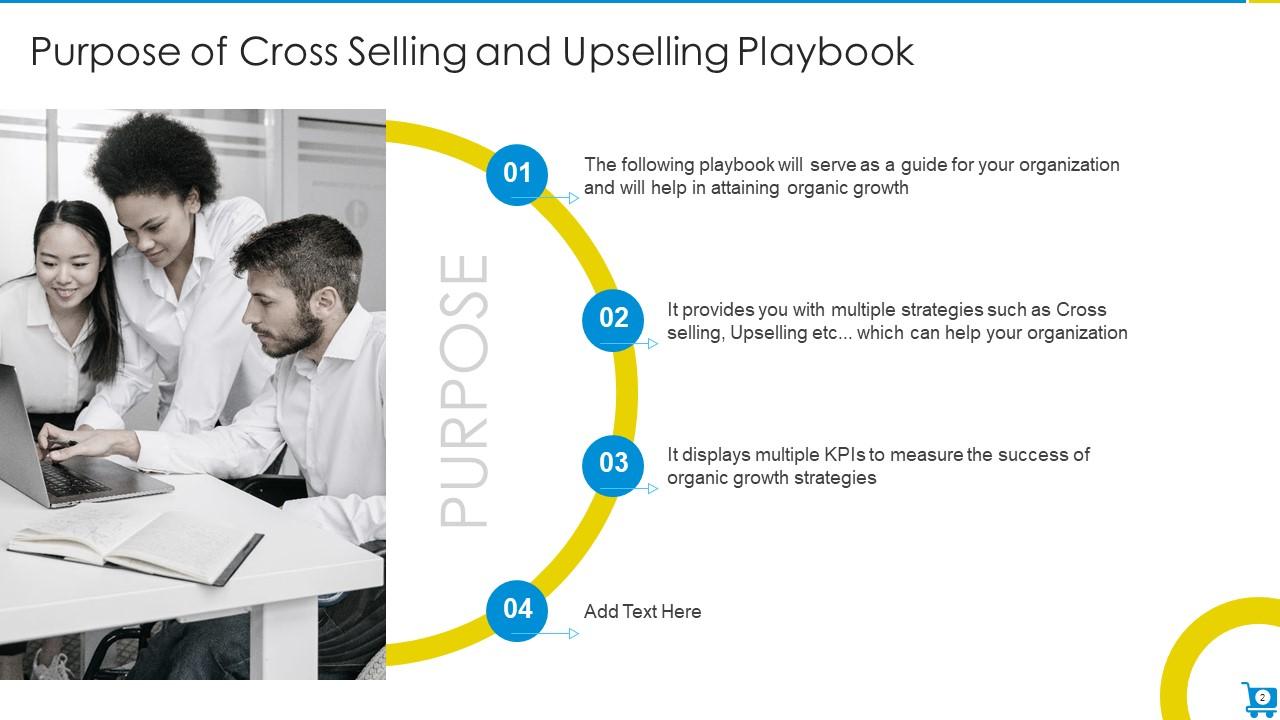
Diapositiva 2 : esta diapositiva muestra el propósito del libro de estrategias de ventas cruzadas y ventas adicionales.
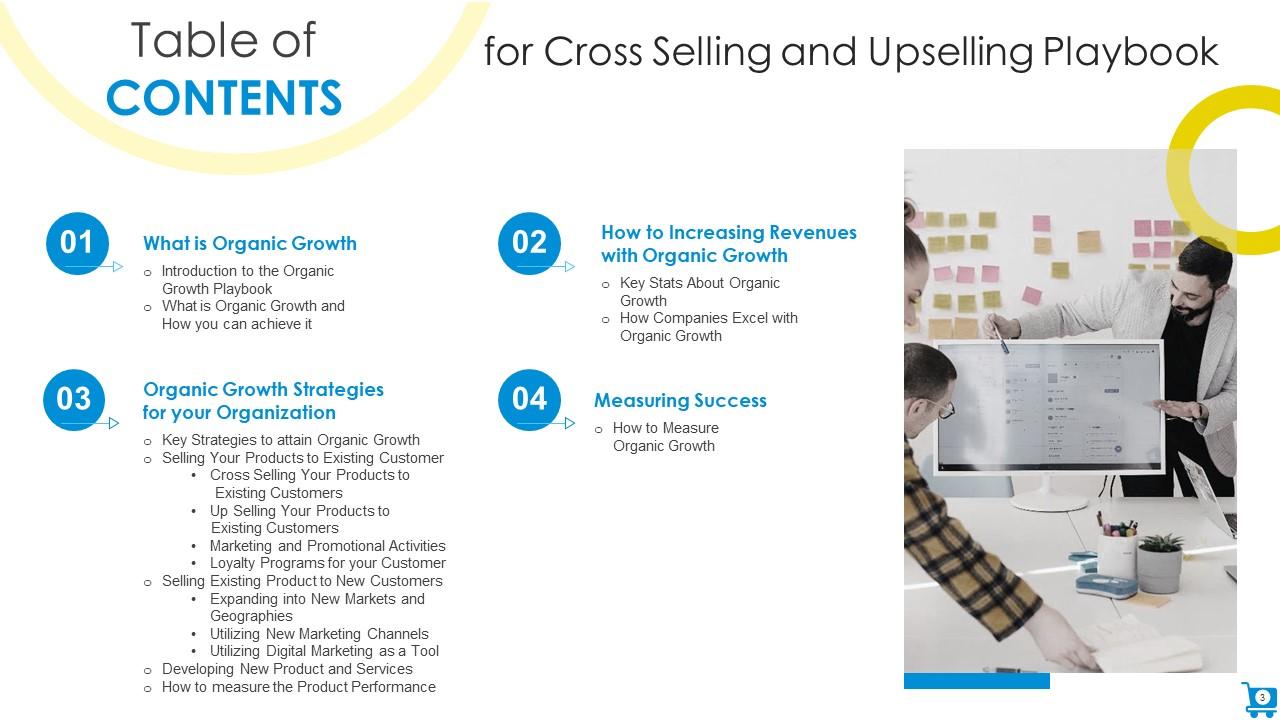
Diapositiva 3 : Esta diapositiva presenta la tabla de contenido de la presentación.
Diapositiva 4 : Esta diapositiva muestra el título de dos temas que se cubrirán a continuación en la plantilla.
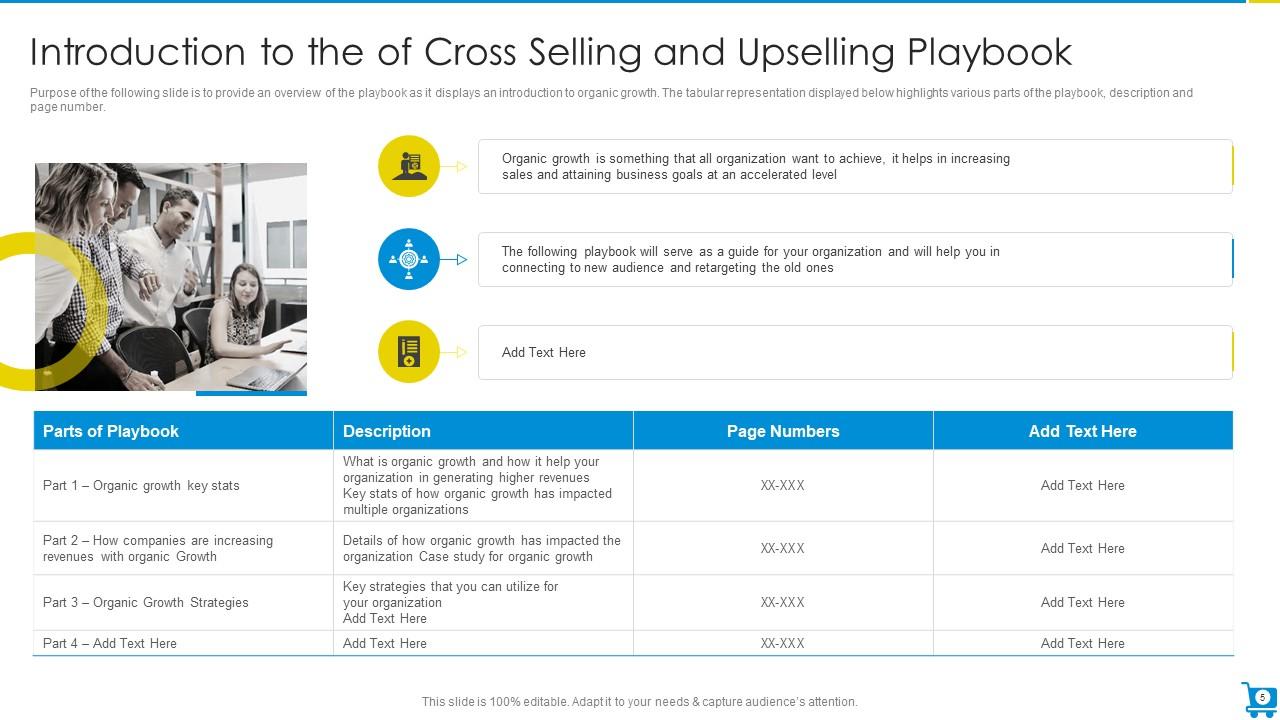
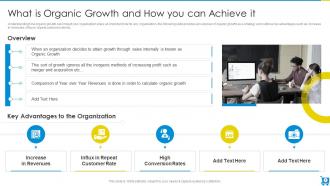
Diapositiva 5 : esta diapositiva brinda una descripción general del libro de jugadas, ya que muestra una introducción al crecimiento orgánico.
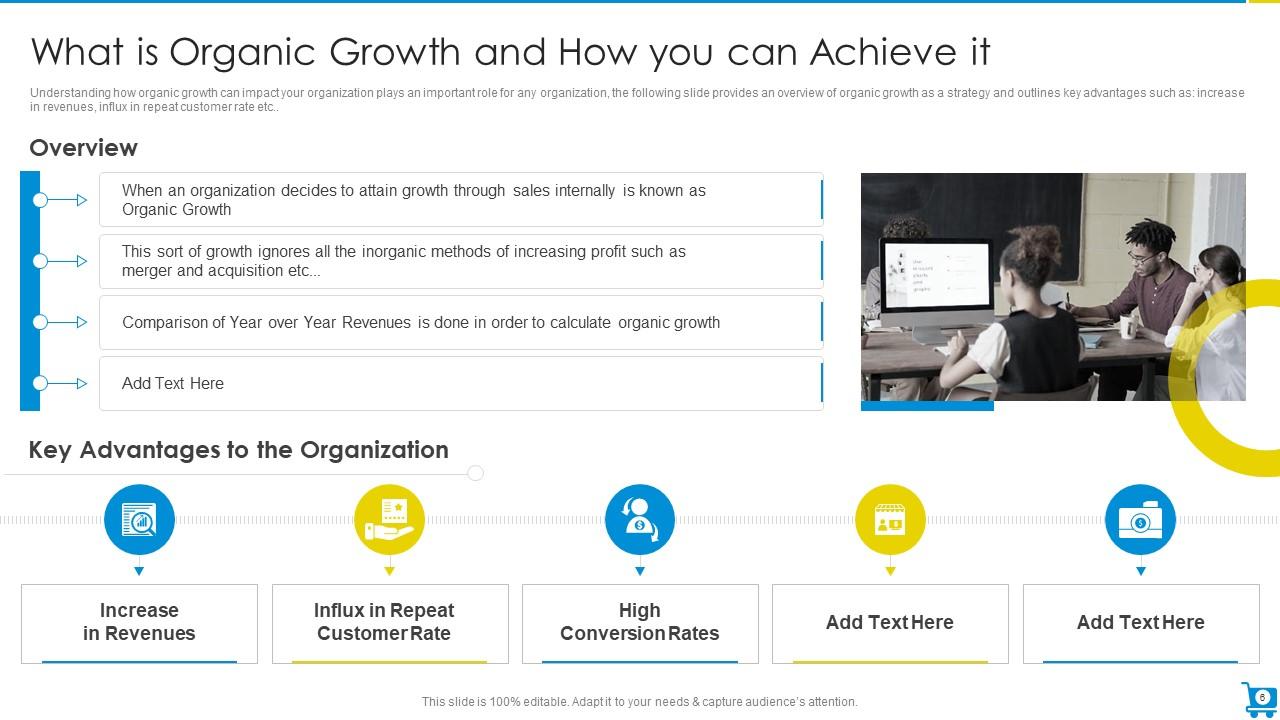
Diapositiva 6 : Esta diapositiva proporciona una descripción general del crecimiento orgánico como estrategia y describe ventajas clave como: aumento de los ingresos, afluencia en la tasa de repetición de clientes, etc.
Diapositiva 7 : esta diapositiva muestra el título de dos temas que se cubrirán a continuación en la plantilla.
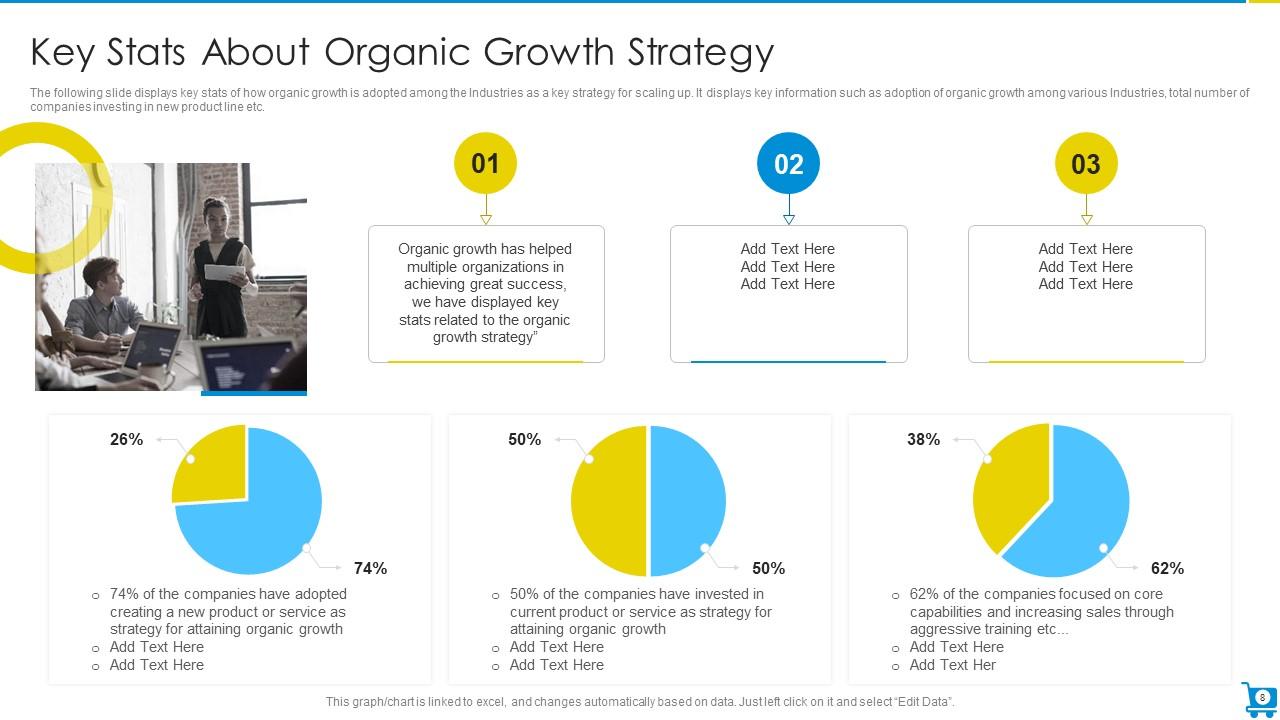
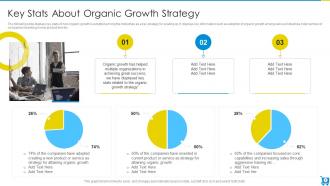
Diapositiva 8 : esta diapositiva muestra estadísticas clave de cómo se adopta el crecimiento orgánico entre las industrias como una estrategia clave para escalar.
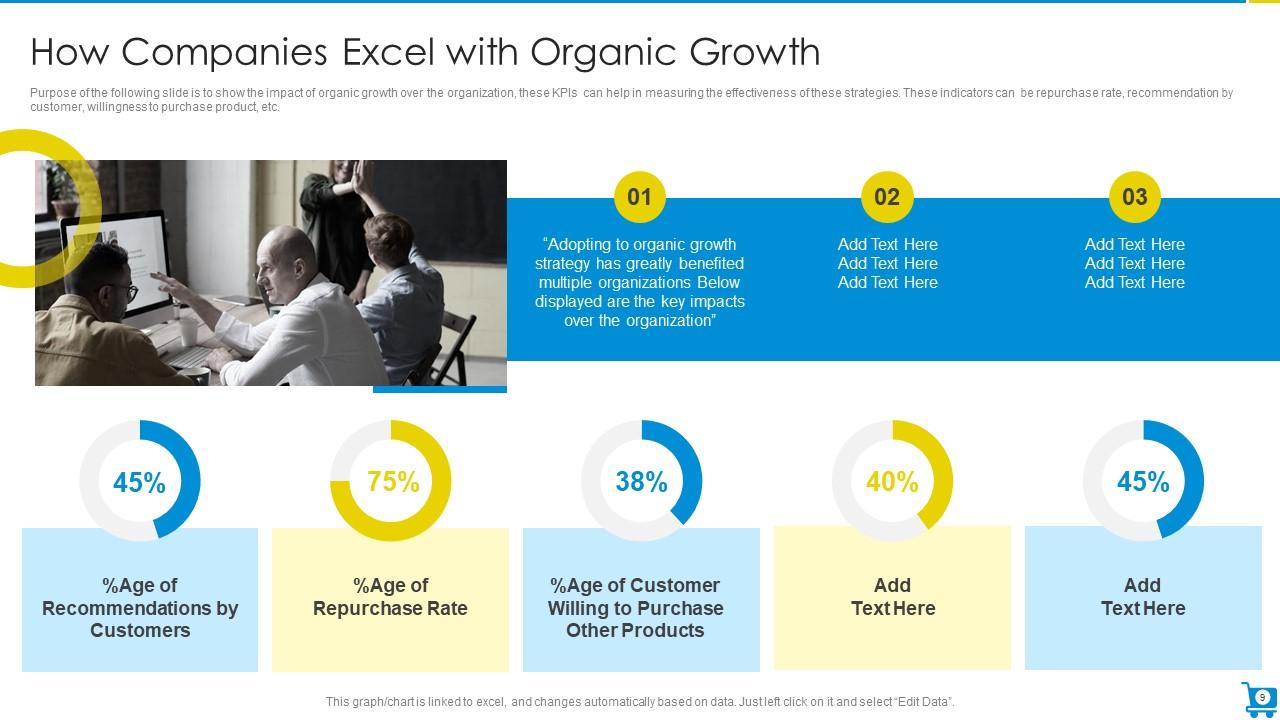
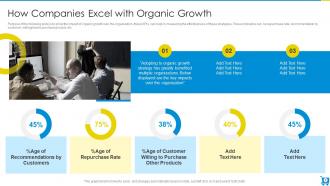
Diapositiva 9 : Esta diapositiva es para mostrar el impacto del crecimiento orgánico sobre la organización, estos KPI pueden ayudar a medir la efectividad de estas estrategias.
Diapositiva 10 : esta diapositiva muestra el título de un tema que se cubrirá a continuación en la plantilla.
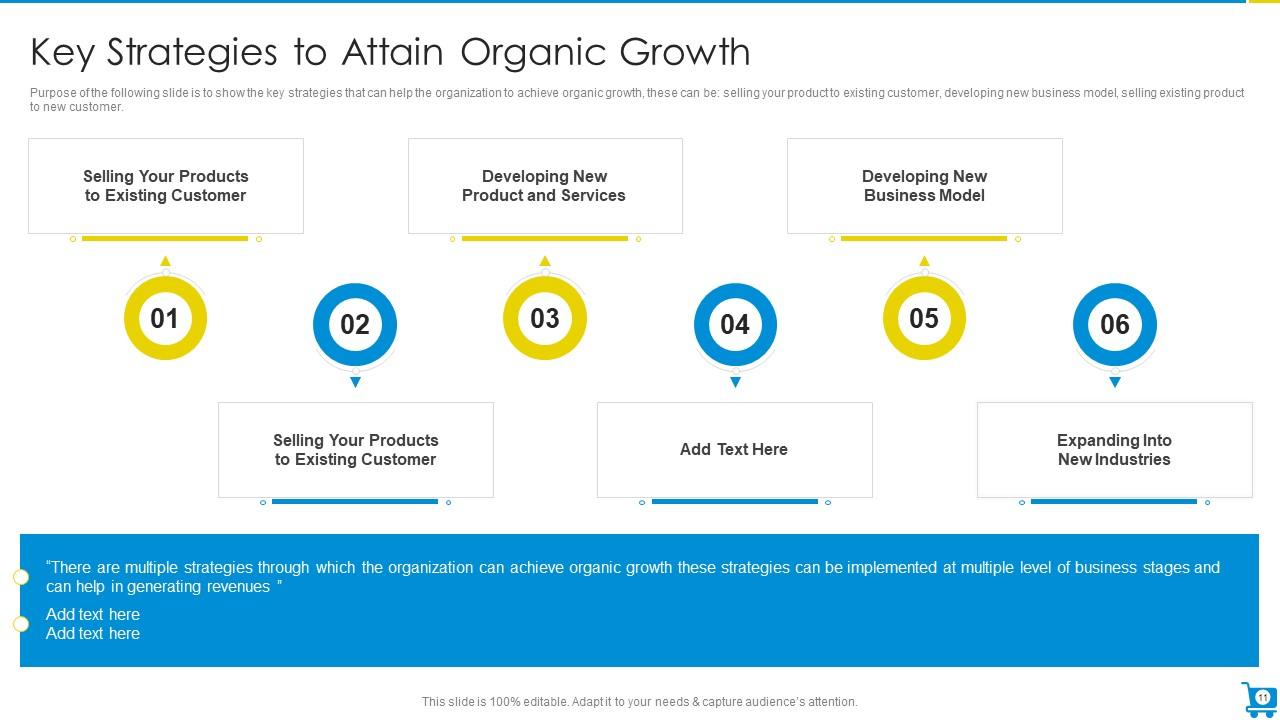
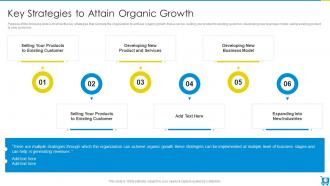
Diapositiva 11 : Esta diapositiva muestra las estrategias clave que pueden ayudar a la organización a lograr un crecimiento orgánico, estas pueden ser: vender su producto a un cliente existente, etc.
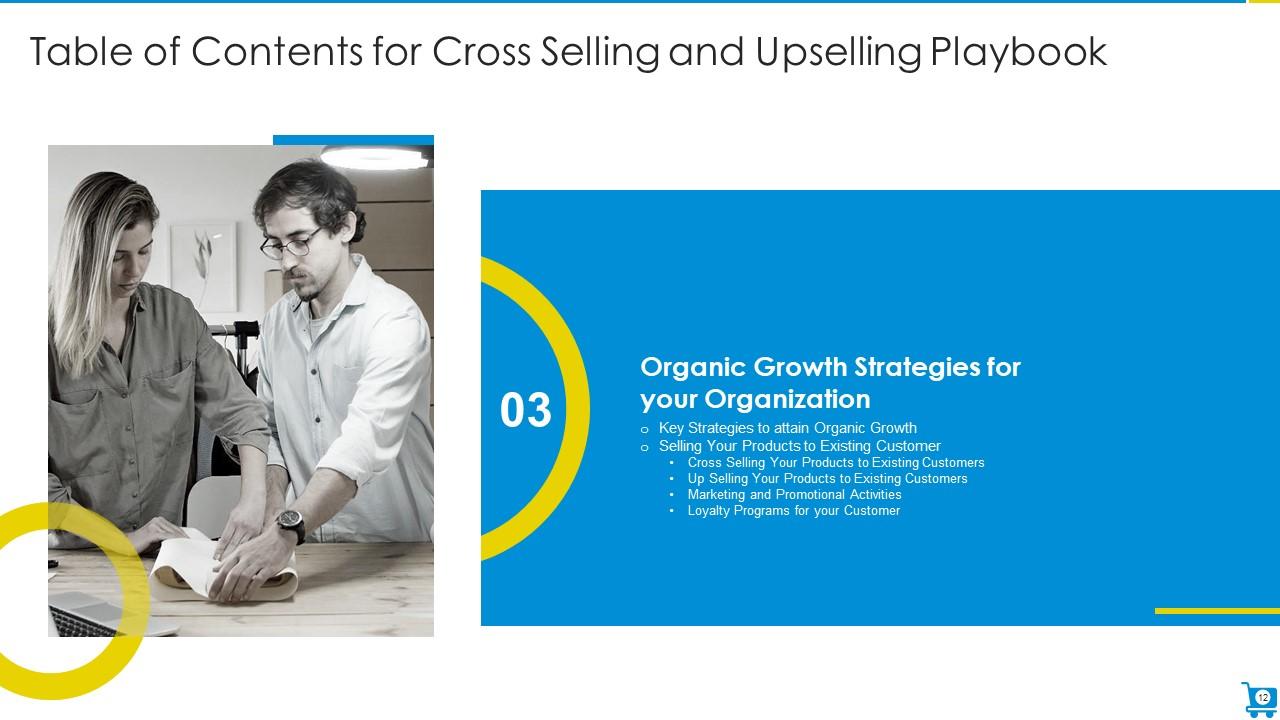
Diapositiva 12 : esta diapositiva muestra el título de cinco temas que se cubrirán a continuación en la plantilla.
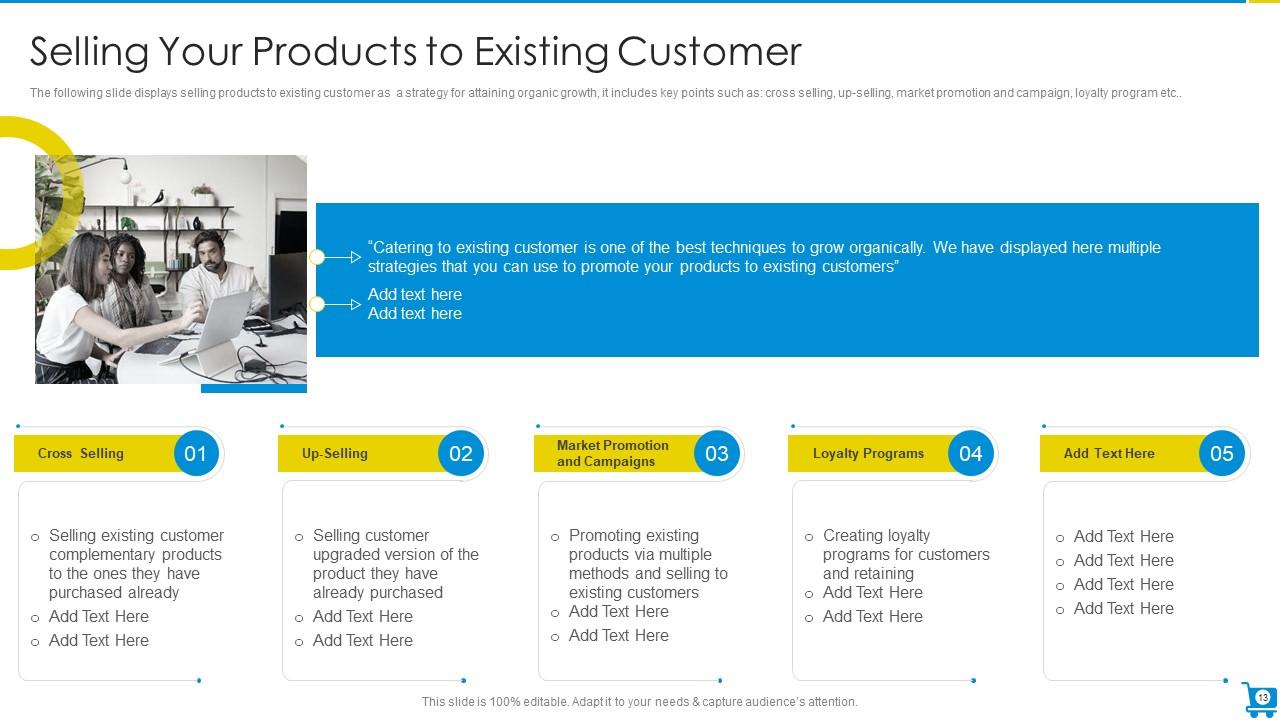
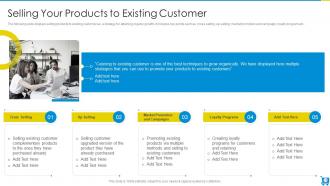
Diapositiva 13 : esta diapositiva muestra la venta de productos a clientes existentes como estrategia para lograr un crecimiento orgánico.
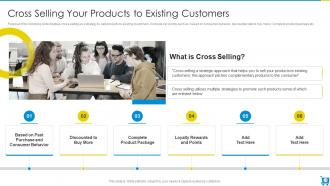
Diapositiva 14 : Esta diapositiva muestra la venta cruzada como una estrategia para vender productos a clientes existentes.
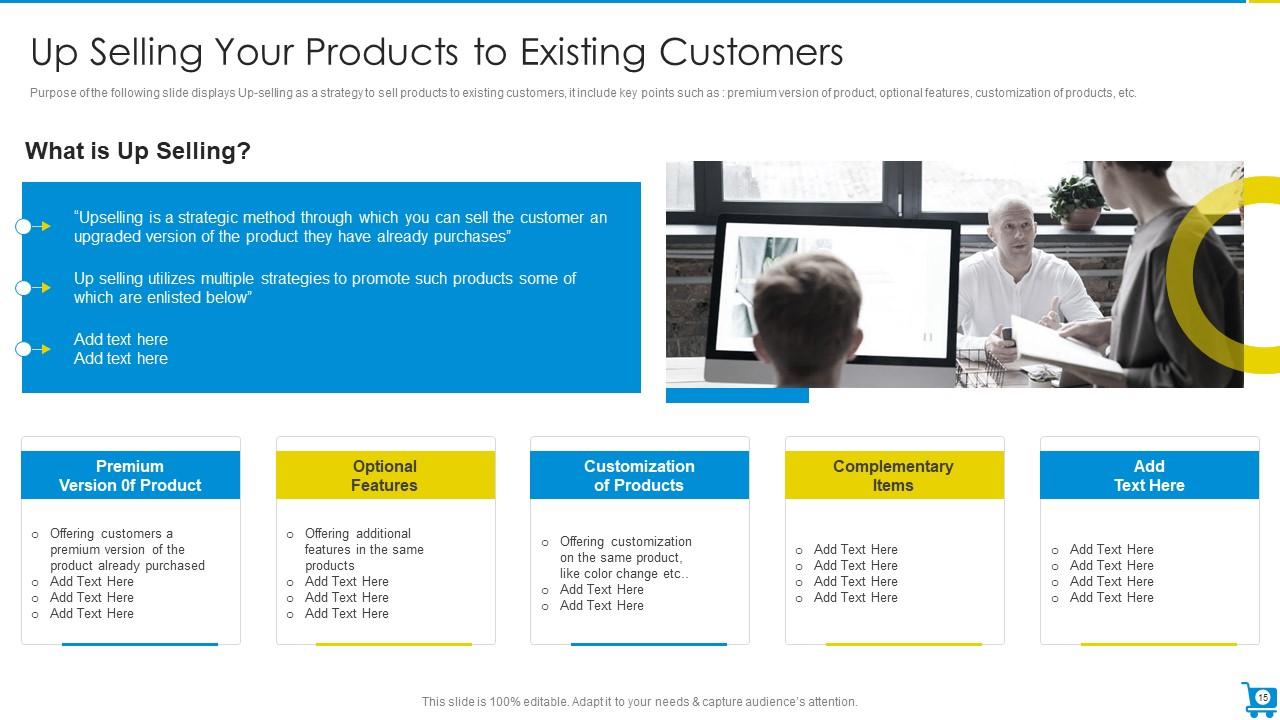
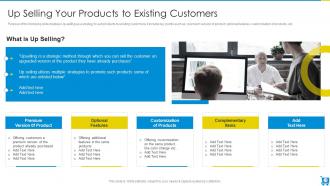
Diapositiva 15 : esta diapositiva muestra Up-selling como una estrategia para vender productos a clientes existentes.
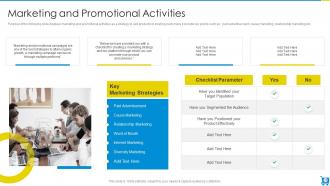
Diapositiva 16 : esta diapositiva muestra las actividades de marketing y promoción como una estrategia para vender productos a los clientes existentes.
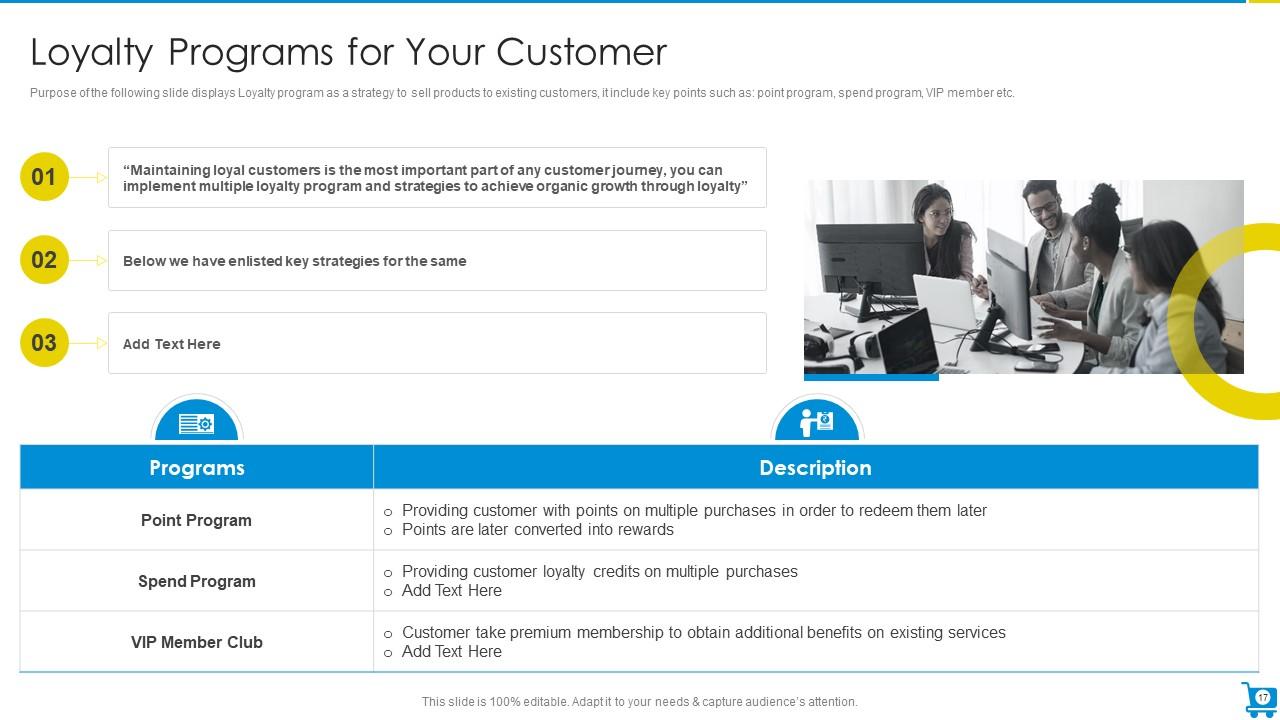
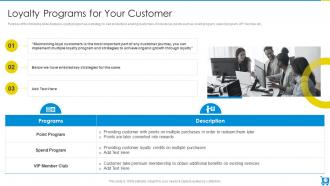
Diapositiva 17 : esta diapositiva muestra el programa de lealtad como una estrategia para vender productos a clientes existentes.
Diapositiva 18 : Esta diapositiva muestra el título de cuatro temas que se cubrirán a continuación en la plantilla.
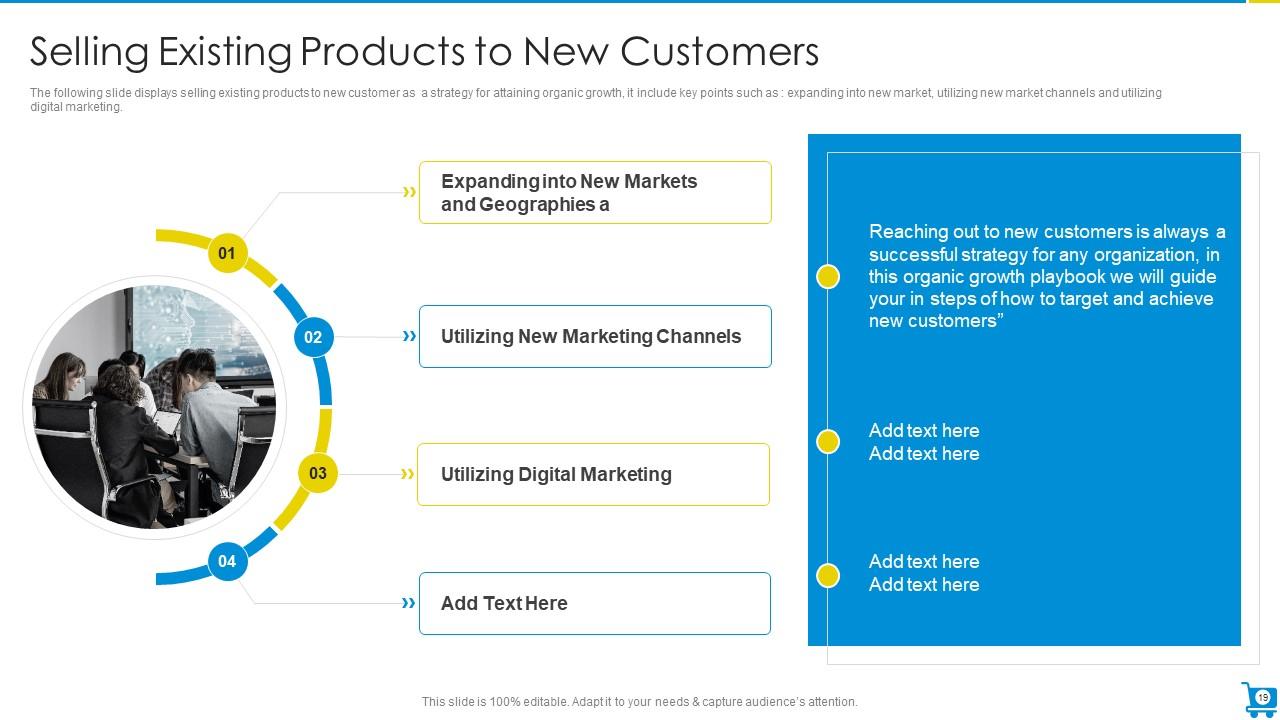
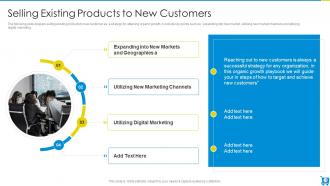
Diapositiva 19 : Esta diapositiva muestra la venta de productos existentes a nuevos clientes como estrategia para lograr un crecimiento orgánico.
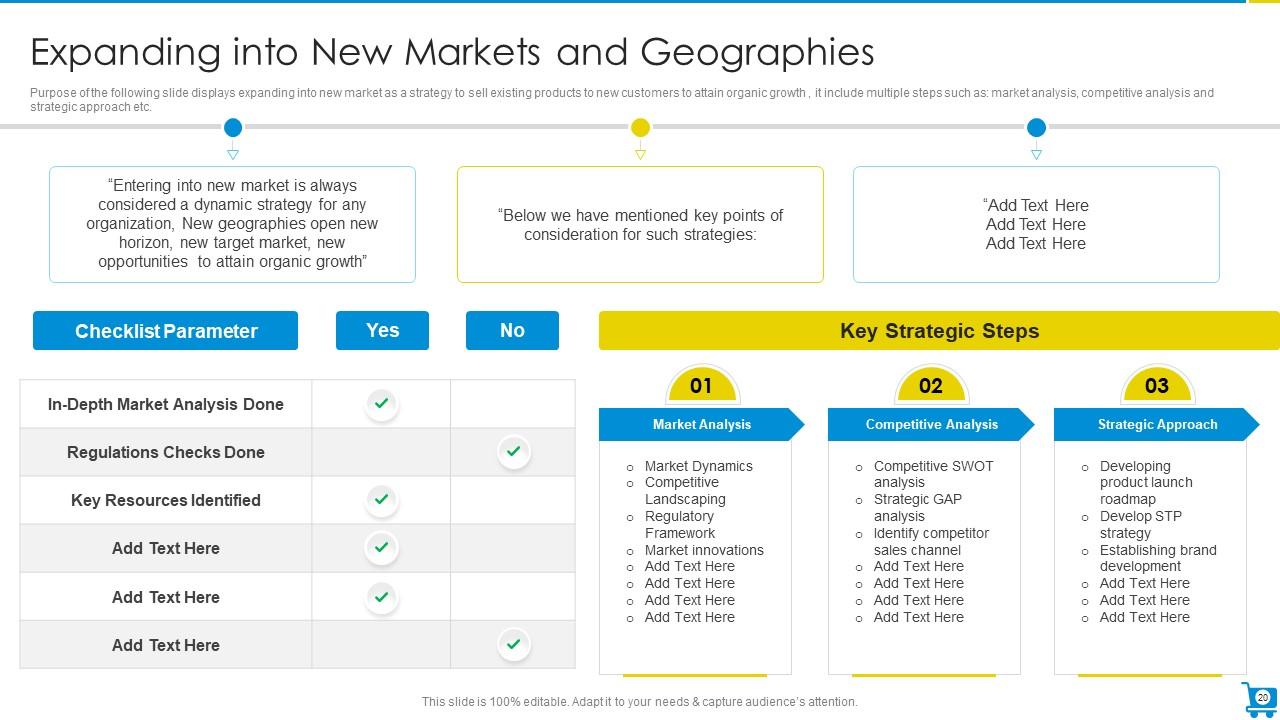
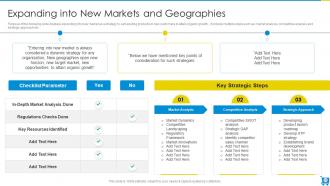
Diapositiva 20 : esta diapositiva muestra la expansión a un nuevo mercado como una estrategia para vender productos existentes a nuevos clientes para lograr un crecimiento orgánico.
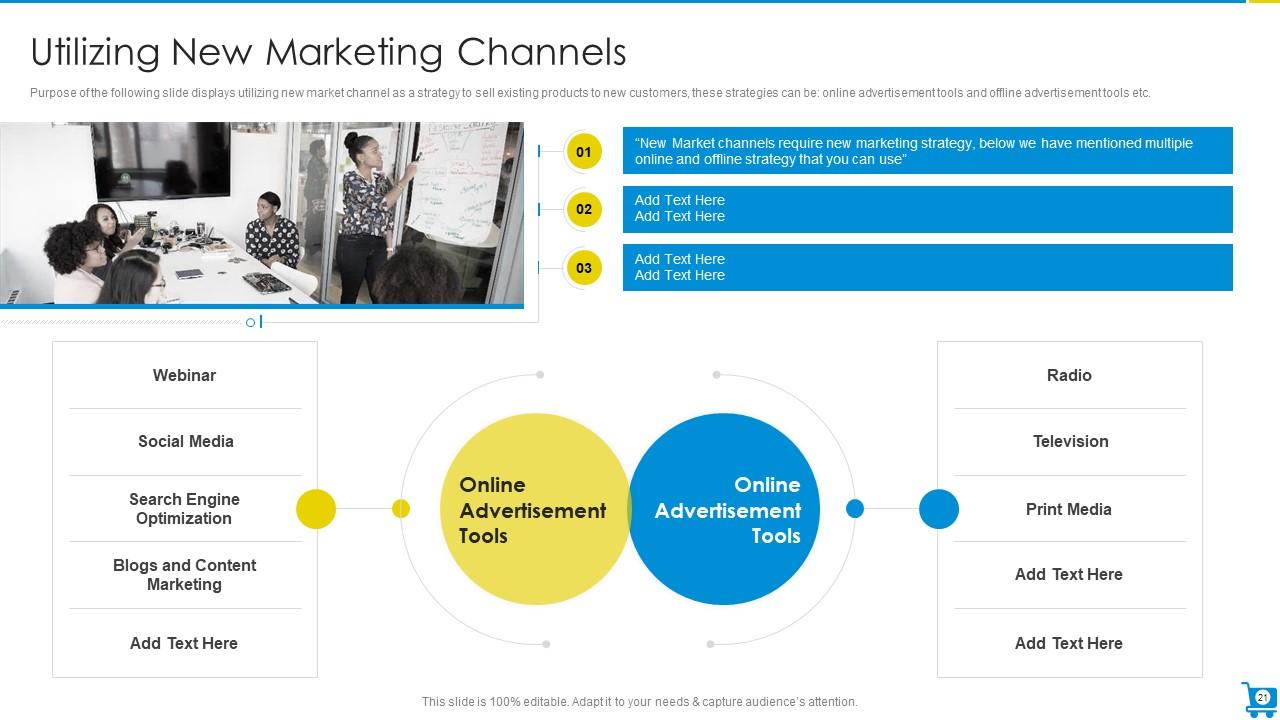
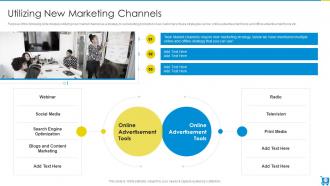
Diapositiva 21 : esta diapositiva muestra el uso de nuevos canales de mercado como estrategia para vender productos existentes a nuevos clientes.
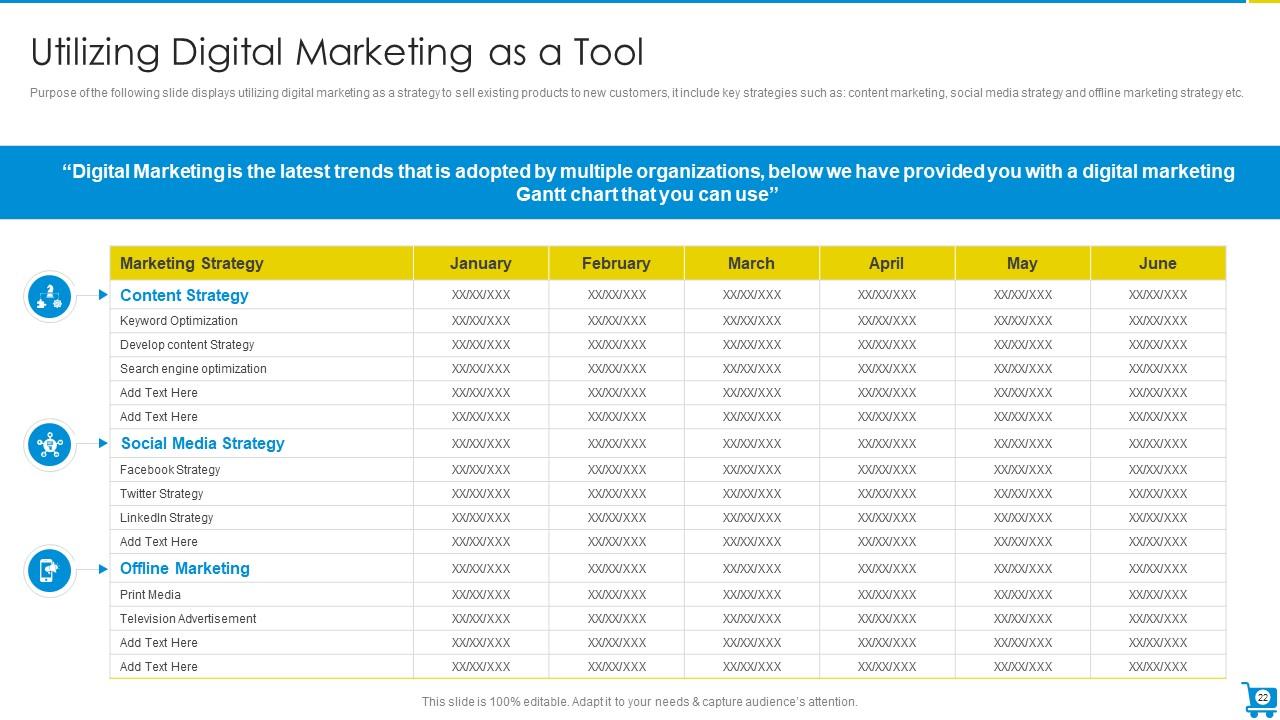
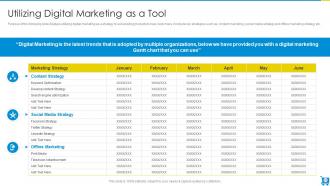
Diapositiva 22 : Esta diapositiva muestra el uso del marketing digital como estrategia para vender productos existentes a nuevos clientes.
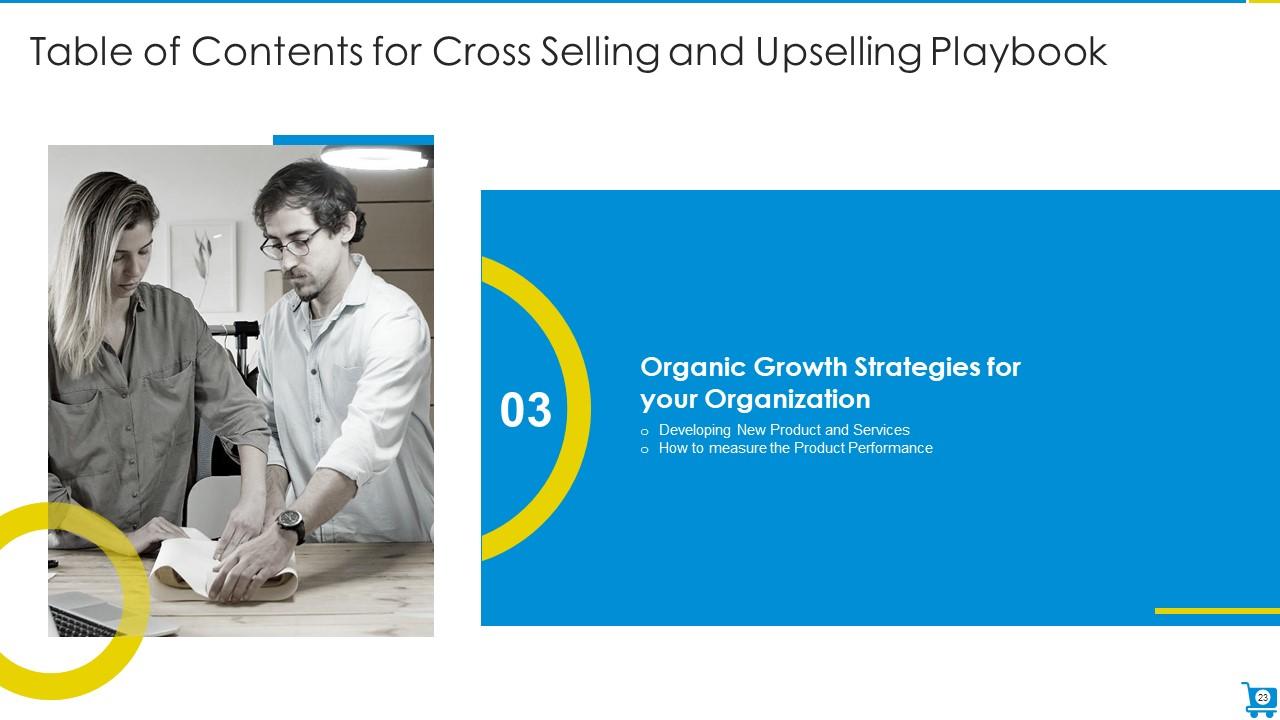
Diapositiva 23 : Esta diapositiva muestra el título de dos temas que se cubrirán a continuación en la plantilla.
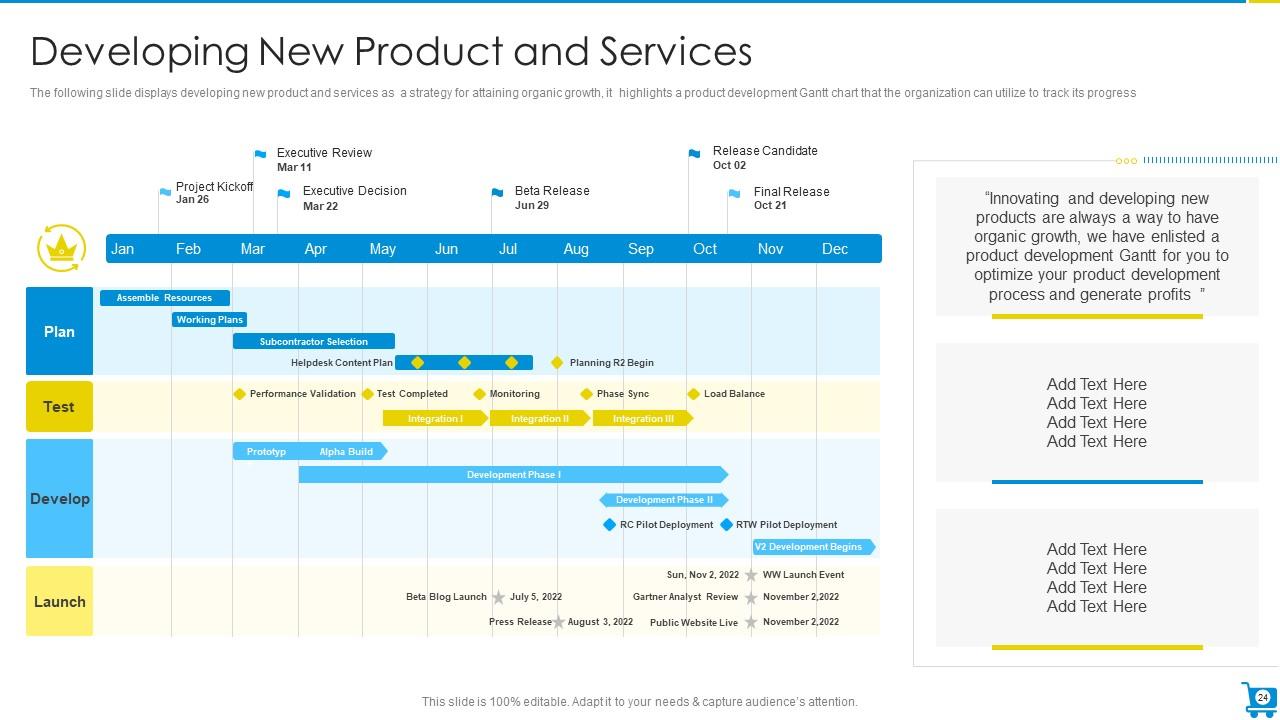
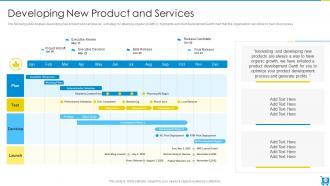
Diapositiva 24 : Esta diapositiva muestra el desarrollo de nuevos productos y servicios como estrategia para lograr un crecimiento orgánico.
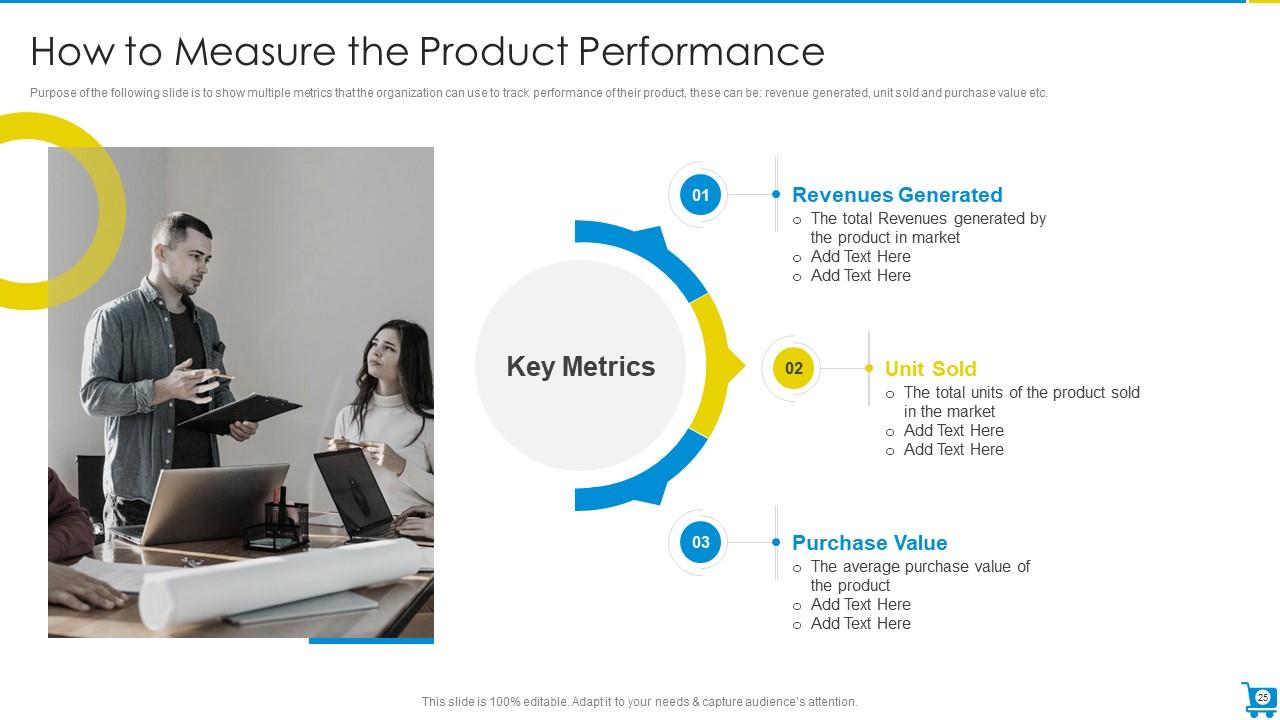
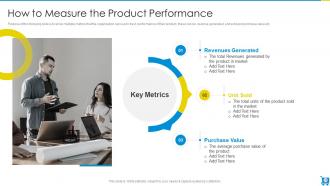
Diapositiva 25 : esta diapositiva muestra varias métricas que la organización puede usar para realizar un seguimiento del rendimiento de su producto.
Diapositiva 26 : Esta diapositiva muestra el título de un tema que se cubrirá a continuación en la plantilla.
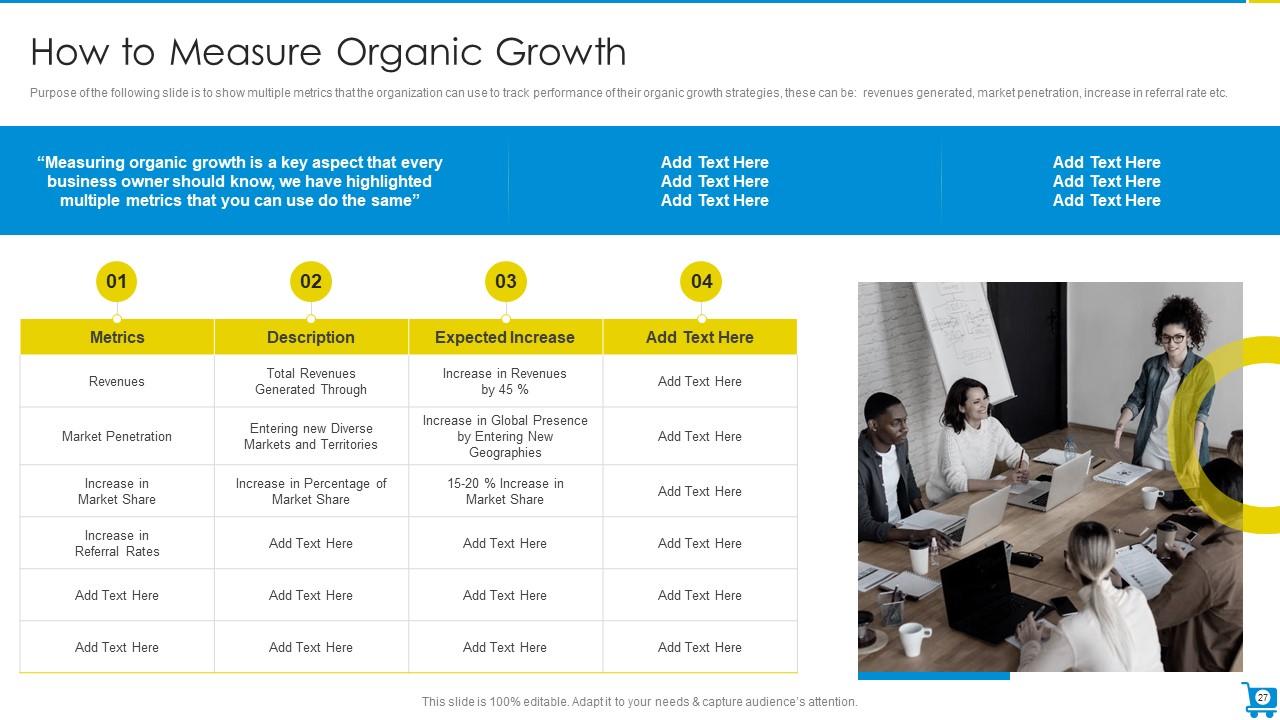
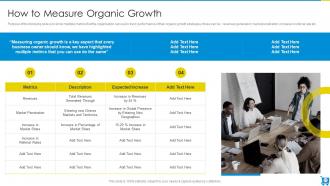
Diapositiva 27 : esta diapositiva muestra varias métricas que la organización puede usar para realizar un seguimiento del rendimiento de sus estrategias de crecimiento orgánico.
Diapositiva 28 : esta diapositiva muestra los íconos para el Libro de estrategias de ventas cruzadas y ventas adicionales.
Diapositiva 29 : esta diapositiva se titula Diapositivas adicionales para avanzar.
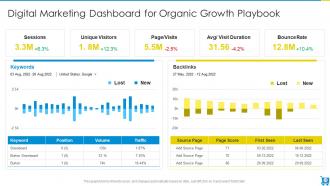
Diapositiva 30 : Esta diapositiva representa el Tablero de control de marketing digital para el libro de estrategias de crecimiento orgánico.
Diapositiva 31 : Esta es la diapositiva Nuestra misión con imágenes y texto relacionados.
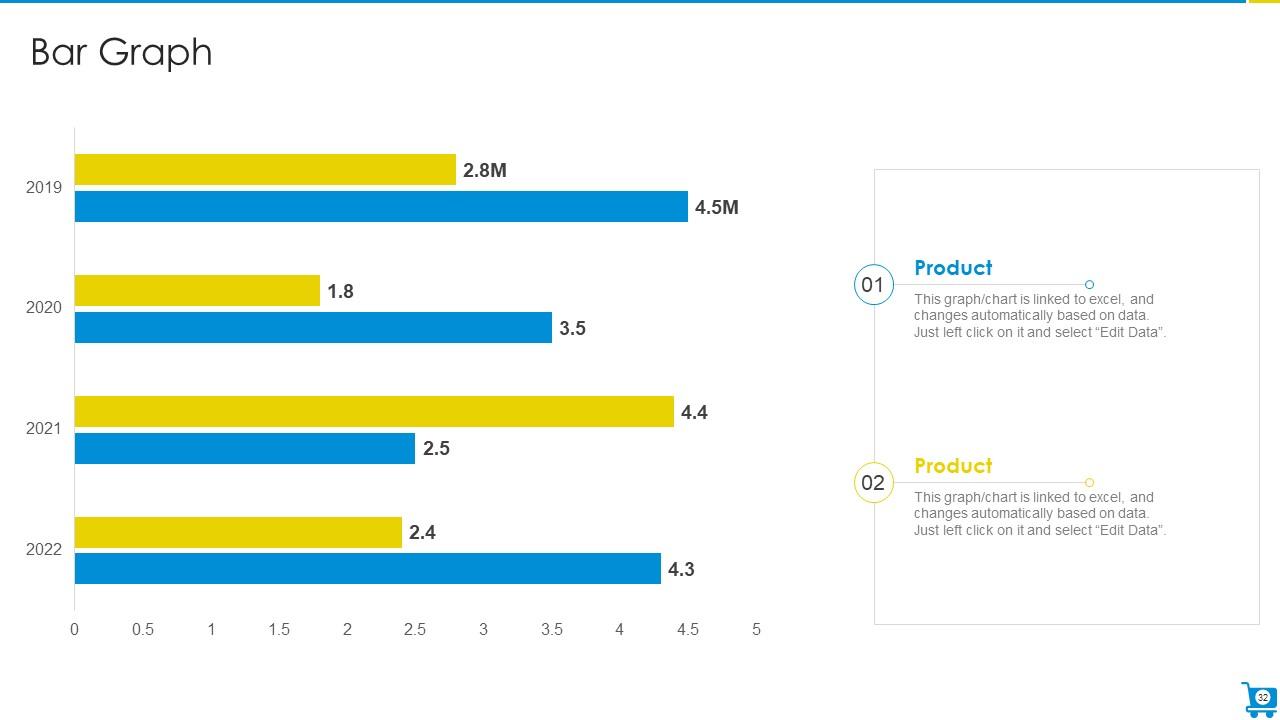
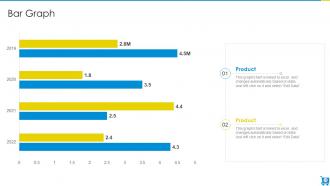
Diapositiva 32 : Esta diapositiva presenta un gráfico de barras con una comparación de dos productos.
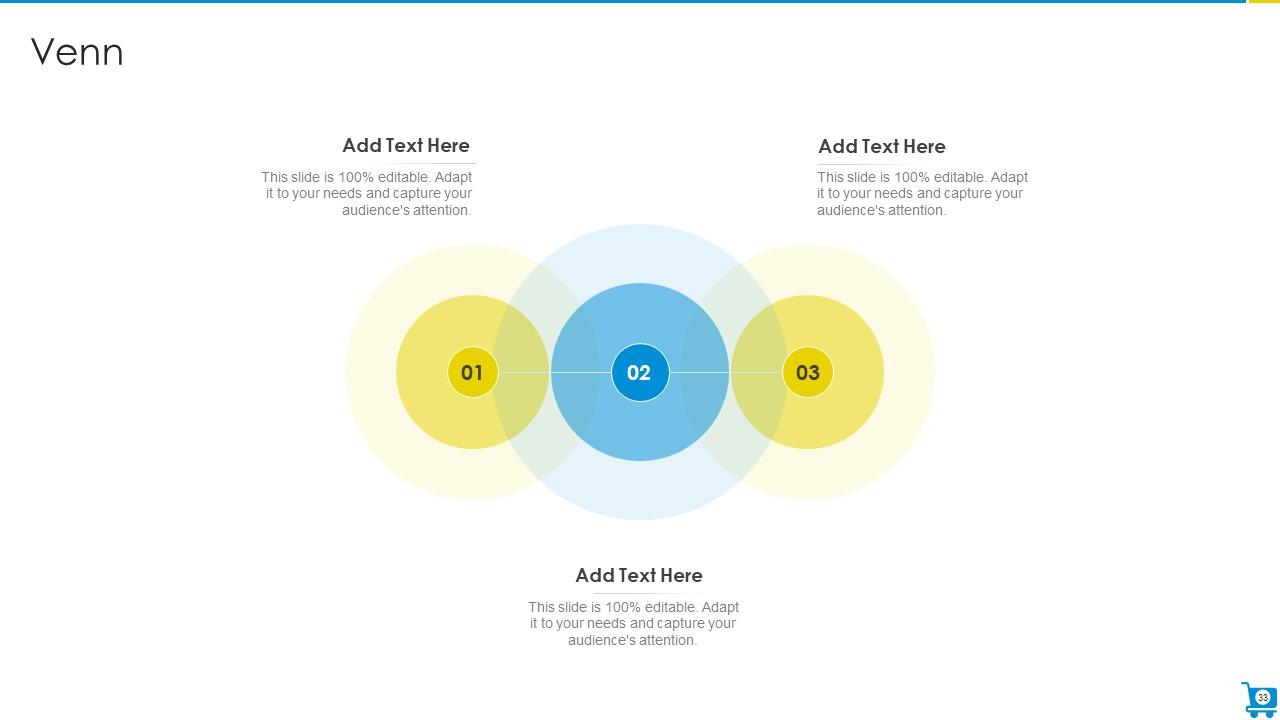
Diapositiva 33 : Esta diapositiva muestra el diagrama de Venn con cuadros de texto.
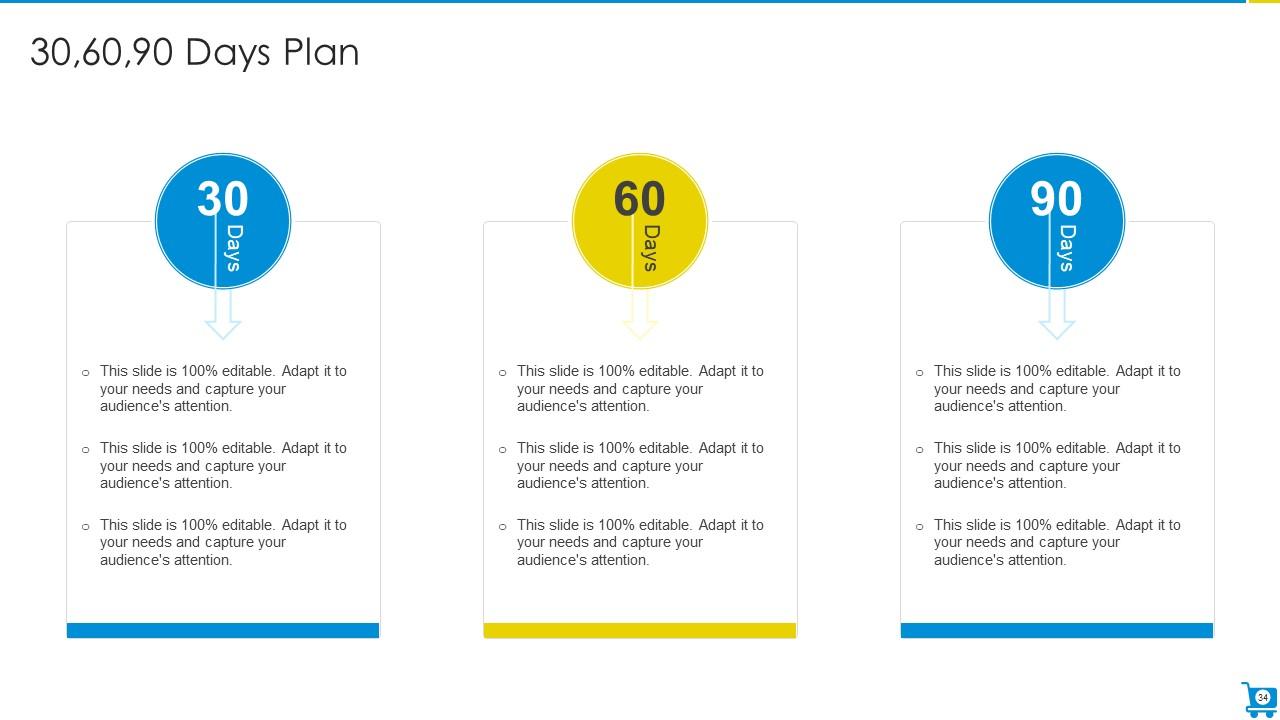
Diapositiva 34 : esta diapositiva proporciona un plan de 30 60 90 días con cuadros de texto.
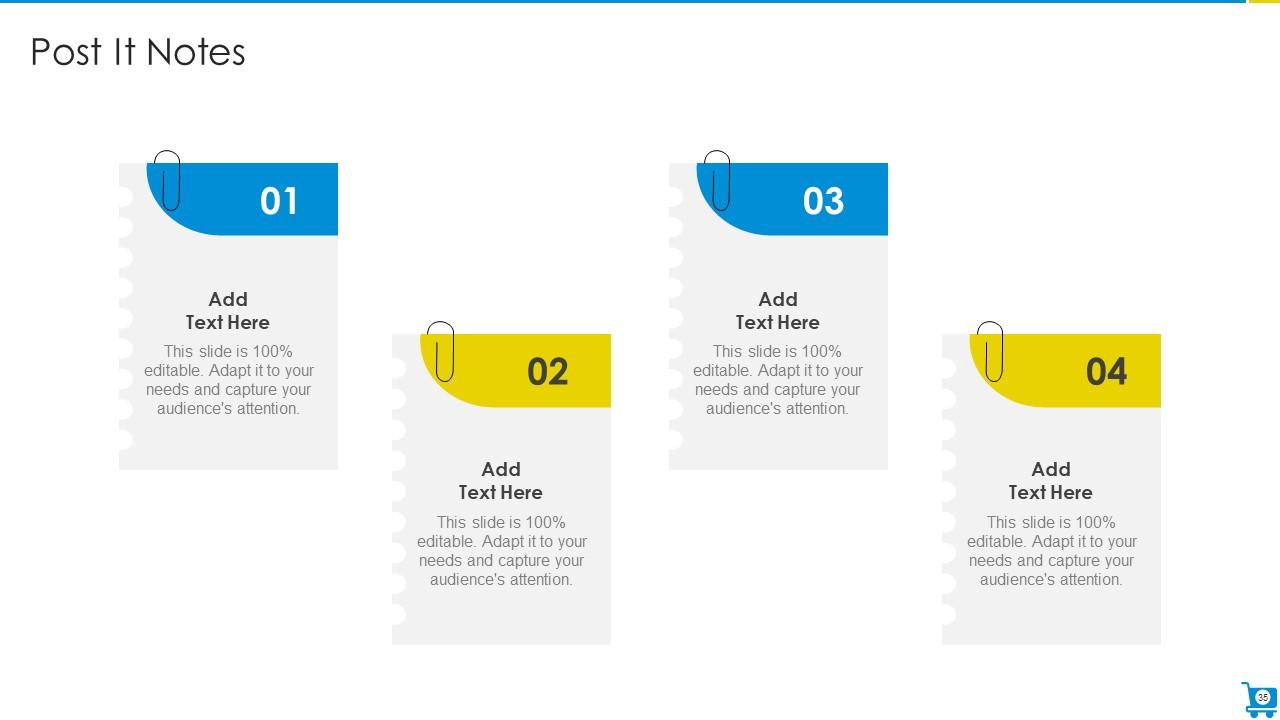
Diapositiva 35 : Esta diapositiva muestra Post-It Notes. Publique sus notas importantes aquí.
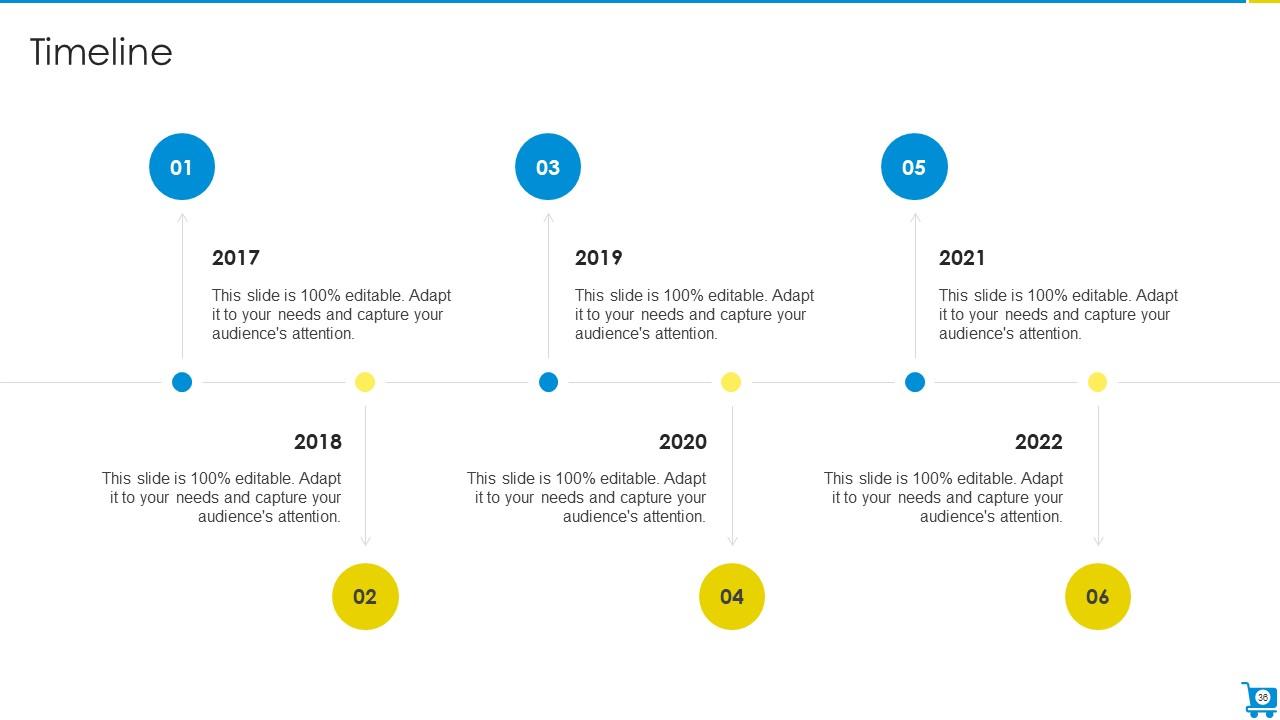
Diapositiva 36 : Esta es una diapositiva de la línea de tiempo. Mostrar datos relacionados con los intervalos de tiempo aquí.
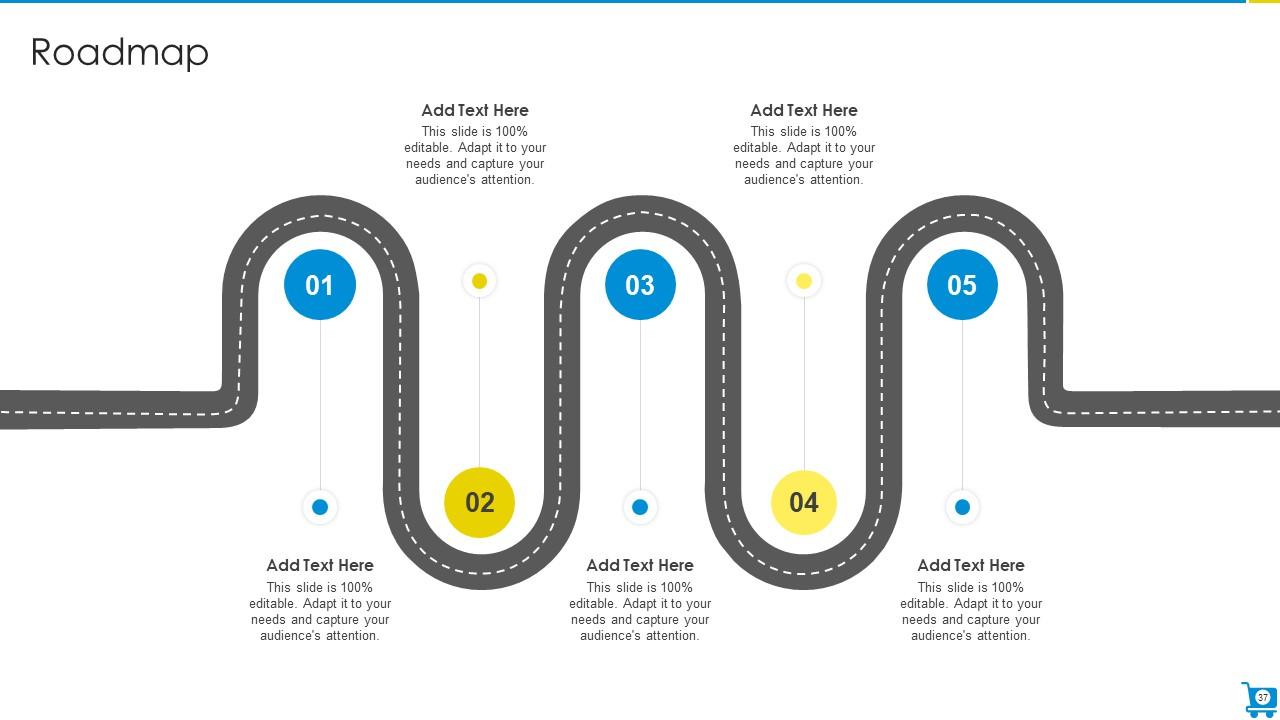
Diapositiva 37 : esta diapositiva presenta la hoja de ruta con cuadros de texto adicionales.
Diapositiva 38 : Esta es una diapositiva de agradecimiento con dirección, números de contacto y dirección de correo electrónico.
Diapositivas de presentación de Powerpoint de Playbook de ventas cruzadas y ventas adicionales con las 43 diapositivas:
Use nuestras Diapositivas de presentación de Powerpoint de Playbook de ventas cruzadas y ventas adicionales para ayudarlo de manera efectiva a ahorrar su valioso tiempo. Están listos para encajar en cualquier estructura de presentación.
-
I joined SlideTeam last month and there’s no doubt that I tend to find our bond only strengthening over time. Best place to find world-class themes, templates, and icons.
-
“Slides are formally built and the color theme is also very exciting. This went perfectly with my needs and saved a good amount of time.”
