Kundenfeedback-Management Powerpoint-Präsentationsfolien
Try Before you Buy Download Free Sample Product
Audience
Editable
of Time
Kontrollieren Sie den Ruck mit unseren Powerpoint-Präsentationsfolien für das Kundenfeedback-Management. Lassen Sie das Gefühl der Beunruhigung nicht wachsen.
Funktionen dieser PowerPoint-Präsentationsfolien:
Präsentieren von Powerpoint-Präsentationsfolien für das Kundenfeedbackmanagement. Präsentation von Powerpoint-Präsentationsfolien für das Kundenfeedbackmanagement. Dies ist eine Powerpoint-Präsentationsfolie für das Kundenfeedback-Management. Die Phasen in diesem Prozess sind Kundenfeedbackmanagement, CRM, Kundenbewertungsmanagement.
People who downloaded this PowerPoint presentation also viewed the following :
Inhalt dieser Powerpoint-Präsentation
Folie 1 : Dies ist eine Einführungsfolie in das Kundenfeedback-Management. Geben Sie hier Ihren Firmennamen an und beginnen Sie.
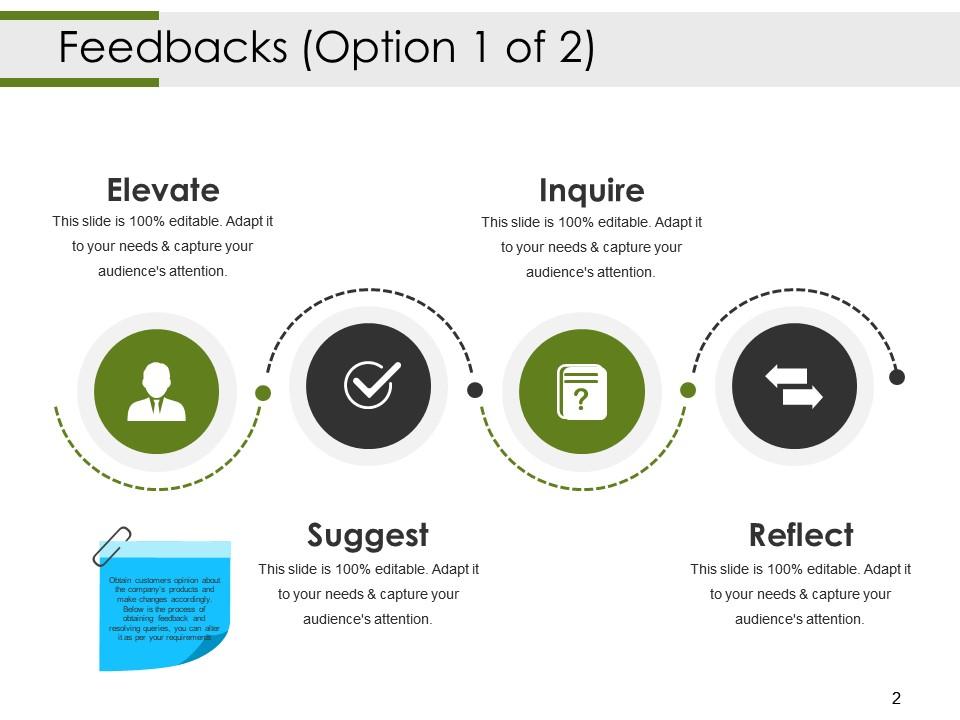
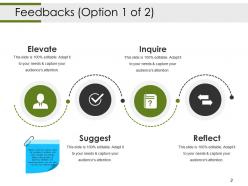
Folie 2 : Dies ist eine Feedback-Folie mit den folgenden Schritten: Erhöhen, vorschlagen, nachfragen, reflektieren, Kundenmeinungen zu den Produkten des Unternehmens einholen und entsprechende Änderungen vornehmen. Im Folgenden finden Sie den Prozess zum Einholen von Feedback und zum Lösen von Fragen. Sie können ihn gemäß Ihren Anforderungen ändern.
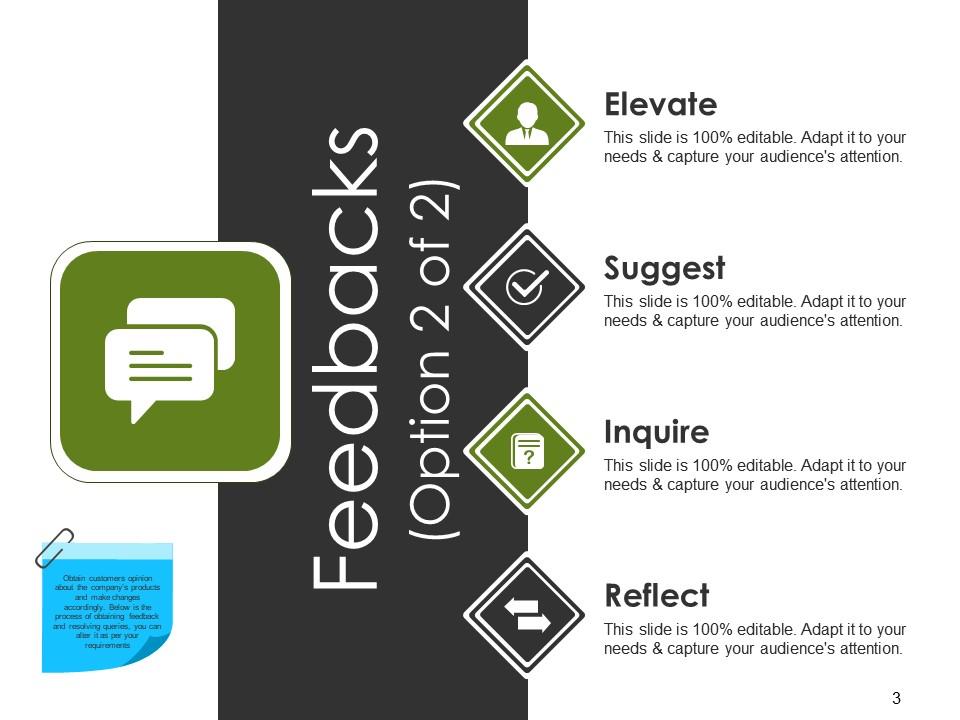
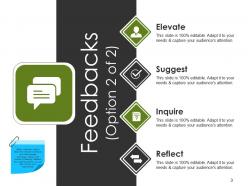
Folie 3 : Dies ist auch eine Feedback-Folie zum Status.
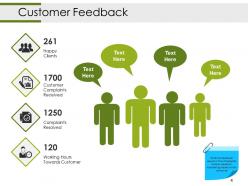
Folie 4 : Dies ist eine Infografik zum Kundenfeedback. Geben Sie die Feedback-Ergebnisse in diese Infografik-Folie ein, um eine bleibende Wirkung auf das Publikum zu erzielen.
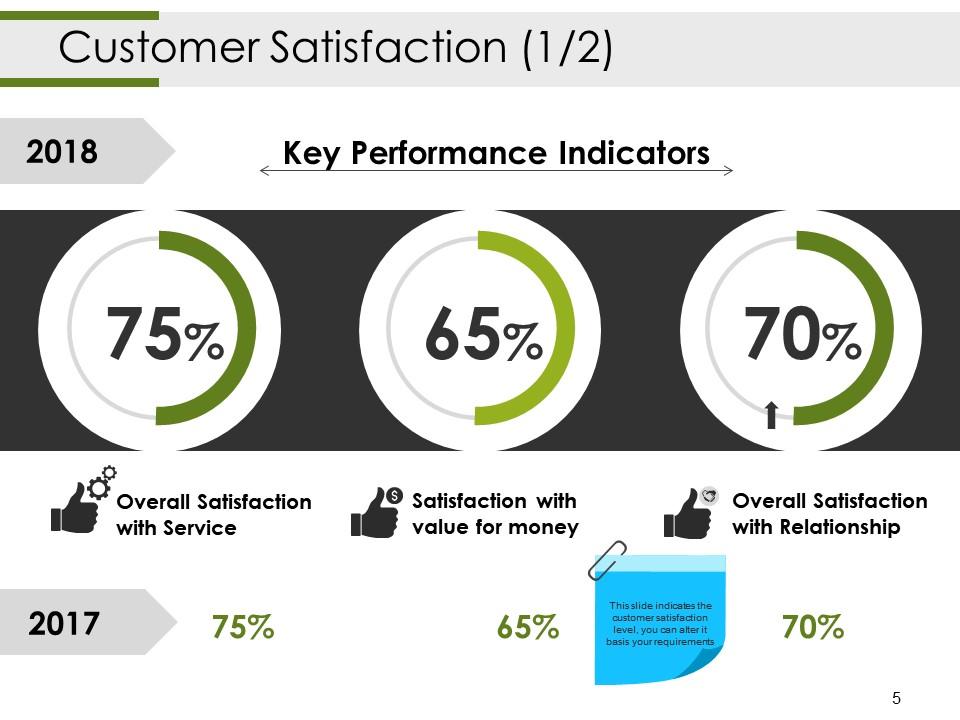
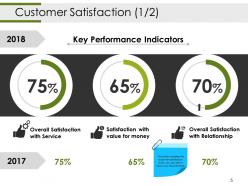
Folie 5 : Diese Folie zeigt den Kundenzufriedenheitsgrad in Prozent an. Sie können es je nach Bedarf ändern.
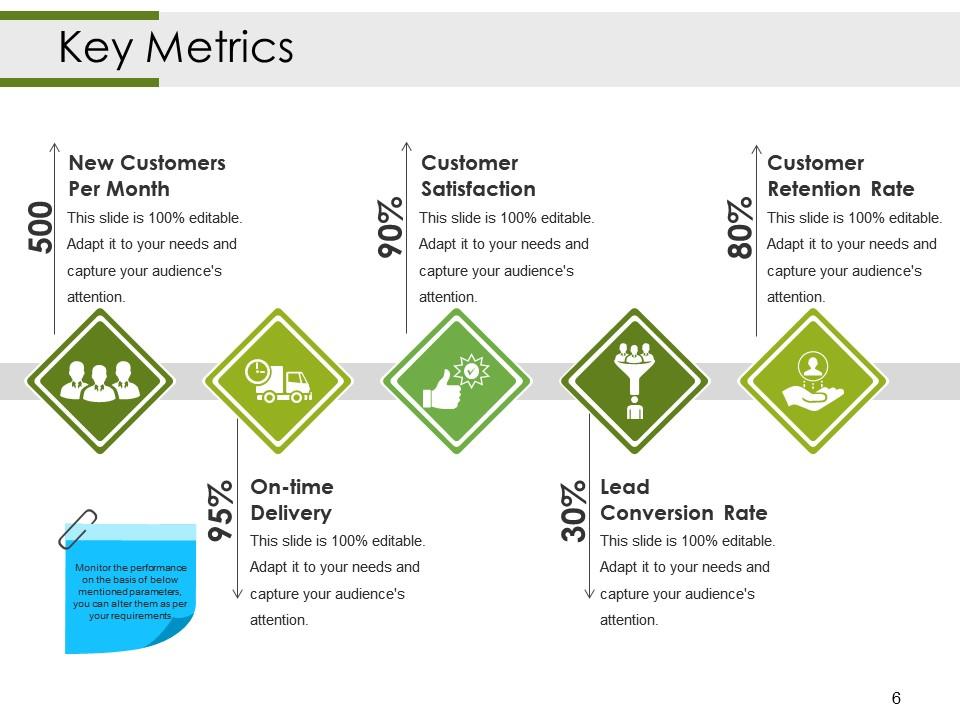
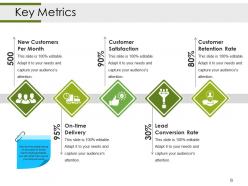
Folie 6 : Diese Folie enthält Schlüsselkennzahlen mit den folgenden Parametern. Pünktliche Lieferung, Lead Conversion Rate, Neukunden pro Monat, Kundenzufriedenheit, Kundenbindungsrate, Überwachen Sie die Leistung anhand dieser genannten Parameter. Sie können sie auch nach Ihren Wünschen ändern.
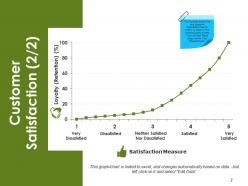
Folie 7 : Diese Folie zeigt auch die Kundenzufriedenheit in Form eines Diagramms/Diagramms mit Schritten. Sie können diese Schritte gemäß Ihren Anforderungen ändern.
Folie 8 : Diese Folie ist ein Kaffeepause-Bild für eine Pause.
Folie 9 : Dies sind die Symbolfolien für das Kundenfeedback-Management. Verwenden/ändern Sie die Symbole nach Bedarf.
Folie 10 : Diese Folie geht weiter zu Diagrammen und Grafiken. Sie können Inhalte nach Bedarf ändern/modifizieren.
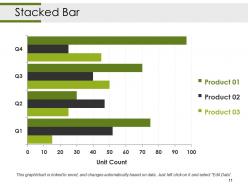
Folie 11 : Dies ist eine Folie mit einem gestapelten Balkendiagramm, um den Vergleich von Produkten / Einheiten, Spezifikationen usw.
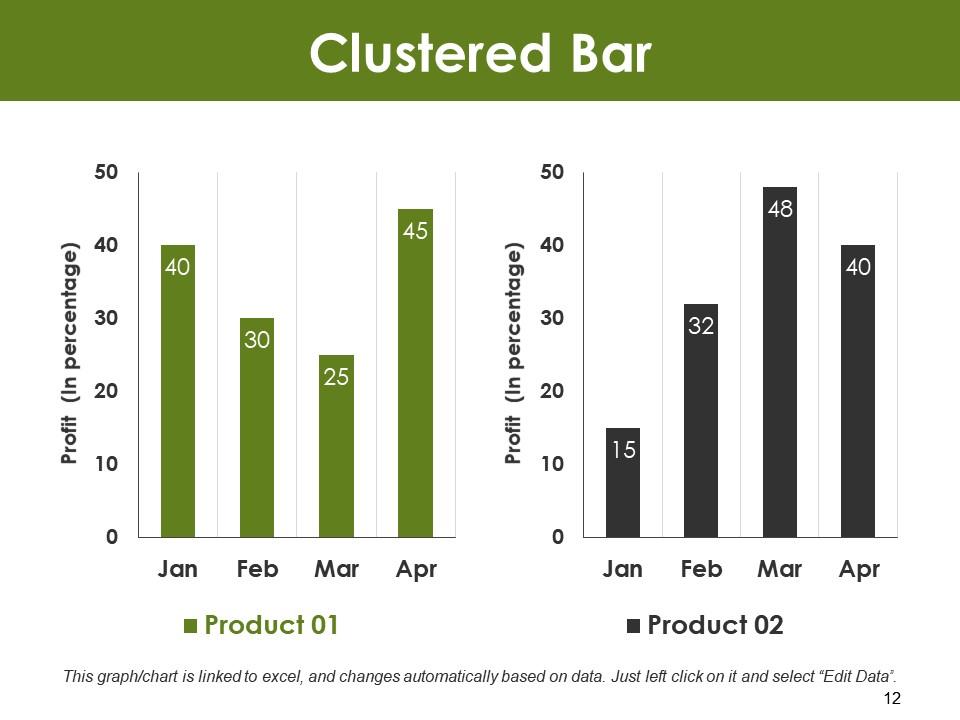
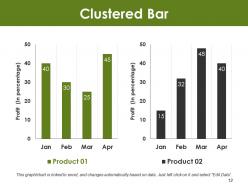
Folie 12 : Dies ist eine gruppierte Balkendiagrammfolie zum Anzeigen von Produkt-/Entitätsvergleichen, Spezifikationen usw.
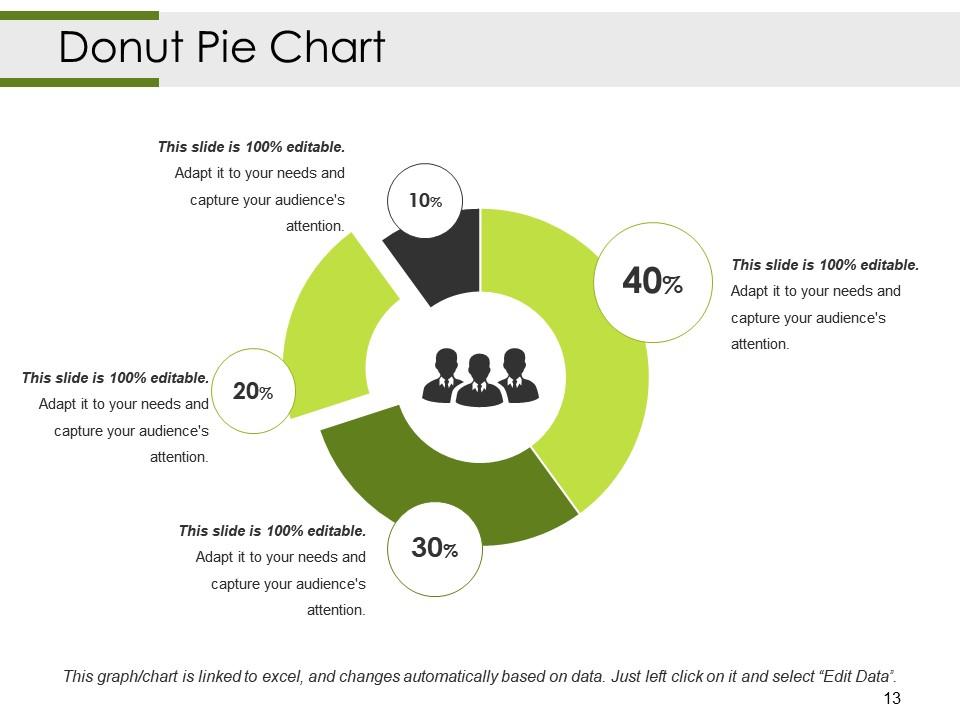
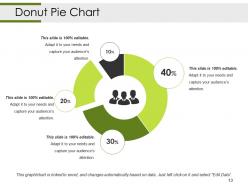
Folie 13 : Dies ist eine Donut-Kreisdiagramm-Folie, um den Produkt-/Entitätsvergleich, die Spezifikationen usw.
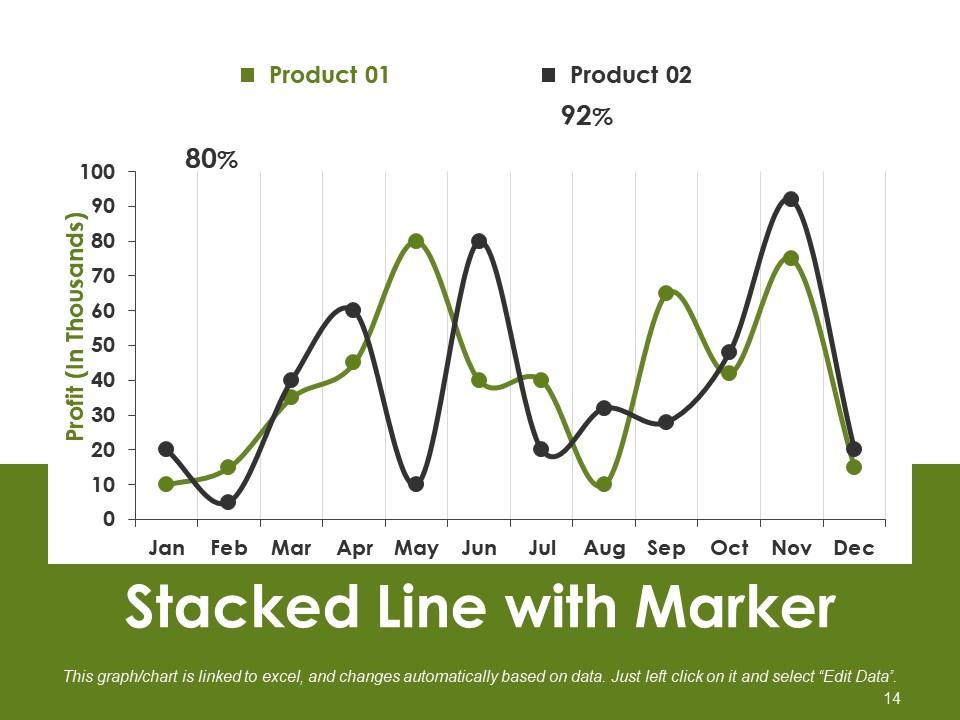
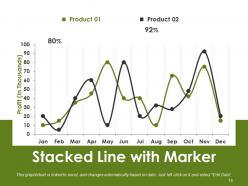
Folie 14 : Dies ist eine gestapelte Linie mit Markierungsfolie, um den Produkt-/Entitätsvergleich, Spezifikationen usw. anzuzeigen.
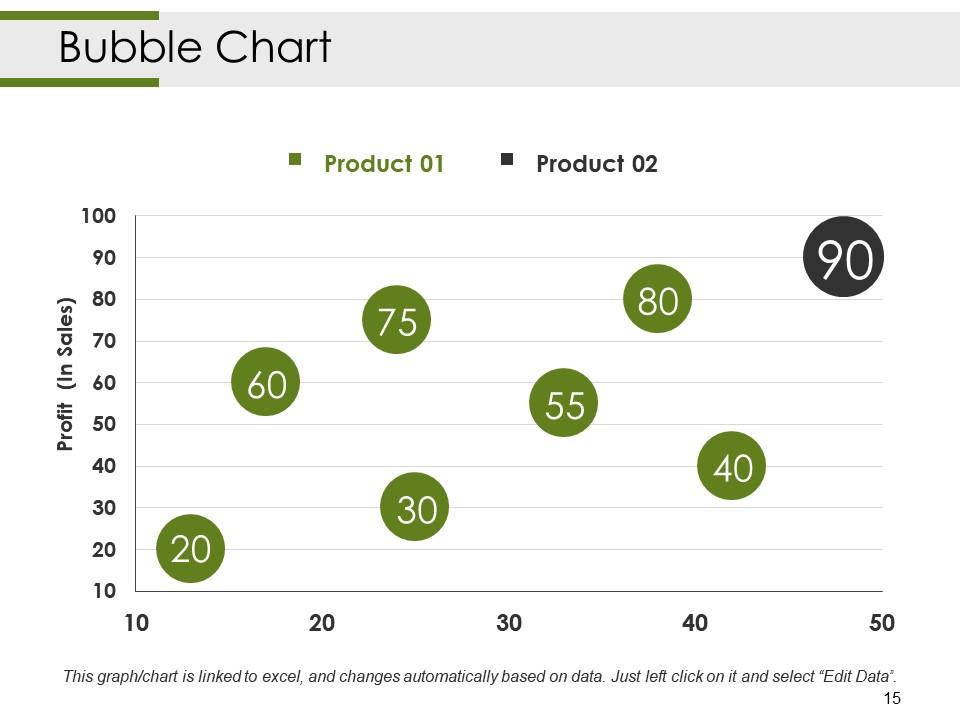
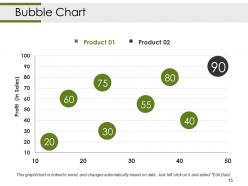
Folie 15 : Dies ist eine Blasendiagrammfolie, die den Vergleich von Produkten/Einheiten, Spezifikationen usw. zeigt.
Folie 16 : Diese Folie trägt den Titel Zusätzliche Folien, um vorwärts zu gehen. Sie können den Folieninhalt nach Bedarf ändern.
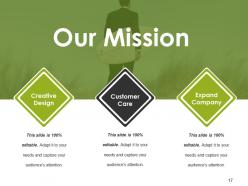
Folie 17 : Diese Folie zeigt unsere Mission. Zeigen Sie hier Ihre Unternehmensmission und -ziele.
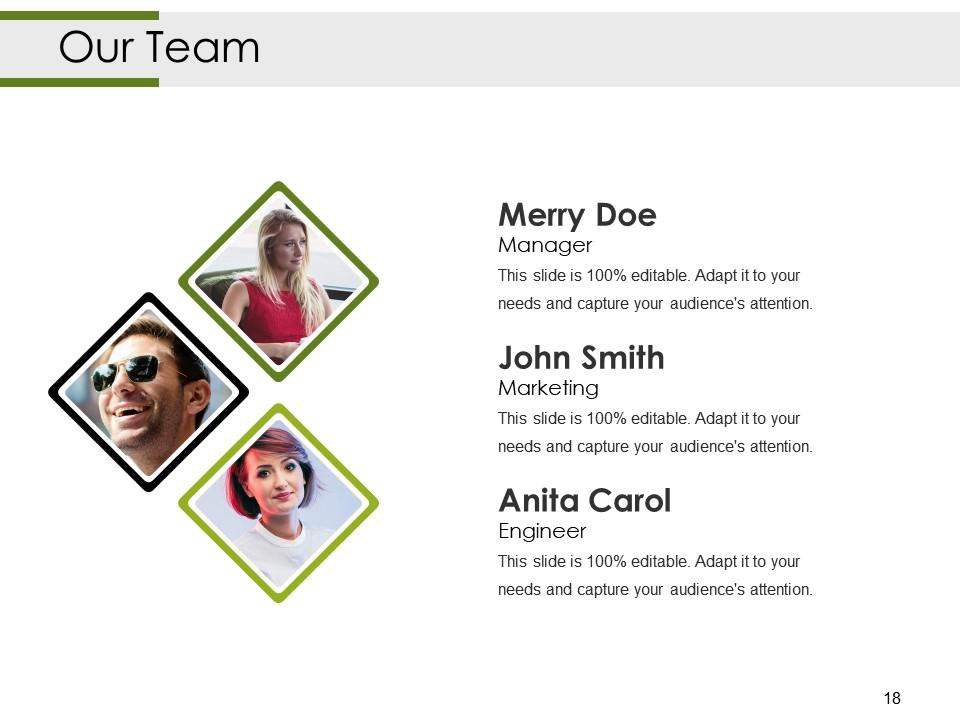
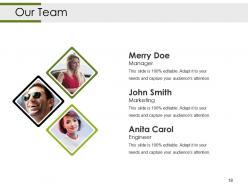
Folie 18 : Diese Folie zeigt unser Team mit Namen, Bezeichnung und Bildfeldern.
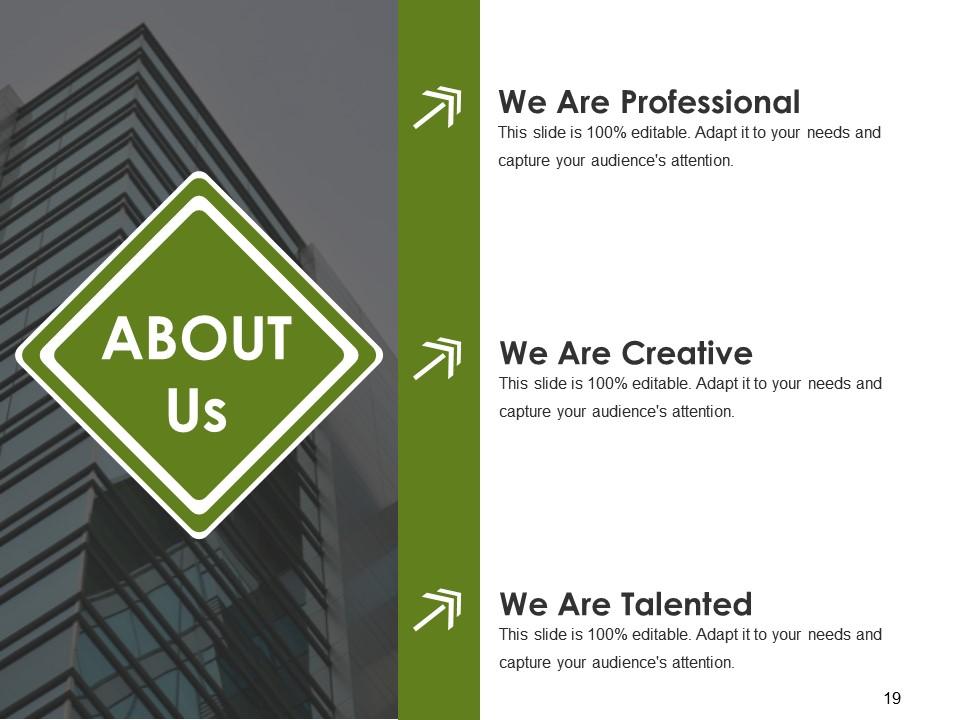
Folie 19 : Dies ist eine Über uns-Folie. Geben Sie hier Team-/Firmenspezifikationen an.
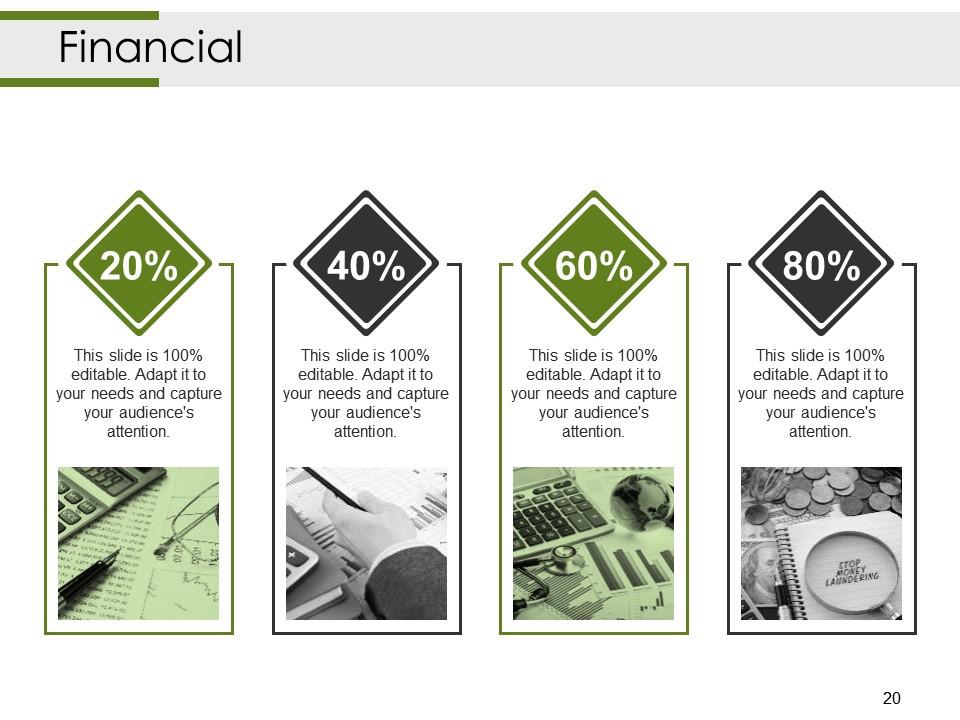
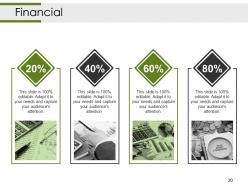
Folie 20 : Dies ist eine Folie zum Finanzergebnis. Geben Sie hier finanzielle Aspekte, Informationen etc. an.
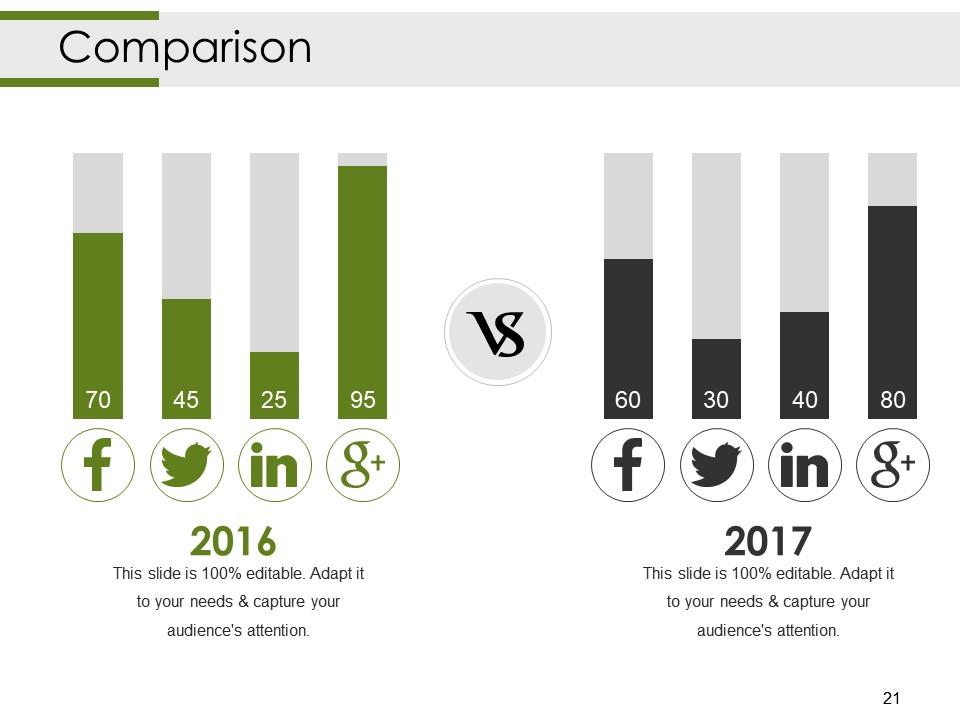
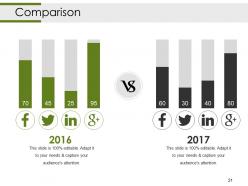
Folie 21 : Dies ist eine Vergleichsfolie, um den Vergleich zweier Entitäten usw. zu zeigen.
Folie 22 : Dies ist eine Zitate-Folie, um Botschaften, Überzeugungen usw.
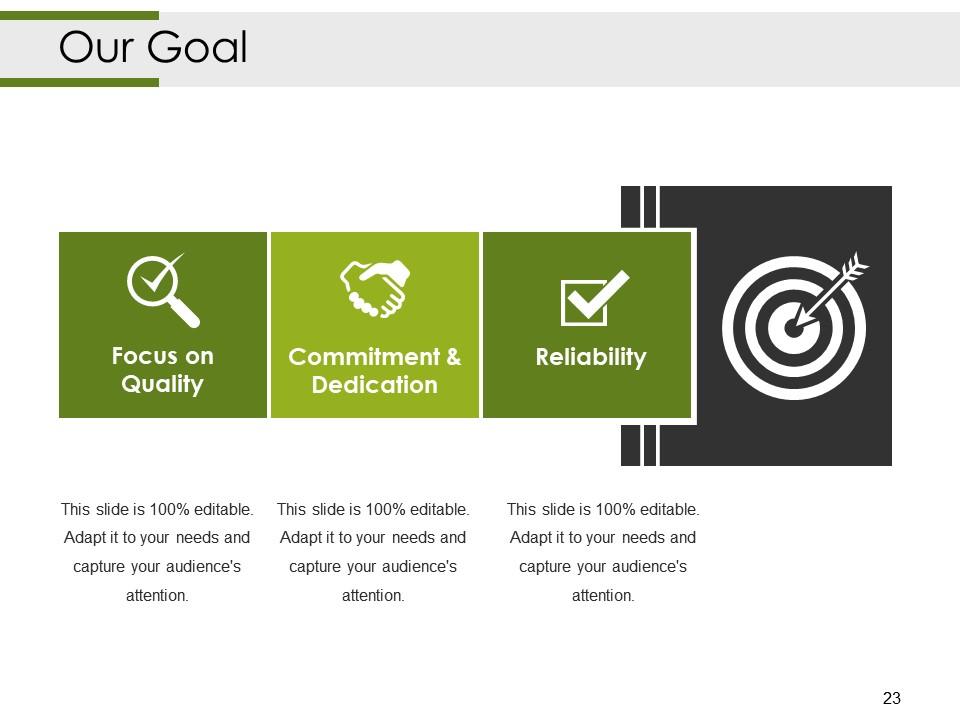
Folie 23 : Dies ist die Folie „Unser Ziel“. Geben Sie hier Ihre Ziele an.
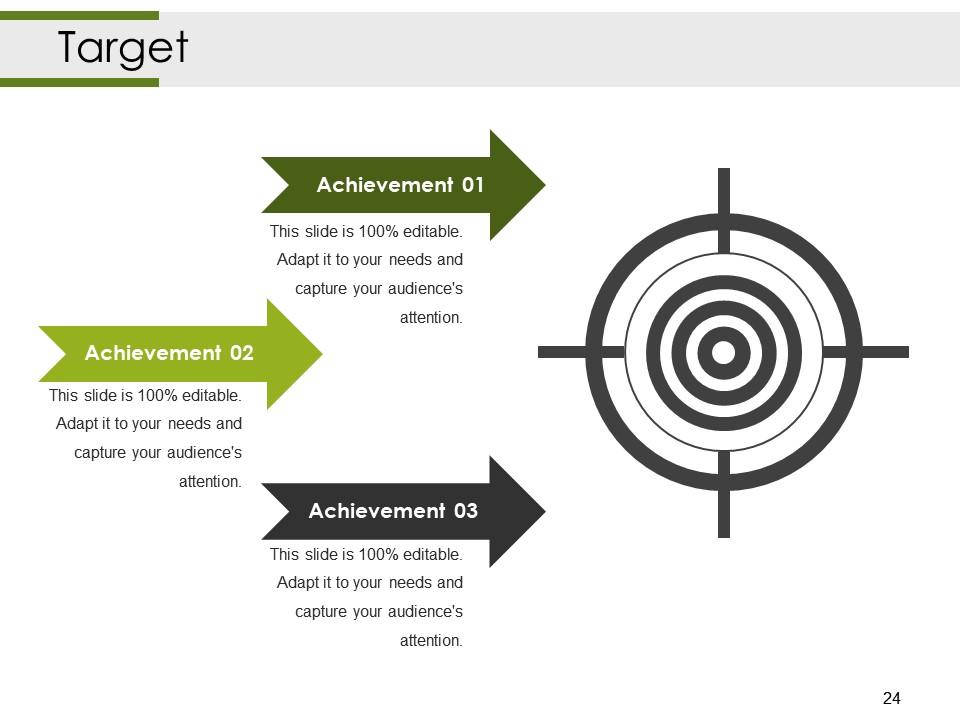
Folie 24 : Dies ist eine Zielbildfolie. Landesziele usw. hier.
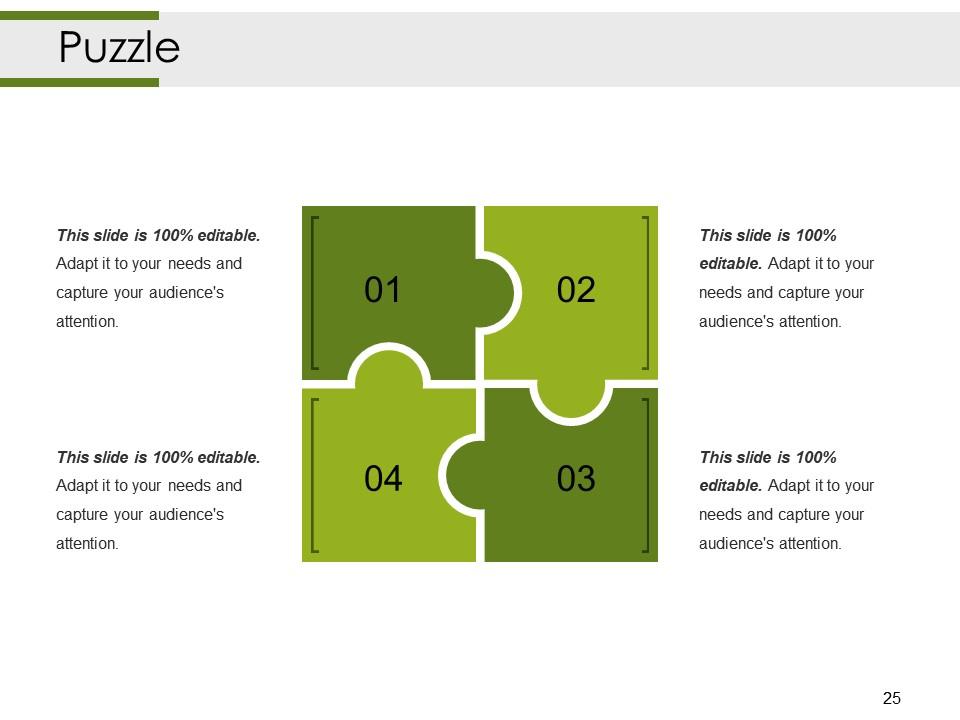
Folie 25 : Dies ist eine Bildfolie aus Puzzleteilen, um Informationen, Spezifikationen usw. anzuzeigen.
Folie 26 : Dies ist eine Venn-Diagramm-Bildfolie zur Anzeige von Informationen, Spezifikationen usw.
Folie 27 : Dies ist eine Mindmap-Bildfolie zur Anzeige von Informationen, Spezifikationen usw.
Folie 28 : Dies ist eine Bulb & Idea-Bildfolie, um Ideen, innovative Informationen usw. zu zeigen.
Folie 29 : Dies ist eine Dankesfolie mit Adresse# Hausnummer, Stadt, Bundesland, Kontaktnummern, E-Mail-Adresse.
Kundenfeedback-Management Powerpoint-Präsentationsfolien mit allen 29 Folien:
Geben Sie Gas mit unseren Powerpoint-Präsentationsfolien für das Kundenfeedback-Management. Ihre Karriere wird sich beschleunigen.
FAQs for Customer Feedback Management
Make it stupid easy for people to give you feedback - surveys, in-app stuff, social media, whatever works. But here's the key: timing matters way more than you think. Hit them right after they've used your product while it's still fresh in their mind. I can't tell you how many companies mess this up by waiting weeks then act shocked when nobody responds. Short surveys work best (under 5 minutes), and ask real questions instead of generic "how'd we do?" nonsense. Oh, and actually follow up on what they tell you - people notice when you don't. Start with one method first, then add more once you've got it down.
Don't just sit around waiting for people to complain or leave reviews - that's only hearing from the loudest voices. Honestly, those customers probably aren't even typical of your whole base. Mix up how you're asking: surveys, quick follow-up emails, social polls, maybe even some calls if you're feeling ambitious. You'll want responses from different types - big spenders, casual users, different age groups, whatever makes sense. Then actually check who's responding versus who you're serving overall and chase down the quiet ones you're missing.
Tech has completely changed how you handle customer feedback. Gone are the days of manually sorting through responses - now you can automate surveys, use AI to spot patterns, and get real-time dashboards showing what people actually think. The smart move? Pick one platform that connects all your existing tools instead of starting over. You'll be able to pull in reviews, surveys, social media mentions, support tickets - everything in one place that actually makes sense. Honestly, managing feedback without proper tech is just brutal these days. Sure, there's a learning curve, but once you're set up it's like having a crystal ball for customer sentiment.
Honestly, just pick 2-3 metrics and stick with them - don't go overboard trying to measure everything. Set up your baseline before making changes, then track stuff like adoption rates and customer satisfaction scores after. I'm obsessed with creating simple dashboards that connect feedback themes to actual product updates. Makes spotting trends way easier. Also watch your support ticket volume for areas you've improved. The real test? See if customers stop complaining about the same issues once you've "fixed" them. Time-to-resolution is clutch too. You'll know pretty quickly if your changes actually moved the needle.
Start by grouping similar feedback into buckets - stuff like pricing complaints or UX problems. Sentiment analysis tools can speed things up, but honestly? You still gotta read through manually to catch the real insights. Pay attention to phrases customers repeat word-for-word. That's where the magic happens. Also track when certain complaints spike - like if everyone suddenly hates your checkout flow after an update. The whole point is turning random comments into something your team can actually fix. Way easier said than done though.
Honestly? Just make it super easy for them and actually show you care about what they say. Time it right - hit them up right after they use your stuff, not like 3 weeks later when they can't even remember. Keep it short too because nobody wants to answer a million questions. Mix up how they can reach you. Some people hate surveys but they'll totally leave reviews or hop on a quick call. Always tell them what you actually did with their feedback - that's huge. And be upfront about why you're asking. Give them a real reason to want to help you out.
Oh man, biggest mistake? Making surveys stupidly long. People peace out after question 3, I swear. Also don't just ask for feedback when people are already pissed off - like right after they complained. That makes everything sound terrible. Avoid leading questions too (you know, the ones that basically scream "please say yes"). And honestly? If you're gonna ask for feedback, you better actually DO something with it. Otherwise people feel ignored and that's worse than not asking at all. Keep it short, ask at different times, stay neutral, and tell people what you're changing based on their input.
Look, managing customer feedback is honestly one of the best loyalty tricks out there. People want to feel heard, you know? So when you actually respond to their complaints or - even better - implement their suggestions, they'll stick around. Quick responses matter too, especially for the angry customers (those are usually the loudest on social media anyway). The real magic happens when you circle back later and show them exactly what changed because of their input. That's how you turn random buyers into people who'll recommend you to their friends without being asked.
Start with response rates - are people actually answering when you ask for feedback? Then check how fast you're closing the loop on issues. I'm weirdly obsessed with tracking repeat complaints about the same stuff because it shows whether you're fixing the real problem or just slapping band-aids on things. Customer satisfaction scores after you resolve issues matter too. Oh, and monitor which channels work best - email vs in-app vs social media. The big one though? See if feedback actually drives business changes. Pick 3-4 metrics and stick with them instead of trying to measure everything.
Honestly, most companies are terrible at this - they collect feedback but it never reaches anyone who can actually do something about it. What you need is direct lines to decision-makers, not just customer service reps. Try setting up monthly reviews where different departments hear what customers are saying and use it for planning. Pick one process first (maybe product updates?) and require customer input before making changes. Oh, and this part's crucial - track what feedback actually led to real changes, then tell customers about it. I've watched too many businesses pile feedback into databases that nobody ever looks at again.
Keep those surveys super short - like 5 questions tops. People literally abandon ship after question 3, so put your most important stuff first. Timing matters too - hit them right after they buy something or use your service while it's still fresh in their head. Everyone's glued to their phones so make sure it works on mobile. Quick incentive doesn't hurt either, even just a simple raffle entry. And honestly? Tell people why you actually need their feedback - what you're gonna do with it. I swear these two things alone will bump your response rates way up.
Oh, sentiment analysis is a game-changer! It automatically sorts through all your customer feedback and tells you what's positive, negative, or neutral. Way better than reading hundreds of reviews yourself - honestly, who has time for that? You'll catch patterns super fast, like people loving your product but getting frustrated during checkout. The cool part is it helps you figure out what to fix first since upset customers obviously need attention ASAP. I'd just grab a sentiment tool and run your recent feedback through it. You'll probably find stuff you totally missed before.
So basically you want to create this cycle where you're constantly getting customer input, making changes, then seeing what happens. Rinse and repeat. The cool thing is you'll start noticing patterns - like oh wait, everyone's complaining about the same checkout issue. Fix the actual problem instead of just dealing with random complaints all day. Here's what really matters though: tell customers what you did with their feedback! They need to see you actually listened. Honestly, I'd just pick one way to collect feedback first - don't go crazy with surveys everywhere. Make some real changes, then expand from there.
Here's what I'd do - group feedback by how often it comes up and how badly it breaks things. Multiple people complaining about the same bug? That's your smoking gun right there. Focus on stuff that kills core features or makes people cancel first. Your biggest paying customers honestly should get bumped up the list too, that's just reality. Look for easy fixes that'll make users happy - those are pure gold. I usually create some basic scoring system so we're not just picking whatever sounds fun that day. Oh, and review your priorities monthly because things change fast.
Dude, training your team on feedback is huge - probably the most important thing you'll do. Your people need to actually listen and not get all defensive when customers complain. I've seen so many places mess this up because employees take feedback personally instead of seeing it as useful info. Role-play different scenarios with them so they're not caught off guard. Also make sure they know what needs to go up the chain vs. what they can fix themselves. The whole point is turning complaints into actual improvements, but that only works if your team knows what they're doing.
-
Excellent products for quick understanding.
-
Design layout is very impressive.