

Diapositivas de presentación de PowerPoint de ataques de terrorismo cibernético




Try Before you Buy Download Free Sample Product
 Impress Your
 Audience
 100%
100% Editable
 Save Hours
 of Time


El terrorismo cibernético es la fusión del ciberespacio con el terrorismo; se refiere a agresiones ilegales y amenazas de ataques a redes informáticas. Consulte nuestra plantilla de Ataques de terrorismo cibernético diseñada de manera competente que es de gran ayuda para conocer los problemas que enfrenta la empresa y el escenario actual del terrorismo cibernético en todo el mundo. En esta presentación, hemos incorporado los elementos del terrorismo cibernético, que incluyen tipos y formas de terrorismo cibernético y las herramientas mal utilizadas. Además, PPT muestra medidas preventivas para proteger a la empresa de las herramientas del ciberterrorismo. Además, incluye estrategias para mitigar el ciberterrorismo. Además, esta presentación representa una matriz de evaluación para determinar los impactos financieros de los ataques terroristas cibernéticos en las empresas y la implementación de medidas de seguridad cibernética por parte de la empresa. Además, la plantilla proporciona una lista de verificación para hacer frente al terrorismo cibernético en la industria, un cronograma y una hoja de ruta para monitorear el proceso de implementación. Por último, la plataforma Delivery Network comprende un plan de 30-60-90 días para implementar la seguridad cibernética en el negocio. Personaliza ahora esta plantilla 100 % editable.
People who downloaded this PowerPoint presentation also viewed the following :
Contenido de esta presentación de Powerpoint
Diapositiva 1 : Esta diapositiva presenta los ataques ciberterroristas. Indique el nombre de su empresa y comience.
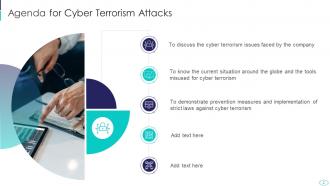
Diapositiva 2 : Esta diapositiva muestra la Agenda para el terrorismo cibernético.
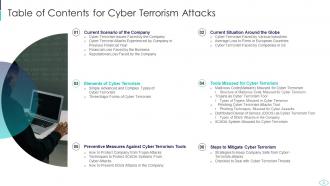
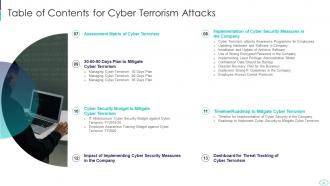
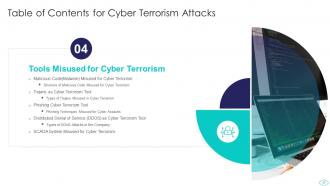
Diapositiva 3 : Esta diapositiva presenta la tabla de contenido de la presentación.
Diapositiva 4 : esta es otra diapositiva que continúa con la tabla de contenido de la presentación.
Diapositiva 5 : esta diapositiva representa el título de los temas que se cubrirán a continuación en la plantilla.
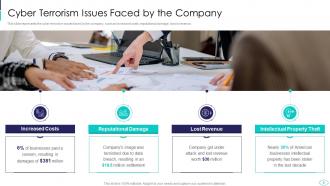
Diapositiva 6 : Esta diapositiva muestra los problemas de terrorismo cibernético que enfrenta la empresa.
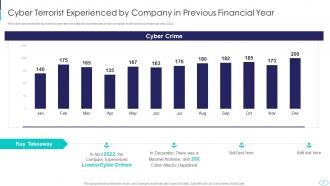
Diapositiva 7 : Esta diapositiva muestra los ataques terroristas cibernéticos experimentados por la empresa en el ejercicio fiscal anterior.
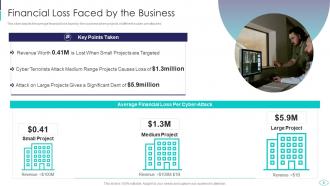
Diapositiva 8 : Esta diapositiva presenta la pérdida financiera promedio que enfrenta el negocio cuando se atacan proyectos de diferentes escalas.
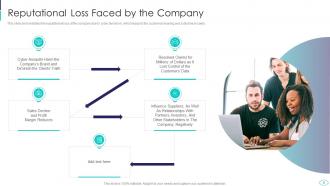
Diapositiva 9 : Esta diapositiva muestra la pérdida de reputación de la empresa debido al terrorismo cibernético.
Diapositiva 10 : esta diapositiva representa el título de los temas que se cubrirán a continuación en la plantilla.
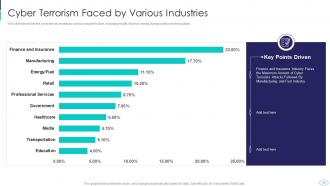
Diapositiva 11 : Esta diapositiva muestra el terrorismo cibernético que enfrentan varias industrias, incluidas la salud, las finanzas, los medios, etc.
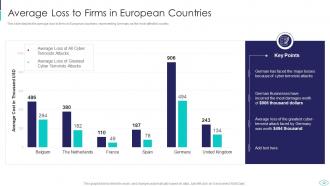
Diapositiva 12 : Esta diapositiva muestra la pérdida promedio de las empresas en los países europeos, representando a Alemania como la más afectada.
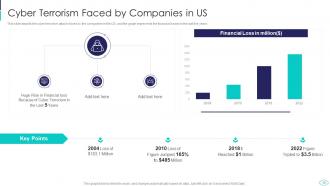
Diapositiva 13 : Esta diapositiva presenta el ciberterrorismo que enfrentan las empresas en los EE. UU.
Diapositiva 14 : esta diapositiva muestra el título de los temas que se cubrirán a continuación en la plantilla.
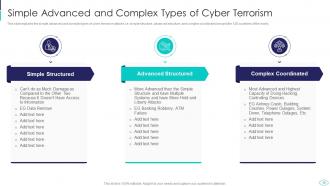
Diapositiva 15 : Esta diapositiva representa los tipos de ciberterrorismo simples, avanzados y complejos.
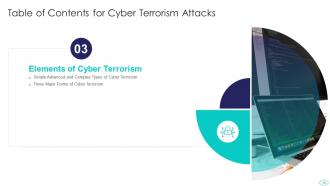
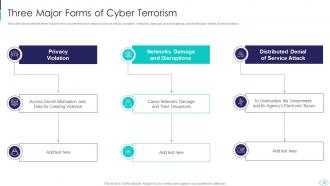
Diapositiva 16 : Esta diapositiva muestra tres formas principales de terrorismo cibernético, como la violación de la privacidad, el daño a las redes, etc.
Diapositiva 17 : esta diapositiva muestra el título de los temas que se cubrirán a continuación en la plantilla.
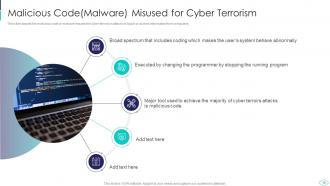
Diapositiva 18 : Esta diapositiva presenta código malicioso o malware utilizado indebidamente por el terrorismo cibernético para secuestrar o acceder a la información.
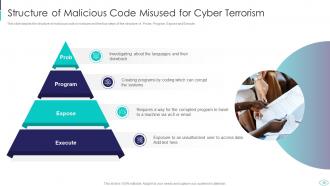
Diapositiva 19 : esta diapositiva muestra la estructura del código malicioso utilizado indebidamente para el terrorismo cibernético.
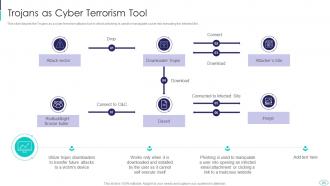
Diapositiva 20 : esta diapositiva representa a los troyanos como una herramienta de terrorismo cibernético en la que se utiliza el phishing para manipular a un usuario.
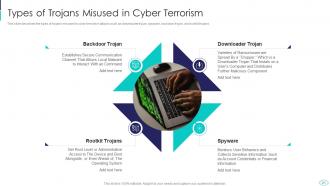
Diapositiva 21 : esta diapositiva muestra los tipos de troyanos mal utilizados en el terrorismo cibernético, como troyanos de descarga, spyware, troyanos de puerta trasera, etc.
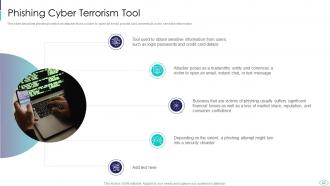
Diapositiva 22 : esta diapositiva muestra el phishing en el que un atacante engaña a la víctima para que abra un correo electrónico.
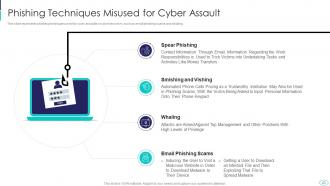
Diapositiva 23 : Esta diapositiva presenta las técnicas de phishing mal utilizadas para ataques cibernéticos.
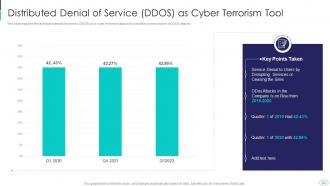
Diapositiva 24 : esta diapositiva muestra la denegación de servicio distribuida (DDOS) como terrorismo cibernético también.
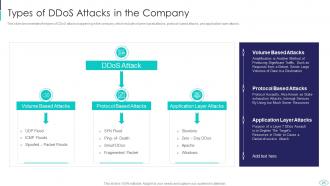
Diapositiva 25 : esta diapositiva representa los tipos de ataques DDoS que ocurren en la empresa, que incluyen ataques basados en volumen, ataques basados en protocolo, etc.
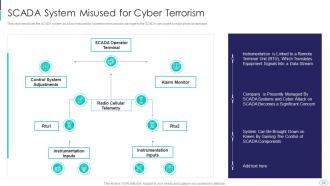
Diapositiva 26 : Esta diapositiva muestra el sistema SCADA como una herramienta mal utilizada para el ciberterrorismo y cualquier daño al SCADA.
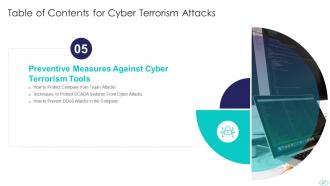
Diapositiva 27 : esta diapositiva muestra el título de los temas que se cubrirán a continuación en la plantilla.
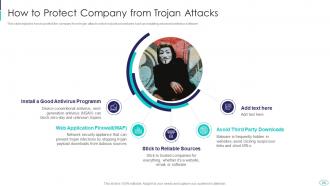
Diapositiva 28 : esta diapositiva presenta cómo proteger a la empresa de los ataques de troyanos.
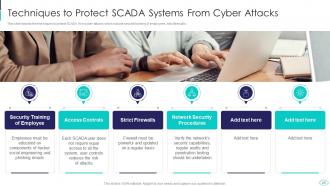
Diapositiva 29 : Esta diapositiva muestra Técnicas para proteger los sistemas SCADA de los ataques cibernéticos.
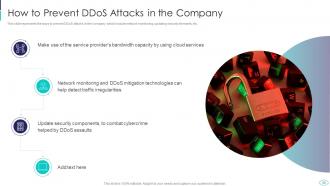
Diapositiva 30 : Esta diapositiva representa cómo prevenir ataques DDoS en la empresa.
Diapositiva 31 : esta diapositiva muestra el título de los temas que se cubrirán a continuación en la plantilla.
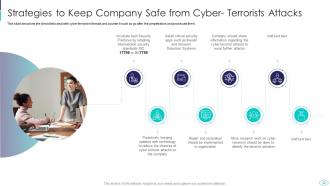
Diapositiva 32 : Esta diapositiva muestra las estrategias para mantener a la empresa a salvo de los ataques de los ciberterroristas.
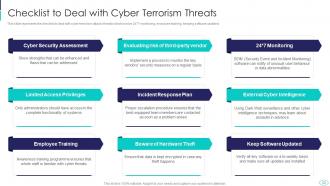
Diapositiva 33 : Esta diapositiva presenta la Lista de verificación para hacer frente a las amenazas del terrorismo cibernético.
Diapositiva 34 : esta diapositiva muestra el título de los temas que se cubrirán a continuación en la plantilla.
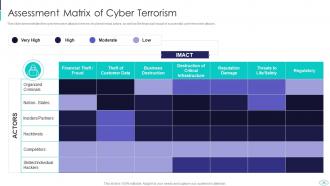
Diapositiva 35 : Esta diapositiva representa el terrorismo cibernético en términos de actores cibercriminales, así como el impacto financiero de los ataques terroristas cibernéticos exitosos.
Diapositiva 36 : esta diapositiva muestra el título de los temas que se cubrirán a continuación en la plantilla.
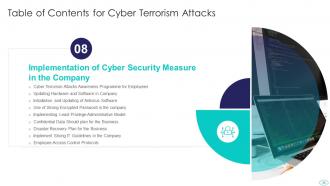
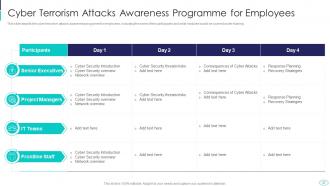
Diapositiva 37 : Esta diapositiva muestra el Programa de concientización sobre el terrorismo cibernético para empleados.
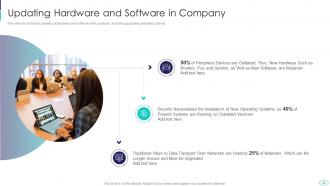
Diapositiva 38 : Esta diapositiva presenta la actualización de hardware y software en la empresa, incluida la actualización de los sistemas operativos.
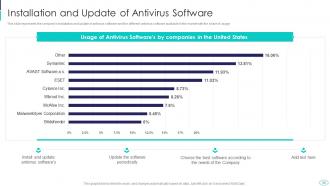
Diapositiva 39 : Esta diapositiva muestra la instalación y actualización del software antivirus de la empresa y los diferentes software antivirus disponibles en el mercado.
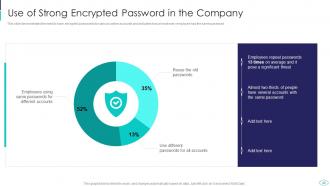
Diapositiva 40 : Esta diapositiva representa el uso de una contraseña cifrada segura en la empresa.
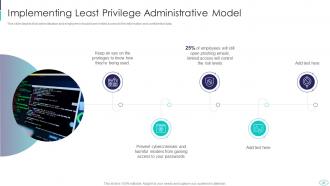
Diapositiva 41 : Esta diapositiva muestra que la administración y los empleados deben tener acceso limitado a la información.
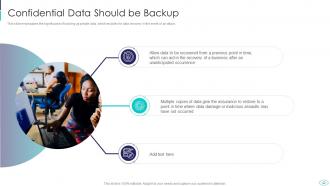
Diapositiva 42 : Esta diapositiva muestra la importancia de hacer una copia de seguridad de los datos privados, lo que permite la recuperación de datos en el evento.
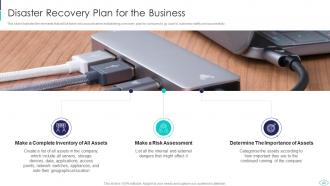
Diapositiva 43 : Esta diapositiva presenta elementos que se tendrán en cuenta al establecer un plan de recuperación.
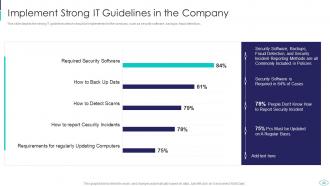
Diapositiva 44 : Esta diapositiva muestra pautas sólidas de TI que deben implementarse en la empresa.
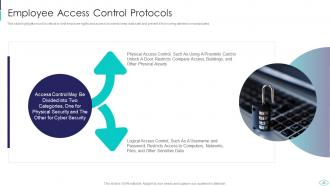
Diapositiva 45 : Esta diapositiva representa cómo es fundamental limitar los derechos y el acceso de los empleados para mantener la seguridad de los datos.
Diapositiva 46 : esta diapositiva muestra el título de los temas que se cubrirán a continuación en la plantilla.
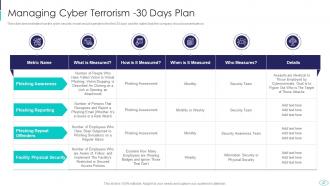
Diapositiva 47 : Esta diapositiva muestra cómo funcionaría el modelo de ciberseguridad en los primeros 30 días.
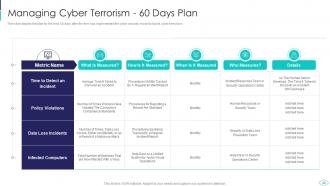
Diapositiva 48 : Esta diapositiva presenta el plan para los próximos 60 días después de que la empresa haya implementado el modelo de seguridad cibernética.
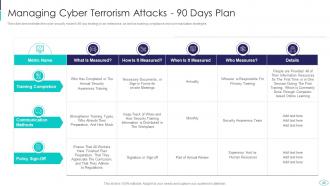
Diapositiva 49 : Esta diapositiva muestra la estrategia de 90 días del modelo de seguridad cibernética en una empresa.
Diapositiva 50 : esta diapositiva representa el título de los temas que se cubrirán a continuación en la plantilla.
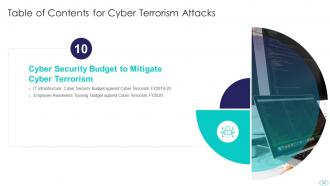
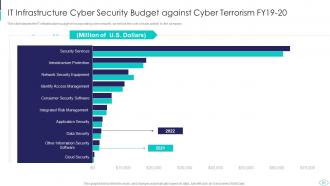
Diapositiva 51 : Esta diapositiva muestra el presupuesto de infraestructura de TI para incorporar seguridad cibernética.
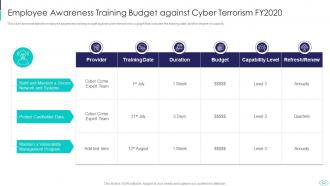
Diapositiva 52 : Esta diapositiva muestra el presupuesto de capacitación para la concientización de los empleados contra el terrorismo cibernético para el año fiscal 2020.
Diapositiva 53 : Esta diapositiva presenta el título de los temas que se cubrirán a continuación en la plantilla.
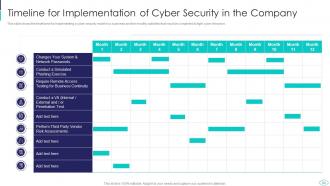
Diapositiva 54 : esta diapositiva muestra el cronograma para la implementación de la seguridad cibernética en la empresa.
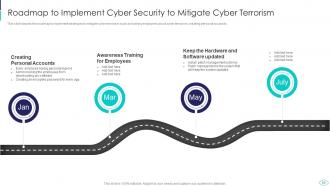
Diapositiva 55 : Esta diapositiva representa la hoja de ruta para implementar la seguridad cibernética para mitigar el terrorismo cibernético.
Diapositiva 56 : esta diapositiva muestra el título de los temas que se cubrirán a continuación en la plantilla.
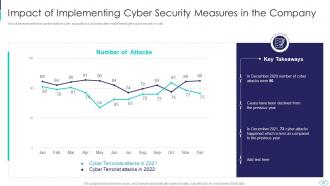
Diapositiva 57 : Esta diapositiva muestra el impacto de implementar medidas de ciberseguridad en la empresa.
Diapositiva 58 : Esta diapositiva presenta el título de los temas que se cubrirán a continuación en la plantilla.
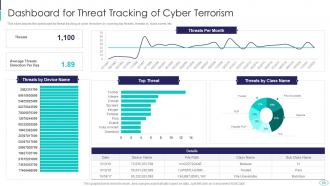
Diapositiva 59 : esta diapositiva muestra un panel para el seguimiento de amenazas de terrorismo cibernético al cubrir las principales amenazas, amenazas por nombre de clase, etc.
Diapositiva 60 : esta diapositiva muestra íconos para ataques de terrorismo cibernético.
Diapositiva 61 : Esta diapositiva se titula Diapositivas adicionales para avanzar.
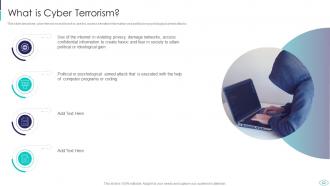
Diapositiva 62 : Esta diapositiva describe el terrorismo cibernético y cómo se utiliza para acceder a información confidencial.
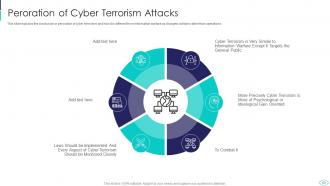
Diapositiva 63 : Esta diapositiva muestra la Peroración de los Ataques de Terrorismo Cibernético.
Diapositiva 64 : Esta es la diapositiva Acerca de nosotros para mostrar las especificaciones de la empresa, etc.
Diapositiva 65 : Esta es la diapositiva Nuestro objetivo. Indique sus objetivos aquí.
Diapositiva 66 : Esta diapositiva muestra Post-It Notes. Publique sus notas importantes aquí.
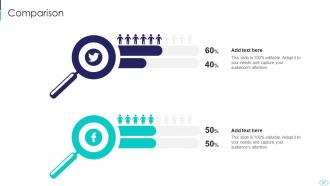
Diapositiva 67 : Esta es una diapositiva de comparación para establecer la comparación entre productos básicos, entidades, etc.
Diapositiva 68 : esta es una diapositiva de generación de ideas para exponer una nueva idea o resaltar información, especificaciones, etc.
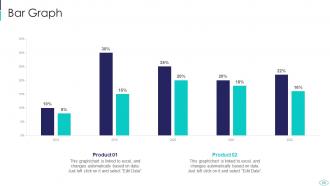
Diapositiva 69 : Esta diapositiva presenta un gráfico de barras con una comparación de dos productos.
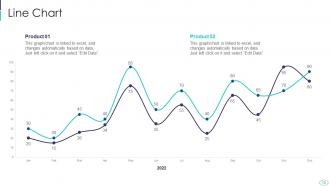
Diapositiva 70 : Esta diapositiva describe el gráfico de líneas con la comparación de dos productos.
Diapositiva 71 : Esta es una diapositiva de agradecimiento con dirección, números de contacto y dirección de correo electrónico.
Diapositivas de presentación de Powerpoint de ataques ciberterroristas con las 76 diapositivas:
Utilice nuestras diapositivas de presentación de Powerpoint sobre ataques ciberterroristas para ayudarlo a ahorrar su valioso tiempo. Están listos para encajar en cualquier estructura de presentación.







FAQs for Cyber Terrorism Attacks
Honestly, most cyber terrorists are driven by three big things: political ideology, religious extremism, or just wanting revenge on governments. They go after power grids and financial systems because - let's be real - nothing freaks people out more than losing electricity or their bank access. It's maximum chaos with way less personal risk than traditional attacks. Some do it for money too, though that's more regular cybercrime territory. Oh, and definitely check out those threat intelligence reports when you can. They're actually pretty good at showing you what new tricks these groups are using.
So basically these cyber terrorists are really good at finding people who are already struggling - like going through breakups, job loss, whatever. They'll slowly feed them more extreme content through fake accounts and use hashtags to spread their stuff. Once they get someone hooked, they move to encrypted apps for the real manipulation. Honestly the whole thing is terrifying how calculated it all is. Oh and if you're doing security work - don't just look for obvious extremist posts. The gradual changes in how people interact online, that's where you'll catch the actual recruitment happening. They're way too smart to be obvious about it anymore.
Look, most terrorist cyber stuff isn't that fancy tbh. DDoS attacks are huge - they just flood websites until they crash. Website defacements happen a lot too, basically digital graffiti to push their message. Then there's doxxing where they dump people's personal info online. Some groups do phishing scams and hijack social media accounts, but honestly? They're way less skilled than actual nation-state hackers. Their whole thing is chaos and headlines, not stealing government secrets. Your best bet is having decent backups and knowing what to do when shit hits the fan, because even simple attacks can wreck your day if you're caught off guard.
So basically, cyber terrorists use computers instead of bombs to mess things up. Traditional terrorists blow stuff up or attack people directly. But cyber guys? They hack power grids, crash banking systems, steal massive amounts of data - all from behind a screen somewhere. Pretty wild that someone can take down a hospital's network from another continent, right? Both types want the same thing though - chaos and fear to push their agenda. The tricky part with cyber attacks is you can't really see them coming. Plus tracking down who did it is a nightmare since they could be anywhere in the world.
So it's kinda complicated - some countries like Iran and North Korea basically sponsor these cyber groups, giving them training and resources to attack their enemies. Smart but sketchy, right? They get to cause damage while pretending they weren't involved. Other nations are pouring money into cybersecurity and working together to stop attacks. The annoying part is that state-sponsored hacking and actual terrorism overlap so much now. Honestly, I'd just keep an eye on threat reports for your industry - that'll show you who's targeting what and where the real risks are coming from.
Honestly, start with the basics - segment your network and get solid firewalls running. Multi-factor auth on everything, no exceptions. Train your people constantly because someone's always gonna click that sketchy link, you know? Test your incident response plan regularly too. I can't tell you how many companies have these perfect plans on paper that completely fall apart during real attacks. Regular security audits help catch stuff early. Focus on your crown jewels first - figure out what data actually matters, then build your defenses around that. Make yourself harder to crack than the guy next door.
Yeah, those campaigns actually work pretty well! Most cyber attacks happen because someone clicks the wrong link or falls for a scam email. So when you teach people what phishing looks like and basic security stuff, they become way harder targets. It's like crowdsourcing your defense - which sounds nerdy but whatever, it works. The more folks recognize sketchy emails and weird social engineering tricks, the tougher it gets for hackers to break in. Start with simple things like password tips and how to spot suspicious links. Your team will thank you later.
Look, the whole classification thing matters way more than people realize. Get labeled as cyber terrorism instead of regular hacking? You're suddenly facing decades under anti-terrorism laws, not just a few years. Federal agencies jump in, national security gets involved - it's a completely different ballgame. Each country defines it differently too, which makes international cases an absolute nightmare. Honestly, half the legal battle is just arguing over definitions. Your lawyer better know exactly how your local courts handle this stuff because your entire defense hinges on it.
Dude, AI is like giving cyber criminals superpowers. They're creating deepfakes that'll fool anyone and phishing emails that actually sound human - it's wild how convincing this stuff gets. Plus they can scan for vulnerabilities way faster than we can patch them. Honestly makes me paranoid about clicking anything these days. The good news? Same tech helps us fight back with better detection systems. Just stay on top of the latest security tools and make sure your team knows what these new attacks look like.
Honestly, it all starts with getting countries to actually share intel instead of being weird and secretive about everything. Intelligence agencies need to stop hoarding info and start talking. Then you've got to sync up cybercrime laws - can't have something that's illegal in the US but totally fine in, I dunno, Estonia. Mutual legal assistance treaties help with investigations that cross borders. Joint task forces are huge too. Here's what actually matters though: get your org plugged into international cybersecurity frameworks now. Build those relationships with foreign contacts before shit hits the fan and you desperately need them.
Start with a full security audit - check your network, who has access to what, and backup systems. Honestly, most companies are shocked at how many holes they find once they really look. Figure out your most critical stuff first and see how easy it is for outsiders to reach it. Run some pen testing and review your incident response plan. Also, assess whether your team actually knows basic security practices (spoiler: they probably don't). Quick wins are usually outdated software and terrible passwords. Do this quarterly though - threats change fast, so put it on your calendar as a regular thing.
Oh man, there've been some crazy cyber terrorism cases over the years. Stuxnet in 2010 was insane - it actually wrecked Iran's nuclear centrifuges physically, not just digitally. North Korea hacked Sony Pictures in 2014 because they didn't like "The Interview" movie (petty much?), dumping tons of embarrassing emails everywhere. WannaCry ransomware hit in 2017 and totally screwed over hospitals and railways worldwide. Then Colonial Pipeline got hit in 2021, which shut down gas supplies across the East Coast. It's wild how these attacks don't just steal data anymore - they mess with real infrastructure and cause actual chaos.
Dude, cyber terrorism is literally forcing governments to flip their entire playbook on protecting stuff like power grids and banks. Budget money's getting thrown at cybersecurity like crazy. Countries are having to figure out this weird balance between keeping critical systems safe but not turning into surveillance states, you know? The military now treats cyberspace like an actual war zone - which honestly makes sense when you think about it. International cooperation has ramped up too since hackers don't care about borders. Keep an eye on how your government's changing cyber policies though. This stuff affects everything from your banking apps to voting systems.
Honestly, you want programs that mix hands-on training with real threat intel - not just boring lectures. Check out FBI cyber units, DHS courses, or SANS Institute stuff. Carnegie Mellon's pretty solid too. Your teams need actual practice with forensics tools and incident response, not textbook theory. A lot of departments are teaming up with private cybersecurity companies for realistic scenarios, which beats classroom training by miles. Figure out what skills you're missing first, then build training around both basic cyber knowledge and terrorism-specific patterns. The simulation exercises make all the difference.
Honestly, cyber attacks on infrastructure are terrifying. Power grids can go dark, water systems fail, transportation stops working - and it all connects, so one hack spreads everywhere. Picture your city with no traffic lights, hospitals offline, banks down... all at once. That's genuinely nightmare fuel. Lives are at stake, not just money (though we're talking billions in damage). The cascading effect is what really gets me - everything's so linked now that attackers don't need to hit every target individually. Your company definitely needs solid cybersecurity and response plans ready.
-
“Detailed and great to save your time.”
-
“I always have a wonderful experience with SlideTeam. It's my ""go to"" when I need a template.”