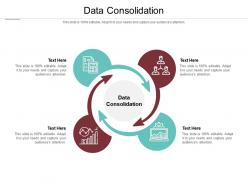
Data consolidation ppt powerpoint presentation show graphics template cpb
Try Before you Buy Download Free Sample Product
Audience
Editable
of Time
Our Data Consolidation Ppt Powerpoint Presentation Show Graphics Template Cpb are topically designed to provide an attractive backdrop to any subject. Use them to look like a presentation pro.
People who downloaded this PowerPoint presentation also viewed the following :
Data consolidation ppt powerpoint presentation show graphics template cpb with all 2 slides:
Use our Data Consolidation Ppt Powerpoint Presentation Show Graphics Template Cpb to effectively help you save your valuable time. They are readymade to fit into any presentation structure.
FAQs for Data consolidation ppt powerpoint presentation show
Honestly, data consolidation is a game changer - you get one place to find everything instead of digging through like 5 different systems. Your reports become way faster to pull together. No more debates about whose numbers are actually correct (seriously, those meetings are the worst). When everything's standardized, you start seeing patterns you missed before. The real benefit though? You can jump on opportunities or fix problems super quickly because all your data connects. Oh, and your team will actually trust the insights since they're not contradicting each other anymore. I'd say pick one department to test it out first.
Honestly, start with automated checks that catch duplicates and missing stuff before anything gets merged - saves you so much headache later. Regular audits of your source systems are huge too because bad data just creates more problems downstream. Map your fields carefully between systems and make sure someone actually owns data quality in each area (otherwise everyone assumes someone else is handling it). The biggest thing though? Don't wait until the end to check quality - build monitoring right into the process. Oh, and pick one critical dataset first to get your process down before trying to tackle everything at once.
Look, it really comes down to how much data you're dealing with. Excel or Google Sheets are perfect for smaller stuff - honestly don't overcomplicate it if that's all you need. SQL databases like PostgreSQL are clutch when you're handling bigger volumes. Python with pandas is what I'd recommend learning if you have time, super flexible once you figure it out. There's also ETL tools like Talend that'll automate everything, which is nice. Power BI and Tableau have decent built-in features too. I'd say start with whatever your team already uses, then upgrade when you actually hit limitations.
Honestly, having all your data in one spot is huge. No more digging through random spreadsheets or arguing with Janet from accounting about which numbers are actually correct (we've all been there). You'll catch trends way easier when everything's together, and running reports becomes so much simpler. The best part? Everyone's finally looking at the same info, so decisions happen faster. I'd start with whatever data sources you use most - like don't try to consolidate everything at once or you'll lose your mind. Once you see how much smoother things run, you'll wonder why you waited so long.
Oh man, data quality is gonna be your worst enemy - missing fields, weird formats, duplicates everywhere. Half your systems probably use CSV while others are stuck on XML or some database from 2003 that everyone's scared to update. Performance tanks when you're moving huge datasets too. The real kicker though? Getting stakeholders to agree on what's actually the "right" data. Seriously, they'll argue over everything. My take - run a small pilot first so you know what specific disasters you're dealing with before going all-in.
Honestly, you've got to jump on monitoring right after you consolidate - like immediately. Set up automated checks that catch duplicates and missing data as it happens. We totally screwed this up once and didn't notice corrupted records for weeks, which was a nightmare. Run regular audits too. Make sure there's clear rules about who can change what data - that part's huge. Oh, and create ways for users to quickly report problems when they spot them. The trick is getting everyone to care about data quality, not just dumping it all on IT.
So data governance is like your rulebook before you start cramming all your data together. You need it to set quality standards, who can access what, and compliance stuff. Skip this step and you'll end up with a total disaster - duplicate records everywhere, formats that don't match, the whole nine yards. I learned this the hard way on a project once, trust me. Set up your framework first, figure out who owns what data and what your standards are. Then you can actually start consolidating without wanting to pull your hair out later.
Healthcare companies put security first because of HIPAA - patient data breaches are nightmare fuel. Finance goes crazy with real-time integration since trading happens in milliseconds (their tech budgets are honestly insane). Retail focuses on customer analytics and inventory tracking. Manufacturing? They're all about IoT sensors and supply chain data. But here's the thing - don't just copy what everyone else does. Your consolidation approach needs to match what actually drives your business and whatever regulations you're stuck dealing with.
Biggest problem? You're putting everything in one place, so if hackers get in, they basically win the lottery. Migration itself opens up new ways to get attacked too. More people will probably need access than before, which gets messy fast. Honestly, mixing different types of data together makes compliance a total headache - like trying to follow different rules for the same pile of stuff. Set up strong access controls and encrypt everything before you move anything. Oh, and have a good plan for when (not if) something goes wrong.
So basically, data consolidation pulls all your customer info from different places - sales, marketing, support - into one spot. You'll actually see the full picture instead of random pieces scattered everywhere. Honestly, most companies are just shooting in the dark without it. Once everything's combined, you can track patterns and figure out who your best customers really are. Your analytics get way more reliable too since you're not working with incomplete info. Oh, and definitely start by figuring out where all your data lives right now - that's step one.
Okay so first thing - map out where all your data's coming from and get the formats consistent. I learned this the hard way lol. Clean up duplicates and weird inconsistencies before you merge anything because fixing it later is honestly a nightmare. You need solid rules about who controls what data and how changes get pushed through. Backup everything! Test on tiny datasets first - don't go full scale until you're confident. Oh and document your transformation steps as you build them. Seriously, future you will thank you when something breaks at 2am.
Honestly, cloud storage is perfect for this. You can dump all your scattered data - databases, random files, whatever - into one spot without buying servers. The best part? It scales automatically, so you're not guessing how much space you'll need next year. Most platforms have cleanup tools built right in too, which saves time. I'd start by listing where all your data lives now, then find a cloud service that plays nice with what you already have. Way easier than the old-school approach.
Start with the basics - accuracy rates and data completeness. Those are non-negotiable. Monitor your system performance too because trust me, users will revolt if queries suddenly take forever. Response times and storage costs matter more than you'd think. User adoption is huge - I've seen amazing systems fail because nobody actually used them. Track how visible your data lineage is and measure time-to-insight improvements. Monthly tracking works well, just build a simple before/after dashboard. Oh, and definitely capture baseline metrics first. You'll thank yourself later when executives ask for ROI proof.
Oh man, these tools are seriously worth it. No more copying and pasting data from five different systems - that's where half the errors come from anyway. You just set them to run automatically and boom, everything's pulled together on schedule. The format standardization thing is huge too, especially if you're dealing with Excel chaos from different teams (we've all been there). Your reports stay updated in real-time without you doing anything. Honestly? Start with whatever data task eats up most of your week and automate that first.
Officially you're supposed to review it yearly, but honestly? Most places I know do it every 6-8 months because stuff changes constantly. New apps pop up, teams get reorganized, regulations shift - you know how it is. Technology gets better too, so last year's solution might feel ancient now. I'd probably set up that formal yearly review but check in quarterly on whether people are actually happy with data access. Oh, and if your team starts griping about performance issues, just jump on it right away instead of waiting. First thing though - audit what's actually getting used versus what seemed like a good idea at the time.
No Reviews