


Entscheidungsfindungsprozess PowerPoint-Präsentationsfolien
Entscheidungsfindungsprozess ermöglicht es Fachleuten, die Probleme durch Abwägen und Untersuchen der Alternativen zu lösen. Manchmal stehen Sie an einem Scheideweg, an dem es schwierig wird, den richtigen Weg für sich und Ihre Organisation zu wählen. Daher ist es äußerst wichtig, die richtige Entscheidung zu treffen. Wir präsentieren Ihnen professionell gestaltete Entscheidungsprozesse in PowerPoint-Präsentationen, um Ihre geschäftlichen Besprechungen zu vereinfachen. Dieses vorgefertigte komplette Deck enthält Folien zum Entscheidungsprozess, zum Zweck der Entscheidung, zur Bewertung von Alternativen usw. Dieses PPT-Beispiel für den Entscheidungsprozess umfasst alles, was Sie brauchen, um die richtige Entscheidung zu treffen. Diese Präsentationsvorlagen zur Entscheidungsfindung unterstützen einen Entscheidungsträger dabei, die Hindernisse zu überwinden, um ein Unternehmen letztendlich zum Zenit zu führen. Darüber hinaus können Sie mit Unterstützung unseres Präsentationsdecks auch verschiedene Entscheidungsmethoden oder Entscheidungsmodelle diskutieren, um jeden Mitarbeiter zu inspirieren, Teil dieses kritischen Prozesses zu werden. Kurz gesagt, Sie können sie motivieren, nach den besten Alternativen für einen erfolgreichen Geschäftsbetrieb zu suchen.
Entscheidungsfindungsprozess ermöglicht es Fachleuten, die Probleme durch Abwägen und Untersuchen der Alternativen zu lösen..








-

- Google Slides is a new FREE Presentation software from Google.
- All our content is 100% compatible with Google Slides.
- Just download our designs, and upload them to Google Slides and they will work automatically.
- Amaze your audience with SlideTeam and Google Slides.
-

Want Changes to This PPT Slide? Check out our Presentation Design Services
-

- WideScreen Aspect ratio is becoming a very popular format. When you download this product, the downloaded ZIP will contain this product in both standard and widescreen format.
-

- Some older products that we have may only be in standard format, but they can easily be converted to widescreen.
- To do this, please open the SlideTeam product in Powerpoint, and go to
- Design ( On the top bar) -> Page Setup -> and select "On-screen Show (16:9)” in the drop down for "Slides Sized for".
- The slide or theme will change to widescreen, and all graphics will adjust automatically. You can similarly convert our content to any other desired screen aspect ratio.
Compatible With Google Slides

Get This In WideScreen
You must be logged in to download this presentation.


Do you want to remove this product from your favourites?
Merkmale dieser PowerPoint-Präsentationsfolien:
Präsentieren von Entscheidungsfindungsprozessen PowerPoint-Präsentationsfolien. Komplettes vorgefertigtes Paket mit 36 professionell gestalteten PPT-Vorlagen. Diese komplette Deckpräsentation umfasst atemberaubende Grafiken und gut recherchierte Inhalte. Diese Vorlagen sind vollständig anpassbar. Sie können die Farbe, den Text und die Schriftgröße nach Ihren Wünschen ändern. Alle Arten von Modifikationen sind möglich, ohne die Auflösung der Präsentation zu beeinträchtigen. Einfach herunterzuladen. Kann leicht in PDF- oder JPG-Formate konvertiert werden. Diese PPT-Folien sind gut mit Google-Folien kompatibel.

People who downloaded this PowerPoint presentation also viewed the following :
Inhalt dieser Powerpoint-Präsentation
Folie 1 : Diese Folie stellt die Entscheidungsfindung vor. Geben Sie Ihren Firmennamen an und beginnen Sie.
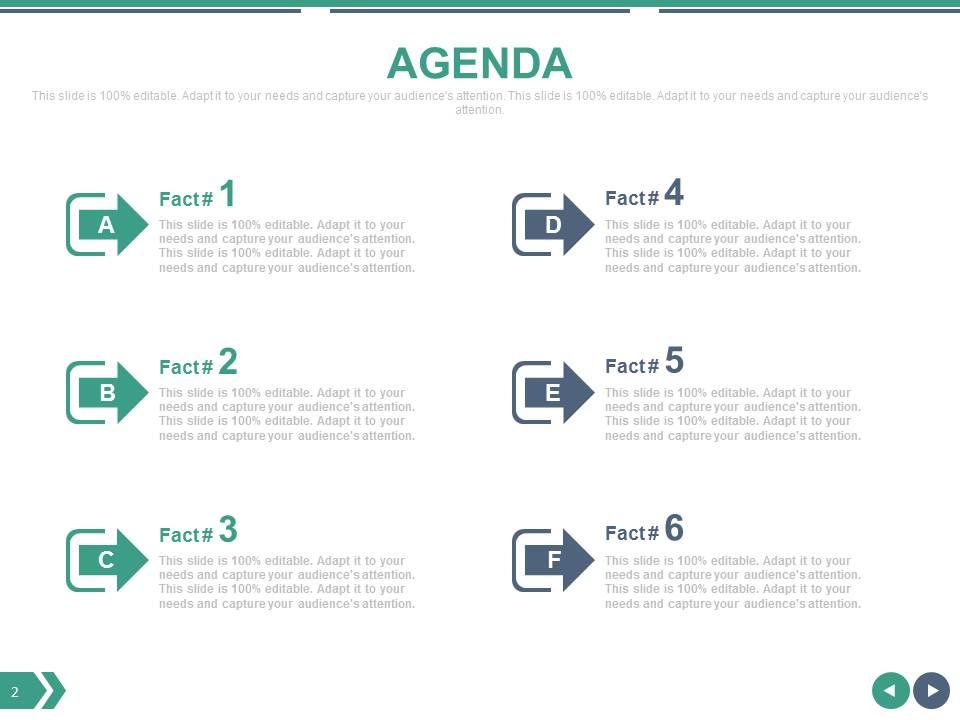
Folie 2 : Dies ist eine Agenda-Folie. Geben Sie hier Ihre Agenda-Fakten an.
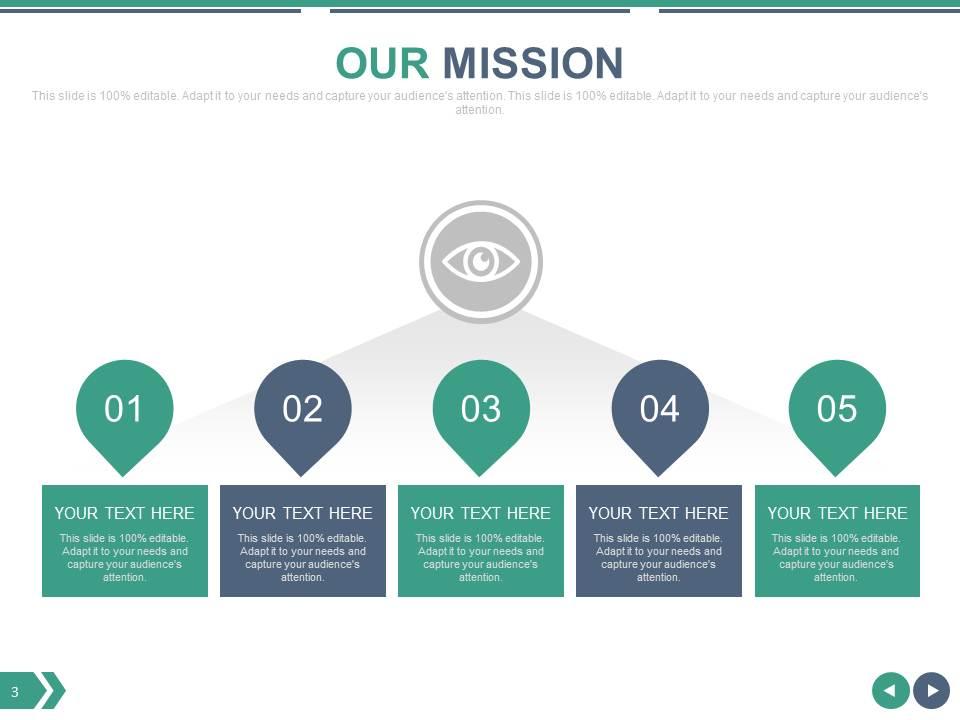
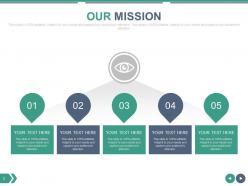
Folie 3 : Dies ist unsere Missionsfolie, die Mission, Vision, Ziele usw.
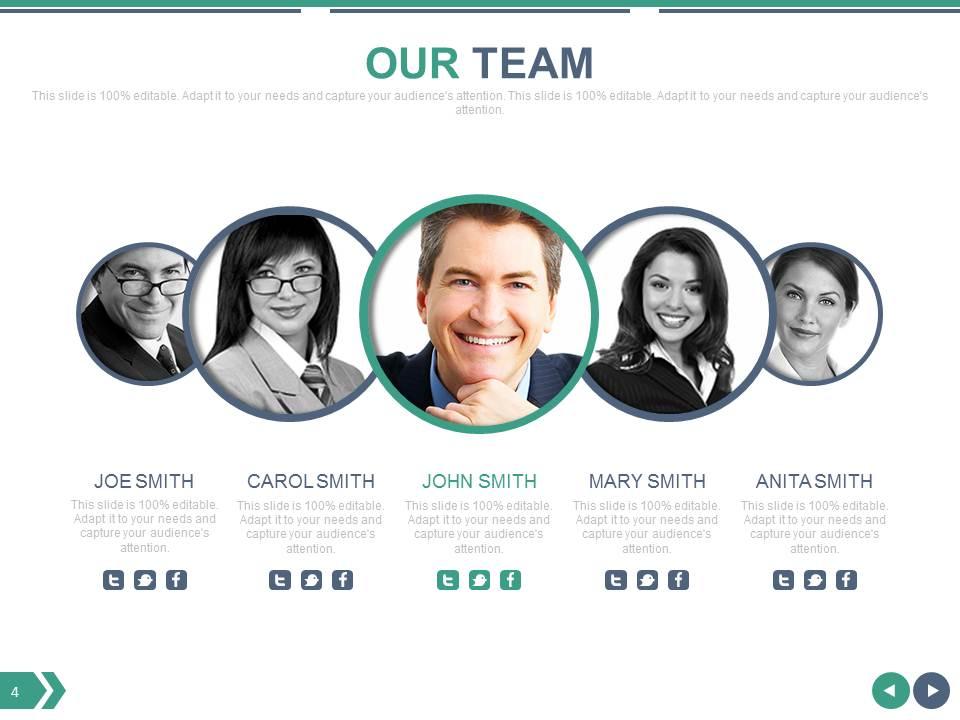
Folie 4 : Diese Folie zeigt unser Team mit Namen, Bezeichnung usw. für die Angabe von Informationen.
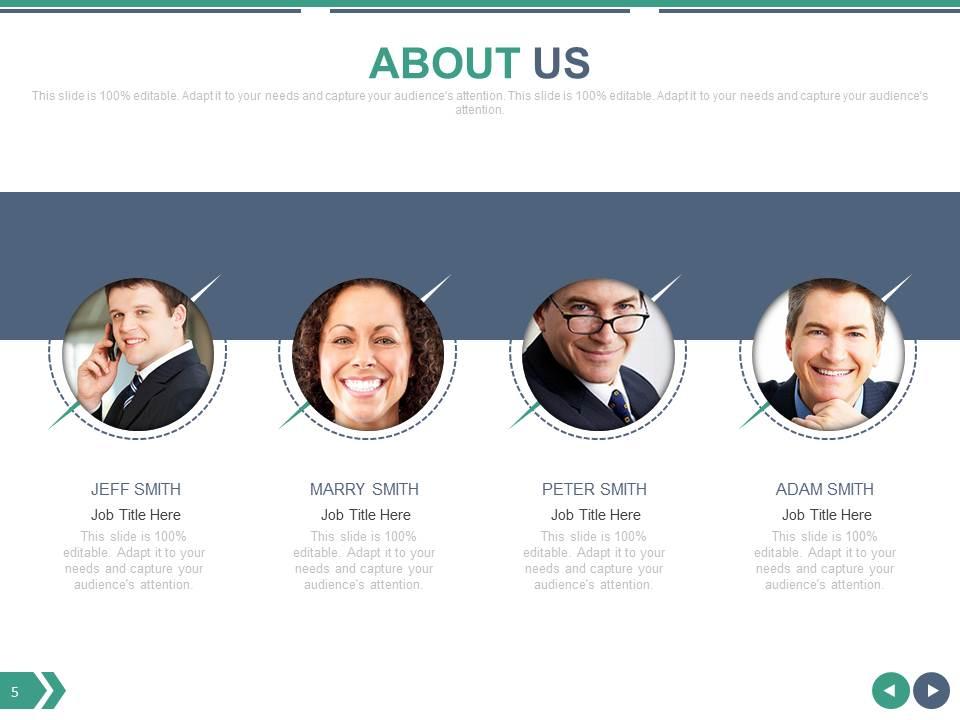
Folie 5 : Dies ist eine Über uns-Folie mit Namen, Bezeichnung, Bildern und Textfeldern.
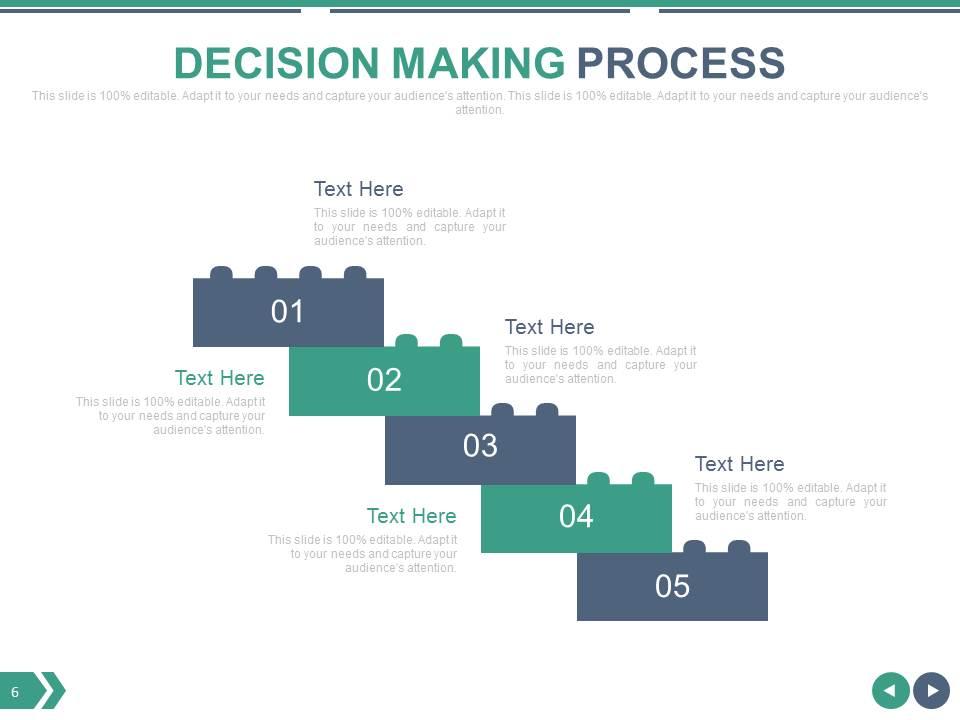
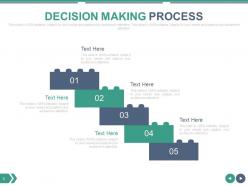
Folie 6 : Diese Folie beschreibt den Entscheidungsfindungsprozess des Unternehmens. Geben Sie sie hier an.
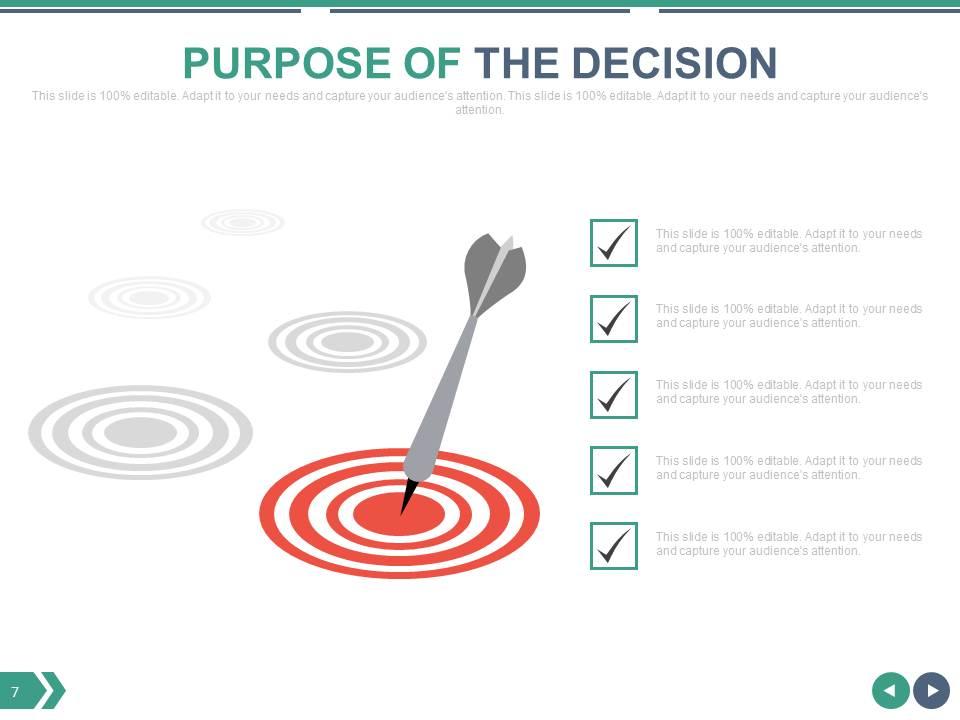
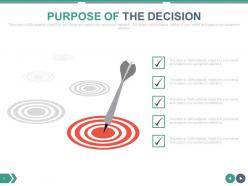
Folie 7 : Diese Folie gibt den Zweck der Entscheidung mit Pfeil- und Zielbildern an.
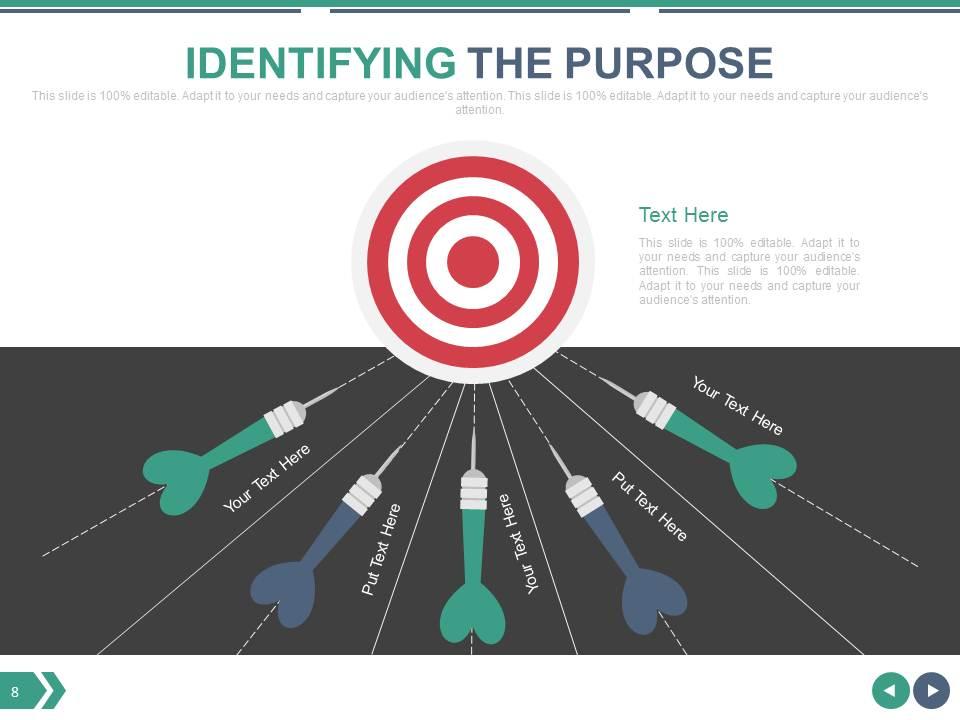
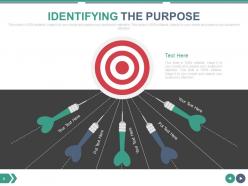
Folie 8 : Dies ist die Folie Identifizieren des Zwecks. Landesgesellschaftszweck etc. hier.
Folie 9 : Dies ist die Folie zum Sammeln von Informationen. Nennen Sie hier informative Aspekte.
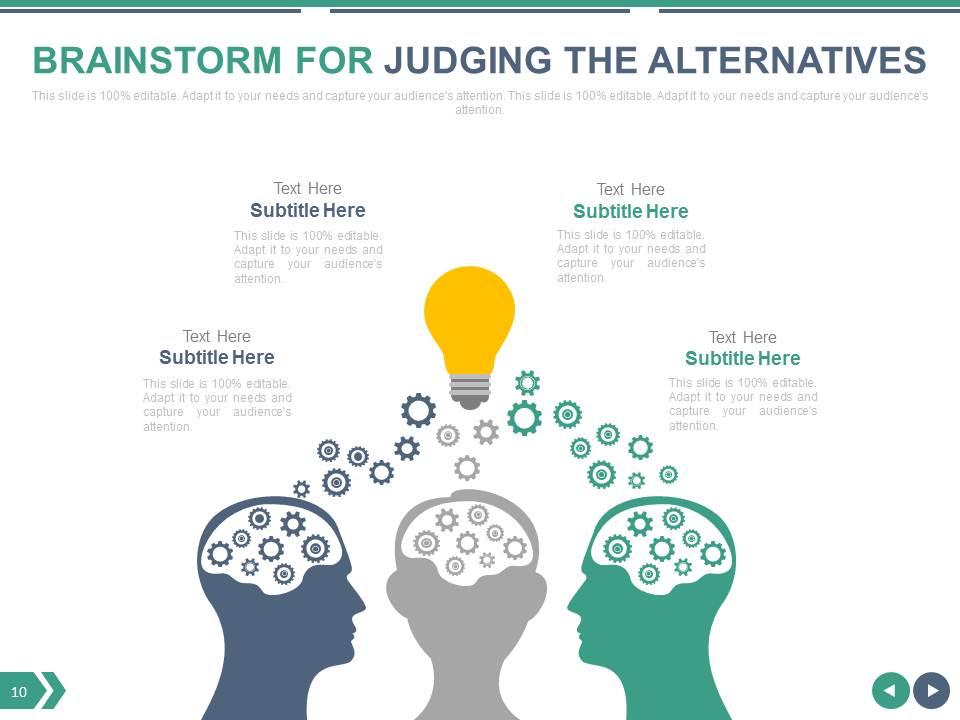
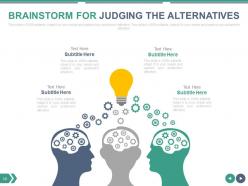
Folie 10 : Diese Folie zeigt Brainstrom für die Beurteilung der Alternativen mit kreativen Bildern.
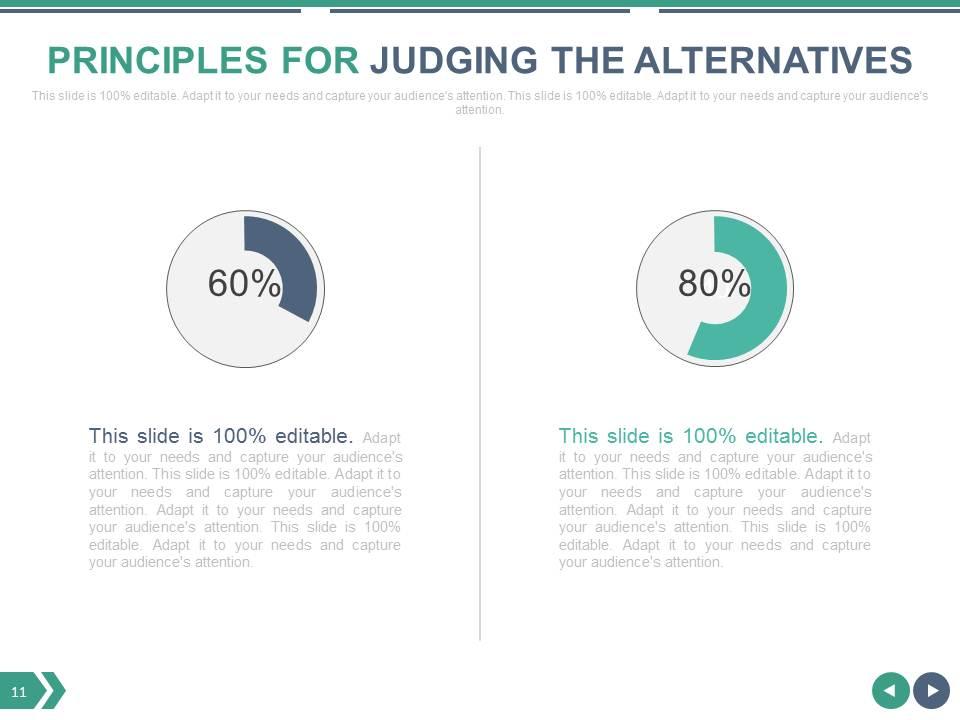
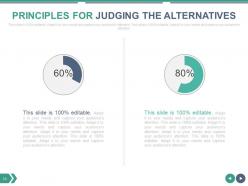
Folie 11 : Diese Folie enthält die Grundsätze für die Beurteilung der Alternativen, dargestellt in Prozent.
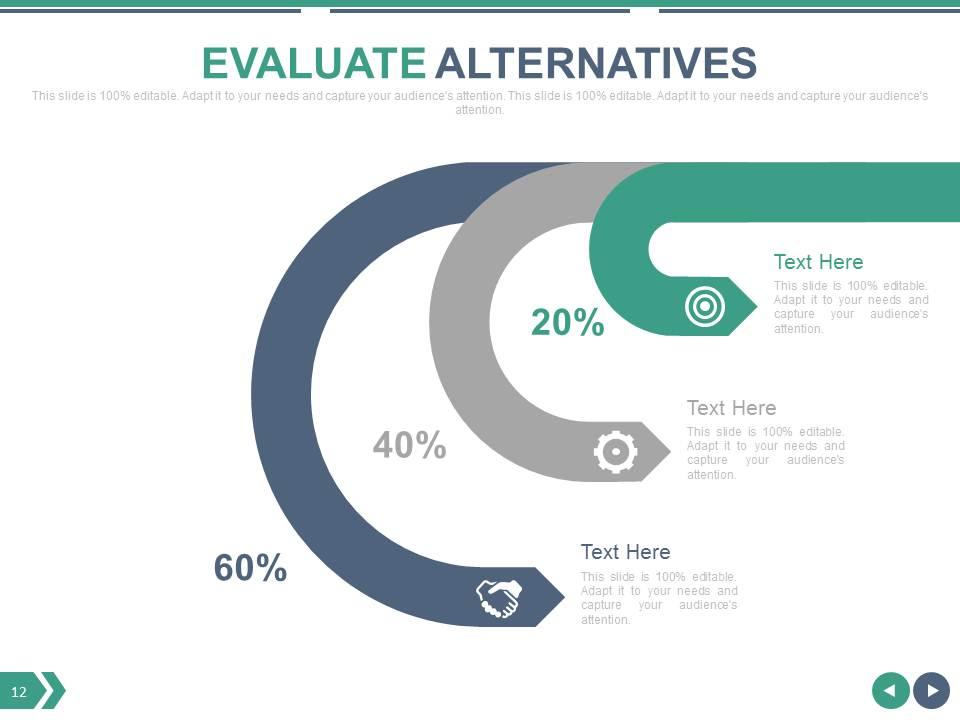
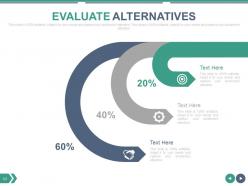
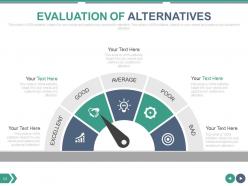
Folie 12 : Dies ist die Folie „Alternativen bewerten“.
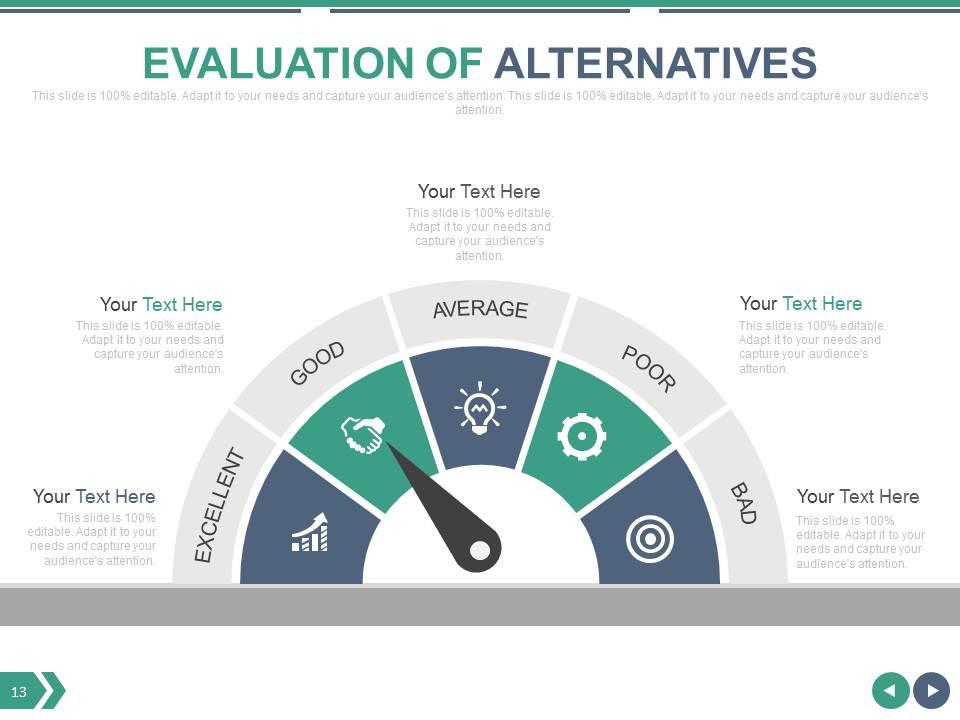
Folie 13 : Diese Folie zeigt die Bewertung von Alternativen mit kreativer Metrix.
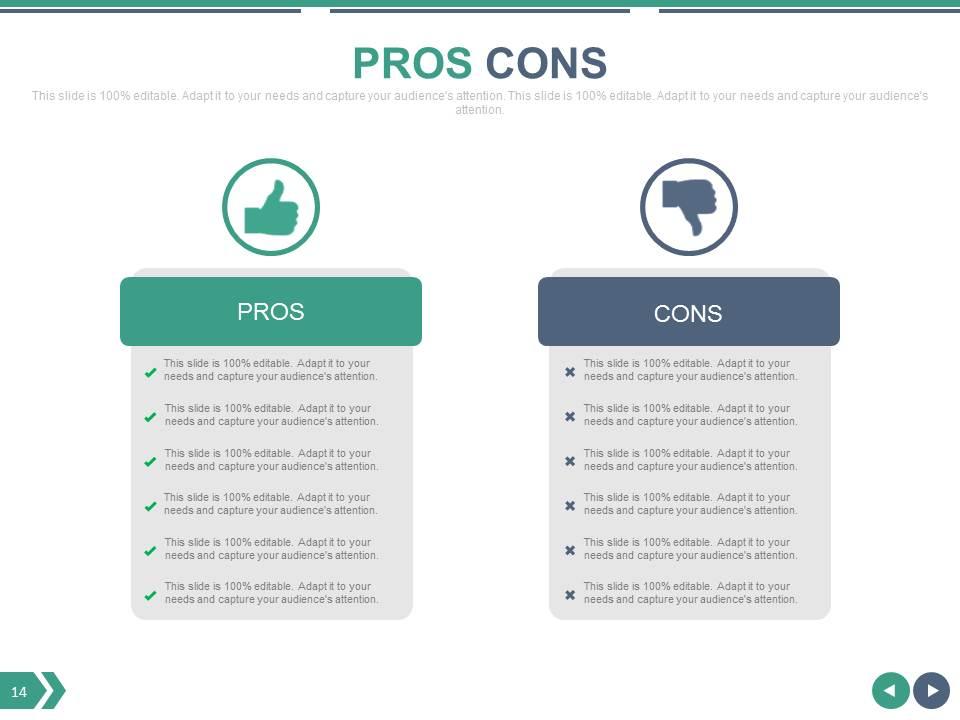
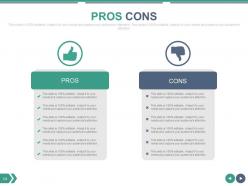
Folie 14 : Diese Folie zeigt Pros Contras. Nennen Sie hier Ihre betrieblichen Vorteile, Nachteile etc.
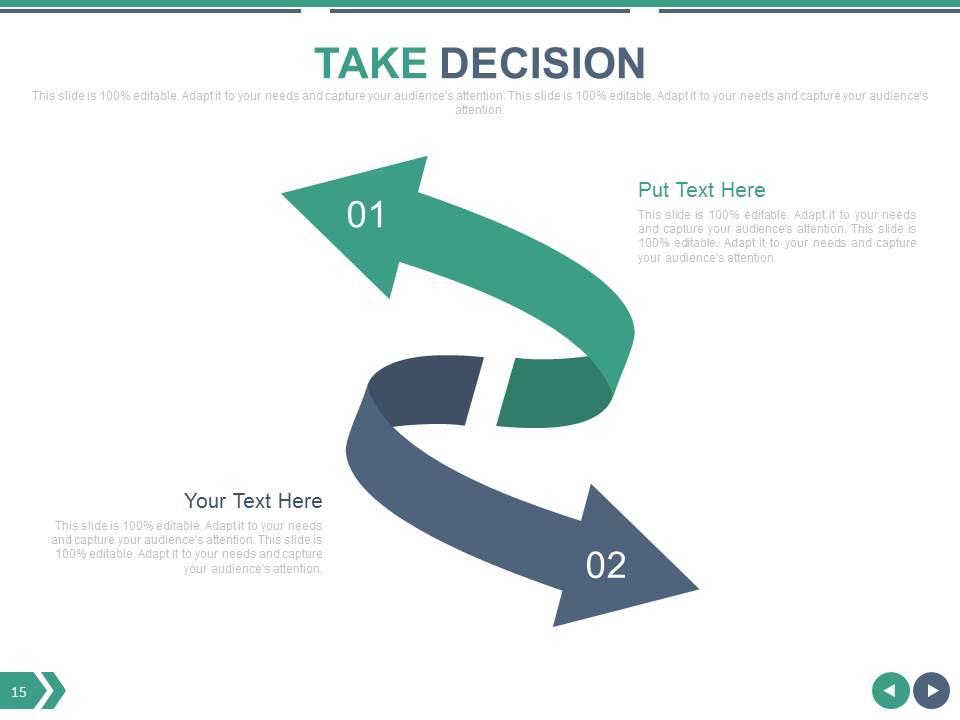
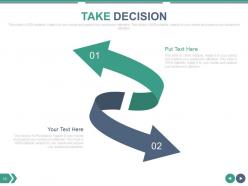
Folie 15 : Dies ist die Folie „Take Decision“ mit Pfeilbildern und Textfeldern, die nach Belieben ausgefüllt werden können.
Folie 16 : Dies ist eine weitere Folie von Take Decision.
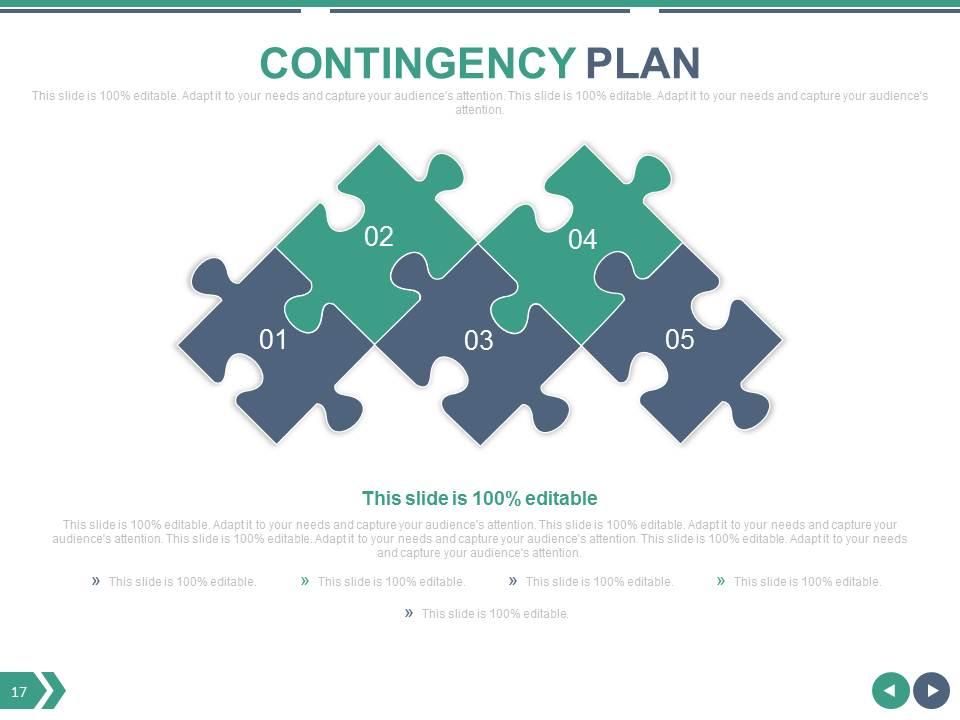
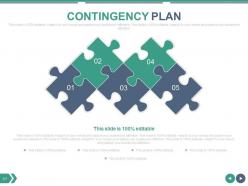
Folie 17 : Diese Folie präsentiert den Notfallplan mit Puzzlebildern. Verwenden Sie es nach Bedarf.
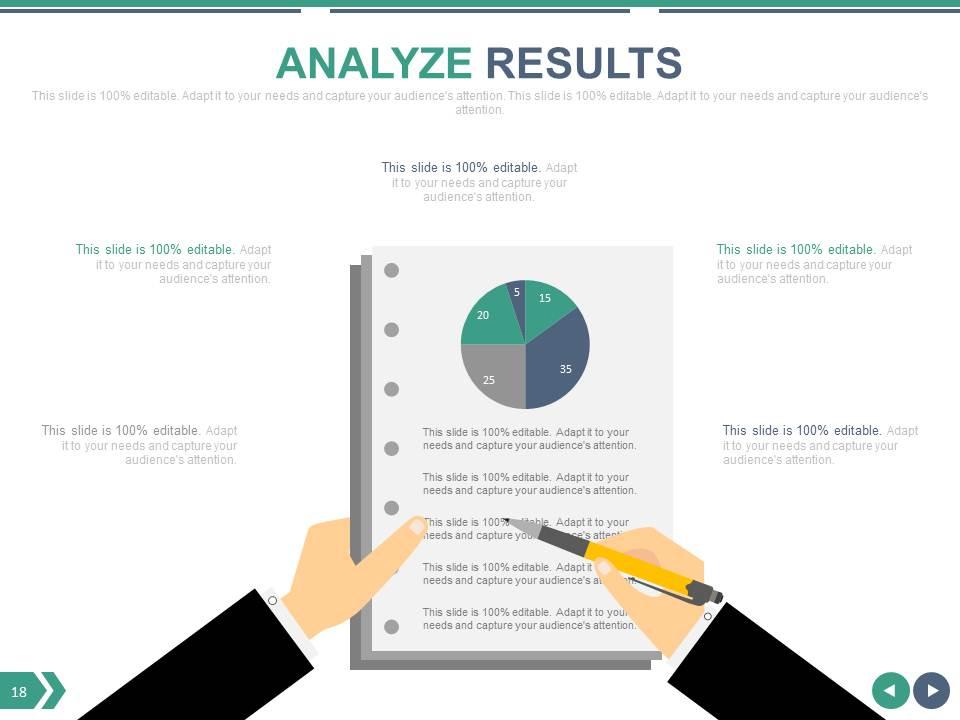
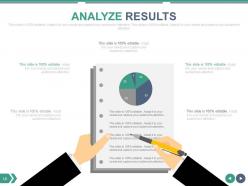
Folie 18 : Ergebnisse mit kreativen Bildern und Textfeldern analysieren. Diese können Sie nach Bedarf nutzen.
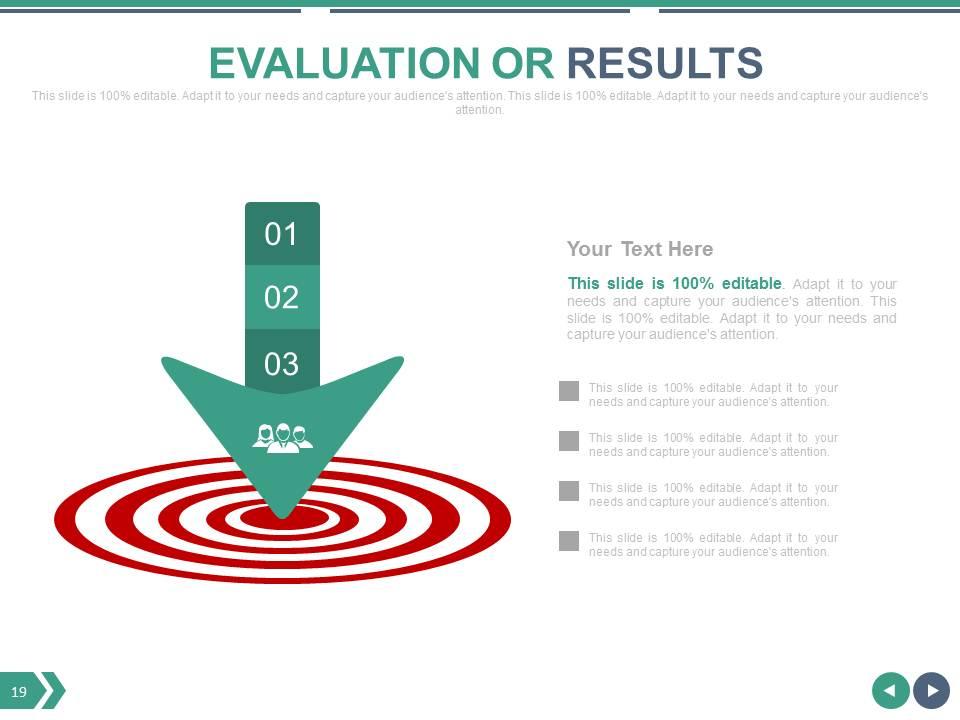
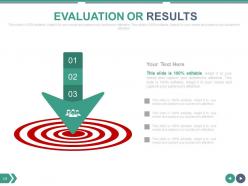
Folie 19 : Diese Folie zeigt die Bewertung oder Ergebnisse mithilfe von Pfeil- und Zielbildern.
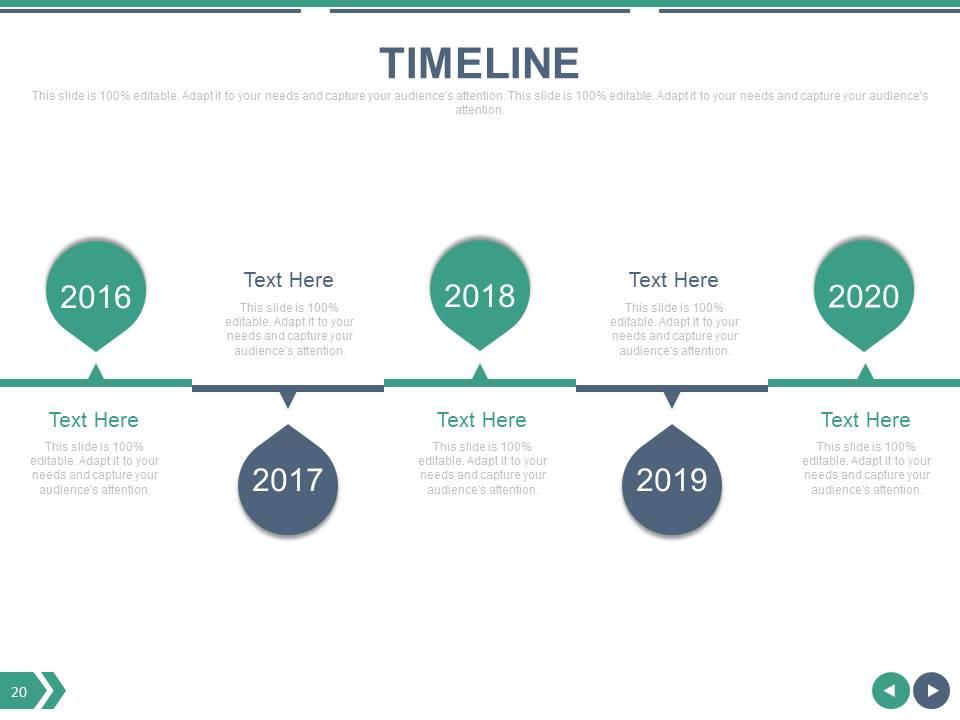
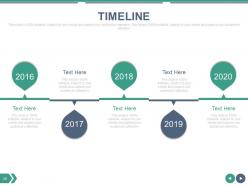
Folie 20 : Diese Folie zeigt die Zeitleiste, um Meilensteine, Informationen usw. zu präsentieren.
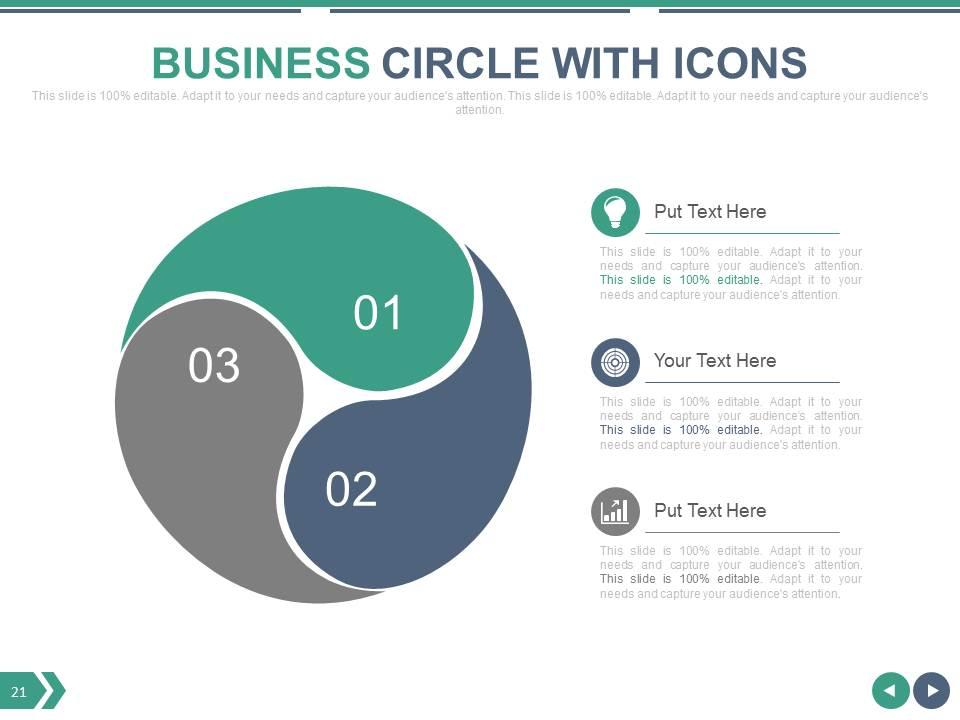
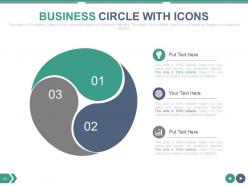
Folie 21 : Dies ist eine Bildfolie für den Geschäftskreis mit Symbolen. Sie können sie nach Bedarf ändern / ändern.
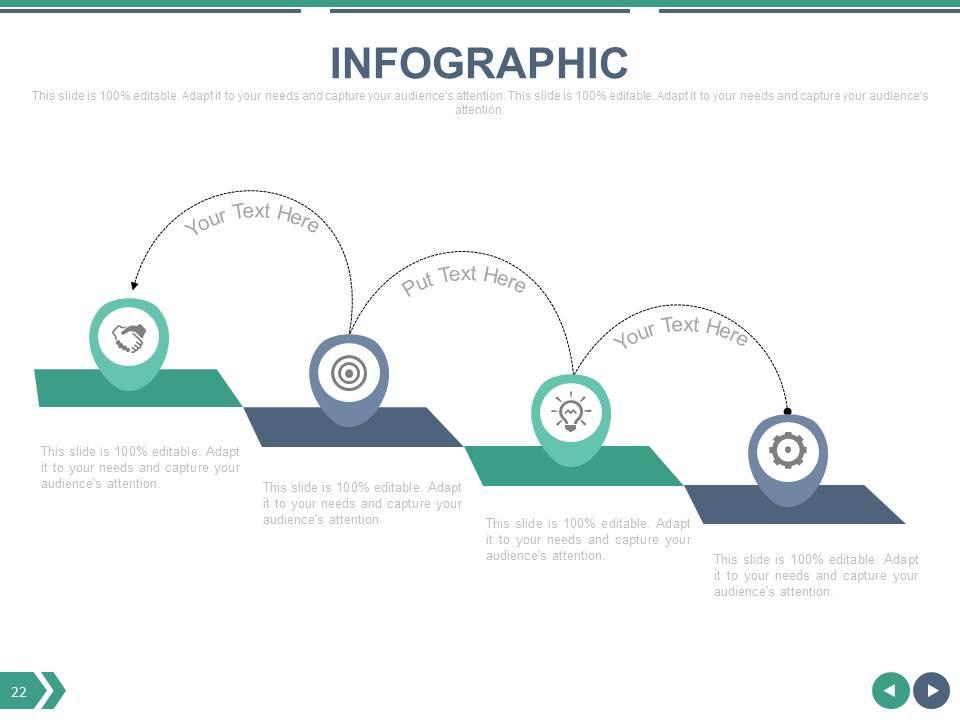
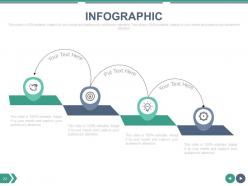
Folie 22 : Dies ist eine Infografik-Folie. Sie können den Inhalt nach Bedarf ändern / ändern.
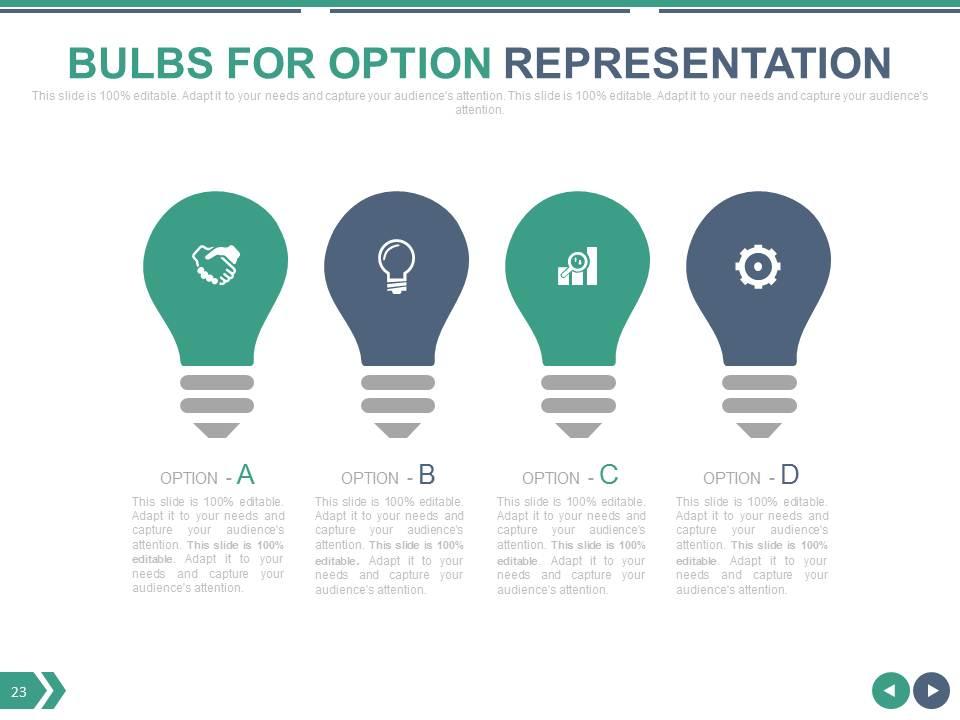
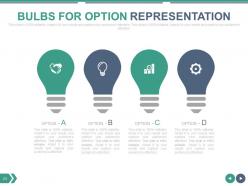
Folie 23 : Dies ist die Folie Glühbirnen für die Darstellung von Optionen. Hier können Sie Ihre Optionen hinzufügen.
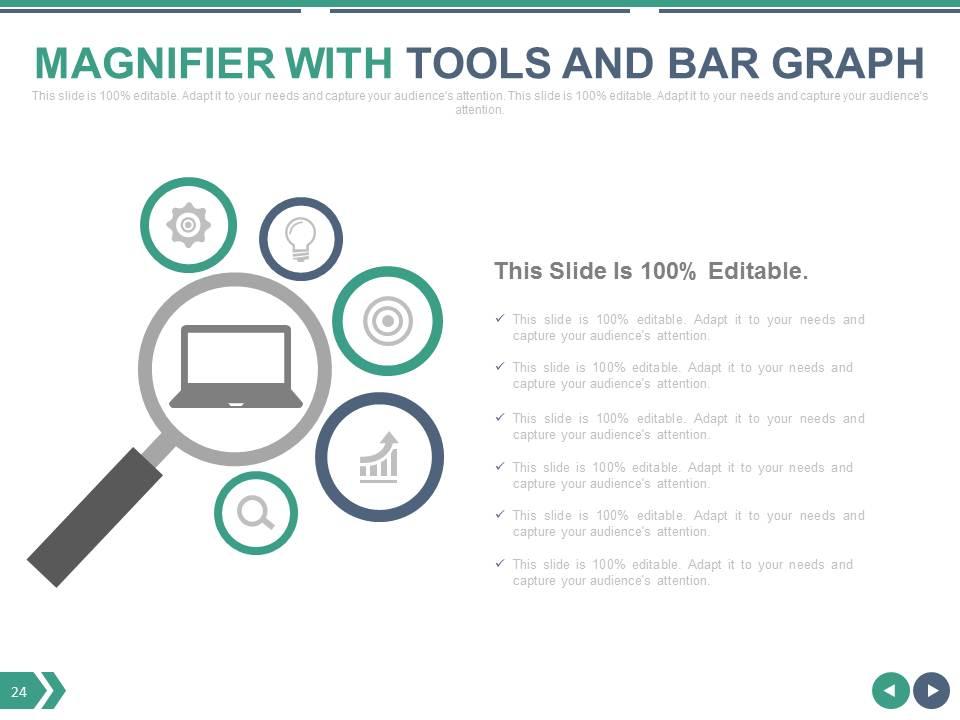
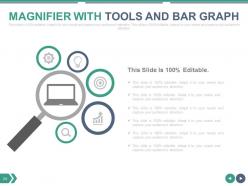
Folie 24 : Diese Folie zeigt eine Lupe mit Tools und Balkendiagramm.
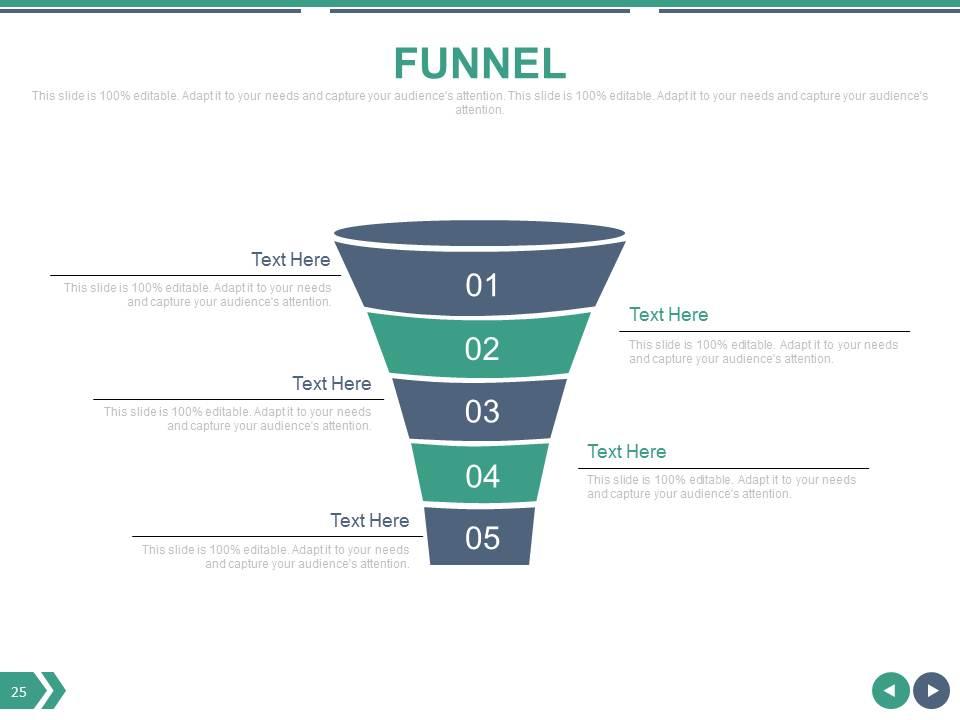
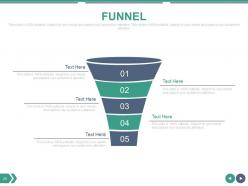
Folie 25 : Dies ist eine Trichterfolie. Präsentieren Sie den Funneling-Aspekt Ihres Teams, Unternehmens, Produkts usw.
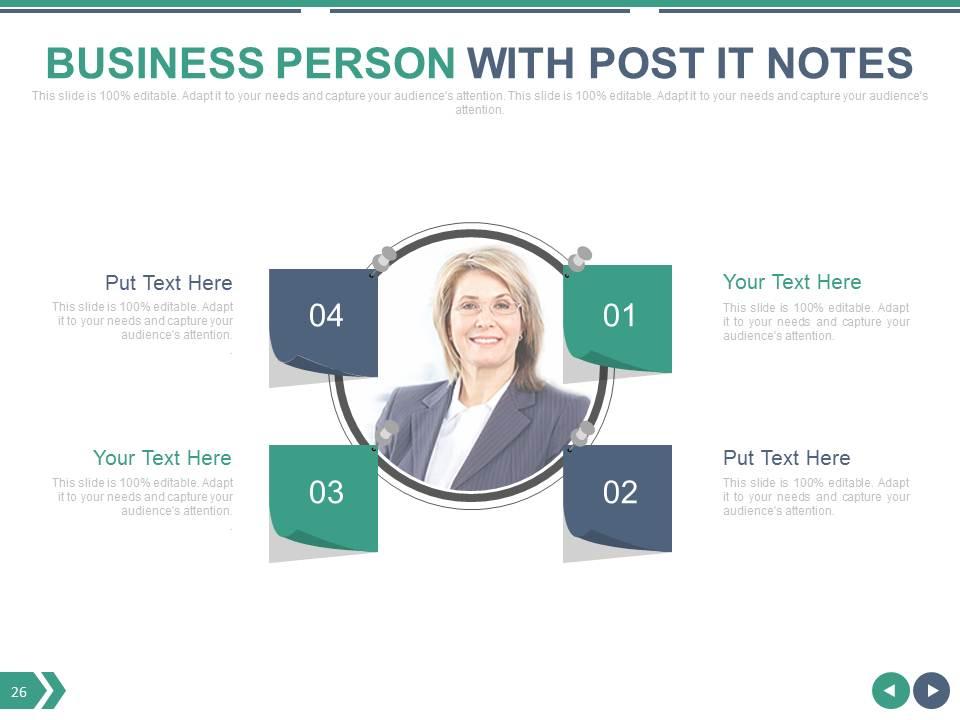
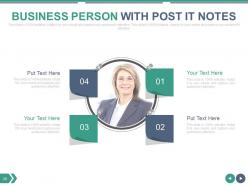
Folie 26 : Dies ist eine Geschäftsperson mit Post-It-Notizen, um wichtige Informationen, Erinnerungen usw. zu präsentieren. Sie können Bilder nach Bedarf hinzufügen/ändern.
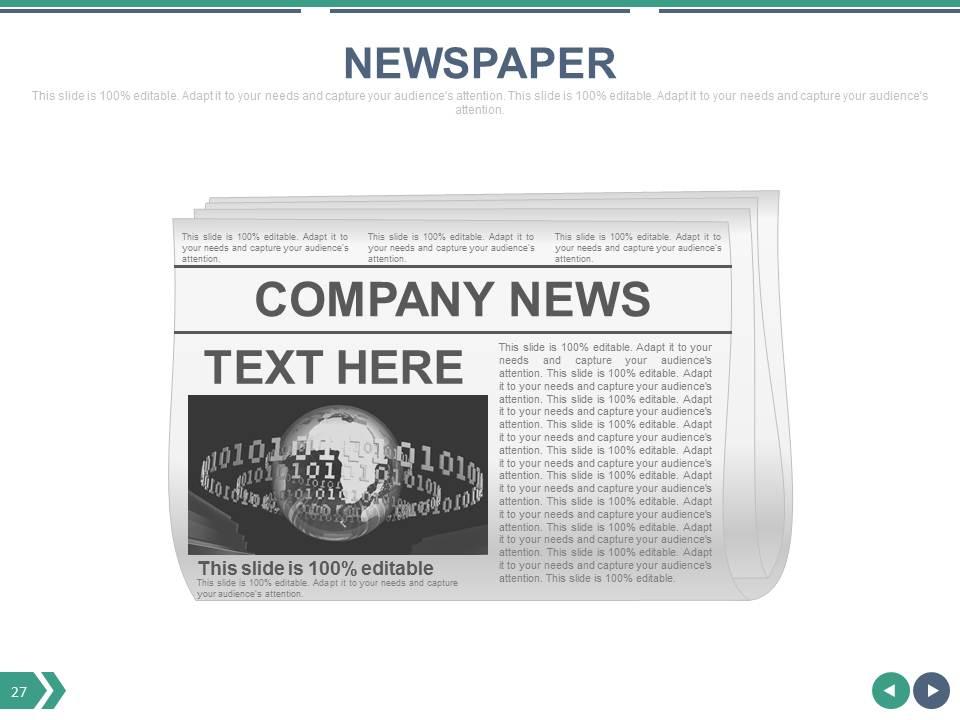
Folie 27 : Dies ist eine Zeitungsfolie, um Erinnerungsstücke hinzuzufügen oder wichtige Hinweise hervorzuheben.
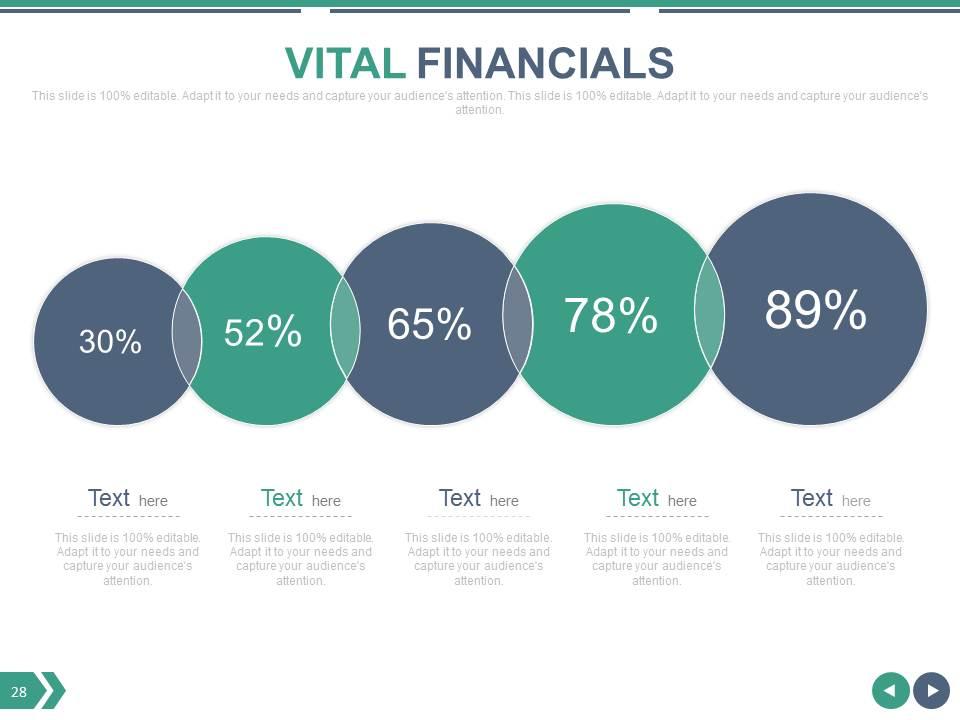
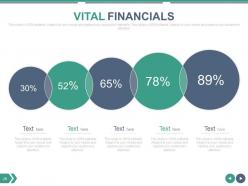
Folie 28 : Diese Folie zeigt wichtige Finanzwerte, Aspekte usw. Sie können sie nach Bedarf ändern.
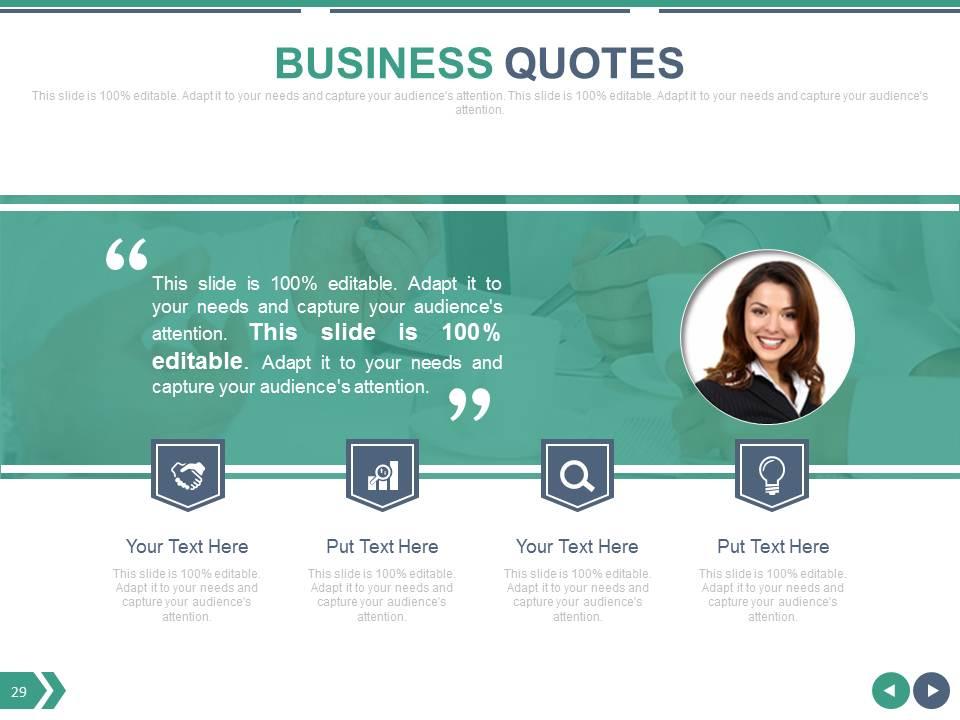
Folie 29 : Dies ist eine Folie für GESCHÄFTSZITATE, um Überzeugungen darzustellen, Botschaften zu vermitteln usw.
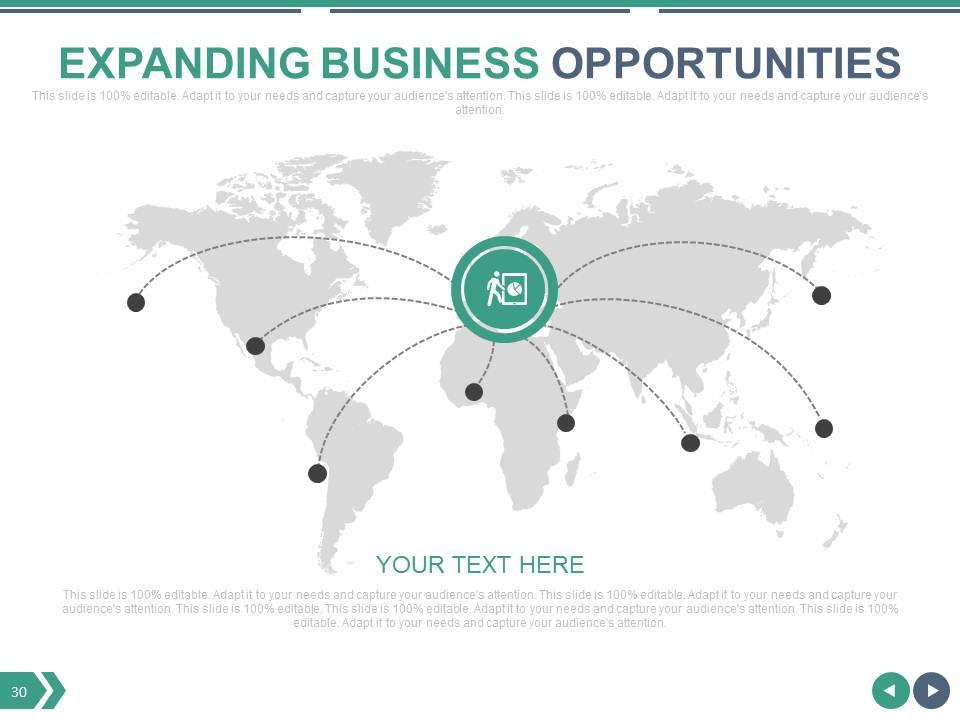
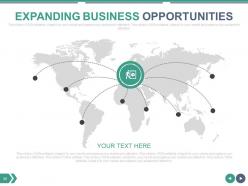
Folie 30 : Dies ist eine Folie über die Erweiterung der Geschäftsmöglichkeiten, die auf einer Weltkarte präsentiert wird, um das globale Wachstum, die Segregation usw.
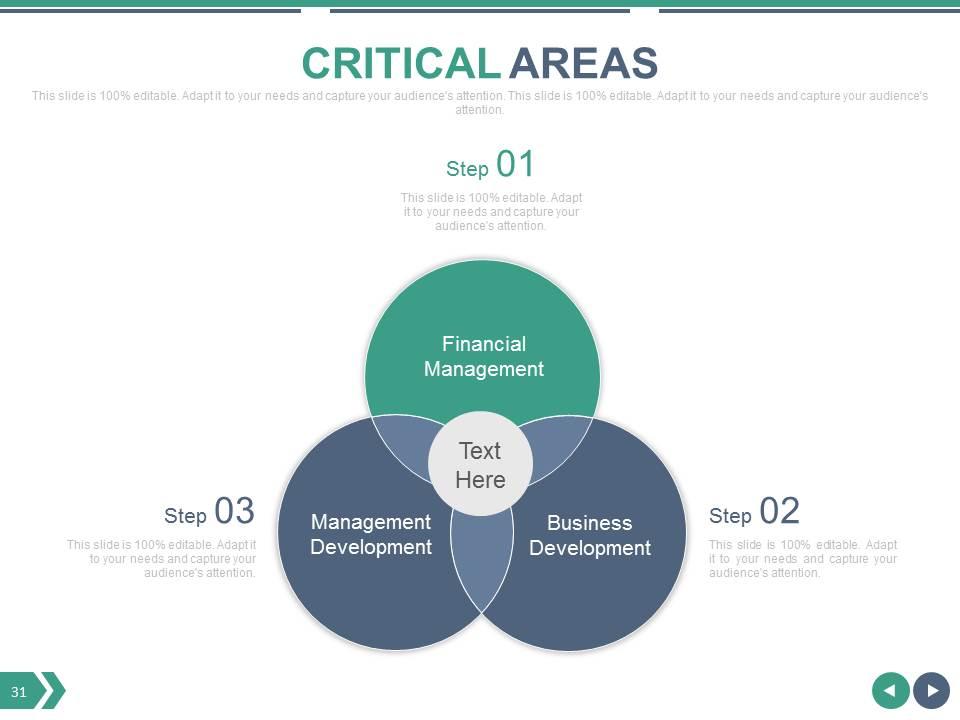
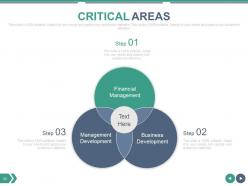
Folie 31 : Diese Folie zeigt kritische Bereiche mit einem Venn-Diagrammbild. Sie können Inhalte nach Bedarf hinzufügen/ändern.
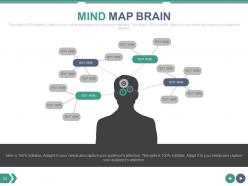
Folie 32 : Dies ist eine Mind Map Brain-Folie, die Verhaltenssegmentierung oder etwas Relatives zeigt.
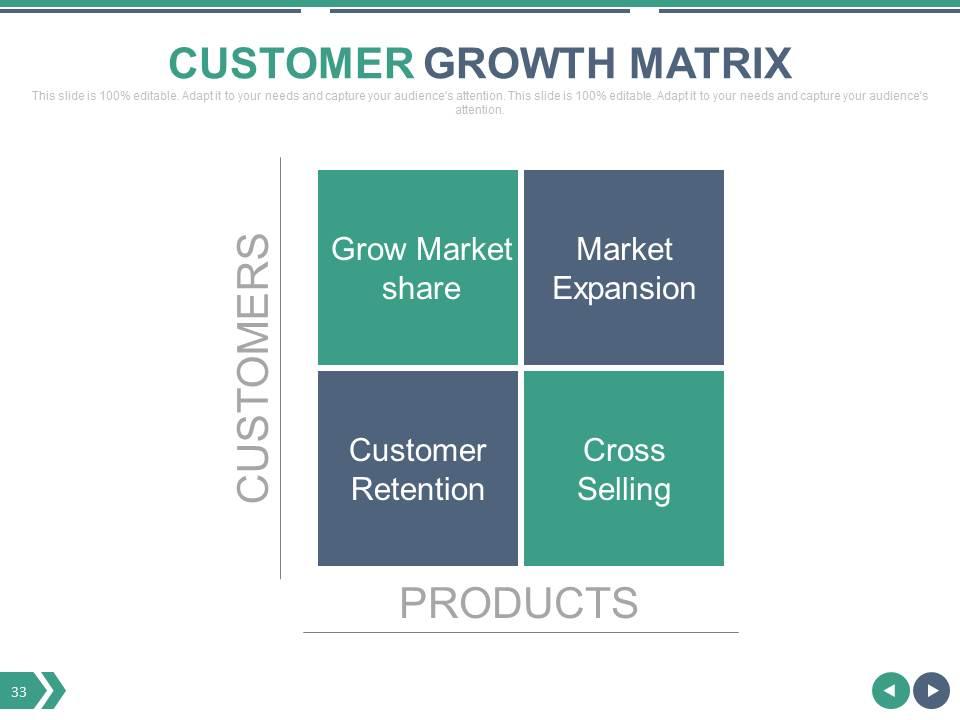
Folie 33 : Dies ist die Folie der Kundenwachstumsmatrix, die den Marktanteil erhöht, Marktexpansion, Kundenbindung, Cross-Selling zeigt.
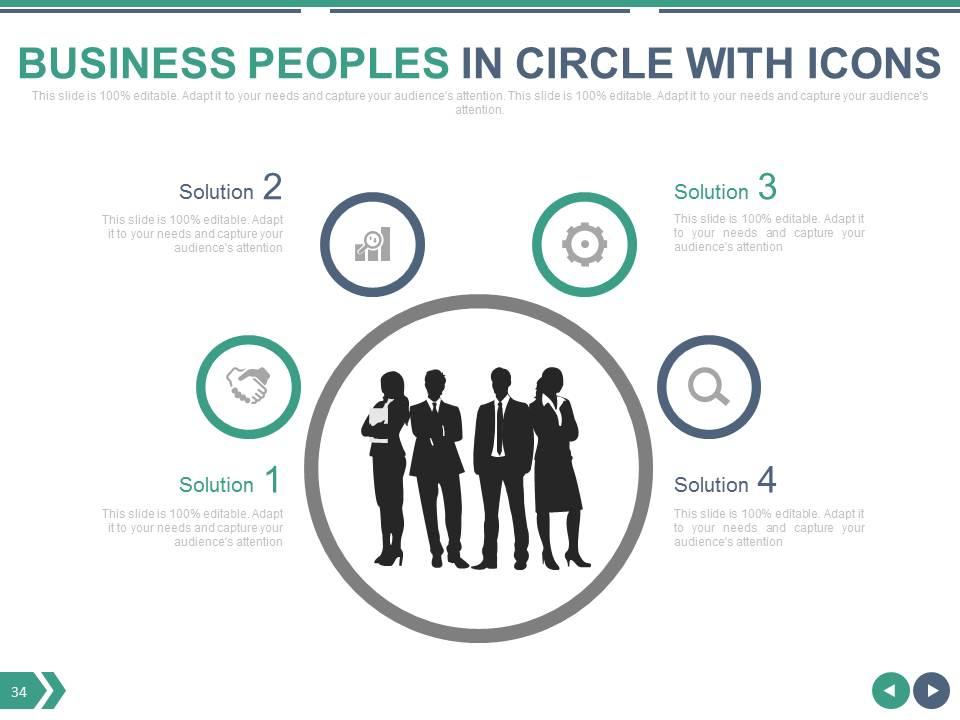
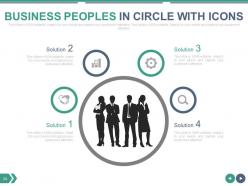
Folie 34 : Dies ist eine Präsentation von Lösungen für Geschäftsleute im Kreis mit Symbolen. Diese können je nach Bedarf geändert werden.
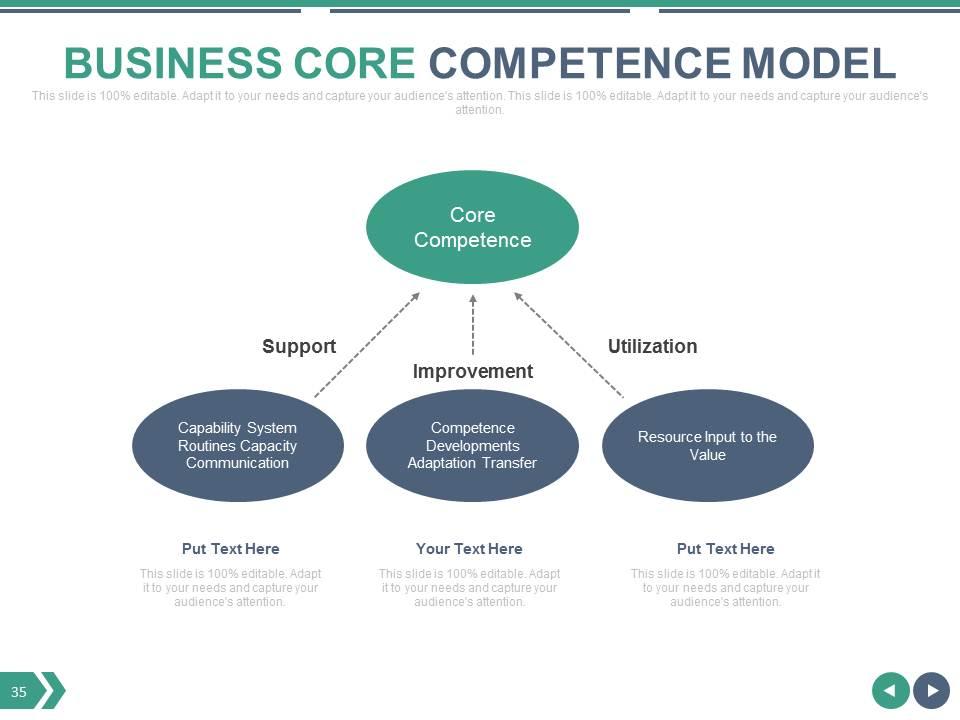
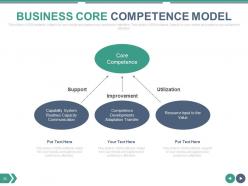
Folie 35 : Diese Folie zeigt das Geschäftskernkompetenzmodell bestehend aus: Unterstützung, Verbesserung, Nutzung.
Folie 36 : Dies ist eine DANKE-Folie für die Bestätigung.
Entscheidungsprozess PowerPoint-Präsentationsfolien mit allen 36 Folien:
Schwierigkeiten verschwinden mit unserem vollständigen Powerpoint-Deck mit Folien zur Entscheidungsfindung. Sie werden nie die Hände hochlegen müssen.
-
good
-
good
-
Nice and innovative design.
-
Perfect template with attractive color combination.
-
Unique research projects to present in meeting.
