Fallstudien-Training zur digitalen Transformation ppt
Try Before you Buy Download Free Sample Product
Audience
Editable
of Time
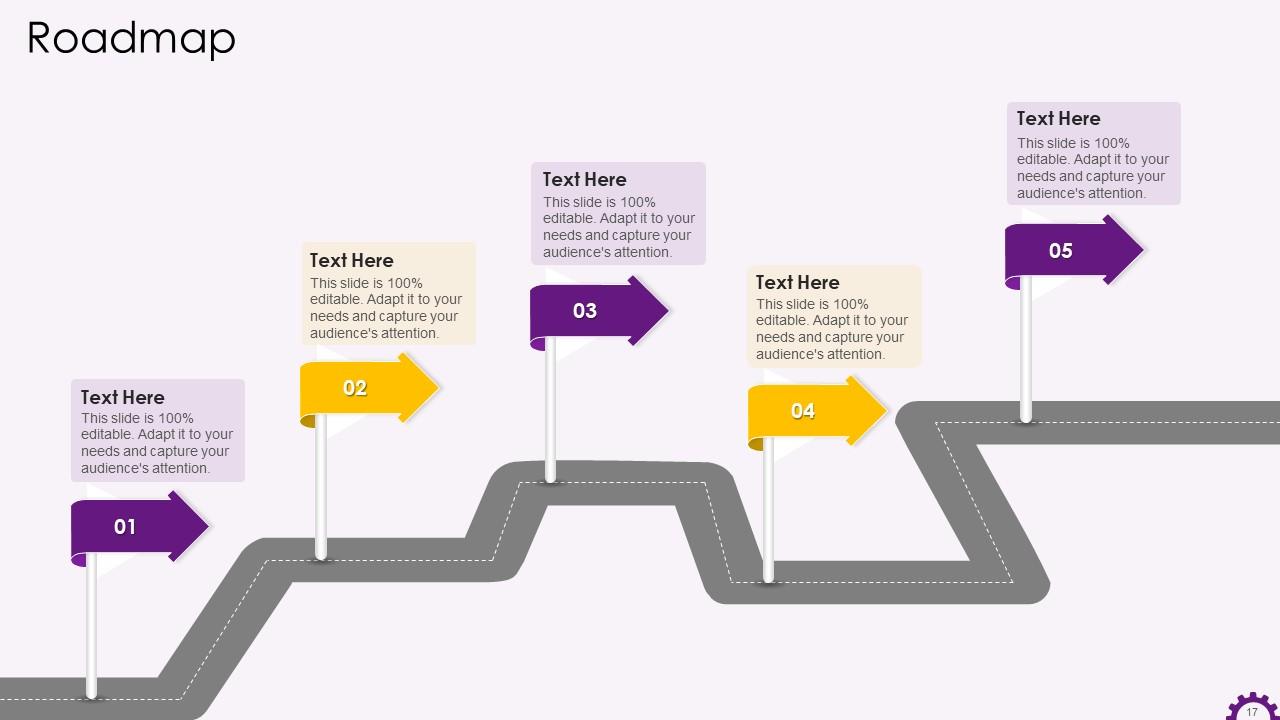
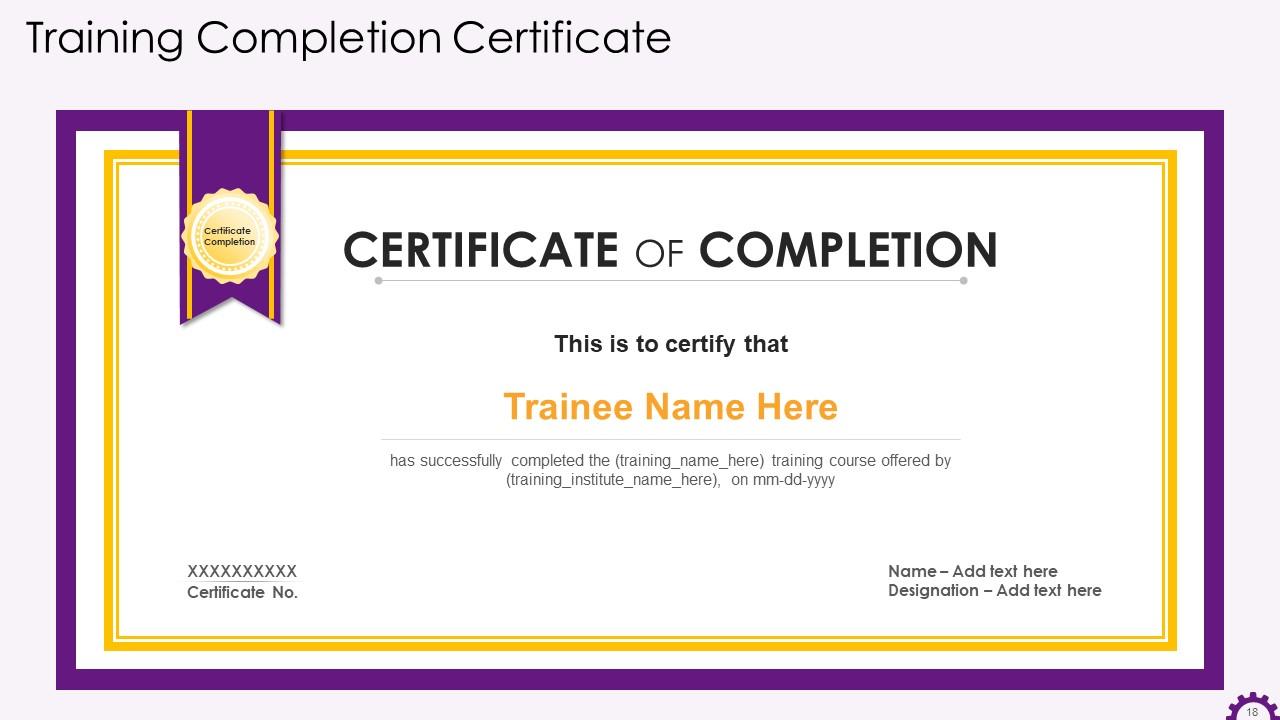
Das PPT-Trainingsmodul enthält Fallstudien von multinationalen Unternehmen, MNCs, die sich entweder erfolgreich digital transformiert haben oder dies nicht geschafft haben. Ein Business Coach kann diese verwenden, um die Schulung interaktiver zu gestalten. Das Deck enthält auch PPT-Folien über uns, Vision, Mission, Ziel, 30-60-90-Tage-Plan, Zeitplan, Fahrplan, Schulungsabschlusszertifikat, Energizer-Aktivitäten, Kundenschulungsvorschlag und Bewertungsformular.
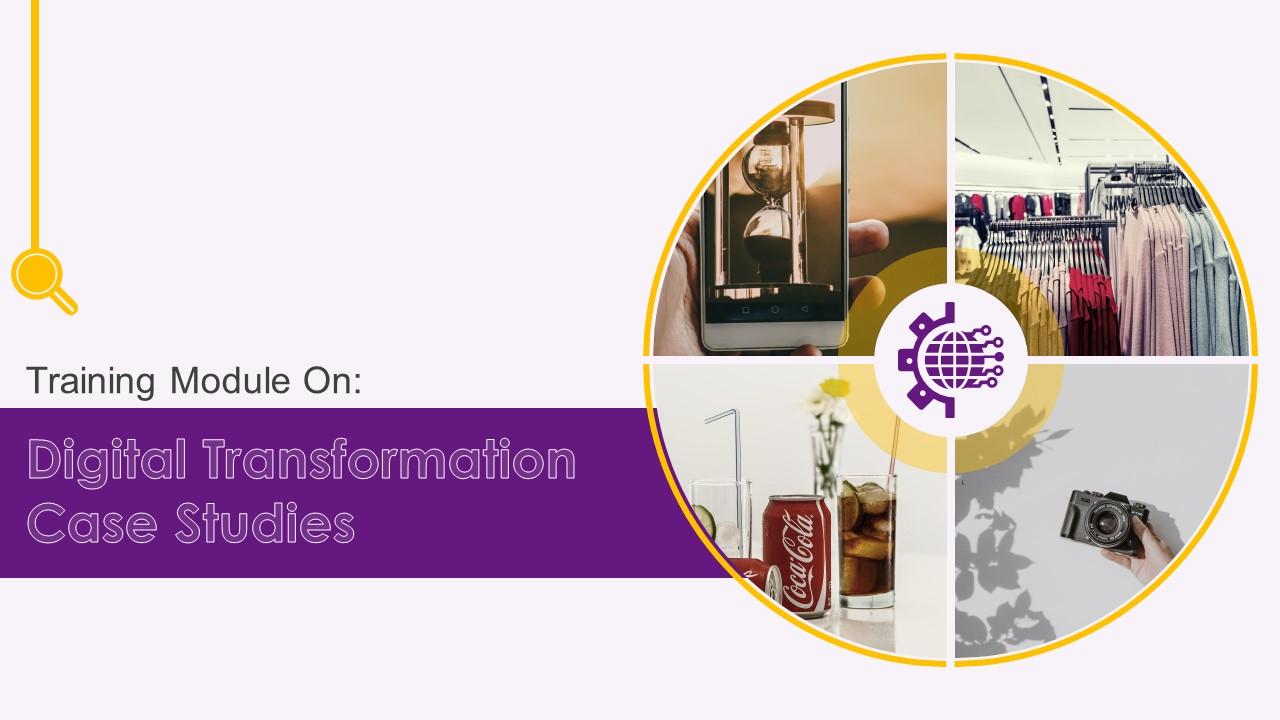
Merkmale dieser PowerPoint-Präsentationsfolien:
Presenting Training Deck on Digital Transformation Case Studies. Dieses Präsentationsdeck enthält 65 gut recherchierte und einzigartig gestaltete Folien. Diese Folien sind zu 100 Prozent in PowerPoint erstellt und mit allen Bildschirmtypen und Monitoren kompatibel. Sie unterstützen auch Google Slides. Premium-Kundensupport verfügbar. Geeignet für den Einsatz durch Manager, Mitarbeiter und Organisationen. Diese Folien sind leicht anpassbar. Sie können die Farbe, den Text, das Symbol und die Schriftgröße Ihren Anforderungen entsprechend bearbeiten.
People who downloaded this PowerPoint presentation also viewed the following :
Inhalt dieser Powerpoint-Präsentation
Folie 3
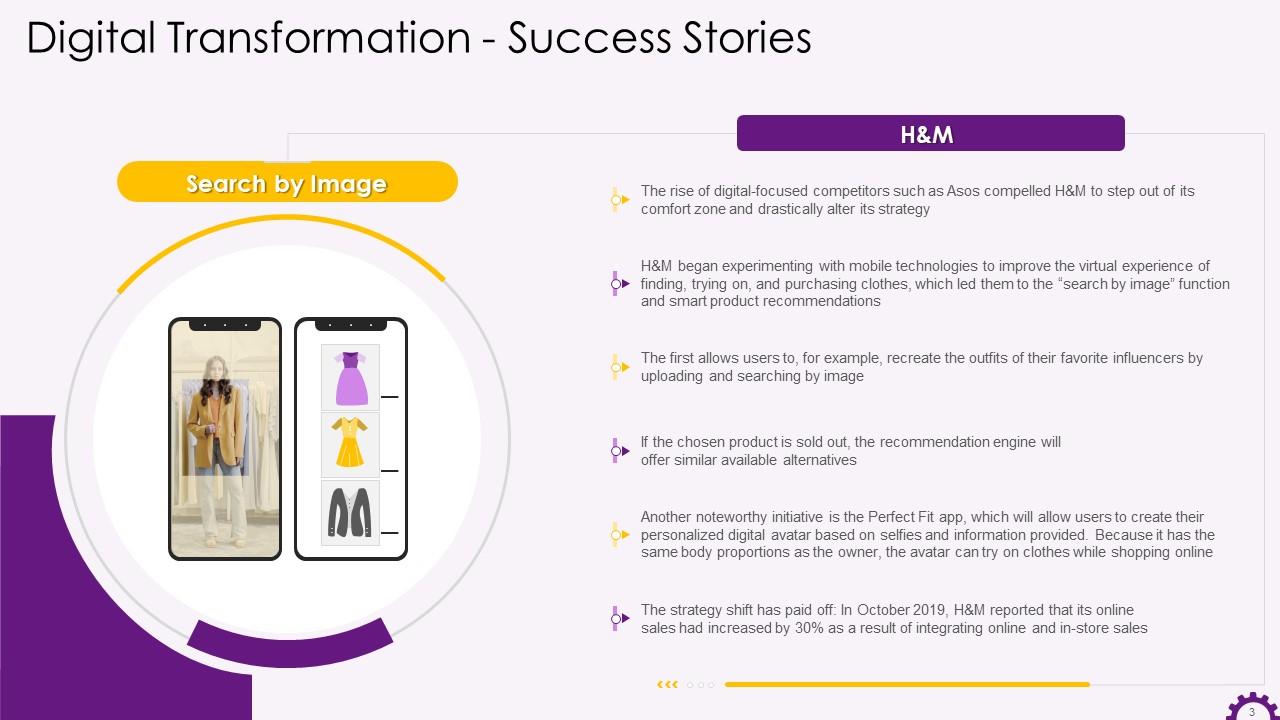
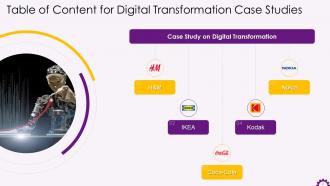
Diese Folie zeigt die H&M-Erfolgsgeschichte der digitalen Transformation. Es betont, wie H&M begann, mit mobilen Technologien zu experimentieren, um das virtuelle Erlebnis des Findens, Anprobierens und Kaufens von Kleidung zu verbessern. Es wird auch erwähnt, dass H&M als Ergebnis der digitalen Transformation im Jahr 2019 einen Anstieg der Online-Verkäufe um 30 % verzeichnete.
Folie 4
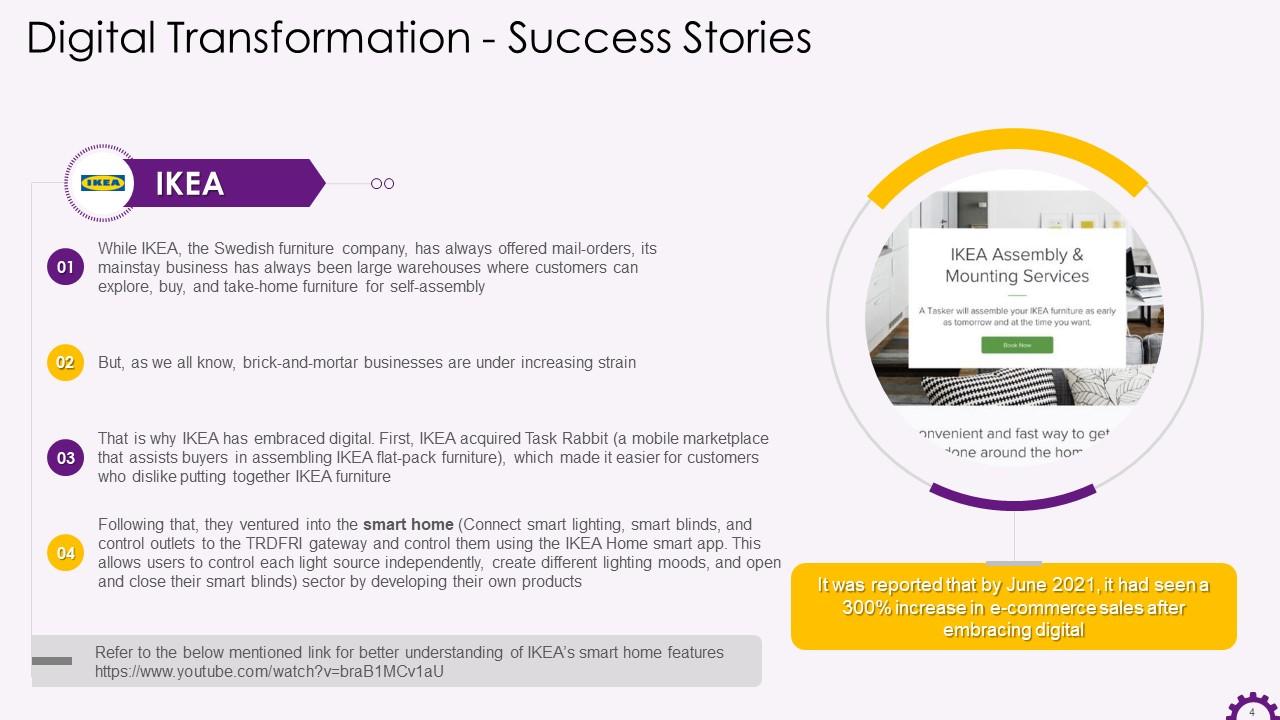
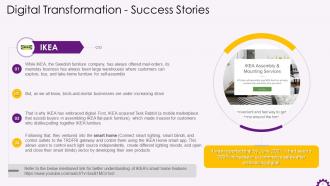
Diese Folie zeigt die Erfolgsgeschichte der digitalen Transformation von IKEA. Es wird erwähnt, dass IKEA den Online-Service von Task Rabbit gekauft hat, um Kunden zu helfen, die ihre Möbel nicht gerne zusammenstellen. Es wird auch erwähnt, wie IKEA nach der Digitalisierung eine 300-prozentige Steigerung der E-Commerce-Verkäufe verzeichnete.
Folie 5
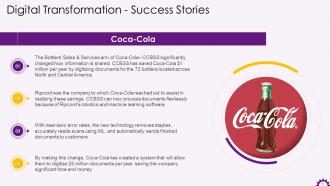
Diese Folie zeigt die Erfolgsgeschichte der Transformation von Coca-Digital-Cola. Es zeigt, wie Coca-Cola Bottlers' Sales & Services durch die Digitalisierung von Dokumenten für die 72 Abfüller in Nord- und Mittelamerika 1 Million US-Dollar pro Jahr einsparte. Es wird auch erwähnt, dass CCBSS dank der Robotik- und maschinellen Lernsoftware von Ripcord nun Dokumente fehlerfrei verarbeiten kann.
Folie 6
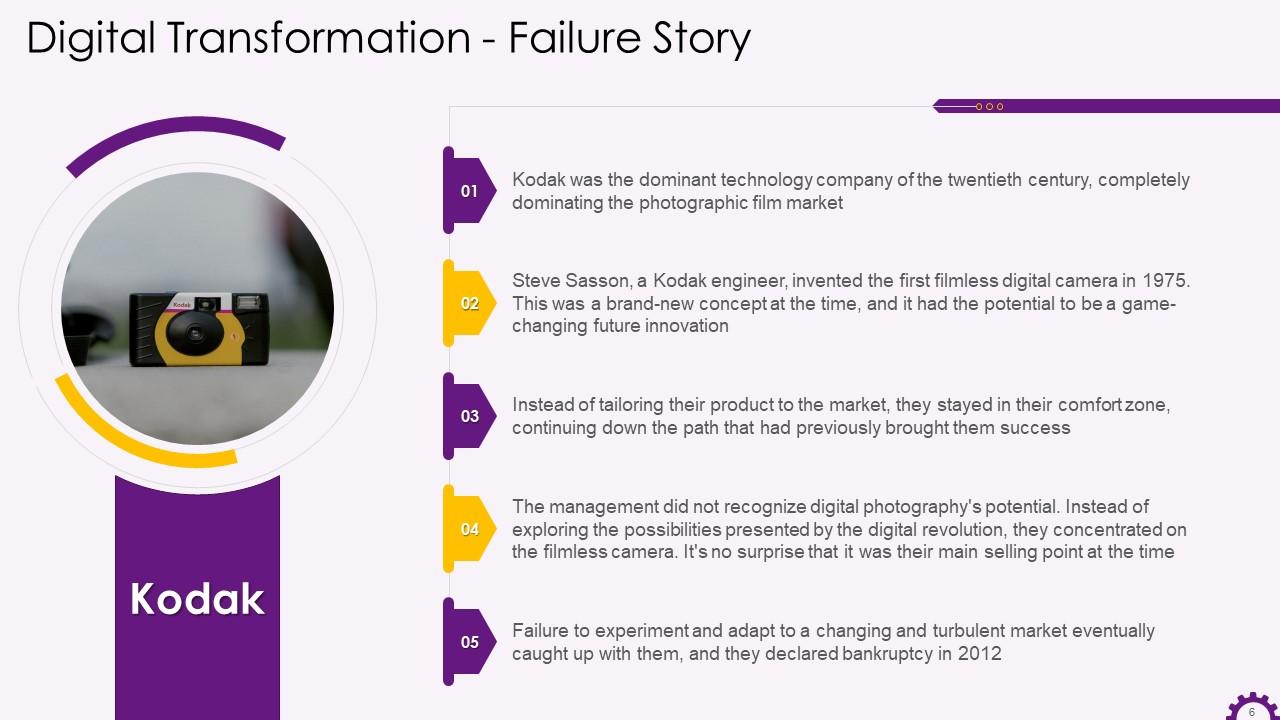
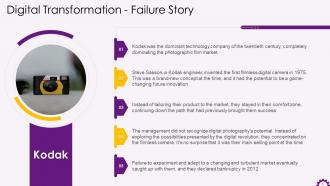
Diese Folie veranschaulicht den Grund für das Scheitern von Kodak. Es betont, dass das Unternehmen das Produkt nicht auf den Markt zugeschnitten habe und dass das Versäumnis, zu experimentieren und sich an einen sich verändernden und turbulenten Markt anzupassen, schließlich zu seiner Insolvenz geführt habe.
Folie 7
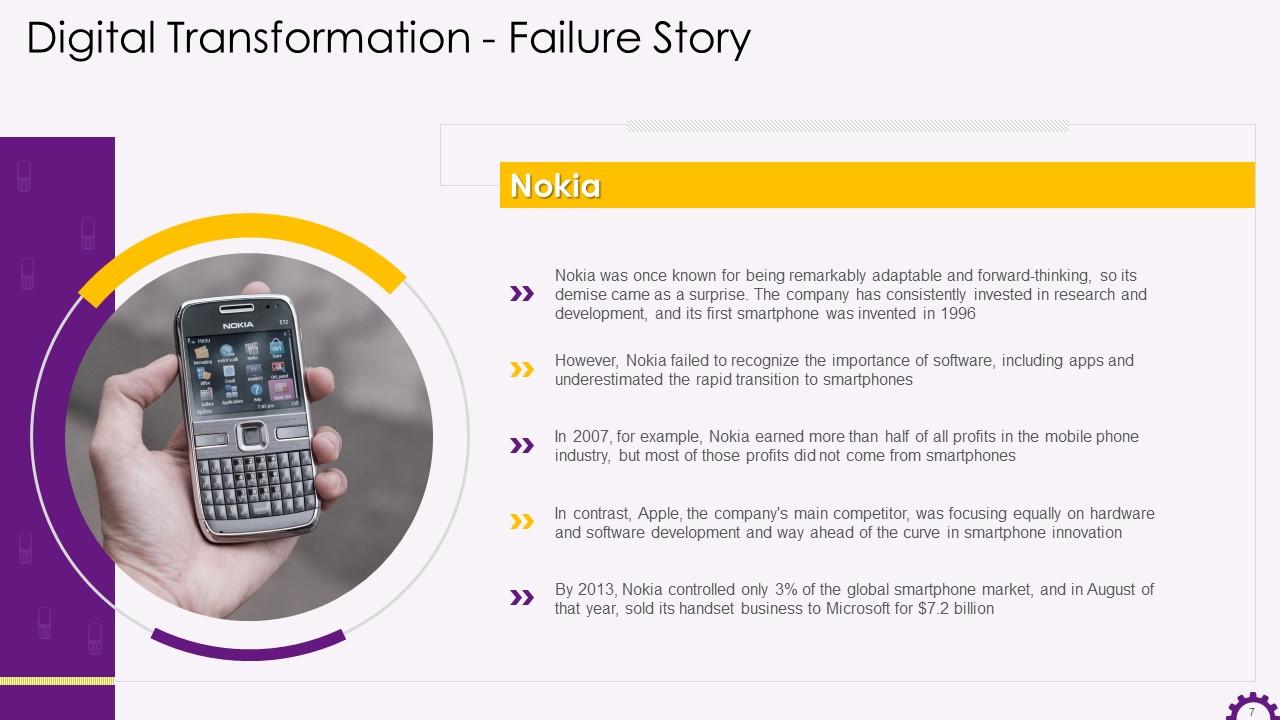
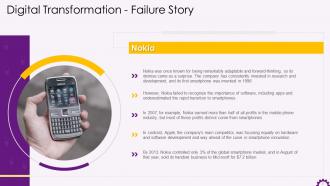
Diese Folie zeigt den Grund für das Scheitern von Nokia. Es betont die Unfähigkeit von Nokia, die Bedeutung von Software, einschließlich Apps, zu erkennen und den schnellen Übergang zu Smartphones zu unterschätzen, was letztendlich zu seinem Untergang führte.
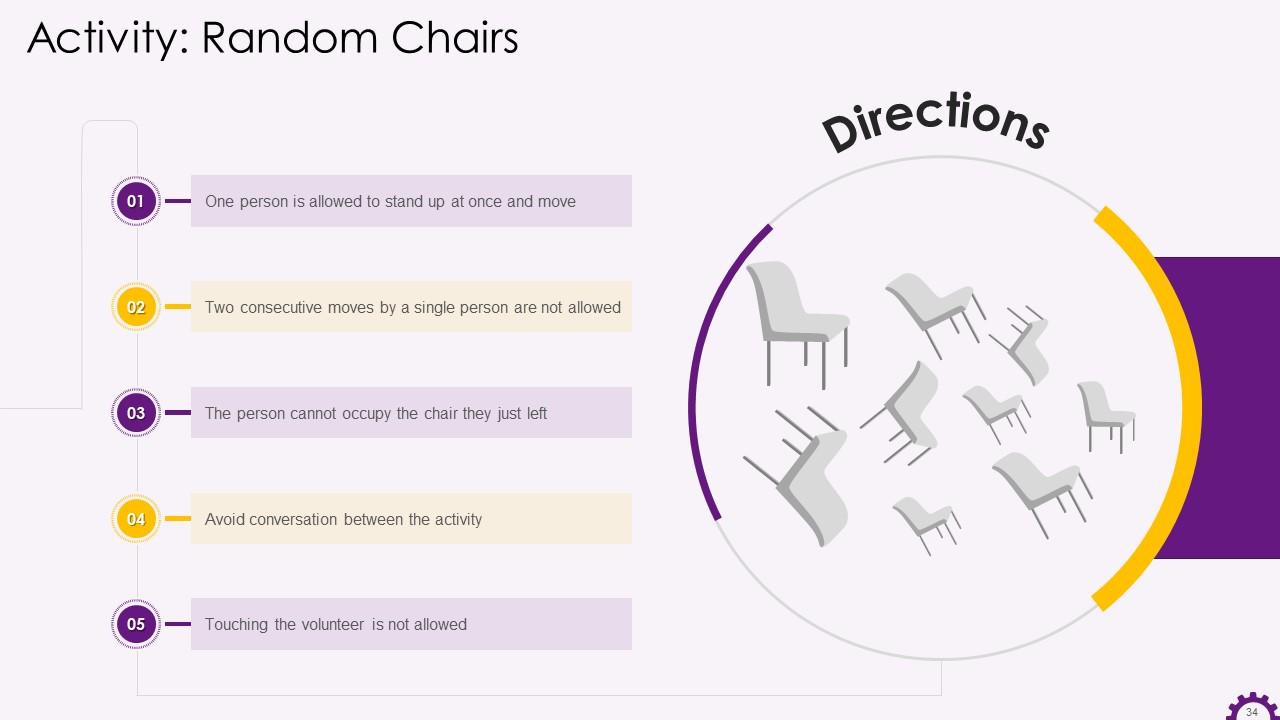
Folie 19 bis 34
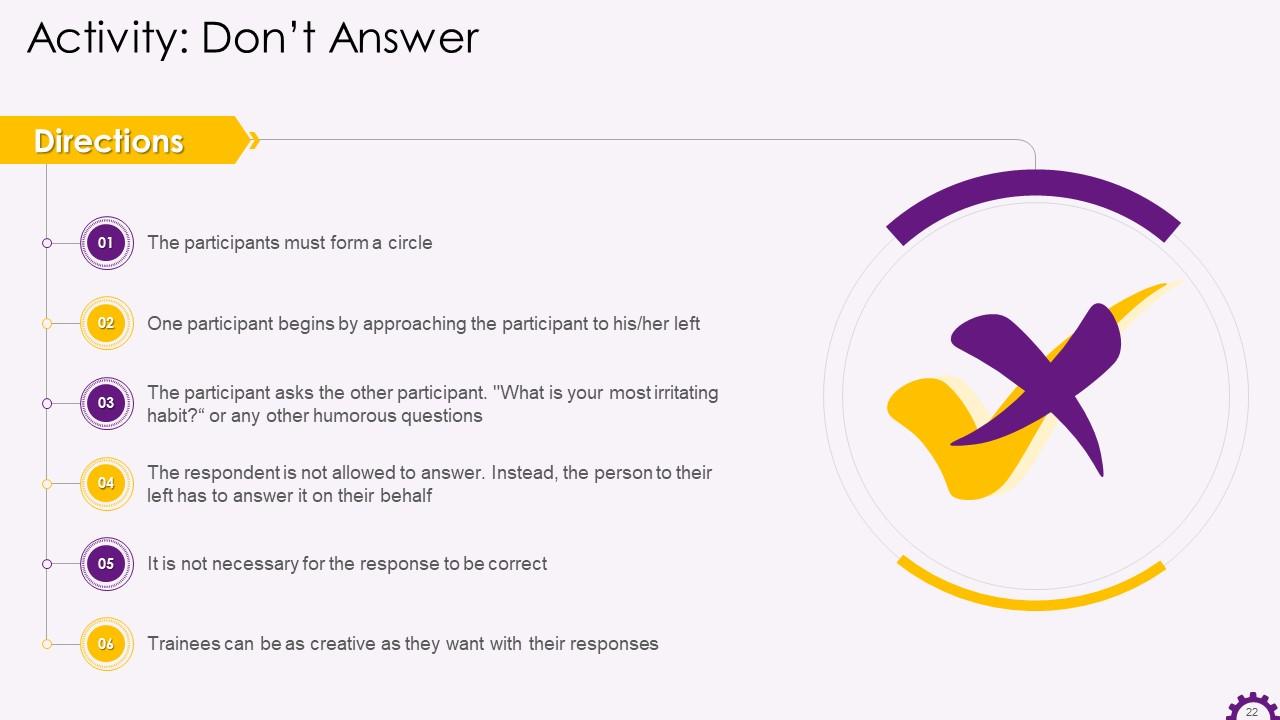
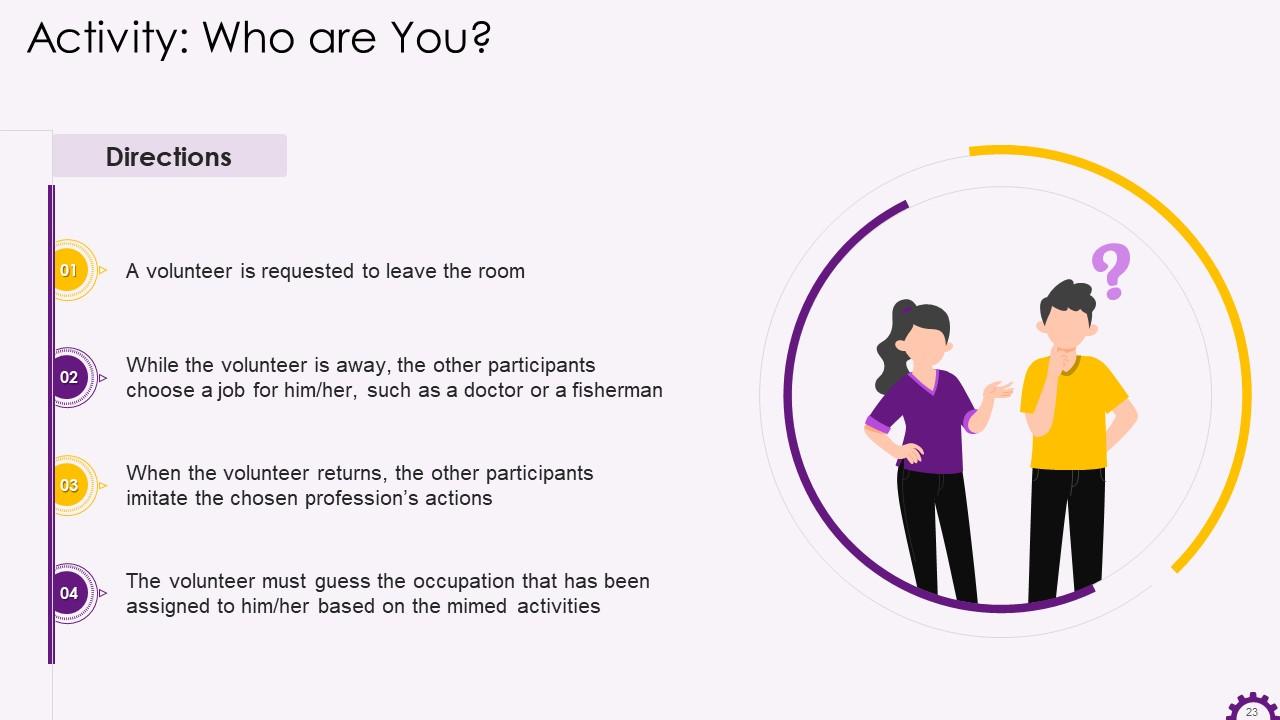
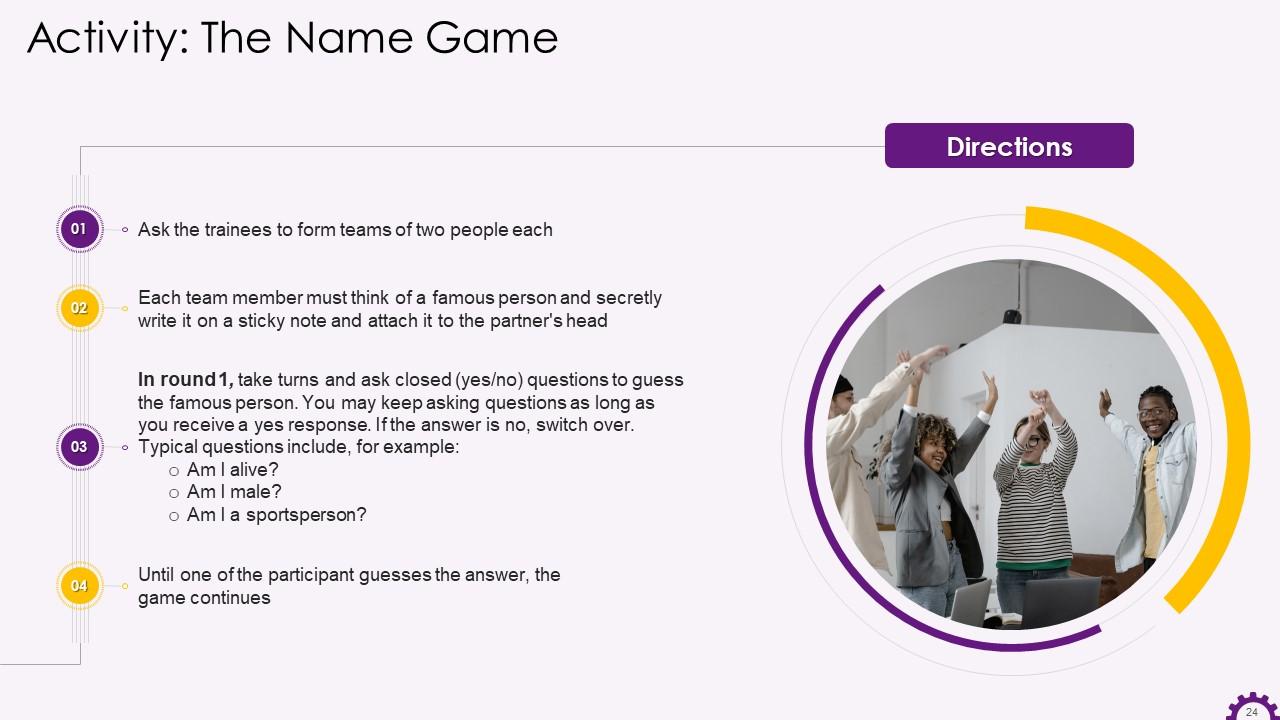
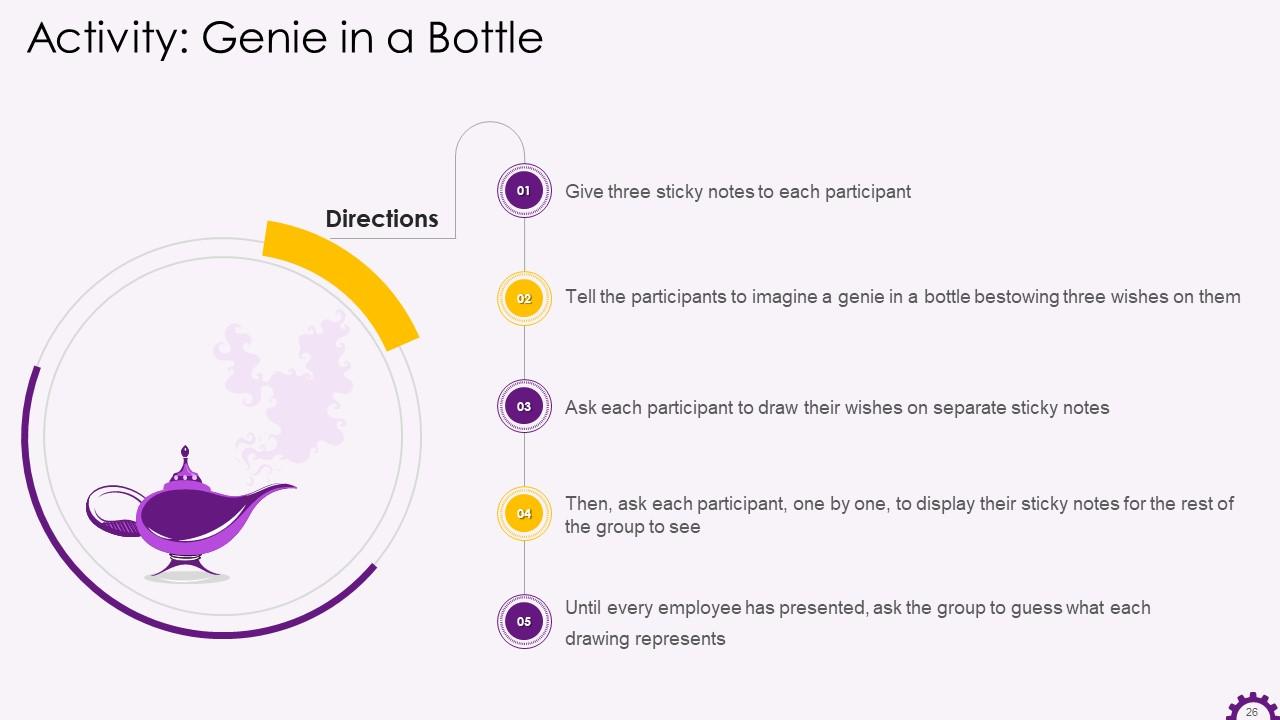
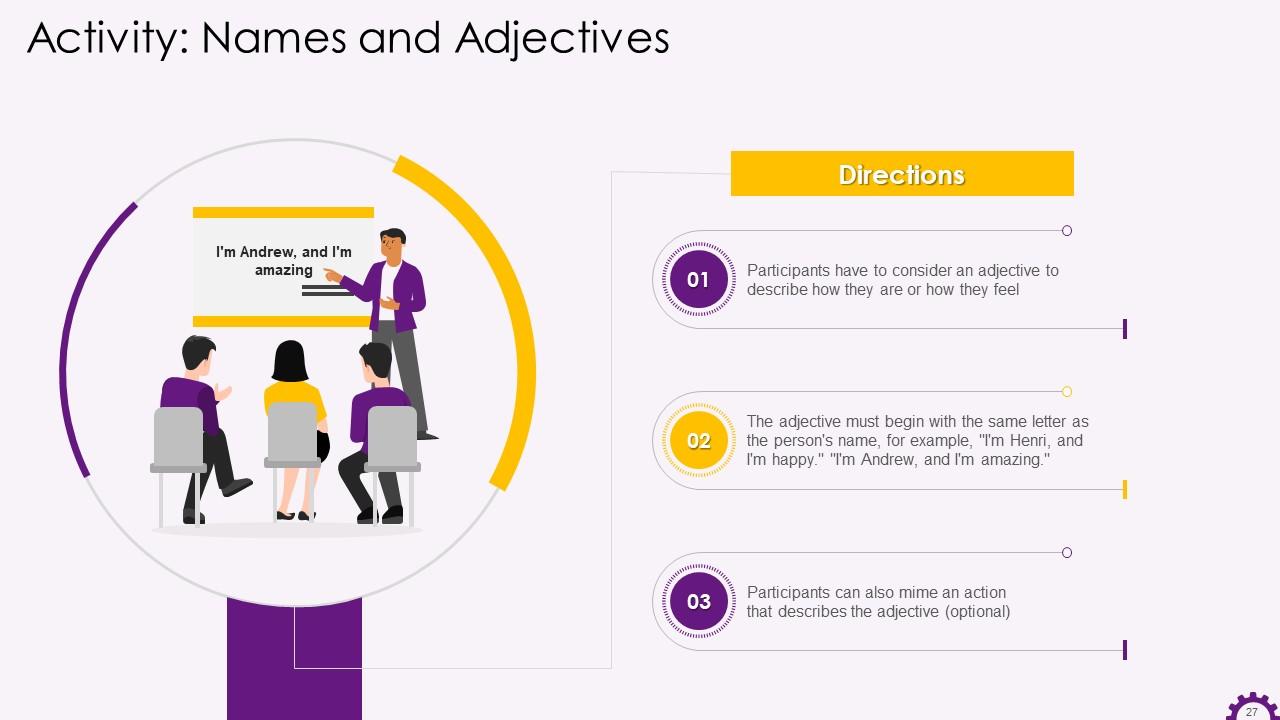
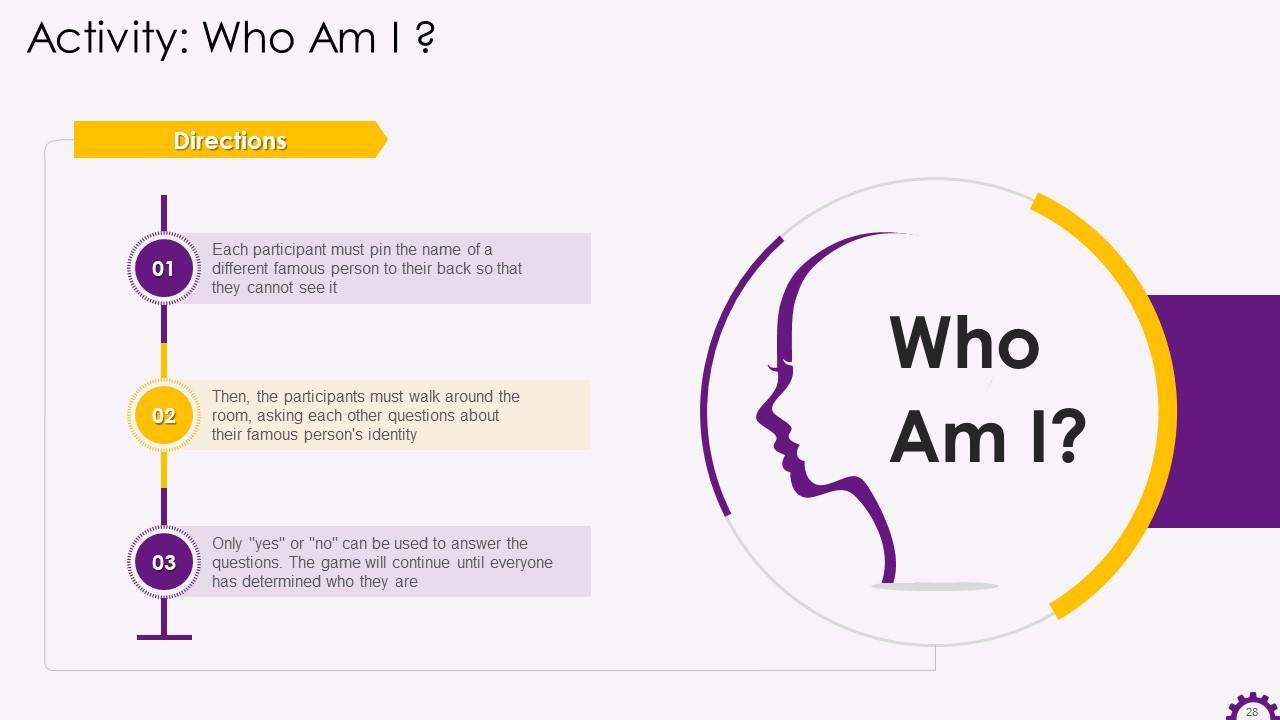
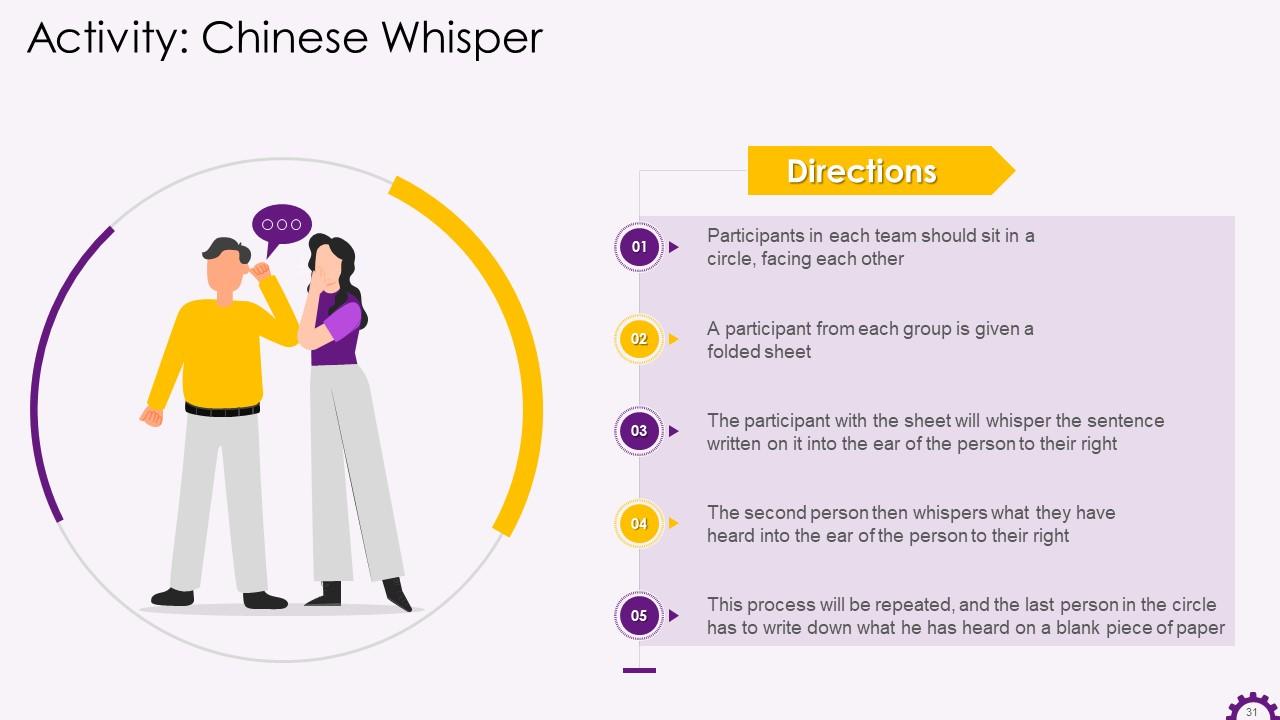
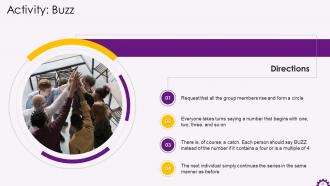
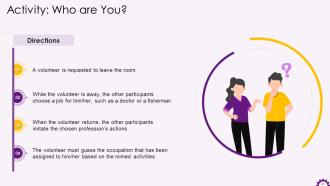
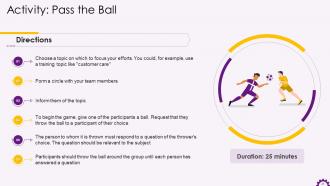
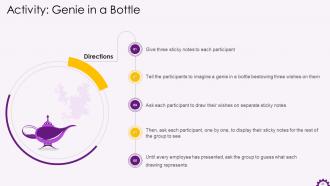
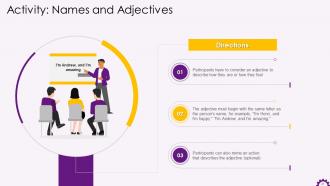
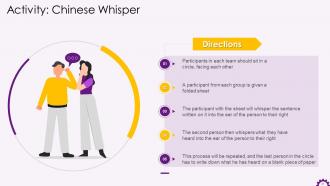
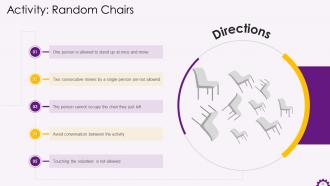
Diese Folien enthalten Energizer-Aktivitäten, um das Publikum der Schulungssitzung einzubeziehen.
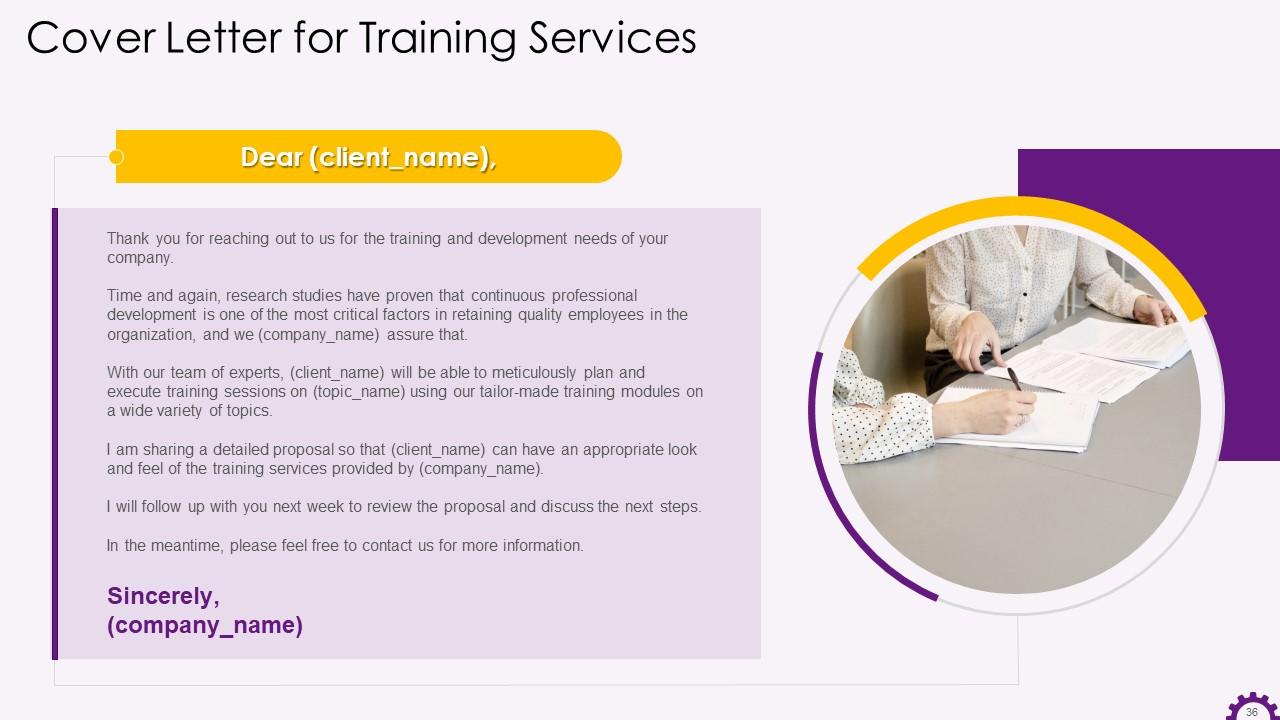
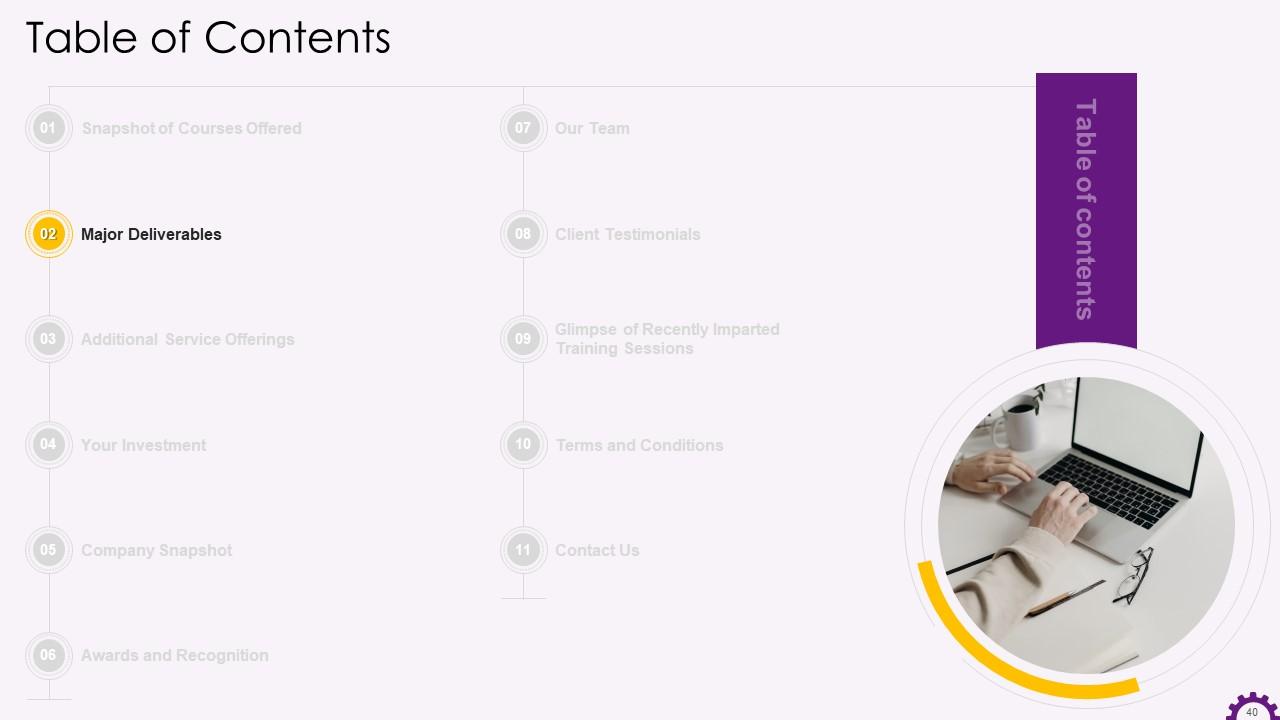
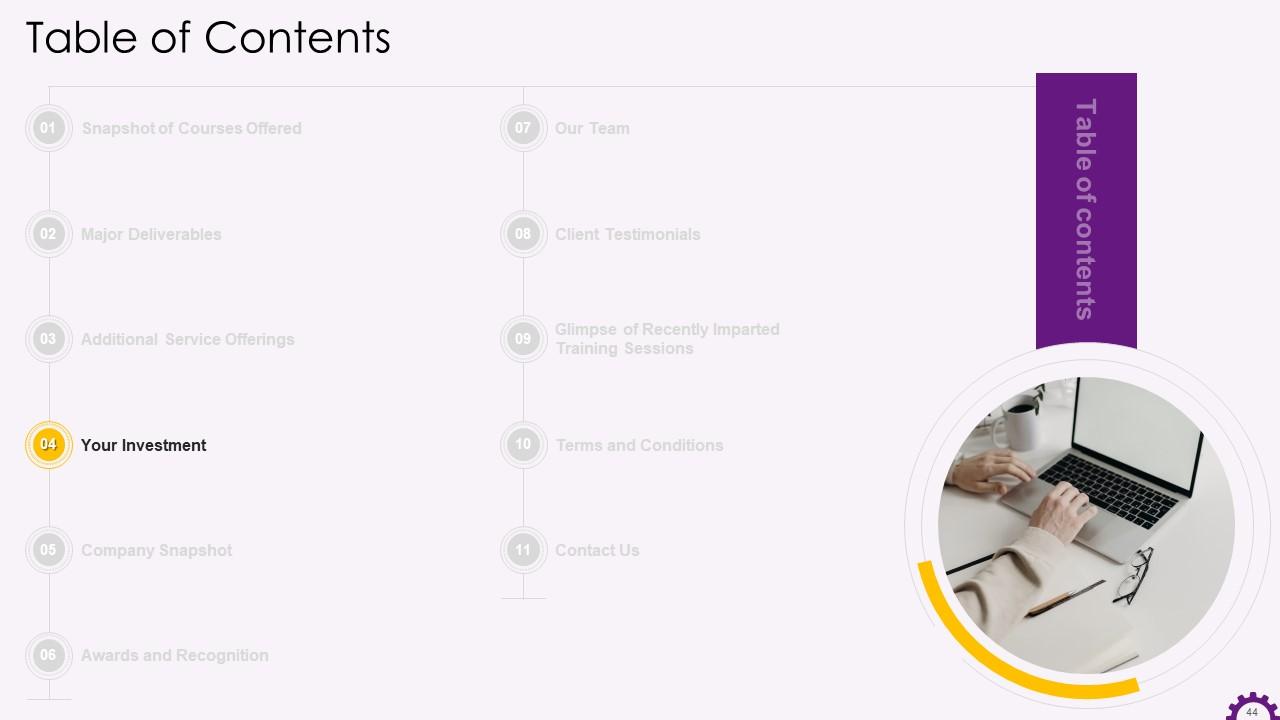
Folie 35 bis 62
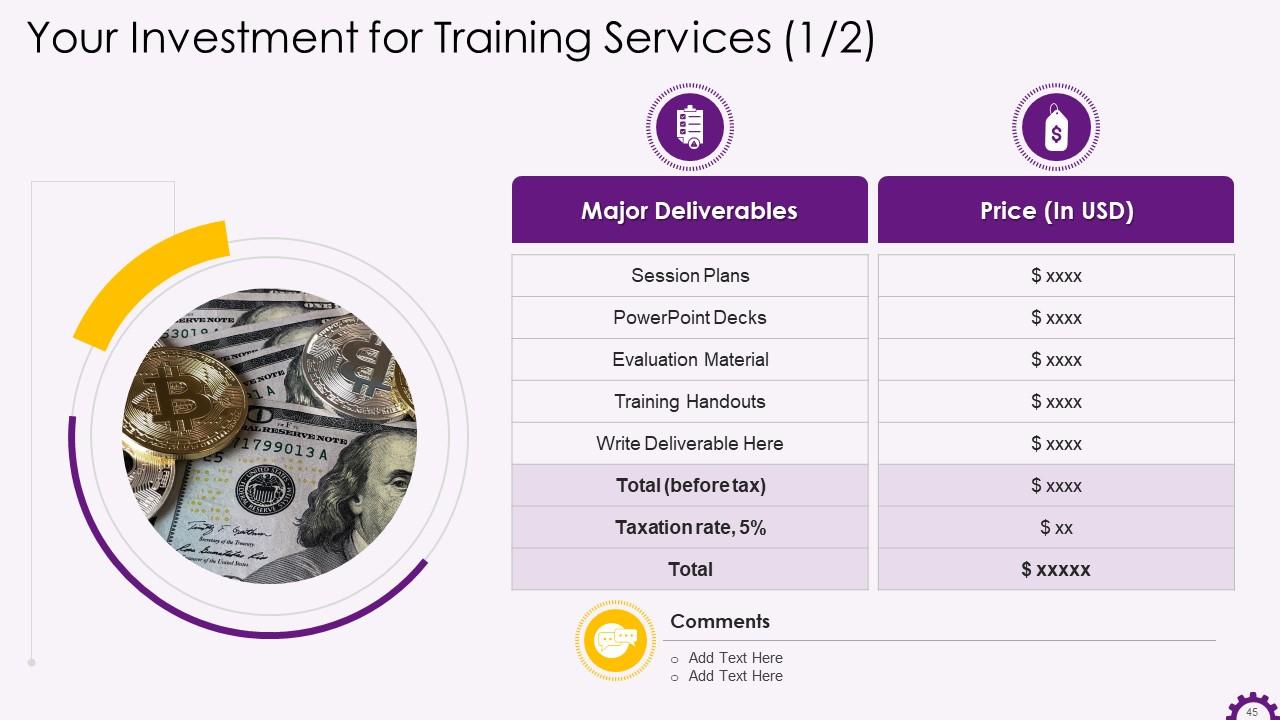
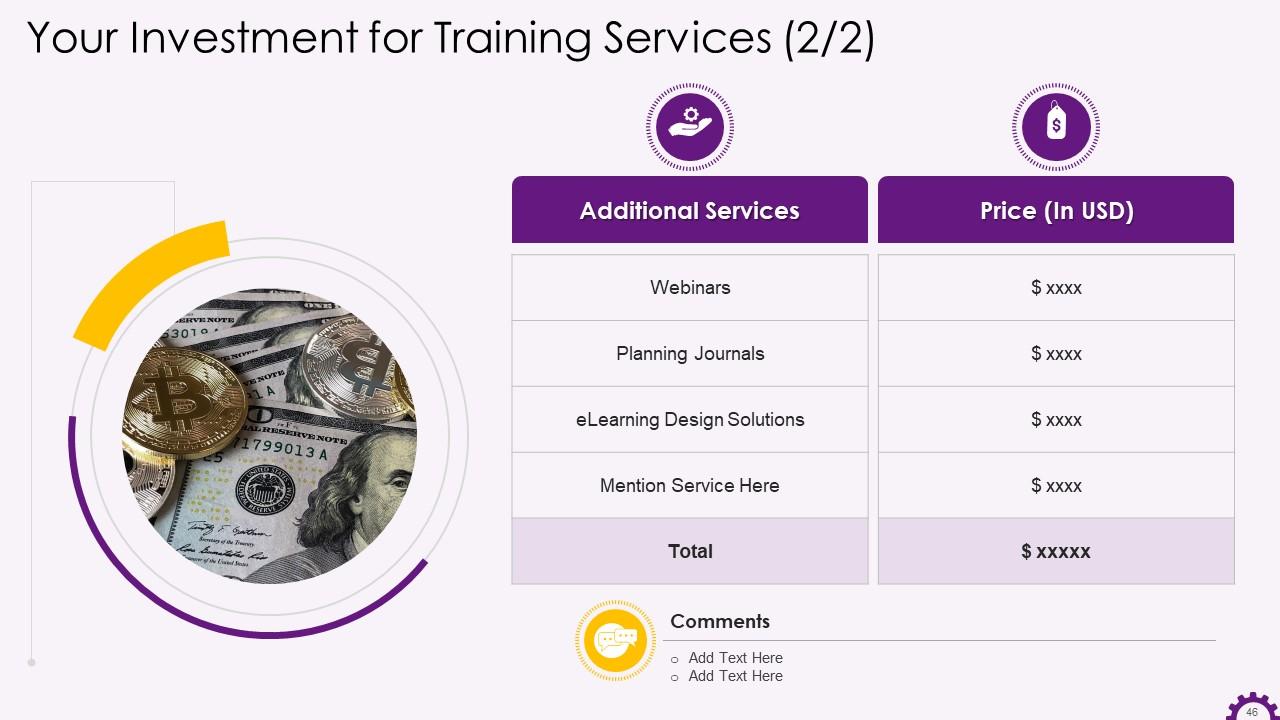
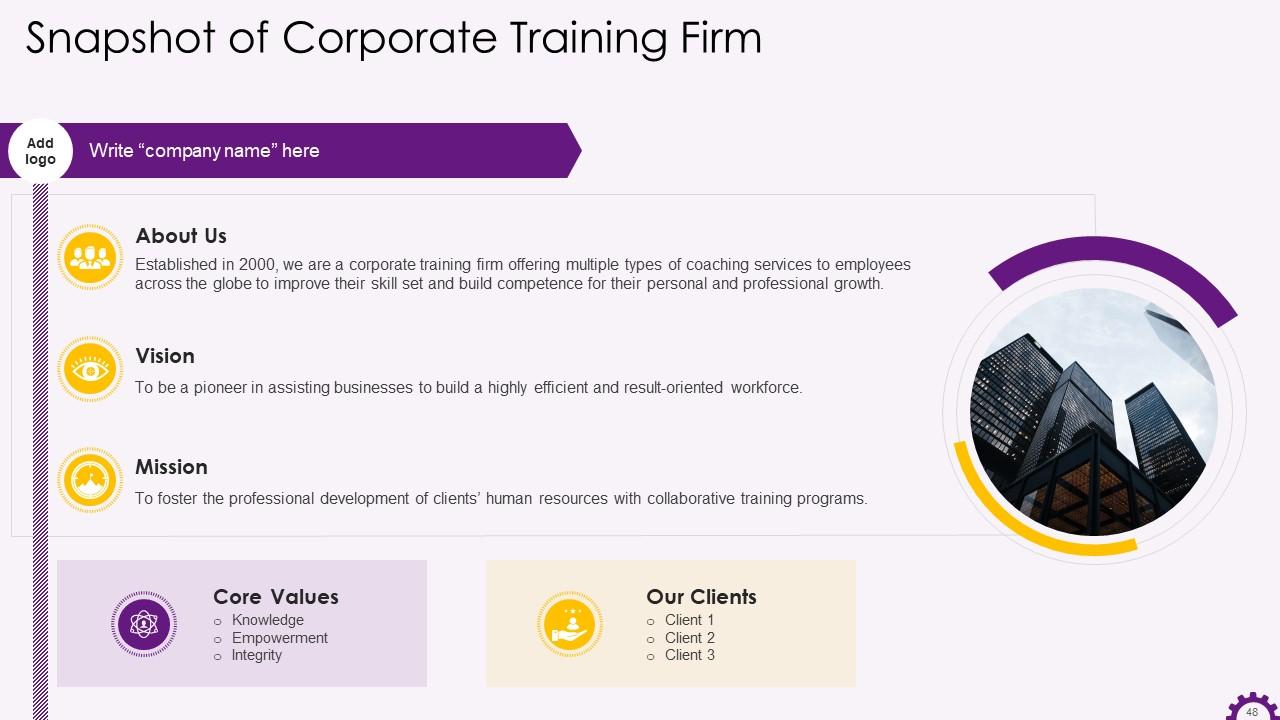
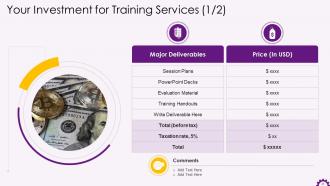
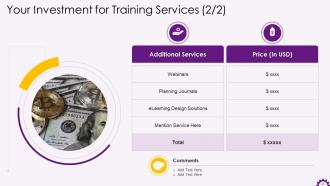
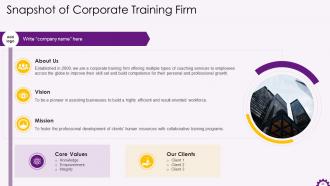
Diese Folien enthalten einen Schulungsvorschlag, der beschreibt, was das Unternehmen, das Firmenschulungen anbietet, für den Kunden leisten kann.
Folie 63 bis 65
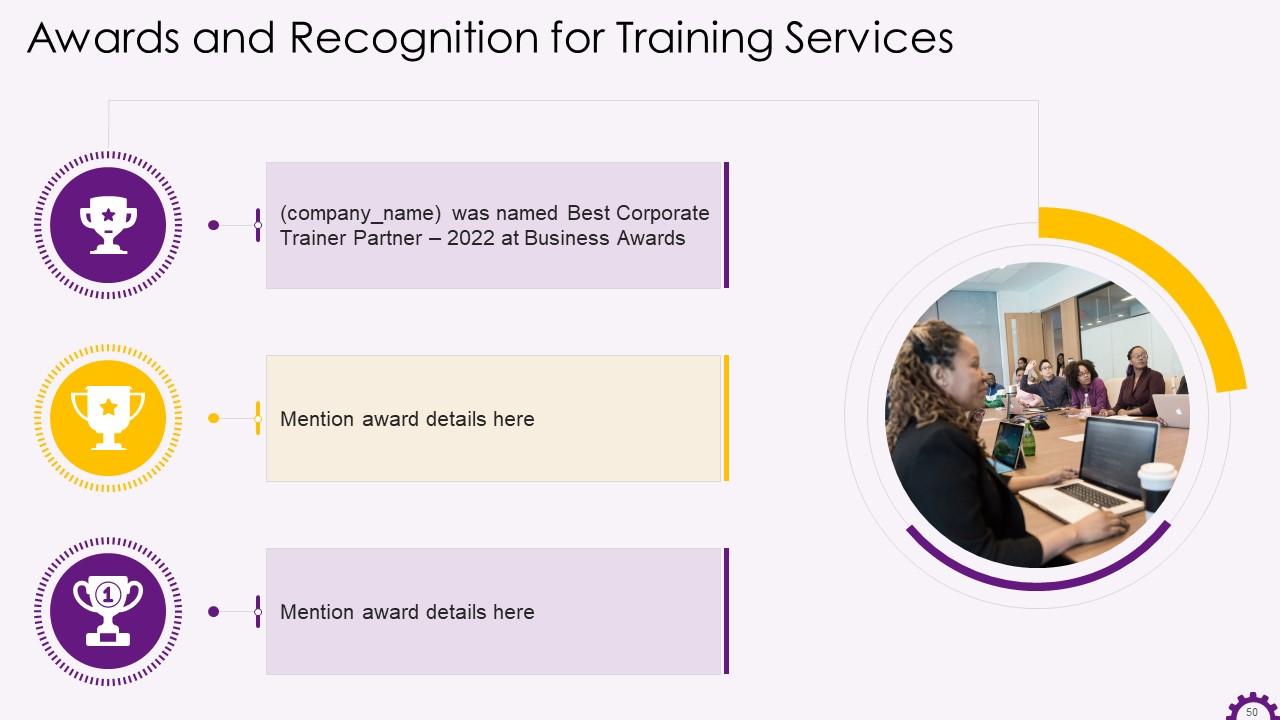
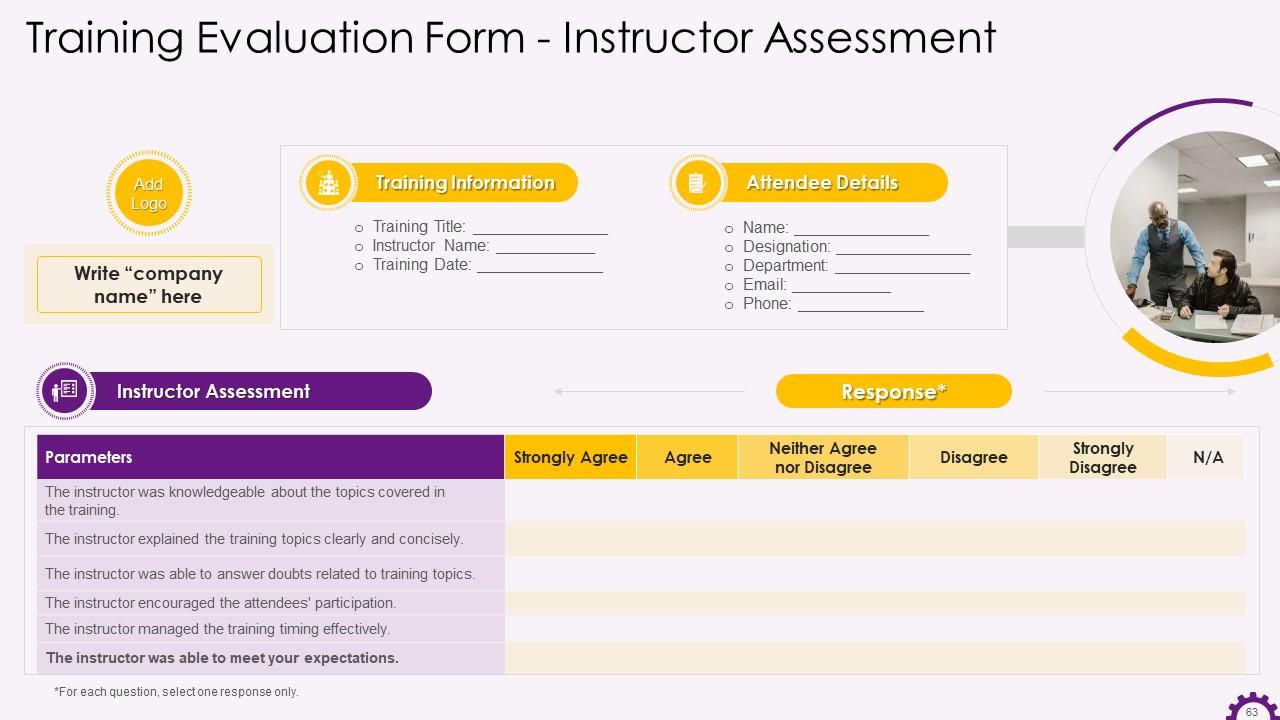
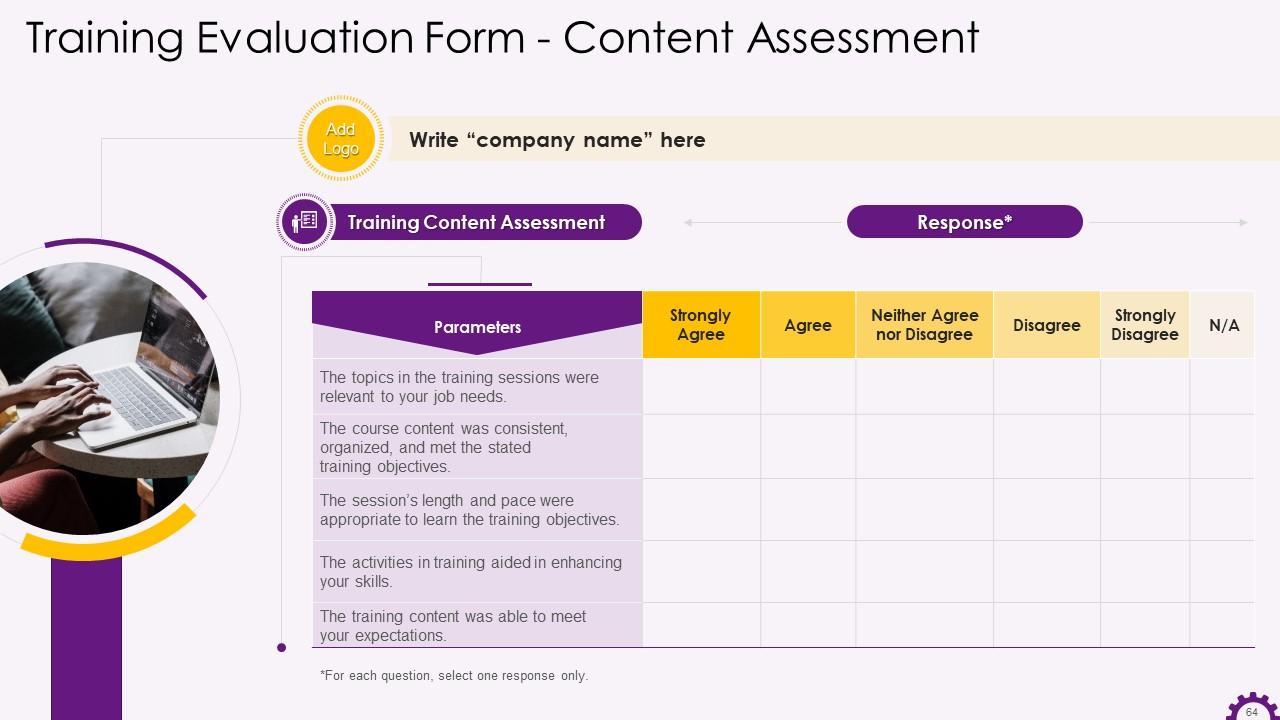
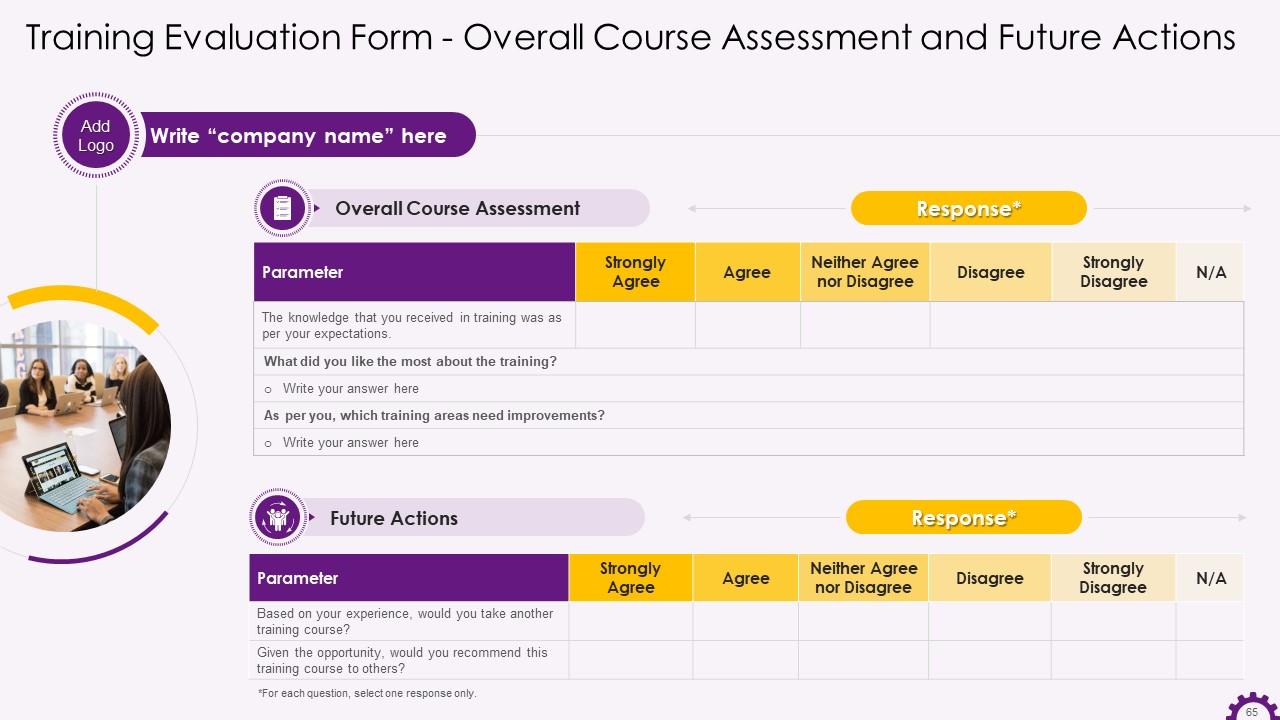
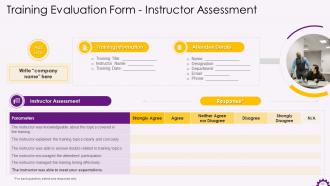
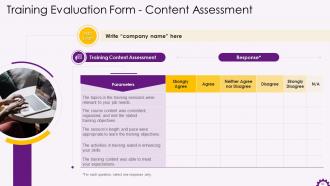
Diese Folien enthalten ein Schulungsbewertungsformular für die Dozenten-, Inhalts- und Kursbewertung.
Digital Transformation Case Studies Training ppt mit allen 70 Folien:
Nutzen Sie unsere Digital Transformation Case Studies Training ppt, um effektiv dabei zu helfen, Ihre wertvolle Zeit zu sparen. Sie sind gebrauchsfertig und passen in jede Präsentationsstruktur.
FAQs for Digital Transformation Case
You want case studies with real numbers - ROI, cost savings, revenue bumps, whatever actually mattered. Don't settle for vague "we digitized everything" nonsense. Good ones spell out exactly which tools they used and how. Honestly, the best case studies include the screwups too - what went wrong and how they fixed it. That's where you learn the most. Timeline and budget details are gold if you can find them. Oh, and team structure helps too since you'll probably wonder how many people this actually took. Without those specifics, it's just fancy marketing material that won't help you much.

Hey! So most companies track ROI by looking at the obvious stuff - cost savings, revenue bumps, productivity boosts. But don't forget the softer wins like happier customers and employees. Here's the thing though - you absolutely have to set your baseline metrics first. I can't tell you how many places screw this up by diving in headfirst. Track progress as you go instead of waiting till the end. A balanced scorecard works great - mix financial numbers with operational stuff and customer data. Oh, and pick maybe 3-5 KPIs that actually matter to your goals. More than that gets messy fast.
Dude, training is everything. Seriously - I've watched companies dump crazy money into fancy new systems and then act shocked when nobody uses them. Your people need way more than just "here's how to click this button." They need help wrapping their heads around why everything's changing in the first place. The mindset stuff is honestly harder than the technical part. Don't wait until the last minute either - start early and keep it going. Otherwise you're just setting everyone up to fail, which sucks for everyone involved.
Oh totally! Retail's your best bet - Target and Walmart basically rebuilt everything around mobile apps and that whole "buy online, pick up in store" thing. Healthcare blew up too, especially telehealth (COVID was like a gift to that industry honestly). Banks went crazy with mobile stuff and fraud detection. Even old school companies like GE started putting sensors everywhere to predict when machines might break. Manufacturing gets boring but the tech is actually pretty cool. I'd probably start with whatever industry you're looking at though - way easier to find relevant examples that way.
Honestly, the biggest pain points are always the same few things. Your employees will fight you on new systems - nobody wants to learn different software when they've got their routines down. Budget? Yeah, expect that to spiral. Legacy systems are absolute hell to integrate with modern stuff. Your data's probably a disaster too, way messier than anyone admits upfront. Most teams don't have the digital skills either, so you're basically starting from scratch there. Leadership buy-in makes or breaks everything - I've seen projects die because executives weren't really committed. Don't try to overhaul everything at once though. Start with one small area, get it right, then expand from there.
Look, customer expectations are literally what drives your whole digital transformation strategy. They want seamless shopping across all channels? You're investing in inventory systems and mobile apps. Post-COVID everyone expects telehealth and easy booking - honestly, took long enough. Banking customers demand instant everything now, plus AI chat support. Manufacturing clients? Real-time tracking and self-service portals. Here's the thing though - you've gotta map out what's actually frustrating your customers first. Then build your tech roadmap around fixing those specific problems instead of just grabbing whatever's trendy.
So data analytics are like your GPS for digital transformation - they show you patterns and help predict what'll actually happen next. Companies use customer data to fix their apps or supply chain info to automate stuff. Real-time dashboards are huge because teams can change direction fast instead of waiting for those quarterly reports (which are basically ancient history anyway). Honestly, the measuring what works vs. what you think works part is where most people get surprised. Just start with one metric your team actually cares about and build from there.
Oh man, legacy systems are such a pain. It's like trying to fix up your house when the foundation is falling apart - nothing works right. Your old tech can't play nice with new stuff, so data gets trapped everywhere and you end up with this weird patchwork that barely functions. Plus maintaining all that ancient infrastructure costs a fortune, which kills your budget for actual improvements. Most companies that figure it out go slow though - they don't blow everything up at once. Instead they modernize piece by piece and build bridges between old and new systems. Honestly, just start by figuring out what's actually running first.
Honestly, the worst mistake is going too big right away. Pick one small thing first. Also - and this might sound obvious but I swear everyone misses it - you gotta get people excited about the change, not just dump new software on them. I've watched so many companies blow their budget on fancy tech while their employees are basically staging a quiet revolt. Make sure you know what success looks like upfront too, otherwise you're just guessing if anything's working. Training takes forever, by the way. Way longer than you think.
Honestly, leadership buy-in is everything for digital transformation. Without it, you're basically dead in the water. I've seen so many projects crash and burn because executives just weren't really committed - they'd say the right things but then wouldn't fund it properly or clear obstacles. The stats are pretty brutal too: 70% failure rate when leadership's checked out vs. 30% when they're actually engaged. Your leaders need to be out there selling the vision, cheering on wins, and dealing with pushback directly. Don't even think about starting without getting them truly on board first.
Honestly, most companies that actually pull this off stick to the basics. AWS, Azure, Google Cloud - those are the big three you'll hear about. Tableau and Power BI pop up constantly since everyone suddenly realizes they have no clue what their data means. API stuff for connecting old systems (sounds boring but it works). Then there's automation tools, CRM updates, mobile apps. The smart ones don't go crazy trying to change everything. They grab 2-3 technologies and actually get them right first. Way better than the companies that bite off more than they can chew and end up with a mess.
Honestly, just pick ONE thing that's actually bleeding money or losing customers - maybe your invoicing mess or switching to cloud project management. Don't try to overhaul everything like those huge companies (they're stuck in committee hell anyway). You've got the advantage here because you can move fast. Look for stuff that'll pay for itself in 3-6 months, then use those savings for the next upgrade. Skip expensive consultants at first - there are tons of small business platforms that won't break your budget. Being scrappy isn't a weakness, it's your superpower.
Oh man, digital transformation totally flips how teams operate. Some people jump right in and get creative with new tools. Others freak out and dig in their heels - which honestly makes sense if nobody explained what's happening. I've watched companies completely mess this up by skipping the "why are we doing this" conversation. Find your early adopters first and let them spread the excitement naturally. People need training though, not just new software dumped on them. When it works, everyone feels way more capable of making smart decisions with better data.
Honestly, the best companies don't just slap security on at the end - they build it right into everything from the start. Do a security audit before rolling out new stuff, trust me on this one. Train your people on the new risks they'll face with digital tools. Set up clear rules about who can access what data. Here's the thing though - most companies actually use this whole transformation thing as an excuse to completely overhaul their security anyway. It's like renovating your house and finally fixing that leaky roof you've been ignoring. Keep running security checks regularly, not just once and done.
Honestly, every company I've seen do this right starts super small - like one annoying process that everyone complains about. Get the executives on board first or you're dead in the water. Then spend way more time than you think on change management because people will sabotage new systems if they feel left out. Data governance sounds awful but it'll bite you later if you skip it. The companies that actually focus on customers instead of just shiny tech? Those are the ones killing it. Also, pilot projects beat big transformations every single time.
-
“I've always gotten excellent slides from them and the customer service is up to the mark.”
-
Editable, diversified, compatible with MS PPT and Google Slides, and on top of that finest graphics!! I mean in the words of the famous Ross Geller, “What more do you want!”