

Digital transformation digital organization analytics digital technology strategy business





Try Before you Buy Download Free Sample Product
 Impress Your
 Audience
 100%
100% Editable
 Save Hours
 of Time


Digital transformation is the process of using digital technologies to create new or improved business processes, products, and services. It can also be defined as the integration of digital technology into all areas of a business, resulting in a more efficient and effective organization.There are many benefits of digital transformation, including increased productivity, better customer engagement, and improved decision-making. Digital Transformation PPT can help businesses keep up with the changing needs of their customers and stay ahead of the competition. In order to stay ahead of the curve in today’s digital age, companies must undergo a digital transformation. This process can be daunting, but with the right tools and resources it doesn’t have to be. At SlideTeam, we want to help businesses succeed during their digital transformations by providing them with our extensive set of PowerPoint templates. These templates cover all aspects of the transformation journey, from analytics and data management to technology strategy and business planning. So if you’re ready to take your business into the future, download our templates now and let us help you get started on your successful digital transformation.
People who downloaded this PowerPoint presentation also viewed the following :
Content of this Powerpoint Presentation
Slide 1: This slide introduces Digital Transformation. State Your Company Name and begin.
Slide 2: This slide shows Four Stages of Digital Transformation as- Customer Experience Omni-channel, Asset & Internet Of Things, Supplier Collaboration Business Networks, Workforce Engagement.
Slide 3: This slide presents Six Stages Digital Transformation Strategy with Icons.
Slide 4: This slide displays Digital Transformation Channel Flexibility & Cloud Solutions.
Slide 5: This slide represents Digital Transformation describing- Optimizing Operations, Empowering Employees, Transforming Products, Engaging Customers.
Slide 6: This slide showcases Digital Transformation for Continuous Improvement & Business Growth.
Slide 7: This slide shows Five Diamonds Digital Transformation Process Integration & Insights.
Slide 8: This slide presents Digital Transformation Operational Architecture & Solution Selection.
Slide 9: This slide displays Five Stages Loop for Digital Transformation with Icons.
Slide 10: This slide represents Five Steps of Digital Transformation Strategy, Culture, Process, Innovation.
Slide 11: This slide showcases Four Stages Digital Transformation Flow Chart.
Slide 12: This is a Thank You slide with address, contact numbers and email address.
Digital transformation digital organization analytics digital technology strategy business with all 12 slides:
Use our Digital Transformation Digital Organization Analytics Digital Technology Strategy Business to effectively help you save your valuable time. They are readymade to fit into any presentation structure.
-
Digital Transformation
-

Four Stages of Digital Transformation Business Network Collaboration
-
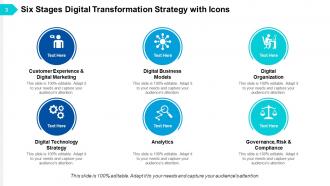
Six Stages Digital Transformation Strategy with Icons
-

Digital Transformation Channel Flexibility Cloud Solutions
-
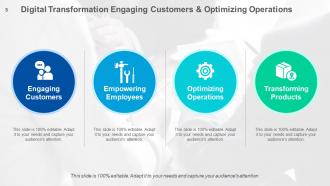
Digital Transformation Engaging Customers Optimizing Operations
-
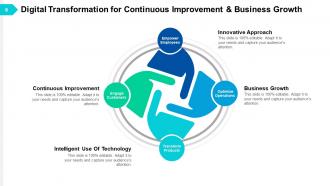
Digital Transformation for Continuous Improvement Business Growth
-
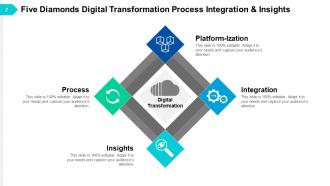
Five Diamonds Digital Transformation Process Integration Insights
-
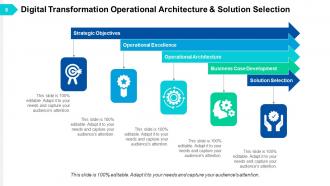
Digital Transformation Operational Architecture Solution Selection
-
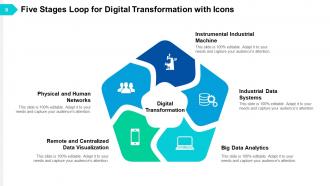
Five Stages Loop for Digital Transformation with Icons
-
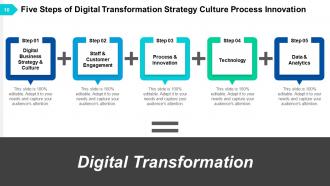
Five Steps of Digital Transformation Strategy Culture Process Innovation
-

Four Stages Digital Transformation Flow Chart
-

Thank You
FAQs for Digital transformation digital organization analytics digital
Look, you need leadership that's actually on board - not just nodding along in meetings. Clear vision matters too, plus solid employee training. I can't stress this enough: companies always mess up by ignoring the people side of things. Get your tech infrastructure sorted, beef up cybersecurity, and build a culture where people don't freak out over change. Oh, and let customer experience guide everything you do. Start with figuring out where you are now digitally, then go after some quick wins to show value. That momentum thing is huge for getting buy-in later.
So there are these free digital maturity assessments online - McKinsey and Deloitte have decent ones. They basically score how your company's doing with tech infrastructure, data analytics, customer experience, and whether your team actually knows what they're doing digitally. Leadership buy-in is huge too (honestly, that's where most places fail). You'll get rated somewhere between "digital beginner" and "digital native" - kinda cheesy names but whatever. Once you see your weak spots, you can figure out what to tackle first and map out your game plan from there.
Oh man, leadership makes or breaks this stuff. They can't just announce "we're going digital now!" and expect magic to happen. People need to actually understand WHY it matters, you know? The money part is huge too - leadership has to put real resources behind it, not treat it like some weekend hobby project. There's always going to be pushback from teams who think "our old way works fine." I've watched so many companies crash and burn because their leaders just... weren't really leading. Your friend needs champions at the top who'll actually fight for the transformation and back up their teams when things get messy.
Honestly, customers are basically calling the shots on digital transformation. They want faster service and seamless mobile stuff, so you've gotta upgrade your tech or they'll bounce to competitors who will. The bar keeps getting higher - sometimes feels never-ending, right? But here's what I've noticed: their feedback actually shows you blind spots in your systems you probably missed. Instead of stressing about the pressure, use their behavior data to figure out which digital projects will actually make a difference. Their expectations can be your roadmap if you play it smart.
Honestly, cloud computing is probably your best starting point - way cheaper than building your own infrastructure and you can scale up fast. AI and automation are huge too, especially for cutting down on repetitive stuff that's eating up everyone's time. I'm kinda biased toward cloud-first since I've watched companies completely flip their operations just from that move alone. APIs are clutch for getting all your systems talking to each other without headaches. My advice? Look at what's slowing your team down the most right now, then grab whatever tech fixes those specific problems first.
Honestly, data analytics is like having a crystal ball for your business decisions. Instead of guessing what'll work, you get actual proof of what's happening. Real-time dashboards show you bottlenecks before they blow up into disasters. You'll spot customer patterns and efficiency issues that would fly right under your radar otherwise. The predictive stuff is pretty cool too - you can test different strategies without burning through your budget first. My advice? Pick 2-3 metrics that actually matter for your goals and start there. Don't overcomplicate it from day one.
Honestly, the two big ones are always people hating change and money being tight. Everyone's used to how things work now, and learning new software feels like a pain - which, let's be real, it usually is at first. Leadership tends to lowball how much training you actually need too. Technical stuff breaks constantly, especially if you've got old systems that don't play nice together. Most places also rush everything instead of doing proper change management. Start with a small pilot group first - way less stressful. And spend the money on good training upfront or you'll be dealing with confused users forever.
Track both the obvious stuff (cost savings, revenue bumps) and the softer metrics like customer satisfaction scores. Honestly, the soft stuff often matters more in the long run. Set up your baseline measurements first - can't measure success without knowing where you started, right? Dashboard everything consistently for at least 12-18 months since this kind of change is slow to show real results. Employee productivity and faster product launches are huge wins but harder to pin exact dollar amounts on. Don't expect overnight miracles though.
Honestly, the key is making it safe to mess up. Give people time to play around with ideas - Google's 20% thing actually works. Set up spaces where different teams can hang out and brainstorm together. When someone fails spectacularly? Celebrate it publicly if they learned something valuable. Your executives need to take risks first though - nobody else will if leadership plays it safe. Oh, and create small budgets teams can grab without filling out a million forms. That approval process kills creativity faster than anything.
Honestly, compliance can either totally derail your digital transformation or actually speed it up - just depends how you handle it. Healthcare, finance, manufacturing... they all have crazy strict rules about data and security that you can't ignore. Here's the thing though - most teams treat it like something to worry about later, which is backwards. Map out what you need to comply with first, THEN pick your tech stack. Trust me, retrofitting compliance into systems you've already built is a nightmare and super expensive. It's way smarter to let those requirements guide your decisions from the start.
Honestly, remote work just throws you headfirst into going digital - ready or not. Suddenly you need cloud stuff, collaboration apps, all that tech just to function. Kind of terrifying but it works? The good part is you'll finally modernize those ancient processes you've been putting off forever. Your team gets comfortable with new tools when they're using them every day instead of avoiding them. I'd start by looking at what gaps remote work revealed (probably more than you expected) and tackle the biggest pain points first.
Honestly, treat security like the foundation of a house - build it in from the start, don't try to add it later. Do risk assessments before jumping into any new tech. I've watched companies get burned rushing into cloud stuff without thinking it through first. Train your people regularly because they'll accidentally click on anything. Zero-trust architecture is your friend here, and yeah, keep everything updated (I know, boring but necessary). Oh and this is key - get your IT and security folks talking to each other early in the planning phase. They don't always play nice together but they need to.
API integration is probably your smartest move here - lets old systems chat with new ones without ripping everything apart. Middleware works well too, basically acts as a translator between them. Data migration is an option but way more disruptive. Don't do the full "rip and replace" thing unless you hate yourself. That always turns into a nightmare. I'd start with small pilot tests first - figure out what breaks before you commit to anything big. Your IT people will actually like you if you take it slow instead of trying to change the entire world in one go.
Dude, training is honestly what makes or breaks digital transformation. Most companies blow tons of cash on shiny new tech then wonder why nobody uses it - it's because they didn't train people properly. You've got to teach your team the actual tools, sure, but also get them comfortable with constant change and trying new stuff. I've seen so many expensive systems just sit there unused because management thought people would magically figure it out. Don't do generic "digital skills" training either. Figure out your biggest gaps first, then build something specific around those. Oh, and make it ongoing - not some one-off workshop thing.
Oh man, this is huge. Seriously can't stress it enough - you've gotta talk to actual users constantly. I made the mistake once of building this whole feature nobody even wanted, total waste of time. User feedback shows you what's broken, UX research reveals how people naturally behave with your stuff. Without both? You're just guessing and will probably create something that pisses everyone off. Even if your team loves it internally, real users might hate it. Start gathering feedback super early, like even when your prototype looks like garbage.
-
Awesome design
-
Awesome design
-
It's so helpful and professional
-
Best way of representation of the topic.
-
Innovative and Colorful designs.
-
..