Diapositives de présentation PowerPoint de la solution de transformation numérique
Try Before you Buy Download Free Sample Product
Audience
Editable
of Time
Présentation des diapositives de présentation PowerPoint de la solution de transformation numérique. Intégrez une technologie modernisée dans tous les domaines de votre entreprise en utilisant ce modèle PPT de plan de changement numérique. Changez fondamentalement votre façon de créer de la valeur et d'opérer sur le marché. Défiez votre statu quo et surmontez toutes les difficultés en incorporant cette présentation PowerPoint sur la transformation de l'entreprise dans le fonctionnement de votre entreprise. Ce graphique PPT de changement technologique spécifique à un sujet et largement étudié s'avérera utile pour les hommes d'affaires qui cherchent à adopter la technologie moderne et à la mettre en œuvre dans leur culture de travail. De plus, cela vous aidera à ajouter de la valeur à chaque interaction client en utilisant davantage de technologie. En outre, vous pouvez discuter de l'importance, des éléments clés, des obstacles, de la manière d'y parvenir et d'autres aspects de la transformation numérique en utilisant cette mise en page PowerPoint du plan de changement technologique. Par conséquent, téléchargez dès maintenant cette présentation PowerPoint de plan de transformation professionnelle et extrêmement utile pour faciliter le changement technologique dans vos opérations commerciales.
Caractéristiques de ces diapositives de présentation PowerPoint :
Ce jeu comprend un total de dix-sept diapositives. Cette plate-forme de présentation prête pour le contenu est entièrement modifiable. Modifiez la couleur, le texte et la taille de la police. Vous pouvez également modifier le contenu selon vos besoins. Vous pouvez également télécharger ce thème PPT dans des formats tels que PDF, PNG et JPG, ce qui le rend accessible à la fois. Il est disponible dans les formats 4:3 et 16:9.
People who downloaded this PowerPoint presentation also viewed the following :
Contenu de cette présentation Powerpoint
Diapositive 1 : Cette diapositive présente la solution de transformation numérique. Indiquez le nom de votre entreprise et commencez.
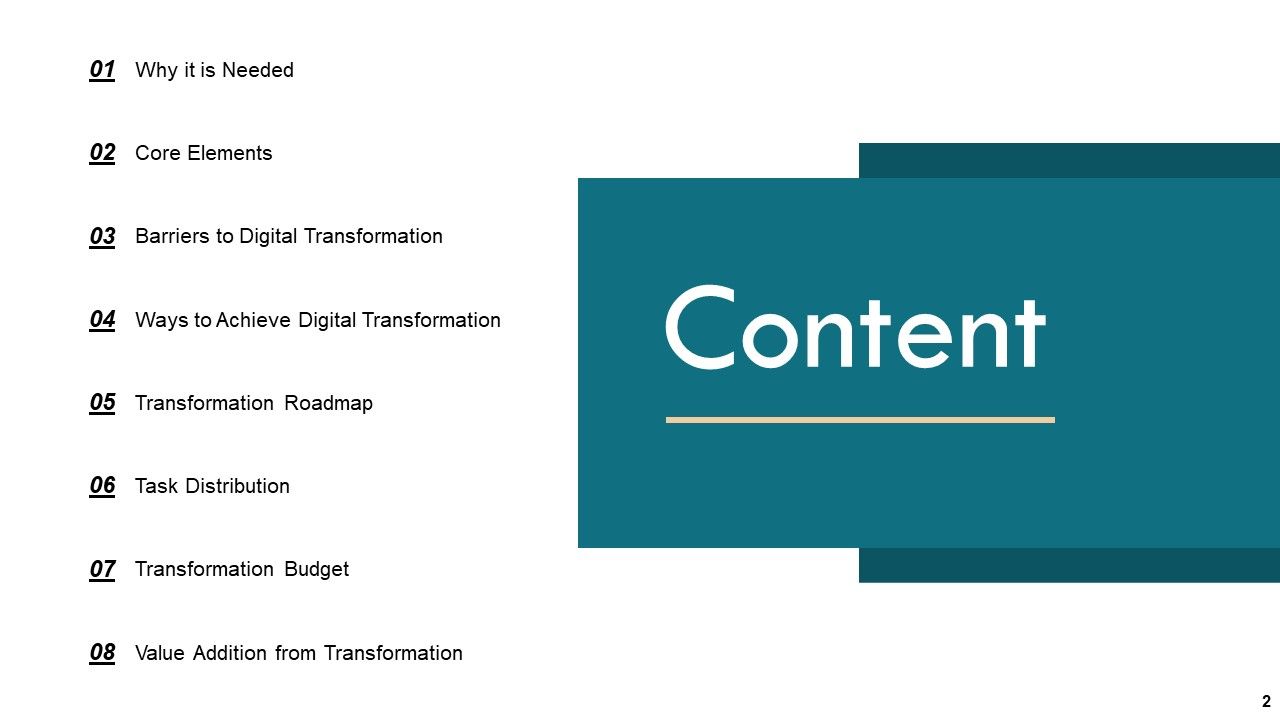
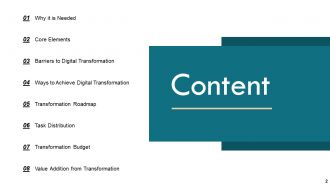
Diapositive 2 : Cette diapositive montre le contenu de la présentation.
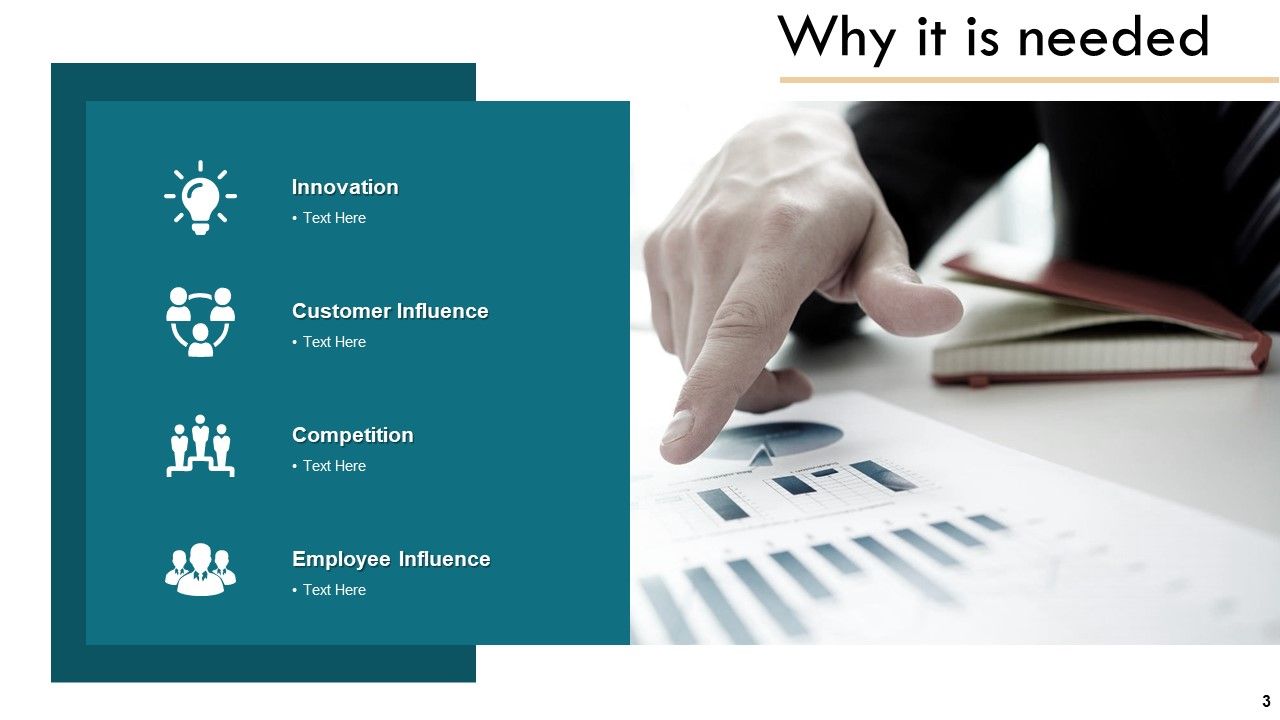
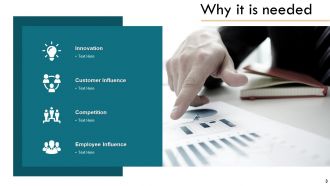
Diapositive 3 : Cette diapositive montre pourquoi elle est nécessaire : Innovation, influence des clients, concurrence, influence des employés.
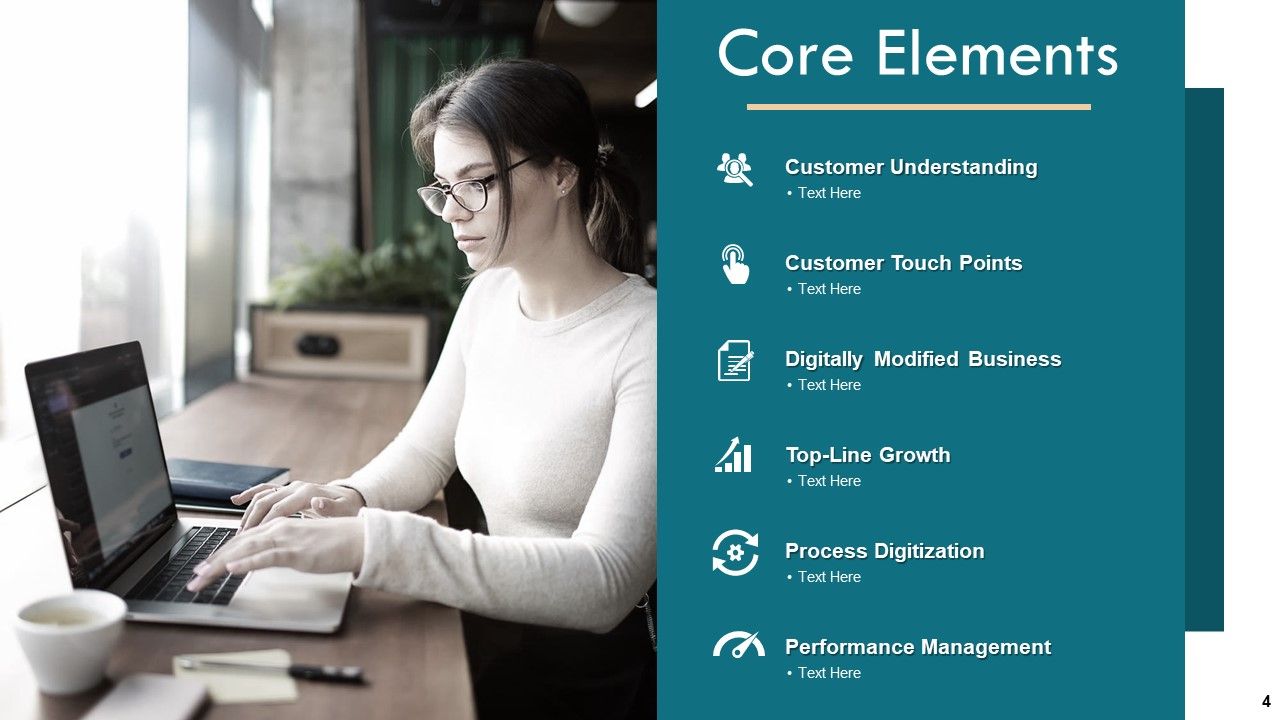
Diapositive 4 : Cette diapositive présente les éléments de base décrivant la compréhension du client, les points de contact client, les activités modifiées numériquement, la gestion des performances, la numérisation des processus, la croissance du haut de gamme.
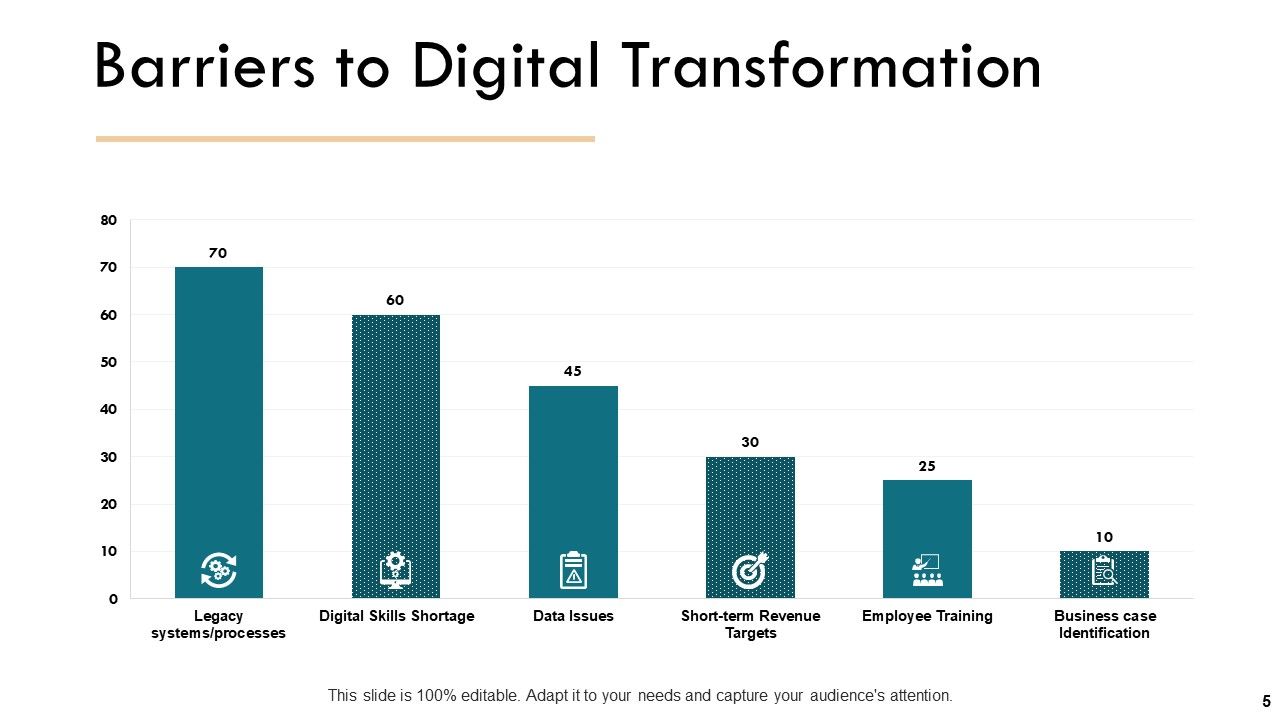
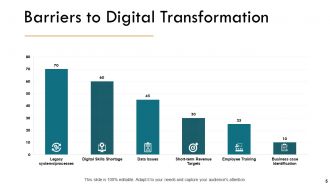
Diapositive 5 : Cette diapositive affiche les obstacles à la transformation numérique sous forme graphique.
Diapositive 6 : Cette diapositive représente les moyens de réaliser la transformation numérique.
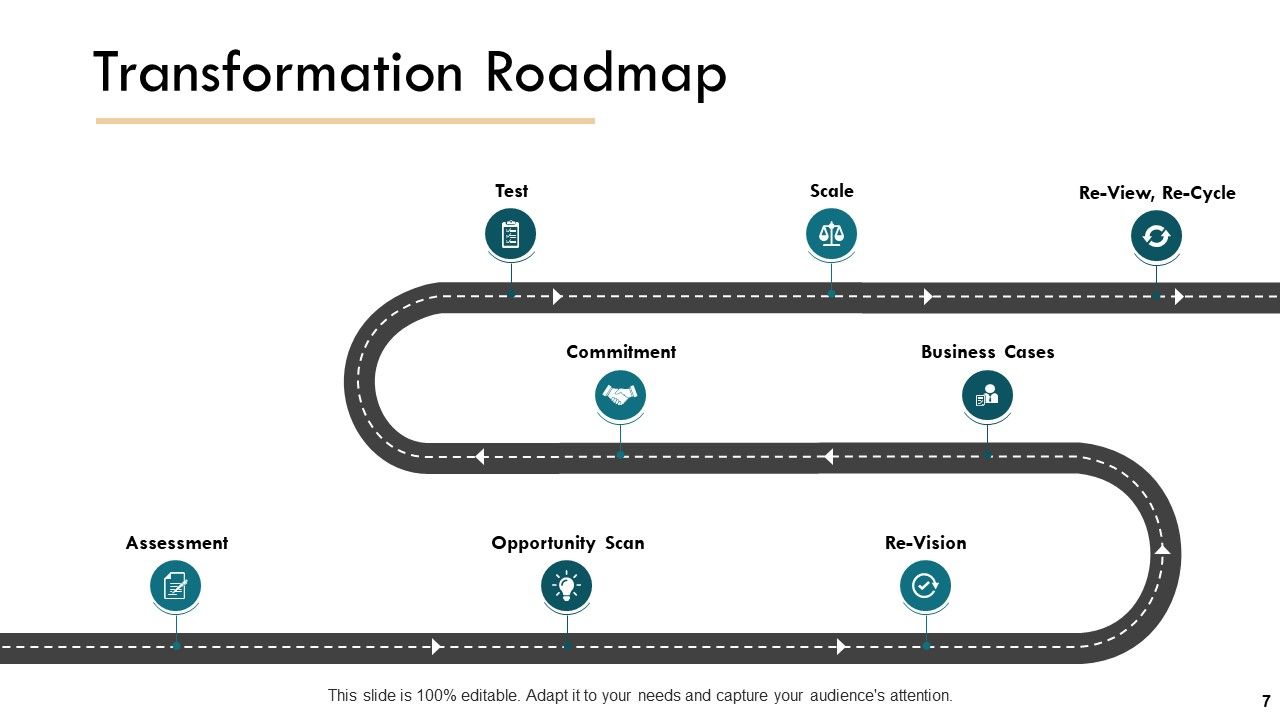
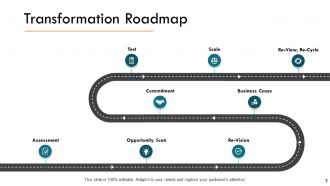
Diapositive 7 : Cette diapositive présente la feuille de route de la transformation décrivant : analyse des opportunités, révision, analyse de rentabilisation, engagement, test, mise à l'échelle, révision, révision, cycle, évaluation.
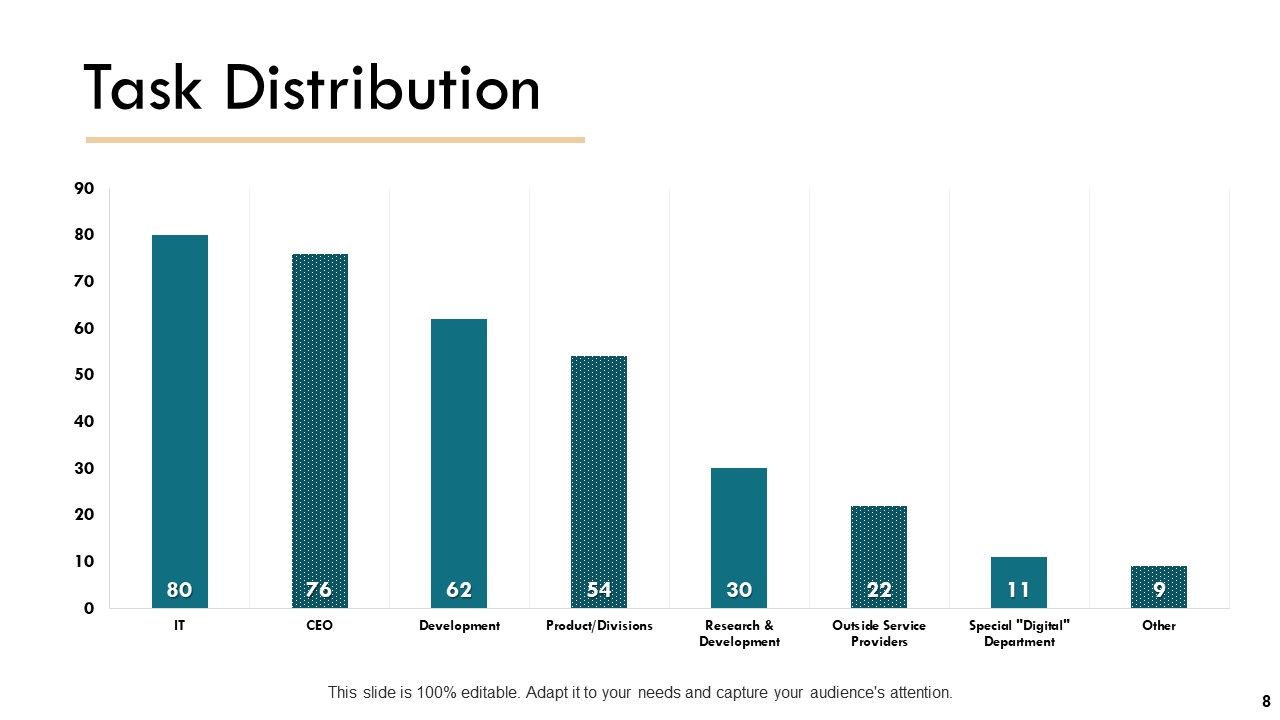
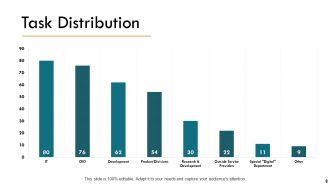
Diapositive 8 : Cette diapositive montre la répartition des tâches sous forme graphique.
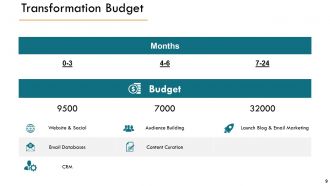
Diapositive 9 : Cette diapositive présente le budget de transformation. Vous pouvez ajouter ou modifier des données selon les besoins.
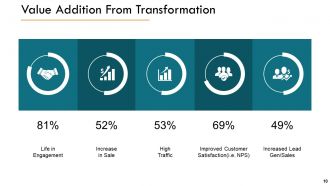
Diapositive 10 : Cette diapositive représente la valeur ajoutée issue de la transformation.
Diapositive 11 : Cette diapositive affiche les icônes de la solution de transformation numérique.
Diapositive 12 : Ceci est la diapositive À propos de nous pour montrer les spécifications de l'entreprise, etc.
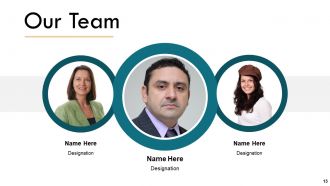
Diapositive 13 : Ceci est la diapositive Notre équipe avec les noms et la désignation.
Diapositive 14 : Ceci est une diapositive de citations pour transmettre un message, des croyances, etc.
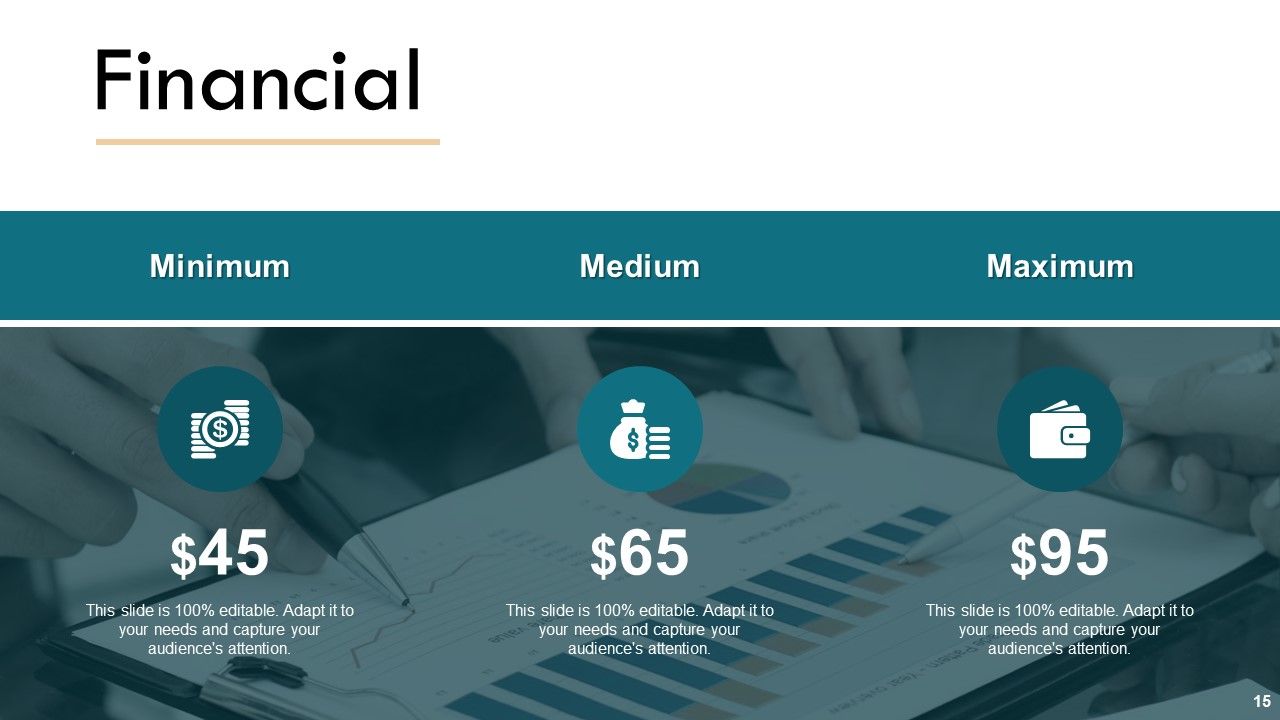
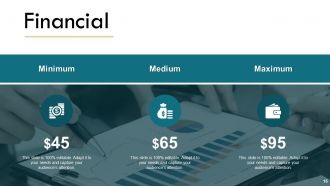
Diapositive 15 : Il s'agit d'une diapositive financière. Montrez vos trucs liés aux finances ici.
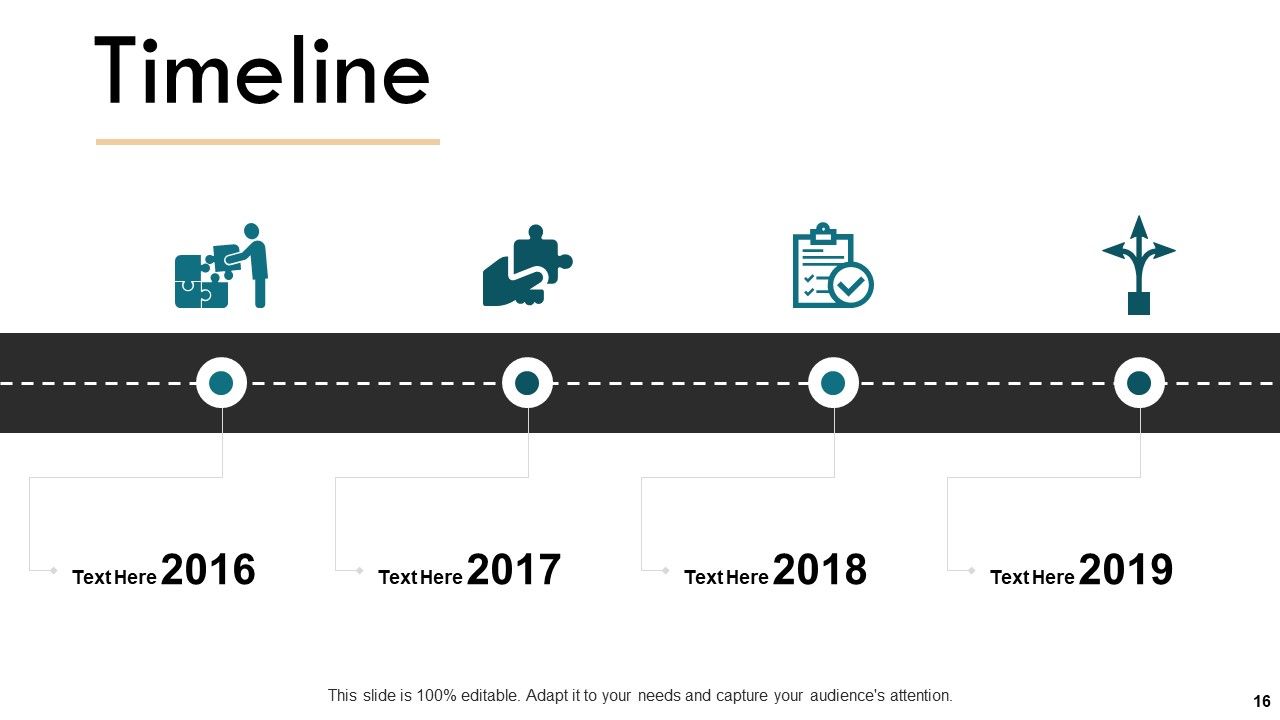
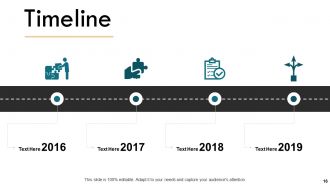
Diapositive 16 : Il s'agit d'une diapositive de chronologie pour afficher des informations relatives à la période de temps.
Diapositive 17 : Il s'agit d'une diapositive de remerciement avec l'adresse, les numéros de contact et l'adresse e-mail.
Digital Transformation Solution Powerpoint Présentation Diapositives avec les 17 diapositives :
Créez une équation qui vous aide à atteindre vos objectifs avec nos diapositives de présentation PowerPoint sur la solution de transformation numérique. Trouvez la formule correcte.
FAQs for Digital transformation solution
So many companies blow this by jumping straight to fancy tech stuff, but honestly you need leadership on board first with a real vision. Employee training is huge too - change management basically. Your data infrastructure probably needs work, and yeah you'll want digital tools that actually fix real problems (not just look cool). Metrics help track if it's working. Oh and start with small pilot projects instead of going crazy trying to change everything. People, process, then technology - that order matters way more than most executives think.
Track the obvious stuff first - cost savings, revenue bumps, how much faster processes run. Customer satisfaction scores are huge too, though honestly they're harder to tie directly back to your digital changes. Employee productivity matters but it's kinda messy to measure. Here's the thing though - you need baseline numbers before you start anything, otherwise you're just guessing later. Set up quarterly check-ins to compare against where you started. Don't wait to begin measuring, even if you're still figuring out the transformation part.
Honestly, leadership makes or breaks these things. I've watched so many projects just die because executives weren't really on board - they'd say the right words but then not put their money where their mouth is. You need C-suite people who actually get technology and can explain to everyone why this isn't just another buzzword initiative. They've gotta break down those departmental walls too, which is harder than it sounds. Short version? If your leaders are just going through the motions, you're probably screwed from the start.
Honestly, AI and IoT are game-changers for going digital. IoT connects all your physical stuff to the internet, while AI makes sense of that data and automates decisions. You'll get real-time optimization, way better customer experiences, and you can catch problems before they become expensive disasters. The combo creates business models most companies haven't even imagined yet - which is pretty wild when you think about it. My advice? Pick one small project first instead of trying to transform everything at once. Way less overwhelming that way.
Honestly, the hardest part is always getting people on board - everyone freaks out about change. Your team probably doesn't have the skills yet either. Budget's another killer, especially when executives don't get that ROI takes time. Oh, and integrating with old systems? Absolute pain. Security concerns pile on top of that mess, plus you're drowning in tech options. Here's what actually works: run tiny pilot projects first to show results. Get the bosses excited early. Spend serious money on training your people - like, way more than you think you need. Change management isn't sexy but it'll save your butt.
Dude, this stuff can totally make or break everything. I've watched companies blow ridiculous amounts of money on fancy tech that just sits there collecting digital dust because nobody knows how to use it. Get your people involved from day one - show them how it actually benefits THEM, not just the company. Proper hands-on training is huge too. Oh, and find those early adopters who are excited about change? They're gold for getting everyone else on board. Honestly sounds obvious but so many places skip this step and then act shocked when nothing works.
First thing - map out what you've got now, all your systems and how data moves around. APIs are usually the way to go for connecting old stuff to new without ripping everything apart. Middleware can be a lifesaver too, basically acts like a translator between your crusty old databases and shiny new apps. Oh, and sandbox everything first - learned that one the hard way. Roll things out slowly instead of trying to do it all at once. You'll want to document every connection point obsessively because when something breaks at 2am, you'll be grateful you did.
Honestly, put your customers first when you're doing any digital stuff. I'd map out their whole journey before touching any tech - see where they're getting annoyed or stuck. That's your starting point right there. Don't just digitize things because you can (I've seen so many companies waste money doing exactly that). Every new tool or process change should make life easier for customers somehow. Short version: audit where people interact with your business, find the pain points, then figure out which technology actually fixes those problems. Makes way more sense than going backwards.
Retail, healthcare, finance, and manufacturing are getting absolutely crushed right now. Look, if you don't have solid e-commerce, you're basically toast - everyone's shopping online. Banks are scrambling to build better mobile apps while healthcare is digitizing patient records and pushing telemedicine hard. Manufacturing? They're obsessed with IoT and automation stuff. Honestly, any industry that deals directly with customers or has messy operational chains needs to figure out their digital game ASAP. My cousin works in supply chain and says it's been chaos for companies that didn't adapt.
Honestly, you've gotta make people feel safe to mess up first. Nobody's gonna try anything new if they think you'll roast them for failing. Celebrate the smart failures - yeah, even the ones that don't work out. Give teams some free time to tinker around (Google's famous for that 20% thing). Here's the real kicker though: you need to actually DO this stuff yourself. Try new things, admit when they flop. Maybe start with some hackathons or small challenges to get the ball rolling. But seriously - follow through on the good ideas that surface. Nothing kills creativity faster than watching suggestions vanish into thin air.
Oh man, don't try to digitize your whole company overnight - that's a disaster waiting to happen. Start with one process that'll actually make a difference. Your employees will either love you or hate you for this, so include them from day one. Most companies get obsessed with fancy tech but forget their actual workflows need to change too. Data security can't be an afterthought either, trust me on that one. Training takes way longer than anyone thinks it will. Pick something small, nail it completely, then build from there. Way less stressful that way.
Honestly, you need data analytics set up first or you're just blindly throwing cash at fancy tech. Think of it as your GPS - shows you which processes are actually broken (not just the ones everyone whines about). Quick wins become obvious, which keeps the bosses happy. I learned this the hard way at my last job. Short sentences work: it tracks if changes stick. Long-term success means making decisions based on real numbers instead of hunches. Set up your measurement system before you start changing anything so you can see progress from day one.
Look, digital transformation massively expands your attack surface. More cloud stuff, IoT gadgets, remote workers - each one's another way hackers can get in. It's like adding rooms to your house but leaving the doors wide open. Security can't be an afterthought you slap on later. Your security folks need to be in those planning meetings from the start, not just showing up to fix disasters. I've seen too many companies learn this the hard way. Build it into every initiative or you'll regret it.
So cloud computing is basically the foundation for going digital - gives you flexibility and cost savings without those crazy upfront costs. You can move old systems over, let people work remotely, and get access to AI stuff and analytics. Honestly, dealing with your own servers is just a pain at this point. The cool thing is you can test ideas super fast since spinning up new services is easy and you only pay for what you actually use. I'd start with moving non-critical apps first - they're good for testing the waters without risking too much.
Dude, customer feedback is everything when you're doing digital transformation. Don't just build cool tech because it sounds fun - I've watched so many companies do this and fail hard. Survey your customers first about what actually pisses them off with your current setup. That becomes your roadmap. Focus on fixing real problems, not imaginary ones. During rollouts, keep asking for feedback so you can pivot fast if something's not working. The whole point is solving pain points that matter to users, not impressing people with shiny new features they'll never use.
-
Helpful product design for delivering presentation.
-
Presentation Design is very nice, good work with the content as well.
-
Awesomely designed templates, Easy to understand.