Digitale Transformationstools Powerpoint-Präsentationsfolien
Try Before you Buy Download Free Sample Product
Audience
Editable
of Time
Mit unseren inhaltsbereiten Digitalen Transformationstools PowerPoint-Präsentationsfolien lenken Sie die Aufmerksamkeit Ihrer Zuschauer auf Aspekte der Digitalisierung. Digitaler Wandel ist die Transformation von Geschäftsprozessen durch Technologieinitiativen. Die Grundlagenwerkzeuge des digitalen Wandels PowerPoint-Komplettpaket enthält professionell gestaltete Vorlagen wie Komponenten und Barrieren der digitalen Transformationsstrategie, Wege zur digitalen Transformation, Transformations-Roadmap, Aufgabenverteilung, Transformationsbudget, Mehrwert aus der Transformation, Tortendiagramme, Balkendiagramme , Kombinationsdiagramm usw. Alle Folien sind vollständig bearbeitbar und können nach Bedarf bearbeitet werden. Darüber hinaus eignen sich aufstrebende digitale Tools PowerPoint-Präsentationsfolien auch zur Präsentation von Konzepten wie Digitalisierung, IT-Integration, digitale Transformation, Schlüsseltechnologien der digitalen Transformation, digitale Revolution, Informationsrevolution, um nur einige zu nennen. Dieses PPT-Design für die Unternehmenstransformation enthält Infografik-Folien, die Ihnen helfen, eine integrative und umfassende Präsentation zu erstellen. Laden Sie dieses kreativ gestaltete Präsentationsdeck herunter, um wichtige Tools zur Unterstützung der digitalen Transformation zu präsentieren. Erfahren Sie mehr über die Bedeutung einer fairen Berichterstattung mit unseren Powerpoint-Präsentationsfolien für digitale Transformationstools. Erläutern Sie Journalismus.
Funktionen dieser PowerPoint-Präsentationsfolien:
Diesen Foliensatz mit Namen präsentieren - Digital Transformation Tools Powerpoint-Präsentationsfolien. Dieses passend gestaltete, bearbeitbare PPT-Deck enthält vierundzwanzig Folien. Unser themenspezifisches Präsentationsdeck zu Digital Transformation Tools Powerpoint Präsentationsfolien hilft dabei, das Thema mit einem klaren Ansatz zu entwickeln. Wir bieten eine große Auswahl an maßgeschneiderten Folien mit allen möglichen relevanten Diagrammen und Grafiken, Übersichten, Vorlagen für Themenunterthemen und Analysevorlagen. Spekulieren, diskutieren, entwerfen oder demonstrieren Sie alle zugrunde liegenden Aspekte ohne Schwierigkeiten. Dieses Deck besteht auch aus kreativen und professionell aussehenden Folien aller Art, um das Ziel einer Präsentation effektiv zu erreichen. Sie können es einzeln oder als Team in jeder Unternehmensorganisation präsentieren.
People who downloaded this PowerPoint presentation also viewed the following :
Inhalt dieser Powerpoint-Präsentation
Folie 1 : Diese Folie stellt Tools für die digitale Transformation vor. Geben Sie Ihren Firmennamen an und beginnen Sie.
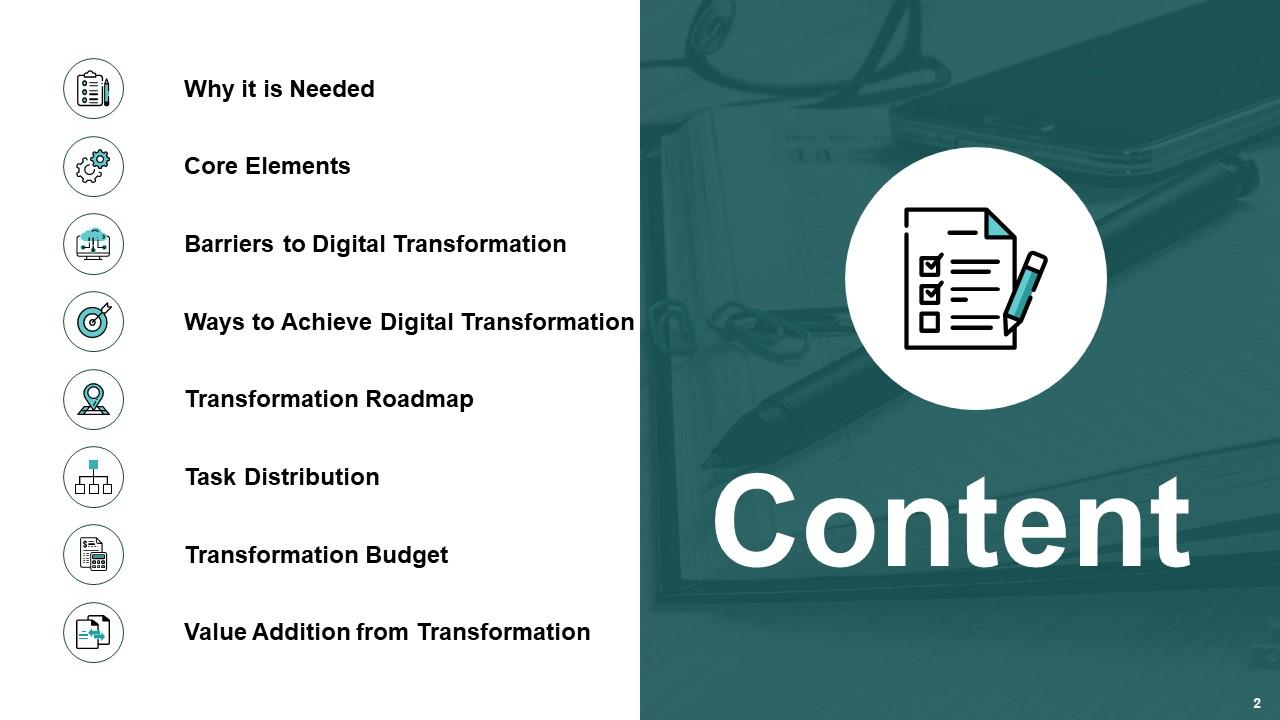
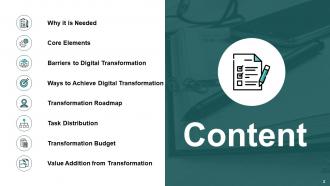
Folie 2 : Diese Folie zeigt den Inhalt der Präsentation.
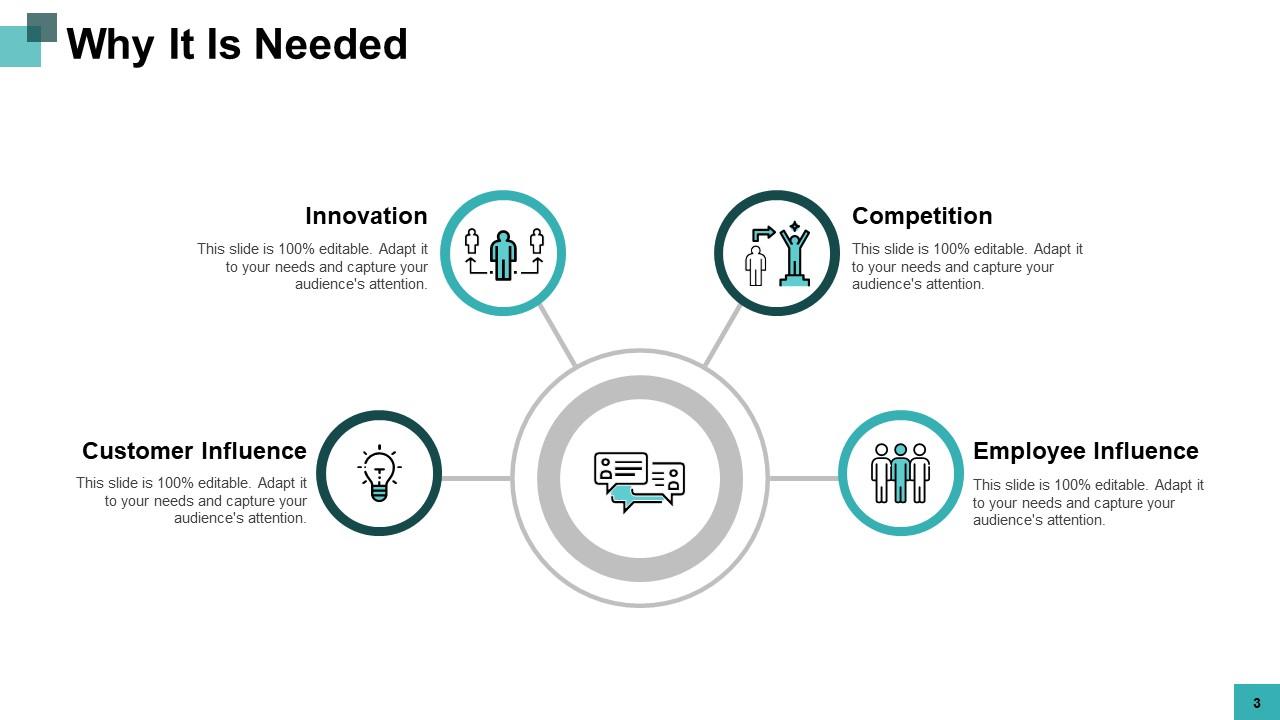
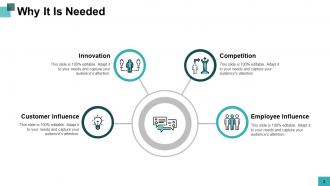
Folie 3 : Diese Folie zeigt, warum eine Beschreibung erforderlich ist – Innovation, Kundeneinfluss, Wettbewerb, Mitarbeitereinfluss.

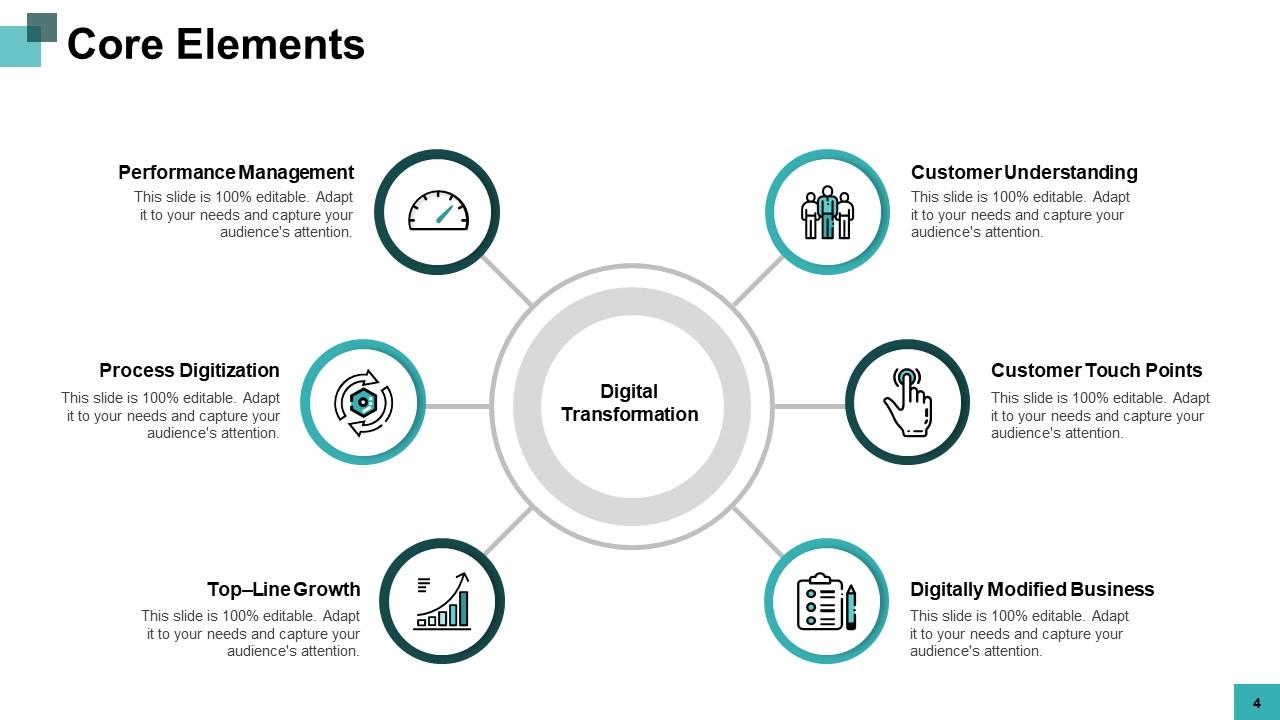
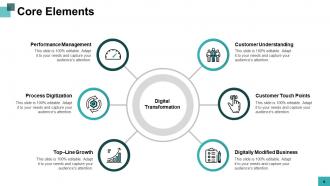
Folie 4 : Diese Folie stellt die Kernelemente vor, die beschreiben – Kundenverständnis, Kundenkontaktpunkte, digital modifiziertes Geschäft, Leistungsmanagement, Prozessdigitalisierung, Top-Line-Wachstum.
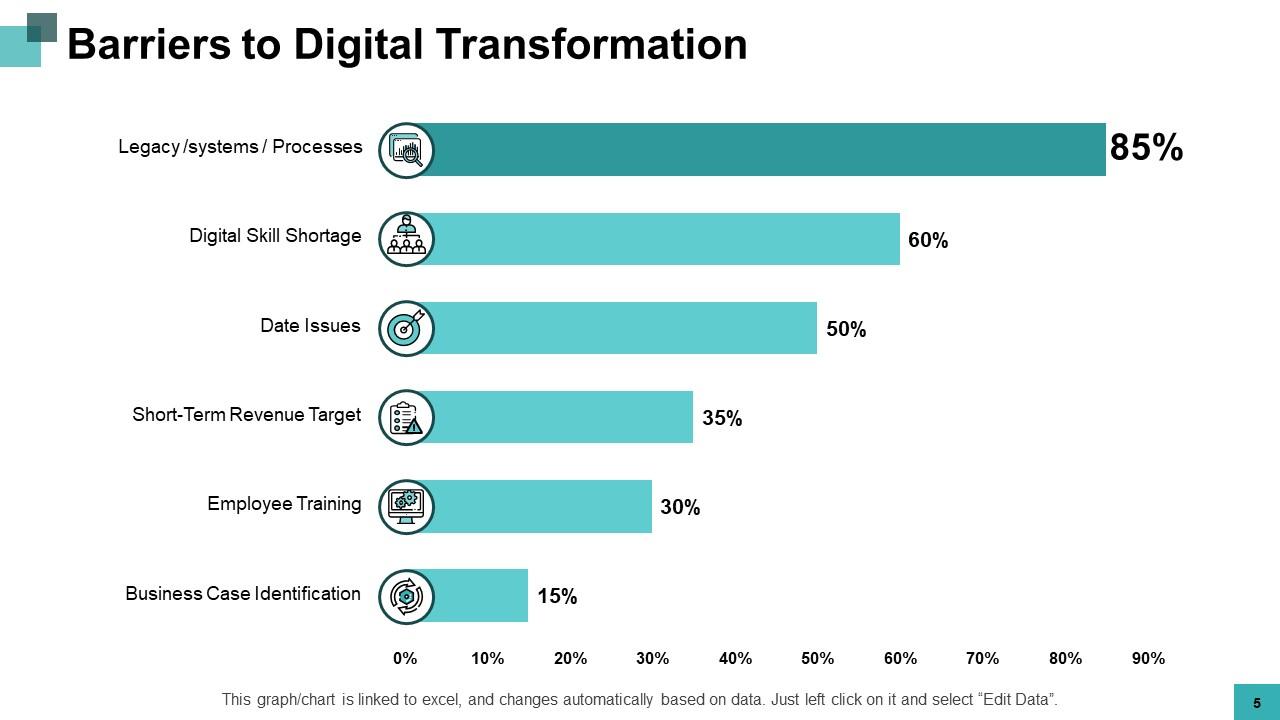
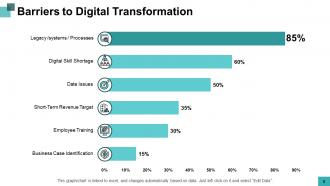
Folie 5 : Diese Folie zeigt Hindernisse für die digitale Transformation in grafischer Form.
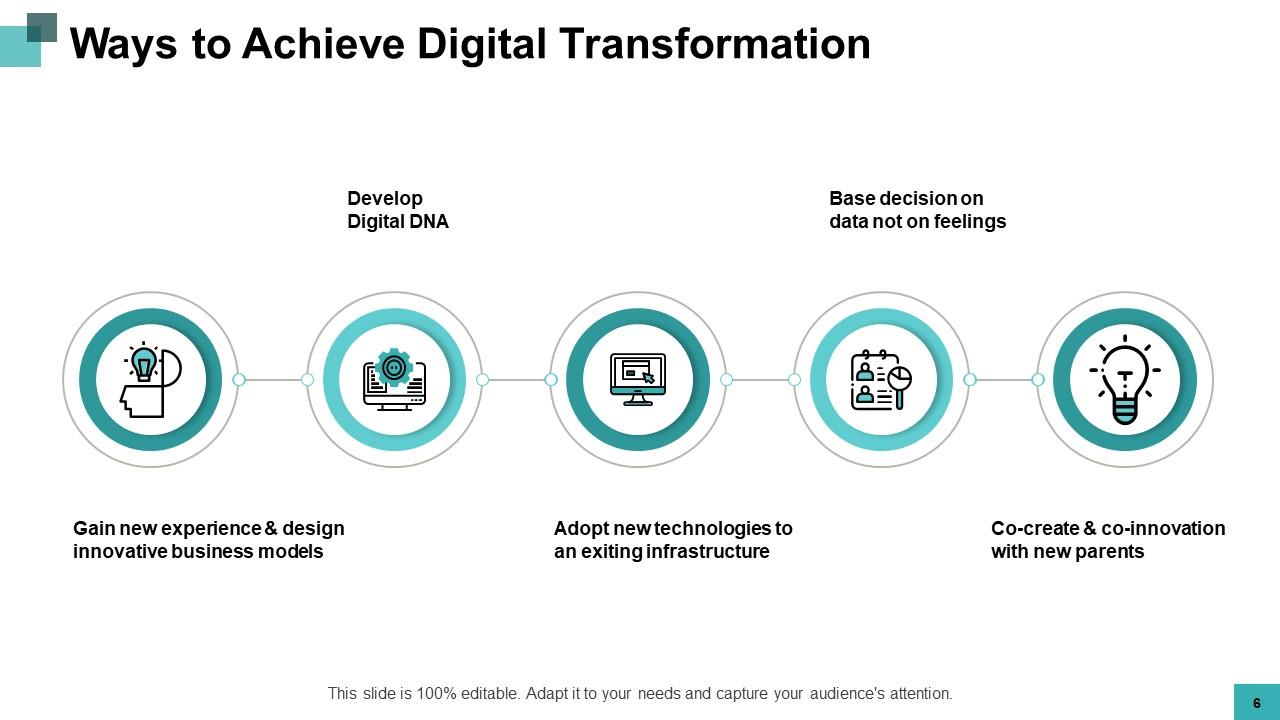
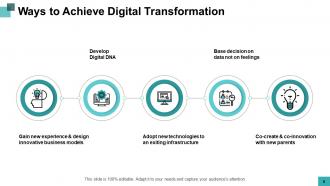
Folie 6 : Diese Folie stellt Wege zur Erreichung der digitalen Transformation dar.
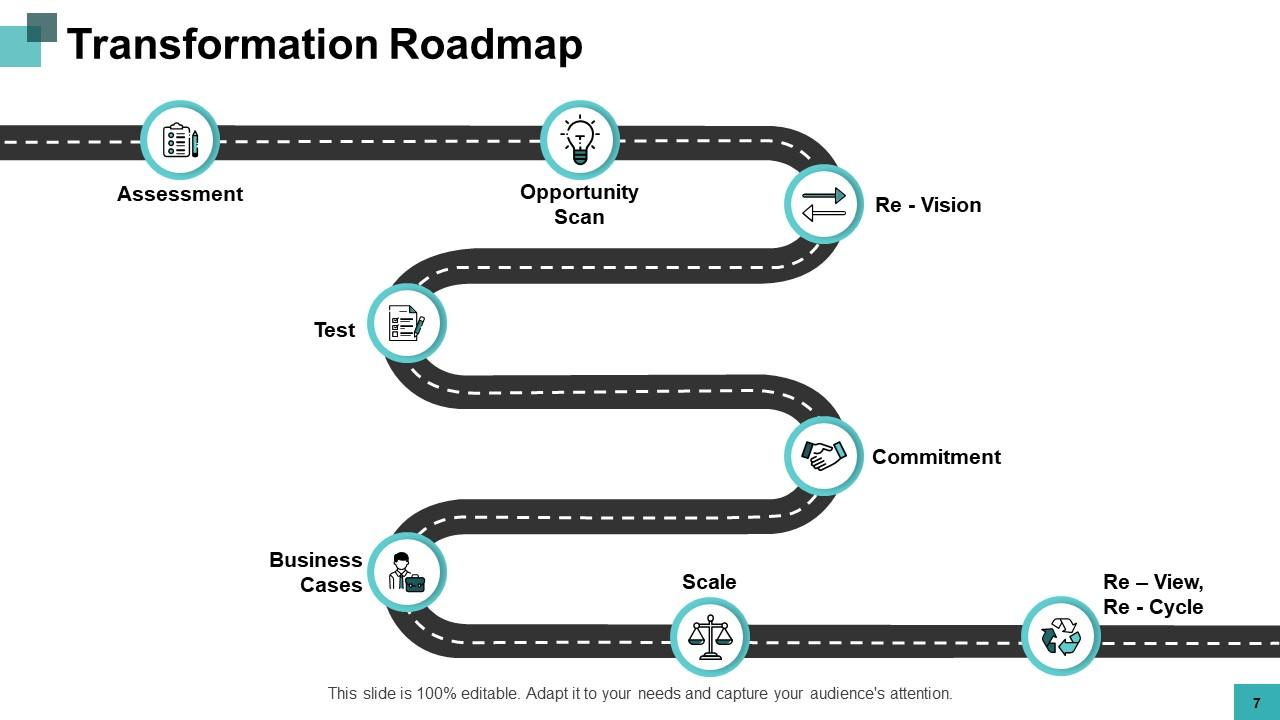
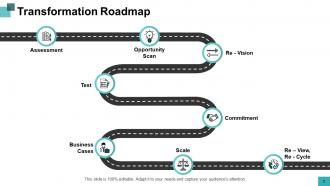
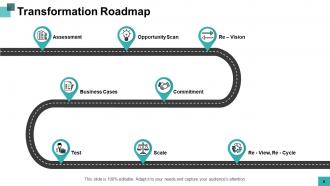
Folie 7 : Diese Folie zeigt eine Transformations-Roadmap mit Beschreibungen von Opportunity Scan, Re-Vision, Business Cases, Commitment, Test, Scale, Re-View, Re-Cycle, Assessment.
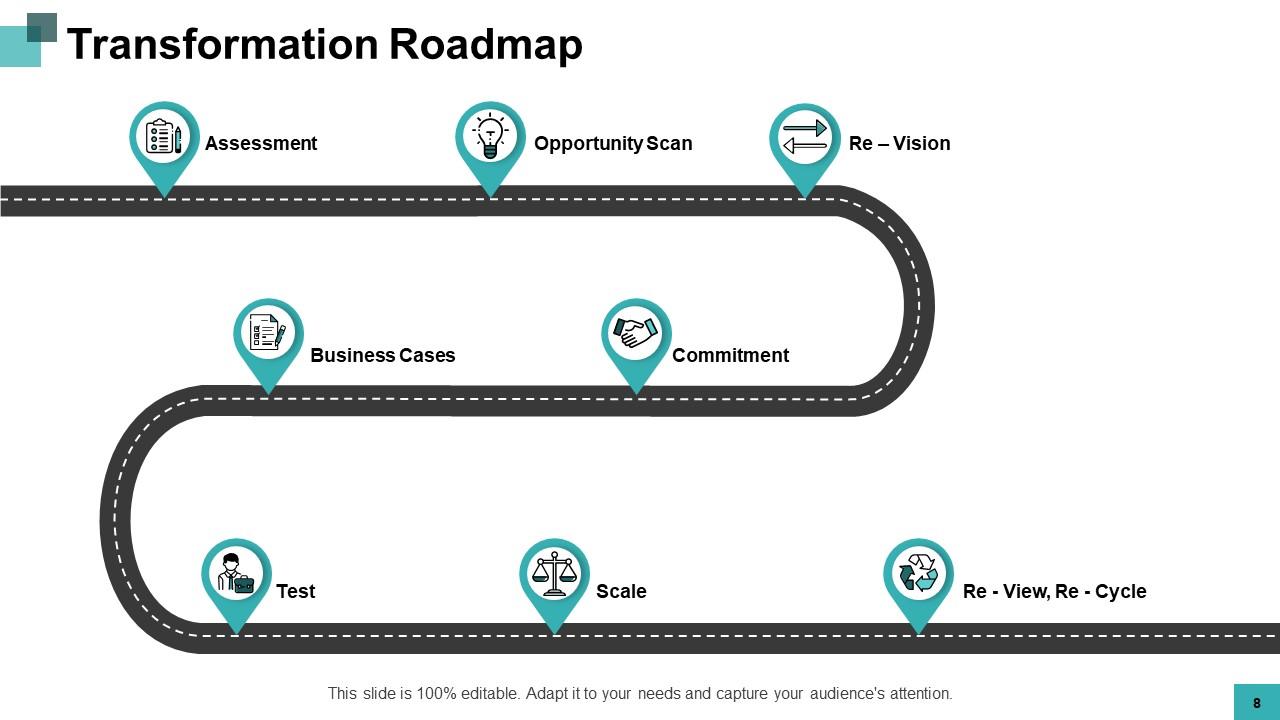
Folie 8 : Dies ist eine weitere Folie zur Transformations-Roadmap.
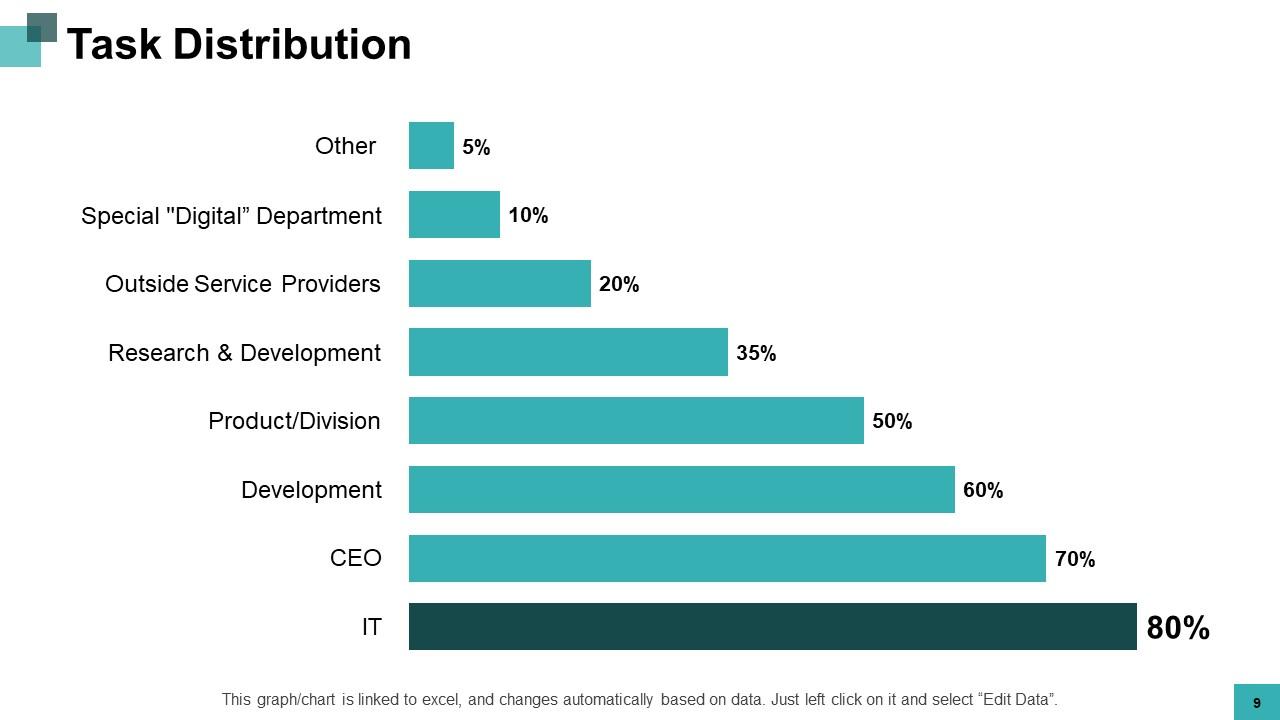
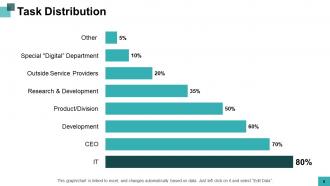
Folie 9 : Diese Folie zeigt die Aufgabenverteilung in grafischer Form.
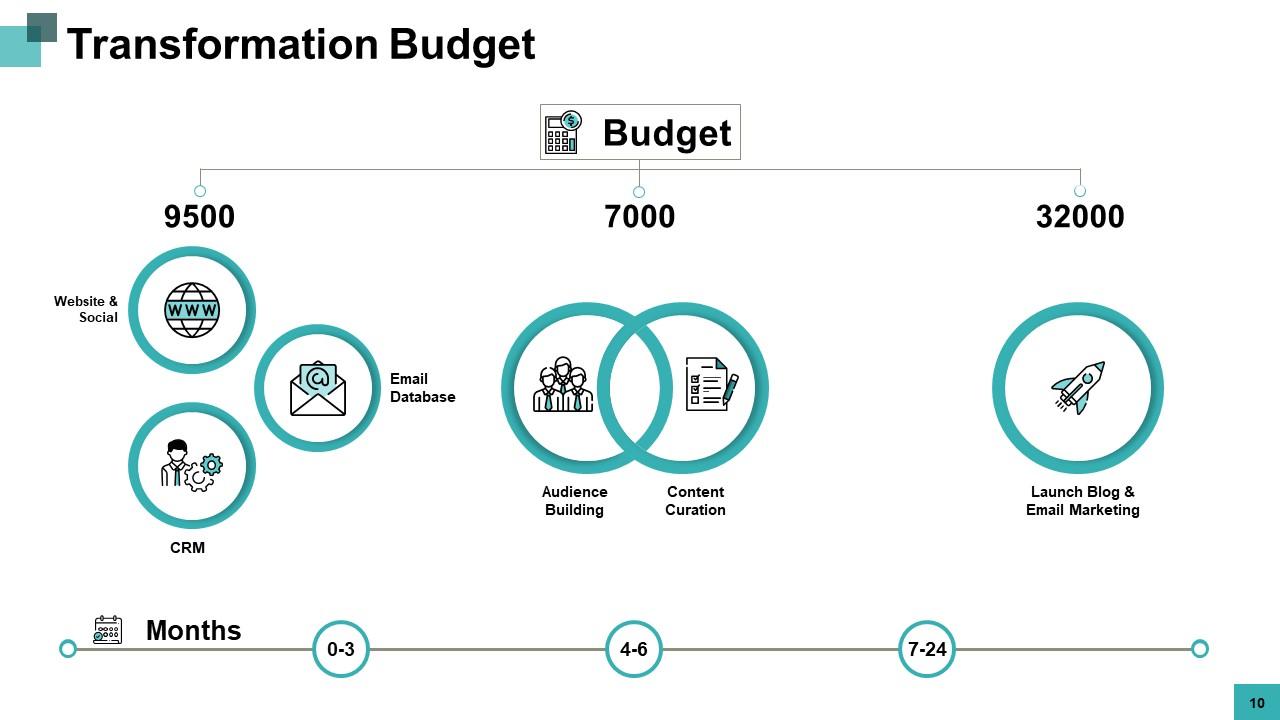
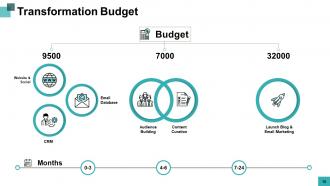
Folie 10 : Diese Folie zeigt das Transformationsbudget mit den dazugehörigen Symbolen und Textfeldern.
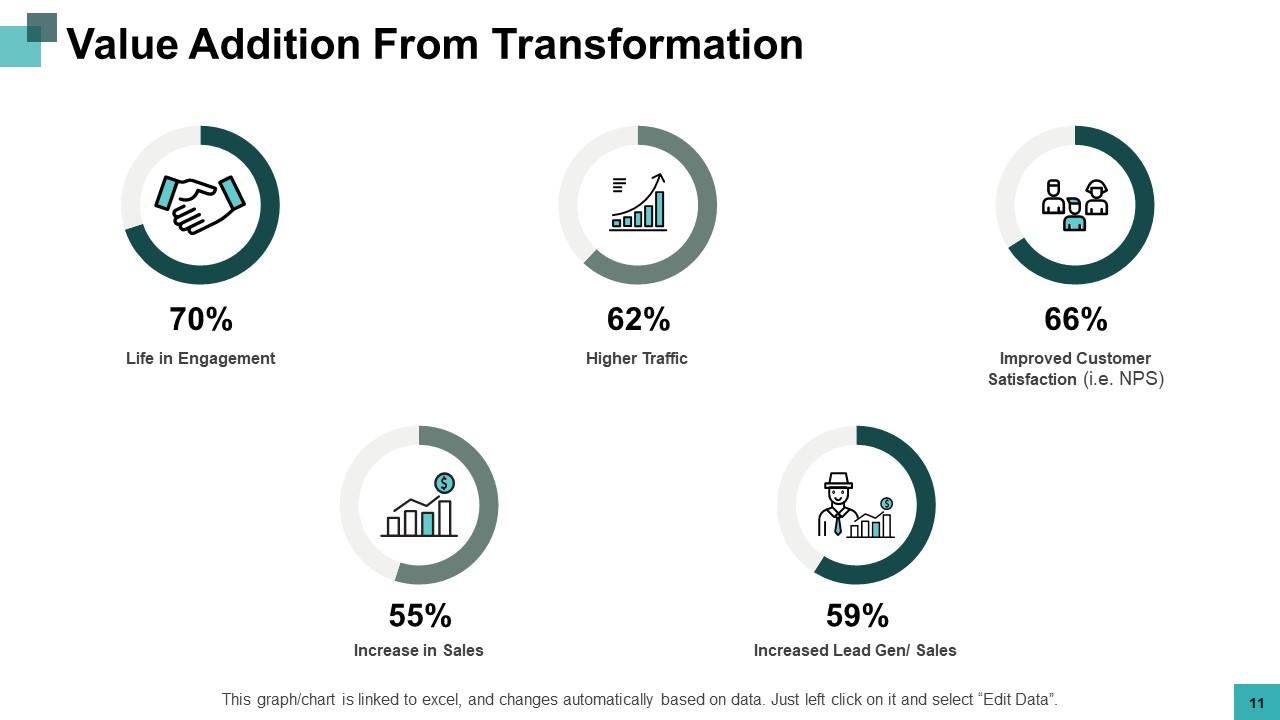
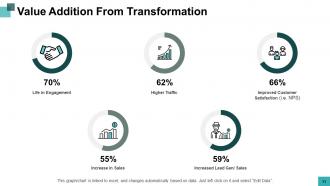
Folie 11 : Diese Folie repräsentiert die Wertschöpfung durch Transformation.
Folie 12 : Diese Folie zeigt die Symbole für digitale Transformationstools.
Folie 13 : Diese Folie trägt den Titel „Zusätzliche Folien“, um vorwärts zu gehen.
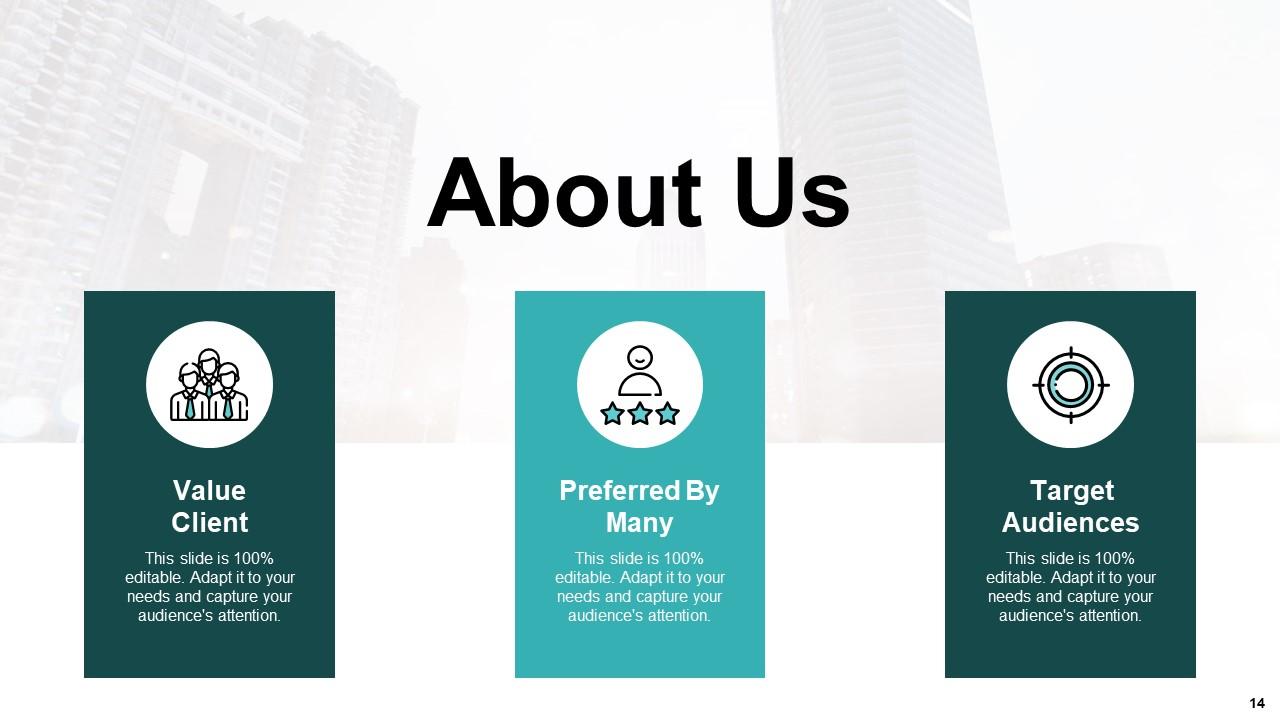
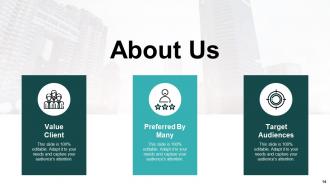
Folie 14 : Dies ist eine Über uns-Folie, um Firmenspezifikationen usw. zu zeigen.
Folie 15 : Diese Folie trägt den Titel Post It. Veröffentlichen Sie hier Ihre wichtigen Notizen.
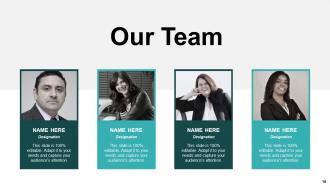
Folie 16 : Dies ist die Folie unseres Teams mit Namen und Bezeichnung.
Folie 17 : Dies ist eine Puzzle-Folie mit Textfeldern, um Informationen anzuzeigen.
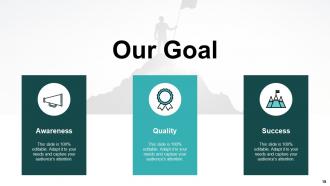
Folie 18 : Dies ist die Folie „Unser Ziel“. Zeigen Sie hier Ihre Ziele.
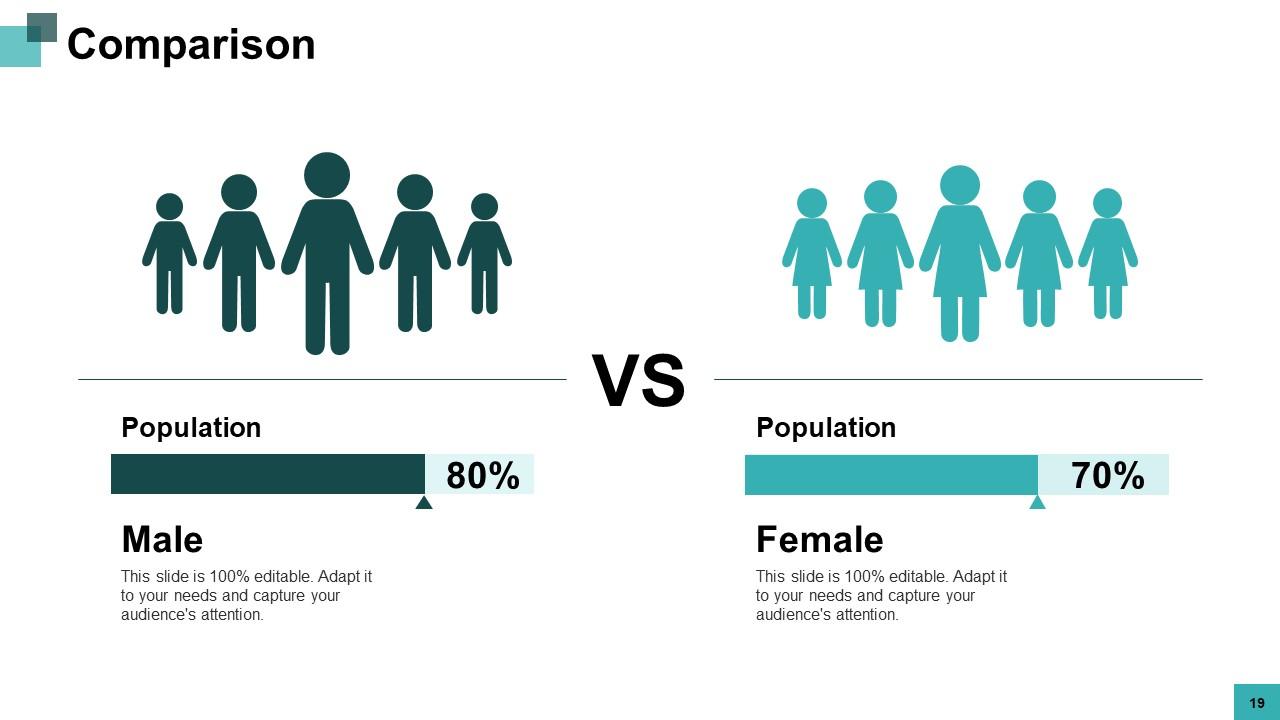
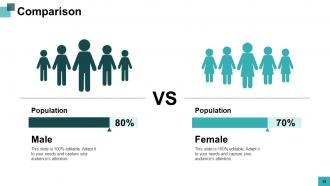
Folie 19 : Dies ist eine Vergleichsfolie zum Vergleich zwischen Waren, Einheiten usw.
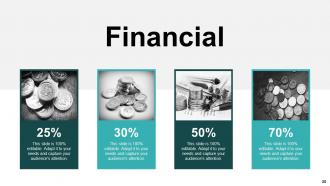
Folie 20 : Dies ist eine Finanzfolie. Zeigen Sie hier Ihre Finanzinformationen.
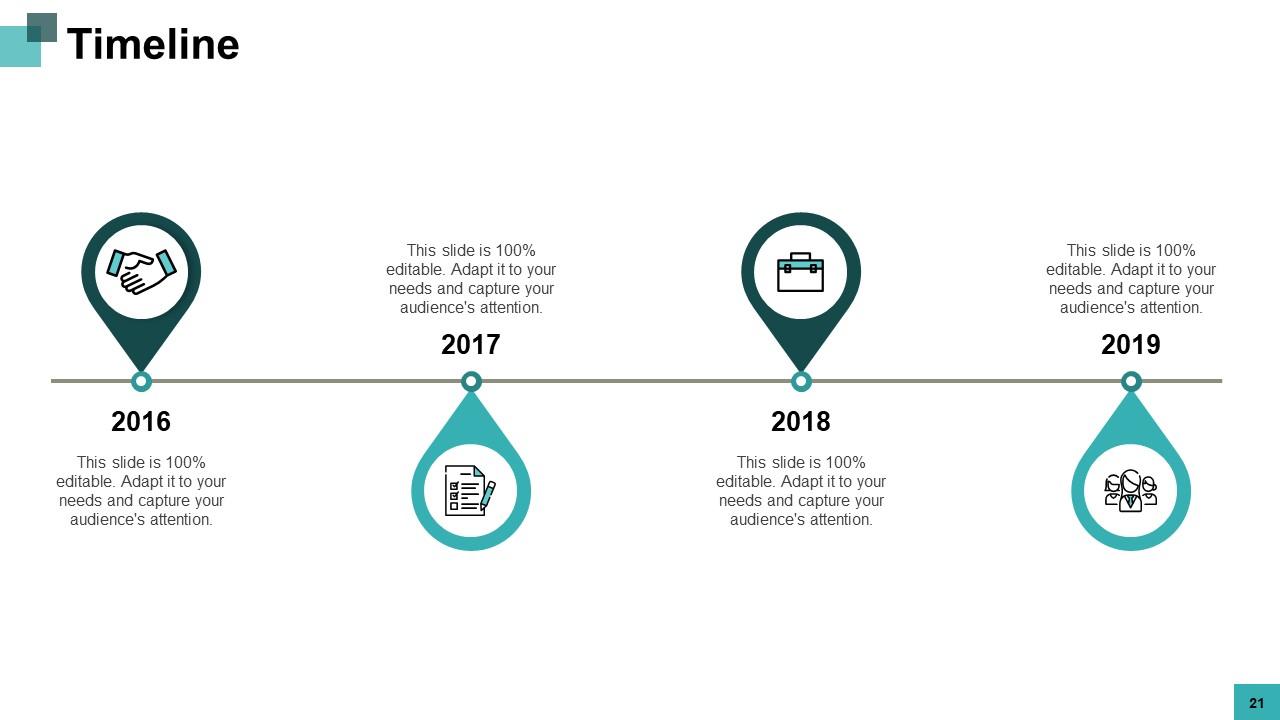
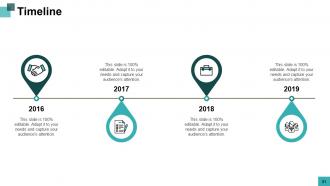
Folie 21 : Dies ist eine Zeitachsenfolie, um Informationen über den Zeitraum anzuzeigen.
Folie 22 : Dies ist die Folie „Unsere Mission“ mit den dazugehörigen Bildern und Texten.
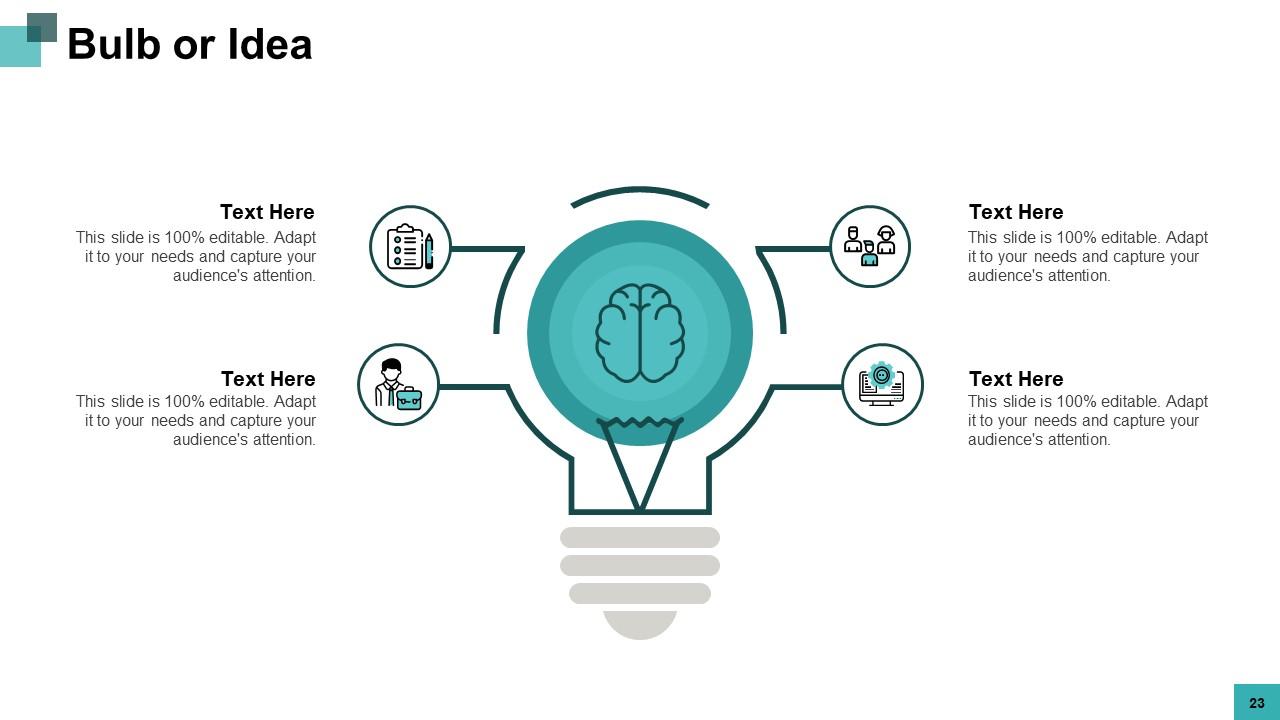
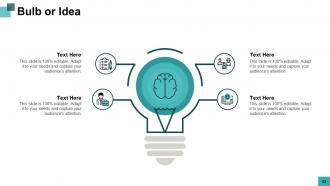
Folie 23 : Dies ist eine Glühbirnen- oder Ideenfolie, um eine neue Idee vorzustellen oder Informationen, Spezifikationen usw. hervorzuheben.
Folie 24 : Dies ist eine Dankesfolie mit Adresse, Kontaktnummern und E-Mail-Adresse.
Digital Transformation Tools Powerpoint-Präsentationsfolien mit allen 24 Folien:
Identifizieren Sie willkürliche Ansätze mit unseren Powerpoint-Präsentationsfolien für digitale Transformationstools. Überzeugen Sie die Leute, mit voller Konzentration zu handeln.
FAQs for Digital Transformation Tools
Honestly, there are four things you can't skip if you want this to actually work. Figure out what business problems you're solving first - sounds obvious but most people jump straight to buying shiny tools. Then pick tech that plays nice together because nobody has time for systems that don't talk to each other. Your team needs proper training too, otherwise they'll just ignore whatever you roll out (been there). Oh, and set up good data tracking so you know if it's actually helping. I'd start by looking at your current setup and finding the biggest headaches - those are your quick wins right there.
Start with baseline numbers - revenue per employee, customer acquisition costs, process times. Track how they shift when you add new tools. Honestly, figuring out what's actually causing improvements is kind of a nightmare because so many variables are at play. Don't just focus on the obvious stuff like cost savings. Employee satisfaction and customer experience matter too, even if they're harder to measure. Here's what I'd do: pick 3-5 metrics that actually connect to your business goals. Then track them for at least a year - anything shorter won't tell you much.
Honestly, you can't go wrong starting with Tableau or Power BI for visualizations. SQL is unavoidable - trust me, I tried avoiding it for way too long! Python with pandas handles the heavy lifting really well. Cloud-wise, most people pick AWS QuickSight, Google Analytics, or Azure based on whatever they're already using. Smaller teams often just start with Excel or Google Sheets, which isn't glamorous but works. Oh, and Power Query is actually pretty solid too. My take? Don't try learning everything at once. Pick one viz tool, get decent at it, then see what gaps you actually have.
Honestly, cloud computing is like having a digital swiss army knife for your business. You can spin up new apps super fast and scale things when you need to without buying a ton of expensive servers (my last company spent way too much on hardware that just sat there half the time). Remote work becomes way easier too. The cool part is getting access to all these AI and analytics tools that would cost a fortune to build yourself. I'd probably start small though - pick something that won't break everything if it goes wrong and use that to get your team comfortable with the whole process.
So AI basically turns digital transformation from just moving stuff online to actually making it smart. Instead of digitizing the same old processes, you're automating complex decisions and predicting customer behavior before they even know what they want. The data analysis alone is insane - stuff that would take people weeks gets done instantly. Honestly, I think most companies are still thinking too small about this. Don't just scan your paper forms and call it digital. Pick one process and see how AI can completely reimagine it, not just speed it up.
Honestly, tools like Slack or Teams are game-changers for keeping everyone on the same page. No more digging through endless email threads to find that one decision from last week. They create these shared spaces where departments can actually talk to each other instead of working in their own little bubbles. Real-time updates mean you'll catch problems before they blow up into major headaches. The transparency thing is huge too - everyone can see what's happening with deliverables and feedback. Just pick ONE main tool though, because having conversations scattered everywhere defeats the whole purpose.
First things first - figure out what problem you're actually trying to solve before you start browsing software. I learned this the hard way lol. Don't pick something that'll break your existing setup or need a rocket scientist to run it. Honestly? Most of these "revolutionary" platforms are way too much for small businesses anyway. Test it out with just a few people first. You want something that'll grow with you so you're not stuck switching again in six months. Make sure they have decent customer support since you probably don't have IT people on standby. Oh, and get your team on board early - they're the ones using it daily.
So here's the thing - regulatory requirements basically narrow down your options before you even start looking. You're stuck picking from compliant tools instead of whatever's new and exciting. Healthcare, finance, government? You'll need HIPAA, SOX, GDPR stuff. Some platforms just can't handle the security requirements or give you proper audit trails. Pretty annoying tbh. Most major tools do have compliance certifications now though, which helps. I'd say list out what regulations you need to follow first, then see which tools actually meet those standards.
Honestly, start by figuring out where your customers are getting annoyed first. CRM systems are clutch for tracking what people actually want based on their history. Chatbots can handle the basic stuff 24/7 which is nice. Analytics will show you exactly where people bail - that data's pretty eye-opening. Mobile apps and self-service portals speed things up big time. Don't try to fix everything at once though, that's overwhelming. Pick one major pain point and nail that first. Automated follow-ups help too, but focus on eliminating friction step by step.
Oh man, the biggest pain is your old systems just weren't designed for today's APIs and cloud stuff. Data won't play nice together, security gets messy, and workflows clash with newer tools. Your IT folks know the legacy stuff cold, but now they're scrambling to learn totally different integration approaches - kinda like going from stick shift to electric overnight, honestly. Costs add up fast too. I'd say test some small pilot projects first to see what breaks before you go all-in on a massive overhaul.
Honestly, social media analytics is like having customers tell you exactly what they think when they don't know you're listening. Way better than surveys where people just say what sounds nice. You can spot which features are actually bugging them and catch problems early. Plus tracking sentiment over time shows you patterns you'd totally miss otherwise. I'd start with basic listening tools for your brand mentions - oh, and definitely check what people say about competitors too. Helps you figure out which digital projects are worth doing vs just shiny objects. The insights that come up are pretty wild sometimes.
Honestly, you gotta get people involved from the start instead of just dropping changes on them. Show them why these tools will make their lives easier - I can't tell you how many times I've watched this stuff crash and burn because bosses thought everyone would just roll with it. Find your early adopters first, especially the people others actually listen to. They'll do half the selling for you. Give everyone real training, not just a quick demo, and actually listen when they complain about something. Oh, and be upfront about timelines - nobody likes surprises. Start small with pilot groups and let success stories spread naturally.
So cybersecurity basically throws a wrench in everything - you'll be doing endless audits and risk assessments before rolling out any new tech. Your IT folks will want to sandbox and pen test everything first, which I get but man it slows things down. The real pain is when security requirements clash with actually useful features. You end up choosing between something that works well or something that's locked down tight. Oh, and compliance checks... don't get me started on those. Best move? Get your security team involved from the start instead of springing it on them later.
Oh man, change management is HUGE - seriously, it'll make or break your whole project. I've watched so many good ideas completely tank because leadership got obsessed with the shiny tech stuff and forgot about their people. Your team needs to actually understand what's happening and why. Train them properly, listen to their complaints (there will be complaints), and get them involved from the start instead of just dropping changes on them later. Best tech in the world won't save you if everyone's fighting it. Trust me on this one.
Dude, break it into small chunks instead of trying to change everything at once - that's where most companies mess up. With agile you can test stuff out, see what works, then fix what doesn't before rolling it out wider. Way smarter than the old school "let's change everything on Monday" disaster approach. Your teams actually get time to learn the new tools properly. Start with maybe one department as your guinea pigs, get their honest feedback (and trust me, they'll have opinions), then expand from there. It's honestly just common sense but somehow half the corporate world still hasn't figured this out.
No Reviews