

E Invoice Powerpoint Ppt Template Bundles




Try Before you Buy Download Free Sample Product
 Impress Your
 Audience
 100%
100% Editable
 Save Hours
 of Time


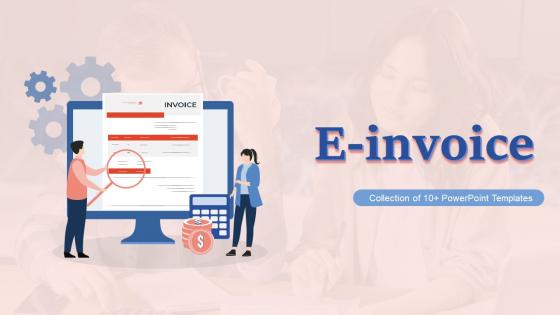
Our E Invoice Powerpoint Ppt Template Bundles are topically designed to provide an attractive backdrop to any subject. Use them to look like a presentation pro.
People who downloaded this PowerPoint presentation also viewed the following :
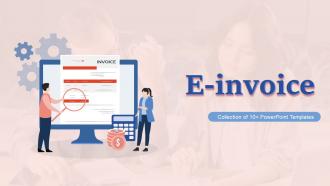
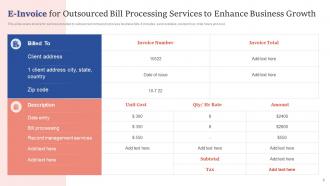
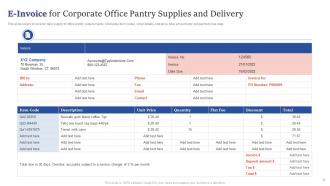
E Invoice Powerpoint Ppt Template Bundles with all 17 slides:
Use our E Invoice Powerpoint Ppt Template Bundles to effectively help you save your valuable time. They are readymade to fit into any presentation structure.






FAQs for E Invoice Powerpoint
So e-invoices are just digital invoices that go straight between accounting systems - no printing or mailing involved. The data's already structured, which means way less manual entry for your team. Actually saves a ton of time since there's no waiting for mail or dealing with paper piles everywhere. Your finance people will probably thank you because the whole approval process gets so much smoother. Plus fewer errors since everything's standardized. Honestly, if you're still stuck with paper invoices, I'd definitely bug your vendors about switching over. Makes life easier for everyone.
Honestly, e-invoices are game-changers. Processing time drops from weeks to just days, which is huge. Your accounting team will actually thank you since there's way less manual typing and no more trying to decipher messy handwritten notes. Cash flow improves because payments roll in faster. Compliance gets easier too - the system automatically catches errors and validates everything. Oh, and you'll save a ton on printing and postage costs. My advice? Don't go crazy at first. Try it with maybe your top 10 vendors and see how it goes.
Dude, e-invoicing is a total game changer for cash flow. Your invoices get processed way faster - we're talking 15-30 days quicker than paper ones. No more waiting for mail or dealing with stuff getting lost in email. Customers can literally approve and pay instantly through automated systems. I learned this the hard way after waiting months for some paper invoices last year. You'll also catch payment problems early instead of finding out weeks later. Short sentences work better here. Just set up those automated reminders and watch your cash flow improve dramatically.
Honestly, the worst part is getting your current systems to actually talk to each other - like your ERP and the new e-invoicing thing. Data syncing becomes a total mess. Your team will probably hate you at first because nobody wants to learn new stuff. Plus half your suppliers aren't even ready for electronic invoices yet, so good luck with that onboarding process. Oh, and compliance rules are different everywhere which is super fun. I'd start small - maybe pick a few suppliers who actually know tech and test it out first before rolling it out to everyone.
Oh man, this stuff gets complicated fast. Start with your local tax office guidelines - they'll have the basics on digital signatures and XML formats. Different countries are all over the place with requirements though. The EU is absolutely nuts about data protection rules, so definitely check those. Some places want real-time reporting to tax authorities which is honestly a pain. Your compliance team probably knows the retention periods and audit requirements already. I'd seriously run this by them first before you go live with anything - way easier to fix issues upfront than deal with angry tax people later.
Honestly, e-invoicing is a game changer for cutting mistakes. No more squinting at someone's terrible handwriting or fat-fingering numbers into spreadsheets. The system checks everything automatically - tax math, invoice numbers, formatting - before it goes out. Everything's standardized too, so you won't get those weird invoices where nobody knows what "misc charges" actually means. Your accounting software just sucks the data right in without you touching it. Best part? You spot problems right away instead of finding them three weeks later when you're doing reconciliation and want to throw your laptop out the window.
So basically your tech does most of the work for you - it pulls from your sales data and shoots invoices straight to customers automatically. If you've got an ERP system, it'll sync right up with e-invoicing platforms. Complete a sale, and bam, invoice goes out instantly. The AI part is honestly pretty neat - it matches payments and catches weird stuff. You can see everything in real time too, like what's paid, what's sitting there, overdue payments. Oh, and definitely check your current accounting software first - you might already have this stuff built in and not even know it.
Honestly, e-invoicing is a game changer for small businesses. The cash flow improvement alone will help you compete with bigger companies. No more hunting down paper invoices or typing everything manually - I swear that stuff eats up so much time. Clients love getting accurate bills faster, and you'll look way more professional. Fewer mistakes means happier customers and quicker payments too. Most platforms won't break the bank these days. My advice? Pick one system and try it with your best 5 clients first. Way less stressful than switching everyone at once.
Start with encryption - that's your foundation for both sending and storing invoice data. Multi-factor authentication is a must, plus set up role-based access so random people can't peek at financial stuff. Digital signatures matter too since they prove nobody messed with your documents. Honestly, compliance is probably the biggest headache but you've got to nail GDPR, SOX, whatever applies to your business. Run security audits regularly - way better to find issues early than deal with a breach later. Basically treat these like any other sensitive financial docs and don't skimp on protection.
Yeah, they connect pretty well with whatever accounting software you're already using. APIs and direct connectors do the heavy lifting - QuickBooks, Xero, SAP, you name it. Invoice data just flows automatically between systems, which honestly saves so much time. Customer info, payment status, all that stuff syncs in real-time so your books don't get messy. One thing though - double-check your accounting software actually supports e-invoice integration first. Most modern ones do, but I learned the hard way it's worth confirming before you commit to a platform.
Start with standardizing your invoice formats and getting those automated approval workflows going - seriously, this will save you so much headache. Back up everything digitally and use consistent naming so you're not hunting through files like a maniac later. Definitely connect it to your accounting system or you'll just make more work for yourself. Your team needs training on whatever new process you roll out too. Honestly, I'd test it with just one vendor first, maybe whoever sends you the most invoices? Work out the bugs before going full scale.
Honestly, e-invoicing is a game changer for business relationships. No more awkward "hey, did you see my invoice?" calls or payment delays that make everyone cranky. Everything's automated so both sides can see what's happening in real-time - builds way more trust. Fewer mistakes mean fewer arguments too (nobody wants to hash out whether it was $1,500 or $1,050). Your suppliers get paid quicker and they'll love you for it. Customers appreciate the smooth process. Just pick a platform that doesn't make people want to throw their computers out the window.
Oh man, there's a bunch of good options! QuickBooks and Xero are probably your best bet for small businesses - they do invoicing plus all your accounting stuff. FreshBooks is crazy easy to use if you're not super tech-savvy. Invoice2go works great when you're always on your phone or tablet. Bigger companies usually go with SAP Ariba or Coupa, but honestly those are way too much for most people. Wave and Zoho have free versions that aren't bad to test out first. My advice? Grab free trials of like 2-3 different ones and see which one doesn't make you want to throw your laptop out the window.
Honestly, tracking e-invoicing ROI is pretty straightforward once you get the hang of it. First thing - measure your current costs for like 3 months before you switch. I'm talking paper, printing, postage, plus all those hours your team spends on manual data entry (it's seriously more than you think). After implementation, track the same stuff plus bonus improvements like faster payments and way fewer errors. Most companies break even around 12-18 months, which isn't bad considering how much smoother everything runs. Oh, and don't forget storage savings - that's real money too.
So AI's basically taking over invoice processing - automated checks, real-time compliance stuff. Blockchain's getting big for stopping fraud too. Industries are going nuts customizing everything though. Healthcare wants patient data everywhere, manufacturing needs supply chain details. Cross-border stuff is messy but the EU's forcing everyone to standardize (finally). Mobile solutions are everywhere since nobody wants to be stuck at their desk to approve invoices anymore. Honestly, I'd just figure out what boring tasks eat up your team's time first. That's where you'll see the biggest win right away.
-
“Immediate response, professional support, and effective solutions that were customized and immediately provided. Well done- Thank you!”
-
Well-designed and informative templates. Absolutely brilliant!