


Effective Sales Networking Strategy To Boost Revenue Powerpoint Presentation Slides SA CD





Try Before you Buy Download Free Sample Product
 Impress Your
 Audience
 100%
100% Editable
 Save Hours
 of Time


A sales networking strategy involves a comprehensive approach to enhancing an organizations revenue generation by strategically leveraging various channels and tools. Grab our professionally created Effective Sales Networking Strategy to Boost Revenue PowerPoint presentation. This presentation aims to address and overcome existing challenges in the sales process, highlighting gaps for improvement. Moreover, the Networking marketing business PPT templates include dynamic sales networking channels. It provides trade events referrals and social media alongside the integration of cutting-edge technology through CRM and automation tools. Furthermore, this Business networking PPT slides encompass an implementation roadmap to enhance sales processes and streamline efficiency. Lastly, gain insights into budget breakdowns for implementing these strategies, along with real-world examples in our case study section. Download now to streamline your presentation process today.
People who downloaded this PowerPoint presentation also viewed the following :
Content of this Powerpoint Presentation
Slide 1: This slide introduces Effective Sales Networking Strategy to Boost Revenue. State your company name and begin.
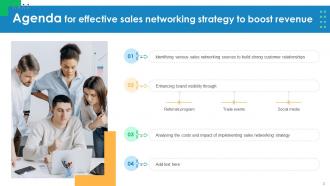
Slide 2: This is an Agenda slide. State your agendas here.
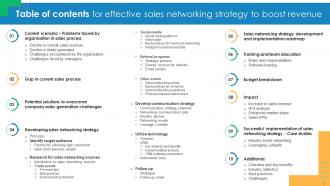
Slide 3: This slide shows Table of Content for the presentation.
Slide 4: This slide shows title for topics that are to be covered next in the template.
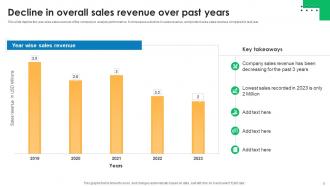
Slide 5: This slide depicts the year-wise sales revenue of the company to analyze performance. It showcases a decline in sales revenue, and product-wise sales revenue.
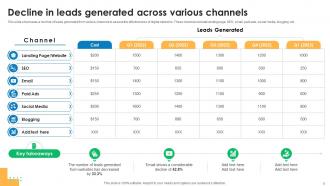
Slide 6: This slide showcases a number of leads generated from various channels to assess the effectiveness of digital networks.
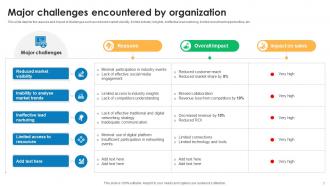
Slide 7: This slide depicts the reasons and impact of challenges such as reduced market visibility, limited industry insights, ineffective lead nurturing etc.
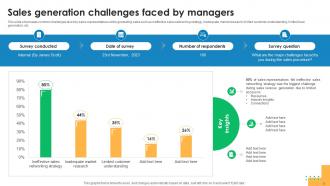
Slide 8: This slide showcases common challenges faced by sales representatives while generating sales such as ineffective sales networking strategy, inadequate market research etc.
Slide 9: This slide shows title for topics that are to be covered next in the template.
Slide 10: This slide showcases a sales performance gap analysis with industry analysis including KPIs such as conversion rate, number of leads etc.
Slide 11: This slide shows title for topics that are to be covered next in the template.
Slide 12: This slide highlights potential solutions to improve current sales generation challenges such as sales networking, content marketing, lead magnet campaigns etc.
Slide 13: This slide shows title for topics that are to be covered next in the template.
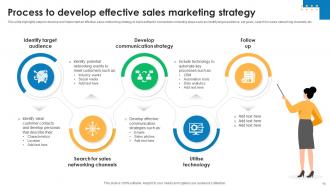
Slide 14: This slide highlights steps to develop and implement an effective sales networking strategy to build authentic connections including steps.
Slide 15: This slide shows title for topics that are to be covered next in the template.
Slide 16: This slide includes factors that help an organization determine whom to connect with to build connections.
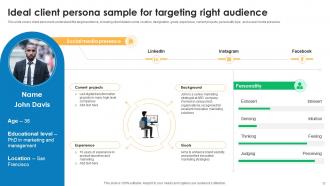
Slide 17: This slide covers client persona to understand the target audience, including client details name, location, designation, goals, experience etc.
Slide 18: This slide shows title for topics that are to be covered next in the template.
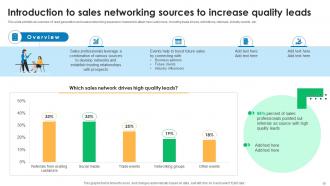
Slide 19: This slide exhibits an overview of lead generation and sales networking expansion channels to attain new customers, including trade shows, exhibitions etc.
Slide 20: This slide includes tips to consider before preparing for trade shows to secure new partnerships including research about audience, clear networking goals etc.
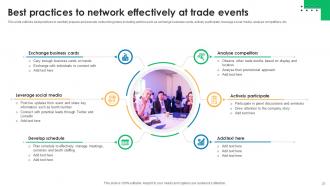
Slide 21: This slide outlines best practices to carefully prepare and execute networking plans including actions such as exchange business cards, actively participate etc.
Slide 22: This slide contains a checklist for sales representatives to effectively plan for trade events, encompassing categories such as goals and objectives, budget, location etc.
Slide 23: This slide shows title for topics that are to be covered next in the template.
Slide 24: This slide exhibits social media strategies to improve connections and build partnerships. Some of the social media channels include Facebook, twitter, Instagram etc.
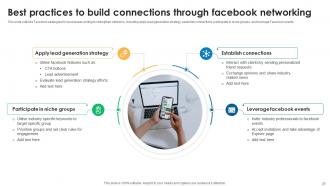
Slide 25: This slide outlines Facebook strategies for businesses aiming to strengthen networks, including apply lead generation strategy, establish connections etc.
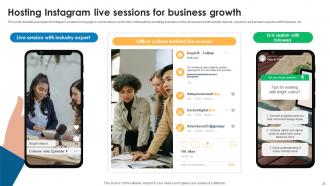
Slide 26: This slide includes examples of Instagram sessions to engage in conversations and foster collaborations including examples of live discussions with industry experts.
Slide 27: This slide shows title for topics that are to be covered next in the template.
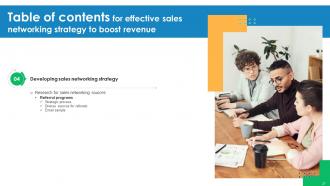
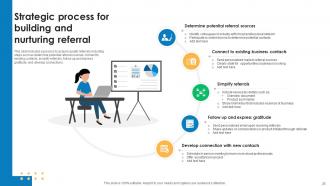
Slide 28: This slide includes a process to acquire quality referrals including steps such as determine potential referral sources, connect to existing contacts etc.
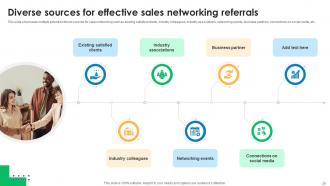
Slide 29: This slide showcases multiple potential referral sources for sales networking such as existing satisfied clients, industry colleagues, industry associations etc.
Slide 30: This slide exhibits a referral networking sample with key elements to build trust such as warm introduction, brief message, and provide value.
Slide 31: This slide shows title for topics that are to be covered next in the template.
Slide 32: This slide includes various types of networking events aiming to enhance professional profile within the industry including conferences or seminars, speed networking etc.
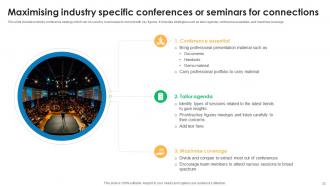
Slide 33: This slide displays industry conference strategy which can be used by businesses to connect with key figures.
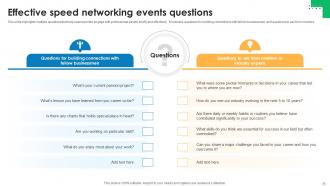
Slide 34: This slide highlights multiple questions that help businessmen engage with professional people briefly and effectively.
Slide 35: This slide incudes compelling reasons to attend professional association events. Some of the reason include access to resources, networking, elevate status etc.
Slide 36: This slide shows title for topics that are to be covered next in the template.
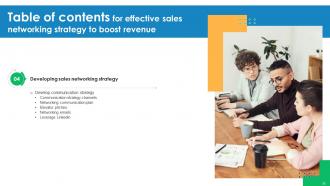
Slide 37: This slide provides information about communication strategies that help to elevate professional relationships such as emails, LinkedIn, and elevator pitches.
Slide 38: This slide includes a sales networking communication plan that outlines various activities aimed at enhancing sales efforts.
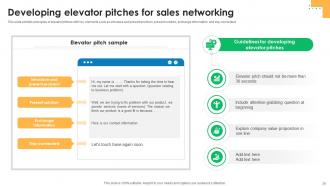
Slide 39: This slide exhibits examples of elevator pitches with key elements such as introduce and present problem, present solution, exchange information, and stay connected.
Slide 40: This slide includes sales prospecting email that aims to increase potential leads. It includes tips such as personalise message, maintain connections etc.
Slide 41: This slide exhibits a LinkedIn example demonstrating how to connect, engage, and foster business relationships.
Slide 42: This slide shows title for topics that are to be covered next in the template.
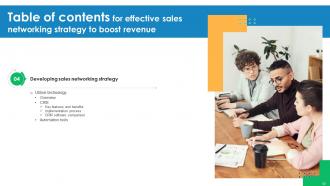
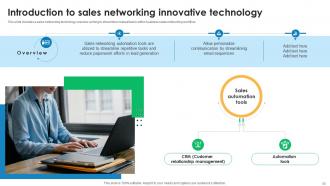
Slide 43: This slide includes a sales networking technology overview aiming to streamline manual tasks within business sales networking workflow.
Slide 44: This slide provides information about customer relationship management features such as marketing automation, sales management, mobile accessibility etc.
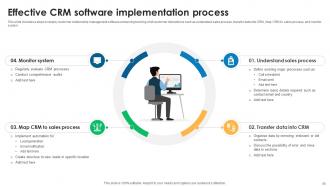
Slide 45: This slide includes a steps to deploy customer relationship management software enhancing tracking of all customer interactions.
Slide 46: This slide exhibits a CRM solutions comparison that helps to evaluate features, integration, and user-friendliness of features such as email marketing etc.
Slide 47: This slide includes other sales networking automation tools to empower sales professionals by streamlining tasks and improving operations efficiency.
Slide 48: This slide shows title for topics that are to be covered next in the template.
Slide 49: This slide outlines effective follow-up strategies in sales networking such as timely email outreach, schedule follow up call, offer exclusive promotions etc.
Slide 50: This slide exhibits follow-up emails to address no-response emails and reconnect with clients including elements such as the name of recipient, adding context etc.
Slide 51: This slide shows title for topics that are to be covered next in the template.
Slide 52: This slide outlines the development and implementation timeline for the sales networking strategy including key phases such as planning, strategy development etc.
Slide 53: This slide shows title for topics that are to be covered next in the template.
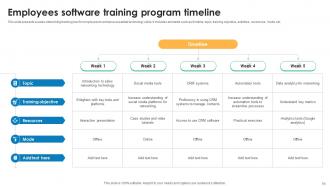
Slide 54: This slide presents a sales networking training plan for employees to enhance essential technology skills.
Slide 55: This slide outlines sales team roles responsibilities and required skills that contribute to creating and developing an effective networking strategy.
Slide 56: This slide shows title for topics that are to be covered next in the template.
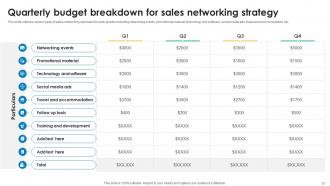
Slide 57: This slide outlines various types of sales networking expenses for each quarter including networking events, promotional material, technology and software etc.
Slide 58: This slide shows title for topics that are to be covered next in the template.
Slide 59: This slide showcases an increase in business sales revenue compared to the previous year due to effective sales networking strategy implementation.
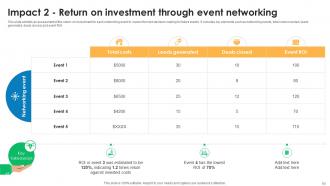
Slide 60: This slide exhibits an assessment of the return on investment for each networking event to make informed decision-making for future events.
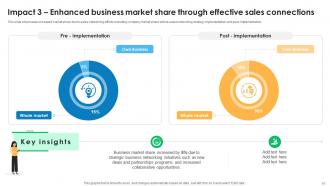
Slide 61: This slide showcases increased market share due to sales networking efforts including company market share before sales networking strategy implementation and post.
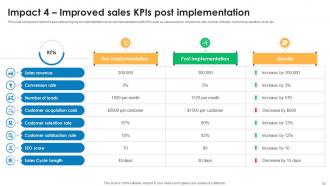
Slide 62: This slide compares impact of sales networking in pre implementation and post implementation with KPIs such as sales revenue, conversion rate, number of leads etc.
Slide 63: This slide shows title for topics that are to be covered next in the template.
Slide 64: This slide aims to summarise an industry event networking case study to foster connections. It includes a company name, industry, event, overview etc.
Slide 65: This slide includes a case study that showcases the power of LinkedIn in the context of sales networking including elements such as name, current position etc.
Slide 66: This slide shows title for topics that are to be covered next in the template.
Slide 67: This slide covers a brief overview of sales networking used to build relationships and trust among customers.
Slide 68: This slide outlines key statistics showcasing the effectiveness of sales networking strategies that enable organizations to generate more leads and sales revenue.
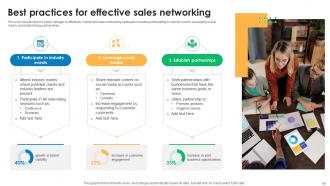
Slide 69: This slide includes tips for sales manager to effectively implement sales networking strategies including participating in industry events, leveraging social media etc.
Slide 70: This slide exhibits potential solutions to address sales networking challenges such as neglecting existing customers, competing with competitors etc.
Slide 71: This slide shows all the icons included in the presentation.
Slide 72: This slide is titled as Additional Slides for moving forward.
Slide 73: This slide showcases Magnifying Glass to highlight, minute details, information, specifications etc.
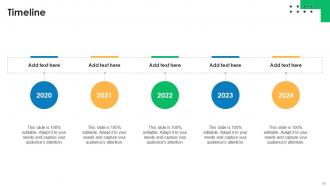
Slide 74: This is a Timeline slide. Show data related to time intervals here.
Slide 75: This slide contains Puzzle with related icons and text.
Slide 76: This slide shows Post It Notes for reminders and deadlines. Post your important notes here.
Slide 77: This is a Thank You slide with address, contact numbers and email address.
Effective Sales Networking Strategy To Boost Revenue Powerpoint Presentation Slides SA CD with all 85 slides:
Use our Effective Sales Networking Strategy To Boost Revenue Powerpoint Presentation Slides SA CD to effectively help you save your valuable time. They are readymade to fit into any presentation structure.







































FAQs for Effective Sales Networking Strategy To Boost Revenue Powerpoint Presentation
Find someone who actually gives a damn about your success too, not just their own agenda. Complementary skills work best - like if you're doing tech sales, team up with a marketing person who targets similar companies. Trust matters since you'll be passing clients around. Honestly, half the people out there don't follow through on anything they promise, so find someone reliable. The good ones share connections freely and respond fast when stuff comes up. Test things out small first though - don't jump into some big partnership right away.
Honestly, just focus on being genuine instead of pitchy. LinkedIn's your best bet - share stuff your industry actually cares about and comment on prospects' posts before you try selling them anything. Pick like 10-15 people you really want to work with. Stalk their content for a week (in a non-creepy way lol), then start engaging. Answer their questions, hype up their wins, just be helpful first. Twitter works too if that's where your people hang out. But seriously, nobody wants some rando sliding into their DMs with a sales pitch right off the bat. Build rapport first, then suggest hopping on a call.
Honestly, the trick is making it feel like actual conversation, not some rehearsed sales pitch. Start with something that connects to their world, then hit them with what you do and what problem you're solving. Keep it short - like 30 seconds max. But here's the thing that actually works: end with a question about their challenges. Gets them talking instead of you just rambling at them. I'd practice a few different versions too since you'll be talking to all kinds of people. The goal is turning it into back-and-forth, not a one-sided presentation nobody asked for.
Hit them up within 48 hours while they still remember you. Reference something specific from your chat - like that Q3 problem they mentioned or whatever book they recommended. Here's the thing though: don't jump straight into your pitch (I get it, you want to). Share something actually useful instead - an article or maybe connect them with someone relevant. Keep it short and suggest coffee casually, don't be all demanding about their time. Honestly, most people just blast generic follow-ups. You'll stand out by proving you actually listened during your conversation, not just grabbed their card.
Honestly, emotional intelligence makes or breaks networking. You've gotta read people's vibe and match their energy instead of just talking at them. I was awful at this for years – would just steamroll conversations like an idiot. Now I actually listen for cues about how they communicate and what gets them excited. Ask better questions, then shut up and listen to their answers. When someone feels heard, that's when a random chat becomes something real. It's not rocket science, but most people skip this part and wonder why networking feels so forced and weird.
Look for people who actually get responses when they post stuff - LinkedIn's perfect for this. Check who speaks at industry events too. Twitter's weirdly good for finding the real voices, not just the corporate accounts. Don't be that person who immediately sends connection requests though. Comment on their posts first, share their stuff if it's actually good. I learned this the hard way - people can tell when you're just trying to use them for something. Build the relationship before you need anything. Takes longer but it's way more effective than cold outreach.
Honestly, just don't be that person who only reaches out when they need something. I set random calendar reminders (probably sounds weird but whatever) because I'm terrible at remembering to check in otherwise. Send them cool articles or job openings you think they'd actually want. Every few months works - more than that gets annoying. Remember stuff they tell you about their kids or hobbies. Celebrate when they get promoted. The whole thing should feel pretty natural, not like you're working through some networking checklist. Short version: show up consistently and actually care about helping them out.
You want to track two things - your activity AND the actual money stuff. Count meaningful connections per month, response rates when you follow up, meetings booked. But here's what matters more: leads generated, pipeline value, closed deals that came from networking. Most people totally suck at tracking this part, honestly. Also watch referral quality and how fast you move people through your sales process. I'd set monthly goals and figure out which networking activities actually make you money vs just making you feel productive. Big difference there.
Honestly, skip the whole "work the room" thing - quality beats quantity every time. I'd rather have real conversations with 2-3 people than do awkward small talk with twenty strangers. Come up with a couple questions about industry stuff beforehand so you're not scrambling for topics. One-on-one chats are way less intimidating than group conversations anyway. Here's the key part though: follow up within 48 hours on LinkedIn and mention something specific you talked about. That's actually where we introverts have an advantage since we're better at remembering those details.
Honestly, treat those networking chats like you're doing mini research sessions. Ask people what problems they're dealing with, what tools they're using now, where they think their industry's headed - stuff like that. Trade shows are amazing for this because everyone's actually willing to talk. I'd join some LinkedIn groups too and jump into discussions instead of just scrolling. Listen way more than you pitch. Oh, and definitely follow up with anyone who shares cool insights! Keep some basic notes so you can spot trends across different conversations. It's wild how patterns start emerging.
Look, figure out what problems you actually solve for people and lead with that. Nobody cares about another generic skills list - they want to hear about real wins you've had. I'm a big believer in just being yourself instead of sounding like every other salesperson out there. Tell stories about specific results you've gotten clients. That stuff sticks. Make sure everything matches up though - your LinkedIn, business cards, how you introduce yourself. It all needs to tell the same story about who you are. The whole point is being memorable for good reasons, not just... memorable.
Conferences are perfect for networking since everyone expects to connect anyway. Don't just grab every business card you see though - I made that mistake once and ended up with a stack I never touched. Focus on having actual conversations about what's happening in your industry. Follow up within 48 hours while they still remember you. Oh, and if you can volunteer at the event, do it! Gives you an easy reason to chat with people. You'll meet potential clients, partners, even competitors who might send referrals your way later.
Don't be that person who immediately starts pitching after "hello" - it's super obvious and awkward. Also, stop only texting people when you want something from them. Quality connections matter way more than hoarding a stack of business cards. Actually ask about their work and listen to what they say instead of just waiting for your turn to talk. Oh, and follow up within a couple days with something useful, not just "great meeting you!" I learned this the hard way, but give first before you ask for anything. Makes such a difference.
Dude, definitely research the business culture before networking abroad - it's a game changer. Japanese business card exchanges are like sacred rituals, while Germans just want straight facts (no fluff). Americans are obsessed with elevator pitches, but Latin cultures? You gotta build actual friendships first before talking shop. Communication styles vary wildly too. Some cultures read between the lines, others need everything super explicit. Oh, and always hit up local contacts for networking tips beforehand - saved my butt in Seoul when I almost showed up underdressed to what I thought was casual drinks.
Honestly, start with a good CRM like HubSpot or Salesforce to keep track of everyone. LinkedIn Sales Navigator is totally worth it for finding and researching people before you message them. Calendly will save your sanity - no more endless email chains just to schedule coffee. For outreach, Mixmax and Luma are solid for sending personalized messages without typing each one individually. Oh, and if you're hitting conferences, Whova lets you scope out attendees beforehand which is clutch. I'd grab the CRM and LinkedIn first, then add the rest as you get busier.
-
Delighted to see unique and eye-catching PowerPoint designs that are so easy to customize.
-
The quality of the templates is as fine as it could get. It was a purchase well made!