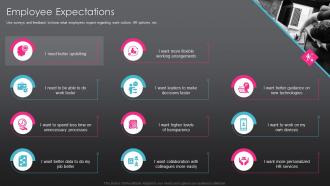
Employee expectations developing employee experience strategy organization

Rating:
90%
Employee expectations developing employee experience strategy organization
Slide 1 of 6

or

Favourites Favourites

Try Before you Buy Download Free Sample Product

Audience Impress Your
Audience
Editable 100%
Editable
Time Save Hours
of Time
The Biggest Sale is ending soon in
0
0
:
0
0
:
0
0
Rating:
90%
Use surveys and feedback to know what employees expect regarding work culture, HR policies, etc. Introducing Employee Expectations Developing Employee Experience Strategy Organization to increase your presentation threshold. Encompassed with eleven stages, this template is a great option to educate and entice your audience. Dispence information on Employee Expectations, using this template. Grab it now to reap its full benefits.

FAQs for Employee expectations developing employee

Honestly, you've got to nail the basics first - solid onboarding and clear communication from the top. Growth opportunities are huge too, people want to feel like they're going somewhere. Recognition matters more than most companies think. Work-life balance is non-negotiable these days, burnout will destroy morale faster than you can fix it. Your culture needs to actually match what you advertise or people see right through it. Oh, and psychological safety - if people can't speak up without fear, you're screwed. Survey your team first to find the biggest problems, then start there.

Look, when people actually enjoy working for you, everything else falls into place. They stick around longer, work harder, and don't half-ass things. Customer service gets better too because nobody wants to deal with miserable employees - I know I don't. Your turnover drops, which saves you tons in hiring costs. The whole "happy employees work better" thing isn't just feel-good BS, it actually moves the needle on your bottom line. Just ask your team what sucks about their job and fix those things first. Most companies overthink this stuff.

Tech makes work way less annoying, honestly. Automation handles the repetitive stuff while collaboration tools keep everyone connected. HR portals let you manage benefits yourself instead of waiting on someone else. Mobile access is clutch - especially if you work remotely at all. AI learning platforms actually adapt to what you need to know (though sometimes they're a bit much). The real benefit? Less time on boring tasks means more time for stuff that actually matters. I'd say figure out what bugs you most about your daily routine and see if there's an app for that.

Honestly, your company culture IS your employee experience. Everything else just sits on top of that foundation. I've watched places with amazing benefits still lose people left and right because the culture was garbage. Think about it - culture decides how teams actually talk to each other, whether people feel safe calling out problems, and what really gets rewarded (spoiler: usually not what's in the handbook). Great pay can't fix a toxic environment. You want better employee experience? Be brutally honest about whether your real day-to-day vibe matches whatever's posted on your website.

Honestly, pulse surveys are your best bet - they catch problems way before they blow up into bigger issues. Mix those with stay/exit interviews and track stuff like engagement scores and turnover rates. Don't sleep on internal mobility numbers either, or how long new hires take to get up to speed. Annual reviews are basically useless for this kind of thing. The real trick? Actually doing something with the data instead of just hoarding it in spreadsheets. Set up quarterly sessions with your team leads to spot trends and figure out next steps together.

Honestly, you've gotta close that feedback loop - most companies totally blow this part. Do pulse surveys or stay interviews, but here's the key: actually DO something with what people tell you. Can't tell you how many places just collect feedback then go radio silent. Get some employee reps on action committees, tackle the biggest complaints first. Quick wins are your friend - shows you're actually listening. Even when you can't fix stuff right away, just explaining your plan builds major trust. Be real about timelines too.

Honestly, onboarding is make-or-break time. Your new hire's figuring out if they made the right choice, and those first few weeks tell them everything. Get it right with clear expectations and actual introductions? They'll hit the ground running and feel like part of the team. Screw it up and they're lost for months - or worse, already job hunting again (I've been there). Good onboarding directly boosts retention and how fast people become useful. My advice? Focus way more on making them feel welcomed and prepared, not just buried in paperwork. That compliance stuff can wait honestly.

Oh absolutely - there's a huge connection there. Happy employees stick around way longer, it's just common sense really. When people feel valued at work and aren't dealing with constant BS, they don't spend their lunch breaks scrolling LinkedIn for new jobs. Poor employee experience creates all that frustration that makes people want to bail. Companies with great employee experience actually see much higher retention than their competitors - the numbers don't lie. Honestly, just fixing the small daily annoyances your team deals with can make a massive difference. Those little touchpoints add up more than you'd think.

Honestly, most of this comes down to treating people like actual humans instead of productivity machines. Listen when they talk in meetings - like really listen to their ideas, not just waiting for your turn. People need to feel safe speaking up without getting shut down, which is where so many managers completely mess up. Remember the small stuff too - birthdays, asking how their kid's soccer game went, that kind of thing. Oh and don't just hire for diversity then ignore what different perspectives actually bring to the table. Give everyone real chances to grow and contribute. It's not rocket science, but you'd be surprised how rare genuine interest in your team actually is.

Honestly? Benefits matter, but they're not everything. I've watched companies throw money at beer taps and fancy offices while their managers were absolute nightmares - spoiler alert: didn't work. The stuff that actually keeps people around is boring but useful: good health insurance, real PTO policies, chances to learn new skills. Sure, the flashy perks look great on Instagram and help with hiring. But day-to-day? Your team cares way more about whether they can afford to go to the doctor or take time off without guilt. Start with benefits that fix actual problems in people's lives.

Honestly, remote work's a mixed bag for employee happiness. Some people absolutely love the flexibility - no commute, better work-life balance, all that good stuff. But then you've got others who feel super isolated and miss the office energy. I've noticed satisfaction usually goes up around autonomy stuff, but collaboration gets weird when everyone's working from their kitchen tables. The culture thing is probably the hardest part to crack. You really gotta be deliberate about check-ins and creating virtual moments that don't feel forced. Regular one-on-ones help too - just asking what's actually working for people instead of assuming.

Honestly? Poor communication from leadership is huge. Technology that's ancient and makes everything take forever. Micromanagement - ugh, that's probably the worst one for killing morale. Career development gets completely ignored at most places. Work-life balance becomes nonexistent, roles aren't clearly defined, and people feel totally undervalued through crappy pay or zero recognition. Most of this traces back to managers who just don't listen to their teams. If you want to fix things, actually ask your people what's driving them crazy first - but be ready because the answers might sting a little.

Honestly, it's way bigger than just diverse hiring - though obviously that matters too. You've gotta weave this stuff into everything: job posts, interviews, meetings, how you celebrate wins. The real goal? Making people feel safe being themselves at work. Listen to voices that usually get overlooked. Call out bias when you see it (and trust me, it's everywhere). Your leadership team should actually look like your workforce - crazy concept, right? But here's what I'd do: pick one thing, maybe your promotion process, and really dig into what's broken there. Fix that first, then move on.

Honestly, investing in people's growth is one of the smartest moves you can make. Your team feels way more valued when they're actually learning stuff that matters to their jobs - not those boring compliance videos we all hate. People stick around longer too, which saves you from constantly recruiting. I've seen it work really well when managers just ask their employees what skills they want to build. Makes the whole thing feel less corporate and more genuine. You're basically building talent from within instead of always looking outside. Short version: ask what they want to learn, then help them get there.

Honestly? Your employees have to feel the same way you want your customers to feel. Happy staff = happy customers, every single time. Look at your customer journey, then compare it to what your employees go through daily. Same responsiveness? Same care? Because trust me, when your team feels ignored or frustrated, customers pick up on that vibe immediately - it's like they can smell it through the phone. I'd start small though. Pick one area where both experiences overlap, maybe onboarding or your support process, and fix the employee side first. You'll be shocked how fast it shows up in customer feedback.

Ratings and Reviews

90% of 100
Review Form
Write a review
Most Relevant Reviews
  1. 80%

    by Donny Elliott

    Illustrative design with editable content. Exceptional value for money. Highly pleased with the product.
  2. 100%

    by James Lee

    Colors used are bright and distinctive.

2 Item(s)

per page: