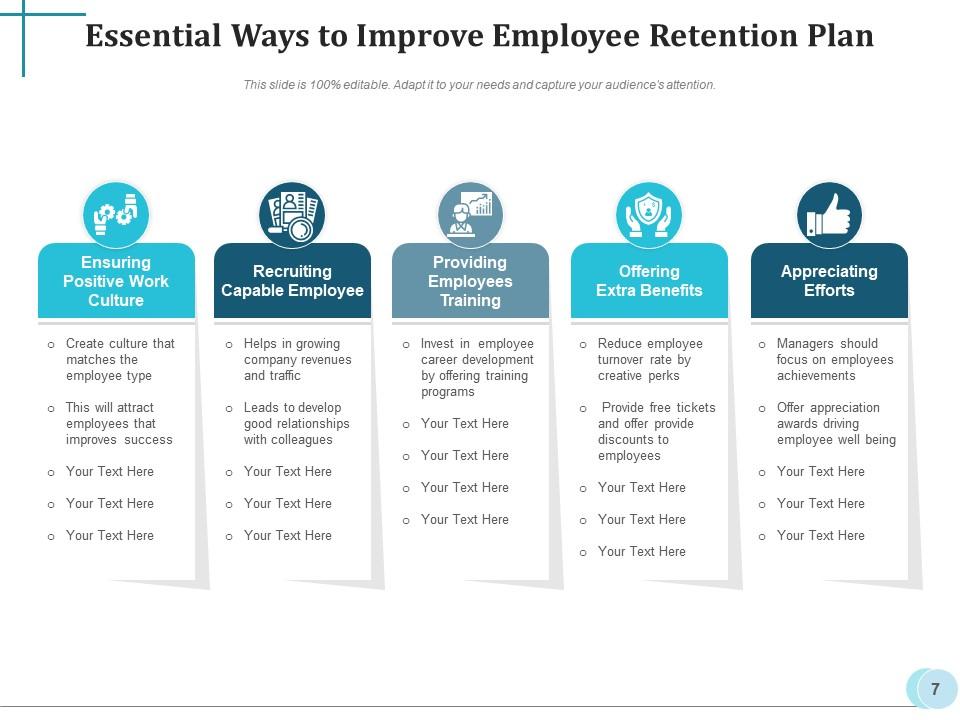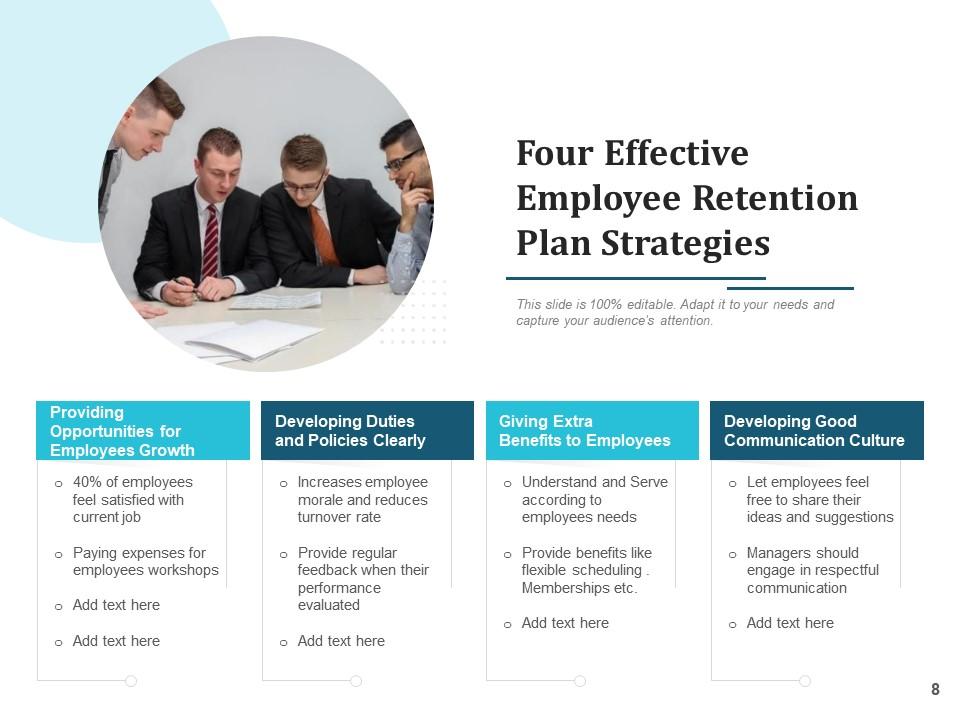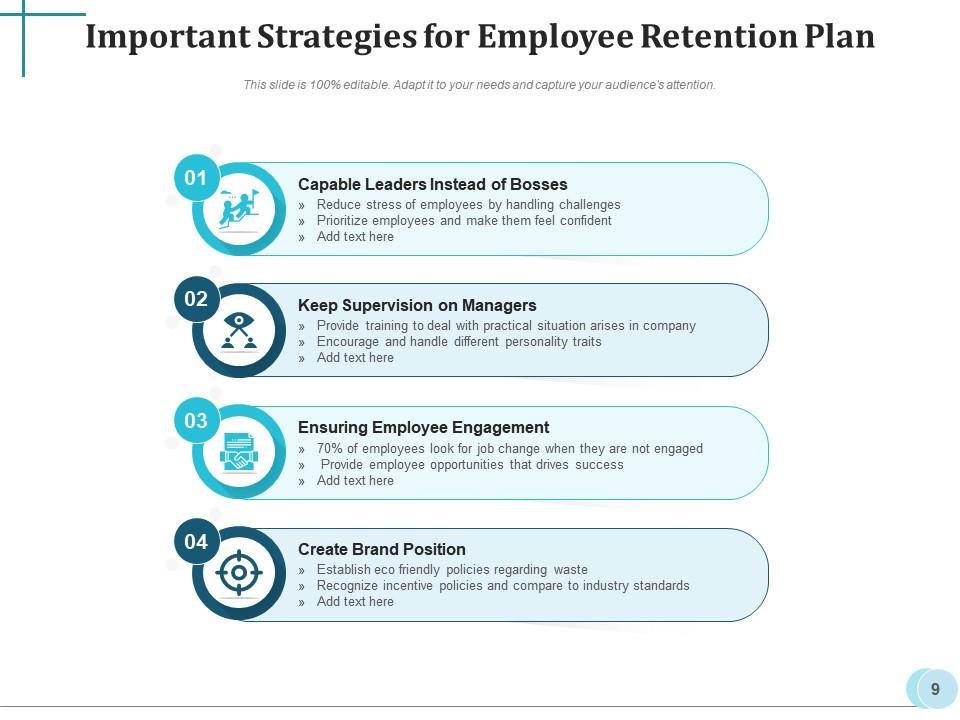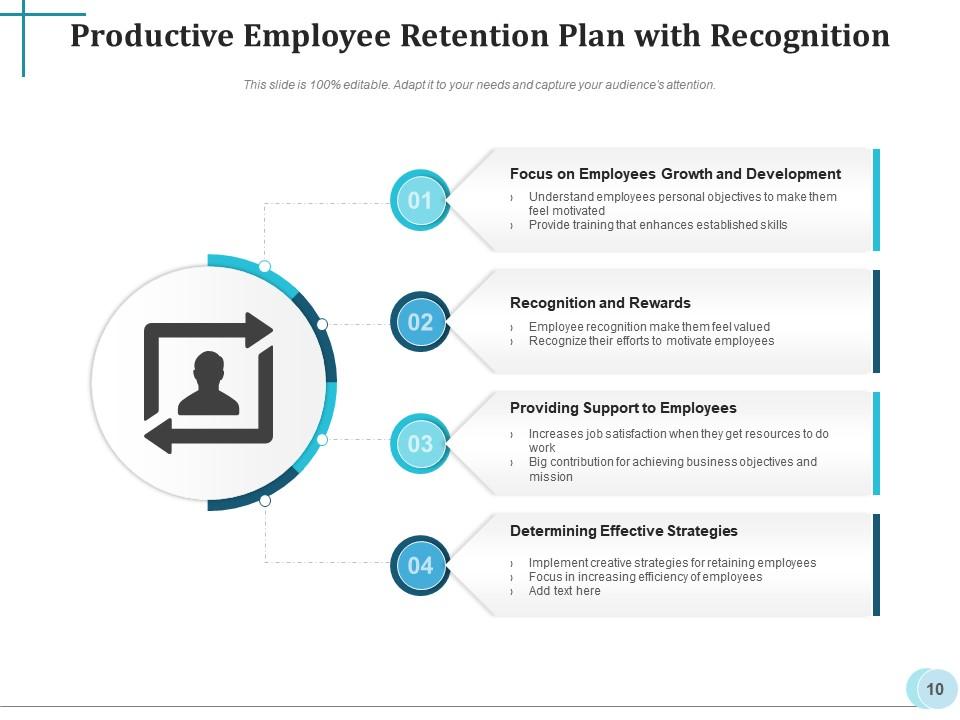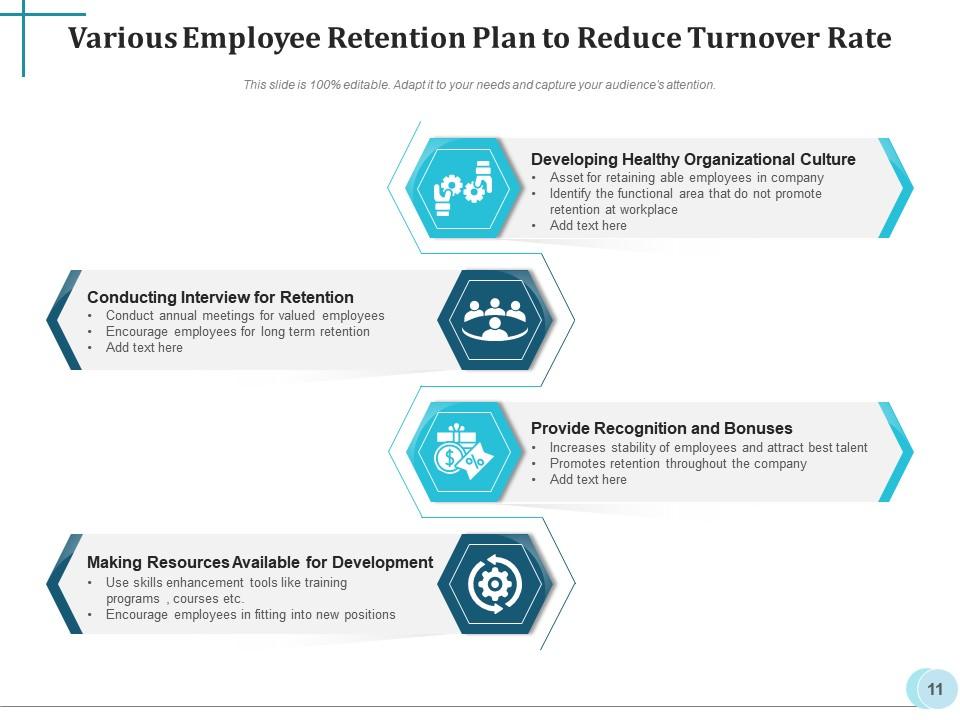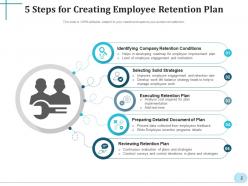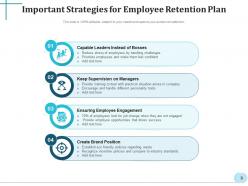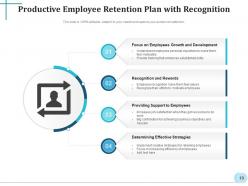
As estratégias do plano de retenção de funcionários documentam a estrutura do ambiente de melhoria de negócios
Try Before you Buy Download Free Sample Product
Audience
Editable
of Time
Nossas estratégias de plano de retenção de funcionários Document Business Improving Environment Structure são projetadas topicamente para fornecer um pano de fundo atraente para qualquer assunto. Use-os para se parecer com um profissional de apresentação.
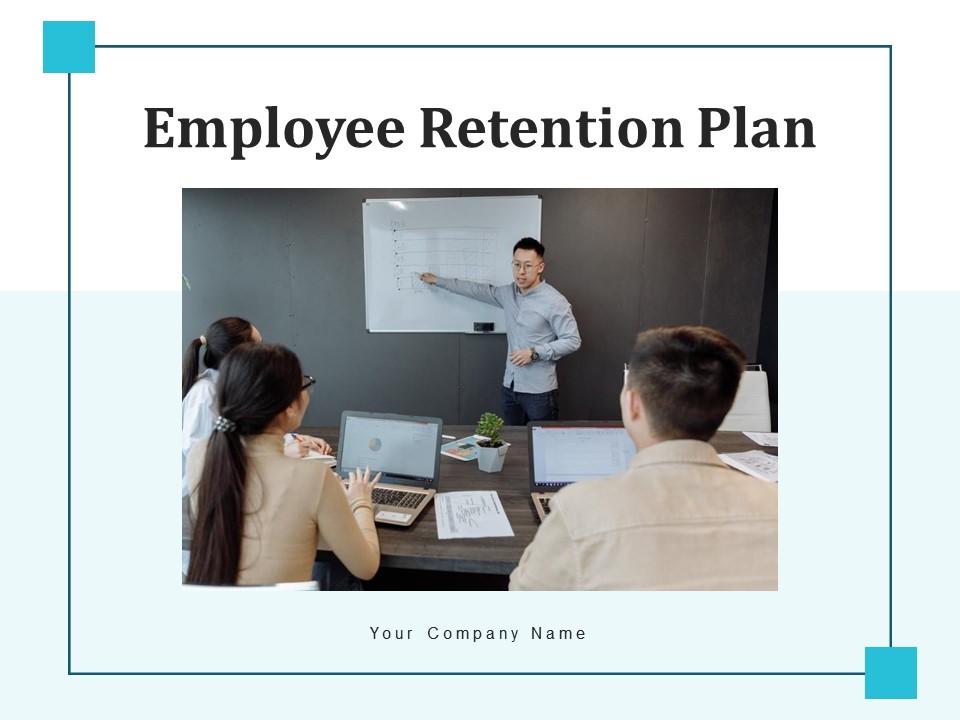
Recursos destes slides de apresentação do PowerPoint:
Se você precisar de um modelo profissional com excelente design, este Documento de Estratégias de Plano de Retenção de Funcionários para Melhorar a Estrutura do Ambiente de Negócios é ideal para você. Implante-o para cativar o seu público e aumentar o seu limite de apresentação com os gráficos, imagens e estrutura corretos. Retrate suas ideias e visão usando doze slides incluídos neste deck completo. Este modelo é adequado para reuniões de discussão de especialistas que apresentam suas opiniões sobre o tópico. Com uma variedade de slides com a mesma representação temática, este modelo pode ser considerado um pacote completo. Ele emprega algumas das melhores práticas de design, para que tudo seja bem estruturado. Não só isso, ele responde a todas as suas necessidades e requisitos, adaptando-se rapidamente às mudanças que você faz. Esta apresentação de slides PPT está disponível para download imediato nos formatos PNG, JPG e PDF, melhorando ainda mais sua usabilidade. Pegue-o clicando no botão de download.
People who downloaded this PowerPoint presentation also viewed the following :
Estratégias do plano de retenção de funcionários Documente a estrutura do ambiente de melhoria dos negócios com todos os 12 slides:
Use nosso documento de estratégias de plano de retenção de funcionários para melhorar a estrutura do ambiente de negócios para ajudá-lo a economizar seu valioso tempo. Eles estão prontos para caber em qualquer estrutura de apresentação.
FAQs for Employee Retention Plan Strategies Document Business
Effective remote employee retention strategies include flexible scheduling, regular virtual check-ins, professional development opportunities, competitive compensation packages, and robust communication platforms. These approaches enhance engagement by fostering connection, supporting career growth, and maintaining work-life balance, with many organizations finding that combining recognition programs with collaborative technologies ultimately delivers higher satisfaction and reduced turnover rates.
Regular feedback and performance reviews enhance employee retention by providing clarity on expectations, recognizing achievements, and identifying development opportunities that employees crave for career growth. Through structured review processes, organizations streamline communication between managers and staff, address concerns proactively, and create personalized advancement pathways, ultimately delivering stronger engagement and significantly reducing turnover across departments.
Company culture serves as the foundation for retaining top talent by shaping employee engagement, workplace satisfaction, career development opportunities, and organizational alignment. A strong culture that emphasizes recognition, growth, work-life balance, and meaningful purpose enables organizations to reduce turnover significantly, with many companies finding that culture-driven retention strategies ultimately deliver lower recruitment costs and sustained competitive advantage.
Employee development programs significantly impact retention rates by enhancing job satisfaction, creating clear career advancement pathways, and demonstrating organizational investment in workers' futures. Companies implementing comprehensive training, mentorship, and skill-building initiatives often see 30-50% lower turnover, with employees feeling more valued and engaged, ultimately reducing recruitment costs while building stronger, more capable teams.
Organizations can implement comprehensive orientation programs, structured mentorship systems, clear role expectations, regular check-ins with managers, and cultural integration activities to reduce onboarding turnover. These strategies enhance new hire engagement by providing guidance, building connections, and establishing clear pathways for success, with many companies finding that strategic onboarding investments significantly improve retention rates and accelerate productivity.
Compensation remains important but increasingly ranks alongside workplace culture, career development opportunities, work-life balance, and management quality in retention decisions. While competitive salaries attract talent, many organizations find that flexible schedules, mentorship programs, recognition systems, and growth pathways often outweigh purely monetary considerations, ultimately delivering stronger long-term employee loyalty.
Flexible work arrangements enhance retention by improving work-life balance, reducing commute stress, and accommodating diverse employee needs and life circumstances. These policies enable organizations to attract top talent from broader geographic areas, increase job satisfaction, and reduce turnover costs, with many companies finding that remote and hybrid options ultimately deliver competitive advantage in tight labor markets.
Employers can identify turnover reasons through exit interviews, employee surveys, stay interviews with current staff, performance reviews, and data analytics tracking patterns. These approaches reveal insights by examining compensation gaps, management relationships, and career development opportunities, with many organizations finding that combining multiple feedback methods delivers comprehensive understanding and enables targeted retention strategies.
Recognition and reward programs significantly enhance employee loyalty by acknowledging contributions, reinforcing positive behaviors, and creating emotional connections to the organization. These initiatives deliver measurable outcomes through reduced turnover rates, increased engagement scores, and stronger workplace culture, with many companies finding that strategic recognition programs ultimately drive both retention and performance improvements.
Mentoring and coaching programs improve employee retention by fostering professional development, creating stronger workplace relationships, and demonstrating organizational investment in career growth. These initiatives enable employees to develop new skills, receive personalized guidance, and build internal networks, with many organizations finding that structured mentoring reduces turnover while enhancing job satisfaction and engagement.
Best practices for conducting exit interviews include scheduling them promptly after resignation, using neutral interviewers, asking open-ended questions about management, culture, and growth opportunities, and ensuring confidentiality. These approaches deliver actionable insights by identifying retention gaps, uncovering systemic issues, and revealing competitive disadvantages, with many organizations finding that structured exit processes ultimately enhance their employee value proposition and reduce future turnover costs.
Diversity and inclusion initiatives reduce turnover by creating welcoming environments where employees feel valued, respected, and able to advance authentically. These programs enhance employee engagement, strengthen workplace culture, and expand talent pools, with organizations like tech companies and healthcare systems finding that inclusive practices significantly improve retention rates, boost innovation, and deliver competitive advantages.
Employee engagement and retention tracking technologies include HR analytics platforms, pulse survey tools, performance management software, AI-powered sentiment analysis, and predictive analytics systems. These solutions streamline data collection, automate feedback processes, and deliver actionable insights through real-time dashboards, with many organizations finding that integrated platforms enhance decision-making while significantly improving retention rates.
Leadership style significantly impacts employee retention through trust-building, communication effectiveness, recognition practices, and career development support, with transformational and servant leadership approaches showing particularly strong retention outcomes. Organizations with empathetic, supportive leaders experience reduced turnover, enhanced employee engagement, and improved workplace satisfaction, while autocratic or micromanaging styles often drive talent away, ultimately affecting competitive advantage and organizational stability.
Wellness programs enhance employee retention by reducing stress, improving work-life balance, and demonstrating genuine care for staff wellbeing. Through mental health support, fitness initiatives, and flexible wellness benefits, organizations create more engaged workforces while reducing turnover costs, with many companies finding that comprehensive wellness programs ultimately deliver higher job satisfaction and stronger employee loyalty.
-
Innovative and Colorful designs.
-
Editable templates with innovative design and color combination.
-
Unique research projects to present in meeting.
-
Great product with effective design. Helped a lot in our corporate presentations. Easy to edit and stunning visuals.
-
Very unique, user-friendly presentation interface.
-
Informative presentations that are easily editable.