


Employee Retention Strategies For Small And Large Business Powerpoint Presentation Slides
If youre struggling to retain your organizations top talent, dont worry, youre not alone. Retaining employees is crucial for a business success, and high turnover rates can result in a significant loss of revenue. Our expertly designed Employee Retention Strategies for Small and Large Business PowerPoint Presentation offers a comprehensive employee retention program that can help reduce turnover rates, increase employee satisfaction, productivity, and customer experience. The Employee Sustainability presentation outlines various retention strategies, including training and development programs, employee health and well-being, work-life balance, and monetary and non-monetary incentives. It also addresses the challenges that human resource managers face in retaining staff and provides solutions to these issues. Additionally, this Worker Retention Tactics PPT includes a section on different tools through which HR managers can boost employee productivity, and key performance indicators KPI metrics and dashboards to track the success of retention strategies. With our presentation, you can create a positive work environment and keep your top talent for years to come. Get access now to our customizable and editable template.
If youre struggling to retain your organizations top talent, dont worry, youre not alone. Retaining employees is crucial fo..









































-

- Google Slides is a new FREE Presentation software from Google.
- All our content is 100% compatible with Google Slides.
- Just download our designs, and upload them to Google Slides and they will work automatically.
- Amaze your audience with SlideTeam and Google Slides.
-

Want Changes to This PPT Slide? Check out our Presentation Design Services
-

- WideScreen Aspect ratio is becoming a very popular format. When you download this product, the downloaded ZIP will contain this product in both standard and widescreen format.
-

- Some older products that we have may only be in standard format, but they can easily be converted to widescreen.
- To do this, please open the SlideTeam product in Powerpoint, and go to
- Design ( On the top bar) -> Page Setup -> and select "On-screen Show (16:9)” in the drop down for "Slides Sized for".
- The slide or theme will change to widescreen, and all graphics will adjust automatically. You can similarly convert our content to any other desired screen aspect ratio.
Compatible With Google Slides

Get This In WideScreen
You must be logged in to download this presentation.


Do you want to remove this product from your favourites?
PowerPoint presentation slides
This complete presentation has PPT slides on wide range of topics highlighting the core areas of your business needs. It has professionally designed templates with relevant visuals and subject driven content. This presentation deck has total of seventy two slides. Get access to the customizable templates. Our designers have created editable templates for your convenience. You can edit the color, text and font size as per your need. You can add or delete the content if required. You are just a click to away to have this ready-made presentation. Click the download button now.

People who downloaded this PowerPoint presentation also viewed the following :
Content of this Powerpoint Presentation
Slide 1: This slide introduces Employee Retention Strategies for Small and Large Business. State your company name and begin.
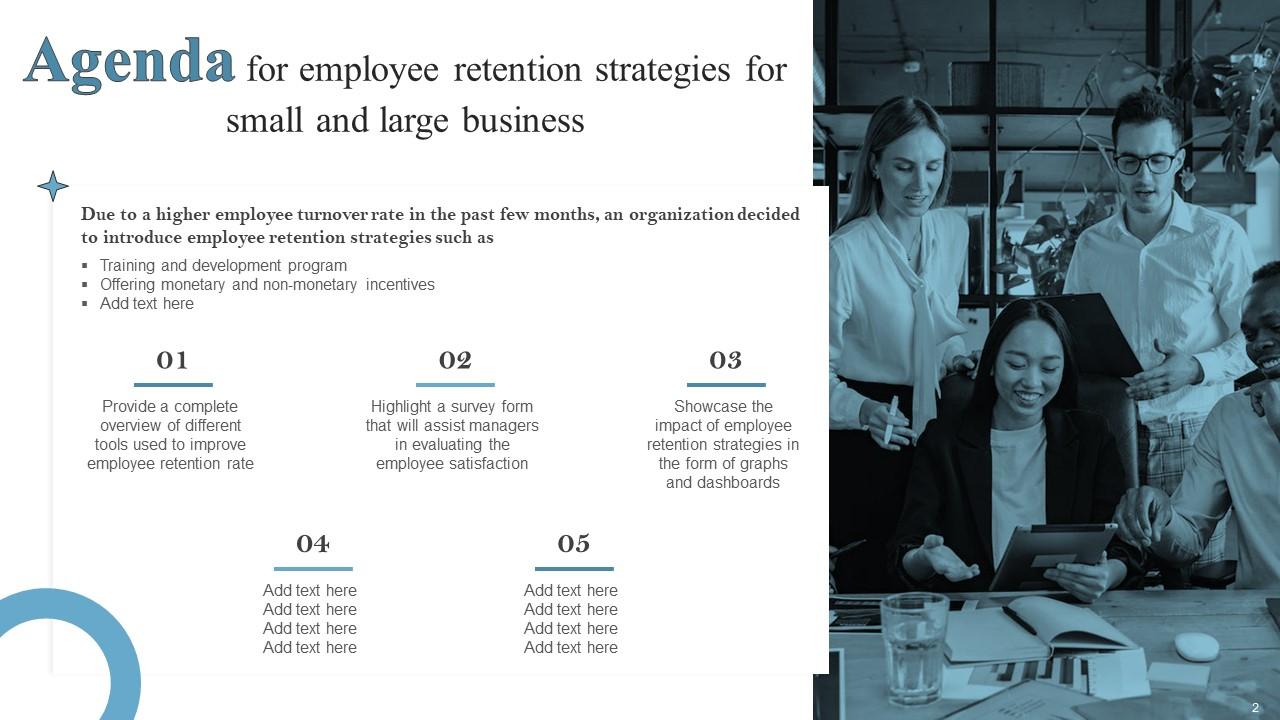
Slide 2: This slide depicts the Agenda of the presentation.
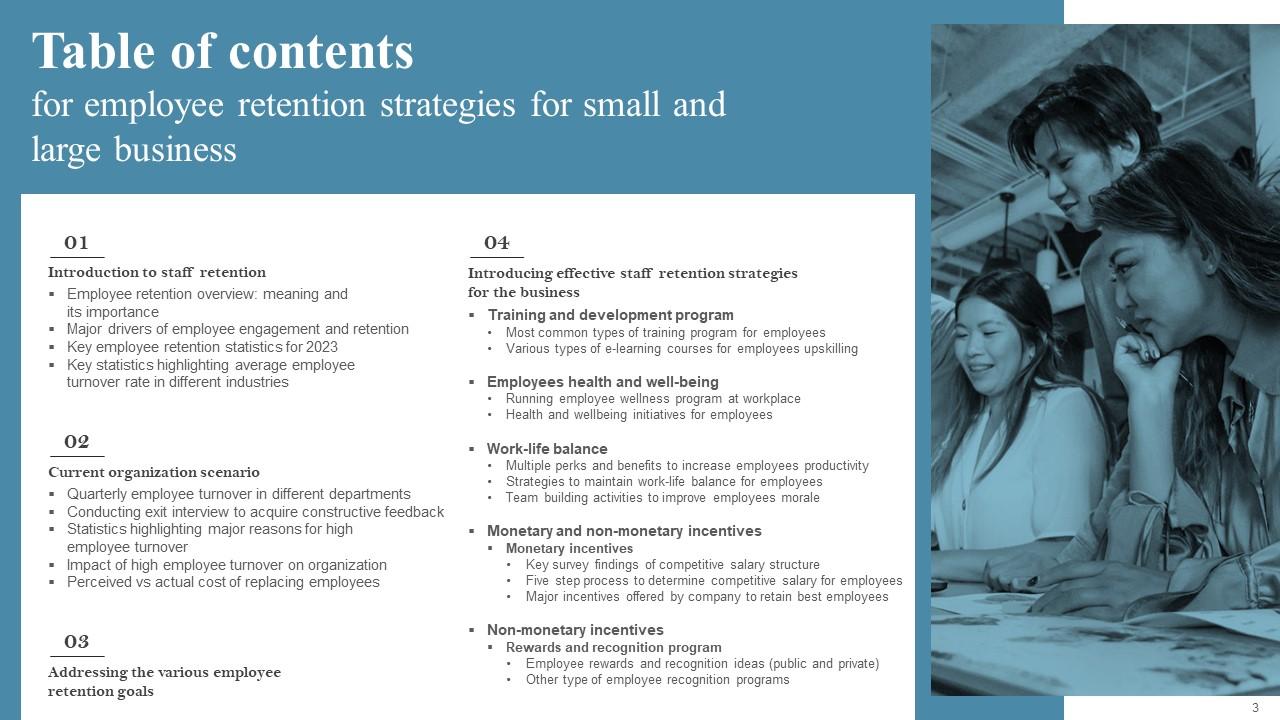
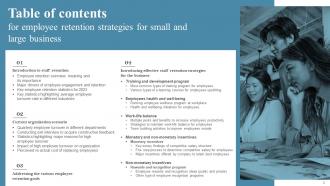
Slide 3: This slide shows Table of Content for the presentation.
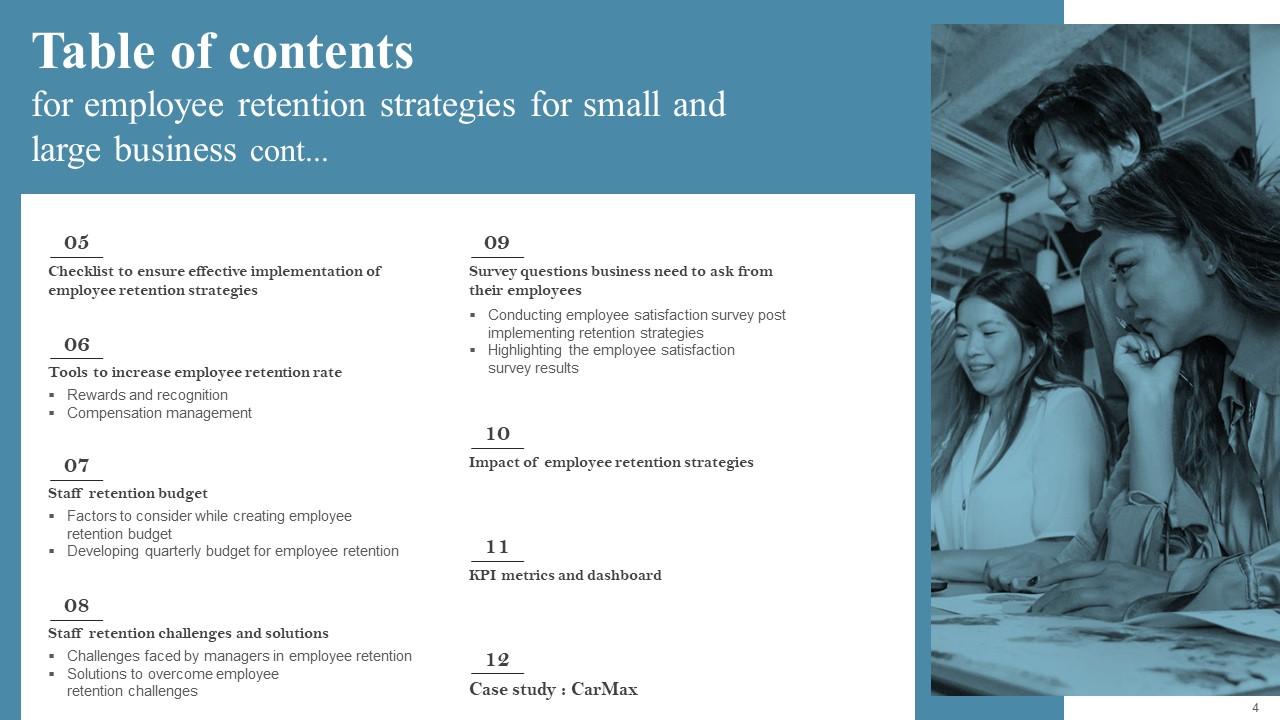
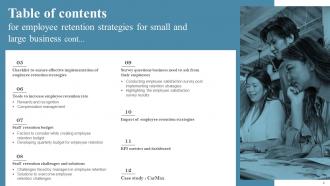
Slide 4: This is yet another slide continuing the Table Of Contents.
Slide 5: This slide showcases the Title for the Topic to be discussed in the upcoming template.
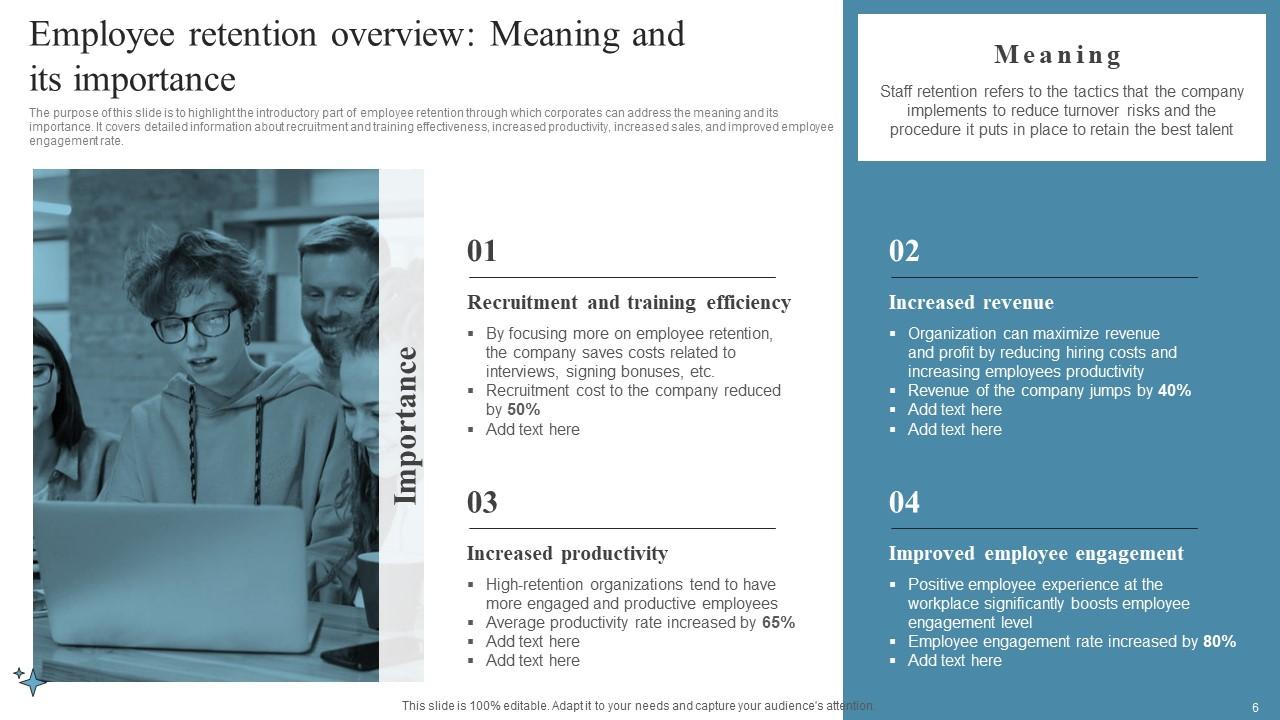
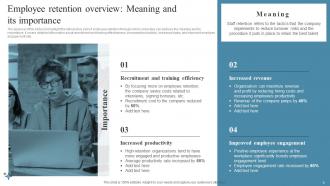
Slide 6: This slide gives a glimpse about the Employee retention overview showing it's Meaning and its importance.
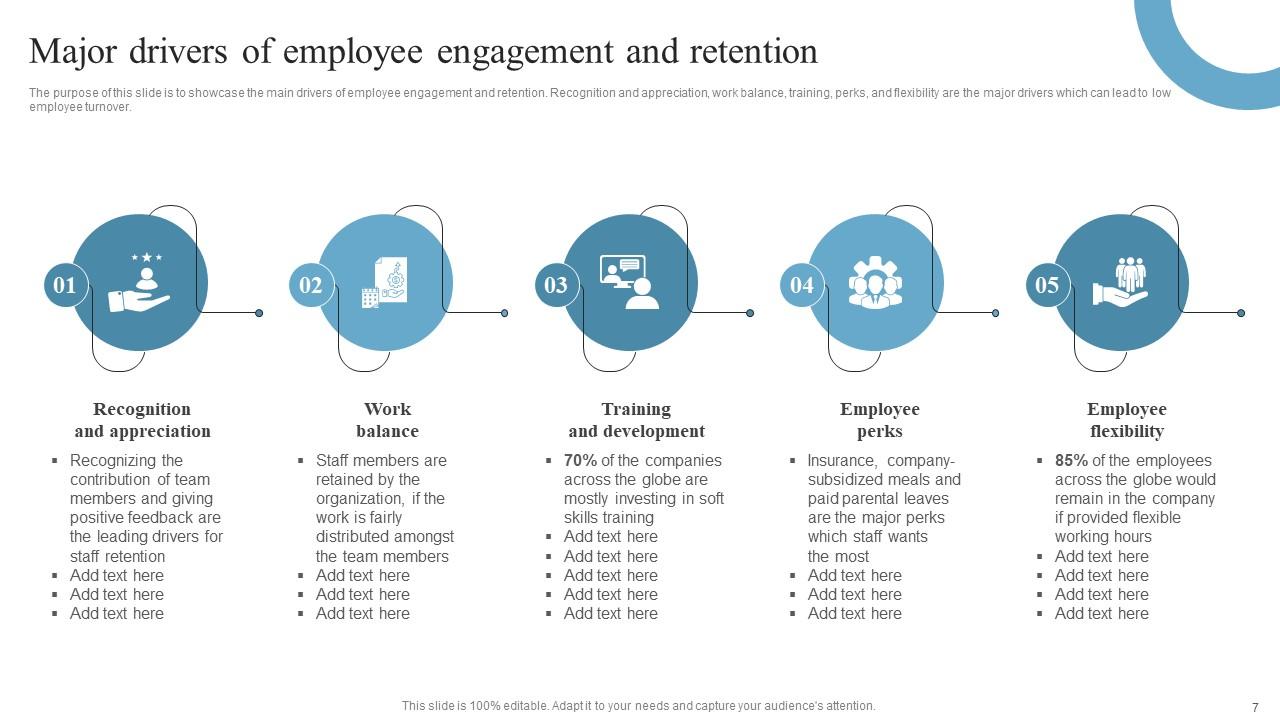
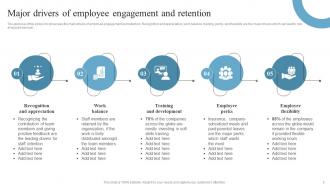
Slide 7: This slide reveals the Major drivers of employee engagement and retention.
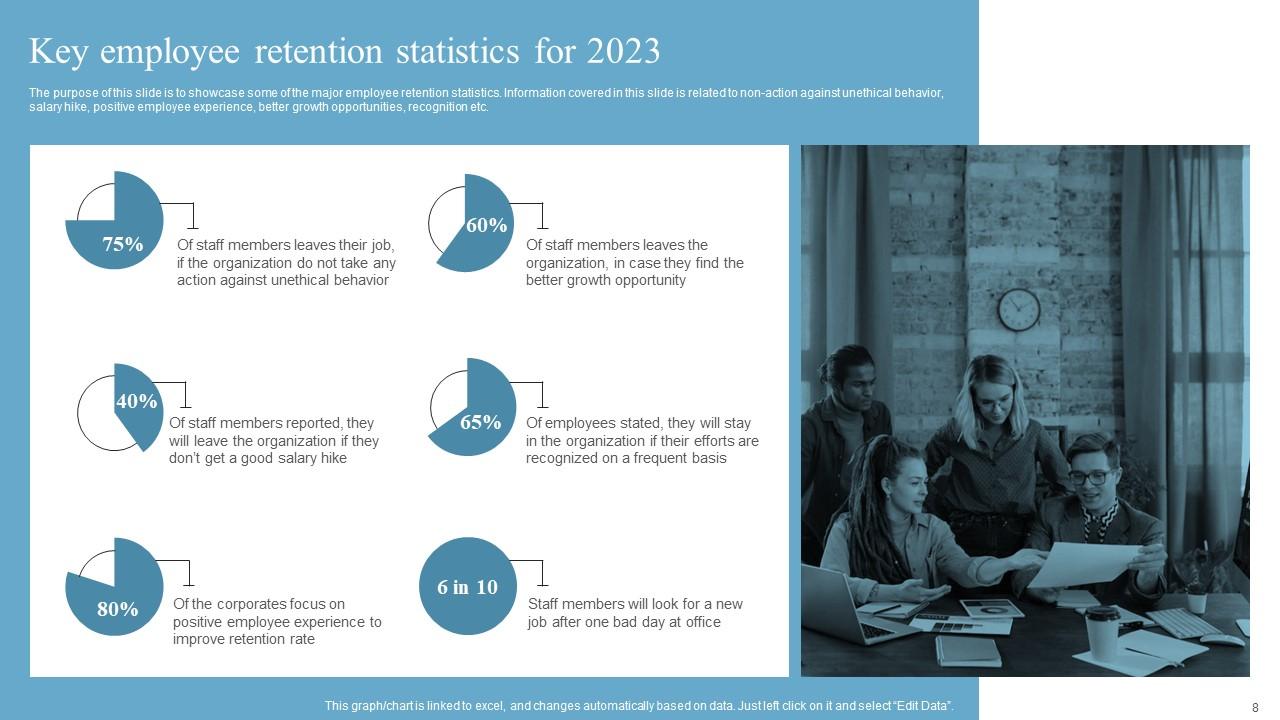
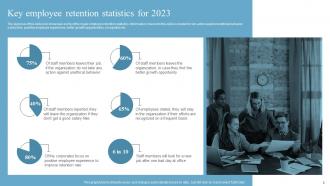
Slide 8: This slide elucidates the Key employee retention statistics for 2023.
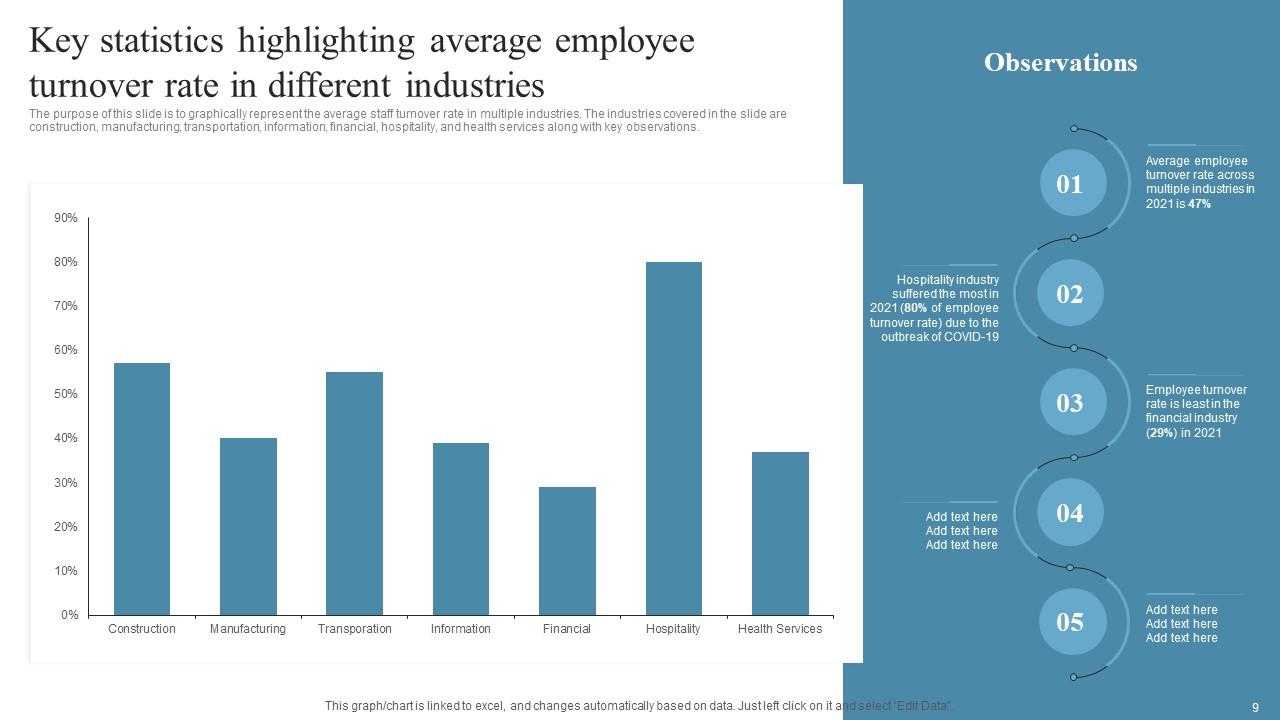
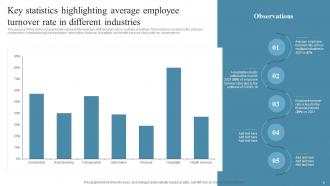
Slide 9: This slide contains the Key statistics highlighting average employee turnover rate in different industries.
Slide 10: This slide reveals the Heading for the Contents to be discussed further.
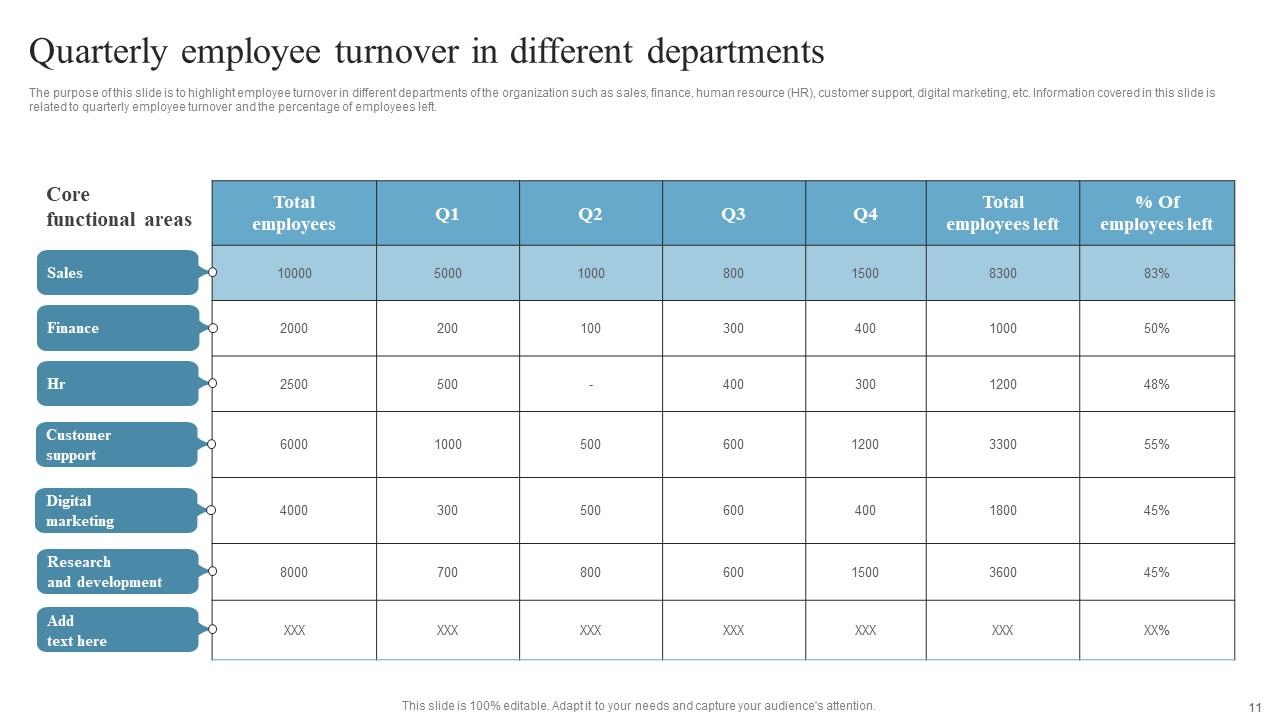
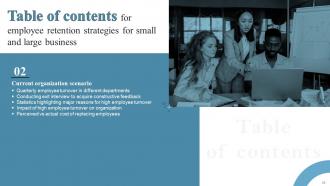
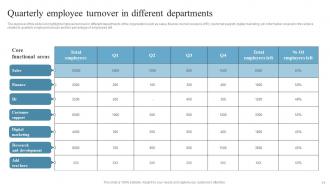
Slide 11: This slide elucidates the Quarterly employee turnover in different departments.
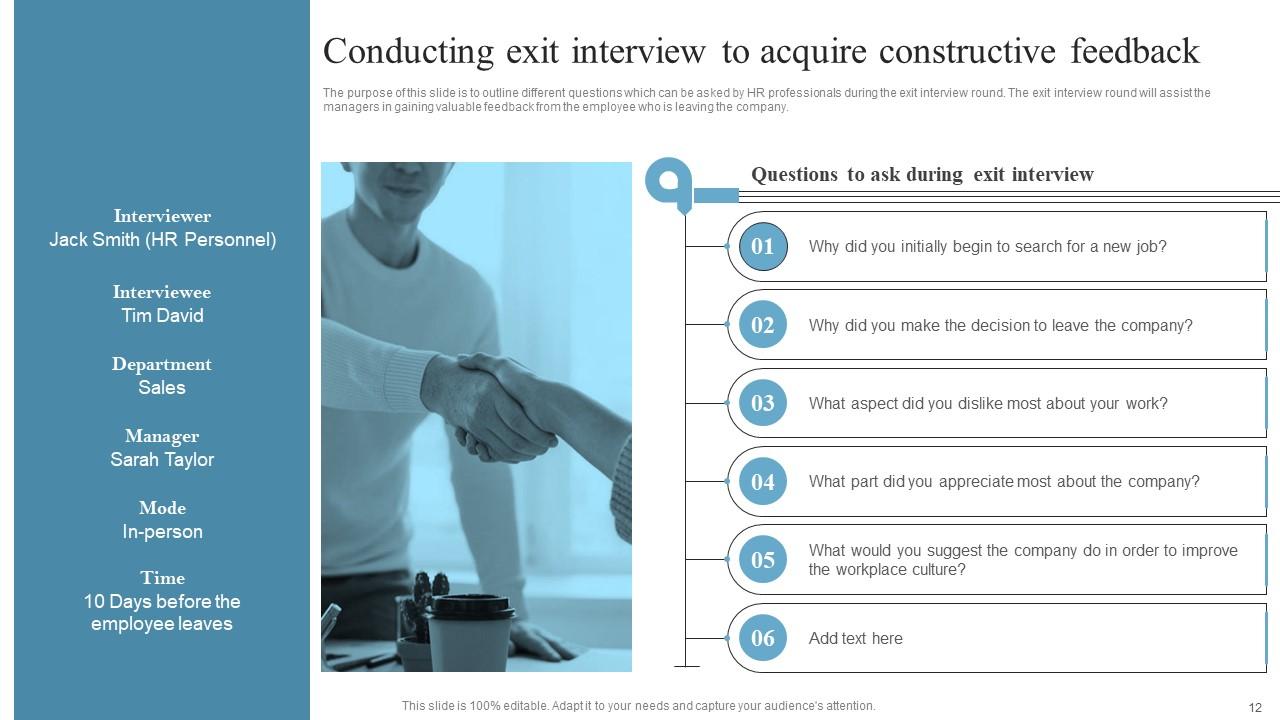
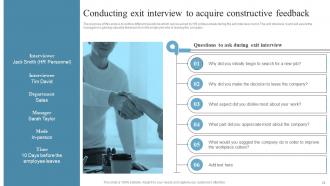
Slide 12: This slide displays the Conduction of exit interview to acquire constructive feedback.
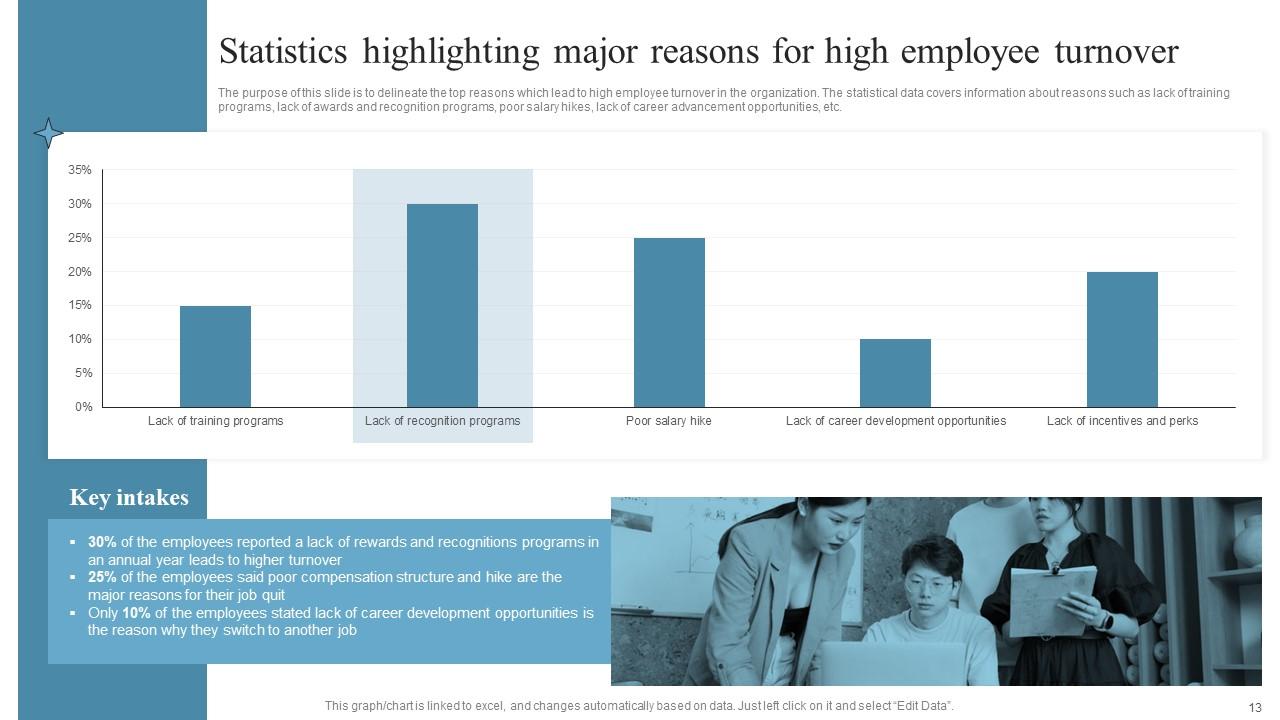
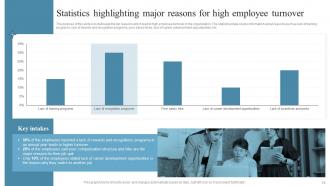
Slide 13: This slide illustrates the Statistics highlighting major reasons for high employee turnover.
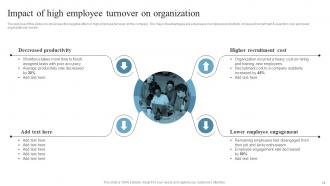
Slide 14: This slide showcases the Impact of high employee turnover on organization.
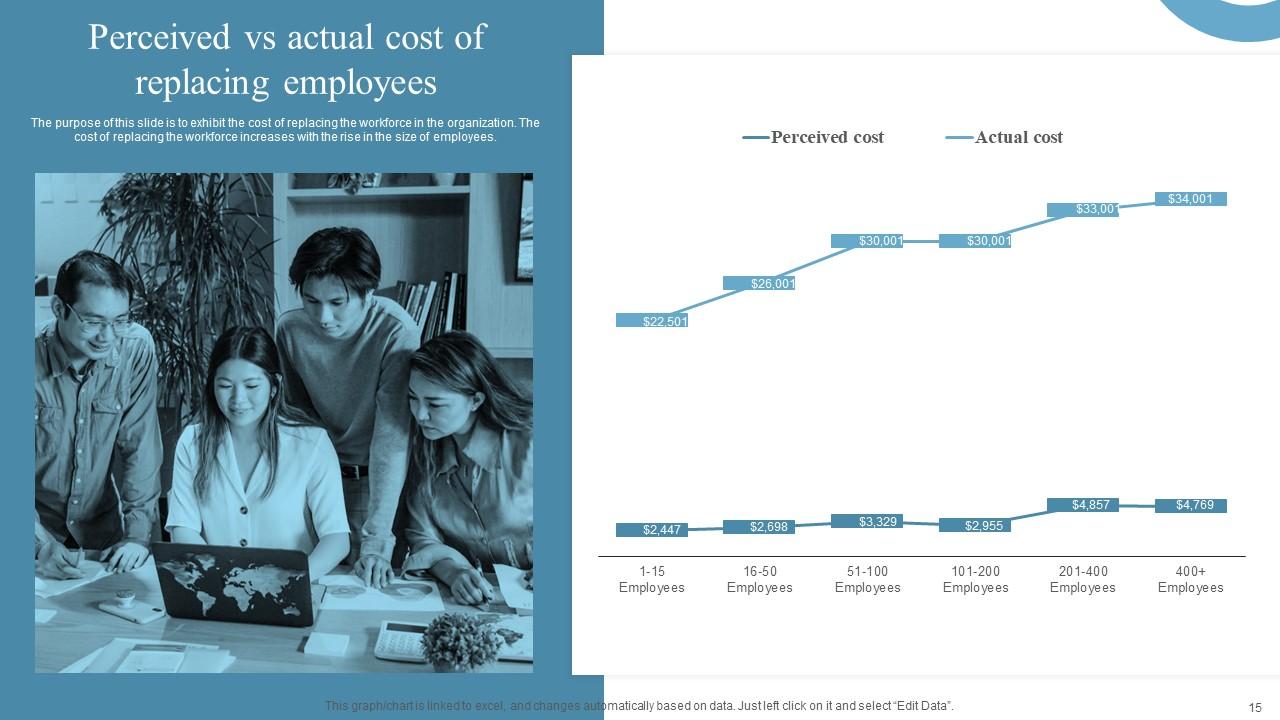
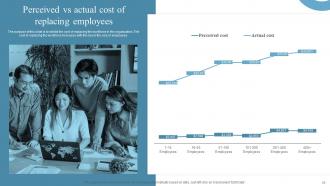
Slide 15: This slide compares Perceived and actual cost of replacing employees.
Slide 16: This slide contains the Heading for the Contents to be covered next.
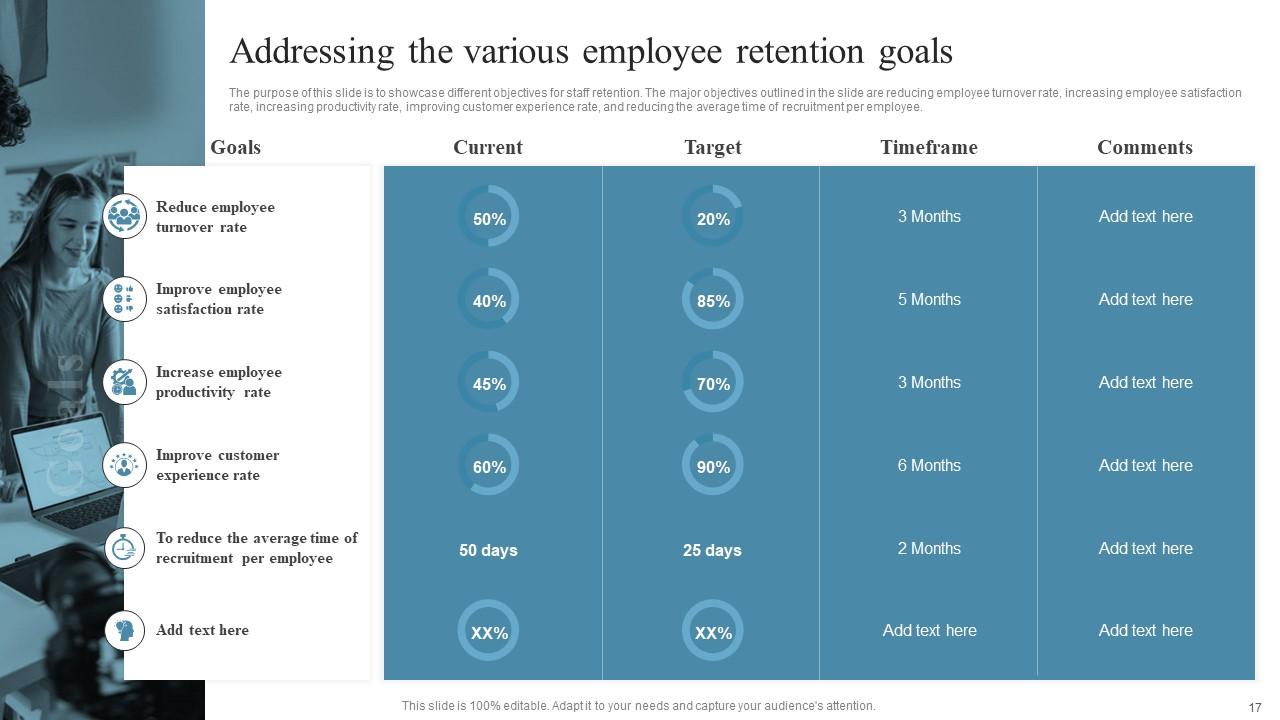
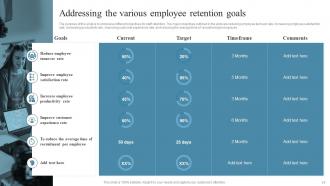
Slide 17: This slide deals with Addressing the various employee retention goals.
Slide 18: This slide depicts the Title for the Topics to be covered in the next template.
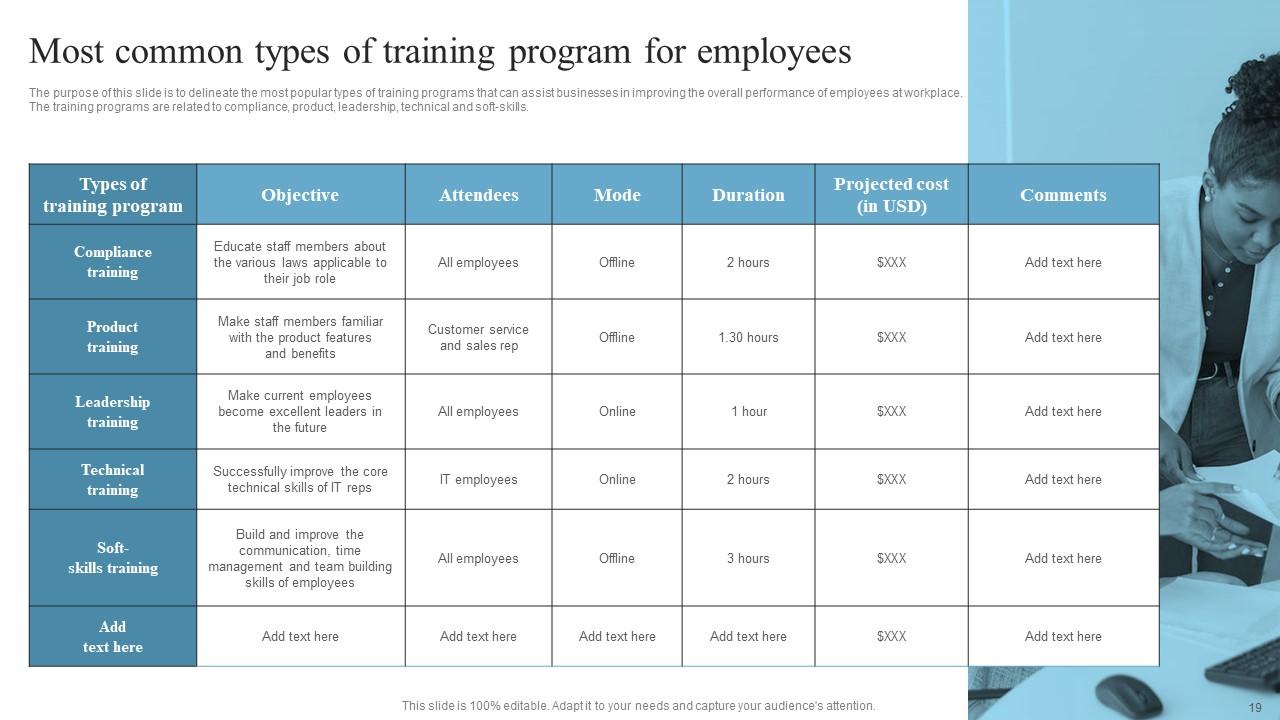
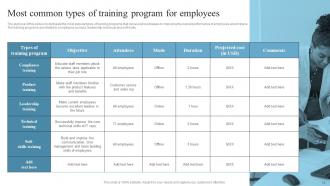
Slide 19: This slide presents the Most common types of training program for employees.
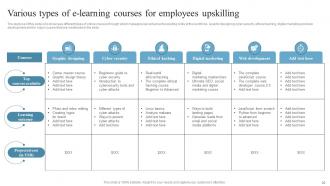
Slide 20: This slide exhibits the Various types of e-learning courses for employees upskilling.
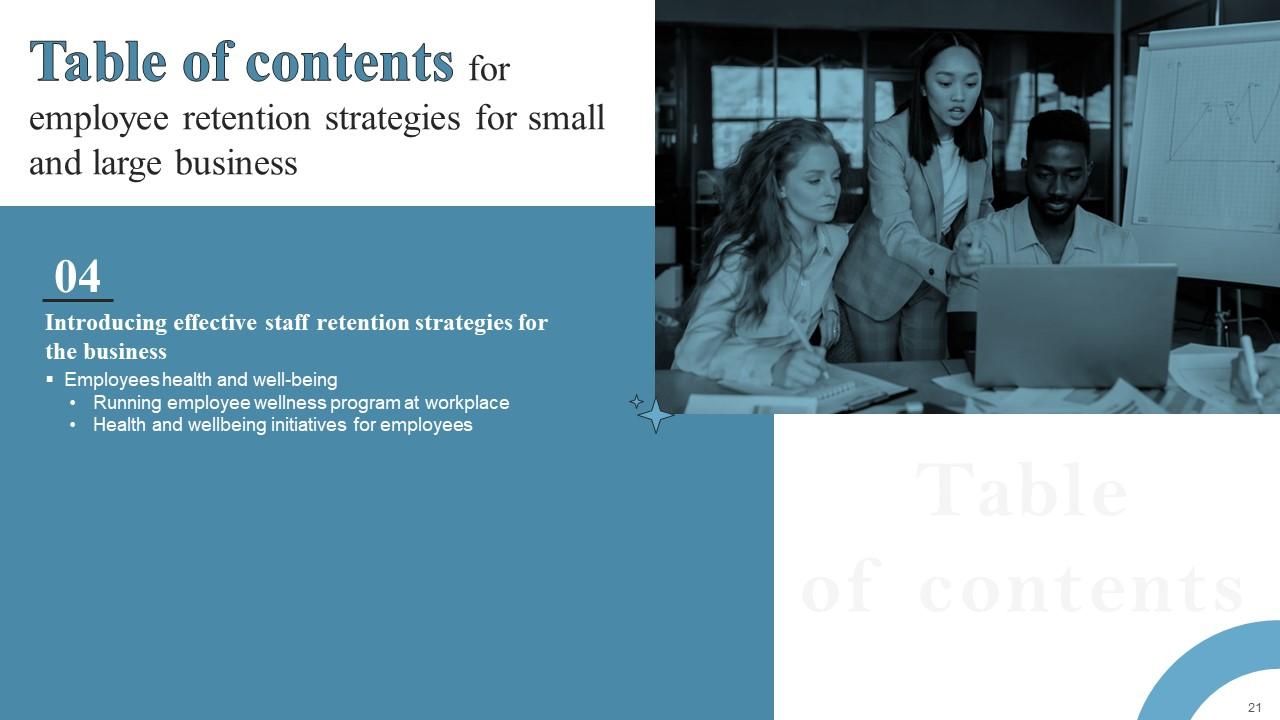
Slide 21: This slide includes the Title for the Topics to be discussed further.
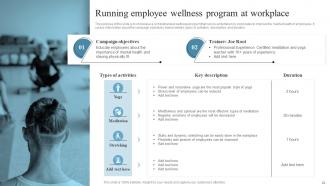
Slide 22: This slide elucidates Running employee wellness program at workplace.
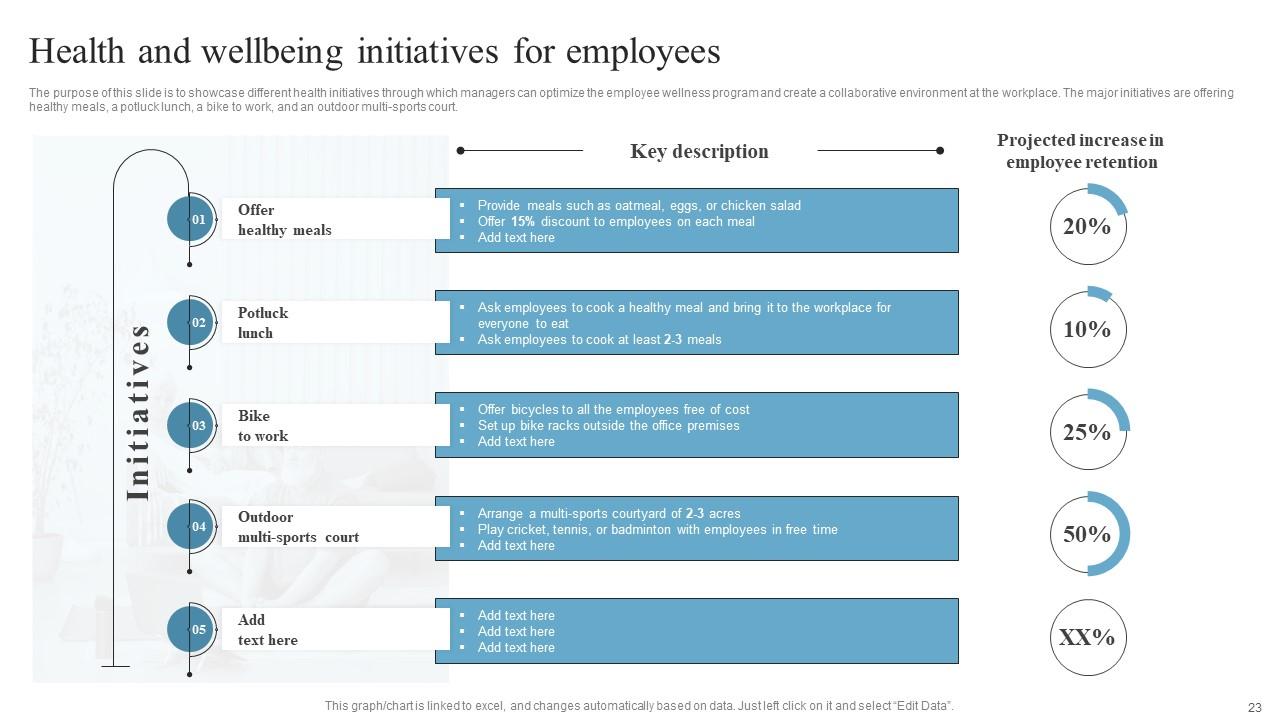
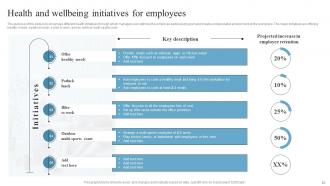
Slide 23: This slide highlights the Health and wellbeing initiatives for employees.
Slide 24: This slide displays the Heading for the Topics to be discussed in the forth-coming template.
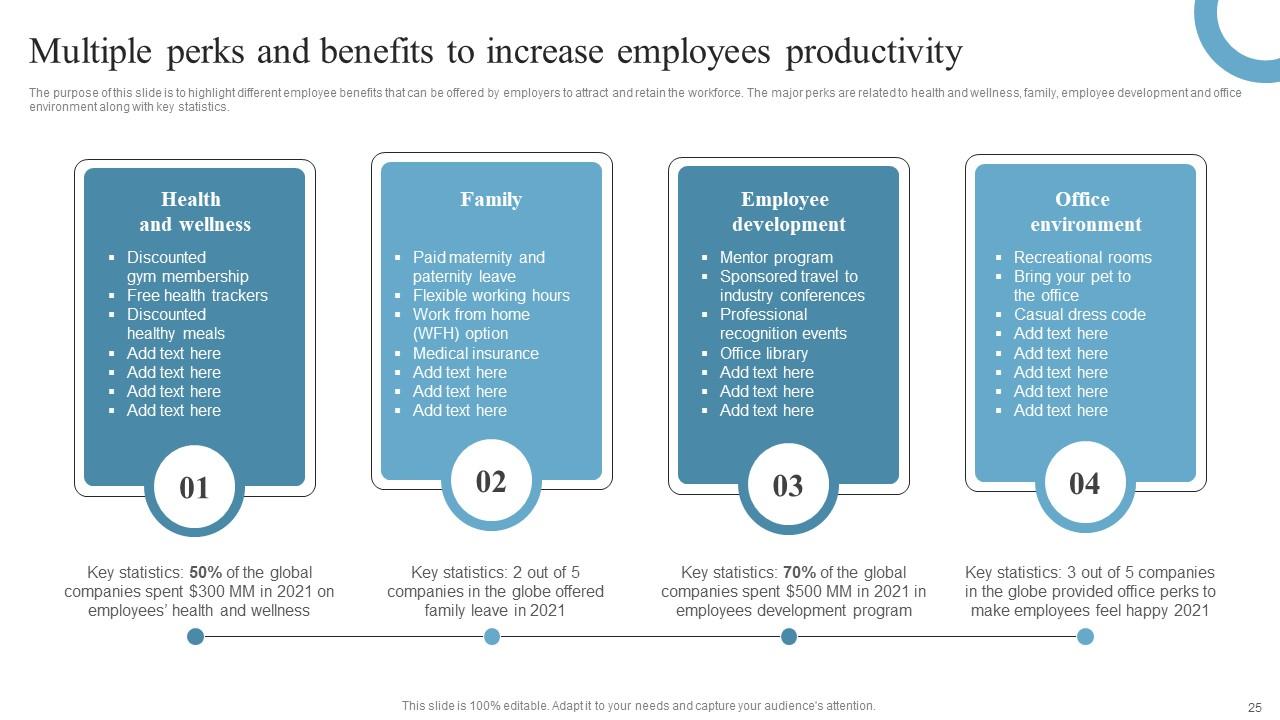
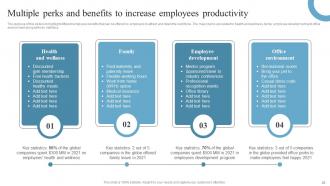
Slide 25: This slide focuses on Multiple perks and benefits to increase employees productivity.
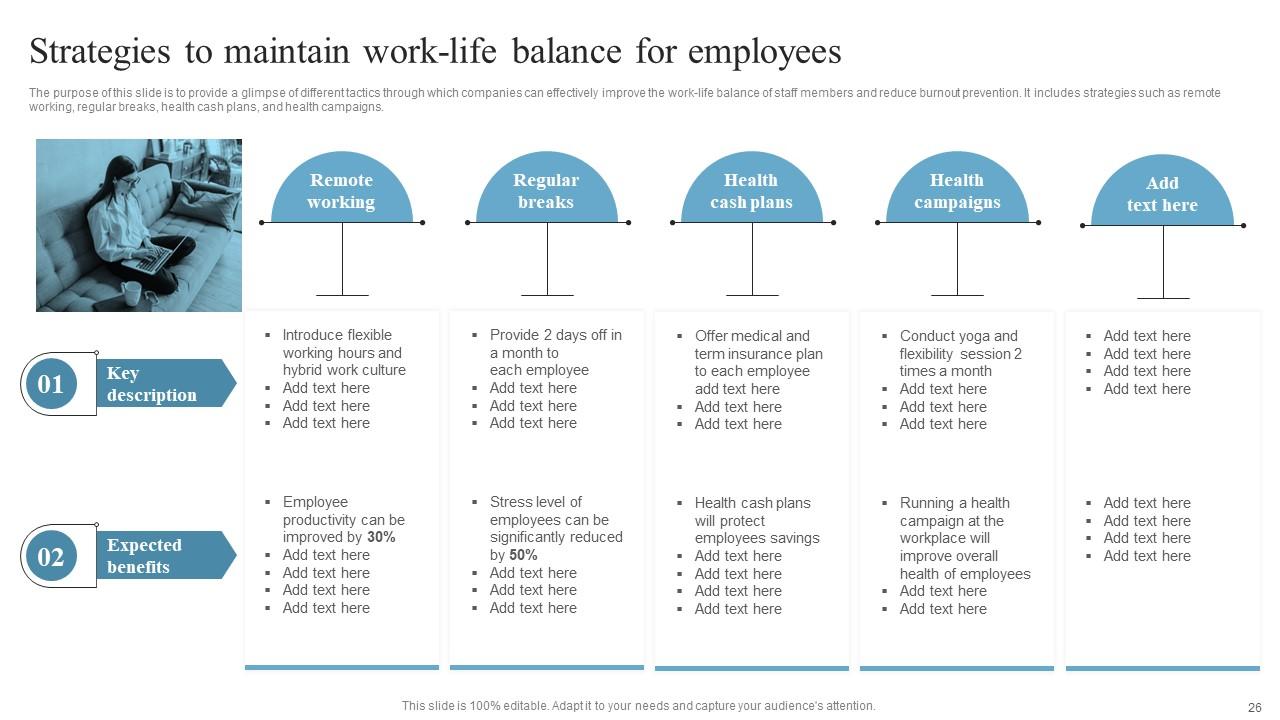
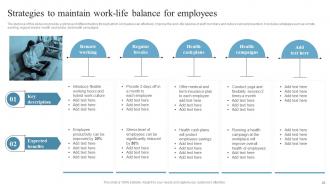
Slide 26: This slide shows the Strategies to maintain work-life balance for employees.
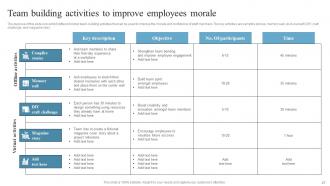
Slide 27: This slide provides information about Team building activities to improve employees morale.
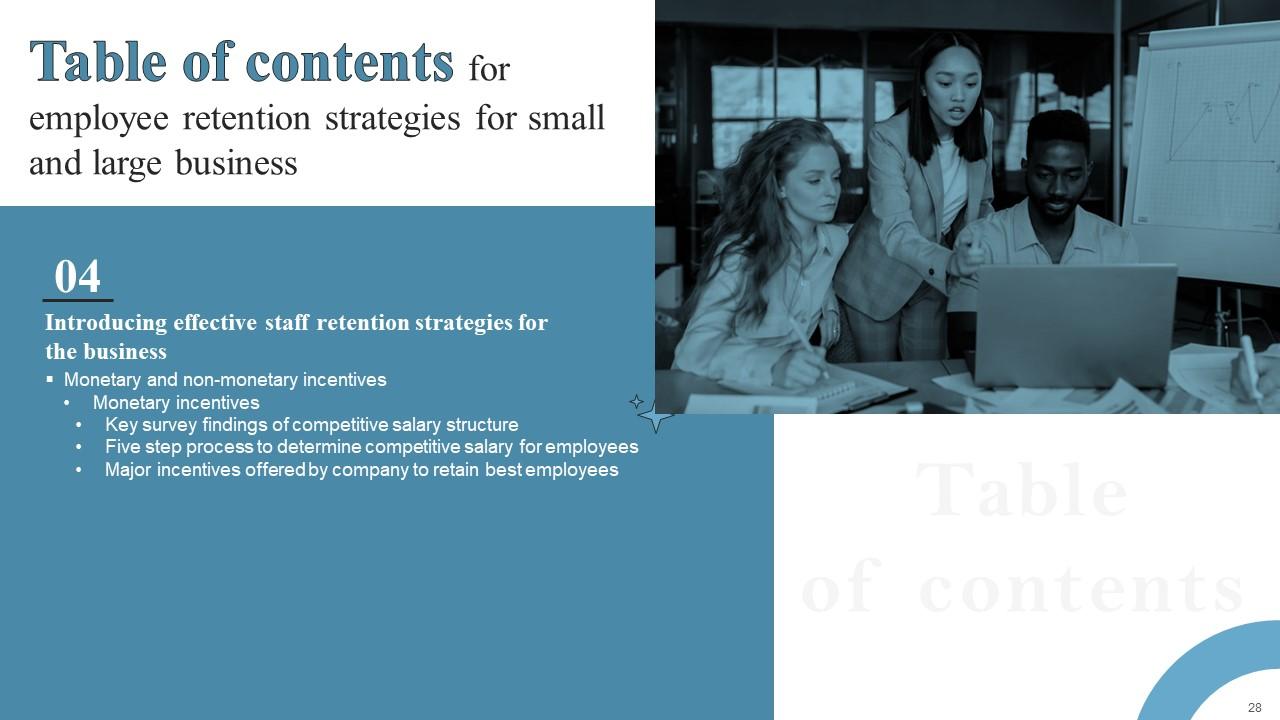
Slide 28: This slide reveals the Heading for the Contents to be discussed further.
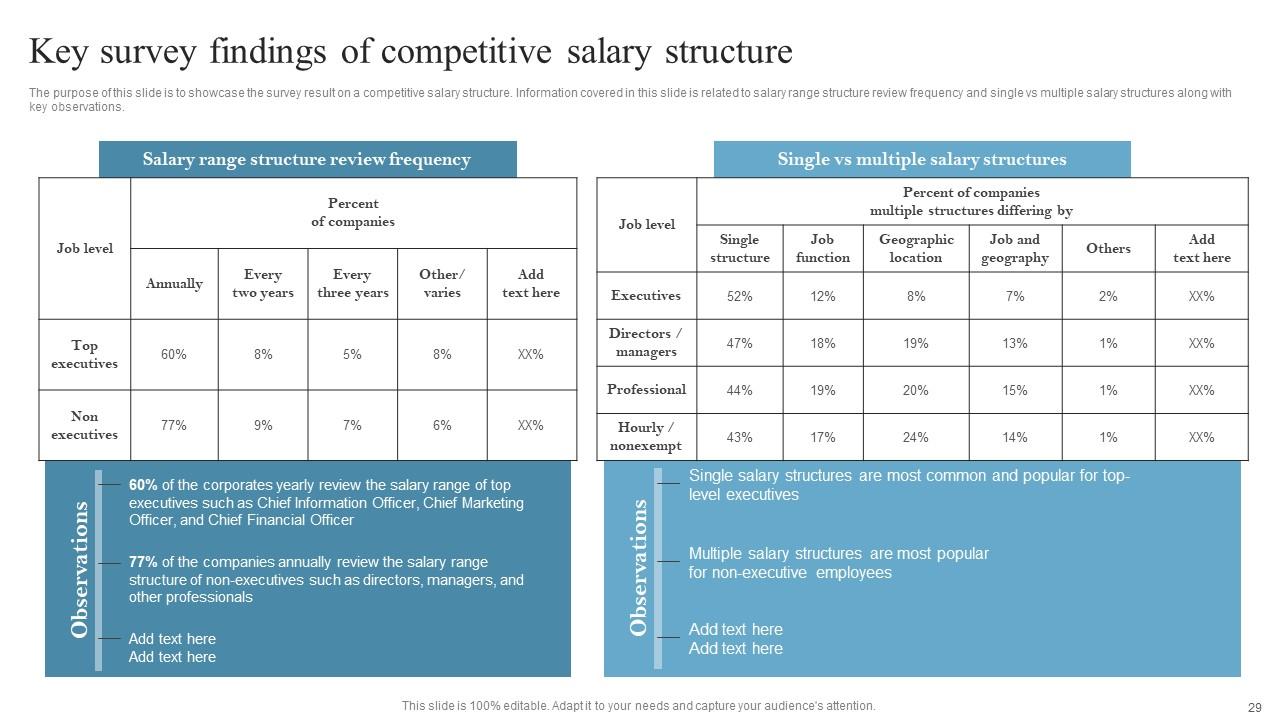
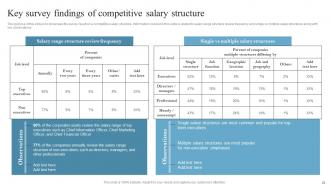
Slide 29: This slide illustrates the Key survey findings of competitive salary structure.
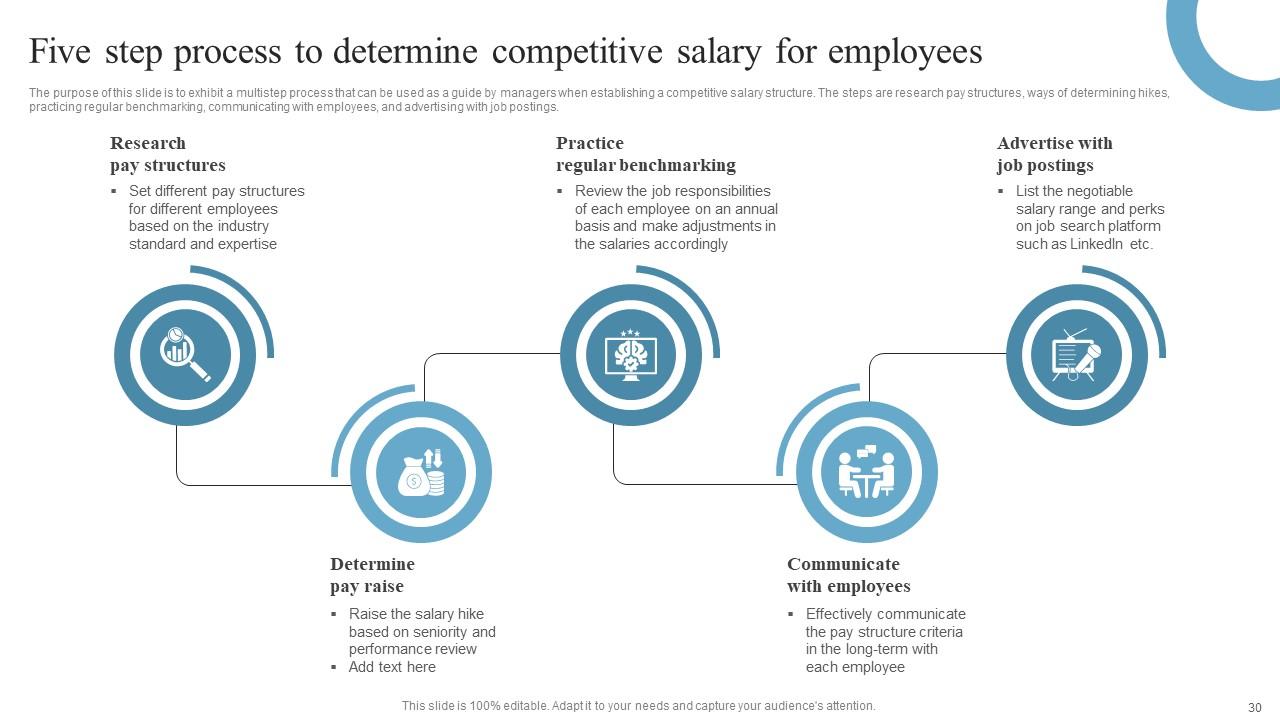
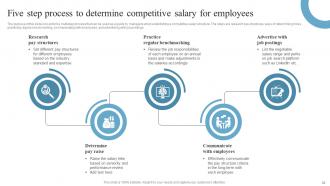
Slide 30: This slide includes Five step process to determine competitive salary for employees.
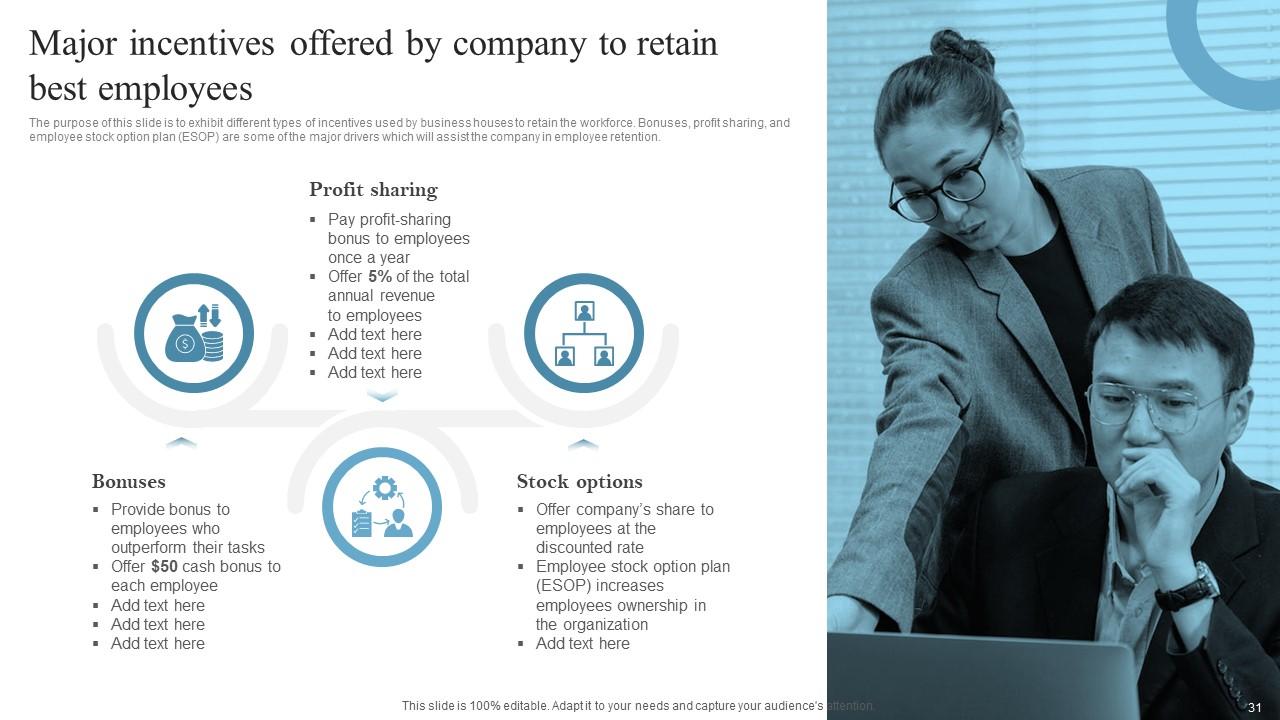
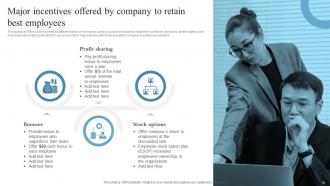
Slide 31: This slide showcases the Major incentives offered by company to retain best employees.
Slide 32: This slide incorporates the Title for the Ideas to be discussed next.
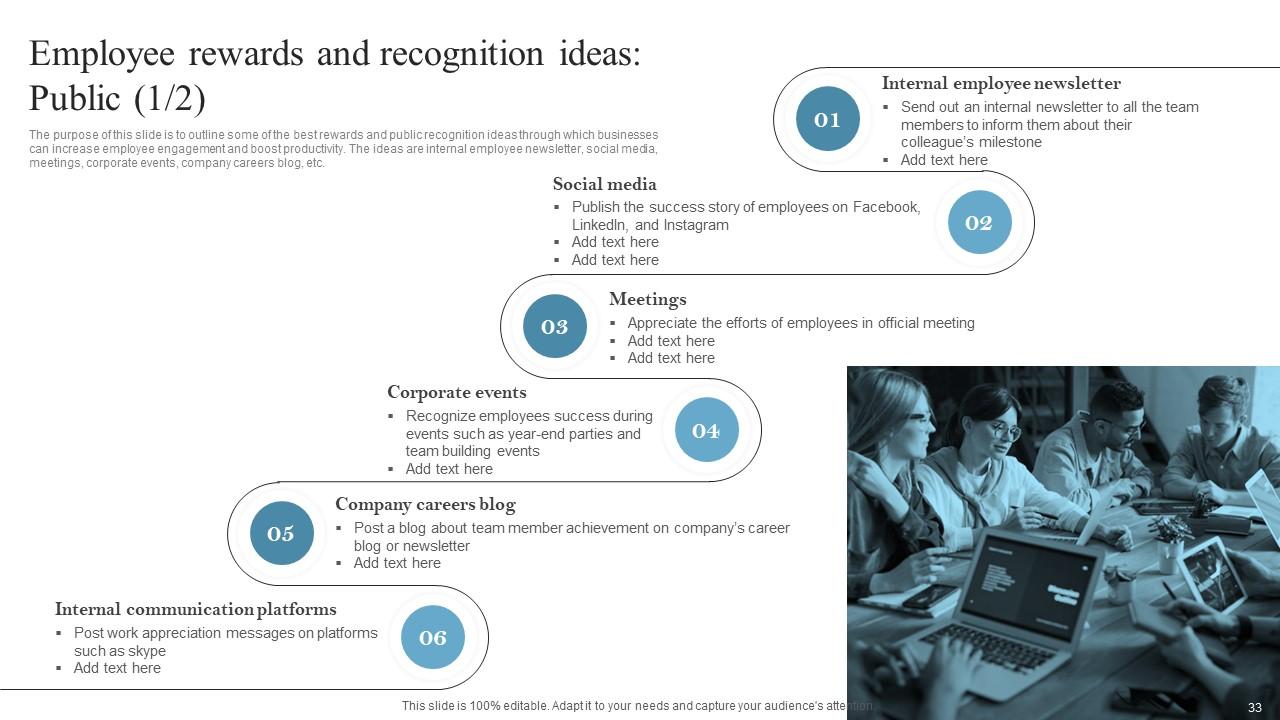
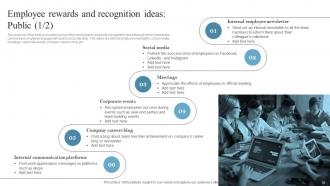
Slide 33: This slide elucidates the Employee rewards and Public recognition ideas.
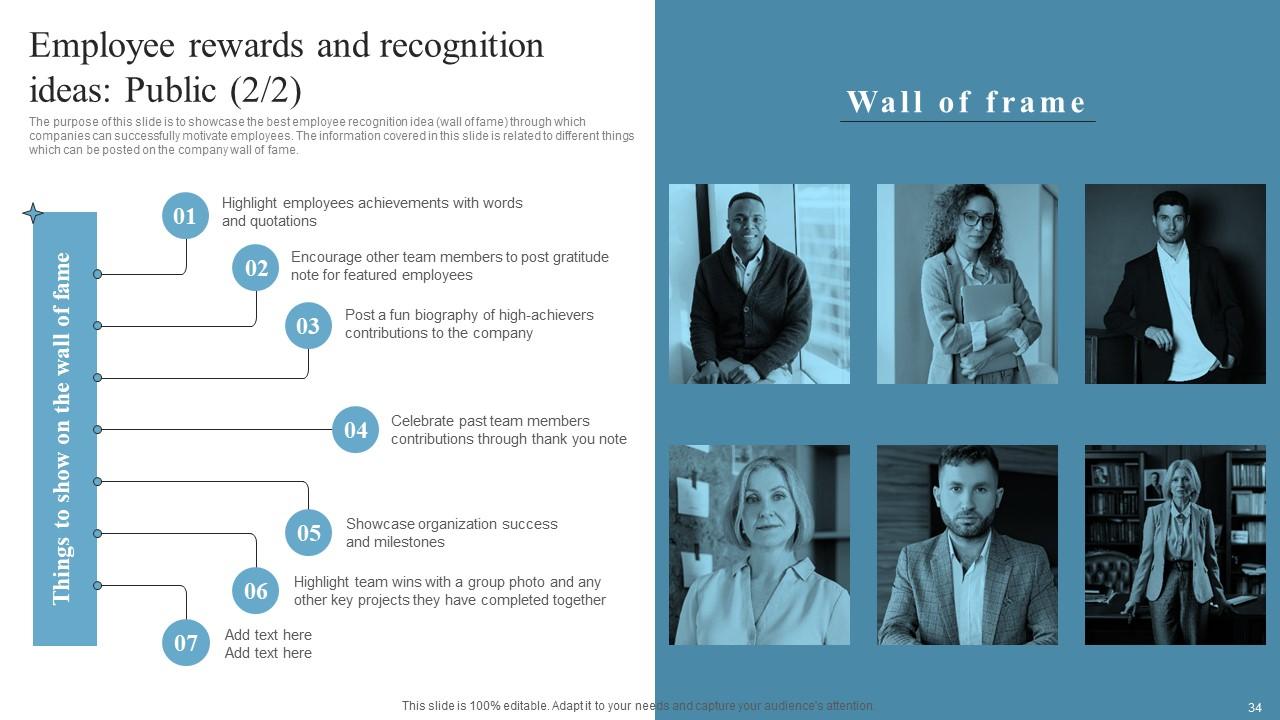
Slide 34: This is another slide continuing the Employeerewards and Public recognition ideas.
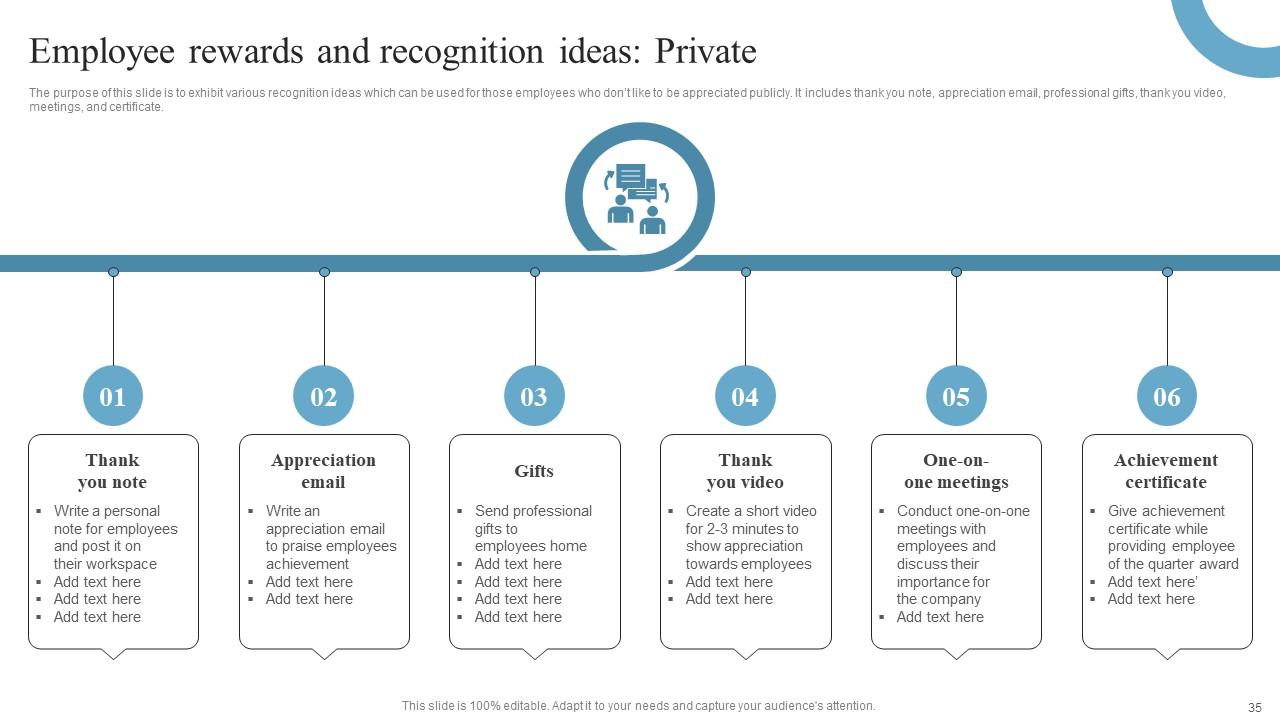
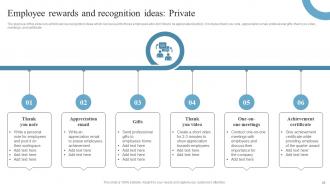
Slide 35: This slide highlights the Private Employee rewards and recognition ideas.
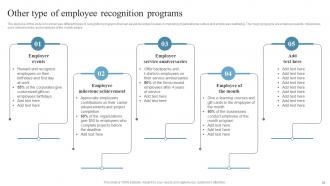
Slide 36: This slide deals with the Other type of employee recognition programs.
Slide 37: This slide contains the Heading for the Contents to be discussed further.
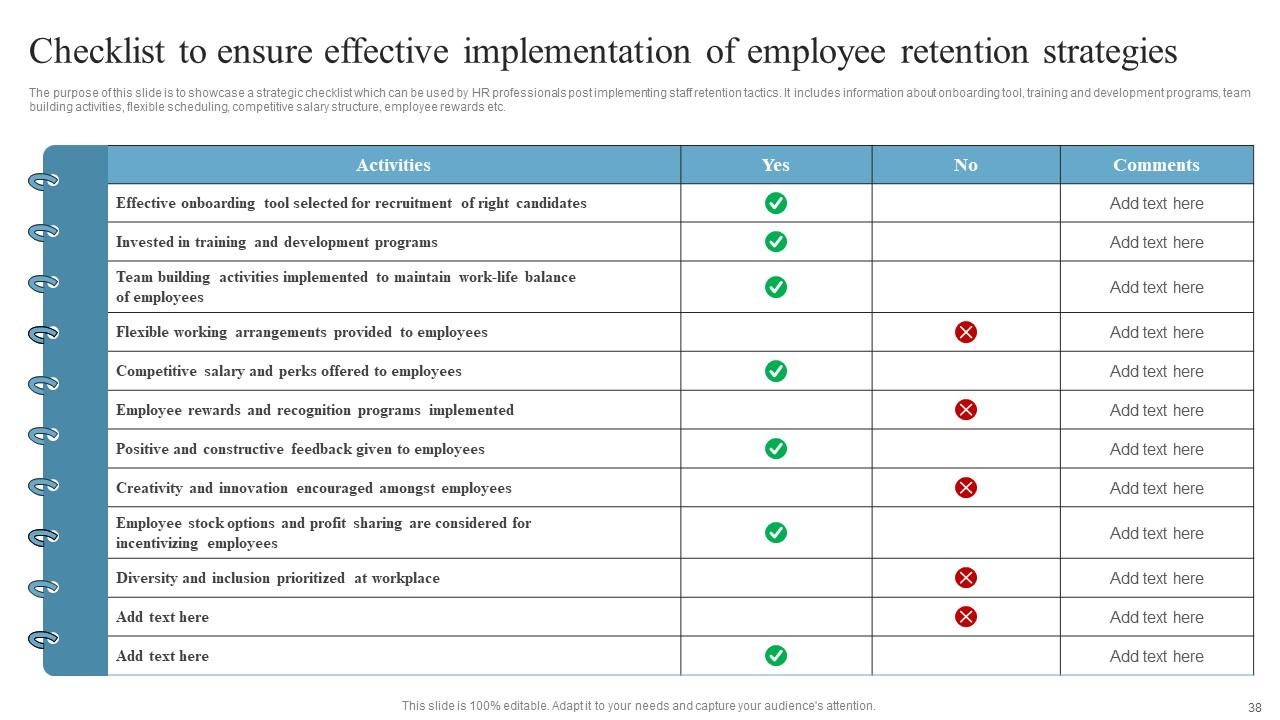
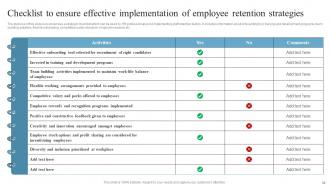
Slide 38: This slide exhibits the Checklist to ensure effective implementation of employee retention strategies.
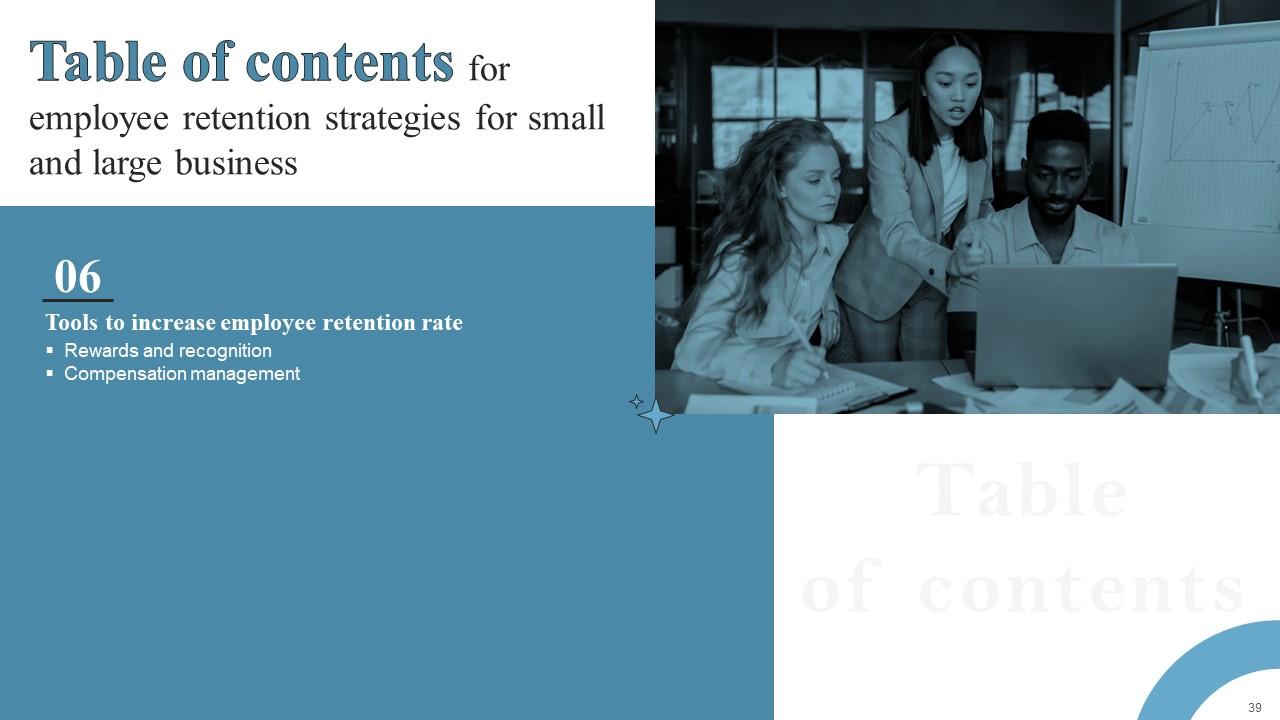
Slide 39: This slide shows the Title for the Topics to be covered in the upcoming slide.
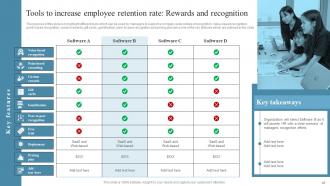
Slide 40: This slide reveals the Tools to increase employee retention rate through Rewards and Recognition.
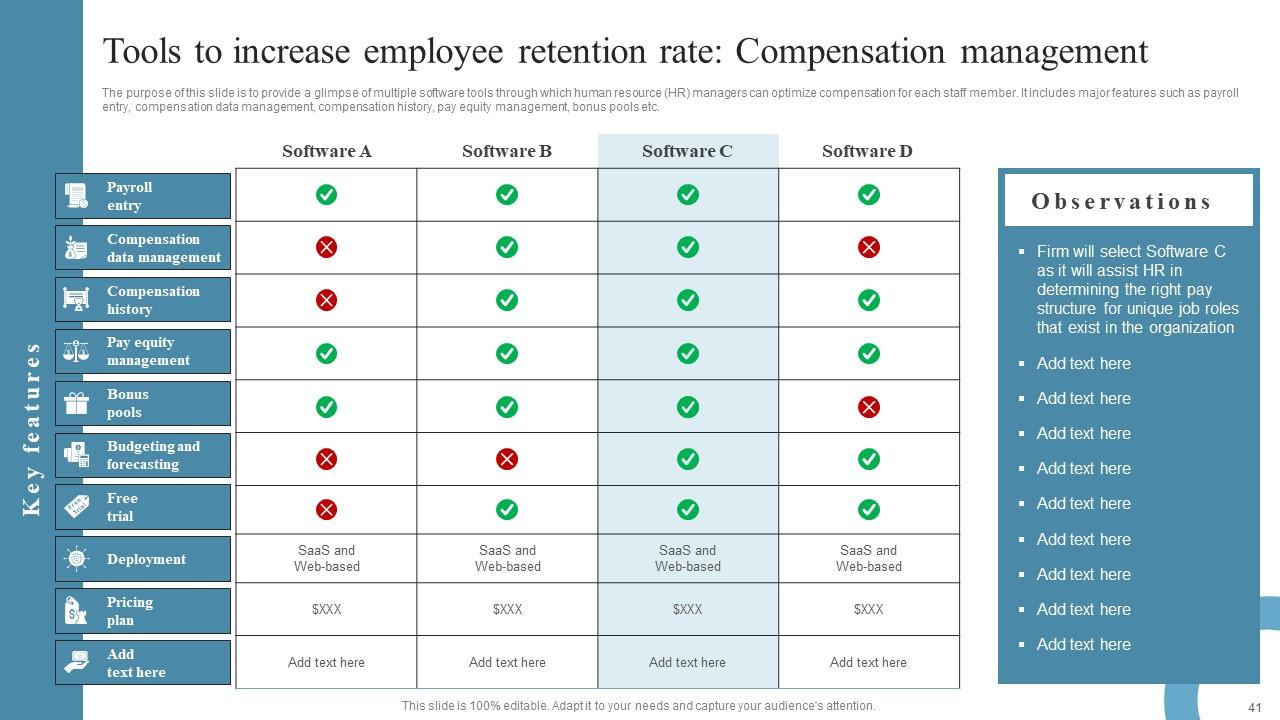
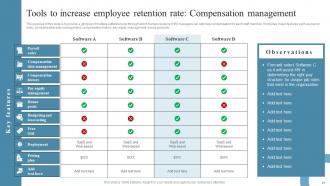
Slide 41: This slide represents the Tools to increase employee retention rate by Compensation management.
Slide 42: This slide exhibits the Title for the Topics to be discussed further.
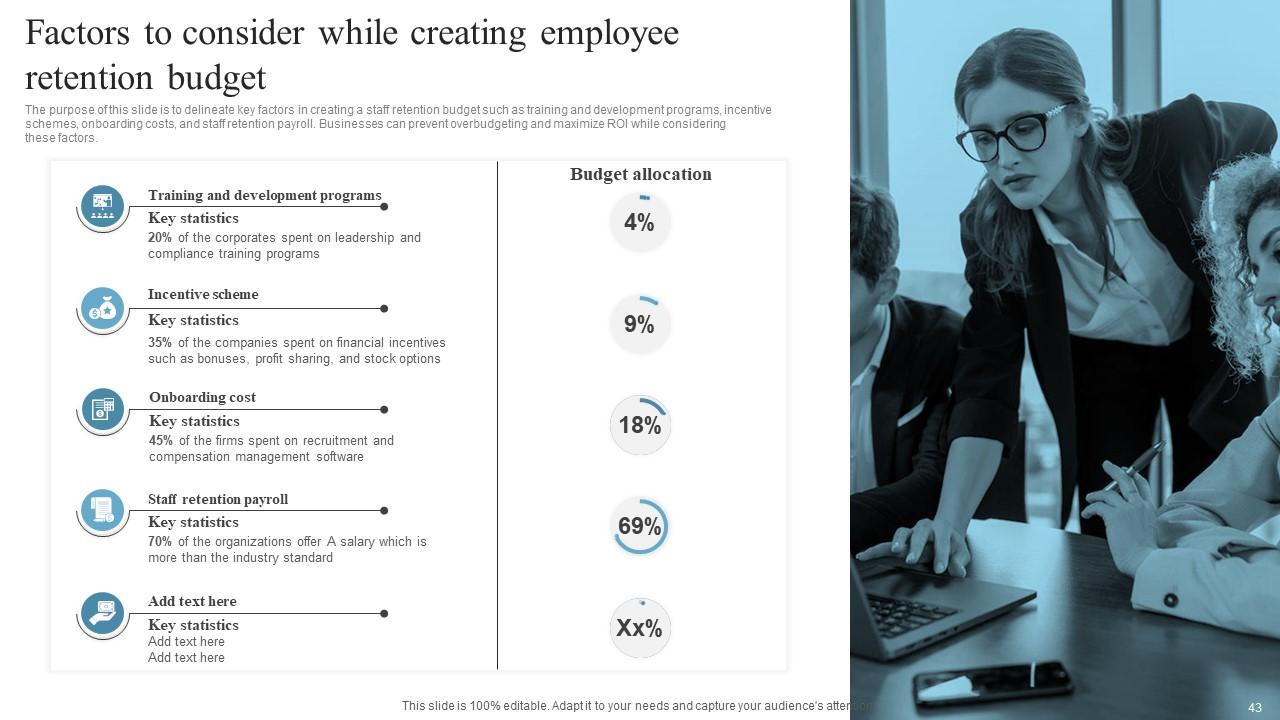
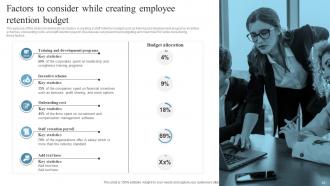
Slide 43: This slide emphasizes on the Factors to consider while creating employee retention budget.
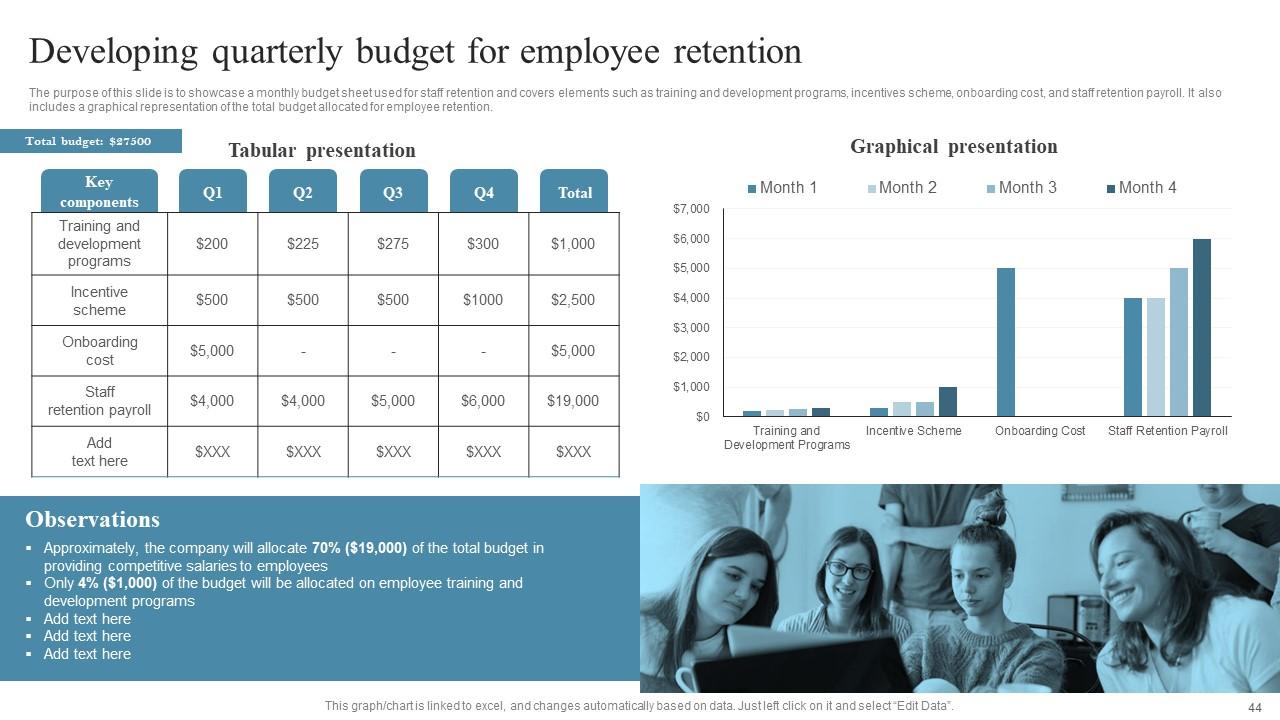
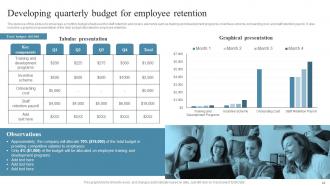
Slide 44: This slide covers the Development of quarterly budget for employee retention.
Slide 45: This slide includes the Title for the Ideas to be discussed further.
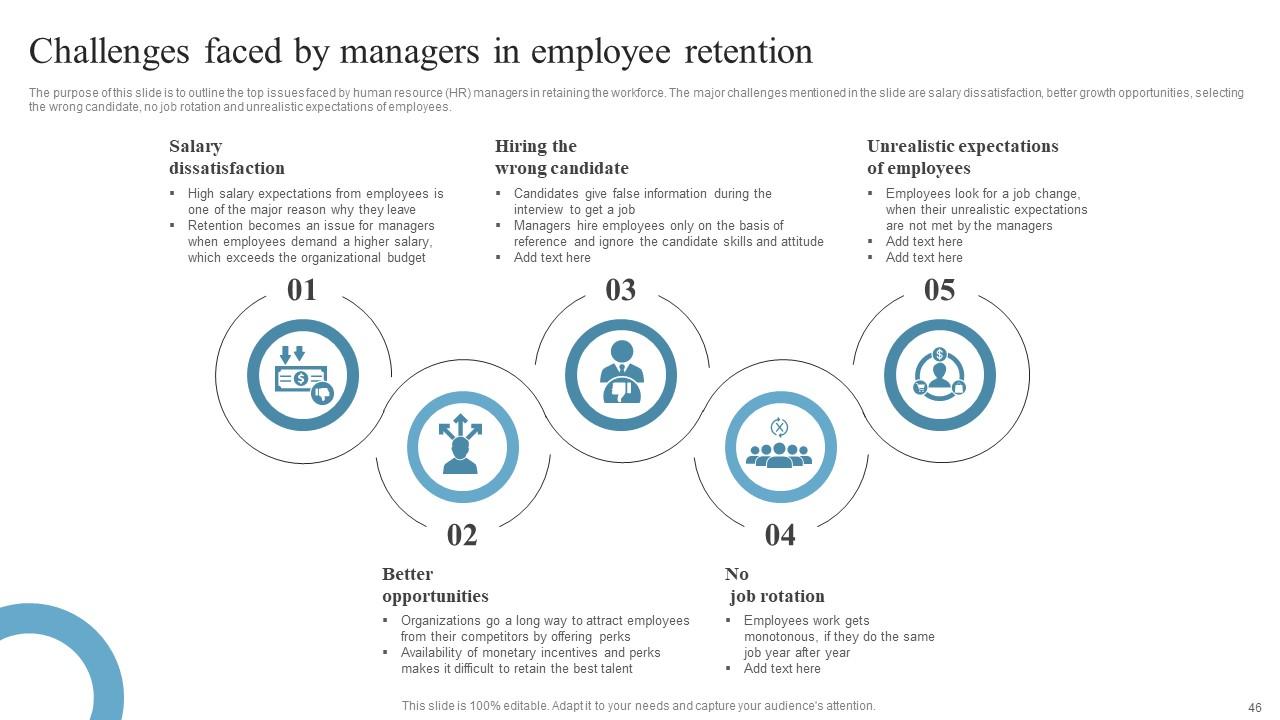
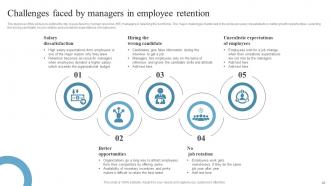
Slide 46: This slide deals with the Challenges faced by managers in employee retention.
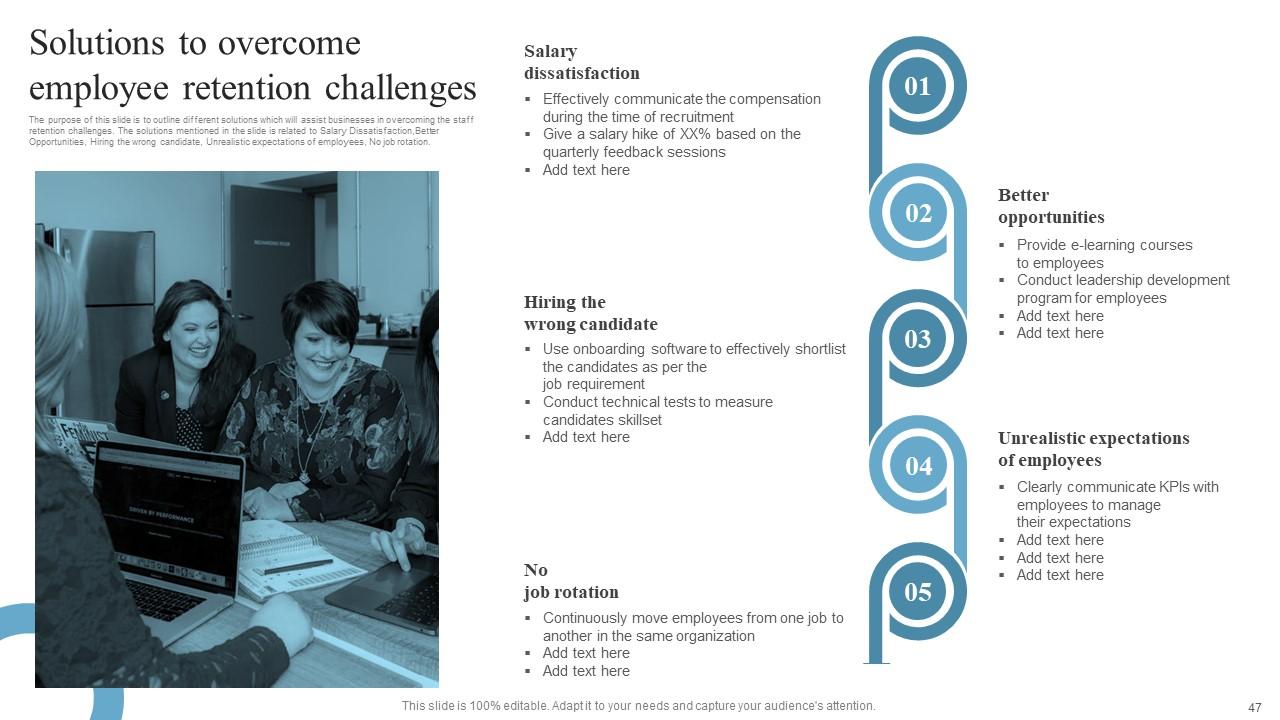
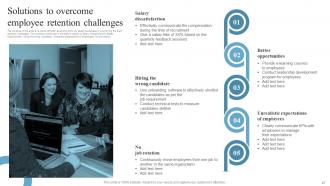
Slide 47: This slide focuses on the Solutions to overcome employee retention challenges.
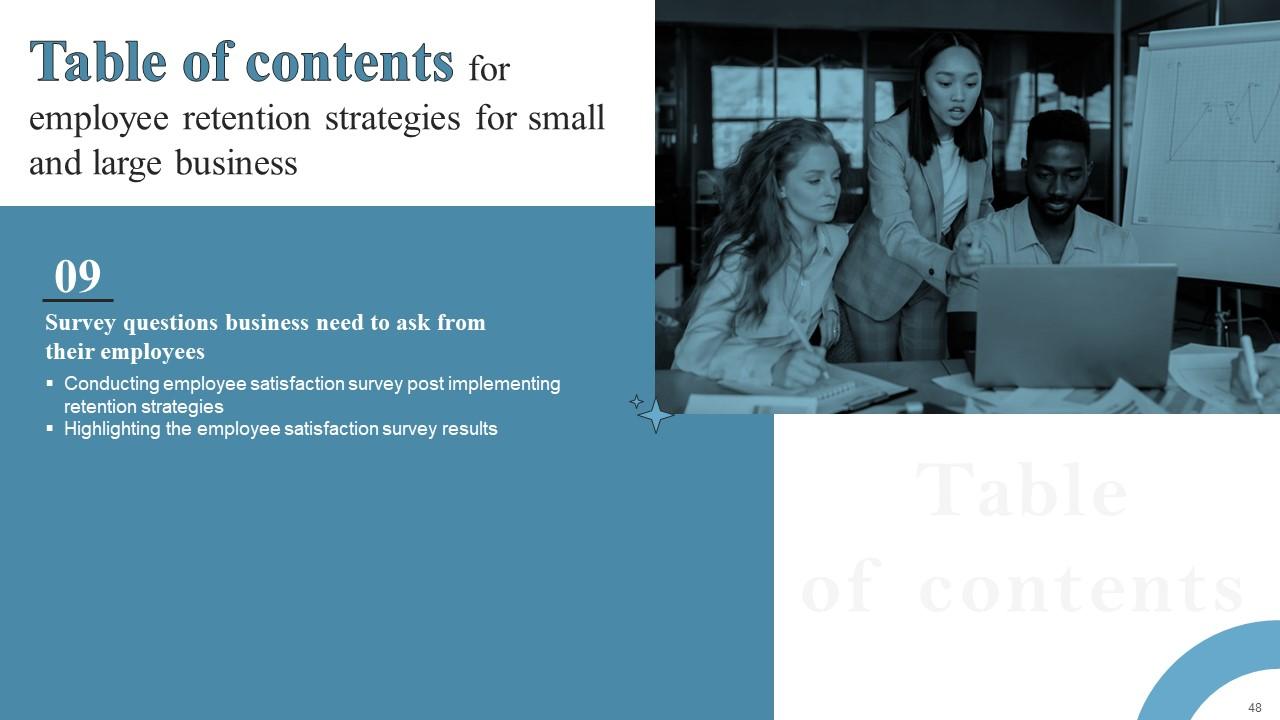
Slide 48: This slide incorporates the Heading for the Topics to be covered in the next slide.
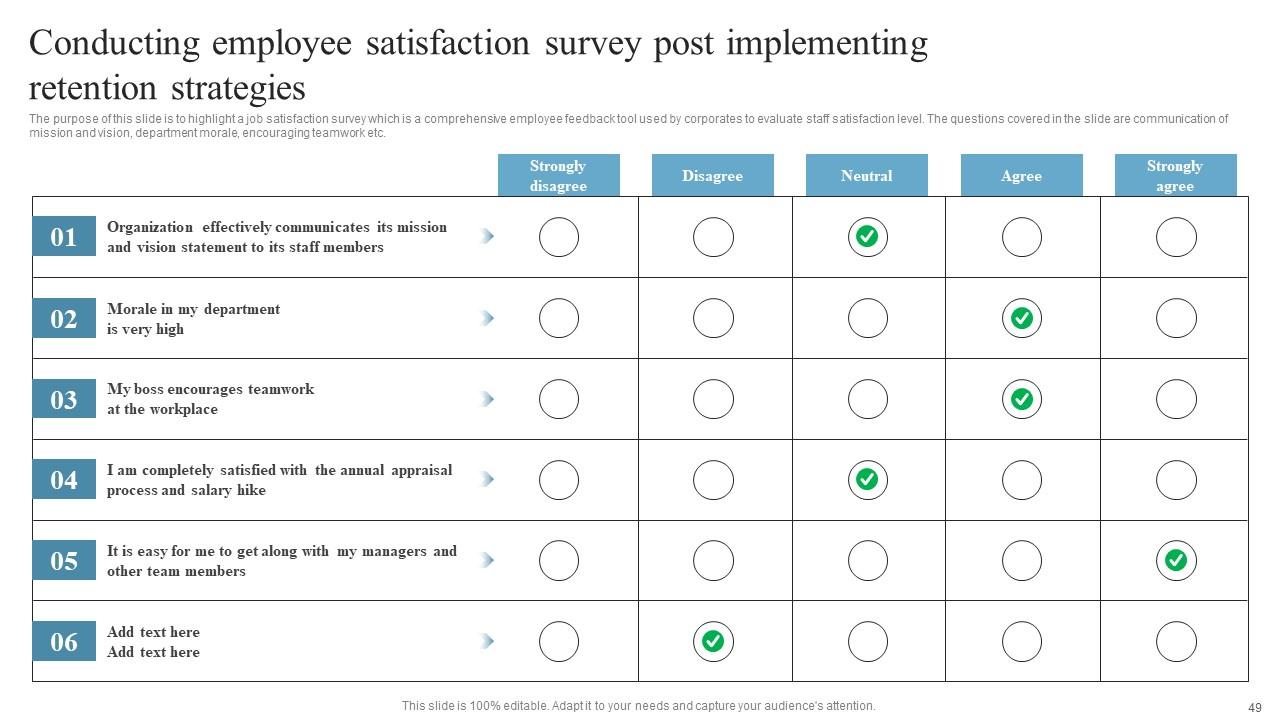
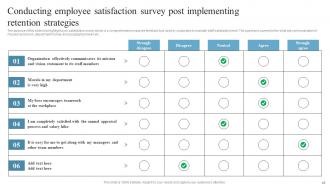
Slide 49: This slide highlights the Conduction of employee satisfaction survey post implementing retention strategies.
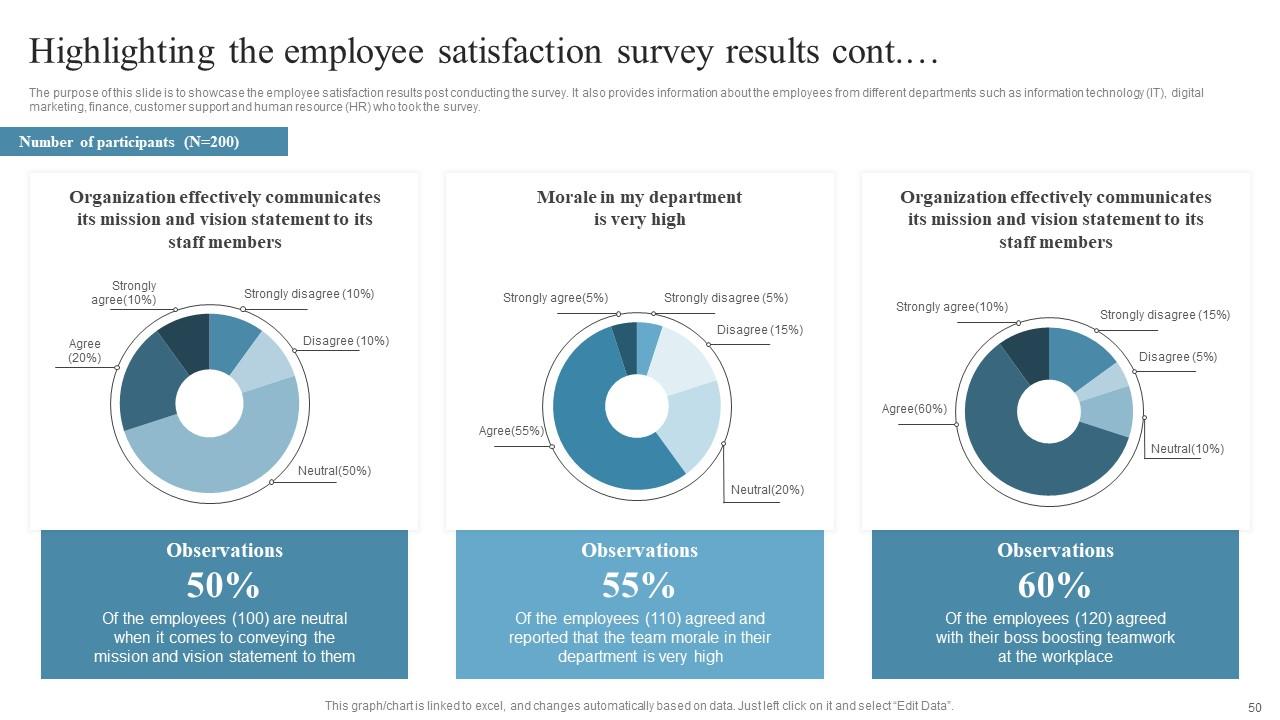
Slide 50: This is the continuation of Highlighting the Conduction of employee satisfaction survey post implementing retention strategies.
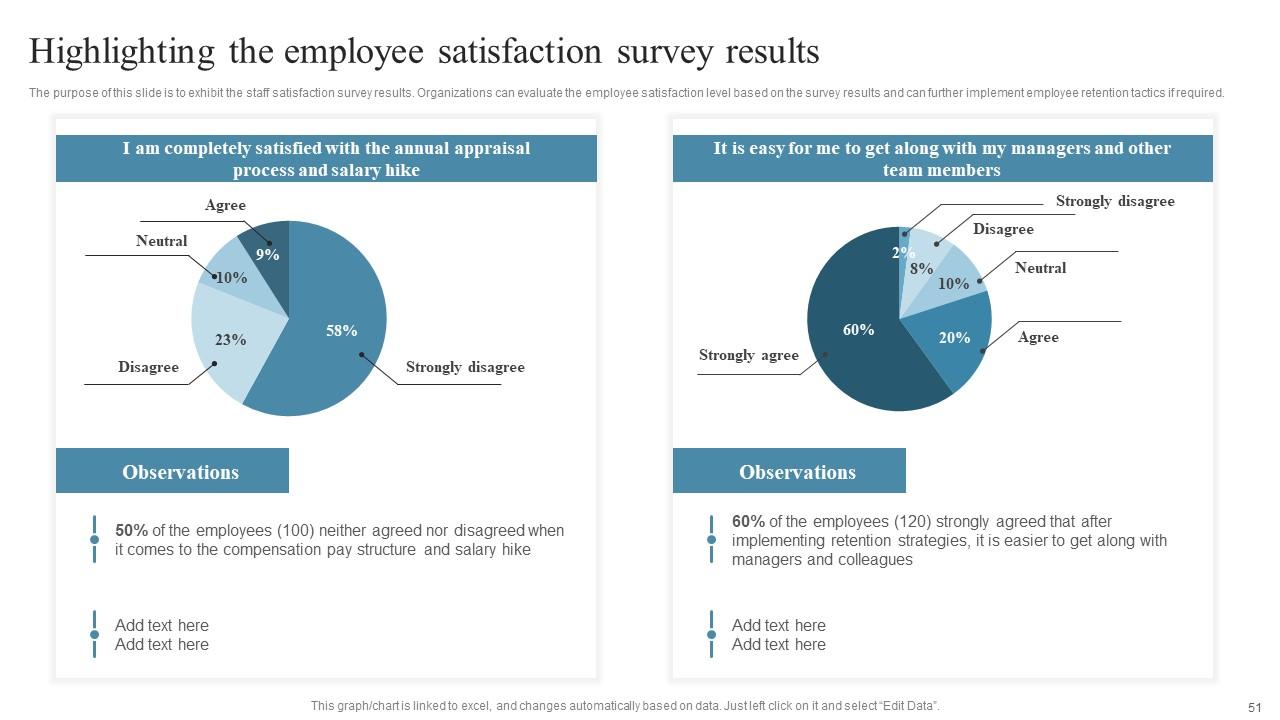
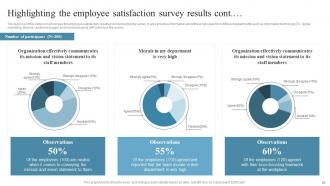
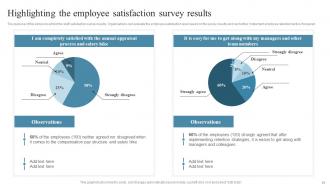
Slide 51: This slide illustrates the Highlightedthe employee satisfaction survey results.
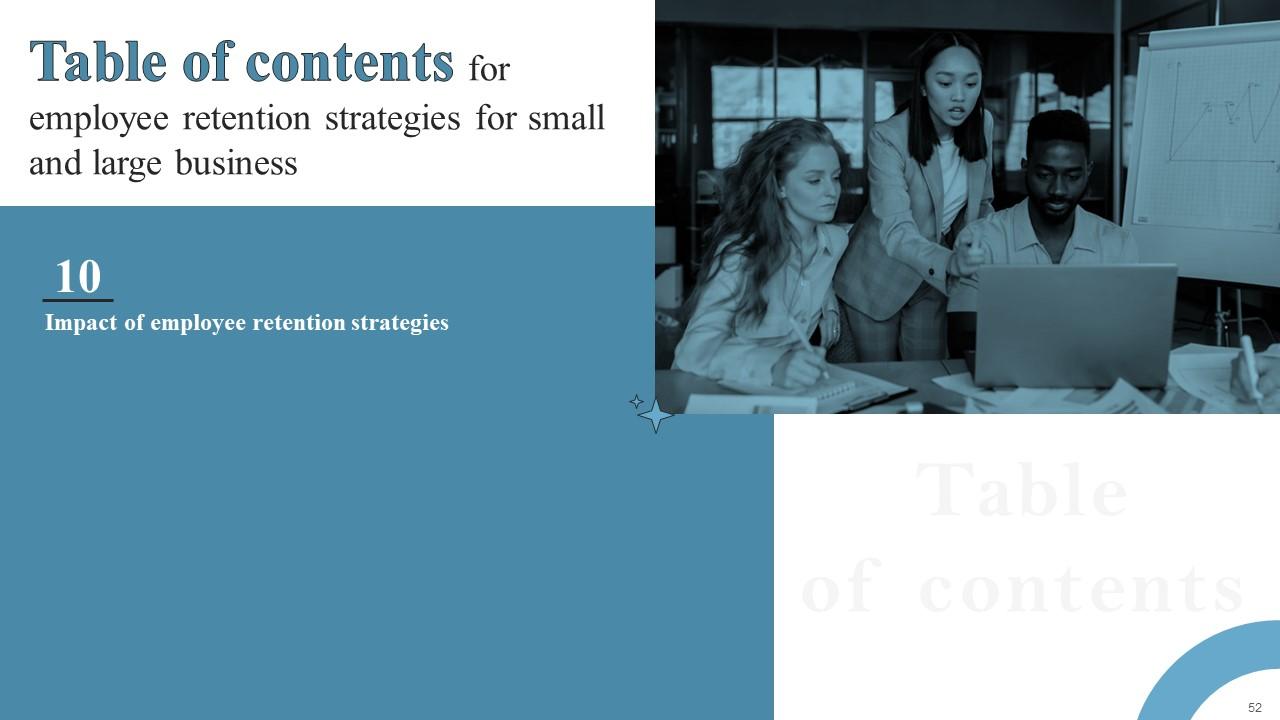
Slide 52: This slide contains the Title for the Ideas to be discussed in the upcoming template.
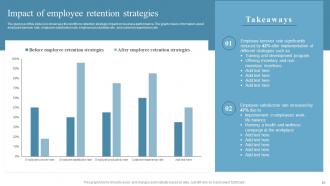
Slide 53: This slide includes the Impact of employee retention strategies.
Slide 54: This slide depicts the Title for the Ideas to be discussed further.
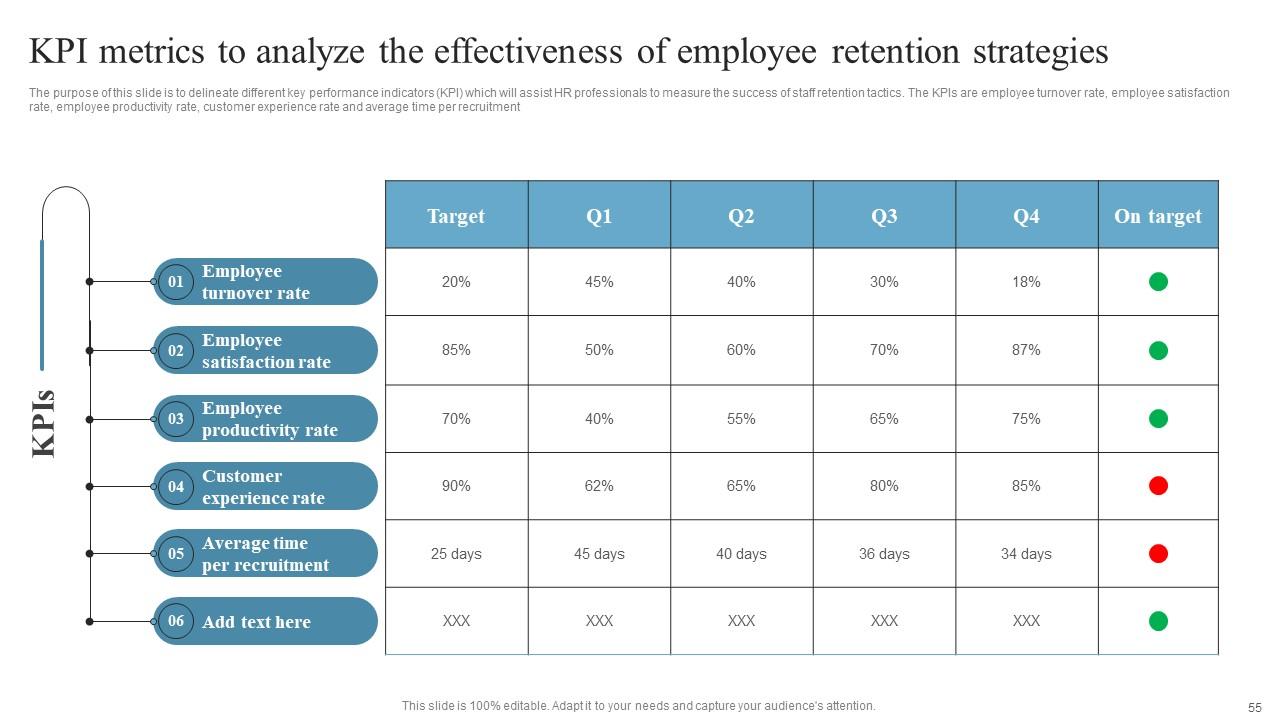
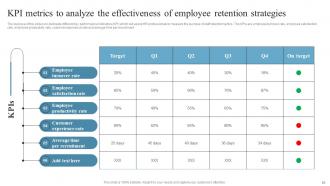
Slide 55: This slide elucidates the KPI metrics to analyze the effectiveness of employee retention strategies.
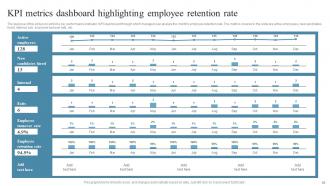
Slide 56: This slide exhibits the KPI metrics dashboard highlighting employee retention rate.
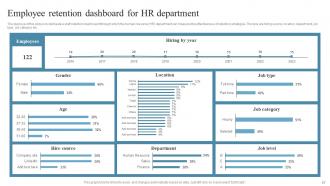
Slide 57: This slide showcases the Employee retention dashboard for HR department.
Slide 58: This slide reveals the Title for the Contents to be covered next.
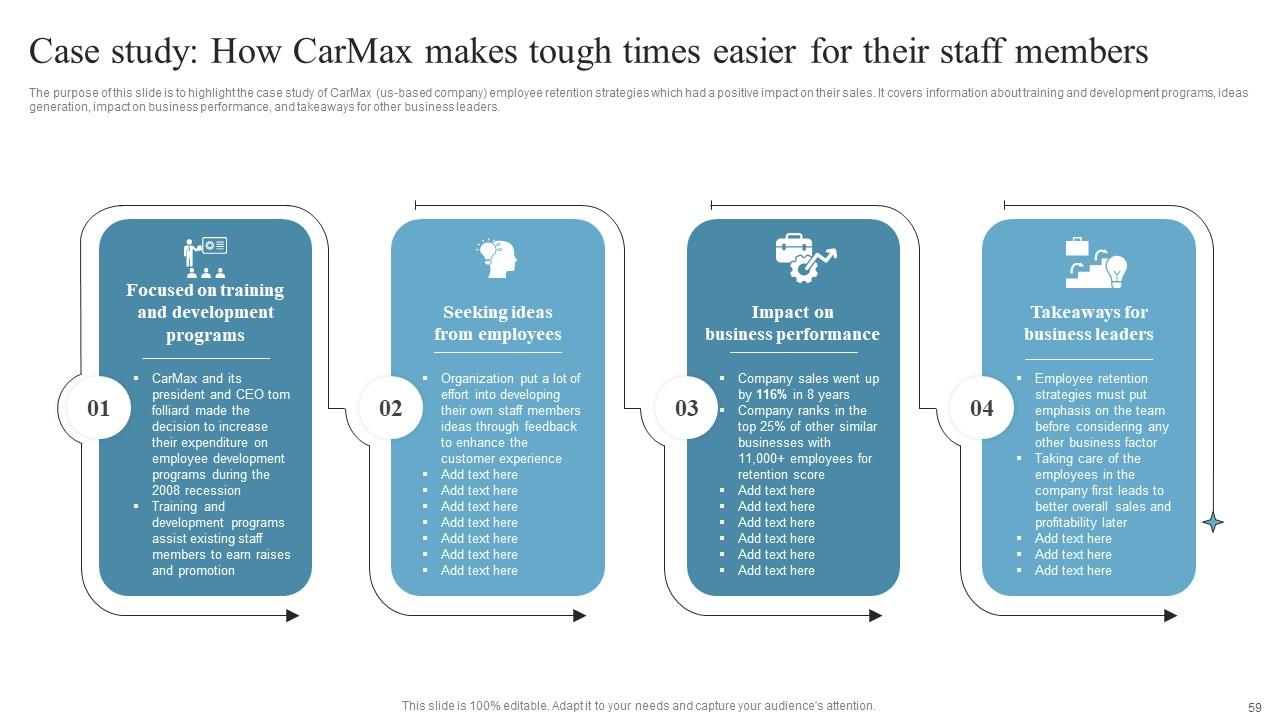
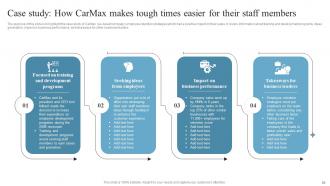
Slide 59: This slide represents the Case study of How CarMax makes tough times easier for their staff members.
Slide 60: This slide contains all the icons used in this presentation.
Slide 61: This slide is titled as Additional Slides for moving forward.
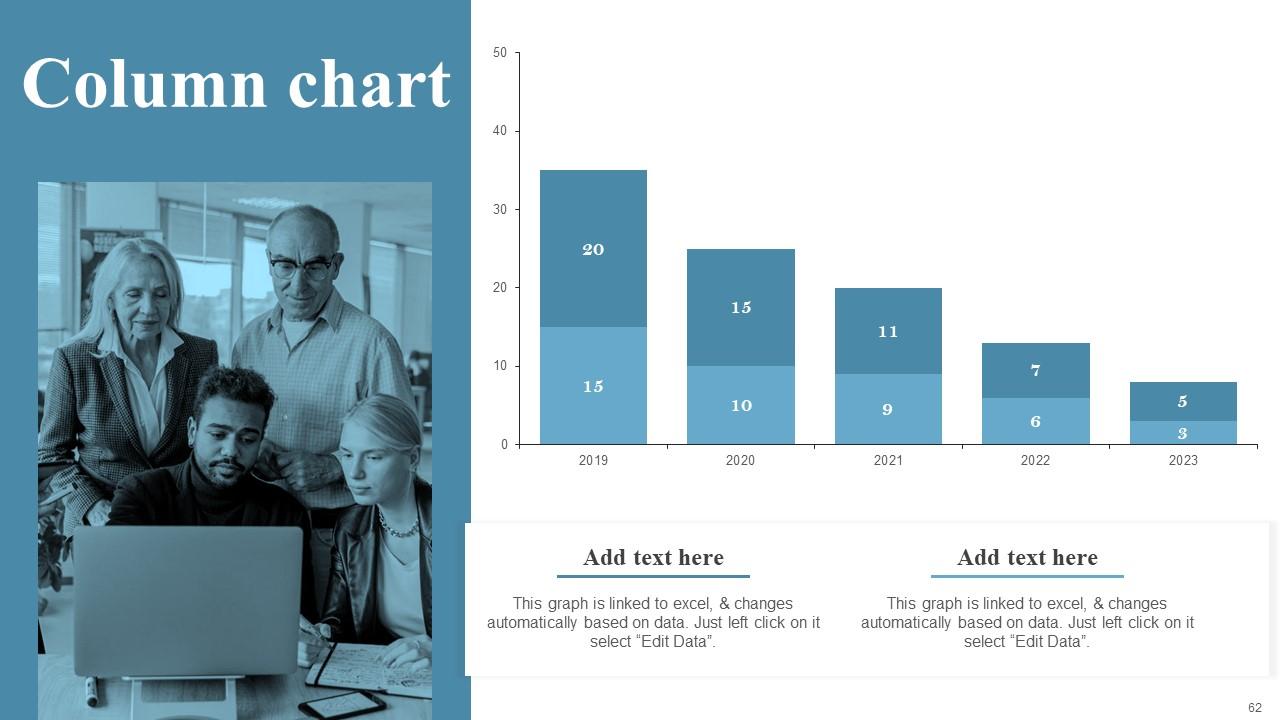
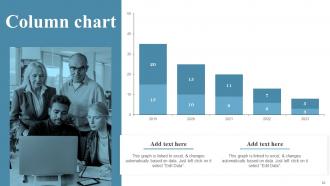
Slide 62: This slide displays Column chart with two products comparison.
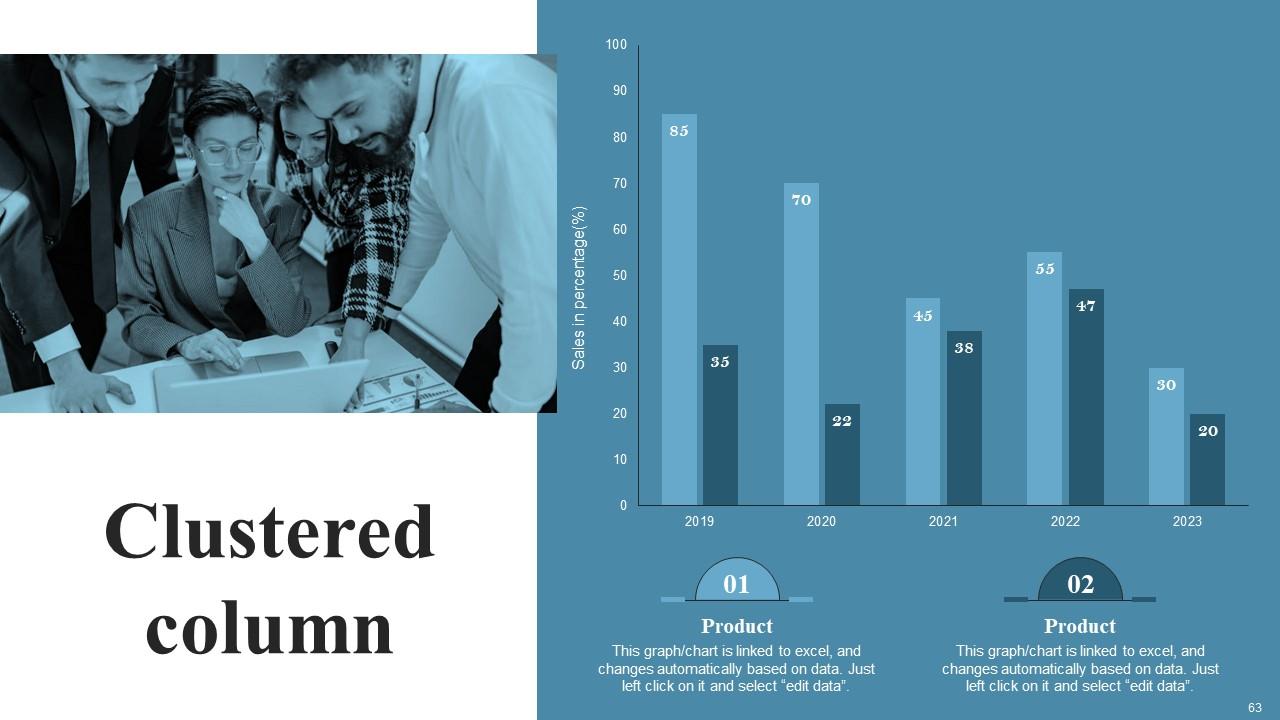
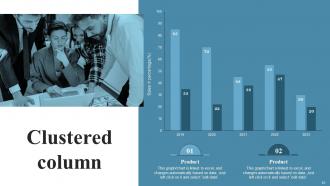
Slide 63: This slide provides Clustered Column chart with two products comparison.
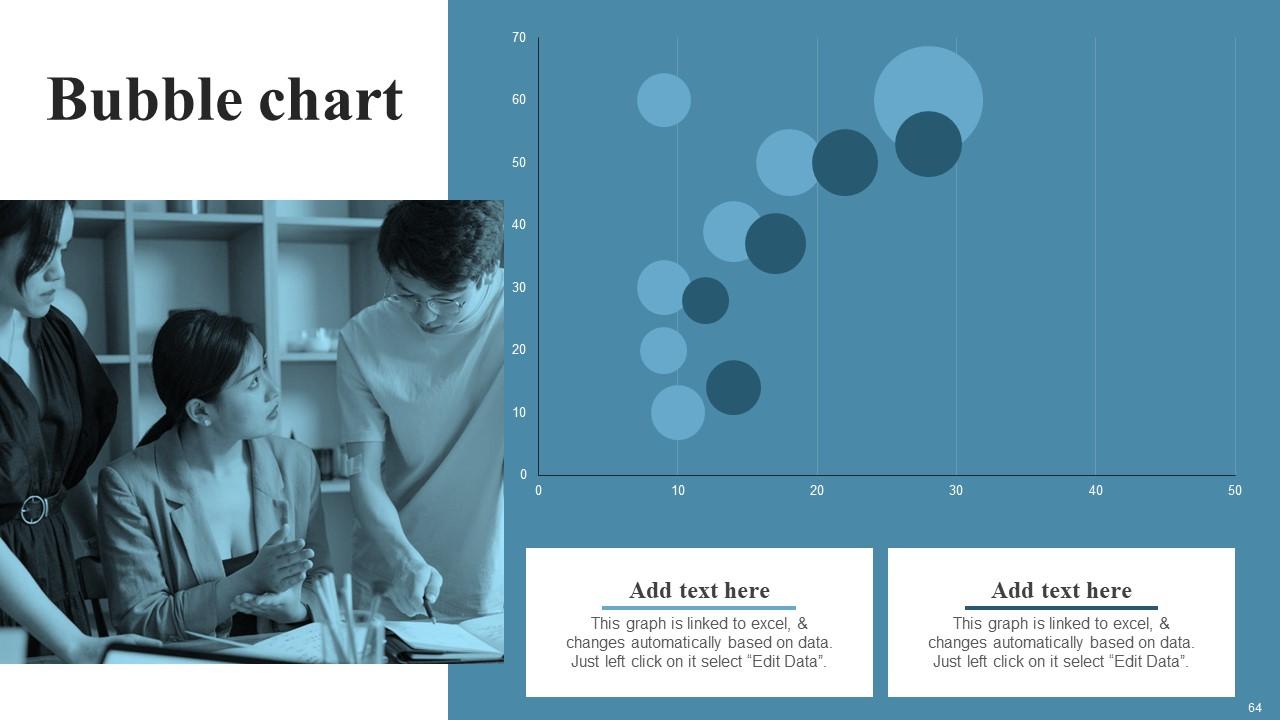
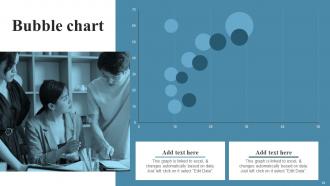
Slide 64: This slide presents Bubble chart with two products comparison.
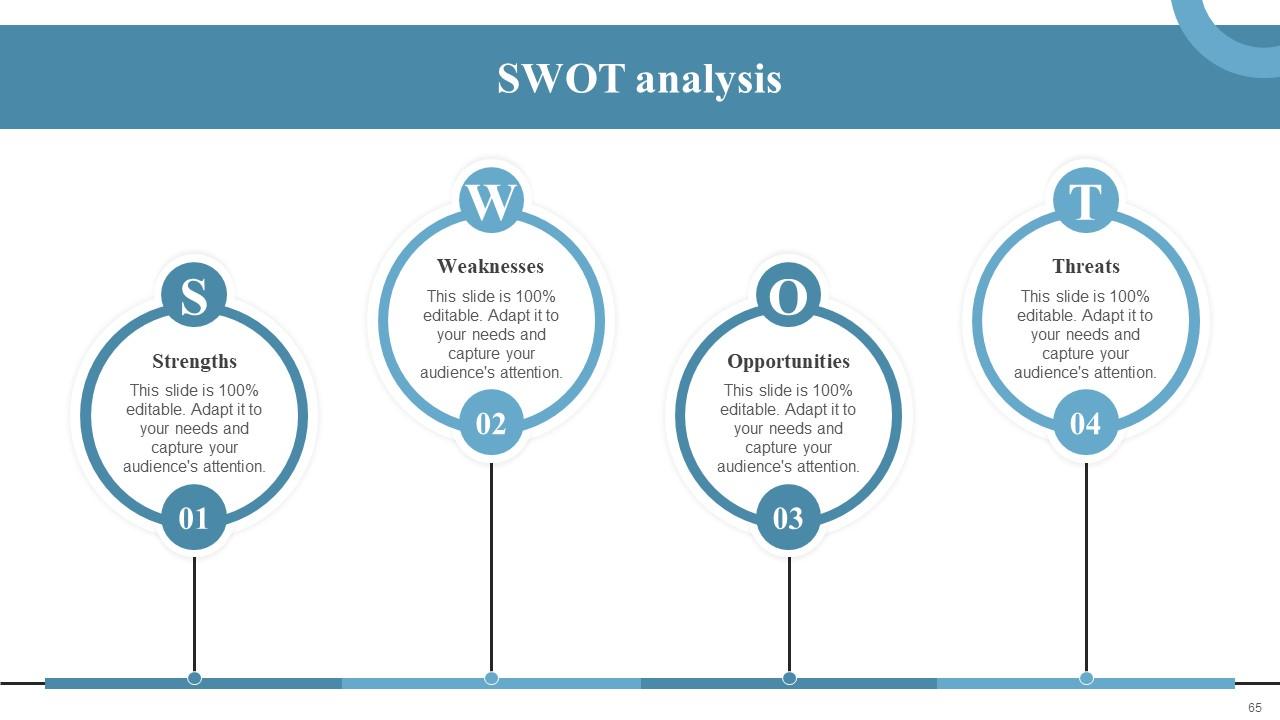
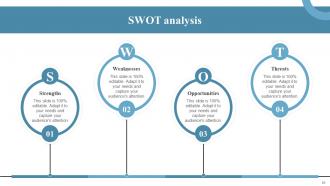
Slide 65: This slide shows SWOT describing- Strength, Weakness, Opportunity, and Threat.
Slide 66: This is Our Team slide with names and designation.
Slide 67: This is Our Mission slide with related imagery and text.
Slide 68: This slide shows Post It Notes. Post your important notes here.
Slide 69: This is About Us slide to show company specifications etc.
Slide 70: This slide depicts Venn diagram with text boxes.
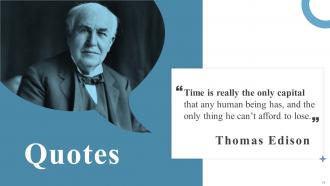
Slide 71: This is a Quotes slide to convey message, beliefs etc.
Slide 72: This is a Thank You slide with address, contact numbers and email address.
Employee Retention Strategies For Small And Large Business Powerpoint Presentation Slides with all 77 slides:
Use our Employee Retention Strategies For Small And Large Business Powerpoint Presentation Slides to effectively help you save your valuable time. They are readymade to fit into any presentation structure.
-
I am glad to have come across Slideteam. I was searching for some unique presentations and templates for my business. There are a lot of alternatives available here.
-
A beautiful, professional design paired with high-quality images and content that is sure to impress. It is a must-use PPT template in my opinion.
