


Establecimiento y oferta de carteras de productos en nuevos territorios Diapositivas de presentación de PowerPoint
La diversificación y la creciente demanda de los consumidores han llevado a las empresas a ampliar sus carteras de productos, y las empresas están invirtiendo más en actividades de desarrollo de nuevos productos para satisfacer las expectativas de los clientes. Consulte nuestra presentación diseñada profesionalmente sobre cómo establecer y ofrecer carteras de productos en nuevos territorios que ayudará a las empresas que desean aumentar su participación en el mercado global y expandir sus servicios mediante el desarrollo y la oferta de productos en línea con la demanda de los clientes. En primer lugar, la presentación comienza con una sección de descripción general de la industria que las organizaciones pueden usar para mostrar las tendencias importantes y el atractivo de la industria. Las secciones como el análisis de la capacidad actual ayudarán a la empresa a proporcionar información sobre la cartera de productos existente, la capacidad de la empresa y la vida útil de varios productos. La sección Cómo se están desempeñando nuestros competidores ayudará a la empresa a abordar las características de la cartera de sus competidores junto con las metodologías de desarrollo de productos utilizadas por ellos. Para desarrollar y administrar carteras de productos de manera efectiva, las organizaciones pueden usar diapositivas que aborden los objetivos comerciales, la visión del producto y las secciones, a saber, identificar y desarrollar listas de clientes objetivo, desarrollo de la cartera de productos, asignación de recursos, hoja de ruta de la cartera de productos, etc. Finalmente, los paneles de evaluación del desempeño ayudarán organizaciones en el seguimiento del rendimiento de varias carteras de productos y el negocio en general. Obtenga acceso ahora.



























You must be logged in to download this presentation.


Do you want to remove this product from your favourites?
Características de estas diapositivas de presentación de PowerPoint:
Entregue esta plataforma completa a los miembros de su equipo y otros colaboradores. Abarcado con diapositivas estilizadas que presentan varios conceptos, este Establecimiento y oferta de carteras de productos en nuevos territorios Diapositivas de presentación de Powerpoint es la mejor herramienta que puede utilizar. Personalice su contenido y gráficos para que sea único y estimulante. Las cincuenta diapositivas son editables y modificables, así que siéntete libre de ajustarlas a la configuración de tu negocio. La fuente, el color y otros componentes también vienen en un formato editable, lo que hace que este diseño PPT sea la mejor opción para su próxima presentación. Entonces, descarga ahora.

People who downloaded this PowerPoint presentation also viewed the following :
Contenido de esta presentación de Powerpoint
Diapositiva 1 : Esta diapositiva presenta el establecimiento y la oferta de carteras de productos en nuevos territorios. Indique el nombre de su empresa y comience.
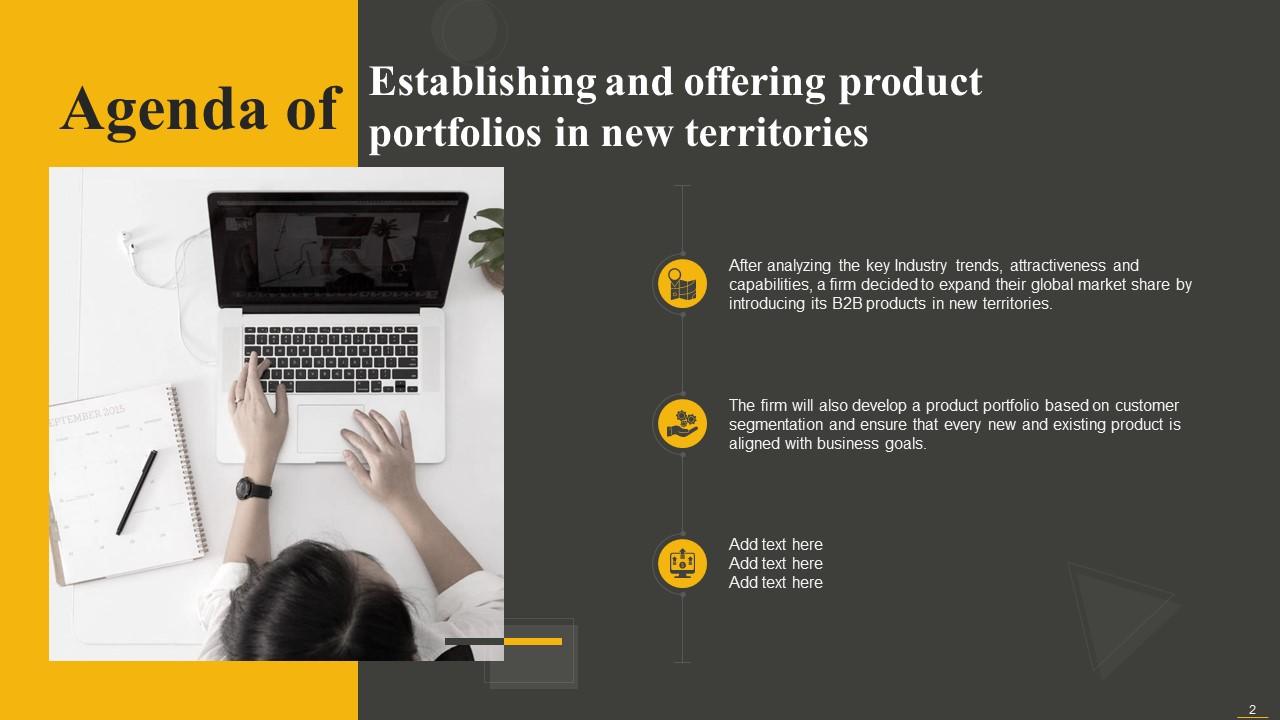
Diapositiva 2 : Esta diapositiva indica la Agenda de la presentación.
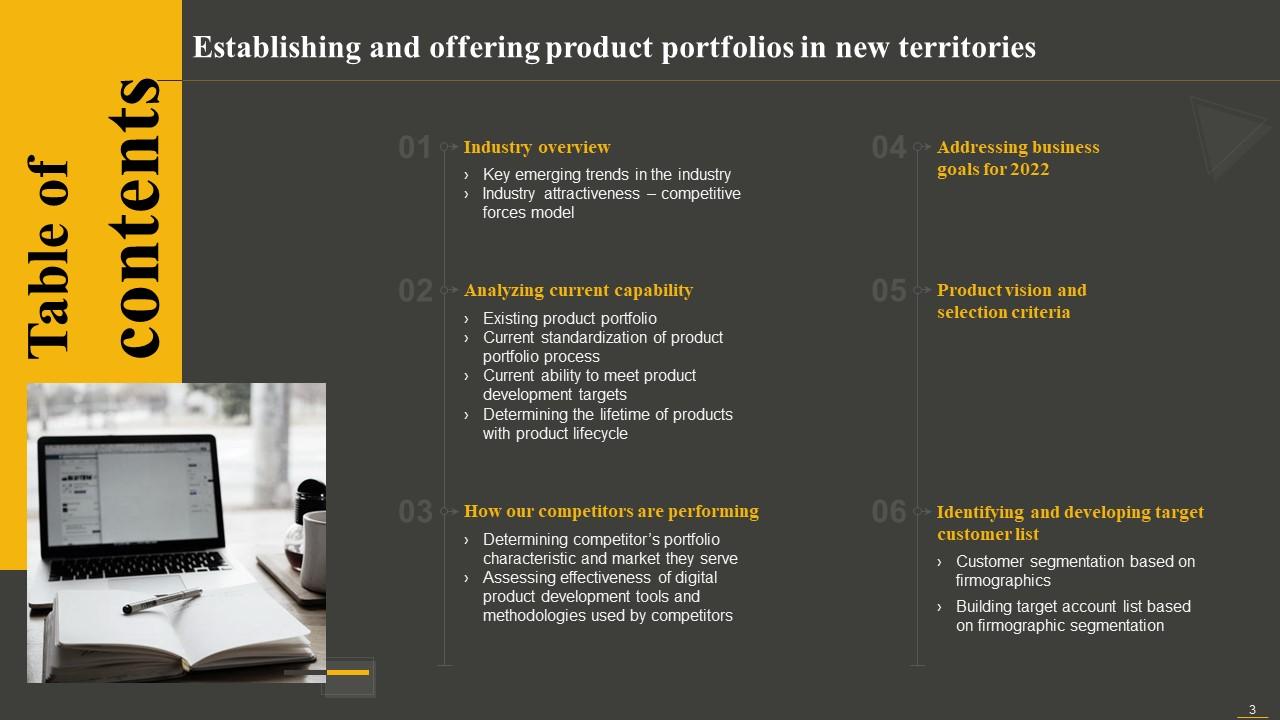
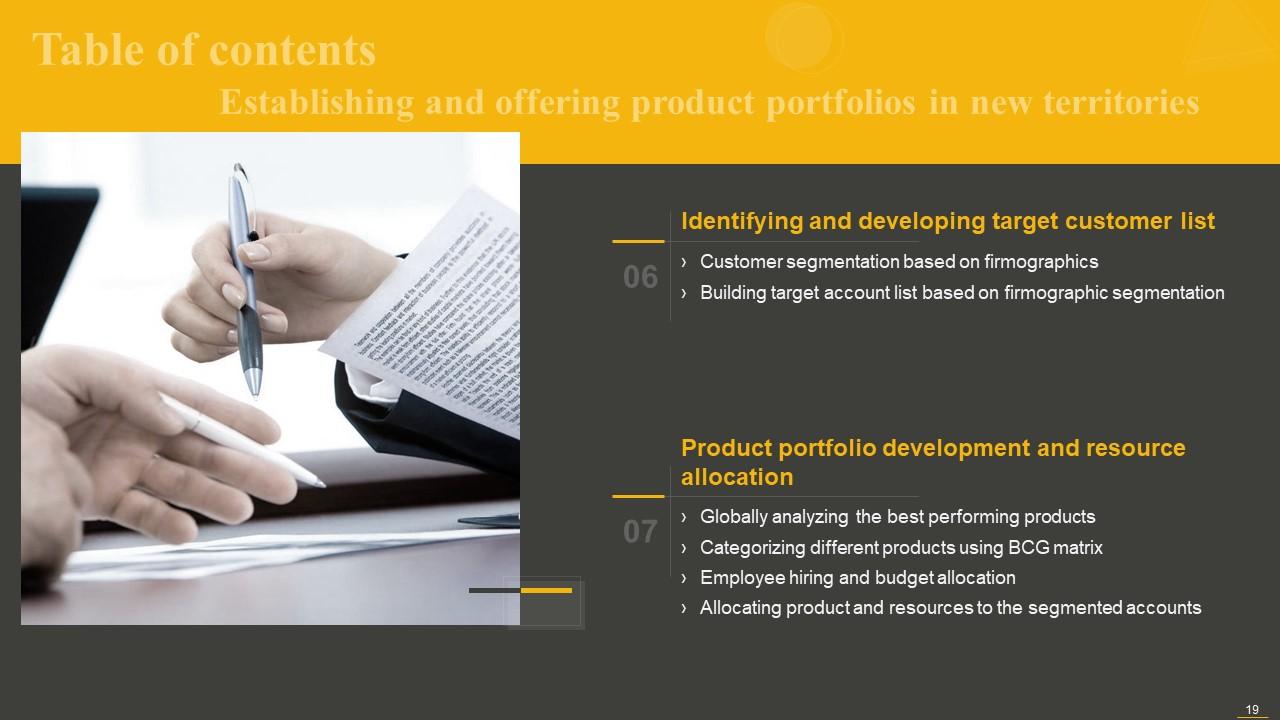
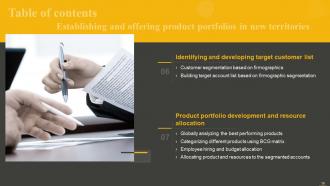
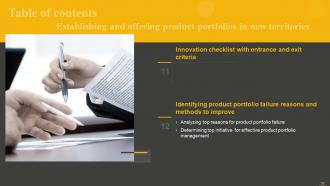
Diapositiva 3 : Esta diapositiva presenta la tabla de contenido de la presentación.
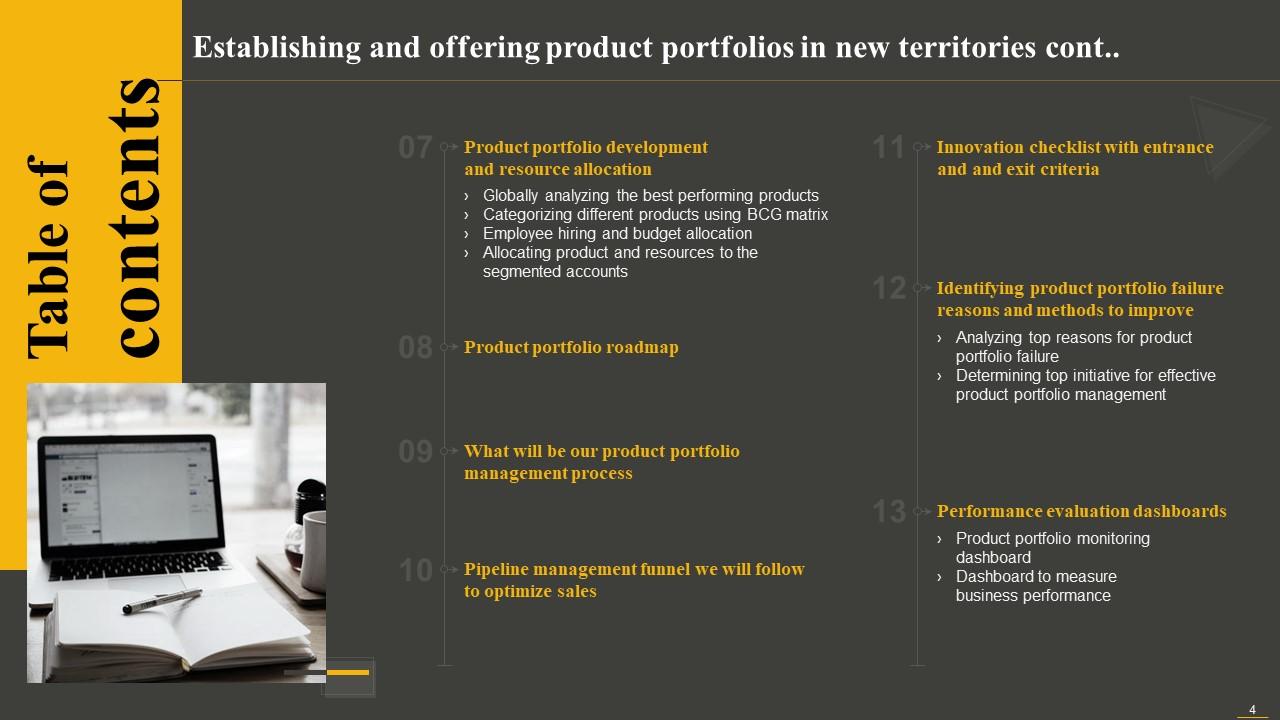
Diapositiva 4 : esta es otra diapositiva que continúa con la tabla de contenido de la presentación.
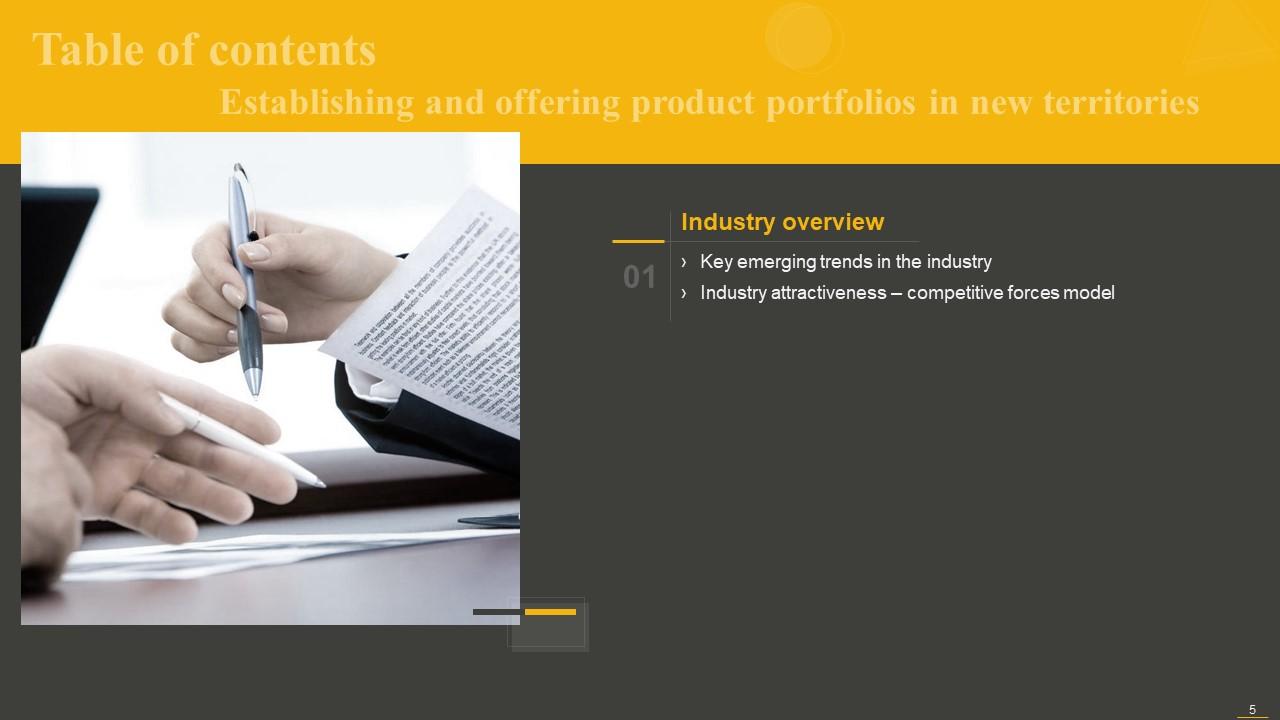
Diapositiva 5 : esta diapositiva resalta el título de los temas que se cubrirán a continuación en la plantilla.
Diapositiva 6 : La siguiente diapositiva muestra las principales tendencias emergentes de la industria de TI.
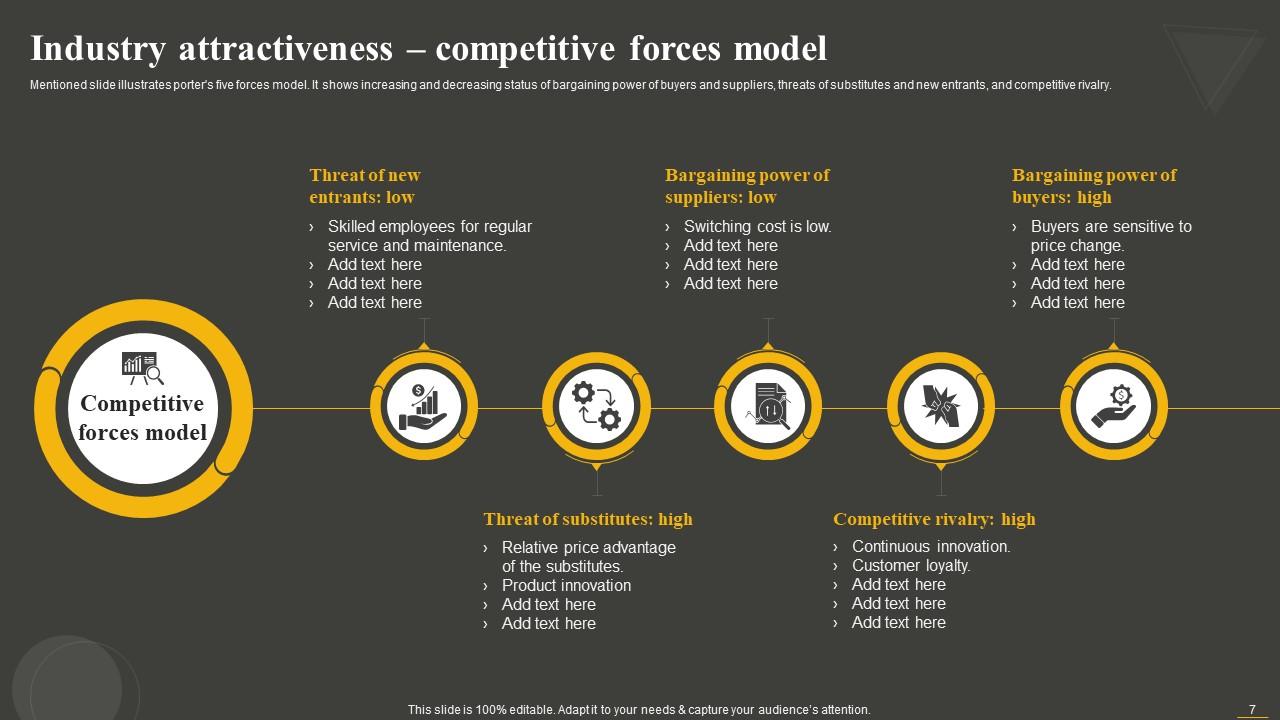
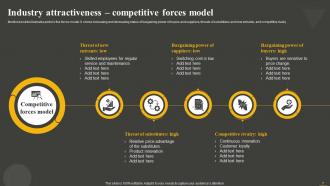
Diapositiva 7 : La diapositiva mencionada ilustra el modelo de las cinco fuerzas de Porter.
Diapositiva 8 : esta diapositiva resalta el título de los temas que se cubrirán a continuación en la plantilla.
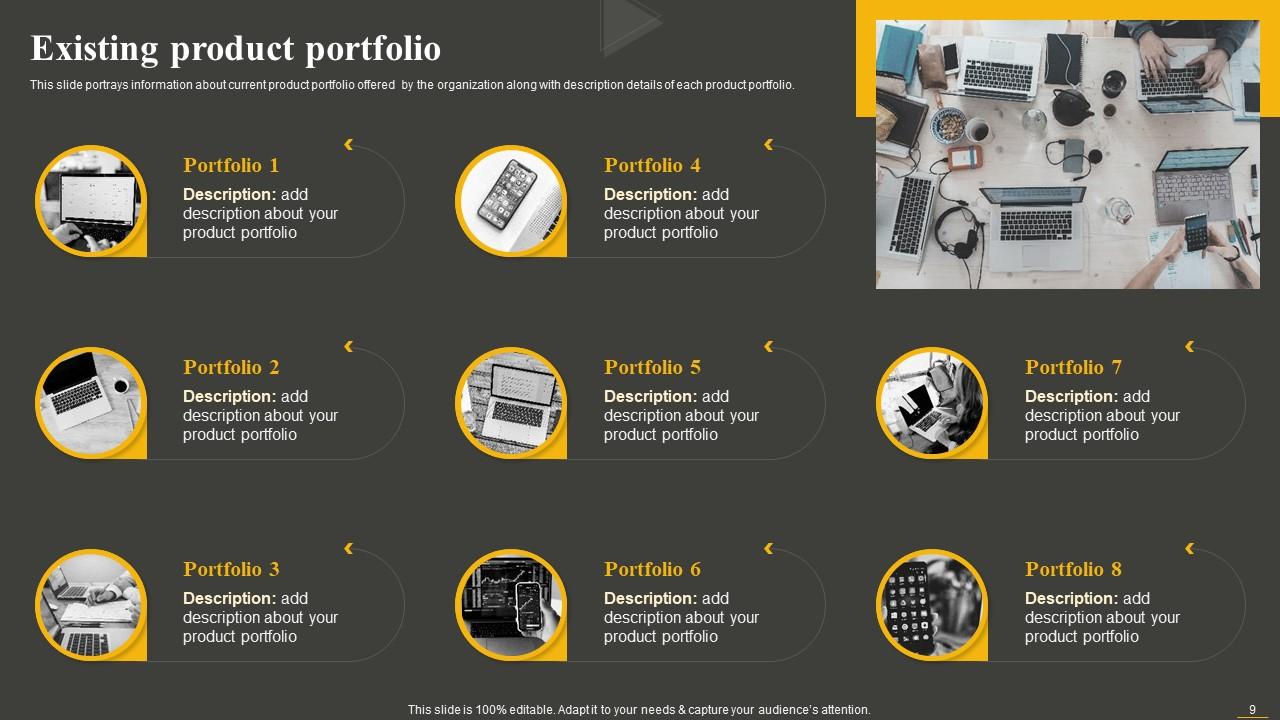
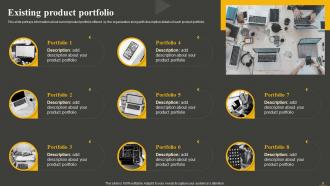
Diapositiva 9 : Esta diapositiva muestra información sobre la cartera de productos actual que ofrece la organización.
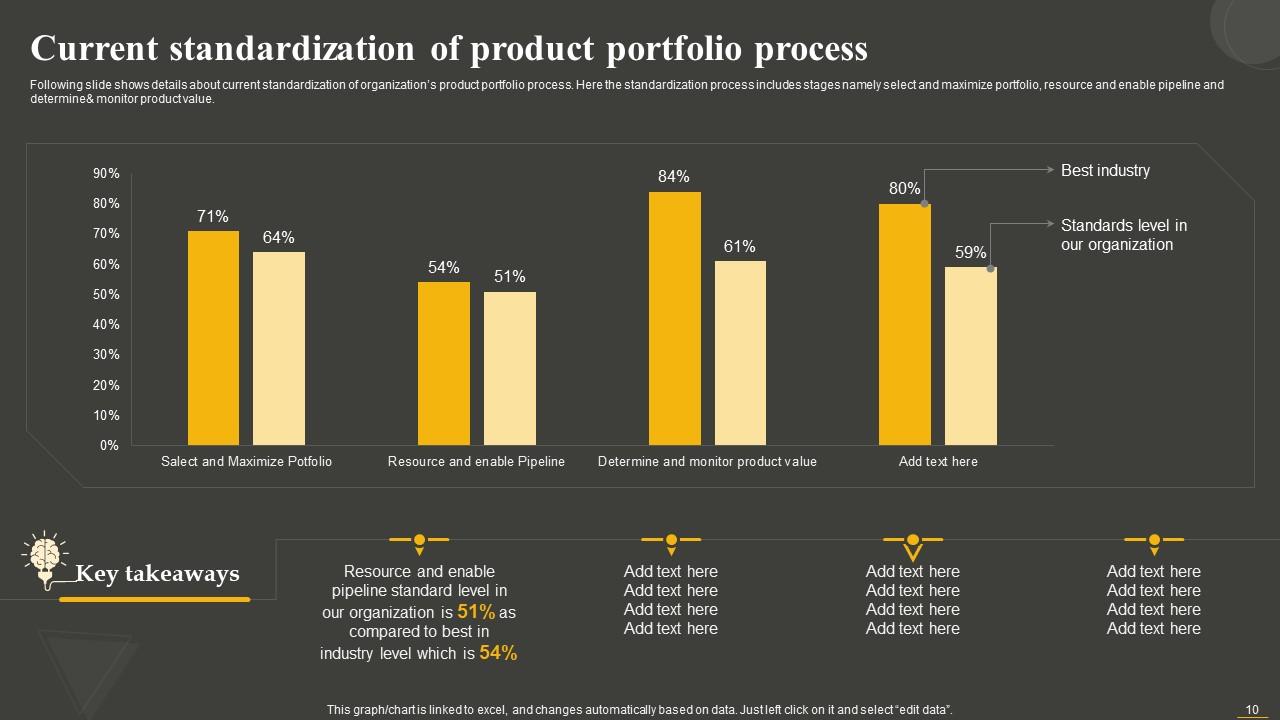
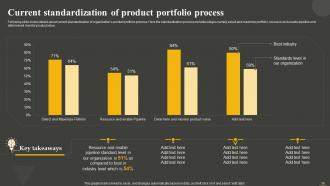
Diapositiva 10 : esta diapositiva muestra la estandarización actual del proceso de cartera de productos.
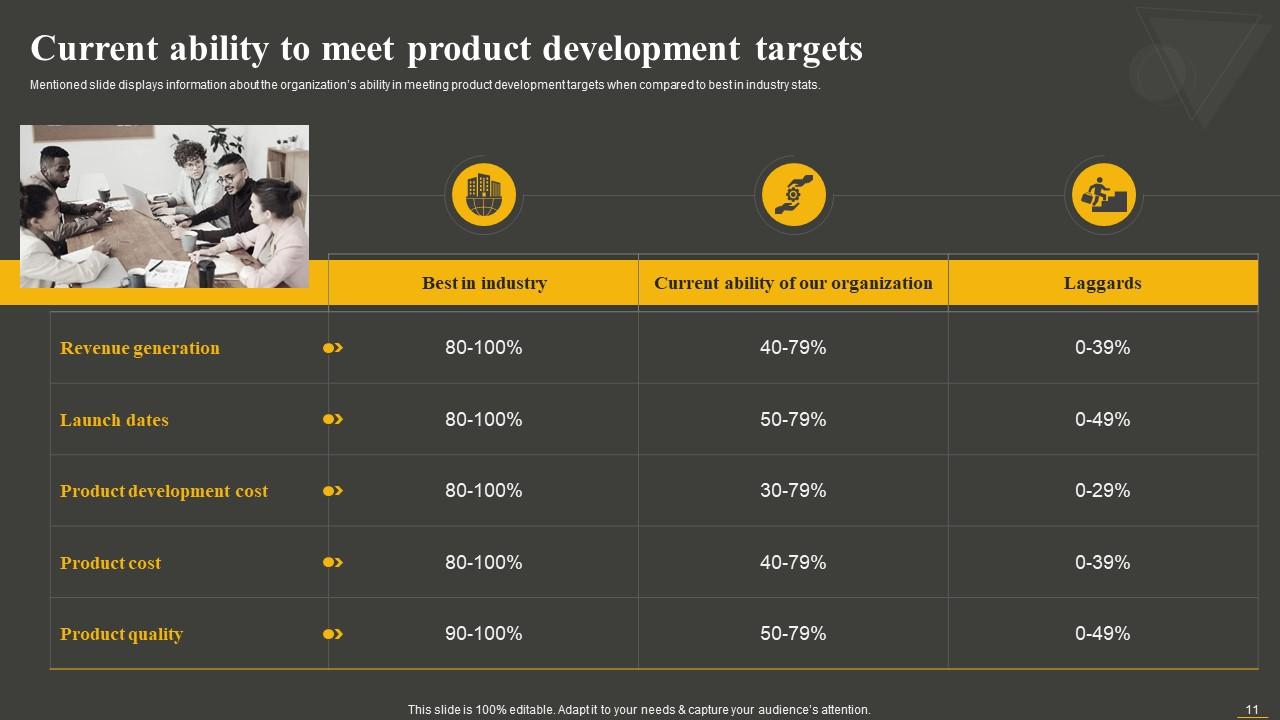
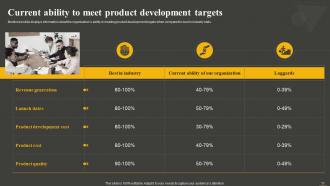
Diapositiva 11 : Esta diapositiva representa la capacidad actual para cumplir con los objetivos de desarrollo de productos.
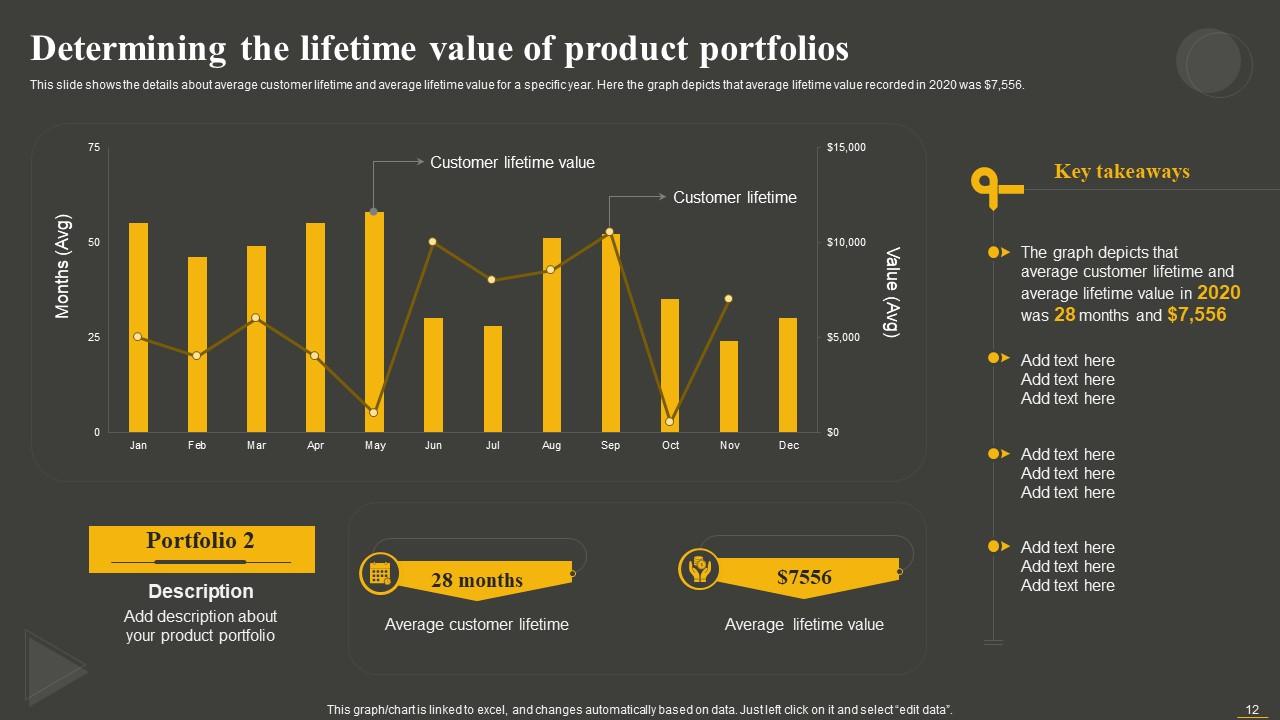
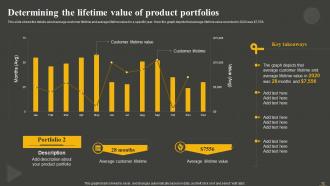
Diapositiva 12 : esta diapositiva muestra la determinación del valor de por vida de las carteras de productos.
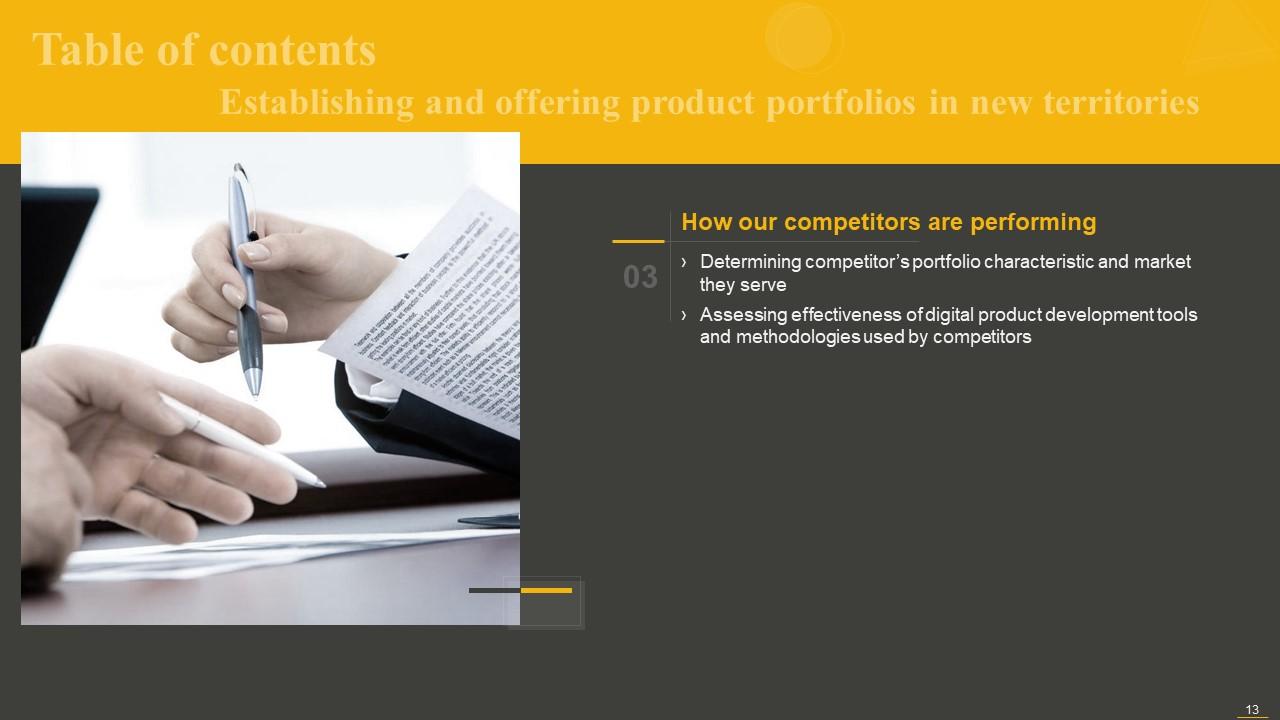
Diapositiva 13 : esta diapositiva resalta el título de los temas que se cubrirán a continuación en la plantilla.
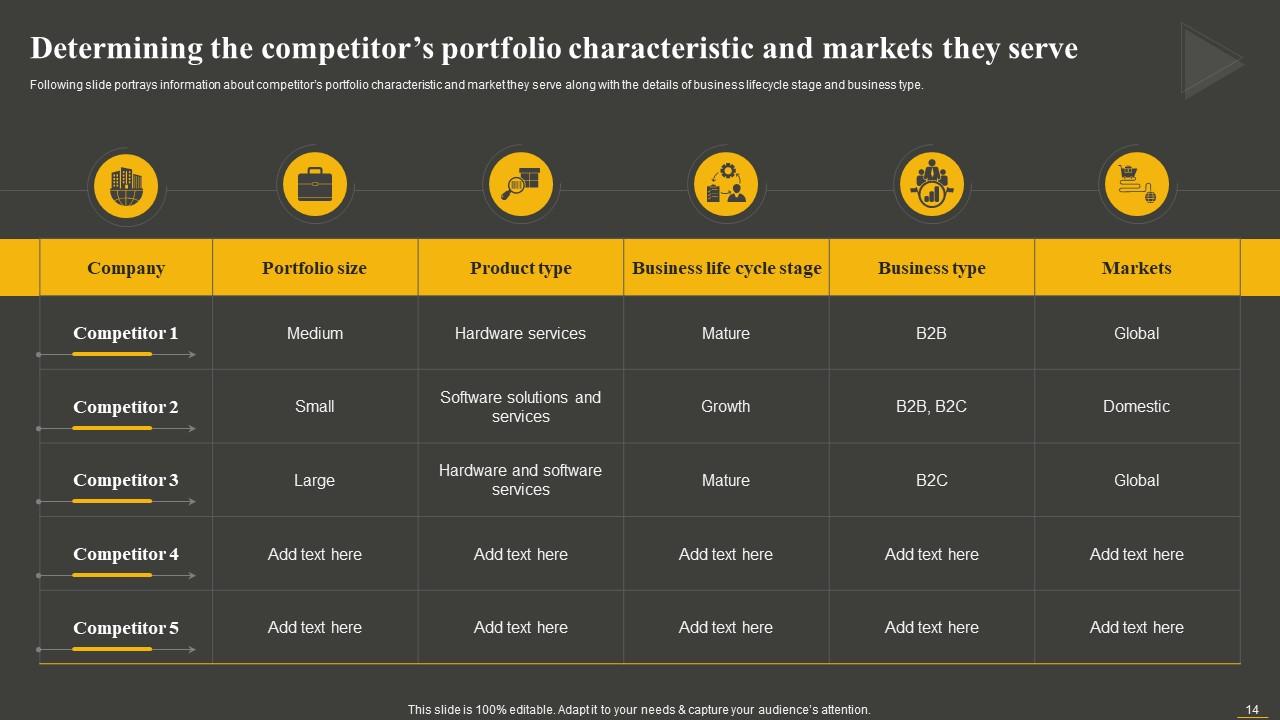
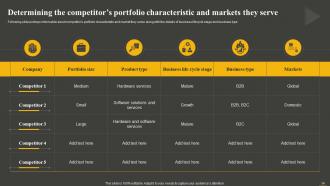
Diapositiva 14 : Esta diapositiva muestra cómo determinar las características de la cartera del competidor y los mercados a los que sirven.
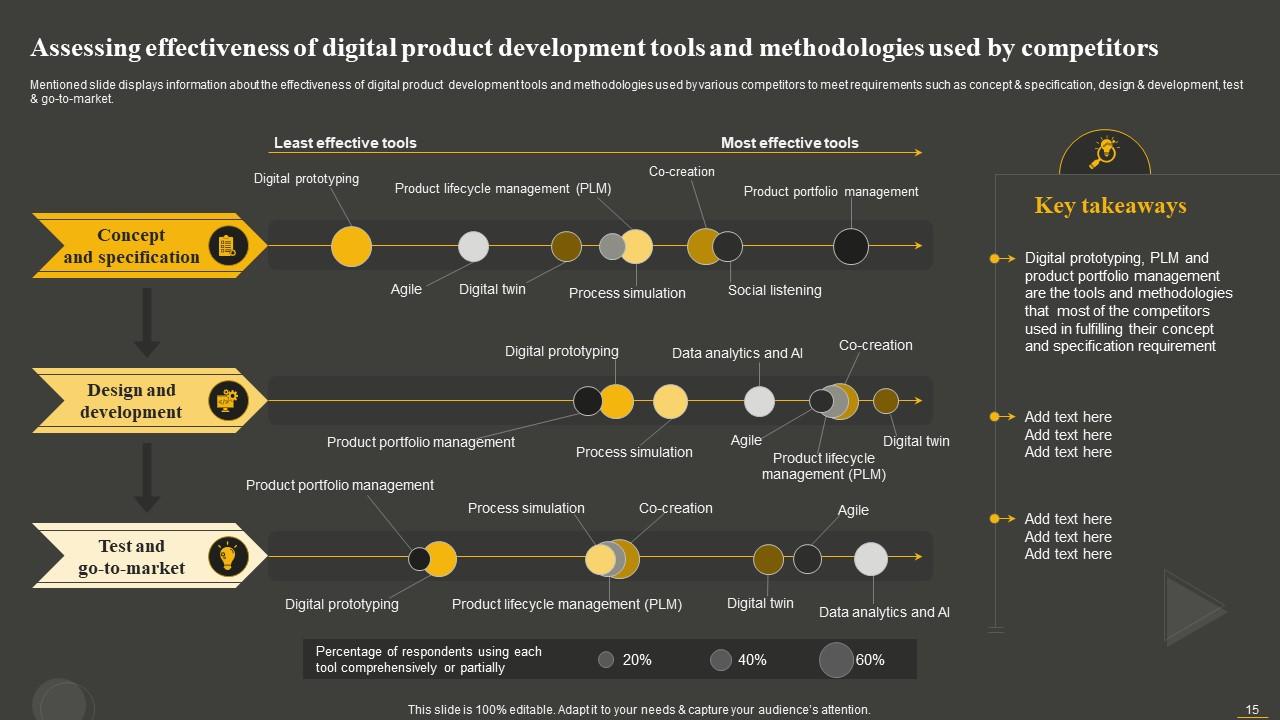
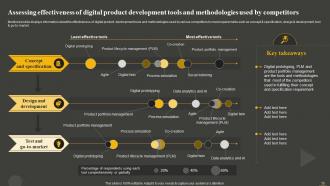
Diapositiva 15 : esta diapositiva presenta la evaluación de la eficacia de las herramientas y metodologías de desarrollo de productos digitales utilizadas por los competidores.
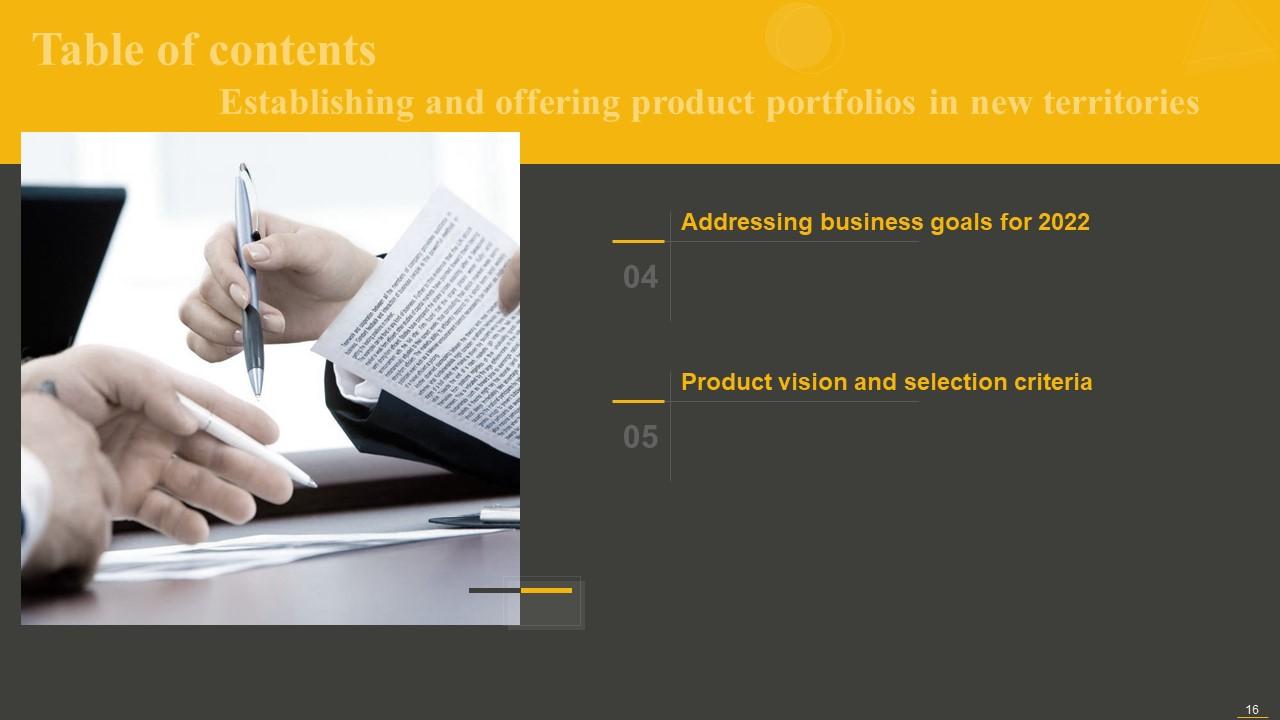
Diapositiva 16 : esta diapositiva destaca el título de los temas que se cubrirán a continuación en la plantilla.
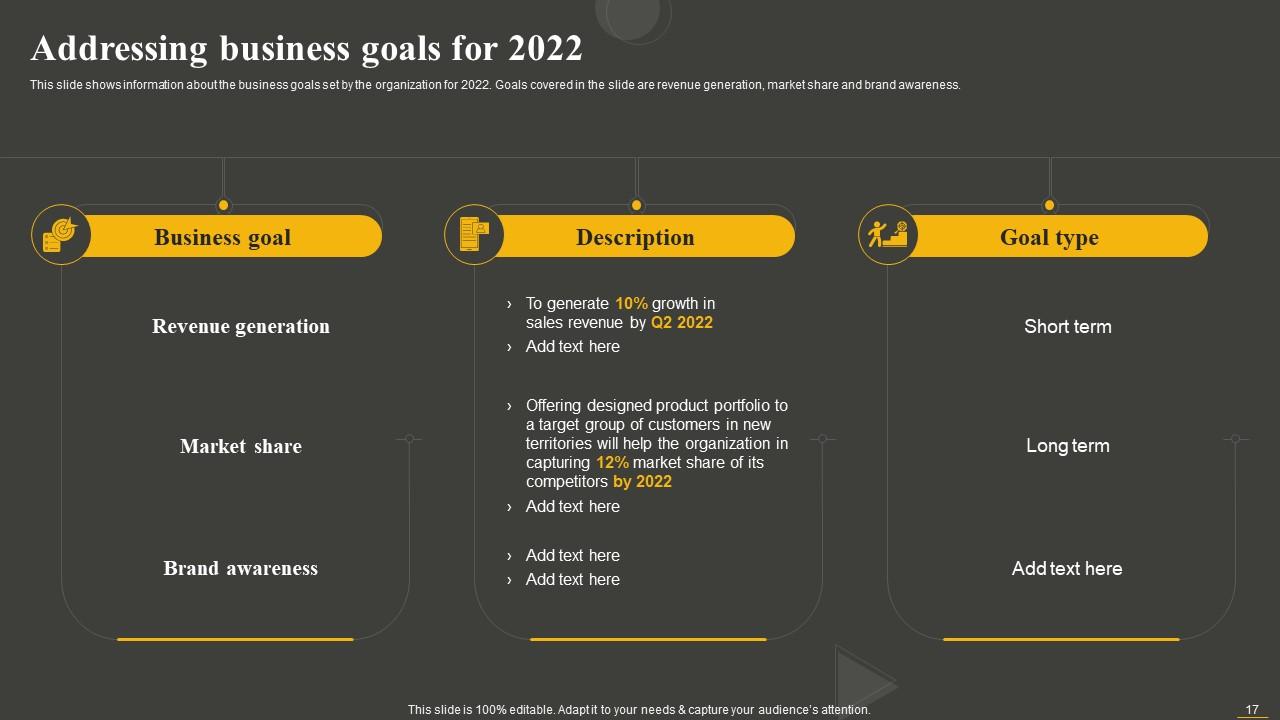
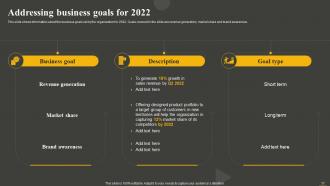
Diapositiva 17 : Esta diapositiva muestra información sobre los objetivos comerciales establecidos por la organización para 2021.
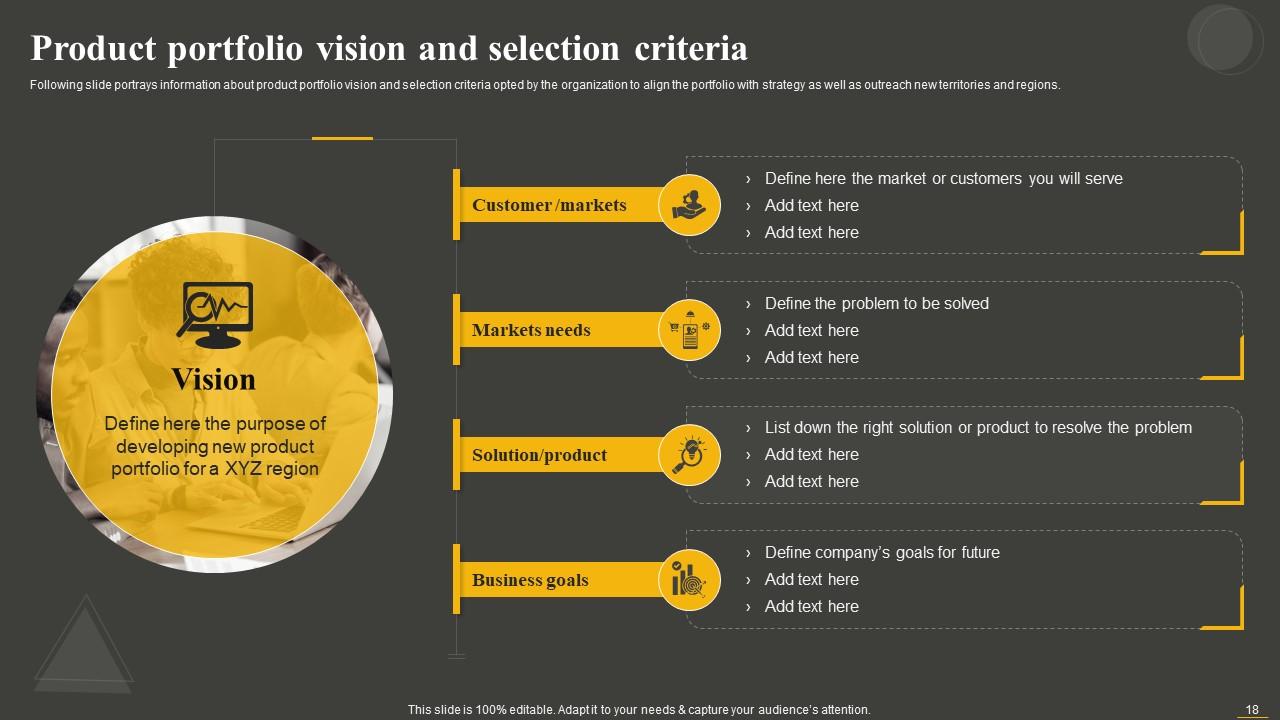
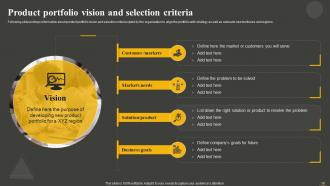
Diapositiva 18 : Esta diapositiva presenta la visión de la cartera de productos y los criterios de selección.
Diapositiva 19 : esta diapositiva resalta el título de los temas que se cubrirán a continuación en la plantilla.
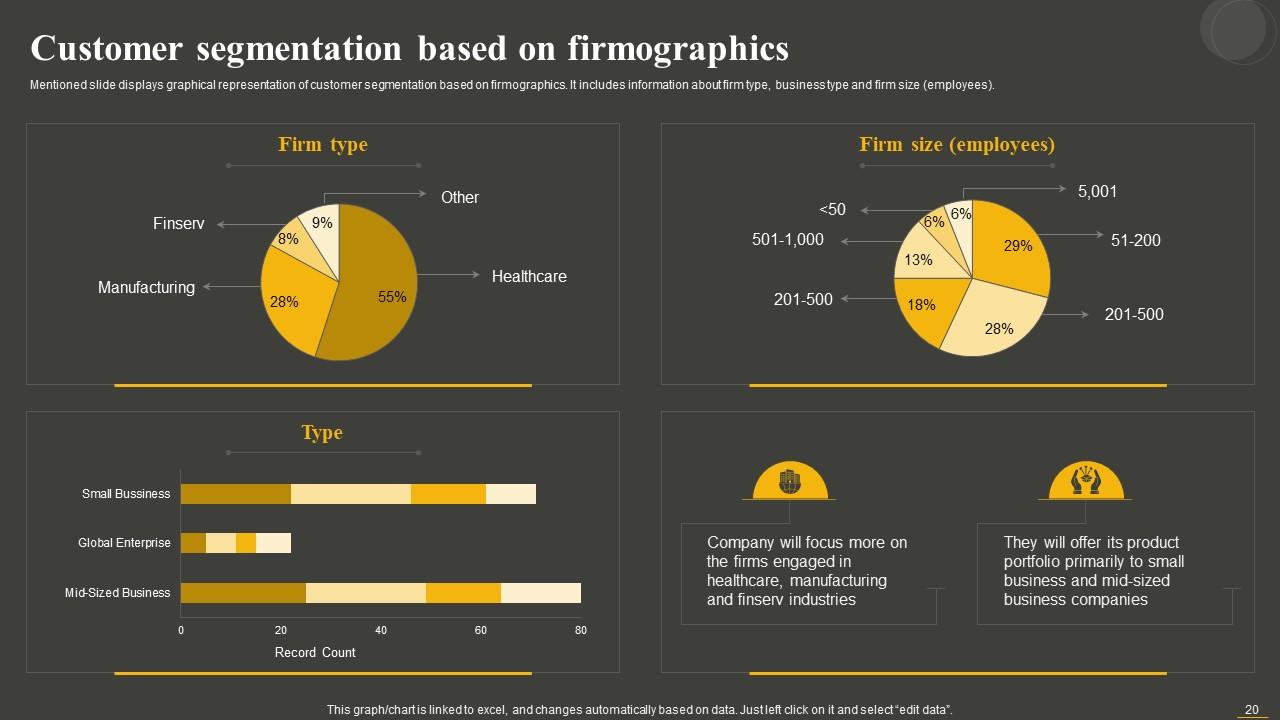
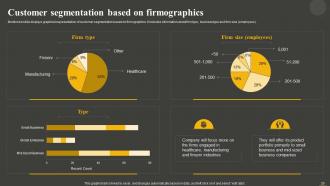
Diapositiva 20 : esta diapositiva muestra la segmentación de clientes basada en firmas.
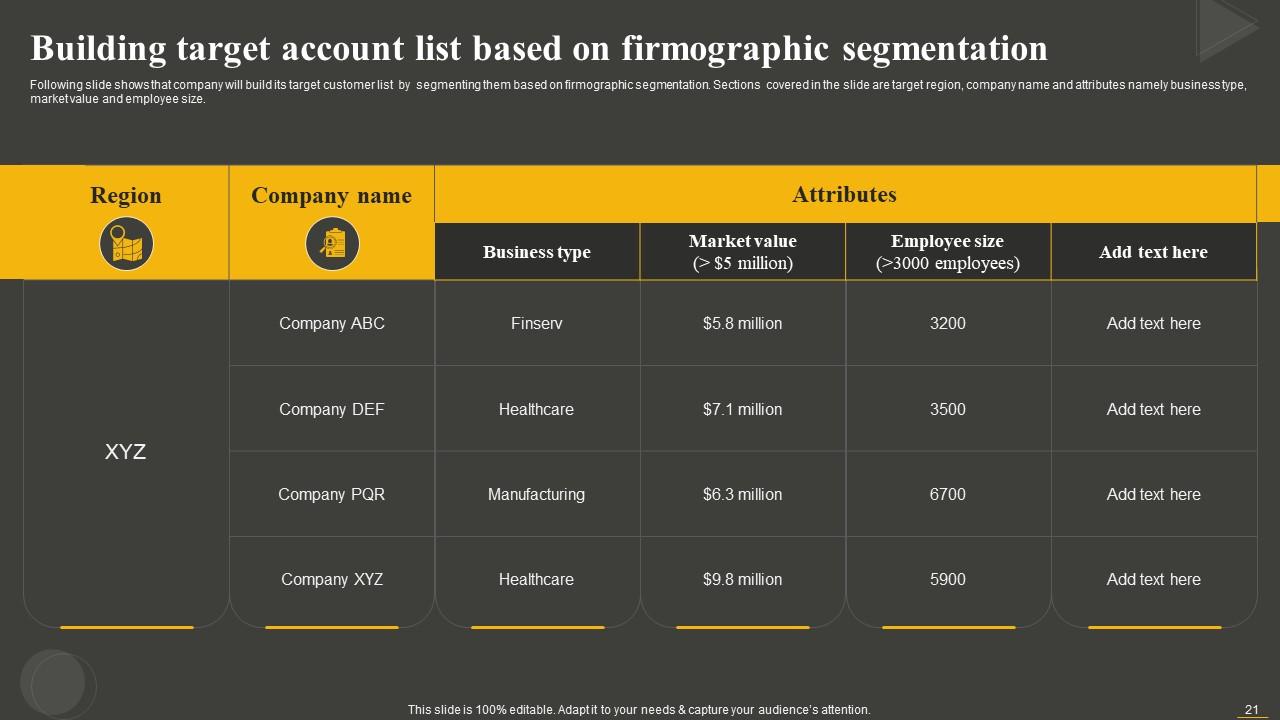
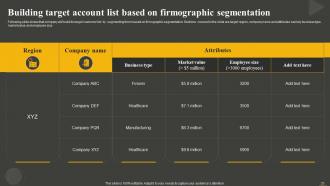
Diapositiva 21 : esta diapositiva representa la creación de una lista de cuentas objetivo basada en la segmentación firmagráfica.
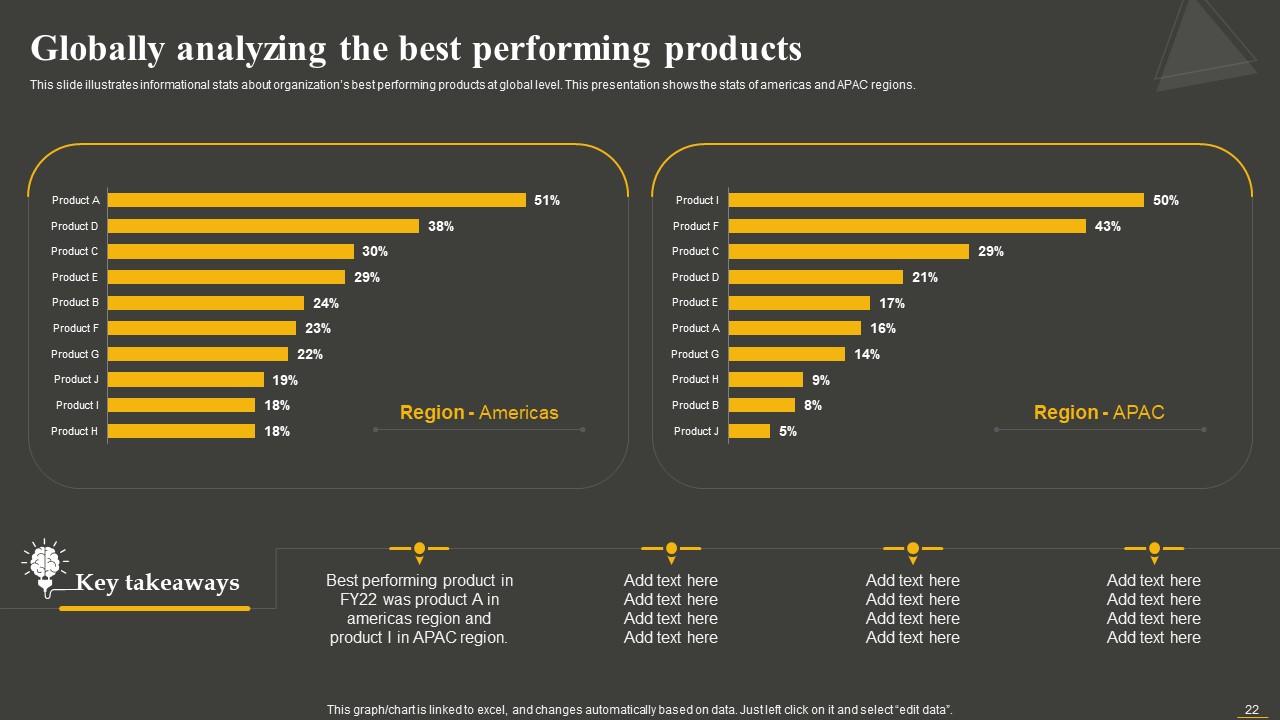
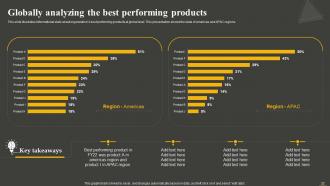
Diapositiva 22 : esta diapositiva muestra el análisis global de los productos con mejor rendimiento.
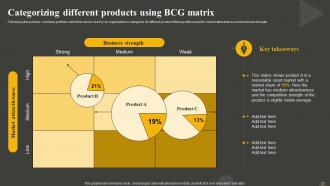
Diapositiva 23 : Esta diapositiva muestra la categorización de diferentes productos usando BCG Matrix.
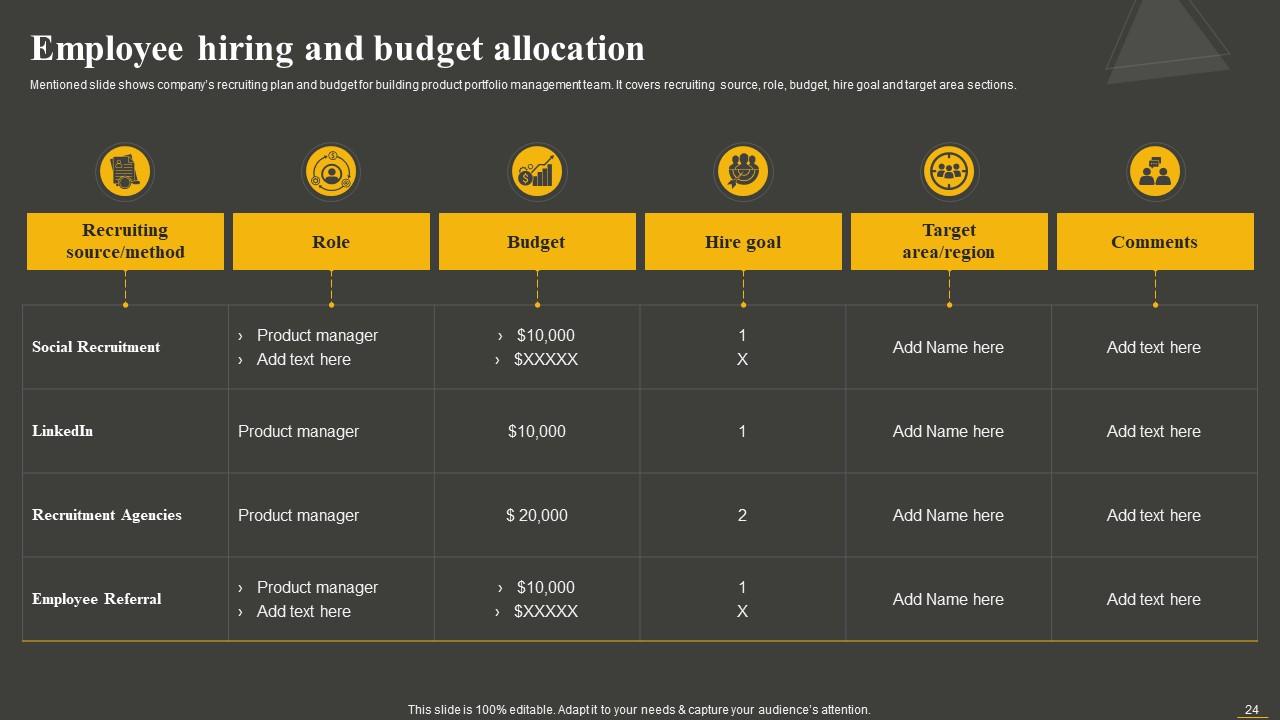
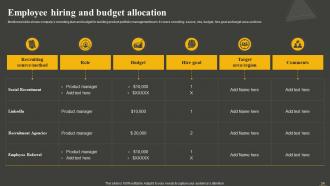
Diapositiva 24 : Esta diapositiva presenta la contratación de empleados y la asignación de presupuesto.
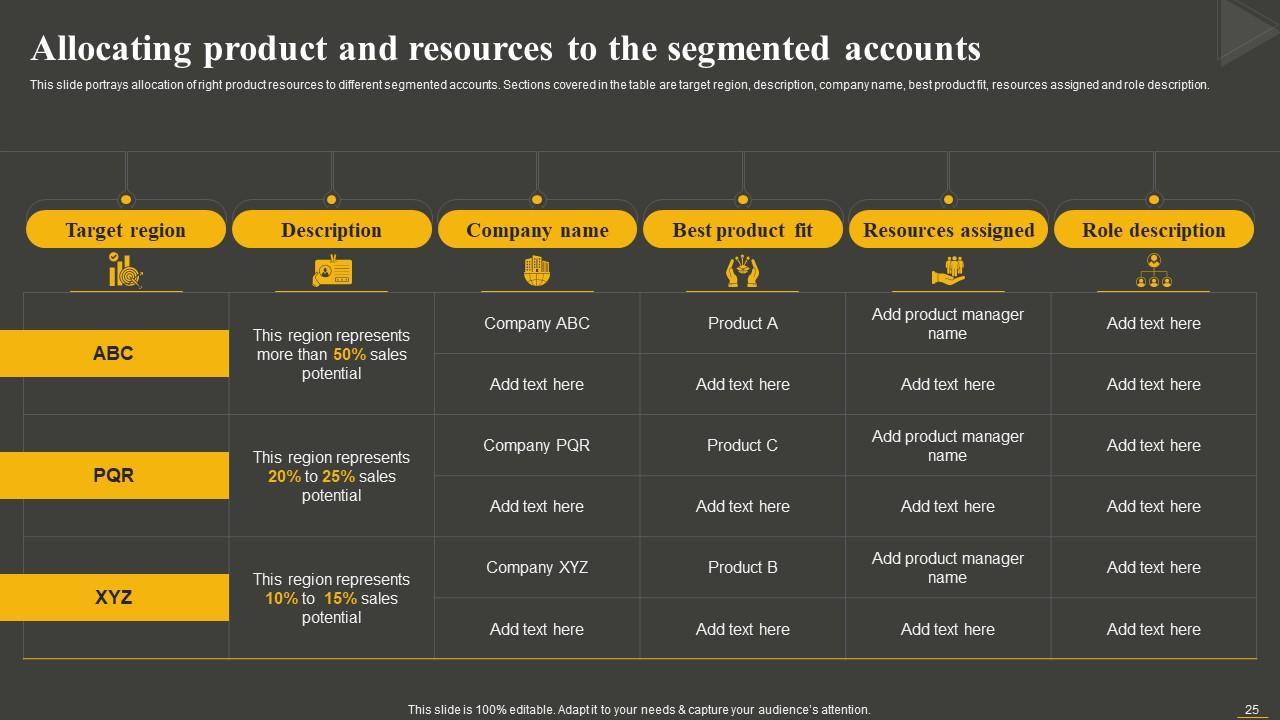
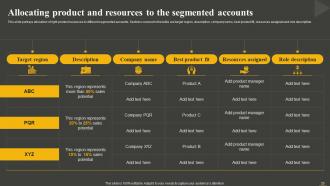
Diapositiva 25 : esta diapositiva muestra la asignación de productos y recursos a las cuentas segmentadas.
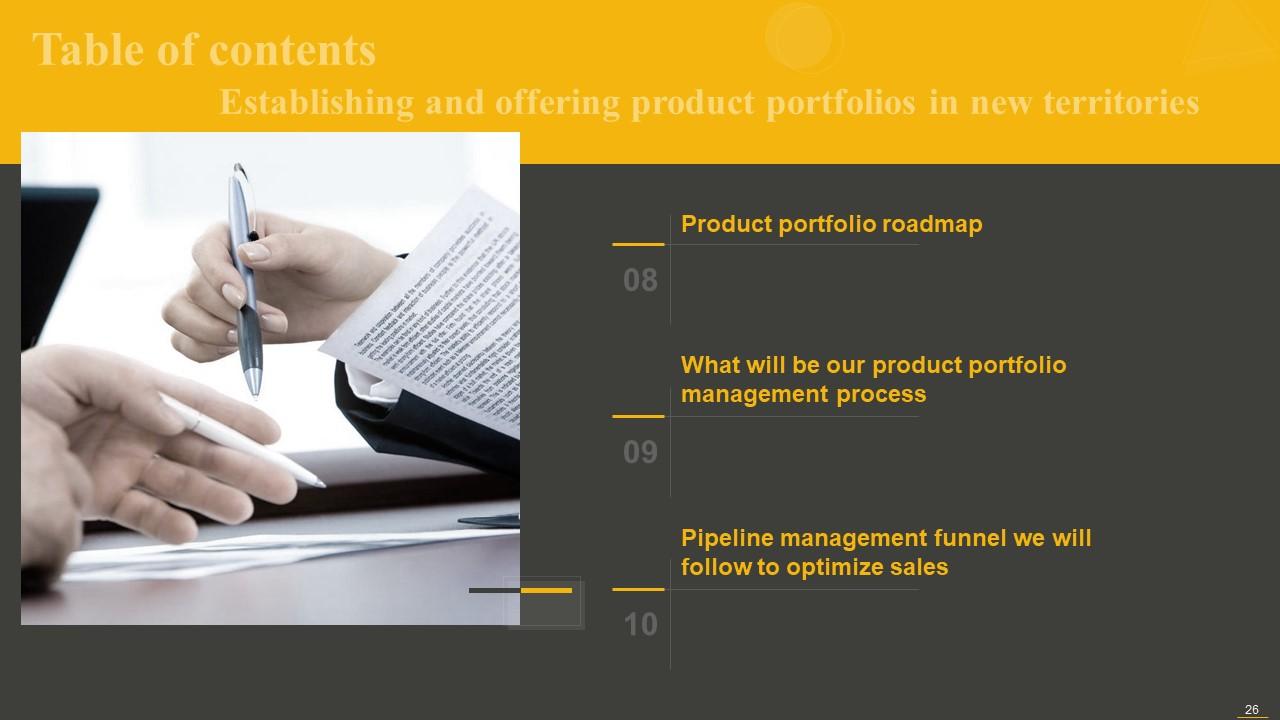
Diapositiva 26 : esta diapositiva resalta el título de los temas que se cubrirán a continuación en la plantilla.
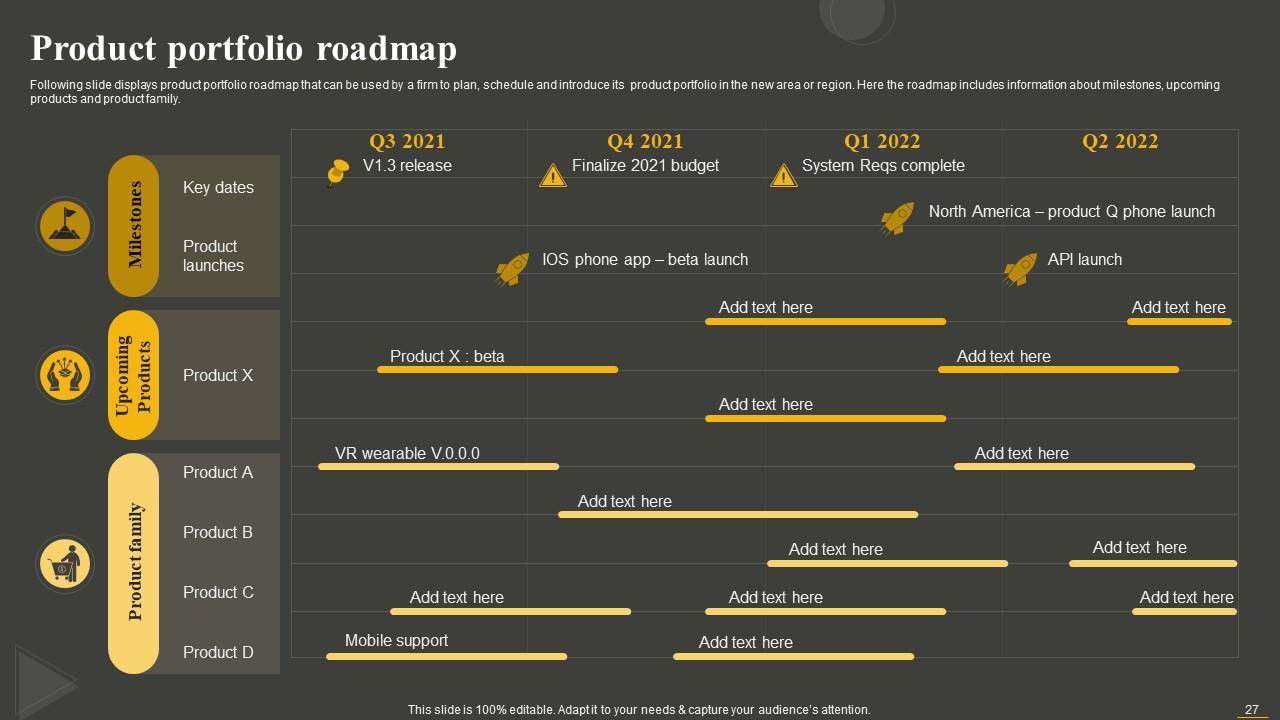
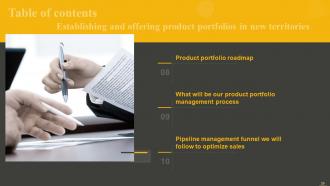
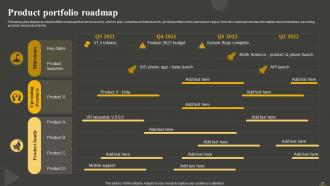
Diapositiva 27 : La siguiente diapositiva muestra una hoja de ruta de la cartera de productos que una empresa puede usar para planificar.
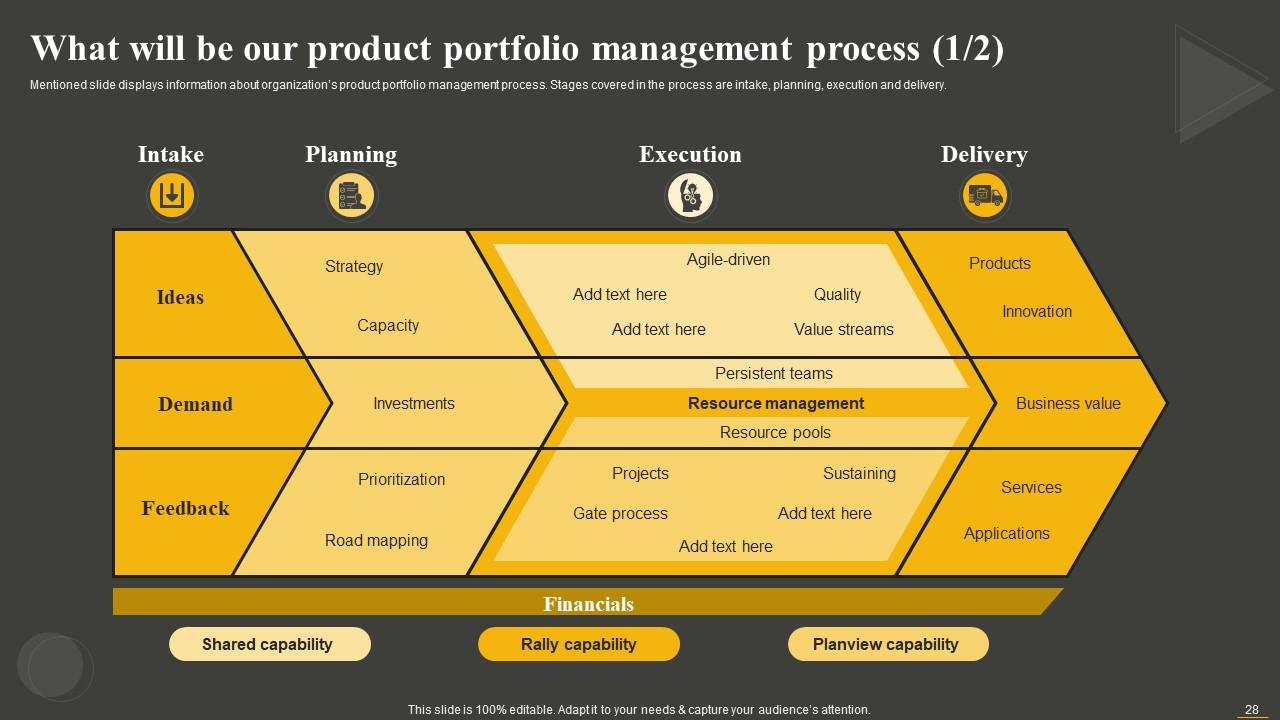
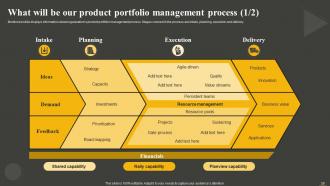
Diapositiva 28 : la diapositiva mencionada muestra información sobre el proceso de gestión de la cartera de productos de la organización.
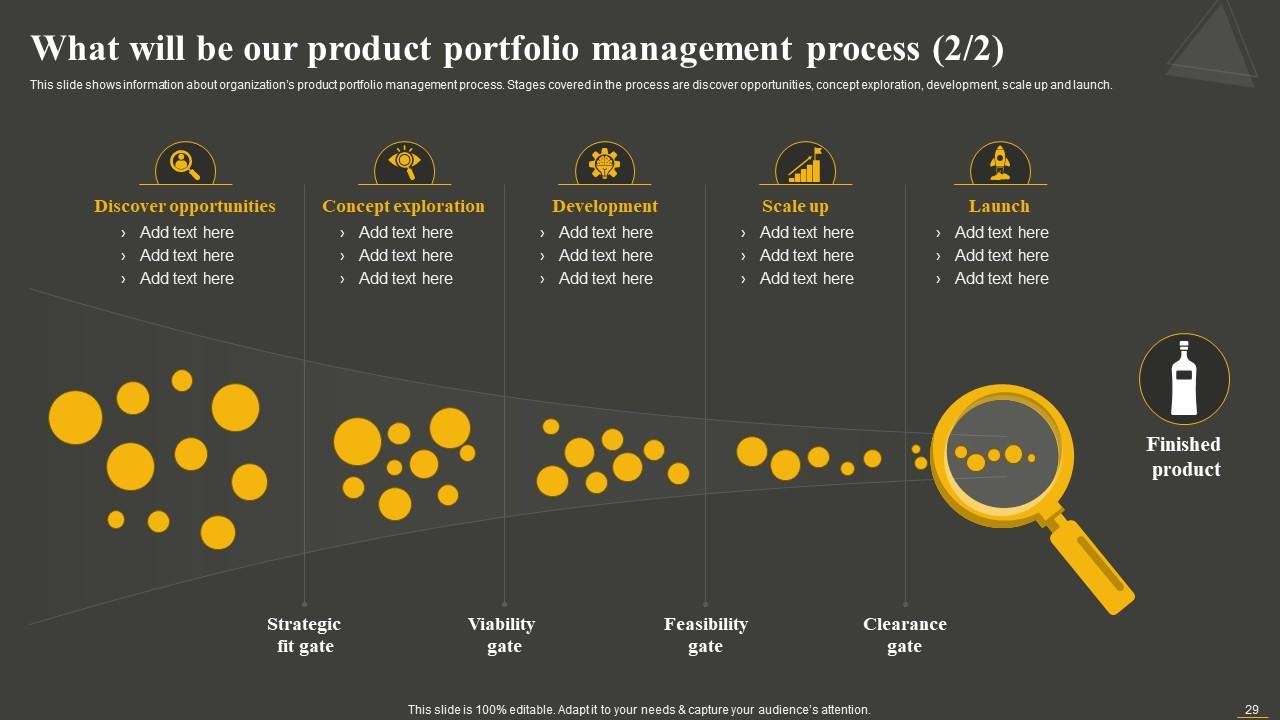
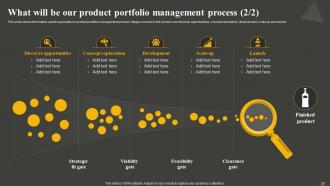
Diapositiva 29 : Esta es otra diapositiva que continúa con el proceso de administración de la cartera de productos de la organización.
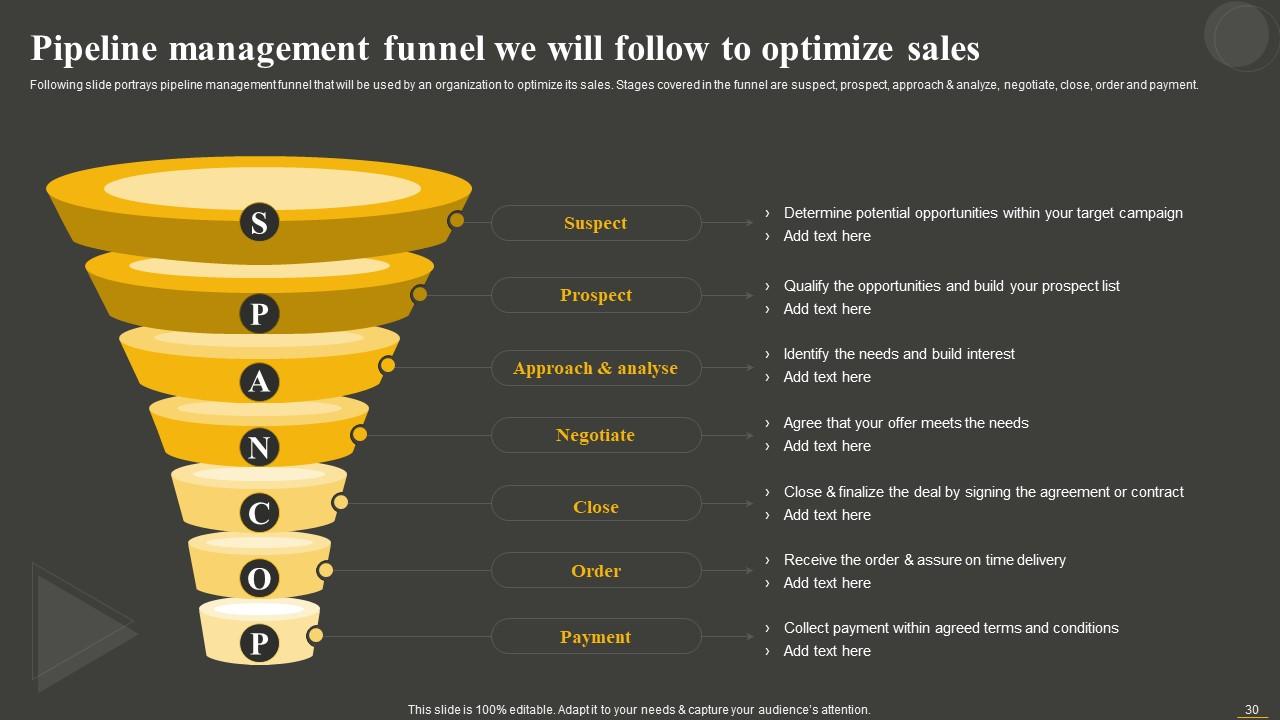
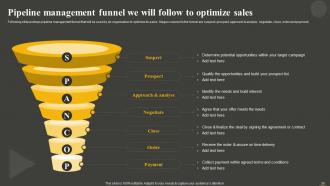
Diapositiva 30 : esta diapositiva presenta el embudo de gestión de proyectos que seguiremos para optimizar las ventas.
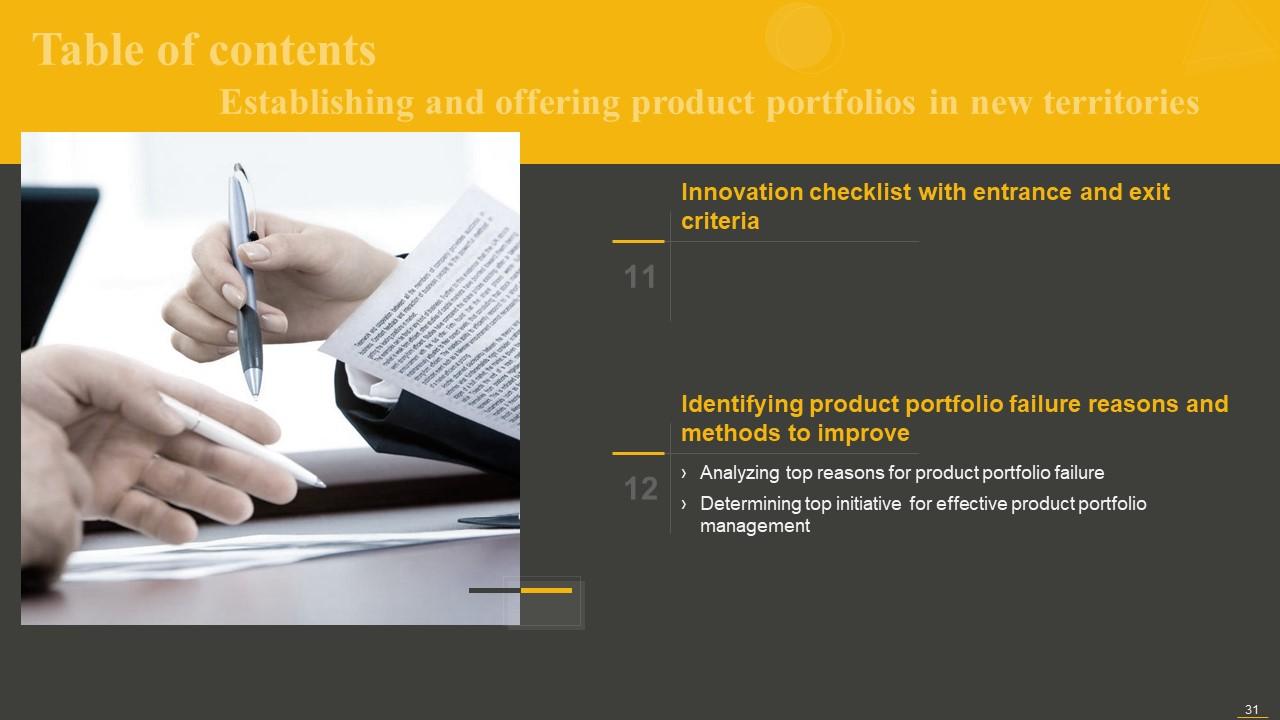
Diapositiva 31 : esta diapositiva destaca el título de los temas que se cubrirán a continuación en la plantilla.
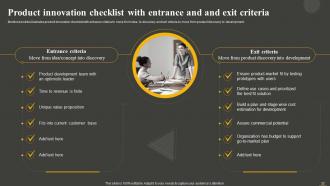
Diapositiva 32 : esta diapositiva muestra la lista de verificación de innovación de productos con criterios de entrada y salida.
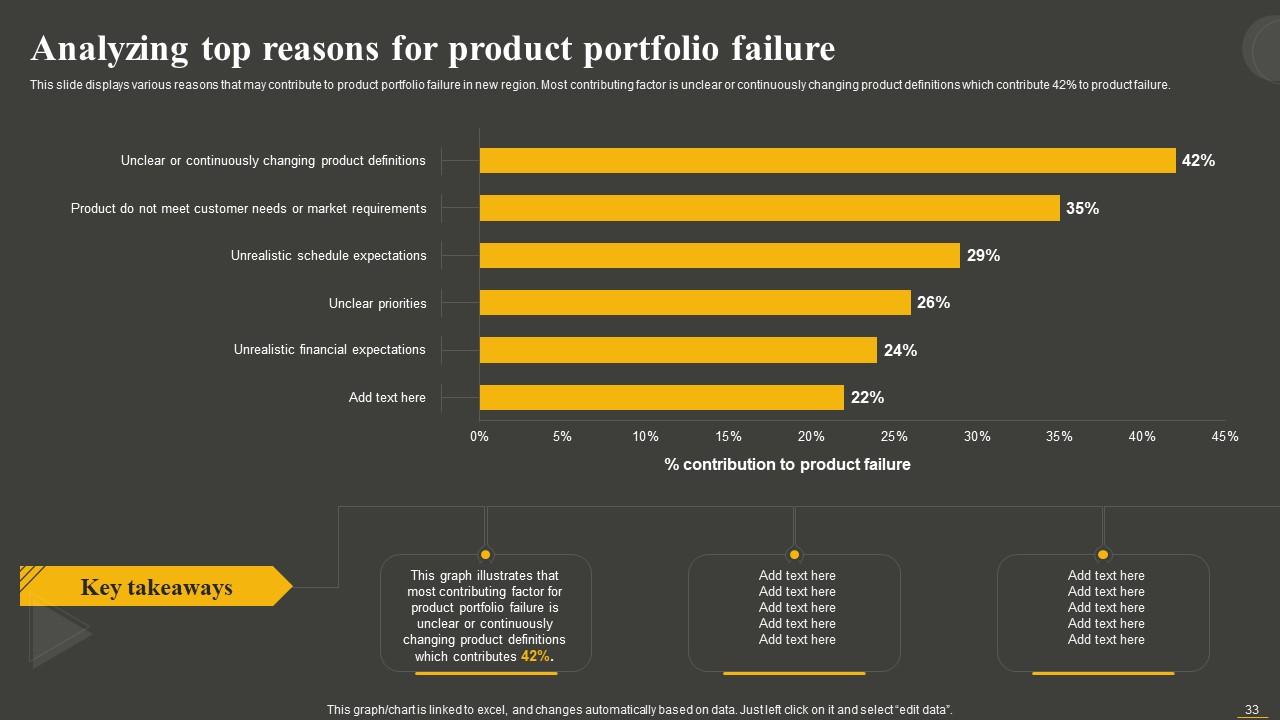
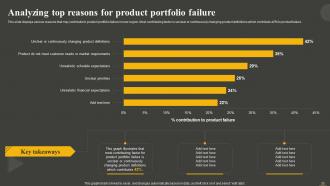
Diapositiva 33 : Esta diapositiva representa el análisis de las razones principales del fracaso de la cartera de productos.
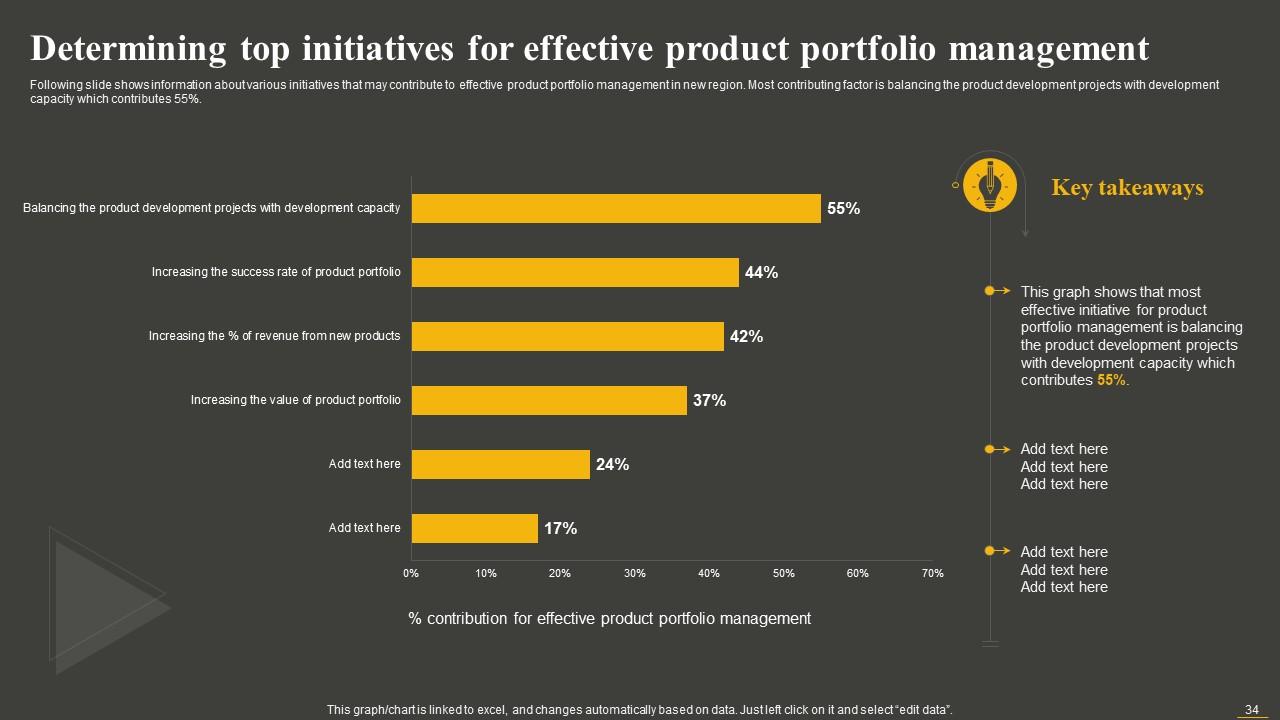
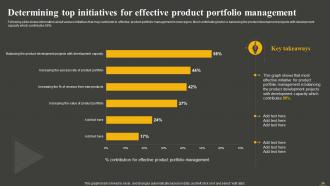
Diapositiva 34 : esta diapositiva muestra la determinación de las principales iniciativas para una gestión eficaz de la cartera de productos.
Diapositiva 35 : esta diapositiva destaca el título de los temas que se cubrirán a continuación en la plantilla.
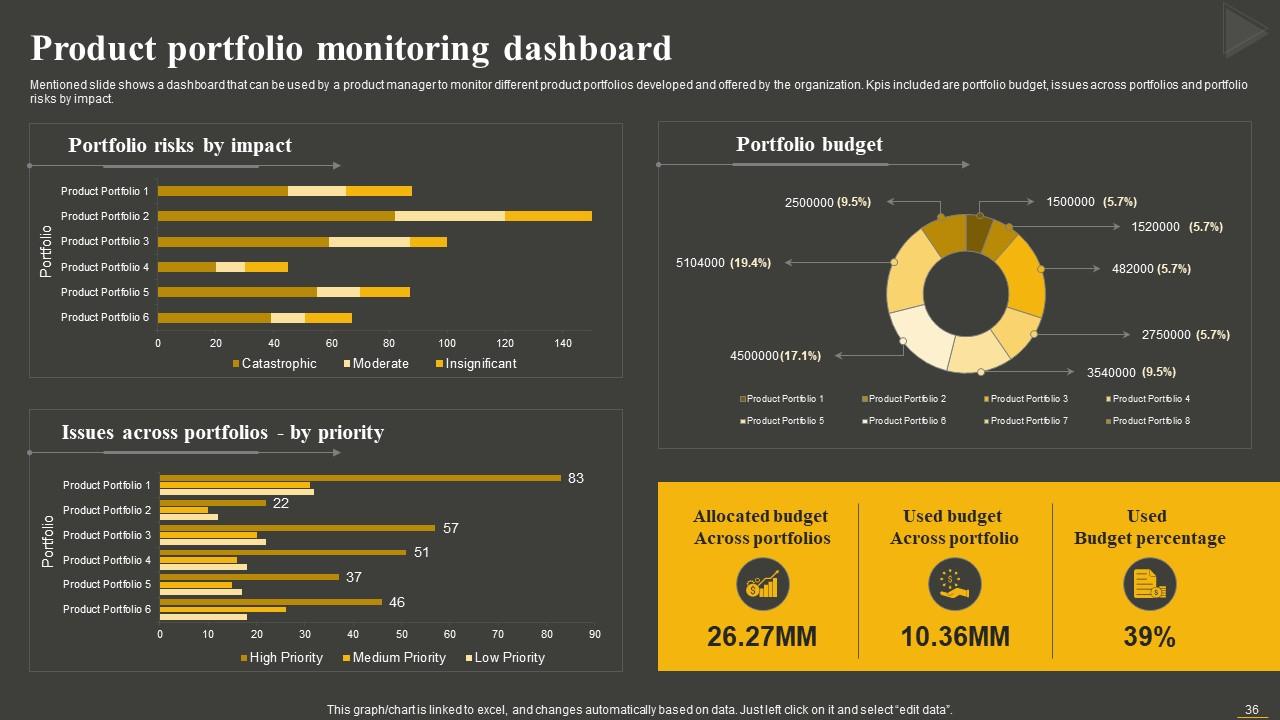
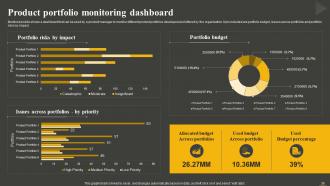
Diapositiva 36 : esta diapositiva muestra el panel de control de la cartera de productos.
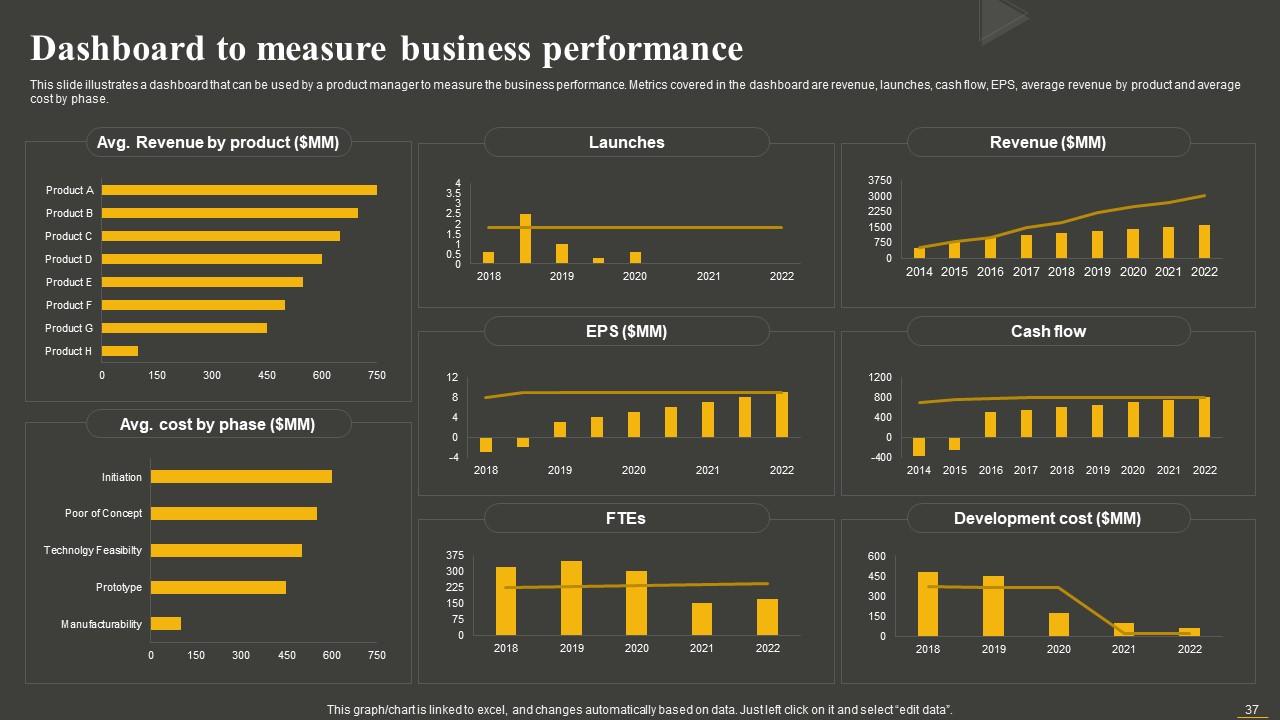
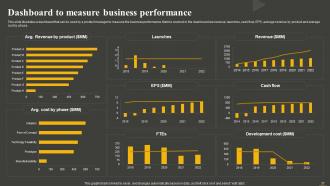
Diapositiva 37 : Esta diapositiva presenta el Tablero para medir el desempeño empresarial.
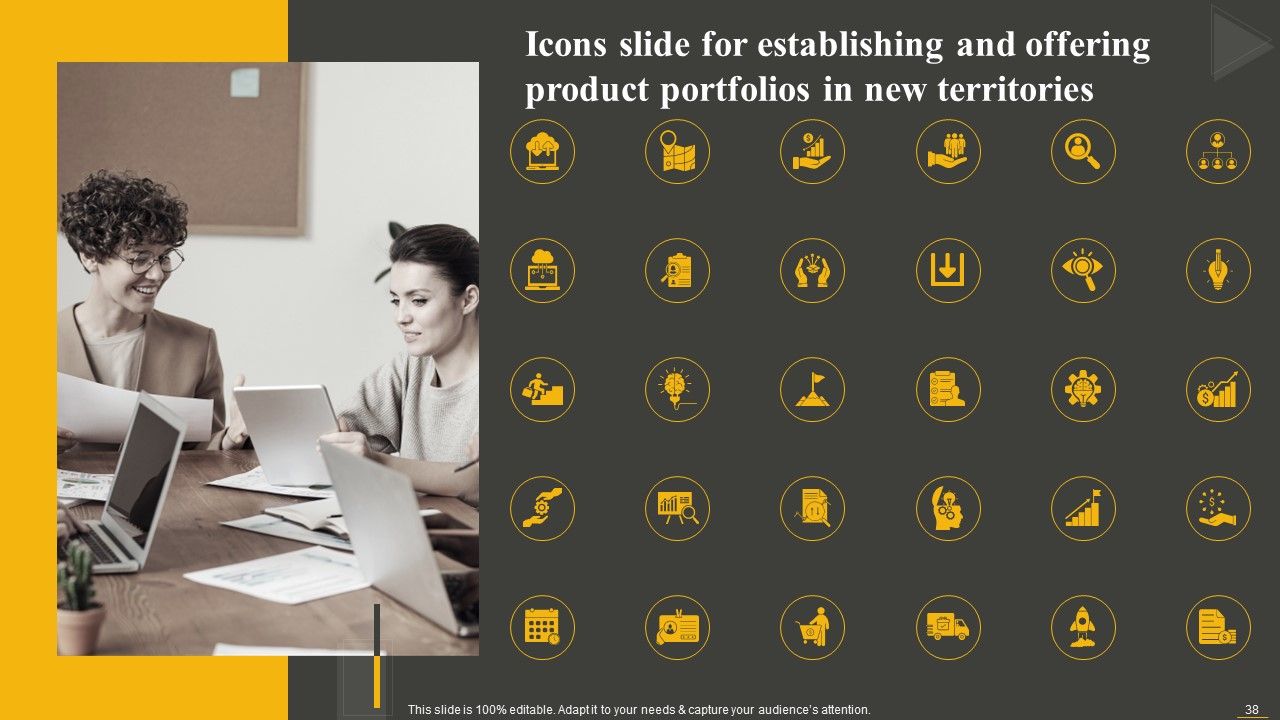
Diapositiva 38 : esta diapositiva contiene todos los íconos utilizados en esta presentación.
Diapositiva 39 : esta diapositiva se titula Diapositivas adicionales para avanzar.
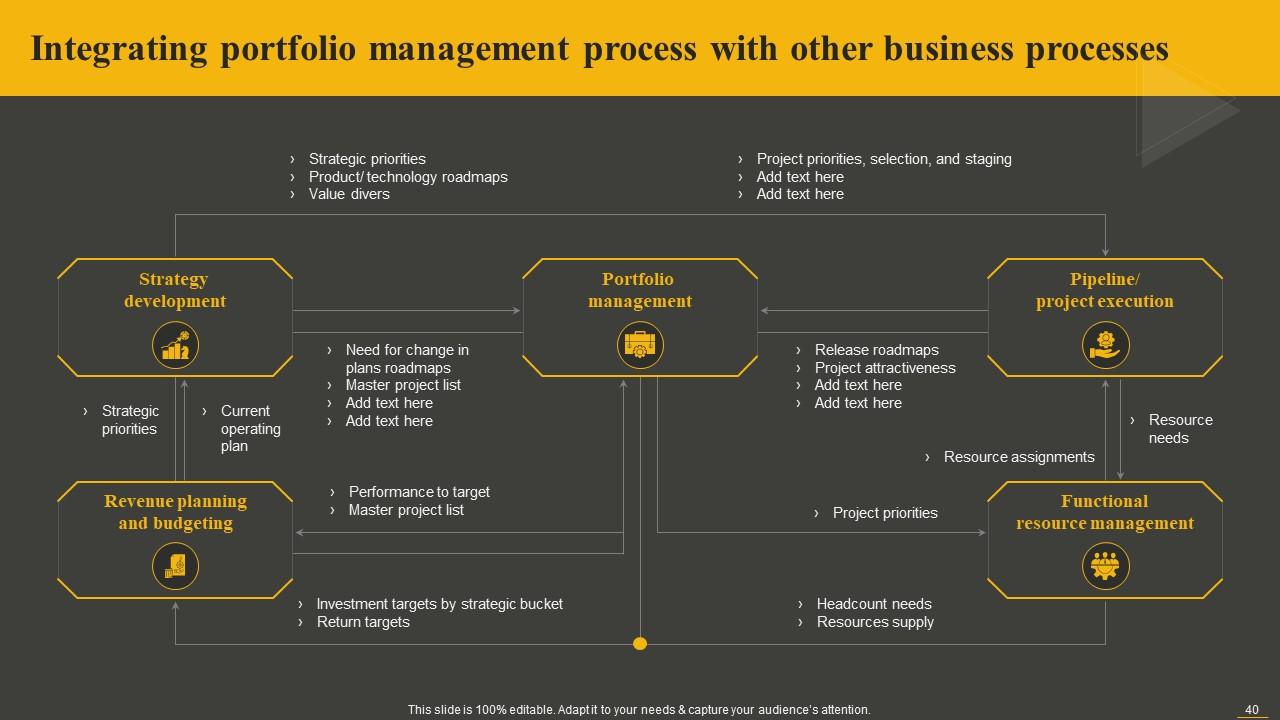
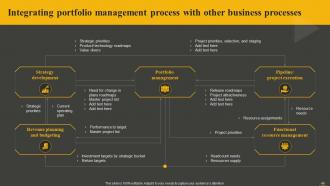
Diapositiva 40 : esta diapositiva muestra la integración del proceso de gestión de carteras con otros procesos comerciales.
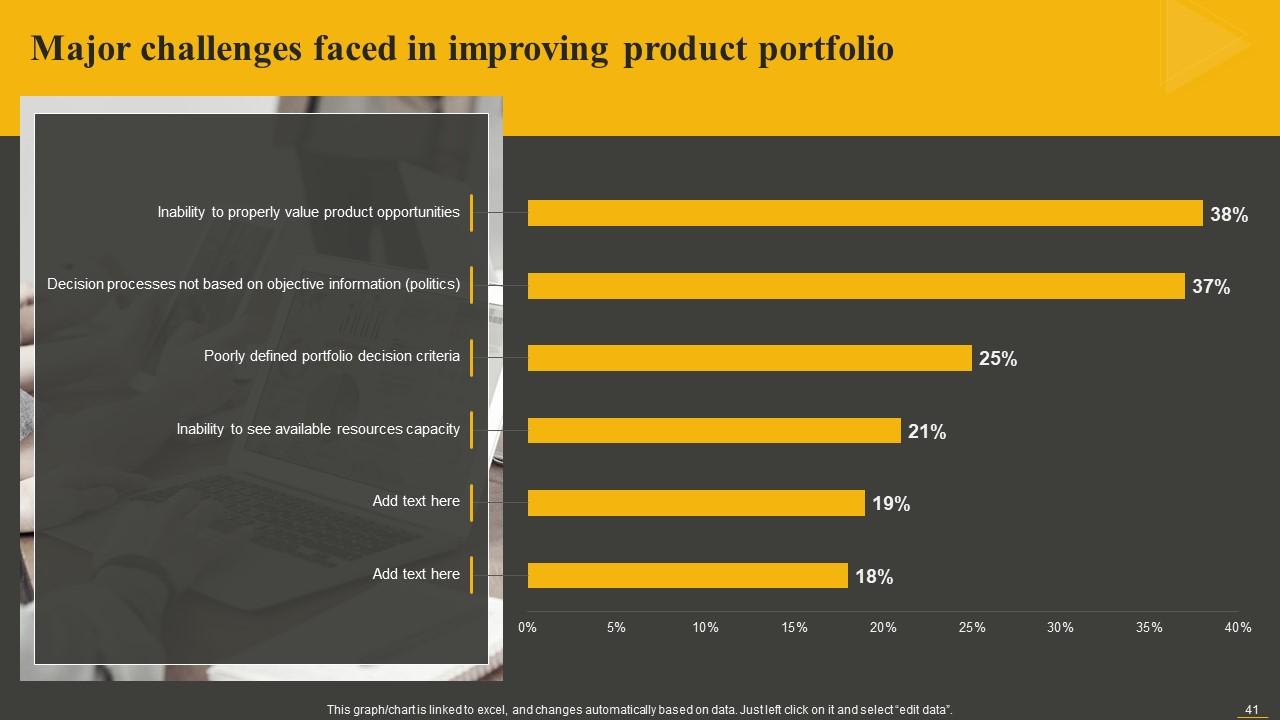
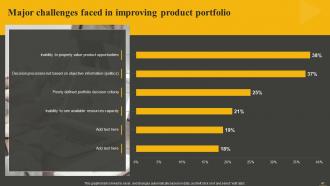
Diapositiva 41 : Esta diapositiva presenta los principales desafíos enfrentados en la mejora de la cartera de productos.
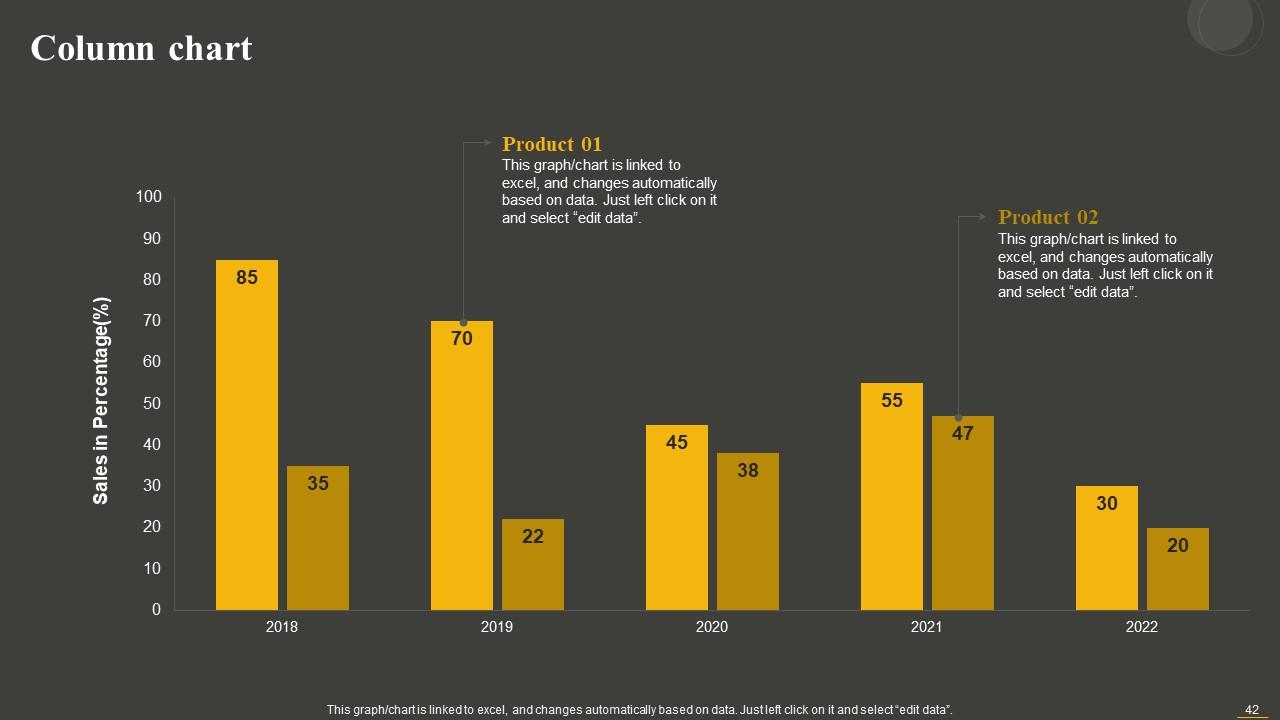
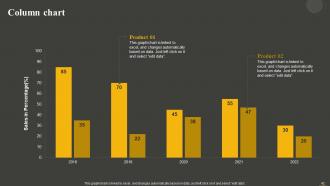
Diapositiva 42 : esta diapositiva muestra un gráfico de columnas con una comparación de dos productos.
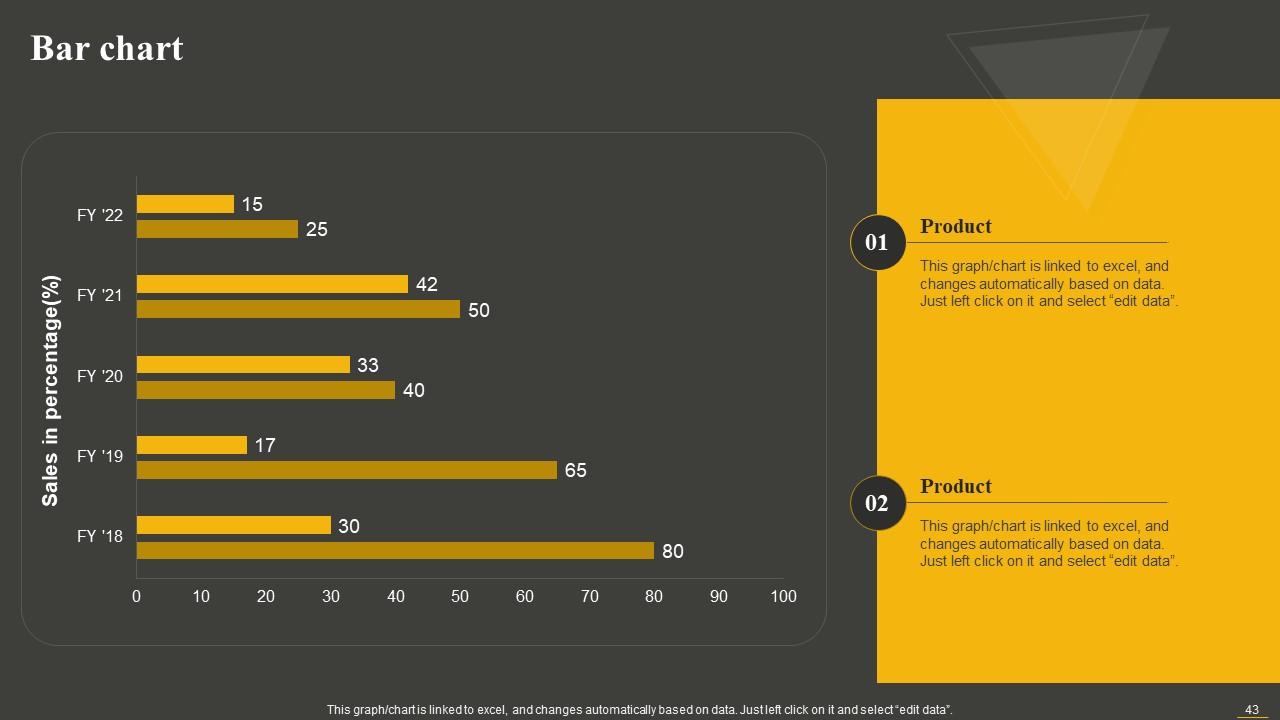
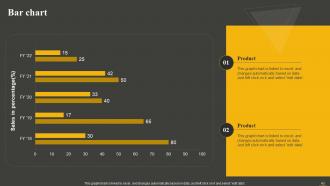
Diapositiva 43 : Esta diapositiva presenta un gráfico de barras con una comparación de dos productos.
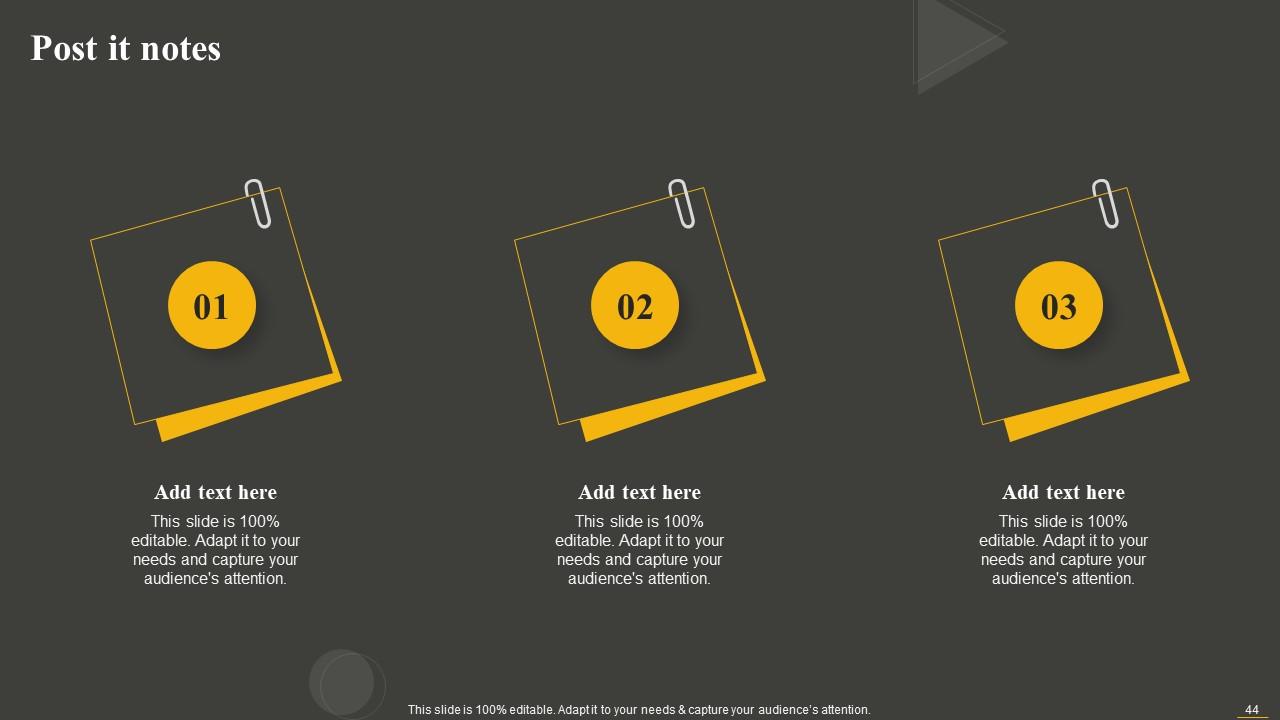
Diapositiva 44 : Esta diapositiva muestra Post-It Notes. Publique sus notas importantes aquí.
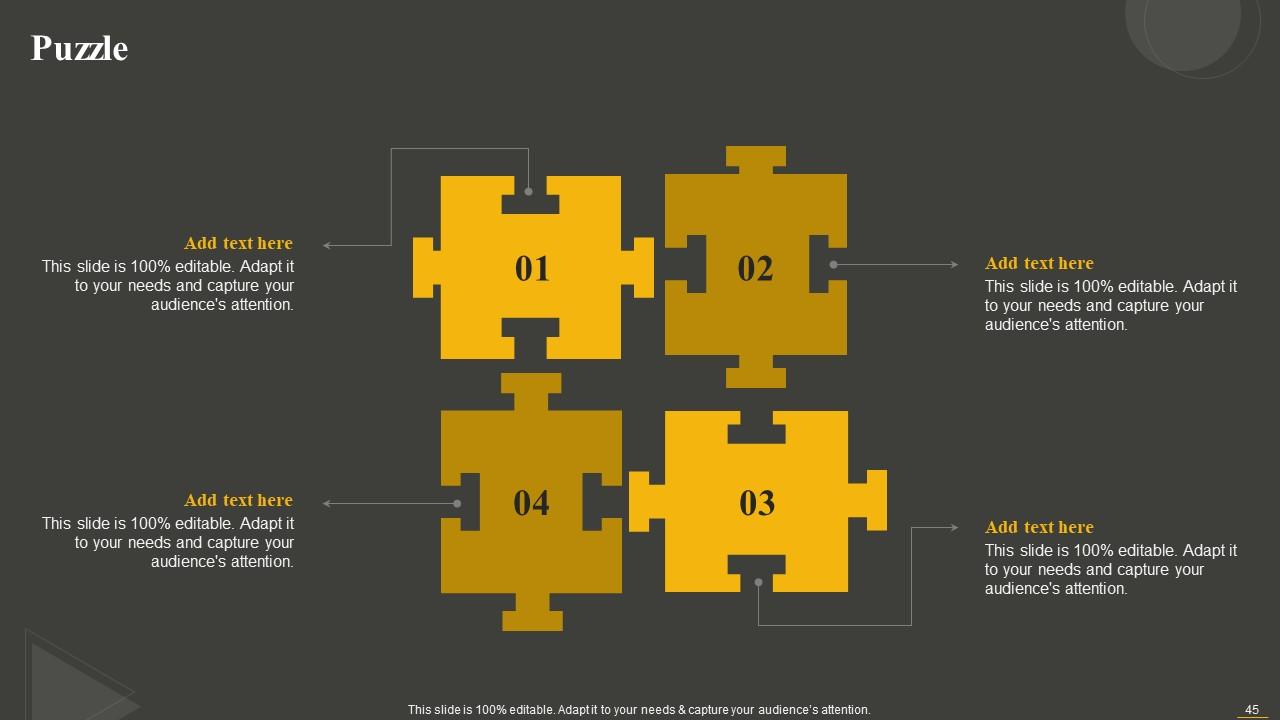
Diapositiva 45 : Esta diapositiva contiene Rompecabezas con íconos y texto relacionados.
Diapositiva 46 : Esta diapositiva muestra el diagrama de Venn con cuadros de texto.
Diapositiva 47 : Esta es la diapositiva Nuestra misión con imágenes y texto relacionados.
Diapositiva 48 : Esta es una diapositiva de la línea de tiempo. Mostrar datos relacionados con los intervalos de tiempo aquí.
Diapositiva 49 : Esta es la diapositiva Nuestro equipo con nombres y designación.
Diapositiva 50 : Esta es una diapositiva de agradecimiento con dirección, números de contacto y dirección de correo electrónico.
Establecimiento y oferta de carteras de productos en nuevos territorios Diapositivas de presentación de PowerPoint con las 55 diapositivas:
Utilice nuestras diapositivas de presentación de Powerpoint para establecer y ofrecer carteras de productos en nuevos territorios para ayudarlo de manera efectiva a ahorrar su valioso tiempo. Están listos para encajar en cualquier estructura de presentación.
-
Their designing team is so expert in making tailored templates. They craft the exact thing I have in my mind…..really happy.
-
I downloaded some of the presentations for work. They were simple to modify and saved me a lot of time and effort.
