


Slides de apresentação em Powerpoint do Perfil da Export Trading Company
Um perfil de empresa resume todos os elementos relevantes de uma entidade, o que ajuda os investidores e stakeholders a avaliar o valor e o desempenho do negócio. Confira nossa apresentação em PowerPoint de perfil de empresa de comércio de exportação projetada profissionalmente. Em primeiro lugar, este perfil abrange um resumo executivo da trading de agronegócios, visão geral da empresa, escritórios, detalhes do centro de processamento, principais produtos, commodities e o cronograma da empresa. Além disso, abrange o modelo de negócios, a estrutura organizacional e a equipe de gerenciamento com o número total de funcionários por país. Além disso, a apresentação inclui marcas de produtos com localizações-chave, rotas comerciais da empresa, clientes internacionais e suas avaliações e depoimentos. Além disso, menciona as parcerias estratégicas, destaques financeiros, receita, lucro, vendas divididas por região e commodities, subprodutos das exportações globais e análise competitiva. No final, este perfil inclui a estratégia de marketing de comércio internacional, estratégia de expansão global, iniciativas de RSE, pegada ambiental corporativa e estudo de caso de negócios de comércio de agronegócios. Baixe nosso deck 100% editável e personalizável para saber mais em detalhes.





















-

- Google Slides is a new FREE Presentation software from Google.
- All our content is 100% compatible with Google Slides.
- Just download our designs, and upload them to Google Slides and they will work automatically.
- Amaze your audience with SlideTeam and Google Slides.
-

Want Changes to This PPT Slide? Check out our Presentation Design Services
-

- WideScreen Aspect ratio is becoming a very popular format. When you download this product, the downloaded ZIP will contain this product in both standard and widescreen format.
-

- Some older products that we have may only be in standard format, but they can easily be converted to widescreen.
- To do this, please open the SlideTeam product in Powerpoint, and go to
- Design ( On the top bar) -> Page Setup -> and select "On-screen Show (16:9)” in the drop down for "Slides Sized for".
- The slide or theme will change to widescreen, and all graphics will adjust automatically. You can similarly convert our content to any other desired screen aspect ratio.
Compatible With Google Slides

Get This In WideScreen
You must be logged in to download this presentation.


Do you want to remove this product from your favourites?
Recursos desses slides de apresentação do PowerPoint:
Encante seu público com esses slides de apresentação em Powerpoint do perfil da empresa de comércio de exportação. Aumente seu limite de apresentação implantando este modelo bem elaborado. Atua como uma ótima ferramenta de comunicação devido ao seu conteúdo bem pesquisado. Ele também contém ícones estilizados, gráficos, recursos visuais etc, que o tornam um chamariz imediato. Composto por trinta e nove slides, este baralho completo é tudo que você precisa para ser notado. Todos os slides e seu conteúdo podem ser alterados para se adequarem à sua configuração de negócios exclusiva. Além disso, outros componentes e gráficos também podem ser modificados para adicionar toques pessoais a este conjunto pré-fabricado.

People who downloaded this PowerPoint presentation also viewed the following :
Conteúdo desta apresentação em PowerPoint
Slide 1 : Este slide apresenta o Perfil da Export Trading Company. Indique o nome da sua empresa e comece.
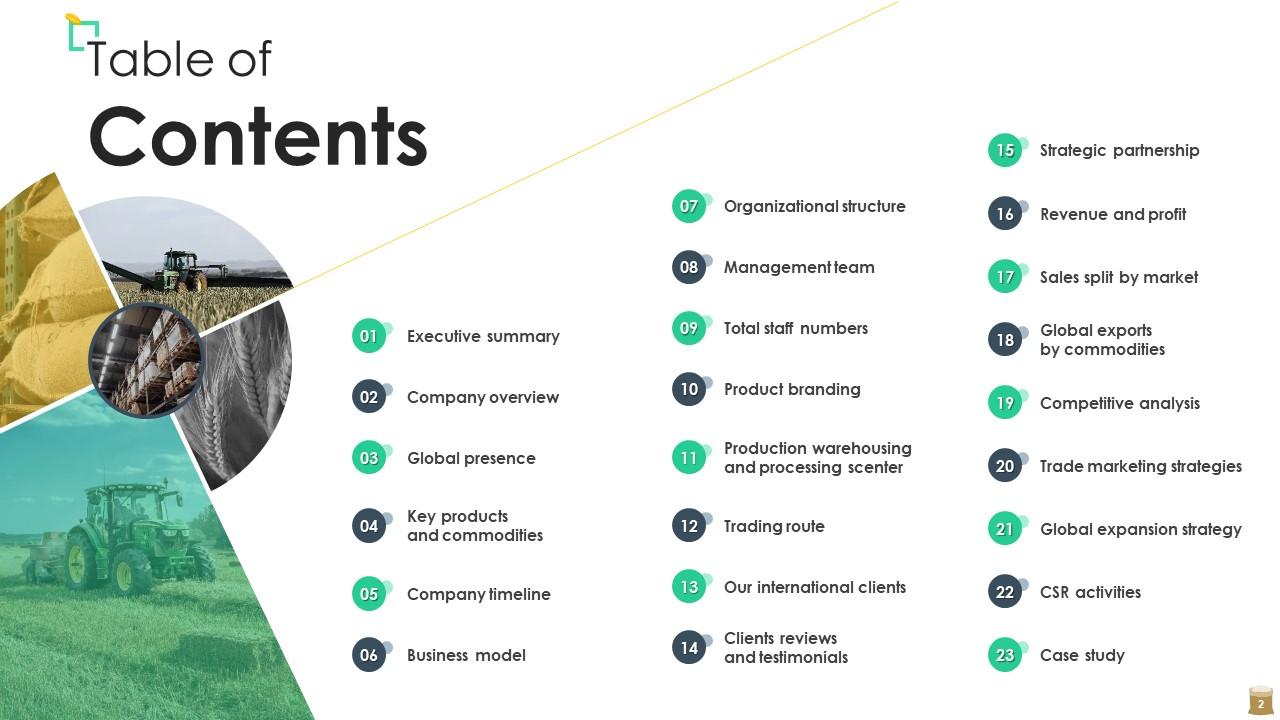
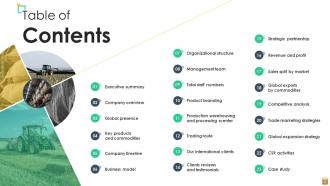
Slide 2 : Este slide apresenta o Índice da apresentação.
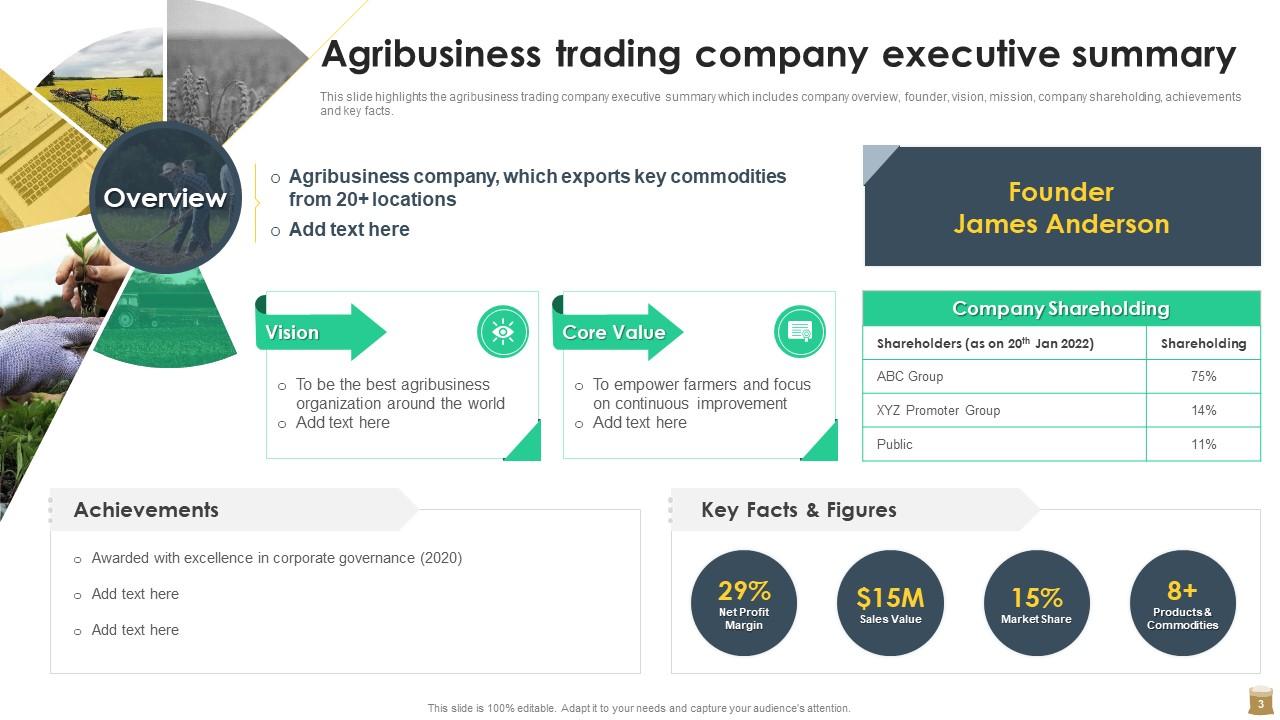
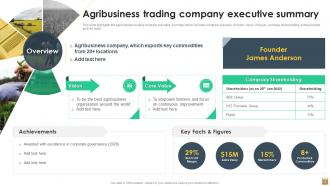
Slide 3 : Este slide apresenta o resumo executivo da trading de agronegócios.
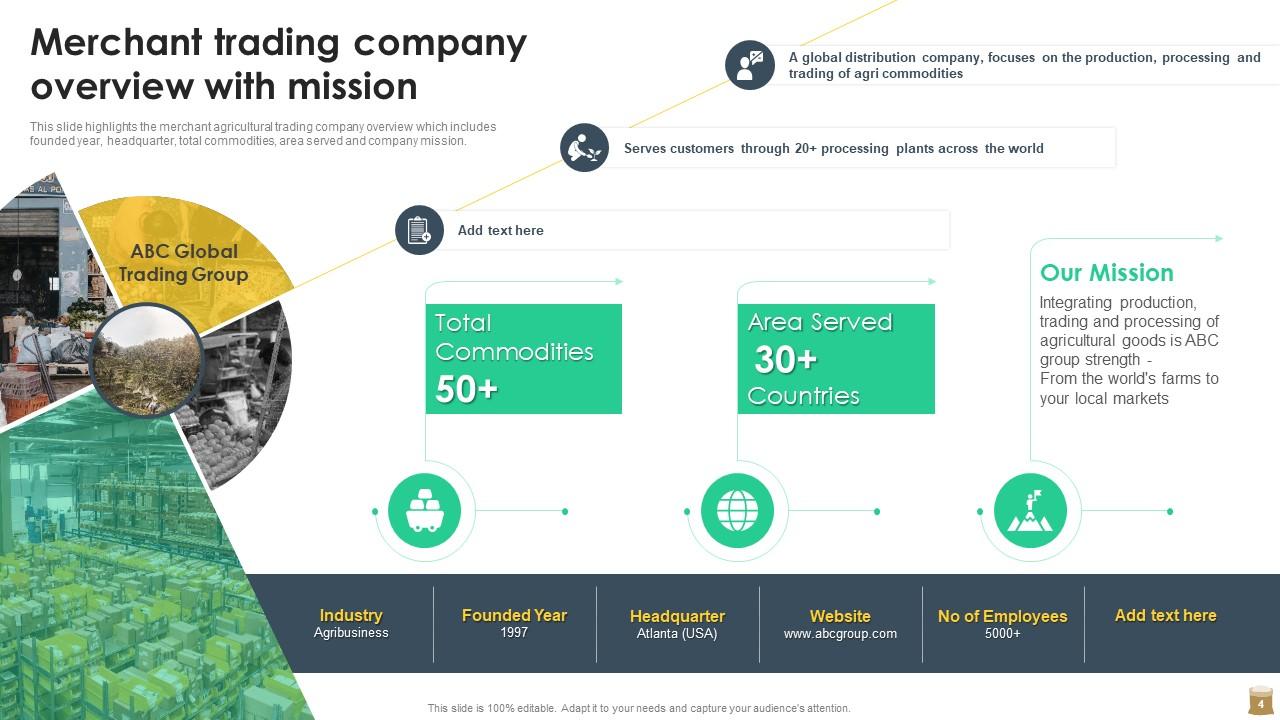
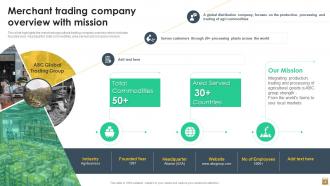
Slide 4 : Este slide destaca a visão geral das tradings agrícolas mercantes.
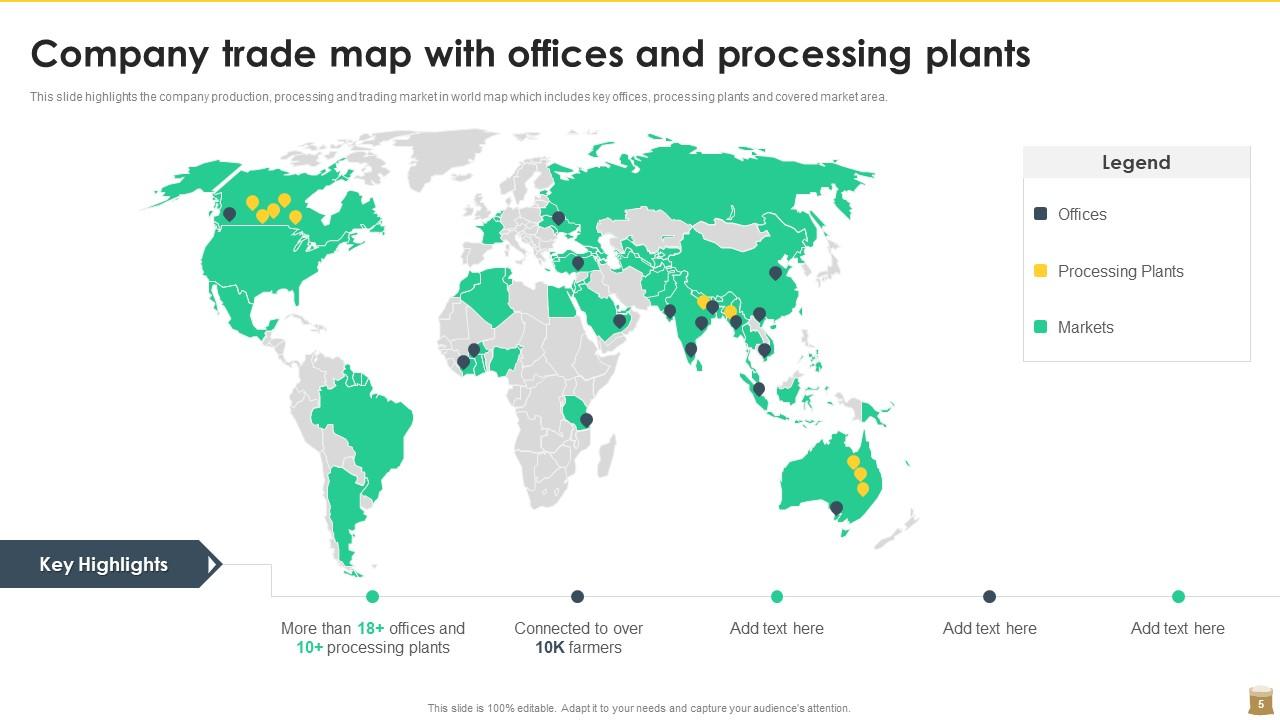
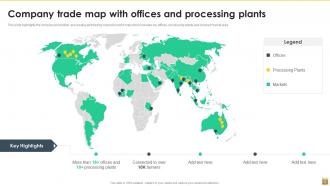
Slide 5 : Este slide apresenta o mapa comercial da empresa com escritórios e plantas de processamento.
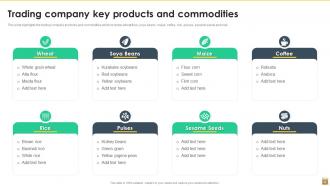
Slide 6 : Este slide mostra os principais produtos e commodities da Trading Company.
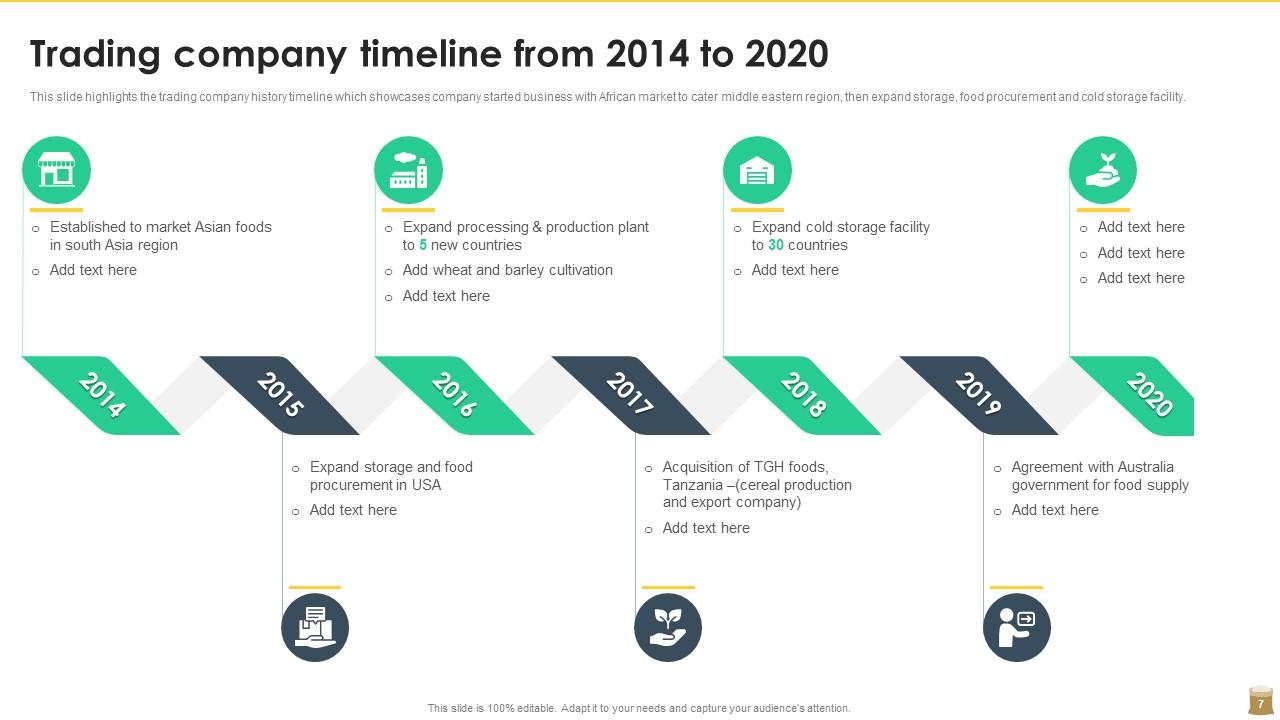
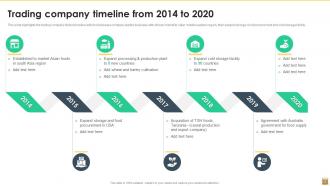
Slide 7 : Este slide representa a linha do tempo da Trading Company de 2014 a 2020.
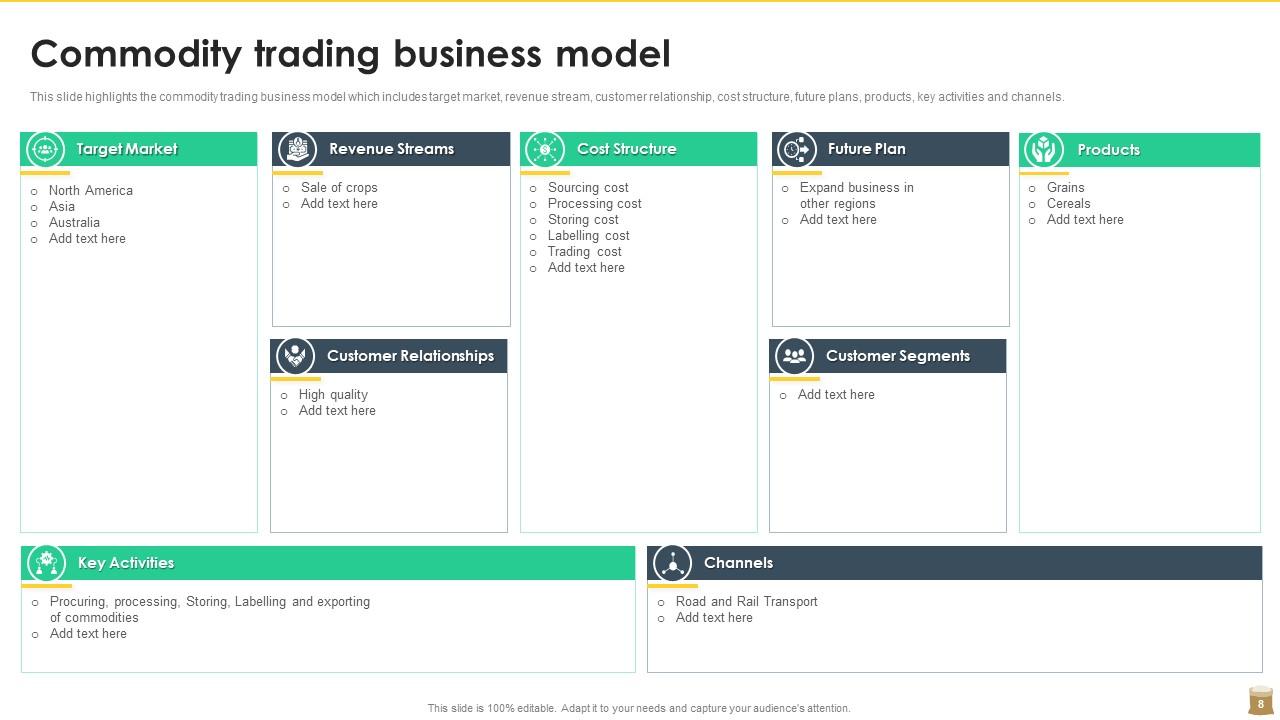
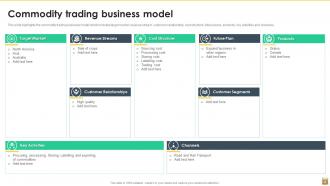
Slide 8 : Este slide mostra o modelo de negócios de negociação de commodities que inclui mercado-alvo, fluxo de receita, etc.
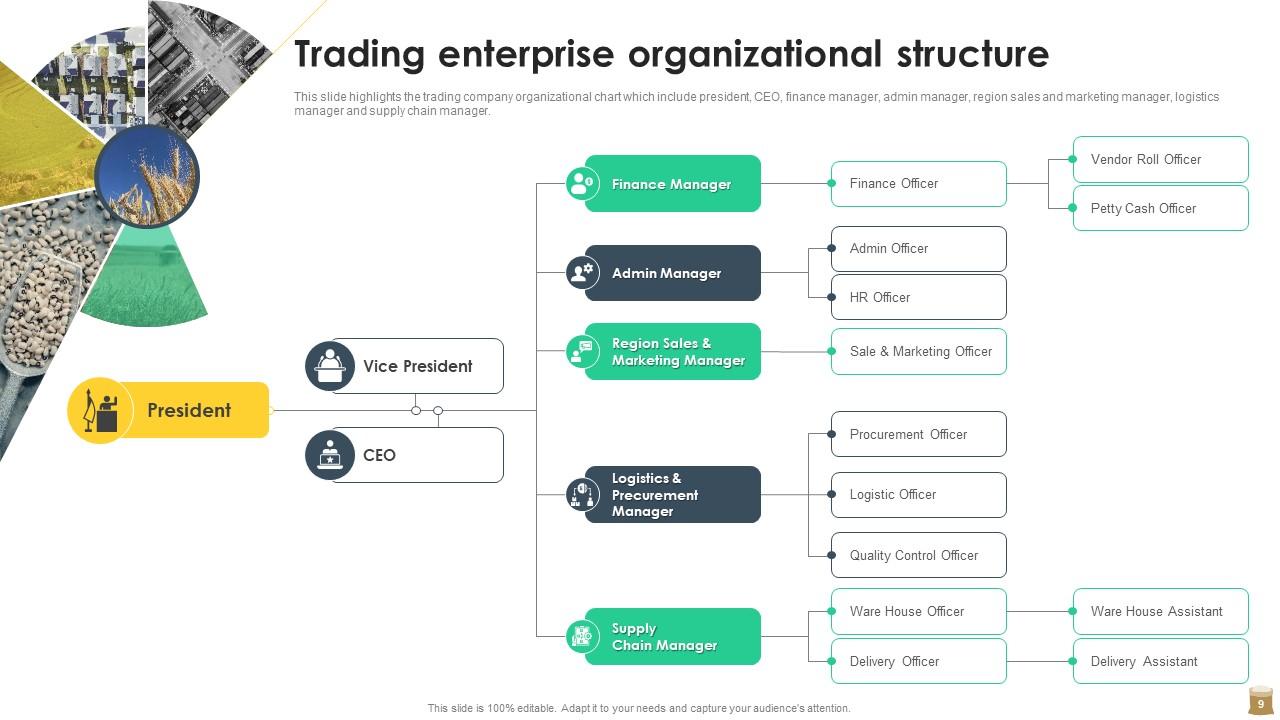
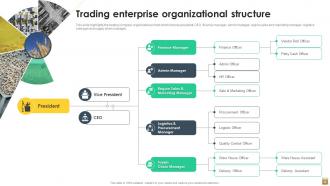
Slide 9 : Este slide mostra a estrutura organizacional da empresa Trading.
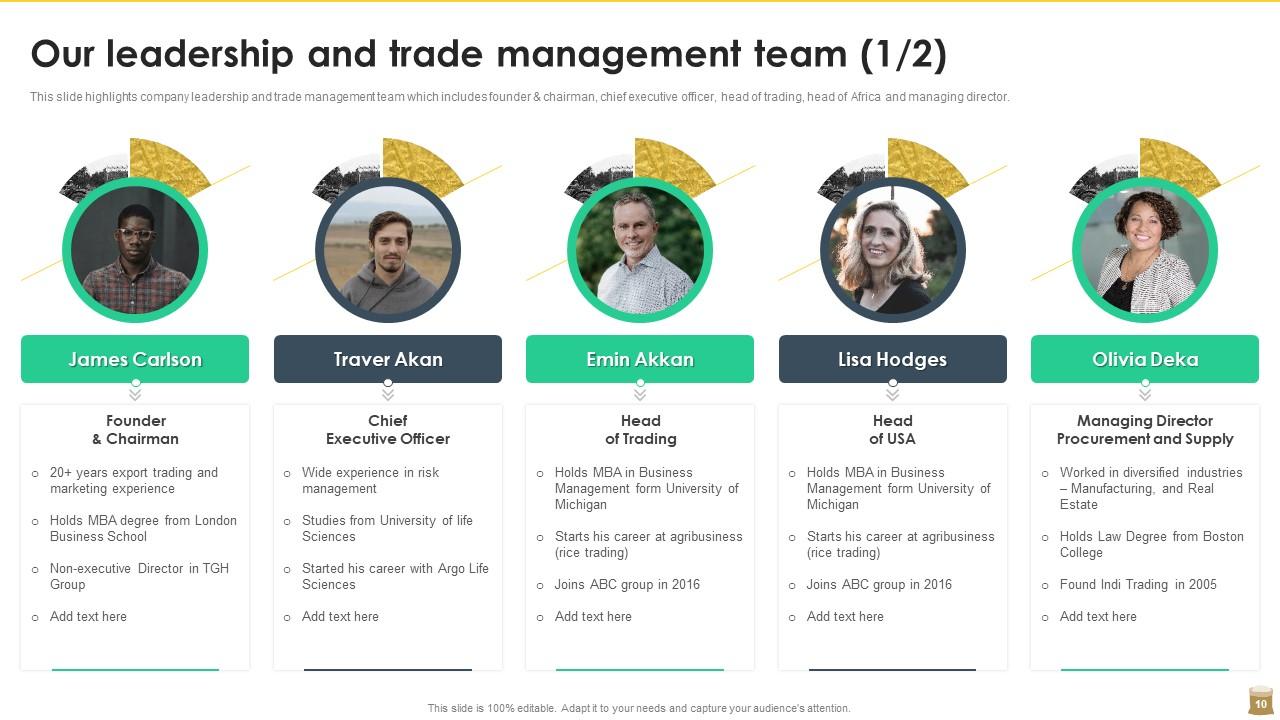
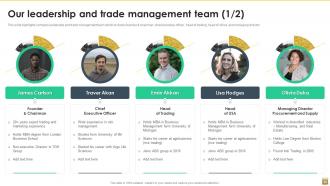
Slide 10 : Este slide apresenta nossa equipe de liderança e gestão comercial.
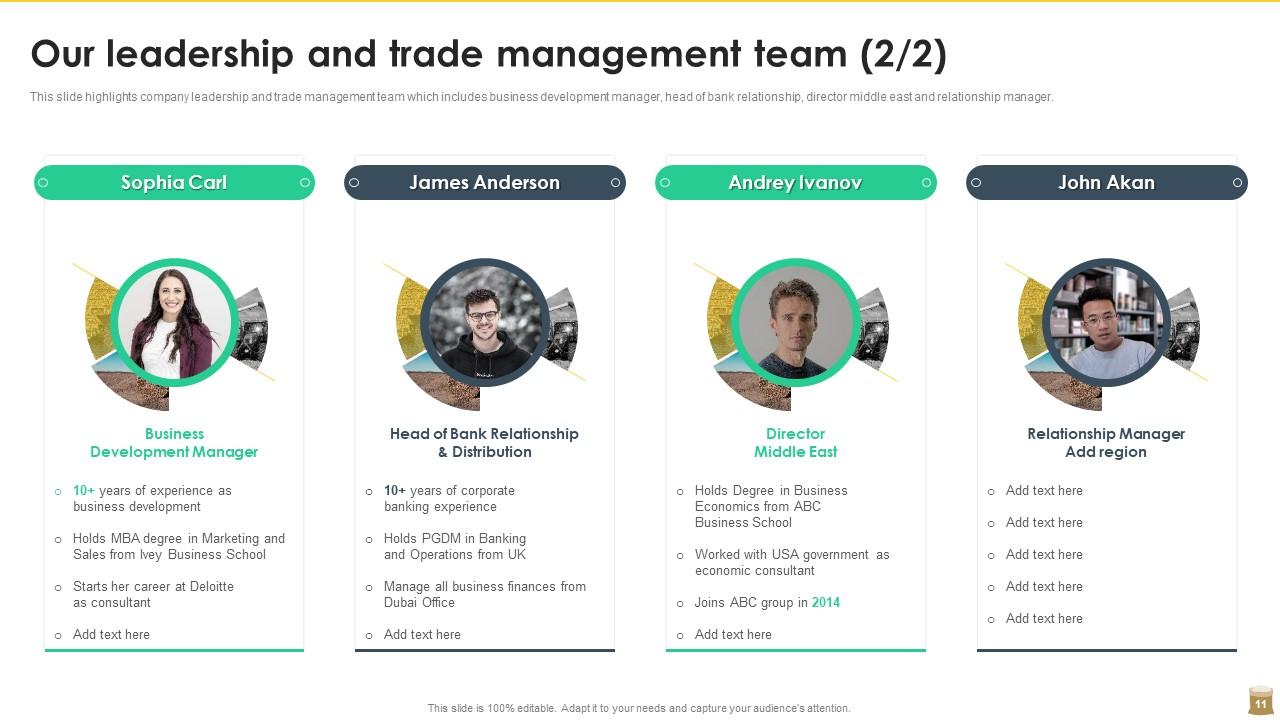
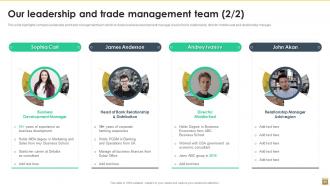
Slide 11 : Este é mais um slide continuando Nossa equipe de liderança e gestão comercial.
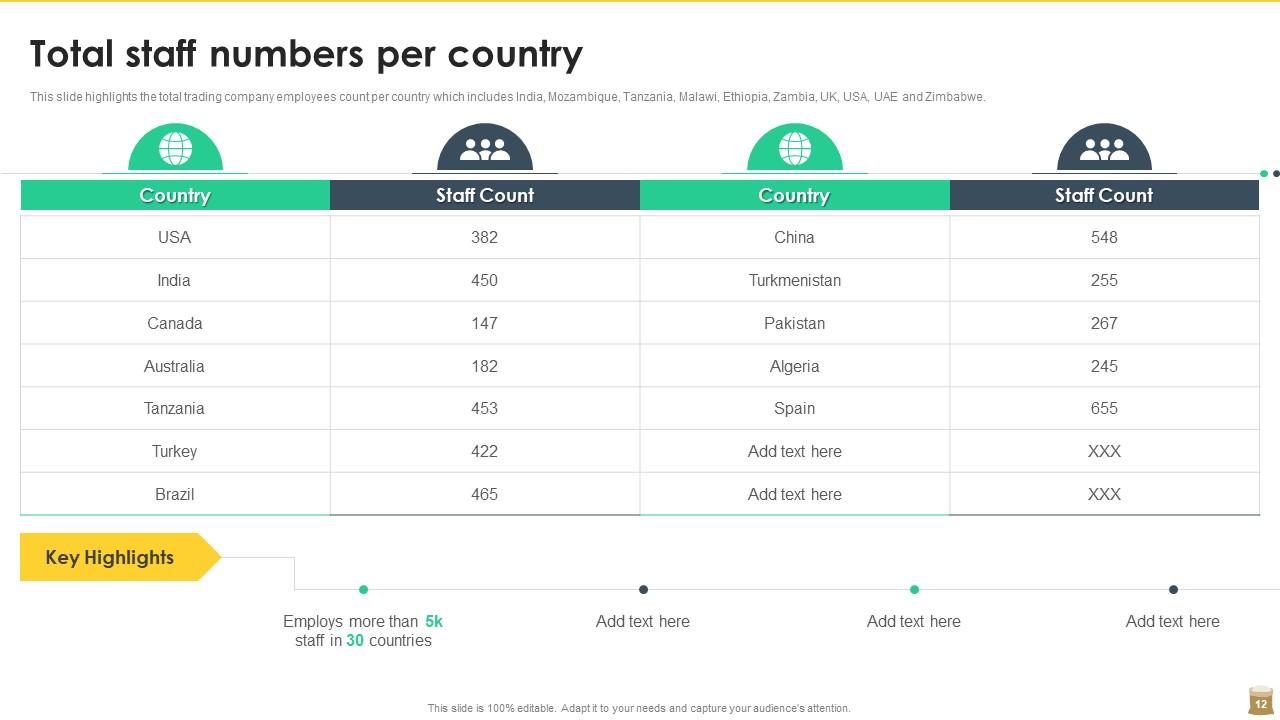
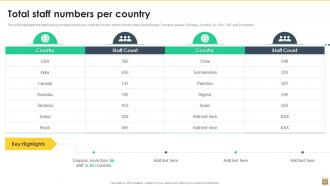
Slide 12 : Este slide mostra o total de funcionários da trading por país.
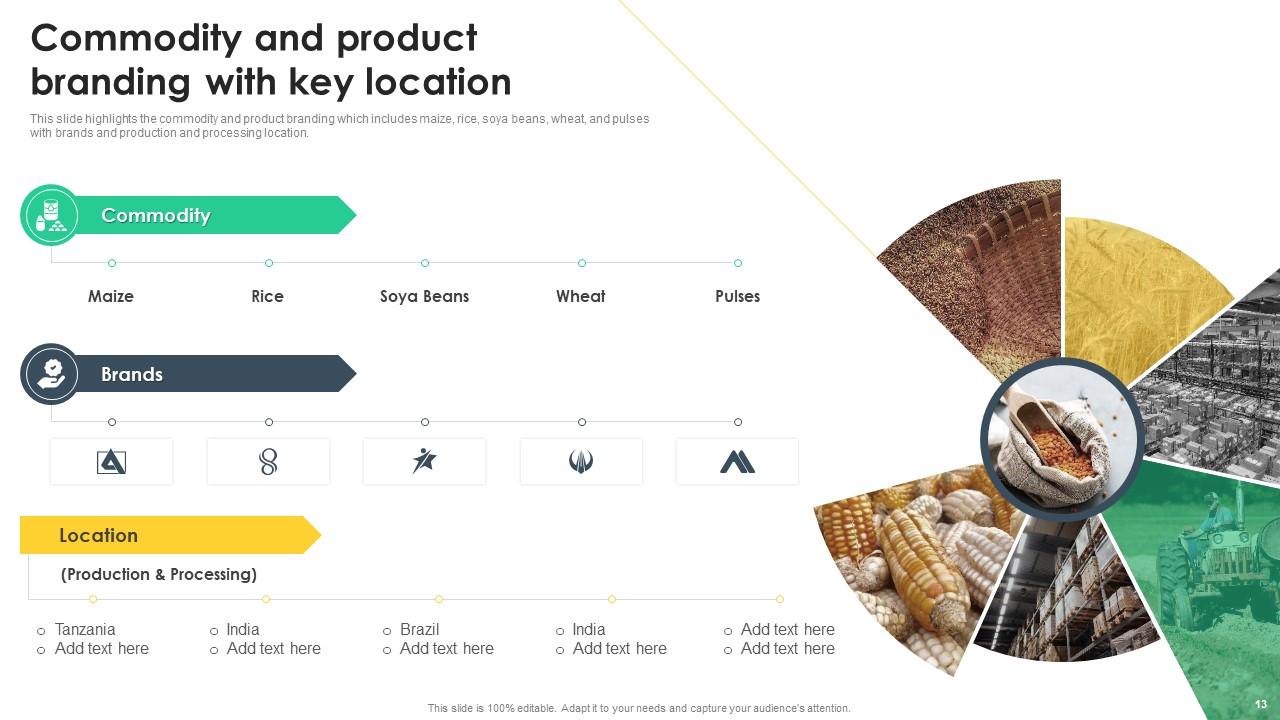
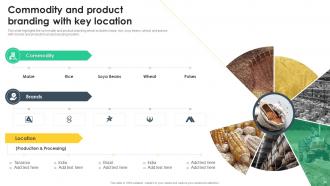
Slide 13 : Este slide representa a marca de commodities e produtos com localização chave.
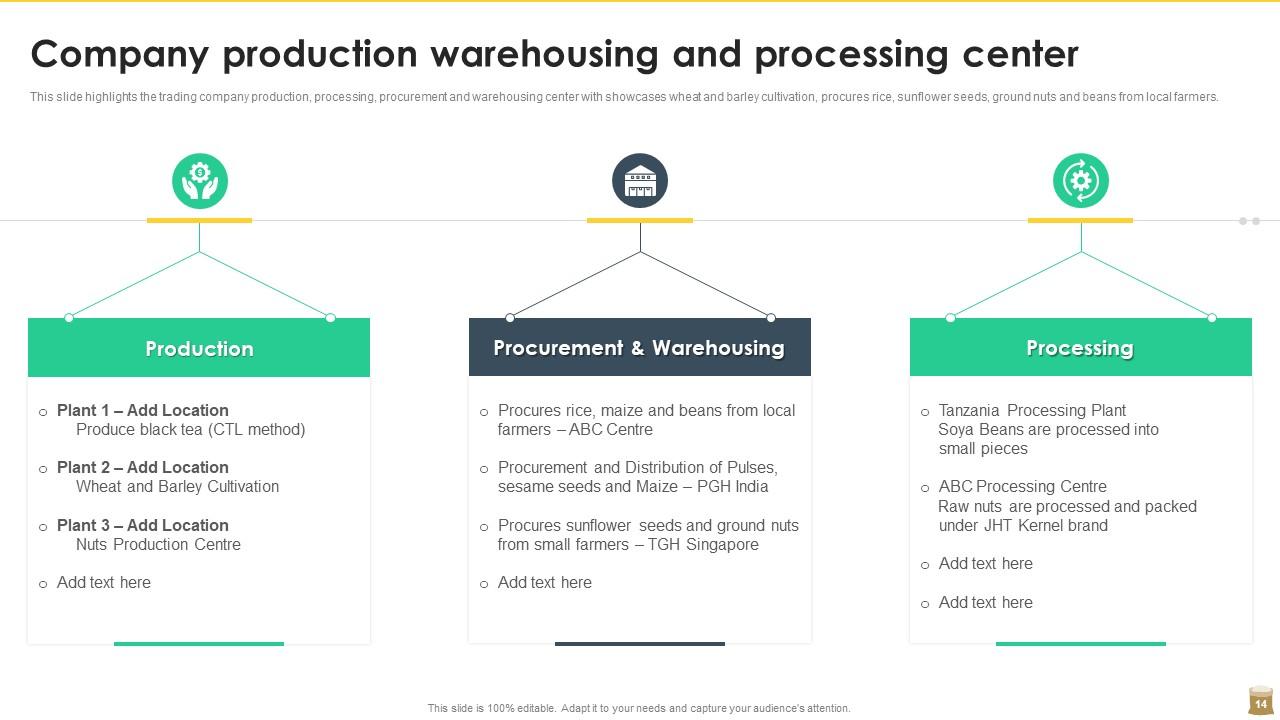
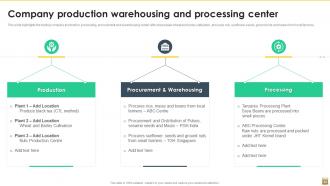
Slide 14 : Este slide mostra o centro de armazenamento e processamento da produção da empresa.
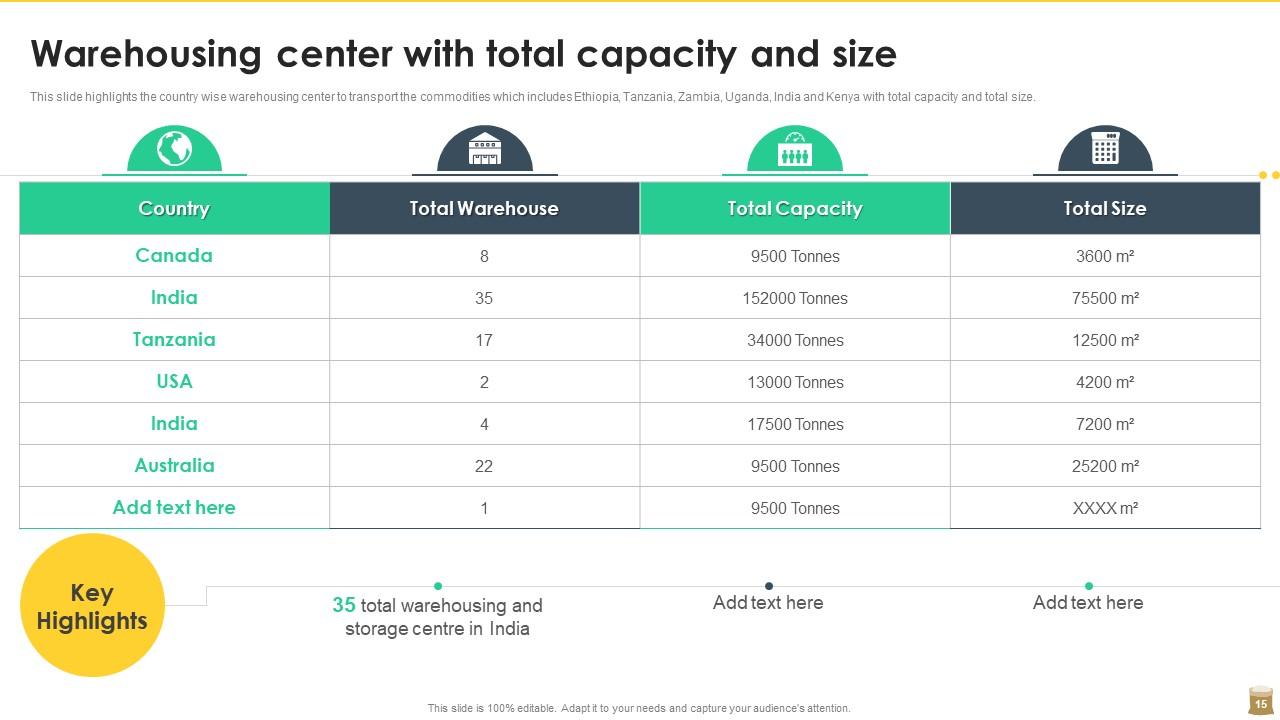
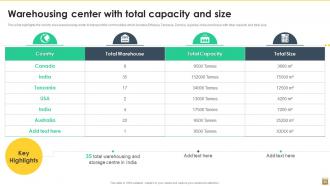
Slide 15 : Este slide mostra o Centro de Armazenagem com capacidade total e tamanho.
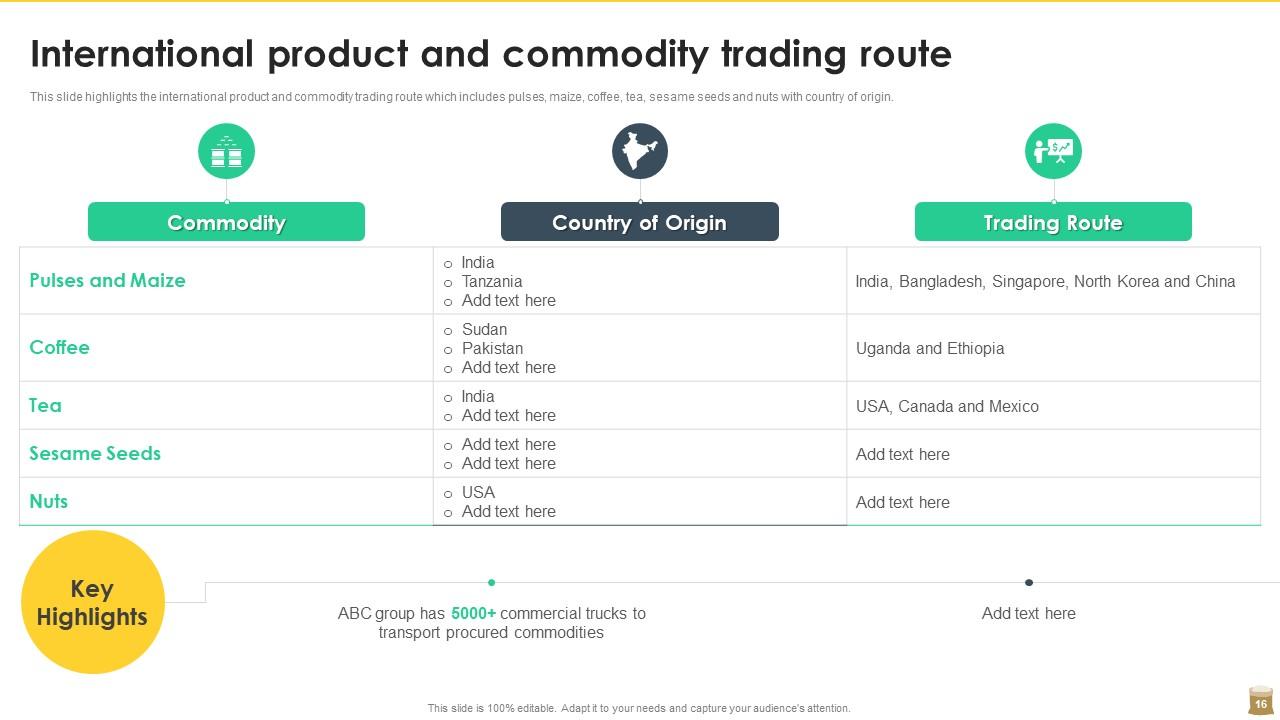
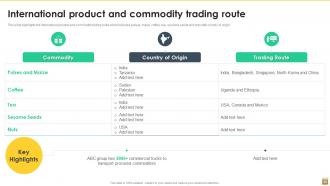
Slide 16 : Este slide apresenta a rota internacional de comercialização de produtos e commodities.
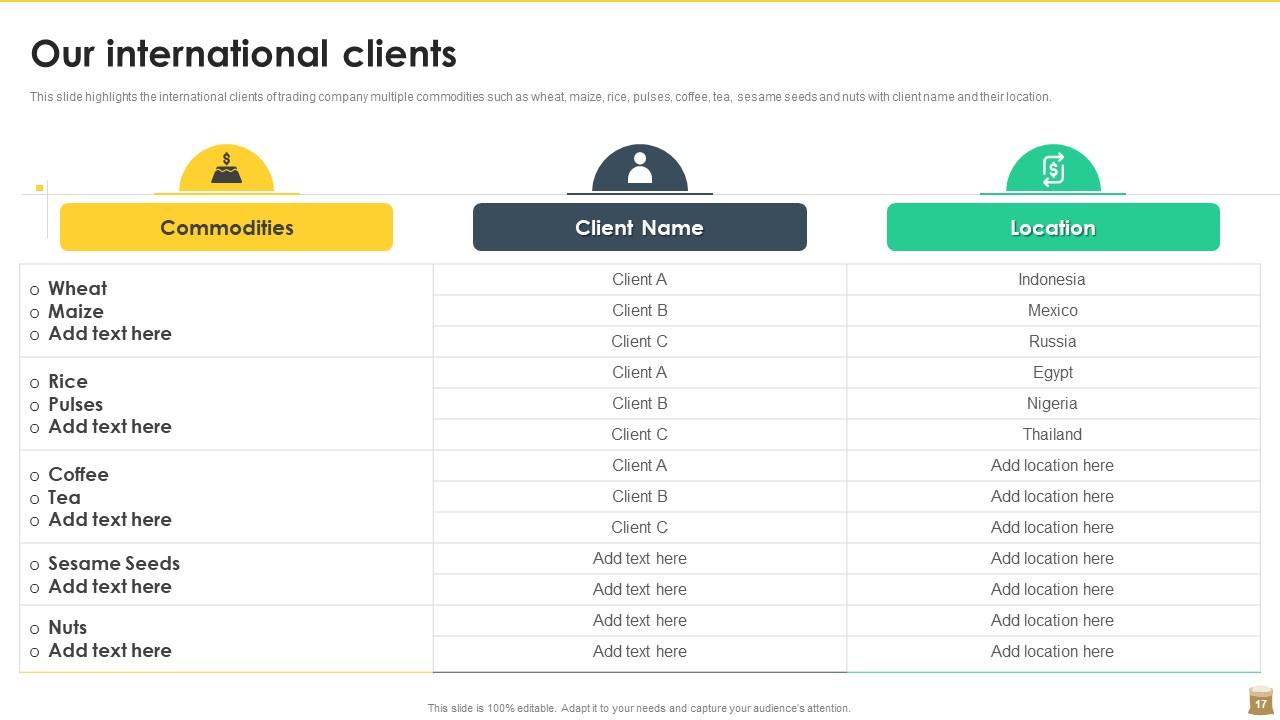
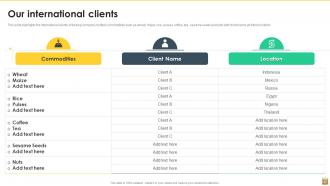
Slide 17 : Este slide destaca os clientes internacionais da trading company.
Slide 18 : Este slide mostra as avaliações e depoimentos de clientes de tradings.
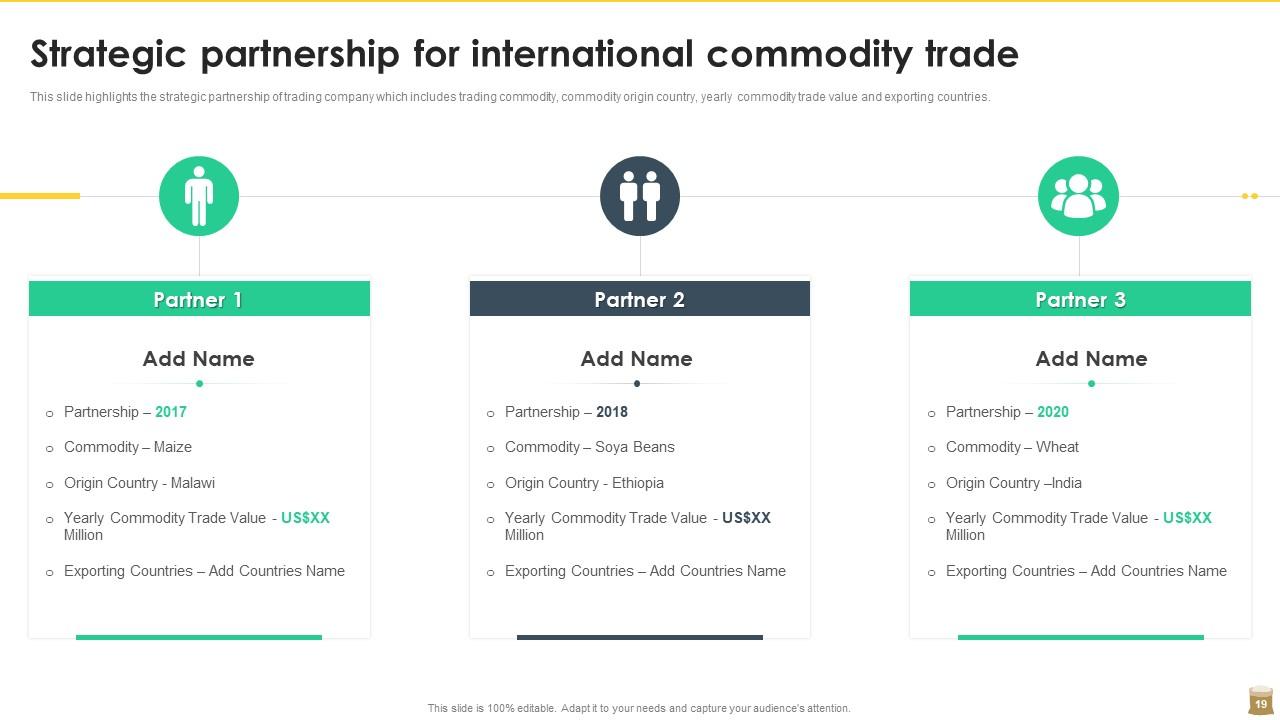
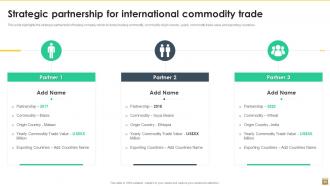
Slide 19 : Este slide representa uma parceria estratégica para o comércio internacional de commodities.
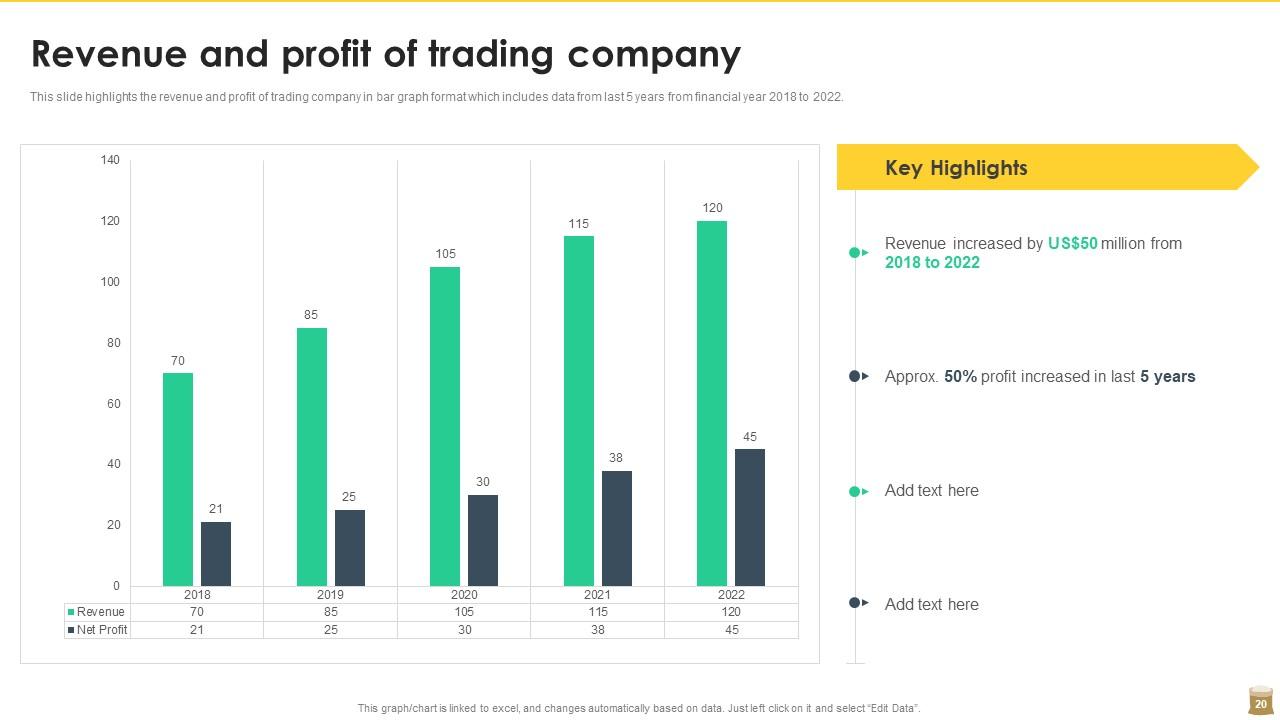
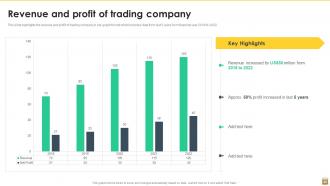
Slide 20 : Este slide mostra a receita e o lucro da trading.
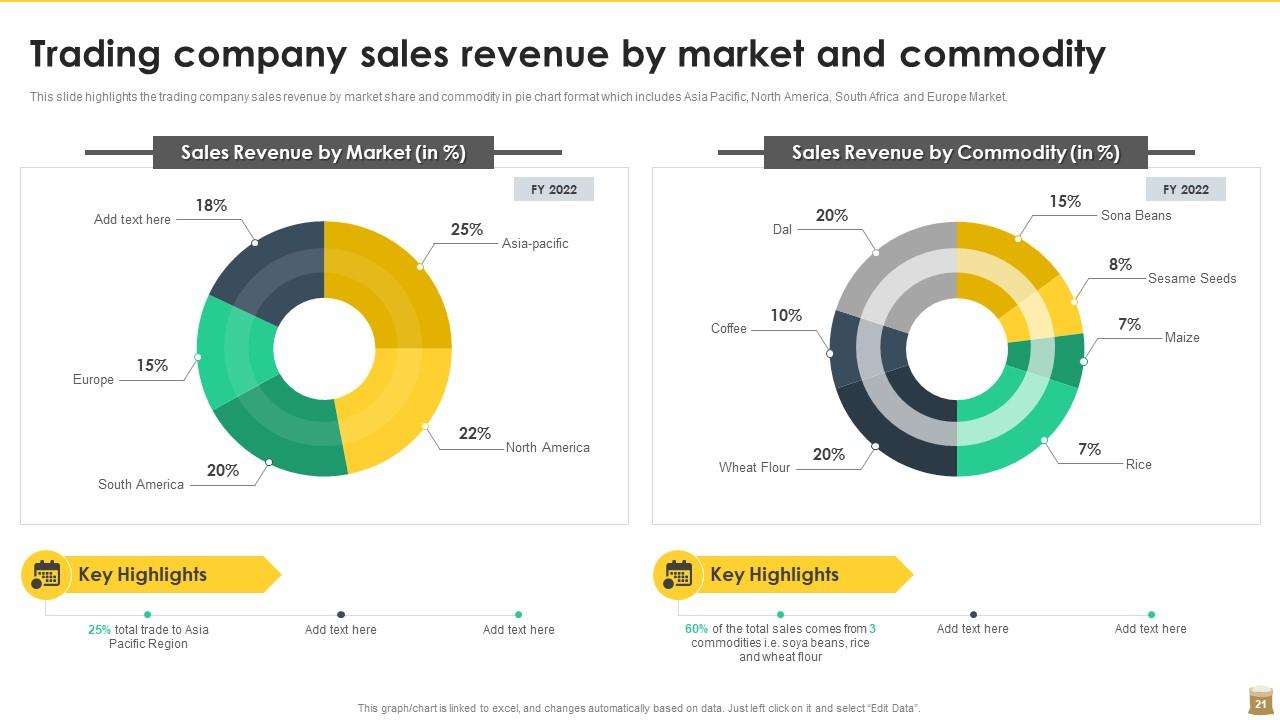
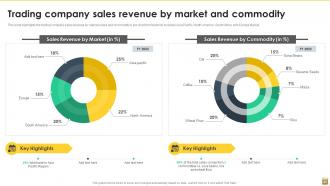
Slide 21 : Este slide mostra a receita de vendas da Trading Company por mercado e commodity.
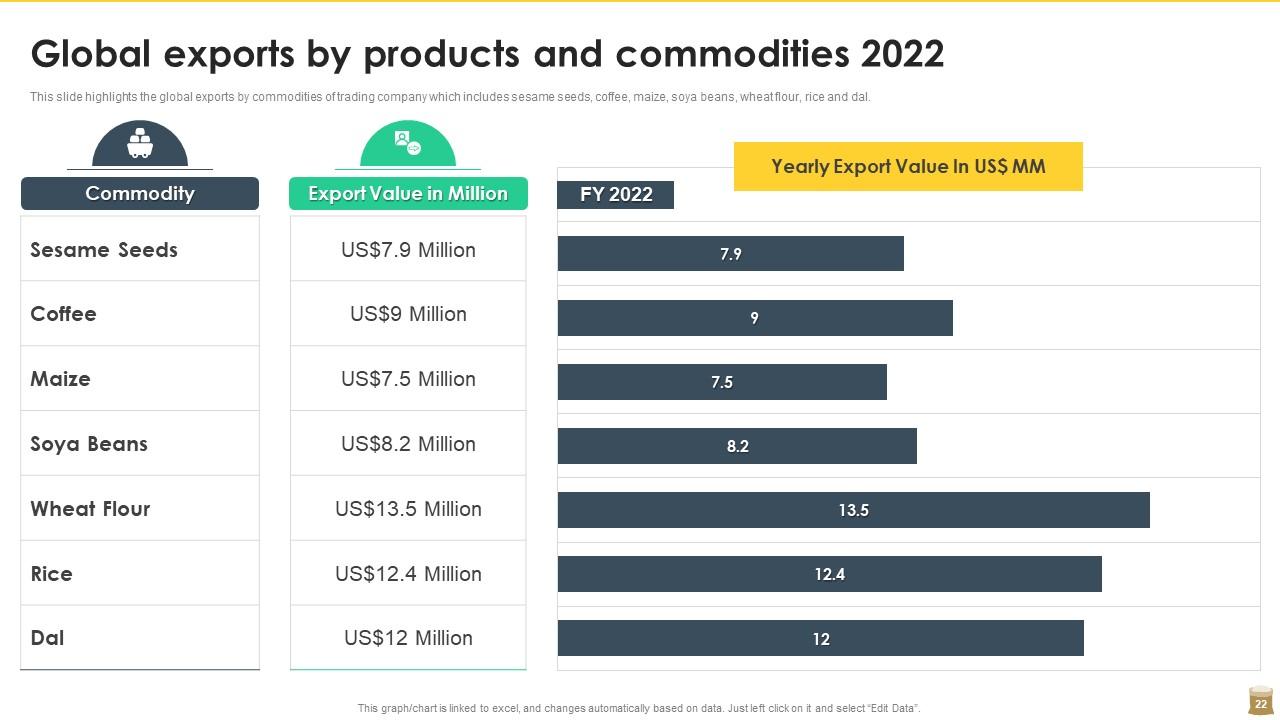
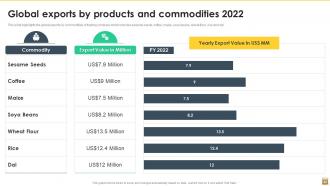
Slide 22 : Este slide apresenta as exportações globais por produtos e commodities 2022.
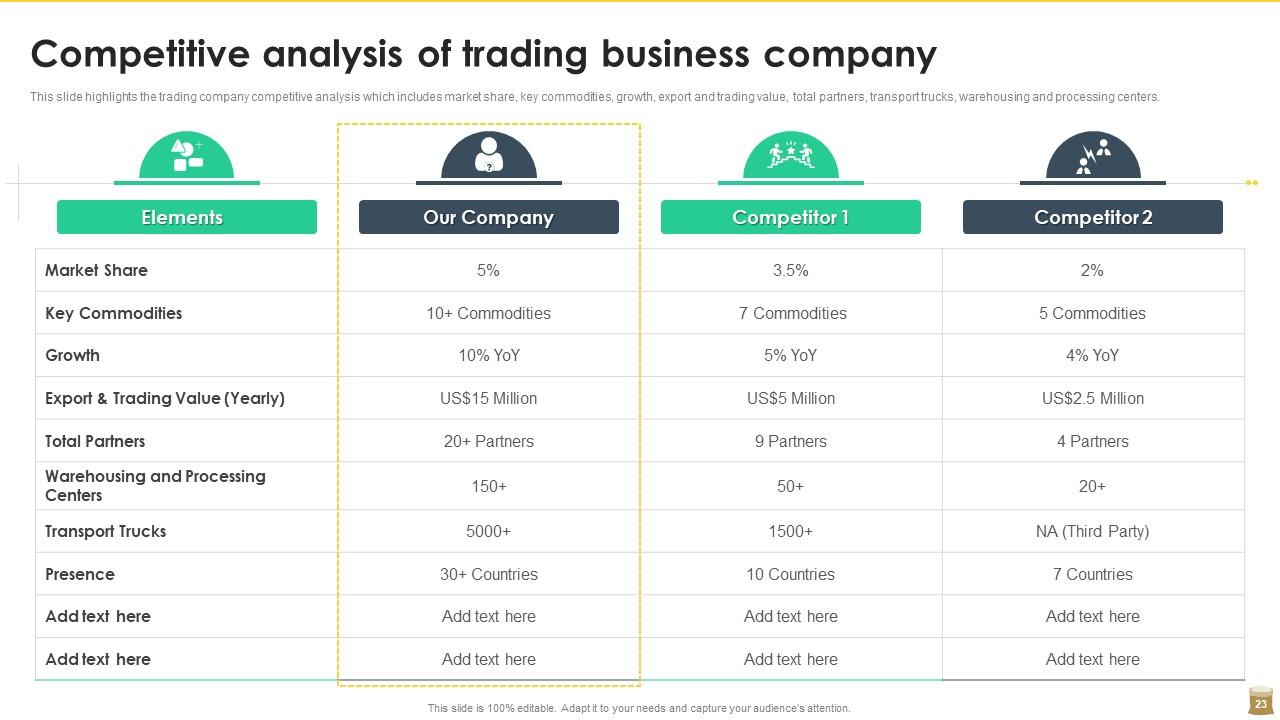
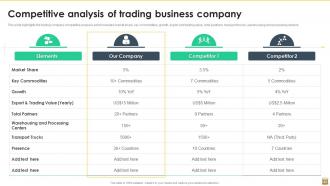
Slide 23 : Este slide mostra a análise competitiva da empresa comercial.
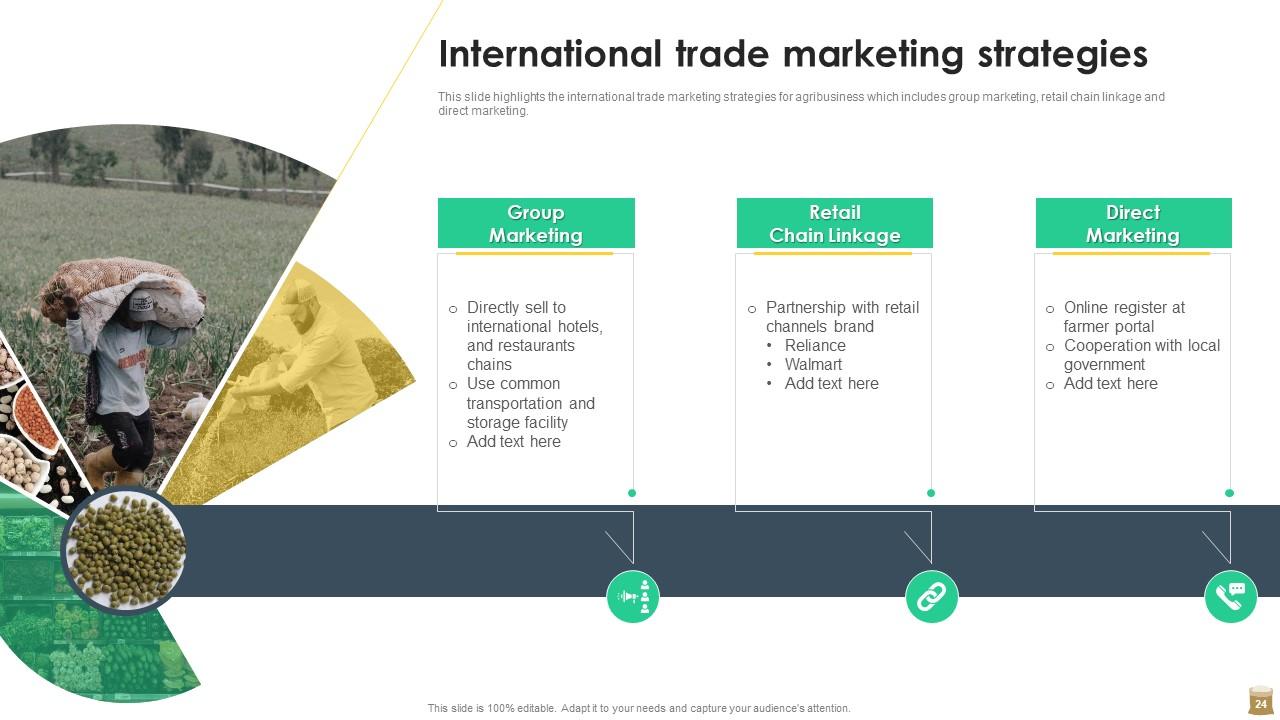
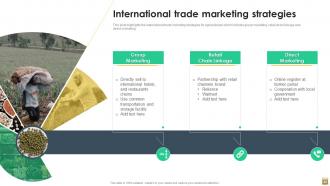
Slide 24 : Este slide representa as estratégias de trade marketing internacional.
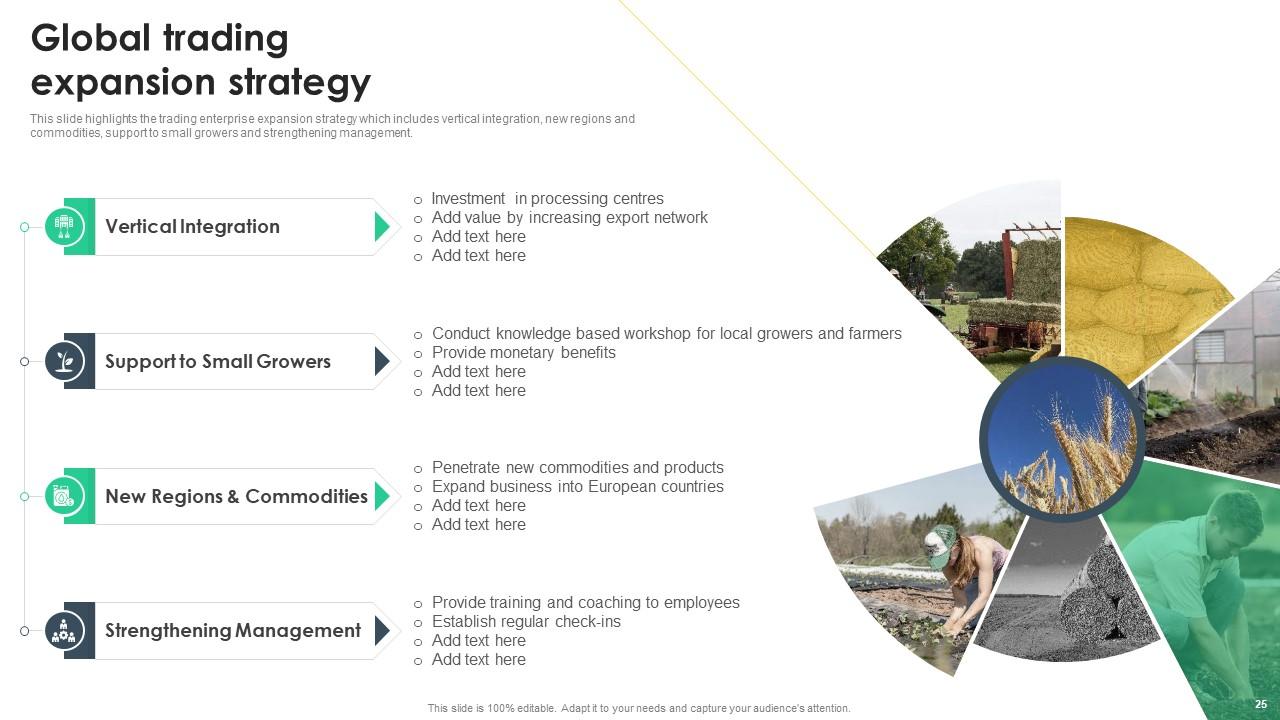
Slide 25 : Este slide destaca a estratégia de expansão do empreendimento comercial.
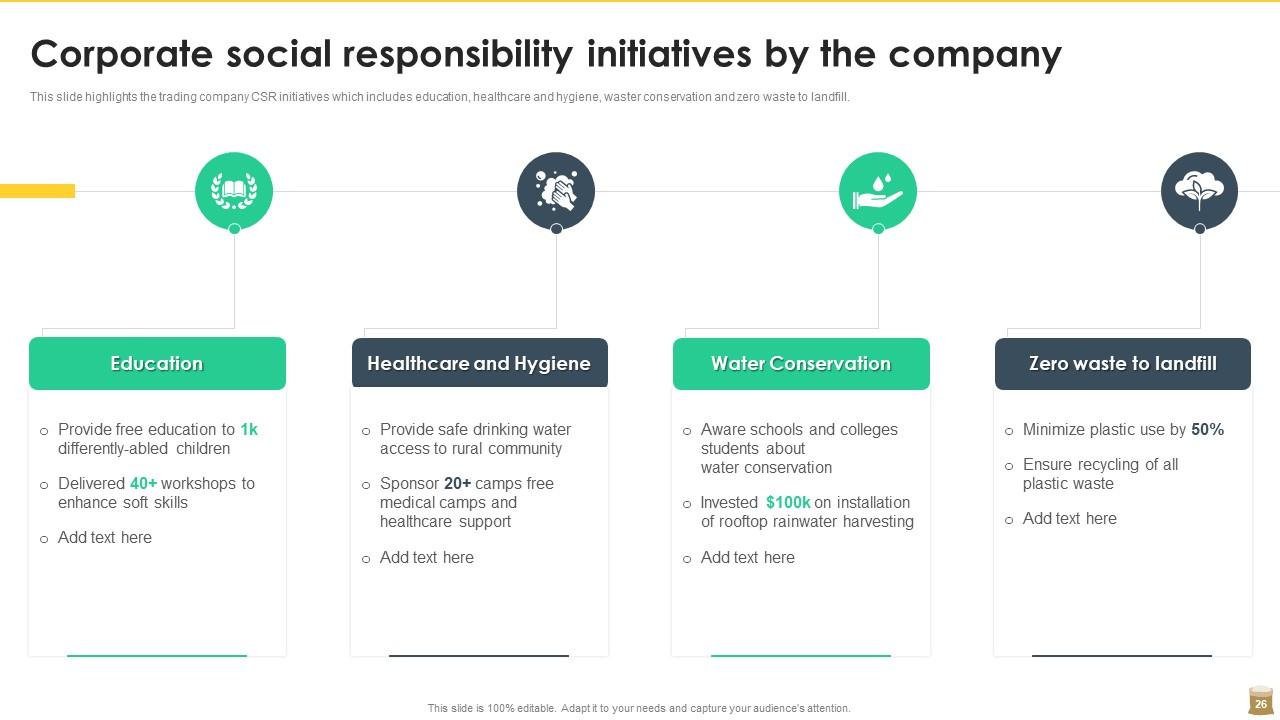
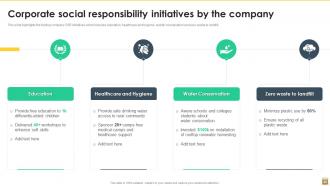
Slide 26 : Este slide mostra as iniciativas de responsabilidade social corporativa da empresa.
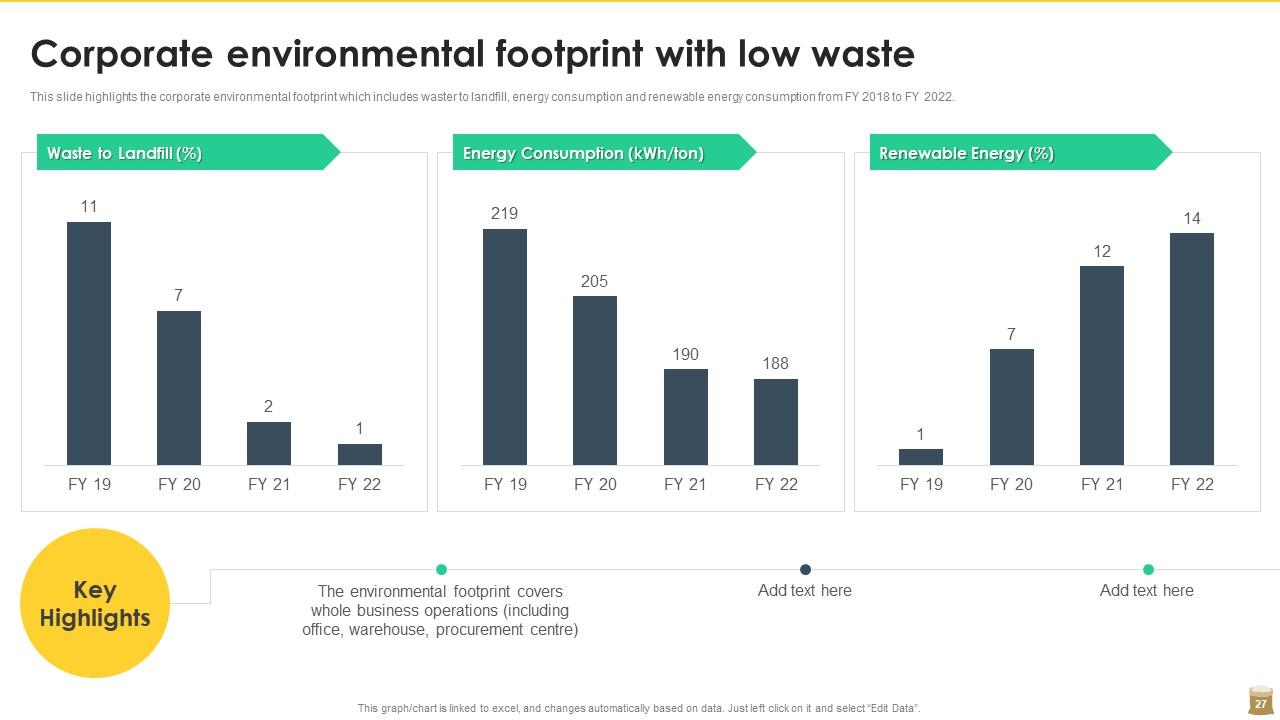
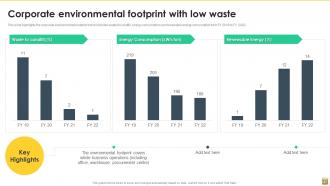
Slide 27 : Este slide mostra a pegada ambiental corporativa com baixo desperdício.
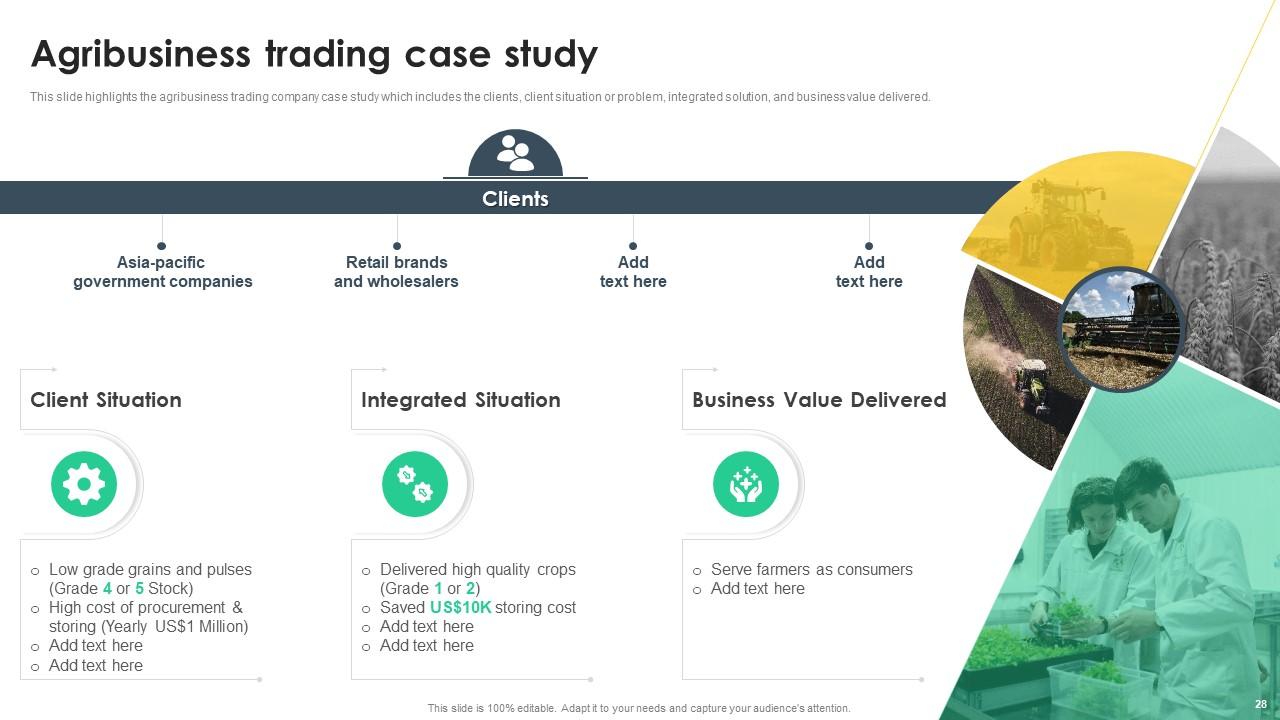
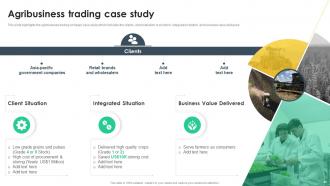
Slide 28 : Este slide apresenta o estudo de caso da trading de agronegócios.
Slide 29 : Este slide exibe Ícones para o Perfil da Export Trading Company.
Slide 30 : Este slide é intitulado como Slides Adicionais para avançar.
Slide 31 : Este é o slide Nossa Meta. Indique seus alvos aqui.
Slide 32 : Este slide apresenta o Roteiro com caixas de texto adicionais.
Slide 33 : Este slide mostra Post It Notes. Poste suas notas importantes aqui.
Slide 34 : Este é um slide de linha do tempo. Mostrar dados relacionados a intervalos de tempo aqui.
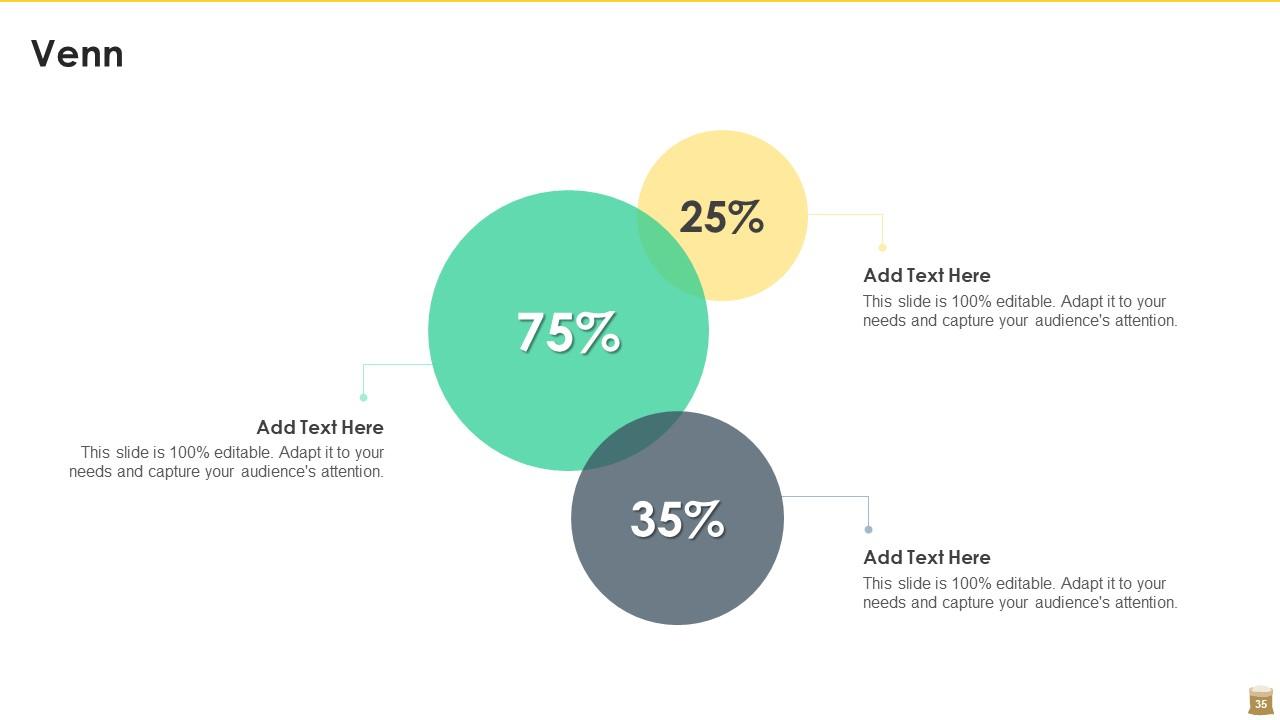
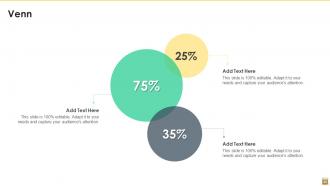
Slide 35 : Este slide mostra o diagrama de Venn com caixas de texto.
Slide 36 : Este slide mostra o Mapa Mental com imagens relacionadas.
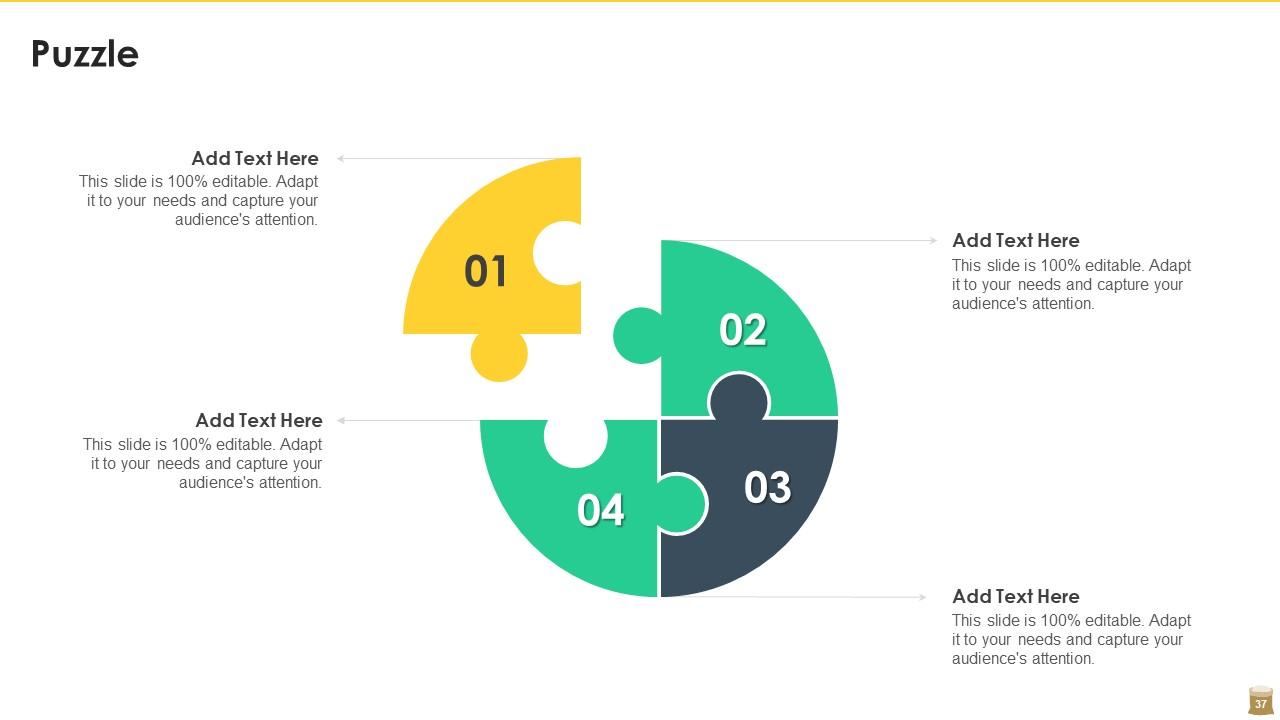
Slide 37 : Este slide contém Puzzle com ícones e textos relacionados.
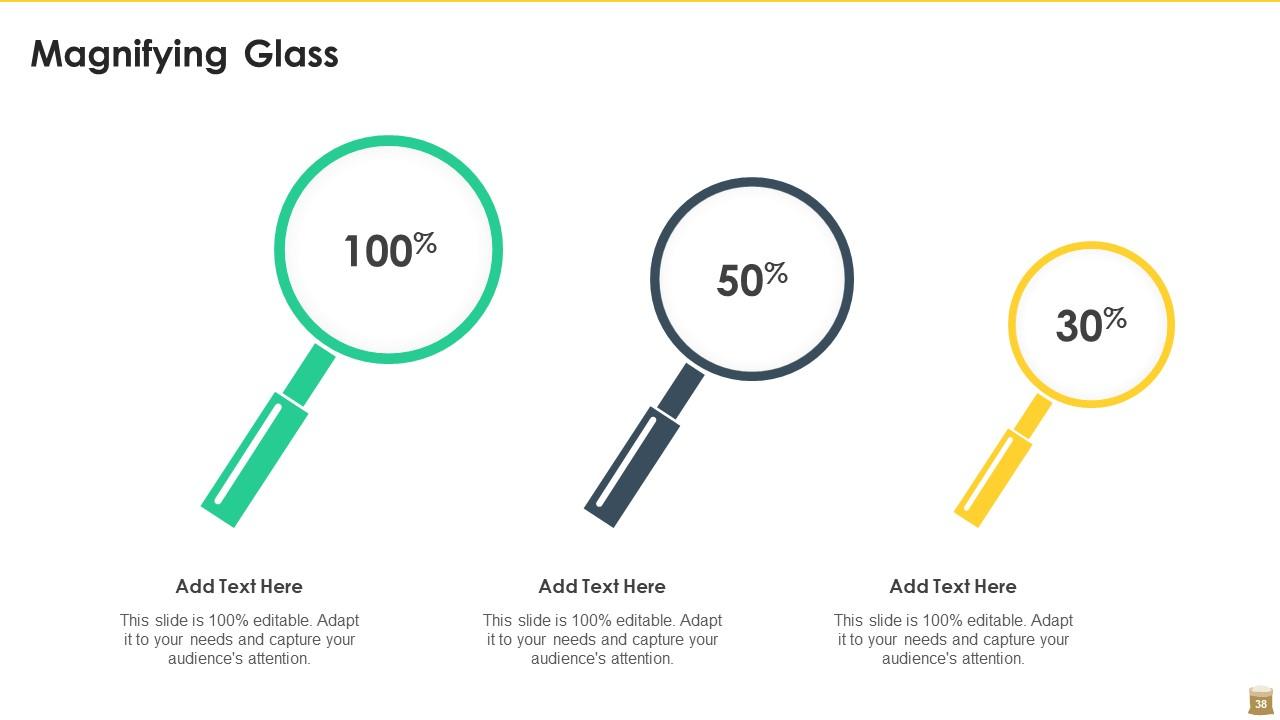
Slide 38 : Este slide mostra a Lupa para destacar informações, especificações, etc.
Slide 39 : Este é um slide de agradecimento com endereço, números de contato e endereço de e-mail.
Export Trading Company Profile Slides de apresentação em Powerpoint com todos os 44 slides:
Use nossos slides de apresentação em Powerpoint do perfil da empresa de comércio de exportação para ajudá-lo a economizar seu valioso tempo. Eles são readymade para caber em qualquer estrutura de apresentação.
-
“Thanks to SlideTeam. Now I can make smart presentations in a fraction of time without any hassle.”
-
It makes easy work of my work presentations. I’ve never had to be nervous about my presentations for meetings.
