


Fehlermöglichkeits- und Einflussanalyse FMEA Powerpoint-Präsentationsfolien
FMEA ist eine Technik, die verschiedene Unternehmen verwenden, um Produktausfälle oder -mängel zu erkennen. Es handelt sich um einen qualitativen und hochgradig strukturierten Prozess, der von Analysten verwendet wird, die versuchen, die Wahrscheinlichkeit von Fehlern zu verringern, indem sie Probleme und ihre möglichen Auswirkungen erkennen. Hier ist eine professionell gestaltete Vorlage zur Fehlermöglichkeits- und Einflussanalyse-FMEA, die für Unternehmen, insbesondere Produktionsunternehmen, nützlich ist, die potenzielle Risiken in Bezug auf Arbeits- und Gesundheitsgefahren sowie Umweltgefahren identifizieren möchten. Dies kann auch von Unternehmen genutzt werden, die gerade einen neuen Prozess initiiert haben und die potenziellen Bedrohungen oder Fehler im Prozess identifizieren möchten. Das Deck behandelte die Details zu Abschnitten wie FMEA-Prozessübersicht, Teamstruktur und Verantwortlichkeiten, mögliche Auswirkungen und Ursache des Fehlers, Schweregrad, Auftreten und Erkennung SOD-Ranking, Risikobewertung, Aktionsschritte zur Beseitigung des Fehlers, RPN-Risikoprioritätsnummer Berechnungen usw. Die Präsentation umfasst kritische Schritte im Prozess, Analyse des Prozesses, grundlegende Fehlermodi, potenzielle Auswirkungen des Fehlermodus, FMEA-Bewertung in Bezug auf SOD usw. Passen Sie diese zu 100 Prozent editierbare Vorlage jetzt an.
FMEA ist eine Technik, die verschiedene Unternehmen verwenden, um Produktausfälle oder -mängel zu erkennen. Es handelt sic..







































-

- Google Slides is a new FREE Presentation software from Google.
- All our content is 100% compatible with Google Slides.
- Just download our designs, and upload them to Google Slides and they will work automatically.
- Amaze your audience with SlideTeam and Google Slides.
-

Want Changes to This PPT Slide? Check out our Presentation Design Services
-

- WideScreen Aspect ratio is becoming a very popular format. When you download this product, the downloaded ZIP will contain this product in both standard and widescreen format.
-

- Some older products that we have may only be in standard format, but they can easily be converted to widescreen.
- To do this, please open the SlideTeam product in Powerpoint, and go to
- Design ( On the top bar) -> Page Setup -> and select "On-screen Show (16:9)” in the drop down for "Slides Sized for".
- The slide or theme will change to widescreen, and all graphics will adjust automatically. You can similarly convert our content to any other desired screen aspect ratio.
Compatible With Google Slides

Get This In WideScreen
You must be logged in to download this presentation.


Do you want to remove this product from your favourites?
Merkmale dieser PowerPoint-Präsentationsfolien:
Begeistern Sie Ihr Publikum mit diesen FMEA-Powerpoint-Präsentationsfolien zur Fehlermöglichkeits- und Einflussanalyse. Erhöhen Sie Ihre Präsentationsschwelle, indem Sie diese gut gestaltete Vorlage bereitstellen. Es fungiert aufgrund seines gut recherchierten Inhalts als großartiges Kommunikationswerkzeug. Es enthält auch stilisierte Symbole, Grafiken, visuelle Elemente usw., die es zu einem sofortigen Blickfang machen. Dieses komplette Deck besteht aus 54 Folien und ist alles, was Sie brauchen, um wahrgenommen zu werden. Alle Folien und ihr Inhalt können an Ihre individuelle Geschäftsumgebung angepasst werden. Darüber hinaus können auch andere Komponenten und Grafiken modifiziert werden, um diesem vorgefertigten Set eine persönliche Note zu verleihen.

People who downloaded this PowerPoint presentation also viewed the following :
Inhalt dieser Powerpoint-Präsentation
Folie 1 : Diese Folie zeigt den Titel, z. B. „Fehlermöglichkeits- und Einflussanalyse (FMEA)“ und Ihren Firmennamen.
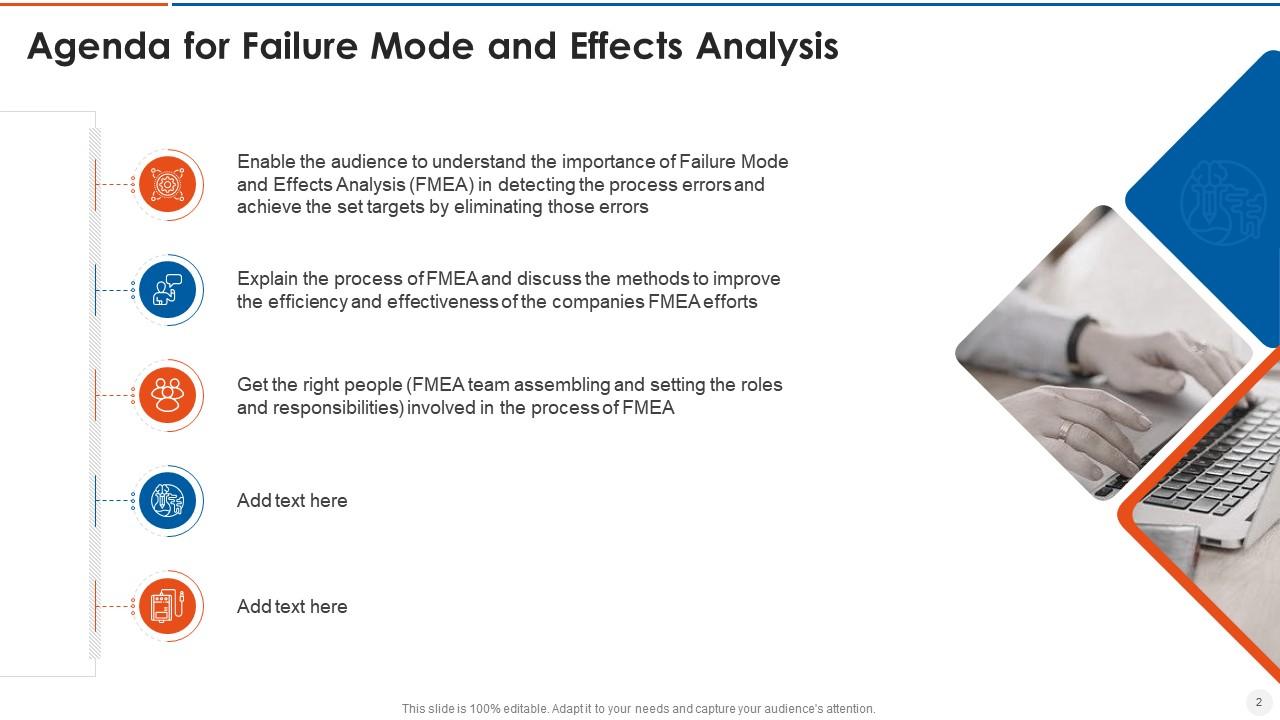
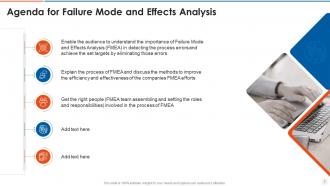
Folie 2 : Diese Folie präsentiert die Agenda.
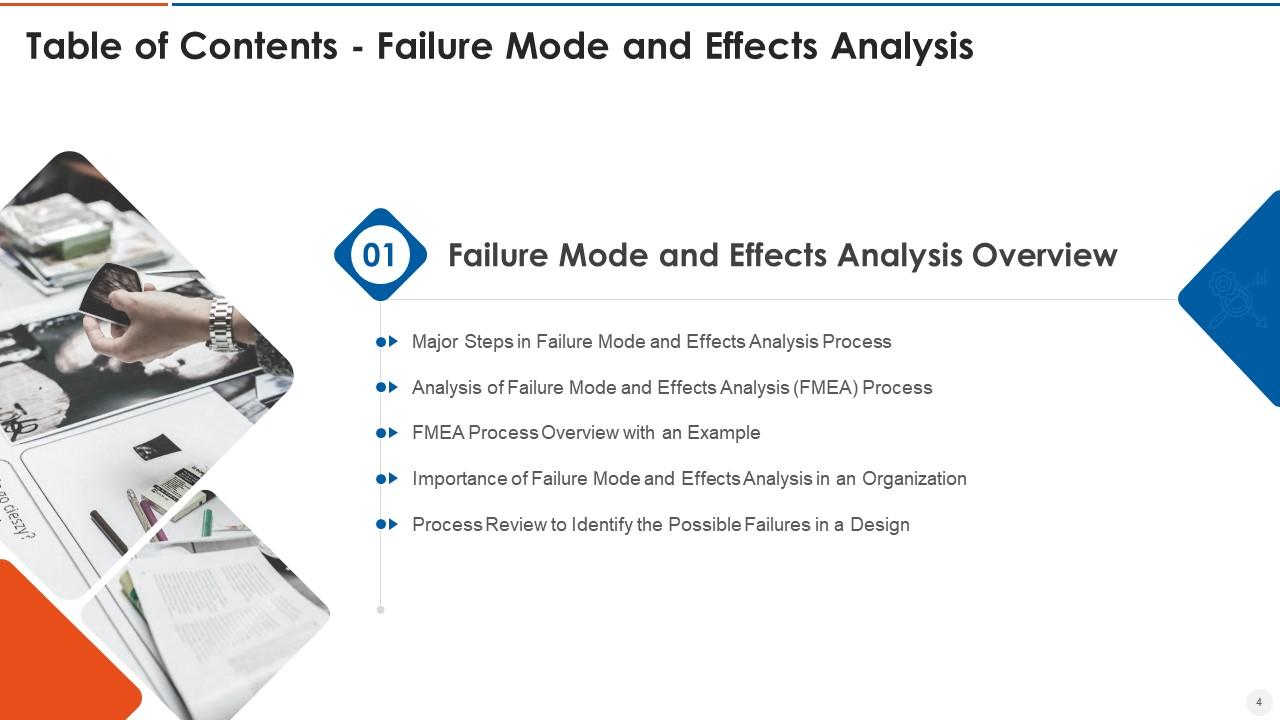
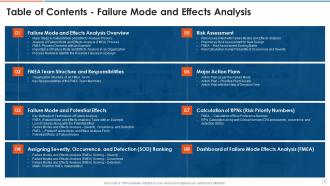
Folie 3 : Diese Folie zeigt das Inhaltsverzeichnis.
Folie 4 : Diese Folie zeigt Titel für fünf Themen, die als nächstes in der Vorlage behandelt werden sollen.
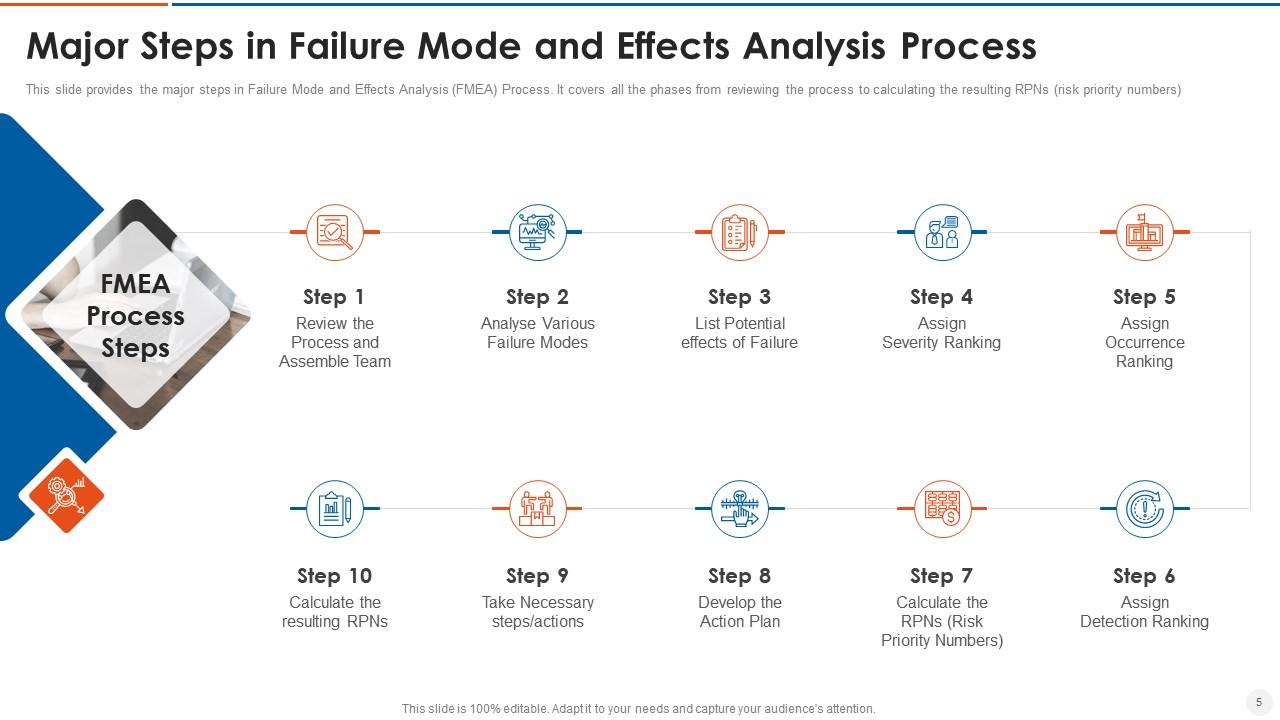
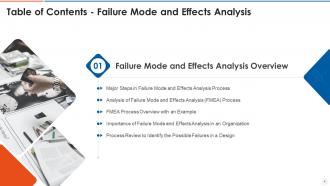
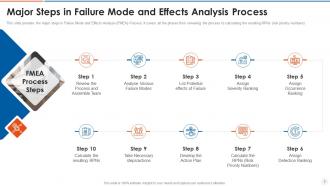
Folie 5 : Diese Folie zeigt die wichtigsten Schritte im Prozess der Fehlermöglichkeits- und Einflussanalyse (FMEA).
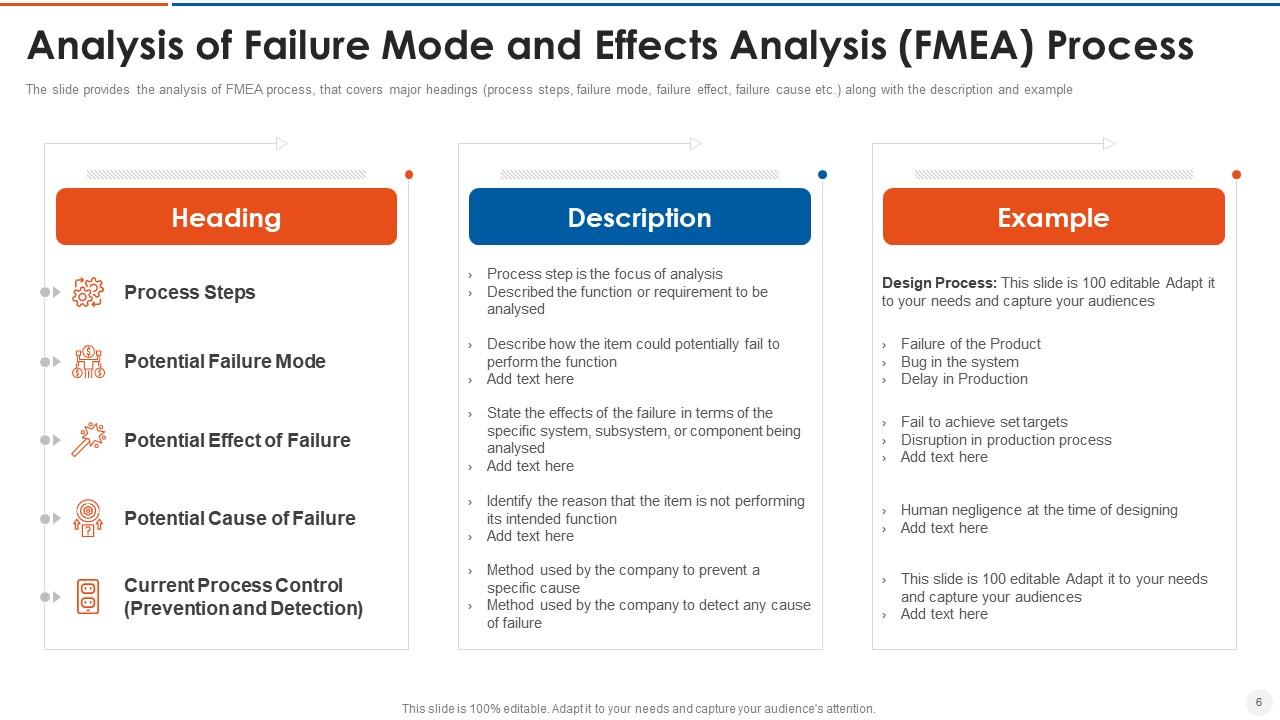
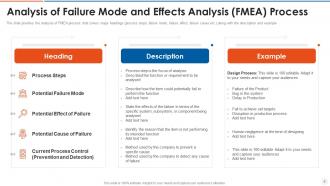
Folie 6 : Die Folie enthält die Analyse des FMEA-Prozesses, der die Hauptüberschriften abdeckt (Prozessschritte, Fehlermodus, Fehlerauswirkung, Fehlerursache usw.).
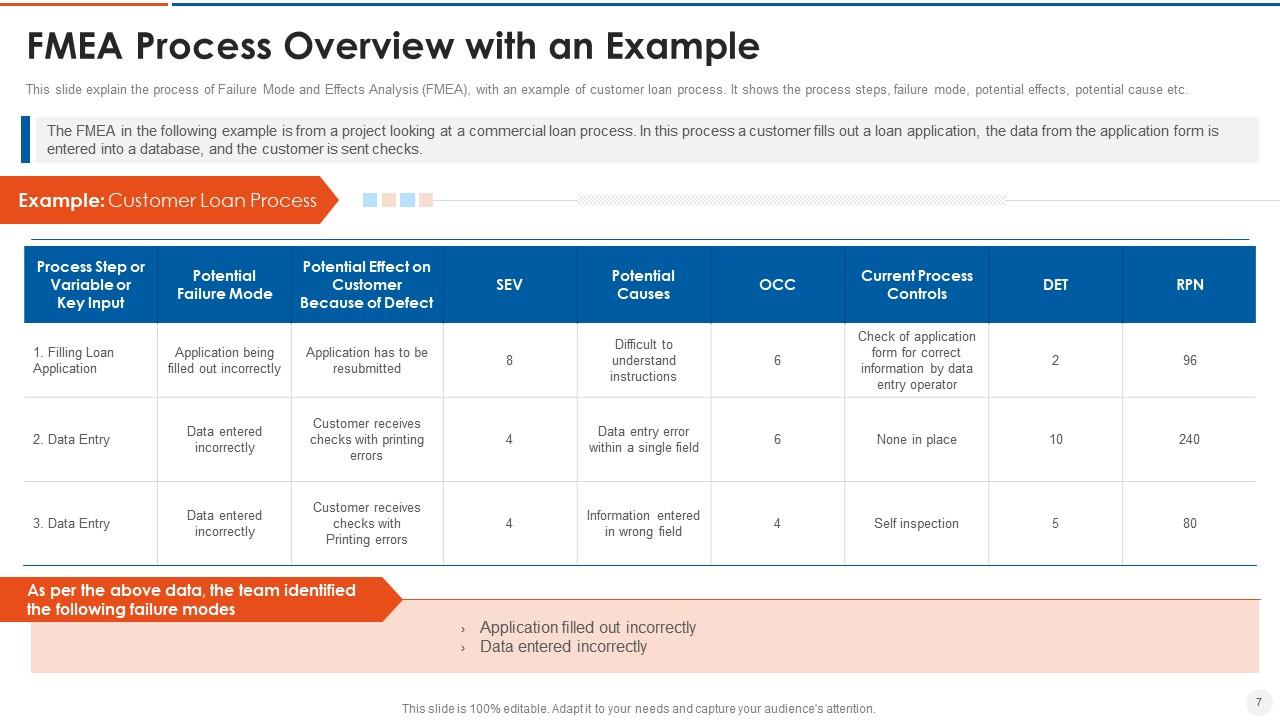
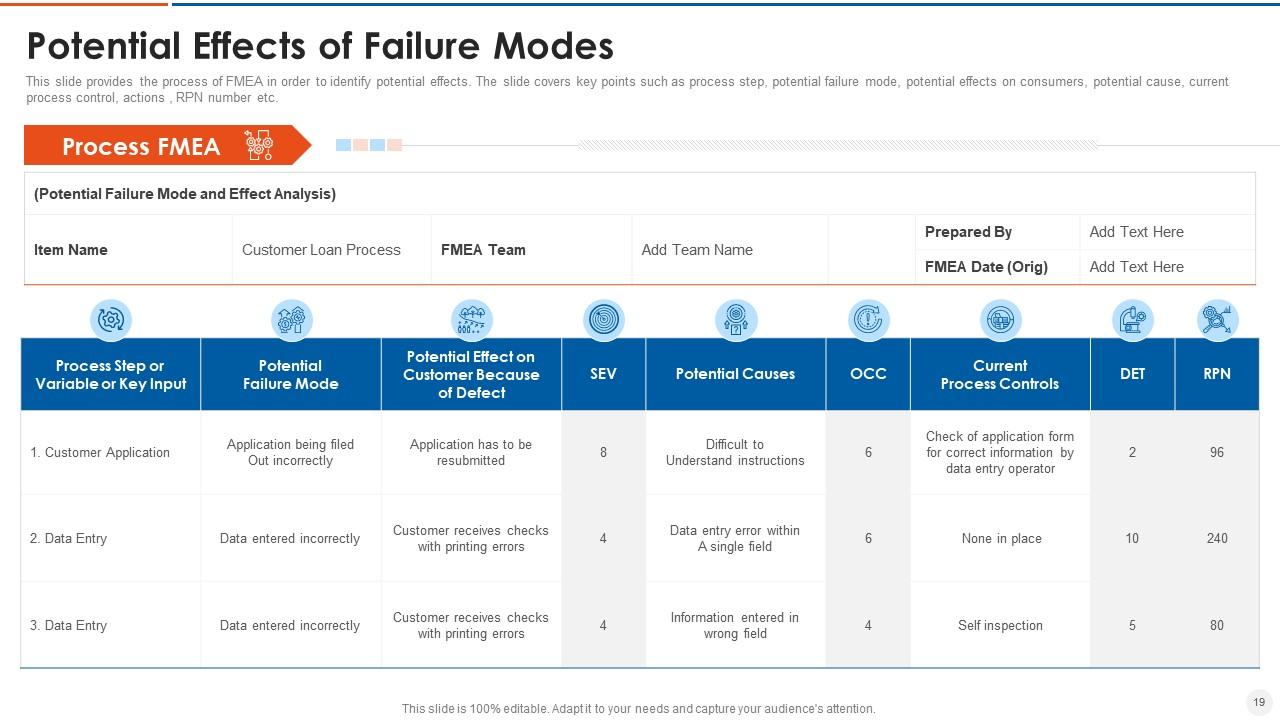
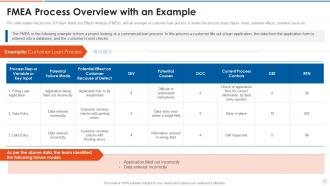
Folie 7 : Diese Folie erläutert den Prozess der Fehlermöglichkeits- und Einflussanalyse (FMEA) anhand eines Beispiels für einen Kundenkreditprozess.
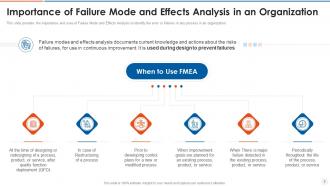
Folie 8 : Diese Folie zeigt die Bedeutung und den Nutzen der Fehlermöglichkeits- und Auswirkungsanalyse, um den Fehler oder die Ausfälle in jedem Prozess in einer Organisation zu identifizieren.
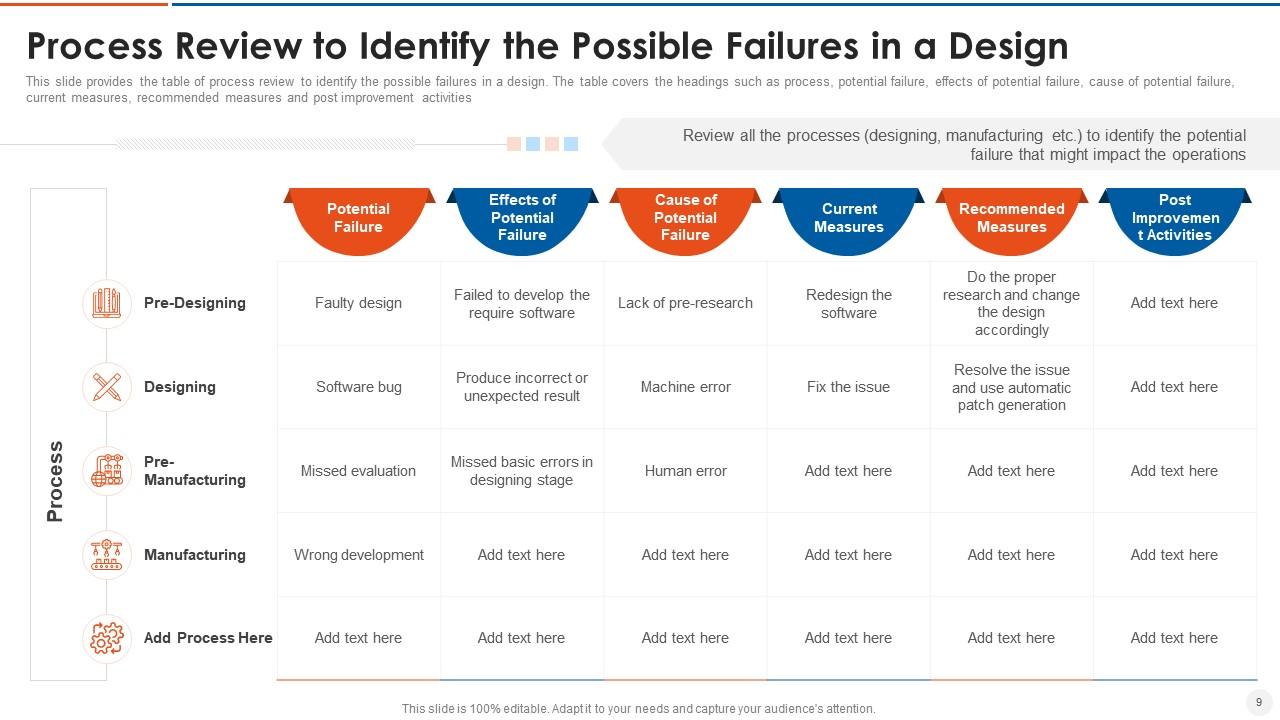
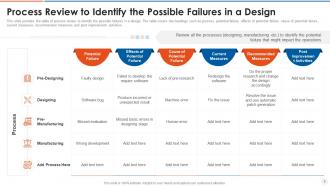
Folie 9 : Diese Folie enthält die Tabelle der Prozessüberprüfung, um mögliche Fehler in einem Design zu identifizieren.
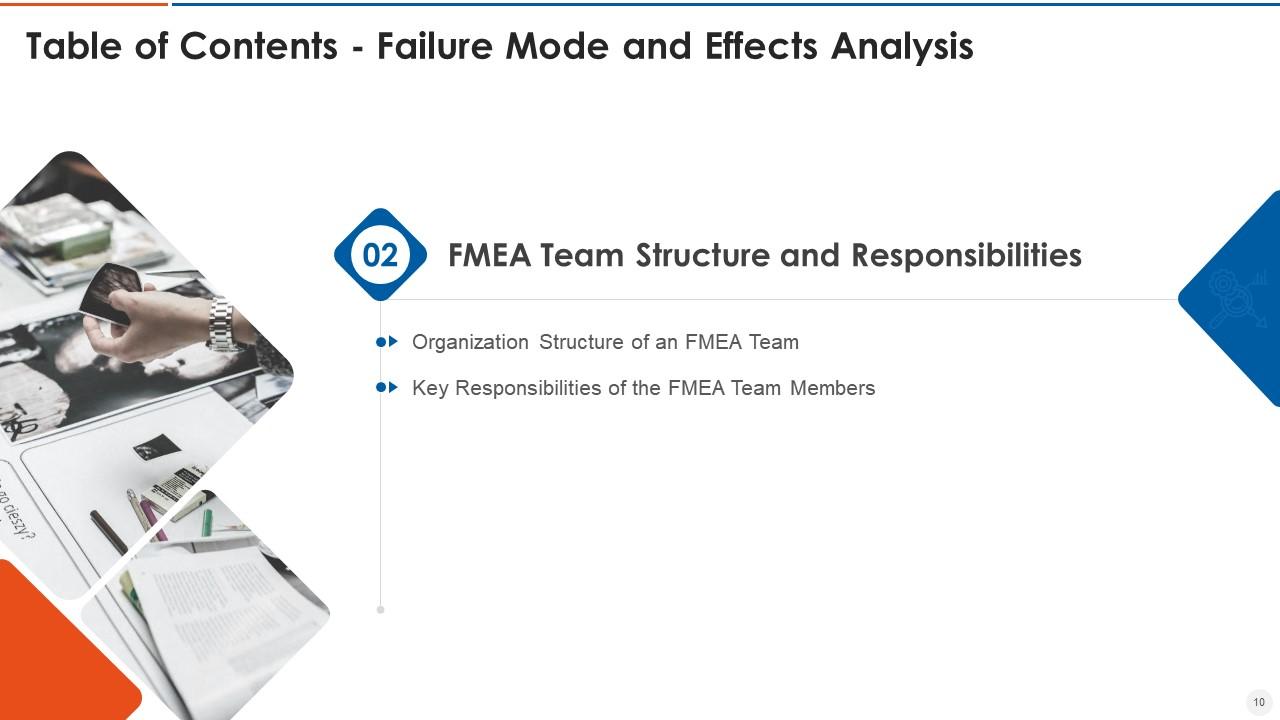
Folie 10 : Diese Folie zeigt Titel für zwei Themen, die als nächstes in der Vorlage behandelt werden sollen.
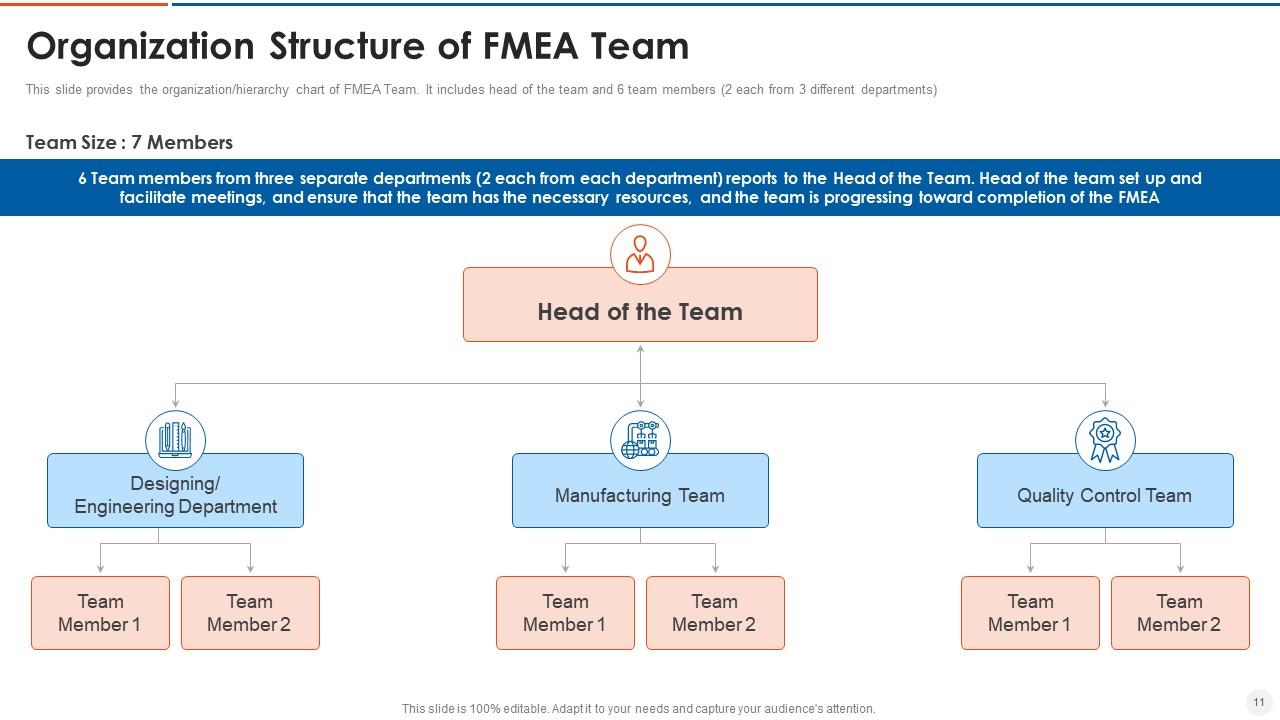
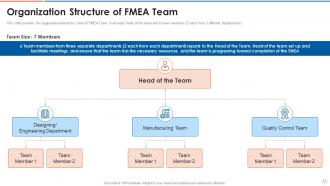
Folie 11 : Diese Folie enthält das Organisations-/Hierarchiediagramm des FMEA-Teams.
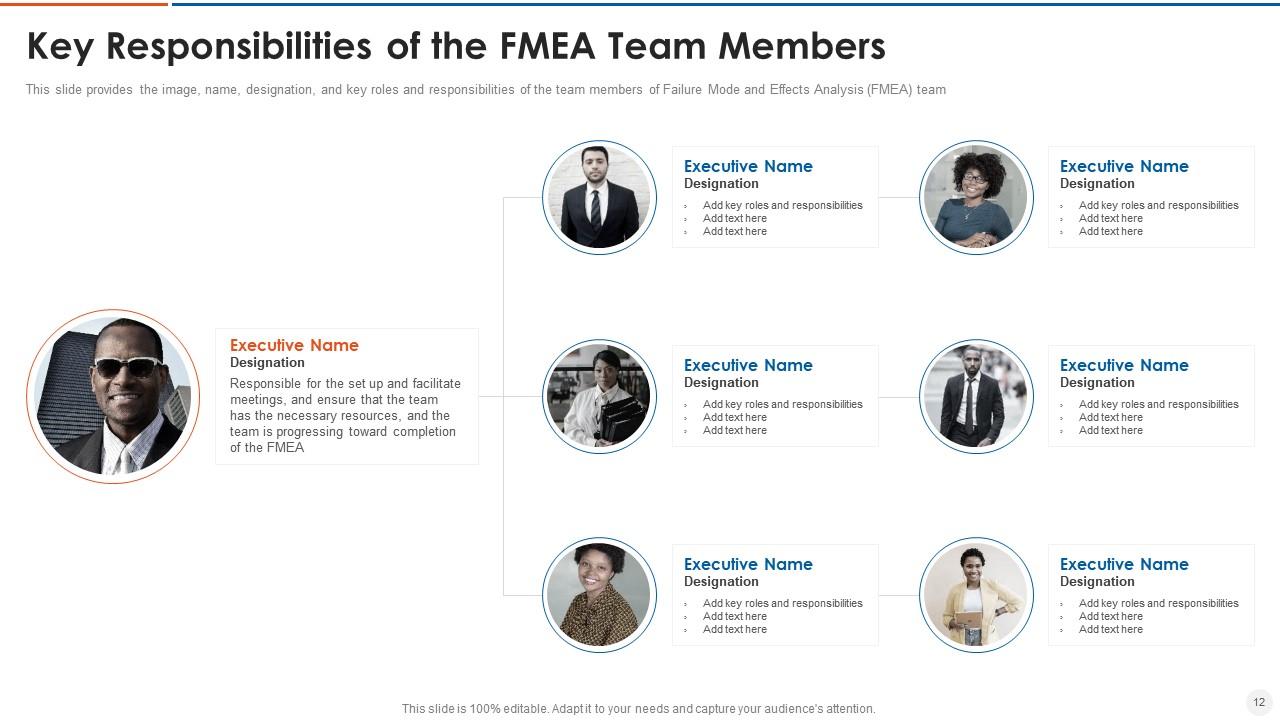
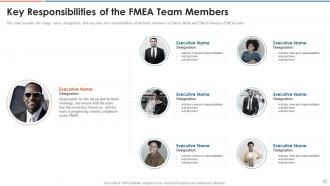
Folie 12 : Diese Folie enthält das Bild, den Namen, die Bezeichnung und die Schlüsselrollen und Verantwortlichkeiten der Teammitglieder des FMEA-Teams.
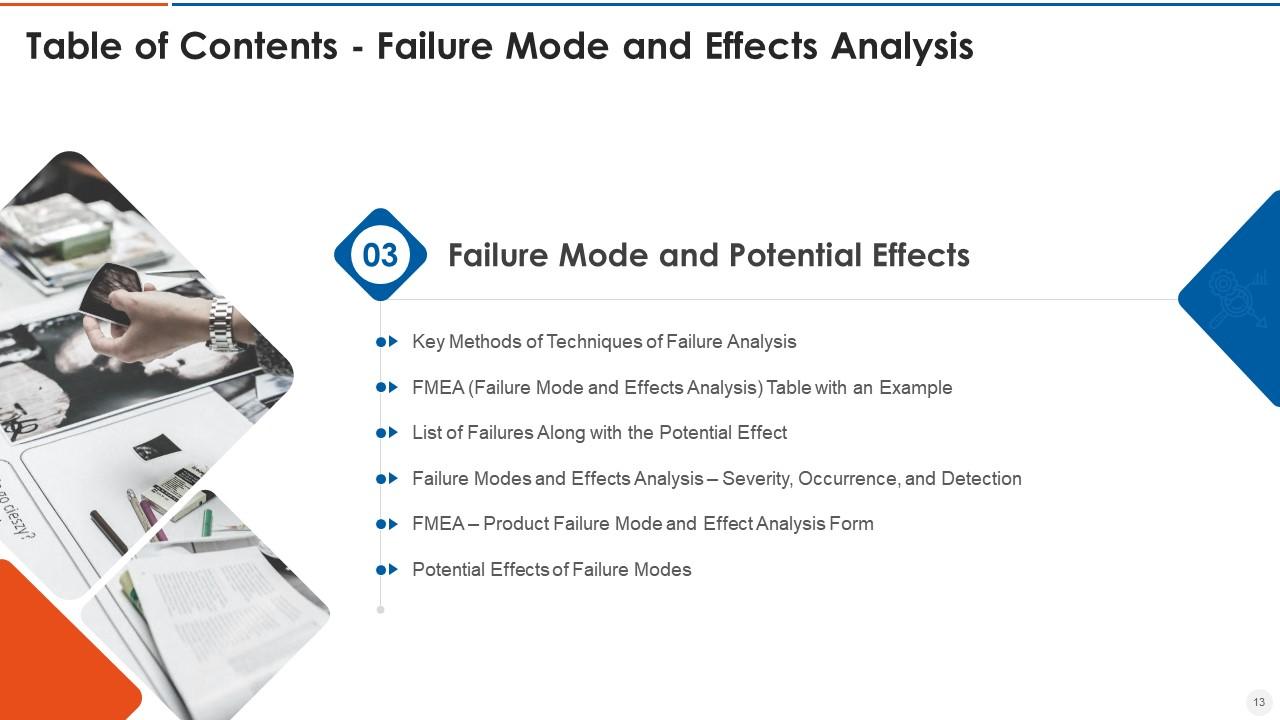
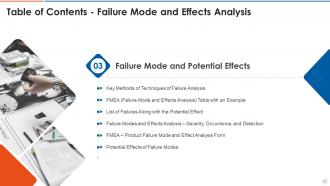
Folie 13 : Diese Folie zeigt Titel für sechs Themen, die als nächstes in der Vorlage behandelt werden sollen.
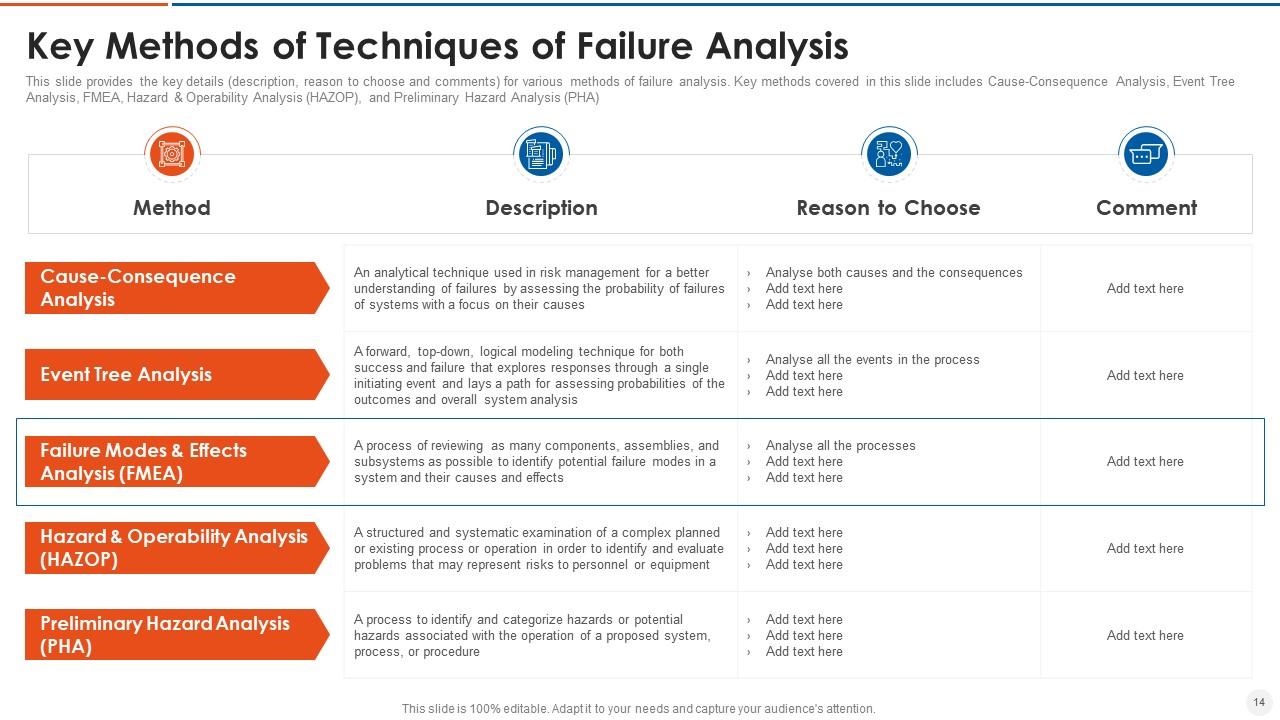
Folie 14 : Diese Folie enthält die wichtigsten Details (Beschreibung, Gründe für die Auswahl und Kommentare) für verschiedene Methoden der Fehleranalyse.
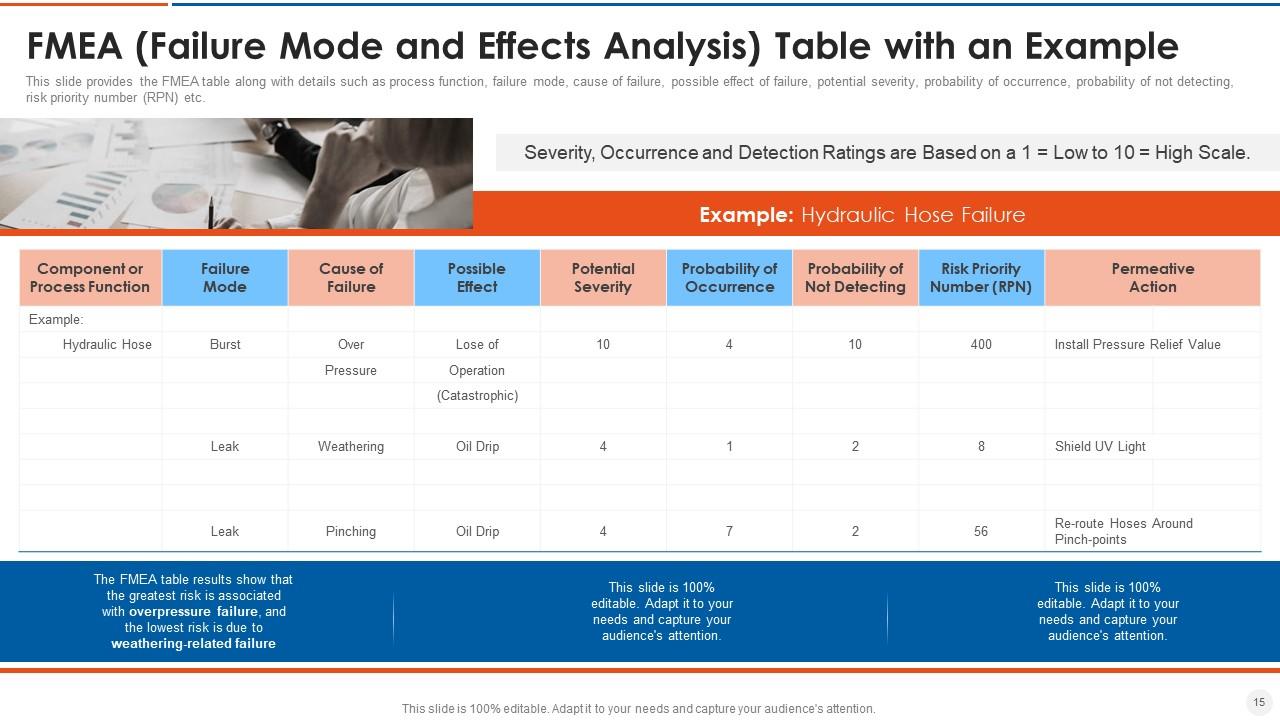
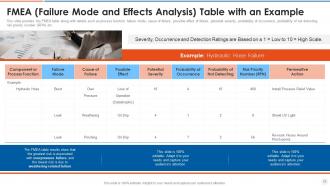
Folie 15 : Diese Folie enthält die FMEA-Tabelle zusammen mit Details wie Prozessfunktion, Fehlermodus, Fehlerursache usw.
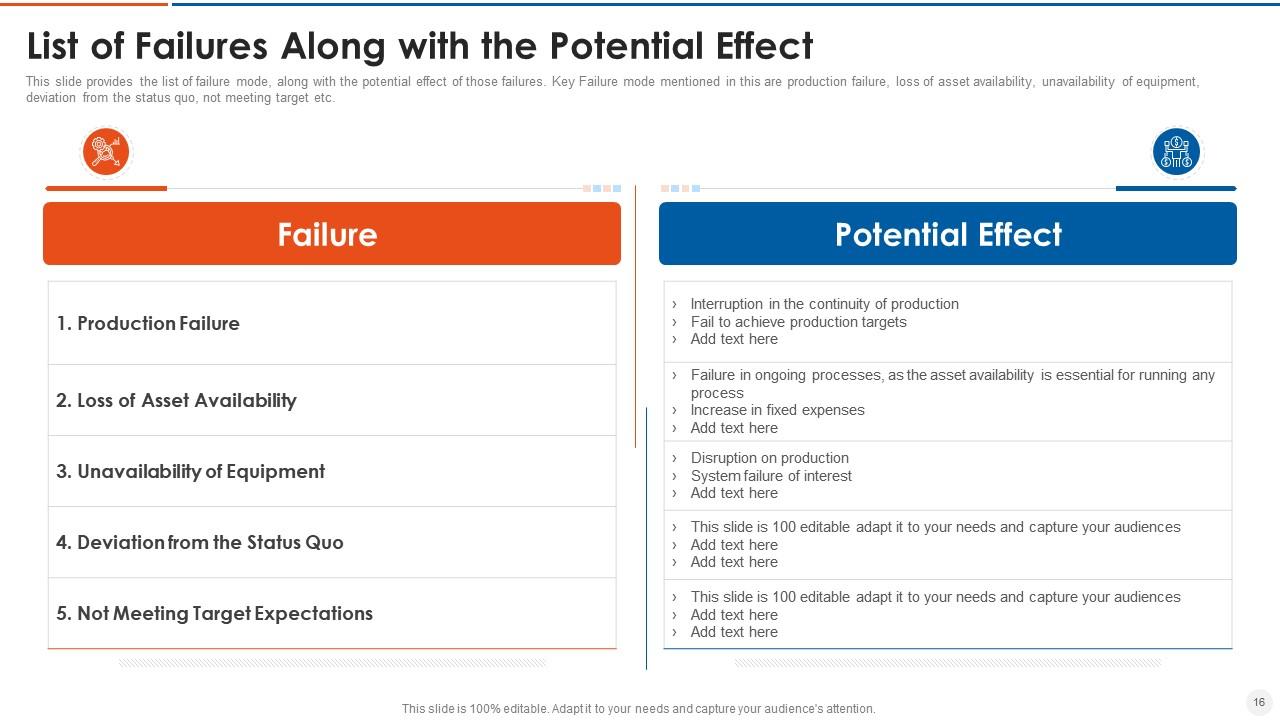
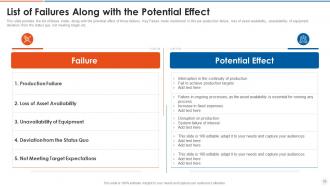
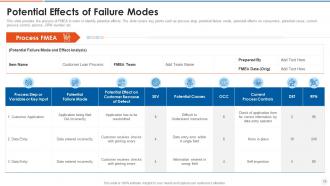
Folie 16 : Diese Folie enthält die Liste der Fehlermodi sowie die potenziellen Auswirkungen dieser Fehler.
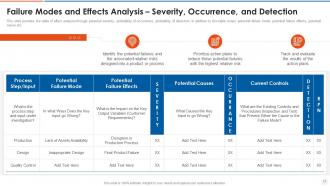
Folie 17 : Diese Folie enthält die Tabelle der Wirkungsanalyse nach potenziellem Schweregrad, Eintrittswahrscheinlichkeit und Entdeckungswahrscheinlichkeit.
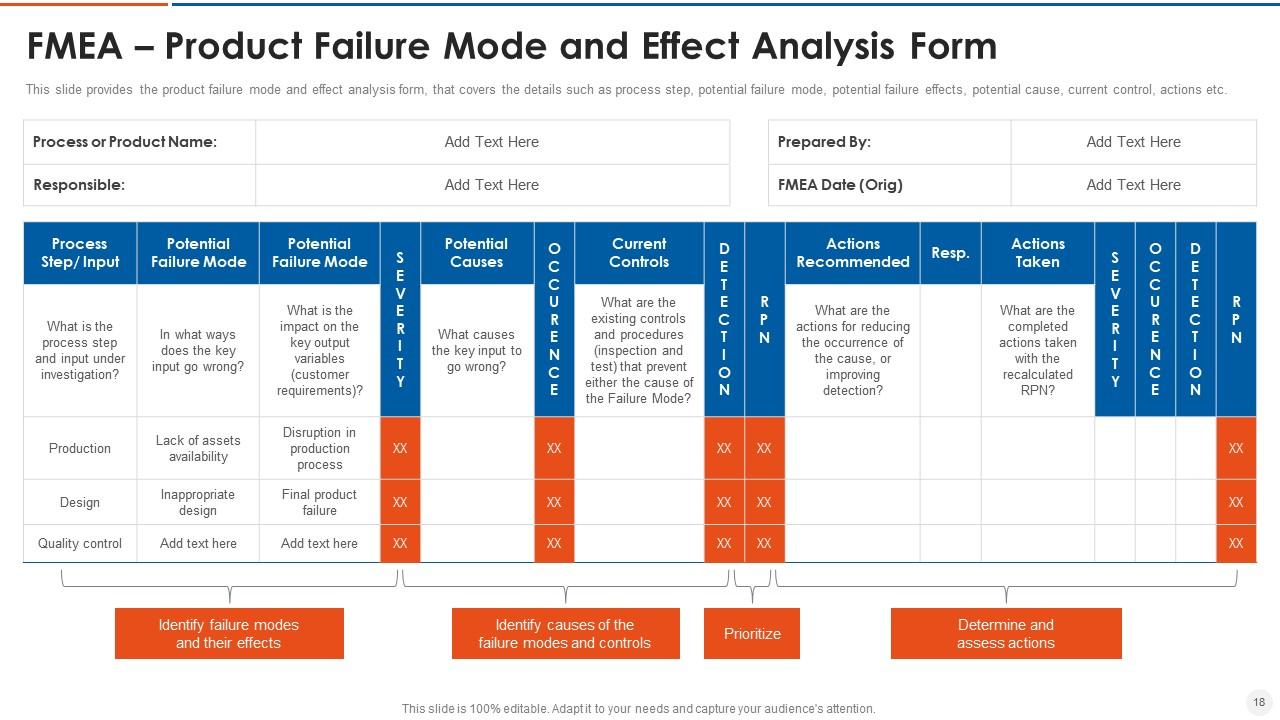
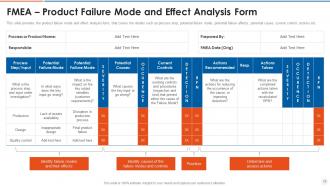
Folie 18 : Diese Folie enthält das Formular zur Produktfehlermodus- und Auswirkungsanalyse, das Details wie Prozessschritt, potenzieller Fehlermodus usw. abdeckt.
Folie 19 : Diese Folie stellt den Prozess der FMEA dar, um mögliche Auswirkungen zu identifizieren.
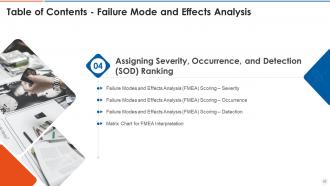
Folie 20 : Diese Folie zeigt Titel für vier Themen, die als nächstes in der Vorlage behandelt werden sollen.
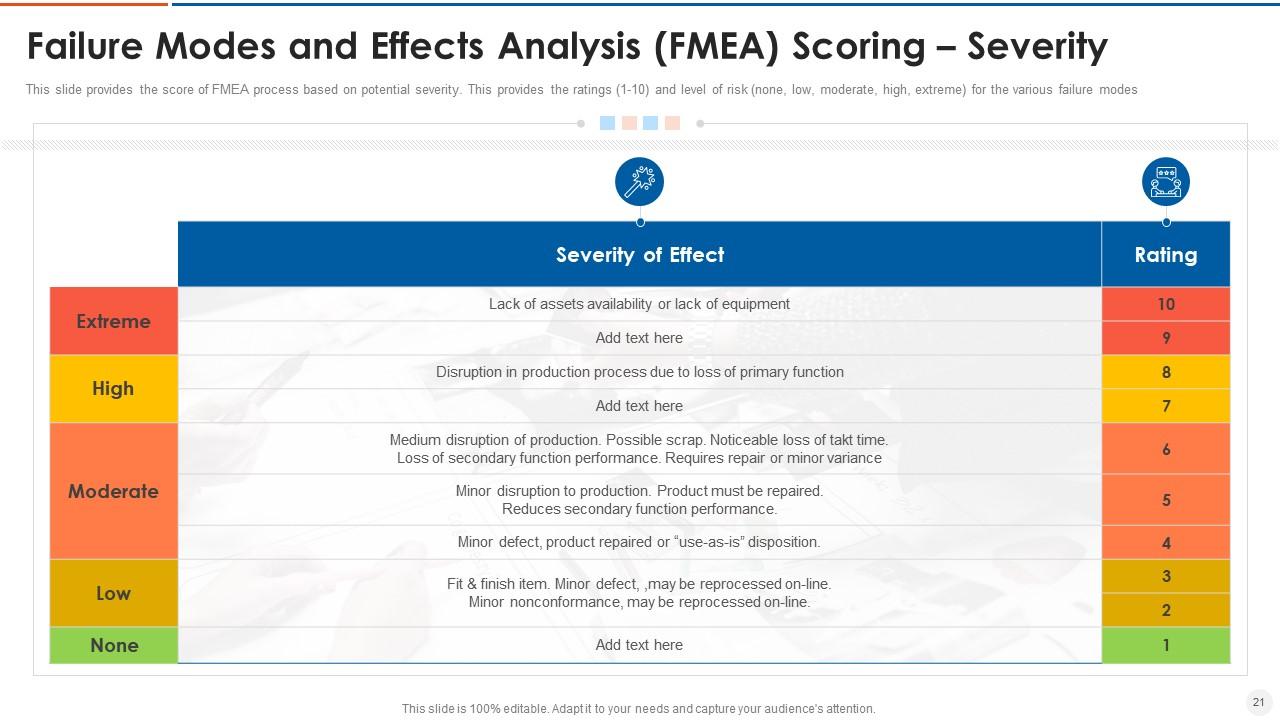
Folie 21 : Diese Folie zeigt die Punktzahl des FMEA-Prozesses basierend auf dem potenziellen Schweregrad.
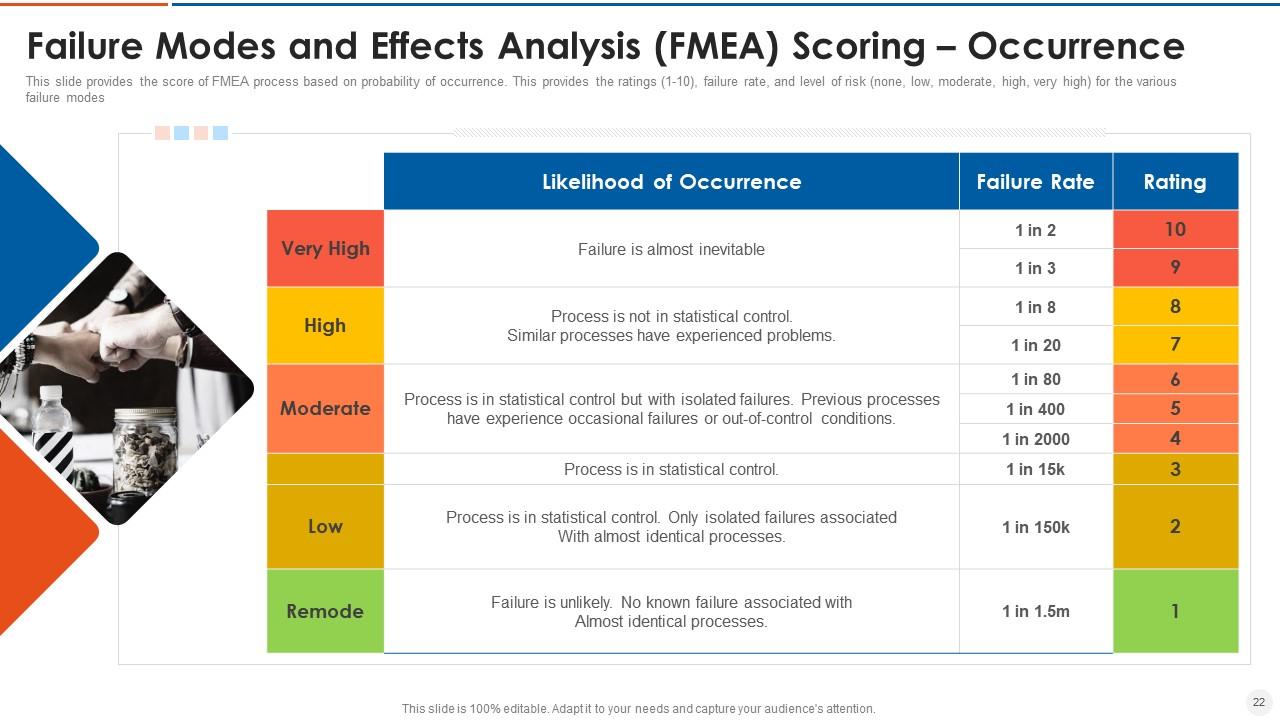
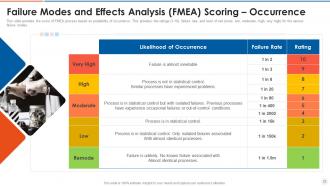
Folie 22 : Diese Folie zeigt die Punktzahl des FMEA-Prozesses basierend auf der Eintrittswahrscheinlichkeit.
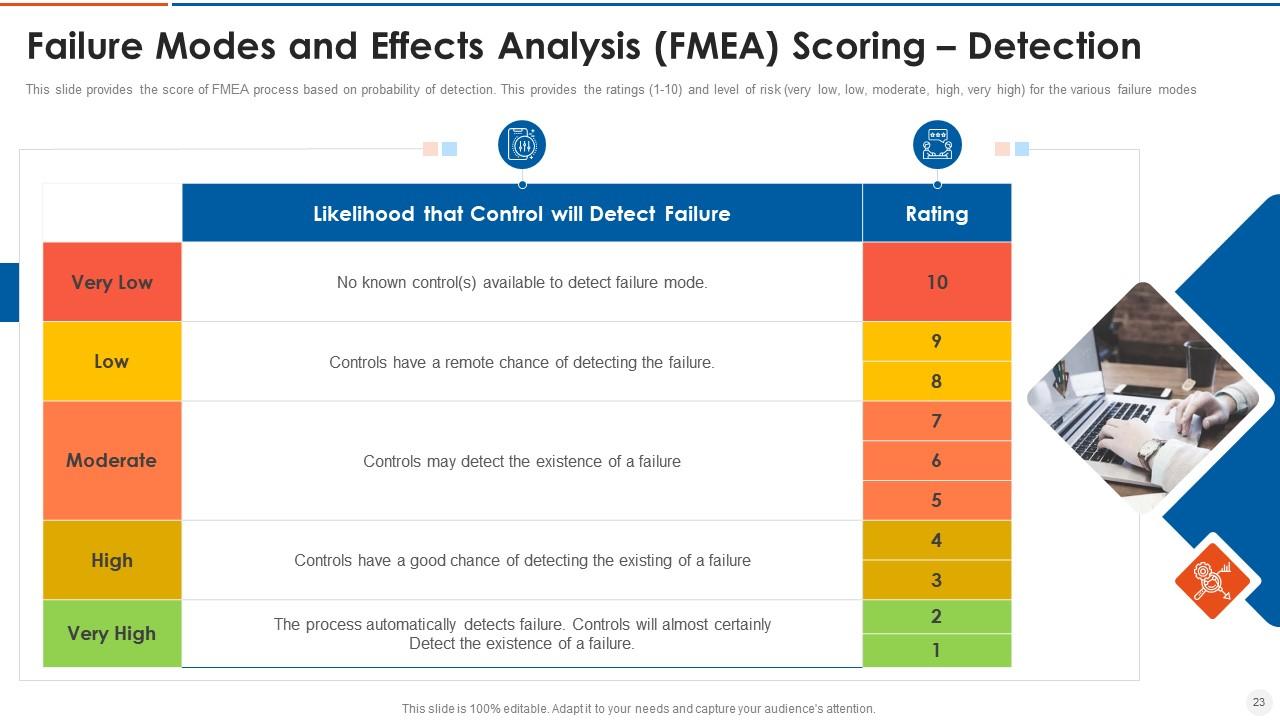
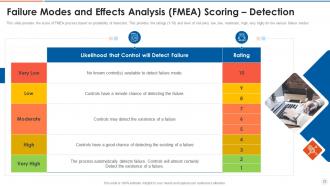
Folie 23 : Diese Folie zeigt die Punktzahl des FMEA-Prozesses basierend auf der Entdeckungswahrscheinlichkeit.
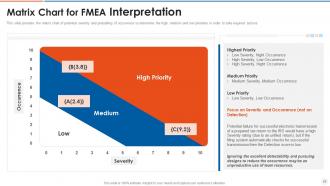
Folie 24 : Diese Folie enthält das Matrixdiagramm des potenziellen Schweregrads und der Eintrittswahrscheinlichkeit, um die hohe, mittlere und niedrige Priorität zu bestimmen.
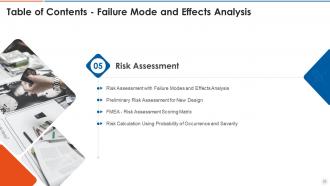
Folie 25 : Diese Folie zeigt Titel für vier Themen, die als nächstes in der Vorlage behandelt werden sollen.
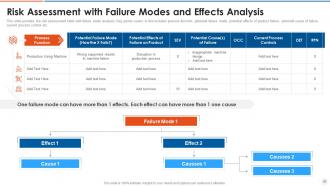
Folie 26 : Diese Folie enthält die Risikobewertungstabelle mit Fehlermodusanalyse.
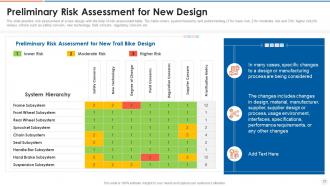
Folie 27 : Die Folie bietet eine Risikobewertung eines neuen Designs mit Hilfe einer Risikobewertungstabelle.
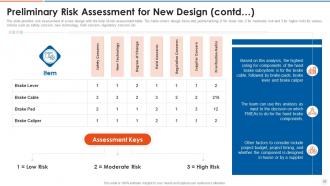
Folie 28 : Die Folie bietet eine Risikobewertung eines neuen Designs mit Hilfe einer Risikobewertungstabelle.
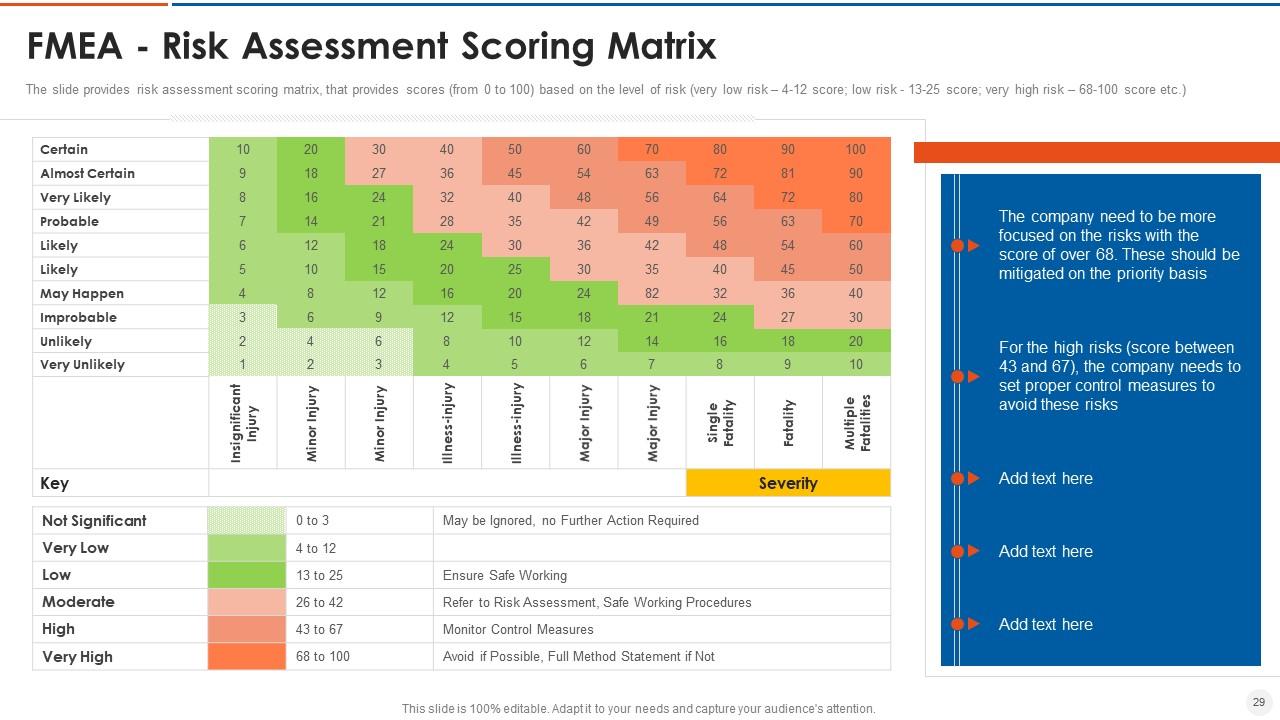
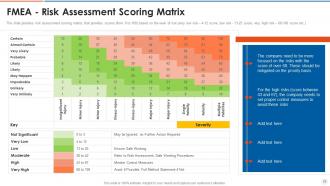
Folie 29 : Die Folie bietet eine Bewertungsmatrix zur Risikobewertung, die Bewertungen (von 0 bis 100) basierend auf der Risikostufe liefert.
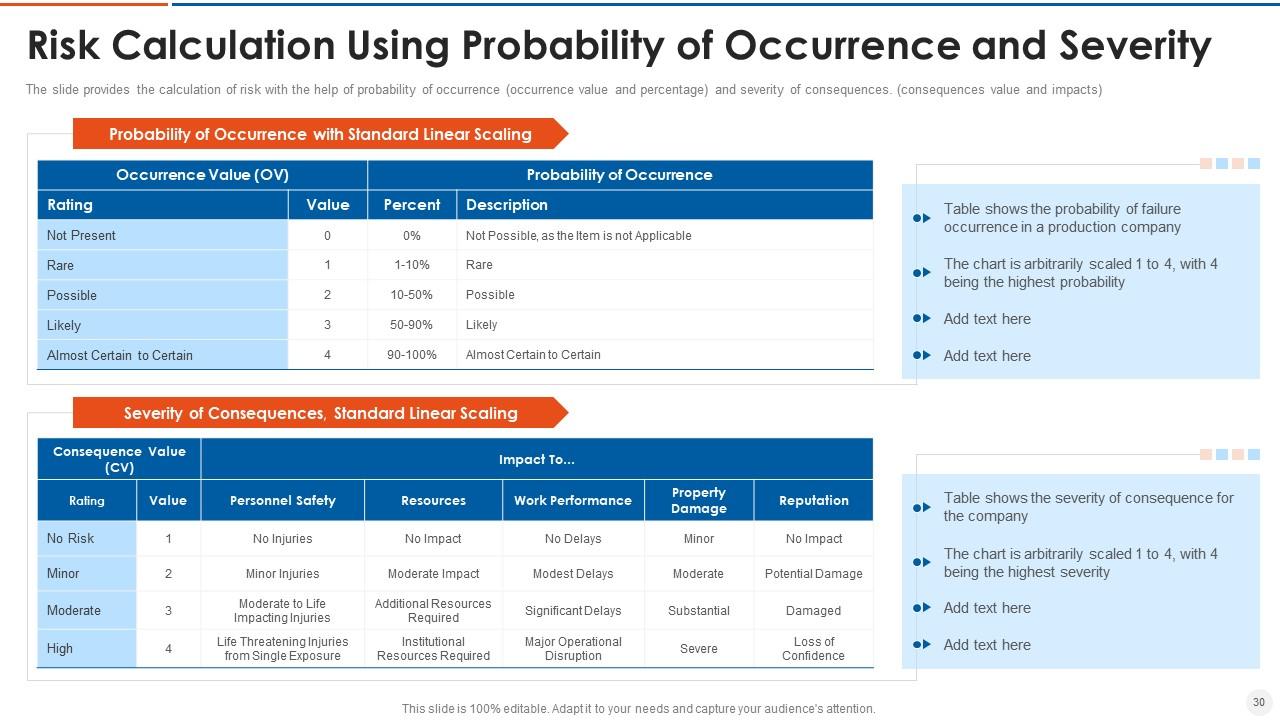
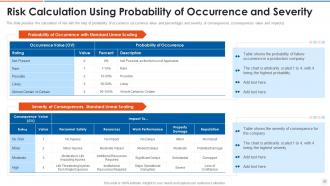
Folie 30 : Die Folie bietet die Berechnung des Risikos mit Hilfe von Eintrittswahrscheinlichkeit und Schwere der Folgen.
Folie 31 : Diese Folie zeigt Titel für drei Themen, die als nächstes in der Vorlage behandelt werden sollen.
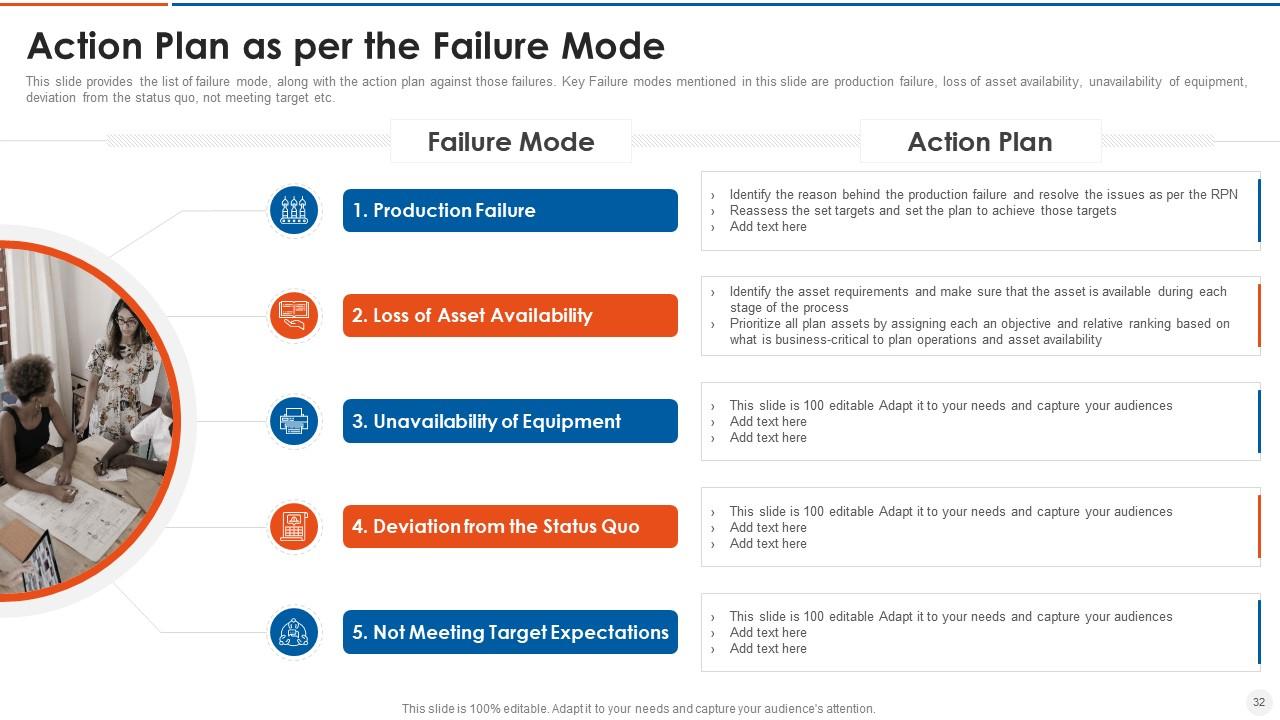
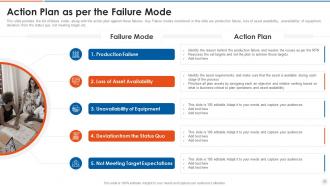
Folie 32 : Diese Folie enthält die Liste der Fehlerarten zusammen mit dem Aktionsplan gegen diese Fehler.
Folie 33 : Diese Folie enthält die Aktionspläne der Organisation gegen den Ausfall von Assets.
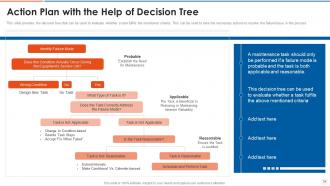
Folie 34 : Diese Folie stellt den Entscheidungsbaum bereit, der verwendet werden kann, um zu bewerten, ob eine Aufgabe die genannten Kriterien erfüllt.
Folie 35 : Diese Folie zeigt Titel für zwei Themen, die als nächstes in der Vorlage behandelt werden sollen.
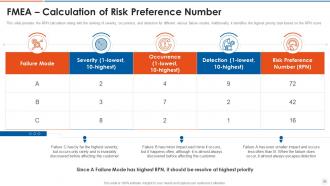
Folie 36 : Diese Folie enthält die RPN-Berechnung zusammen mit der Rangfolge von Schweregrad, Auftreten und Erkennung für verschiedene verschiedene Fehlermodi.
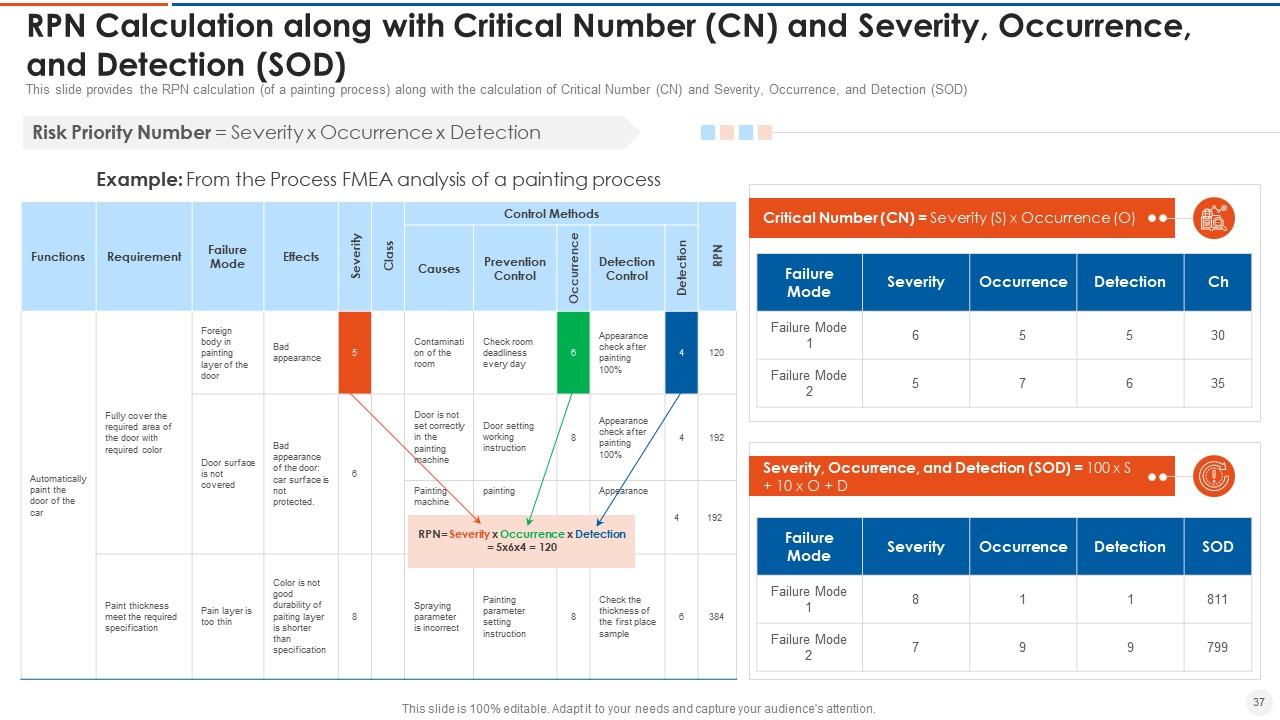
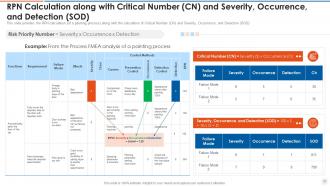
Folie 37 : Diese Folie enthält die RPN-Berechnung (eines Lackierprozesses) zusammen mit der Berechnung der kritischen Zahl (CN) und des Schweregrads, des Auftretens usw.
Folie 38 : Diese Folie zeigt Titel für drei Themen, die als nächstes in der Vorlage behandelt werden sollen.
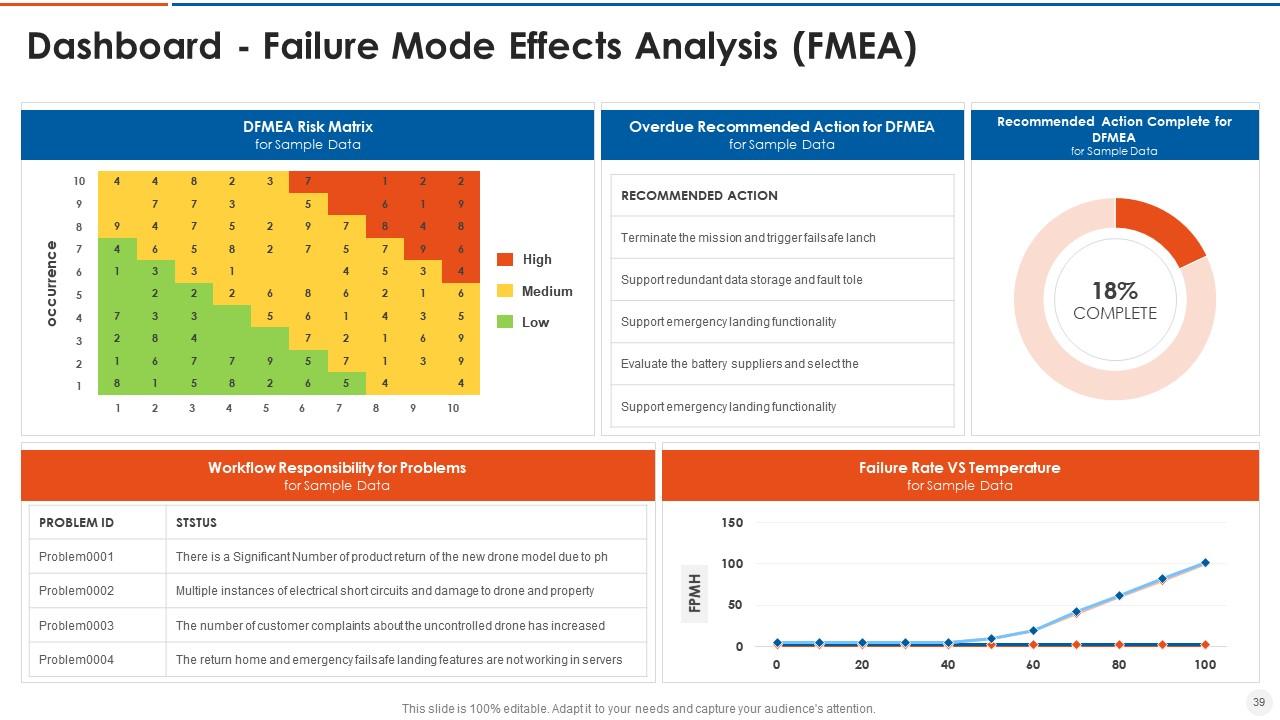
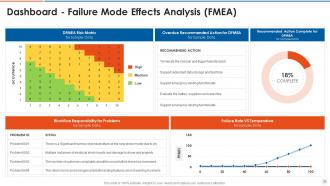
Folie 39 : Diese Folie präsentiert Dashboard – Fehlermöglichkeits-Einflussanalyse (FMEA).
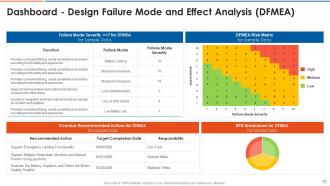
Folie 40 : Diese Folie zeigt Dashboard – Design Failure Mode and Effect Analysis (DFMEA).
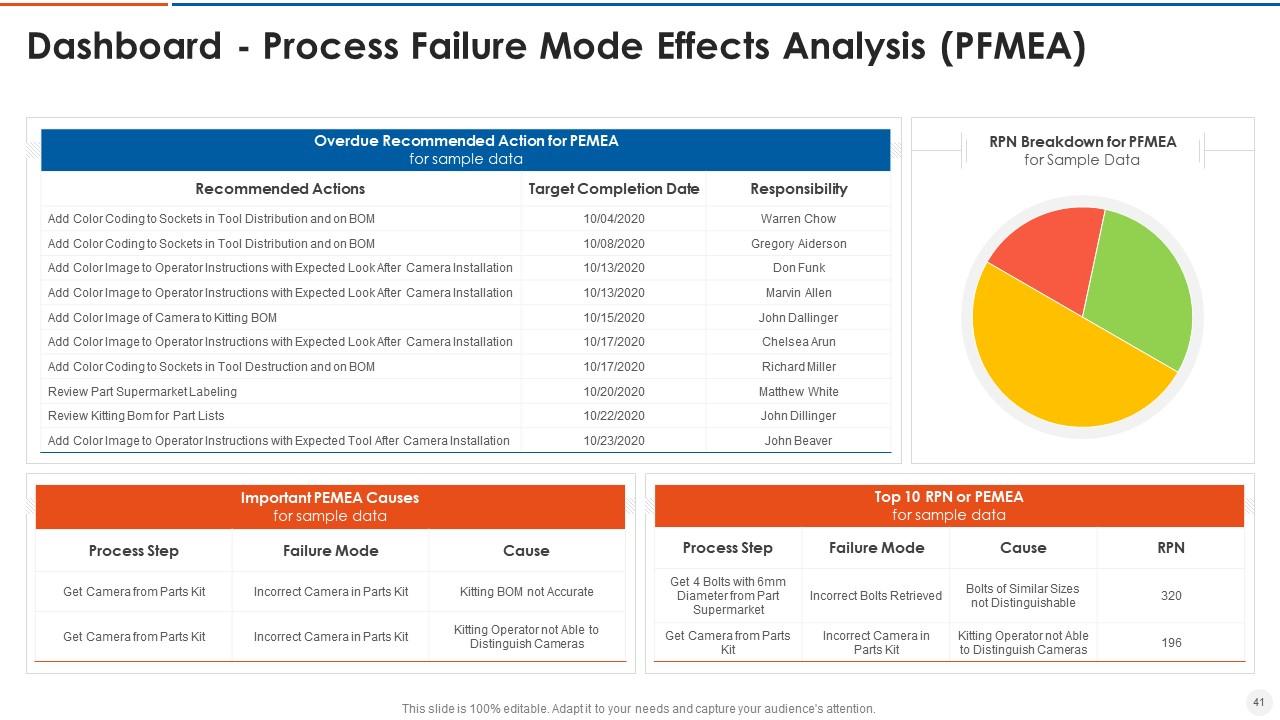
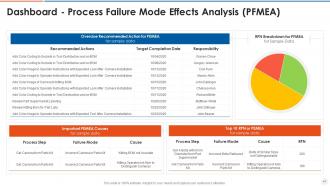
Folie 41 : Diese Folie veranschaulicht Dashboard – Process Failure Mode Effects Analysis (PFMEA).
Folie 42 : Dies ist die Symbolfolie.
Folie 43 : Diese Folie enthält Titel für zusätzliche Folien.
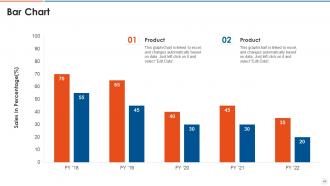
Folie 44 : Diese Folie zeigt Jahresumsatz-Balkendiagramme für verschiedene Produkte. Die Diagramme sind mit Excel verknüpft.
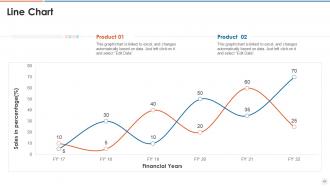
Folie 45 : Diese Folie zeigt jährliche Verkaufsliniendiagramme für verschiedene Produkte. Die Diagramme sind mit Excel verknüpft.
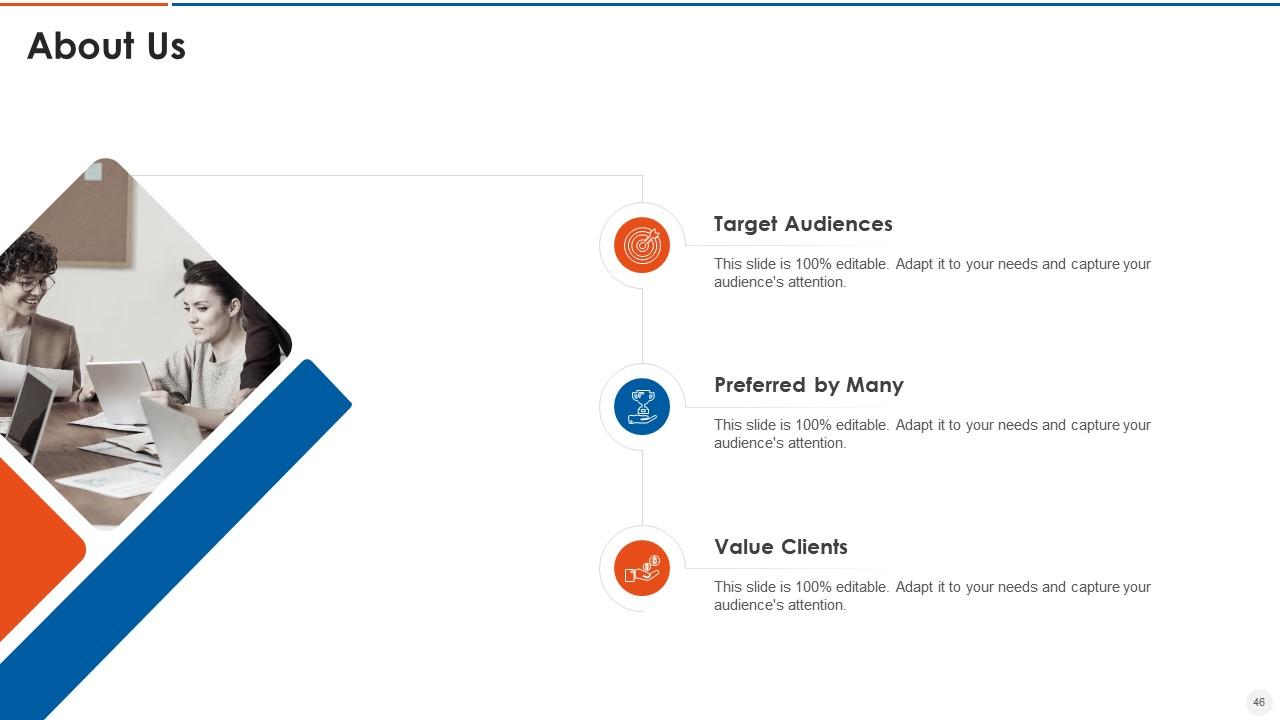
Folie 46 : Diese Folie zeigt Ihr Unternehmen, Ihre Zielgruppe und die Werte Ihrer Kunden.
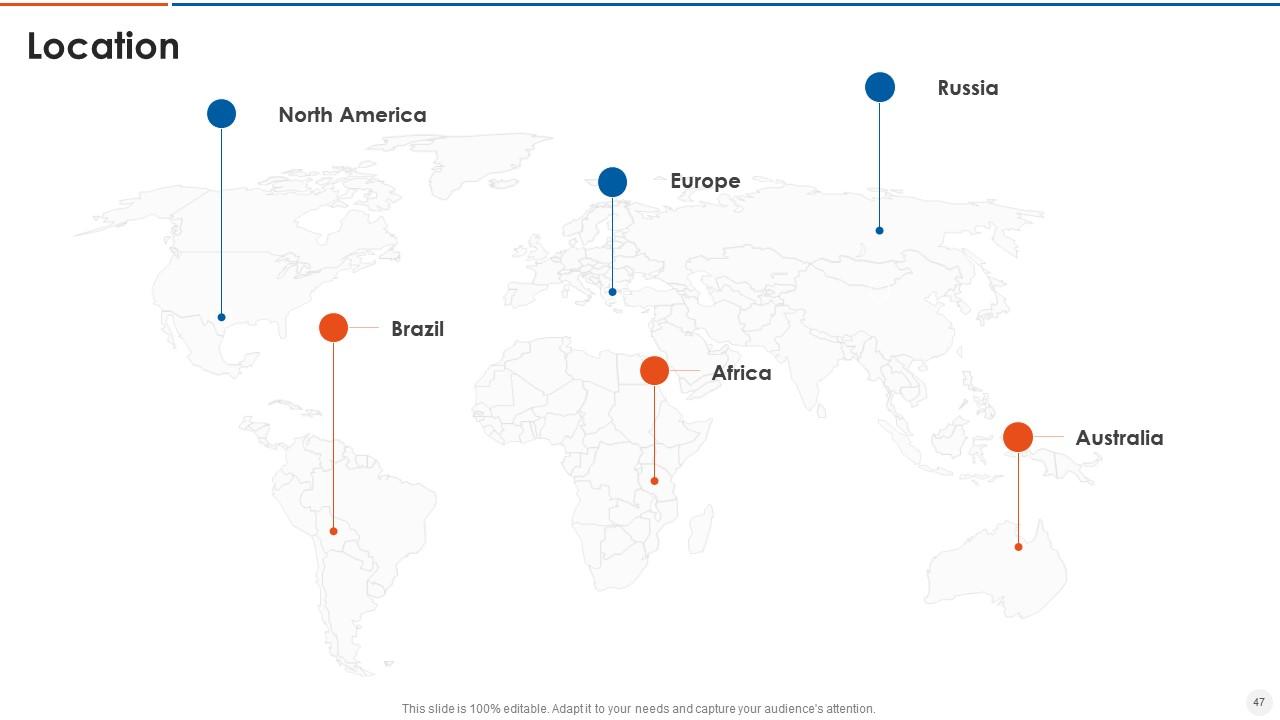
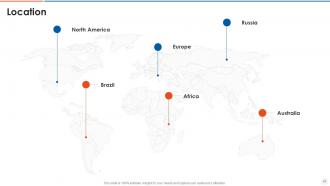
Folie 47 : Diese Folie hebt den Standort des Unternehmens auf der Weltkarte hervor.
Folie 48 : Diese Folie präsentiert die Vision, Mission und Ziele Ihres Unternehmens.
Folie 49 : Diese Folie zeigt die jährliche Zeitleiste.
Folie 50 : Diese Folie zeigt Details von Teammitgliedern wie Name, Bezeichnung usw.
Folie 51 : Diese Folie zeigt ein Rätsel.
Folie 52 : Diese Folie zeigt einen 30-60-90-Tage-Plan für Projekte.
Folie 53 : Diese Folie zeigt Posts für frühere Erfahrungen von Kunden.
Folie 54 : Dies ist eine Dankesfolie und enthält Kontaktdaten des Unternehmens wie Büroadresse, Telefonnummer usw.
Fehlermöglichkeits- und Einflussanalyse FMEA Powerpoint-Präsentationsfolien mit allen 59 Folien:
Verwenden Sie unsere FMEA-Powerpoint-Präsentationsfolien zur Fehlermöglichkeits- und Einflussanalyse, um Ihnen effektiv dabei zu helfen, wertvolle Zeit zu sparen. Sie sind gebrauchsfertig und passen in jede Präsentationsstruktur.
-
Qualitative and comprehensive slides.
-
Great experience, I would definitely use your services further.
