


Finanzen für die Immobilienentwicklung Powerpoint-Präsentationsfolien
Die Immobilienbranche gilt als einer der entscheidenden Faktoren für eine Wirtschaft. Man kann leicht einen stetigen Cashflow haben oder große Renditen erzielen, indem man in Immobilien investiert. Schauen Sie sich unsere effizient gestaltete Präsentation zur Finanzierung der Immobilienentwicklung an. Diese Vorlage hilft den Immobilienentwicklern bei der Ermittlung der besten Finanzierungsquelle, die ihnen hilft, die Finanzierungsanforderungen zu erfüllen. Die Präsentation beginnt mit der Marktübersicht und den Abschnitten zur Leistung unserer Wettbewerber, die das Unternehmen verwenden kann, um wichtige Statistiken, Treiber, Akteure der Immobilienbranche und eine unternehmensspezifische Wettbewerbslandschaft zu veranschaulichen. Abschnitte wie das Immobilienprojekt, der Projektdurchführbarkeitsbericht und die Identifizierung und Erfüllung der Projektfinanzierungsanforderungen helfen den Entwicklern, detaillierte Details über das Projekt hervorzuheben, die Projektdurchführbarkeit zu prüfen und die beste Projektfinanzierungsstruktur zu bestimmen und auszuwählen. Entwickler können Folien verwenden, nämlich Immobilienprojektfinanzierung und -implementierung, und Abschnitte wie das Verwalten von Projektrisiken und das Projektmanagementteam, um eine effektive Projektentwicklung, -finanzierung und -verwaltung sicherzustellen. Schließlich werden Projektmanagement-Dashboards Immobilienunternehmen dabei unterstützen, ihren Projektfortschritt und ihre Teamleistung zu bestimmen. Für ein problemloses Erlebnis packen Sie dieses PPT-Layout jetzt ein.
Die Immobilienbranche gilt als einer der entscheidenden Faktoren für eine Wirtschaft. Man kann leicht einen stetigen Cashfl..










































-

- Google Slides is a new FREE Presentation software from Google.
- All our content is 100% compatible with Google Slides.
- Just download our designs, and upload them to Google Slides and they will work automatically.
- Amaze your audience with SlideTeam and Google Slides.
-

Want Changes to This PPT Slide? Check out our Presentation Design Services
-

- WideScreen Aspect ratio is becoming a very popular format. When you download this product, the downloaded ZIP will contain this product in both standard and widescreen format.
-

- Some older products that we have may only be in standard format, but they can easily be converted to widescreen.
- To do this, please open the SlideTeam product in Powerpoint, and go to
- Design ( On the top bar) -> Page Setup -> and select "On-screen Show (16:9)” in the drop down for "Slides Sized for".
- The slide or theme will change to widescreen, and all graphics will adjust automatically. You can similarly convert our content to any other desired screen aspect ratio.
Compatible With Google Slides

Get This In WideScreen
You must be logged in to download this presentation.


Do you want to remove this product from your favourites?
Merkmale dieser PowerPoint-Präsentationsfolien:
Begeistern Sie Ihr Publikum mit diesen Powerpoint-Präsentationsfolien zur Finanzierung der Immobilienentwicklung. Erhöhen Sie Ihre Präsentationsschwelle, indem Sie diese gut gestaltete Vorlage bereitstellen. Es fungiert aufgrund seines gut recherchierten Inhalts als großartiges Kommunikationswerkzeug. Es enthält auch stilisierte Symbole, Grafiken, visuelle Elemente usw., die es zu einem sofortigen Blickfang machen. Dieses komplette Deck besteht aus 56 Folien und ist alles, was Sie brauchen, um wahrgenommen zu werden. Alle Folien und ihr Inhalt können an Ihre individuelle Geschäftsumgebung angepasst werden. Darüber hinaus können auch andere Komponenten und Grafiken modifiziert werden, um diesem vorgefertigten Set eine persönliche Note zu verleihen.

People who downloaded this PowerPoint presentation also viewed the following :
Inhalt dieser Powerpoint-Präsentation
Folie 1 : Diese Folie stellt die Finanzierung der Immobilienentwicklung vor. Geben Sie Ihren Firmennamen an und beginnen Sie.
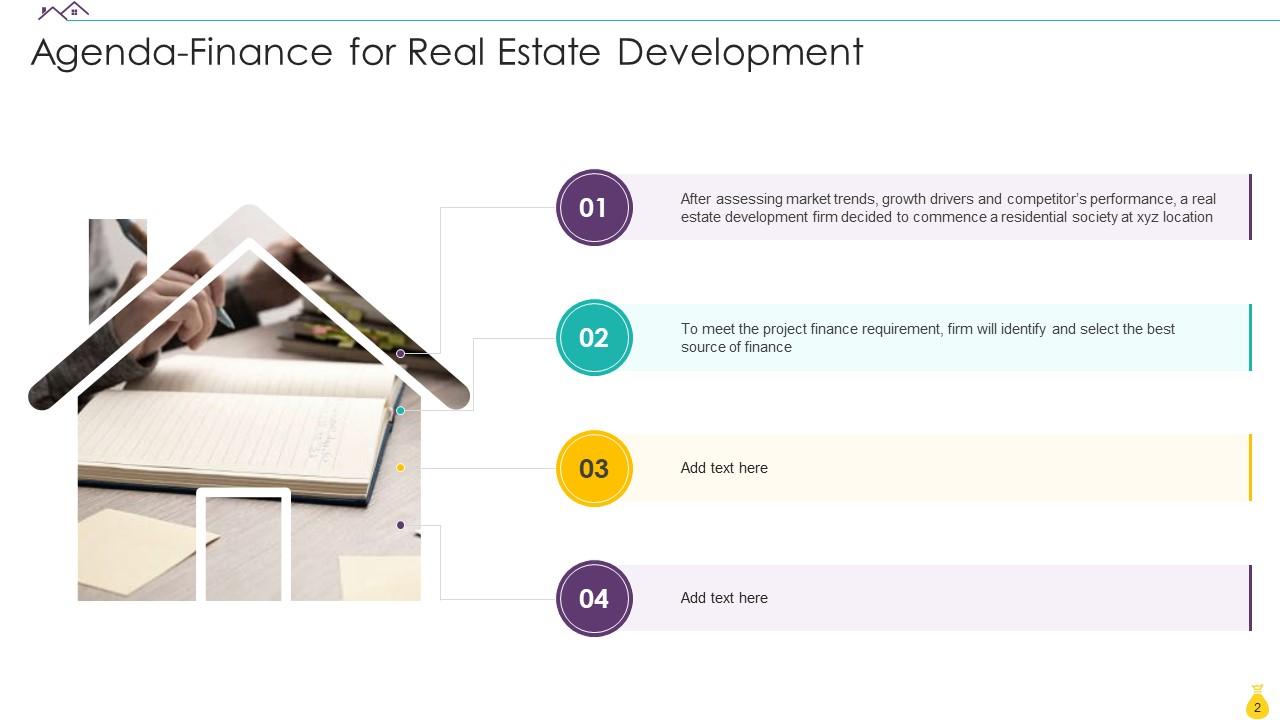
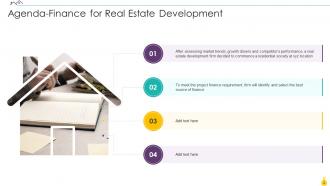
Folie 2 : Diese Folie gibt die Agenda der Präsentation an.
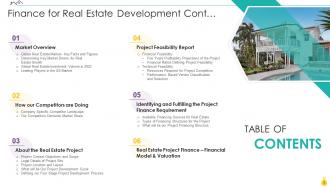
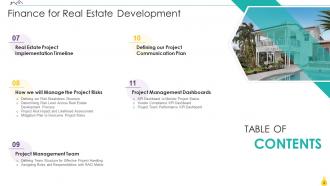
Folie 3 : Diese Folie zeigt das Inhaltsverzeichnis für die Präsentation.
Folie 4 : Dies ist eine weitere Folie, die das Inhaltsverzeichnis der Präsentation fortsetzt.
Folie 5 : Diese Folie hebt Titel für Themen hervor, die als nächstes in der Vorlage behandelt werden sollen.
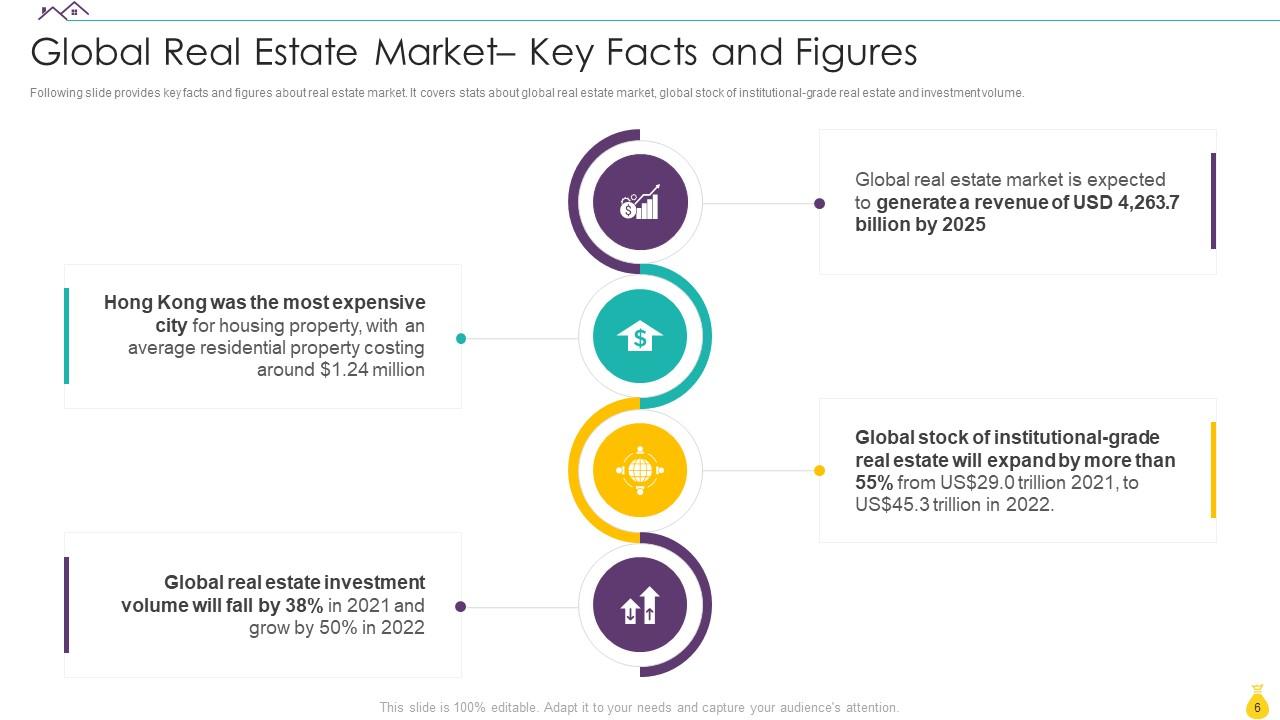
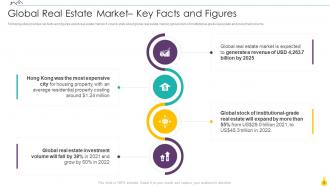
Folie 6 : Diese Folie zeigt wichtige Fakten und Zahlen zum Immobilienmarkt.
Folie 7 : Diese Folie zeigt die Bestimmung der wichtigsten Markttreiber für das Immobilienwachstum.
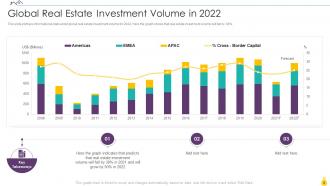
Folie 8 : Diese Folie zeigt das globale Immobilieninvestitionsvolumen im Jahr 2021.
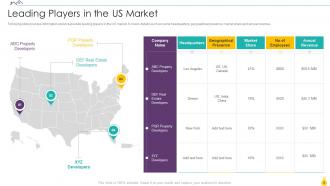
Folie 9 : Diese Folie zeigt Informationen über führende Immobilienanbieter auf dem US-Markt.
Folie 10 : Diese Folie hebt Titel für Themen hervor, die als nächstes in der Vorlage behandelt werden sollen.
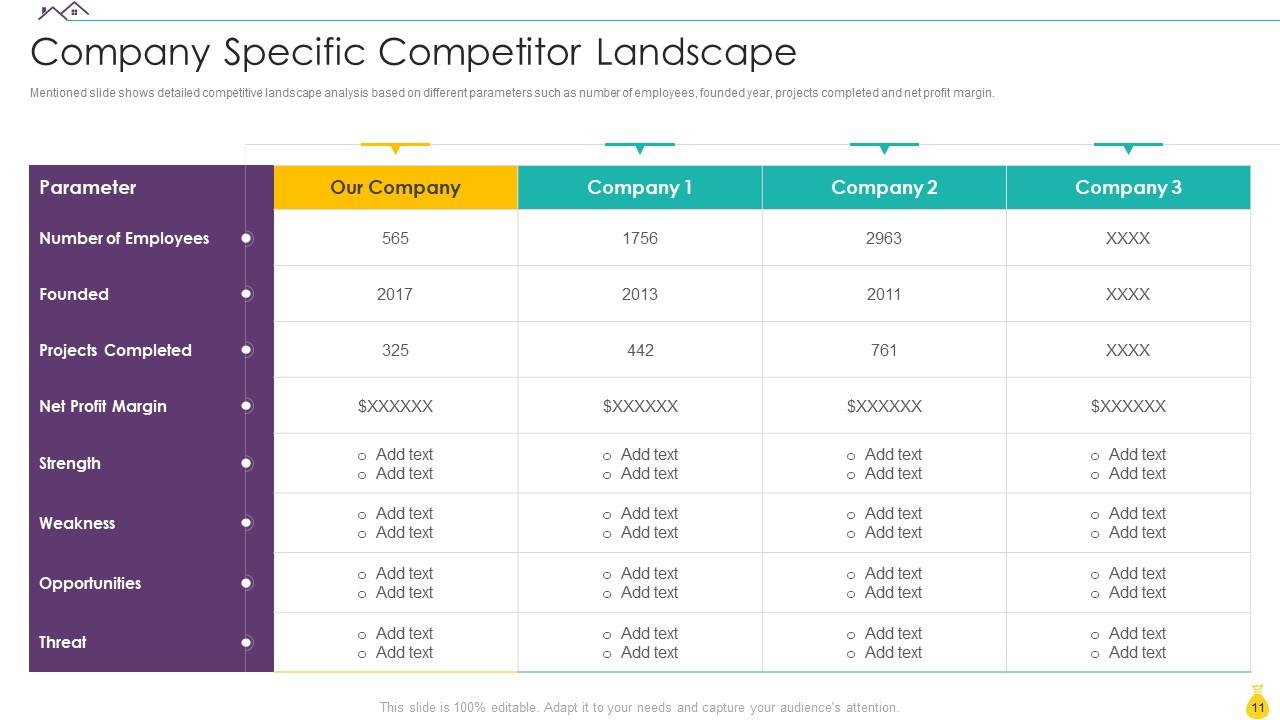
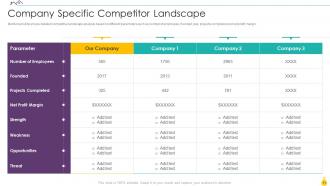
Folie 11 : Diese Folie zeigt die unternehmensspezifische Wettbewerbslandschaft.
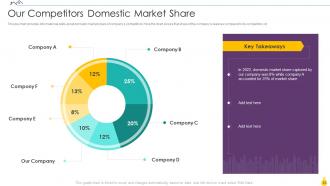
Folie 12 : Diese Folie zeigt den Marktanteil unserer Konkurrenten im Inland.
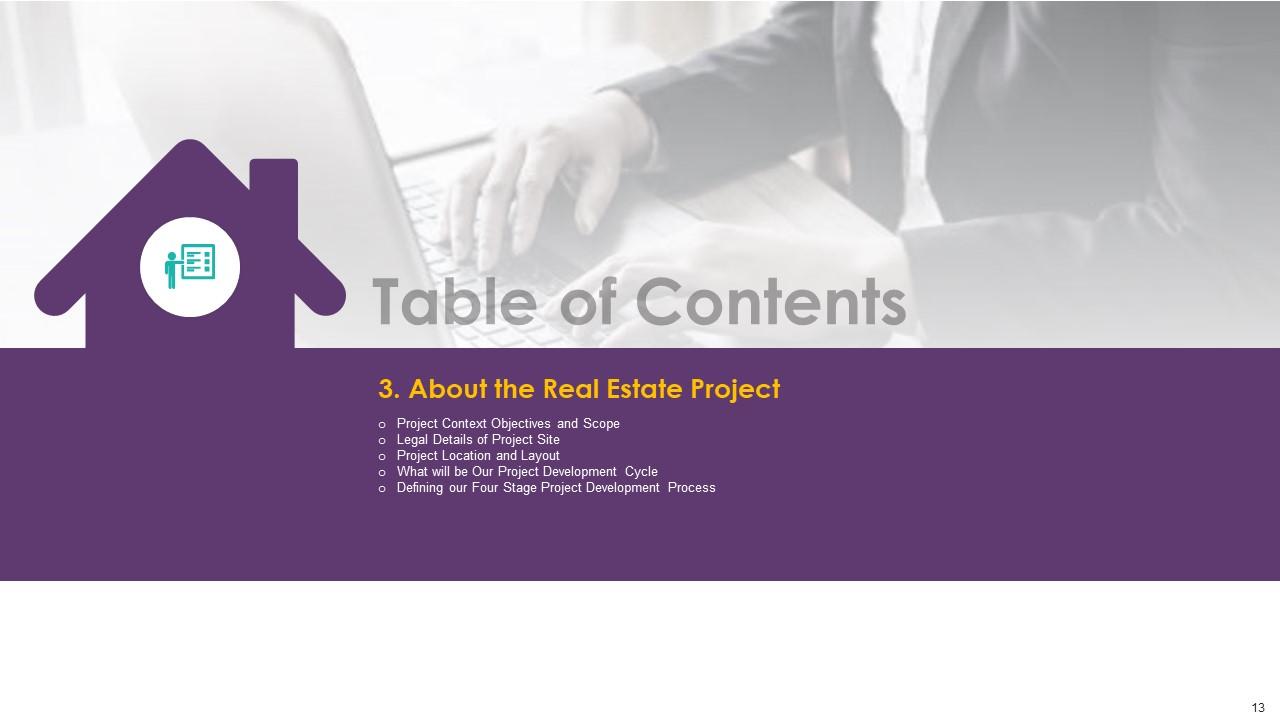
Folie 13 : Diese Folie hebt Titel für Themen hervor, die als nächstes in der Vorlage behandelt werden sollen.
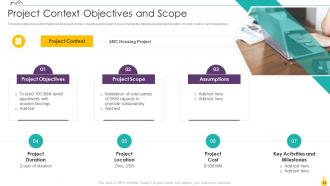
Folie 14 : Diese Folie stellt die Ziele und den Umfang des Projektkontexts dar.
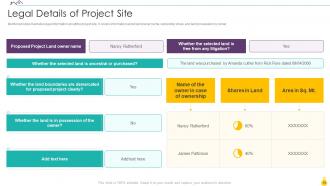
Folie 15 : Die erwähnte Folie veranschaulicht rechtliche Informationen über den Projektstandort.
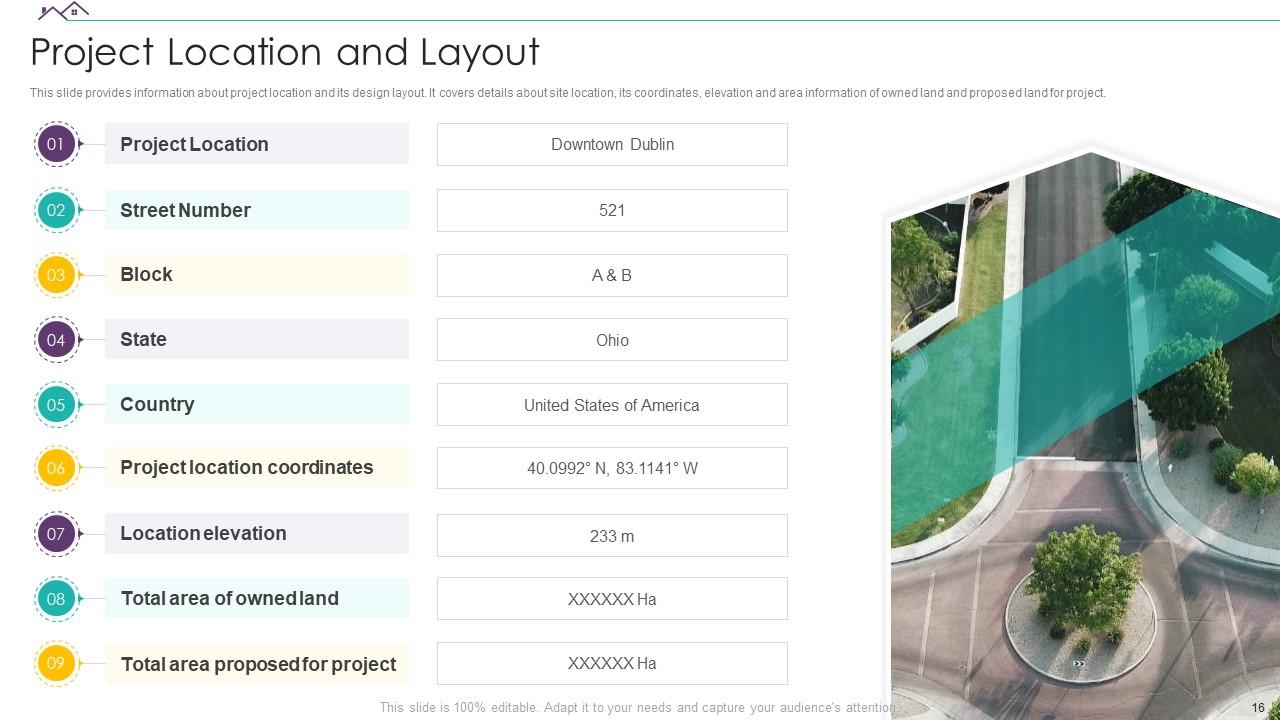
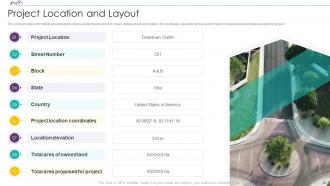
Folie 16 : Diese Folie enthält Informationen über den Standort des Projekts und sein Design-Layout.
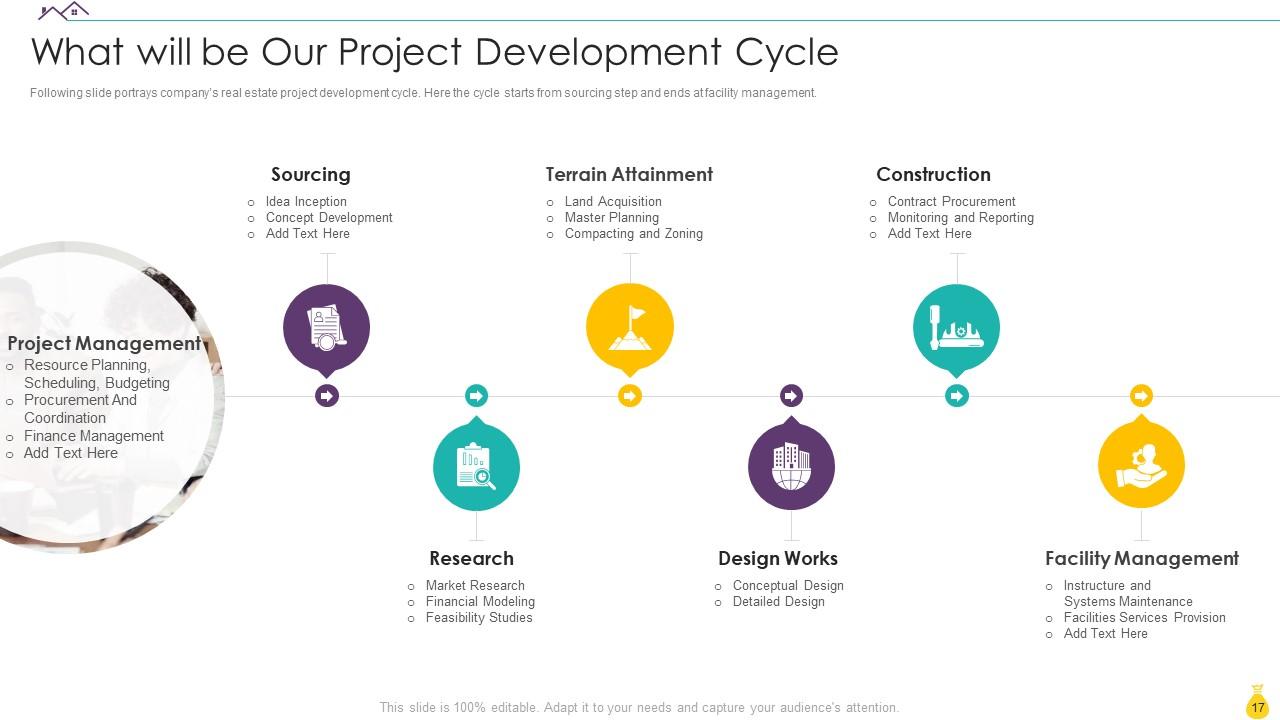
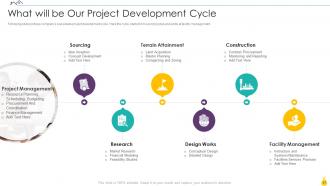
Folie 17 : Die folgende Folie zeigt den Entwicklungszyklus des Immobilienprojekts des Unternehmens.
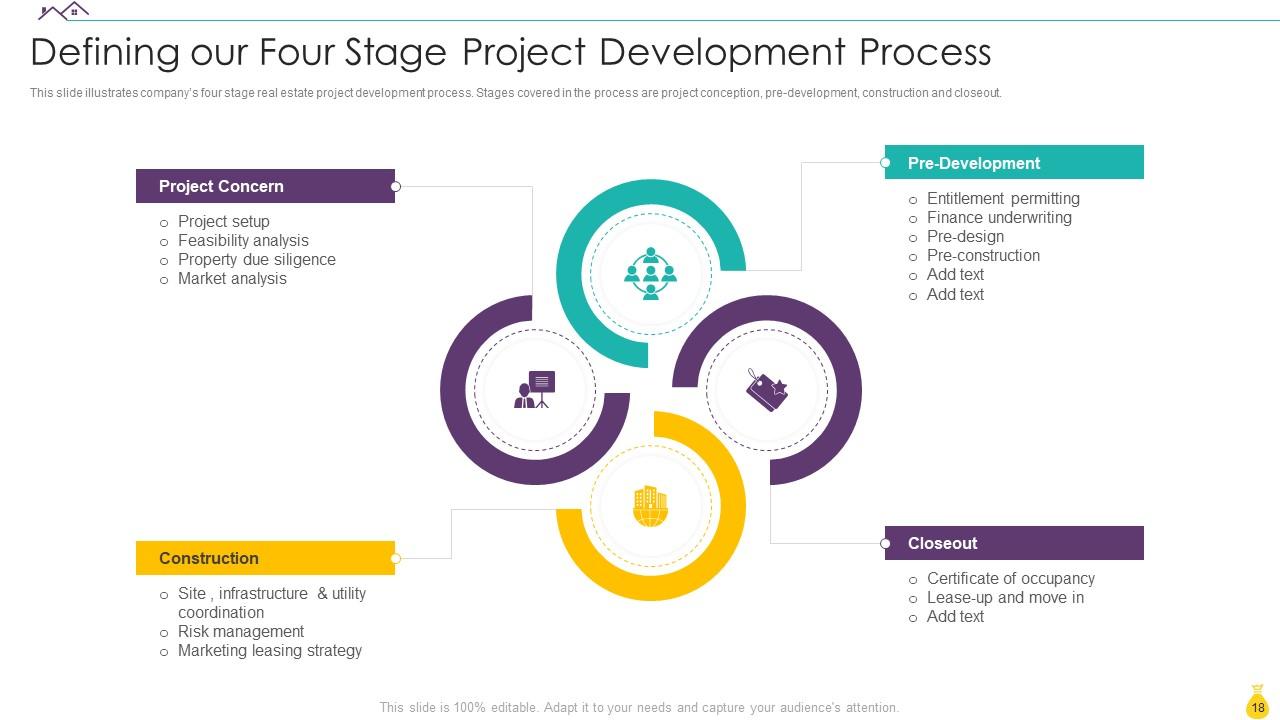
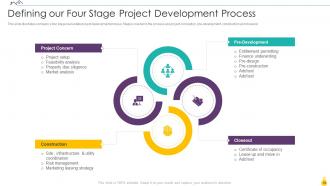
Folie 18 : Diese Folie zeigt die Definition unseres vierstufigen Projektentwicklungsprozesses.
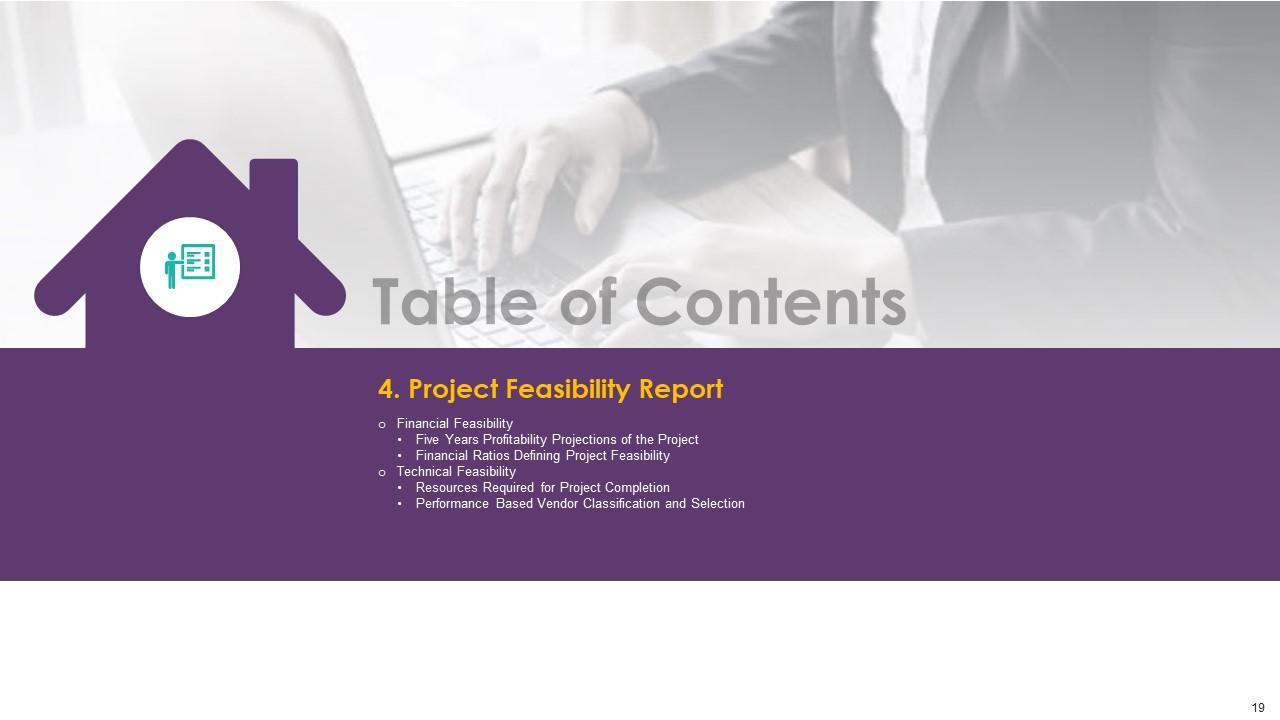
Folie 19 : Diese Folie hebt Titel für Themen hervor, die als nächstes in der Vorlage behandelt werden sollen.
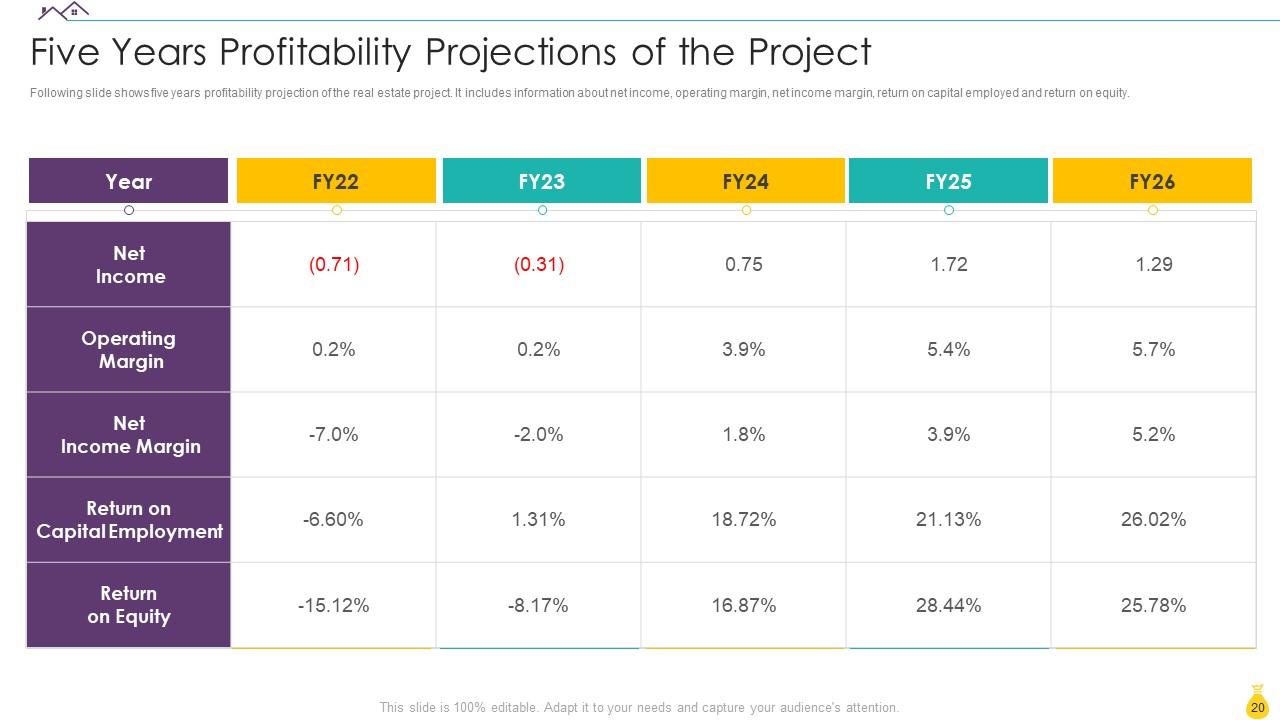
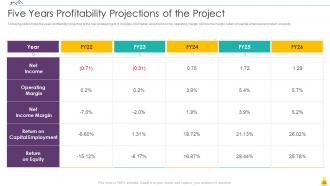
Folie 20 : Diese Folie präsentiert fünfjährige Rentabilitätsprognosen des Projekts.
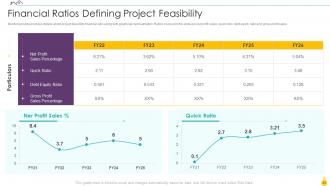
Folie 21 : Diese Folie zeigt Finanzkennzahlen, die die Projektdurchführbarkeit definieren.
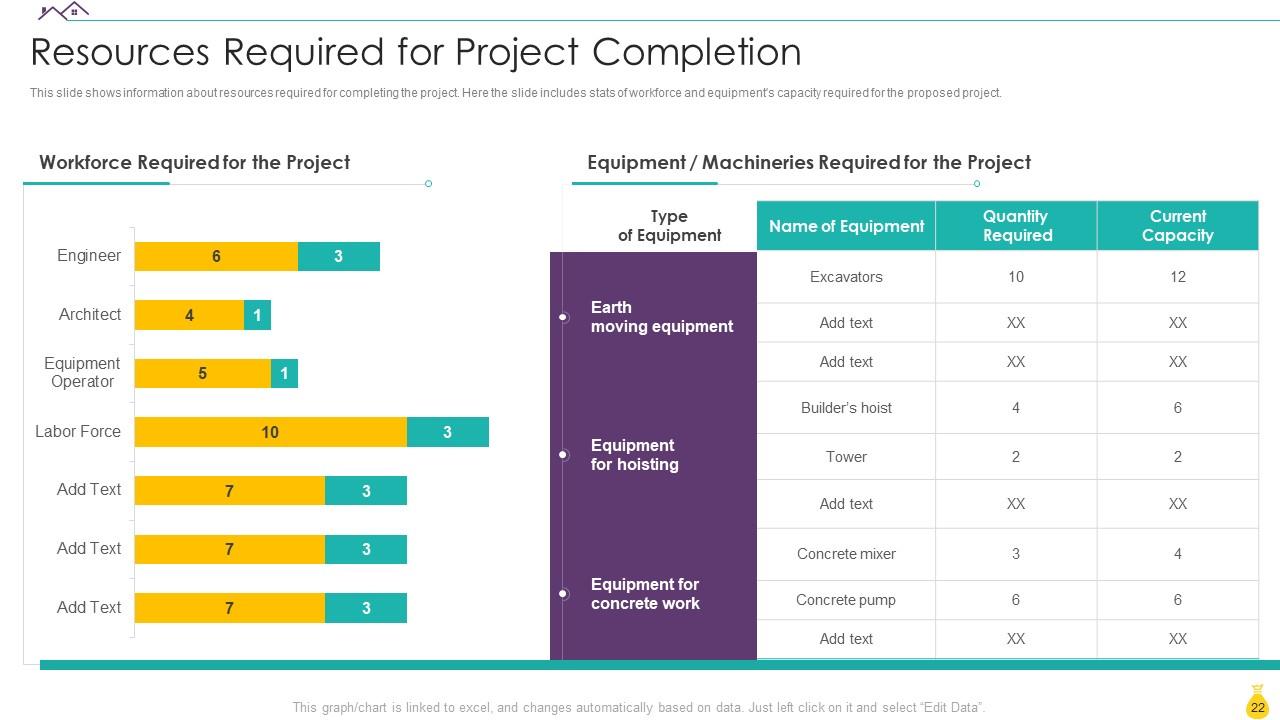
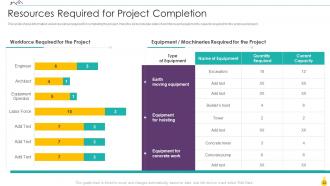
Folie 22 : Diese Folie stellt die für den Projektabschluss erforderlichen Ressourcen dar.
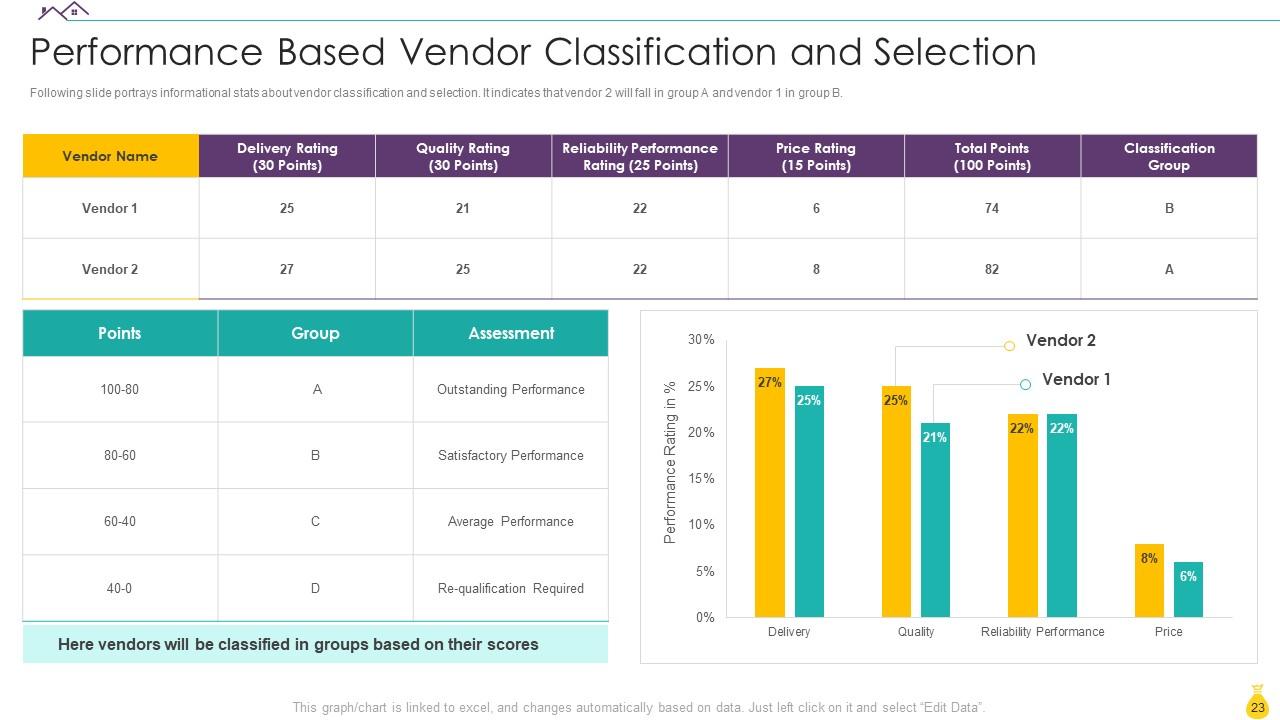
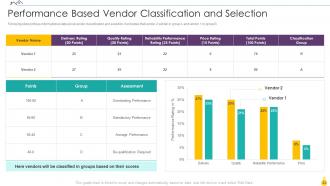
Folie 23 : Diese Folie zeigt die leistungsbasierte Anbieterklassifizierung und -auswahl.
Folie 24 : Diese Folie hebt Titel für Themen hervor, die als nächstes in der Vorlage behandelt werden sollen.
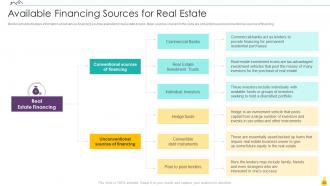
Folie 25 : Diese Folie zeigt verfügbare Finanzierungsquellen für Immobilien.
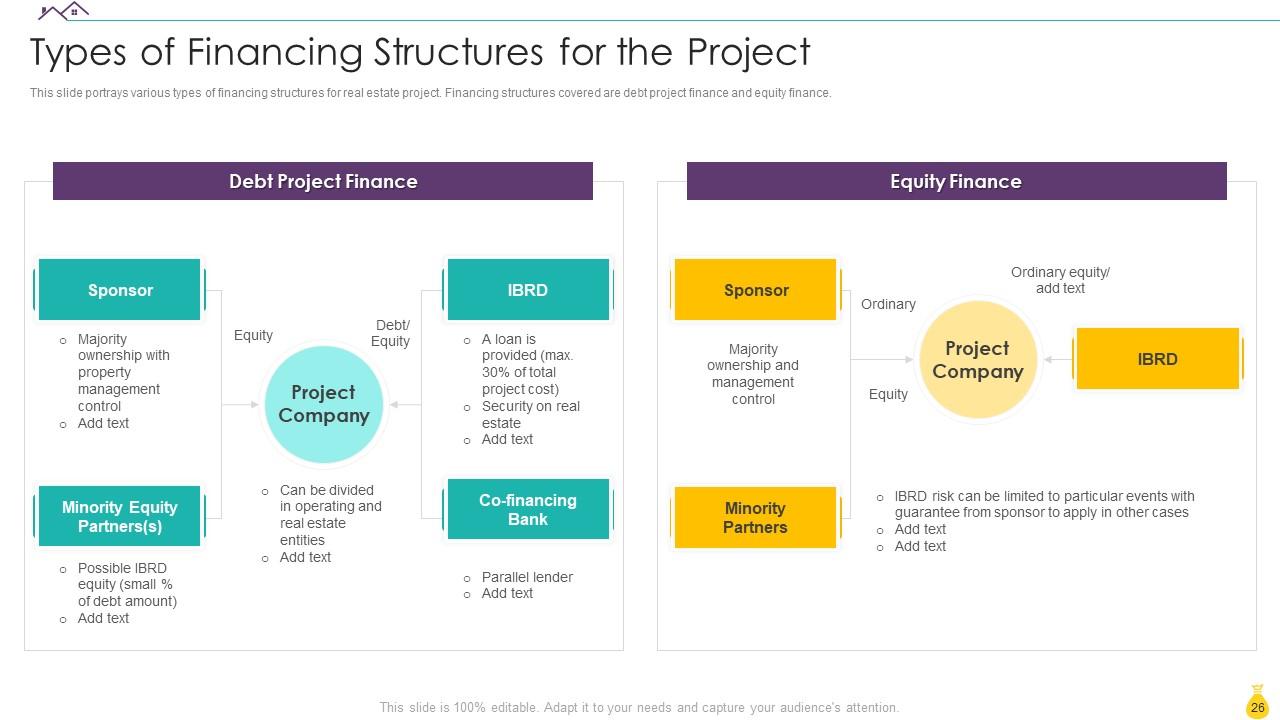
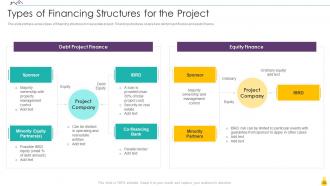
Folie 26 : Diese Folie präsentiert Arten von Finanzierungsstrukturen für das Projekt.
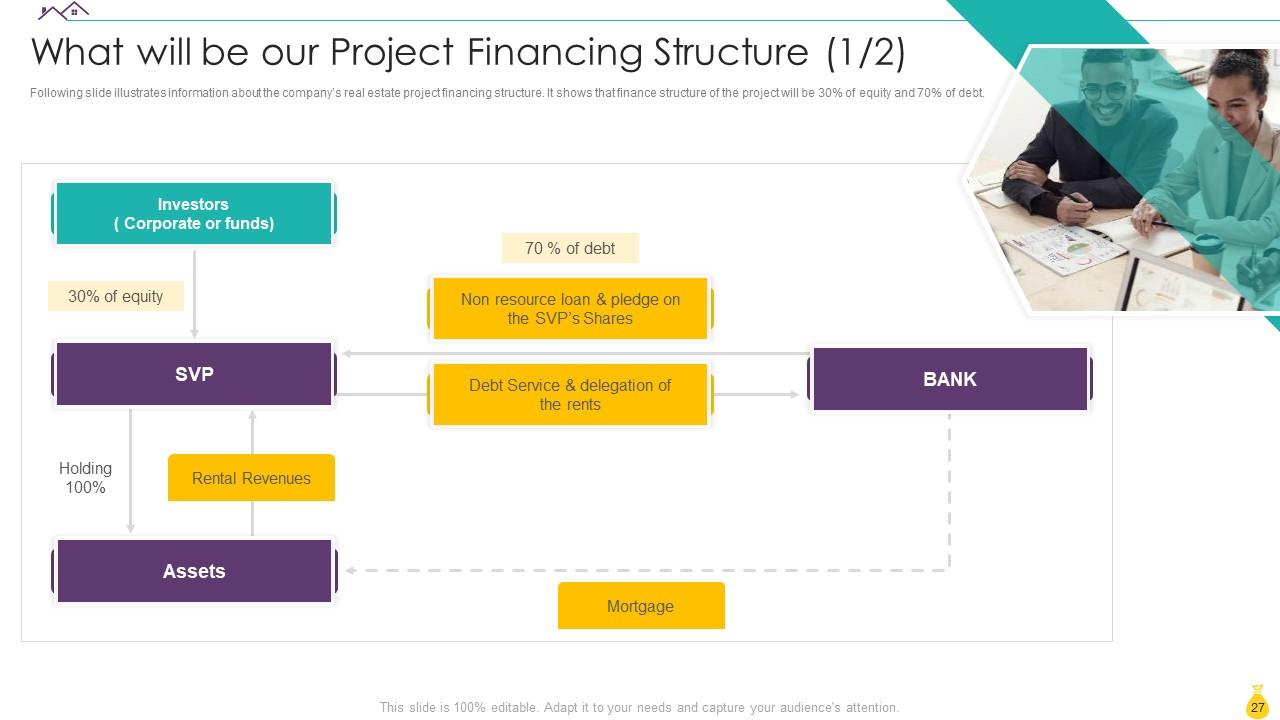
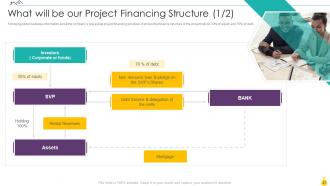
Folie 27 : Diese Folie zeigt Informationen über die Struktur der Immobilienprojektfinanzierung des Unternehmens.
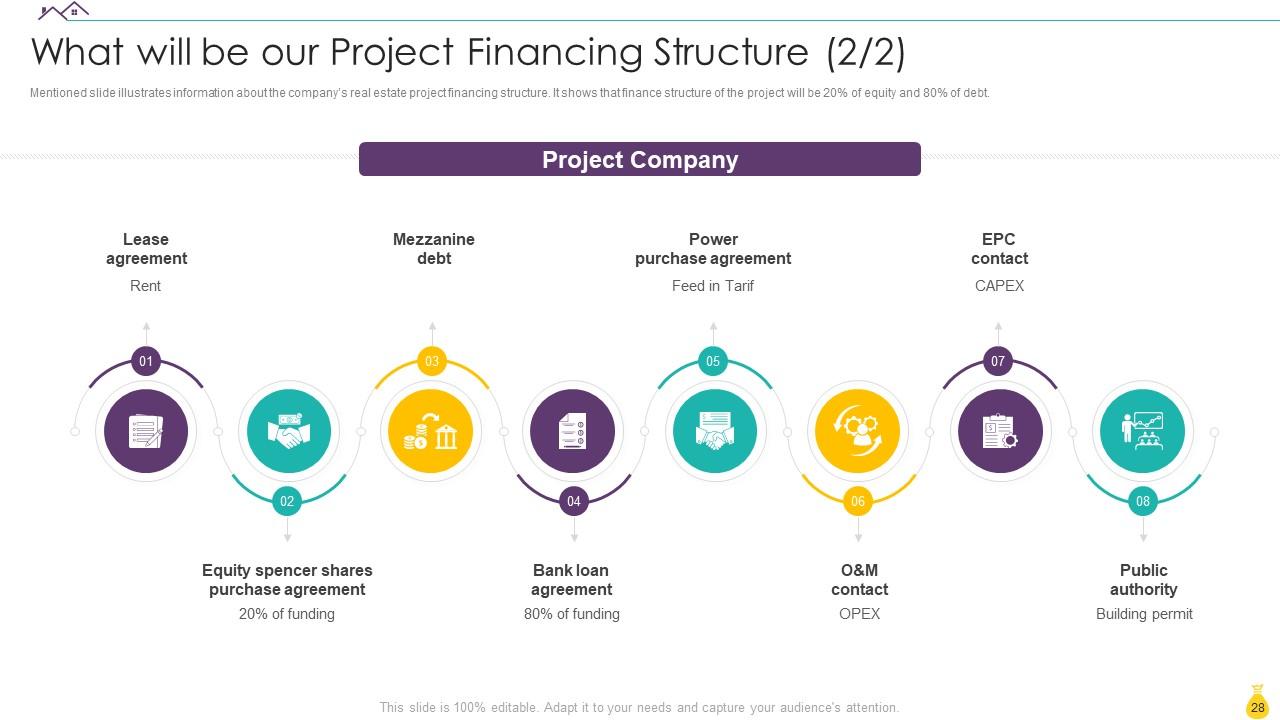
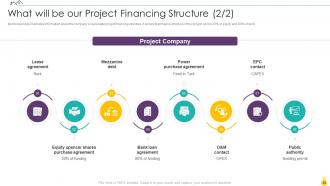
Folie 28 : Dies ist eine weitere Folie, die die Immobilienprojektfinanzierungsstruktur des Unternehmens fortführt.
Folie 29 : Diese Folie hebt Titel für Themen hervor, die als nächstes in der Vorlage behandelt werden sollen.
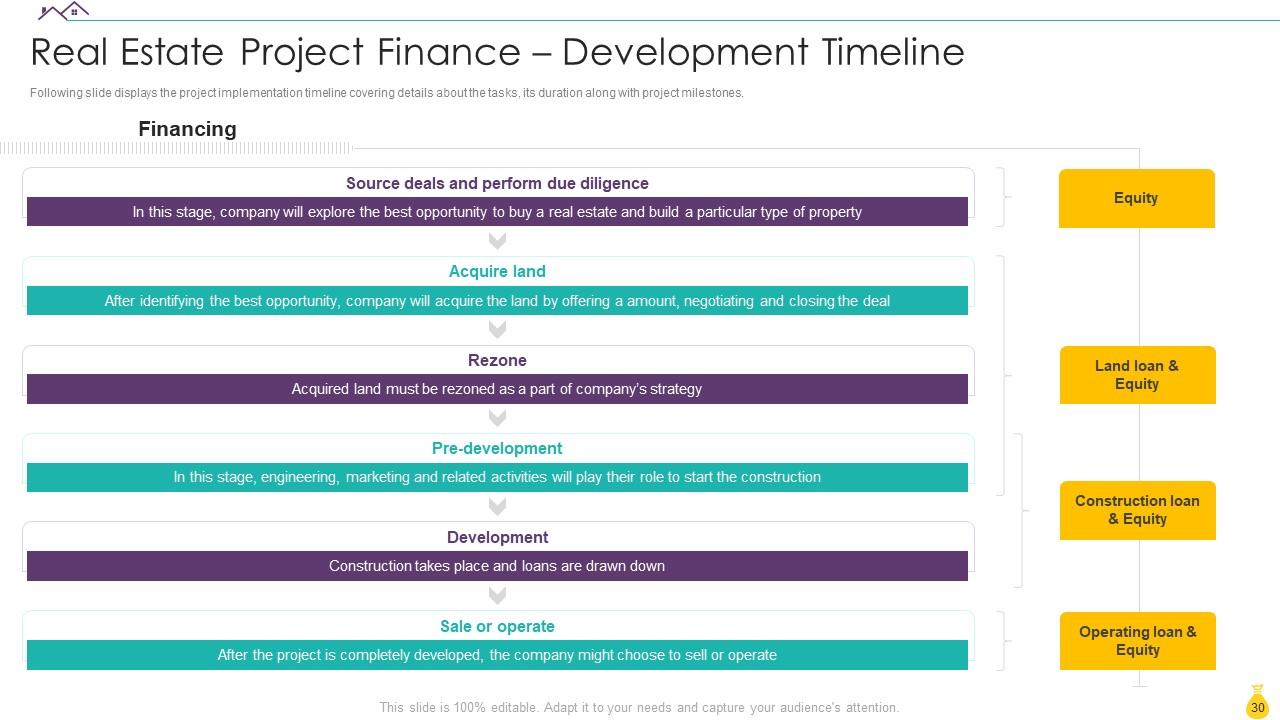
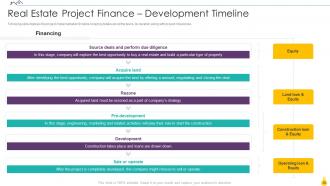
Folie 30 : Diese Folie zeigt Einzelheiten über den Entwicklungszeitplan für die Finanzierung von Immobilienprojekten.
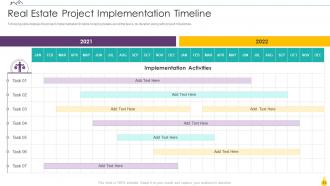
Folie 31 : Diese Folie zeigt den Zeitplan für die Implementierung von Immobilienprojekten.
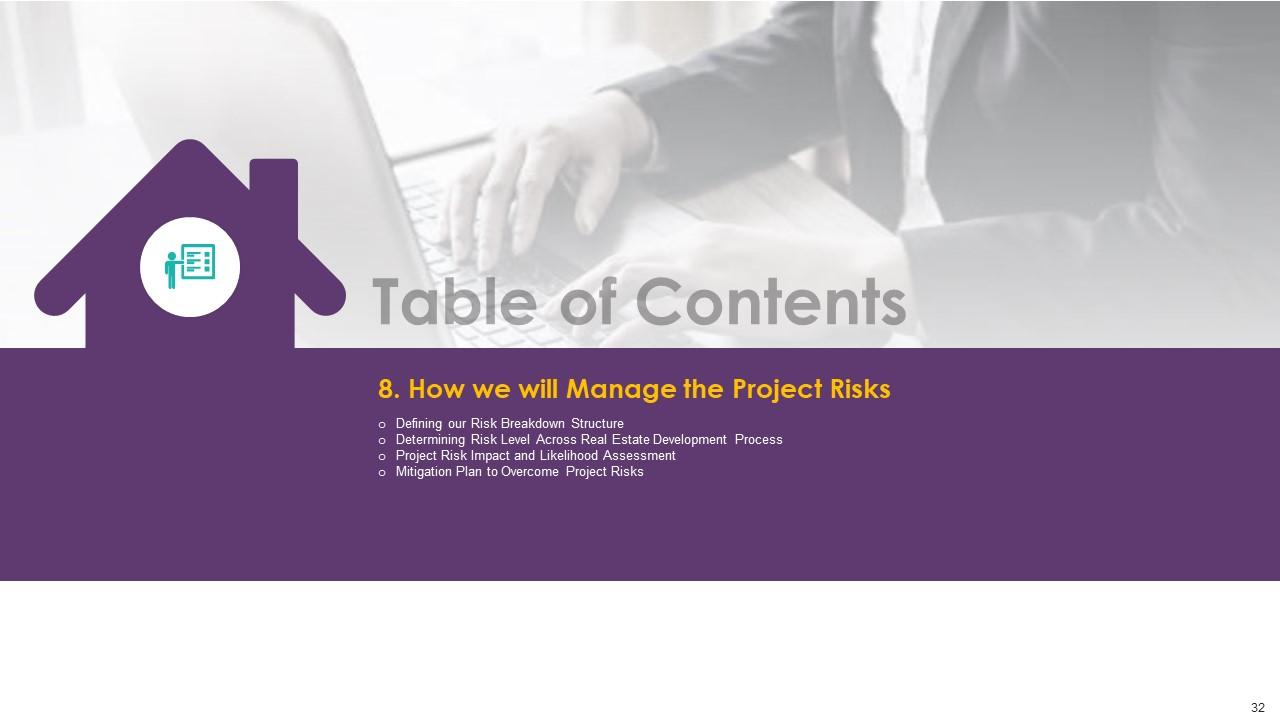
Folie 32 : Diese Folie hebt Titel für Themen hervor, die als nächstes in der Vorlage behandelt werden sollen.
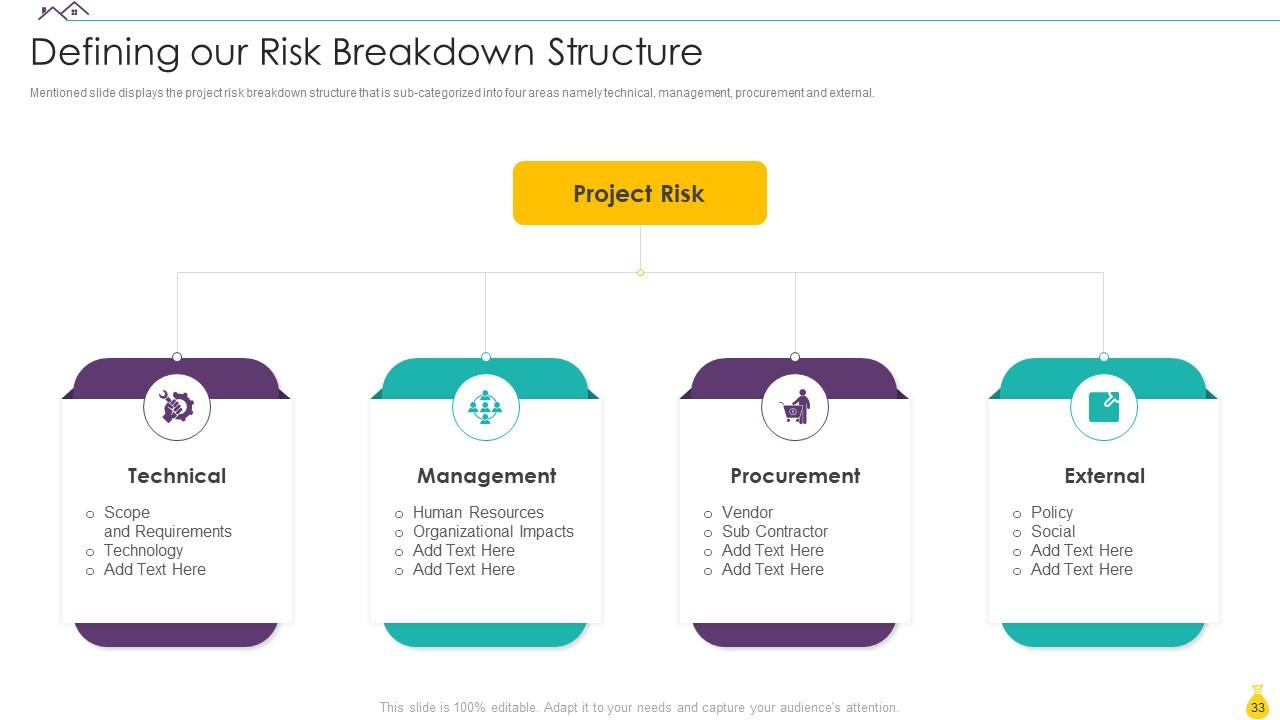
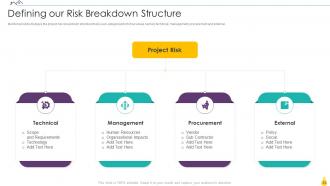
Folie 33 : Diese Folie zeigt die Struktur des Projektrisikos, die in vier Bereiche unterteilt ist.
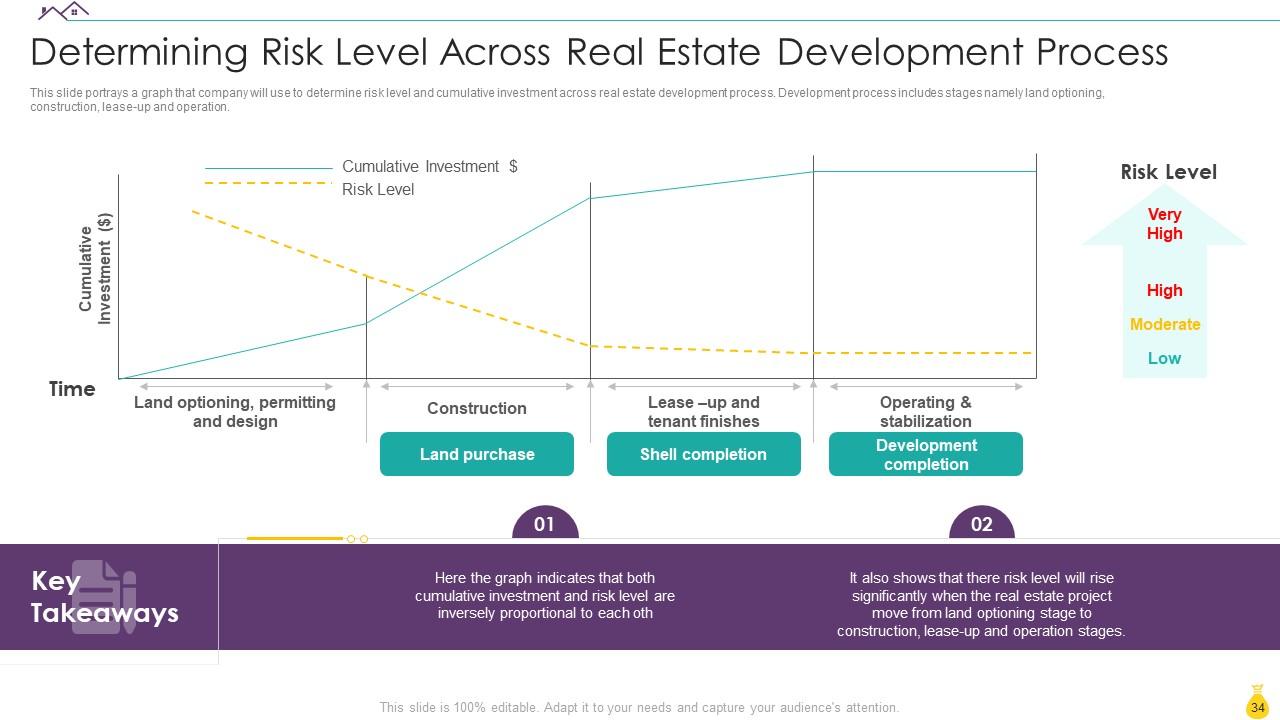
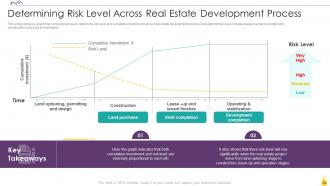
Folie 34 : Diese Folie zeigt die Bestimmung des Risikoniveaus im gesamten Immobilienentwicklungsprozess.
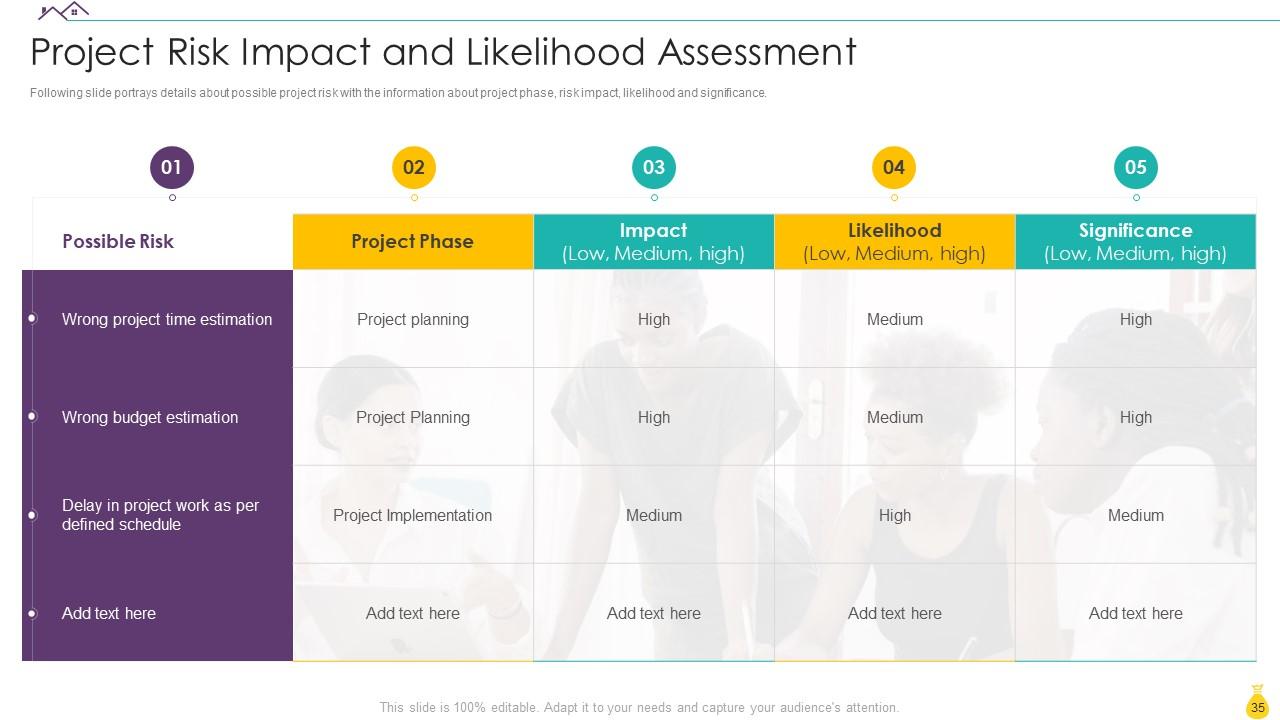
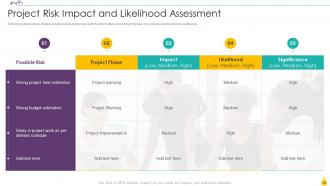
Folie 35 : Diese Folie zeigt die Risikoauswirkungs- und Wahrscheinlichkeitsbewertung des Projekts.
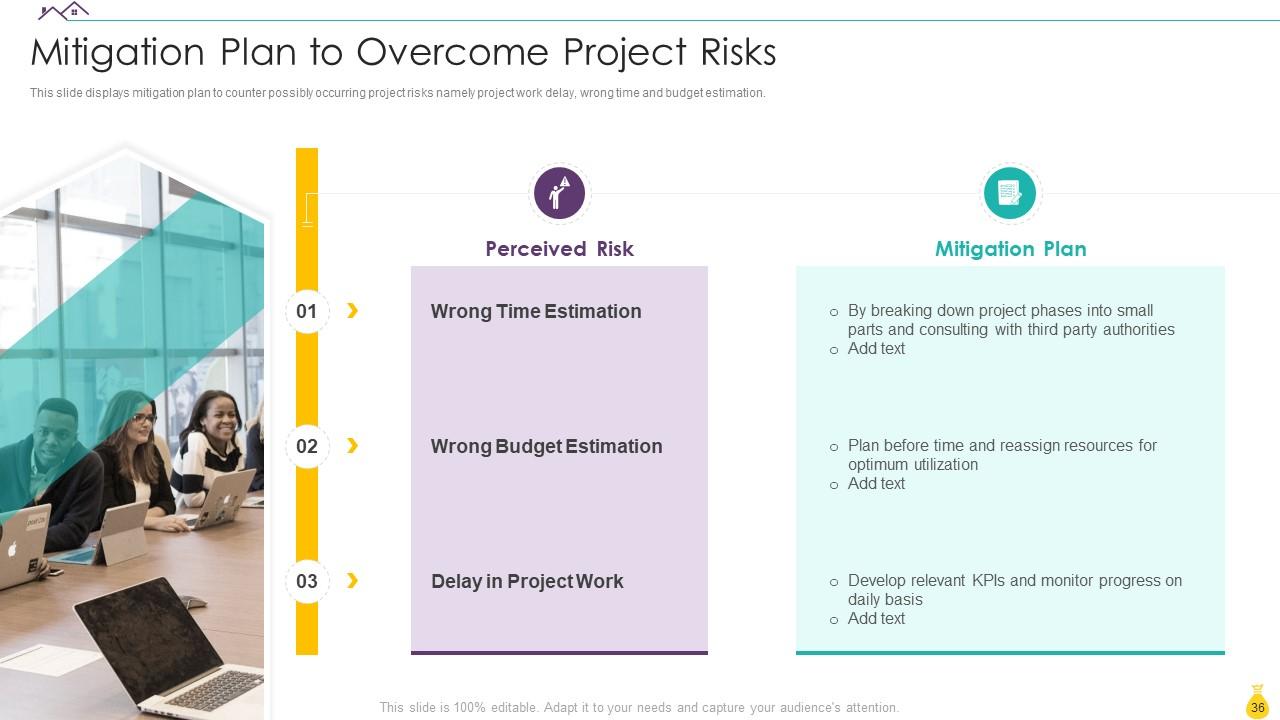
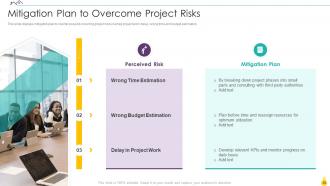
Folie 36 : Diese Folie zeigt den Minderungsplan zur Überwindung von Projektrisiken.
Folie 37 : Diese Folie hebt Titel für Themen hervor, die als nächstes in der Vorlage behandelt werden sollen.
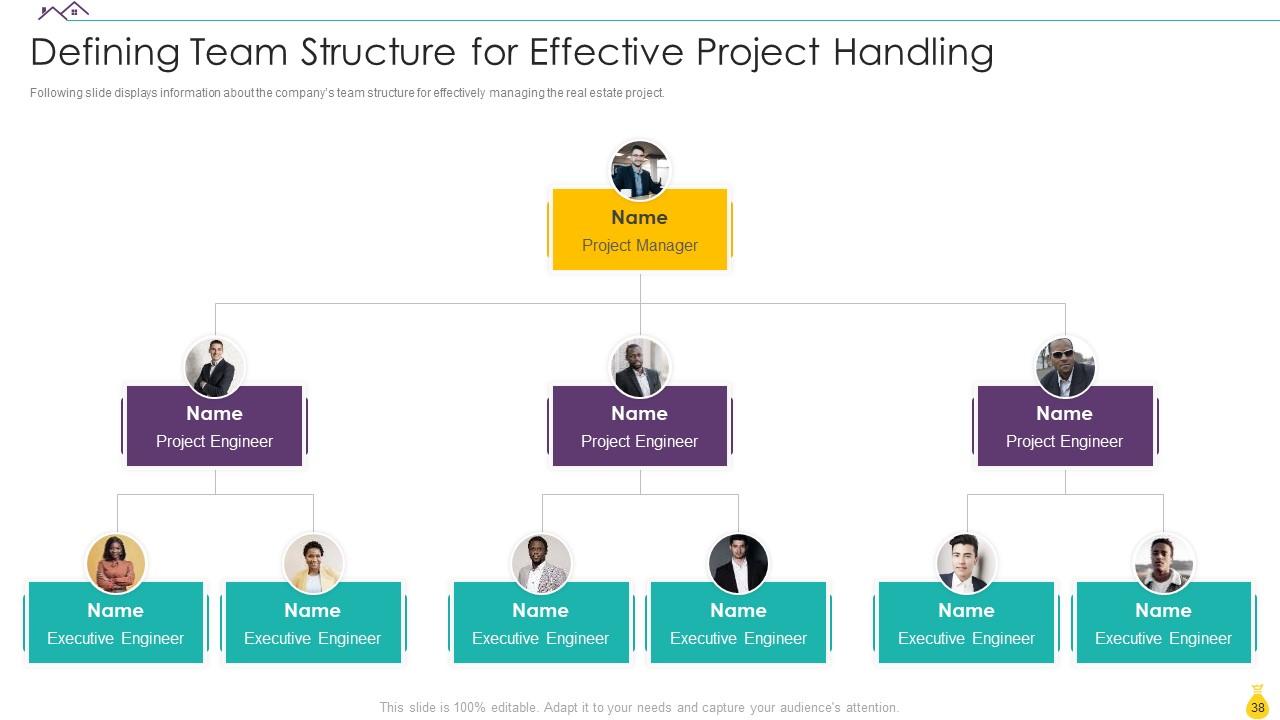
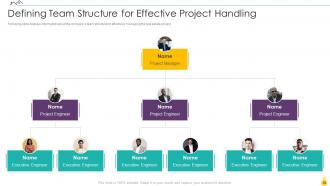
Folie 38 : Diese Folie zeigt die Definition der Teamstruktur für eine effektive Projektabwicklung.
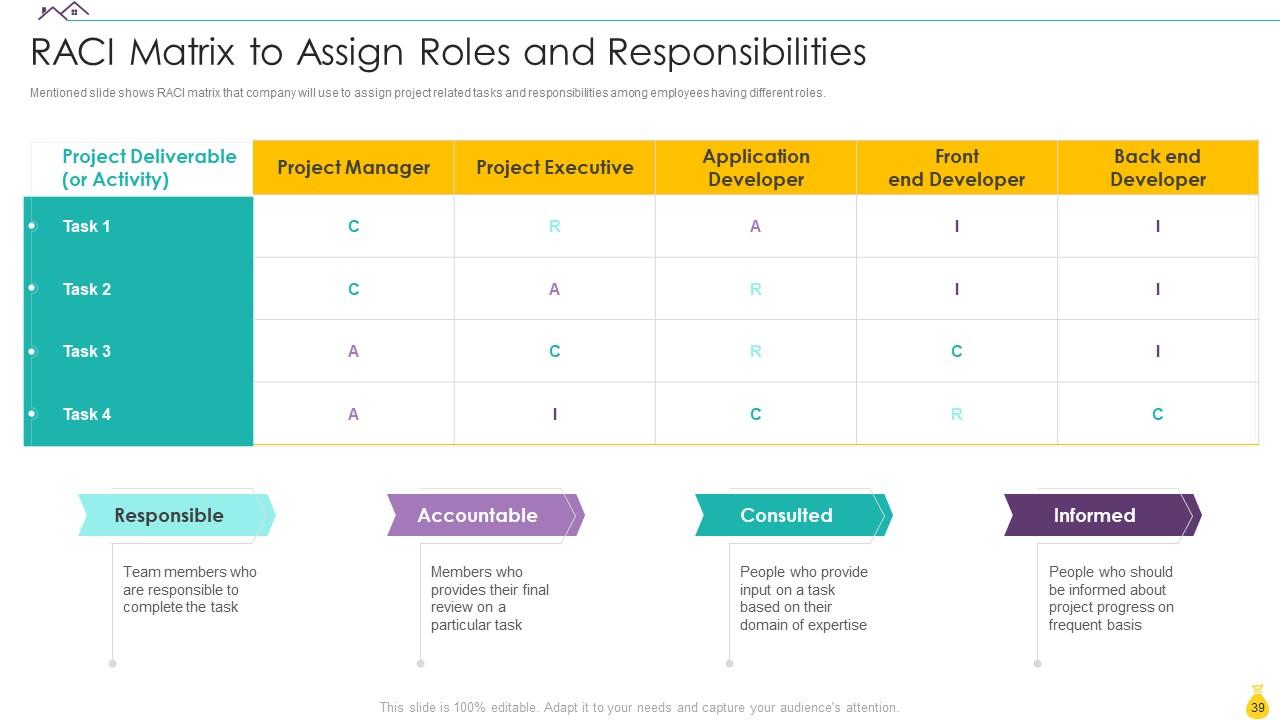
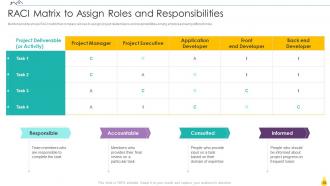
Folie 39 : Diese Folie zeigt die RACI-Matrix zum Zuweisen von Rollen und Verantwortlichkeiten.
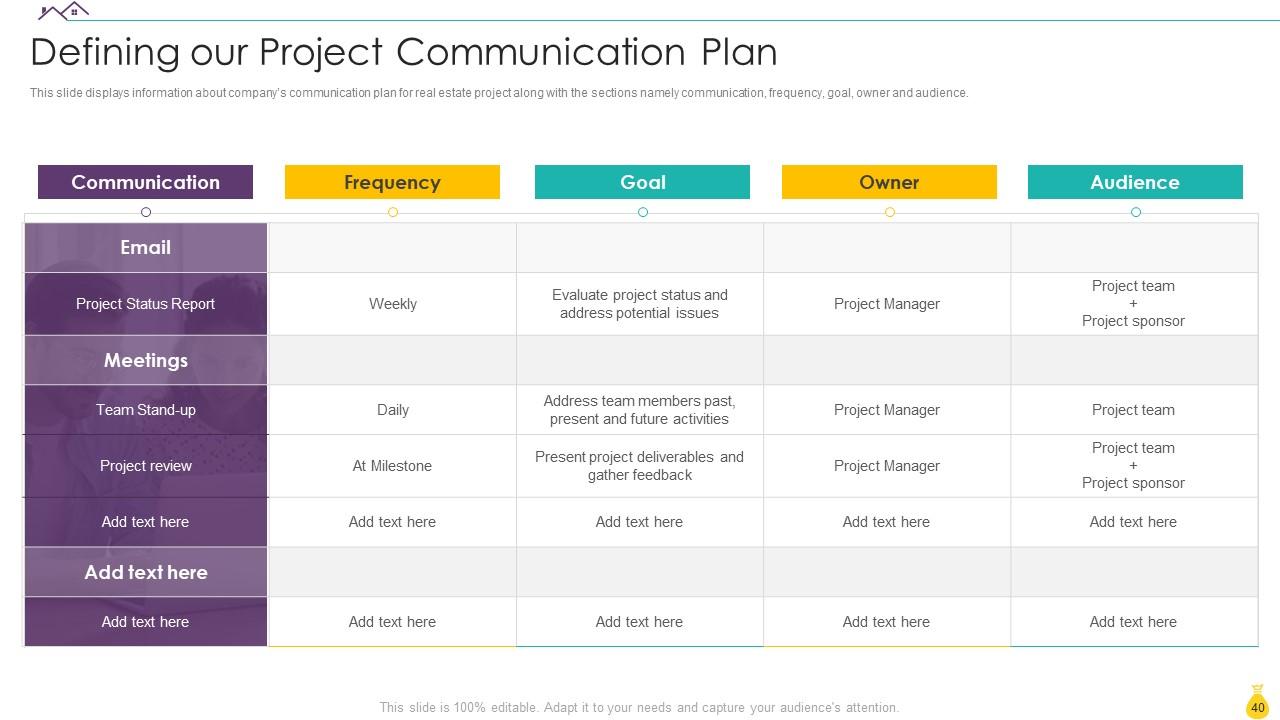
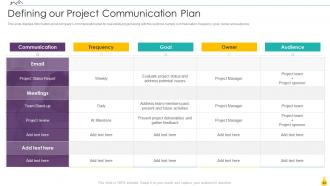
Folie 40 : Diese Folie enthält Informationen über den Kommunikationsplan des Unternehmens für Immobilienprojekte.
Folie 41 : Diese Folie hebt Titel für Themen hervor, die als nächstes in der Vorlage behandelt werden sollen.
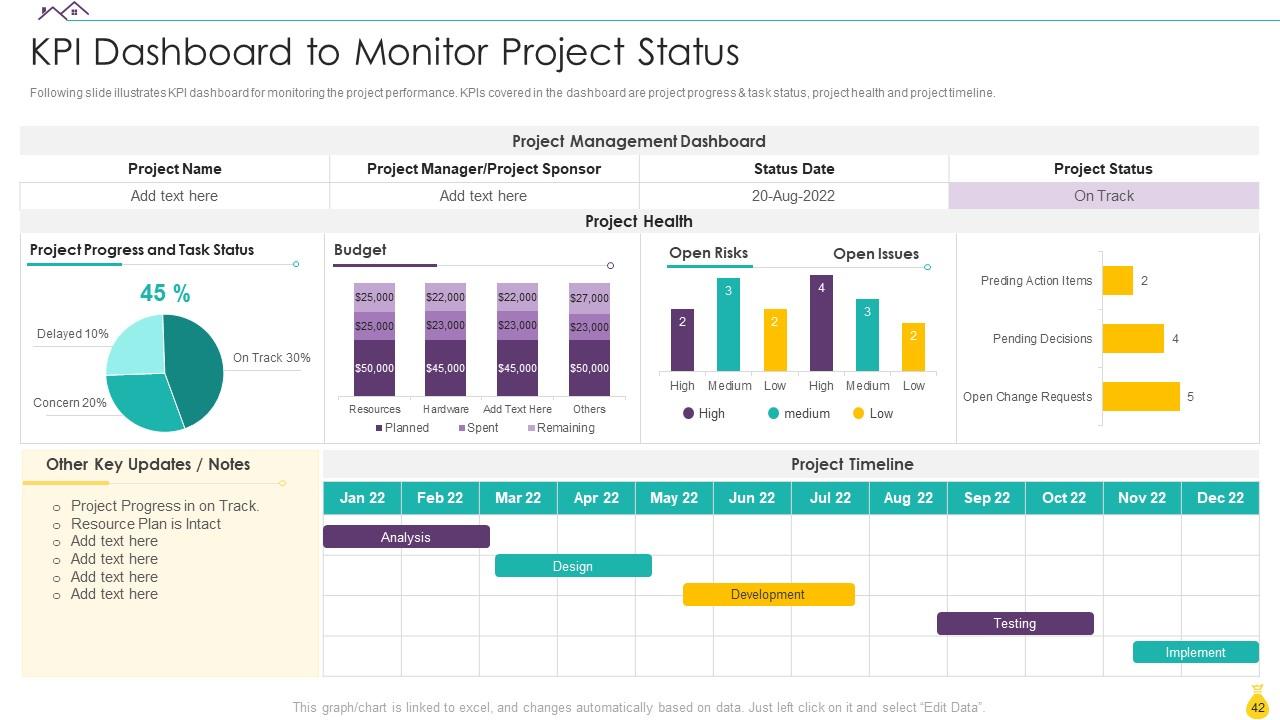
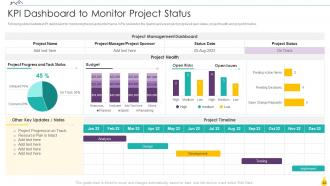
Folie 42 : Diese Folie zeigt das KPI-Dashboard zur Überwachung des Projektstatus.
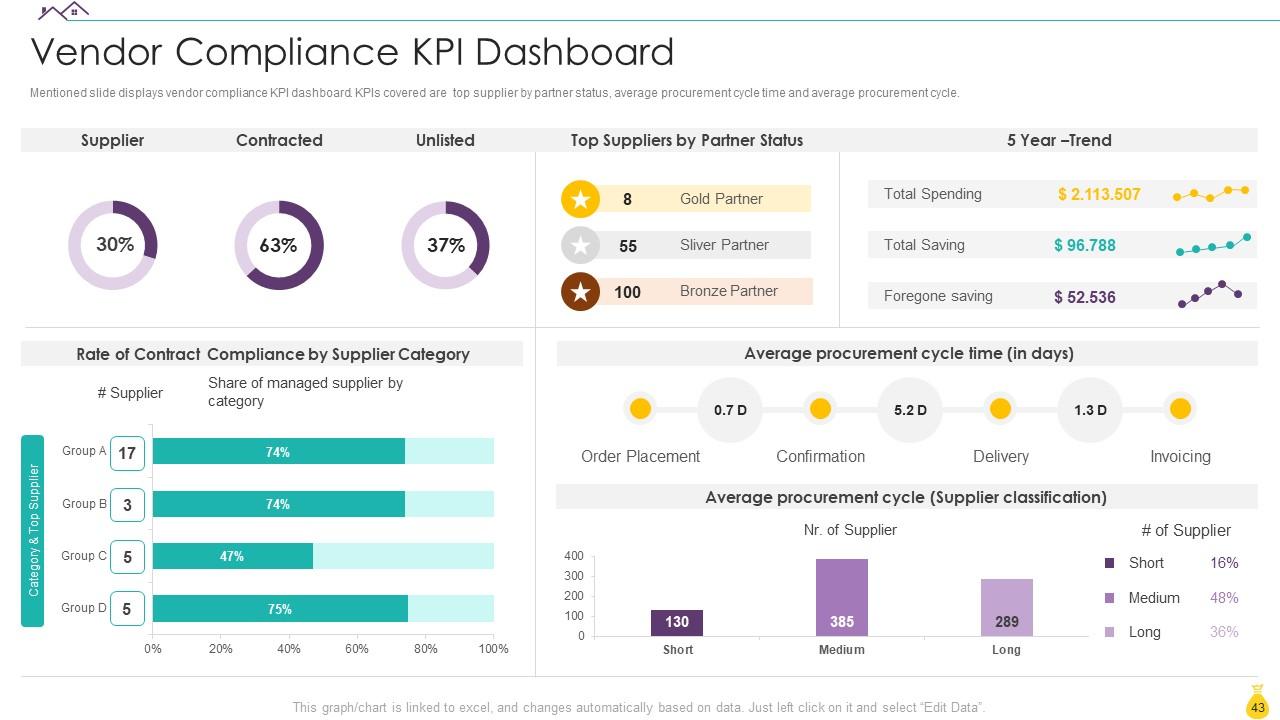
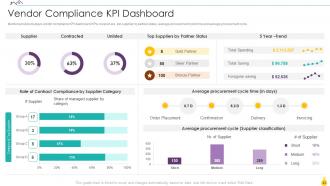
Folie 43 : Diese Folie zeigt das Vendor Compliance KPI Dashboard.
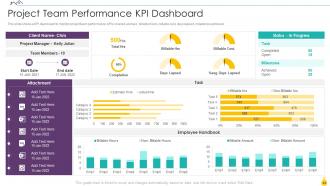
Folie 44 : Diese Folie zeigt das KPI-Dashboard für die Projektteamleistung.
Folie 45 : Diese Folie zeigt Symbole für die Finanzierung der Immobilienentwicklung.
Folie 46 : Diese Folie trägt den Titel „Zusätzliche Folien“, um voranzukommen.
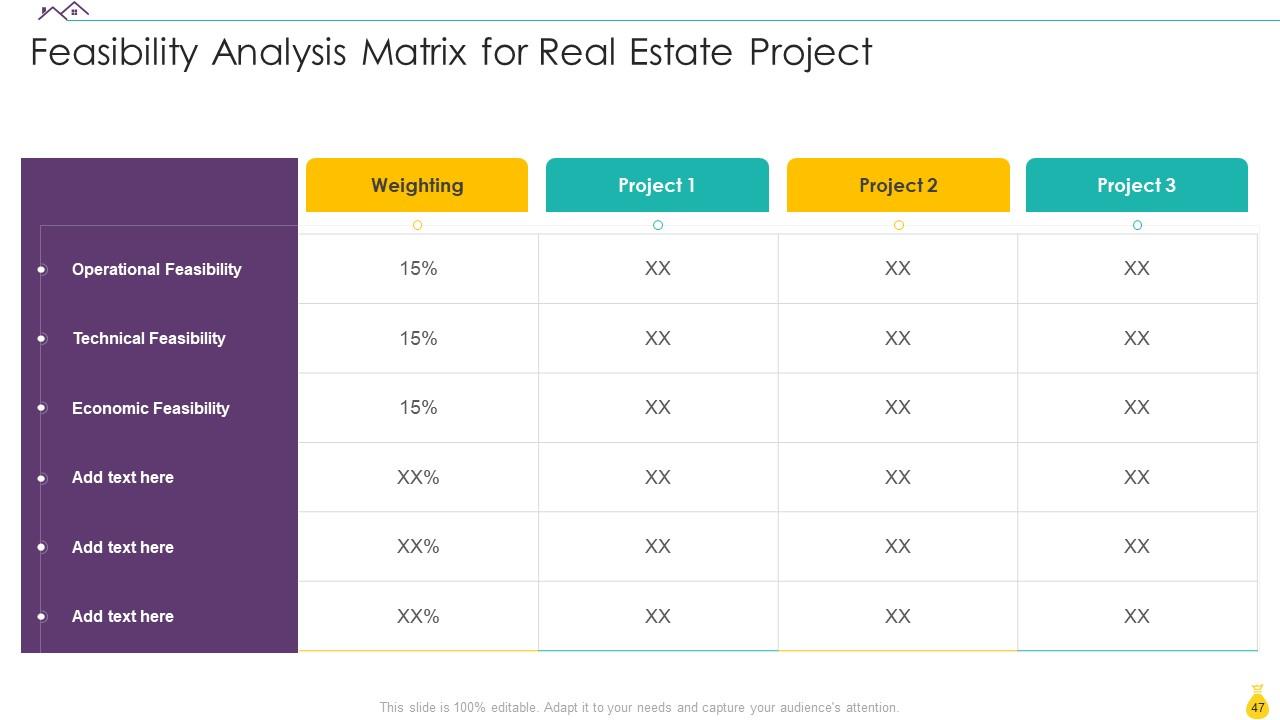
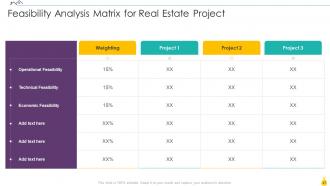
Folie 47 : Diese Folie zeigt die Machbarkeitsanalysematrix für Immobilienprojekte.
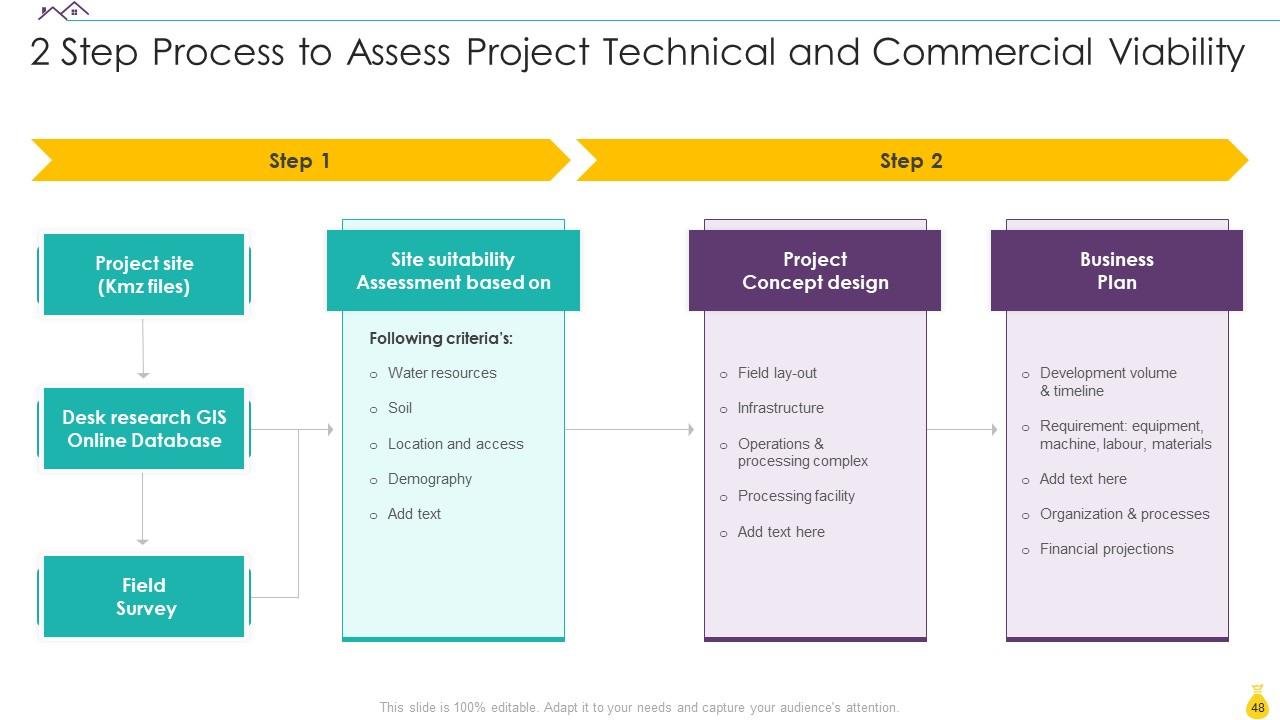
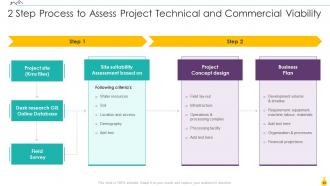
Folie 48 : Diese Folie zeigt den zweistufigen Prozess zur Bewertung der technischen und kommerziellen Durchführbarkeit des Projekts.
Folie 49 : Diese Folie enthält ein Puzzle mit zugehörigen Symbolen und Text.
Folie 50 : Diese Folie zeigt Haftnotizen. Posten Sie hier Ihre wichtigen Notizen.
Folie 51 : Diese Folie zeigt eine Lupe, um Informationen, Spezifikationen usw. hervorzuheben.
Folie 52 : Diese Folie präsentiert die Roadmap mit zusätzlichen Textfeldern.
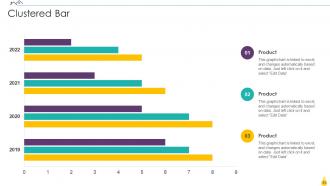
Folie 53 : Diese Folie bietet ein gruppiertes Balkendiagramm mit zwei Produktvergleichen.
Folie 54 : Dies ist die Folie „Unser Team“ mit Namen und Bezeichnung.
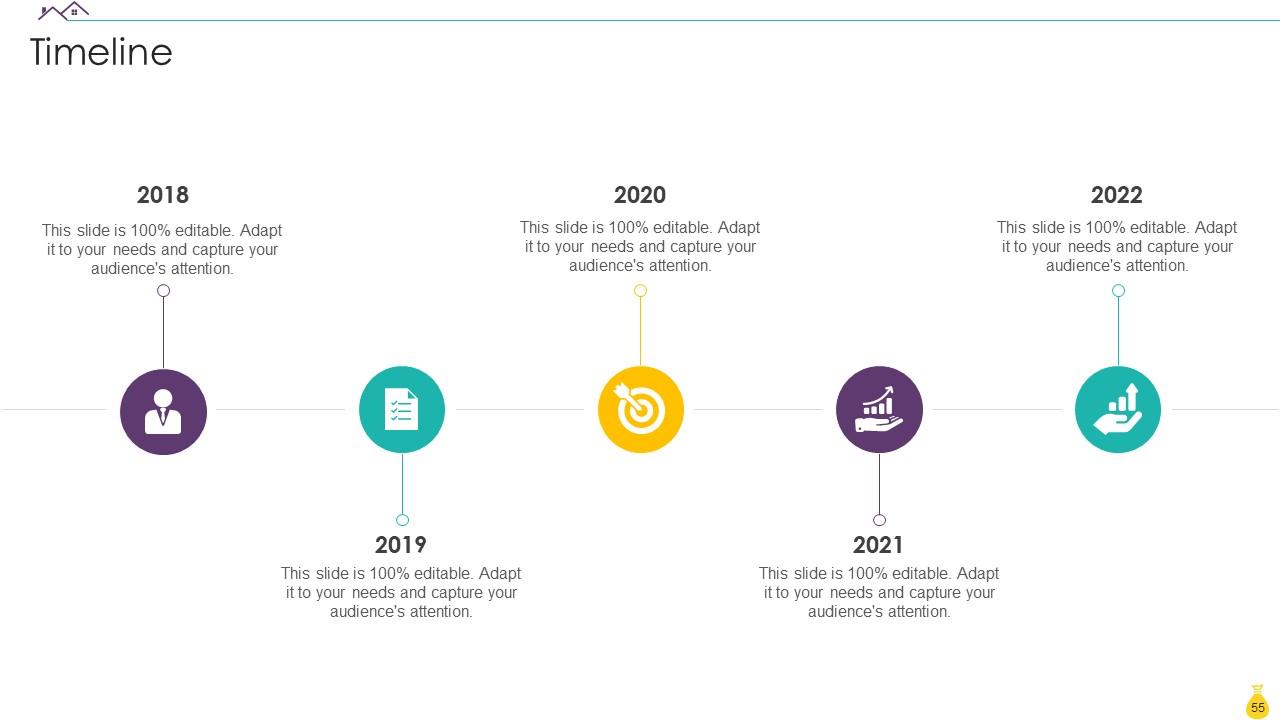
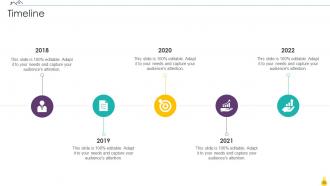
Folie 55 : Dies ist eine Timeline-Folie. Zeigen Sie hier Daten zu Zeitintervallen an.
Folie 56 : Dies ist eine Dankeschön-Folie mit Adresse, Kontaktnummern und E-Mail-Adresse.
Finance For Real Estate Development Powerpoint-Präsentationsfolien mit allen 61 Folien:
Verwenden Sie unsere Powerpoint-Präsentationsfolien zur Finanzierung der Immobilienentwicklung, um Ihnen effektiv dabei zu helfen, wertvolle Zeit zu sparen. Sie sind gebrauchsfertig und passen in jede Präsentationsstruktur.
-
Amazing product with appealing content and design.
-
Top Quality presentations that are easily editable.
