Financial and resource management ppt slides

Rating:
90%
Financial and resource management ppt slides
Slide 1 of 5
Favourites Favourites

Try Before you Buy Download Free Sample Product

Audience Impress Your
Audience
Editable 100%
Editable
Time Save Hours
of Time
The Biggest Sale is ending soon in
0
0
:
0
0
:
0
0
Rating:
90%
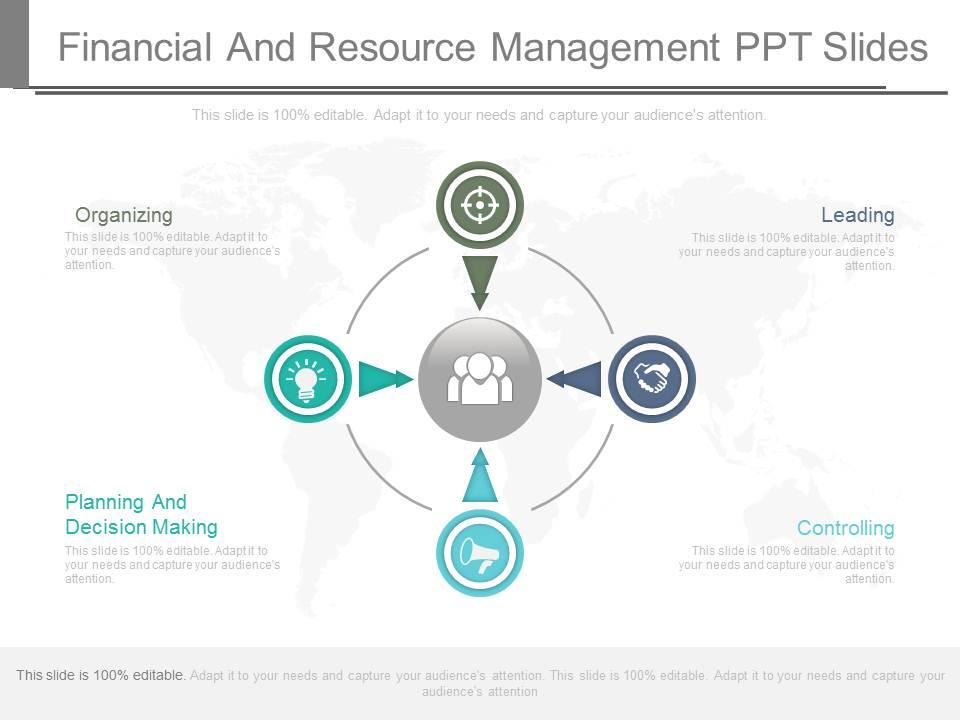
Presenting financial and resource management ppt slides. This is a financial and resource management ppt slides. This is a four stage process. The stages in this process are leading, controlling, planning and decision making, organizing.

FAQs for Financial and resource

Track your cash flow and expenses like crazy the first few months - you need to know exactly what's coming in and going out. Set up proper invoicing (seriously, don't wing this part) and keep an emergency fund because random stuff will break when you can't afford it. Never mix business and personal money - your future self will thank you during tax season. Monthly check-ins help catch problems early. I'd grab some accounting software to handle the tedious stuff automatically. Oh, and maybe get a separate business credit card while you're at it.

Honestly, cash flow forecasting is like having a heads-up on your money situation before things get messy. You'll catch those tight spots early instead of scrambling when bills are due. Perfect timing for big purchases, dodging those annoying overdraft fees, knowing when you can actually afford to expand or need to pump the brakes. Banks eat this stuff up too when you're looking for loans - makes you look like you actually know what you're doing. Just don't let your forecast become one of those forgotten spreadsheets. Update it monthly or it's pretty much useless.

Automate the boring stuff first - time savings are insane. Instead of finding new suppliers, just negotiate better deals with your current ones (way less risky). Cross-train people so you're not paying for dead weight during slow times. Outsource things like bookkeeping that aren't really your thing anyway. Oh, and go through all your subscriptions once a year - I swear companies bank on you forgetting about half of them. The whole point is ditching waste without screwing up what actually works.

Look, good financial management is basically your roadmap for making smart business calls. You get real data - cash flow numbers, budget reports, ROI breakdowns - instead of just winging it. Honestly, I've seen too many companies make terrible decisions because they didn't have their numbers straight. Without it, you're guessing on everything from hiring to launching products. The data shows you what's profitable and what's bleeding money. Start with getting your financial reports accurate and on time. That's what feeds good decisions. It's like... you wouldn't drive cross-country without a map, right?

Honestly, tech has been a game-changer for managing money. Automated software handles most of my bookkeeping now, and AI spots spending patterns I'd never catch. Real-time dashboards show cash flow instantly - way better than waiting for monthly reports. Cloud platforms mean I can check everything from my phone (which I probably do too much). Everything connects together so data moves around automatically. The predictive stuff is pretty cool too - helps you plan ahead instead of scrambling when problems hit. I'd look at what you're still doing manually first. There's likely an app for most of it.

Honestly, risk assessment is just figuring out what could go sideways with your money before you're screwed. You spot the red flags early - like cash flow problems or projects that'll probably fail. Then you can actually weigh whether potential returns are worth the headache. My old boss used to skip this step and we'd end up scrambling when things went south (which they always did). Smart move is building backup plans and making this part of how you normally think about investments. Way better than that panic mode when everything's already falling apart. It's basically common sense with spreadsheets.

Honestly, budgeting changed everything for me. You get this clear picture of where your money actually goes - which is usually pretty shocking at first. The forecasting part helps you see problems coming before they hit. Like, you'll spot cash flow issues months ahead instead of panicking when bills are due. Having real numbers makes decisions so much easier too. Your investors or boss will take you way more seriously. I started with just tracking monthly expenses vs income, nothing fancy. Even that basic stuff beats guessing your way through finances. Oh, and it's wild how seasonal stuff affects business - forecasting helped me prep for those slow periods.

So basically, outside stuff constantly throws your financial plans out of whack. Interest rates go up? Your loans cost more and investments shift. Inflation hits your costs and pricing hard. Currency swings can wreck international deals overnight - honestly, it's exhausting trying to keep up. Then you've got market chaos tanking stock prices and new regulations forcing you to restructure everything. The trick is building wiggle room into your planning from the start. That way when something random hits (and it will), you can actually pivot instead of just panicking.

Honestly, just stick to the basics - revenue growth, profit margins, cash flow, and ROI. Those four will tell you everything you need to know. Cash flow's the real killer though, since I've seen profitable companies still go belly up when they can't pay their bills. Throw in debt-to-equity and current ratio if you want the full picture of your financial health. But seriously, don't go crazy tracking everything under the sun. Pick maybe 5-7 metrics that actually matter for your type of business and check them monthly. You'll catch problems way earlier that way.

Look, financial management is what makes sustainability stuff actually work. Without proper budgeting, green projects just die on paper. You've got to plan for those brutal upfront costs - solar panels aren't cheap - but then track ROI to show they're worth it. The tricky part? These projects cost more initially but save tons later through lower operating expenses. Energy efficiency alone can slash your bills pretty dramatically. So when you're evaluating green initiatives, calculate total ownership costs over time, not just what you'll spend tomorrow. Otherwise you're missing half the picture.

Don't mix personal and business money - seriously, get separate accounts right away. Cash flow tracking is where most people mess up too. I'd skip spreadsheets and just use actual accounting software from the start. Here's the thing that'll bite you: funding always runs out faster than you think. Track your burn rate every week and assume your runway is 20% shorter. Oh and don't go crazy hiring once money hits your account. I've seen so many founders do this - they get one good round and suddenly they're spending like they've already won. Build these habits now before you're panicking later trying to fix everything.

Honestly, you've gotta balance hitting those quarterly numbers with investing in what's coming next. Take maybe 15-20% of current profits and put it toward R&D, hiring good people, or expanding into new markets. Short-term wins feel great but they'll trap you in that constant firefighting cycle - been there, not fun. Map out a 3-year plan showing how today's investments actually pay off later. Your board needs to see both immediate wins AND where you're headed long-term. Focus on the projects with the best ROI potential first.

Honestly, it's a game changer for tracking where your money actually goes. The software connects to your bank accounts so you don't have to manually enter every transaction (thank god). It automatically sorts your expenses and shows you spending patterns you'd never notice otherwise. Real-time reports are clutch for making better financial decisions. I started with Mint since it's free, but QuickBooks is solid too if you need more features. You'll be amazed how much time it saves compared to spreadsheets or - even worse - keeping receipts in a shoebox like my dad still does.

Honestly, decent financial planning is what separates companies that actually do CSR from ones just posting feel-good nonsense on LinkedIn. Build those costs into your annual budget upfront - don't treat community programs or sustainability stuff like nice-to-haves you'll cut first when money gets tight. Solid budgeting means you can put real dollars behind initiatives without panicking later. Track the ROI too, because turns out ethical practices often boost your bottom line anyway. Skeptical board members love seeing those numbers. Cash flow planning gives you that runway to make meaningful change instead of just talking about it.

Think of diversification like not putting all your eggs in one basket - except the eggs are your money and the baskets are different investments. You spread things across stocks, bonds, maybe some REITs. When one sector crashes (hello, tech in 2022), your other stuff might actually go up. Bonds tank? Your international stocks could be killing it. Yeah, you won't hit those crazy bull market highs, but you also won't be eating ramen when everything implodes. I learned this the hard way tbh. Just start simple and match it to however much risk makes you sleep at night.

Ratings and Reviews

90% of 100
Review Form
Write a review
Most Relevant Reviews
  1. 80%

    by Clair Gray

    Very well designed and informative templates.
  2. 100%

    by Delmar Wagner

    Thanks for all your great templates they have saved me lots of time and accelerate my presentations. Great product, keep them up!

2 Item(s)

per page: