Fishbone diagram cause analysis powerpoint slides presentation diagrams templates

Rating:
80%
Fishbone diagram cause analysis powerpoint slides presentation diagrams templates
Slide 1 of 5
Favourites Favourites

Try Before you Buy Download Free Sample Product

Audience Impress Your
Audience
Editable 100%
Editable
Time Save Hours
of Time
The Biggest Sale is ending soon in
0
0
:
0
0
:
0
0
Rating:
80%
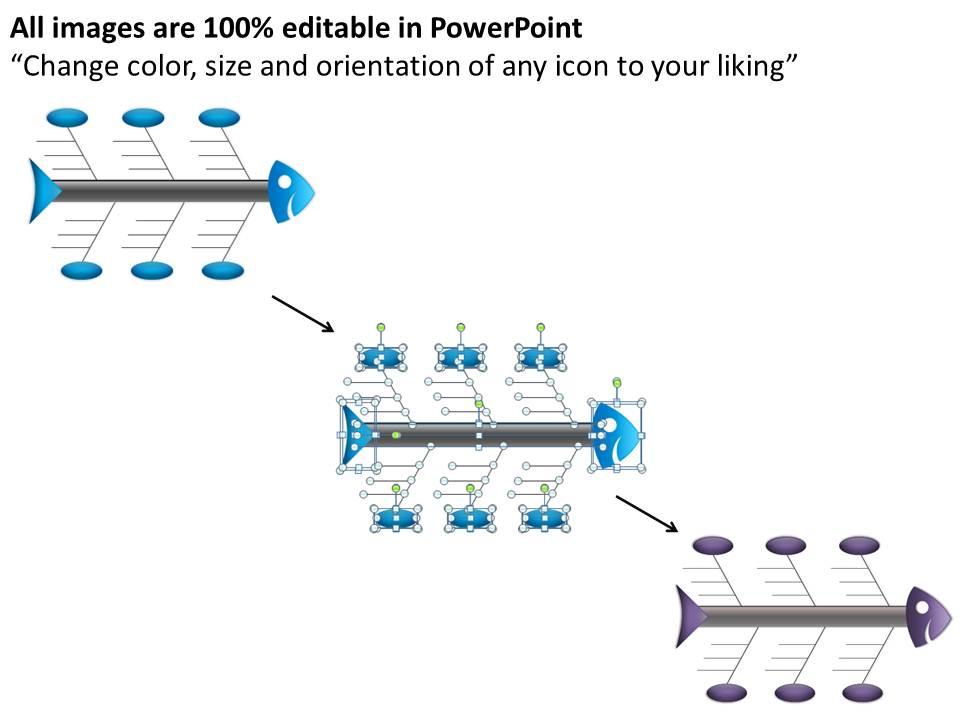
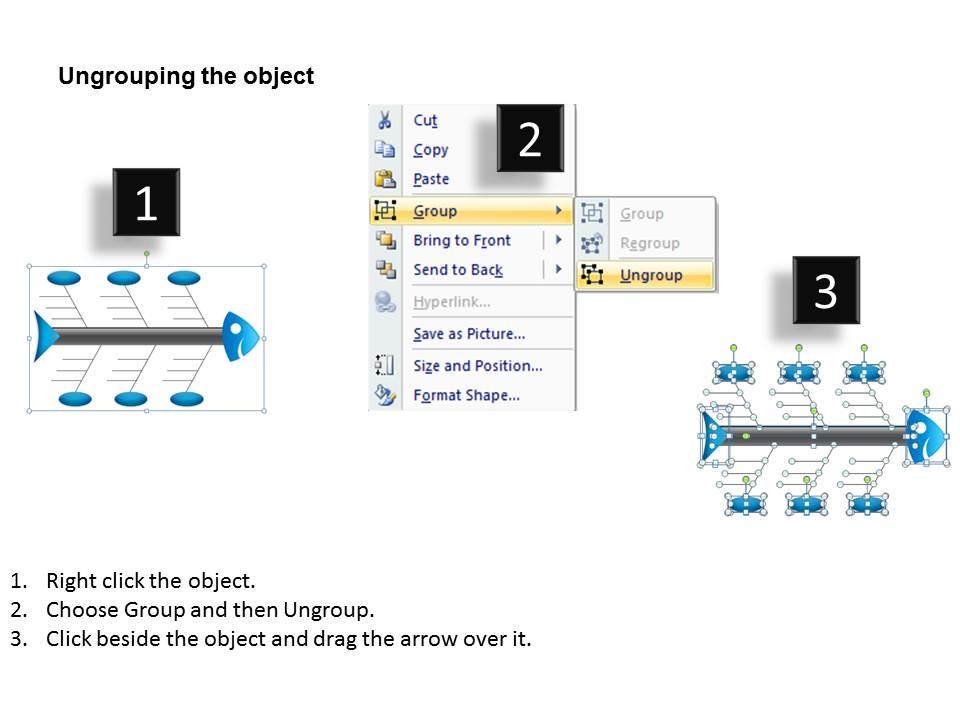
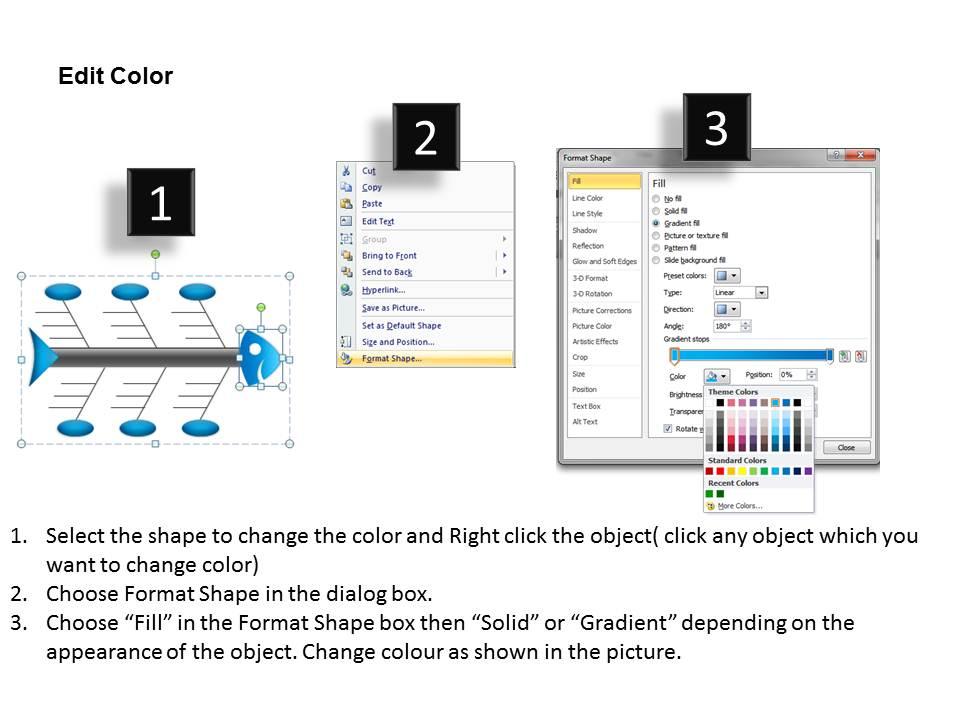
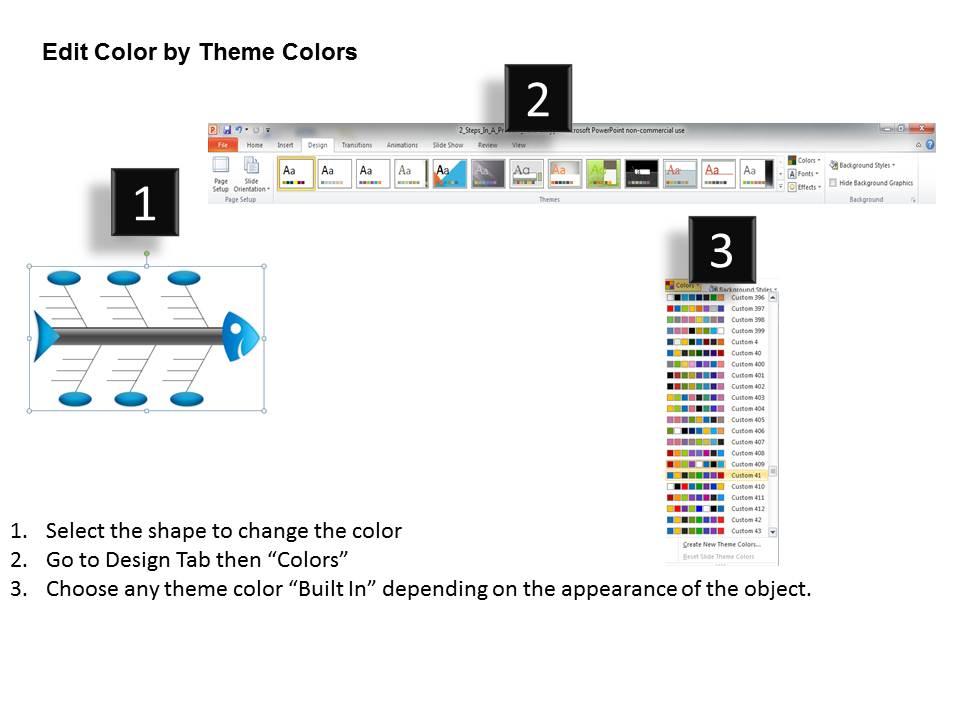
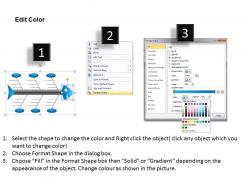
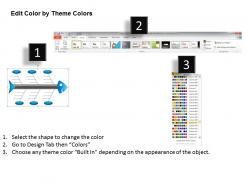
Images can be resized and colored. Color, style and position can be standardized, supports font size which can be read from a distance. PPT slide is compatible with Microsoft 2010 and 2013 versions. Beneficial for marketing, administrative and root cause analysis, to fix any department issue with the detailed study of the same. PPT diagram 100% compatible with Google slide.

People who downloaded this PowerPoint presentation also viewed the following :

FAQs for Fishbone diagram cause analysis powerpoint slides

A Fishbone diagram is a visual problem-solving tool that systematically identifies potential causes of issues by organizing them into categories like people, processes, materials, and environment. It facilitates organizational problem-solving by enabling teams to collaborate effectively, explore root causes comprehensively, and prioritize solutions strategically, with many manufacturing and healthcare organizations finding that this structured approach streamlines troubleshooting and enhances operational efficiency.

Fishbone diagrams systematically identify root causes by categorizing potential factors into branches like methods, materials, machines, manpower, measurements, and environment. Quality teams in manufacturing, healthcare, and service industries use this visual tool to trace defects back to their origins, enabling targeted corrective actions, reducing recurring issues, and ultimately improving process reliability and customer satisfaction.

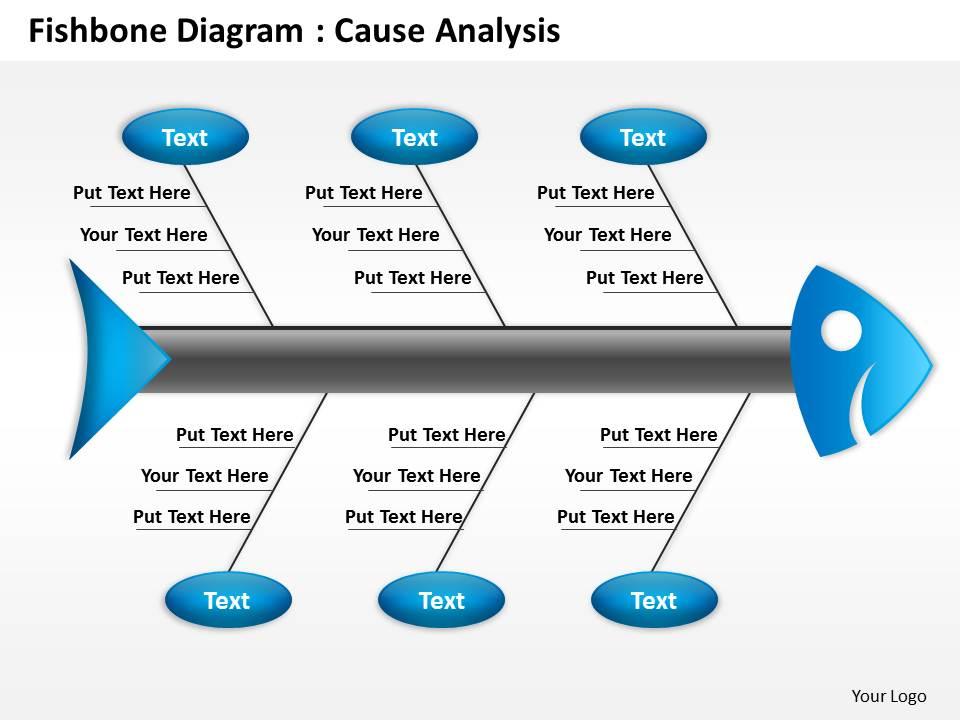
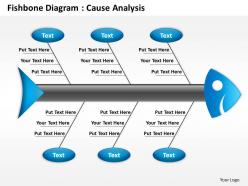
A Fishbone diagram consists of a problem statement (fish head), major cause categories (main bones), and specific contributing factors (sub-bones branching from each category). The structure flows from broad categories like people, processes, materials, and environment toward detailed root causes, with teams systematically populating each branch through collaborative analysis, ultimately delivering comprehensive problem identification and targeted solution development.

Fishbone diagrams enhance project management collaboration by systematically organizing team brainstorming, encouraging diverse perspectives from all stakeholders, and creating visual problem-solving frameworks that align cross-functional teams. Through structured root cause analysis, project teams streamline issue identification, improve communication transparency, and accelerate decision-making processes, ultimately delivering more efficient project outcomes and stronger team cohesion.

Fishbone diagrams support Lean and Six Sigma by systematically identifying root causes of defects, waste, and process variations through structured problem analysis. These visual tools enhance DMAIC methodology, streamline kaizen events, and accelerate continuous improvement initiatives, with manufacturing teams, healthcare organizations, and service providers finding that comprehensive cause mapping ultimately delivers faster problem resolution and sustainable quality improvements.

Team involvement in creating a Fishbone diagram enhances problem understanding by leveraging diverse perspectives, encouraging collaborative brainstorming, and ensuring comprehensive cause identification across all operational areas. This collaborative approach enables teams to uncover root causes that individual analysis might miss, while building shared ownership of solutions and streamlining implementation, with many organizations finding that collective diagram creation ultimately delivers more accurate problem-solving and faster resolution timelines.

Manufacturing and healthcare have demonstrated exceptional success with Fishbone diagrams, particularly for quality control defects, production bottlenecks, and patient safety protocols. These industries leverage the tool's systematic approach to trace complex problems through multiple cause categories, with automotive manufacturers using it for supply chain disruptions and hospitals applying it for medication errors, ultimately delivering faster problem resolution and enhanced operational efficiency.

Digital tools enhance Fishbone diagram creation by offering collaborative real-time editing, automated formatting, and seamless integration with data sources and project management platforms. Through cloud-based software, teams across manufacturing, healthcare, and financial services can simultaneously contribute insights, automatically generate visual layouts, and link diagrams to existing workflows, ultimately delivering faster problem-solving cycles and more comprehensive root cause analysis.

Common pitfalls include focusing on symptoms rather than root causes, rushing the brainstorming process, allowing dominant voices to overshadow team input, and creating overly complex diagrams with too many branches. These mistakes undermine the diagram's effectiveness by limiting comprehensive analysis, reducing team engagement, and obscuring clear problem-solving pathways, ultimately preventing organizations from identifying actionable solutions.

Ensuring comprehensive factor identification involves assembling diverse cross-functional teams, conducting systematic brainstorming across all major categories like people, processes, materials, and environment, and leveraging multiple perspectives from different departments. Teams often use structured approaches like the 5 Whys technique alongside category-based thinking, ultimately delivering thorough root cause analysis that prevents overlooking critical contributing factors.

Facilitation ensures structured brainstorming, encourages equal participation from all team members, and maintains focus on root cause identification rather than surface-level symptoms. Through skilled guidance, facilitators help teams systematically explore each category, prevent dominant voices from overshadowing quieter contributors, and foster collaborative problem-solving, ultimately delivering more comprehensive analysis and stronger team buy-in for solutions.

Fishbone diagram results lead to actionable insights by systematically categorizing root causes into manageable groups, enabling teams to prioritize high-impact factors and develop targeted interventions. Through this structured analysis, organizations can allocate resources strategically, implement specific corrective measures, and track improvements measurably, ultimately delivering enhanced operational efficiency and sustainable problem resolution.

Fishbone diagrams can be adapted for strategic planning, creative brainstorming, risk assessment, opportunity analysis, and performance optimization across diverse scenarios. Organizations in healthcare, education, marketing, and project management use modified versions to explore complex relationships, identify innovation drivers, and map contributing factors to positive outcomes, ultimately enhancing decision-making and strategic thinking capabilities.

Visual elements in Fishbone diagrams enhance comprehension by using color coding, clear labeling, icons, and structured branching that makes complex cause-and-effect relationships immediately accessible to diverse stakeholders. These visual enhancements streamline problem-solving sessions by enabling faster pattern recognition, improving collaborative discussions, and ensuring all team members can contribute effectively, with many organizations finding that well-designed visual diagrams significantly reduce meeting times while delivering more comprehensive root cause analyses.

Successful Fishbone diagram implementations include Toyota's production line optimization reducing defects by 40%, GE's Six Sigma initiatives streamlining manufacturing processes, and healthcare systems like Mayo Clinic improving patient safety protocols. These strategic problem-solving applications enable organizations to systematically identify root causes, eliminate operational inefficiencies, and enhance quality control measures, ultimately delivering measurable cost reductions and improved customer satisfaction across diverse industries.

Ratings and Reviews

80% of 100
Write a review
Most Relevant Reviews
  1. 80%

    by Desmond Garza

    The Designed Graphic are very professional and classic.
  2. 80%

    by Wilson Campbell

    Understandable and informative presentation.

2 Item(s)

per page: