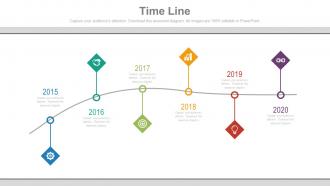
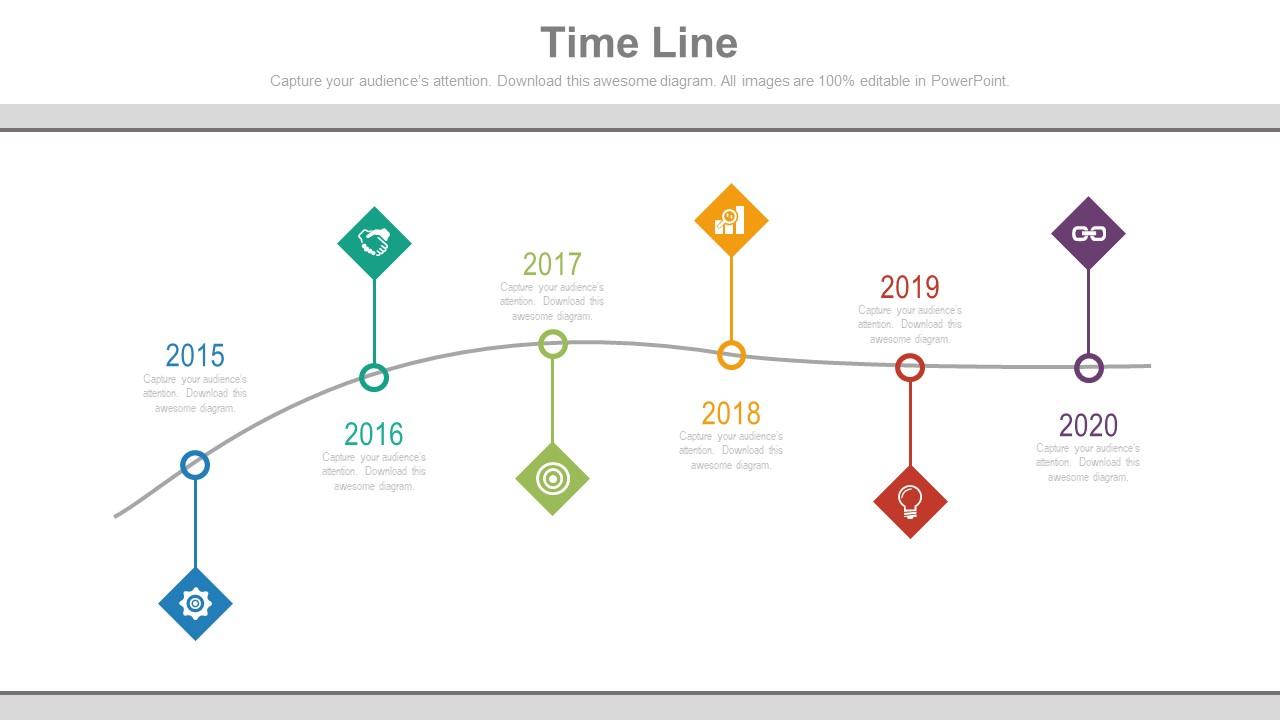
Slides de PowerPoint com cinco cronogramas sequenciais em fases com tags
Try Before you Buy Download Free Sample Product
Audience
Editable
of Time
Com nossos slides de modelo em PowerPoint com cinco cronogramas sequenciais em fases com tags, você pode destacar os movimentos específicos que são feitos pelas organizações para atender aos seus destinos. Os cinco cronogramas sequenciais encenados com tags O formato de slides de modelo do PowerPoint PPT pode ser transmitido para mostrar cinco ideias organizadas, por exemplo, organização vital, guia de programa, grau de extensão e pré-requisitos e o céu é o limite a partir daí. Nosso modelo de apresentação de tags de roteiro oferece uma vantagem sobre seus oponentes, pois você pode fazer seu grupo compreender a importância de ser adaptável e trabalhar de acordo com as necessidades da organização. Isso ajuda você a construir seu negócio em certas rotas, por exemplo, ajuda a diminuir o risco de decepção do empreendimento, custos de reposição, conexões com alvos corporativos maiores e assim por diante. Esta configuração do PowerPoint delineada com imaginação pode ser alterada de acordo com as necessidades do seu setor. Você pode adicionar qualquer dado fundamental identificado com sua troca e depois apresentá-lo antes de sua reunião de pessoas. Para buscar mais planos, você pode visitar nosso display total, pois há slides PPT acessíveis para cada empresa. Volte ao curso com nossos slides de PowerPoint de cinco etapas sequenciais com tags. Impeça qualquer distração.
Recursos destes slides de apresentação do PowerPoint:
Base de formato PPT de alta determinação. Qualidade de imagem notável para estimativa de tela deslocada. Adaptabilidade e simplicidade de alteração. Fácil inclusão do logotipo ou marca da organização, para um visual mais personalizado. Pode ser poupado em qualquer uma das configurações acessíveis como JPEG / PDF. Bom com alternativas de programação diferentes na web e desconectadas. Significativo para especialistas em negócios, estender o grupo de administração, preparar administradores, proficientes em negócios, educadores e alunos substitutos.
People who downloaded this PowerPoint presentation also viewed the following :
Cinco linhas do tempo sequencial com tags Slides do PowerPoint com todos os 4 slides:
Nossos cinco cronogramas sequenciais com tags e slides do PowerPoint oferecem experiência. Eles ajudam você a esclarecer as pessoas.
FAQs for Five staged sequential timeline with
Five staged sequential timeline PowerPoint slides deliver enhanced audience comprehension, systematic information flow, improved retention rates, professional visual appeal, and simplified complex project communication. These structured presentations enable organizations to streamline project planning, enhance stakeholder alignment, and accelerate decision-making processes, with many businesses finding that sequential timelines ultimately reduce meeting duration while increasing strategic clarity.
Five staged sequential timeline slides enhance business storytelling by creating clear narrative progression, establishing logical flow between key milestones, and enabling audiences to visualize complex processes or strategic evolution. Through structured chronological presentation, organizations can effectively communicate project roadmaps, company growth trajectories, and strategic transformations, while maintaining audience engagement and comprehension, ultimately delivering more compelling and memorable business presentations.
Creating five staged sequential timeline slides requires careful consideration of visual hierarchy, consistent color coding, clear directional flow, balanced spacing, and readable typography. These design elements work together to guide viewers through complex processes, with many organizations finding that strategic use of icons, progressive disclosure techniques, and milestone markers ultimately enhances audience comprehension and engagement.
Color schemes significantly impact timeline effectiveness by enhancing visual hierarchy, improving information retention, guiding audience attention through sequential stages, and reinforcing brand consistency. Strategic color progression helps viewers distinguish between phases while maintaining coherence, with many presenters finding that complementary palettes reduce cognitive load, accelerate comprehension, and ultimately deliver more compelling storytelling that keeps audiences engaged throughout complex processes.
Common mistakes include overcrowding stages with excessive text, using inconsistent visual formatting across timeline segments, failing to maintain logical chronological flow, and neglecting to customize generic templates for specific project contexts. These templating errors can confuse stakeholders and undermine project credibility, with many organizations finding that streamlined content, consistent design elements, and clear milestone definitions ultimately deliver more effective presentations and stronger stakeholder engagement.
Five staged sequential timeline slides can be adapted by customizing content phases, visual elements, and terminology to match industry-specific workflows and regulatory requirements. Healthcare organizations might showcase patient care pathways, clinical trial phases, or treatment protocols, while technology companies can illustrate software development cycles, product launches, or digital transformation initiatives, ultimately delivering clearer stakeholder communication and enhanced project transparency across diverse operational contexts.
Animations and transitions enhance sequential timeline presentations by controlling information flow, emphasizing chronological progression, and maintaining audience engagement through strategic reveals. Through entrance animations, fade transitions, and sequential builds, presenters can guide viewers through each timeline stage systematically, while motion graphics highlight key milestones and connections, ultimately delivering clearer storytelling and improved comprehension.
Five staged sequential timeline slides support project management by visualizing project phases, clarifying dependencies between tasks, establishing clear milestones, and enabling better resource allocation across timeframes. These slides help project managers communicate complex schedules to stakeholders, track progress systematically, and identify potential bottlenecks early, with many organizations finding that visual timelines enhance team coordination and ultimately deliver more predictable project outcomes.
Five staged sequential timeline slides enhance educational presentations by breaking complex topics into digestible chronological segments, facilitating step-by-step learning, and enabling instructors to control pacing effectively. These structured formats help students in history, science, and business courses follow developmental processes seamlessly, while educators can emphasize key transitions and causality, ultimately delivering improved comprehension and retention rates.
Five staged sequential timeline slides integrate seamlessly with charts, graphs, infographics, process diagrams, and comparison matrices through strategic layering and visual connections. These combinations enhance storytelling by linking temporal progression with data visualization, enabling organizations to present comprehensive project narratives, financial projections, and strategic roadmaps that demonstrate both chronological development and measurable outcomes for stakeholder presentations.
Presenters can customize five staged sequential timeline templates by modifying colors to match brand palettes, incorporating company logos and fonts, adjusting visual elements like icons and graphics, and tailoring content sections to reflect specific messaging priorities. These customization options enable organizations to maintain brand consistency across presentations while delivering structured timeline information, with many companies finding that personalized templates enhance audience engagement and reinforce corporate identity throughout strategic communications.
Effective five-staged sequential timeline communication requires clear progression markers, consistent visual hierarchy, and strategic information chunking at each stage to prevent cognitive overload. By using color coding, directional arrows, and milestone indicators, organizations can guide audiences through complex processes like product development cycles or project implementations, ultimately delivering enhanced comprehension and stakeholder alignment across departments.
Five staged sequential timeline slides significantly enhance audience engagement by creating clear narrative progression, visual anticipation, and digestible information chunks that maintain attention throughout complex presentations. These structured sequences enable presenters to build compelling stories around project milestones, strategic initiatives, or process developments, with many organizations finding that audiences retain information better and participate more actively when content follows logical, visual progressions that create momentum toward key outcomes.
Effectiveness metrics for five-staged sequential timeline slides include audience comprehension rates, information retention levels, presentation flow clarity, visual engagement scores, and objective completion rates. These criteria evaluate whether timelines successfully communicate chronological relationships, enable stakeholders to understand project phases and dependencies, and facilitate decision-making, with many organizations finding that well-structured sequential slides significantly enhance strategic planning discussions and milestone tracking accuracy.
Feedback can be gathered through post-presentation surveys, real-time polling during sessions, focus groups with key stakeholders, and direct observation of audience engagement patterns during timeline segments. These methods enable presenters to assess comprehension levels, identify confusing transitions between stages, and optimize visual hierarchy, with many organizations finding that structured feedback loops significantly enhance timeline clarity and audience retention rates.
-
Topic best represented with attractive design.
-
The content is very helpful from business point of view.