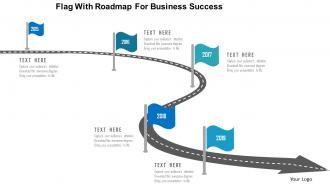
Drapeau avec feuille de route pour la réussite commerciale Conception Powerpoint à plat

Rating:
90%
Flag with roadmap for business success flat powerpoint design
Slide 1 of 5
Favourites Favourites

Try Before you Buy Download Free Sample Product

Audience Impress Your
Audience
Editable 100%
Editable
Time Save Hours
of Time
The Biggest Sale is ending soon in
0
0
:
0
0
:
0
0
Rating:
90%

Caractéristiques de ces diapositives de présentation PowerPoint :

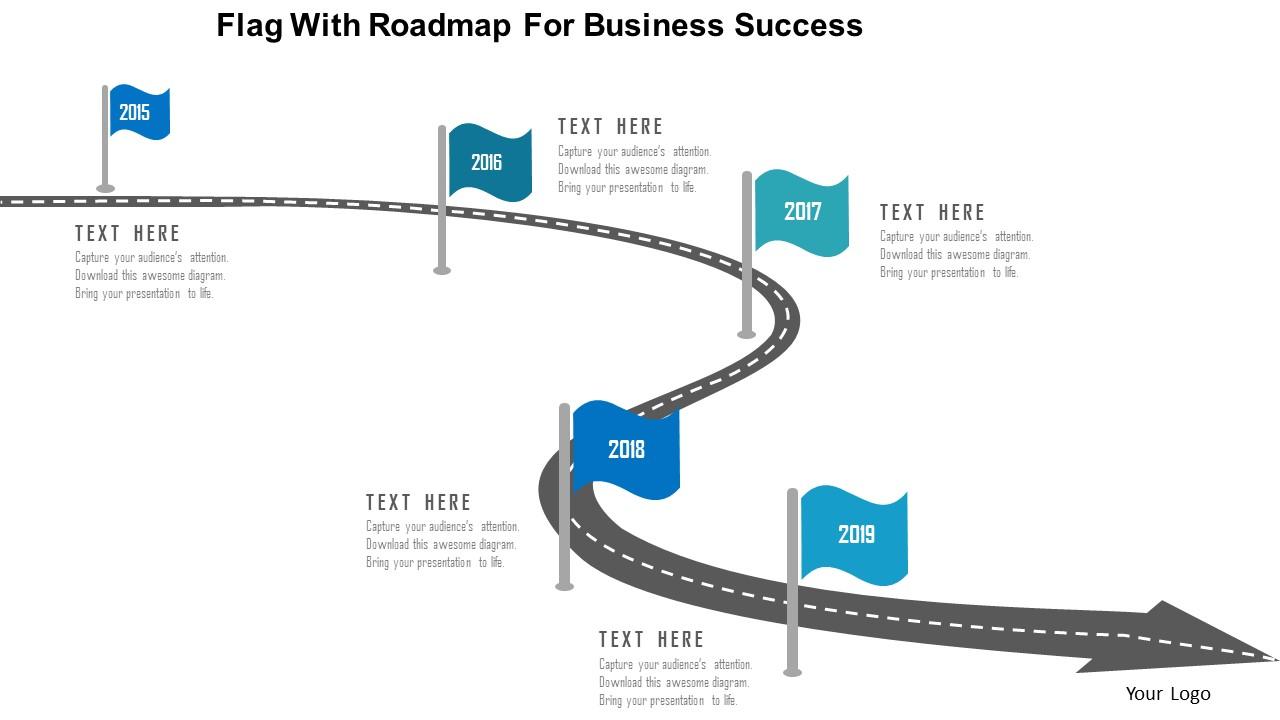
Nous sommes fiers de présenter notre drapeau avec une feuille de route pour la conception PowerPoint à plat de réussite commerciale. Un drapeau avec un graphique de feuille de route a été utilisé pour décorer ce diagramme PPT unique. Ce diagramme PPT contient le concept de stratégie de réussite commerciale. Utilisez ce PPT pour les présentations liées aux affaires et à la gestion.

FAQs for Flag with roadmap for business success

Okay so you'll want five main things for your business plan. Start with a clear vision - but don't make it all fluffy and abstract like most people do. Be specific so you can actually track if you're hitting your goals. Then dig into market analysis (who are your customers, what's the competition doing). Financial stuff comes next - funding sources, cash flow, profit estimates. Oh and figure out your day-to-day operations early on, that's where a lot of plans fall apart honestly. Set up some KPIs to measure progress too. The vision thing is really where everything else flows from, so nail that first.

Think of your vision like GPS for your business - it shows everyone where you're going. Teams make way better decisions when they actually know the destination. Honestly, I've seen so many companies just spinning their wheels because nobody's clear on the goal. Without that north star, you'll get distracted by every shiny new opportunity or whatever your competitors are doing. Write down where you want to be in 3-5 years first. Then figure out how to get there. It's kinda wild how much this one thing can change everything about how you operate.

Look, market research is like having a GPS for your business - shows you where customers actually hang out vs where you think they are. Skip this and you'll build stuff nobody wants (seen it happen way too many times). Even just 10 customer interviews can blow your mind with insights. You'll figure out what problems people will actually pay money to solve, how much they'll spend, who you're competing with. This stuff drives everything - your pricing, marketing, even product features. Way better than just guessing based on gut feelings, you know?

Honestly, break it down into actual numbers instead of fuzzy stuff like "grow revenue." Quarterly checkpoints work well - track whatever matters most, like new customers or monthly recurring revenue. Most small businesses mess up here because they don't bother tracking anything, then wonder why they're stuck. Update monthly based on reality, not your original plan. Oh and treat it like a Google doc that changes, not something carved in stone. The whole point is adapting when things don't go as expected (which they won't).

Honestly, focus on the money stuff first - revenue growth, margins, cash flow. But here's what most people miss: customer acquisition cost and lifetime value are way more important than vanity metrics. Those numbers tell you if you're actually building something sustainable or just burning cash. Don't forget about your team either - high turnover will tank everything else. Market share's good to track too, especially if competitors are breathing down your neck. Keep it to maybe 5-7 metrics tops though. Any more than that and you'll be drowning in spreadsheets instead of actually running your business.

Think of milestones like GPS checkpoints for your business. Big goals feel overwhelming when you're just staring at this massive thing months away. Breaking them down? Game changer. Your team stays motivated hitting those smaller wins along the way. Here's what I've noticed though - most people set milestones then never actually check them. Don't be that person. Review quarterly at least, because catching problems early beats scrambling later when everything's already gone sideways. I mean, you wouldn't drive cross-country without checking your route, right?

Build flexibility into your roadmap from the start - don't treat it like it's set in stone. Do quarterly reviews to see what's actually working vs what you planned. Keep milestones broad so you can change tactics without ditching whole projects. Most startups I know? They scrap their original roadmap within a year anyway, so don't get too attached. Monthly team check-ins help you spot when it's time to pivot. The main thing is keeping your big vision while staying flexible on how you get there. Works way better than being stubborn about the details.

Don't just do risk assessment once and call it done - weave it into every major milestone. Figure out what could actually kill each phase first. Market shifts, running out of budget, competitors doing something crazy. Then set up regular check-ins (I do quarterly but whatever works) to revisit those risks and tweak your plans. Honestly, most roadmaps I've seen crash because people only think about risks at the kickoff meeting. Build it into your routine so you're catching problems early instead of scrambling when things go sideways.

Honestly, the worst thing you can do is set crazy unrealistic timelines. I've been there - it's awful. Also don't try mapping out every single detail from day one, you'll lose your mind. Make sure your team actually helps build the thing or they won't care about following it later. Business changes too fast for super rigid plans anyway. Oh, and this might sound obvious but actually check your progress regularly? So many roadmaps just sit there doing nothing after week two. My approach: nail down the big stuff first, plan quarterly check-ins, and stay flexible when things inevitably go sideways.

Honestly, just slap that roadmap somewhere everyone has to see it daily - don't let it hide in folders. I do weekly check-ins with my team, sometimes every two weeks if things are chill. The magic happens when people actually connect their random Tuesday tasks to the big picture stuff. Like, "oh my code review ties into the Q2 launch." Host those quick alignment meetings where folks can complain about blockers before they become disasters. Nobody wants to find out three weeks later that Sarah's been building the wrong feature because she misunderstood the timeline, you know?

Okay so for roadmapping tools - Asana and Trello are pretty solid for tracking stuff and keeping your team on the same page. Miro is actually amazing for visual strategy mapping, like way better than trying to draw things out on paper. Google Analytics works great for tracking how you're doing progress-wise. HubSpot's good too but honestly sometimes I just use a Google Sheet because why overcomplicate things? Oh and Monday.com is decent if you need something fancier. My advice? Pick one that doesn't feel like a huge learning curve first, then add more tools later when you actually need them.

Honestly? Monthly works way better than quarterly these days. Markets move too fast - three months and you're already behind. I'd set up a monthly check-in with your key people and actually stick to it. Customer feedback changes, your team's bandwidth shifts, market stuff happens. The worst thing is when teams cling to some plan from six months ago just because they wrote it down once. Don't be precious about changing direction when the numbers tell you something different. Your roadmap should flex with reality, not the other way around.

Dude, customer feedback is like your BS detector for roadmaps. Without it, you're just guessing what people want instead of actually knowing. I've watched so many teams build stuff nobody asked for because they never left their conference rooms. Regular surveys and user interviews will show you which features matter and which priorities are totally backwards. Plus you'll catch opportunities you missed. The trick is building feedback into your process - maybe quarterly reviews where you actually look at support tickets and adjust timelines. Don't just collect it and ignore it though.

Honestly, just bake it right into your regular planning instead of treating it like some side project. Pick one sustainability thing and one social impact goal for next quarter - maybe cutting carbon by X% or working with more diverse suppliers. People actually give a shit about this stuff now, way more than before. Track these goals alongside your money stuff and check in on them regularly. I mean, why wouldn't you measure environmental impact the same way you'd track sales? The trick is making them actual business priorities. Start small though - don't go crazy trying to save the world in month one.

Okay so first thing - tell them the big picture story. What's this roadmap actually trying to accomplish? Make your slides super visual with clear timelines instead of cramming in tons of text (honestly, I've sat through way too many that looked like Excel threw up on PowerPoint). Focus on the "what" and "when" since that's what they actually care about. Oh, and be upfront about risks from the start - nobody likes getting blindsided later. You'll want to leave tons of time for questions because they'll definitely have them. Be ready to explain why you chose X over Y. Send a follow-up summary afterward with all the key decisions so people don't forget what was agreed on.

Ratings and Reviews

90% of 100
Review Form
Write a review
Most Relevant Reviews
  1. 100%

    by George Miller

    Editable templates with innovative design and color combination.
  2. 80%

    by Taylor Hall

    Informative design.

2 Item(s)

per page: