Food Company Market Trends Powerpoint PPT Template Bundles DK MD
Try Before you Buy Download Free Sample Product
Audience
Editable
of Time
Our Food Company Market Trends Powerpoint PPT Template Bundles DK MD are topically designed to provide an attractive backdrop to any subject. Use them to look like a presentation pro.
People who downloaded this PowerPoint presentation also viewed the following :
Content of this Powerpoint Presentation
Slide 1: This slide introduces Food Company Market Trends. State your company name and begin.
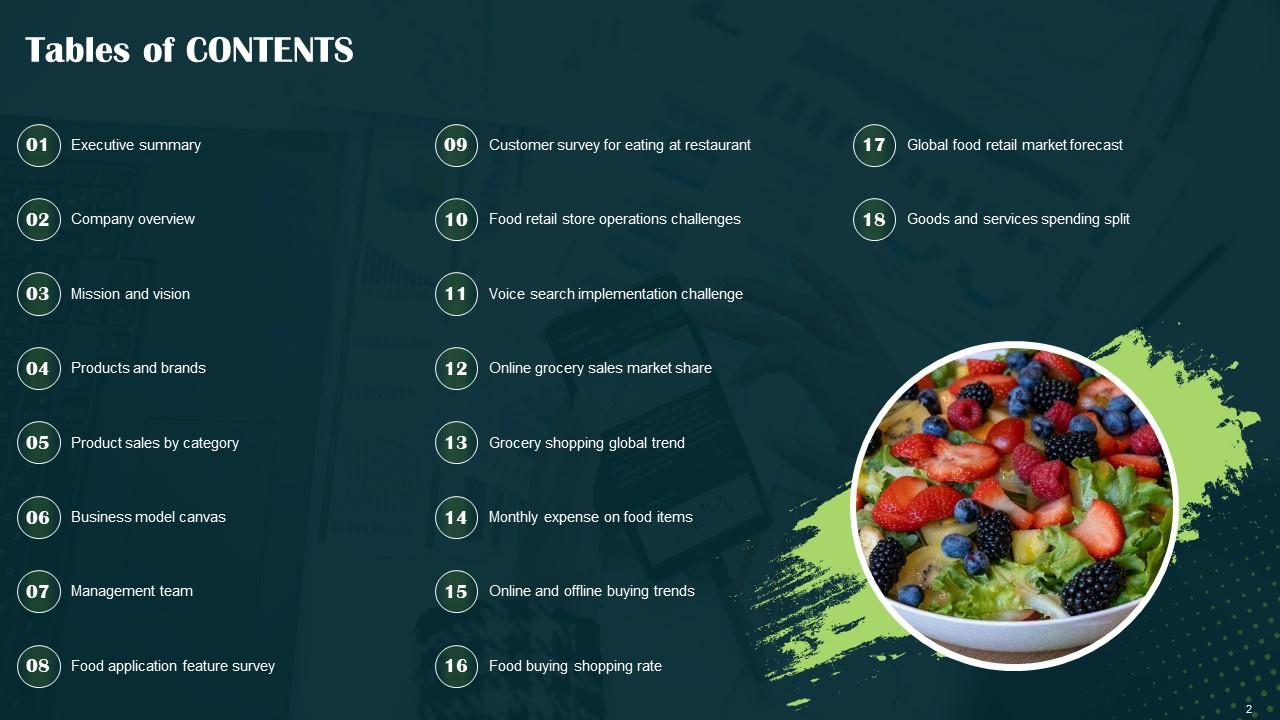
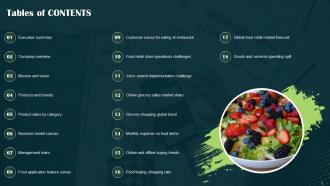
Slide 2: This slide shows Table of Content for the presentation.
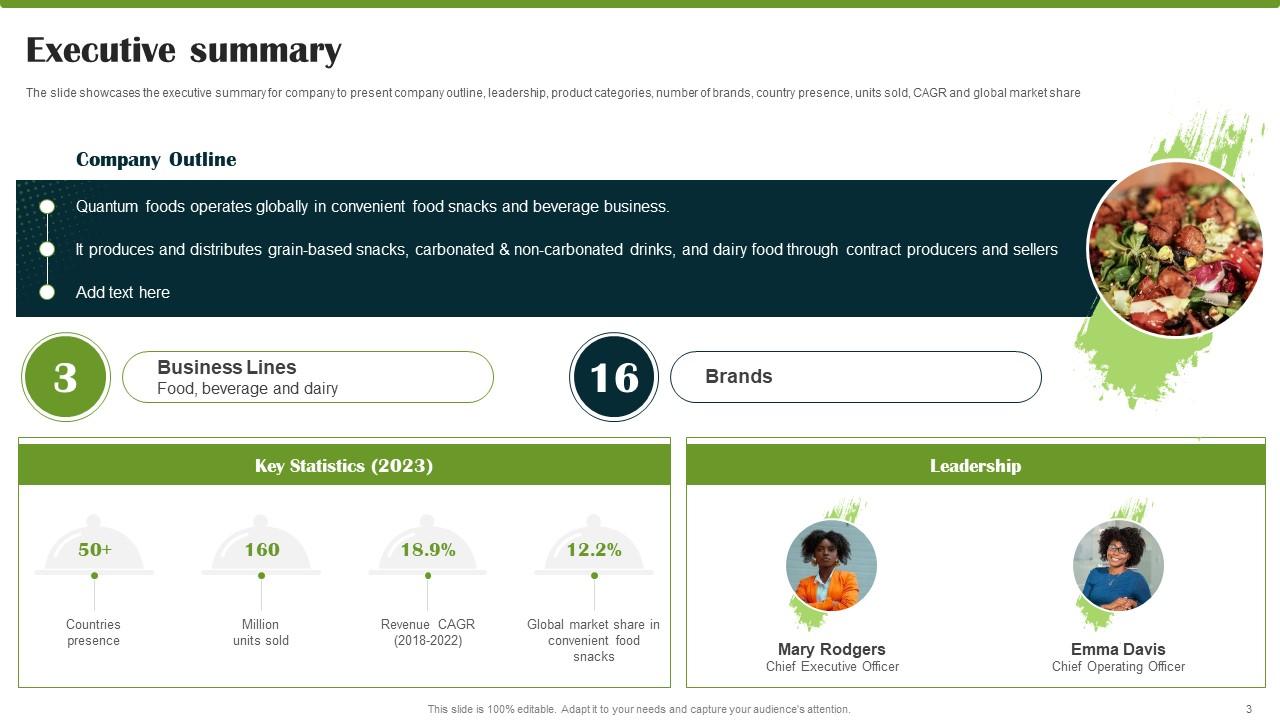
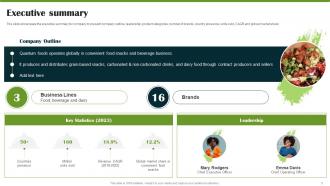
Slide 3: The slide showcases the executive summary for company to present company outline.
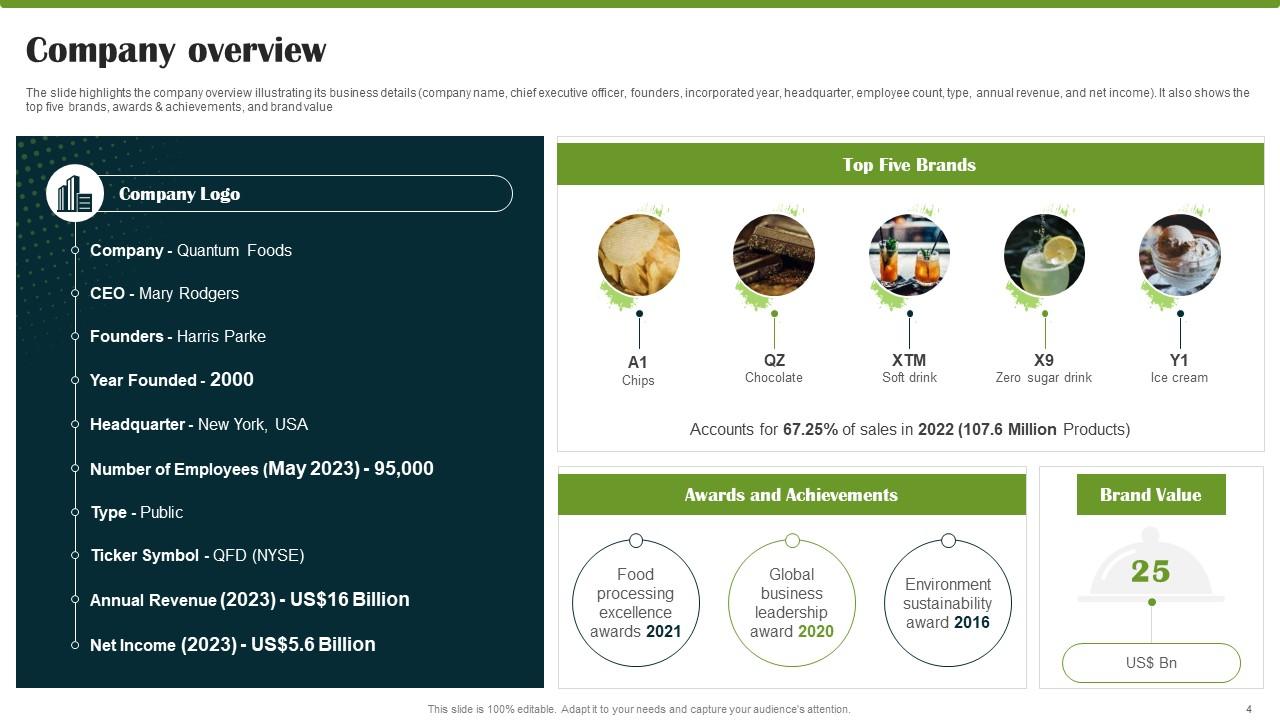
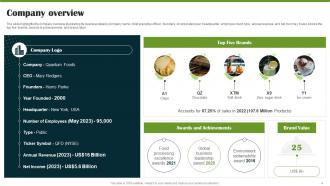
Slide 4: The slide highlights the company overview illustrating its business details.
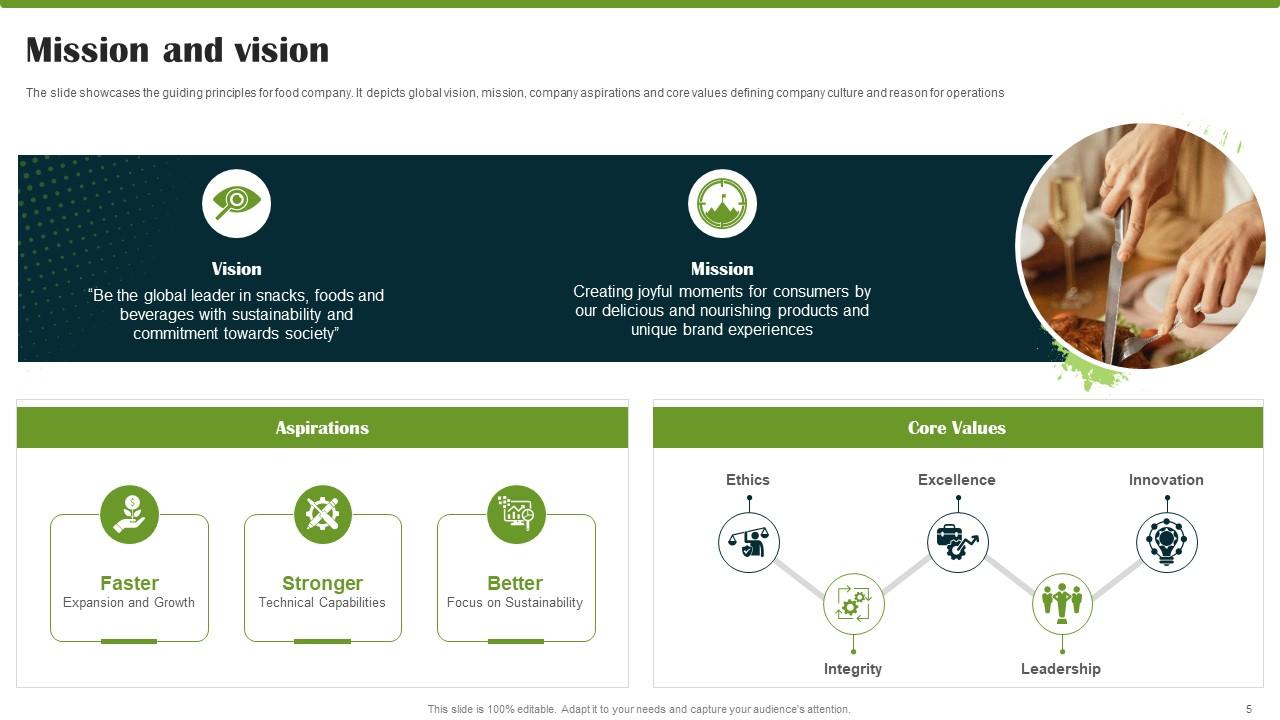
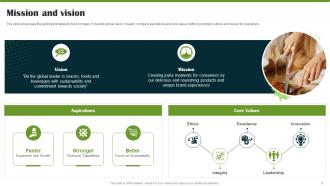
Slide 5: The slide showcases the guiding principles for food company.
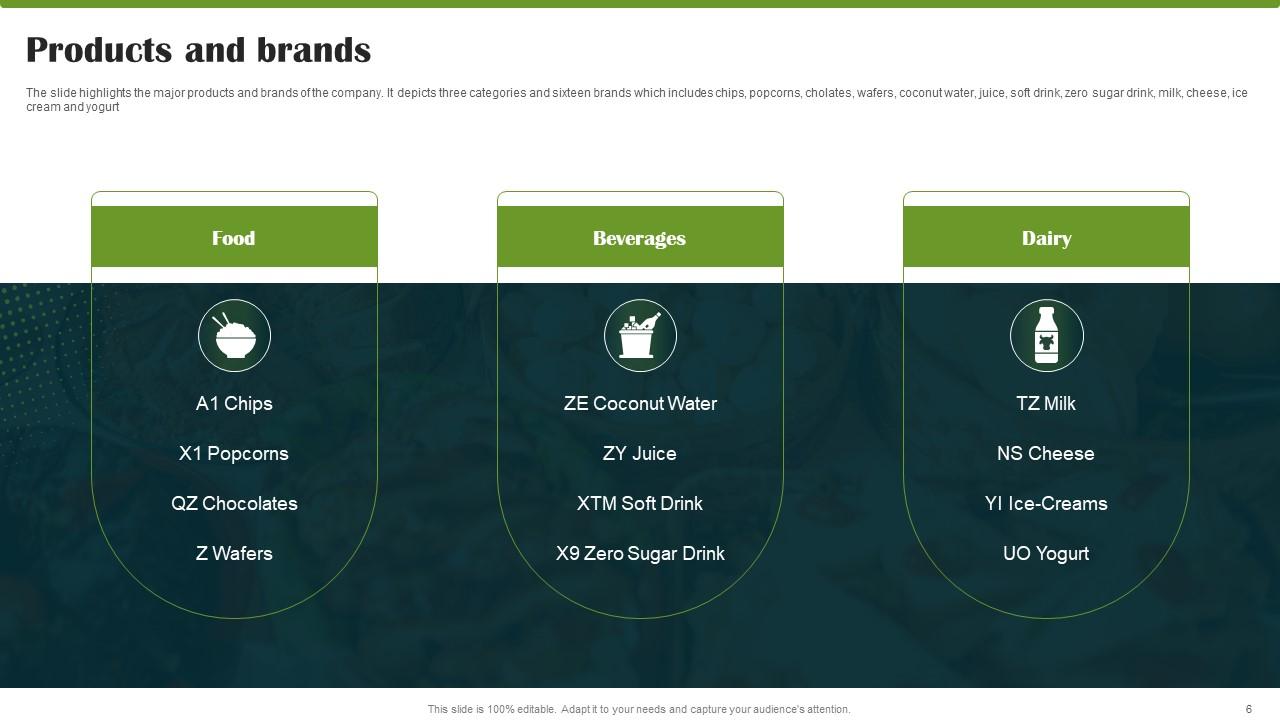
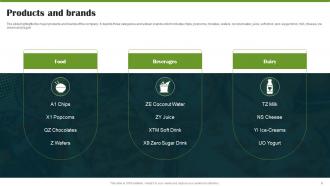
Slide 6: The slide highlights the major products and brands of the company.
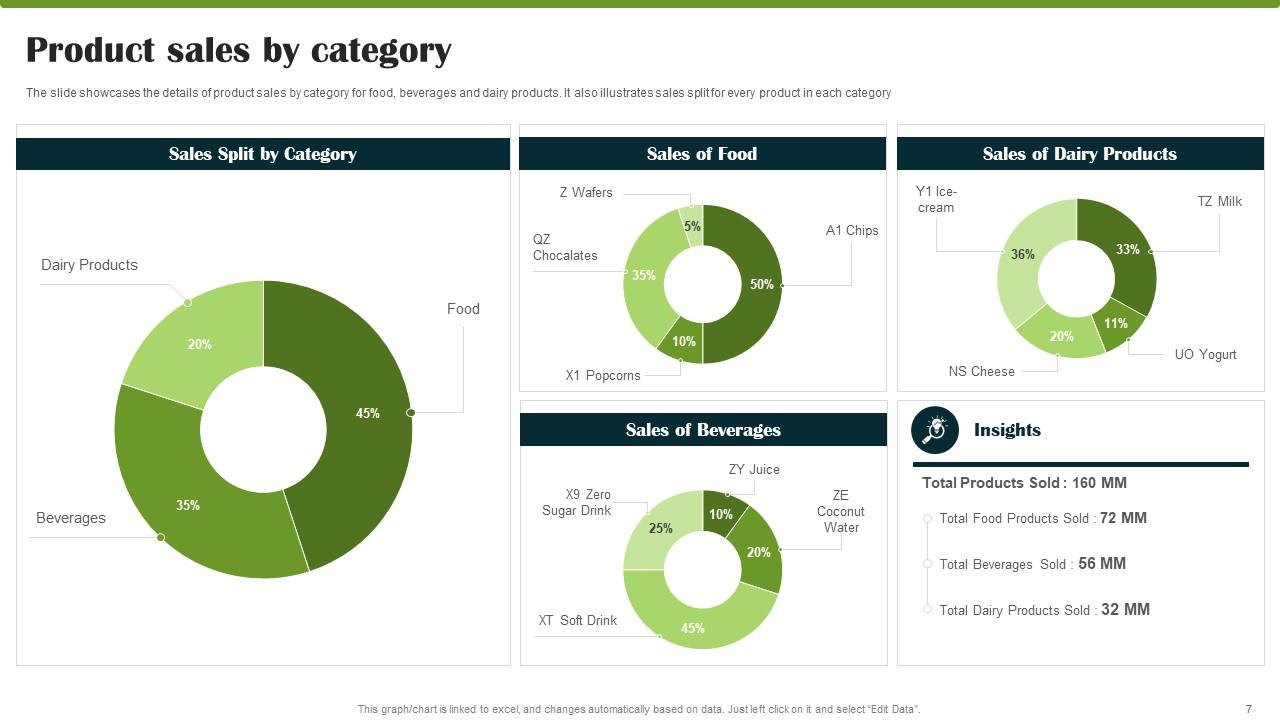
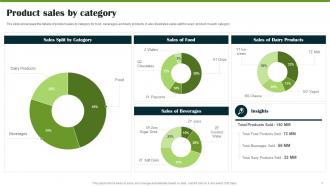
Slide 7: The slide showcases the details of product sales by category for food, beverages and dairy products.
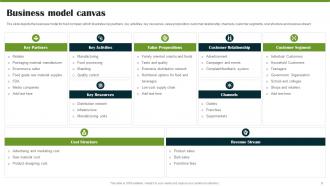
Slide 8: The slide depicts the business model for food company which illustrates key partners, key activities, key resources, etc.
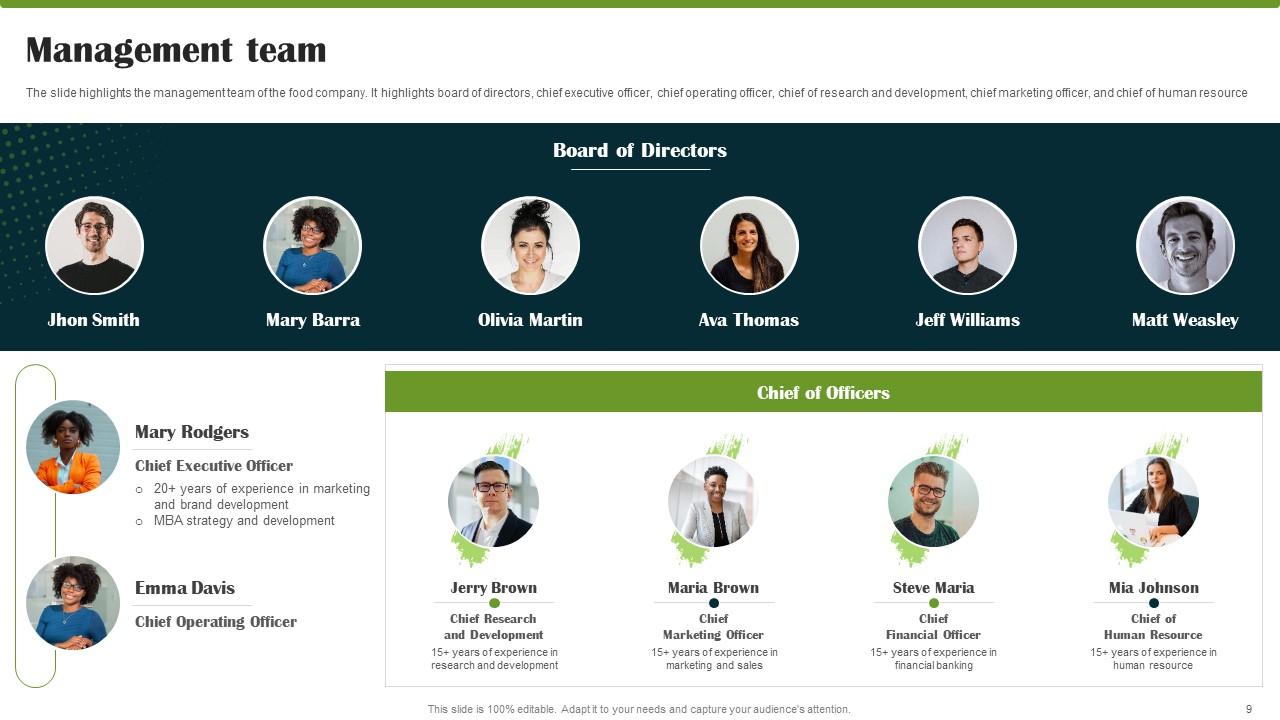
Slide 9: The slide highlights the management team of the food company.
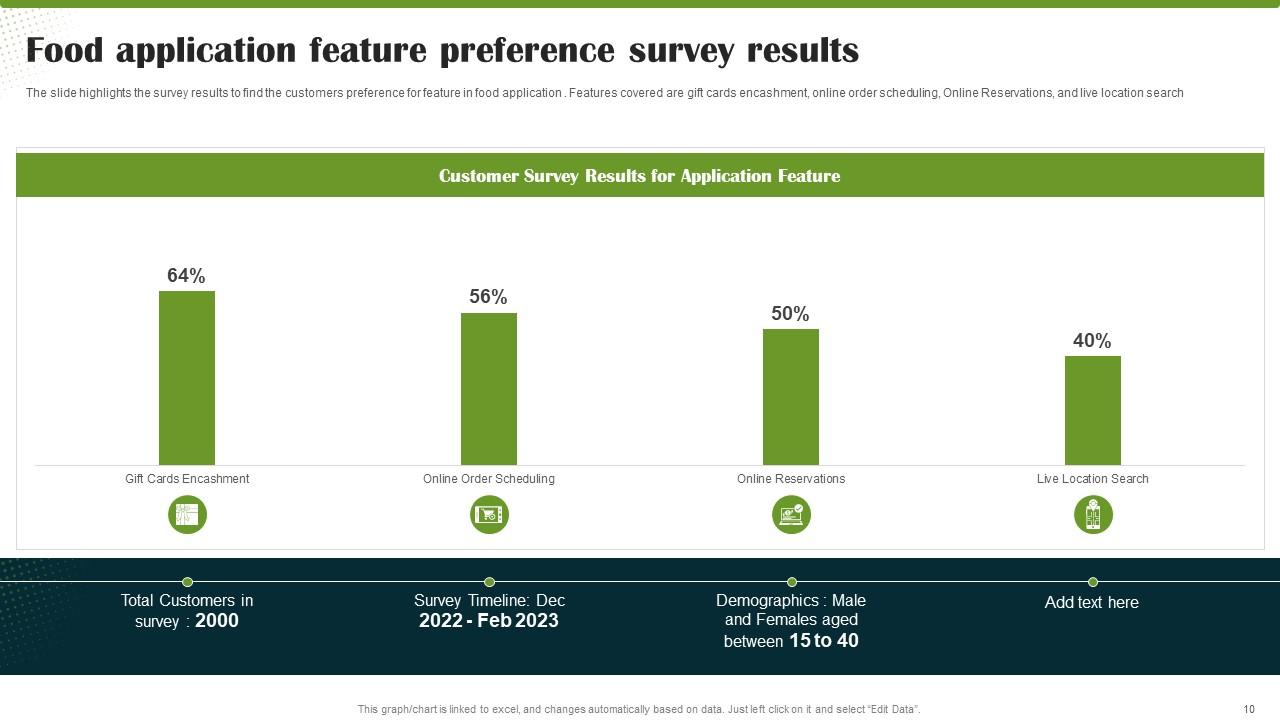
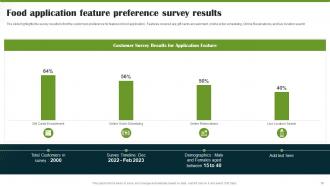
Slide 10: This slide shows Food application feature preference survey results.
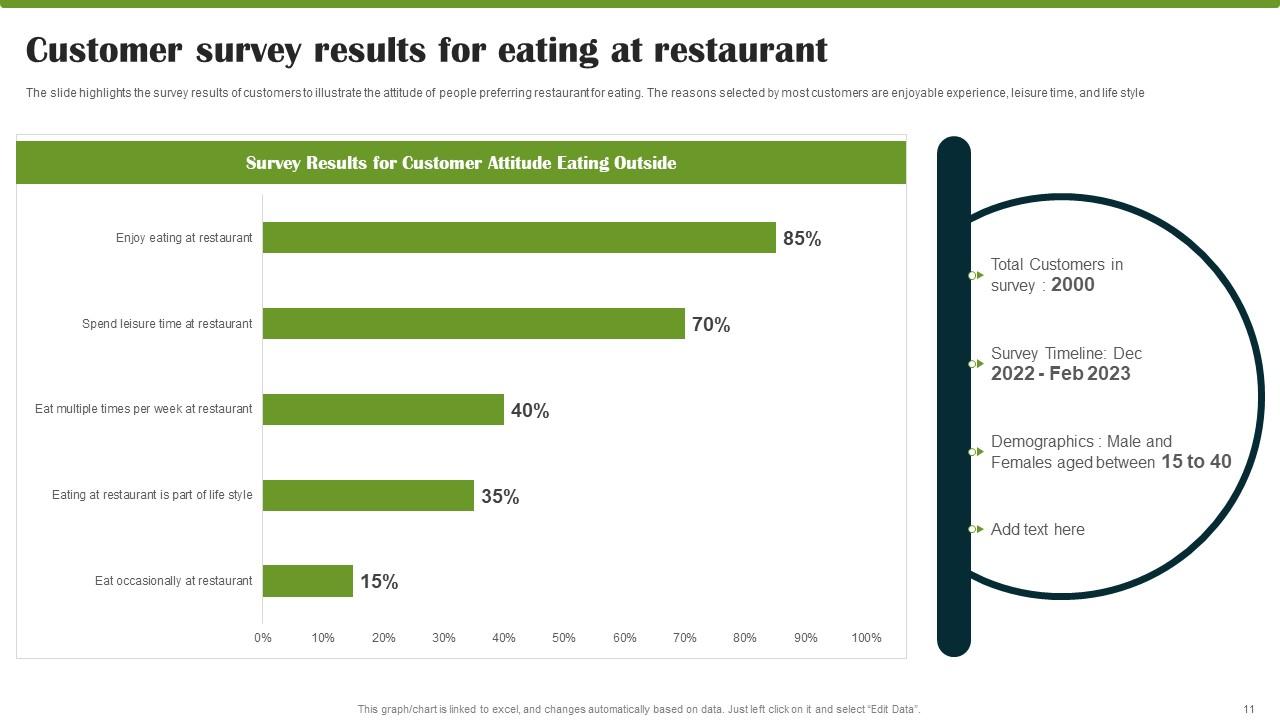
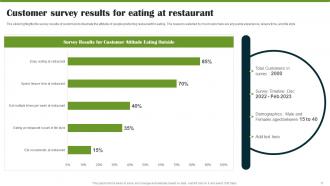
Slide 11: This slide presents Customer survey results for eating at restaurant.
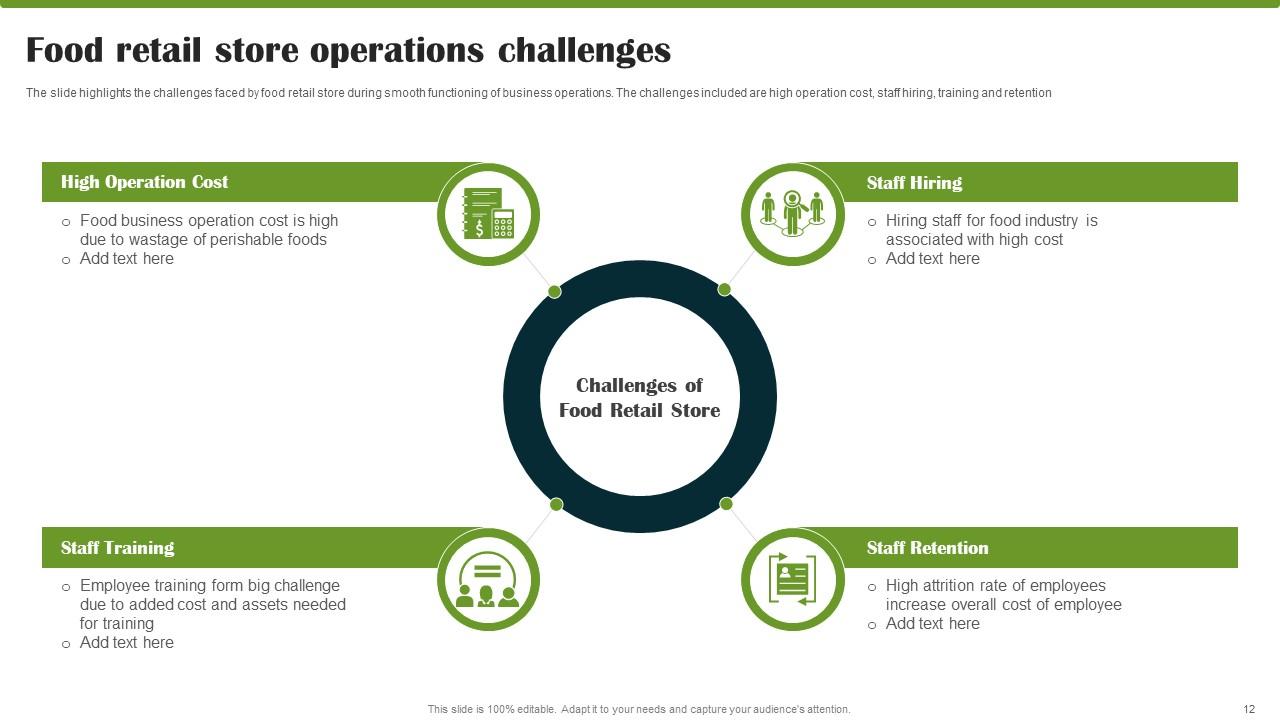
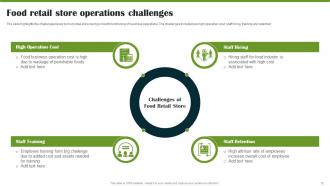
Slide 12: This slide displays Food retail store operations challenges.
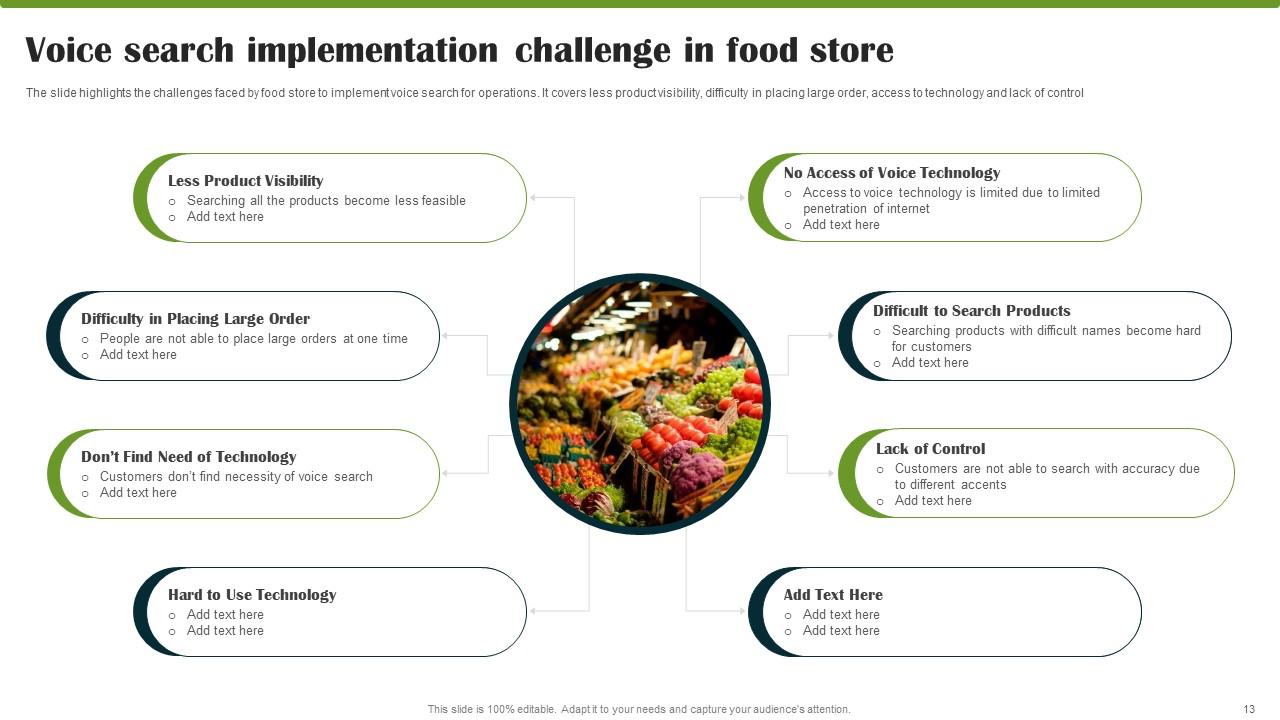
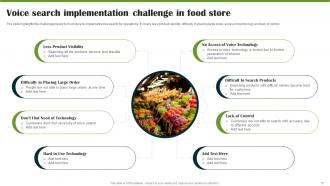
Slide 13: This slide represents Voice search implementation challenge in food store.
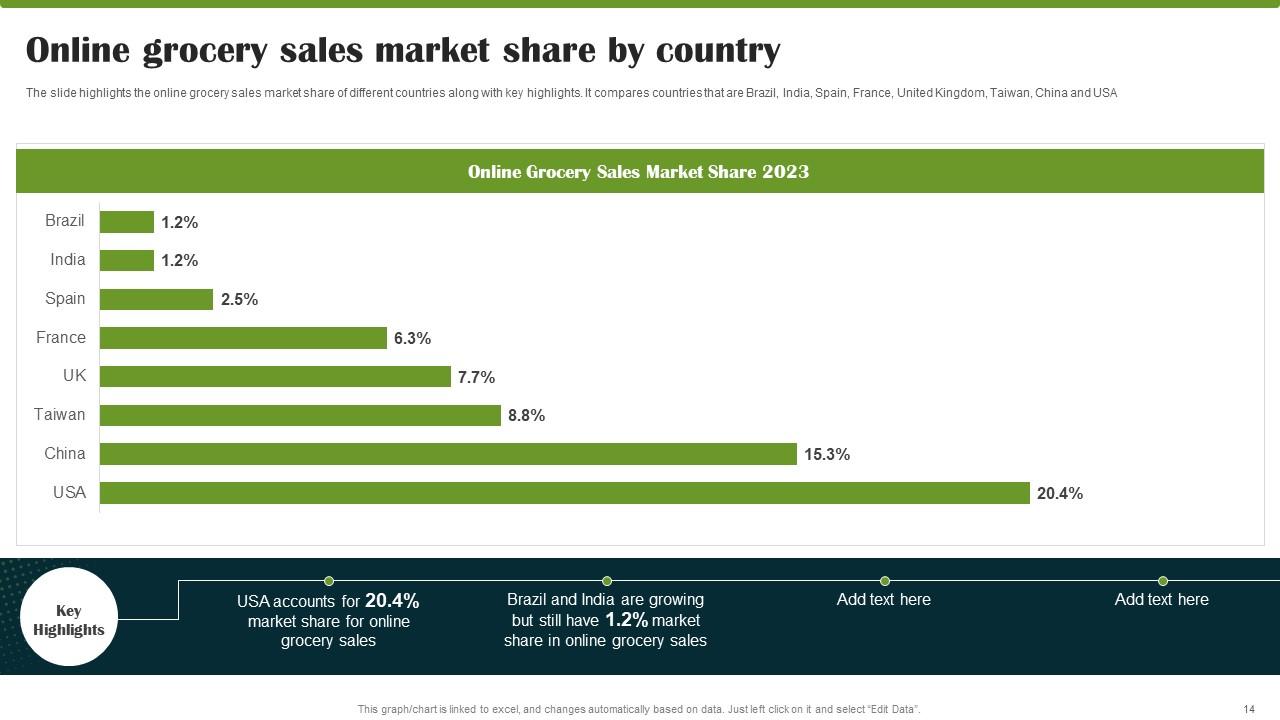
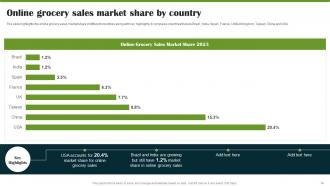
Slide 14: This slide showcases Online grocery sales market share by country.
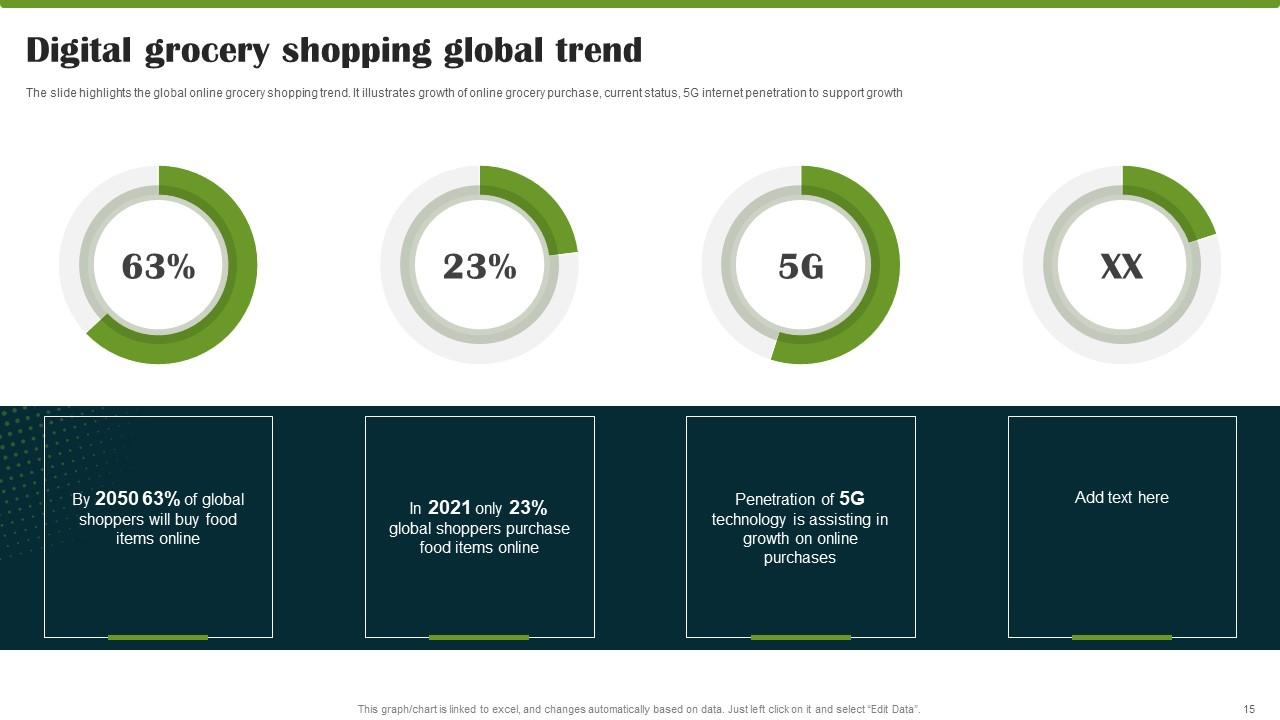
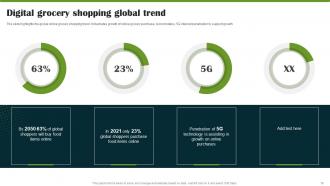
Slide 15: This slide shows Digital grocery shopping global trend.
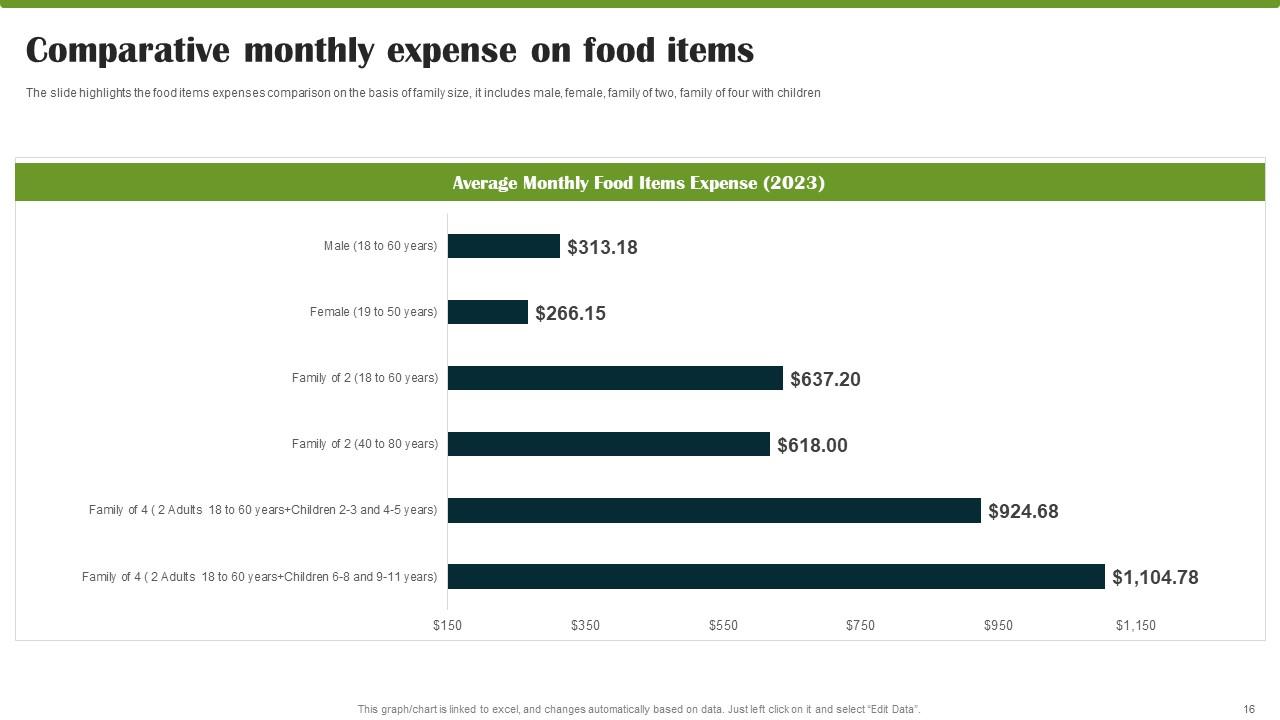
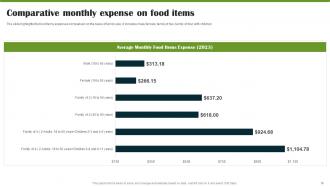
Slide 16: This slide presents Comparative monthly expense on food items.
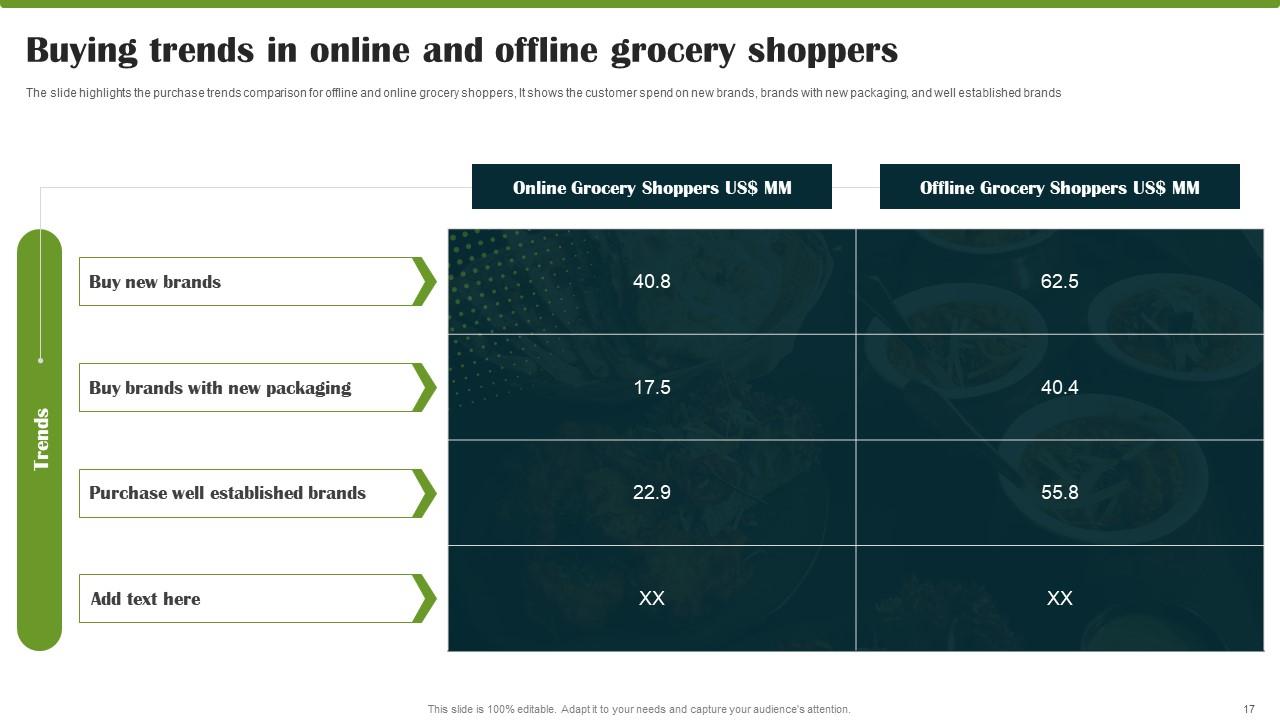
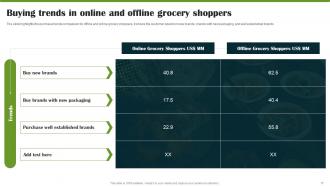
Slide 17: This slide displays Buying trends in online and offline grocery shoppers.
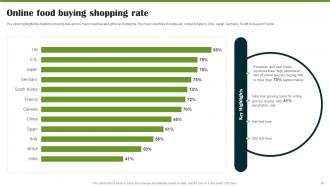
Slide 18: This slide represents Online food buying shopping rate.
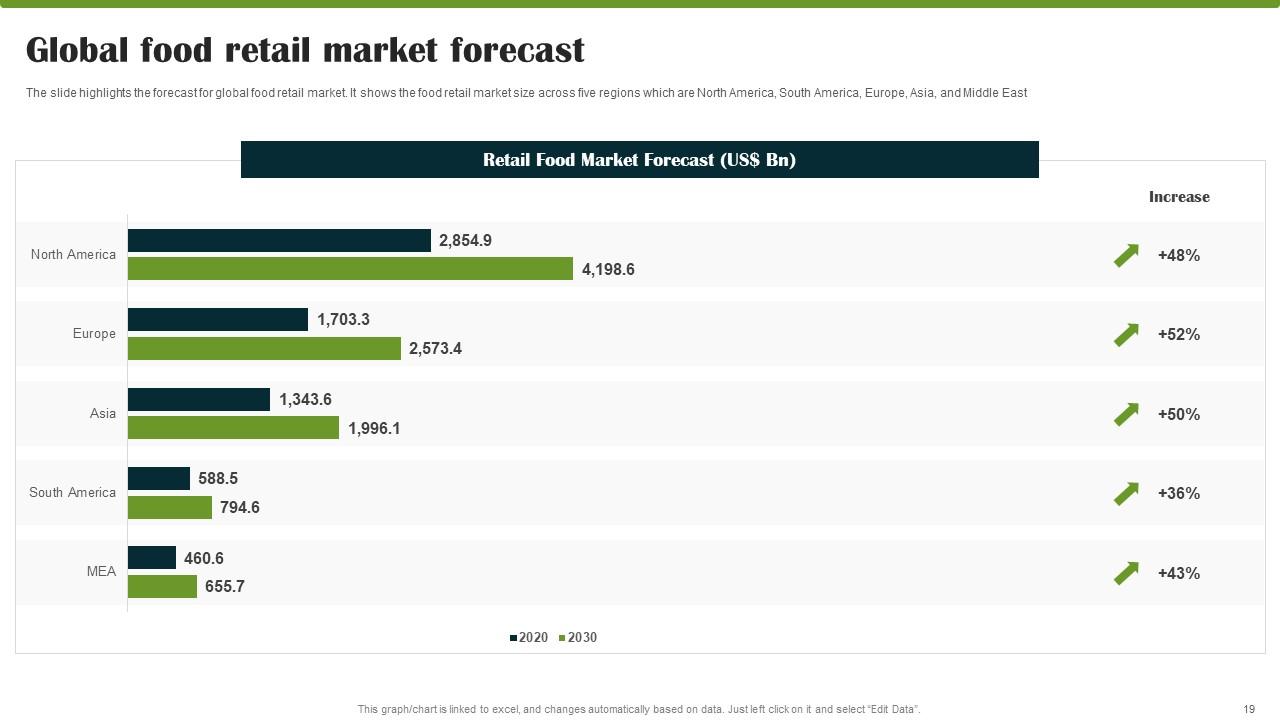
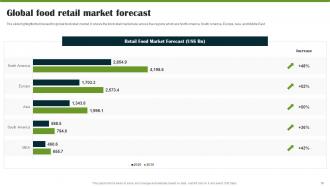
Slide 19: This slide showcases Global food retail market forecast.
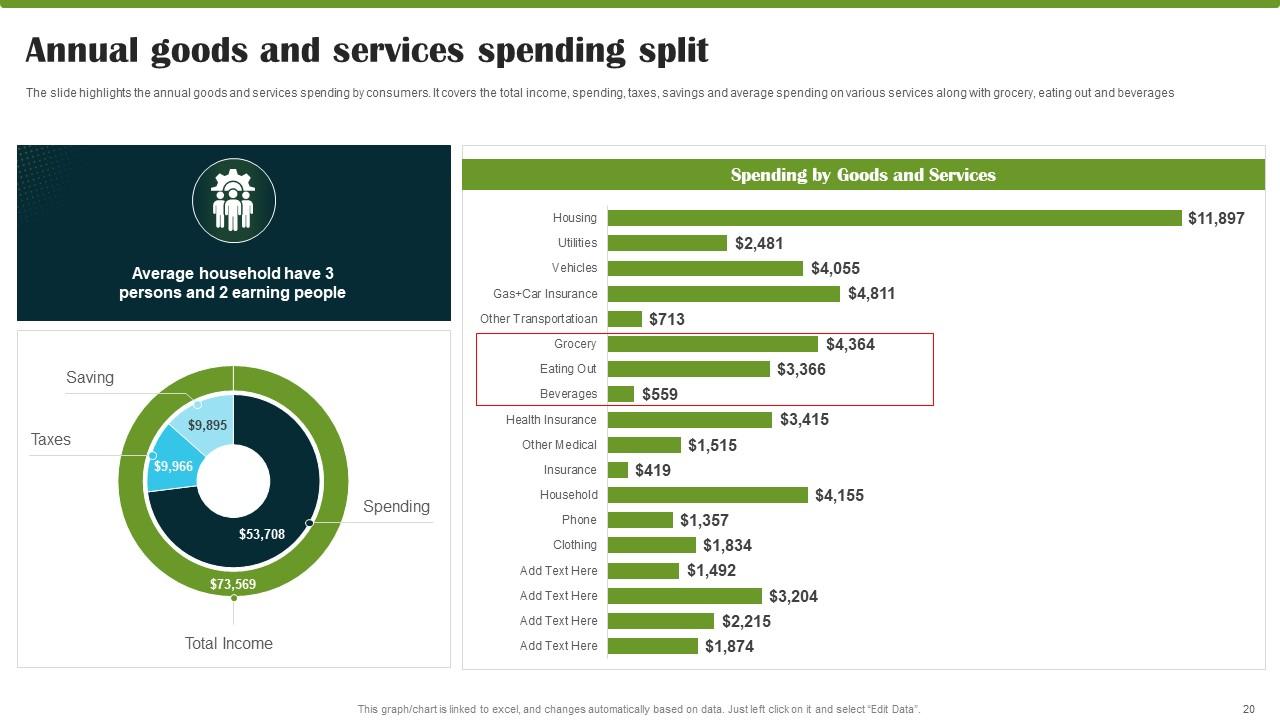
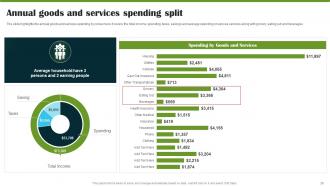
Slide 20: This slide shows Annual goods and services spending split.
Slide 21: This is a Thank You slide with address, contact numbers and email address.
Food Company Market Trends Powerpoint PPT Template Bundles DK MD with all 26 slides:
Use our Food Company Market Trends Powerpoint PPT Template Bundles DK MD to effectively help you save your valuable time. They are readymade to fit into any presentation structure.
FAQs for Food Company Market Trends Powerpoint PPT Template
Key factors driving consumer preferences include health and wellness focus, sustainability concerns, convenience demands, transparency in sourcing, and personalized nutrition options. These trends are reshaping product development across food manufacturers, retailers, and restaurants, with many companies finding that brands emphasizing organic ingredients, eco-friendly packaging, and customizable meal solutions ultimately deliver stronger customer loyalty and competitive market positioning.
Plant-based diets are prompting traditional food companies to diversify product portfolios, invest in alternative protein research, and acquire plant-based brands to capture emerging market segments. Companies like Tyson, Nestlé, and Unilever are launching dedicated plant-based lines, reformulating existing products, and partnering with innovative startups, ultimately delivering expanded consumer choice while maintaining competitive positioning in an increasingly health-conscious marketplace.
Sustainability drives food market trends through eco-friendly packaging, ethical sourcing, carbon footprint reduction, and transparent supply chains. These initiatives enhance brand reputation while meeting consumer demands, with companies like Unilever and Nestlé finding that sustainable practices deliver competitive advantage, cost savings, and stronger customer loyalty in an increasingly environmentally-conscious marketplace.
Food technology advancements are revolutionizing product innovation through precision fermentation, cellular agriculture, AI-driven flavor development, and sustainable packaging solutions. These technologies enable companies to create plant-based alternatives, personalized nutrition products, and extended shelf-life items, with food manufacturers increasingly finding that innovation drives market differentiation and meets evolving consumer demands.
COVID-19 continues reshaping food shopping through sustained demand for online grocery delivery, increased health-conscious purchasing, bulk buying patterns, and preference for contactless payment options. These behavioral shifts have prompted food retailers to enhance digital platforms, expand delivery services, and prioritize transparency in sourcing, ultimately delivering improved customer experiences and operational efficiency.
Food companies leverage e-commerce through direct-to-consumer platforms, subscription services, marketplace partnerships, social media commerce, and mobile app integration. These digital strategies enable companies to reach younger demographics, expand geographically beyond traditional retail footprints, and gather valuable customer data, with many food brands finding that online channels deliver higher profit margins and enhanced customer engagement.
Emerging food packaging trends for environmentally-conscious consumers include biodegradable materials, compostable wrapping, reusable containers, minimal packaging designs, and plant-based alternatives to traditional plastics. These sustainable approaches streamline waste reduction while enhancing brand reputation, with many food companies finding that eco-friendly packaging delivers competitive advantage, reduces environmental impact, and ultimately attracts loyal customers who prioritize sustainability.
Cultural shifts are driving food companies to introduce diverse global flavors, plant-based alternatives, fusion cuisines, heritage recipes, and health-conscious options reflecting changing demographics and values. With younger consumers embracing international experiences and sustainability, companies are incorporating Korean, Middle Eastern, and Latin American influences while developing culturally authentic products, ultimately delivering broader market appeal and competitive differentiation.
Transparency in sourcing and labeling enables consumer trust by providing clear ingredient origins, ethical sourcing practices, and comprehensive nutritional information. With many food companies finding that detailed transparency drives brand loyalty, these practices deliver competitive advantage through enhanced consumer confidence, reduced regulatory risk, and stronger market positioning in an increasingly health-conscious marketplace.
Food companies are responding to allergen-free demand through dedicated production facilities, reformulated recipes using alternative ingredients, comprehensive labeling protocols, and specialized product lines targeting specific allergies. These strategic initiatives enable companies to capture growing market segments, reduce liability risks, and enhance consumer trust, with many food manufacturers finding that allergen-free offerings significantly expand their customer base and competitive positioning.
Meal kit delivery services reflect trends toward convenience-focused consumption, subscription-based business models, health-conscious eating habits, personalized nutrition solutions, and digital-first customer experiences. These services streamline meal planning by offering pre-portioned ingredients, diverse dietary options, and flexible delivery schedules, with many households finding that subscription models reduce food waste while delivering restaurant-quality meals at home.
Regional food trends vary significantly across age groups, income levels, cultural backgrounds, and geographic locations, with younger consumers favoring plant-based options while older demographics prefer traditional comfort foods. This creates strategic opportunities for marketers to develop targeted campaigns and product lines, with companies like Nestlé and Unilever successfully leveraging demographic insights to customize regional offerings, ultimately delivering enhanced customer engagement and increased market share.
Food companies are employing strategies like supply chain optimization, smart packaging technologies, upcycling food byproducts, implementing circular economy principles, and developing plant-based alternatives to combat waste and enhance sustainability. These approaches streamline operations by reducing material costs, minimizing environmental impact, and meeting consumer demand for eco-conscious products, with many organizations finding that sustainable practices ultimately deliver competitive advantages and improved brand loyalty.
Health and wellness integration significantly influences consumer choices by driving demand for functional foods, clean-label products, and nutrient-dense alternatives across grocery, restaurant, and specialty markets. Through enhanced transparency and strategic reformulation, food companies are capturing health-conscious demographics while delivering improved nutritional profiles, reduced artificial ingredients, and personalized wellness solutions, ultimately creating competitive advantage in an increasingly wellness-focused marketplace.
Social media and influencer marketing are revolutionizing food industry engagement by enabling direct consumer connections, authentic product showcases, and viral trend creation. These platforms drive purchasing decisions through recipe demonstrations, brand storytelling, and peer recommendations, with restaurants, specialty food brands, and beverage companies finding that strategic influencer partnerships significantly enhance brand visibility, customer loyalty, and sales conversion rates.
-
Wow! The design and quality of templates on SlideTeam are simply the best.Â
-
My presentations were a bit amateur before I found SlideTeam’s designs. I’ve been able to find slides for nearly every topic I’ve had to present. Thanks, Slideteam!