


Food Startup Pitch Deck Ppt Template
Es ist keine Überraschung, dass sich die Lebensmittel- und Getränkeindustrie schnell entwickelt. Viele erfolgreiche technologiebasierte Lebensmittel-Startups sind derzeit weltweit tätig, zusammen mit mehreren aufstrebenden und vielversprechenden. Schauen Sie sich unser effizient gestaltetes Pitch-Deck zu Food Start-up an, das für Unternehmer geeignet ist, die eine Food-Startup-Idee haben, aber keine Finanzierung sichern können. Zu Beginn können Unternehmen die Unternehmensübersichtsfolie verwenden, um ihr Wachstum zu präsentieren, und die Gründerfolie zeigt Informationen über ihre Vision, Mission, Finanzierungshistorie, Umsatzwachstum und wichtige Gründer. Problem- und Lösungsfolien helfen den Unternehmen, die erheblichen Engpässe der Lebensmittelindustrie und die vorgeschlagene Lösung zu ihrer Überwindung anzugehen. Um Zielgruppe, Geschäftsmodell, Wettbewerber und Einnahmequellen zu veranschaulichen, kann das Unternehmen Folien wie Zielgruppe, Geschäftsmodell, Einnahmequellen und Wettbewerbslandschaft verwenden. Warum bei uns investieren? Die Folie hilft den Unternehmen, potenzielle Investoren über die Vorteile einer Investition in ihre Startup-Ideen zu informieren. Endlich können Organisationen Investoren über ihre zukünftigen Ziele und die Finanzierung, nach der sie suchen, über die Folie „Investment Ask“ informieren. Buchen Sie eine kostenlose Demo mit unserem Expertenteam und holen Sie sich ein zu 100 Prozent editierbares Pitch-Deck. Jetzt zugreifen.









-

- Google Slides is a new FREE Presentation software from Google.
- All our content is 100% compatible with Google Slides.
- Just download our designs, and upload them to Google Slides and they will work automatically.
- Amaze your audience with SlideTeam and Google Slides.
-

Want Changes to This PPT Slide? Check out our Presentation Design Services
-

- WideScreen Aspect ratio is becoming a very popular format. When you download this product, the downloaded ZIP will contain this product in both standard and widescreen format.
-

- Some older products that we have may only be in standard format, but they can easily be converted to widescreen.
- To do this, please open the SlideTeam product in Powerpoint, and go to
- Design ( On the top bar) -> Page Setup -> and select "On-screen Show (16:9)” in the drop down for "Slides Sized for".
- The slide or theme will change to widescreen, and all graphics will adjust automatically. You can similarly convert our content to any other desired screen aspect ratio.
Compatible With Google Slides

Get This In WideScreen
You must be logged in to download this presentation.


Do you want to remove this product from your favourites?
Merkmale dieser PowerPoint-Präsentationsfolien :
Stellen Sie diese Vorlage mit dem Titel Food Startup Pitch Deck Ppt Template in Ihrer Organisation bereit, um Investoren anzuziehen. Dieses vollständige Deck kann verwendet werden, um Ihre Produkte, Dienstleistungen, Ihr Team oder Projekt vorzustellen und Expertendiskussionstreffen abzuhalten. Es unterstützt Sie bei der Bereitstellung von Demos Ihrer Produkte und erklärt auch ihre wichtigsten Funktionen, die online über Google Slides geteilt werden können. Dies ist ein detailliertes und selbsterklärendes komplettes Deck mit verschiedenen visuellen Hinweisen, um Ihre Präsentation eindrucksvoller zu machen. Es besteht außerdem aus 25 Folien, die das Thema knackig aufschlüsseln und so die Verständlichkeit erhöhen. Das größte Merkmal dieser Pitch-Deck-Präsentation ist, dass sie in einem bearbeitbaren Format vorliegt und Ihnen so hilft, persönliche Akzente zu setzen. Dies hilft dabei, jedes Mal eine einzigartige Präsentation in verschiedenen Formaten und Layouts zu liefern.

People who downloaded this PowerPoint presentation also viewed the following :
Inhalt dieser Powerpoint-Präsentation
Folie 1 : Diese Folie stellt das Food Startup Pitch Deck vor. Geben Sie Ihren Firmennamen an und beginnen Sie.
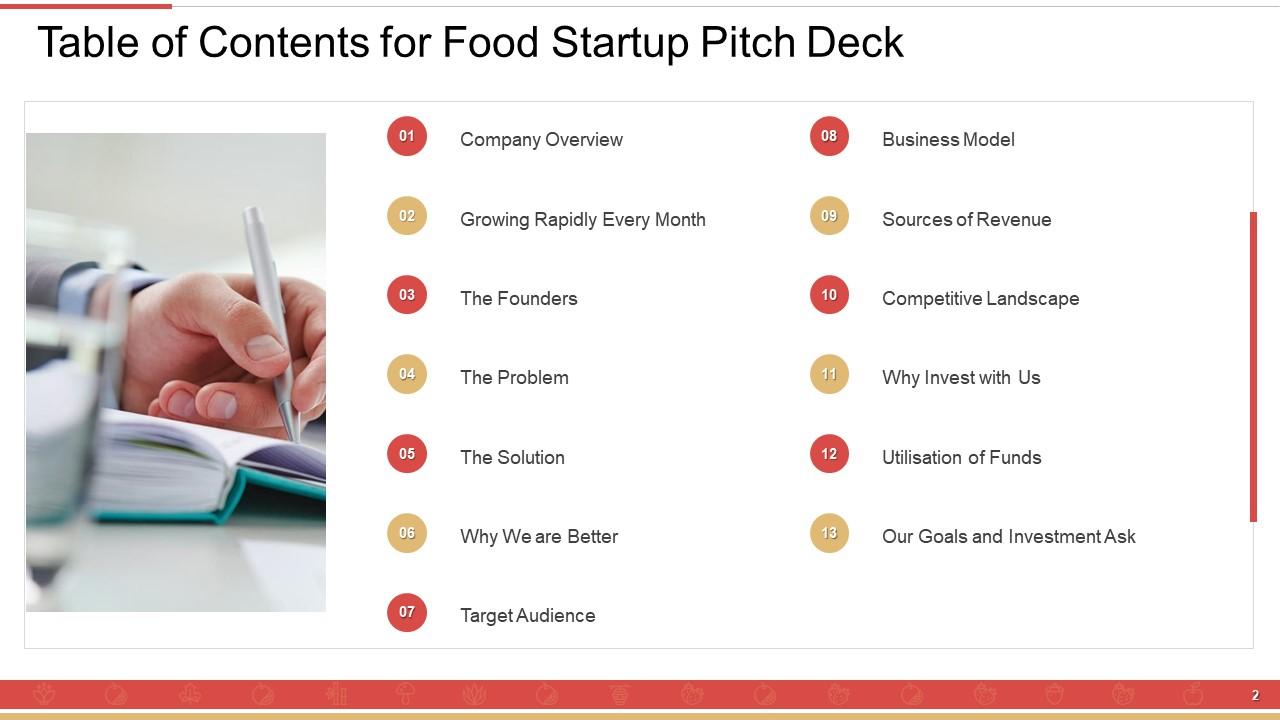
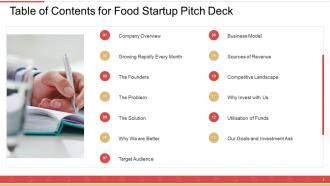
Folie 2 : Diese Folie zeigt das Inhaltsverzeichnis der Präsentation.
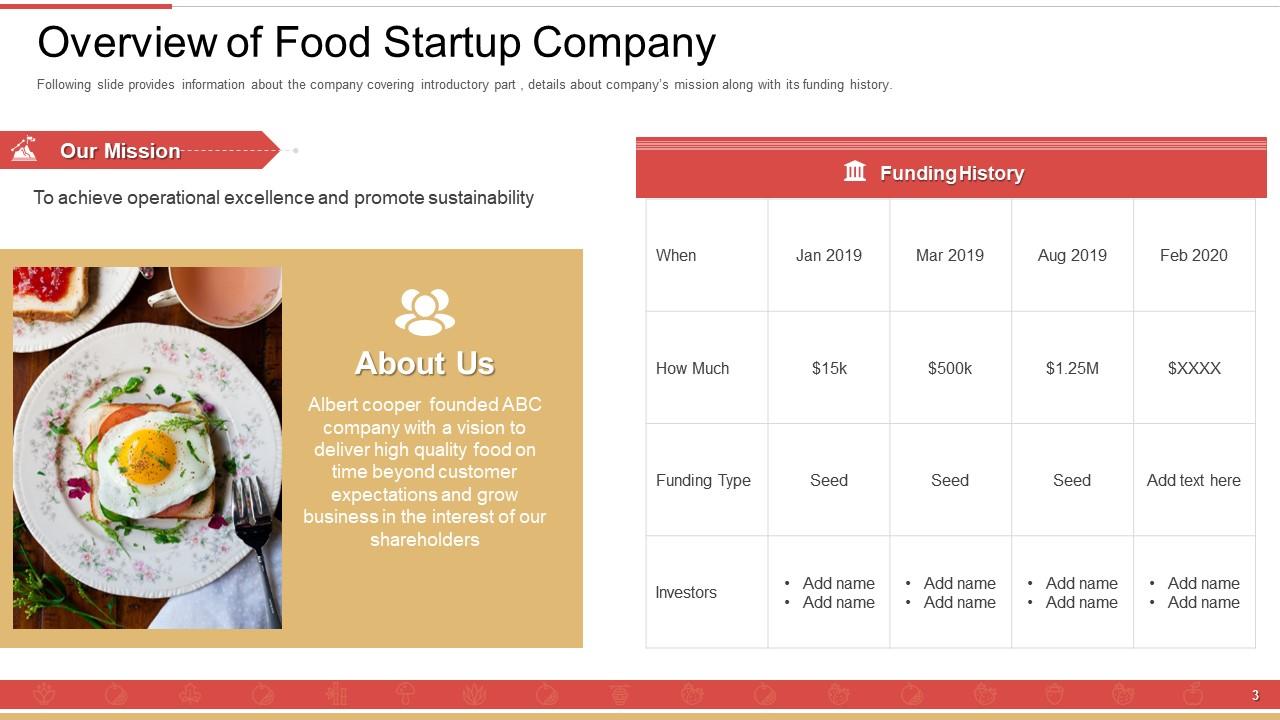
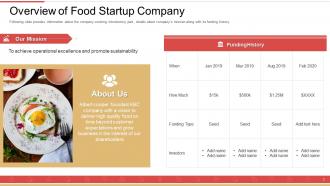
Folie 3 : Diese Folie stellt das Unternehmen vor und umfasst einen einführenden Teil, Einzelheiten über die Mission des Unternehmens sowie seine Finanzierungsgeschichte.
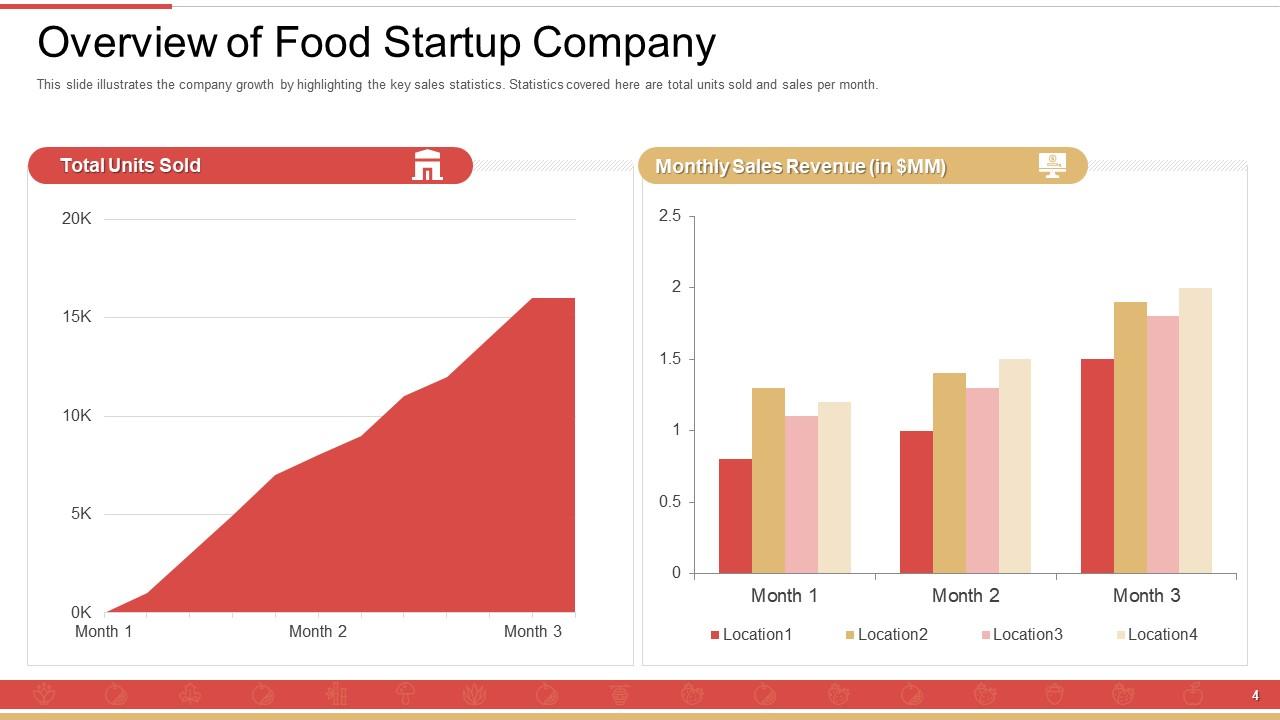
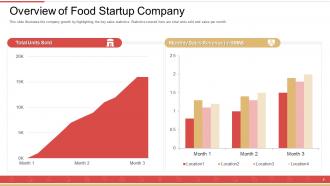
Folie 4 : Diese Folie zeigt das Unternehmenswachstum, indem die wichtigsten Verkaufsstatistiken hervorgehoben werden.
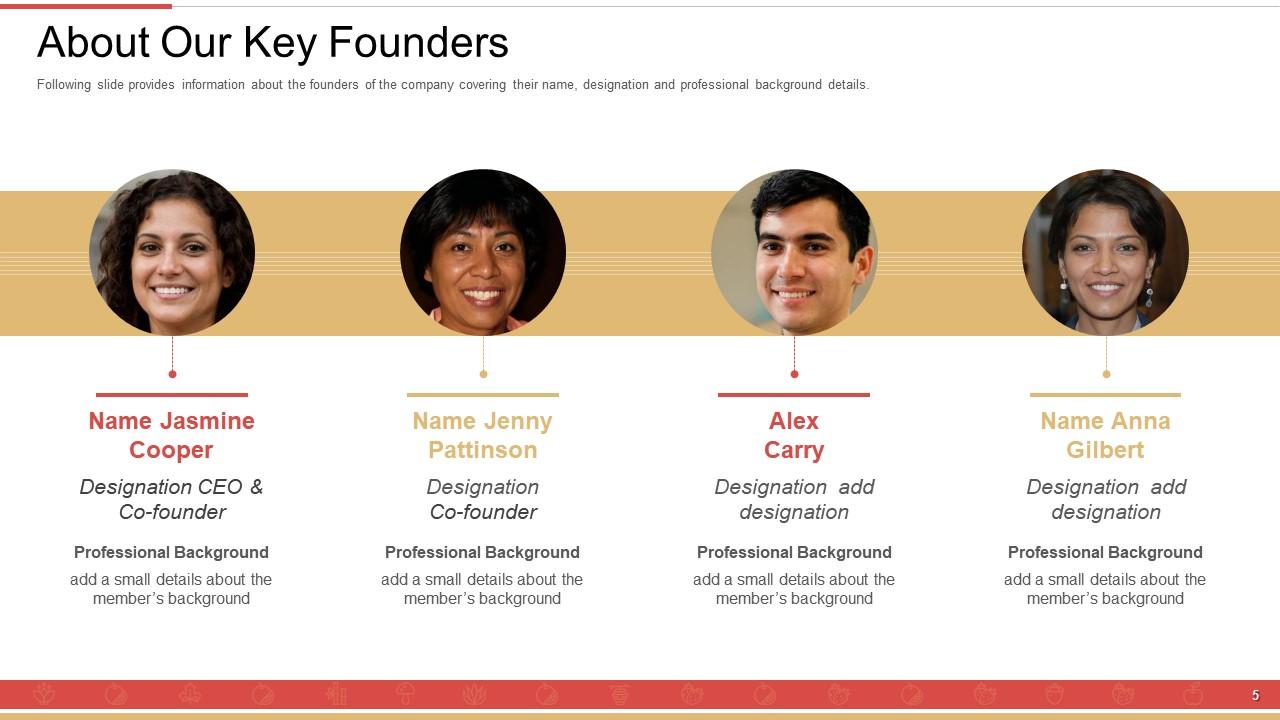
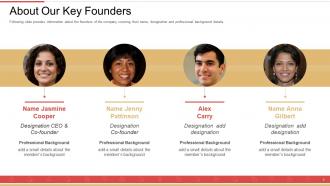
Folie 5 : Diese Folie zeigt die Gründer des Unternehmens mit Namen, Bezeichnung und Einzelheiten zum beruflichen Hintergrund.
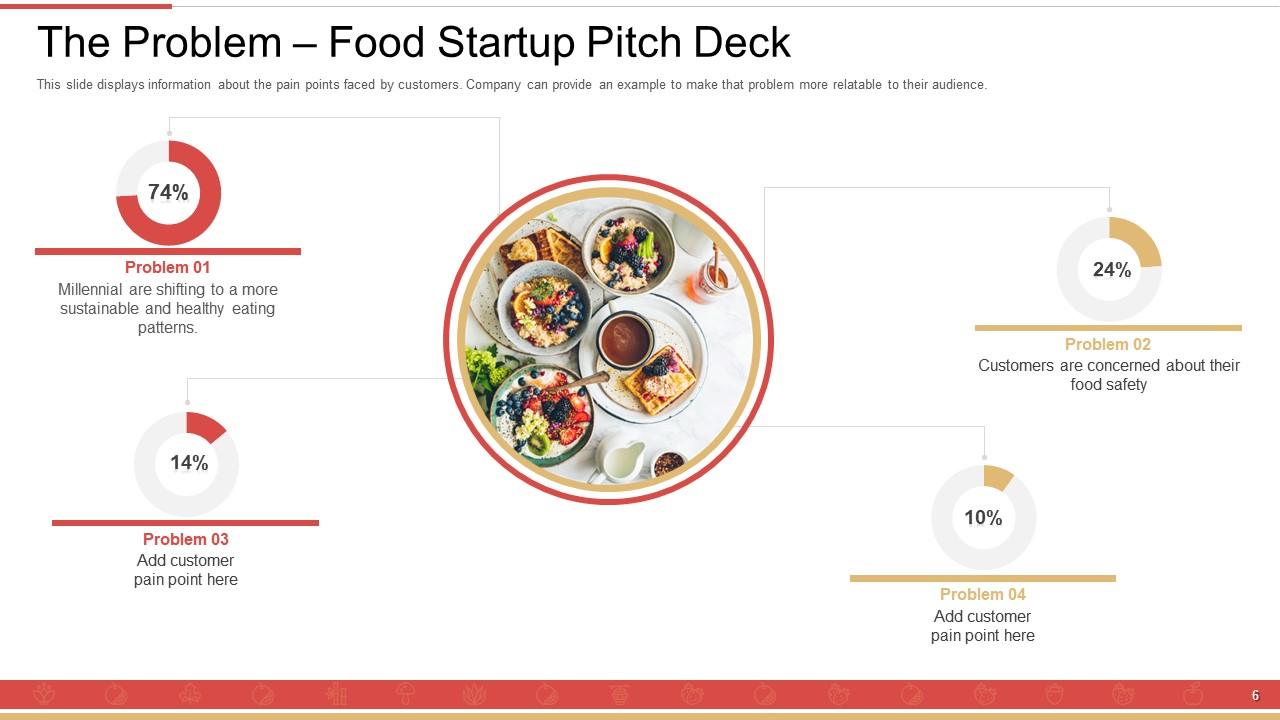
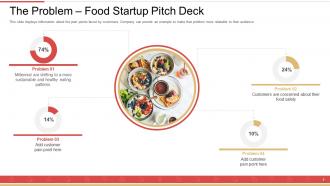
Folie 6 : Diese Folie stellt Schmerzpunkte dar, mit denen Kunden konfrontiert sind.
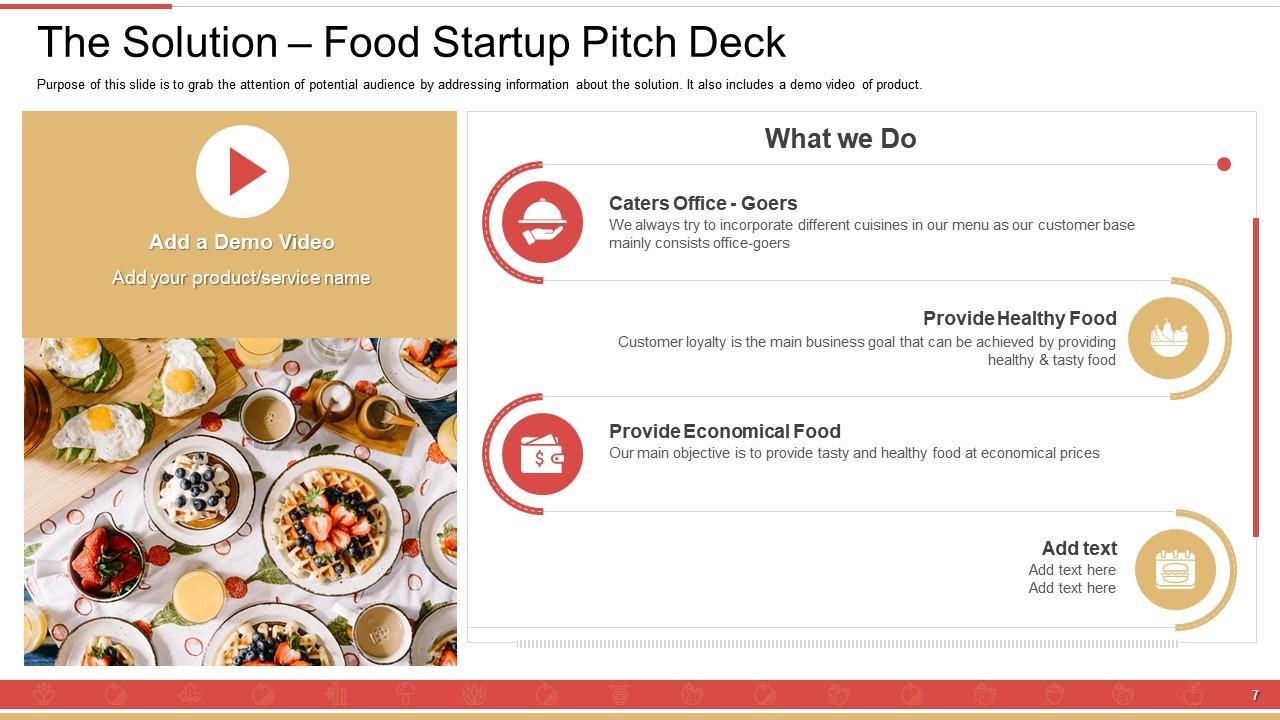
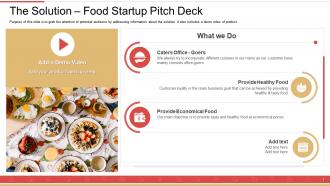
Folie 7 : Diese Diashow erregt die Aufmerksamkeit eines potenziellen Publikums, indem sie Informationen über die Lösung anspricht.
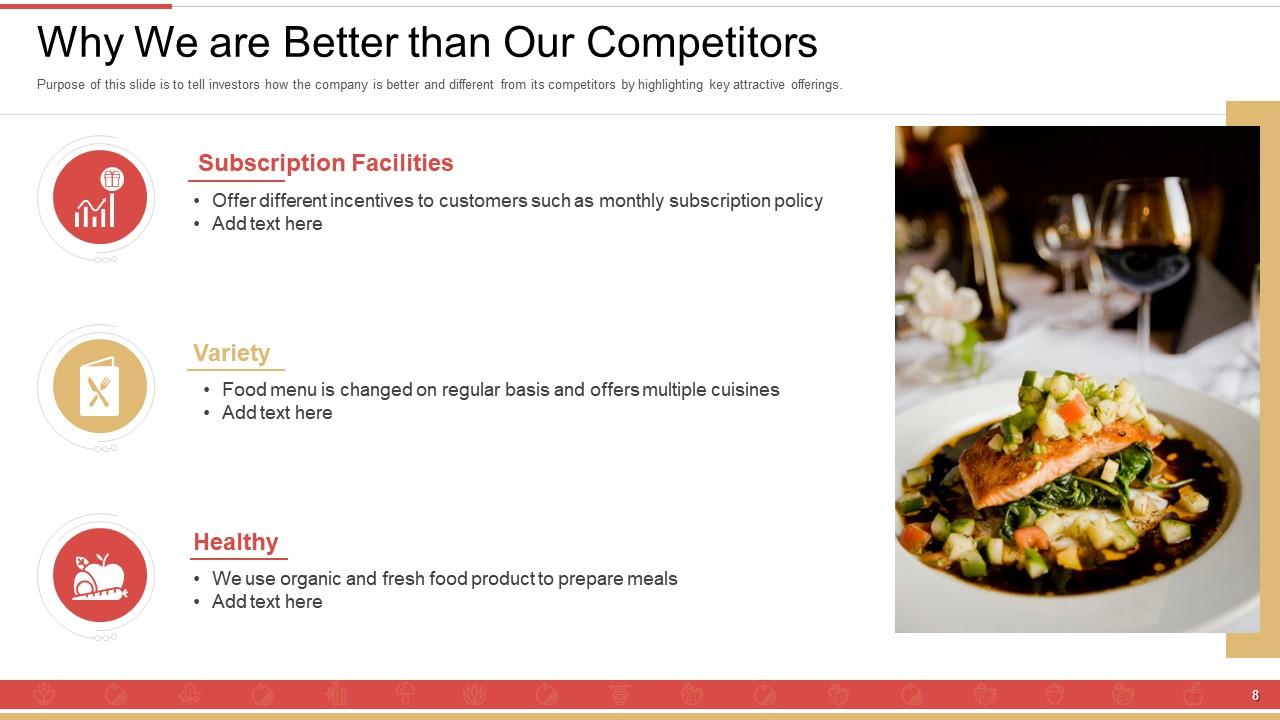
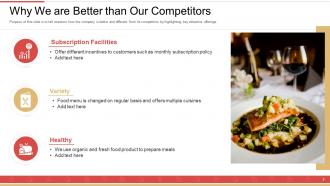
Folie 8 : Diese Folie zeigt, wie das Unternehmen besser ist und sich von seinen Mitbewerbern unterscheidet, indem es wichtige attraktive Angebote hervorhebt.
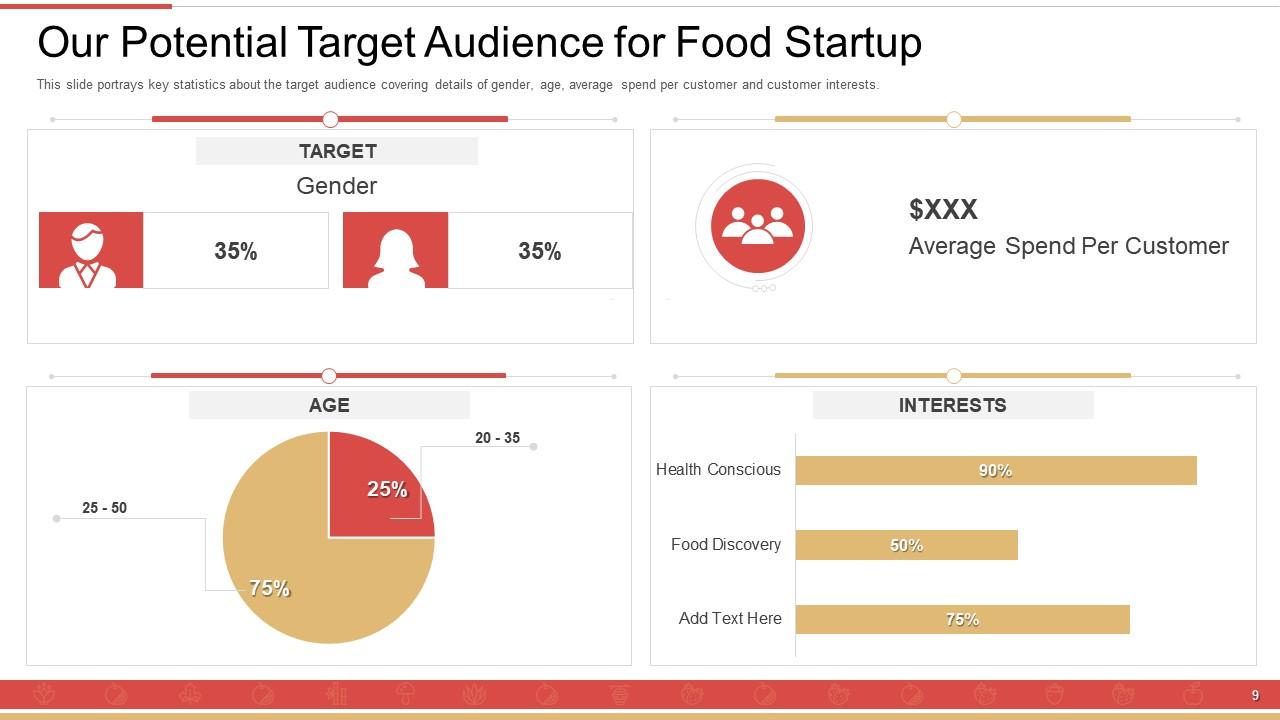
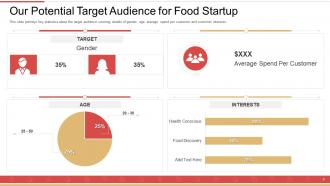
Folie 9 : Diese Folie zeigt die Zielgruppe mit Details zu Geschlecht, Alter, durchschnittlichen Ausgaben pro Kunde und Kundeninteressen.
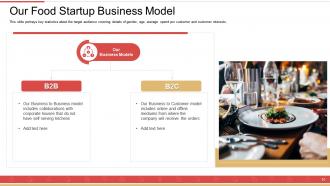
Folie 10 : Diese Folie zeigt unser Geschäftsmodell für Lebensmittel-Startups.
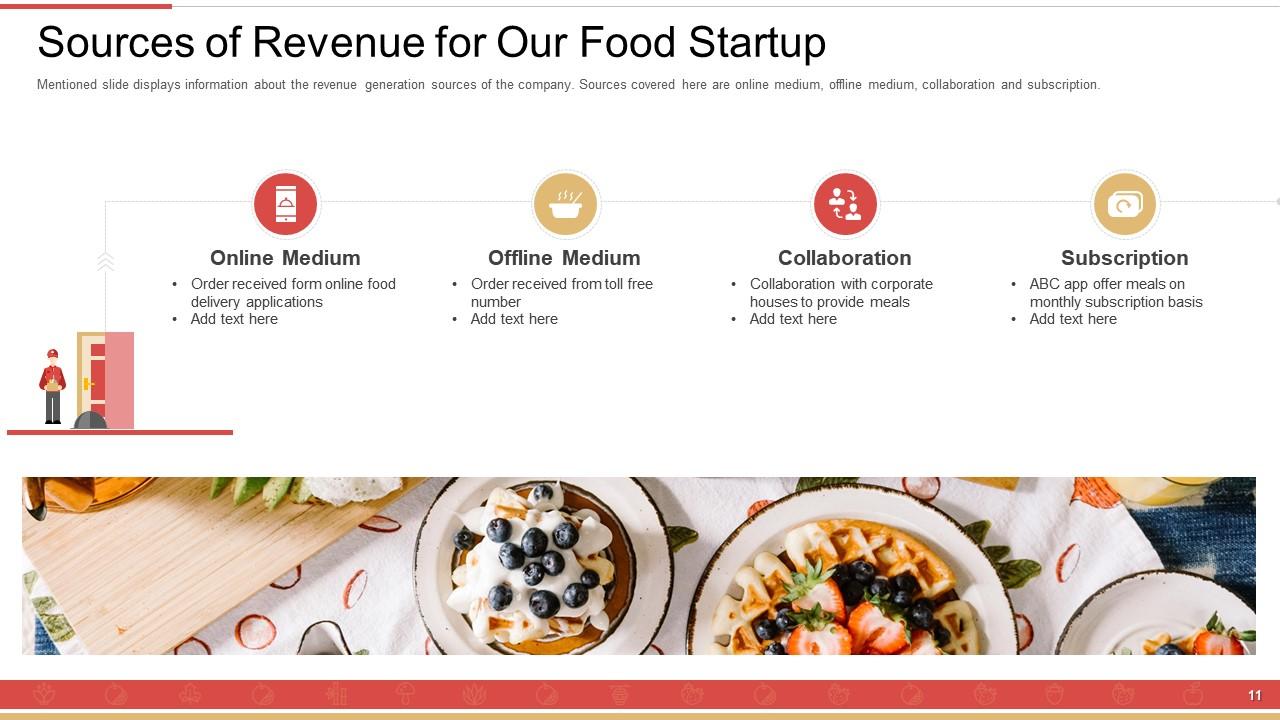
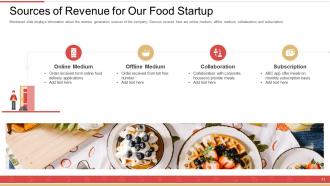
Folie 11 : Diese Folie stellt die Einnahmequellen des Unternehmens dar.
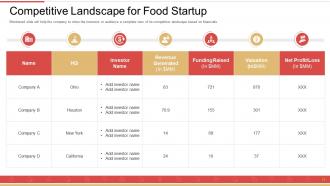
Folie 12 : Diese Folie zeigt Investoren oder Zuschauern einen vollständigen Überblick über die Wettbewerbslandschaft auf der Grundlage von Finanzkennzahlen.
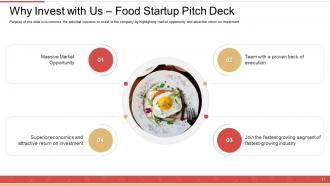
Folie 13 : Diese Folie stellt potenzielle Investoren vor, die in das Unternehmen investieren möchten, indem sie Marktchancen und eine attraktive Kapitalrendite hervorhebt.
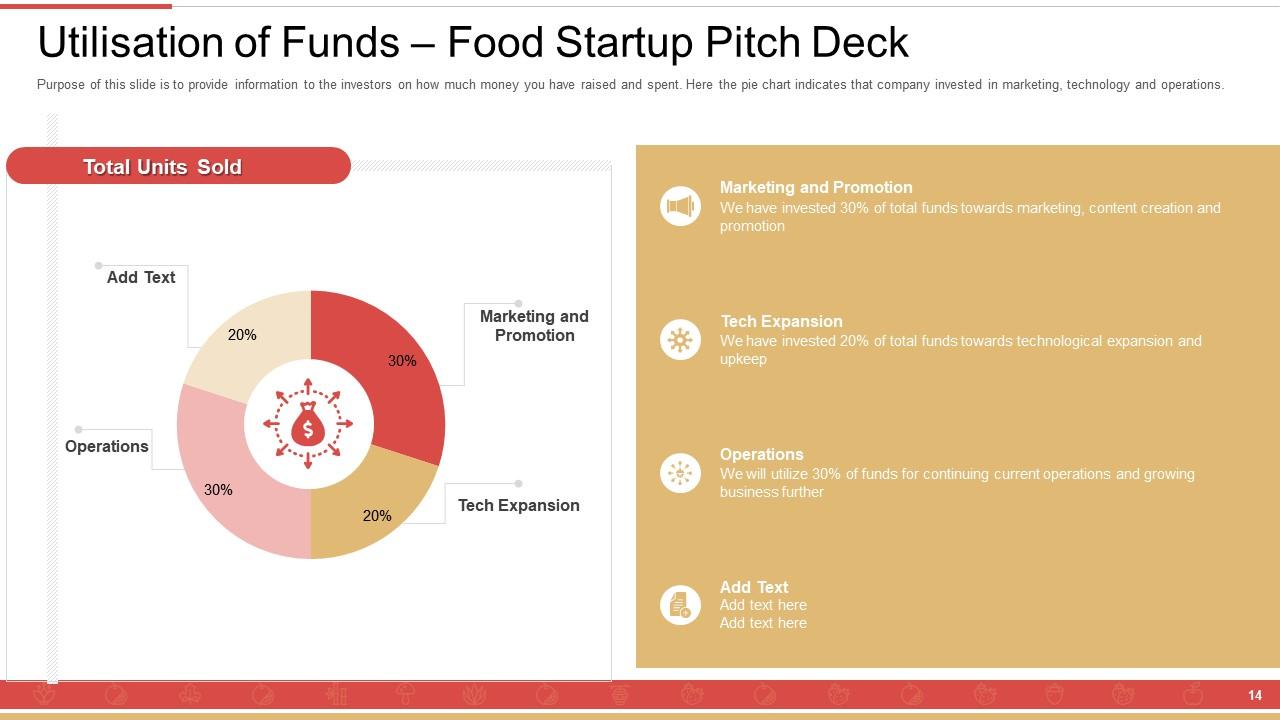
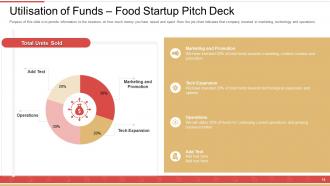
Folie 14 : Diese Folie zeigt Anlegern, wie viel Geld Sie gesammelt und ausgegeben haben.
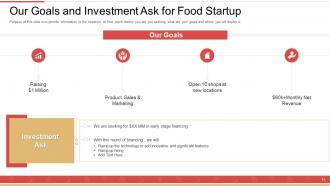
Folie 15 : Diese Folie zeigt unsere Ziele und Investitionsanfragen für Food Startup.
Folie 16 : Diese Folie repräsentiert Contact Us – Food Startup Pitch Deck.
Folie 17 : Diese Folie zeigt Symbole für das Pitch Deck von Food Startups.
Folie 18 : Diese Folie trägt den Titel „Zusätzliche Folien“, um voranzukommen.
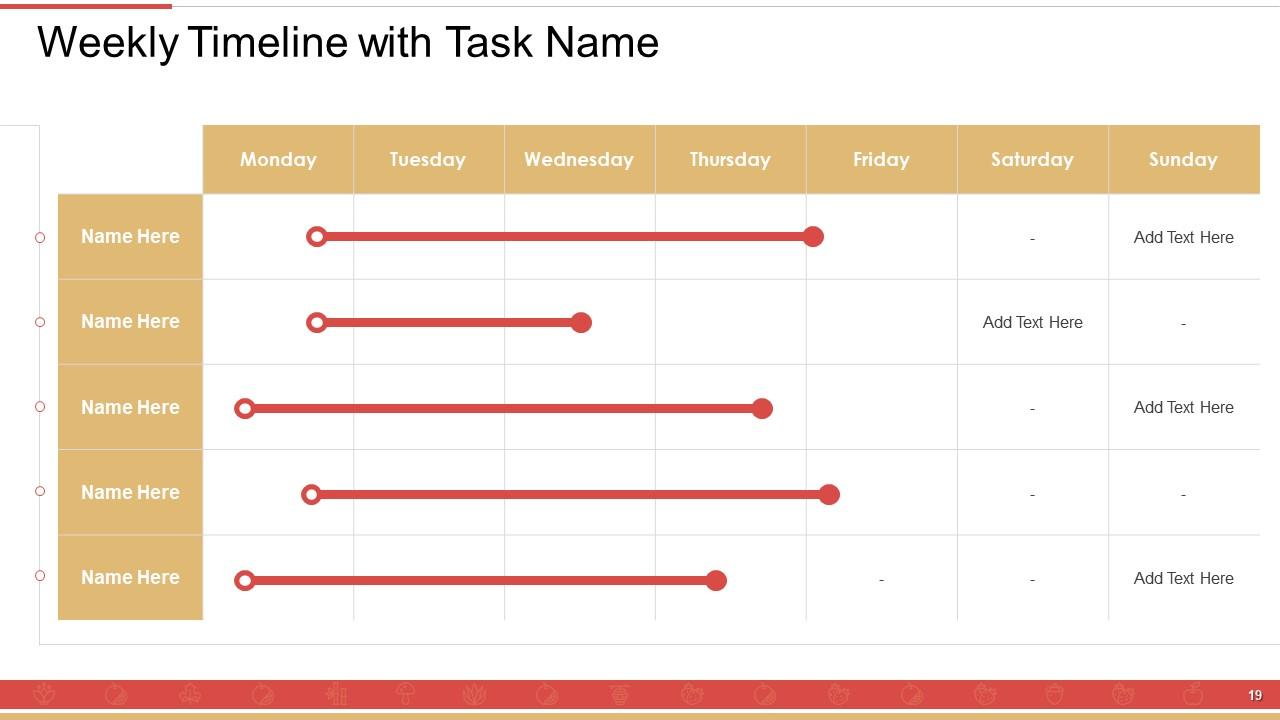
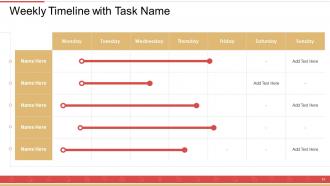
Folie 19 : Diese Folie zeigt die wöchentliche Zeitleiste mit dem Aufgabennamen.
Folie 20 : Diese Folie zeigt einen 30 60 90-Tage-Plan mit Textfeldern.
Folie 21 : Diese Folie stellt die Roadmap mit zusätzlichen Textfeldern dar.
Folie 22 : Dies ist unsere Zielfolie. Geben Sie hier Ihre Ziele an.
Folie 23 : Diese Folie zeigt ein Venn-Diagramm mit Textfeldern.
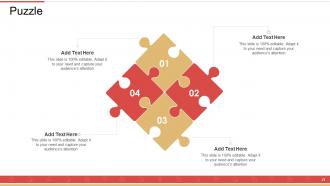
Folie 24 : Diese Folie zeigt Puzzle mit zugehörigen Symbolen und Text.
Folie 25 : Dies ist eine Dankeschön-Folie mit Adresse, Kontaktnummern und E-Mail-Adresse.
Food Startup Pitch Deck Ppt-Vorlage mit allen 25 Folien:
Verwenden Sie unsere Food Startup Pitch Deck Ppt-Vorlage, um Ihnen effektiv dabei zu helfen, Ihre wertvolle Zeit zu sparen. Sie sind gebrauchsfertig und passen in jede Präsentationsstruktur.
-
Understandable and informative presentation.
-
I discovered this website through a google search, the services matched my needs perfectly and the pricing was very reasonable. I was thrilled with the product and the customer service. I will definitely use their slides again for my presentations and recommend them to other colleagues.
-
Graphics are very appealing to eyes.
-
Informative presentations that are easily editable.
