


Análisis de brechas en la gestión estratégica Diapositivas de presentación en PowerPoint
¿Desea identificar las brechas estratégicas y operativas en la organización? ¿No encuentra la solución adecuada? Le proporcionamos nuestro análisis de brechas en las diapositivas de presentación de PowerPoint de gestión estratégica para evaluar el estado actual de sus servicios. Estas plantillas PPT de estado futuro listas para contenido y bien actuales contienen diapositivas sobre una variedad de temas como una descripción general, procedimiento, análisis del estado actual, participación de mercado, comparación financiera, ingresos versus objetivo, evaluación de necesidades, matriz de participación de crecimiento, matriz de producto, Análisis FODA, análisis de espina de pescado, etc. Bueno, también puede contratar los servicios de nuestros diseñadores gráficos para obtener plantillas personalizadas según sus requisitos. No solo esto, puede implementar la misma presentación PPT de análisis de brechas estratégicas de negocios para temas como brecha de productos, brecha de estrategia, brecha de uso, evaluación de necesidades de capacidad, herramientas de evaluación de brechas, marketing de análisis de necesidades, necesidad de asistencia, análisis de brechas de necesidades, tal cual futuro, etc. ¿A qué estás esperando? Simplemente descargue nuestro análisis de brechas en las plantillas de presentación de PowerPoint de administración estratégica. Genere financiación para las aspiraciones.






































You must be logged in to download this presentation.


Do you want to remove this product from your favourites?
 Impress your
 audience
 100%
100% Editable
 Save Hours
 of Time
Características de estas diapositivas de presentación de PowerPoint:
La presentación tiene 53 diapositivas. Los diseños son 100% editables en PowerPoint. Los diseños son compatibles con pantalla ancha y estándar. Descargas 100% libres de riesgo. Esta presentación es utilizada principalmente por la gerencia media, el propietario de la empresa. Los diagramas se pueden editar fácilmente en Presentaciones de Google. Los clientes tienen soporte Premium. Este es un proceso de una sola etapa. Las etapas de este proceso son el análisis de brechas en la gestión estratégica, la gestión del desempeño, el desarrollo del plan de negocios, etc.

People who downloaded this PowerPoint presentation also viewed the following :
Contenido de esta presentación de Powerpoint
Diapositiva 1 : Esta diapositiva presenta el análisis de brechas en la gestión estratégica. Indique el nombre de su empresa y comience.
Diapositiva 2 : Esta es una diapositiva de Agenda. Exprese sus agendas aquí.
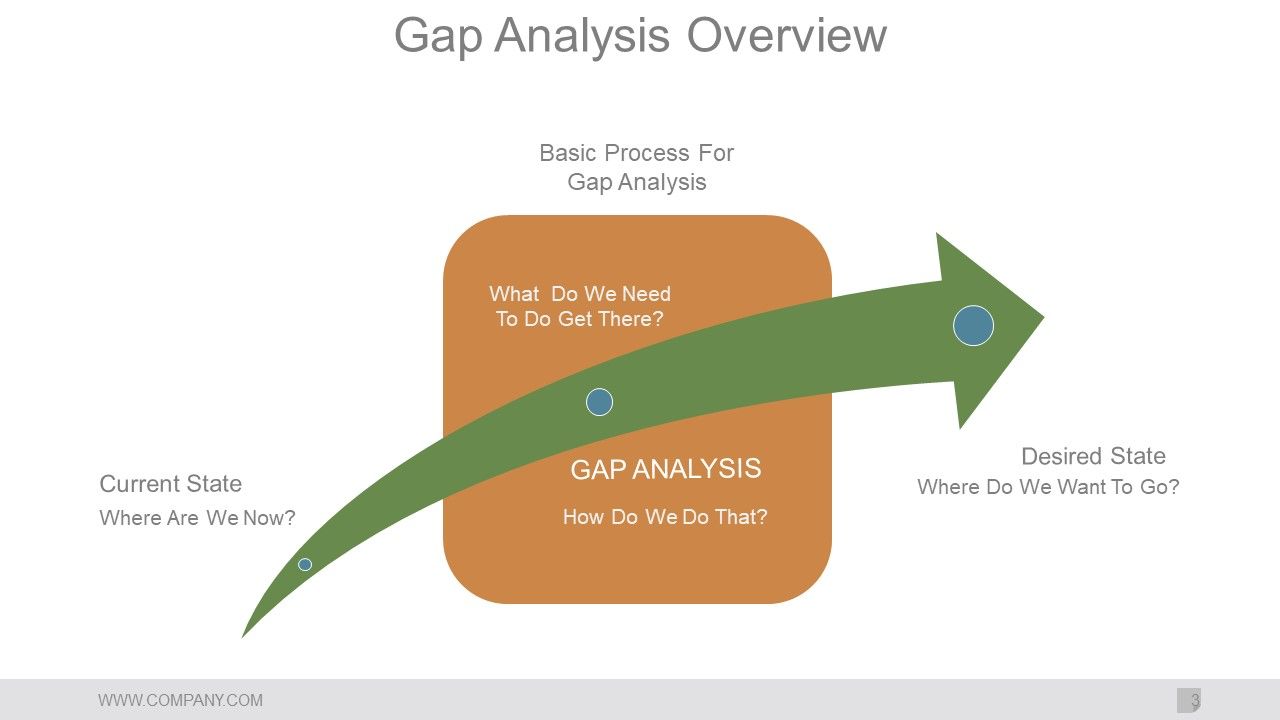
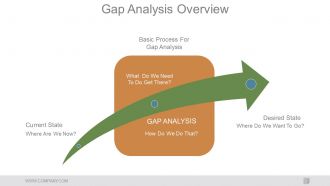
Diapositiva 3 : Esta diapositiva presenta una descripción general del análisis de brechas con los siguientes puntos: proceso básico para el análisis de brechas, estado actual, estado deseado, ¿adónde queremos ir? ¿Como hacemos eso? ¿Qué tenemos que hacer para llegar allí? ¿Donde nos encontramos ahora?
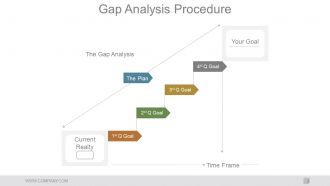
Diapositiva 4 : Esta diapositiva muestra el procedimiento de análisis de brechas con: marco de tiempo, el análisis de brechas, su objetivo, la realidad actual.
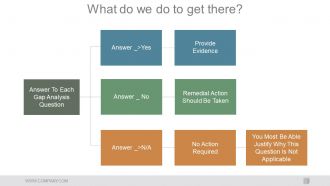
Diapositiva 5 : Esta diapositiva presenta ¿Qué hacemos para llegar allí?
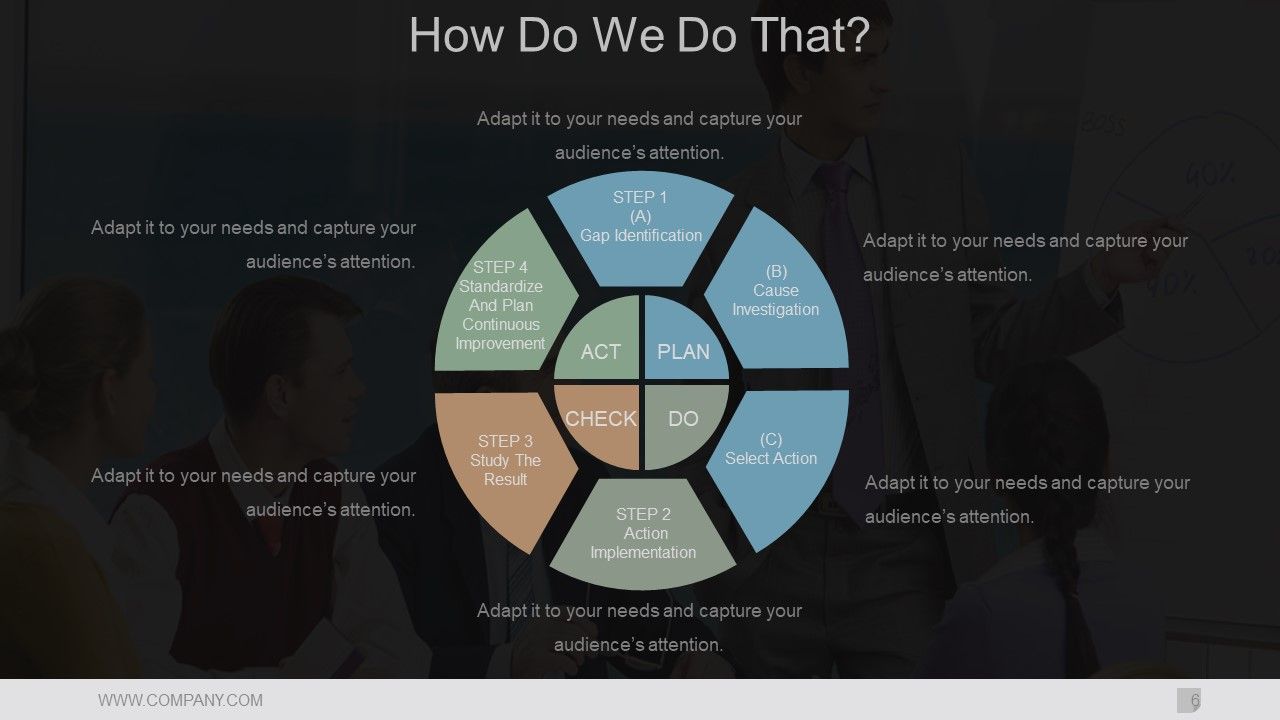
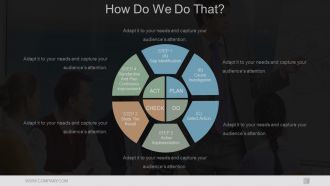
Diapositiva 6 : Esta diapositiva presenta ¿Cómo lo hacemos?
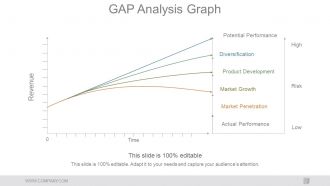
Diapositiva 7 : Esta diapositiva muestra un gráfico de análisis de GAP con: Rendimiento real Rendimiento potencial Diversificación Desarrollo de productos Crecimiento del mercado Penetración del mercado Ingresos en términos de tiempo, riesgo bajo-alto.
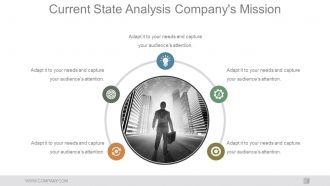
Diapositiva 8 : Esta diapositiva muestra la misión de Current State Analysis Company en la que se indica nuestra misión.
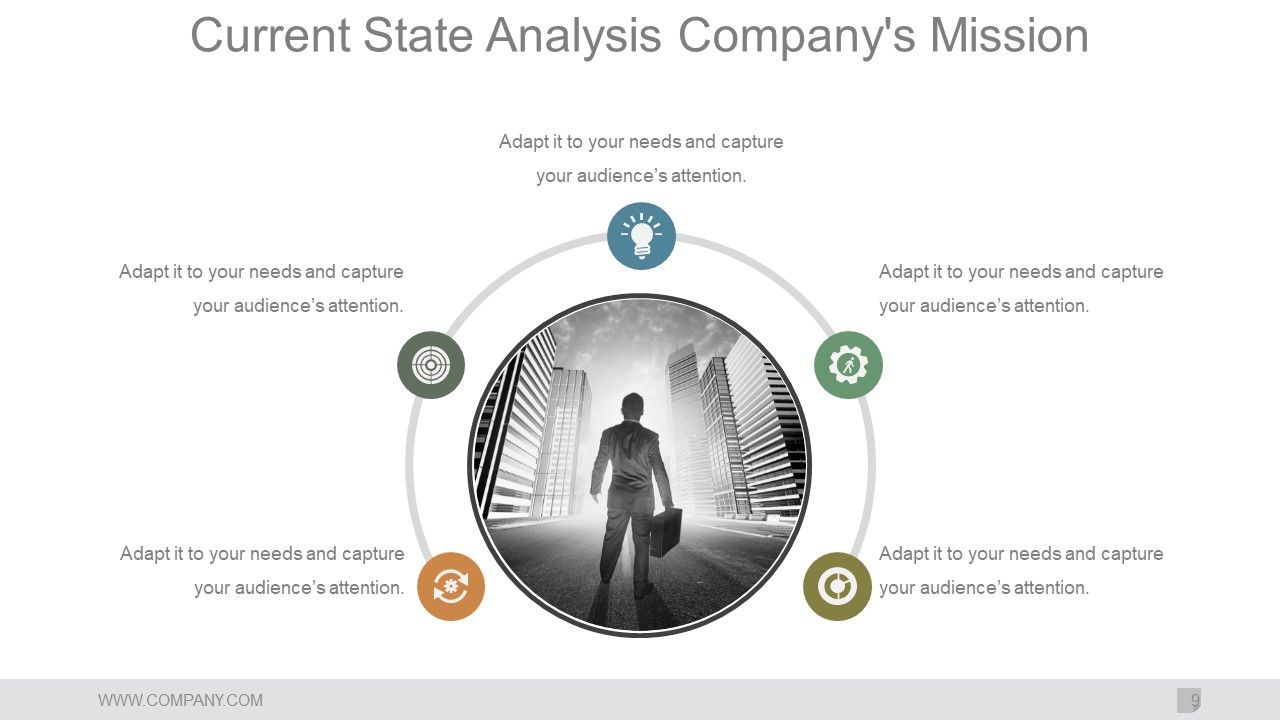
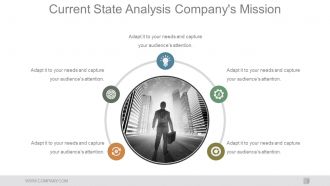
Diapositiva 9 : Esta diapositiva muestra la misión de Current State Analysis Company en la que se indica nuestra misión.
Diapositiva 10 : Esta diapositiva muestra los objetivos de la empresa de análisis del estado actual.
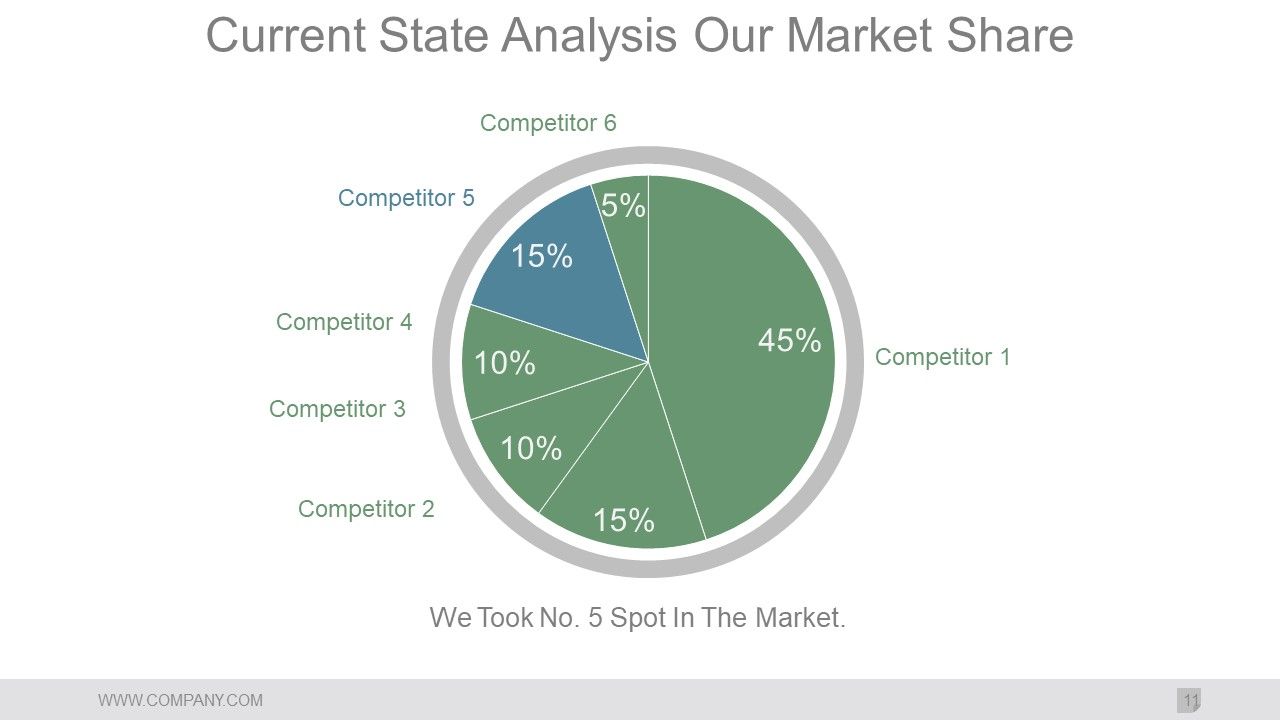
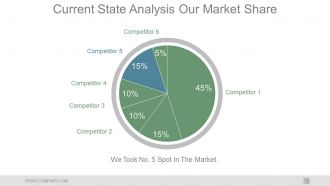
Diapositiva 11 : Esta diapositiva muestra el análisis del estado actual Nuestra participación de mercado en forma de gráfico circular.
Diapositiva 12 : Esta diapositiva muestra el gráfico de comparación financiera del análisis del estado actual.
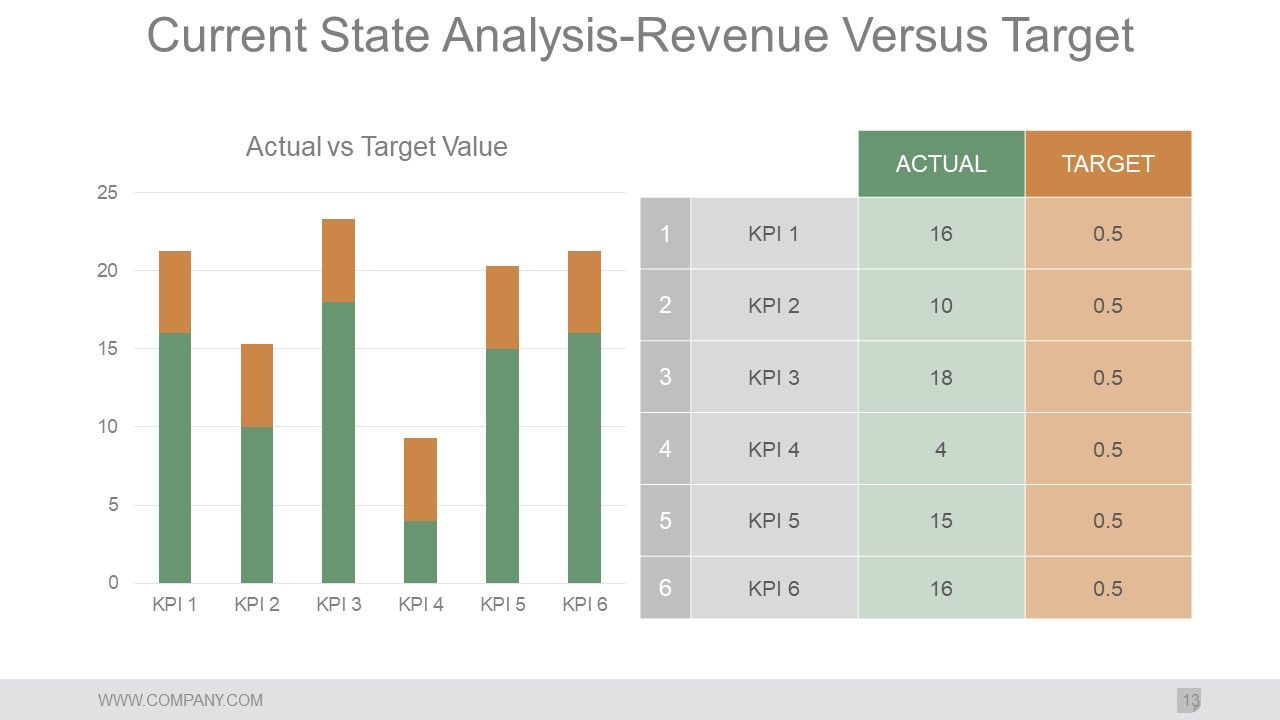
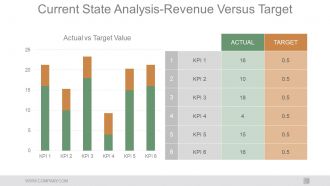
Diapositiva 13 : Esta diapositiva muestra el análisis del estado actual: ingresos frente a objetivo con gráficos separados de valor real frente a valor objetivo.
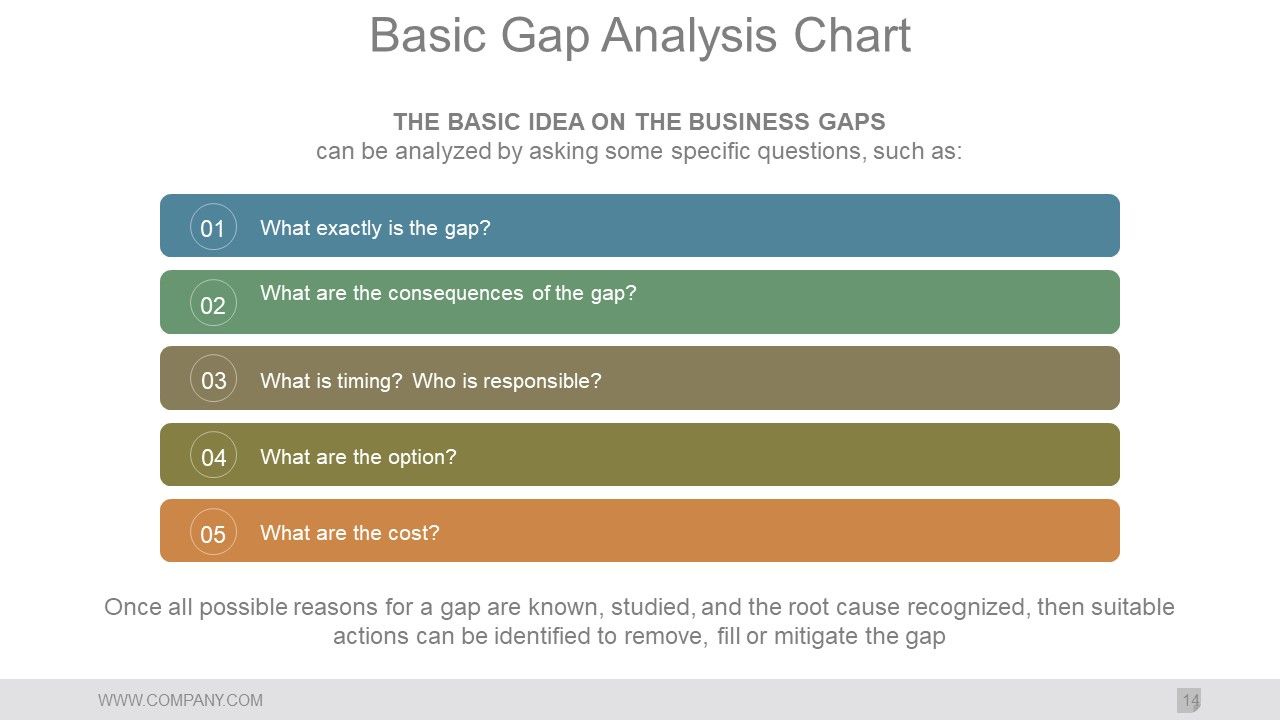
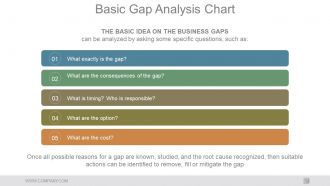
Diapositiva 14 : Esta diapositiva muestra el gráfico de análisis de brechas básico con los siguientes puntos: ¿Qué es exactamente la brecha? ¿Cuáles son las consecuencias de la brecha? ¿Qué es el tiempo? ¿quién es responsable? ¿Cuales son las opciones? ¿Cuáles son los costos?
Diapositiva 15 : Esta diapositiva presenta una Plantilla de análisis de brechas con: Área comercial, Objetivo comercial.
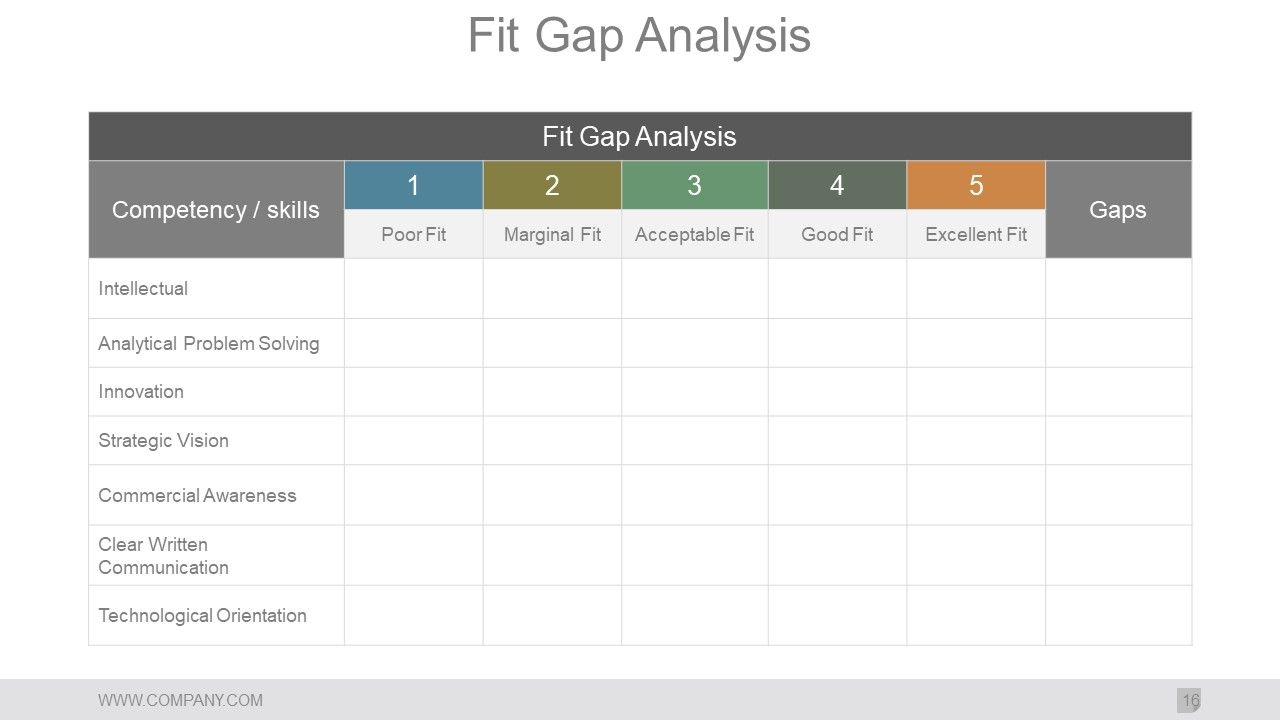
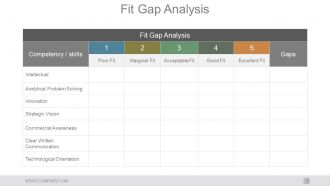
Diapositiva 16 : esta diapositiva muestra una plantilla de análisis de ajuste.
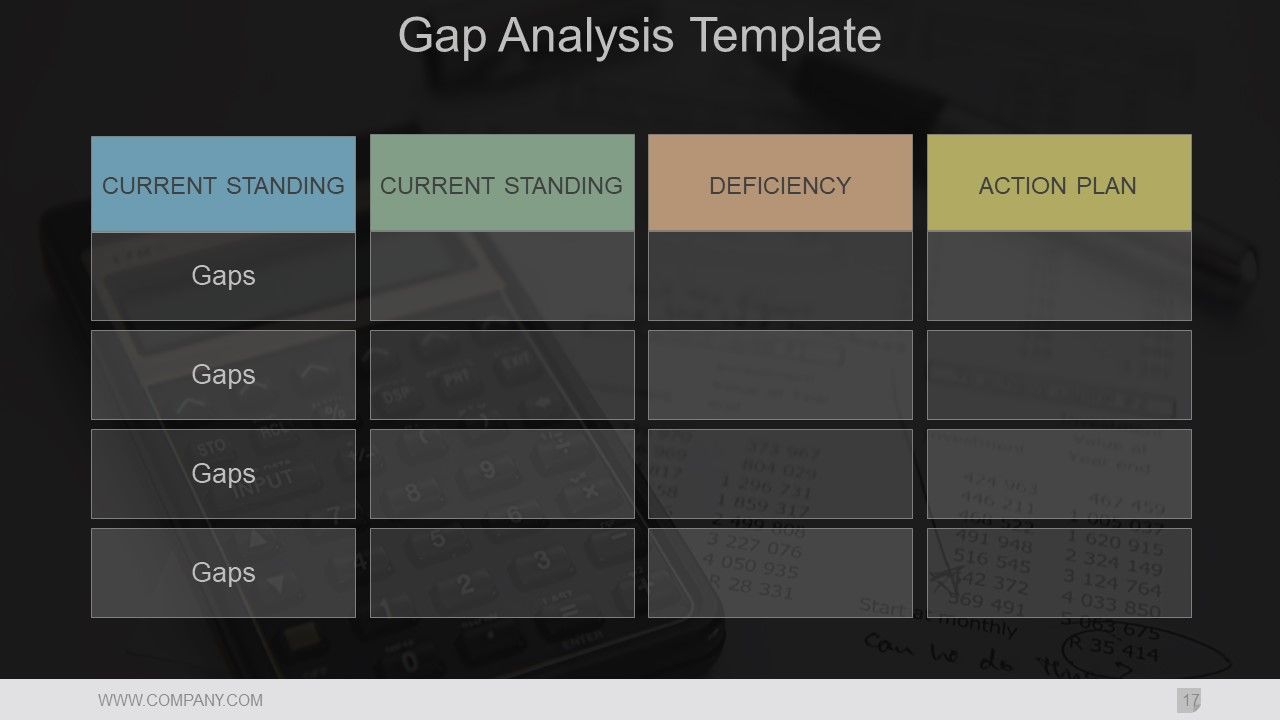
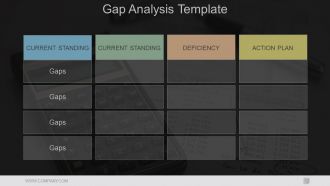
Diapositiva 17 : Esta diapositiva muestra una plantilla de análisis de brechas.
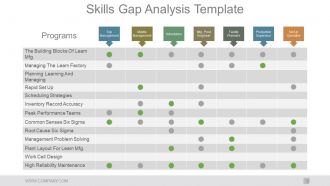
Diapositiva 18 : Esta diapositiva muestra una plantilla de análisis de la brecha de habilidades.
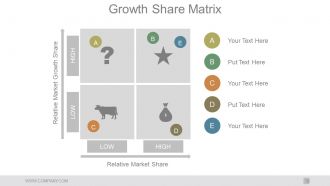
Diapositiva 19 : Esta diapositiva muestra una Matriz de participación en el crecimiento para mostrar información, especificaciones, etc.
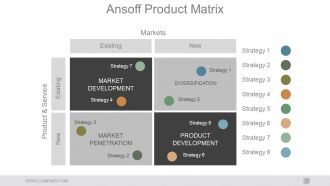
Diapositiva 20 : Esta diapositiva muestra una Matriz de productos Ansoff con: Producto y servicio, Nuevo, Existente, Desarrollo de mercado, Penetración de mercado, Diversificación, Desarrollo de producto.
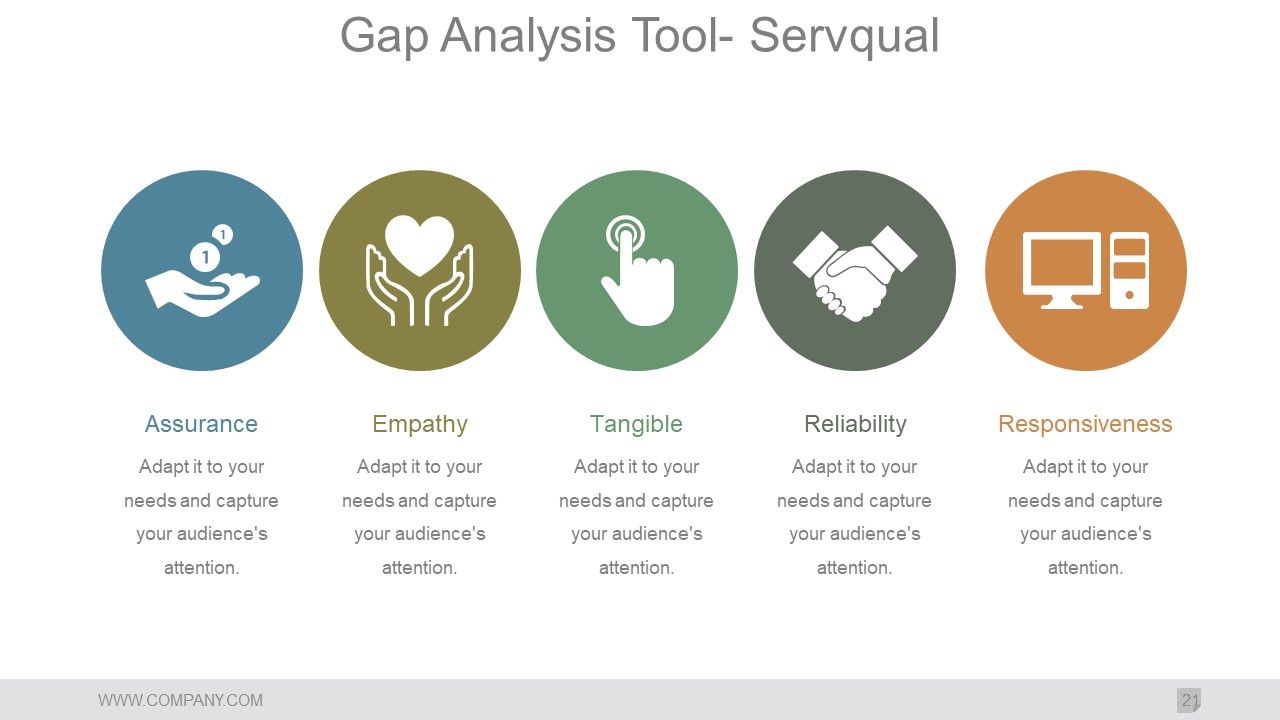
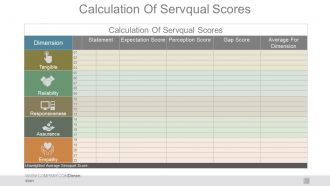
Diapositiva 21 : Esta diapositiva presenta la Herramienta de análisis de brechas - Servqual con los siguientes puntos - Garantía, Empatía, Tangible, Fiabilidad, Capacidad de respuesta.
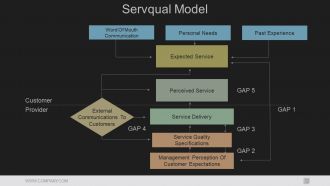
Diapositiva 22 : Esta diapositiva presenta un modelo Servqual con los siguientes puntos: comunicación de boca en boca, percepción de la gerencia de las expectativas del cliente, necesidades personales, experiencia pasada, servicio percibido, prestación del servicio, especificaciones de calidad del servicio, comunicación externa a los clientes, servicio esperado, cliente , Proveedor, GAPS.
Diapositiva 23 : Esta diapositiva presenta la tabla Cálculo de puntajes Servqual.
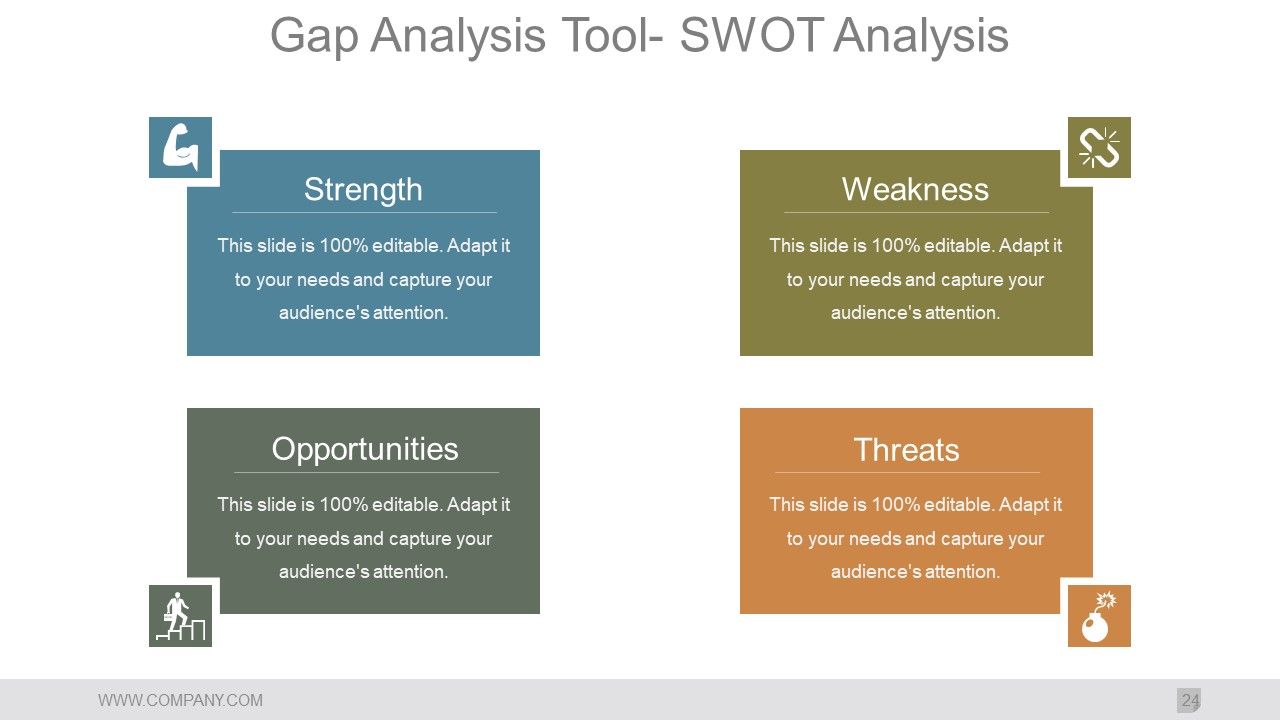
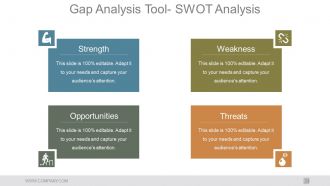
Diapositiva 24 : Esta diapositiva muestra la Herramienta de análisis de brechas: Análisis FODA.
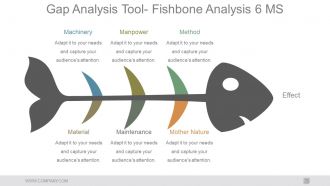
Diapositiva 25 : Esta diapositiva presenta la Herramienta de análisis de brechas: Análisis de espina de pescado 6 Sra. Son: Maquinaria, Mano de obra, Método, Material, Mantenimiento, Efecto de la madre naturaleza.
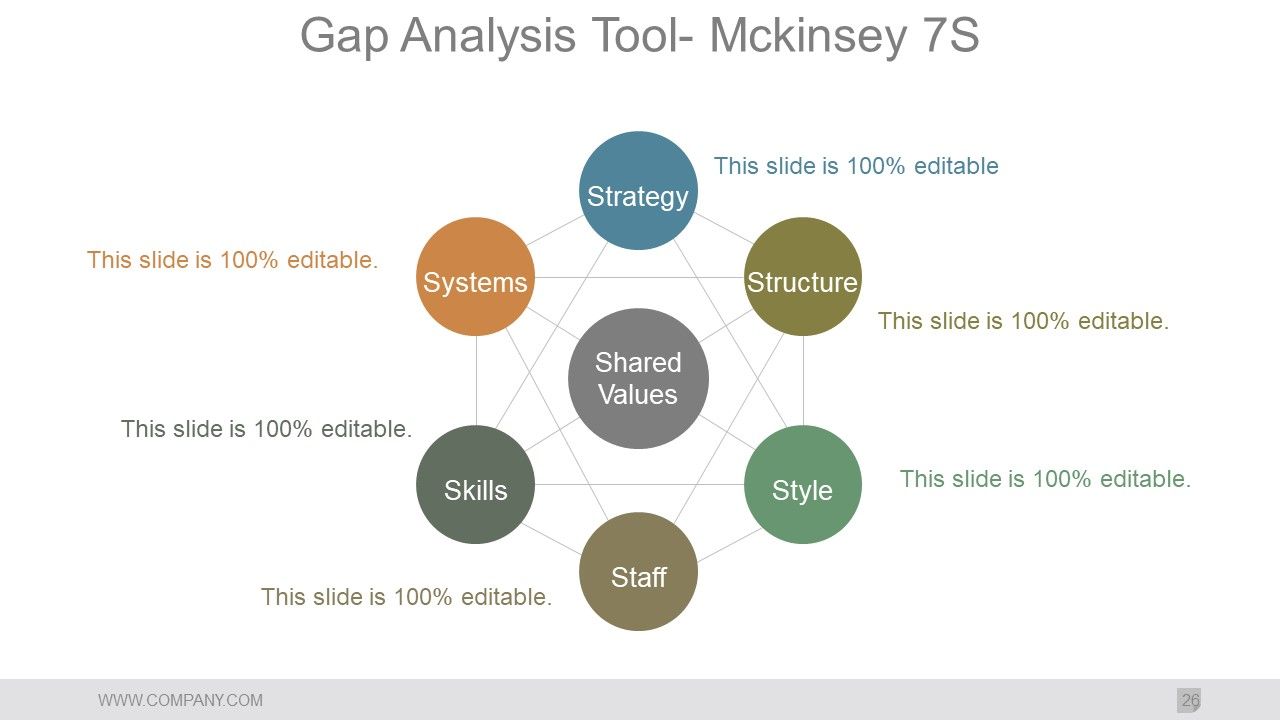
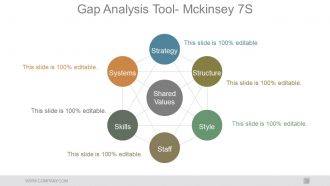
Diapositiva 26 : Esta diapositiva presenta la Herramienta de análisis de brechas: Mckinsey 7S. Son: valores compartidos, estrategia, estructura, estilo, personal, habilidades, sistemas.
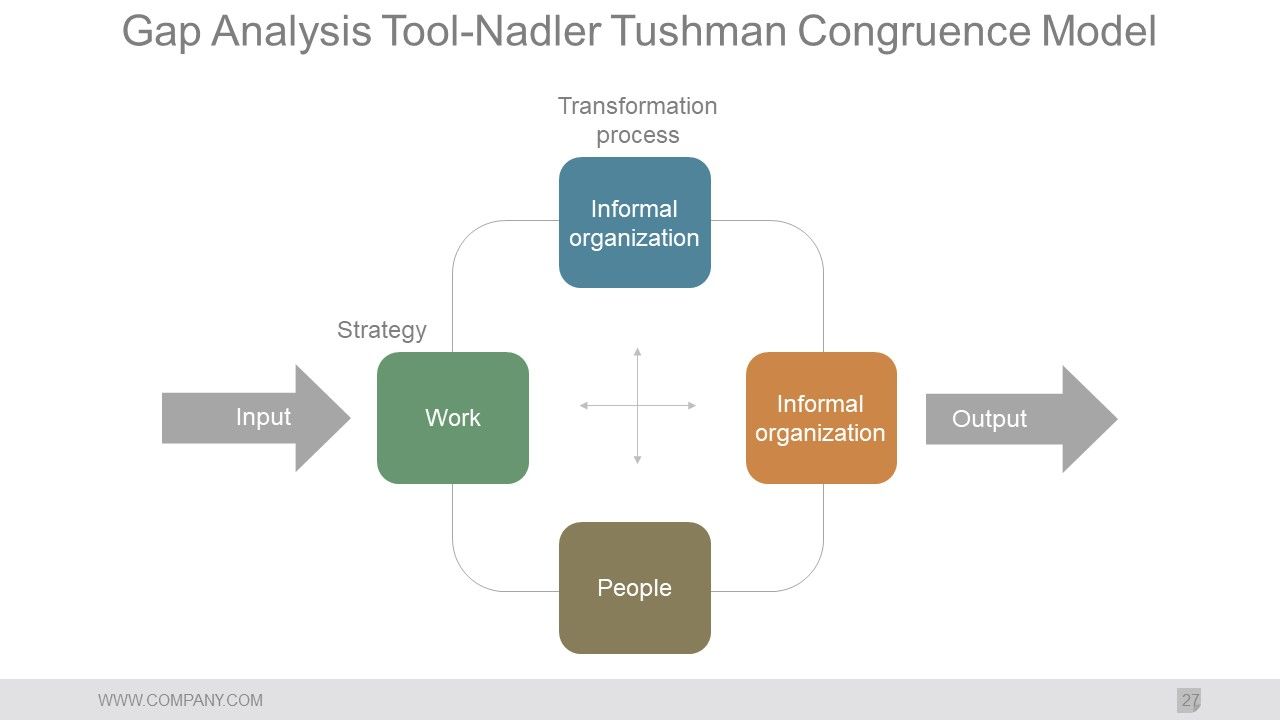
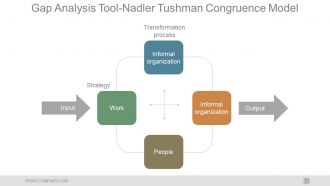
Diapositiva 27 : Esta diapositiva muestra la Herramienta de análisis de brechas: Modelo de congruencia de Nadler Tushman. Los componentes son: Trabajo, Organización informal, Personas, Estrategia, Salida, Entrada, Proceso de transformación.
Diapositiva 28 : esta diapositiva se titula Diapositivas adicionales para avanzar. Puede cambiar el contenido de la diapositiva como desee.
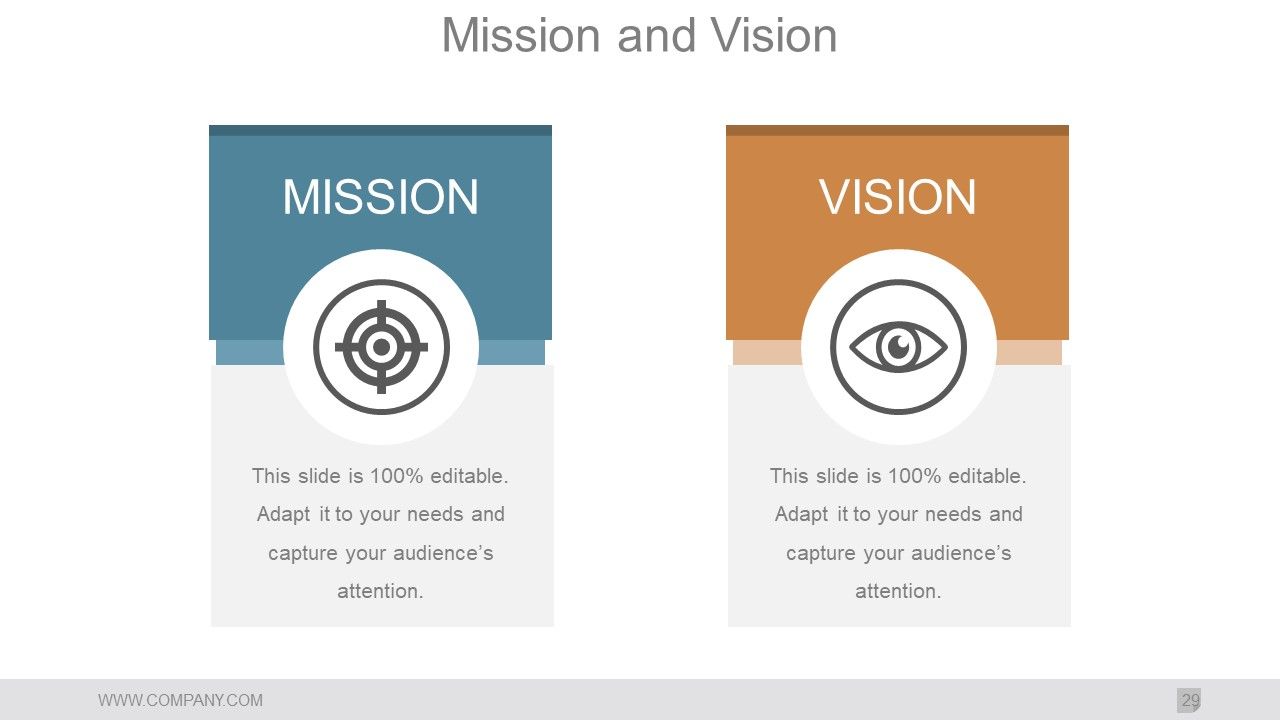
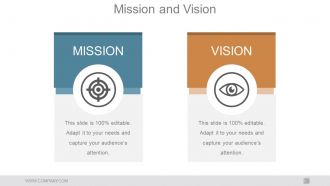
Diapositiva 29 : Esta diapositiva presenta Misión y Visión mostrando Visión, Misión.
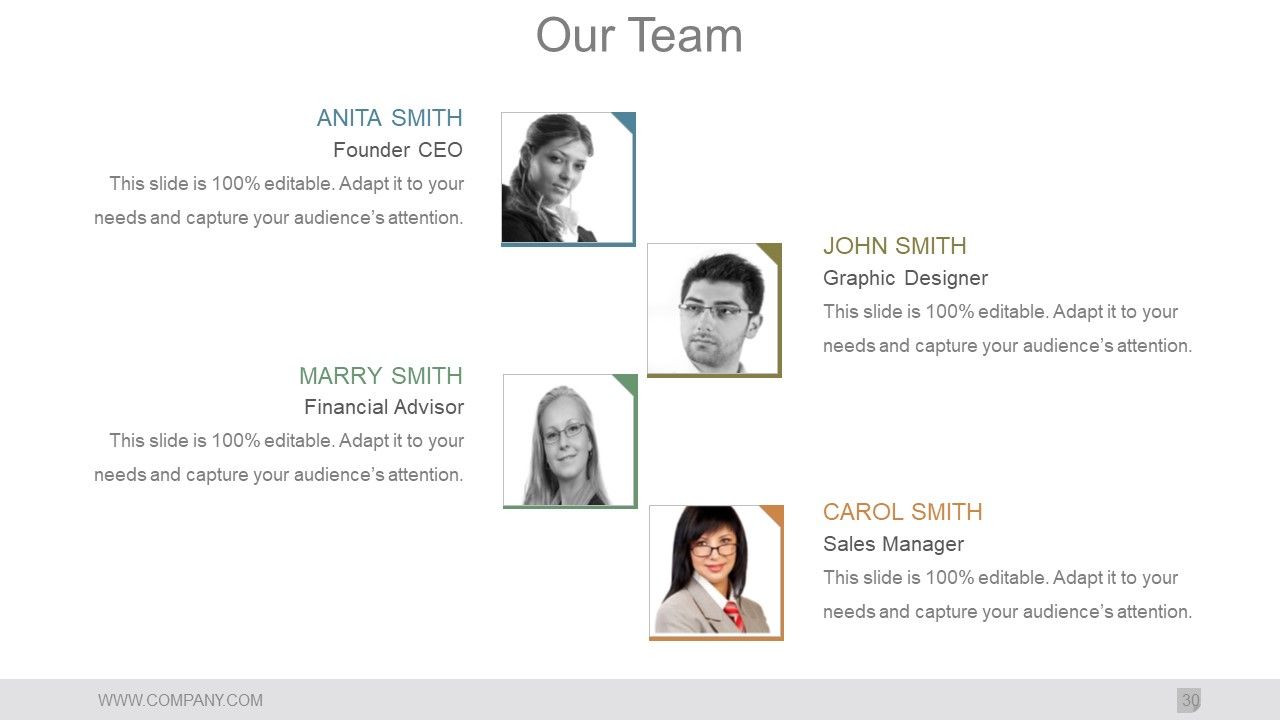
Diapositiva 30 : Esta es una diapositiva de Nuestro equipo para presentar las especificaciones de la empresa / equipo.
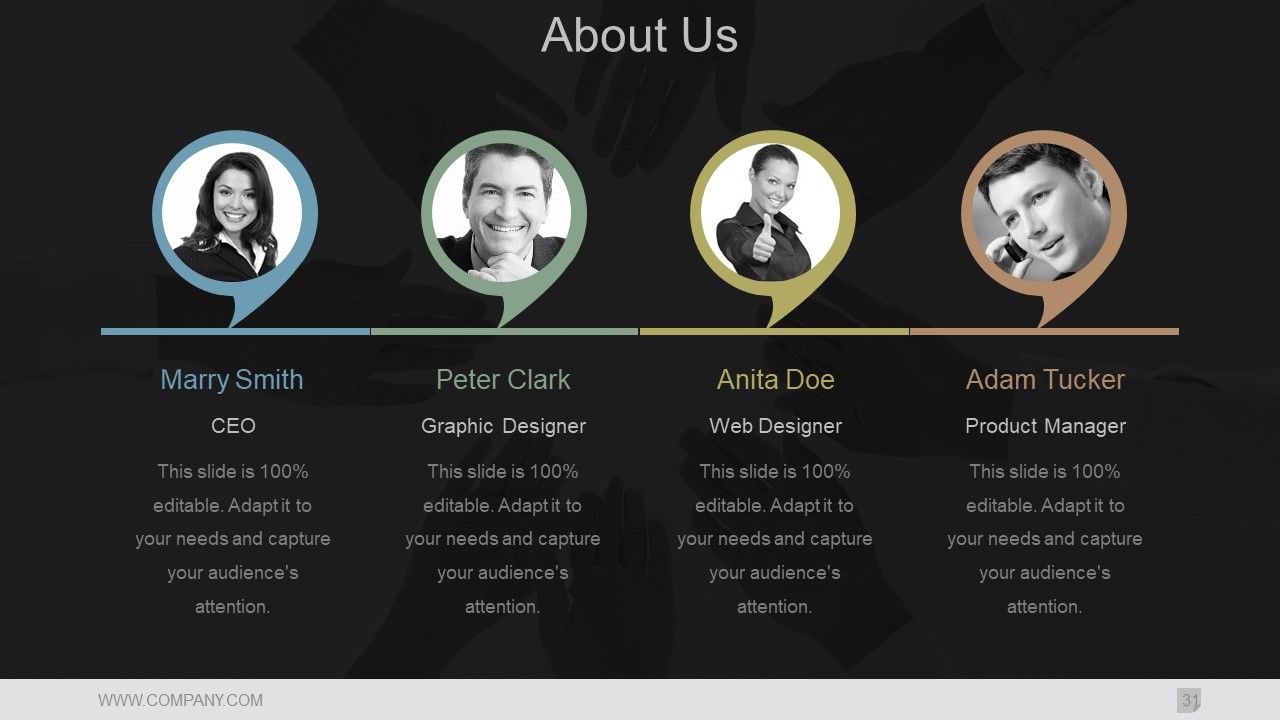
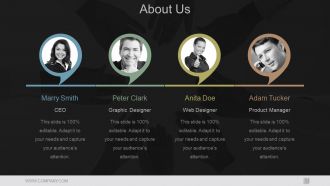
Diapositiva 31 : Esta es una diapositiva Acerca de nosotros. Indique aquí las especificaciones de la empresa / equipo.
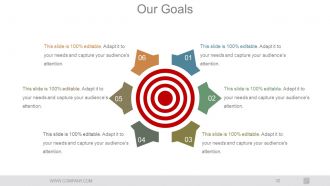
Diapositiva 32 : Esta es la diapositiva Nuestras metas. Indique las metas, los objetivos, etc. aquí.
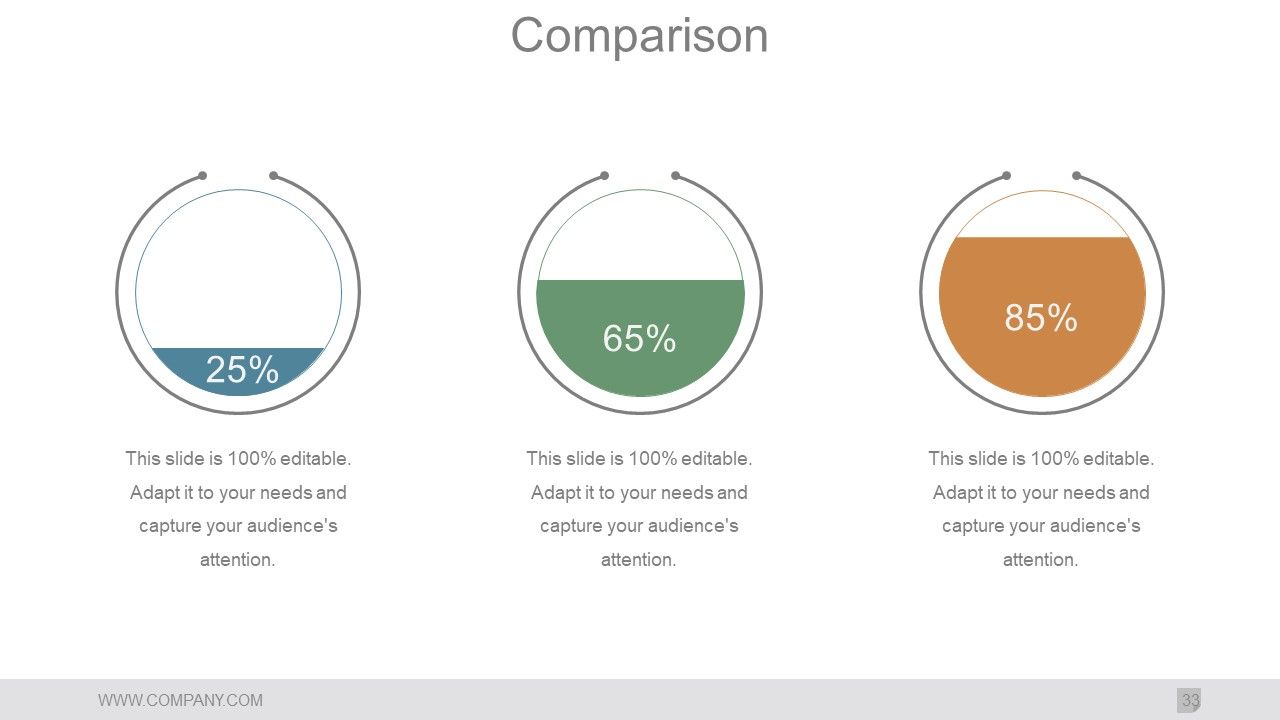
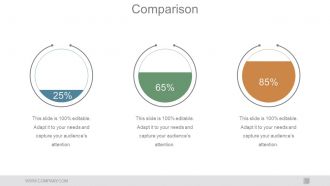
Diapositiva 33 : Esta es una diapositiva de comparación para comparar dos entidades, etc.
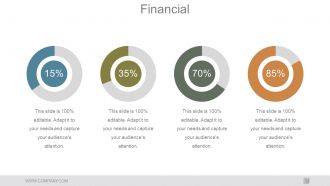
Diapositiva 34 : Esta es una diapositiva de puntuación financiera. Indique aquí los aspectos financieros, etc.
Diapositiva 35 : Esta es una diapositiva de Cotizaciones para transmitir el mensaje de la empresa / organización, creencias, etc. Puede cambiar el contenido de la diapositiva como desee.
Diapositiva 36 : Esta es una diapositiva del Panel de control para mostrar los factores de crecimiento en términos de Bueno, Bajo, Máximo y Moderado.
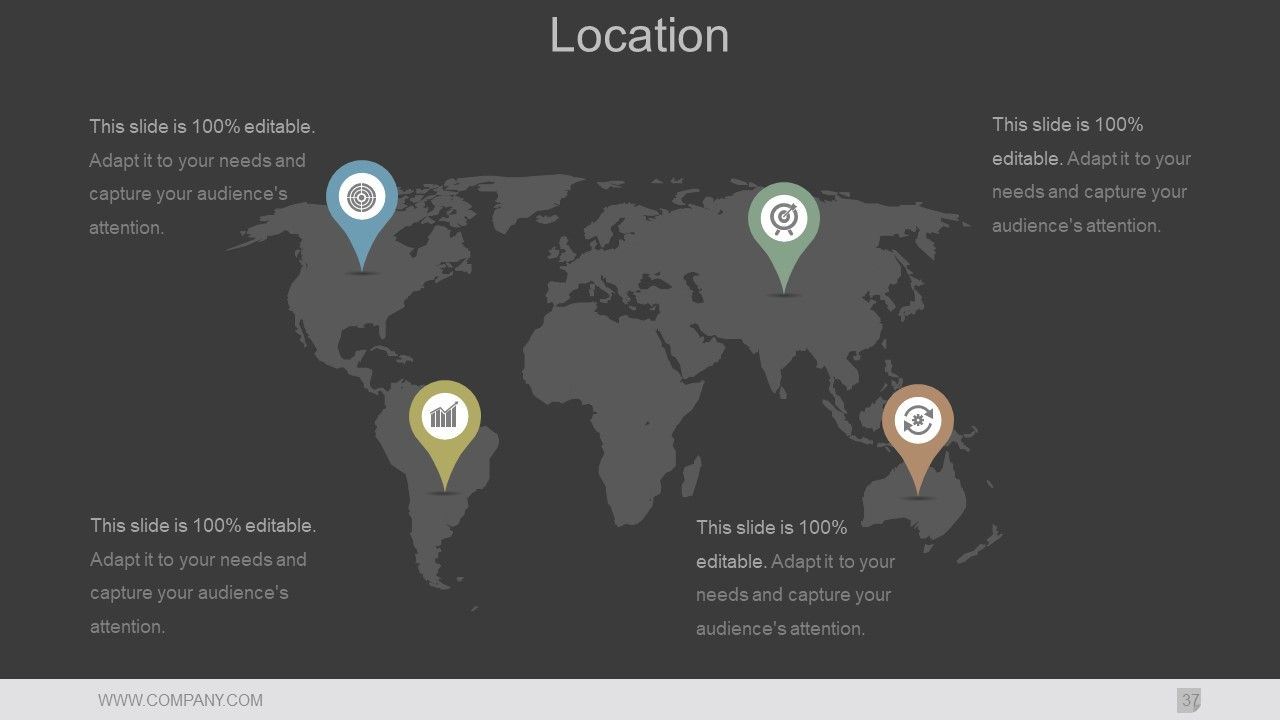
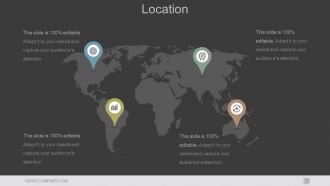
Diapositiva 37 : Esta es una diapositiva de ubicación del mapa mundial para mostrar la presencia global, el crecimiento, etc.
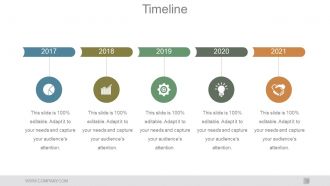
Diapositiva 38 : Esta es una diapositiva de la línea de tiempo para mostrar el crecimiento, destacar factores, hitos, etc.
Diapositiva 39 : Esta es una diapositiva Post It para mostrar información importante, notas, etc.
Diapositiva 40 : esta es una diapositiva de papel de noticias para mostrar eventos, noticias, etc. Puede cambiar la diapositiva según sus necesidades / requisitos.
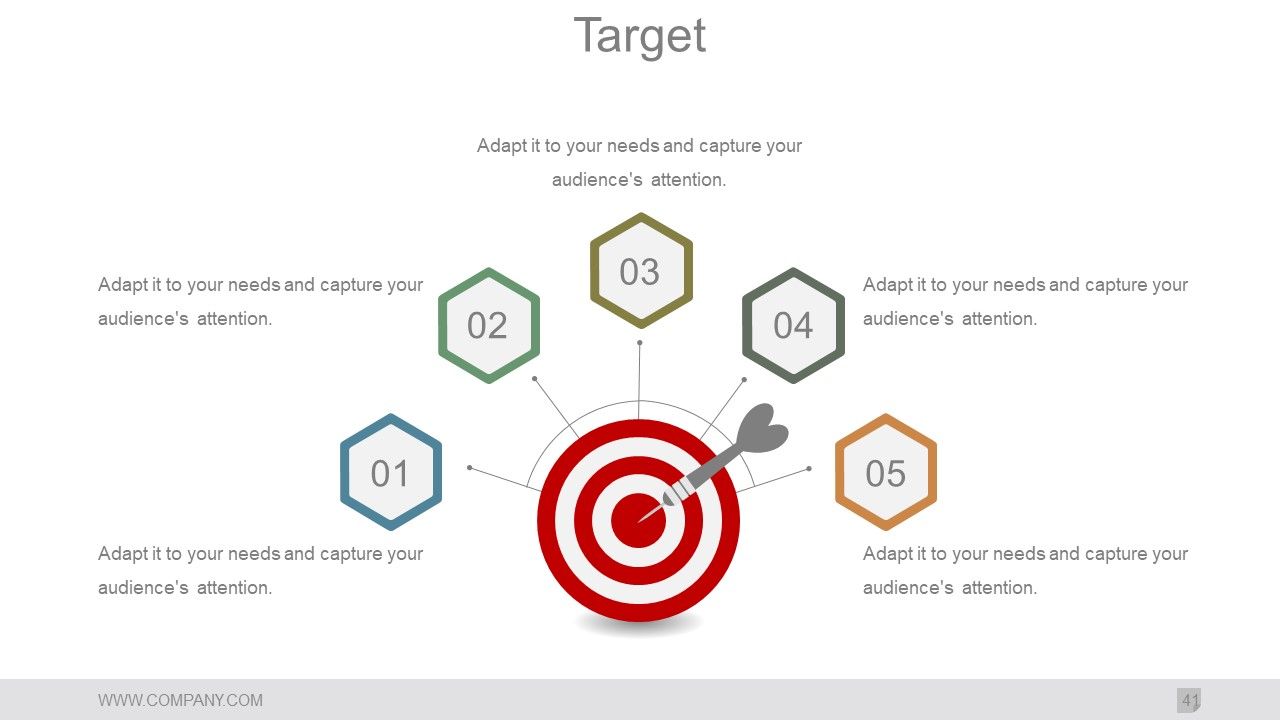
Diapositiva 41 : Esta es una diapositiva de destino. Indique los objetivos, metas, etc. aquí.
Diapositiva 42 : Esta es una diapositiva de imagen de rompecabezas. Indique información, especificaciones, etc. aquí.
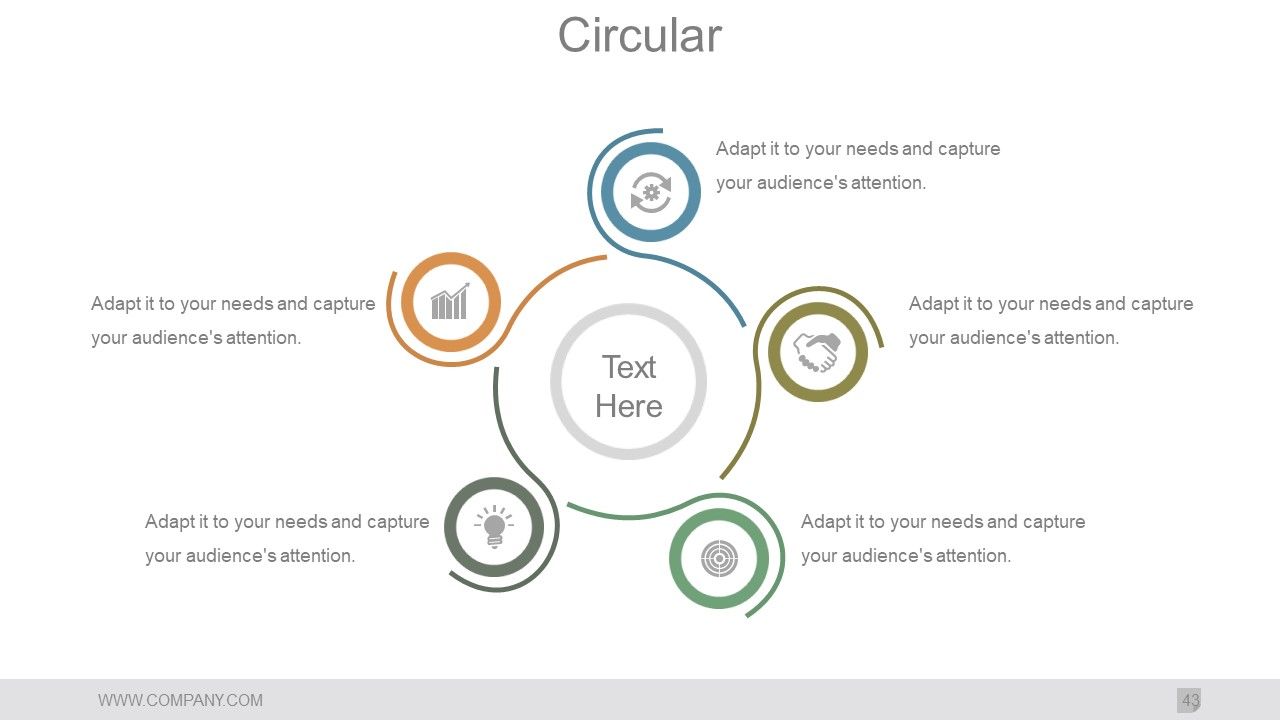
Diapositiva 43 : Esta es una diapositiva de imagen circular para mostrar información, especificaciones, etc. aquí.
Diapositiva 44 : Esta es una diapositiva de imagen del diagrama de Venn. Indique información, especificaciones, etc. aquí.
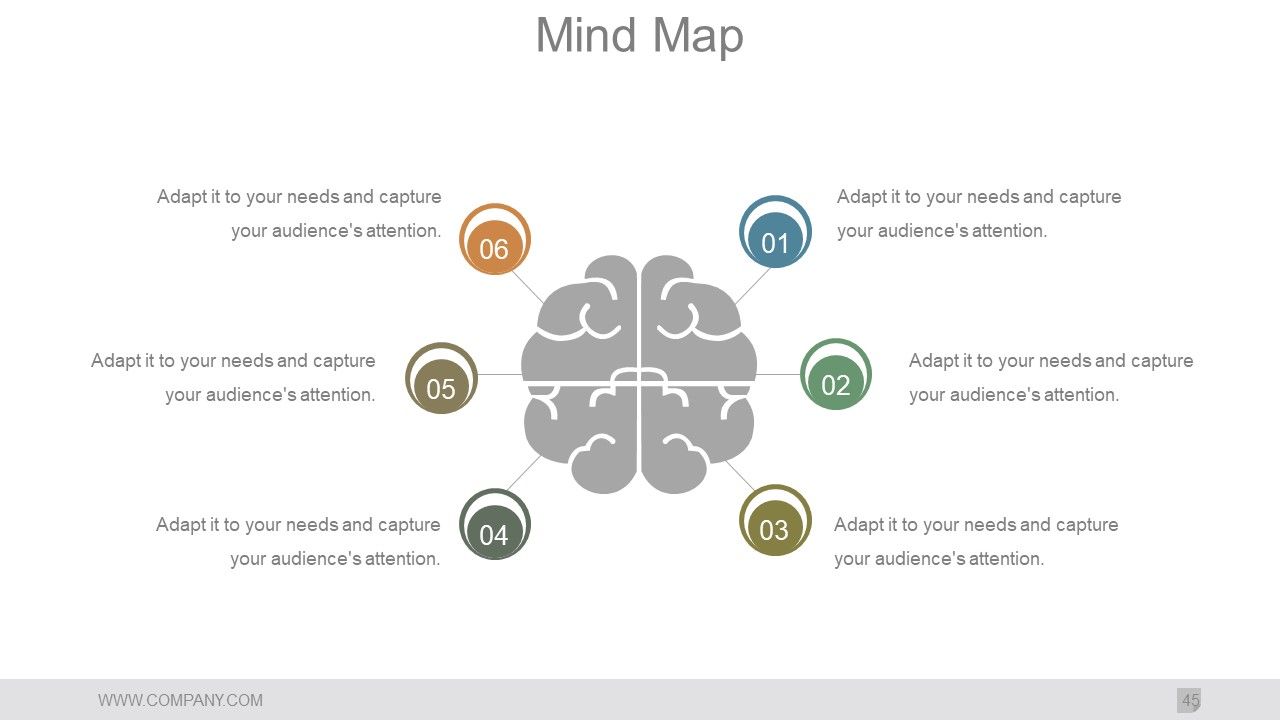
Diapositiva 45 : Esta es una diapositiva de imagen de mapa mental. Indique información, especificaciones, etc. aquí.
Diapositiva 46 : Esta diapositiva presenta una matriz. Indique información, especificaciones, etc. aquí.
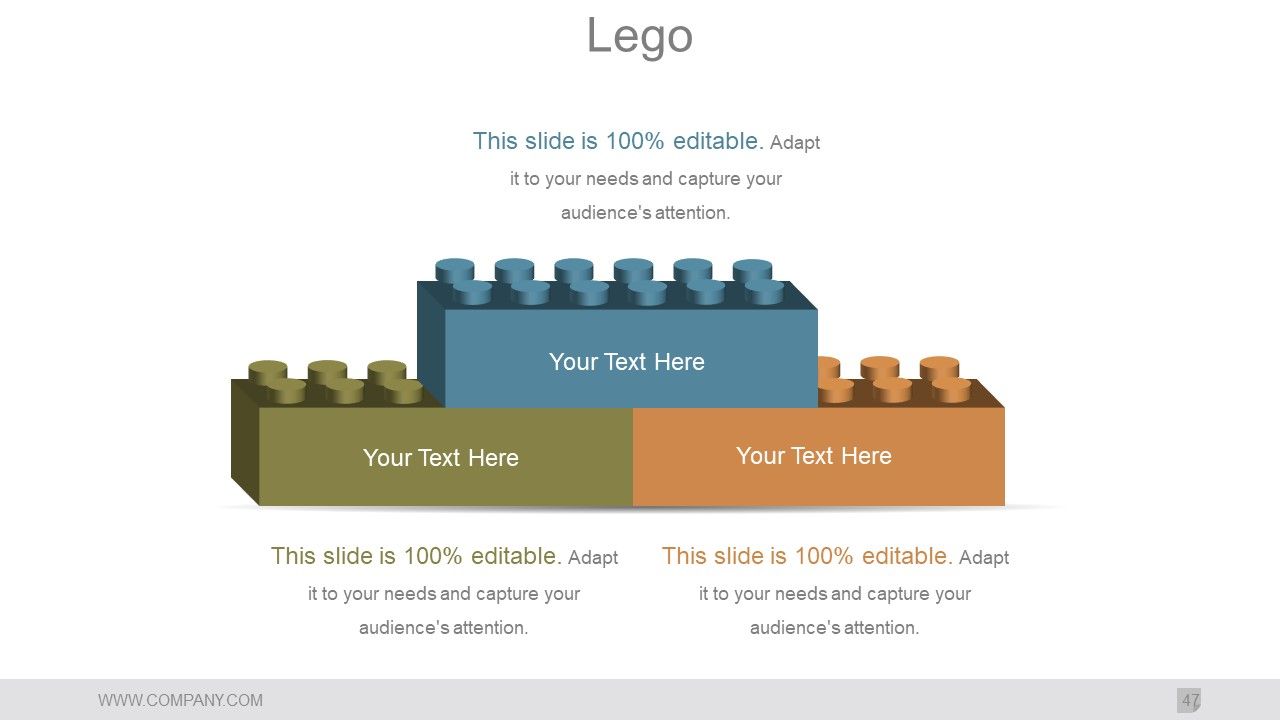
Diapositiva 47 : Esta es una diapositiva de imágenes de Lego. Indique información, especificaciones, etc. aquí.
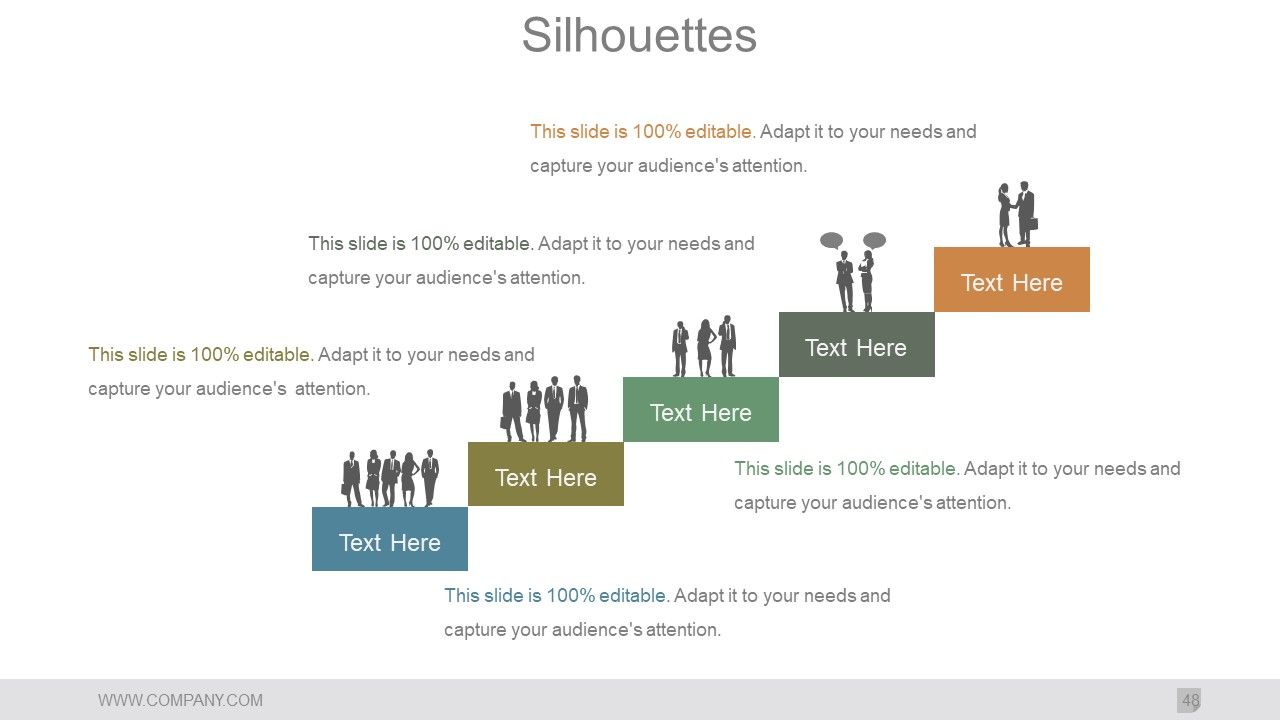
Diapositiva 48 : Esta es una diapositiva de imagen de Siluetas. Indique aquí la información relacionada con las personas, las especificaciones, etc.
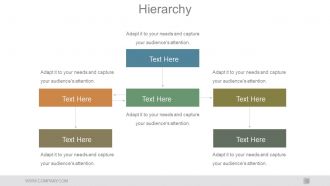
Diapositiva 49 : Esta diapositiva presenta una jerarquía para mostrar la estructura organizativa / del equipo.
Diapositiva 50 : Esta es una diapositiva de imagen Idea & Bulb. Indique aquí información, especificaciones, aspectos innovadores, etc.
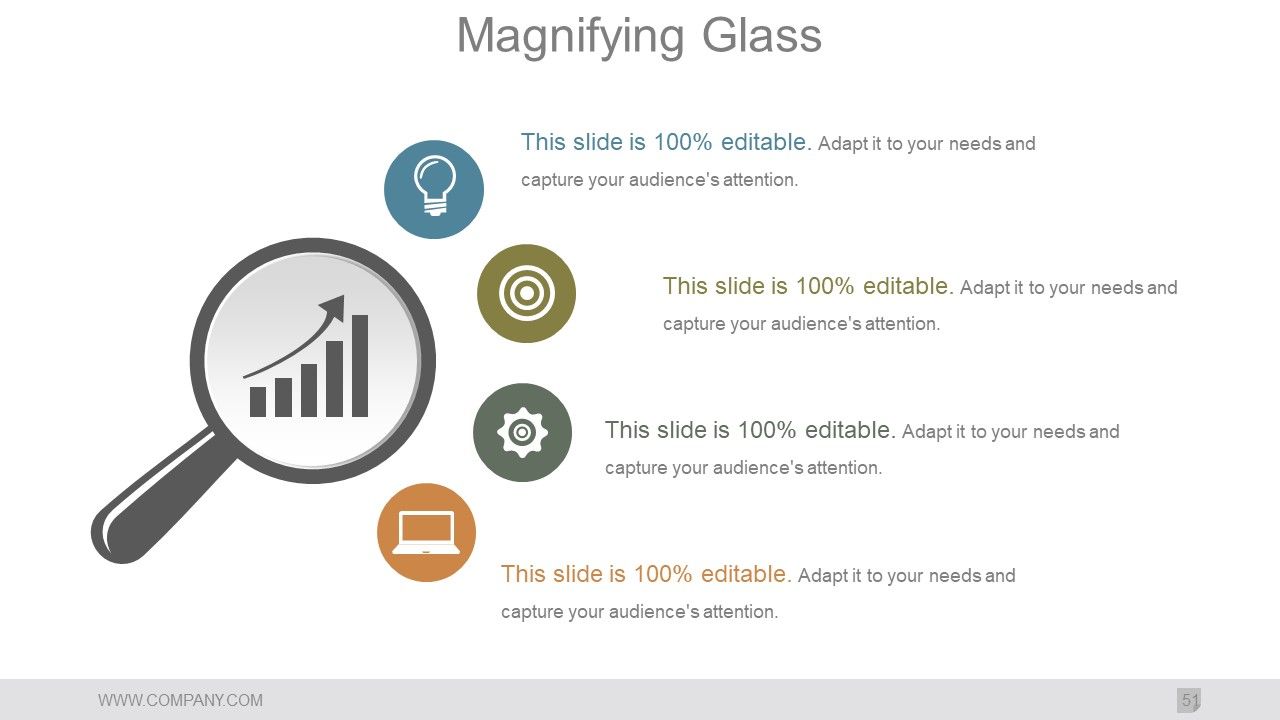
Diapositiva 51 : Esta es una diapositiva con imagen de lupa. Indique información, especificaciones, etc. aquí.
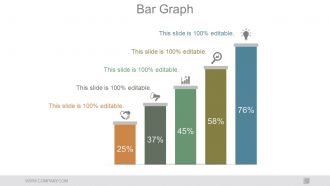
Diapositiva 52 : Esta es una diapositiva de gráfico de barras para mostrar la comparación de producto / entidad.
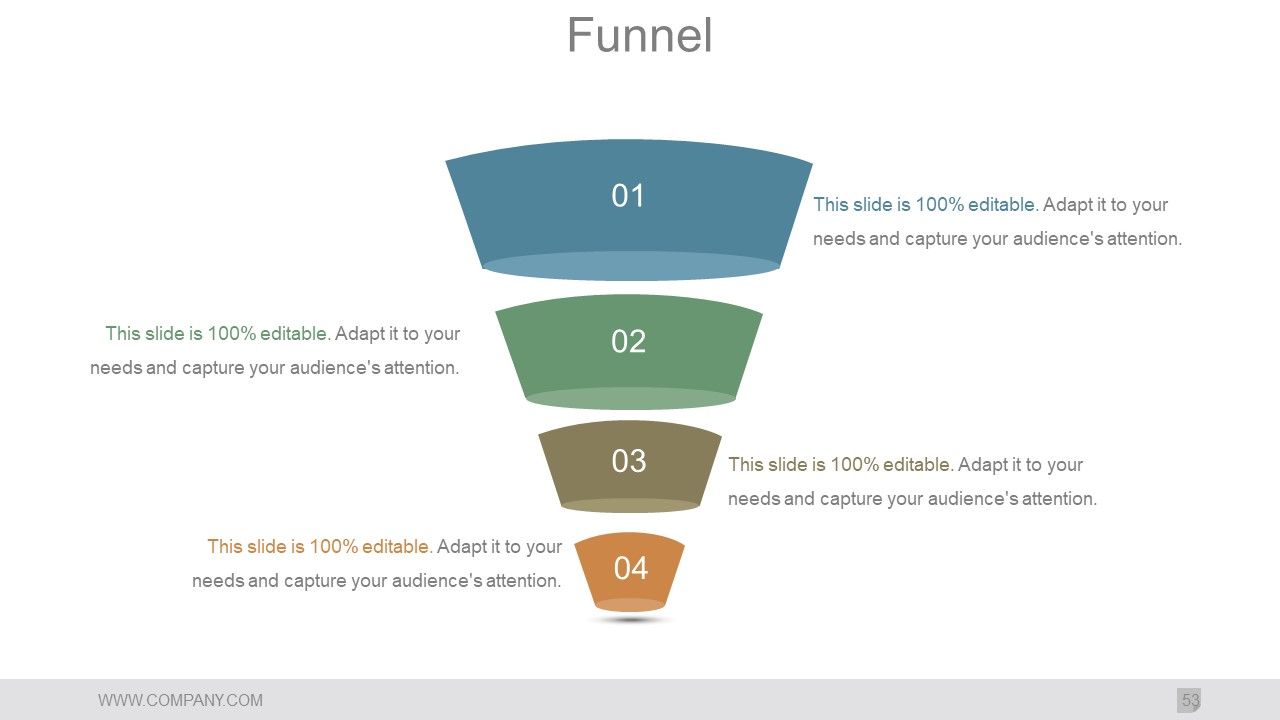
Diapositiva 53 : Esta es una diapositiva de embudo para mostrar aspectos de embudo, información, etc.
Diapositiva 54 : Esta es una diapositiva de agradecimiento con dirección de correo electrónico, número de dirección, número de calle, ciudad, estado y números de contacto.
Análisis de brechas en la gestión estratégica Diapositivas de presentación de PowerPoint con las 53 diapositivas:
Muestre una gran cantidad de diseños para los interiores con nuestras diapositivas de presentación de PowerPoint de análisis de brechas en la gestión estratégica. Permita que la gente mejore la estética.
-
Excellent Designs.
-
Appreciate the research and its presentable format.
