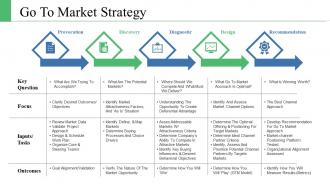
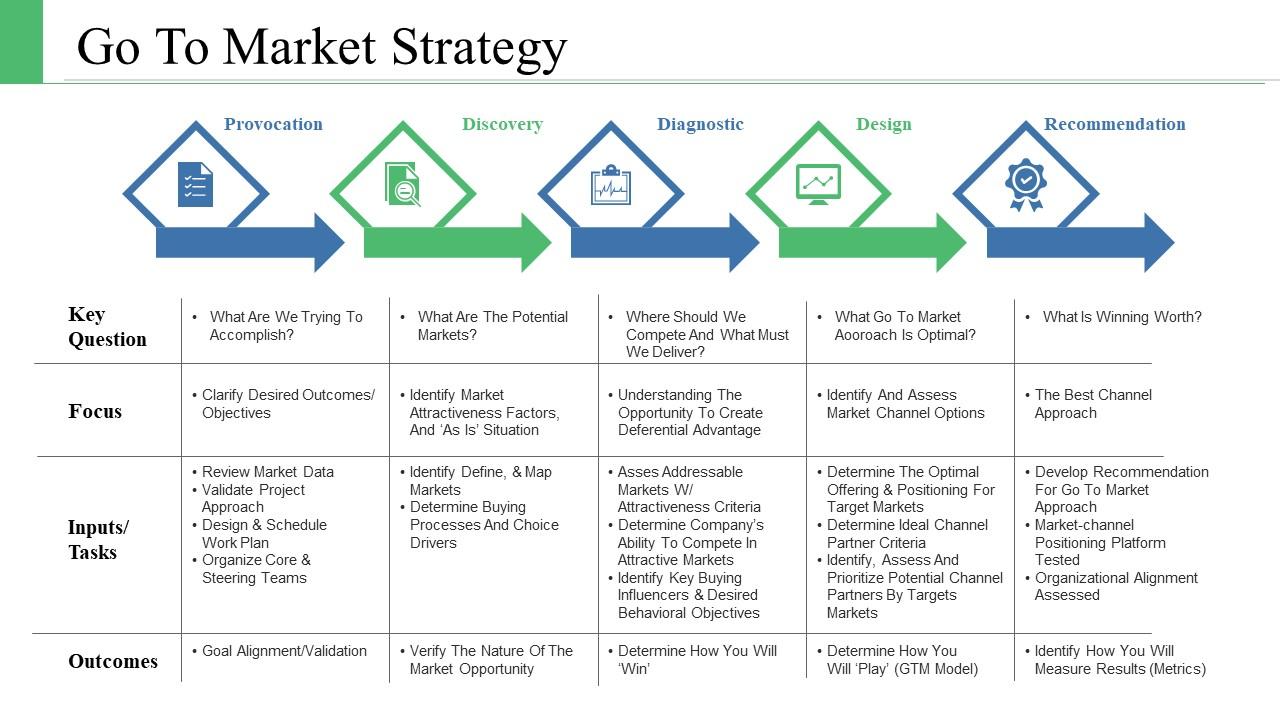
Go to market strategy ppt inspiration background image
Try Before you Buy Download Free Sample Product
Audience
Editable
of Time
Develop the infrastructure with our Go To Market Strategy Ppt Inspiration Background Image. Identify areas for further growth.
People who downloaded this PowerPoint presentation also viewed the following :
Go to market strategy ppt inspiration background image with all 5 slides:
Our Go To Market Strategy Ppt Inspiration Background Image enable you to begin with a bang. They are bound to buck you up.
FAQs for Go to market strategy ppt
Okay so you need five main things: target customer definition (get crazy specific), value prop, pricing, sales channels, and marketing plan. Most people totally bomb the customer research part - like they just guess who might want their product. Bad move. Your whole launch depends on actually knowing who's buying and why they'd pick you over competitors or just... not buying anything at all. Oh and channels matter way more than people think. Where do your customers actually spend time? Start there with the customer profile thing first, then build everything else around that. Makes the rest way easier tbh.
So basically, market segmentation makes your go-to-market way more focused. You're not just blasting the same message everywhere anymore. Different customer groups care about totally different things, right? Like a cybersecurity company would talk to IT directors completely differently than compliance officers - different pain points, budgets, the whole decision process is different. When you actually segment properly, your conversion rates go up and you spend less on acquiring customers. Honestly, it's just way more efficient than trying to appeal to everyone at once. You end up speaking directly to what each group actually needs.
Honestly, personas are what make or break your entire go-to-market plan. You wouldn't pitch the same way to a C-suite exec and a developer, right? Your personas decide everything - which channels to hit, how technical to get, pricing, messaging, all of it. LinkedIn ads for executives, developer forums for engineers. Makes total sense when you think about it. Without good personas you're just guessing at what might work (been there, not fun). Interview actual customers first though - don't just make stuff up based on what you think they want.
Honestly, competitive analysis is like having cheat codes for your positioning and pricing. I'd start by stalking 3-5 competitors this week - their websites, reviews, social stuff. See what they're screwing up and where they're ignoring potential customers. Their customer complaints are pure gold for finding market gaps. Study their messaging and pricing tiers too. When prospects ask "how are you different from Company X" (and they always do), you'll actually have a solid answer. Plus you can dodge their mistakes instead of repeating them. It's probably the easiest way to craft something that actually stands out.
You need to look at both leading and lagging stuff. Leading ones are customer acquisition cost, conversion rates through your funnel, and how fast new users get value. Lagging metrics - think customer lifetime value, churn, revenue growth. Don't get caught up in vanity metrics like total signups (guilty of this myself tbh). They're pretty useless for understanding if your business is actually healthy. The real insight comes when you connect these numbers to your actual GTM activities. See what's moving the needle. Start with maybe 3-5 core metrics and build out your dashboard slowly from there.
Dude, pricing literally makes or breaks your whole go-to-market thing. It decides who you can actually target and what sales approach works. High prices? You'll need that hand-holding, enterprise-y sales process. Go cheap and you're doing self-serve, high-volume stuff. I've watched teams absolutely crush the product and messaging but still fail because their pricing was completely off from what customers would actually pay. Oh and don't just guess - actually research what your target customers budget for this kind of solution first. Then build everything else around that number.
Your value prop is literally what holds your whole go-to-market strategy together. It's the thing that makes customers stop and think "oh wait, this is actually for me" instead of bouncing to your competitor. When you don't have this nailed down, everything else gets messy - sales reps can't close deals, marketing feels scattered, pricing gets weird. Honestly, I've watched so many product launches crash because teams thought they could figure it out later. Short answer: figure out what makes you different first, then build everything else around that. It'll save you months of confusion.
Honestly, your sales and marketing teams probably hate each other right now - that's step one to fix. Get them in a room weekly, not just those useless quarterly meetings. Both sides need to agree on who you're actually targeting and what you're saying to them. Marketing creates stuff that helps sales close deals, sales tells marketing what's bombing in real conversations. Oh, and make sure when marketing hands off a lead, sales doesn't immediately confuse the hell out of them with different messaging. Shared goals they both own will fix most of this drama.
Don't try targeting everyone right off the bat - you'll just sound generic to everybody. Pick one customer segment and nail that first, even though it feels scary to narrow down. Oh, and definitely talk to actual customers before launching anything. Teams always think they know what people want (spoiler: they usually don't). Test your pricing early too instead of figuring it out later when you're scrambling. Make sure your sales and marketing teams aren't working toward completely different goals - I've seen that mess up so many launches. Focus tight, validate everything, get everyone aligned on what winning looks like.
Dude, the right tech tools will seriously save your sanity. CRM systems track your leads and handle follow-ups automatically. Analytics show you which marketing channels actually work (not just the ones that sound cool). I'd grab some marketing automation for email sequences too - way better than manually sending stuff all day. Oh, and social listening tools are clutch for monitoring what people say about your product. Here's the thing though: stick to maybe 3-4 tools max. I've seen too many people hoard software they never touch. Better to master a few good ones.
Dude, customer feedback is literally your gut check on whether your go-to-market plan is actually hitting. Get it from everywhere - demos, beta users, sales calls, even the deals that went nowhere (those hurt but they're gold). People will straight up tell you if your messaging sucks or if you're chasing the wrong buyers. Build feedback into every single touchpoint so you can change course fast. I learned this the hard way once - thought I knew my audience and was completely wrong. Set up quick check-ins with sales and send simple surveys to prospects. They'll roast your strategy in the best way possible.
So basically you gotta dig into each market first - research how people actually buy stuff there, what regulations you're dealing with, all that. Pricing's huge too. Like, your US pricing could totally bomb in Southeast Asia. Then switch up your messaging and where you're selling based on what locals expect. And don't just Google Translate your marketing materials - that's a rookie move. Actually adapt them properly. Keep your main value prop the same but be flexible with everything else. Oh, and test small first! Way cheaper to fail small than blow your whole budget.
Timing can totally make or break your launch, but here's the thing - perfect timing doesn't really exist. There's always gonna be something that could be better, you know? Go too early and you're dealing with an unprepared market or your product isn't quite ready. Wait too long and competitors swoop in or that window just closes. What you want is when market demand actually lines up with where your product's at, plus you've got the resources to pull it off properly. Map out market readiness, competition, and what you can handle internally. Find that sweet spot between all three.
Partnerships are honestly a game-changer for getting to market faster. You get instant access to their customer base instead of starting from zero with cold calls (which suck anyway). Their existing trust becomes your credibility overnight. Look for companies that already serve your ideal customers but aren't competing with you directly. Maybe they complement what you do? Those warm introductions through partners beat cold outreach every time. You can fill product gaps or break into new markets way quicker than doing everything yourself. Start by figuring out who's already winning with your target audience.
Pick one market or customer segment first - don't blow your whole budget right away. Test different messaging and pricing with A/B tests. Trust me, what actually works will probably shock you vs what you think will land. Talk to your early customers directly, like actual phone calls, not just boring surveys. Watch your conversion rates and acquisition costs like a hawk. Give it 2-3 months minimum to get real data - I know that feels forever when you're excited to scale. Then tweak everything based on what you learned before expanding.
-
The slide is so interesting!
-
Innovative and attractive designs.
-
Attractive design and informative presentation.