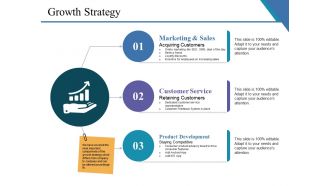
Idéias de Ppt de Estratégia de Crescimento

Rating:
90%
Slide 1 of 5
Favourites Favourites

Try Before you Buy Download Free Sample Product

Audience Impress Your
Audience
Editable 100%
Editable
Time Save Hours
of Time
The Biggest Sale is ending soon in
0
0
:
0
0
:
0
0
Rating:
90%

Recursos desses slides de apresentação do PowerPoint:

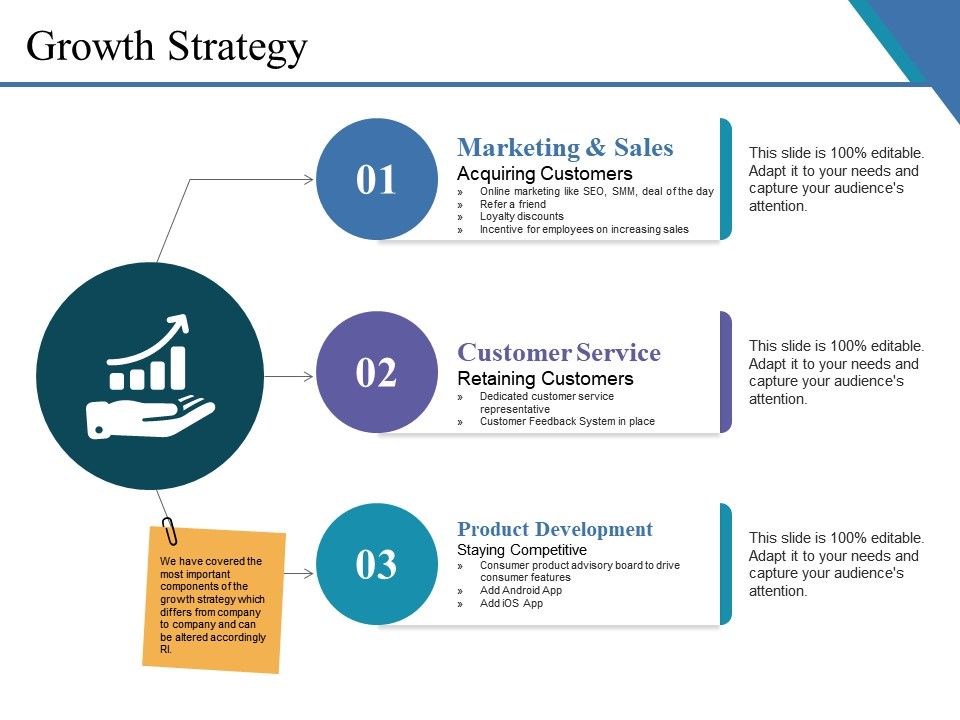
Apresentando este conjunto de slides com o nome - Idéias de Ppt de Estratégia de Crescimento. Este é um processo de três etapas. As etapas deste processo são Marketing e Vendas, Atendimento ao Cliente, Desenvolvimento de Produto.

FAQs for Growth

Honestly, just pick one customer segment and get obsessed with them first. Figure out what they actually want - not what you think they want. Most people jump straight into growth tactics when they don't even have product-market fit yet, which is backwards. Build simple systems to reach that one group repeatedly. Retention numbers are what actually matter, not how many people sign up initially. I see so many founders chasing vanity metrics instead of focusing on whether people stick around. Once you've nailed that first segment and can predictably reach them, then you can start thinking about expanding. But seriously - resist the urge to go wide too early.

Honestly, you're wasting money if you're marketing to everyone the same way. Figure out which customer groups actually make you money and focus there instead of spreading your budget everywhere. When you know your segments' specific problems, creating products they'll buy becomes so much easier. I've watched companies increase revenue by like 20-30% just from tweaking their messaging for their top three segments - it's wild how much difference it makes. Look at your customer data first. You'll spot patterns in who buys what and why pretty quickly.

So competitive analysis is basically your cheat sheet for spotting opportunities. Look at 3-5 direct competitors and check what they're doing with pricing, messaging, and features. Customer complaints are gold too - that's where you'll find gaps. I usually audit mine monthly, though honestly sometimes I get lazy about it. Don't just copy their playbook though. Use what you learn to figure out where they're weak and how you can be different. It's like finding the holes in their game plan so you can slide right in there.

Honestly, just pick 2-3 tools that'll solve your biggest pain points first. Don't go crazy trying to use everything. CRM systems are clutch for tracking your leads - way better than spreadsheets, trust me. Analytics tools show you what's actually moving the needle so you stop wasting time on stuff that doesn't work. Social media platforms let you test ideas super fast too. The feedback loop is insane compared to old-school marketing. Focus on whatever saves you the most time or gives you clearer data on what's working. Automation handles the boring repetitive stuff while you focus on growth.

Focus on the stuff that actually matters: customer acquisition costs, retention rates, and revenue growth. Most companies waste time obsessing over total users or downloads - total vanity play if you ask me. Pick like 3-5 metrics max that connect to how you're actually growing. Monthly tracking works way better than getting stressed about weekly ups and downs. You'll want both the early signals (trial conversions) and the bigger picture stuff (lifetime value). Oh and MRR growth is probably more telling than whatever flashy numbers your marketing team wants to show off.

Honestly, just start asking your customers what they actually think. Set up surveys, stalk your social mentions (in a good way), and force yourself to read support tickets - yeah they suck but you'll find gold in there. Use their feedback to figure out which features matter and what messaging actually works. Here's the thing though - when someone suggests something and you build it, tell them! They'll love you for it. Pick one feedback method this week and check it monthly. Way too many founders just guess what people want instead of asking.

Honestly, aggressive growth can bite you in the ass fast - mainly cash flow issues, burning out your team, and quality going to shit. You'll also risk watering down what makes you special or jumping into markets you barely get yet. Keep way more cash on hand than feels comfortable. Growth burns through money insanely quick. Build your systems now while things are manageable, not when you're drowning. Rolling out in phases works way better than trying to be everywhere at once - learned that one the hard way. Try stress-testing everything with like 50% growth first and see what breaks.

Honestly, partnerships are clutch because you can borrow someone else's audience and resources instead of building everything from scratch. Way cheaper than trying to do it all yourself. So like, maybe they've got the marketing muscle but you have this amazing product - boom, perfect match. I'd start by figuring out what you're actually missing in your strategy first. Then hunt for companies that could fill those holes through some kind of collaboration. They get access to whatever you're good at, you get their customers and expertise. It's basically growth hacking without being sketchy about it.

Honestly, it comes down to how much cash you've got and how fast you need to move. Growing organically is way cheaper and you stay in control, but man it takes forever - like literally building everything from the ground up. Acquisitions? You'll get there quick and pick up skills you don't have, but they're pricey as hell and integration can be a total mess if the teams don't click. First figure out your timeline and what you actually want to achieve. That'll tell you which route makes sense. Also consider whether your team can even handle organic growth internally.

Think of your growth strategy like telling a story, not just dumping data on people. Start with where you are now, show them the exciting future you're building toward, then map out the key steps to get there. Here's what I've learned works - give your story a "bad guy" (the competitor or market problem you're beating). People love rooting for the underdog. Instead of boring spreadsheets, focus on how you'll transform customer experiences or crack new markets. Structure it like a movie with three acts. Trust me, your audience will actually stay awake this time.

Honestly, B2B and B2C growth are totally different beasts. With B2B, you're playing the long game - building relationships through LinkedIn, partnering with other companies, creating content that shows you actually know your stuff. Sales cycles drag on forever. B2C is way more fast-paced. People buy on impulse, so you can hit them with viral campaigns, social ads, influencer collabs. Works great when emotions drive the purchase. For B2B, focus on referrals and case studies (trust matters huge here). B2C companies do better with broad brand awareness stuff. Map out how your customers actually buy - that'll tell you which path makes sense.

Oh man, cultural alignment is huge for this stuff. When everyone's on the same page with values and vision, decisions actually make sense and push you forward. Otherwise? Total chaos - departments fighting each other, customers getting mixed signals, and you're basically spinning your wheels on internal drama instead of growing. Here's what works: people need to get not just the *what* but the *why* behind your growth plans. Honestly, most companies skip that part. Communicate your priorities clearly and show each person how their specific role connects to the bigger picture. Makes all the difference.

Honestly, the biggest trend I'm seeing is companies building these platform ecosystems where everyone wins - partners, customers, even competitors. Amazon's marketplace is the perfect example. Community-led growth is massive right now too. Instead of traditional marketing, companies are letting their actual users drive adoption through genuine engagement (which honestly works way better). Data partnerships are everywhere - businesses sharing insights with complementary companies to create new revenue streams. Subscription bundling is another big one. I'd start by mapping out who could benefit from what you're already doing. Those partnership opportunities are probably your fastest path forward.

Honestly, scalability might be the most important thing you're not thinking about enough. Your systems and processes need to handle way more volume without everything falling apart - I've watched so many startups crash when they hit that growth wall because they didn't plan for it. The whole point is finding bottlenecks before they bite you. Can your current setup handle double the customers? What about 5x? Sometimes I think founders get so caught up in getting those first customers that they forget to build something that actually scales efficiently. Start mapping out where things might break.

Watch your metrics and what customers are actually saying - that's your real signal for when you need to pivot vs just riding out a tough period. Don't panic, but move quickly. I'd test small stuff first before you blow up your whole strategy. Check out what competitors who are crushing it do differently. Figure out which market changes are here to stay vs just temporary noise. Your team needs to understand why you're pivoting or they'll be lost. Oh, and run some pilot tests before you commit serious money to a new direction. Way better than gambling everything on a hunch.

Ratings and Reviews

90% of 100
Review Form
Write a review
Most Relevant Reviews
  1. 100%

    by Doug Carroll

    Easily Editable.
  2. 80%

    by Charlie Reed

    Innovative and Colorful designs.

2 Item(s)

per page: