


Healthcare sector analysis powerpoint presentation slides
SlideTeam presents you Healthcare Sector Analysis PowerPoint Presentation Slides. Medical sector analysis PowerPoint compete deck contains pre-made templates such as key trends in healthcare industry, medical spending global statistics, stakeholders in public health system, key demand and supply drivers, building blocks of optimized public health system, essential public health services, hospital tie-ups, list of business tie-ups, pharmaceutical industry, pharma company operating model, R & D process in the pharmaceutical industry, customer engagement and communication, health organization data analysis, strategic planning, Furthermore, healthcare industry overview PPT visuals are apt to present various topics as our designers have included all the necessary slides like external situation analysis, healthcare organization self-assessment, SWOT analysis, marketing trends, financial performance key trends, financing models, direct and indirect costs calculations, healthcare management, data analytics architecture, market size analysis, maintenance function of the organization, healthcare industry key challenges, KPI metrics and dashboard to name a few. Download healthcare industry analysis presentation design to build a healthcare strategic planning framework.




































You must be logged in to download this presentation.


Do you want to remove this product from your favourites?
PowerPoint presentation slides
Presenting this set of slides with name - Healthcare Sector Analysis Powerpoint Presentation Slides. Keep your audience glued to their seats with professionally designed PPT slides. This deck comprises of total of sixty four slides. It has PPT templates with creative visuals and well researched content. Not just this, our PowerPoint professionals have crafted this deck with appropriate diagrams, layouts, icons, graphs, charts and more. This content ready presentation deck is fully editable. Just click the DOWNLOAD button below. Change the colour, text and font size. You can also modify the content as per your need. Get access to this well crafted complete deck presentation and leave your audience stunned.

People who downloaded this PowerPoint presentation also viewed the following :
Content of this Powerpoint Presentation
Slide 1: This slide introduces Healthcare Sector Analysis. State Your Company Name and begin.
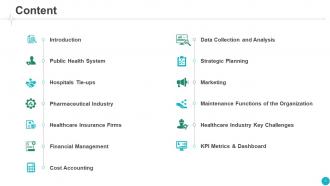
Slide 2: This slide shows Content of the presentation.
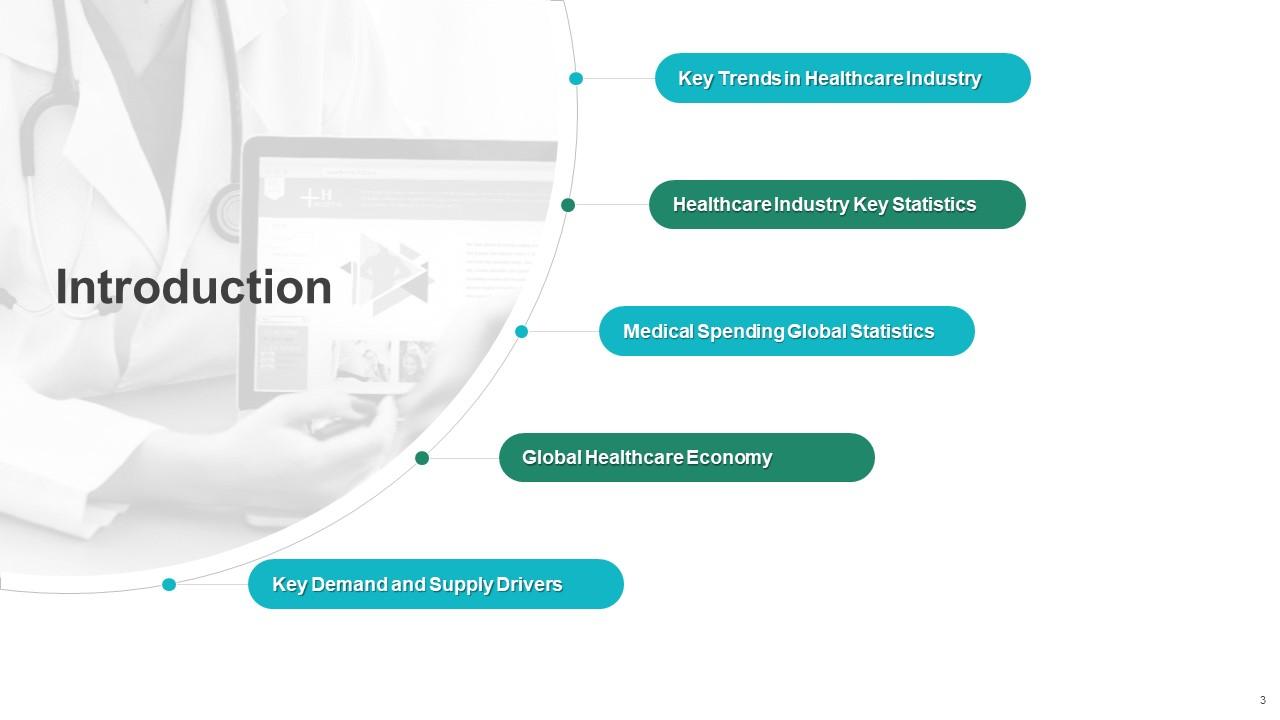
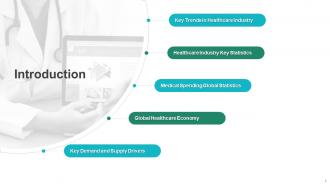
Slide 3: This is an Introduction slide with categories as Key Trends in Healthcare Industry, Healthcare Industry Key Statistics, Medical Spending Global Statistics, Global Healthcare Economy, Key Demand and Supply Drivers.
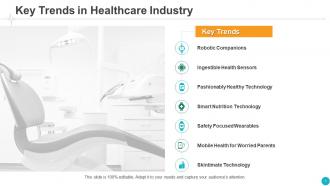
Slide 4: This slide shows Key Trends in Healthcare Industry such as- Robotic Companions, Ingestible Health Sensors, Fashionably Healthy Technology, Smart Nutrition Technology, Safety Focused Wearables, Mobile Health for Worried Parents, Skintimate Technology.
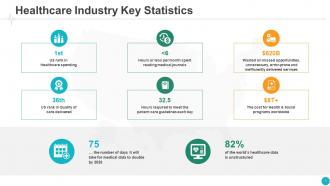
Slide 5: This slide presents Healthcare Industry Key Statistics with related icons.
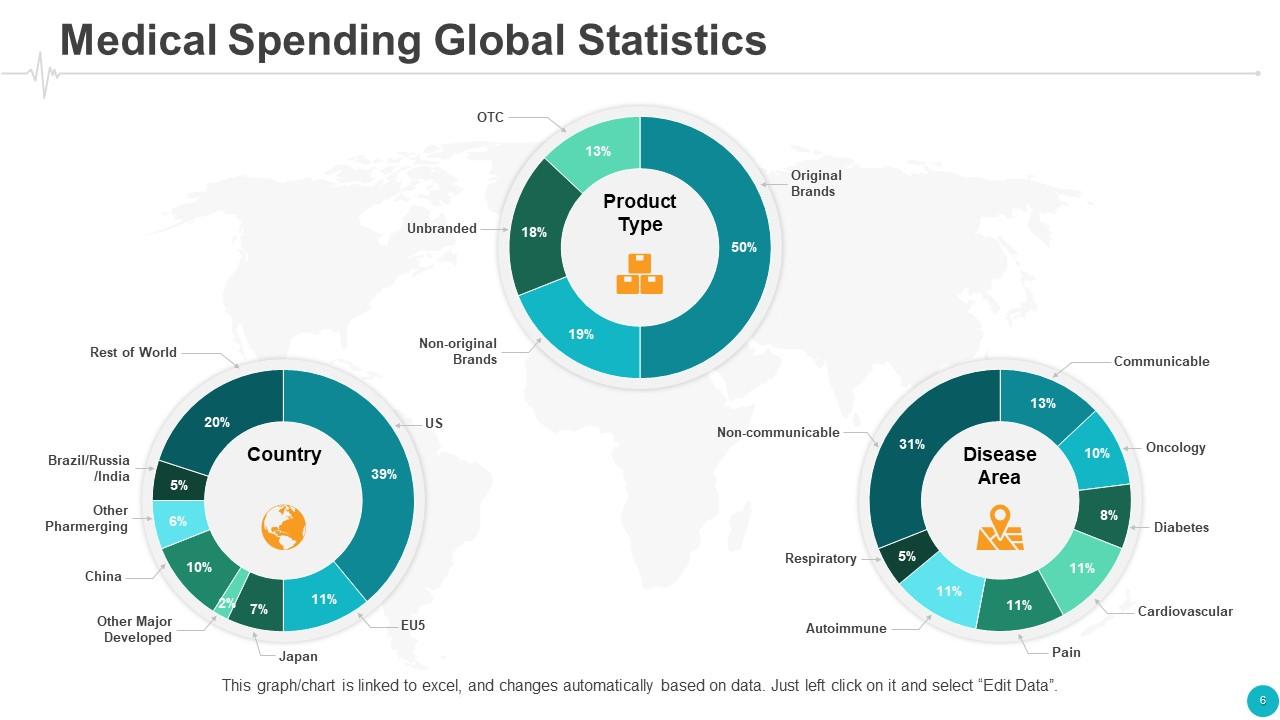
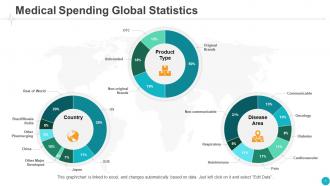
Slide 6: This slide displays Medical Spending Global Statistics in graphical form.
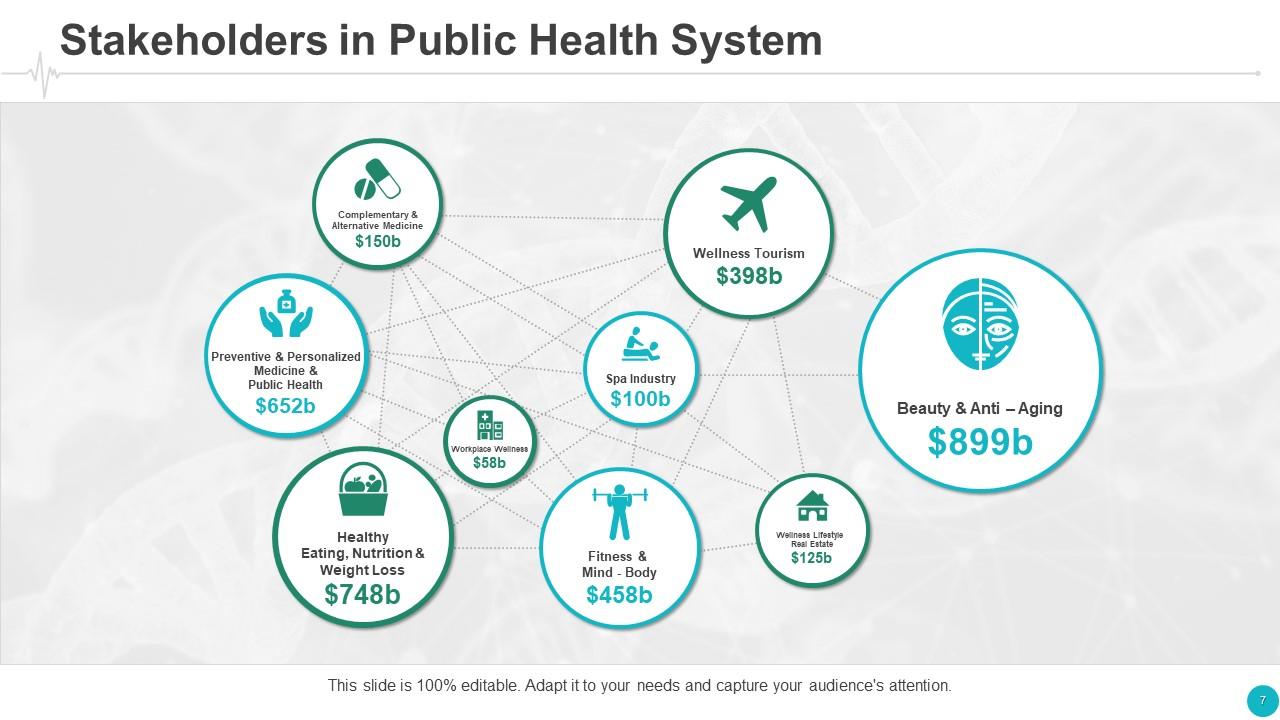
Slide 7: This slide represents Stakeholders in Public Health System including- Beauty & Anti – Aging, Wellness Tourism, Complementary & Alternative Medicine, Preventive & Personalized, Medicine & Public Health, Healthy Eating, Nutrition & Weight Loss, Fitness & Mind - Body, Spa Industry, Workplace Wellness, Wellness Lifestyle, Real Estate.
Slide 8: This slide showcases Key Demand and Supply Drivers.
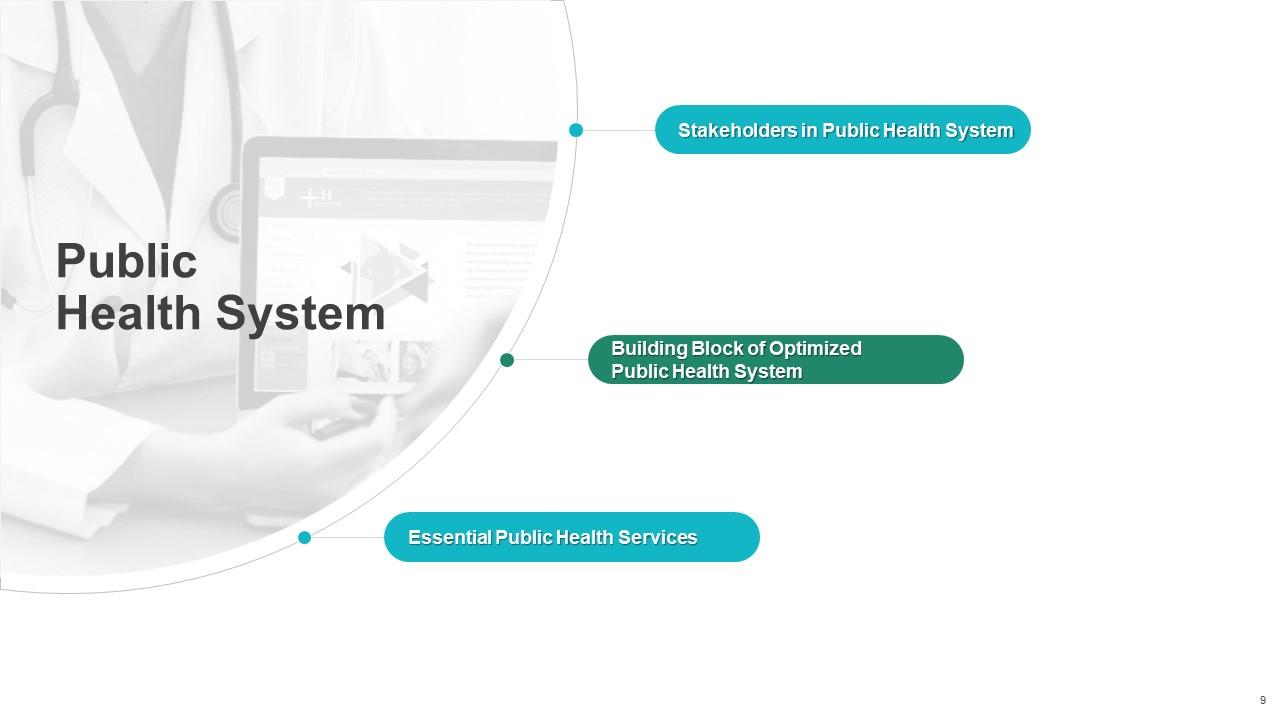
Slide 9: This slide shows Public Health System describing- Stakeholders in Public Health System, Building Block of Optimized Public Health System, Essential Public Health Services.
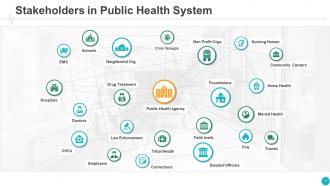
Slide 10: This slide presents Stakeholders in Public Health System with related icons.
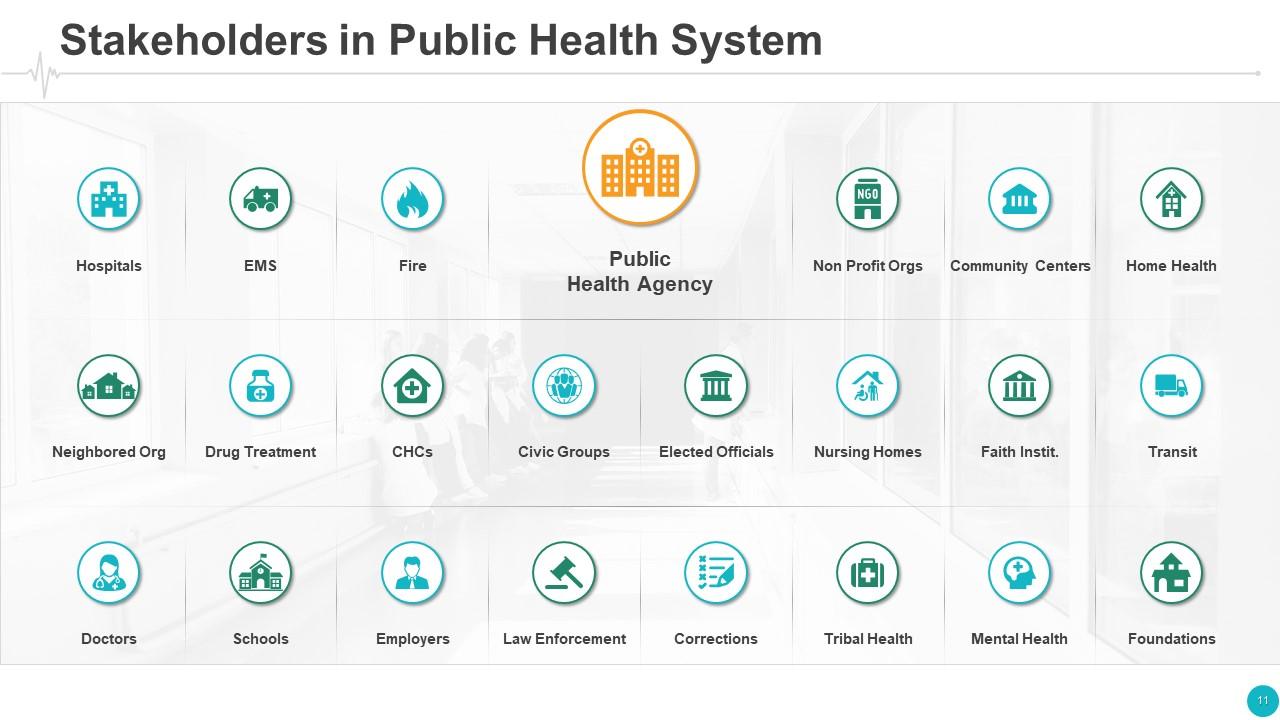
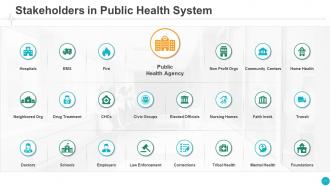
Slide 11: This is another slide presenting Stakeholders in Public Health System.
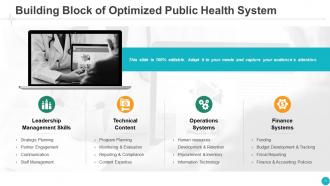
Slide 12: This slide displays Building Block of Optimized Public Health System with categories as- Leadership Management Skills, Technical Content, Operations Systems, Finance Systems.
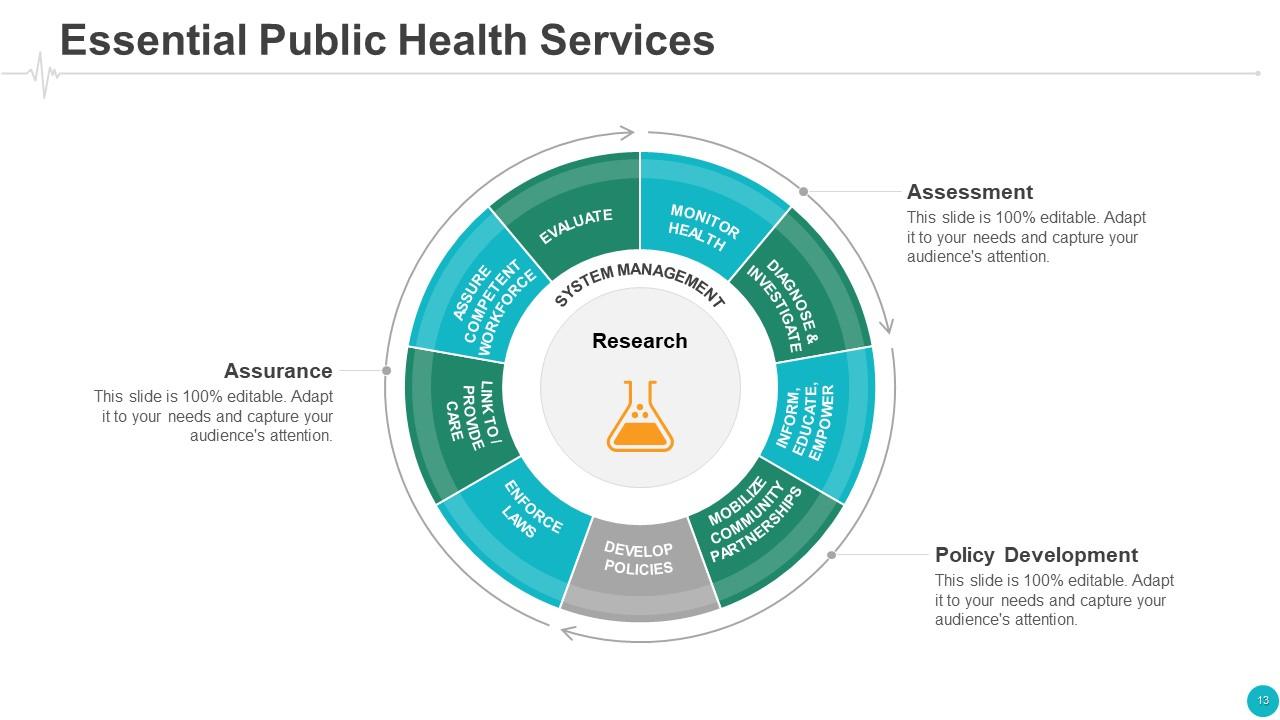
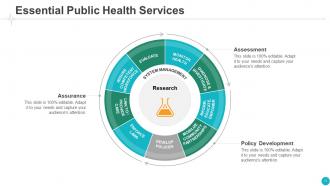
Slide 13: This slide represents Essential Public Health Services with assessment, policy development and assurance.
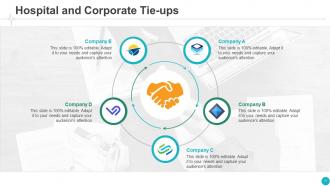
Slide 14: This slide showcases Hospital and Corporate Tie-ups with List of Business Tie-ups and Hospital Tie-ups.
Slide 15: This another slide for Hospital and Corporate Tie-ups.
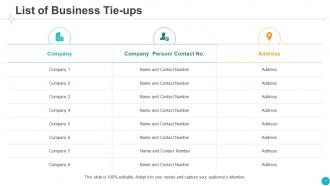
Slide 16: This slide shows List of Business Tie-ups with firm names, contact number and address.
Slide 17: This slide presents Pharmaceutical Industry describing- Pharma Company Operating Model, R&D Process in Pharmaceutical Industry, Customer Engagement and Communication, Challenges Faced by Pharmaceutical Industry.
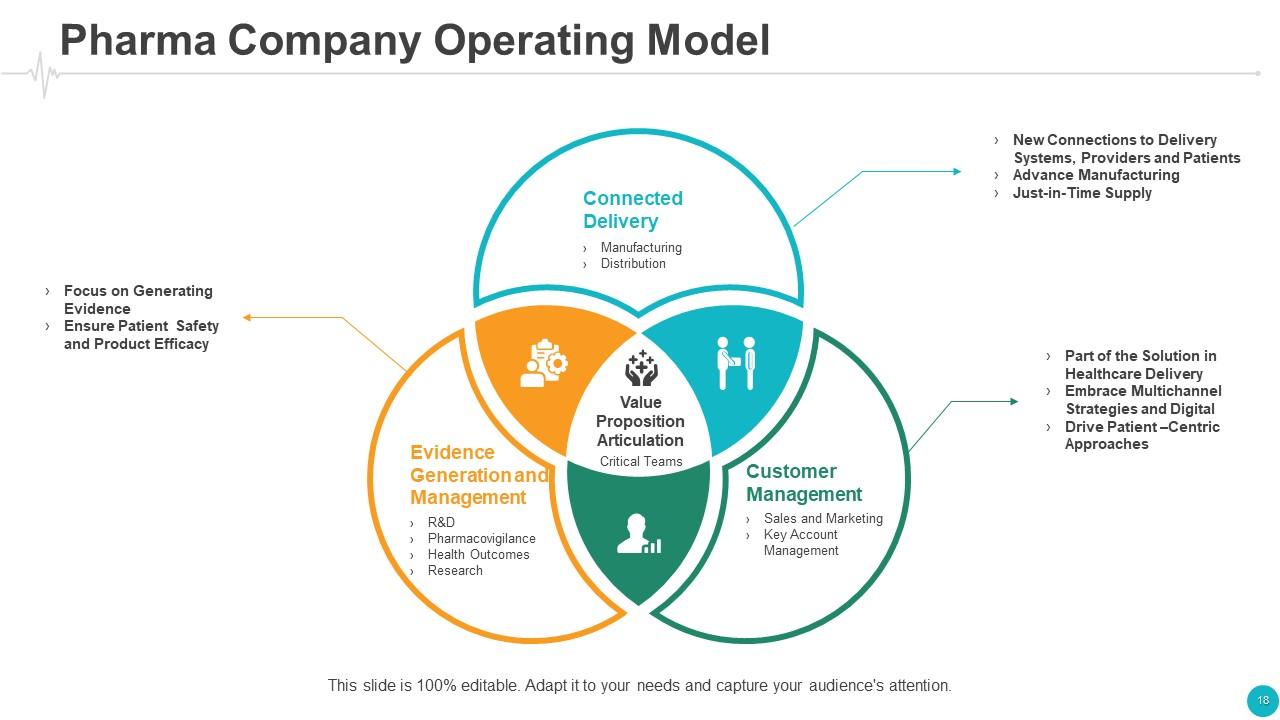
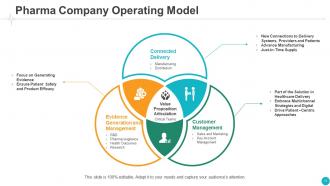
Slide 18: This slide displays Pharma Company Operating Model describing- Connected Delivery, Customer Management, Evidence Generation and Management.
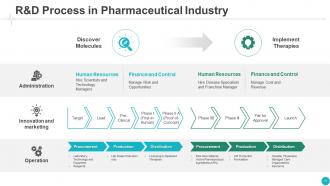
Slide 19: This slide represents R&D Process in Pharmaceutical Industry with categories as Administration, Innovation and marketing, operation.
Slide 20: This slide showcases Customer Engagement and Communication describing- Healthcare Professional, Pharmacy, Patient, Insurance Provider, Call Center, Marketing, Sales, Market Access, Medical Affairs, Family.
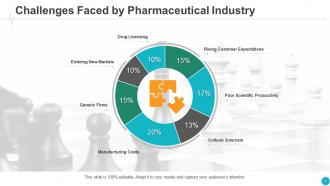
Slide 21: This slide shows Challenges Faced by Pharmaceutical Industry such as- Rising Customer Expectations, Poor Scientific Productivity, Cultural Sclerosis, Drug Licensing, Entering New Markets, Manufacturing Costs, Generic Firms.
Slide 22: This slide presents Healthcare Insurance Firms describing- Types of Healthcare Insurance Plans and Health Insurance Firms Policy Comparison.
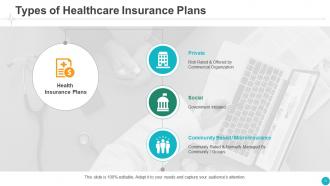
Slide 23: This slide displays Types of Healthcare Insurance Plans with categories as- Private, Social, Community Based / Micro Insurance.
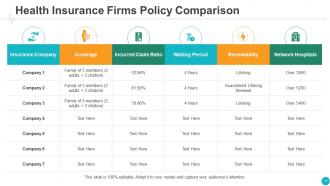
Slide 24: This slide showcases Health Insurance Firms Policy Comparison in tabular form.
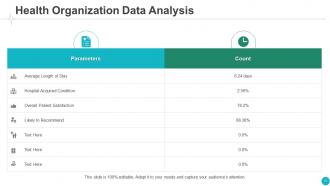
Slide 25: This slide represents Health Organization Data Analysis. You can add or edit data as per requirements.
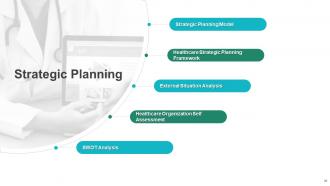
Slide 26: This slide shows Strategic Planning describing- Strategic Planning Model, Healthcare Strategic Planning Framework, External Situation Analysis, Healthcare Organization Self Assessment, SWOT Analysis.
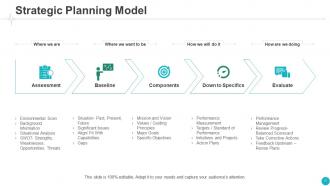
Slide 27: This slide presents Strategic Planning Model describing- Assessment, Baseline, Components, Down to Specifics, Evaluate.
Slide 28: This slide displays Healthcare Strategic Planning Framework.
Slide 29: This slide represents External Situation Analysis with related chart.
Slide 30: This slide showcases Healthcare Organization Self Assessment.
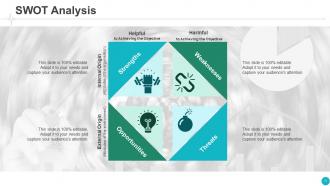
Slide 31: This slide shows SWOT Analysis describing- Strengths, Weaknesses, Opportunities, Threats.
Slide 32: This slide displays Marketing describing- Healthcare Marketing Trends, Essentials of Healthcare Marketing Plan, Healthcare Marketing Plan.
Slide 33: This slide presents Healthcare Marketing Trends describing- Local Power, Social Power, SEO, PPC, Website, Content, Review Power.
Slide 34: This slide represents Essentials of Healthcare Marketing Plan as- Measure and Evaluate, Plan the Roll Out, Share Your Vision, Prepare a Budget, Define your Mission and Vision, Identify your Team, Market Segmentation, Create Patient Personas, Do a SWOT Analysis.
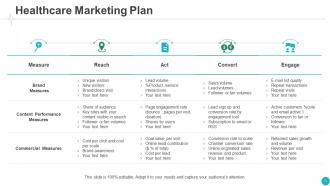
Slide 35: This slide showcases Healthcare Marketing Plan with categories as Measure, reach, act, convert and engage.
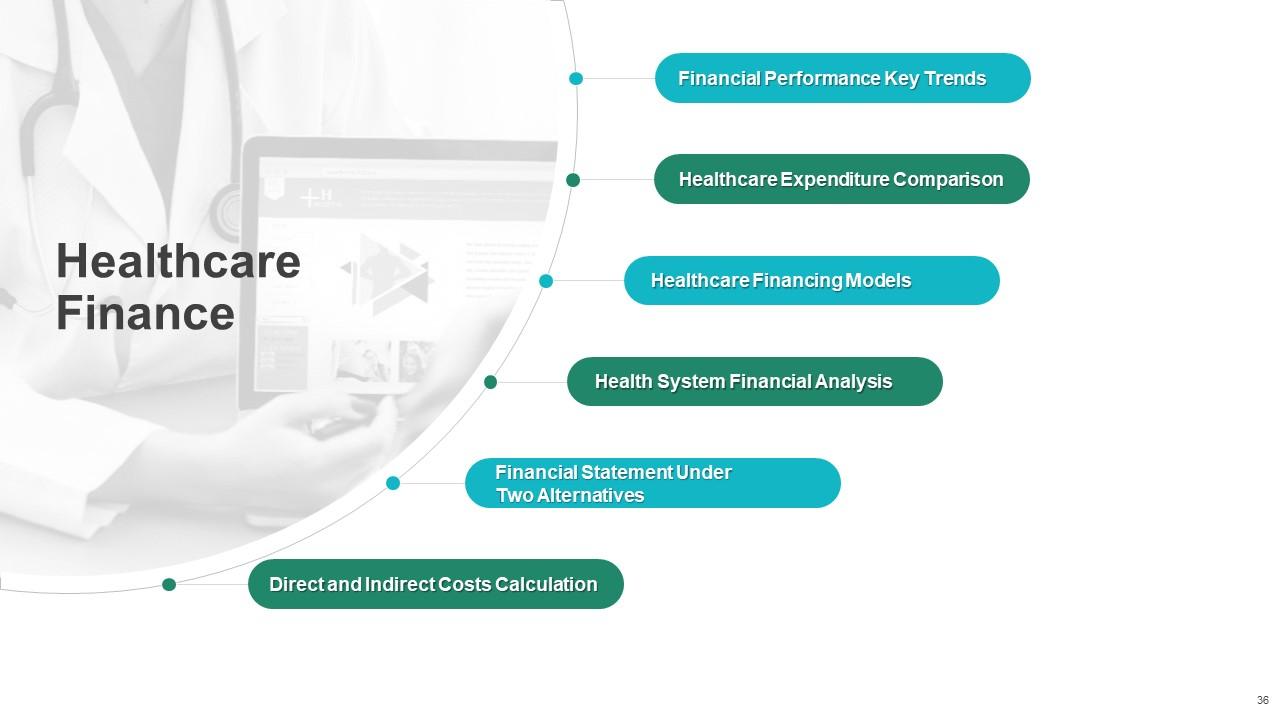
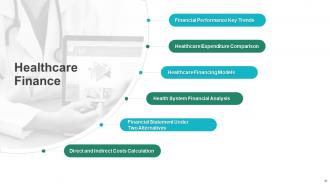
Slide 36: This slide shows Healthcare Finance describing- Financial Performance Key Trends, Healthcare Expenditure Comparison, Healthcare Financing Models, Health System Financial Analysis, Financial Statement Under Two Alternatives, Direct and Indirect Costs Calculation.
Slide 37: This slide presents Financial Performance Key Trends as Balancing Inpatient and Outpatient Investments, Avoid Overbuilding, Updating the Financial Leadership Model, Data Analytics, Cybersecurity Investment, Creative Partnerships and Affiliations, Value-based Payments.
Slide 38: This slide displays Healthcare Expenditure Comparison in graphical form.
Slide 39: This slide represents Healthcare Financing Models as National health service, social health insurance, community based health insurance, voluntary health insurance.
Slide 40: This slide showcases Health System Financial Analysis in tabular form.
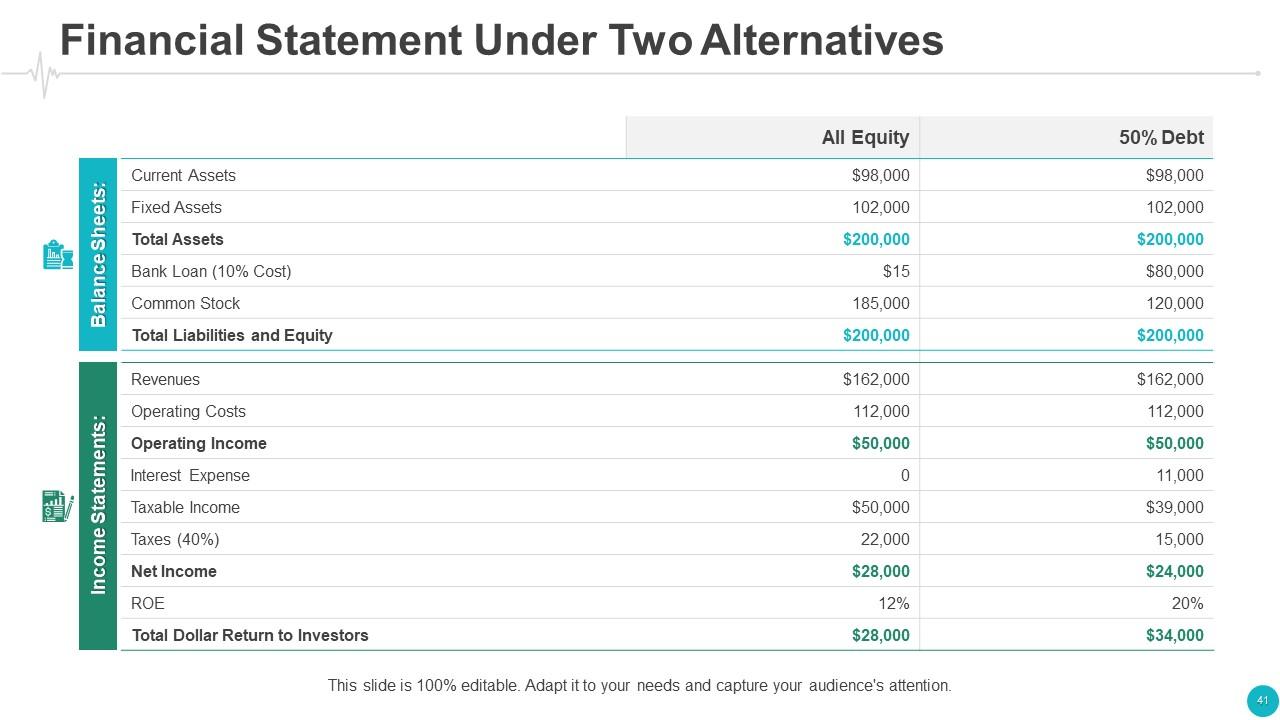
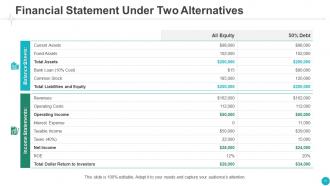
Slide 41: This slide shows Financial Statement Under Two Alternatives. You can change the data as per requirements.
Slide 42: This slide presents Direct and Indirect Costs Calculation.
Slide 43: This slide displays Data Collection and Analysis describing- Healthcare Data Sources, Healthcare Management Data Analytics Architecture, Market Size Analysis, Health Organization Data Analysis.
Slide 44: This slide represents Healthcare Data Sources describing- Home Health Agencies, Practitioners, Hospitals, Therapists, Health Plans, Family, Payers, Medical Devices and Diagnostics, Social Programs, Employers, Bio-Pharma, Public Health, Governments, Education.
Slide 45: This slide showcases Healthcare Management Data Analytics Architecture with related chart.
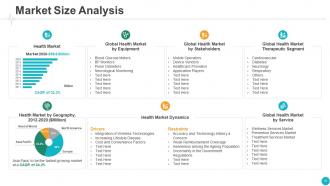
Slide 46: This slide shows Market Size Analysis with the help of tables and graphs.
Slide 47: This slide displays Maintenance Functions of the Organization describing- Types of Maintenance Activities in an Organization and Maintenance Functions of the Organization.
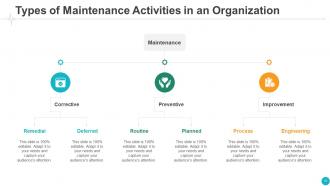
Slide 48: This slide presents Types of Maintenance Activities in an Organization with main categories as- Corrective, Preventive, Improvement.
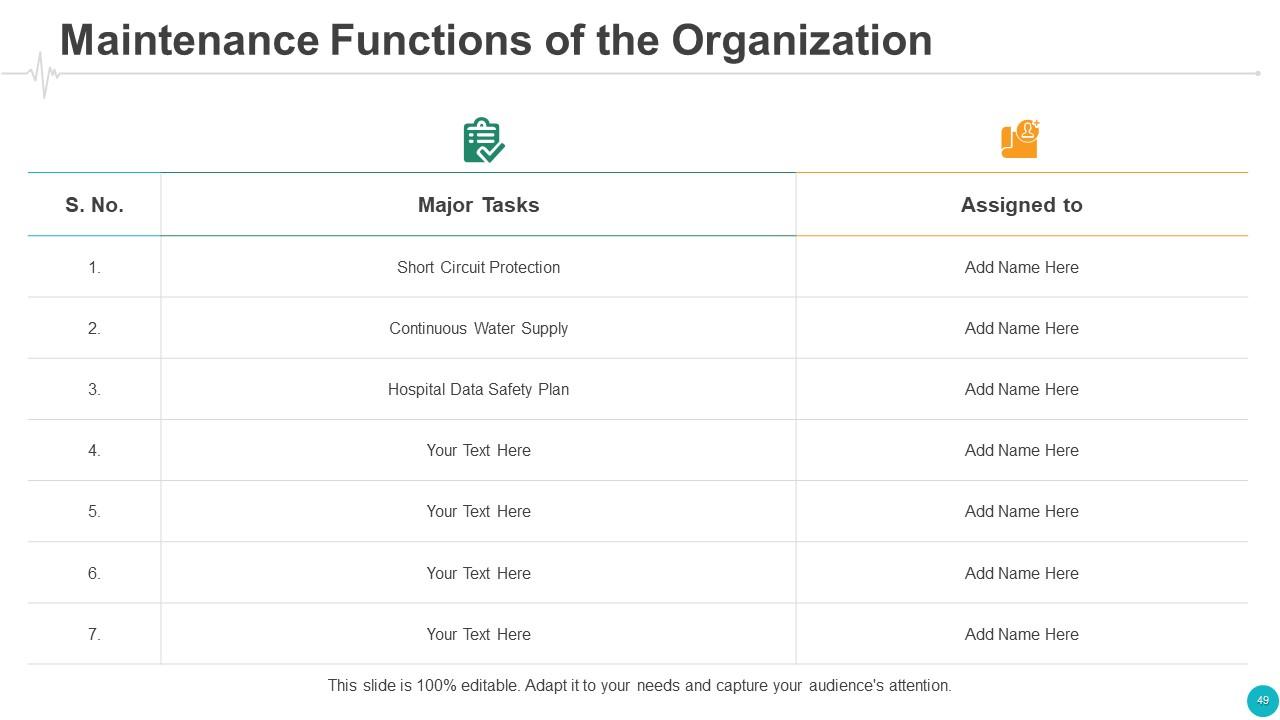
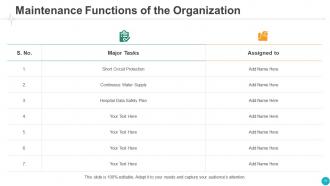
Slide 49: This slide represents Maintenance Functions of the Organization.
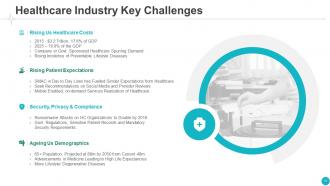
Slide 50: This slide showcases Healthcare Industry Key Challenges as- Rising US Healthcare Costs, Rising Patient Expectations, Security, Privacy & Compliance, Ageing US Demographics.
Slide 51: This slide displays KPI Metrics & Dashboard with related imagery.
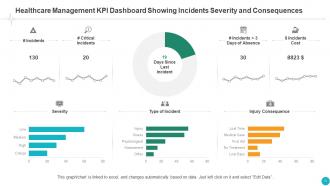
Slide 52: This slide shows Healthcare Management KPI Dashboard Showing Incidents Severity and Consequences.
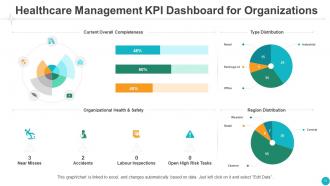
Slide 53: This slide presents Healthcare Management KPI Dashboard for Organizations.
Slide 54: This slide represents Healthcare Management KPI Dashboard Showing Incident by Type.
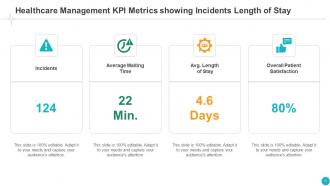
Slide 55: This slide showcases Healthcare Management KPI Metrics showing Incidents Length of Stay.
Slide 56: This slide shows Healthcare Management KPI Metrics Showing Treatment Cost and Waiting Time.
Slide 57: This slide reminds about a 15 minutes Coffee Break.
Slide 58: This slide displays Healthcare Management Icons.
Slide 59: This slide is titled as Additional Slides for moving forward.
Slide 60: This is Meet Our Team slide with names and designation.
Slide 61: This is a Quotes slide to convey message, beliefs etc.
Slide 62: This is Our Target slide. State your targets here.
Slide 63: This is a Financial slide. Show nyour finance related stuff here.
Slide 64: This is a Thank You slide with address, contact numbers and email address.
Healthcare sector analysis powerpoint presentation slides with all 64 slides:
Dish it out with our Healthcare Sector Analysis Powerpoint Presentation Slides. Let them all experience your brilliance.
No Reviews
