


How To Build A Winning B2B Sales Plan Powerpoint Presentation Slides





Try Before you Buy Download Free Sample Product
 Impress Your
 Audience
 100%
100% Editable
 Save Hours
 of Time


Experience unprecedented success in the B2B sales arena with our transformative PowerPoint presentation, How to Build a Winning B2B Sales Plan. This comprehensive and dynamic resource is the ultimate companion for professionals looking to elevate their B2B marketing strategy to new heights. Additionally, our B2B Sales Pipeline PPT delves into the intricacies of lead generation, discovering proven tactics to attract and engage high-quality leads. I also learned how to construct a robust B2B sales pipeline that maximizes conversion rates and drives revenue growth. Moreover, our B2B Sales representative Negotiation skills deck includes the art of effective B2B sales team management, empowering you to nurture a high-performing team that consistently delivers exceptional results. Furthermore, our Business-to-Business Sales Strategy encompasses the potential of account-based B2B selling, honing in on target accounts and forging strong, profitable relationships. Lastly, our presentation equips B2B sales representatives with the essential negotiation skills required to secure advantageous deals. Packed with practical insights, actionable strategies, and real-world examples, this engaging PPT is the definitive guide to creating a winning B2B sales plan. Propel your sales performance to unprecedented heights and outshine your competition in the dynamic B2B landscape.
People who downloaded this PowerPoint presentation also viewed the following :
Content of this Powerpoint Presentation
Slide 1: This slide introduces How to Build a Winning B2B Sales Plan. State Your Company Name and begin.
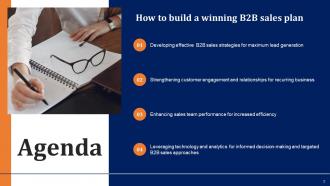
Slide 2: This slide is an Agenda slide. State your agendas here.
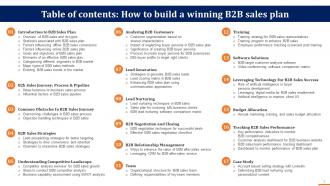
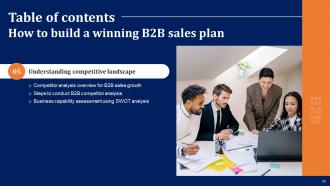
Slide 3: This slide shows a Table of Contents for the presentation.
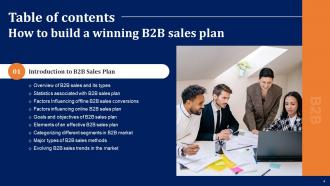
Slide 4: This slide is an introductory slide.
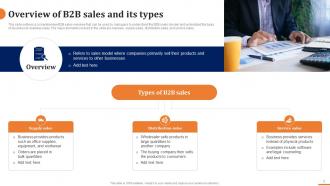
Slide 5: This slide outlines a comprehensive B2B sales overview that can be used by managers.
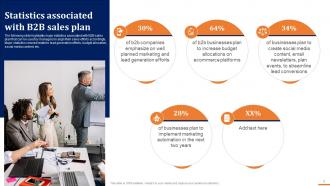
Slide 6: This slide highlights major statistics associated with B2B sales plan that can be used by managers to align their sales efforts accordingly.
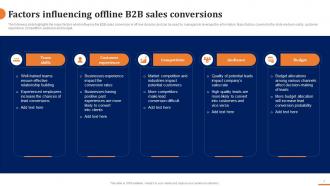
Slide 7: This slide portrays the major factors which influence the B2B sales conversion in off-line dynamic.
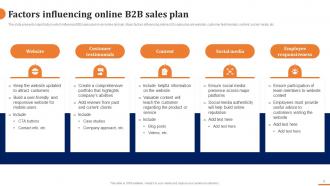
Slide 8: The slide presents major factors which influence B2B sales plan in an online domain.
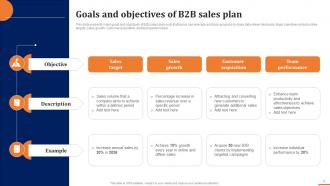
Slide 9: This slide represents major goals and objectives of B2B sales plan such that teams can leverage and track progress to make data-driven decisions.
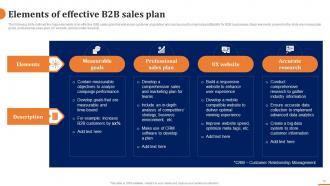
Slide 10: This slide outlines the major elements of an effective B2B sales plan.
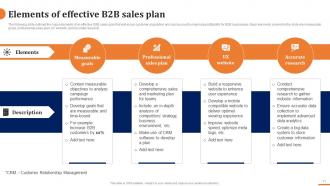
Slide 11: This slide is in continuation with the previous slide.
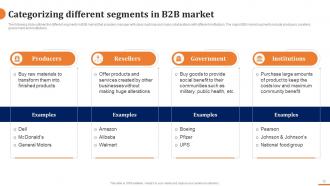
Slide 12: This slide outlines the different segments in B2B market.
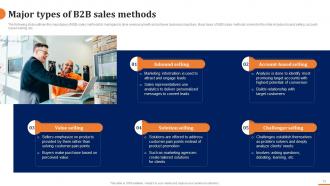
Slide 13: This slide portrays the major types of B2B sales methods for managers to drive revenue growth and achieve business objectives.
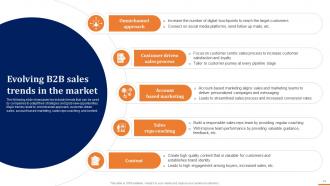
Slide 14: This slide showcases key industry trends that can be used by companies to adapt their strategies and grab new opportunities.
Slide 15: This slide is an introductory slide.
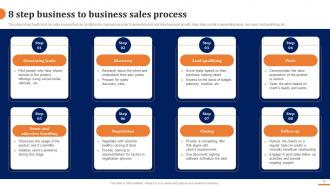
Slide 16: This slide brings fourth be to be sales process that can be utilised by managers in order to generate leads and drive business growth.
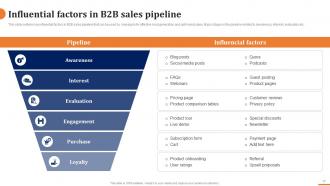
Slide 17: This slide outlines key influential factors in B2B sales pipeline that can be used by managers for affective lead generation and optimised sales. Major stages in the pipeline related to awareness, interest, evaluation etc.
Slide 18: This slide is an introductory slide.
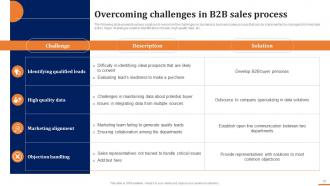
Slide 19: This slide presents various solutions to overcome the challenges in business to business sales process.
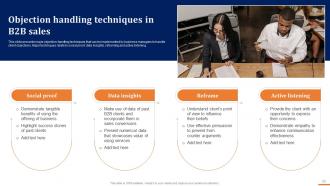
Slide 20: This slide presents major objection-handling techniques that can be implemented by business managers to handle client objections.
Slide 21: This slide is an introductory slide.
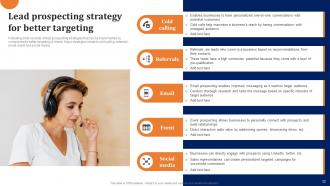
Slide 22: This slide consists of lead prospecting strategies that can be implemented by companies for better targeting of clients.
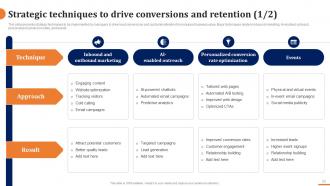
Slide 23: This slide illustrates strategic techniques to be implemented by managers.
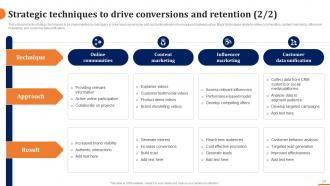
Slide 24: This slide is in continuation with the previous slide.
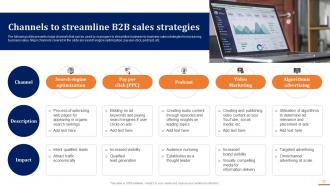
Slide 25: This slide presents major channels that can be used by managers to streamline business-to-business sales strategies.
Slide 26: This slide is an introductory slide.
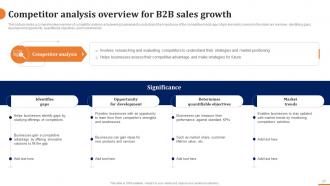
Slide 27: This slide provides a comprehensive overview of competitor analysis.
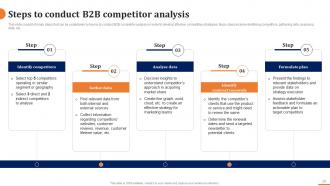
Slide 28: This slide consist of major steps that can be undertaken by teams to conduct B2B competitor analysis.
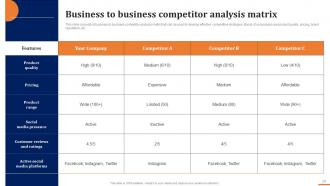
Slide 29: This slide elucidates of business to business competitor analysis matrix that can be used to develop effective competitive strategies.
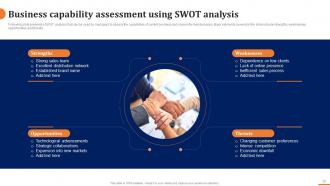
Slide 30: This slide presents a SWOT analysis that can be used by managers to assess the capabilities of current business and make informed decisions.
Slide 31: This slide is an introductory slide.
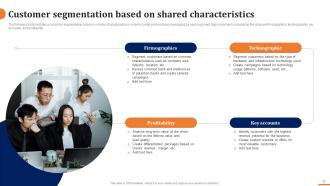
Slide 32: This slide includes a customer segmentation based on shared characteristics in order to create personalized messaging for each segment.
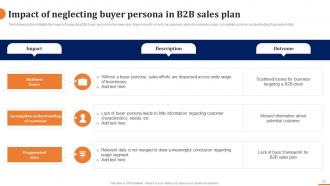
Slide 33: This slide entails the impact of neglecting B2B buyer persona in the sales plan.
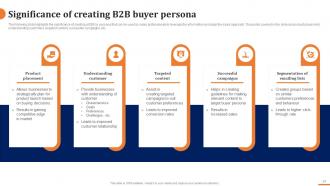
Slide 34: This slide highlights the significance of creating a B2B by persona.
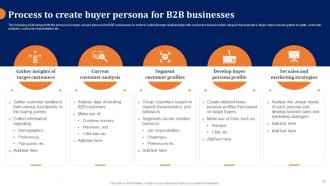
Slide 35: This slide brings forth the process to create a buyer persona for B2B businesses.
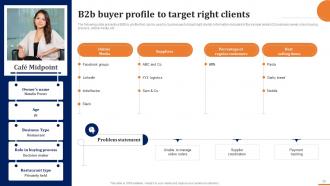
Slide 36: This slide presents a B2B by profile that can be used by businesses to target right clients.
Slide 37: This slide is an introductory slide.
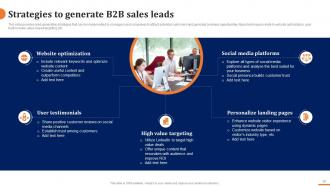
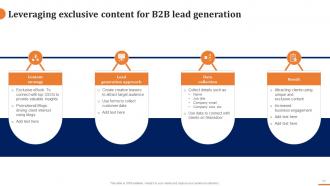
Slide 38: This slide provides lead-generation strategies that can be implemented by managers and companies to attract potential customers.
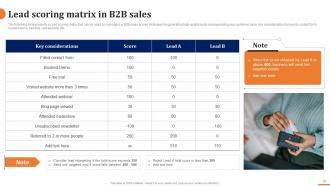
Slide 39: This slide marks a Lead scoring matrix that can be used by managers in B2B sales proven strategies.
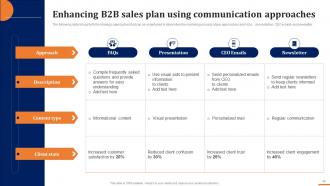
Slide 40: This slide portrays forth the strategic approaches that can be undertaken to streamline the marketing process.
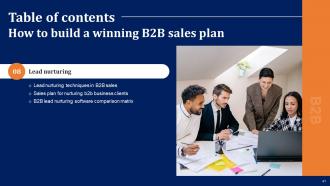
Slide 41: This slide is an introductory slide.
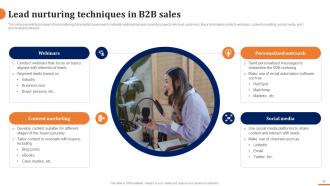
Slide 42: This slide presents techniques of lead nurturing that enable businesses to cultivate relationships and convert prospects into loyal customers.
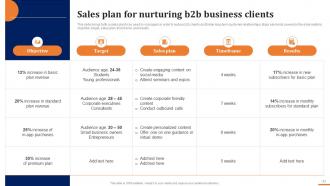
Slide 43: This slide brings forth a sales plan to be used by managers in order to nurture b2b clients and foster long-term customer relationships.
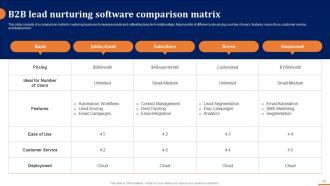
Slide 44: This slide consists of a comparison matrix for nurturing business-to-business leads and cultivating long-term relationships.
Slide 45: This slide is an introductory slide.
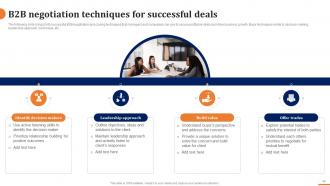
Slide 46: This slide caters to successful B2B negotiation and closing techniques.
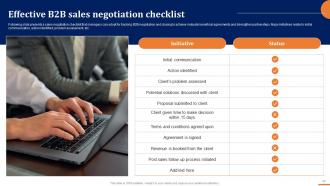
Slide 47: This slide presents a sales negotiation checklist that managers can adopt for tracking B2B negotiation.
Slide 48: This slide is an introductory slide.
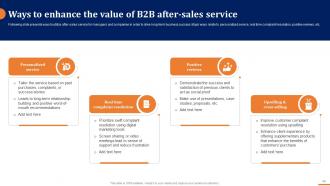
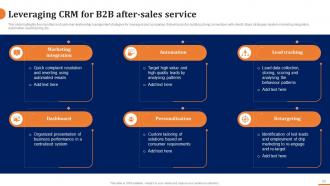
Slide 49: This slide entails ways to utilize after-sales service for managers and companies in order to drive long-term business success.
Slide 50: This slide highlights the importance of customer relationship management strategies for managers and companies.
Slide 51: This slide is an introductory slide.
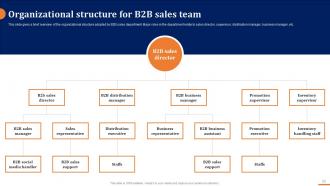
Slide 52: This slide gives a brief overview of the organizational structure adopted by B2B sales department.
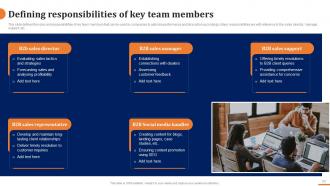
Slide 53: This slide defines the roles and responsibilities of key team members that can be used by companies to optimize performance and take action accordingly.
Slide 54: This slide is an introductory slide.
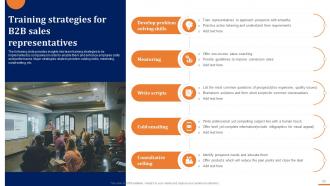
Slide 55: The following slide provides insights into team training strategies to be implemented by companies.
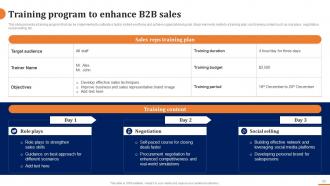
Slide 56: This slide illustrates a training program that can be implemented to cultivate a highly skilled workforce and achieve organizational goals.
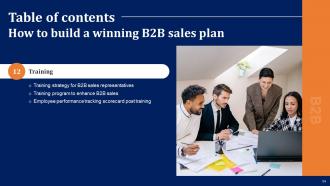
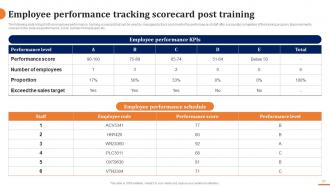
Slide 57: This slide brings forth an employee performance, tracking scorecard .
Slide 58: This slide is an introductory slide.
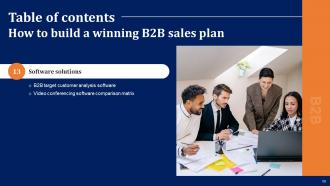
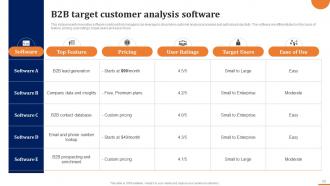
Slide 59: This slide presents innovative software solutions that managers can leverage to streamline customer analysis processes and optimize productivity.
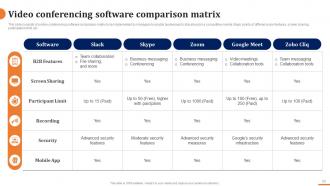
Slide 60: This slide consists of a video conferencing software comparison matrix to be implemented by managers.
Slide 61: This slide is an introductory slide.
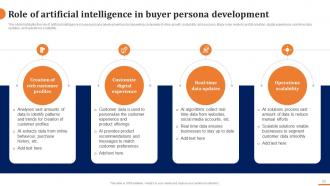
Slide 62: This slide highlights the role of artificial intelligence in buyer persona development and empowering companies.
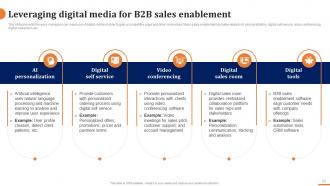
Slide 63: This slide depicts the ways managers can make use of digital media in order to gain a competitive edge and drive more sales.
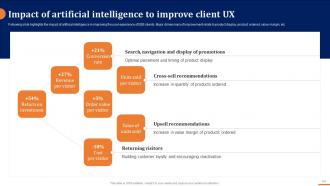
Slide 64: This slide demonstrates the impact of artificial intelligence in improving the user experience of B2B clients.
Slide 65: This slide is an introductory slide.
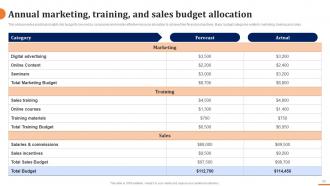
Slide 66: This slide provides practical insights into budget to be used by companies and enable effective resource allocation.
Slide 67: This slide is an introductory slide.
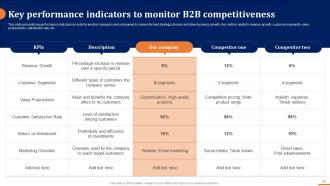
Slide 68: This slide presents key performance indicators in order to enable managers and companies.
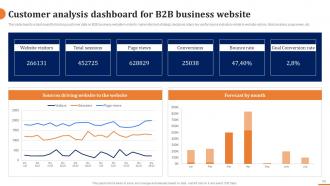
Slide 69: This slide depicts a dashboard for tracking customer data on B2B business website in order to make informed strategic decisions.
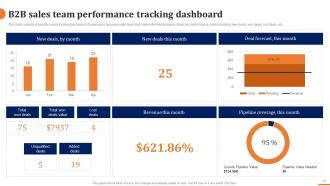
Slide 70: This slide consists of a performance tracking dashboard of business to business sales team and make informed decisions.
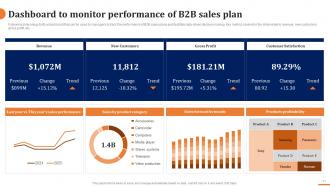
Slide 71: This slide brings forth a dashboard that can be used by managers to track the performance of B2B sales plans.
Slide 72: This slide is an introductory slide.
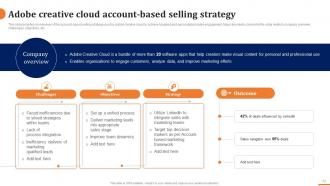
Slide 73: This slide outlines an overview of the account-based selling strategy used by adobe creative cloud.
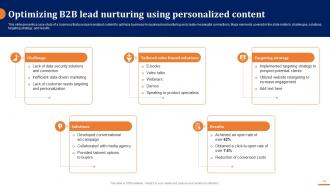
Slide 74: This slide elucidates a case study of a business that used personalized content to optimize business-to-business lead nurturing and create meaningful connections.
Slide 75: This slide shows all the icons included in the presentation.
Slide 76: This slide is titled Additional Slides for moving forward.
Slide 77: This slide is our additional slide.
Slide 78: This slide is our additional slide.
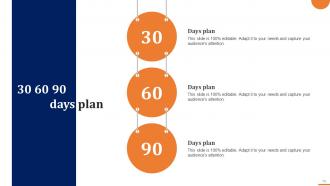
Slide 79: This slide provides a 30-60-90-day plan with text boxes.
Slide 80: This slide shows Post-It Notes. Post your important notes here.
Slide 81: This slide is an Idea Generation slide to state a new idea or highlight information, specifications, etc.
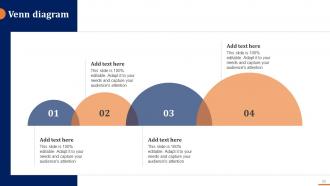
Slide 82: This slide depicts a Venn diagram with text boxes.
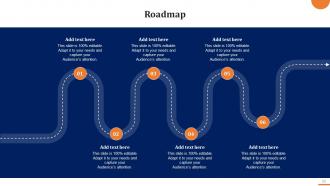
Slide 83: This slide presents a Roadmap with additional text boxes.
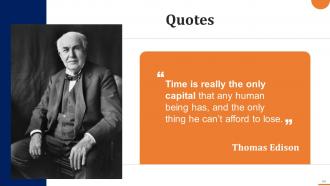
Slide 84: This slide is a Quotes slide to convey messages, beliefs, etc.
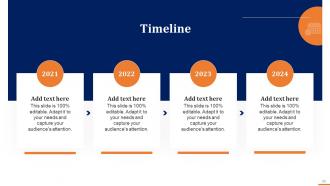
Slide 85: This slide is a Timeline slide. Show data related to time intervals here.
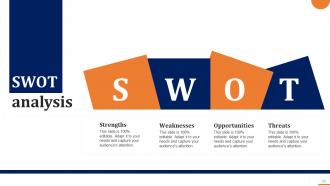
Slide 86: This slide shows SWOT describing- Strength, Weakness, Opportunity, and Threat.
Slide 87: This slide is a thank-you slide with address, contact numbers, and email address.
How To Build A Winning B2B Sales Plan Powerpoint Presentation Slides with all 95 slides:
Use our How To Build A Winning B2B Sales Plan Powerpoint Presentation Slides to effectively help you save your valuable time. They are readymade to fit into any presentation structure.













FAQs for How To Build A Winning B2B Sales Plan
Look, your B2B sales plan really just needs five things. First figure out exactly who you're targeting - like actual customer profiles, not vague stuff. Map out your value prop and how you stack against competitors. Set realistic revenue goals by quarter (don't go crazy here). Pick your tactics and channels for reaching people. Oh and define your sales process - how prospects actually move through your pipeline. Honestly? Most companies overthink this and create these massive documents nobody reads. Keep yours simple and check it monthly to see what's actually moving the needle.
Look, customer personas are basically your roadmap for everything in B2B sales. Without them, you're just throwing stuff at the wall hoping something sticks. CFOs care about ROI and budget impact - hit them with numbers. CTOs? They want the technical nitty-gritty and how it integrates with their existing stack. Your messaging, timing, even which rep takes the call should all flow from these personas. Map out their buyer journey and customize everything - pitch decks, email sequences, the works. Honestly, it's wild how many teams skip this then act surprised when nobody converts. Makes zero sense to me.
Look, start with the obvious stuff - total sales, average deal size, sales velocity. Activity metrics matter too: calls, demos, proposals sent. Conversion rates between pipeline stages are clutch. Customer acquisition cost and lifetime value, obviously. Here's what nobody tells you though - track pipeline coverage at like 3x your quota. Seriously, I've seen so many reps get burned when deals suddenly disappear. If you're handling existing clients, don't skip retention metrics either. Keep it to 5-7 metrics max at first. You'll want to track everything but honestly? That just overwhelms everyone and nothing gets done right.
Dude, market research is like having cheat codes for sales. Instead of guessing what customers want, you'll actually know their pain points and how they make buying decisions. I always tell people to spy on their competitors too - you'd be shocked what you learn about why they're winning deals. It lets you customize your pitch and pricing for different customer types. Oh, and their budget cycles matter way more than most people think. Trust me, doing this homework upfront beats spending months pitching the wrong people with terrible messaging.
Look, you gotta know what you're up against or you'll get blindsided in every sales call. Research your top 3-5 competitors - their pricing, messaging, what they're good at and where they suck. Build battle cards so you can counter their pitches smoothly. This intel helps you figure out which deals are actually winnable vs. ones where you should just walk away (learned that the hard way). You'll anticipate objections better and craft way stronger value props. Honestly, competitive analysis is just smart business - can't differentiate if you don't know the competition.
Honestly, skip the wishful thinking and look at your actual numbers from the last year or so. What's your average deal size? How long do sales cycles usually take? Your conversion rates? That stuff matters way more than what the C-suite wants to hear. I made this mistake before - set crazy optimistic targets and it was a disaster. Also don't forget seasonality hits B2B pretty hard. Market changes, new competitors, product updates - factor all that in too. Build everything from real data points. Set quarterly check-ins so you can pivot if things go sideways.
Honestly, I'd start with content that actually helps people - like case studies or guides about problems your customers are dealing with. LinkedIn works great too, but please don't send those awful template messages everyone ignores. Partner up with businesses that complement yours for referrals. Webinars are solid if you can pull them off well. Make sure your website shows up when people search for solutions you offer. Oh, and don't try everything at once - you'll burn out. Pick maybe 2-3 things based on where your ideal customers actually hang out online and focus there first.
A good CRM is honestly a game-changer for sales. It handles your follow-ups automatically and tracks every conversation so you don't lose track of leads. You can set up email sequences that run themselves, score prospects based on what they actually do, and get pinged when someone opens your proposal. The insights you get are crazy valuable - you'll finally see what's really closing deals vs. what you thought was working. Modern ones connect to everything too... your email, calendar, even LinkedIn. Just map out how your team works now first, then find a CRM that actually fits that process instead of forcing yourself to change everything.
You really need both teams talking about the same customer profile and messaging first. Set up weekly check-ins and make sure sales can actually tell marketing which leads are worth a damn - I've seen way too many places where marketing's celebrating while sales is pulling their hair out. Shared CRM dashboards help everyone see what's happening in the funnel. Focus on metrics both sides care about, not just the fluffy stuff. Oh, and definitely get clear on what counts as a "quality lead" upfront - saves so much headache later.
Honestly, sales cycles are all over the place depending on what you're selling. SaaS usually takes 3-6 months, but enterprise manufacturing? You're looking at 18+ months, sometimes years. Healthcare and finance move like molasses because of all the compliance stuff they have to deal with. Here's the thing - you can't fight your industry's timeline. Long cycles mean you've got to be patient and focus on building relationships. Don't rush those deals or you'll blow them up. Short cycles are the opposite - move fast and qualify hard. Figure out who actually makes decisions early on. Map your buyer journey and set realistic expectations based on your industry, not some random benchmark you found online.
Honestly, just be consistent with adding value and don't vanish after you close deals - I can't believe how many reps do that. Set up regular check-ins that aren't sales pitches. Share industry stuff they'd actually find useful. Listen when their needs change (which they will). Solve problems before they blow up into bigger issues. Celebrate when they hit their goals. Connect them with other people in your network who could help them out. The whole point is becoming someone they trust for advice, not just another vendor trying to sell them crap. Start mapping touchpoints for your top three clients this week and you'll see the difference.
Your sales team's feedback is pure gold for fixing your B2B plan. Monthly check-ins work great - have reps share what messaging actually lands, common objections, where deals stall out. There's always a gap between what sounds good on paper and reality in the field. Don't just rely on random Slack rants though. Make it systematic with a simple feedback form or dedicated meeting time. This stuff directly impacts everything from how you qualify leads to pricing tweaks. Honestly, most companies skip this step and wonder why their plans fall flat.
Okay so first figure out what problem you're actually solving and how much that's worth to them. Don't just copy competitor prices - that's lazy honestly. B2B people care way more about ROI than the actual price tag anyway. You'll want to think through your costs too and what margins you need. Pricing feels terrifying because what if you mess it up? But here's the thing - you can totally test and tweak as you go. I'd start by asking your current customers about price sensitivity. Maybe throw in questions about paying for extra features while you're at it. Short sentences work. The whole thing doesn't have to be perfect from day one.
Honestly, social proof is like gold in B2B sales. Your prospects will believe another company's results way before they trust whatever you're pitching. Get super specific with your case studies - "Company X boosted revenue 40% in 6 months" hits different than vague success stories. I always match the proof to whoever I'm talking to, you know? Same industry, similar challenges. Throw customer logos in your presentations, add testimonials to email signatures. Oh, and name-dropping works great on calls if you've got permission. Build up maybe 3-4 solid case studies you can grab instantly.
Ugh, where do I even start? Don't copy-paste last year's plan - markets change, new competitors pop up. Setting crazy unrealistic targets is another big one. Also your sales team actually needs to be part of the planning process, not just handed a finished document they've never seen before. I see so many companies chase tons of crappy leads instead of focusing on quality ones. Burns through your budget super fast. Oh and actually review the thing quarterly! Most people just write it once then ignore it for months. Define who your ideal customer really is too - sounds basic but you'd be amazed.
-
Nothing beats the well-formatted and professionally designed templates offered. Kudos to SlideTeam for their amazing collection of PPT slides.
-
Slideteam offers pocket-friendly products. As a college student this is a really necessary thing to look at while paying for something.