Image of employee moving forward on career ladder chart

Image of employee moving forward on career ladder chart
Slide 1 of 2

or

Favourites Favourites

Try Before you Buy Download Free Sample Product

Audience Impress Your
Audience
Editable 100%
Editable
Time Save Hours
of Time
The Biggest Sale is ending soon in
0
0
:
0
0
:
0
0
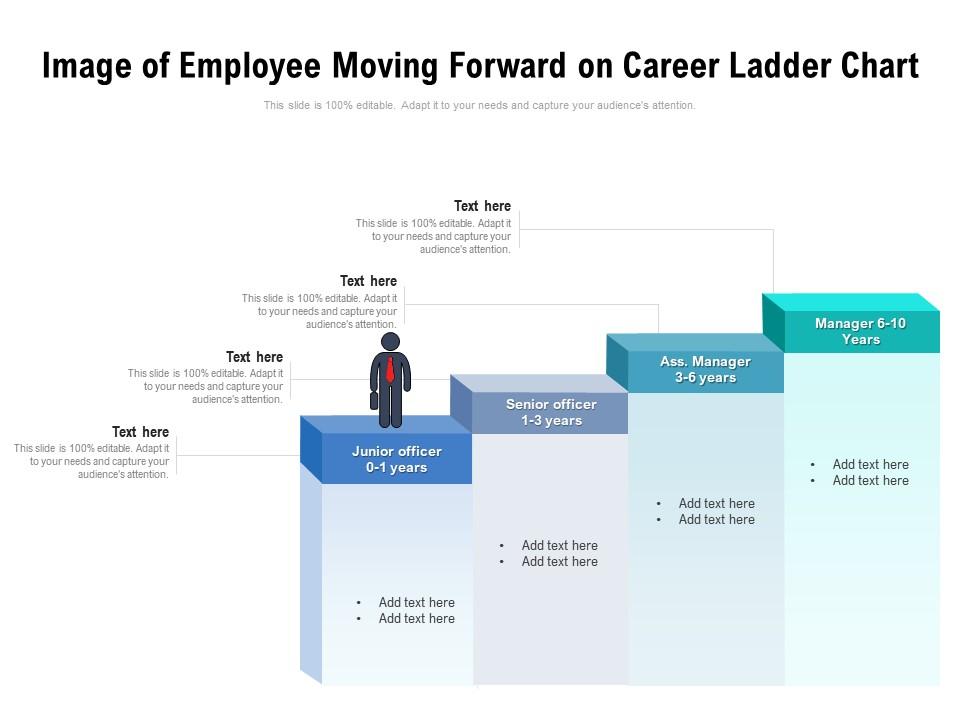
Presenting this set of slides with name Image Of Employee Moving Forward On Career Ladder Chart. This is a four stage process. The stages in this process are Junior Officer, Senior Officer, Manager, Ass. Manager. This is a completely editable PowerPoint presentation and is available for immediate download. Download now and impress your audience.

FAQs for Image of employee moving forward on

Honestly? Skills matter but networking is everything. Keep learning new stuff because tech moves crazy fast, but don't sleep on building real connections with people in your industry. I mean, you can be the most talented person ever, but if nobody knows you exist, those opportunities just pass you by. Being able to adapt when things shift is clutch too. Oh and definitely find someone at work who actually has your back - like a mentor or someone higher up who'll speak up for you. That one relationship can literally change your whole trajectory. Performance is obvious but relationships open doors you didn't even know existed.

Honestly, most good jobs come from knowing people - not job boards. Former colleagues will hit you up when positions open. Industry groups are gold too, just don't be that person who only shows up to ask for stuff. Actually help others out first. I learned this the hard way lol. People remember when you're genuinely useful, then they'll think of you later. You get insider info about companies, plus someone who can actually vouch for your work to hiring managers. Way better than cold applications. Start with reconnecting to old coworkers - that's usually the easiest win.

Dude, get a mentor if you can. They've already screwed up all the things you're about to screw up, so you don't have to. Plus they know people - like, actual useful connections that can fast-track your career instead of you grinding for years. Good ones will call out your weak spots and help you deal with workplace drama (which is everywhere, unfortunately). Find someone whose path you actually want to follow, not just whoever's available. And don't be that person who asks for coffee once then disappears. Build something real and be specific about what you need.

Honestly, take one of those strengths tests first - CliftonStrengths is solid. Or just ask people you work with what you're actually good at. Look back at your biggest wins too. What made those happen? Once you figure that out, go after projects that use those skills every day. I totally screwed this up early in my career - spent way too much time trying to fix what I sucked at instead of getting better at what came naturally. Short sentences work. Talk to your boss about it. Don't just sit around waiting for them to notice you're crushing it at certain things.

Data analysis and AI skills are everywhere right now - companies are throwing money at people who get this stuff. Digital marketing's also killing it, especially if you can actually show ROI instead of just pretty charts. Leadership and communication are always solid bets too. Honestly, you'd be shocked how many smart people completely bomb presentations. Project management's another good one - get an Agile or Scrum cert and you're golden. I'd just pick whatever feels closest to what you're doing now and grab a course. Way easier than starting from scratch.

Honestly? Figure out what you want to be known for first - like your actual strengths and what makes you different. Then just be consistent about showing it. LinkedIn posts, industry events, jumping into conversations that matter. I know it sounds obvious but most people overthink this stuff. Share your wins AND your screwups - people love the real stories. Don't just collect connections like Pokemon cards though. Actually help people out and build real relationships. The whole thing works way better when you're not trying so hard to sound impressive, you know?

Learning new stuff really does help you move up at work. I swear, the people who keep picking up skills are always the first ones managers think of for cool projects. Everything changes so ridiculously fast now - like who even knew "prompt engineering" would be a job two years ago? You don't have to go crazy with it though. Maybe just spend like 30 minutes a week on something work-related. Honestly, it's the people who adapt that get promoted while everyone else stays stuck in the same spot.

So your company's setup totally affects how fast you can move up. Flat orgs have way fewer levels, which sucks for promotions but you'll get more responsibility right away. Hierarchical places are the opposite - tons of clear steps but everyone's fighting for the same spots. Matrix structures are actually pretty cool because you can jump between departments easier. My old boss always said the trick is figuring out what paths actually exist at your place, not just assuming there's some standard ladder. Like, don't waste time gunning for a role that doesn't even exist yet, you know?

Honestly, start by getting to know people beyond just your immediate team - like, actually talk to folks in other departments and higher-ups. In meetings, listen way more than you speak and try to figure out what's really driving people's decisions. I know office politics sounds gross, but it's basically just understanding how people tick. Document your wins (this one's huge) and make sure the right people hear about them, just don't be that person who brags constantly. Oh, and stay true to yourself while being smart about timing. Pick one relationship you could work on this month and start there.

Okay so here's what works for me - take that big career thing you want and chop it into actual specific pieces with real dates. Like "team lead by March 2025" instead of some vague "get promoted" nonsense. Put it somewhere you'll actually look at it (I use my phone notes but whatever). Check in monthly because honestly stuff changes and you don't want to be stubborn about it. The main thing is linking each goal to something you can do right now - new skills, networking, volunteering for the scary projects. Just pick literally one thing this week and do it.

Honestly, the worst thing you can do is just coast in your comfort zone forever. People also mess up by not bragging about their wins - like, your boss isn't psychic, they need to hear what you've accomplished. Don't avoid those awkward conversations either, even when they're uncomfortable. Here's what drives me crazy though: waiting around for promotions to magically happen. You've gotta chase them! Also, burning bridges is dumb, and trying to climb too fast without actually getting better at your job always backfires. Ask for feedback regularly and set real goals with your manager. Seriously, if you haven't had a proper career chat this quarter, book it now.

Honestly, feedback is like having a GPS for your career - shows you where you're crushing it and where you're totally lost. Ask everyone: your boss, coworkers, even people who report to you. The hard part? Actually listening without wanting to argue back (ugh, I'm still working on this). Once you get it, don't just nod and forget about it. Turn that stuff into real goals you can actually measure. Oh, and definitely schedule follow-ups to see if you're improving - otherwise you'll just assume you're doing better when you're probably not.

Look, EQ is seriously underrated for getting ahead at work. I've watched super smart people get stuck while others with average skills climb the ladder fast. Why? They know how to read people and situations. Being able to stay calm when things go sideways and actually connect with your coworkers makes you promotion material. The higher up you go, the less it's about what you know and more about inspiring your team. Honestly, just start noticing how people react to you in meetings - that small shift in awareness will make a huge difference. Trust me on this one.

Honestly, having a growth mindset is like a career cheat code. When stuff goes wrong or someone gives you harsh feedback, you don't spiral - you just think "okay, what can I learn here?" I'm way better at taking criticism now than I was a few years ago, which has helped me tons. You'll start volunteering for those scary projects everyone else avoids. Failures become less devastating because you're collecting useful info instead of just beating yourself up. It sounds cheesy but it really does change how you approach everything at work.

Honestly, both have their perks - lateral moves build your skills and connections, vertical ones get you more cash and clout. Going sideways can feel frustrating salary-wise, even though you're gaining experience. Moving up boxes you into one area, plus those promotions aren't always there when you want them (which is annoying). Early in your career? Sideways moves are amazing for finding what you actually enjoy. Then you can use all that knowledge for bigger jumps later. Really depends on whether you're still learning where you are now.

Ratings and Reviews

0% of 100
Review Form
Write a review
Most Relevant Reviews

No Reviews