


Implementing Effective Software Testing Strategies Powerpoint Presentation Slides
This Strategic Implementing Effective Software Testing Strategies PowerPoint presentation briefly explains how to conduct software testing. In this template, we have covered the key challenges that organizations experience in existing IT infrastructure. In addition, this Effective Testing for High-Quality Software PPT demonstrates the various testing approaches including functional, non-functional, manual and automation testing. Also, the Automation Testing for Enhanced Quality Assurance PPT presentation discusses the stages of software testing, such as planning information gathering along with the significant risks involved in software testing implementation and mitigation strategies. It also caters to scenarios after implementing software testing in the organizational networks based on parameters such as unauthorized access, data breaches, and compliance. Moreover, this Manual Testing Strategies to Safeguard Software Quality deck comprises a budget overview, including estimated costs for software testing and employee training. Download our 100 percent editable and customizable template, also compatible with Google Slides.
This Strategic Implementing Effective Software Testing Strategies PowerPoint presentation briefly explains how to conduct s..


























-

- Google Slides is a new FREE Presentation software from Google.
- All our content is 100% compatible with Google Slides.
- Just download our designs, and upload them to Google Slides and they will work automatically.
- Amaze your audience with SlideTeam and Google Slides.
-

Want Changes to This PPT Slide? Check out our Presentation Design Services
-

- WideScreen Aspect ratio is becoming a very popular format. When you download this product, the downloaded ZIP will contain this product in both standard and widescreen format.
-

- Some older products that we have may only be in standard format, but they can easily be converted to widescreen.
- To do this, please open the SlideTeam product in Powerpoint, and go to
- Design ( On the top bar) -> Page Setup -> and select "On-screen Show (16:9)” in the drop down for "Slides Sized for".
- The slide or theme will change to widescreen, and all graphics will adjust automatically. You can similarly convert our content to any other desired screen aspect ratio.
Compatible With Google Slides

Get This In WideScreen
You must be logged in to download this presentation.


Do you want to remove this product from your favourites?
PowerPoint presentation slides
Deliver an informational PPT on various topics by using this Implementing Effective Software Testing Strategies Powerpoint Presentation Slides. This deck focuses and implements best industry practices, thus providing a birds-eye view of the topic. Encompassed with sixty two slides, designed using high-quality visuals and graphics, this deck is a complete package to use and download. All the slides offered in this deck are subjective to innumerable alterations, thus making you a pro at delivering and educating. You can modify the color of the graphics, background, or anything else as per your needs and requirements. It suits every business vertical because of its adaptable layout.

People who downloaded this PowerPoint presentation also viewed the following :
Content of this Powerpoint Presentation
Slide 1: This slide introduces Implementing Effective Software Testing Strategies. State your company name and begin.
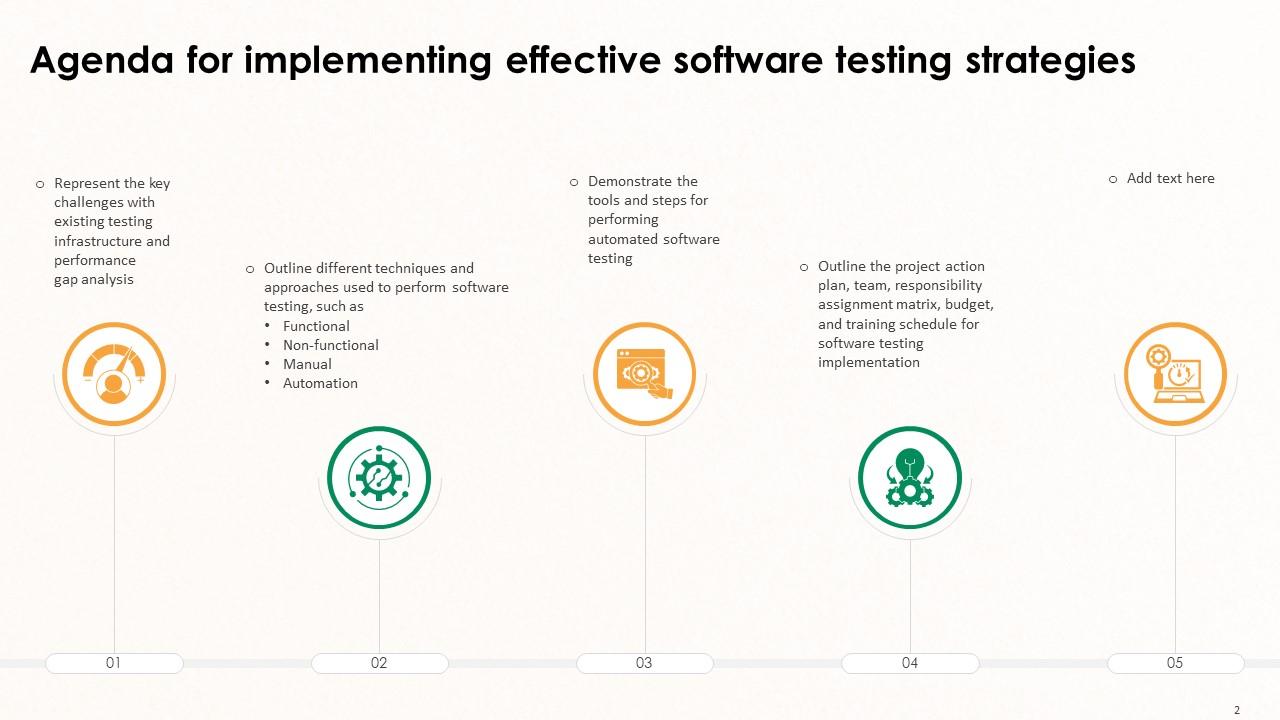
Slide 2: This is an Agenda slide. State your agendas here.
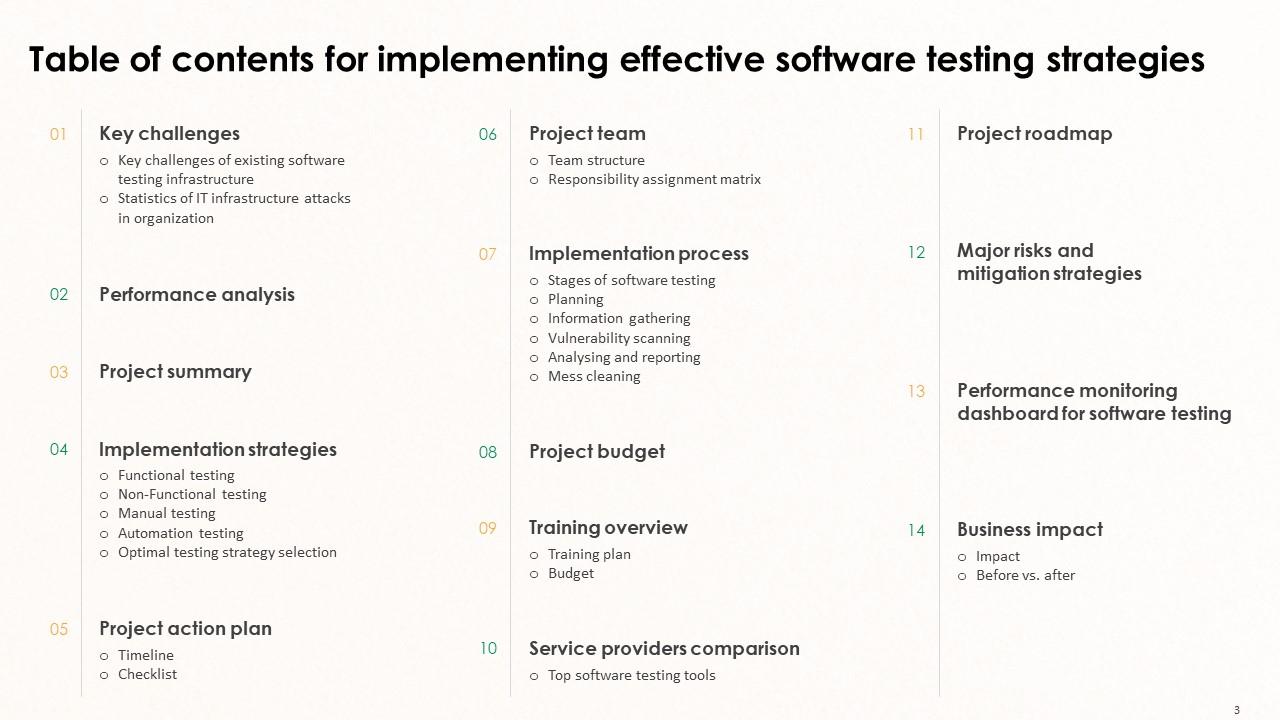
Slide 3: This slide shows Table of Content for the presentation.
Slide 4: This slide shows title for topics that are to be covered next in the template.
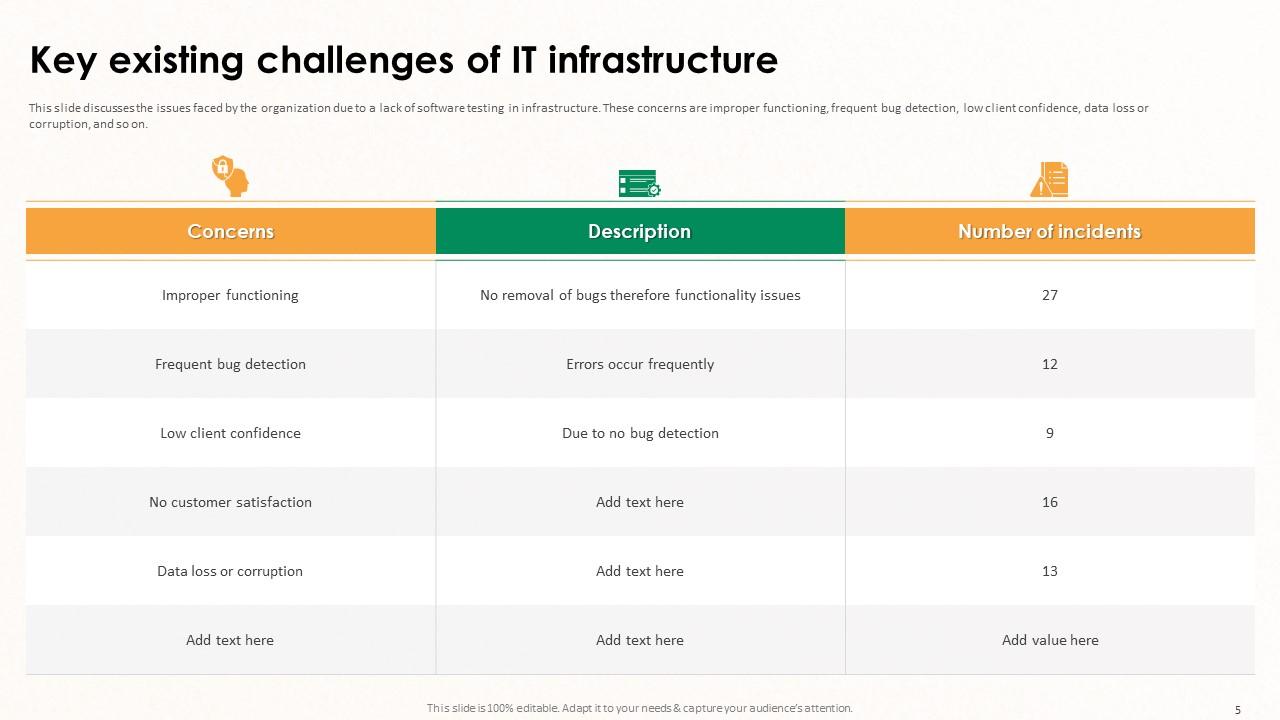
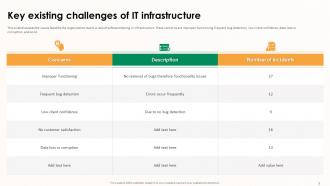
Slide 5: This slide discusses the issues faced by the organization due to a lack of software testing in infrastructure. These concerns are improper functioning etc.
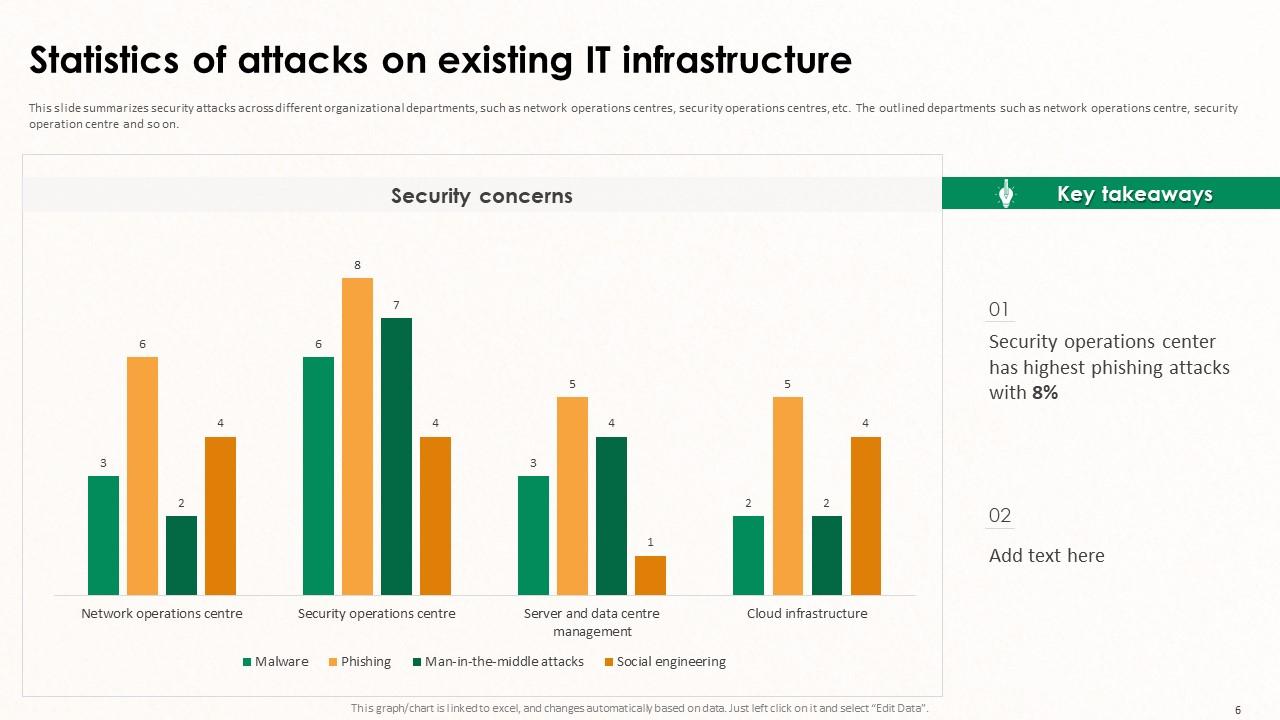
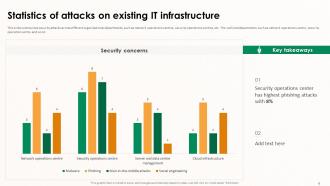
Slide 6: This slide summarizes security attacks across different organizational departments, such as network operations centres, security operations centres, etc.
Slide 7: This slide shows title for topics that are to be covered next in the template.
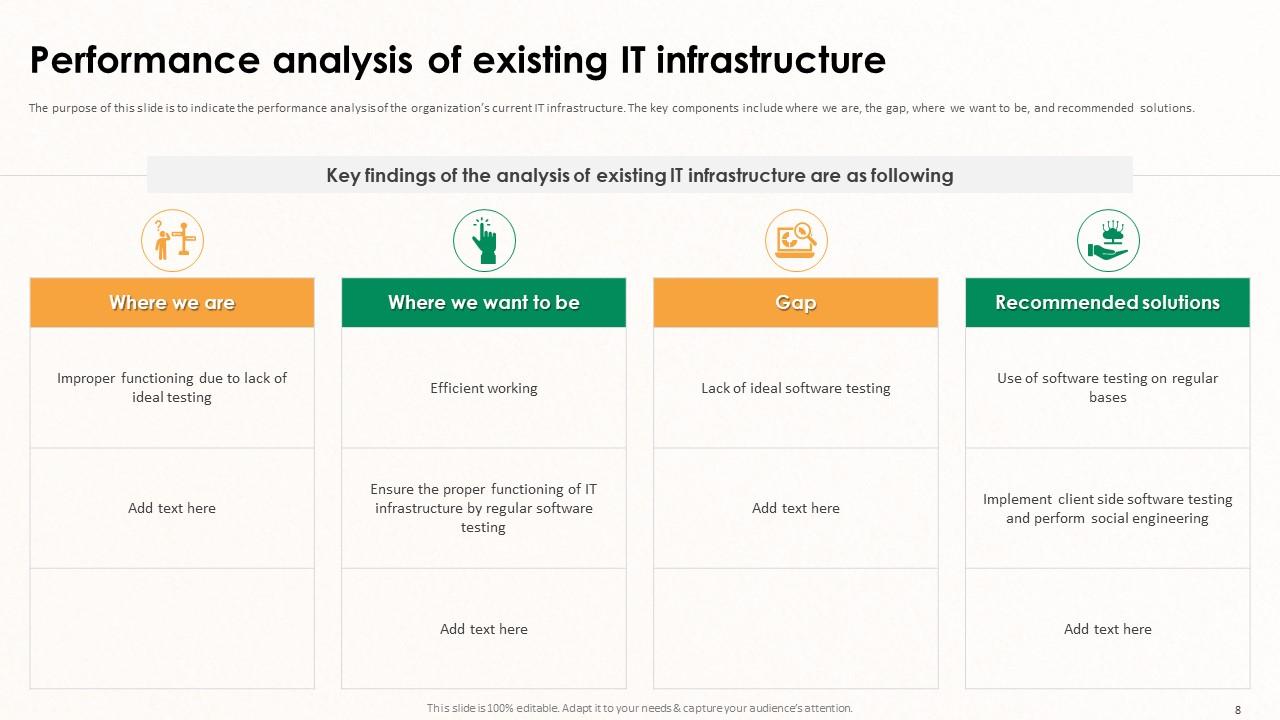
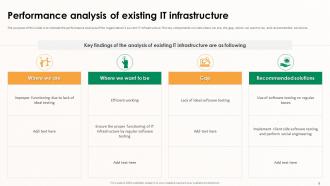
Slide 8: This slide is to indicate the performance analysis of the organization’s current IT infrastructure. The key components include where we are, the gap, where we want to be etc.
Slide 9: This slide shows title for topics that are to be covered next in the template.
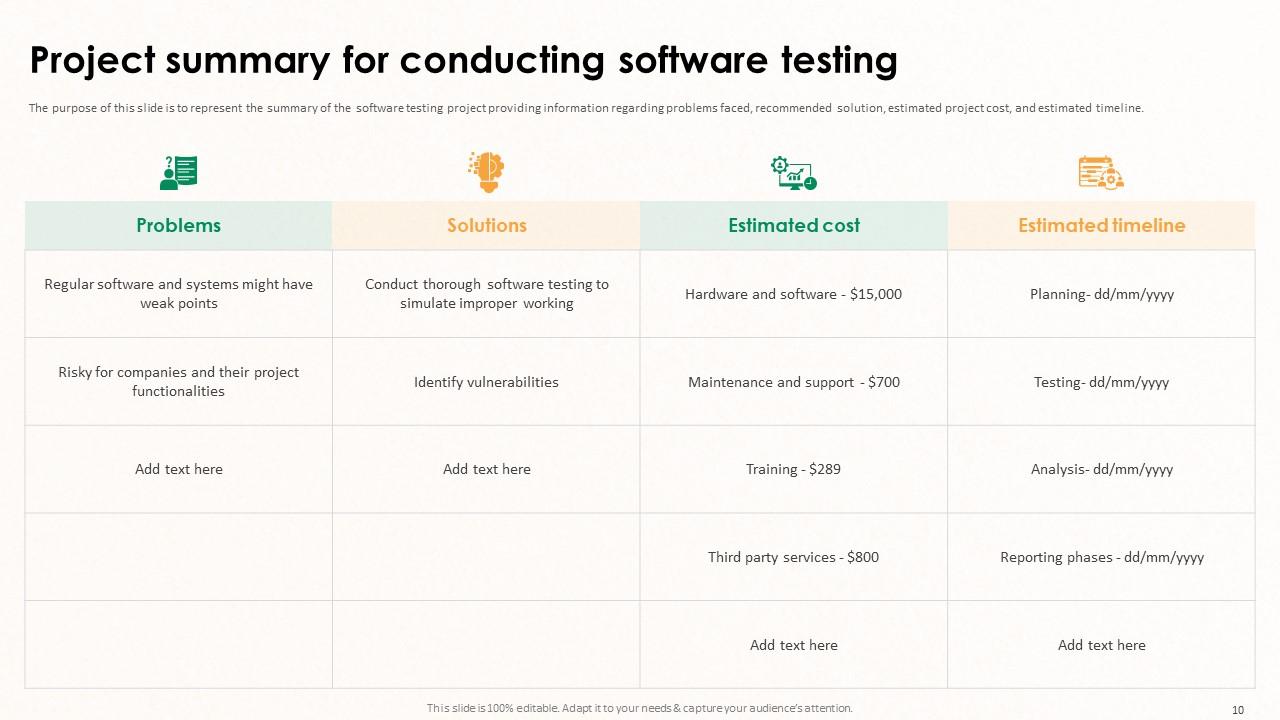
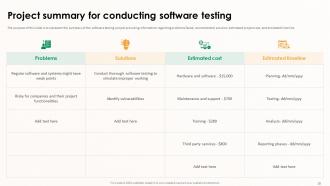
Slide 10: This slide represents the summary of the software testing project providing information regarding problems faced, recommended solution, estimated project cost etc.
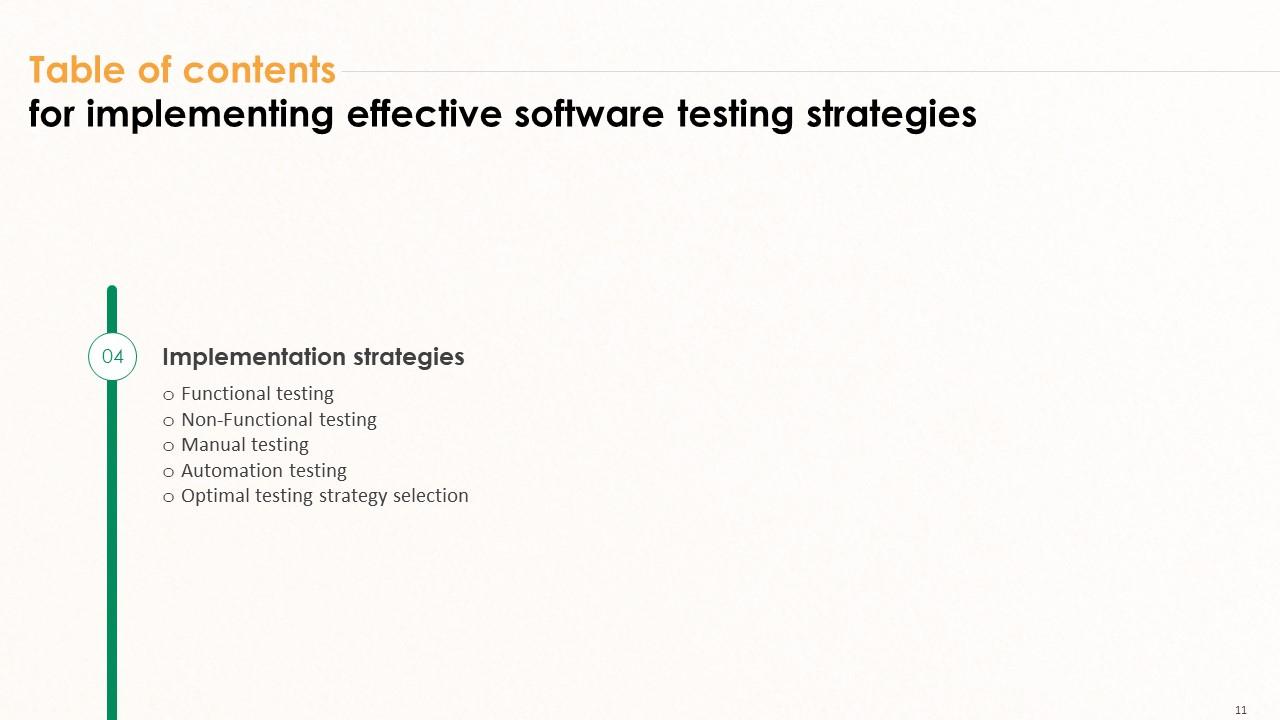
Slide 11: This slide shows title for topics that are to be covered next in the template.
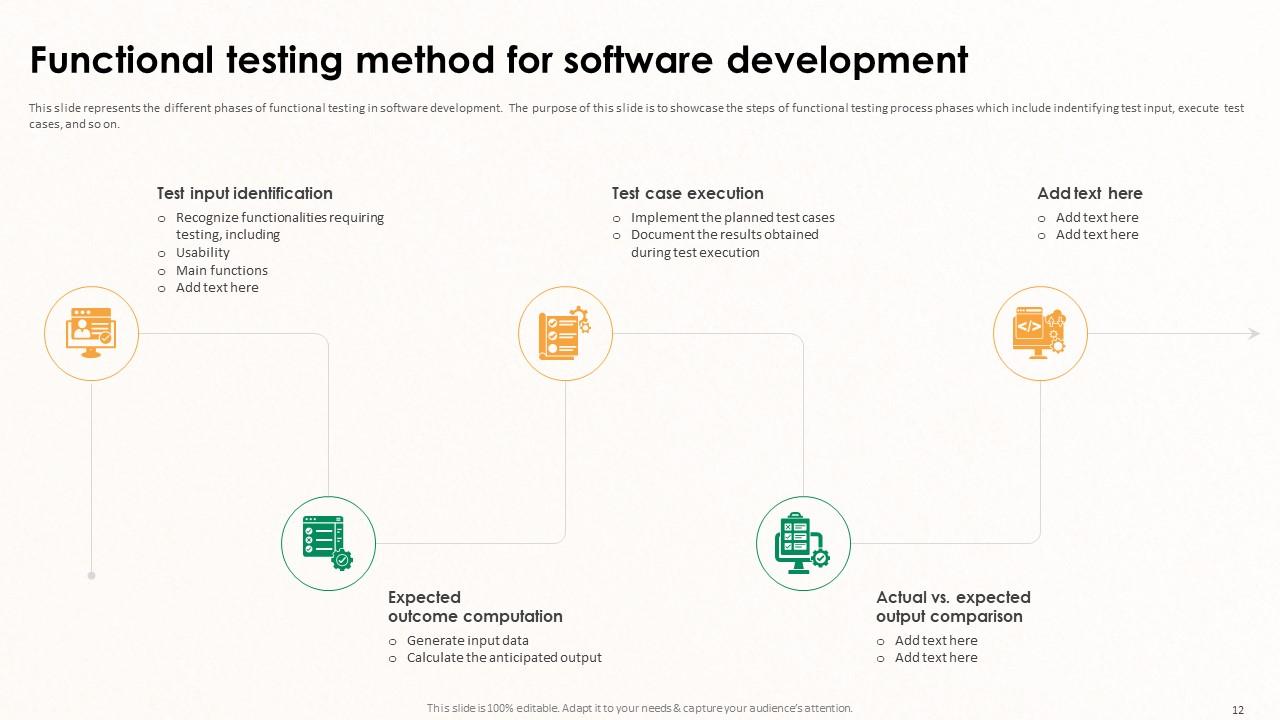
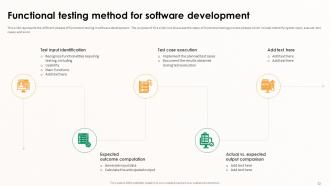
Slide 12: This slide represents the different phases of functional testing in software development and showcase the steps of functional testing process phases.
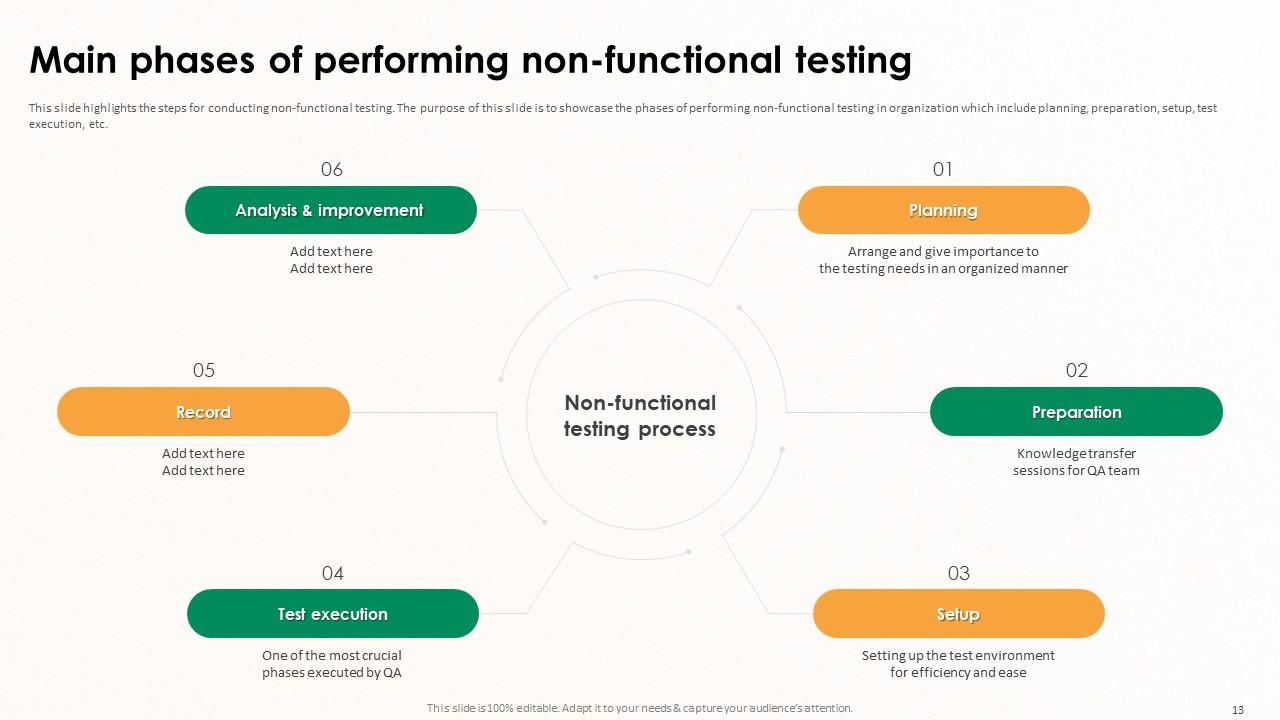
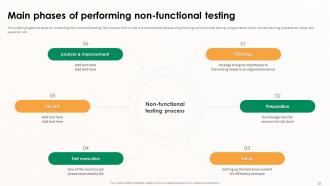
Slide 13: This slide highlights the steps for conducting non-functional testing. The purpose of this slide is to showcase the phases of performing non-functional testing.
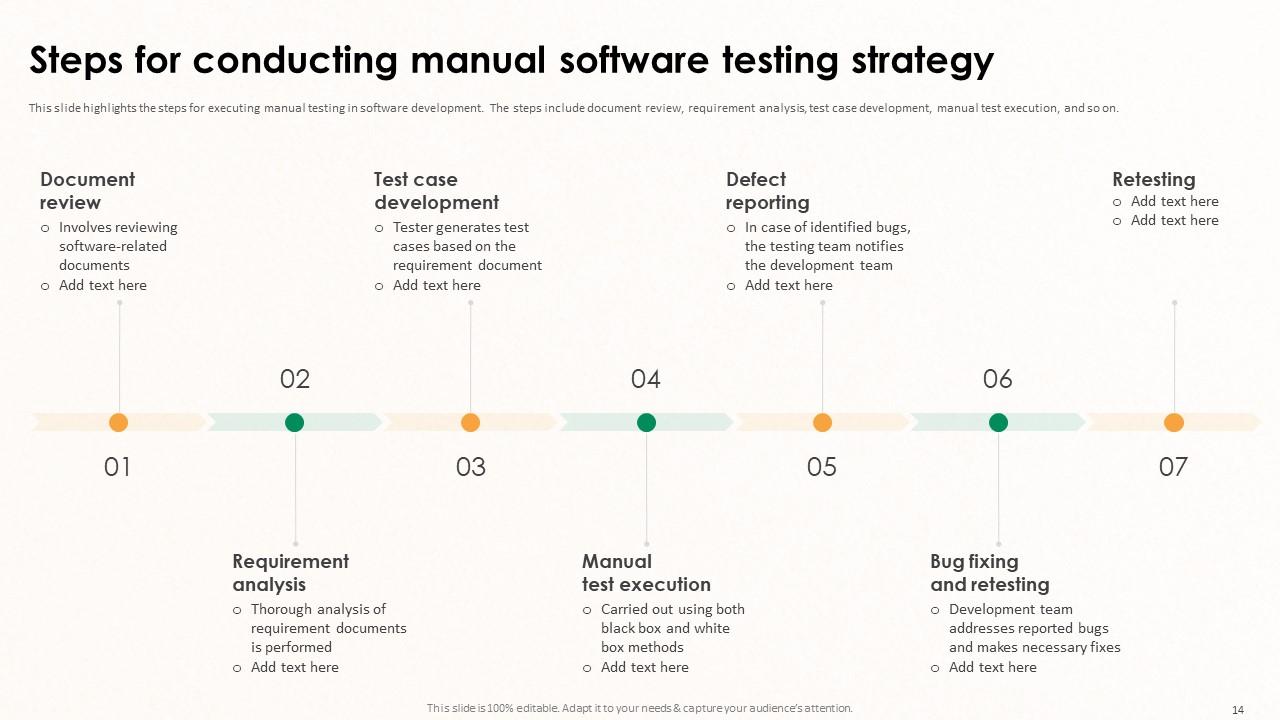
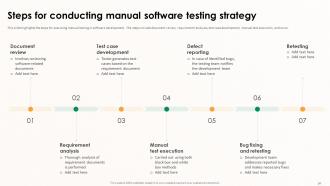
Slide 14: This slide displays the steps for executing manual testing in software development. The steps include document review, requirement analysis, test case development etc.
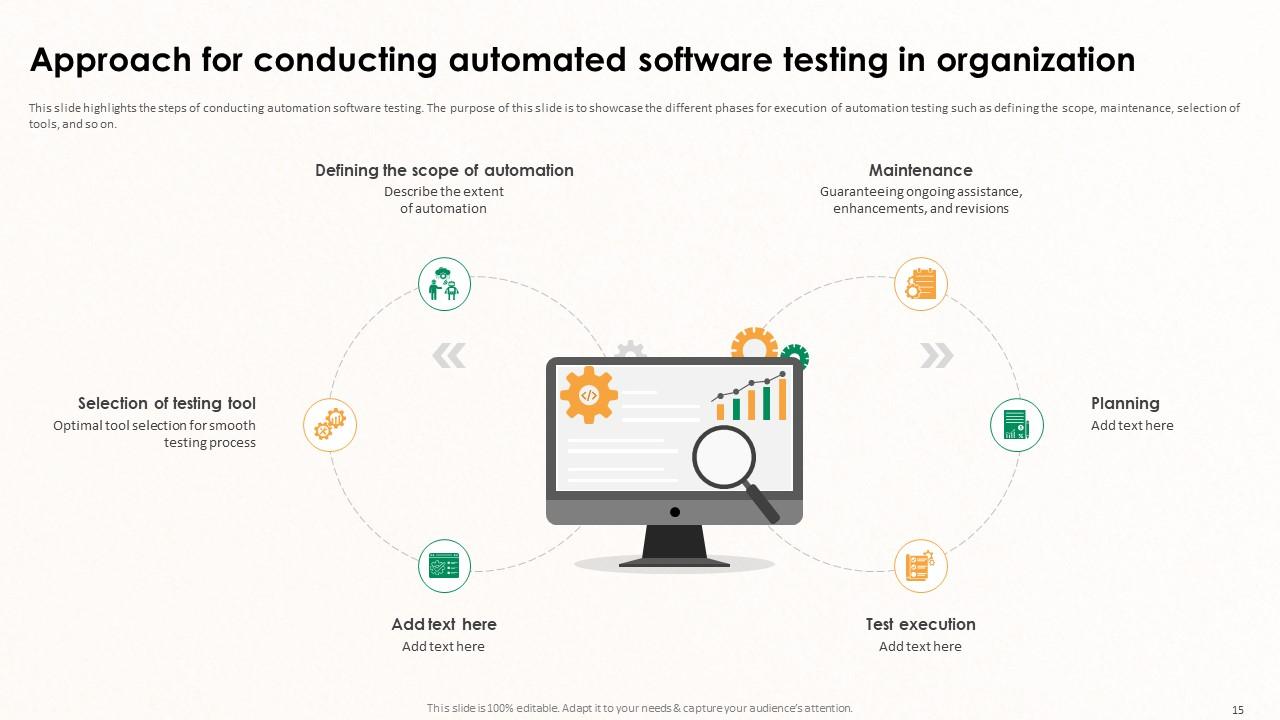
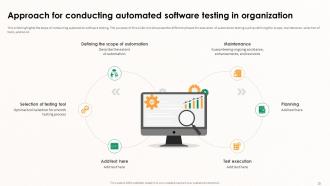
Slide 15: This slide highlights the steps of conducting automation software testing. The purpose of this slide is to showcase the different phases for execution of automation testing.
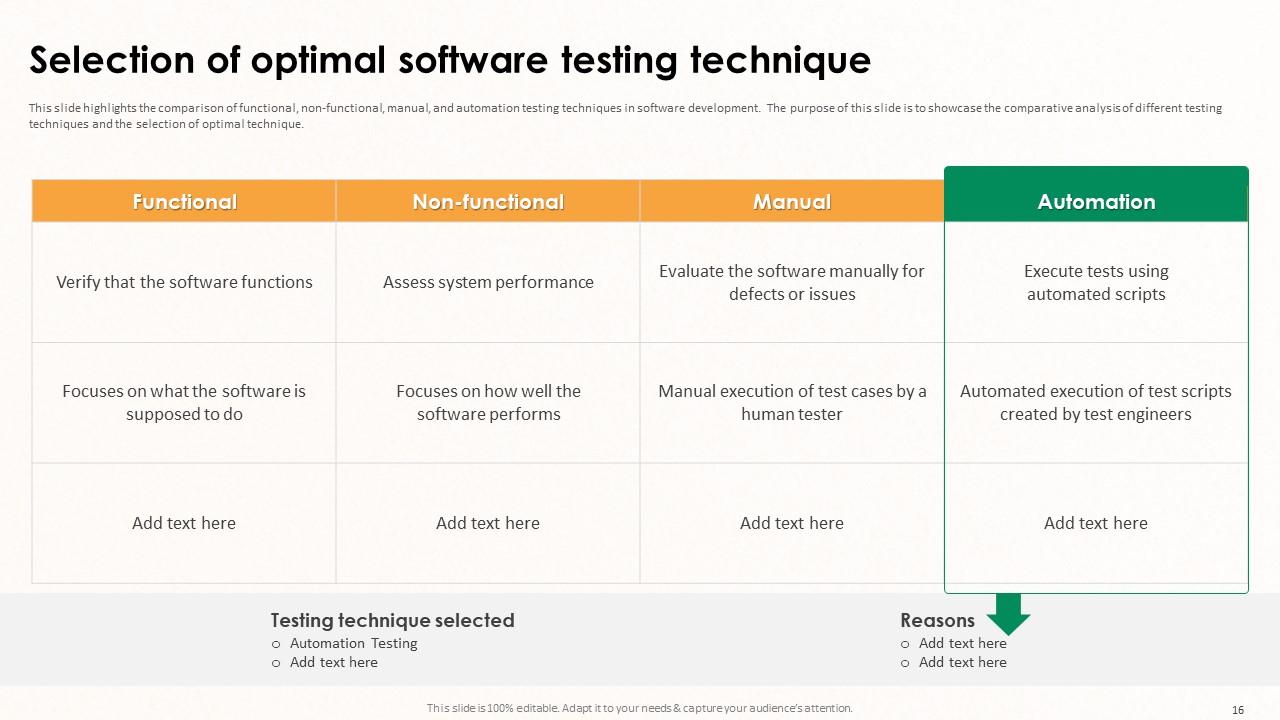
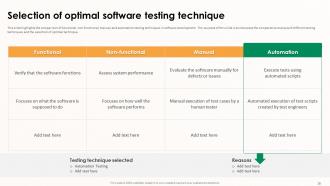
Slide 16: This slide presents the comparison of functional, non-functional, manual, and automation testing techniques in software development.
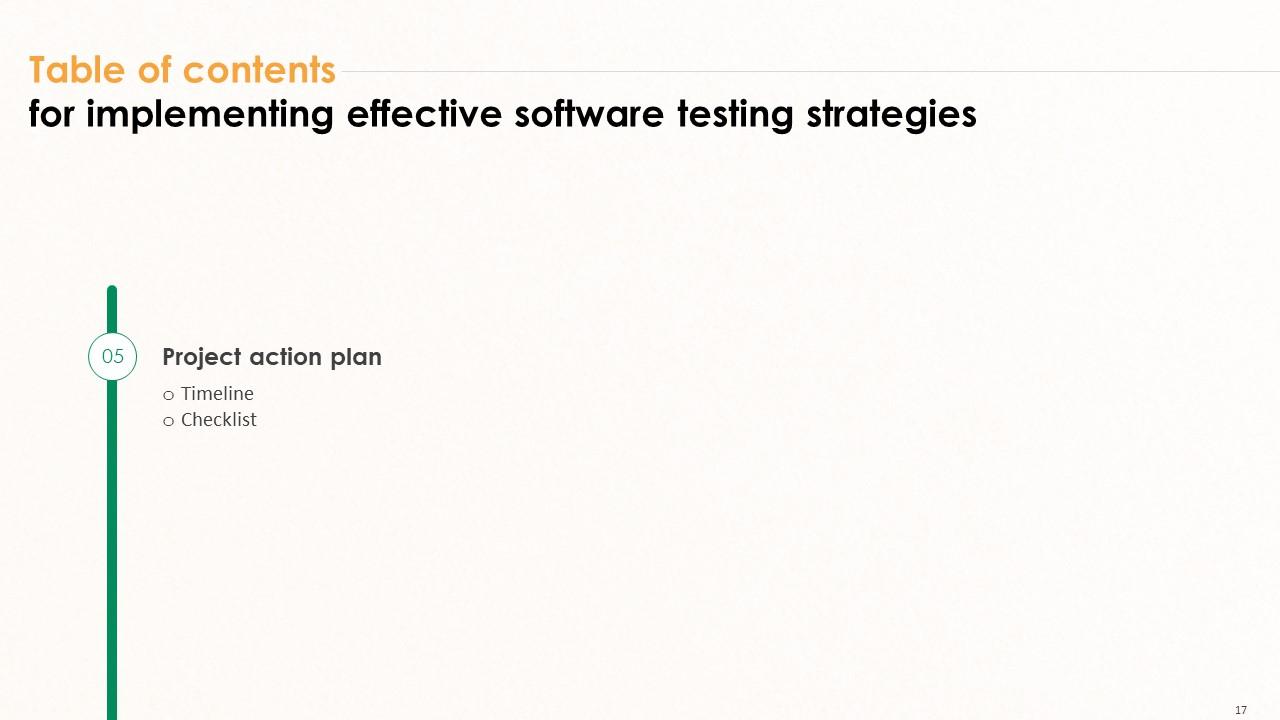
Slide 17: This slide shows title for topics that are to be covered next in the template.
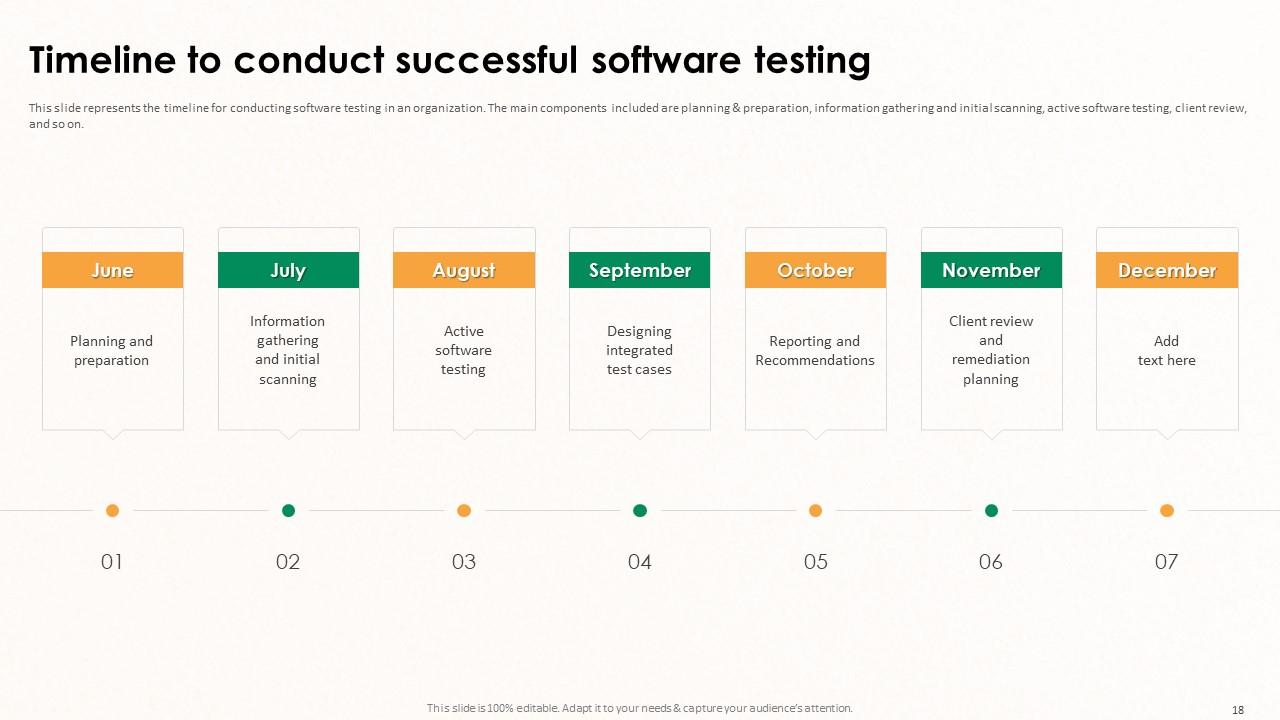
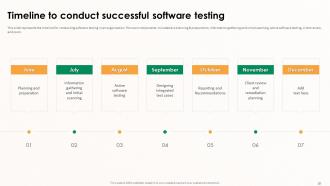
Slide 18: This slide represents the timeline for conducting software testing in an organization. The main components included are planning & preparation, information gathering etc.
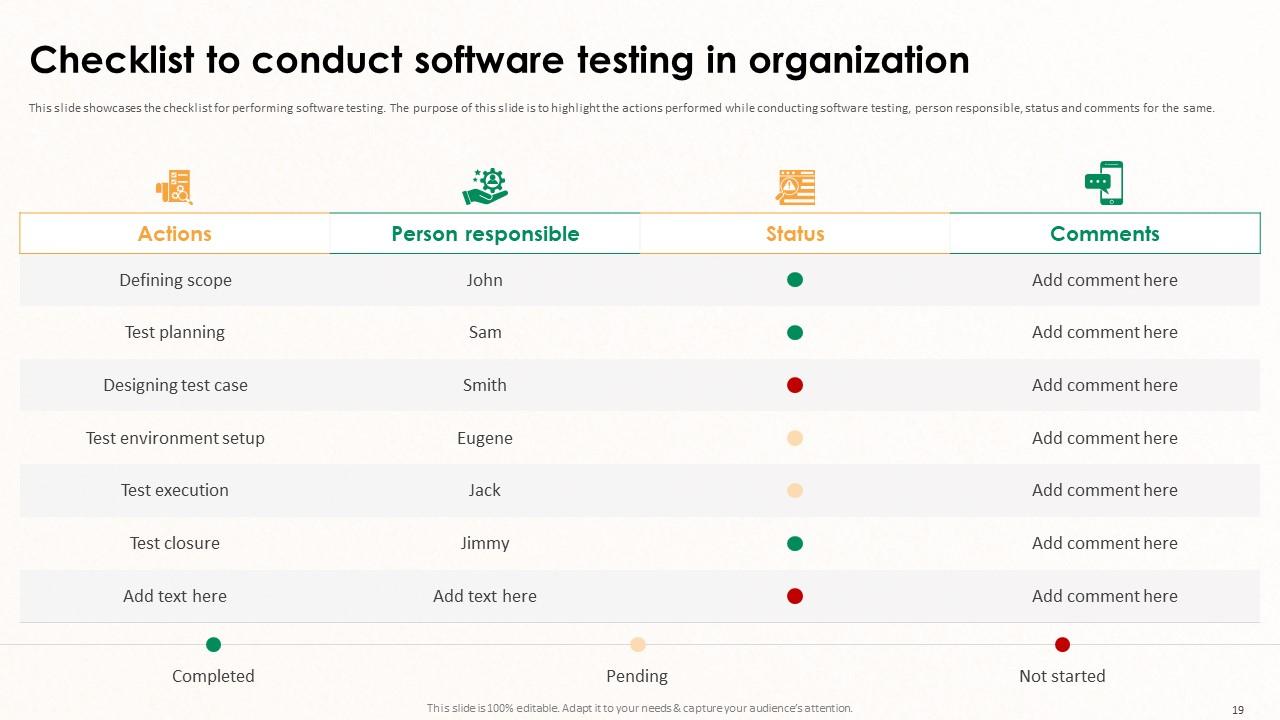
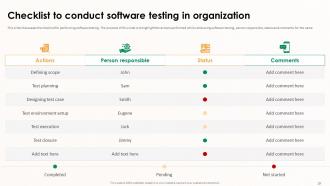
Slide 19: This slide showcases the checklist for performing software testing and highlights the actions performed while conducting software testing, person responsible etc.
Slide 20: This slide shows title for topics that are to be covered next in the template.
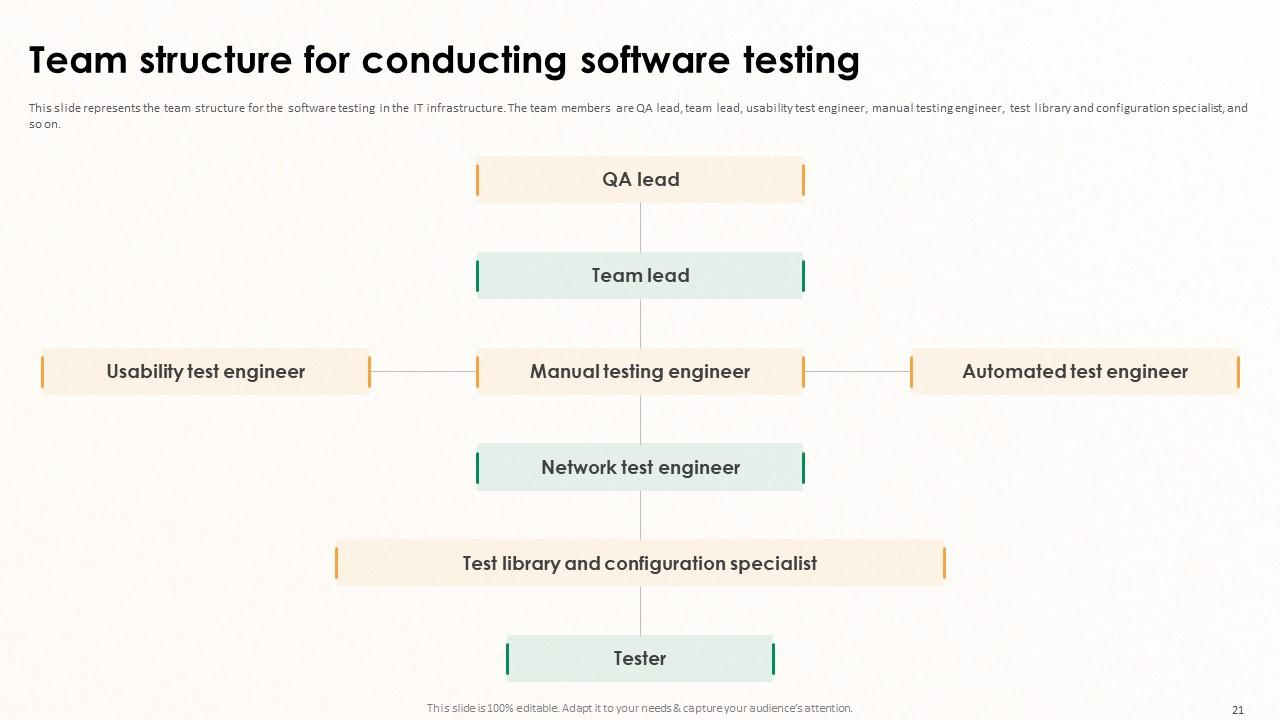
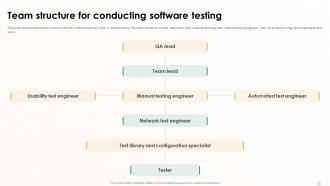
Slide 21: This slide represents the team structure for the software testing in the IT infrastructure. The team members are QA lead, team lead, usability test engineer etc.
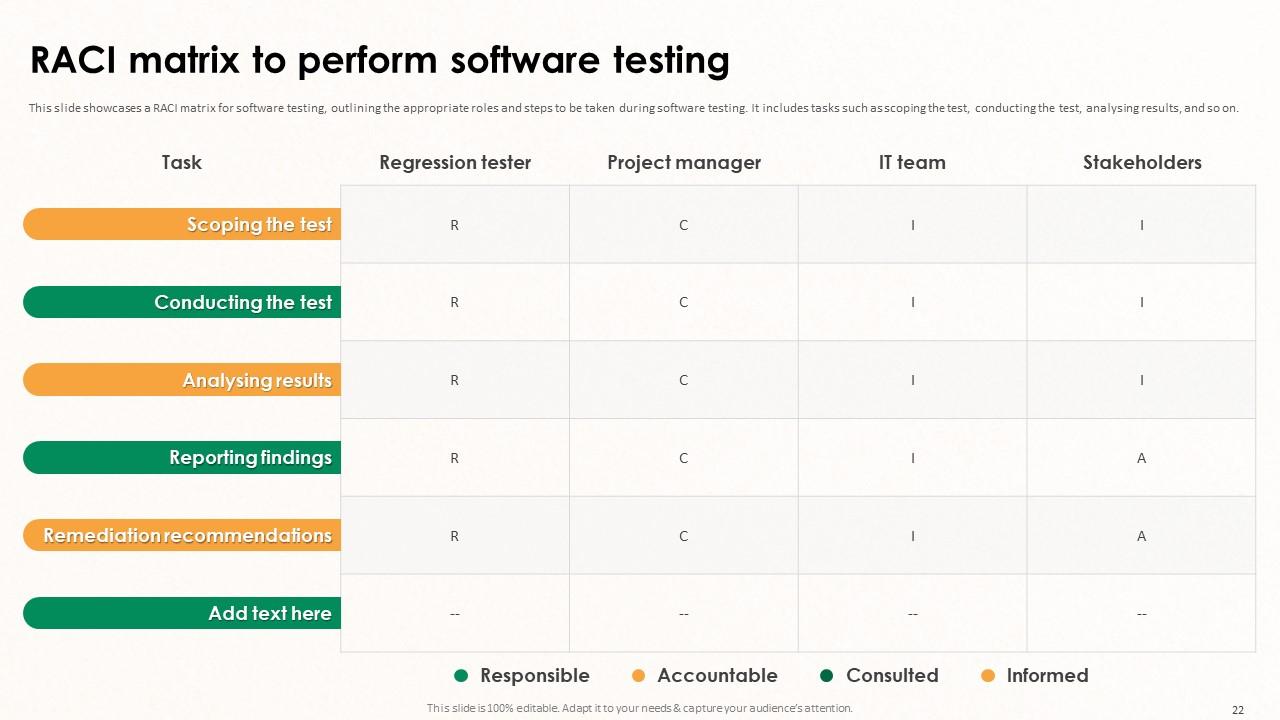
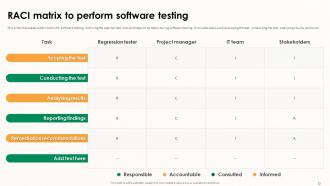
Slide 22: This slide showcases a RACI matrix for software testing, outlining the appropriate roles and steps to be taken during software testing.
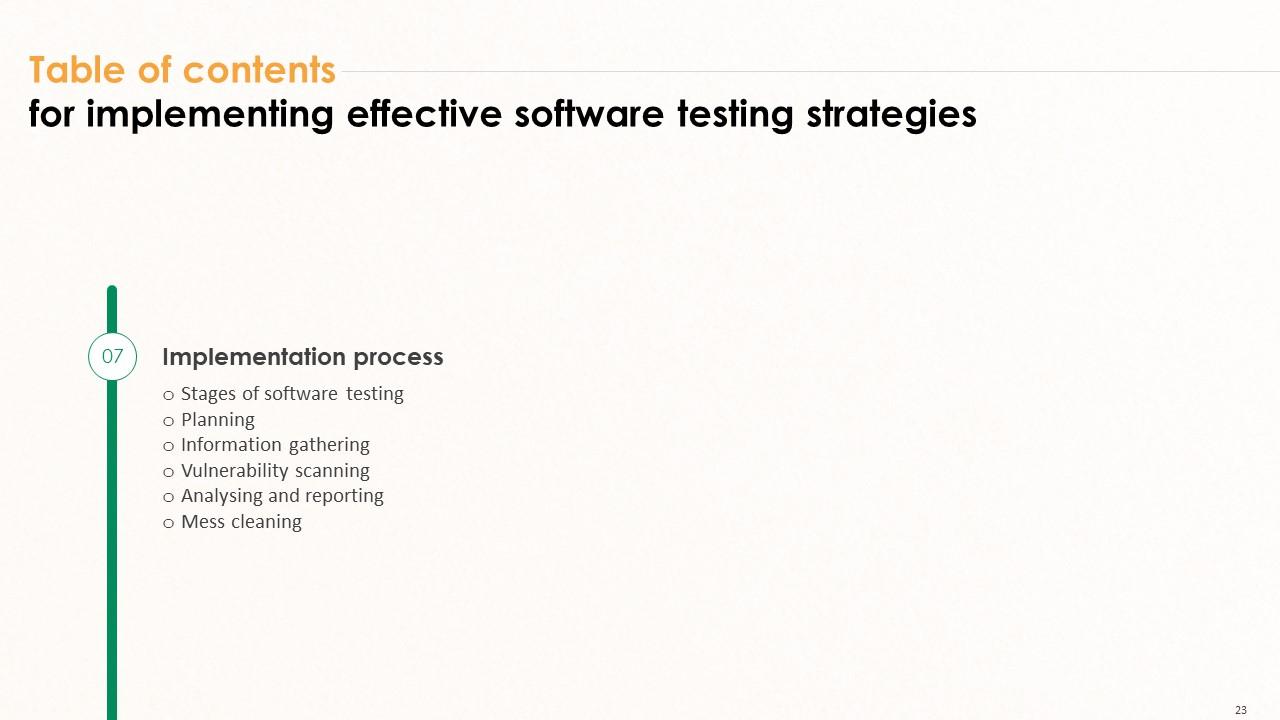
Slide 23: This slide shows title for topics that are to be covered next in the template.
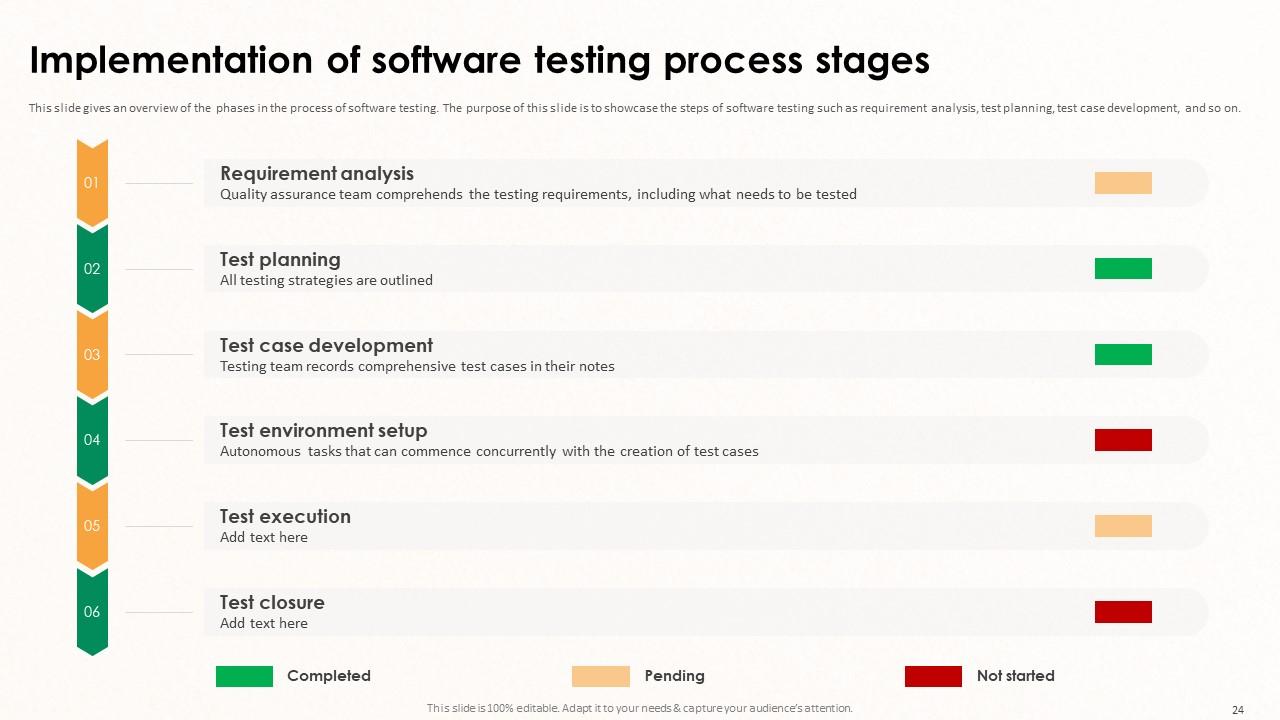
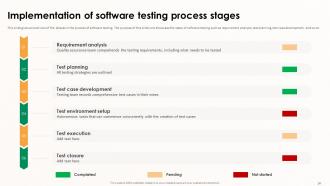
Slide 24: This slide gives an overview of the phases in the process of software testing. The purpose of this slide is to showcase the steps of software testing.
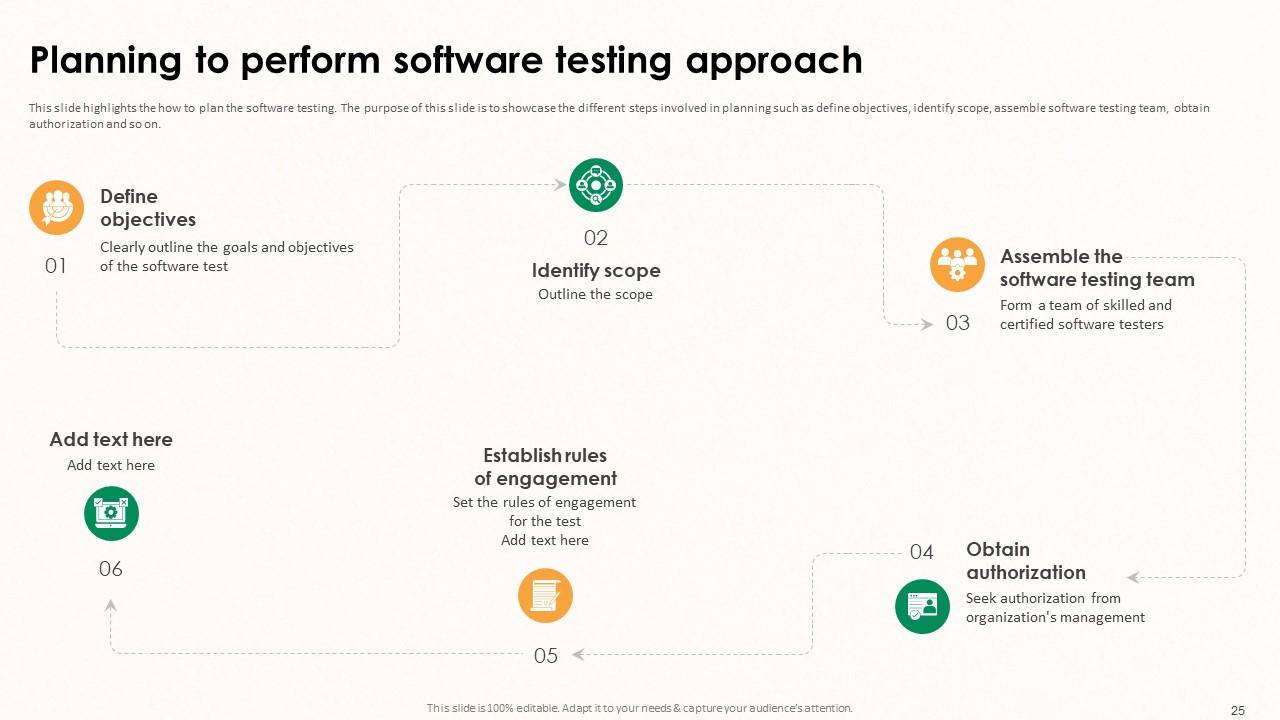
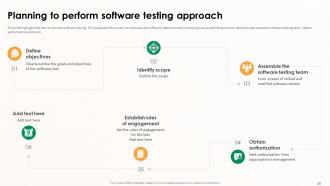
Slide 25: This slide highlights the how to plan the software testing. The purpose of this slide is to showcase the different steps involved in planning.
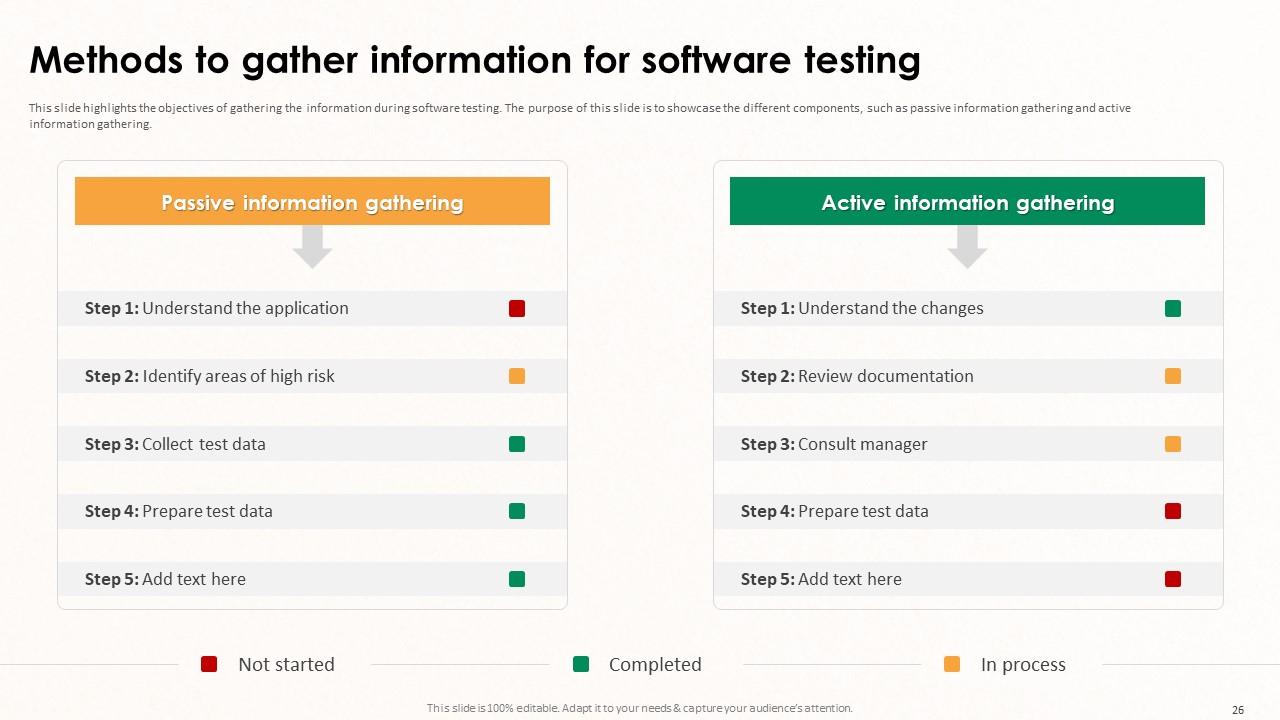
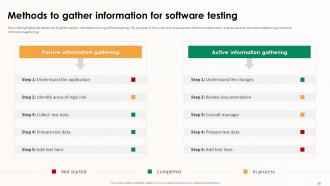
Slide 26: This slide displays the objectives of gathering the information during software testing and showcases the different components, such as passive information gathering etc.
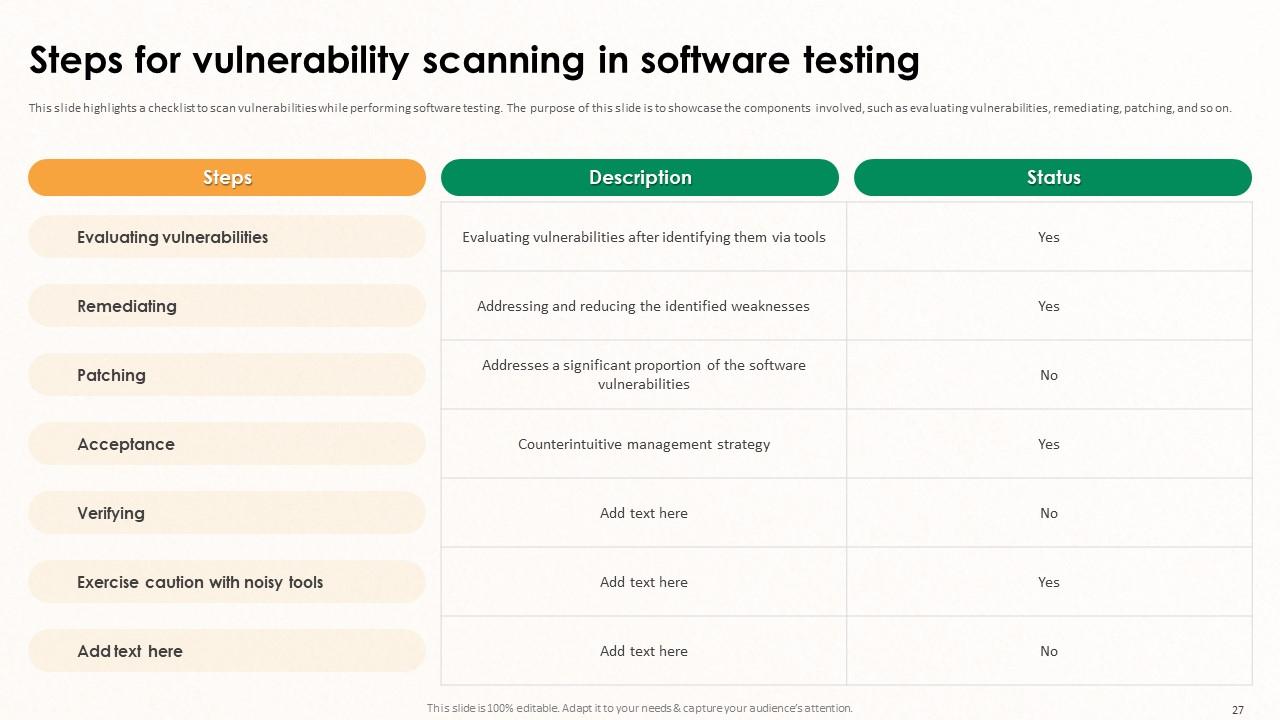
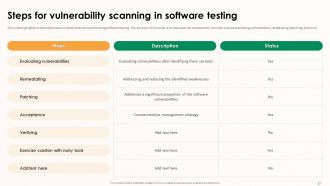
Slide 27: This slide highlights a checklist to scan vulnerabilities while performing software testing. The purpose of this slide is to showcase the components involved.
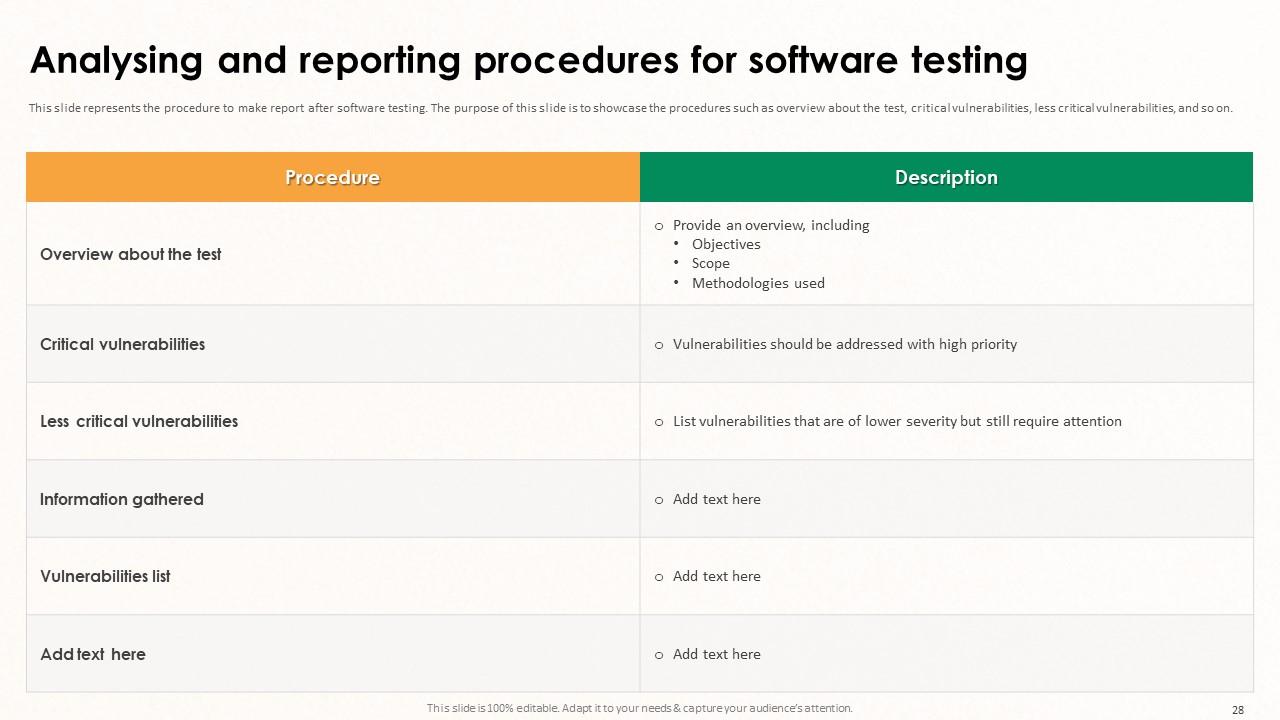
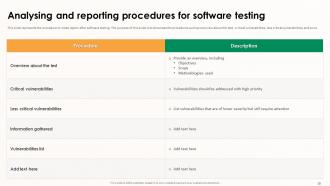
Slide 28: This slide represents the procedure to make report after software testing and showcases the procedures such as overview about the test, critical vulnerabilities etc.
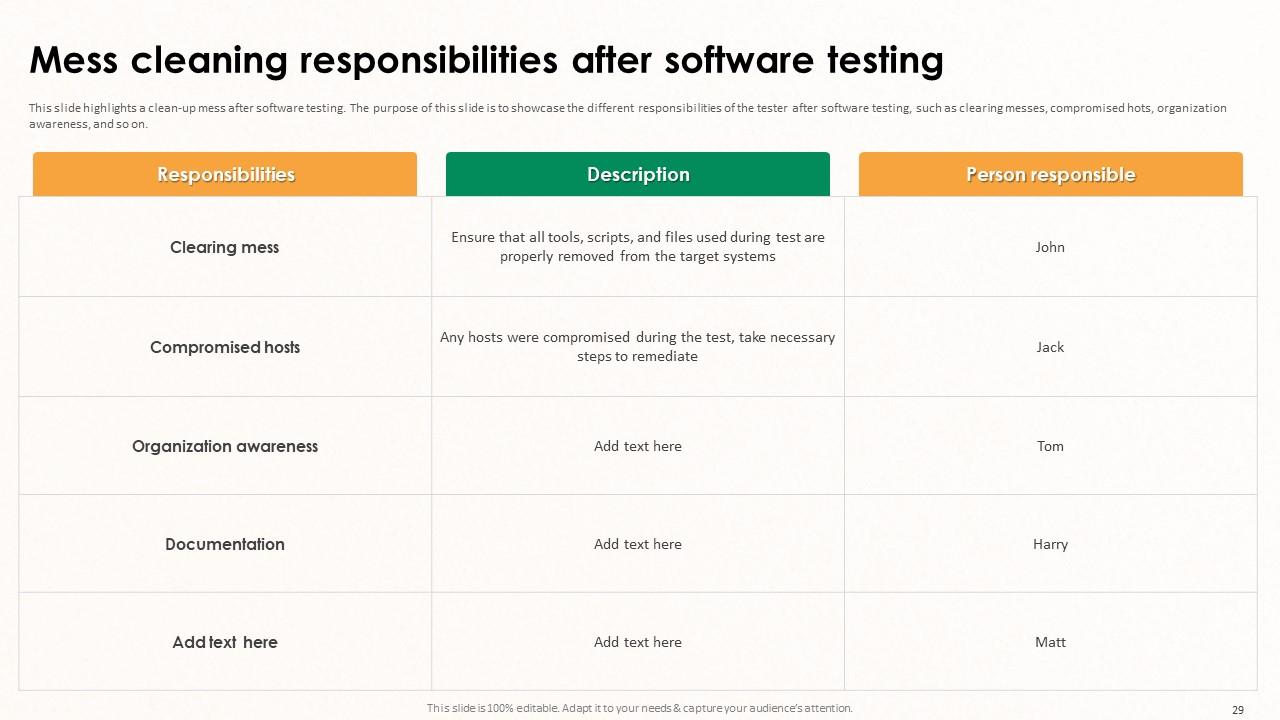
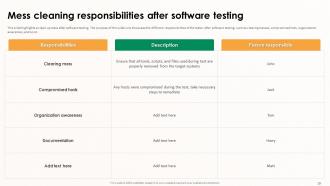
Slide 29: This slide highlights a clean-up mess after software testing. The purpose of this slide is to showcase the different responsibilities of the tester after software testing.
Slide 30: This slide shows title for topics that are to be covered next in the template.
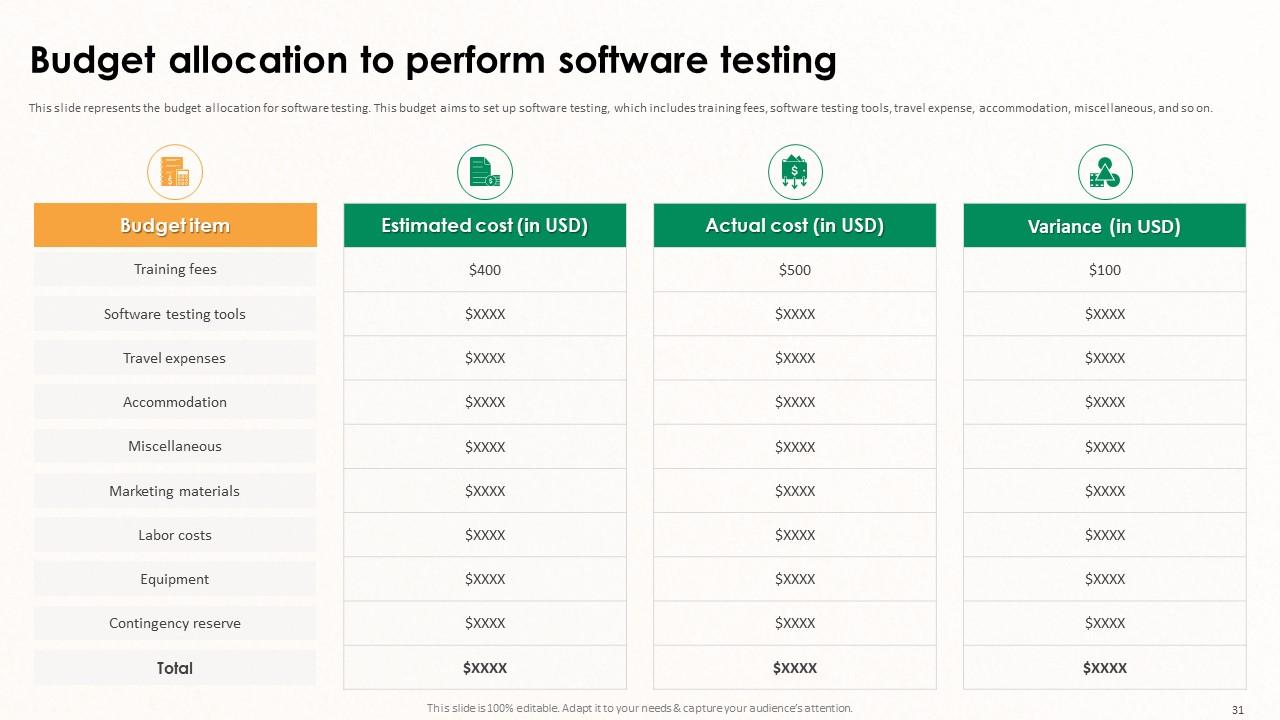
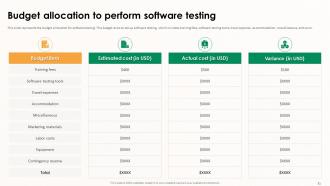
Slide 31: This slide represents the budget allocation for software testing. This budget aims to set up software testing, which includes training fees etc.
Slide 32: This slide shows title for topics that are to be covered next in the template.
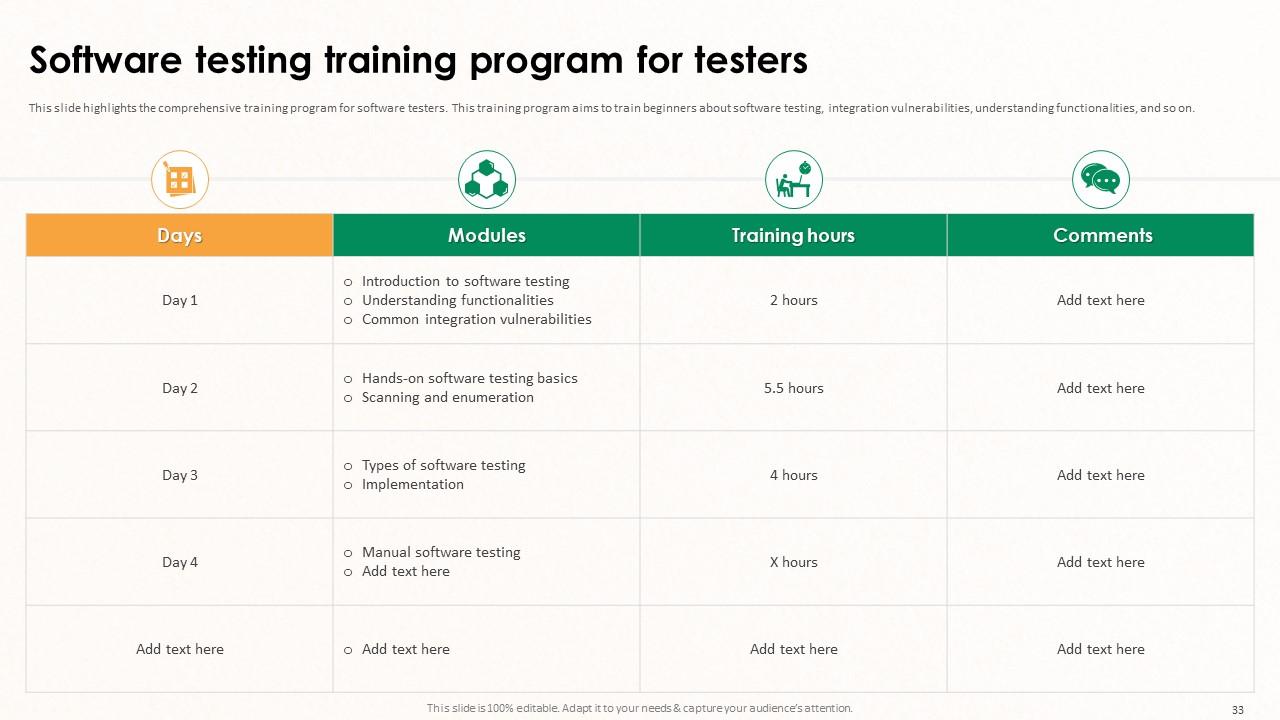
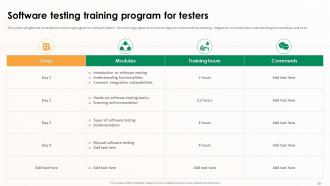
Slide 33: This slide highlights the comprehensive training program for software testers. This training program aims to train beginners about software testing and more.
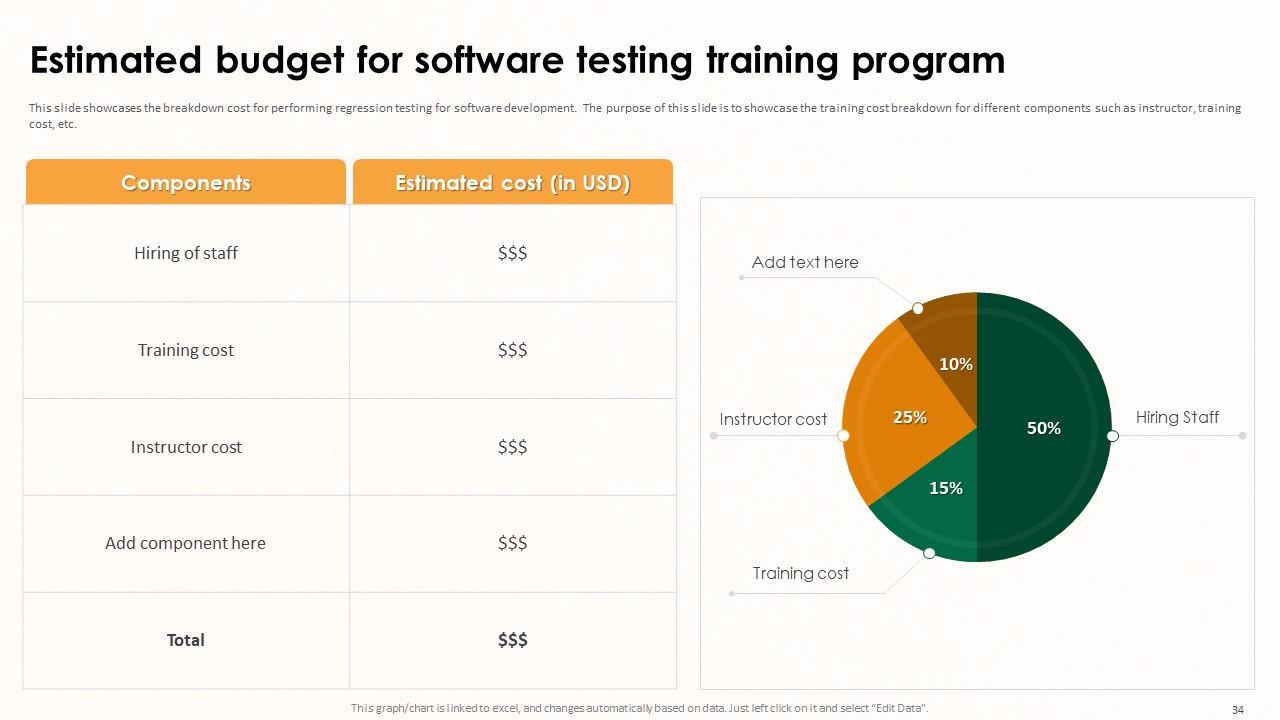
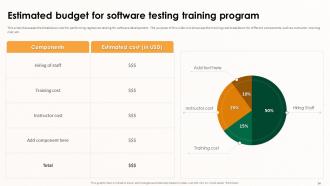
Slide 34: This slide showcases the breakdown cost for performing regression testing for software development. The purpose of this slide is to showcase the training cost breakdown.
Slide 35: This slide shows title for topics that are to be covered next in the template.
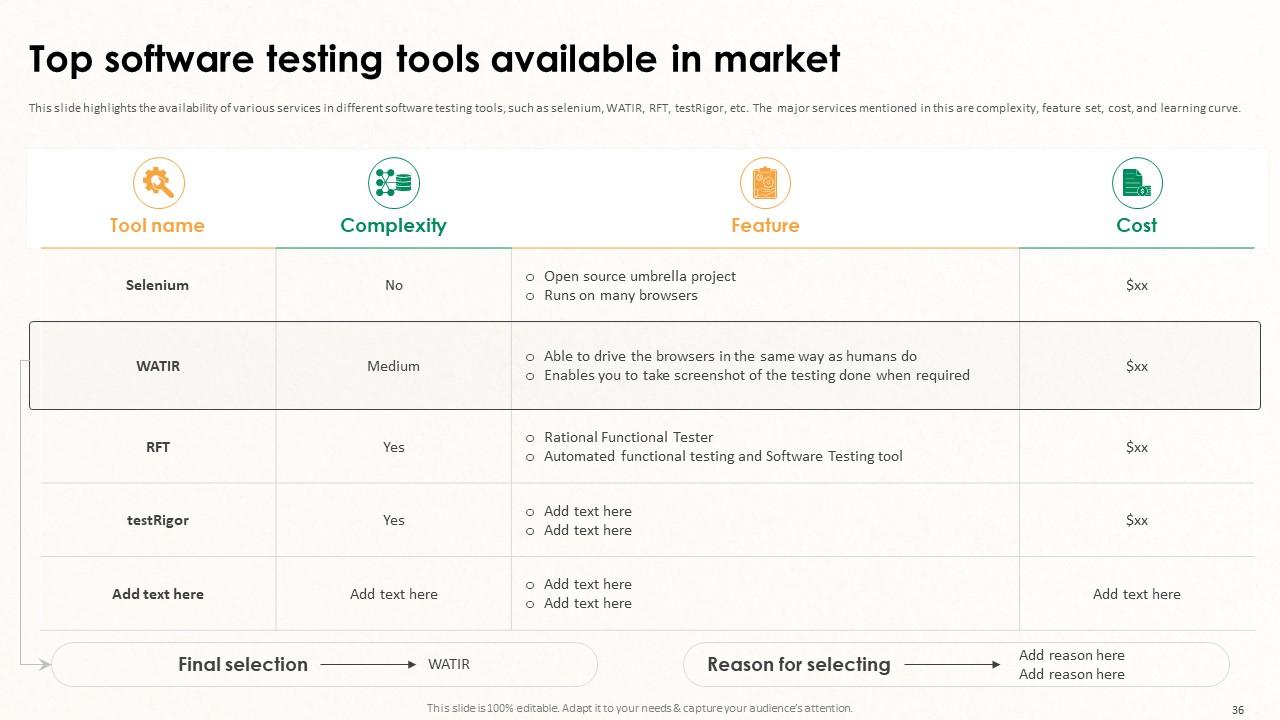
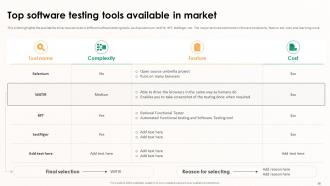
Slide 36: This slide highlights the availability of various services in different software testing tools, such as selenium, WATIR, RFT, testRigor, etc.
Slide 37: This slide shows title for topics that are to be covered next in the template.
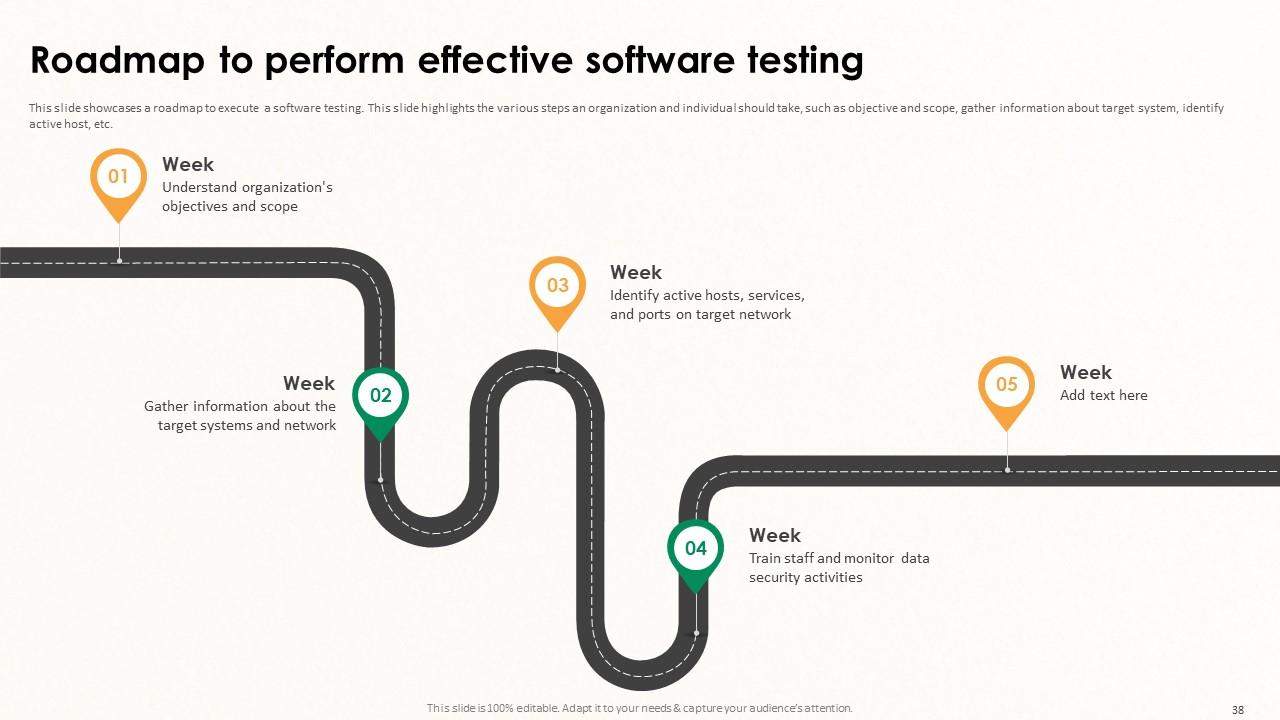
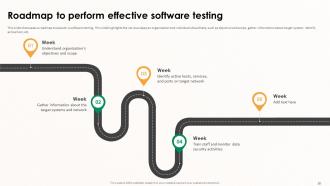
Slide 38: This slide showcases a roadmap to execute a software testing. This slide highlights the various steps an organization and individual should take.
Slide 39: This slide shows title for topics that are to be covered next in the template.
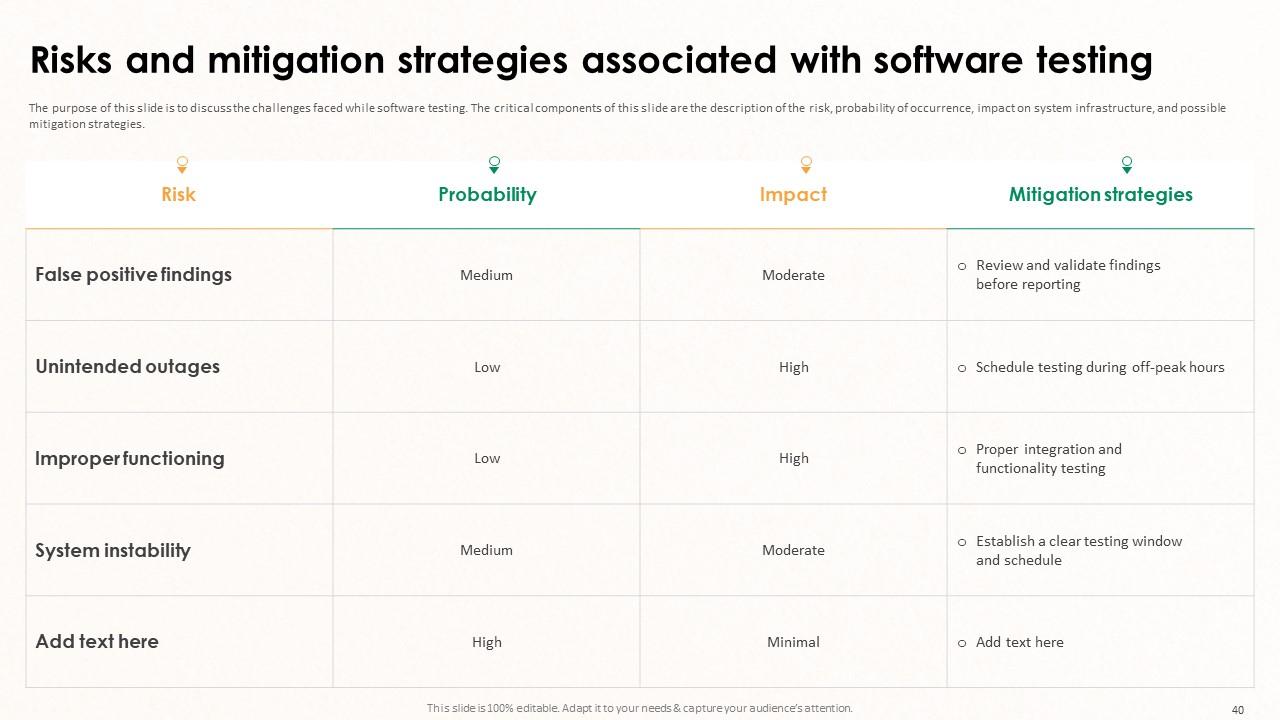
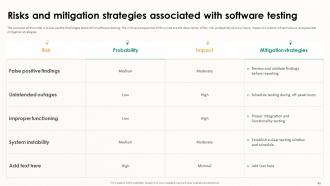
Slide 40: This slide discusses the challenges faced while software testing. The critical components of this slide are the description of the risk, probability of occurrence etc.
Slide 41: This slide shows title for topics that are to be covered next in the template.
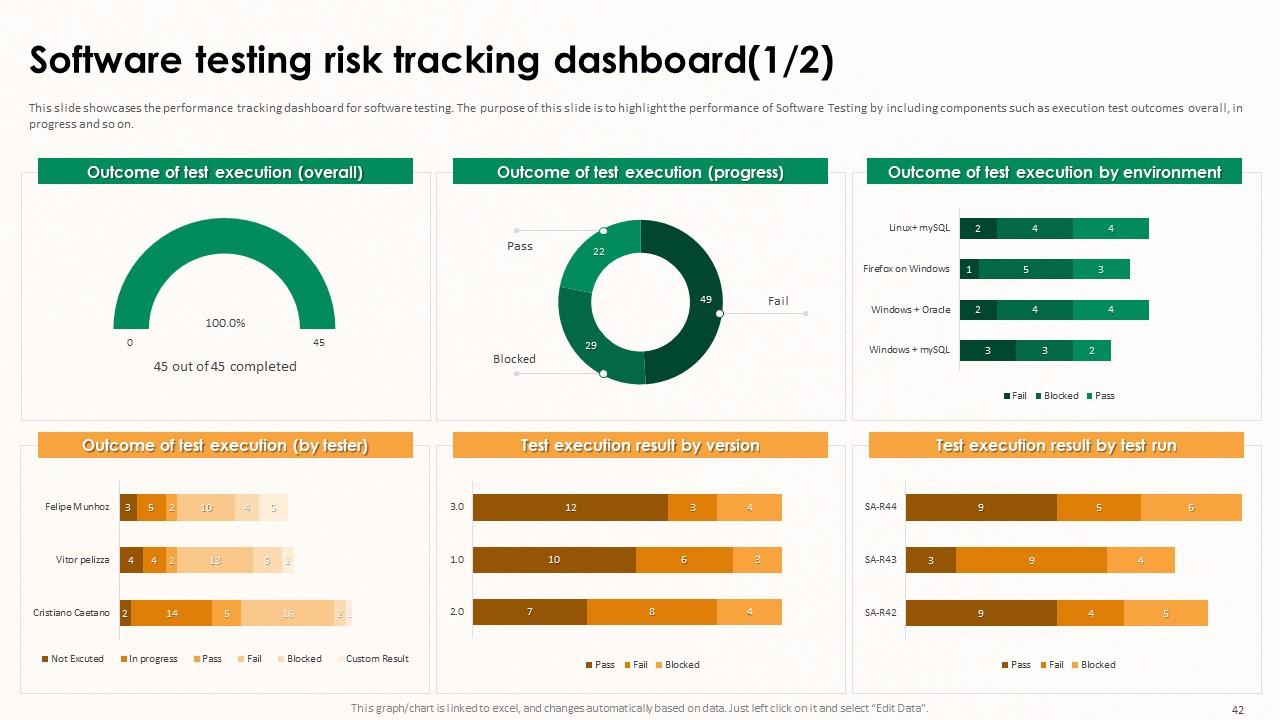
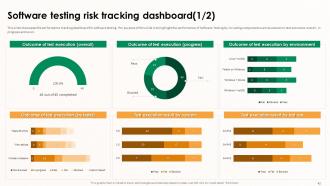
Slide 42: This slide showcases the performance tracking dashboard for software testing. The purpose of this slide is to highlight the performance of Software Testing.
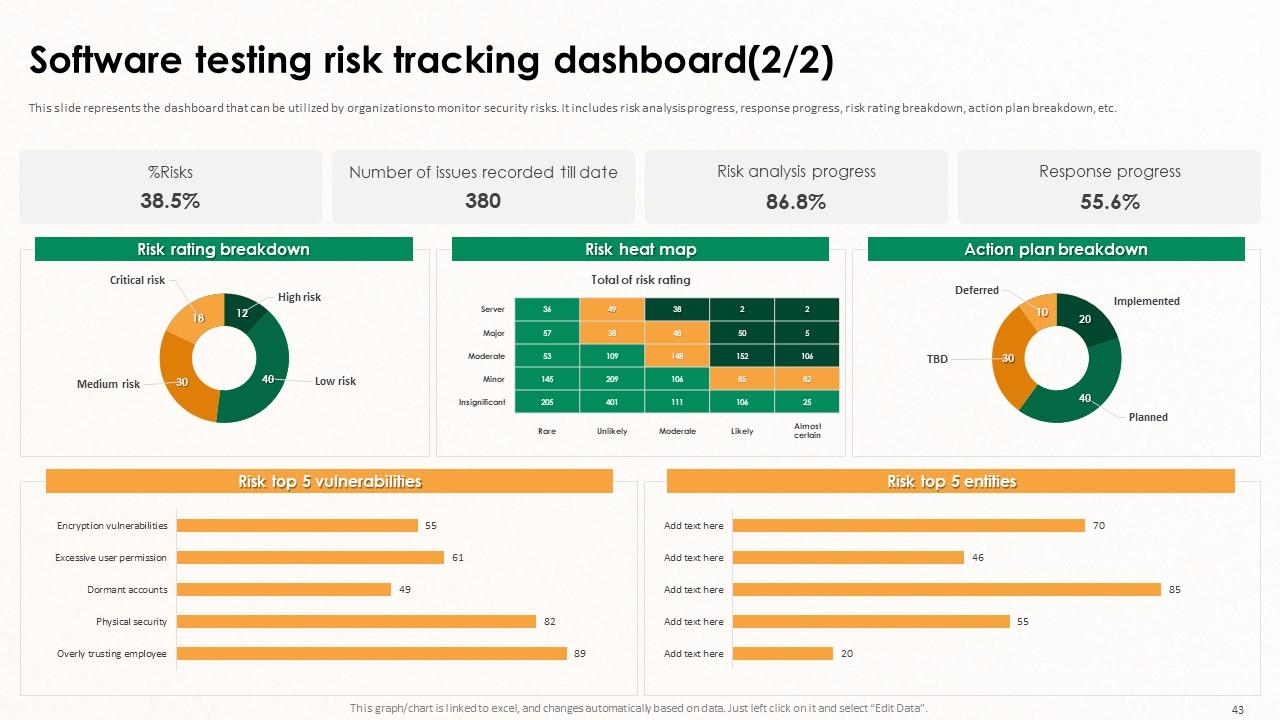
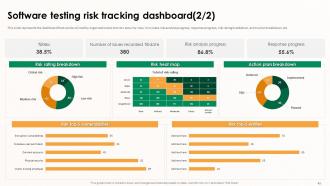
Slide 43: This slide represents the dashboard that can be utilized by organizations to monitor security risks. It includes risk analysis progress, response progress etc.
Slide 44: This slide shows title for topics that are to be covered next in the template.
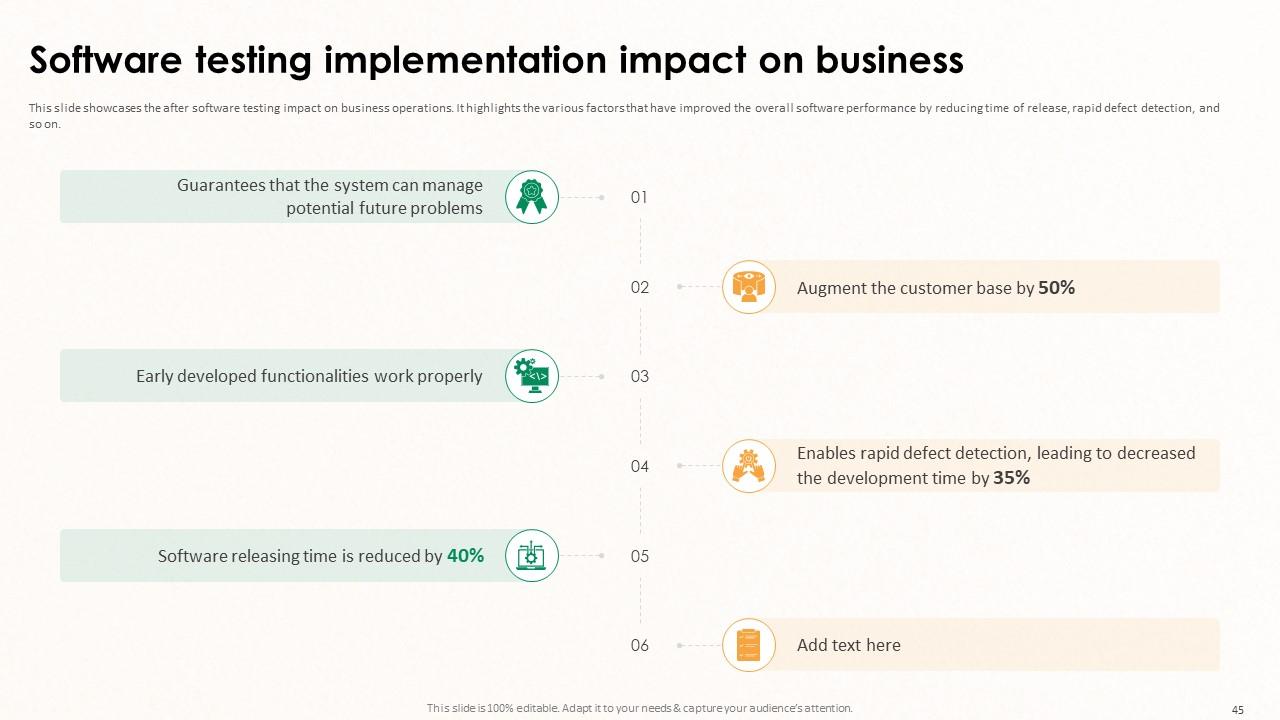
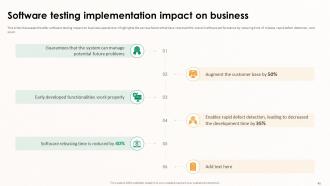
Slide 45: This slide showcases the after software testing impact on business operations. It highlights the various factors that have improved the overall software performance.
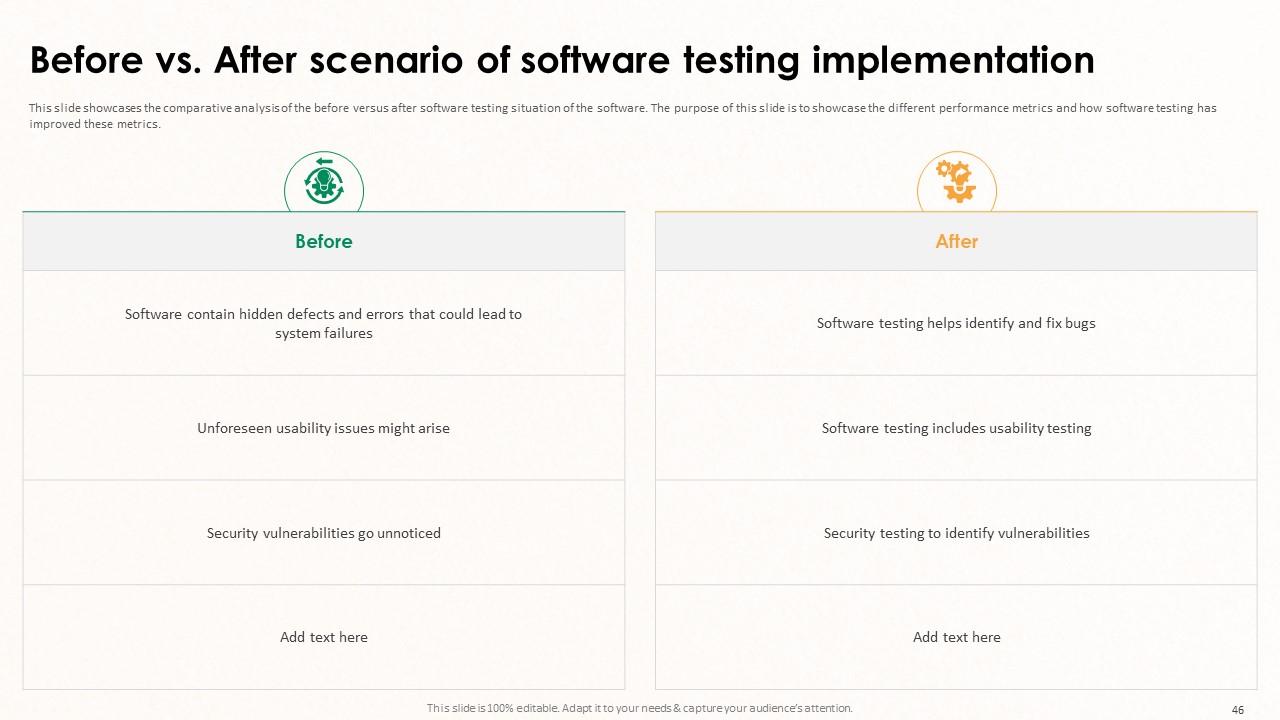
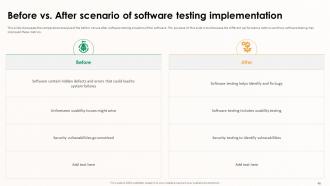
Slide 46: This slide presents the comparative analysis of the before versus after software testing situation of the software.
Slide 47: This slide shows all the icons included in the presentation.
Slide 48: This slide is titled as Additional Slides for moving forward.
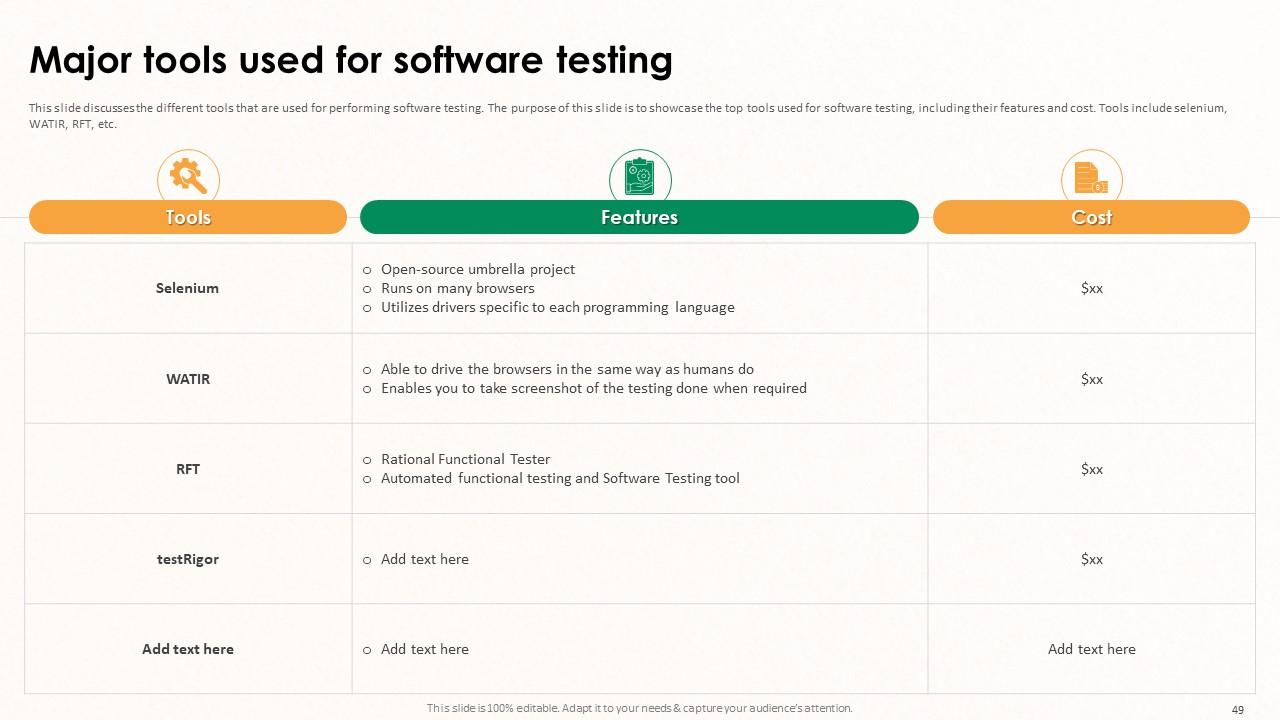
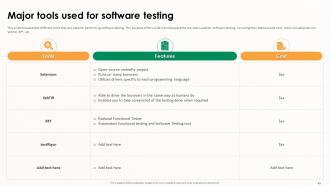
Slide 49: This slide discusses the different tools that are used for performing software testing. The purpose of this slide is to showcase the top tools used for software testing.
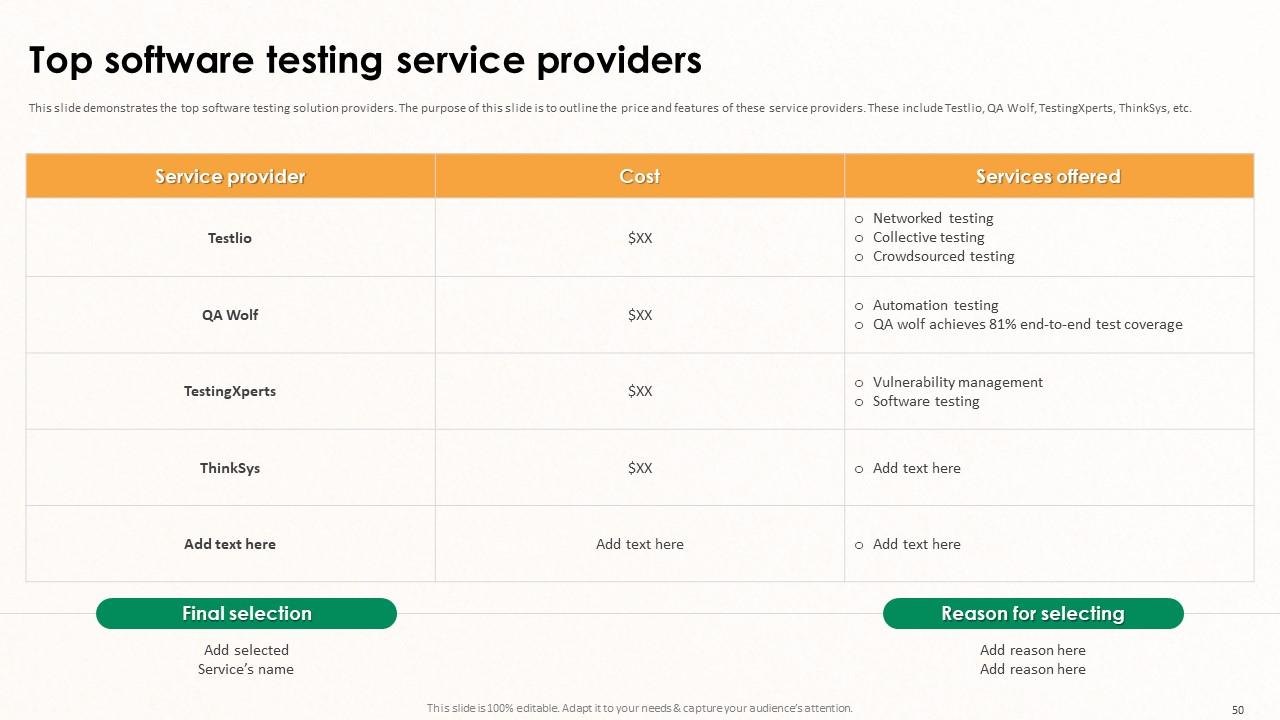
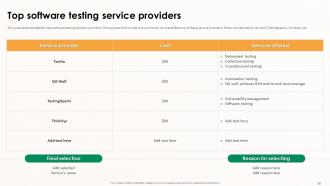
Slide 50: This slide demonstrates the top software testing solution providers. The purpose of this slide is to outline the price and features of these service providers.
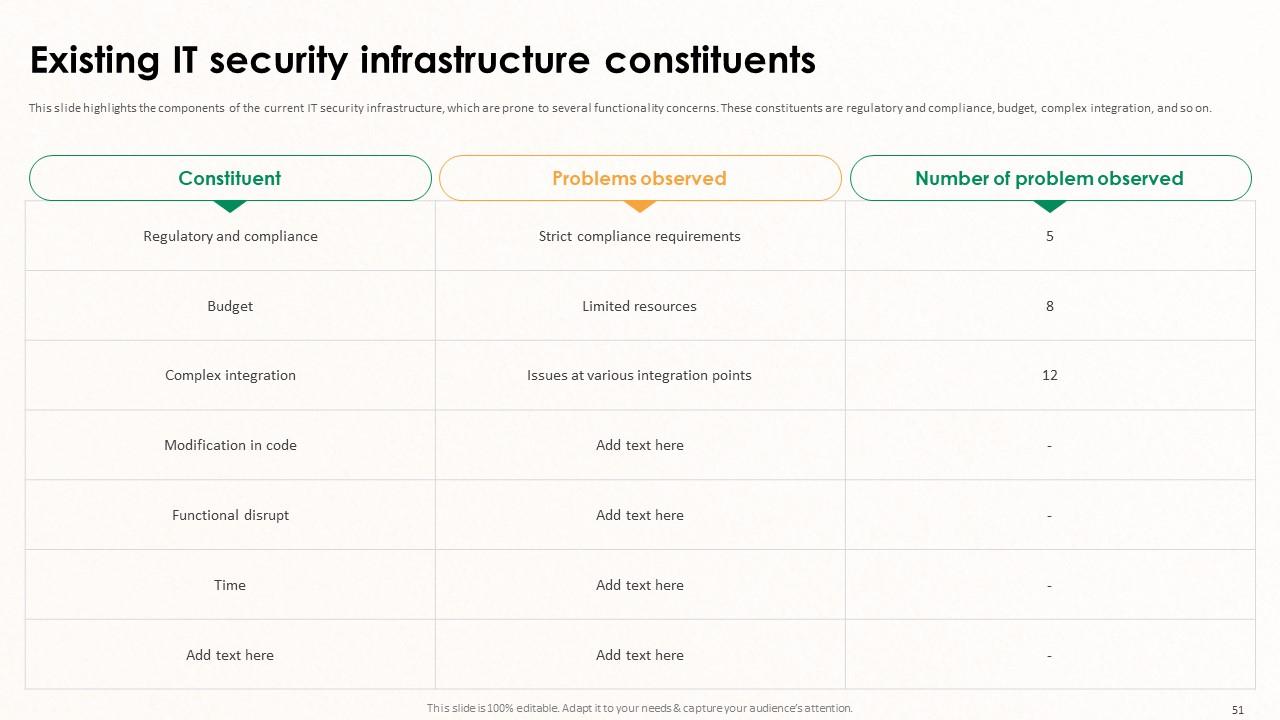
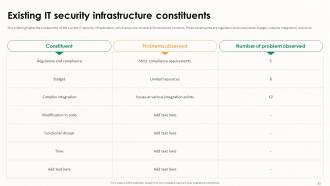
Slide 51: This slide highlights the components of the current IT security infrastructure, which are prone to several functionality concerns.
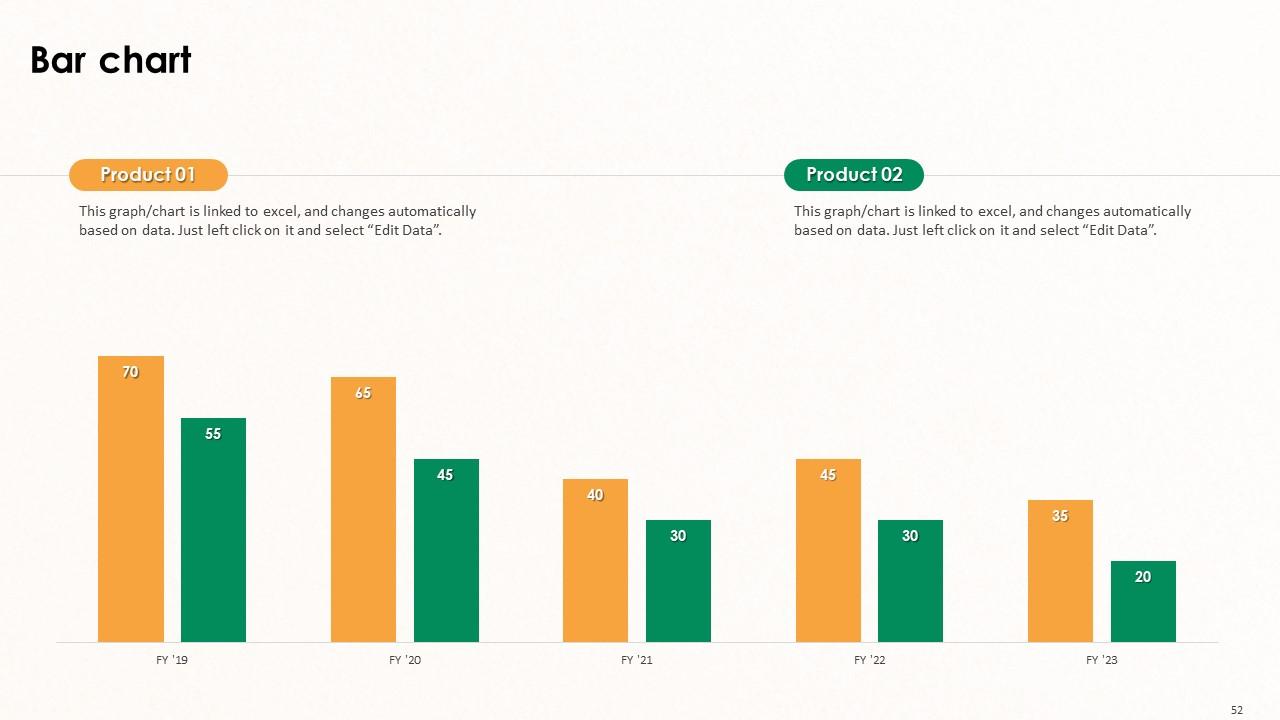
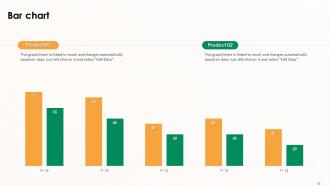
Slide 52: This slide presents Bar Graph with two products comparison.
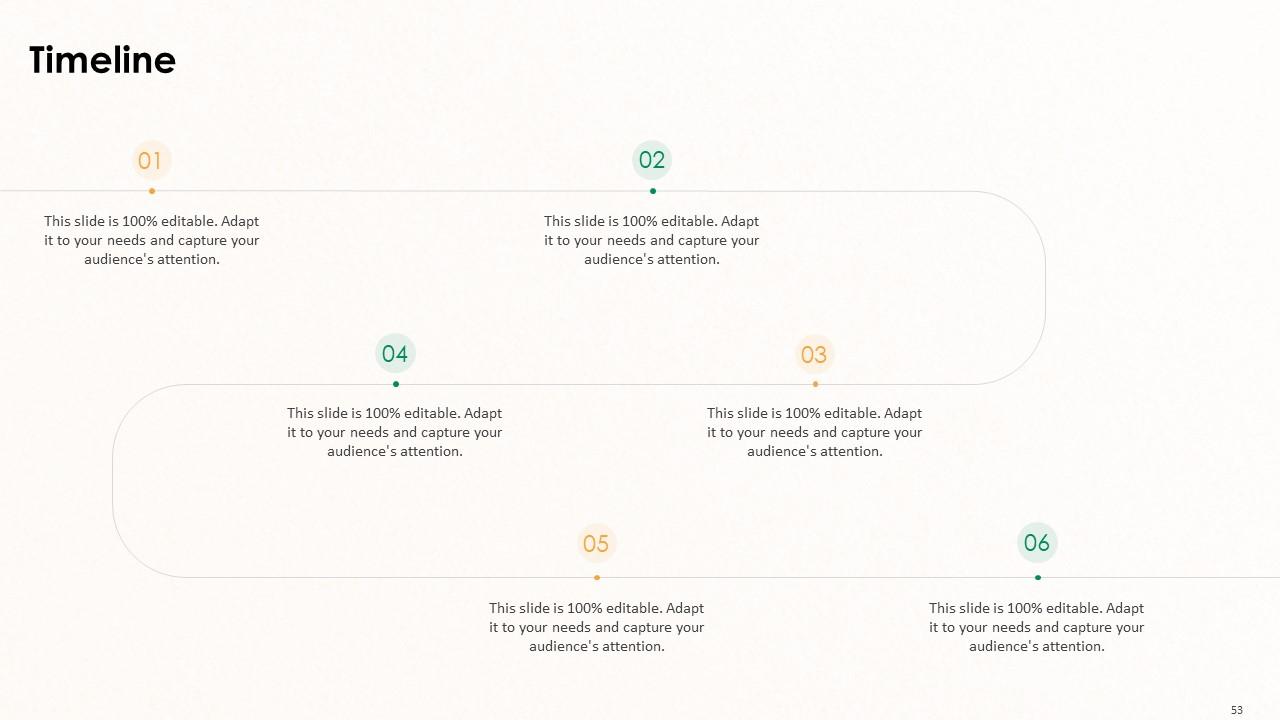
Slide 53: This is a Timeline slide. Show data related to time intervals here.
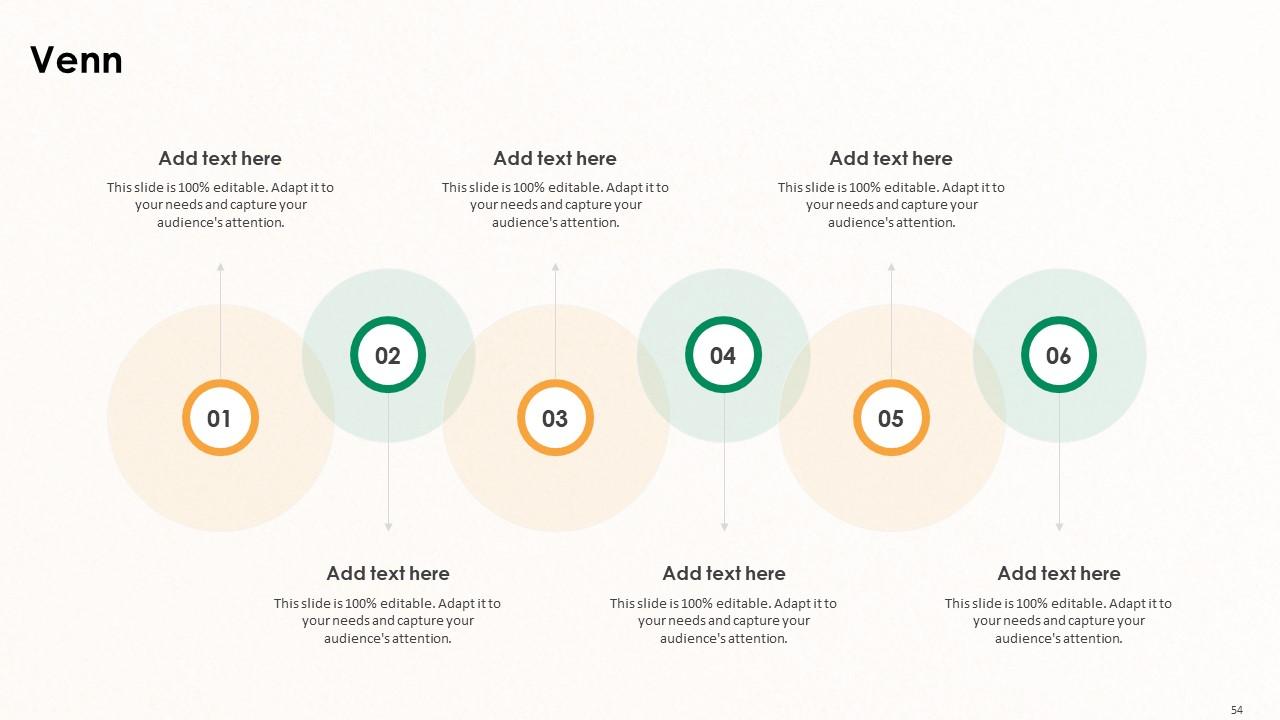
Slide 54: This slide depicts Venn diagram with text boxes.
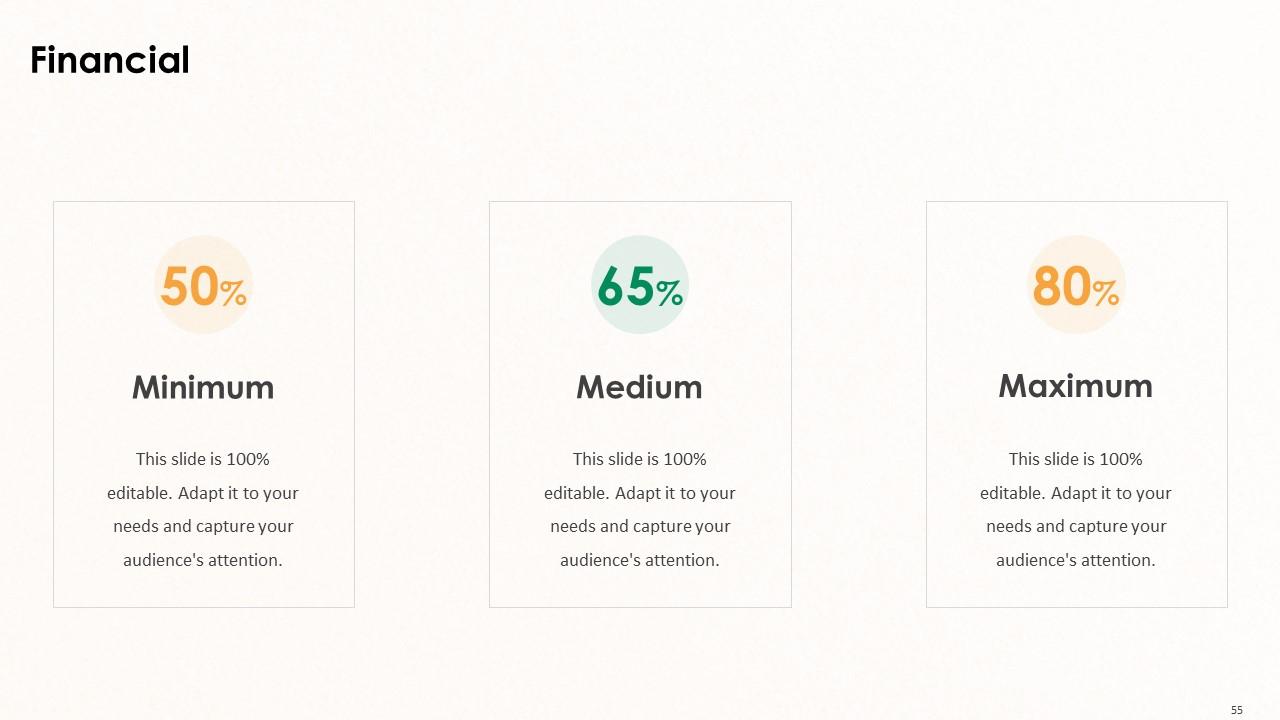
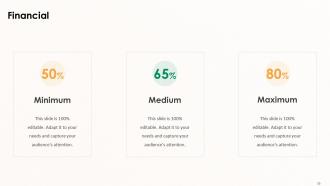
Slide 55: This is a financial slide. Show your finance related stuff here.
Slide 56: This slide contains Puzzle with related icons and text.
Slide 57: This is Our Goal slide. State your firm's goals here.
Slide 58: This is an Idea Generation slide to state a new idea or highlight information, specifications etc.
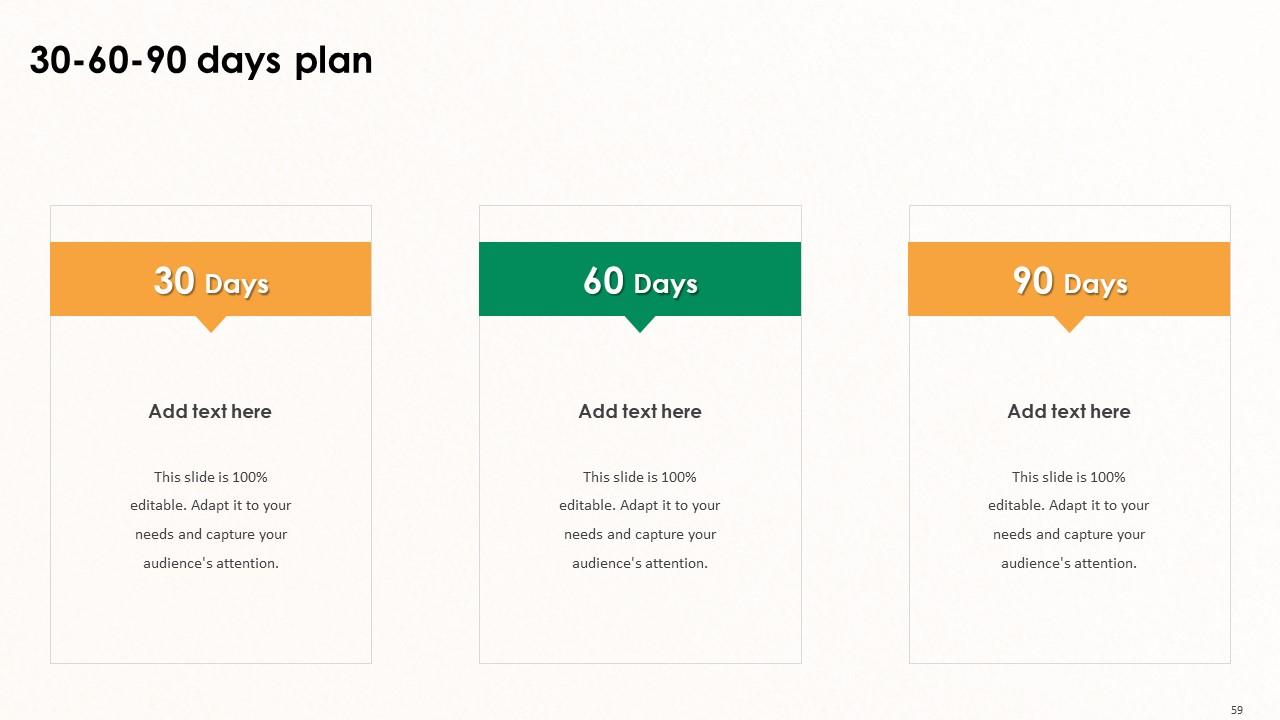
Slide 59: This slide provides 30 60 90 Days Plan with text boxes.
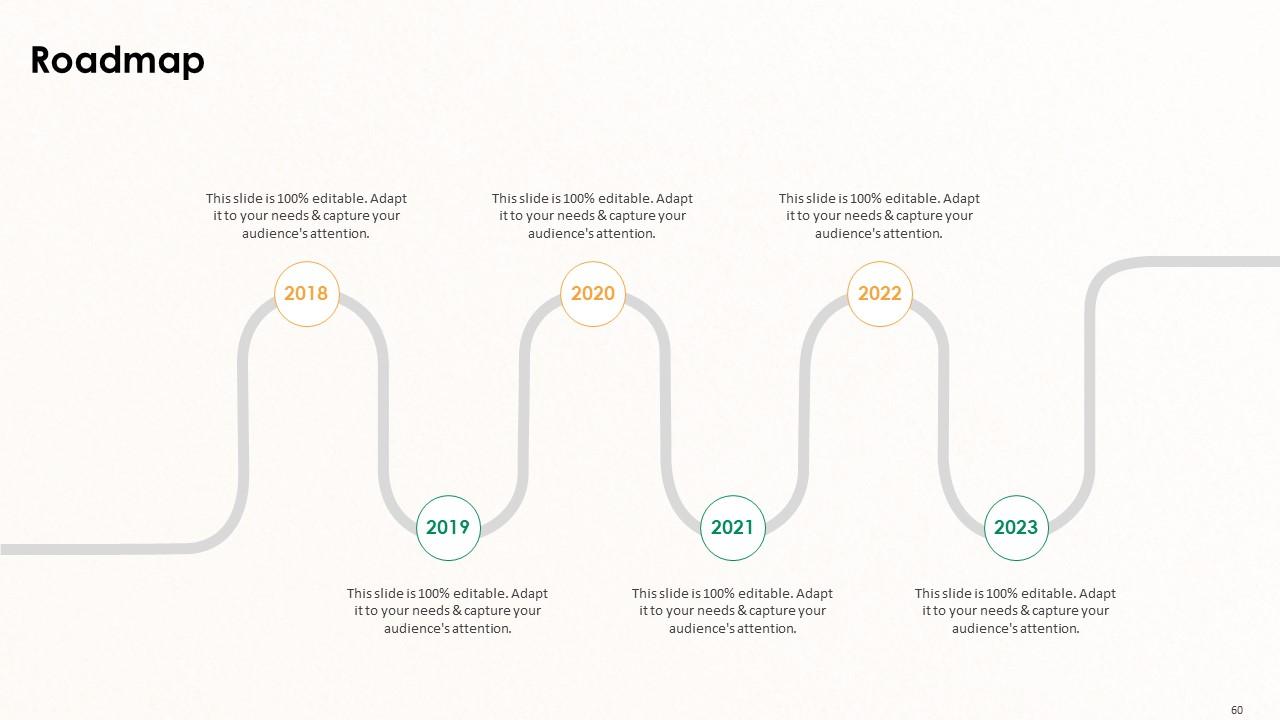
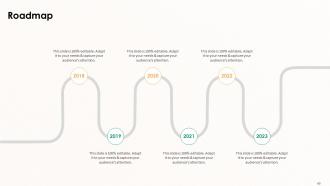
Slide 60: This slide presents Roadmap with additional textboxes. It can be used to present different series of events.
Slide 61: This slide shows Post It Notes for reminders and deadlines. Post your important notes here.
Slide 62: This is a Thank You slide with address, contact numbers and email address.
Implementing Effective Software Testing Strategies Powerpoint Presentation Slides with all 71 slides:
Use our Implementing Effective Software Testing Strategies Powerpoint Presentation Slides to effectively help you save your valuable time. They are readymade to fit into any presentation structure.
-
Been using SlideTeam for some time now…can’t imagine why I wasted all that time in front of the screen trying to make the perfect presentation.
-
Amazing product with appealing content and design.
