Vorfallmanagement Powerpoint-Präsentationsfolien
Try Before you Buy Download Free Sample Product
Audience
Editable
of Time
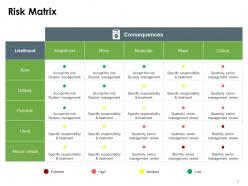
Stellen Sie mit diesen Incident Management Powerpoint-Präsentationsfolien sicher, dass die bestmögliche Servicequalität und Verfügbarkeit gewährleistet ist. Präsentieren Sie die Aktivitäten innerhalb des Vorfallsmanagementverfahrens, indem Sie diese Vorfallerkennung und Aufzeichnung von PPT-Visuals integrieren. Bestimmen Sie, wie schnell eine Lösung des Vorfalls erforderlich ist, indem Sie diese professionell gestaltete Untersuchungs- und Analyse-PPT-Grafik verwenden. Präsentieren Sie die wichtigsten ITIL-Managementrollen mit Hilfe unserer PowerPoint-Infografiken zum Abschluss von Vorfällen. Bestimmen Sie auch die relativen Auswirkungen eines Problems auf Geschäftsprozesse, indem Sie die Lösung heranziehen und die PPT-Vorlage aufzeichnen. Nutzen Sie dieses PowerPoint-Layout für das Problemmanagement, um das Risikoniveau zu bestimmen, indem Sie die Kategorie der Wahrscheinlichkeit gegenüber dem Schweregrad der Folgen berücksichtigen. Präsentieren Sie die Verfahren zur Behebung potenzieller Probleme mithilfe der PPT-Vorlagen für die Vorfallüberwachung. Laden Sie die PPT-Präsentation zur Problemberichterstattung und Kommunikation herunter, um einen normalen Servicebetrieb so schnell wie möglich wiederherzustellen.
Eigenschaften dieser PowerPoint-Präsentationsfolien:
Dieses komplette Deck soll sicherstellen, dass Sie bei Ihren Präsentationen nicht ins Stocken geraten. Verwenden Sie gebrauchsfertige Präsentationsfolien auf Incident Management Powerpoint-Präsentationsfolien mit allen möglichen bearbeitbaren Vorlagen, Diagrammen und Grafiken, Übersichten und Analysevorlagen. Es ist nützlich, um wichtige Entscheidungen zu markieren und kritische Themen abzudecken. Dieses PPT ist in PowerPoint zu 100 % bearbeitbar. Sie können Schriftart, Größe, Diagrammfarbe, Hintergrundfarbe usw. ändern. Es kann in mehreren Bildformaten wie JPEG, PNG und PDF gespeichert werden. Es ist mit Google Slides kompatibel, wodurch es sofort zugänglich ist und in mehreren Bildformaten wie JPEG, PNG und Dokumentformaten wie PDF gespeichert werden kann. Dieses Präsentationsdeck kann von allen Fachleuten, Managern, Einzelpersonen und intern-externen Teams verwendet werden, die an jeder Unternehmensorganisation beteiligt sind.
People who downloaded this PowerPoint presentation also viewed the following :
Inhalt dieser Powerpoint-Präsentation
Folie 1 : Diese Folie stellt das Incident Management vor. Geben Sie Ihren Firmennamen an und beginnen Sie.
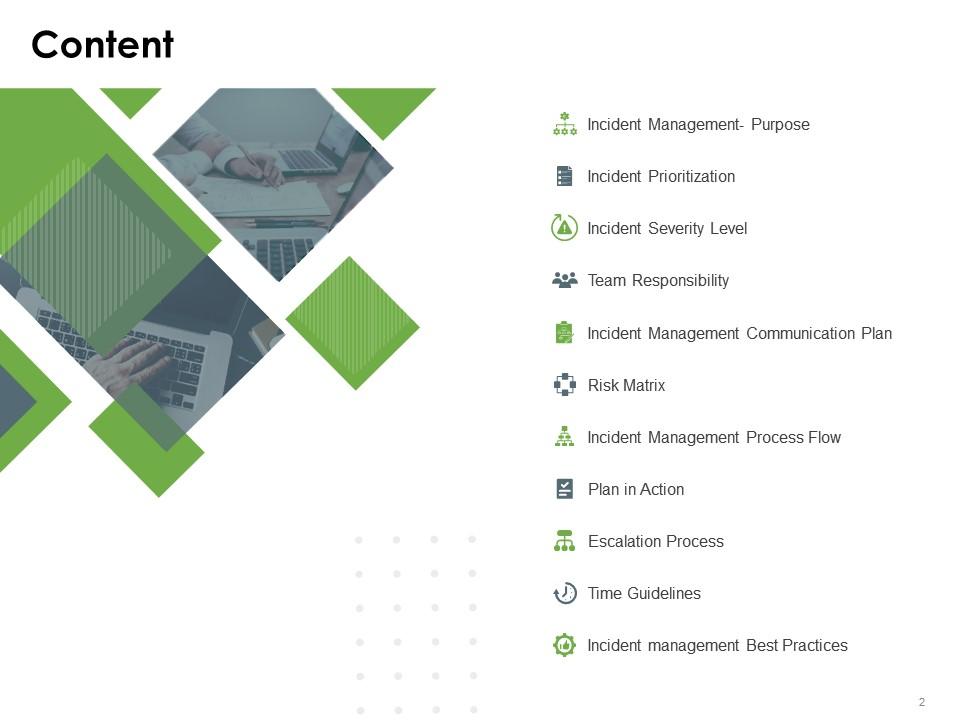
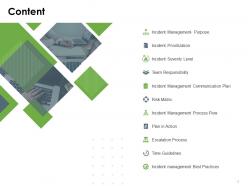
Folie 2 : Diese Folie zeigt den Inhalt der Präsentation.
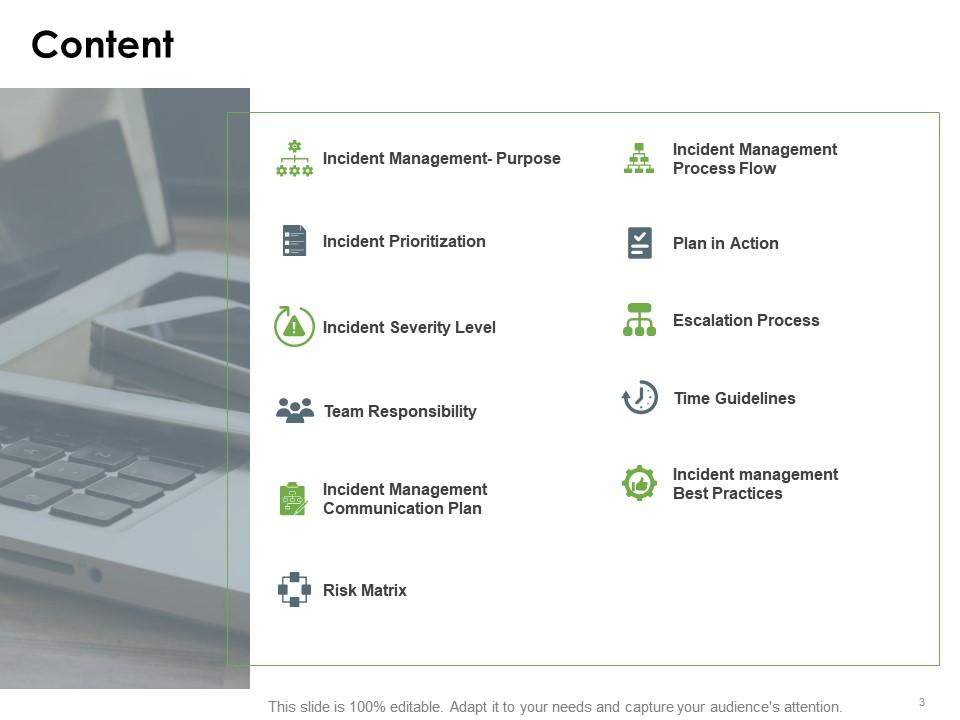
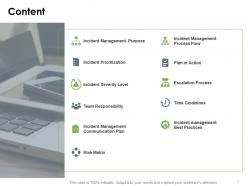
Folie 3 : Dies ist eine optionale Folie für Inhalt.
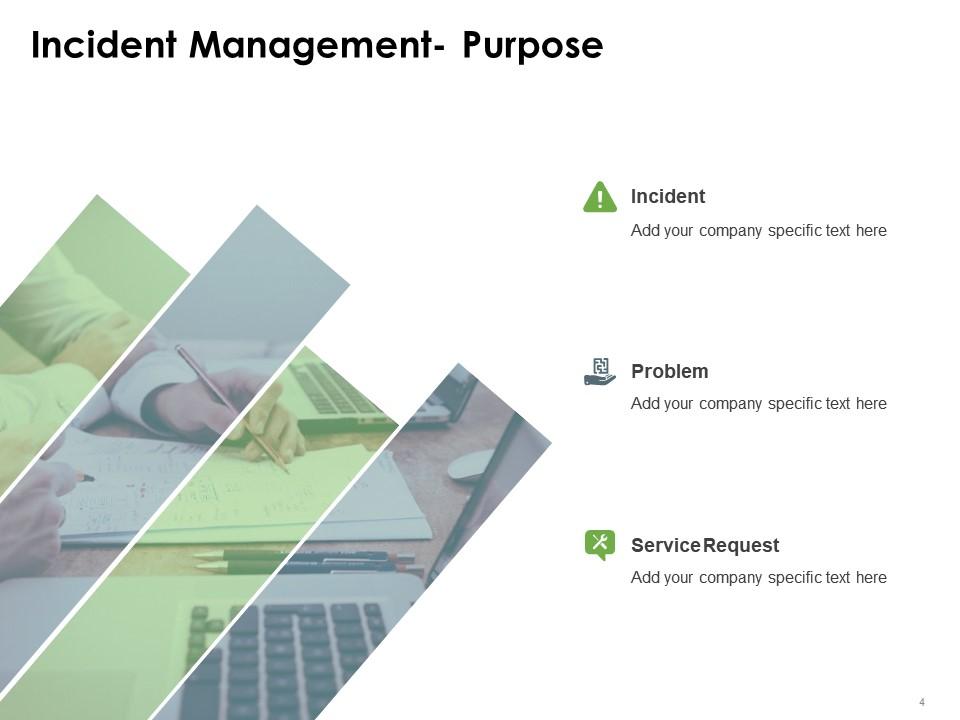
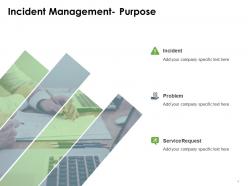
Folie 4 : Diese Folie zeigt das Incident Management- Zweckbeschreibung- Problem, Service Request, Incident.
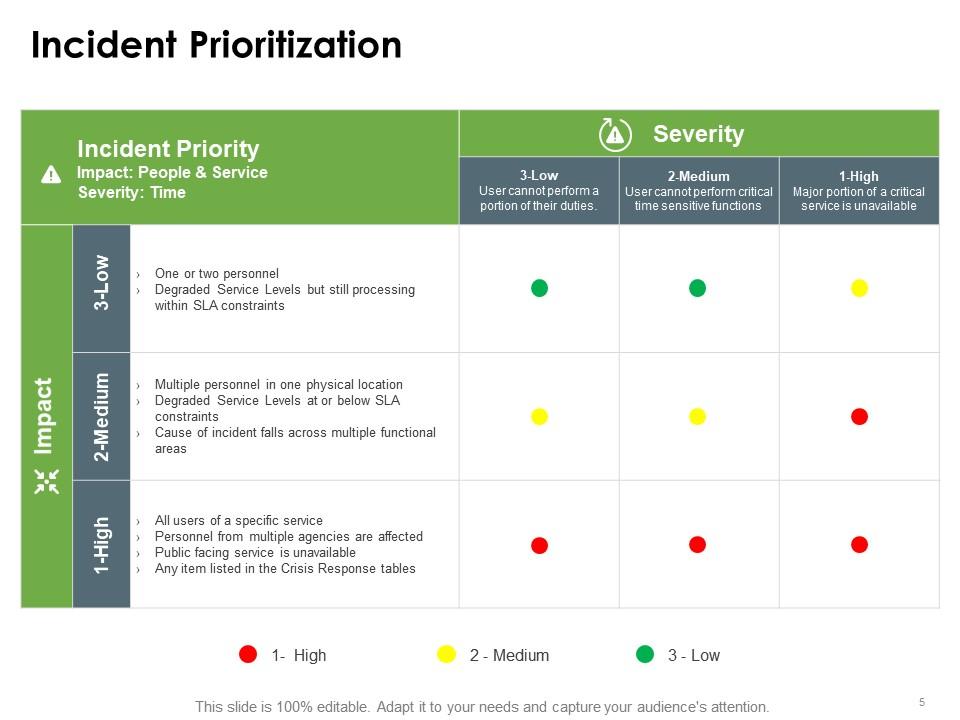
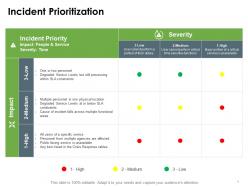
Folie 5 : Diese Folie zeigt die Vorfallpriorisierung mit Auswirkungsstufen von niedrig bis hoch.
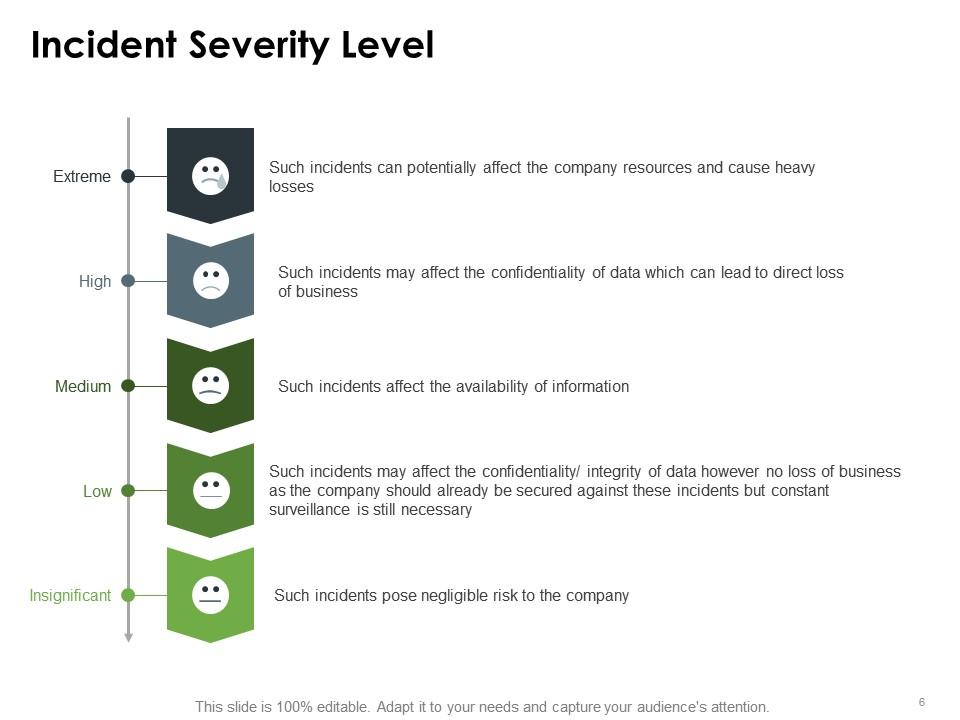
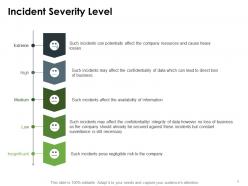
Folie 6 : Diese Folie repräsentiert den Schweregrad des Vorfalls.
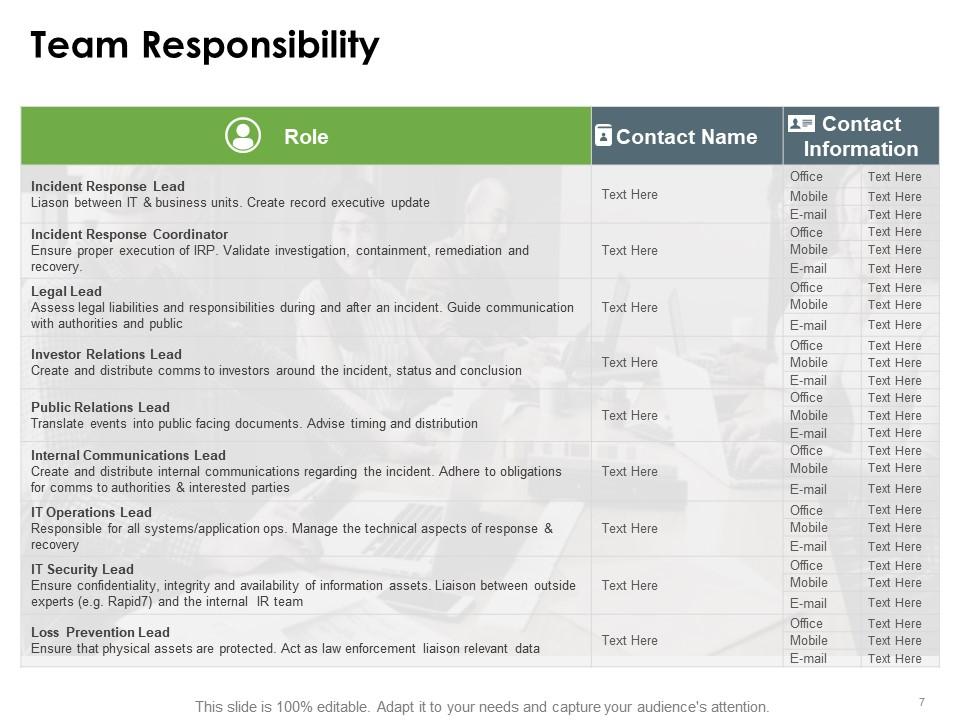
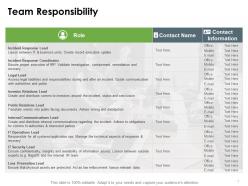
Folie 7 : Diese Folie zeigt die Teamverantwortung in Tabellenform.
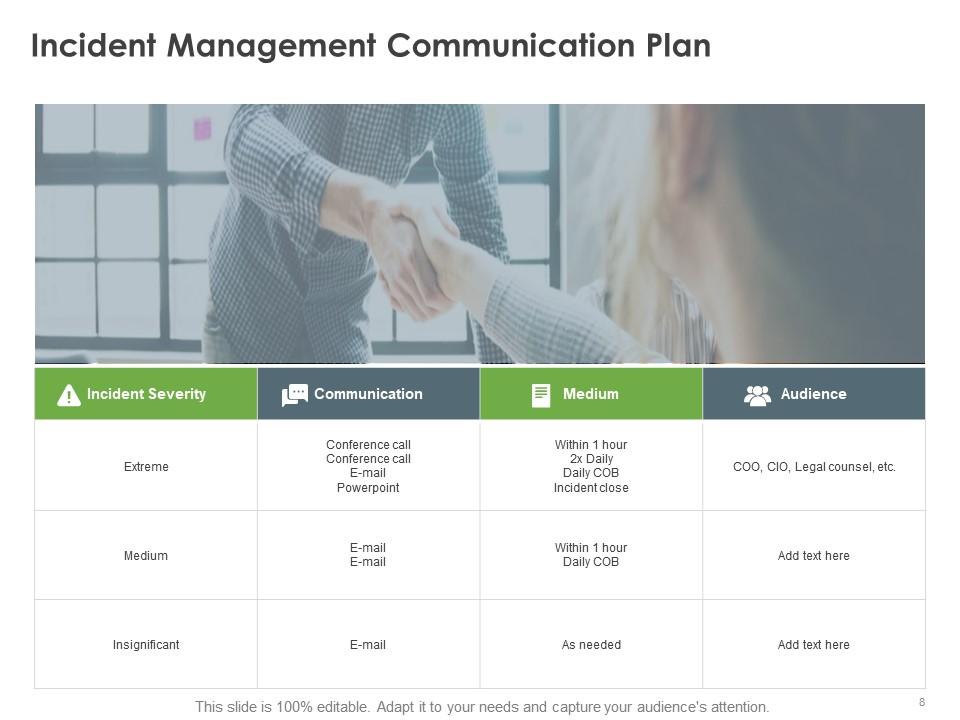
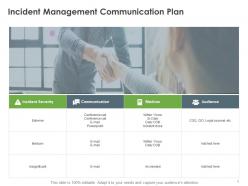
Folie 8 : Diese Folie zeigt den Kommunikationsplan für das Vorfallmanagement.
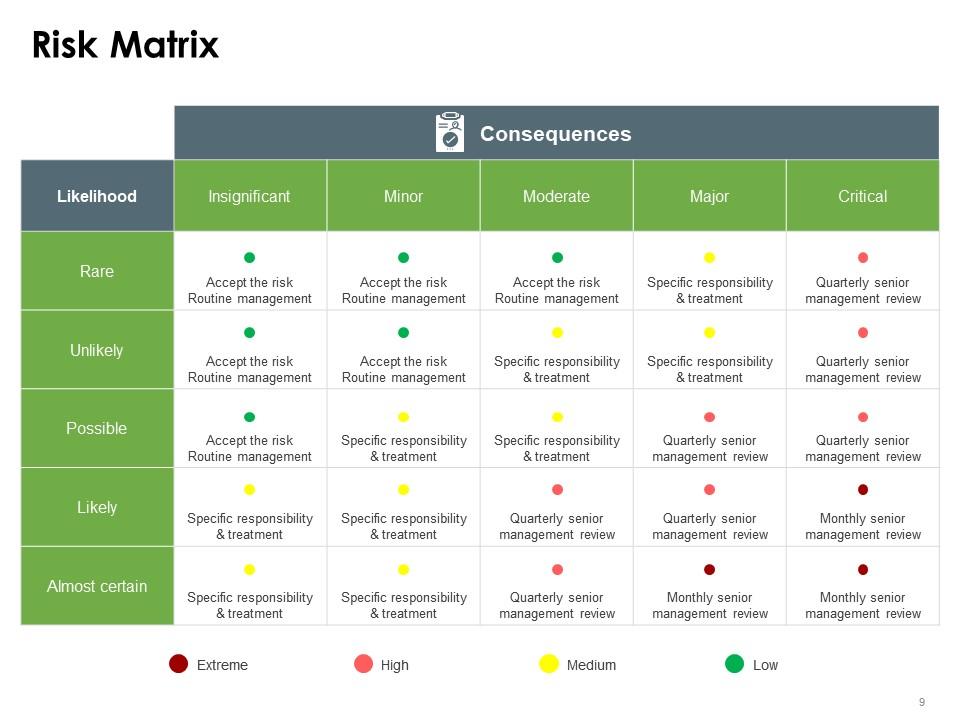
Folie 9 : Diese Folie präsentiert die Risikomatrix mit Konsequenzen.
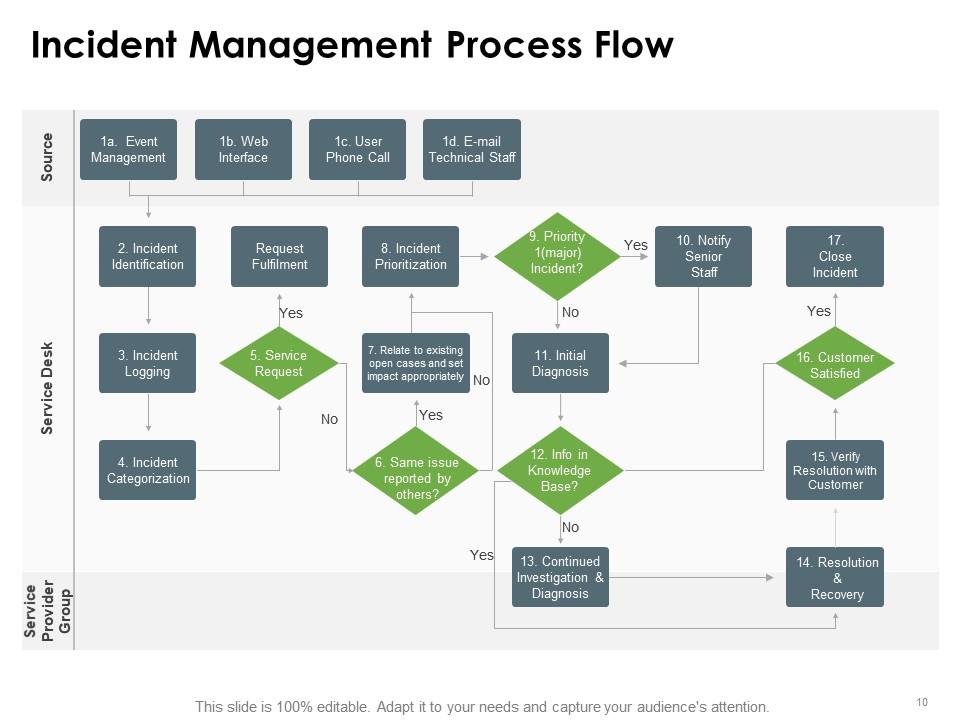
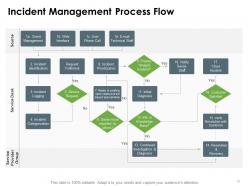
Folie 10 : Diese Folie zeigt den Ablauf des Incident-Management-Prozesses.
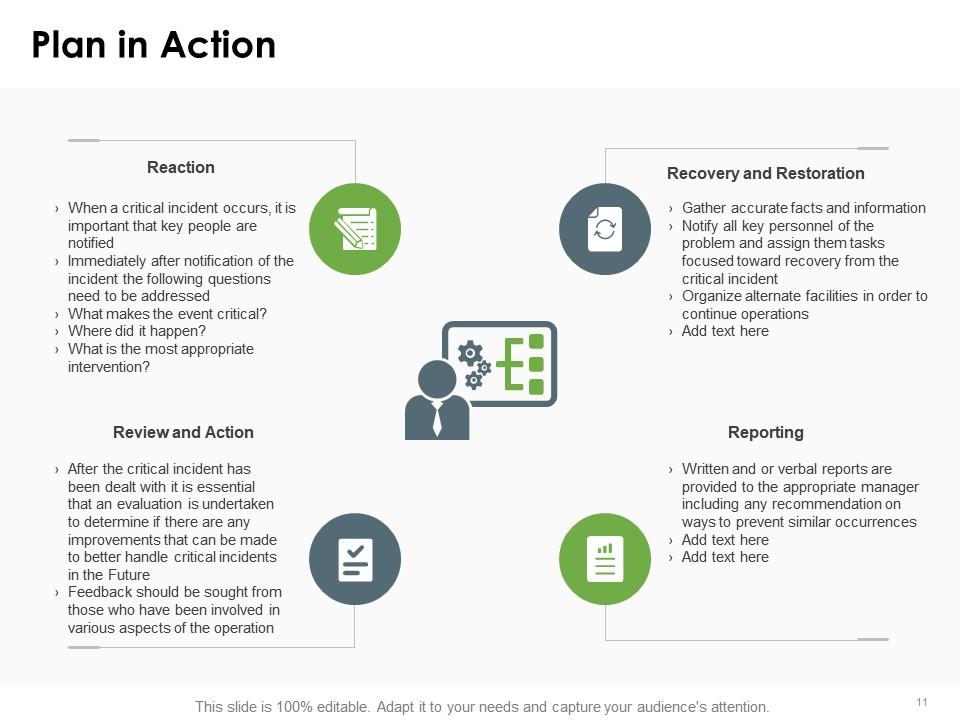
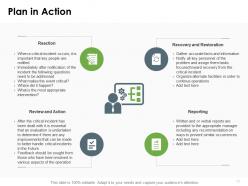
Folie 11 : Diese Folie stellt den Aktionsplan dar, der die Reaktion, Überprüfung und Aktion, Berichterstattung, Wiederherstellung und Wiederherstellung beschreibt.
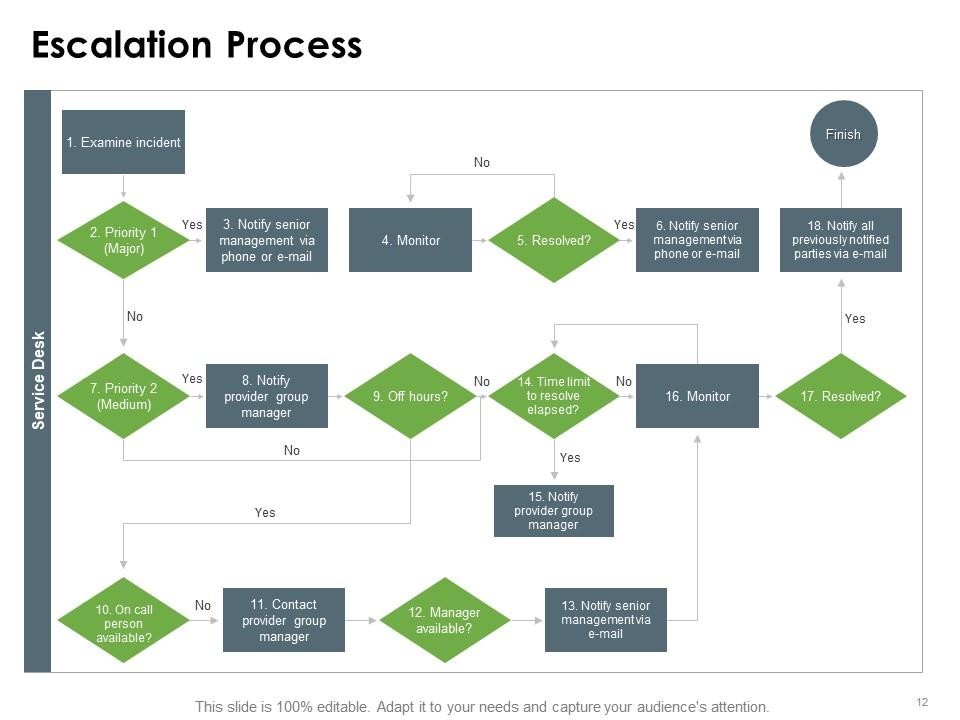
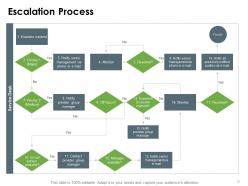
Folie 12 : Diese Folie zeigt den Eskalationsprozess.
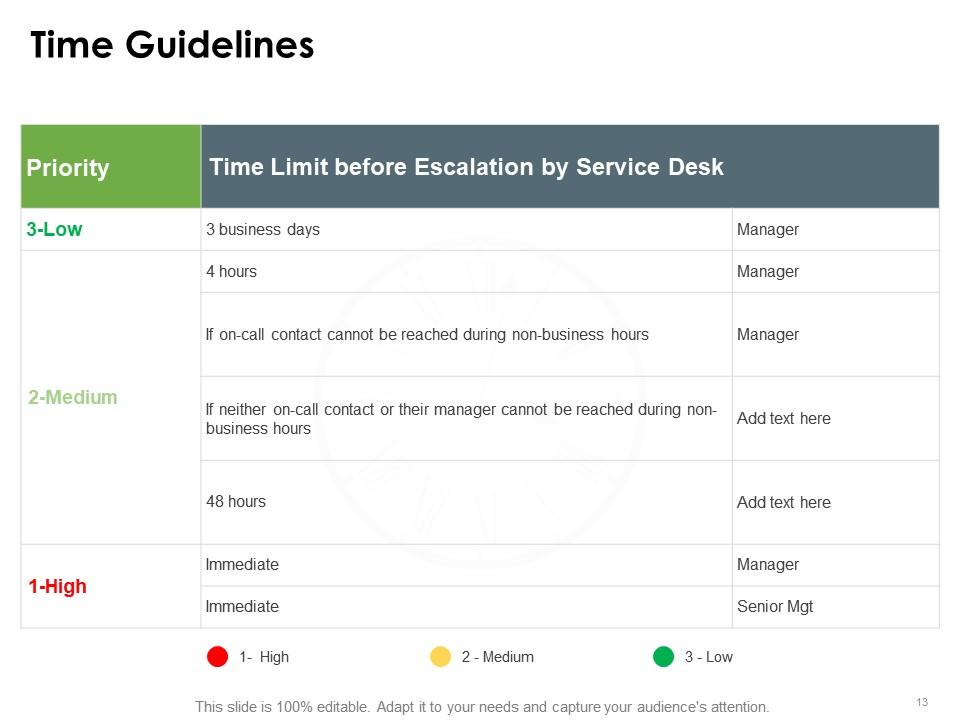
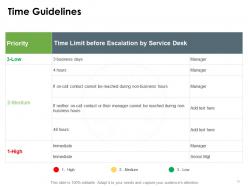
Folie 13 : Diese Folie zeigt Zeitrichtlinien in Tabellenform.
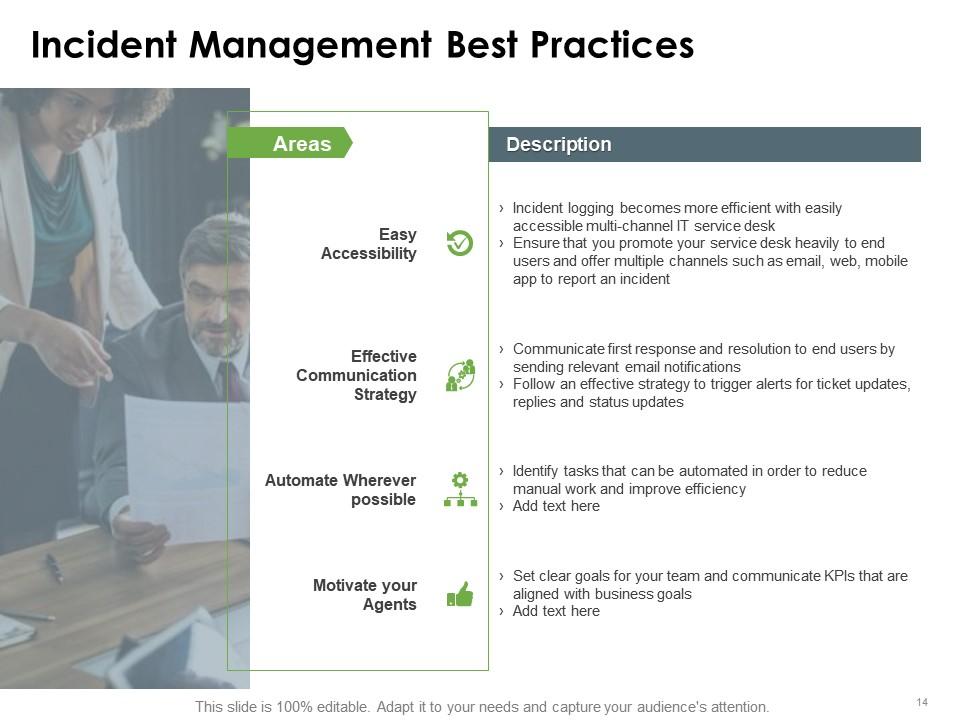
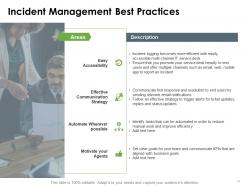
Folie 14 : Diese Folie präsentiert Best Practices für das Incident-Management, wie einfache Zugänglichkeit, effektive Kommunikationsstrategie, Automatisierung, wo immer möglich, Motivation Ihrer Agenten.
Folie 15 : Auf dieser Folie werden die Symbole für die Vorfallverwaltung angezeigt.
Folie 16 : Diese Folie trägt den Titel „Zusätzliche Folien“, um vorwärts zu gehen.
Folie 17 : Dies ist die Folie „Unsere Mission“ mit den dazugehörigen Bildern und Texten.
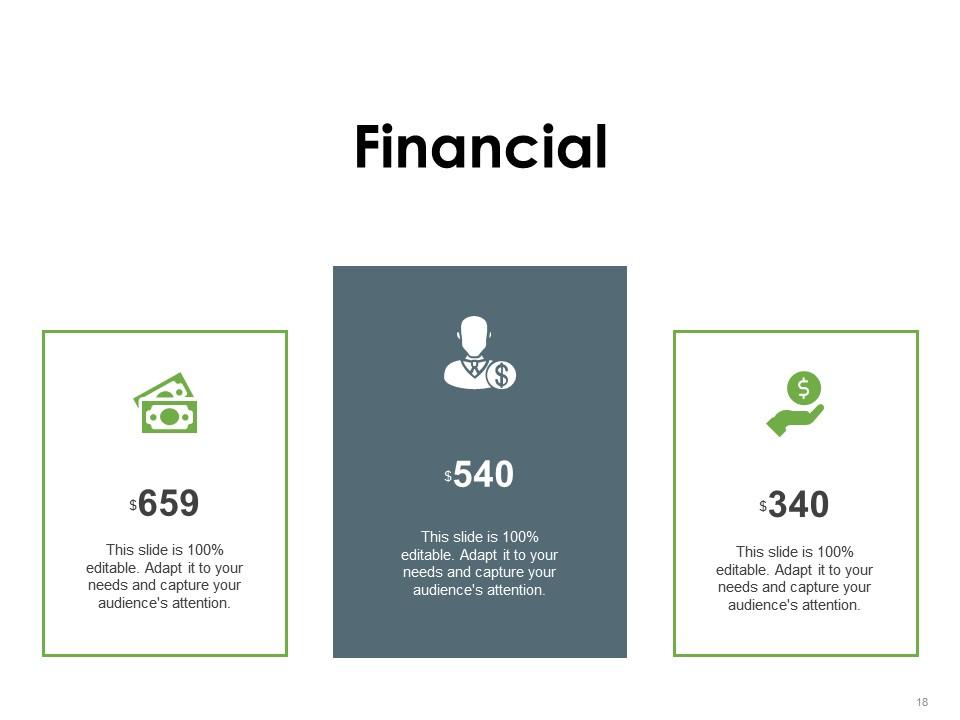
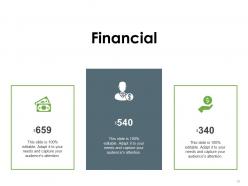
Folie 18 : Dies ist eine Finanzfolie. Zeigen Sie hier Ihre Finanzinformationen.
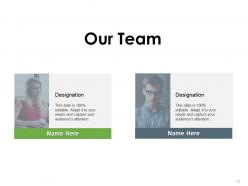
Folie 19 : Dies ist die Folie unseres Teams mit Namen und Bezeichnung.
Folie 20 : Dies ist eine Über uns-Folie, um Firmenspezifikationen usw. zu zeigen.
Folie 21 : Dies ist eine Folie zur Ideengenerierung, um eine neue Idee vorzustellen oder Informationen, Spezifikationen usw. hervorzuheben.
Folie 22 : Dies ist eine Zitate-Folie, um Botschaften, Überzeugungen usw.
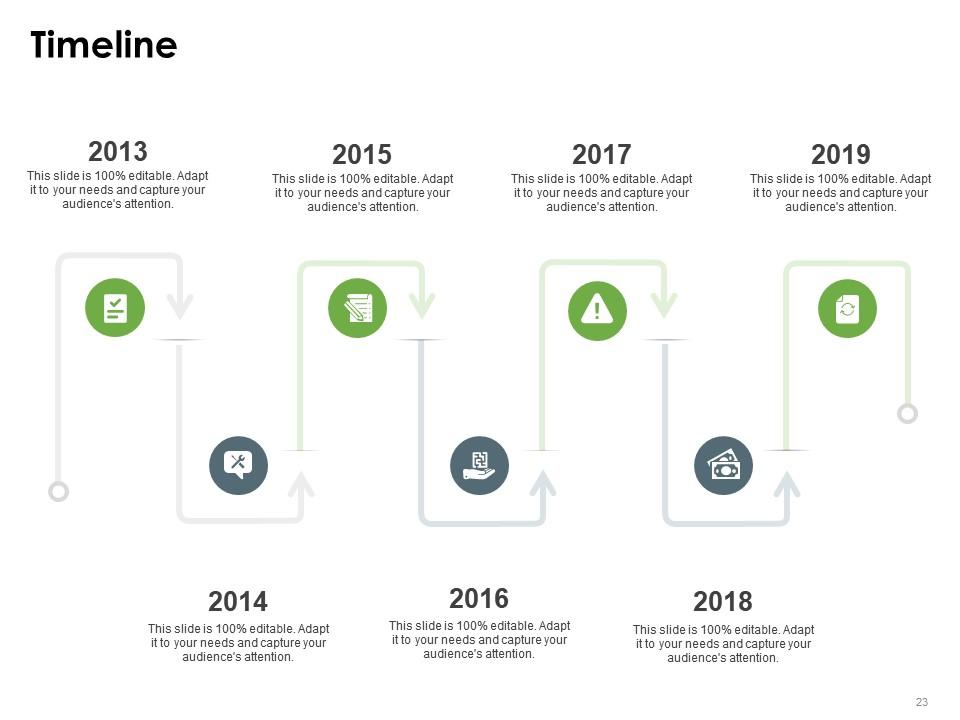
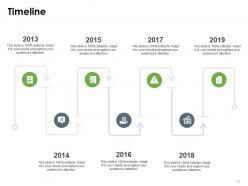
Folie 23 : Dies ist eine Zeitachsenfolie, um Informationen über den Zeitraum anzuzeigen.
Folie 24 : Dies ist eine Dankesfolie mit Adresse, Kontaktnummern und E-Mail-Adresse.
Vorfallmanagement Powerpoint-Präsentationsfolien mit allen 24 Folien:
Unsere Incident Management Powerpoint Präsentationsfolien garantieren Faszination. Sie erzeugen endlose Freude.
FAQs for Incident Management
So there's basically five stages to incident management. First you detect the problem - hopefully your monitoring catches it before customers start complaining! Then comes triage where you figure out how bad it is and get the right people involved. Investigation is next - you're doing root cause analysis while also trying to contain the damage. After that, you implement the fix and get everything back to normal. Honestly, the post-mortem might be the most important part though. That's where you write down what went wrong and how to avoid it happening again. Your whole team should know this process inside and out.
Build a priority matrix using impact vs urgency - high/medium/low for both. High impact + high urgency = P1 critical stuff that needs immediate action. Medium/medium becomes P2, you get the idea. Here's the thing though - you really need to nail down what "high impact" means first. Revenue loss? Number of customers hit? Compliance issues? Once you define that clearly, your team won't waste time arguing about priorities during incidents. Oh, and write this stuff down somewhere accessible. Trust me, nobody thinks clearly at 2am when everything's on fire.
Communication is what saves your ass during incidents, no joke. Bad communication means teams duplicate work or straight-up work against each other. I've watched incidents drag on forever because nobody was talking properly. First thing - set up your Slack channel or bridge line immediately when shit hits the fan. Pick someone to own the updates so you're not getting mixed messages. Keep everything simple and stick to facts, not speculation. People panic when they don't know what's happening, so frequent updates are key. Honestly, over-communicating is way better than leaving people in the dark.
ITIL gives you this structured playbook that stops all the "who's supposed to do what??" panic when systems crash. Clear escalation paths, defined roles - the whole deal. Honestly saved my butt during so many 2am disasters when nobody's thinking straight. Your team responds way faster because everyone knows their part. The continuous improvement stuff is solid too, though that takes longer to see results. I'd start by sketching out how you currently handle incidents, then spot where ITIL's structure could clean things up.
Start with something like ServiceNow or Jira Service Management - they'll handle your tickets and SLA tracking automatically. Monitoring tools are where things get interesting though. Datadog or New Relic can spot problems and create incidents before anyone even complains, which honestly saves your sanity. Connect Slack or Teams so you're not constantly refreshing dashboards. Ansible's great for automating those repetitive fixes you do every week. Oh, and don't try to implement everything at once - I learned that the hard way. Pick one platform first, then add pieces as you go.
Track your MTTR and how long incidents actually impact customers - that's the stuff that matters. Response times are critical too. Honestly, I'm obsessed with measuring repeat incidents because there's nothing worse than fixing something just to have it break the exact same way next week. Post-incident reviews give you the real story though. Are you getting faster at solving problems? That's what counts. Oh, and don't go crazy with metrics at first - pick maybe 3 core ones and build from there.
Honestly, the worst thing is when nobody knows who's calling the shots during an incident - total nightmare. Poor communication screws teams over constantly too. Everyone's either talking at once or sitting there confused about their role. Oh, and here's what drives me crazy: people always skip the post-incident review because they're exhausted and just want to move on. Bad move though, since that's literally when you figure out what actually happened. My advice? Pick your incident commander beforehand, set up one shared channel for updates, and force yourself to do that retrospective. Writing everything down while it's still fresh in your head will save you so much pain later.
Look, every incident you deal with is basically free intel about what's broken in your setup. The patterns are wild once you start tracking them - certain services always crashing, peak failure times, gaps in your monitoring. Root cause analysis from big outages? That's where you find the real systemic problems, not just band-aid fixes. I'd pull incident reports monthly and find your top 3 repeat offenders. There's your fix-it list. Also check resolution times - if something's taking forever, your process probably sucks. It's like having a roadmap handed to you.
Get your post-incident review done within 48-72 hours while everything's still fresh. Document what went wrong and what actually worked. Then update your runbooks - this part matters way more than people think. I've watched teams skip this and make the same stupid mistakes six months later. Share your findings with other teams too, they'll probably hit similar issues eventually. For big incidents, maybe do a quick presentation to the whole company. The whole point is turning your disaster into something useful that sticks around even when half your team quits.
Make it feel like a team sport, not a witch hunt. Celebrate when people spot stuff early and get everyone sharing near-misses openly - creates that psychological safety where folks actually want to report problems. Post-mortems should focus on systems, not people (nobody wants to be the scapegoat). You'll need to carve out time for proactive work like updating runbooks and monitoring - honestly, reactive firefighting always wins otherwise. Track how fast you detect issues, not just how quickly you fix them after everything's already on fire.
Start with MTTR and incident volume - they're your bread and butter. You'll also want Mean Time to Detect, customer impact duration, and SLA compliance rates. Escalation rate matters too because it shows if you're actually solving problems or just shuffling them around. Oh, and track repeat incidents - that's where you'll catch if teams are slapping quick fixes instead of digging into root causes. Resolution accuracy is clutch since nobody wants tickets ping-ponging back and forth. Maybe throw in incident severity distribution to spot trends. Honestly, don't overthink it at first - those core metrics will tell you everything you need to know.
Cyber incidents are totally different beasts - they spread fast and do more damage while you're still figuring things out. Speed matters way more than regular IT stuff. You can't just restart everything and hope it works (learned that the hard way). Forensics gets tricky because you need to preserve evidence and actually understand what went wrong. Communication becomes this whole controlled thing too, especially if lawyers or cops get involved. Honestly, having a dedicated response team with solid playbooks ready saves your butt when things hit the fan.
Try the "5 Whys" thing - just keep asking why until you find the real problem, not surface stuff. Fishbone diagrams help too for mapping out everything that could've contributed. Oh, and timeline analysis is clutch - figure out exactly what happened when. Get people from other teams involved because honestly, you're probably missing obvious things. I learned this the hard way lol. Focus on broken systems instead of pointing fingers at people. Document it all so when this happens again (and it will), you'll have something to reference. Fresh perspectives are everything in these situations.
So incident management is basically your real-world testing ground for business continuity stuff. Every time you handle an incident, you're learning what actually works when things go sideways. Map out your current incident workflows against your BCP goals - you'll probably find some weird gaps. Your incident response should use the same communication channels and escalation paths as your bigger disaster plans. Honestly, incidents are like mini rehearsals for the really bad days (hopefully without the full-blown panic). The data you collect from incidents becomes gold for building better continuity processes.
Your team needs both technical training and soft skills - honestly, the soft skills might matter more. Get them up to speed on ITIL or whatever framework you use, plus hands-on time with monitoring tools. But here's the thing: I've watched super technical people completely melt down during outages because they couldn't handle the pressure. Stress management training is clutch. Run tabletop exercises regularly so they're not deer-in-headlights when shit hits the fan. Oh, and rotate everyone through real incidents - don't throw rookies into critical stuff alone. Updated runbooks are obviously key too.
-
Design layout is very impressive.