Internal And External Stakeholders Powerpoint Ppt Template Bundles
Try Before you Buy Download Free Sample Product
Audience
Editable
of Time
Our Internal And External Stakeholders Powerpoint Ppt Template Bundles are topically designed to provide an attractive backdrop to any subject. Use them to look like a presentation pro.
People who downloaded this PowerPoint presentation also viewed the following :
Internal And External Stakeholders Powerpoint Ppt Template Bundles with all 17 slides:
Use our Internal And External Stakeholders Powerpoint Ppt Template Bundles to effectively help you save your valuable time. They are readymade to fit into any presentation structure.
FAQs for Internal And External Stakeholders Powerpoint
So stakeholders are just anyone with skin in the game - sponsors, users, your team, even random people affected by the project. Honestly, they can totally make or break everything because they control the money and decide if what you built actually works for them. I've watched projects crash and burn simply because someone forgot to loop in the right people. Regular check-ins help catch problems early. Feedback sessions are clutch too. Oh, and definitely map out who matters most based on how much power and interest they have. Don't skip this step - trust me on that one.
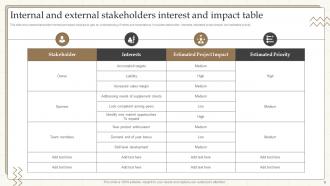
First thing - figure out who actually matters to your business. Employees, customers, investors, suppliers, community folks, regulators. Then ask them what they want instead of guessing (trust me on this one, I've been spectacularly wrong before). Surveys work, but honestly? Just talking to people tells you way more. Your staff probably wants job security and decent hours. Investors obsess over returns. Customers want good stuff that doesn't cost a fortune. Make a quick chart showing who has the most influence vs. who cares most about your decisions. Focus your energy there first.
Honestly, just be super upfront about expectations from day one. Figure out who needs what info - not what they *think* they need, but actually need. I do weekly updates usually, though some people are needier than others lol. Document everything and make a RACI matrix so nobody's confused about their role. Here's the thing though - watch out for scope creep early. People love throwing in "one quick thing" that completely wrecks your timeline. Better to over-communicate than leave people guessing. And definitely follow up on action items or they'll just disappear into the void.
Yeah, stakeholder relationships totally change as you move through project phases. Planning phase? Everyone's super engaged and has opinions. Then execution hits and people get bored or distracted - honestly, this is when stuff usually falls apart if you're not watching. I learned the hard way that regular updates are everything, even when nothing exciting is happening. Surprised stakeholders turn into angry stakeholders real fast. Send weekly check-ins, flag problems early, ask for their input. Don't wait for them to come to you. The ones who feel like they're in the loop will actually back you up when things get messy.
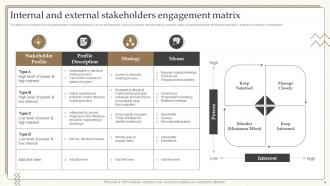
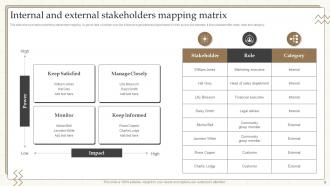
Start with a basic influence/interest grid - you can literally just make it in Excel or PowerPoint. Those power/interest matrices are tried and true for a reason. If you want something more visual, Miro and Lucidchart are solid for mapping out all the connections between people. Visio works too but it's kinda clunky tbh. Don't overthink it though - I've watched people spend hours on fancy stakeholder diagrams when a simple 2x2 would've done the job. Kumu's worth checking out if you're dealing with really complex networks, but honestly? Most projects don't need that level of detail.
Set up regular check-ins with your stakeholders - weekly calls, milestone reviews, quick surveys, whatever works. Don't wait until the end when it's too late to change anything (learned that the hard way). Pick one group first and test a simple process with them. Document what they tell you and actually show them how their feedback changed things. Trust me, this catches problems early before they get expensive. I've watched projects completely tank because teams ignored user complaints early on. The whole point is making it systematic, not just a random afterthought.
So basically, external stakeholders - like investors, customers, regulatory folks - don't control day-to-day stuff but can have crazy influence through funding or even just public pressure. Your internal team and execs? They're making the actual decisions and living in the weeds with you. But here's the thing - sometimes one pissed-off customer on social media moves faster than any internal meeting, which is wild when you think about it. Internal people care about the how, externals just want to see results. You'll handle both but totally differently - your team needs the nitty-gritty updates, outsiders need the big picture wins.
Different cultures have totally different approaches to hierarchy and decision-making, so you'll want to adapt your meeting style accordingly. Some places are all about group consensus, others respect individual authority more. Religious customs matter too - don't just assume your gift-giving or relationship-building norms work everywhere. Honestly, the whole "universal ethics" thing is kind of a myth. Your best bet? Find local cultural liaisons early on and actually listen to them. Oh, and communication styles vary wildly between cultures, so what feels direct to you might come across as rude somewhere else.
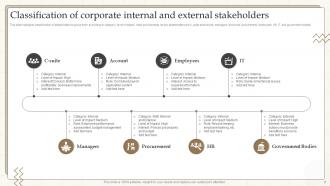
Okay so basically you wanna figure out who could screw over your project before they actually do it. Map out everyone who has power or cares about what you're doing - sometimes the quiet ones are the most dangerous, like that budget guy who nods along but secretly controls everything. Once you know who's who, rank them by how much damage they could cause. Then you can actually do something about it instead of getting blindsided later. Create different communication strategies for each group - some need constant updates, others just want the highlights. Trust me, spending time on this upfront beats dealing with angry stakeholders who feel left out.
Honestly, the worst part is when everyone's pulling in different directions - finance cares about ROI, marketing's obsessed with brand stuff, and nobody speaks the same language. Plus everyone wants more budget than exists, which just makes everything messier. Here's what actually works: sit down with each person individually first to figure out what they really want. Then do group workshops where you map out shared goals and who gets to decide what. I'd also set up regular check-ins because small issues turn into huge fights if you ignore them. Oh, and make a clear stakeholder matrix - sounds boring but it saves your sanity later.
Honestly, the right tech tools make stakeholder communication so much smoother. I'd start with surveying people about what platforms they're already comfortable with - no point forcing your grandpa CEO to learn Slack, you know? Project management stuff like Asana gives everyone real-time updates without constant email chains. Dashboards are great for visual people. Teams or Zoom work well for quick check-ins, though we're all pretty zoomed-out at this point! The trick is matching tools to your audience's comfort level rather than picking the flashiest option.
So here's what I'd do - grab a stakeholder matrix and plot everyone by how much influence they have versus their actual impact on your project. The power-interest grid is clutch for this, I use it constantly when projects start getting chaotic. Focus your energy on the high influence + high impact people first, they're the ones who can actually torpedo or save your project. Don't get distracted by whoever's being loudest if they can't really affect outcomes. There's also this salience model thing that adds urgency as a third factor - pretty useful. Honestly though, just pick your top 3-5 critical stakeholders and throw like 80% of your time at them.
Dude, get those regulatory people involved from day one or they'll absolutely wreck your timeline. Seriously learned this lesson the hard way last project - ouch. They can stop everything cold if something doesn't meet their standards. Map out what they'll want upfront and schedule regular check-ins so there's no surprises. Build extra time for their reviews too, because they're never fast. Oh and document literally everything - they're obsessed with having a paper trail for some reason. Don't wait until you've built something they might hate!
Honestly, your stakeholders are goldmines for innovation ideas. Customers will straight-up tell you what sucks about your current stuff - sometimes harshly, but that's the good intel you need. Different perspectives help you catch blind spots before you blow money on something nobody wants. Investors and partners often know about cool new tech or potential collabs too. Set up actual systems though - like advisory groups or monthly check-ins. Don't just wing it and hope people randomly share brilliant insights. Oh, and early validation from them can save you from those "seemed like a good idea at the time" moments we've all had.
Look at Netflix - they told shareholders exactly what was happening during that messy DVD-to-streaming shift, even when customers were pissed. Apple's interesting too because they're so secretive but still manage suppliers and regulators well. Patagonia nails it by getting everyone on board with their environmental thing. Honestly, the biggest mistake is trying to make everyone happy. Map out who matters early on. Be straight with people, especially when you're delivering crappy news. Focus on what aligns with your actual mission instead of people-pleasing - it's way more sustainable.
-
Satisfied with the way SlideTeam resolved my query regarding the right business PPTs that I was having difficulty finding. I found the perfect match with their assistance.
-
I took a chance with SlideTeam. I never looked back. Great products and great service.