


Introducción a la metodología de gestión de procesos empresariales Diapositivas de presentación de Powerpoint
Gestión de procesos empresariales BPM ayuda a las organizaciones a alinear sus funciones empresariales según los requisitos del cliente. Para obtener una ventaja competitiva, las empresas están introduciendo software BPM para mejorar su eficiencia operativa general. Aquí hay una presentación de PowerPoint diseñada de manera eficiente sobre la Introducción a la Metodología de Gestión de Procesos de Negocios. Ayudará a las organizaciones bancarias que deseen implementar herramientas de gestión de procesos comerciales para mejorar la eficiencia y la experiencia del cliente. Al principio, las organizaciones pueden usar la sección de descripción general de la industria para mostrar datos fácticos sobre BPM, impulsores de la industria y aplicaciones. Después de la sección de descripción general de la industria, las empresas pueden usar diapositivas como los principales problemas que enfrentan, los riesgos encontrados, las expectativas de los accionistas y cómo cumpliremos con las expectativas para abordar los desafíos actuales que enfrenta la organización. También describe los detalles de las amenazas encontradas, las expectativas de los accionistas y las medidas para hacerles frente. Para cumplir con éxito las expectativas, las organizaciones pueden usar secciones, es decir, transformar el flujo de trabajo mediante la introducción de BPM, selección de BPM y listas de verificación de control de calidad junto con diapositivas como la hoja de ruta de implementación, el mapa de viaje del cliente y las proyecciones de ventas posteriores a la implementación de BPM. Por último, un tablero de medición de rendimiento ayudará a las empresas a monitorear los nuevos clientes potenciales, la generación de ingresos, los préstamos y la información de depósitos. Obtenga acceso a esta poderosa plantilla ahora.




















You must be logged in to download this presentation.


Do you want to remove this product from your favourites?
Características de estas diapositivas de presentación de PowerPoint:
Esta presentación completa tiene diapositivas PPT sobre una amplia gama de temas que destacan las áreas centrales de las necesidades de su negocio. Tiene plantillas diseñadas profesionalmente con imágenes relevantes y contenido basado en temas. Esta plataforma de presentación tiene un total de cincuenta y dos diapositivas. Obtenga acceso a las plantillas personalizables. Nuestros diseñadores han creado plantillas editables para su conveniencia. Puede editar el color, el texto y el tamaño de fuente según sus necesidades. Puede agregar o eliminar el contenido si es necesario. Estás a solo un clic de distancia para tener esta presentación lista. Haga clic en el botón de descarga ahora.

People who downloaded this PowerPoint presentation also viewed the following :
Contenido de esta presentación de Powerpoint
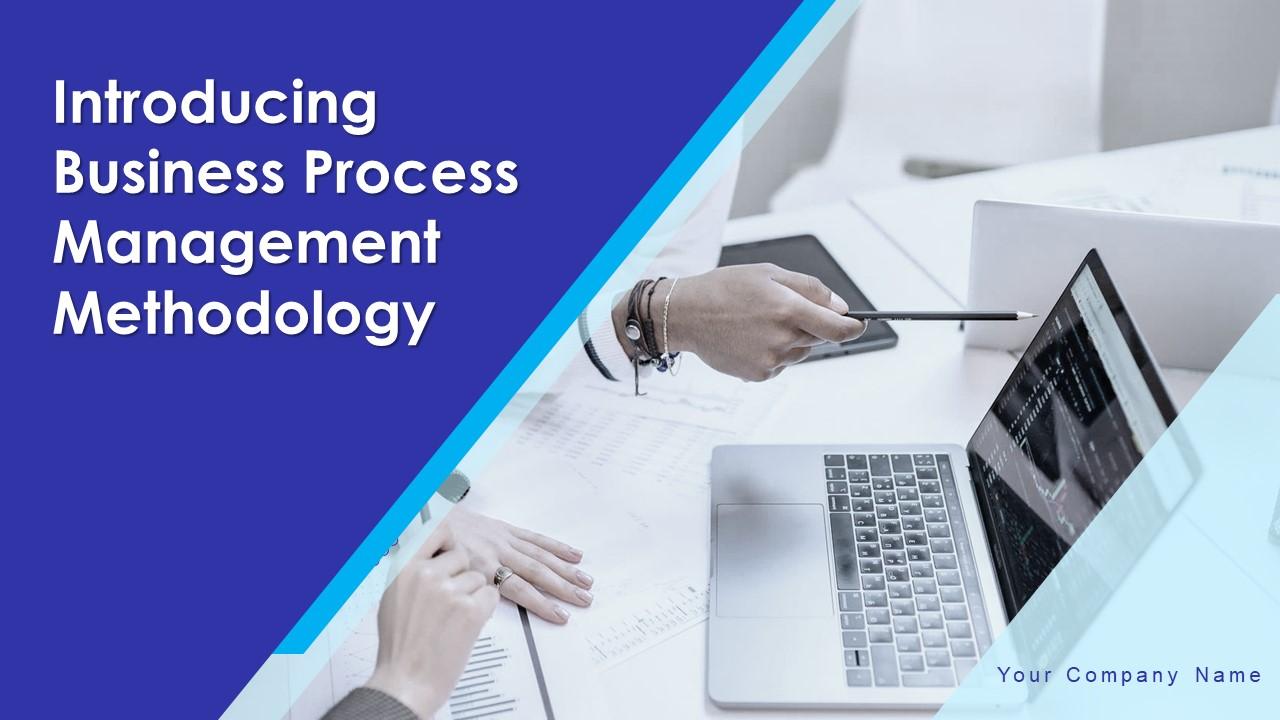
Diapositiva 1 : Esta diapositiva presenta la Introducción a la Metodología de Gestión de Procesos de Negocios. Indique el nombre de su empresa y comience.
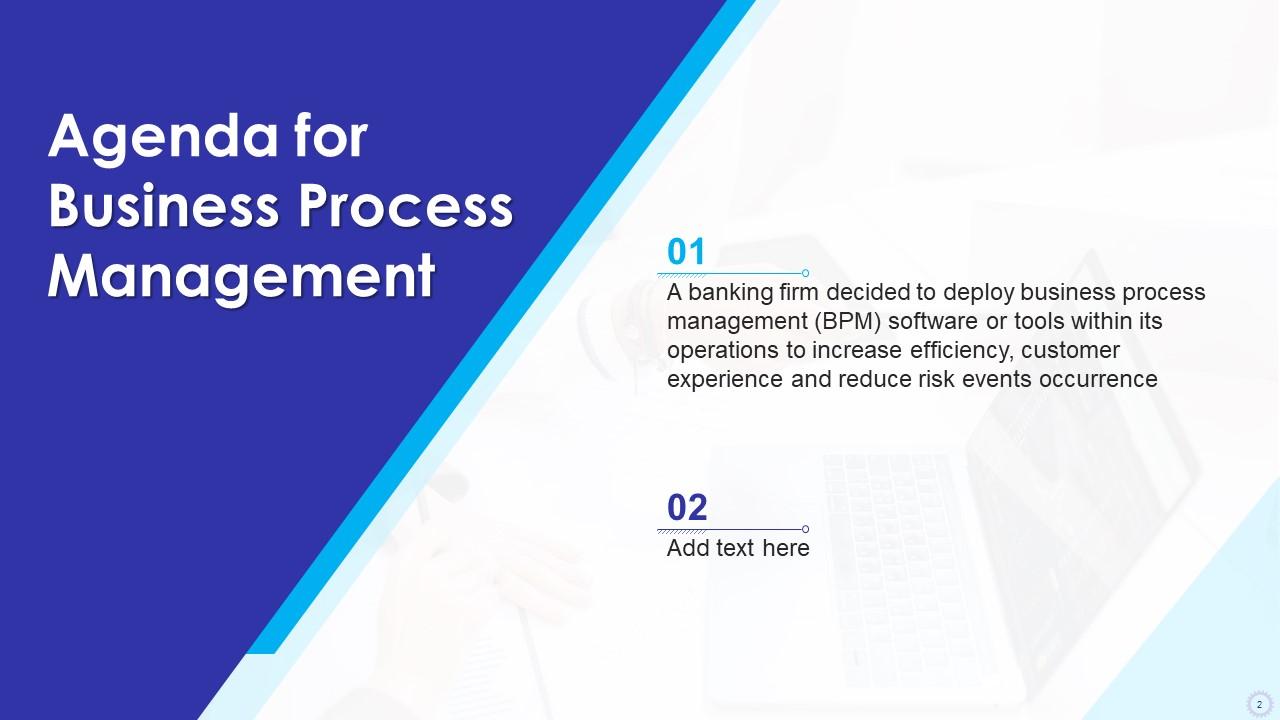
Diapositiva 2 : Esta diapositiva indica la agenda de la presentación.
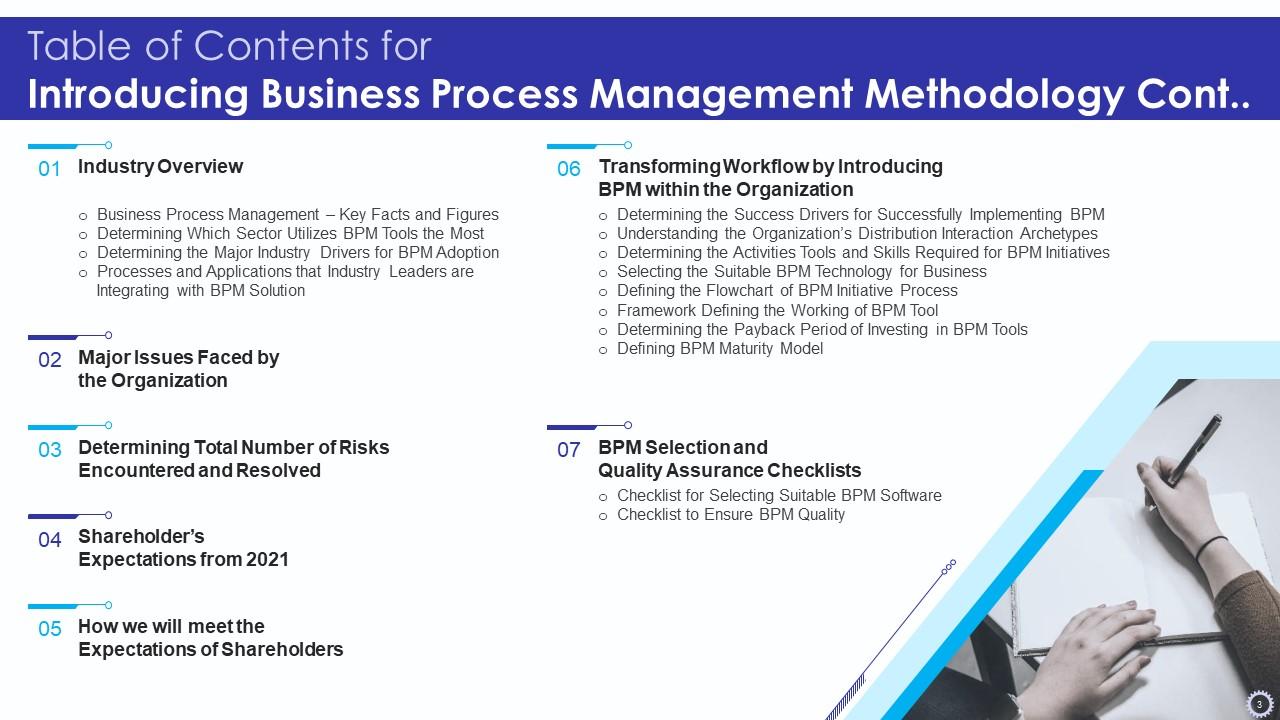
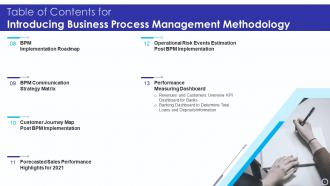
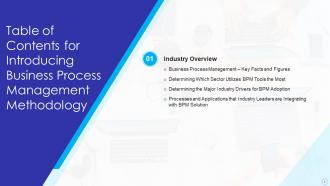
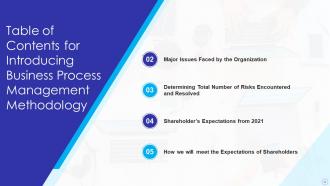
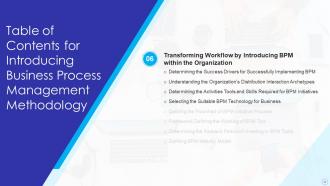
Diapositiva 3 : Esta diapositiva presenta la tabla de contenido de la presentación.
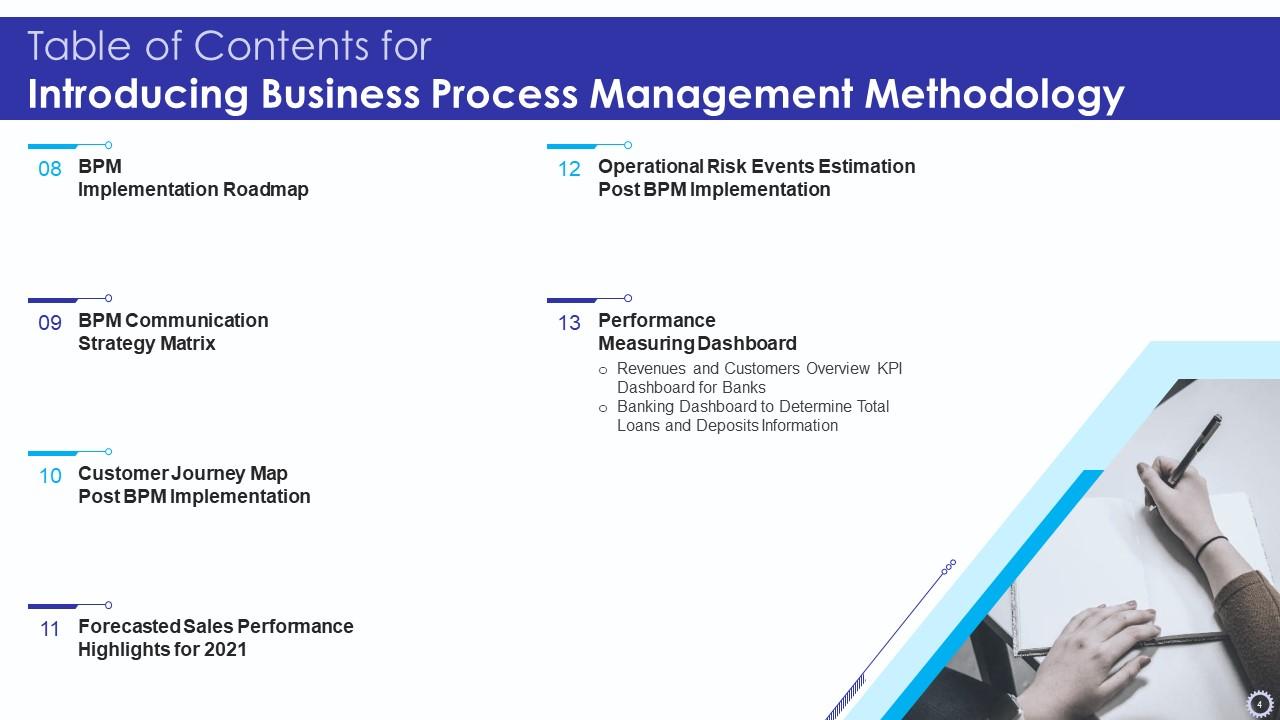
Diapositiva 4 : esta es otra diapositiva que continúa con la tabla de contenido de la presentación.
Diapositiva 5 : esta diapositiva resalta el título de los temas que se cubrirán a continuación en la plantilla.
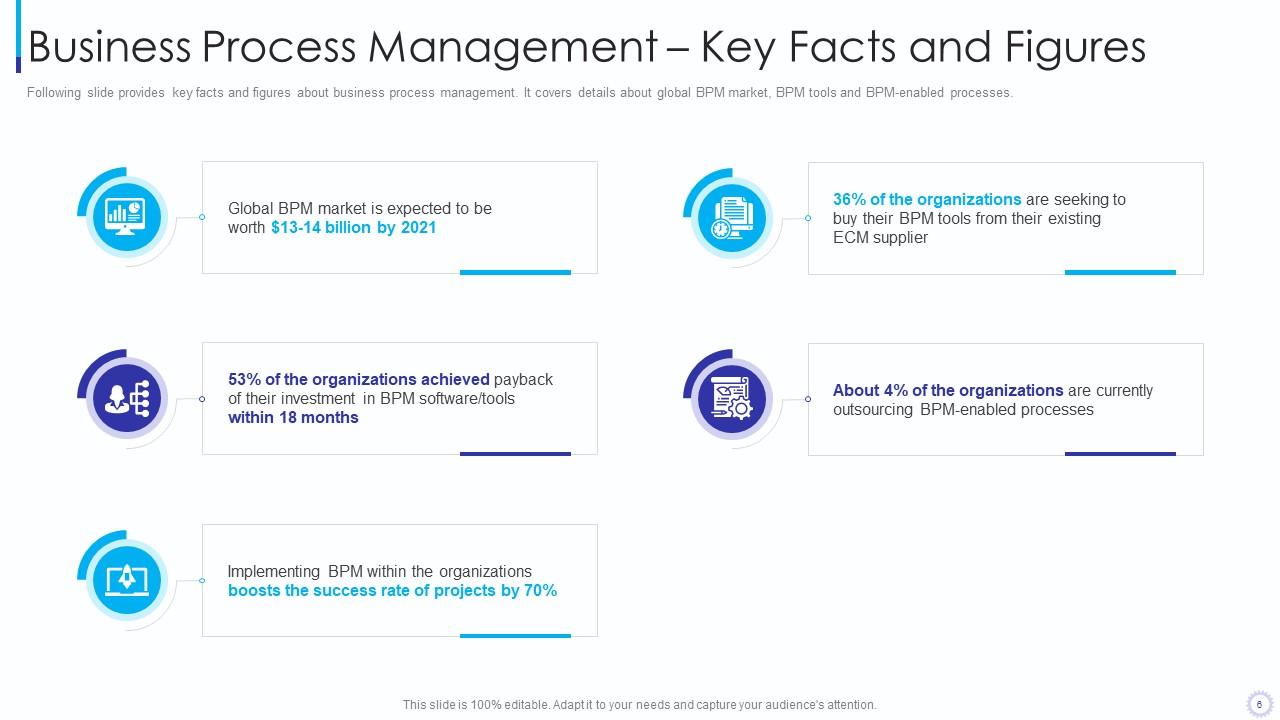
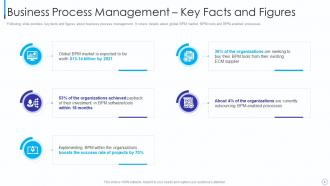
Diapositiva 6 : esta diapositiva muestra la gestión de procesos empresariales: datos y cifras clave.
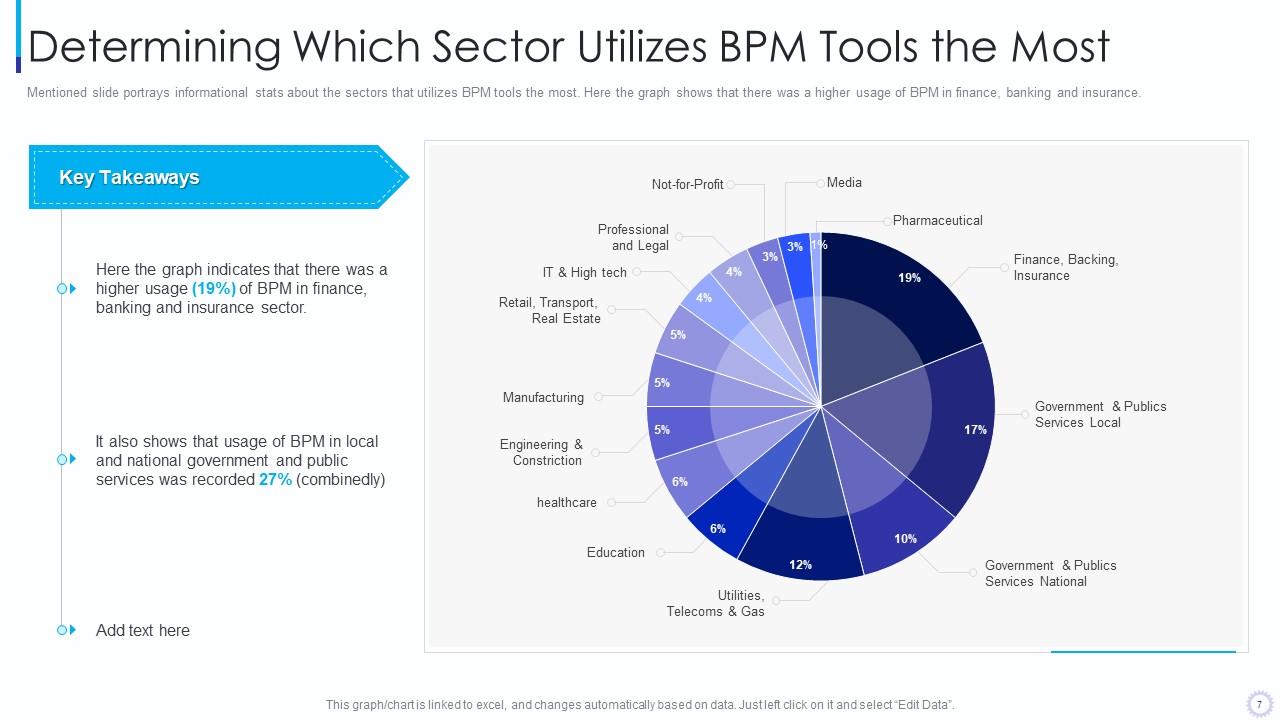
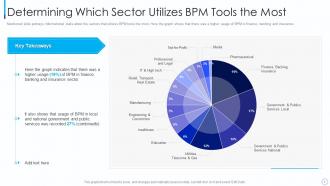
Diapositiva 7 : Esta diapositiva representa Determinar qué sector utiliza más las herramientas de BPM.
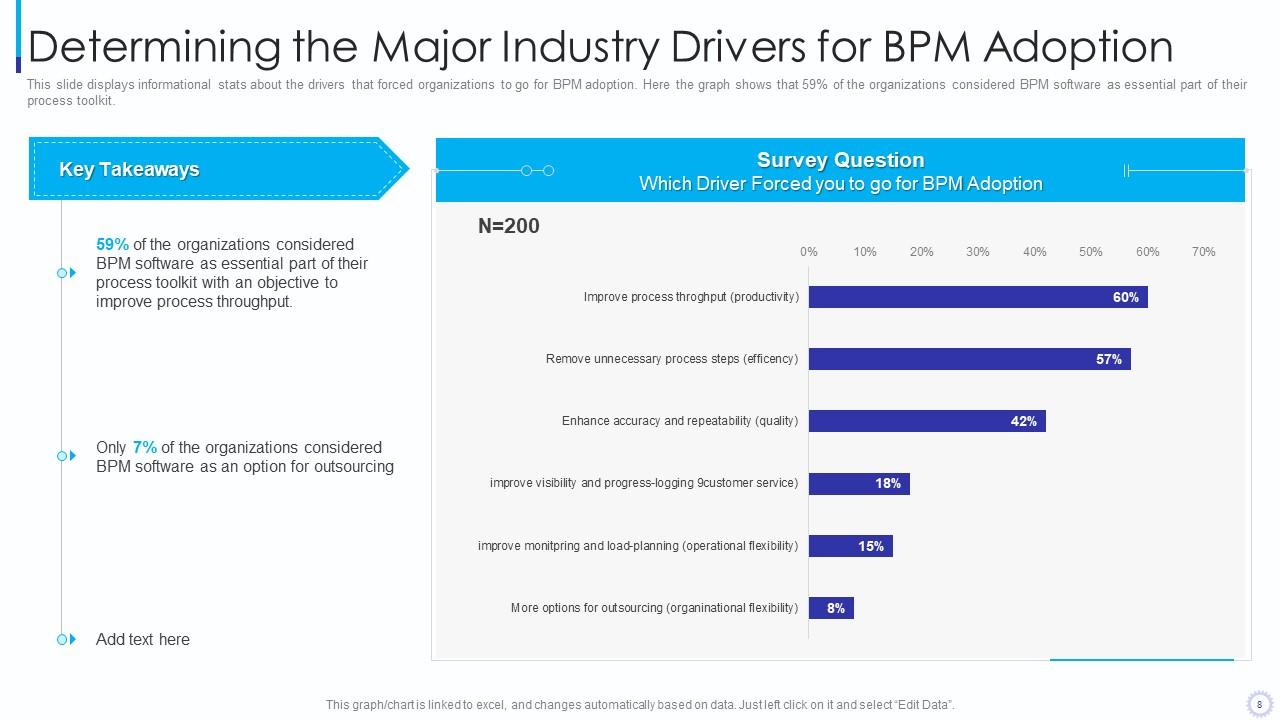
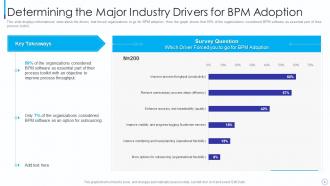
Diapositiva 8 : esta diapositiva muestra la determinación de los principales impulsores de la industria para la adopción de BPM.
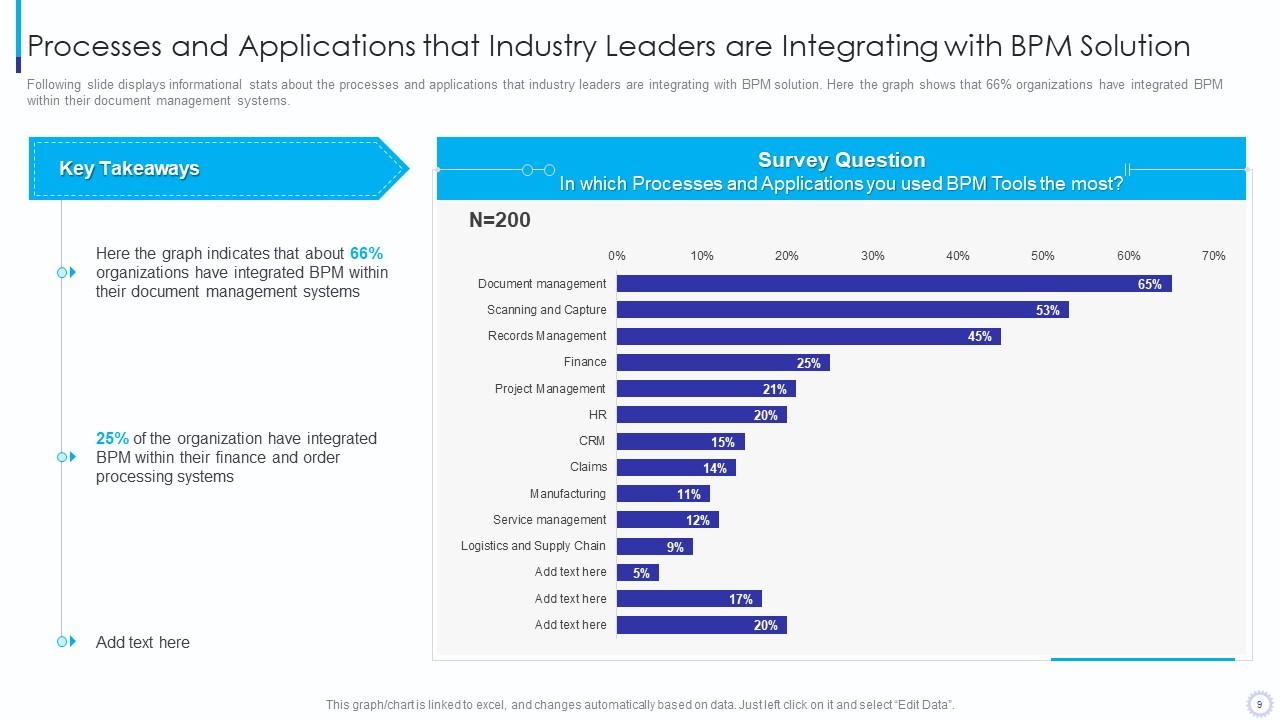
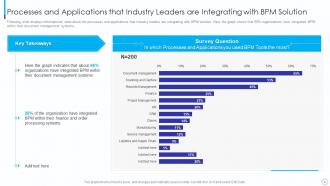
Diapositiva 9 : esta diapositiva muestra los procesos y las aplicaciones que los líderes de la industria están integrando con la solución BPM.
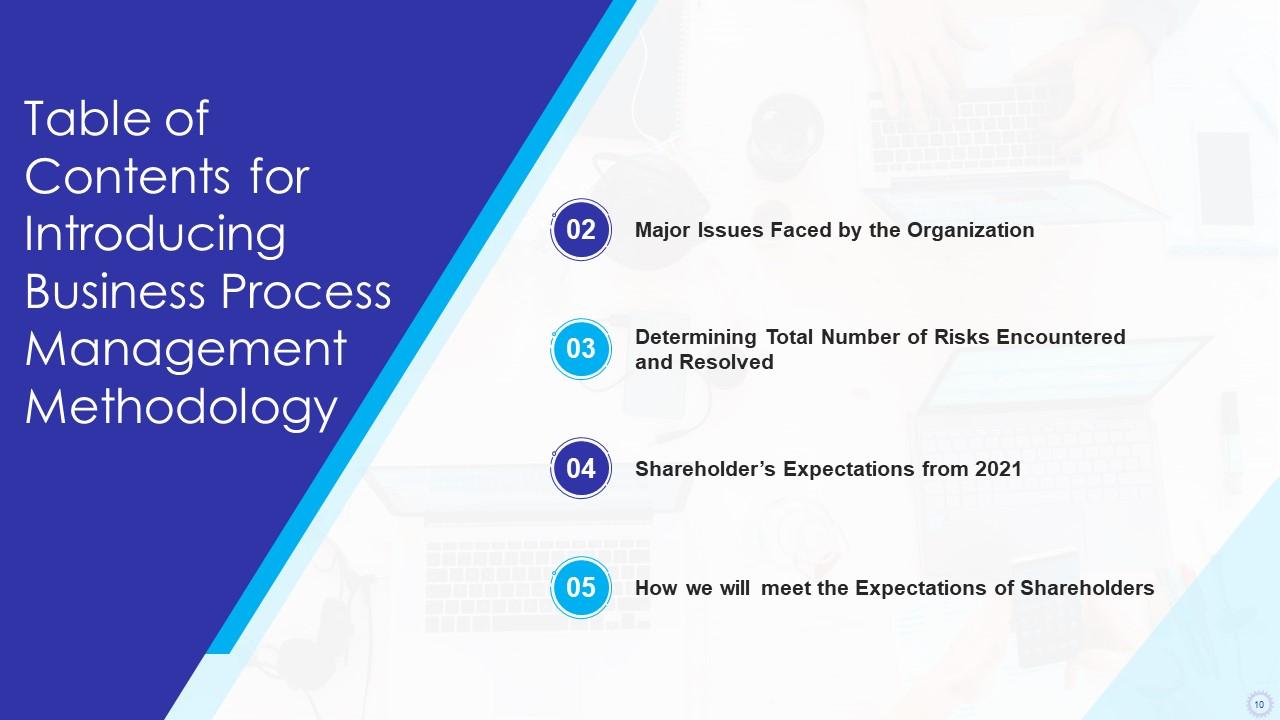
Diapositiva 10 : esta diapositiva resalta el título de los temas que se cubrirán a continuación en la plantilla.
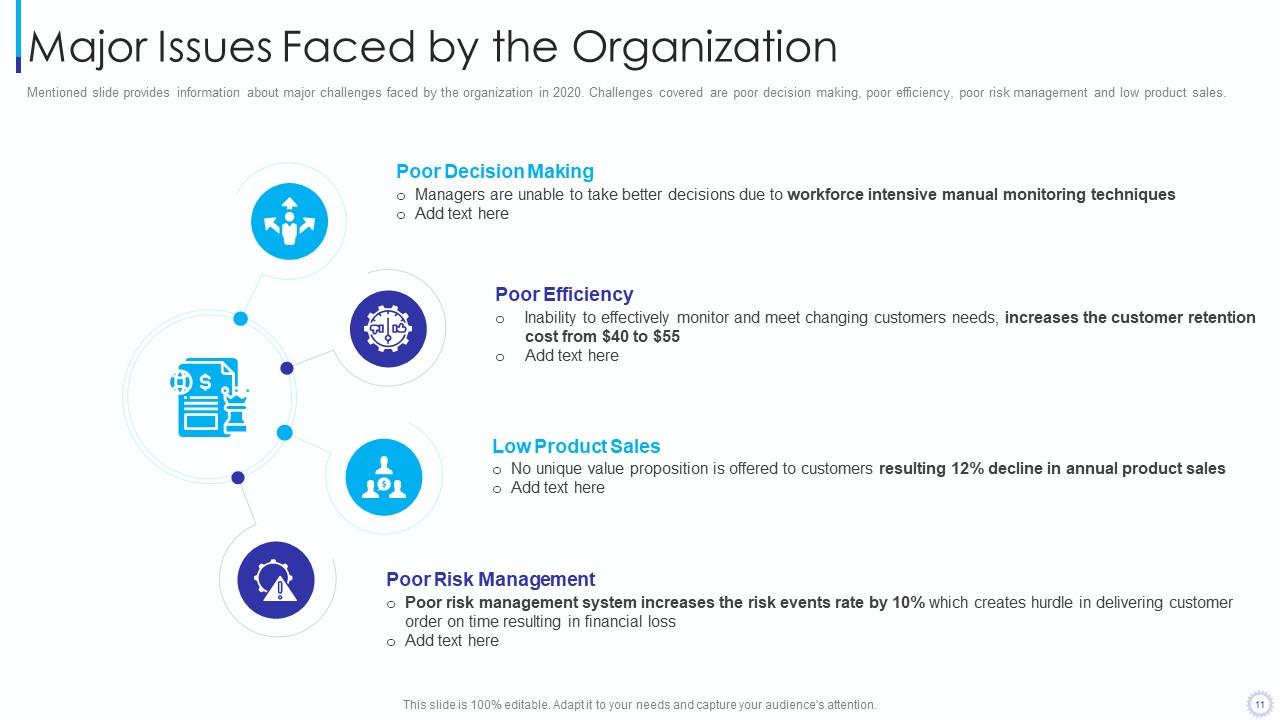
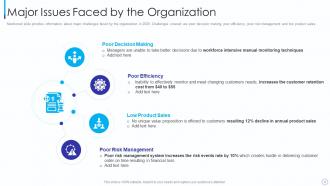
Diapositiva 11 : Esta diapositiva presenta los principales problemas que enfrenta la organización.
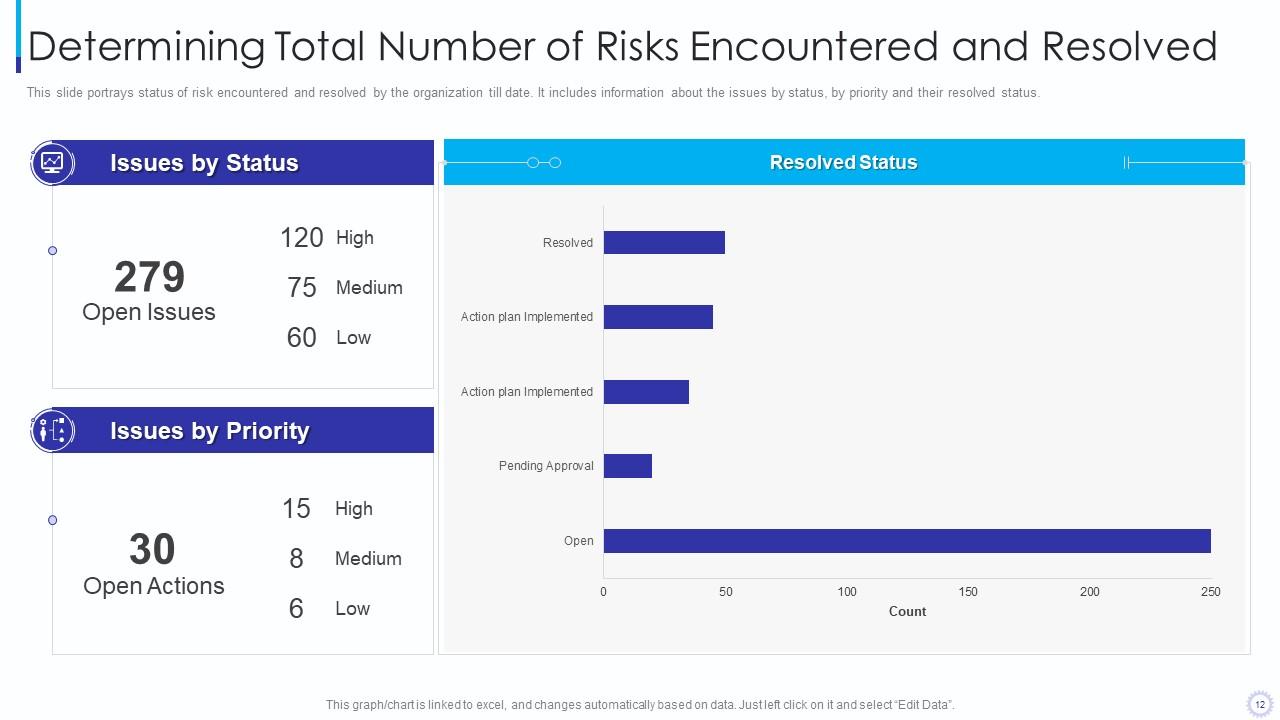
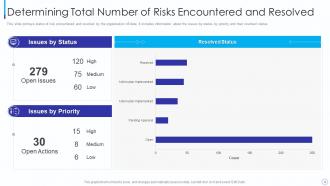
Diapositiva 12 : Esta diapositiva muestra Determinación del número total de riesgos encontrados y resueltos.
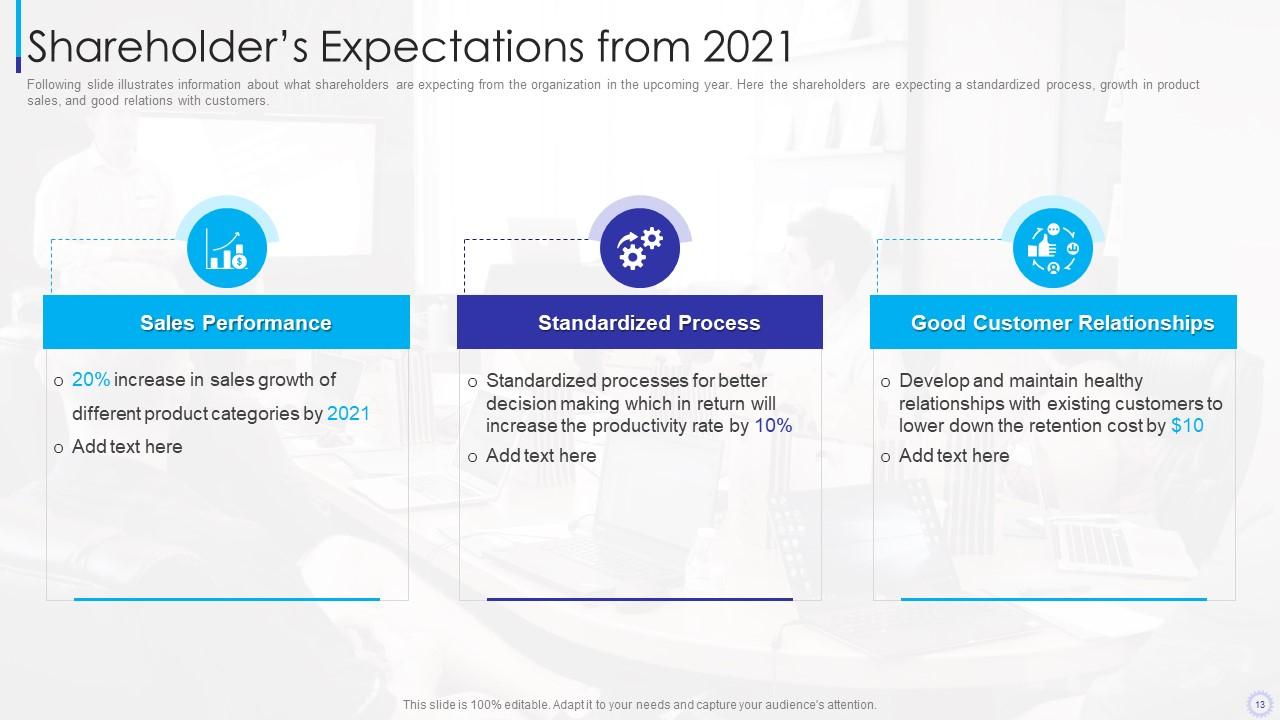
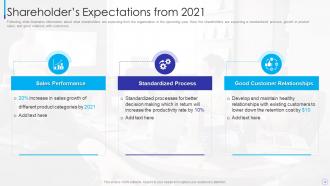
Diapositiva 13 : Esta diapositiva representa información ilustrativa sobre lo que los accionistas esperan de la organización.
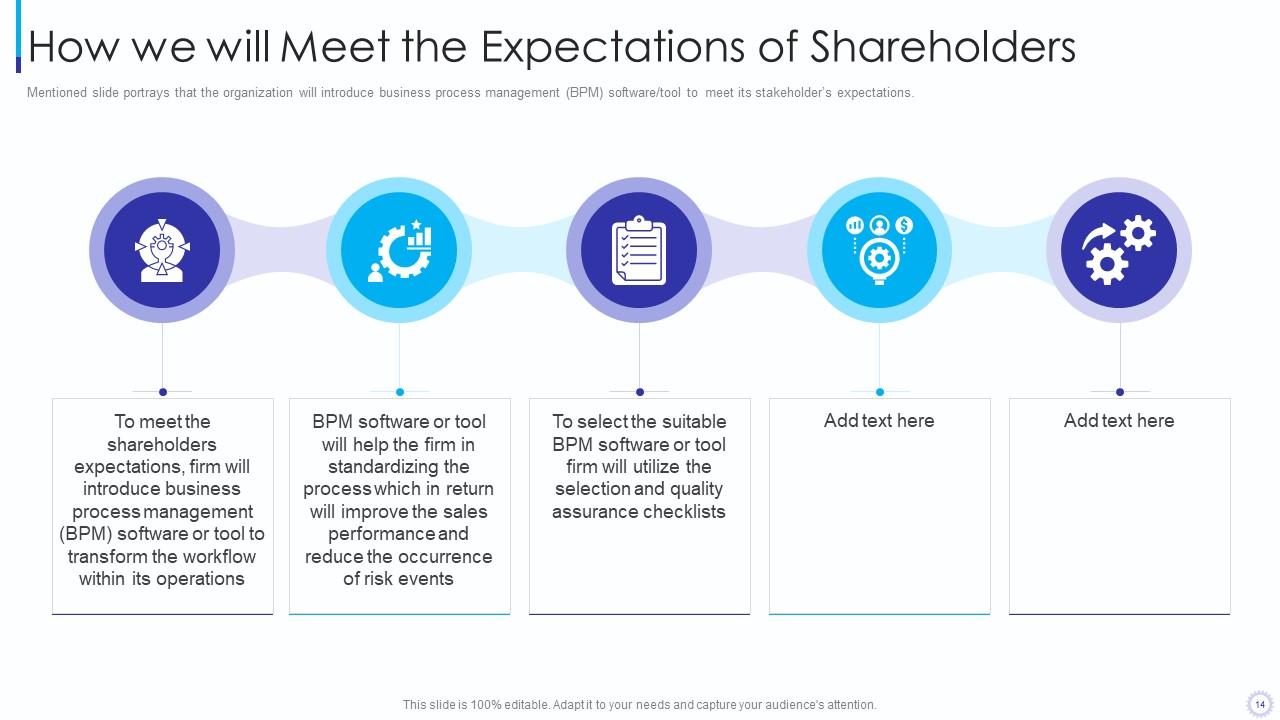
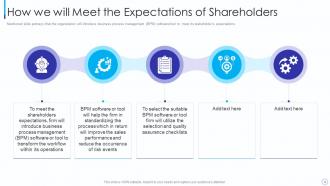
Diapositiva 14 : Esta diapositiva muestra cómo cumpliremos con las expectativas de los accionistas.
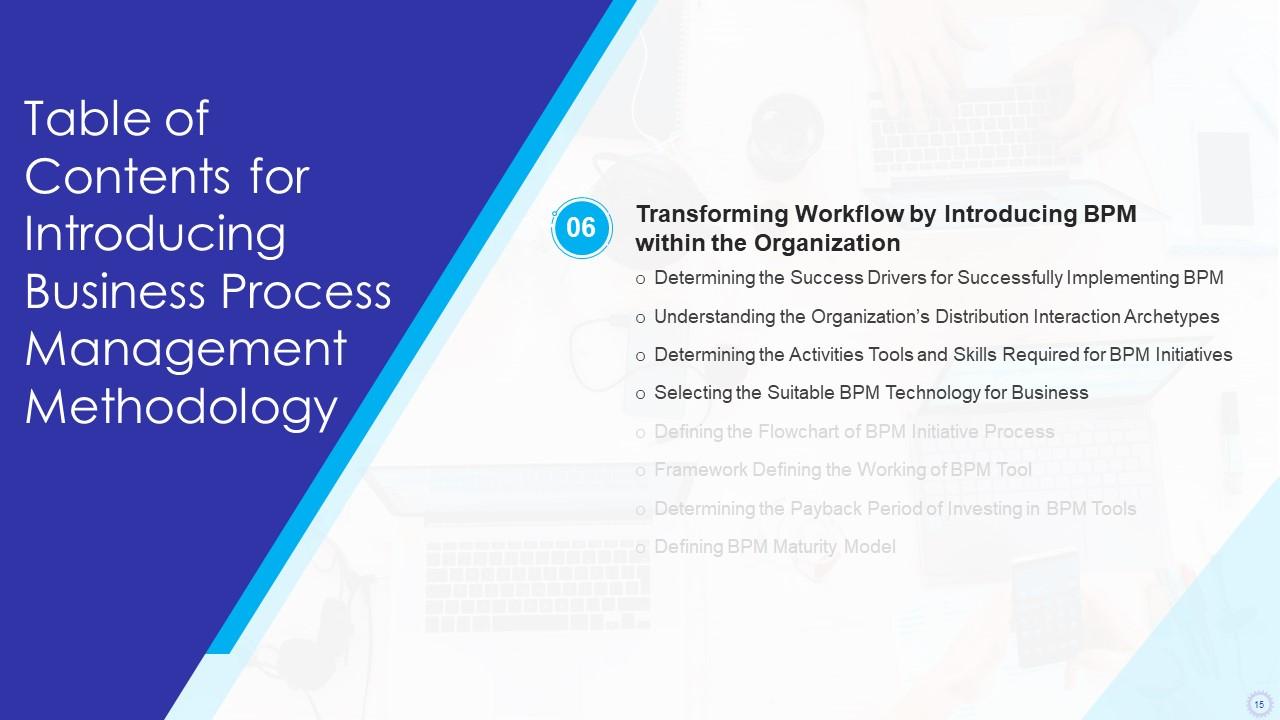
Diapositiva 15 : esta diapositiva resalta el título de los temas que se cubrirán a continuación en la plantilla.
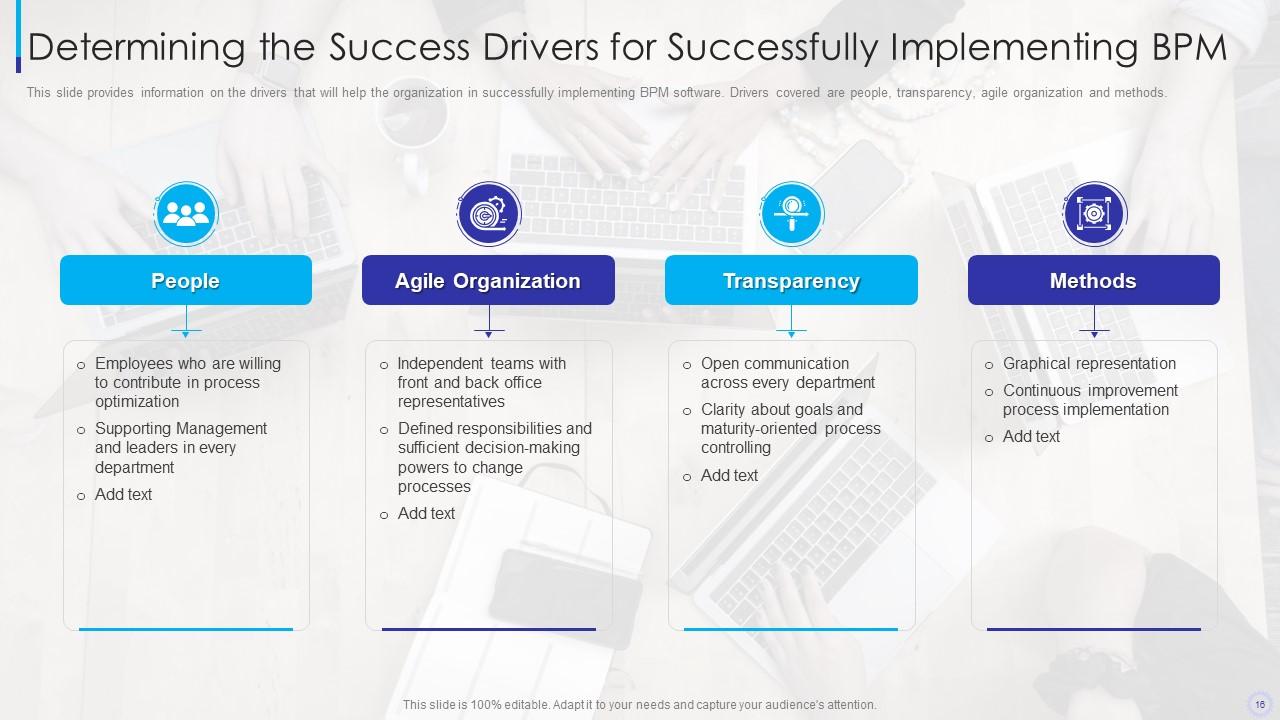
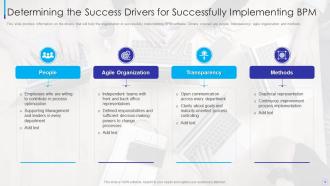
Diapositiva 16 : Esta diapositiva muestra Determinación de los impulsores del éxito para implementar BPM con éxito.
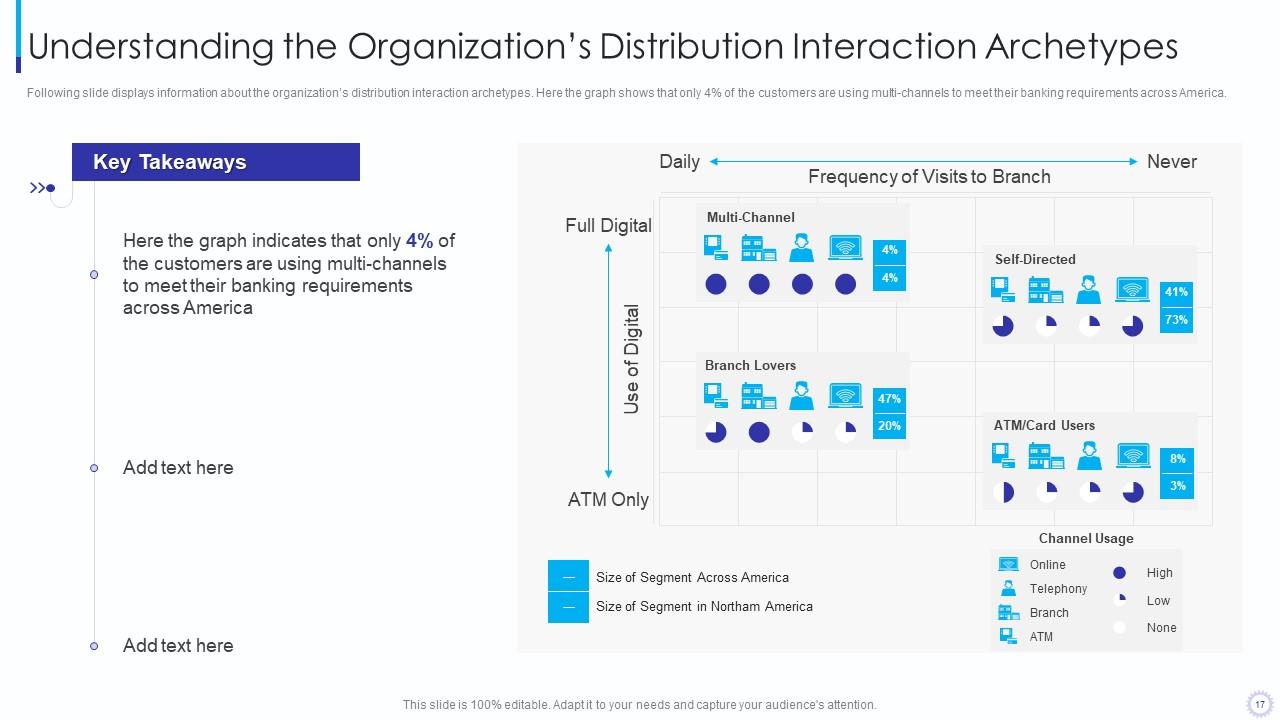
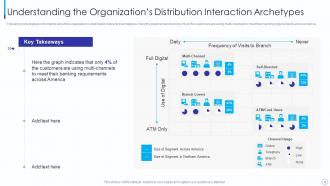
Diapositiva 17 : Esta diapositiva presenta Comprender los arquetipos de interacción de distribución de la organización.
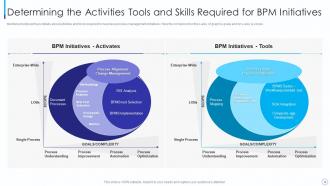
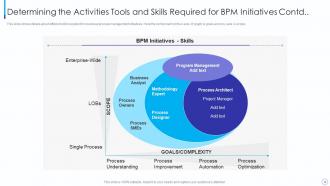
Diapositiva 18 : Esta diapositiva muestra Determinación de las actividades, herramientas y habilidades requeridas para las iniciativas de BPM.
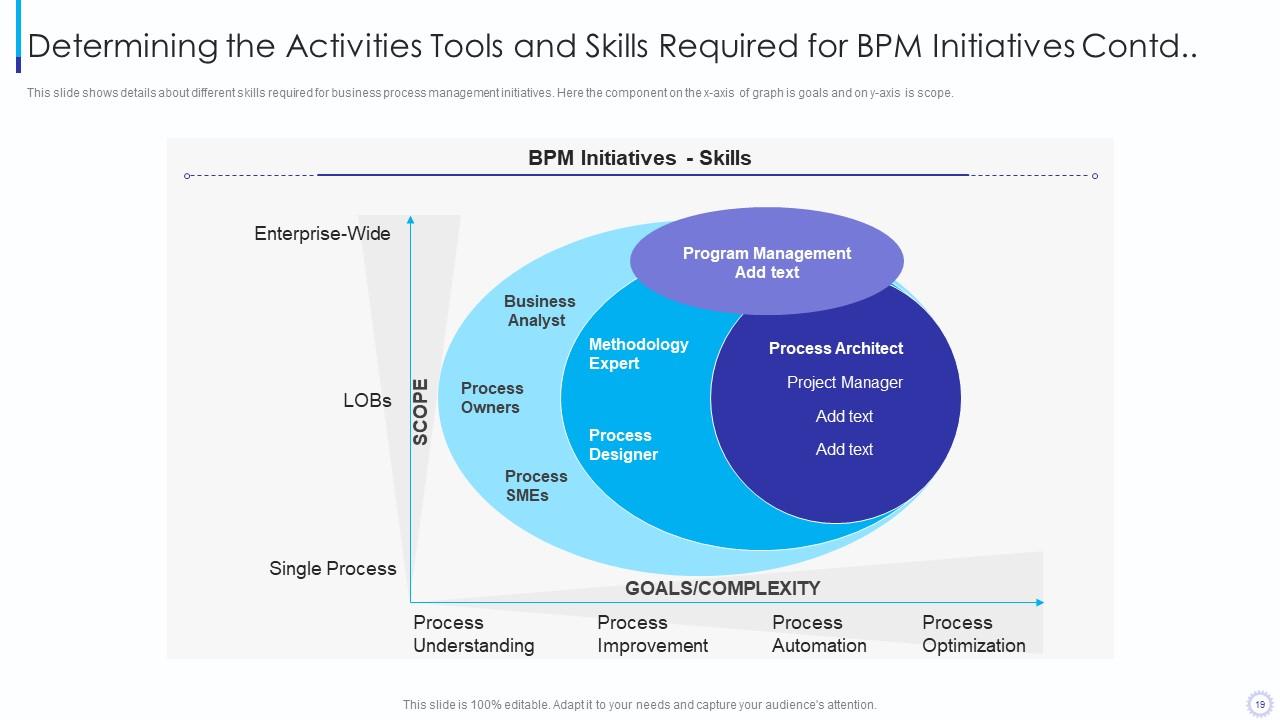
Diapositiva 19 : Esta es otra diapositiva que continúa Determinando las actividades, herramientas y habilidades requeridas para las iniciativas de BPM.
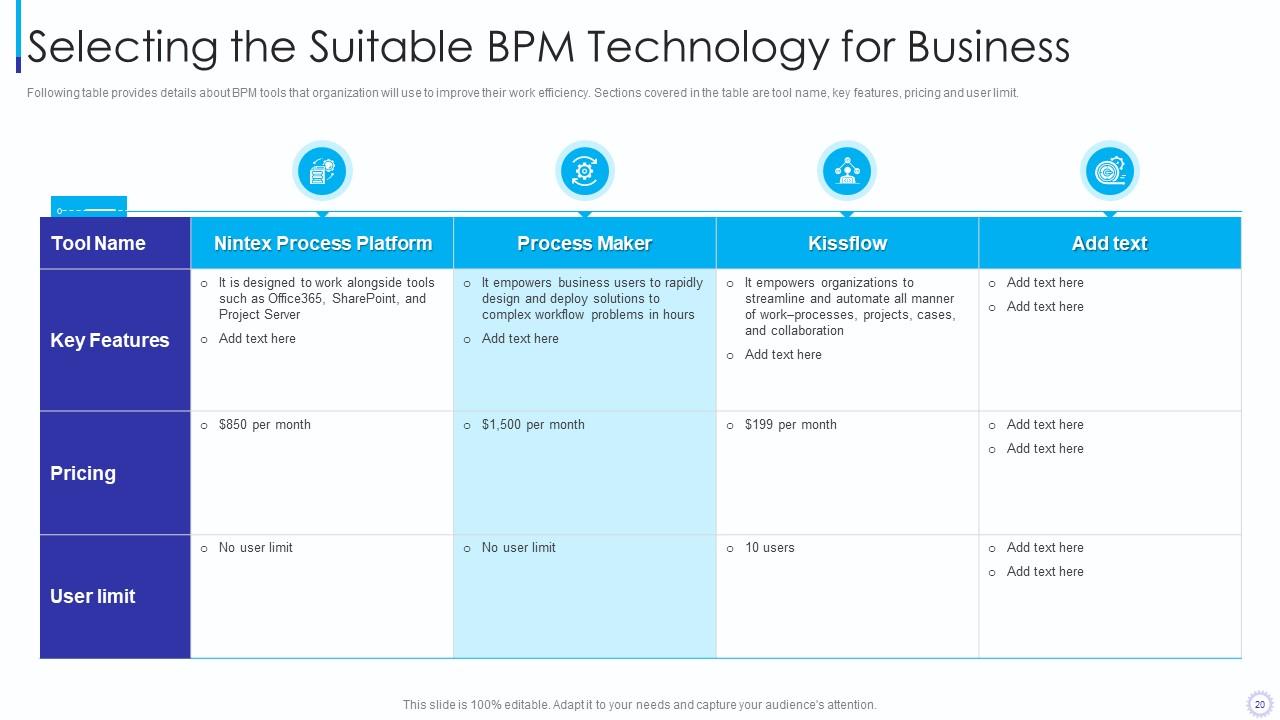
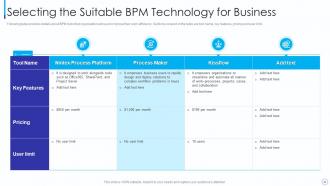
Diapositiva 20 : Esta diapositiva representa la selección de la tecnología BPM adecuada para los negocios.
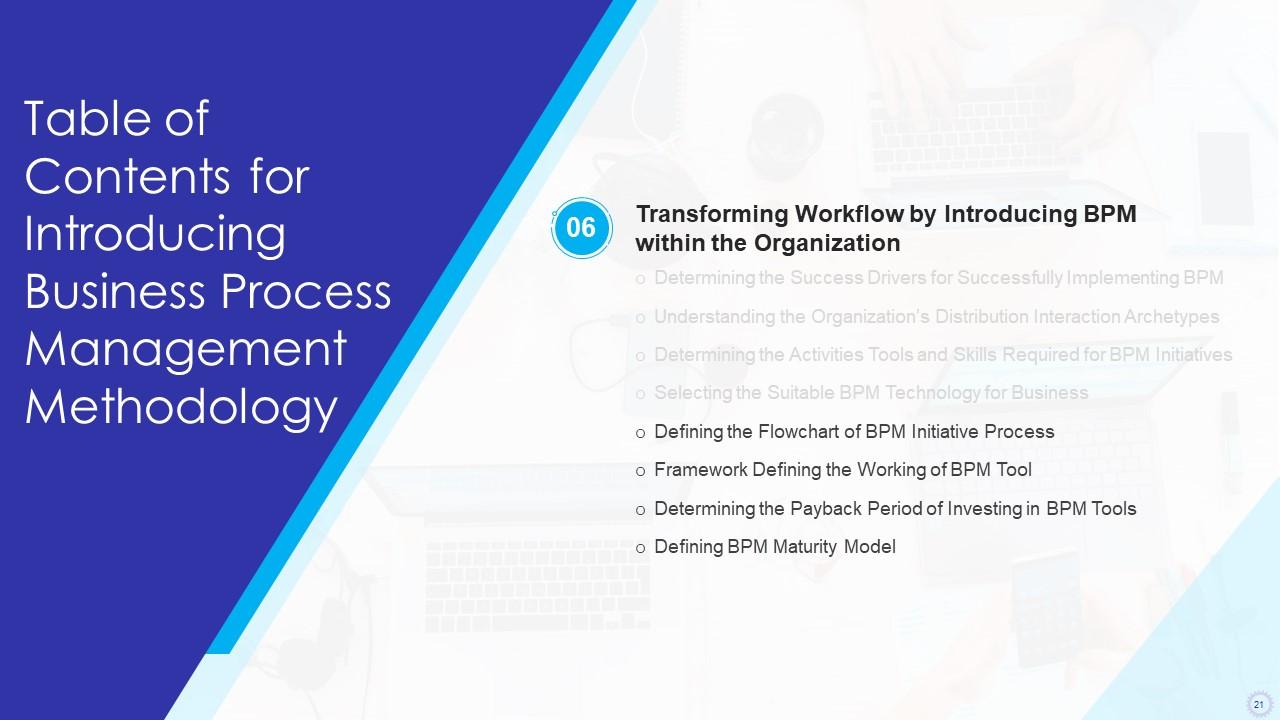
Diapositiva 21 : esta diapositiva destaca el título de los temas que se cubrirán a continuación en la plantilla.
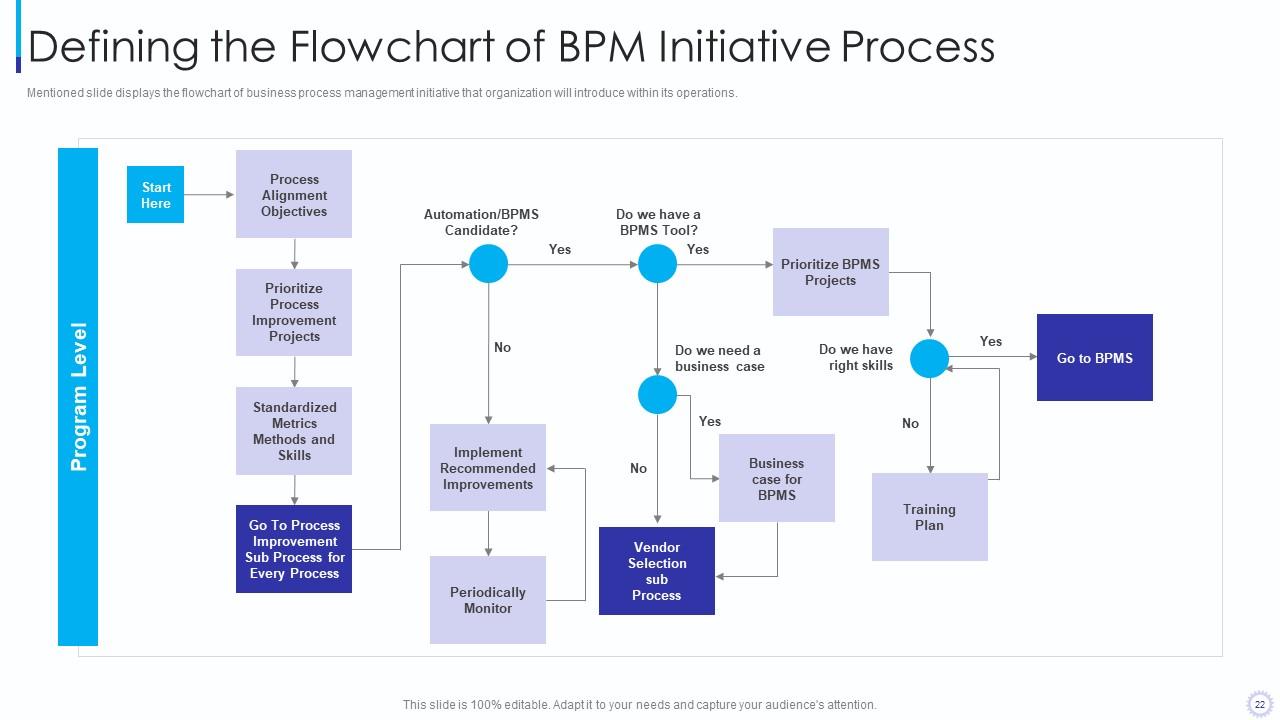
Diapositiva 22 : Esta diapositiva muestra la definición del diagrama de flujo del proceso de la iniciativa BPM.
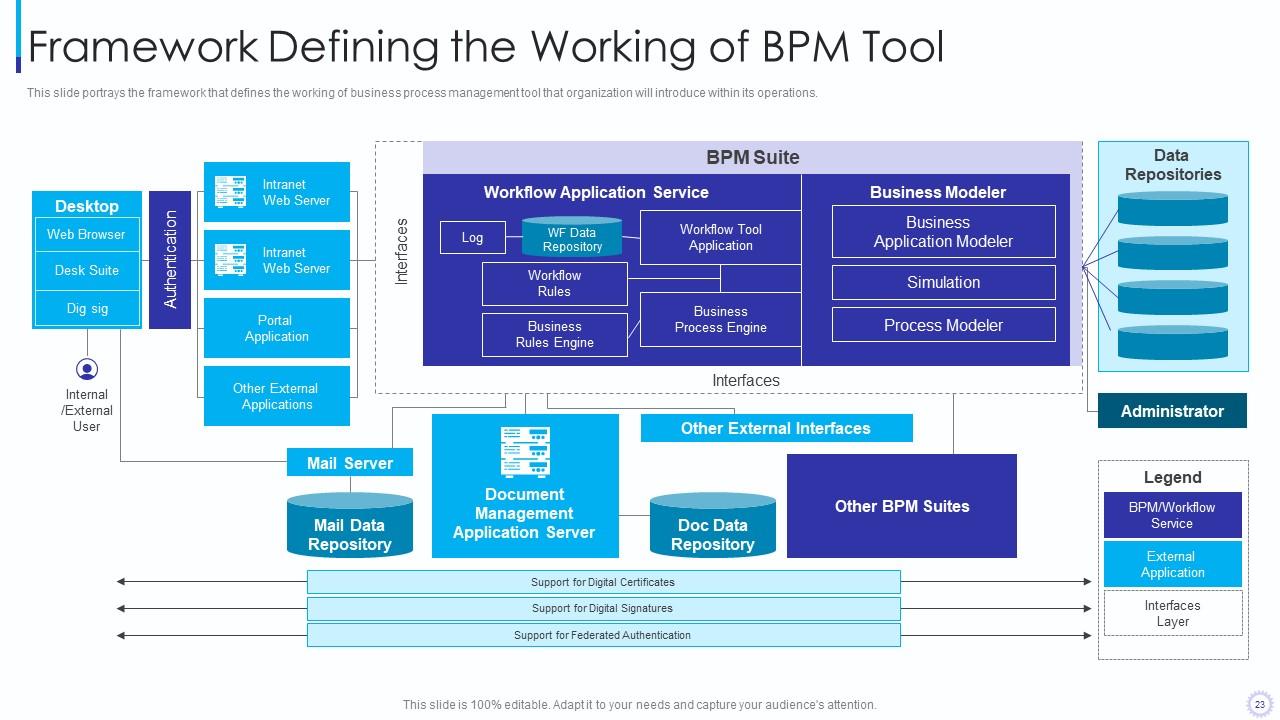
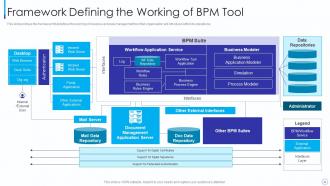
Diapositiva 23 : esta diapositiva muestra el marco que define el funcionamiento de la herramienta BPM.
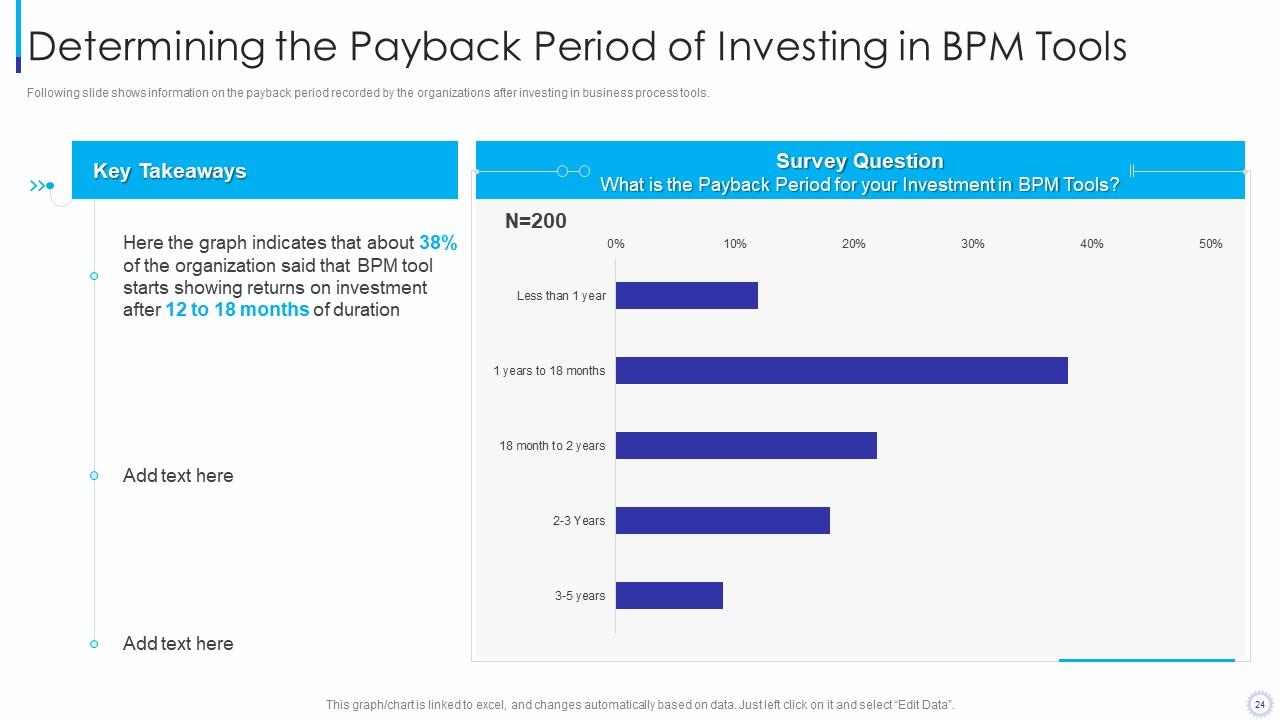
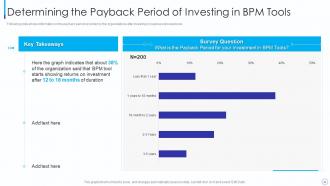
Diapositiva 24 : esta diapositiva presenta la determinación del período de recuperación de la inversión en herramientas de BPM.
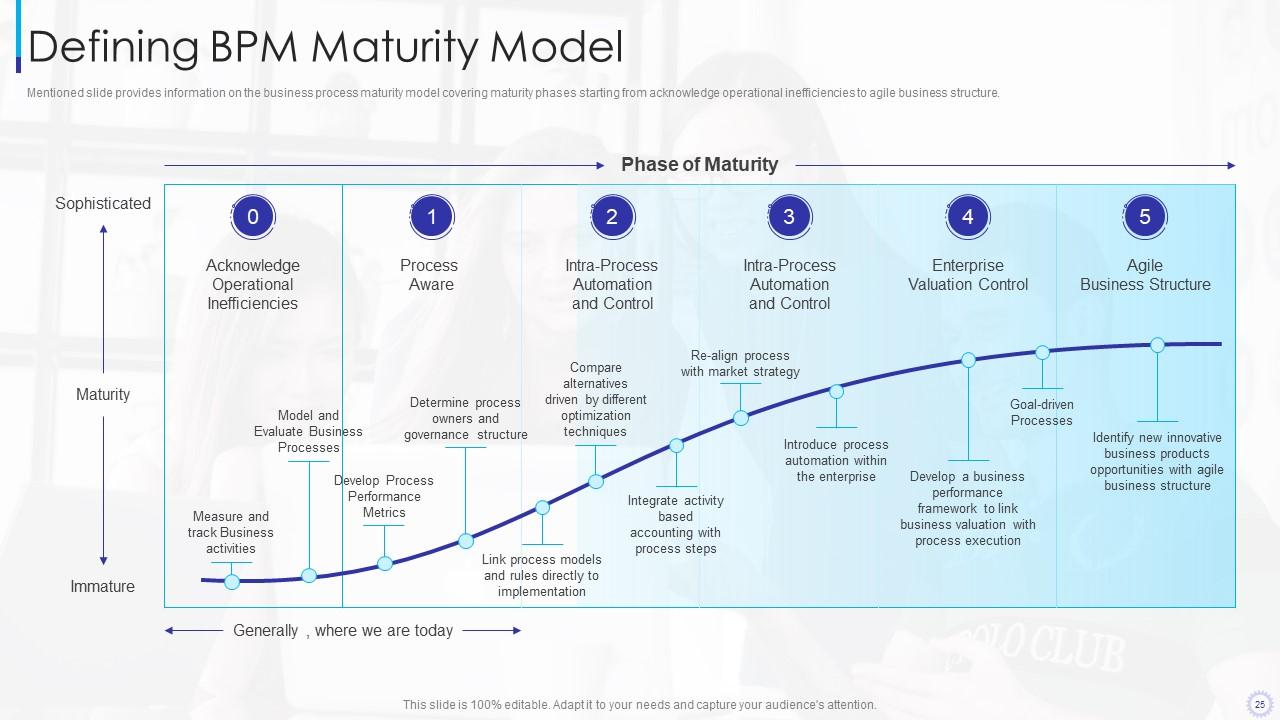
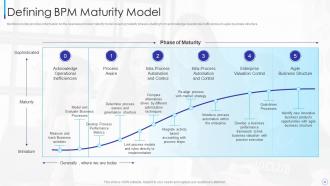
Diapositiva 25 : Esta diapositiva muestra información sobre el modelo de madurez del proceso empresarial.
Diapositiva 26 : Esta diapositiva presenta el índice de la presentación.
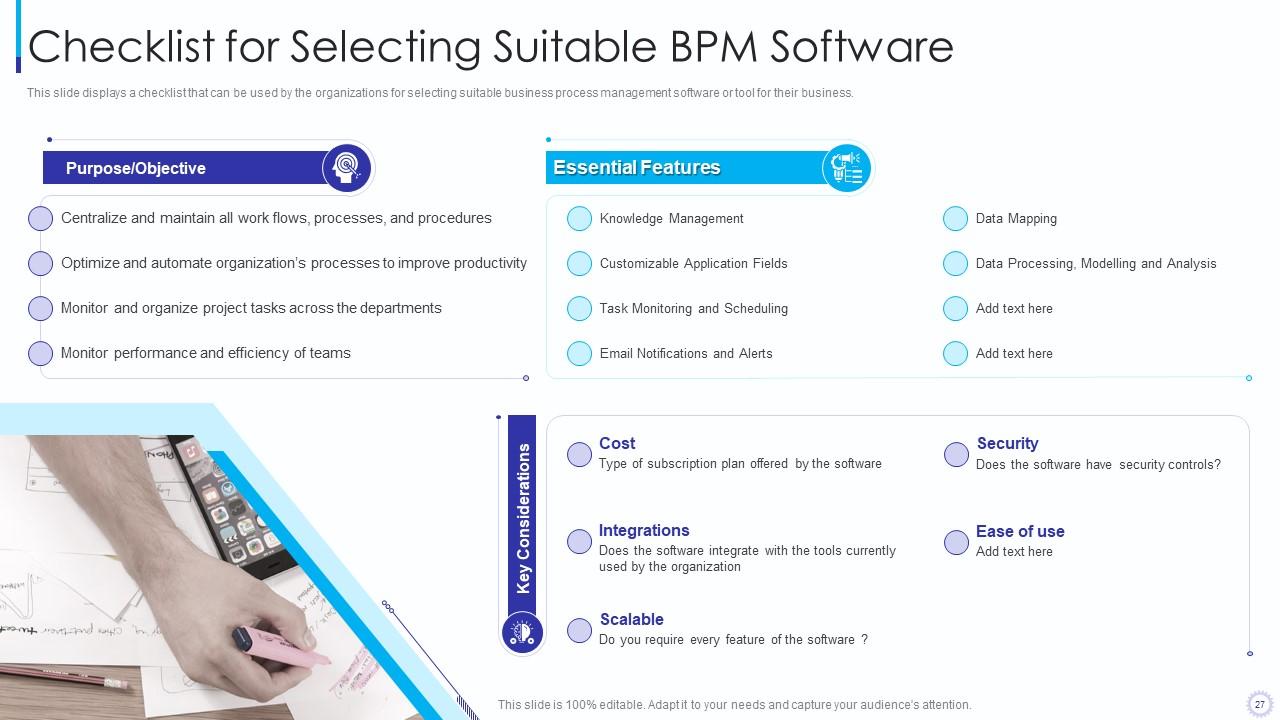
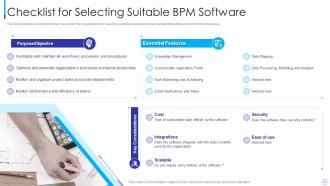
Diapositiva 27 : Esta diapositiva muestra la Lista de verificación para seleccionar el software BPM adecuado.
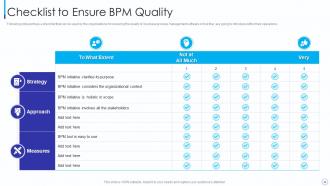
Diapositiva 28 : Esta diapositiva representa una lista de verificación para garantizar la calidad del software de gestión de procesos comerciales.
Diapositiva 29 : esta diapositiva destaca el título de los temas que se cubrirán a continuación en la plantilla.
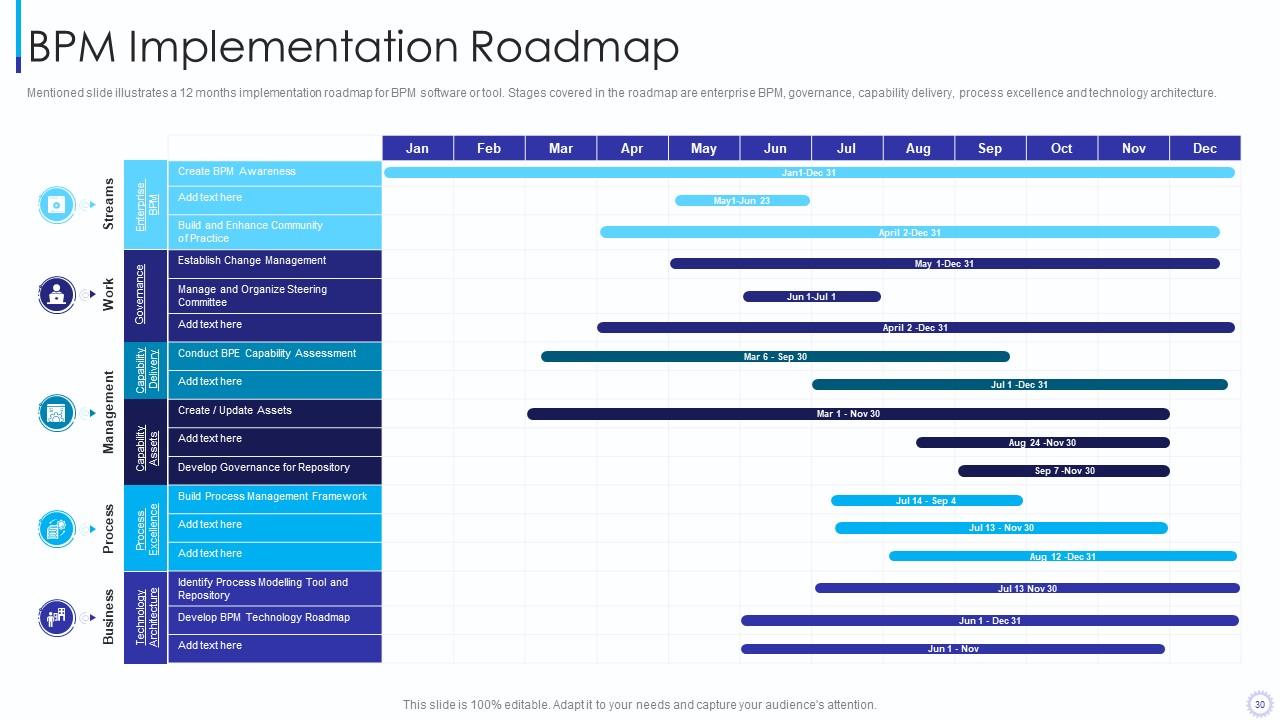
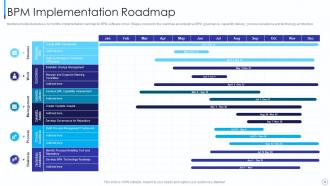
Diapositiva 30 : esta diapositiva ilustra una hoja de ruta de implementación de 12 meses para el software o la herramienta BPM.
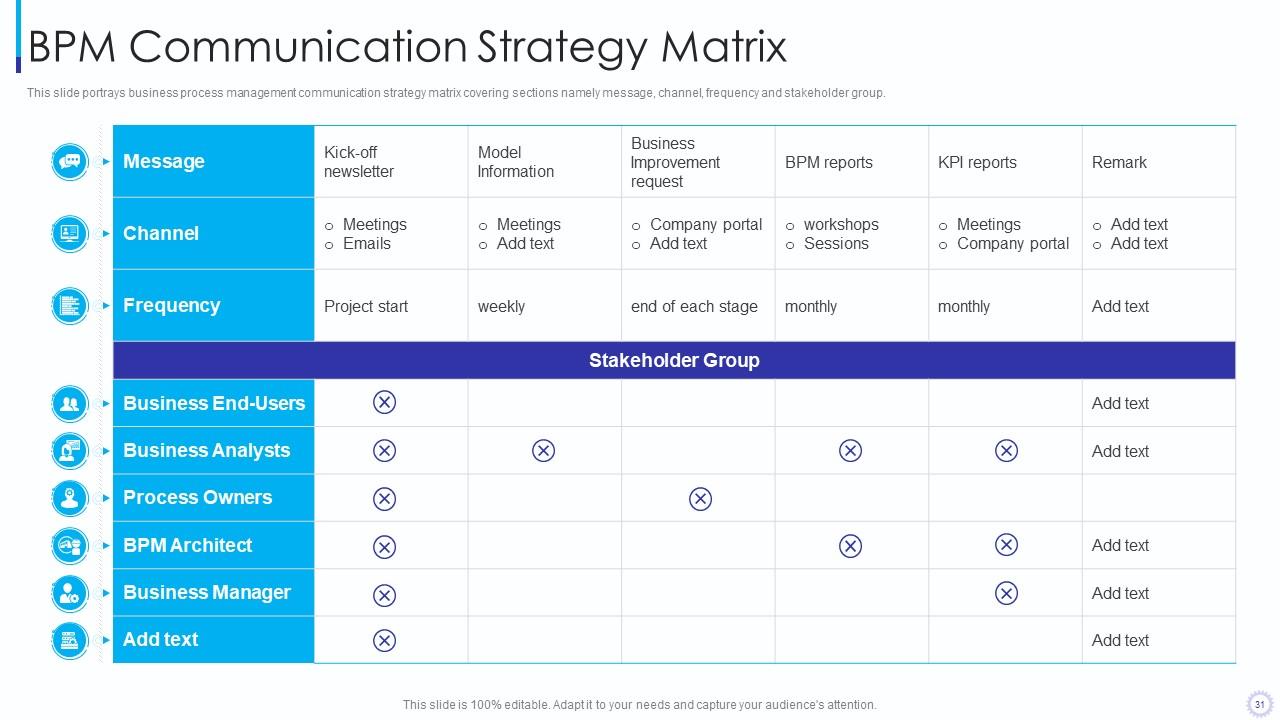
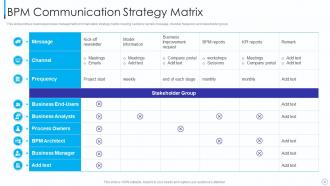
Diapositiva 31 : Esta diapositiva muestra la matriz de estrategia de comunicación de gestión de procesos comerciales.
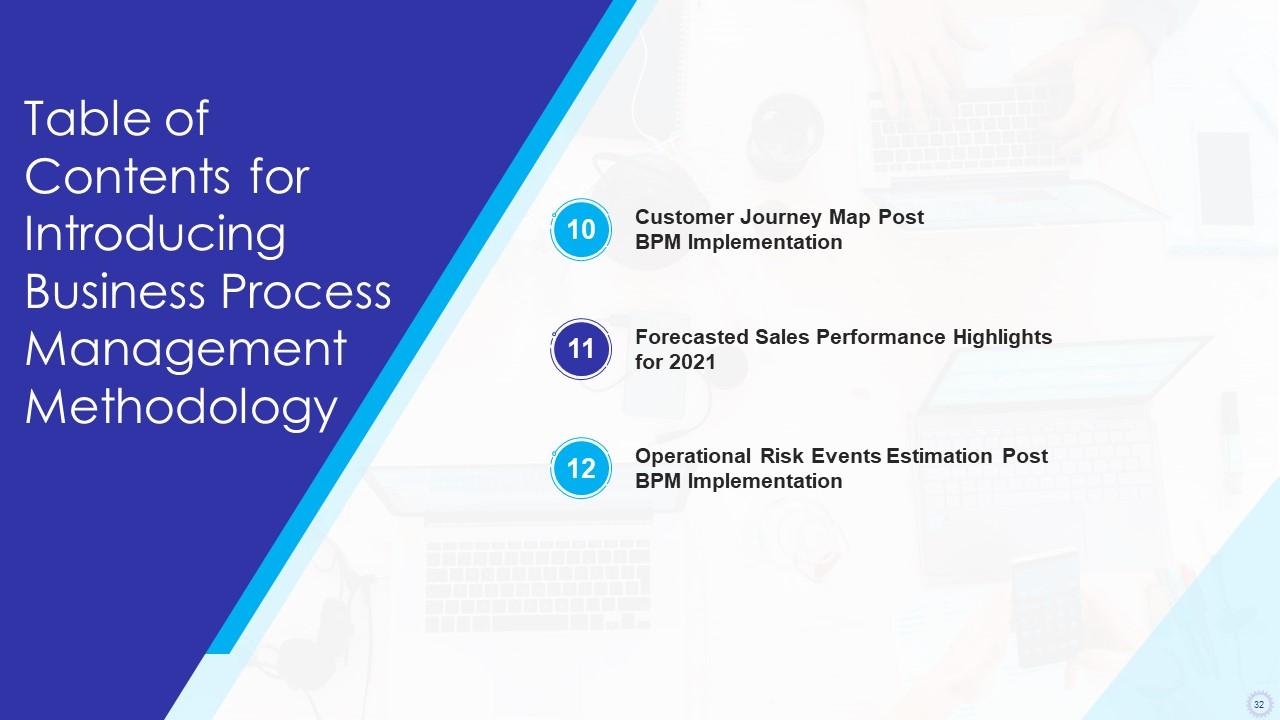
Diapositiva 32 : esta diapositiva destaca el título de los temas que se cubrirán a continuación en la plantilla.
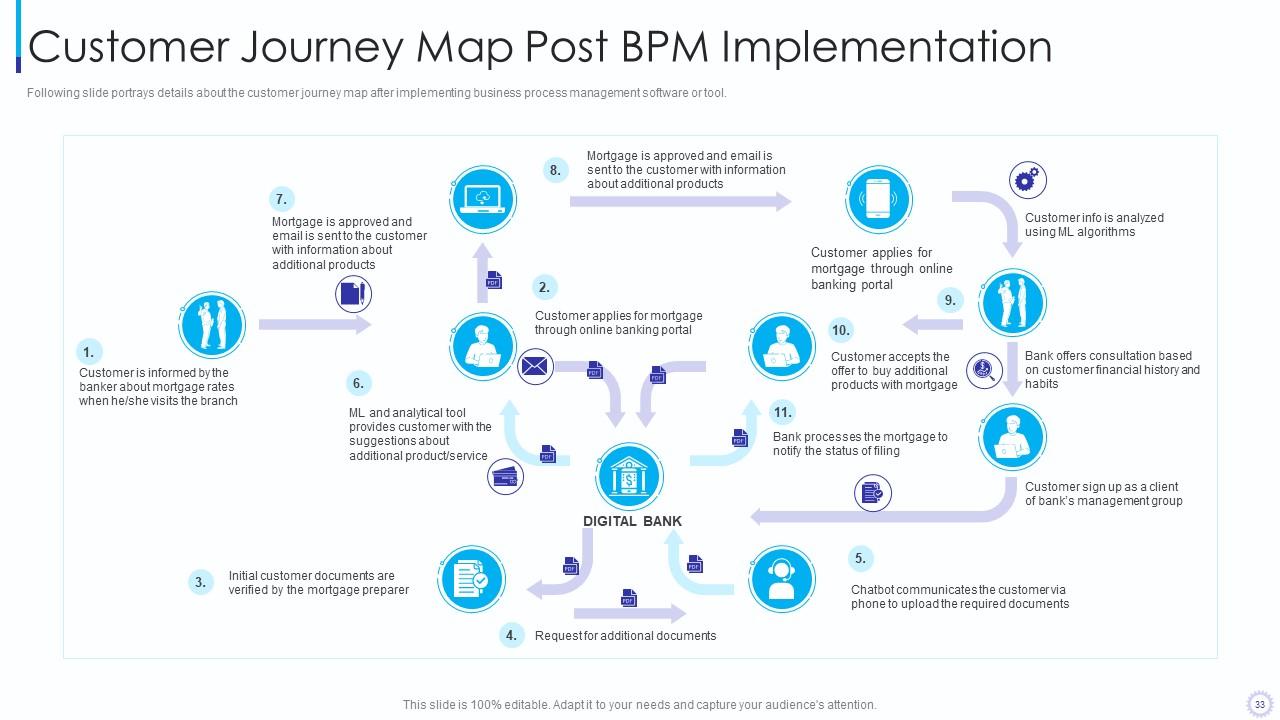
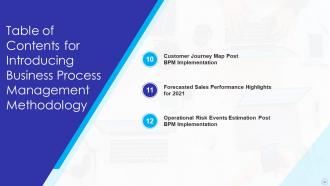
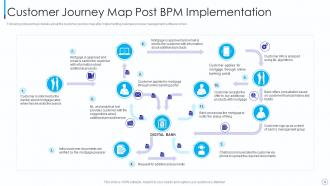
Diapositiva 33 : esta diapositiva muestra la implementación de BPM posterior al mapa de viaje del cliente.
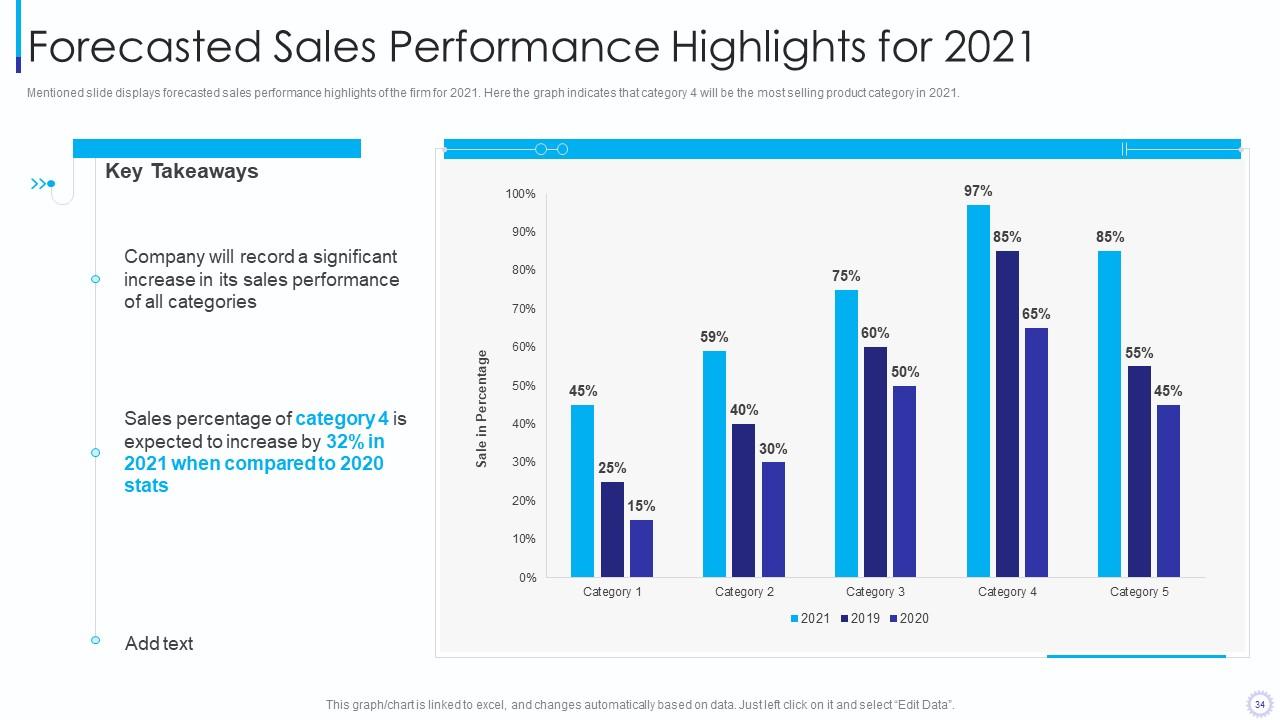
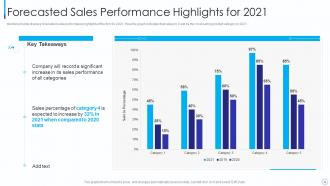
Diapositiva 34 : esta diapositiva representa los puntos destacados del rendimiento de ventas previsto para 2021.
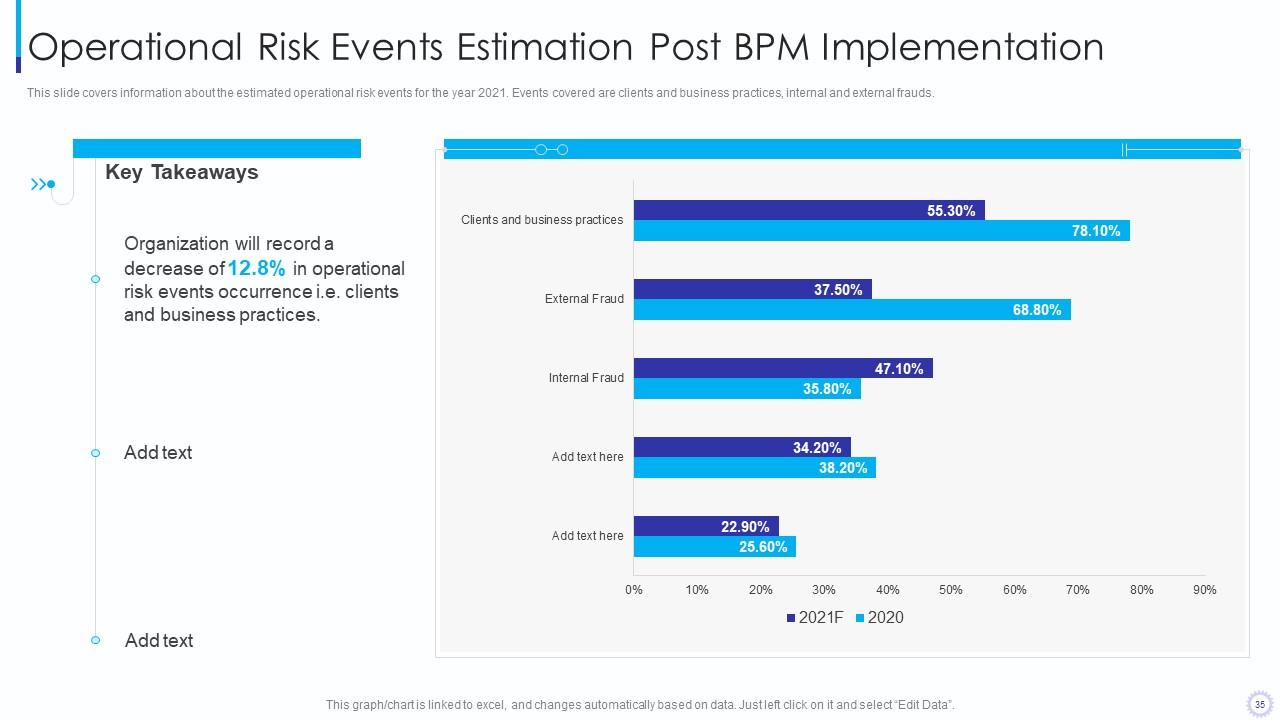
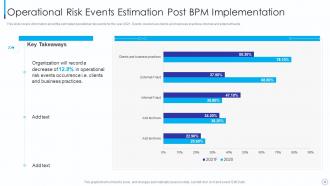
Diapositiva 35 : Esta diapositiva muestra la estimación de eventos de riesgo operativo posterior a la implementación de BPM.
Diapositiva 36 : esta diapositiva resalta el título de los temas que se cubrirán a continuación en la plantilla.
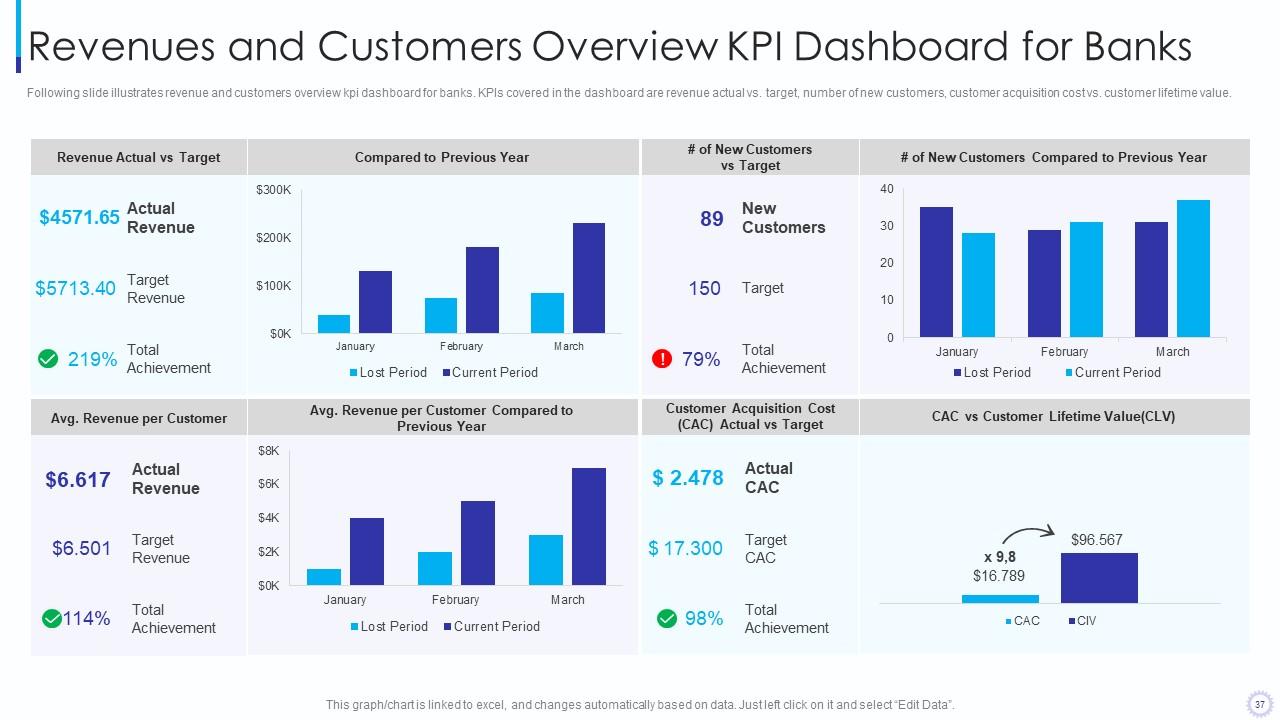
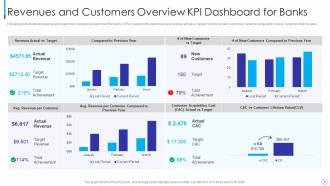
Diapositiva 37 : esta diapositiva muestra el panel de KPI de descripción general de ingresos y clientes para bancos.
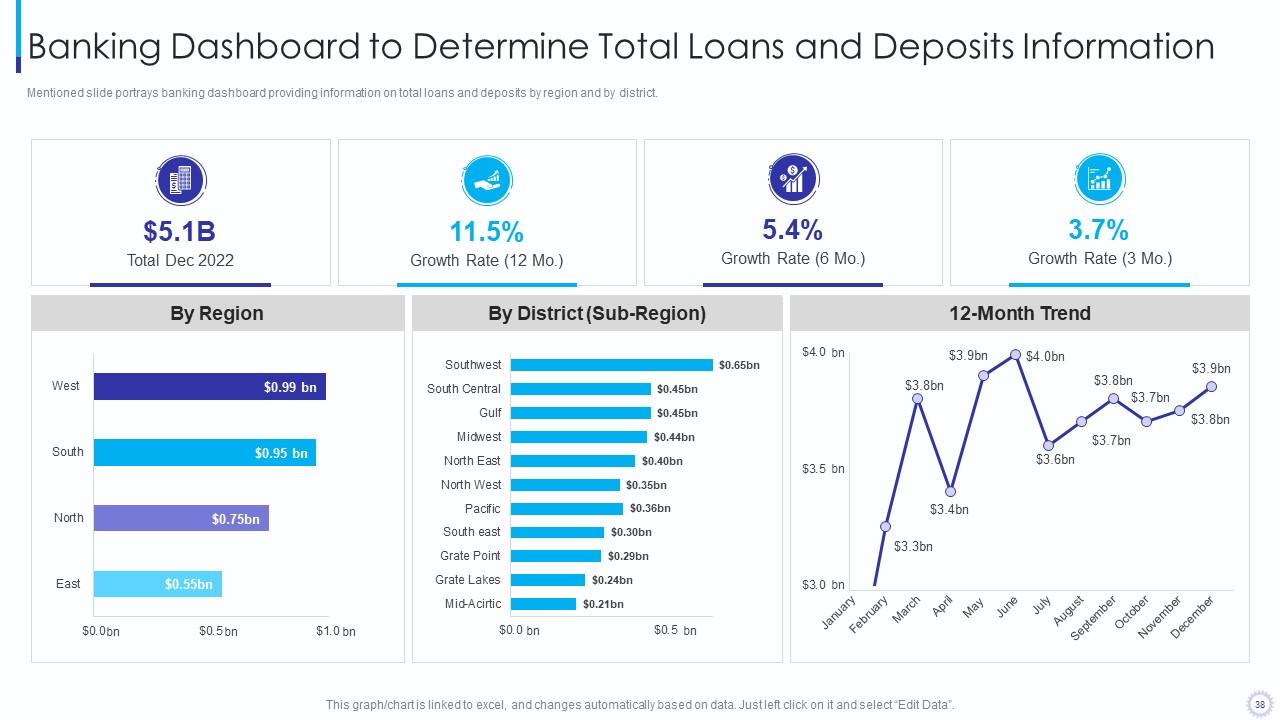
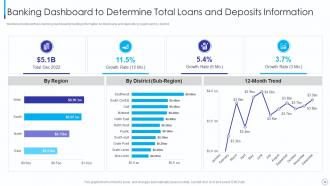
Diapositiva 38 : Esta diapositiva presenta el Tablero bancario para determinar la información total de préstamos y depósitos.
Diapositiva 39 : esta diapositiva muestra iconos para presentar la metodología de gestión de procesos empresariales.
Diapositiva 40 : esta diapositiva se titula Diapositivas adicionales para avanzar.
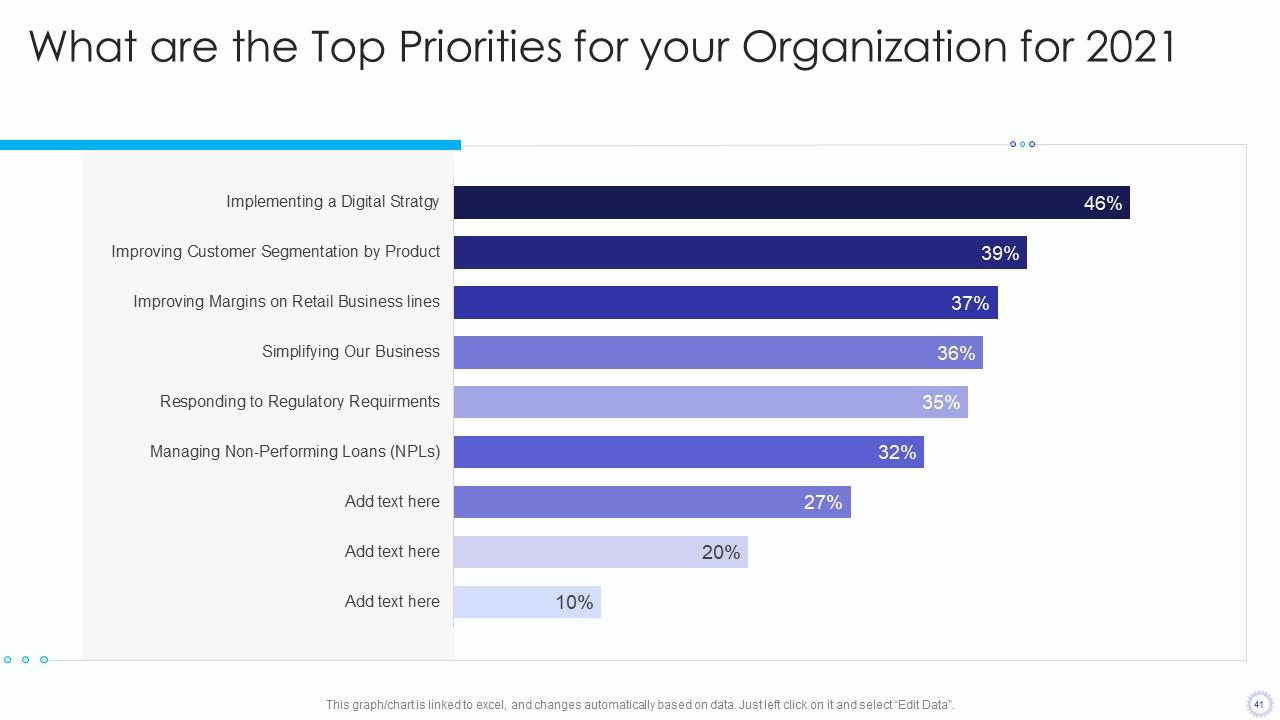
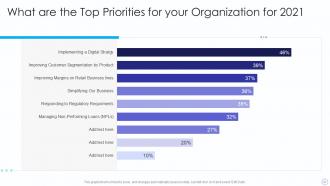
Diapositiva 41 : Esta diapositiva representa cuáles son las principales prioridades de su organización para 2021.
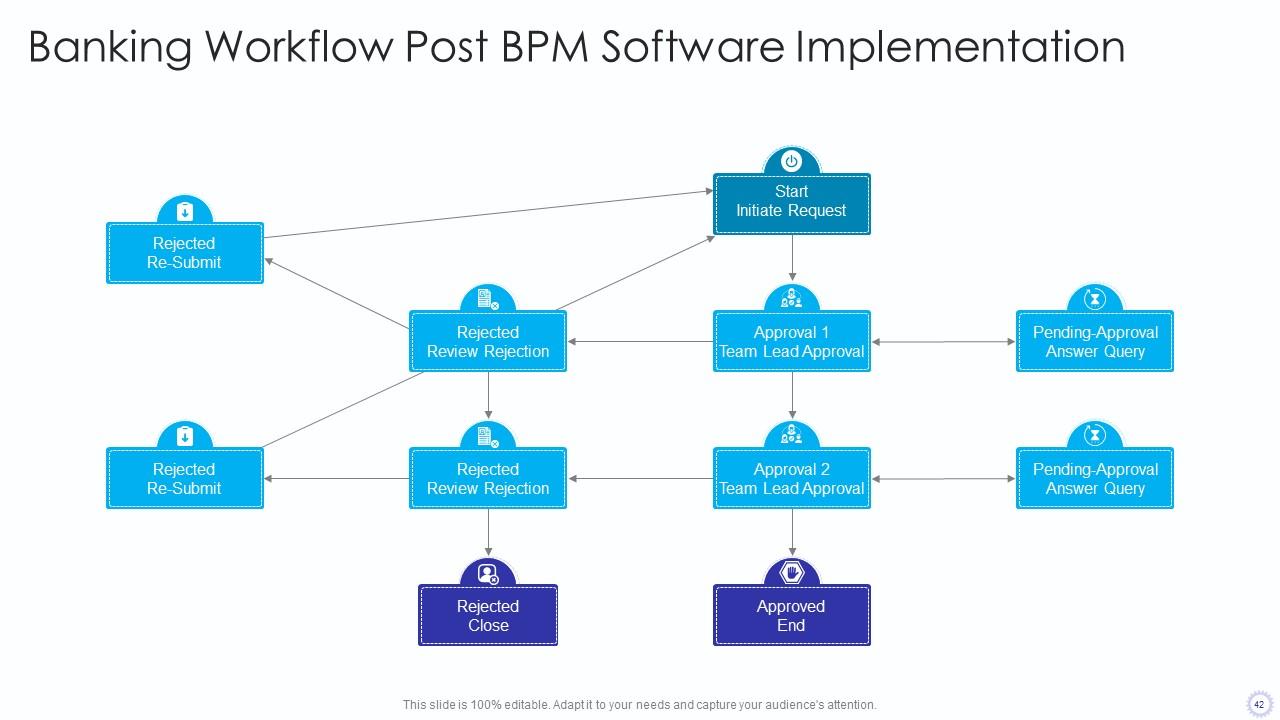
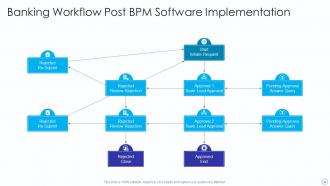
Diapositiva 42 : Esta diapositiva muestra la implementación del software BPM posterior al flujo de trabajo bancario.
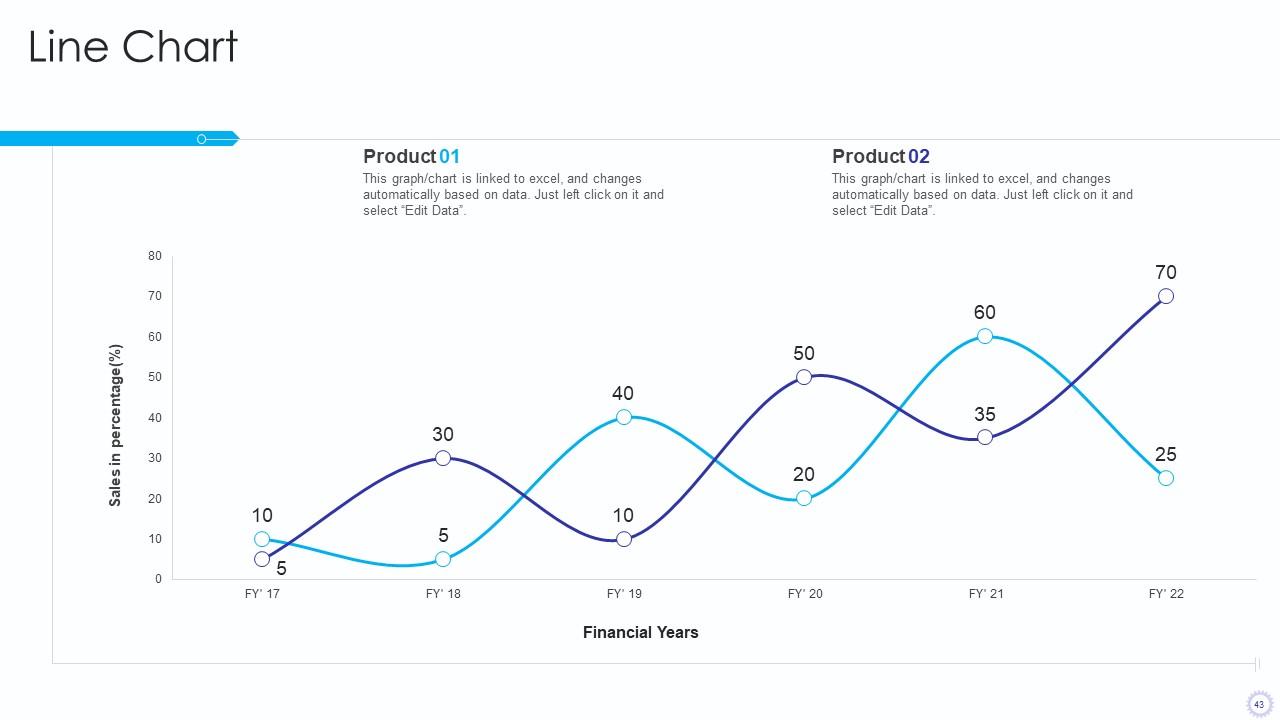
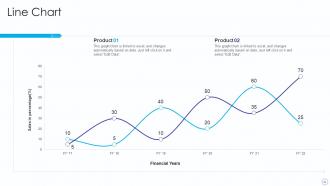
Diapositiva 43 : Esta diapositiva describe el gráfico de líneas con la comparación de dos productos.
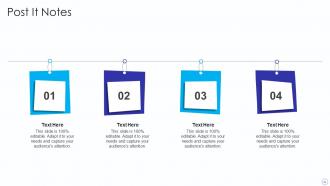
Diapositiva 44 : Esta diapositiva muestra Post-It Notes. Publique sus notas importantes aquí.
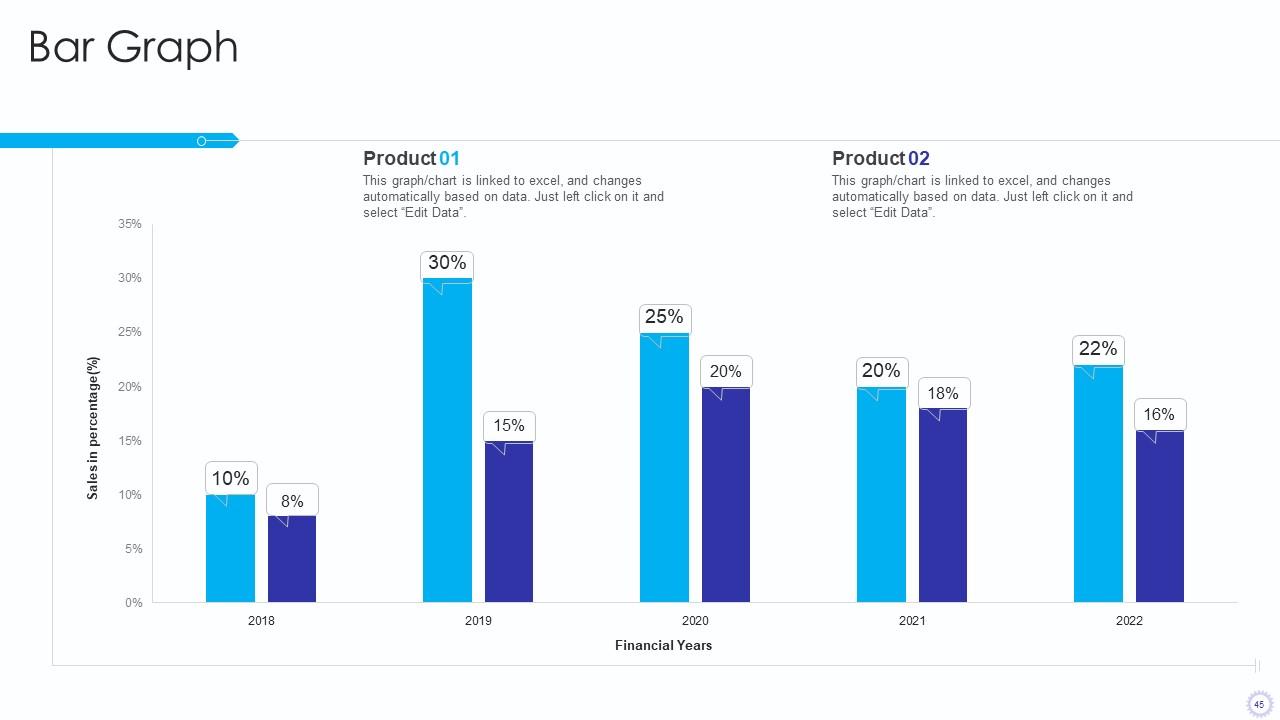
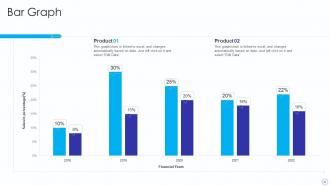
Diapositiva 45 : Esta diapositiva presenta un gráfico de barras con una comparación de dos productos.
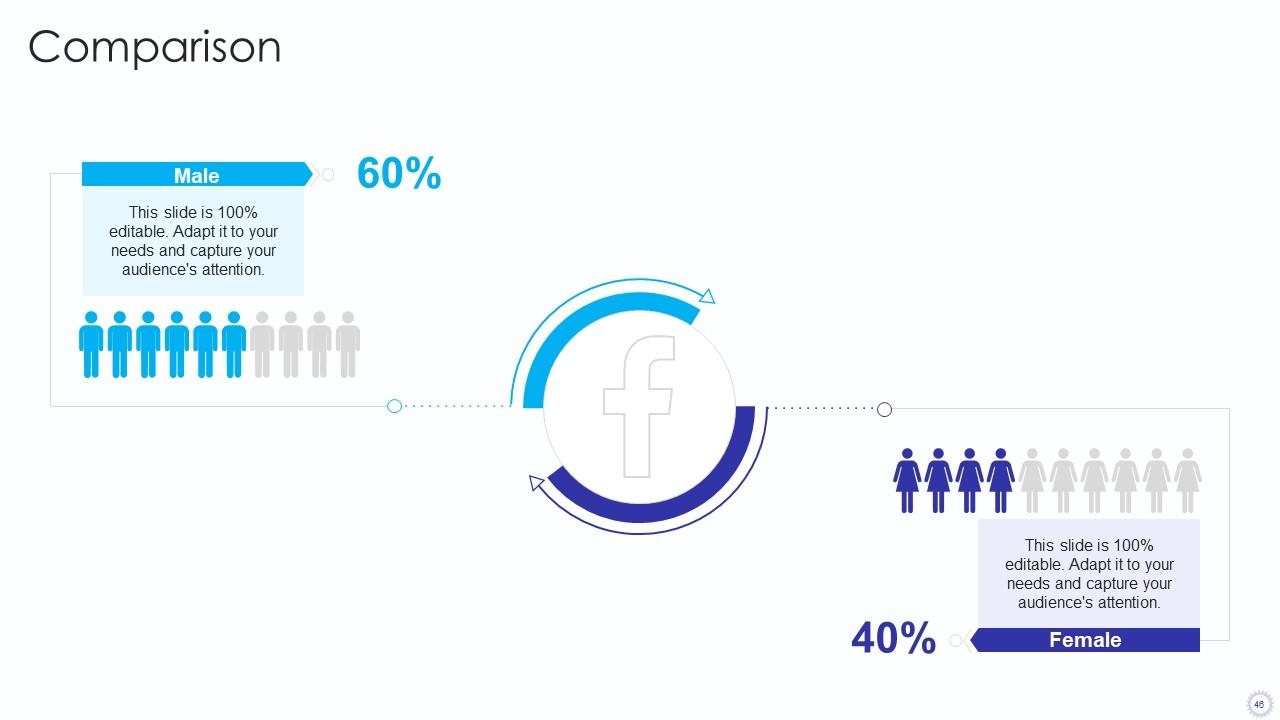
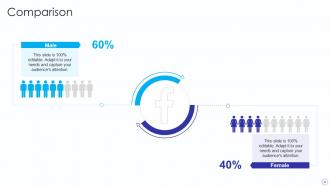
Diapositiva 46 : Esta es una diapositiva de comparación para establecer la comparación entre productos básicos, entidades, etc.
Diapositiva 47 : Esta es la diapositiva Nuestro objetivo. Indique sus objetivos aquí.
Diapositiva 48 : Esta diapositiva contiene Rompecabezas con íconos y texto relacionados.
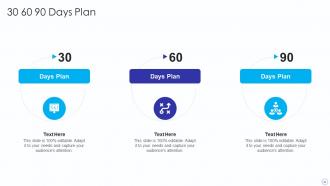
Diapositiva 49 : esta diapositiva proporciona un plan de 30 60 90 días con cuadros de texto.
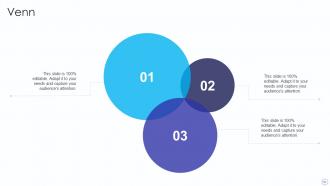
Diapositiva 50 : Esta diapositiva muestra el diagrama de Venn con cuadros de texto.
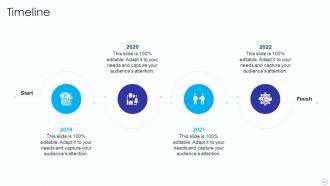
Diapositiva 51 : Esta es una diapositiva de la línea de tiempo. Mostrar datos relacionados con los intervalos de tiempo aquí.
Diapositiva 52 : Esta es una diapositiva de agradecimiento con dirección, números de contacto y dirección de correo electrónico.
Presentamos las diapositivas de presentación de Powerpoint de Metodología de gestión de procesos comerciales con las 57 diapositivas:
Utilice nuestras Diapositivas de presentación de PowerPoint de Introducción a la metodología de gestión de procesos de negocios para ayudarlo a ahorrar su valioso tiempo de manera efectiva. Están listos para encajar en cualquier estructura de presentación.
-
Informative presentations that are easily editable.
-
“Ample and amazing variety of templates available, really helpful for making professional PPT for day to day workings.”
