


Investir em Tecnologia e Inovação Apresentação em Powerpoint Slides
A tecnologia é considerada um componente essencial do sucesso organizacional. As empresas com acesso às tecnologias mais recentes têm pontos positivos entre seus concorrentes e podem atingir seus objetivos mais rapidamente. Para tornar as operações mais eficientes, as empresas estão investindo mais em tecnologias inovadoras. Confira nossa apresentação com design profissional sobre Investir em Tecnologia e Inovação. Ele auxiliará as organizações FinTech que desejam coletar informações sobre as últimas tendências tecnológicas e investir naquela adequada para seus negócios. Em primeiro lugar, as empresas podem usar seções, a saber, visão geral da indústria e visão geral do mercado dos EUA, para abordar informações críticas sobre as tecnologias mais recentes nos níveis global e doméstico. Seções, ou seja, investir em novas tecnologias, como a tecnologia transformará o futuro do trabalho e jornada contínua do cliente ajudará a organização a fornecer informações detalhadas sobre a abordagem de investimento em TI, estado atual versus futuro do funcionário trabalhando após a adoção da tecnologia, jornada contínua do cliente mapa, etc. Por fim, com pontos de contato de medição de desempenho e painéis de KPI, as organizações podem monitorar e medir o impacto da adoção de tecnologia em seus negócios. Obtenha acesso a este poderoso modelo agora.






























-

- Google Slides is a new FREE Presentation software from Google.
- All our content is 100% compatible with Google Slides.
- Just download our designs, and upload them to Google Slides and they will work automatically.
- Amaze your audience with SlideTeam and Google Slides.
-

Want Changes to This PPT Slide? Check out our Presentation Design Services
-

- WideScreen Aspect ratio is becoming a very popular format. When you download this product, the downloaded ZIP will contain this product in both standard and widescreen format.
-

- Some older products that we have may only be in standard format, but they can easily be converted to widescreen.
- To do this, please open the SlideTeam product in Powerpoint, and go to
- Design ( On the top bar) -> Page Setup -> and select "On-screen Show (16:9)” in the drop down for "Slides Sized for".
- The slide or theme will change to widescreen, and all graphics will adjust automatically. You can similarly convert our content to any other desired screen aspect ratio.
Compatible With Google Slides

Get This In WideScreen
You must be logged in to download this presentation.


Do you want to remove this product from your favourites?
Recursos desses slides de apresentação do PowerPoint:
Encante seu público com esses slides de apresentação em Powerpoint de investimento em tecnologia e inovação. Aumente seu limite de apresentação implantando este modelo bem elaborado. Atua como uma ótima ferramenta de comunicação devido ao seu conteúdo bem pesquisado. Ele também contém ícones estilizados, gráficos, recursos visuais etc, que o tornam um chamariz imediato de atenção. Composto por cinquenta e sete slides, este baralho completo é tudo que você precisa para ser notado. Todos os slides e seu conteúdo podem ser alterados para se adequarem à sua configuração de negócios exclusiva. Além disso, outros componentes e gráficos também podem ser modificados para adicionar toques pessoais a este conjunto pré-fabricado.

People who downloaded this PowerPoint presentation also viewed the following :
Conteúdo desta apresentação em PowerPoint
Slide 1 : Este slide apresenta o Investimento em Tecnologia e Inovação. Indique o nome da sua empresa e comece.
Slide 2 : Este slide mostra a Agenda da apresentação.
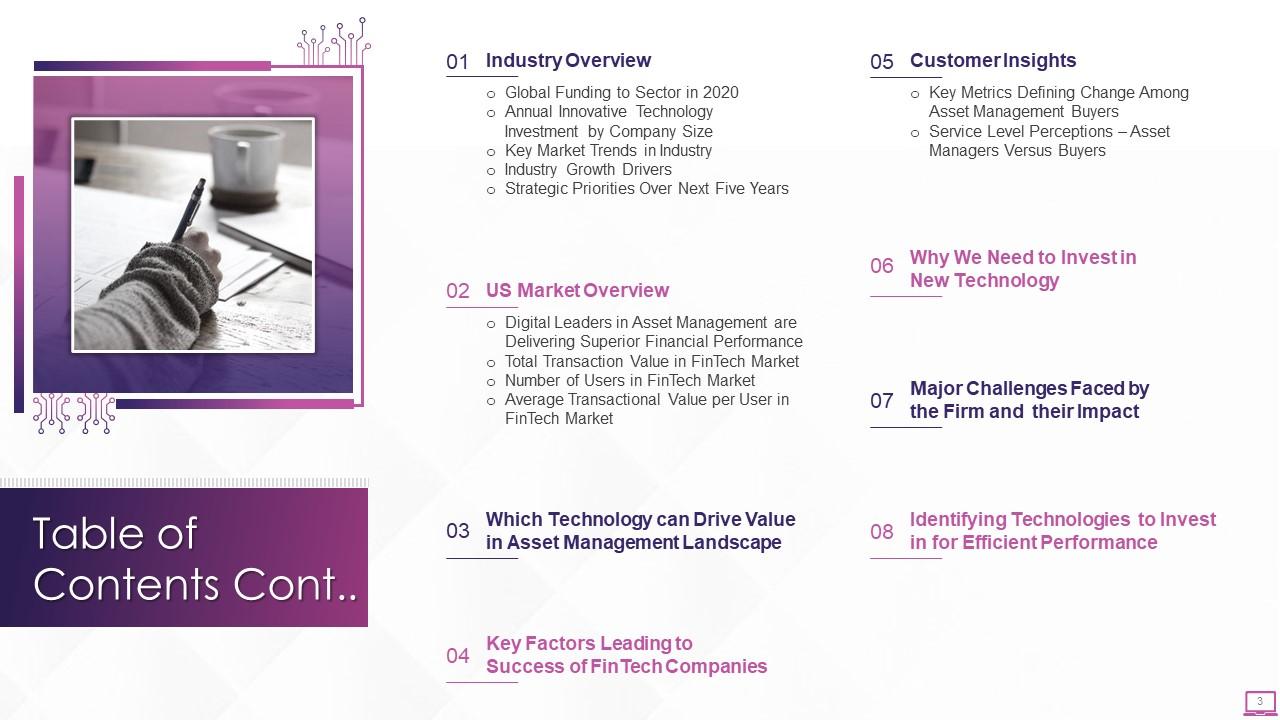
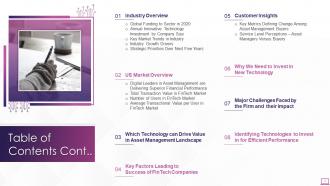
Slide 3 : Este slide apresenta o Índice da apresentação.
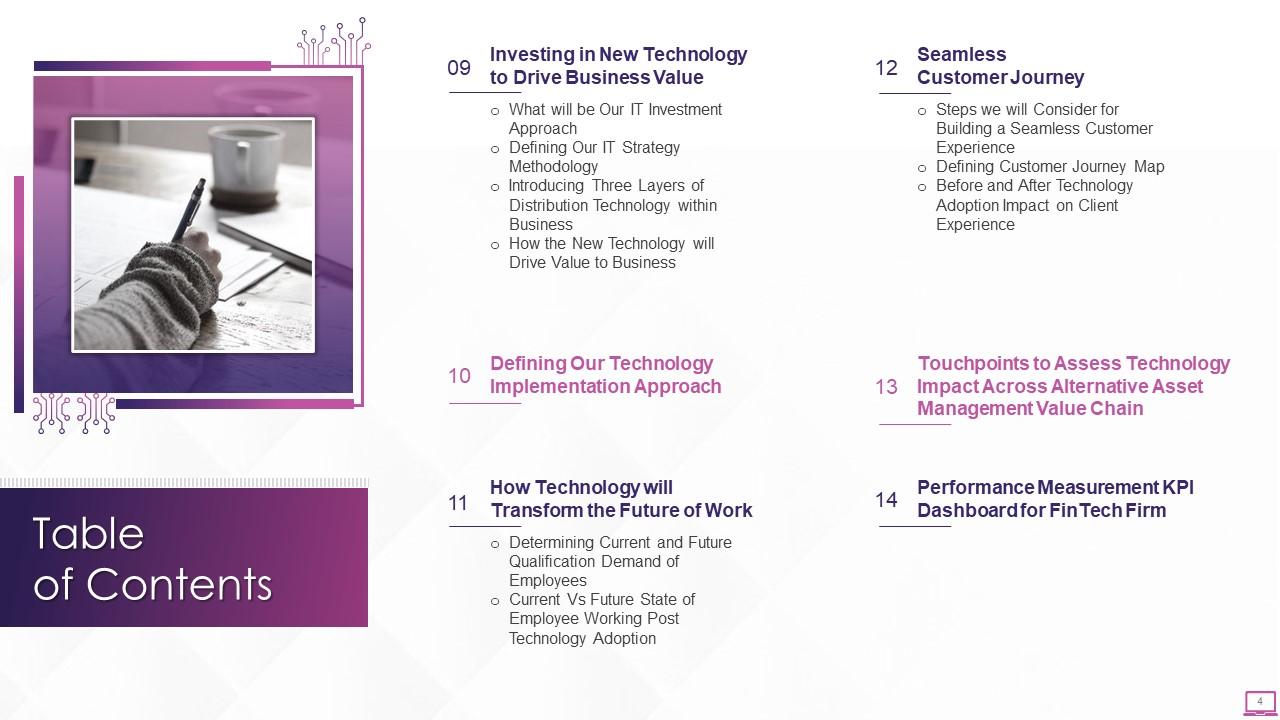
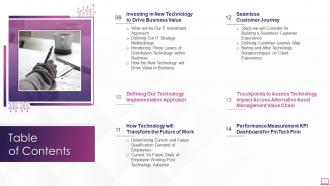
Slide 4 : Este é outro slide que continua o Índice da apresentação.
Slide 5 : Este slide destaca o título dos tópicos que serão abordados a seguir no modelo.
Slide 6 : Este slide mostra o mapa mundial que ilustra as estatísticas de financiamento por país no setor de FinTech para o ano de 2020.
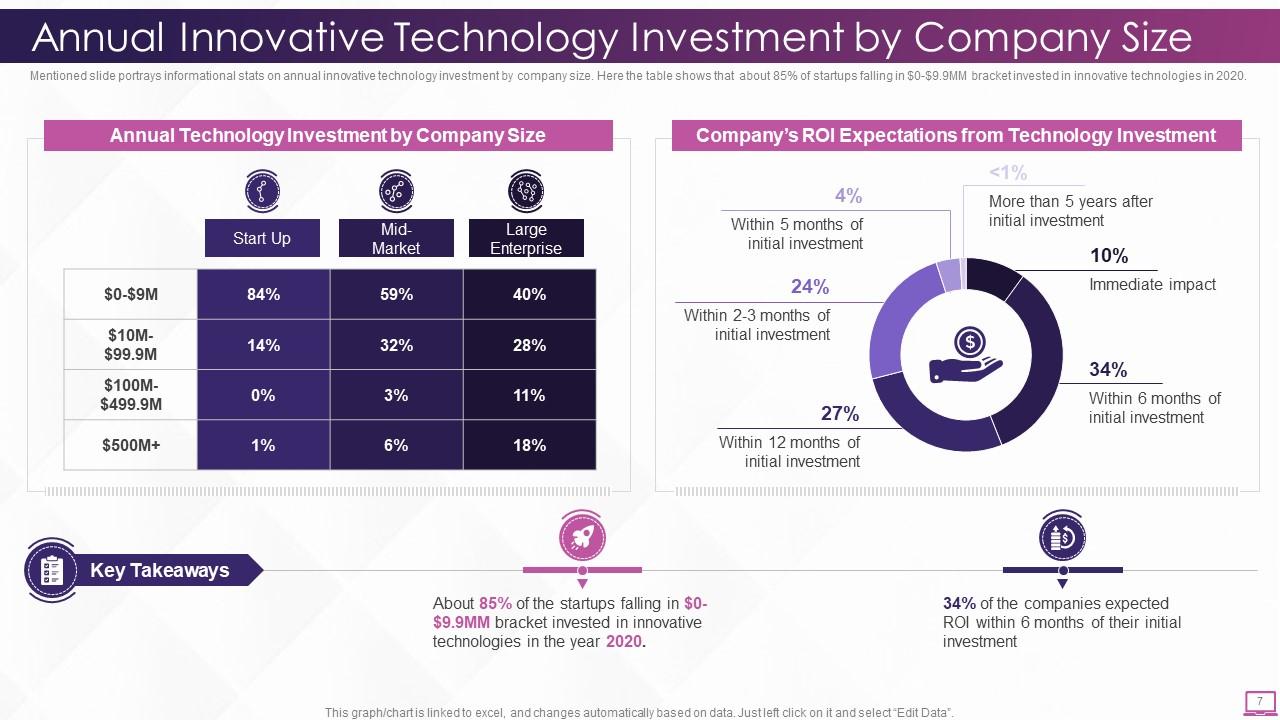
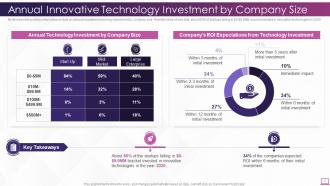
Slide 7 : Este slide apresenta o Investimento Anual em Tecnologia Inovadora por Tamanho da Empresa.
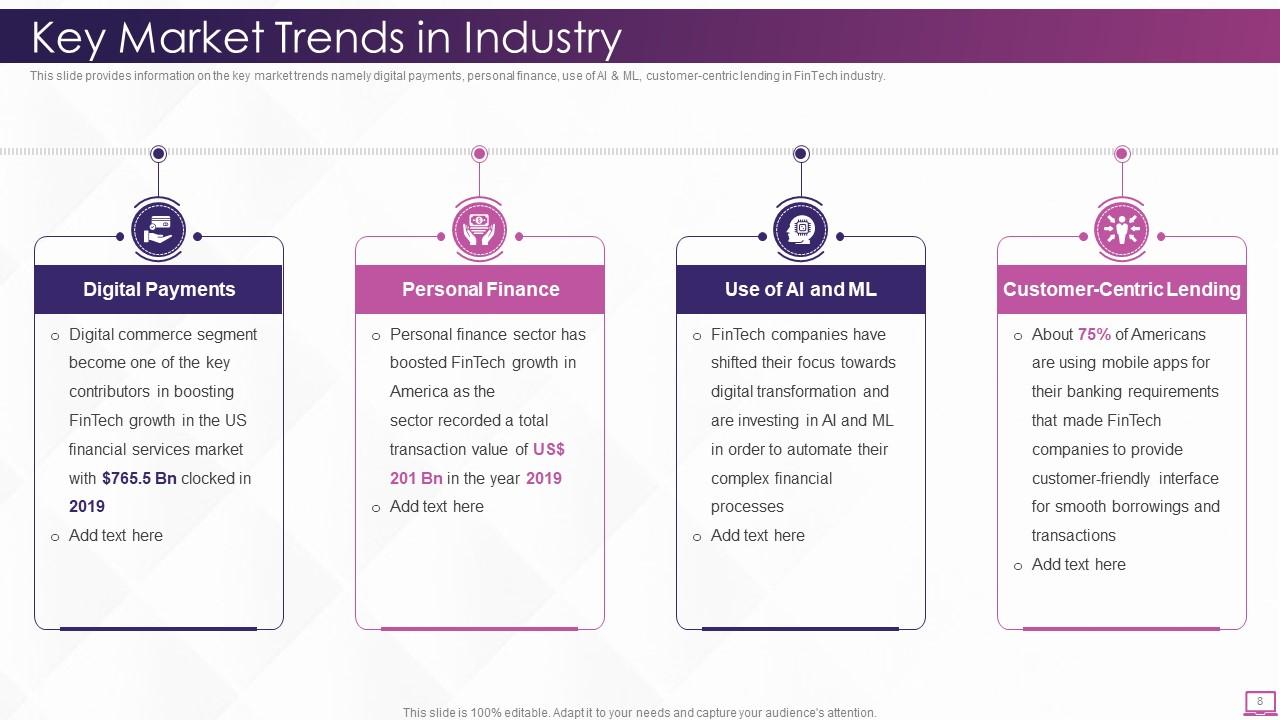
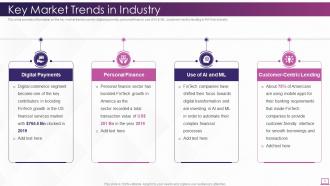
Slide 8 : Este slide fornece informações sobre as principais tendências do mercado, como pagamentos digitais, finanças pessoais, etc.
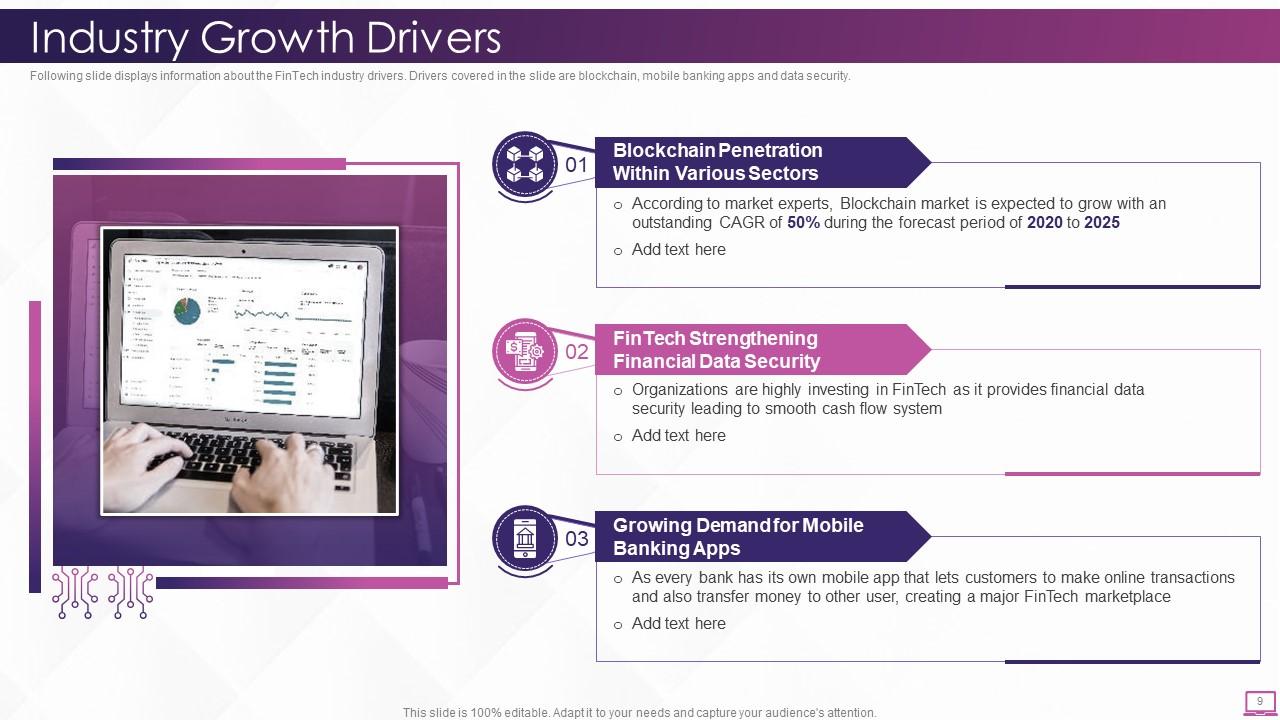
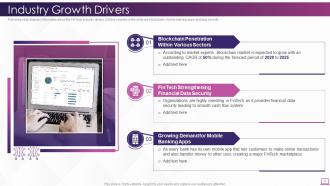
Slide 9 : O slide a seguir exibe informações sobre os drivers do setor de FinTech.
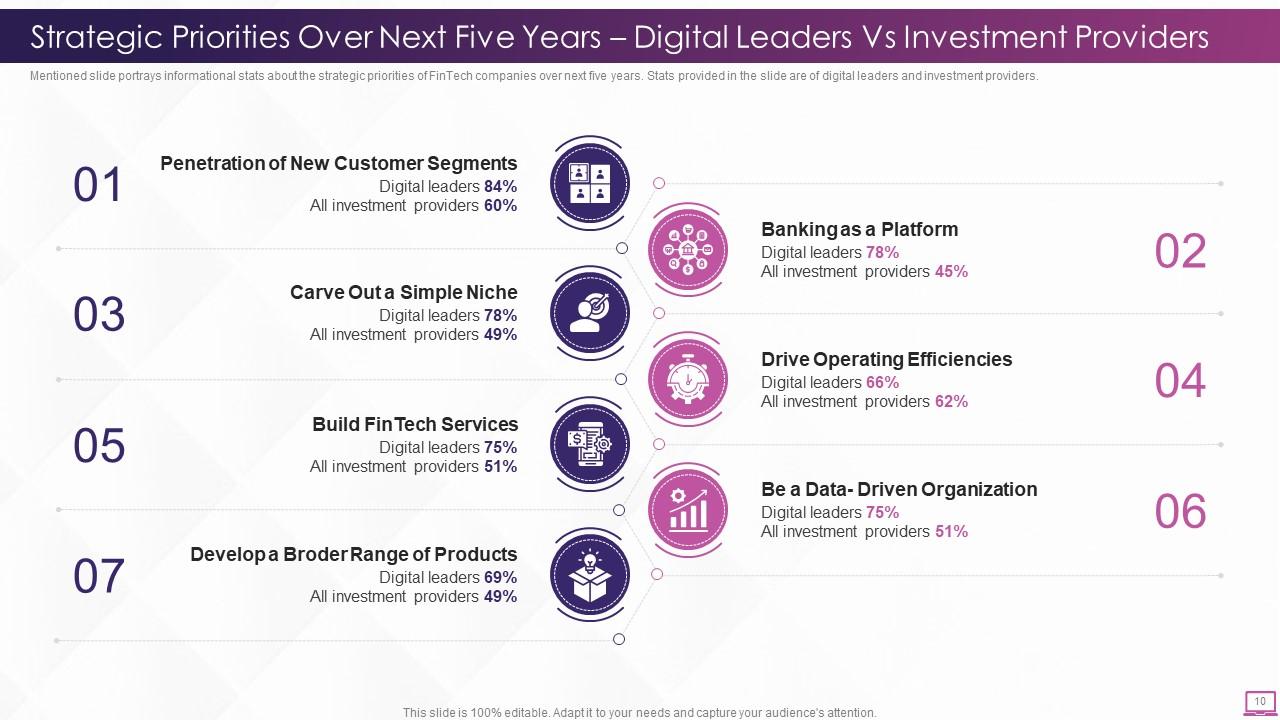
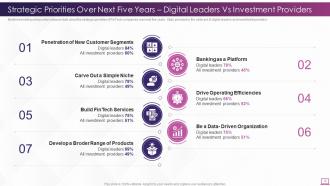
Slide 10 : Este slide representa estatísticas sobre as prioridades estratégicas das empresas FinTech nos próximos cinco anos.
Slide 11 : Este slide destaca o título dos tópicos que serão abordados a seguir no modelo.
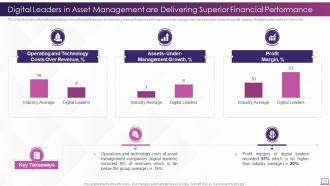
Slide 12 : Este slide ilustra estatísticas informativas sobre como os líderes digitais estão apresentando desempenho financeiro superior na gestão de ativos.
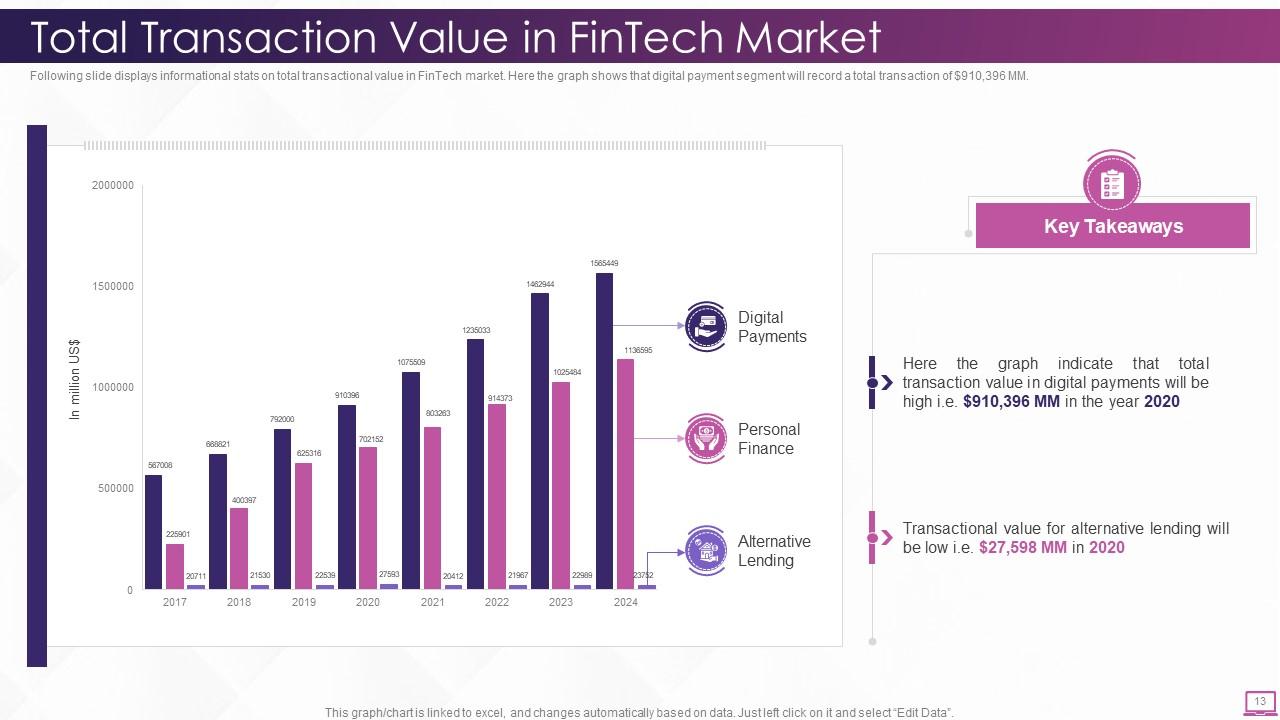
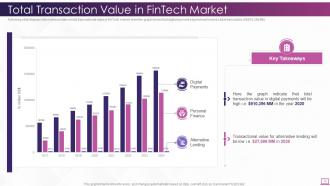
Slide 13 : Este slide mostra o Valor Total da Transação no Mercado FinTech.
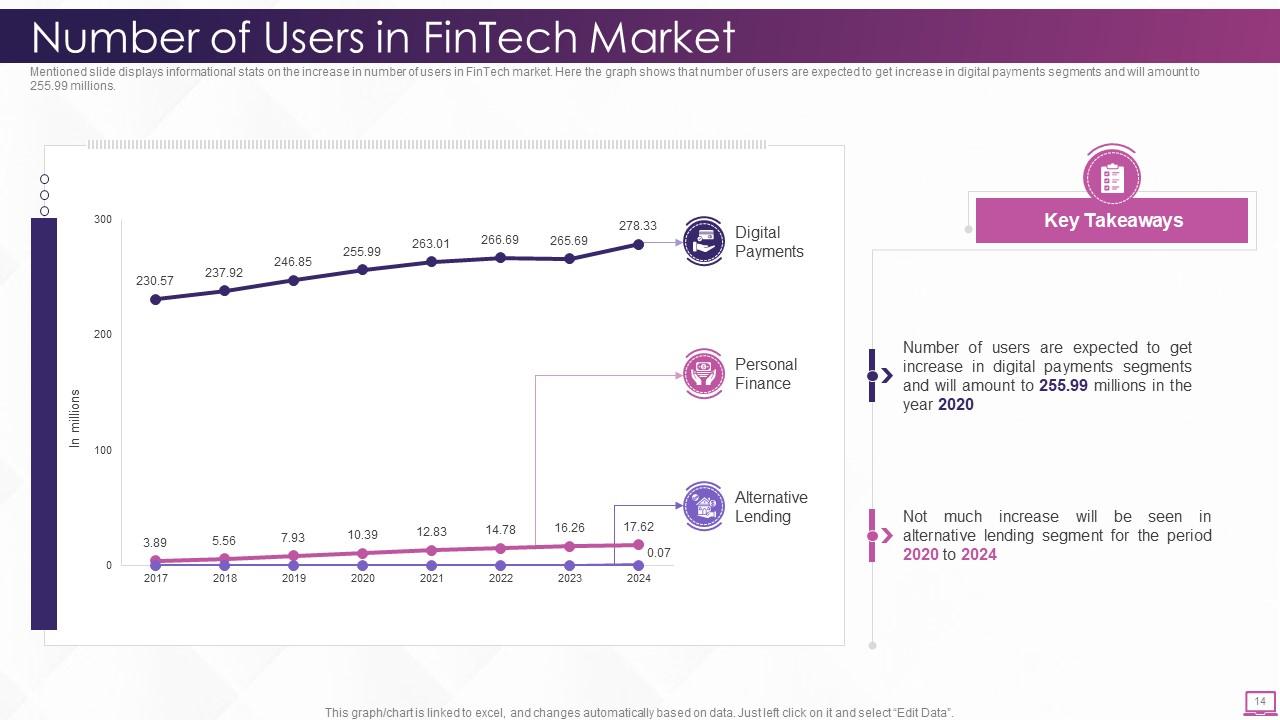
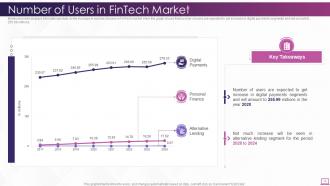
Slide 14 : Este slide representa o Número de Usuários no Mercado FinTech.
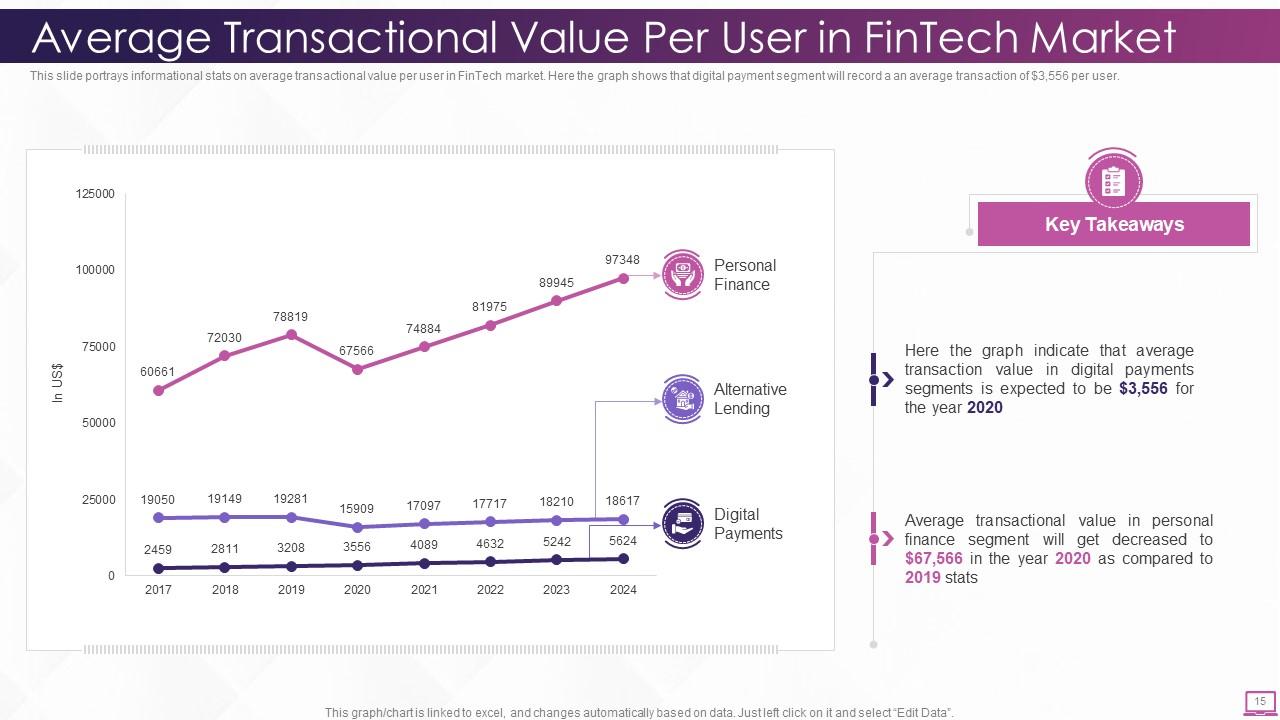
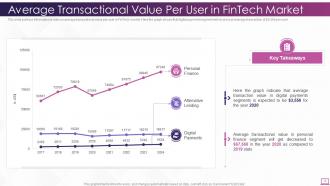
Slide 15 : Este slide mostra o Valor Transacional Médio por Usuário no Mercado FinTech.
Slide 16 : Este slide destaca o título dos tópicos que serão abordados a seguir no modelo.
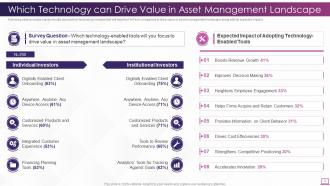
Slide 17 : Este slide mostra qual tecnologia pode gerar valor no cenário de gerenciamento de ativos.
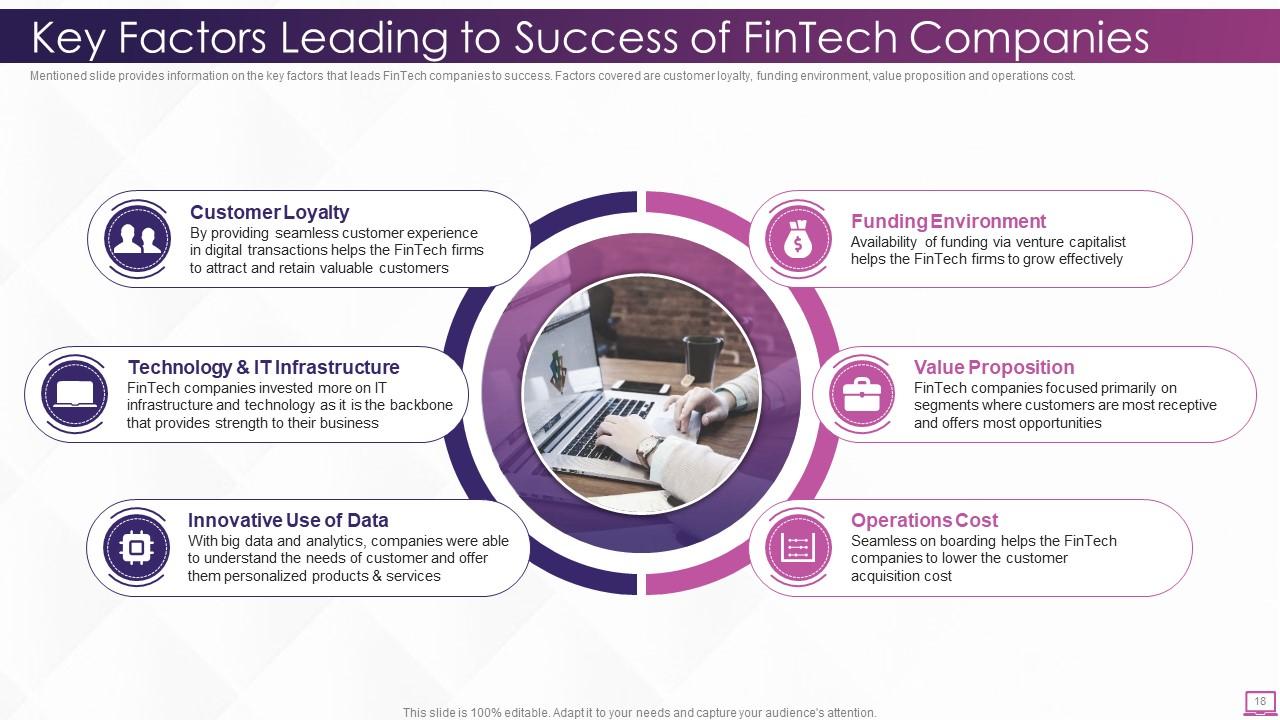
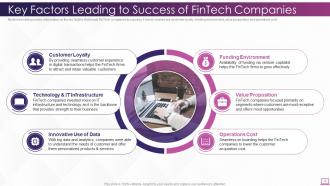
Slide 18 : Este slide apresenta os principais fatores que levam ao sucesso das empresas FinTech.
Slide 19 : Este slide destaca o título dos tópicos que serão abordados a seguir no modelo.
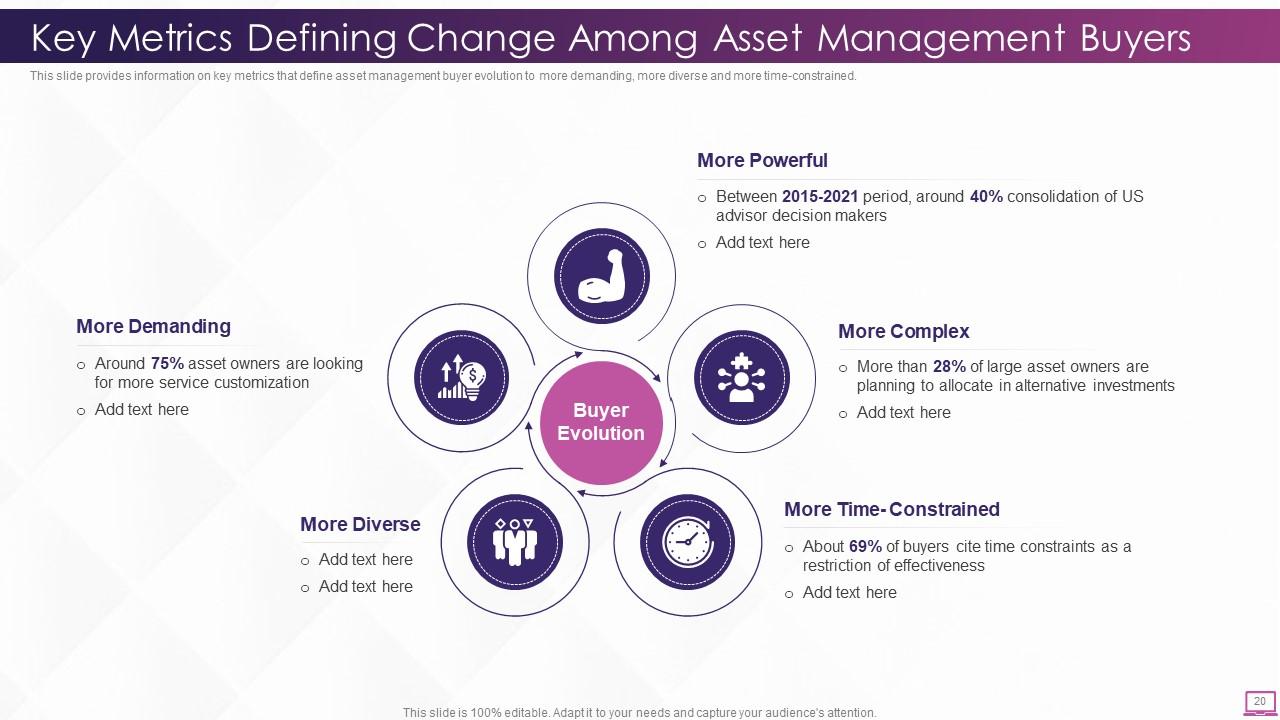
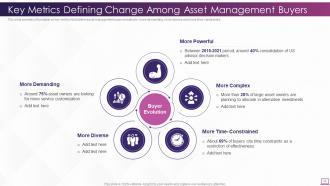
Slide 20 : Este slide exibe as principais métricas que definem a mudança entre os compradores de gestão de ativos.
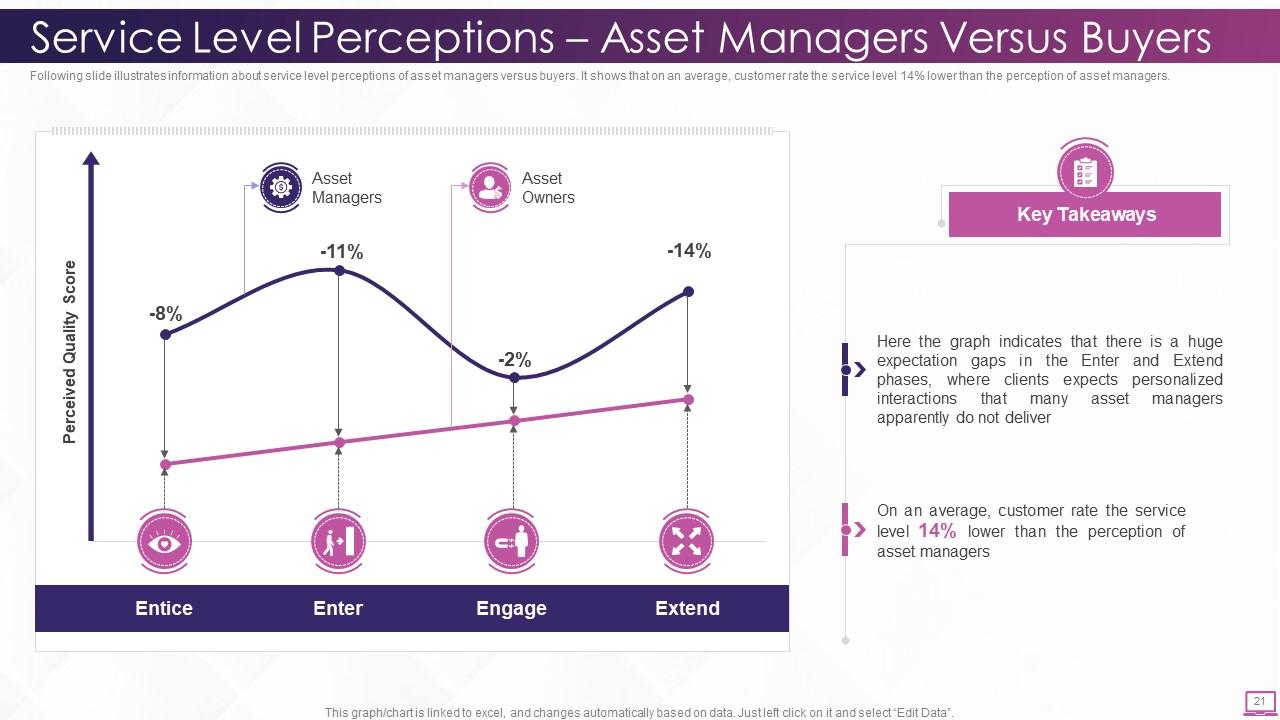
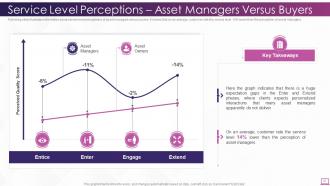
Slide 21 : Este slide representa as percepções de nível de serviço dos gestores de ativos versus compradores.
Slide 22 : Este slide destaca o título dos tópicos que serão abordados a seguir no modelo.
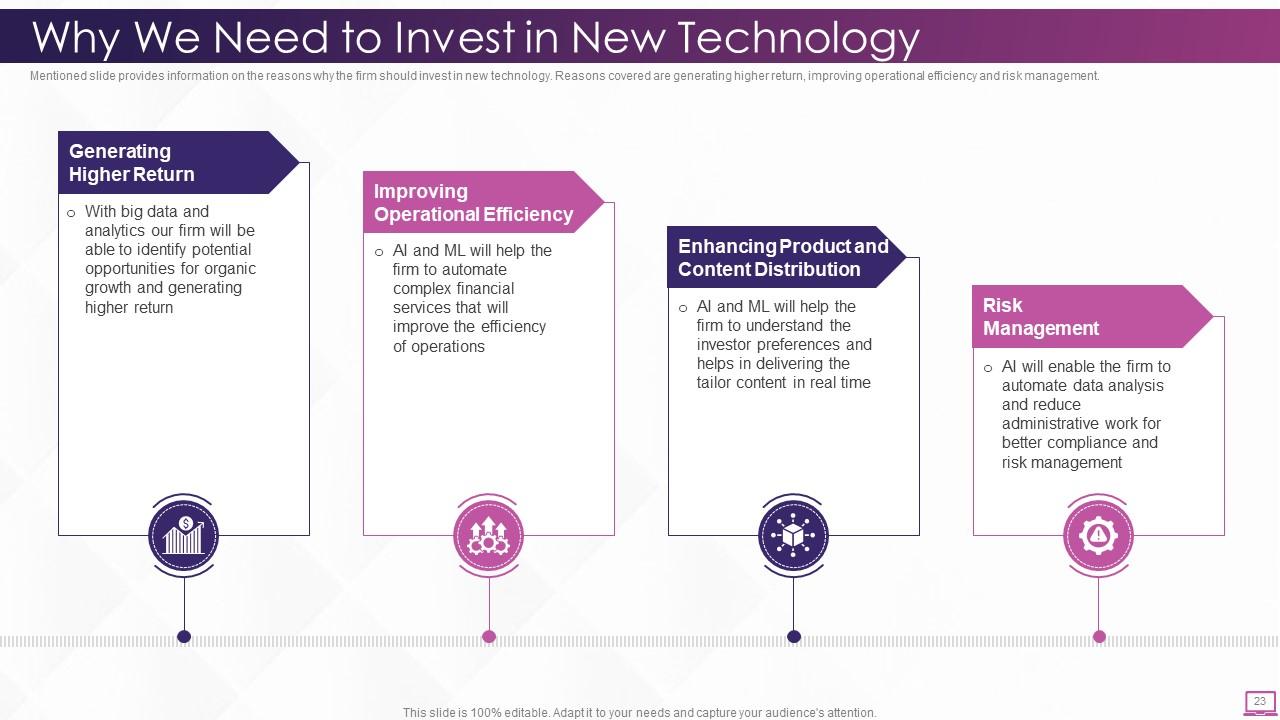
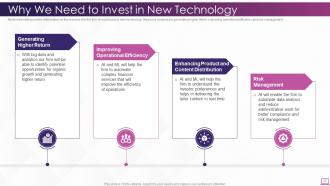
Slide 23 : Este slide mostra os motivos pelos quais a empresa deve investir em novas tecnologias.
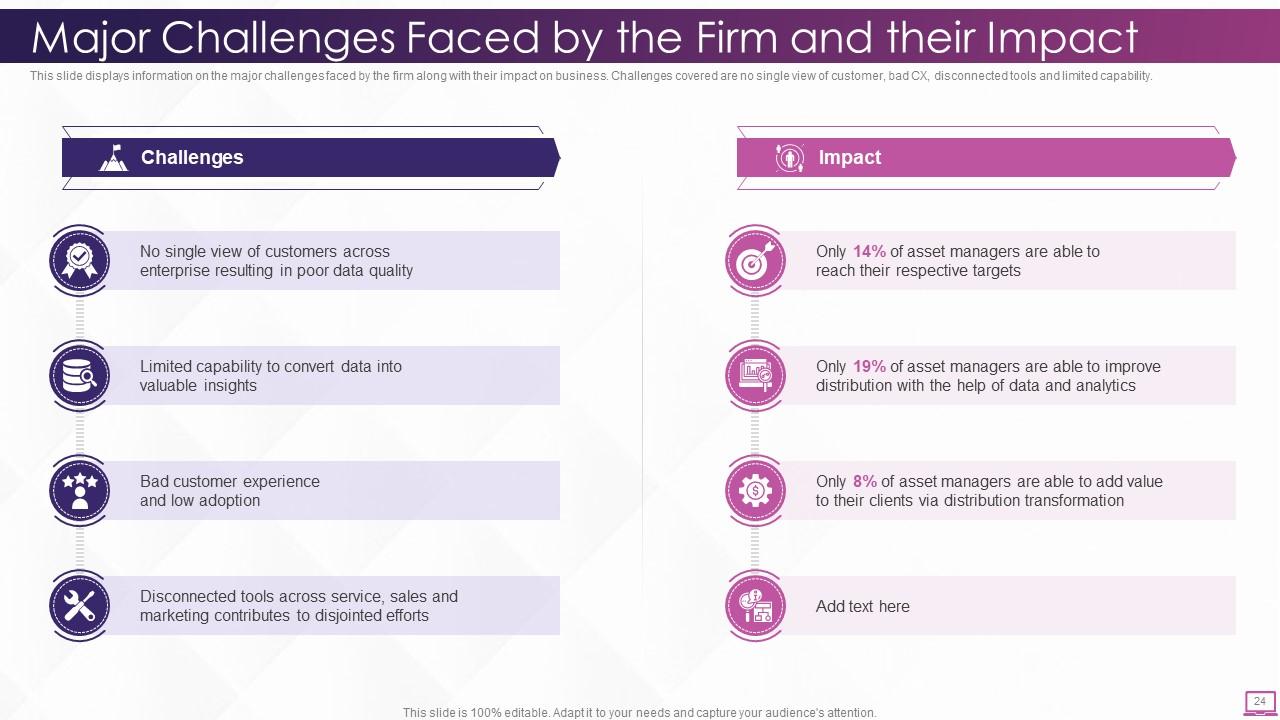
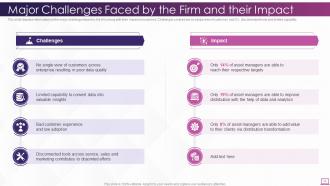
Slide 24 : Este slide mostra os principais desafios enfrentados pela empresa e seu impacto.
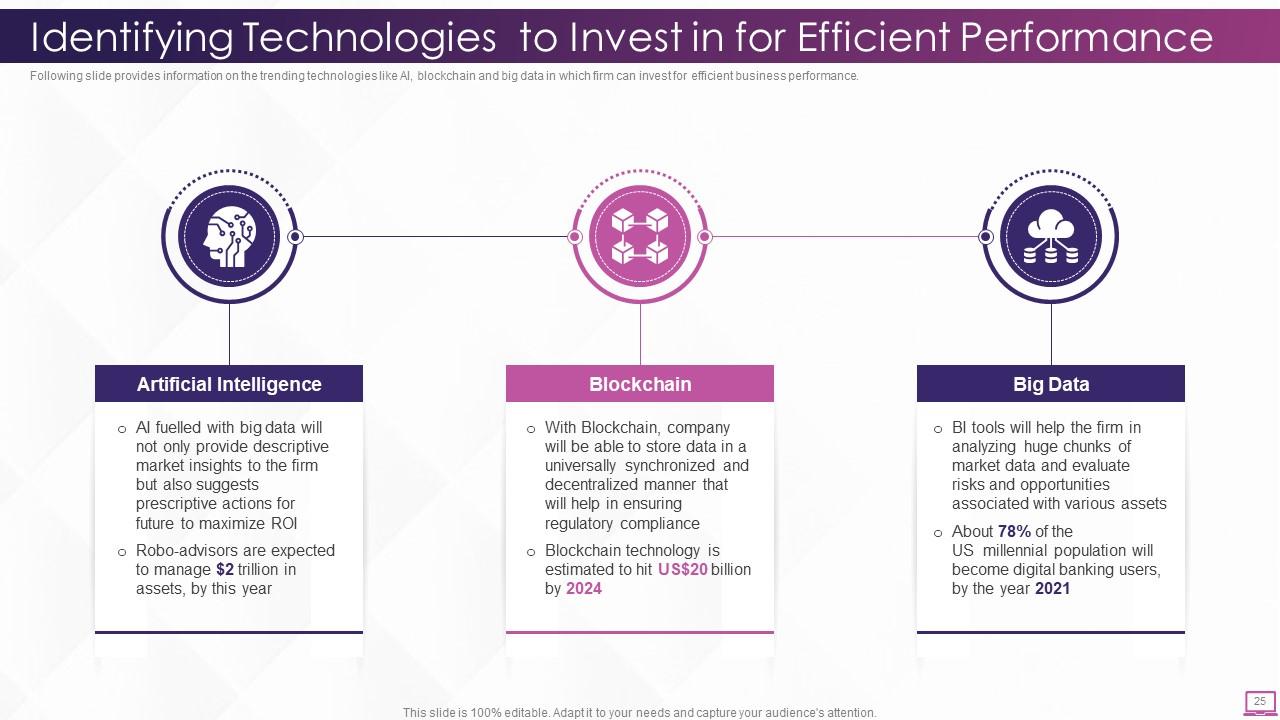
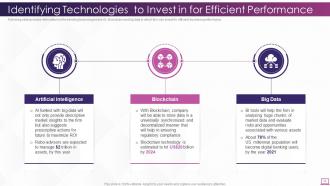
Slide 25 : Este slide mostra a Identificação de Tecnologias para Investir para um Desempenho Eficiente.
Slide 26 : Este slide destaca o título dos tópicos que serão abordados a seguir no modelo.
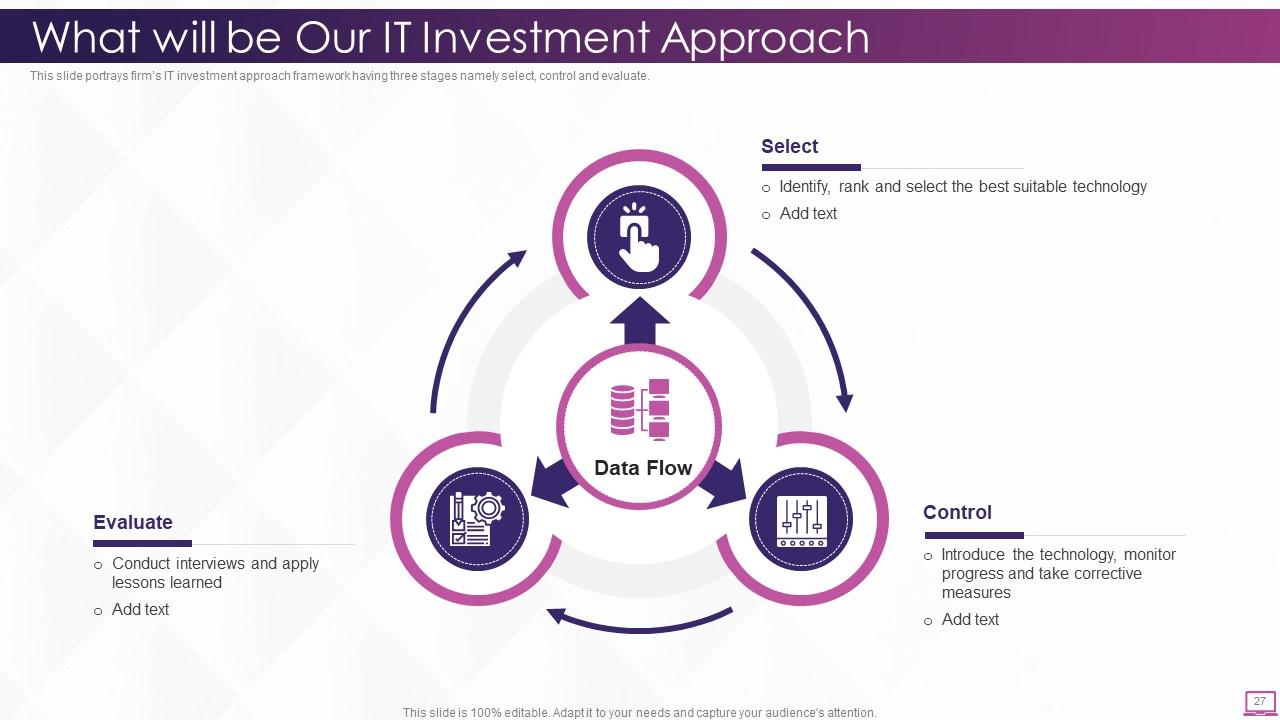
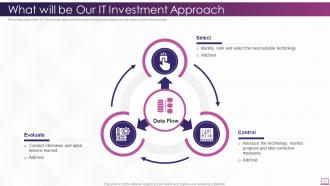
Slide 27 : Este slide retrata a estrutura de abordagem de investimento em TI da empresa com três estágios: selecionar, controlar e avaliar.
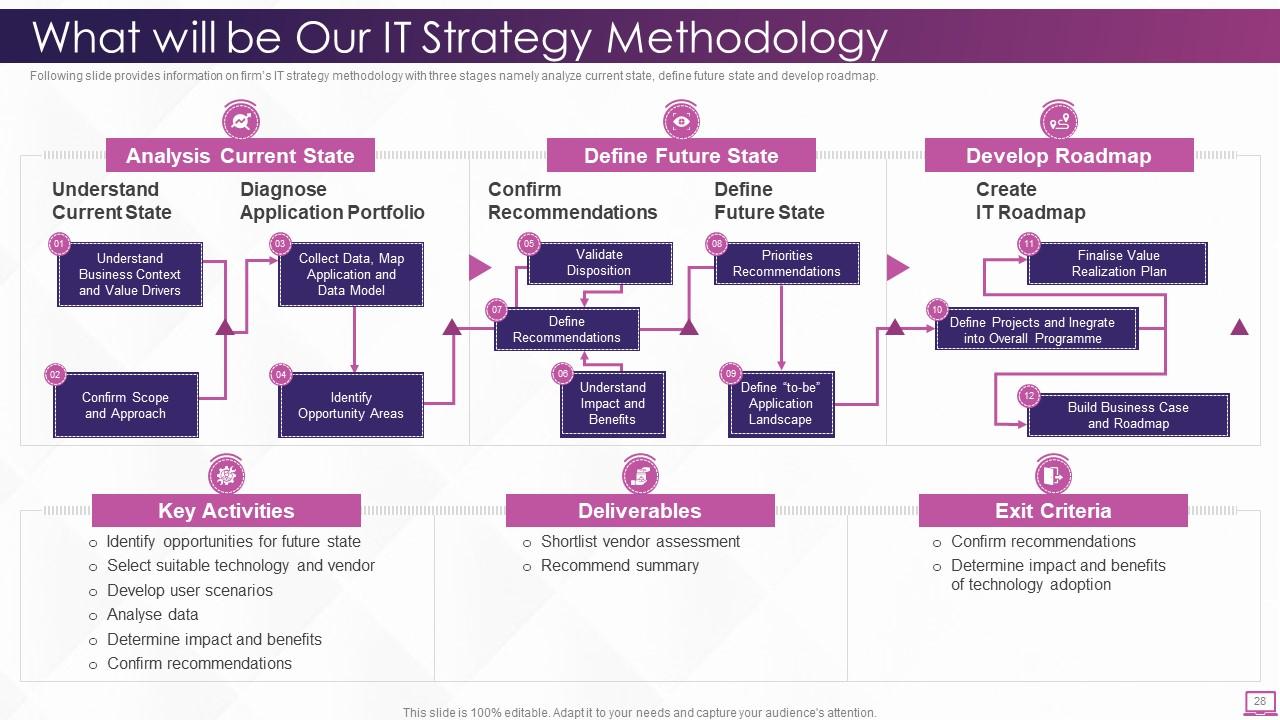
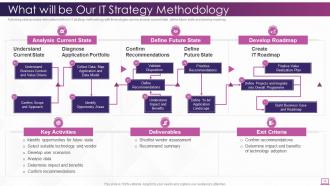
Slide 28 : O slide a seguir fornece informações sobre a metodologia de estratégia de TI da empresa.
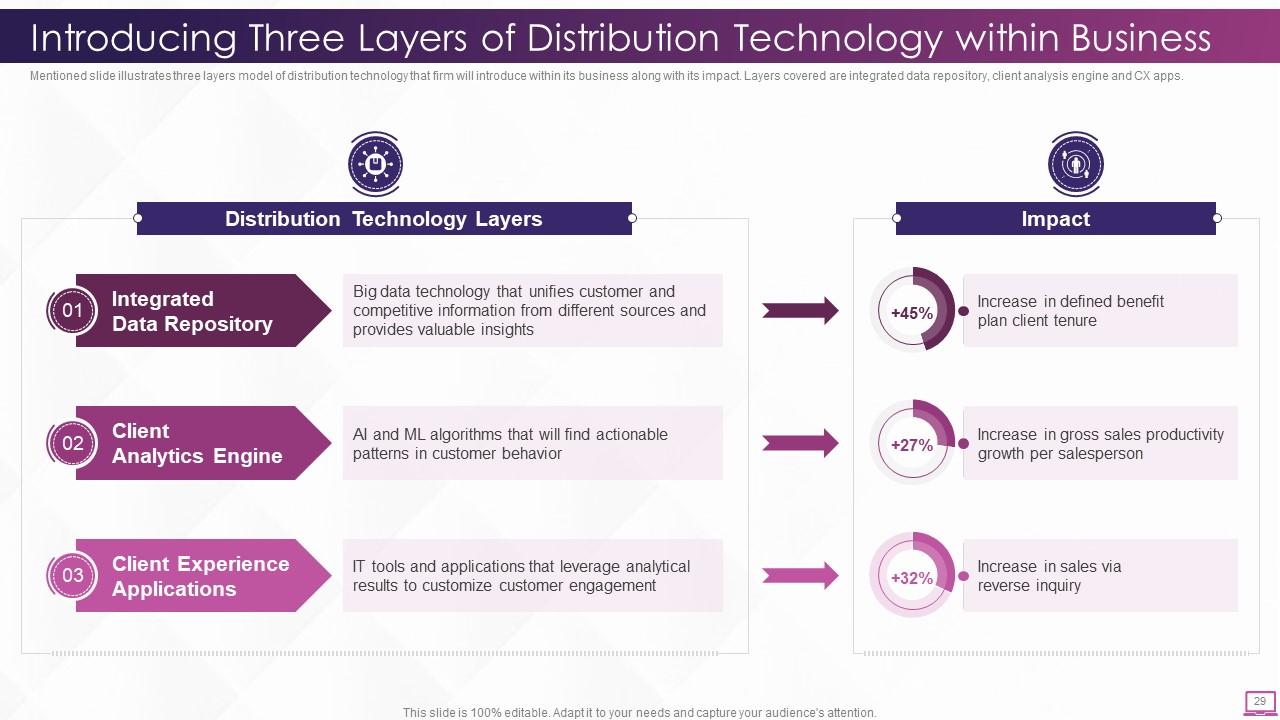
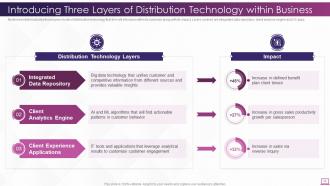
Slide 29 : Este slide apresenta a introdução de três camadas de tecnologia de distribuição nos negócios.
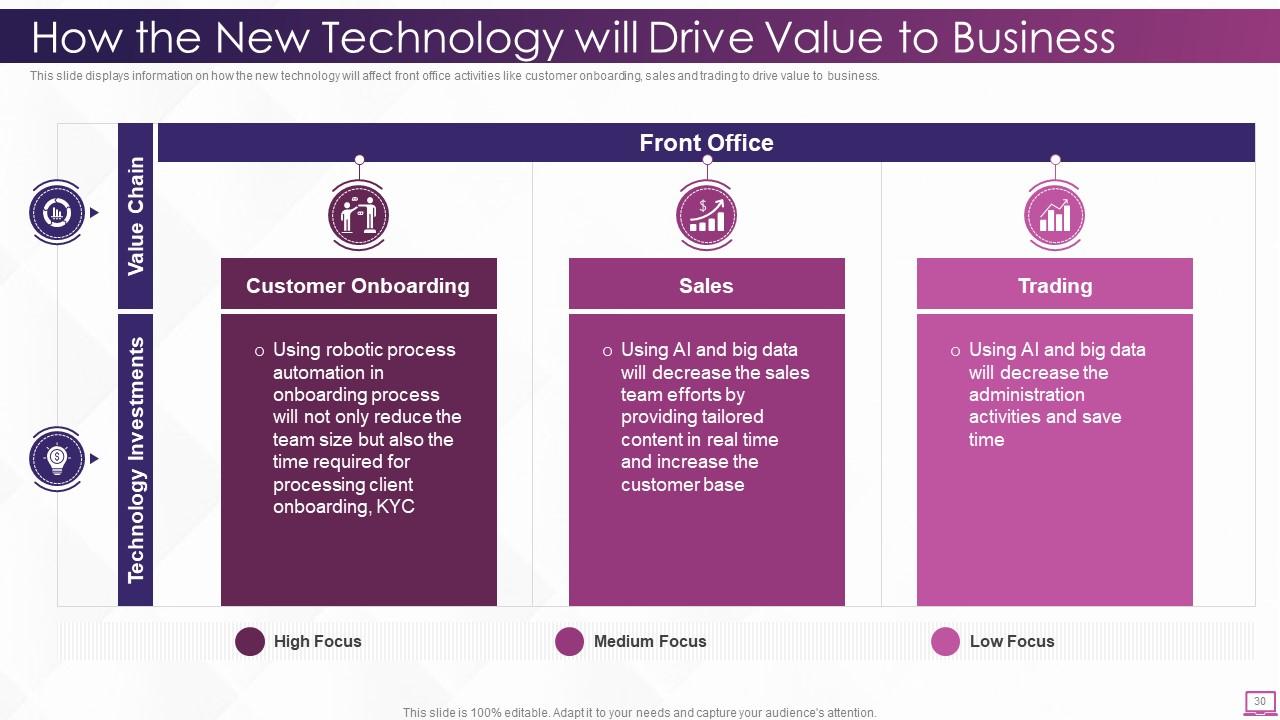
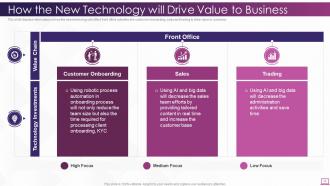
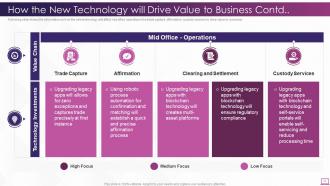
Slide 30 : Este slide mostra como a nova tecnologia agregará valor aos negócios.
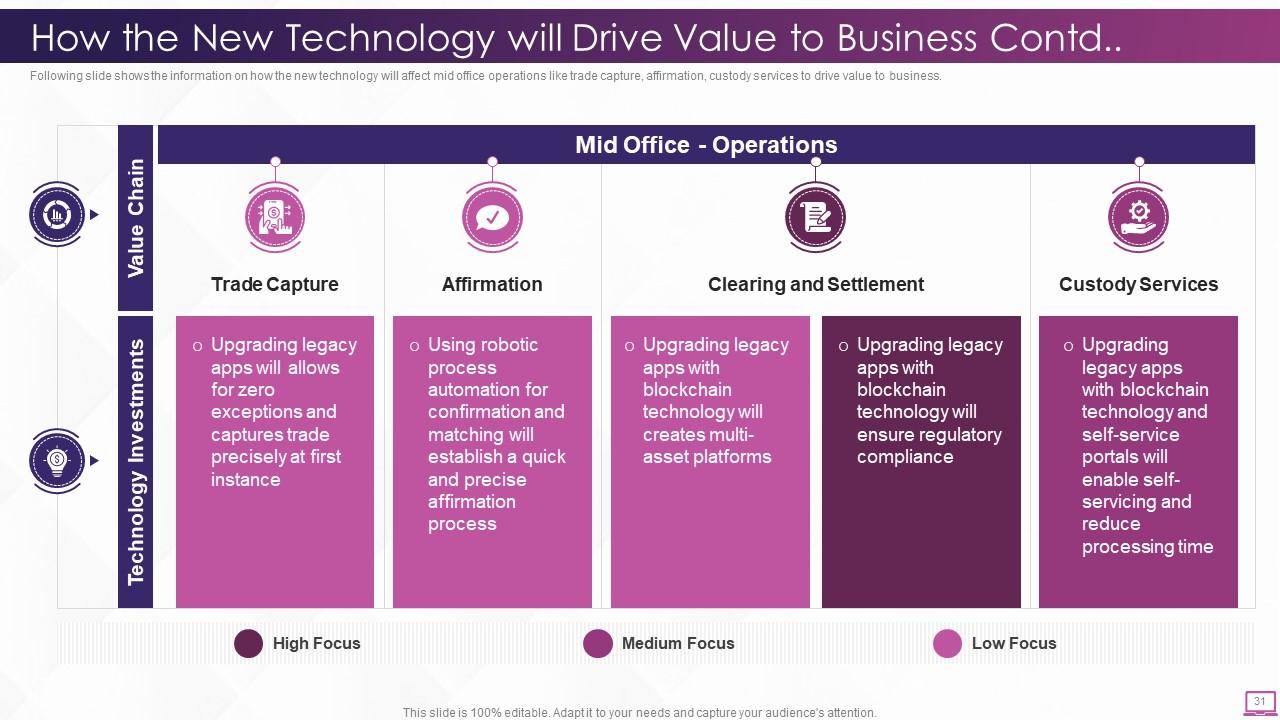
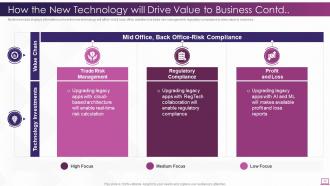
Slide 31 : Este é outro slide continuando Como a Nova Tecnologia Agregará Valor aos Negócios.
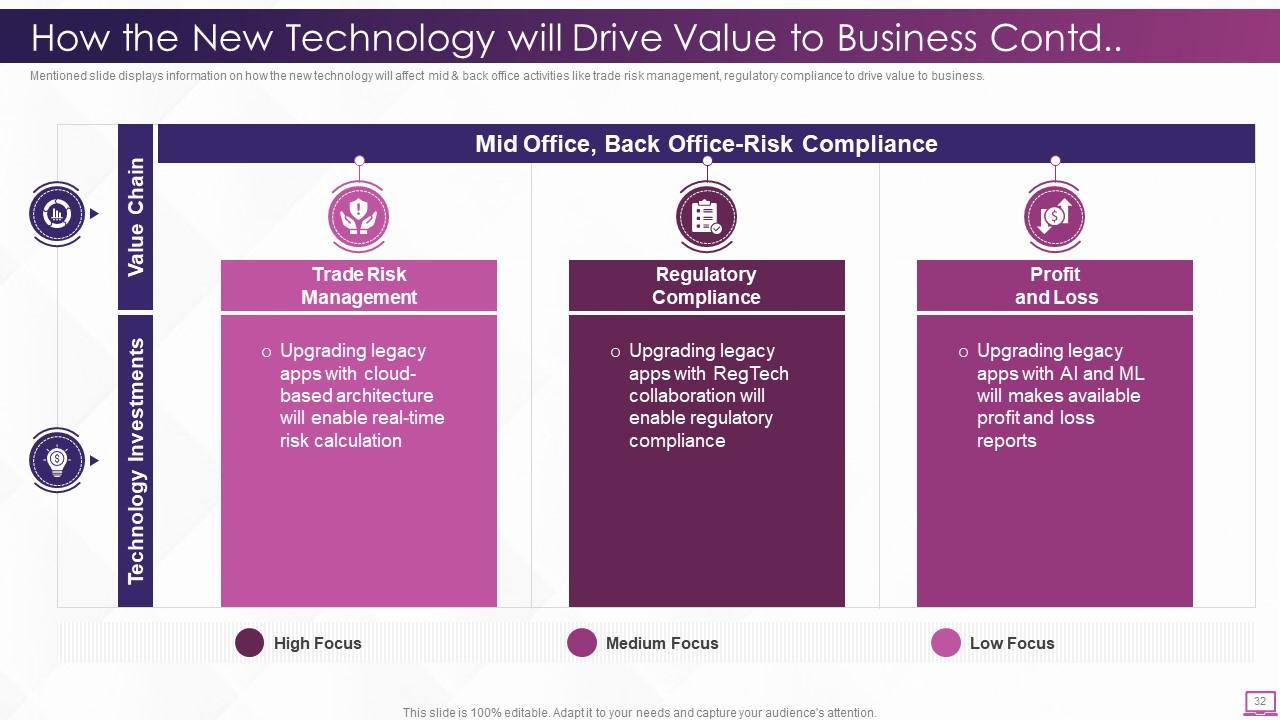
Slide 32 : Este é outro slide continuando Como a Nova Tecnologia Agregará Valor aos Negócios.
Slide 33 : Este slide destaca o título dos tópicos que serão abordados a seguir no modelo.
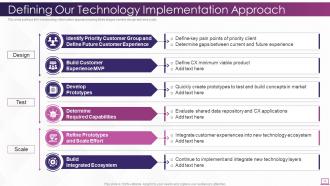
Slide 34 : Este slide representa Definindo Nossa Abordagem de Implementação de Tecnologia.
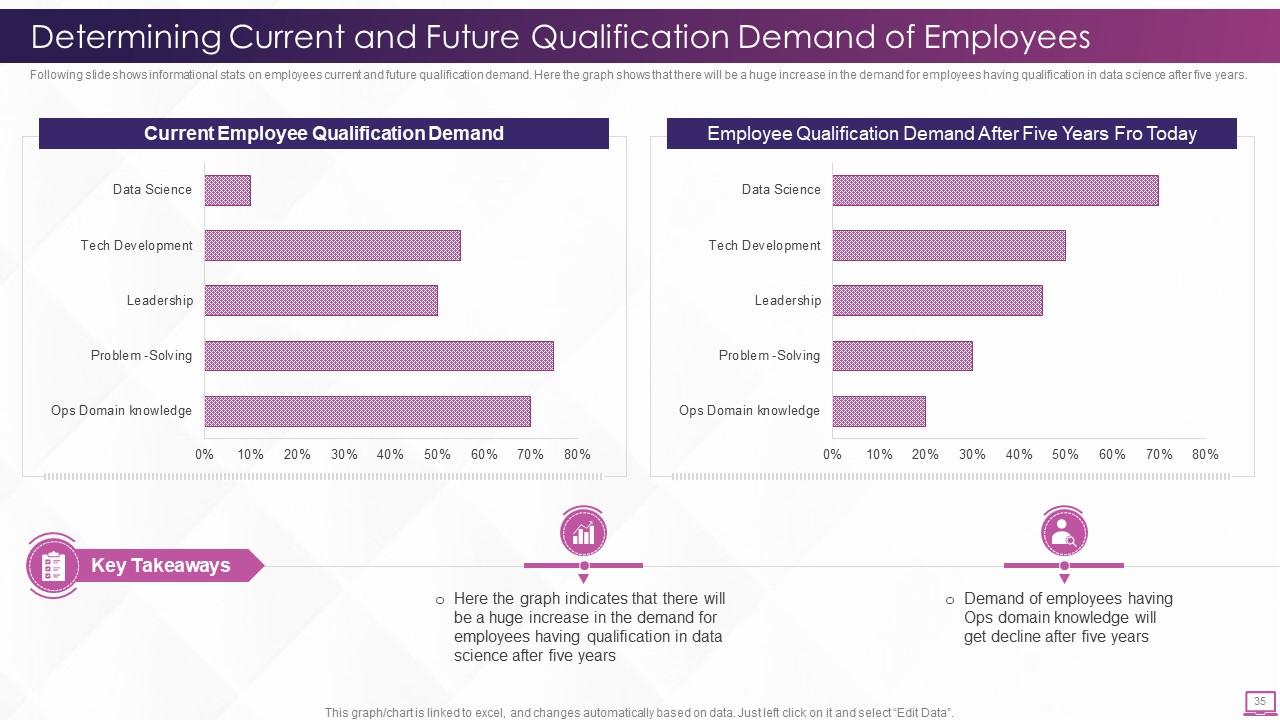
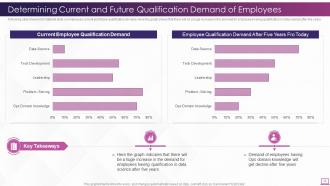
Slide 35 : Este slide mostra a Determinação da Demanda de Qualificação Atual e Futura dos Funcionários.
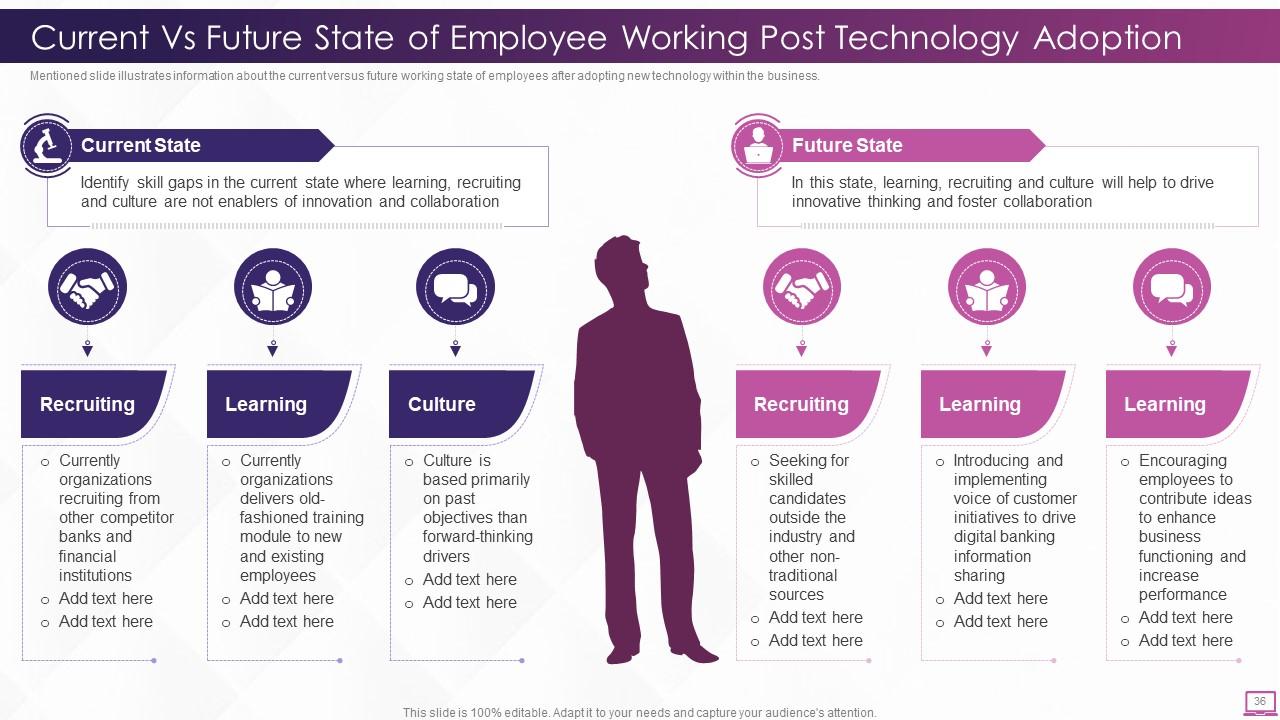
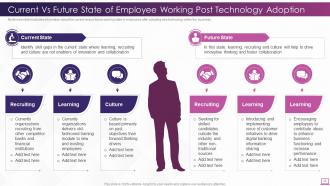
Slide 36 : Este slide mostra o estado atual x futuro da adoção da tecnologia do posto de trabalho dos funcionários.
Slide 37 : Este slide destaca o título dos tópicos que serão abordados a seguir no modelo.
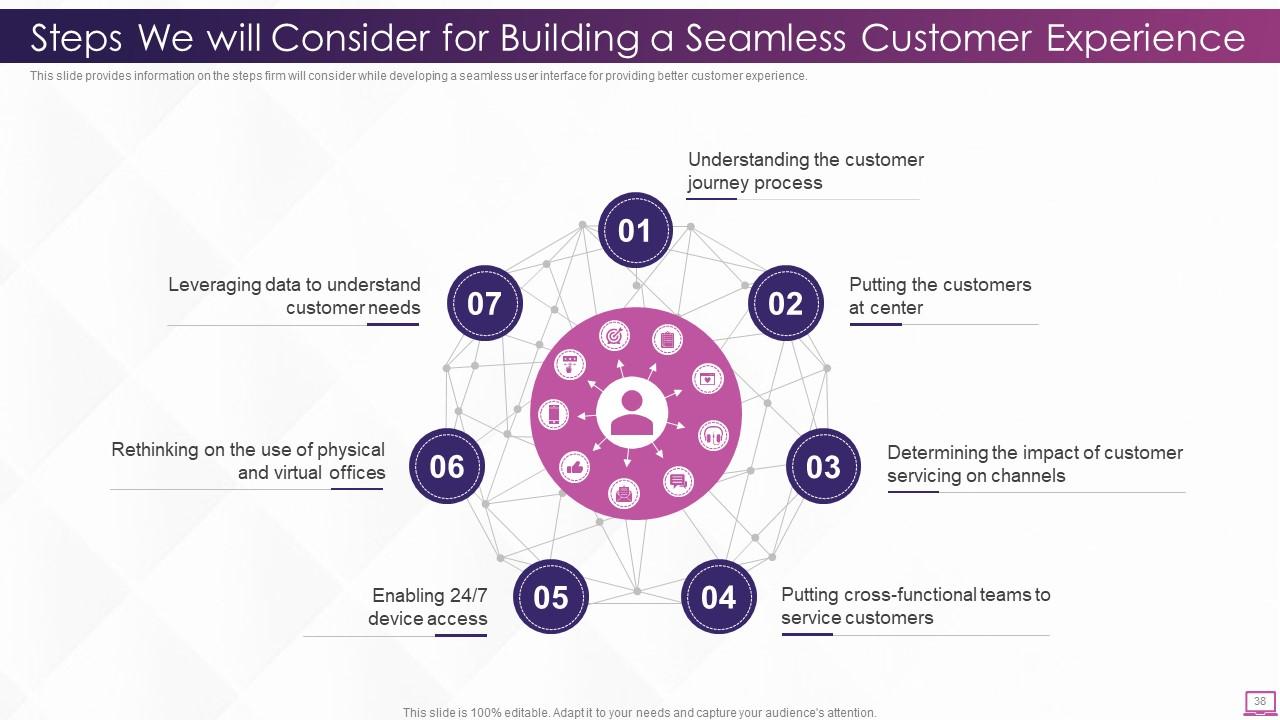
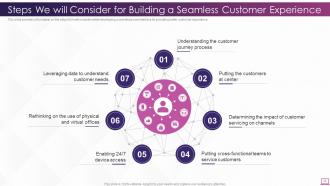
Slide 38 : Este slide apresenta as etapas que consideraremos para construir uma experiência perfeita para o cliente.
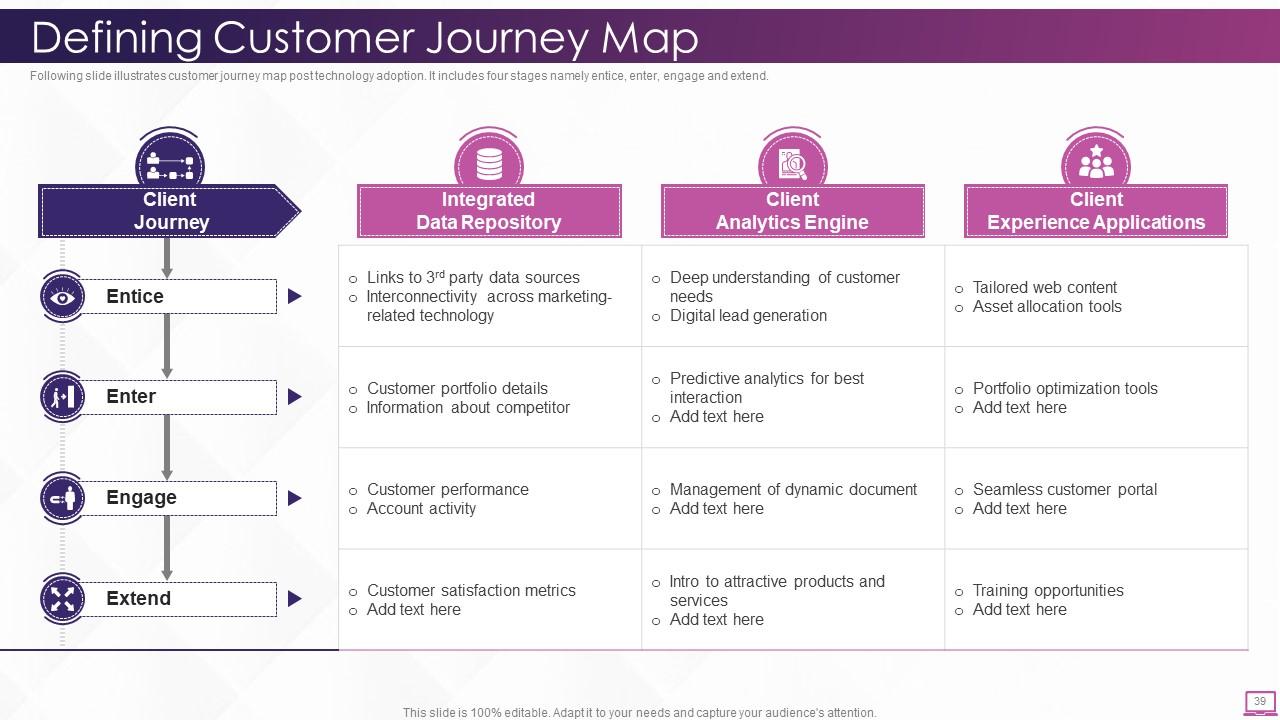
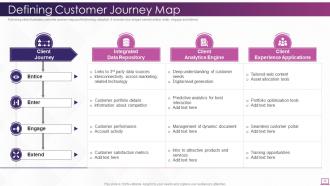
Slide 39 : Este slide mostra a adoção da tecnologia pós-mapa de jornada do cliente.
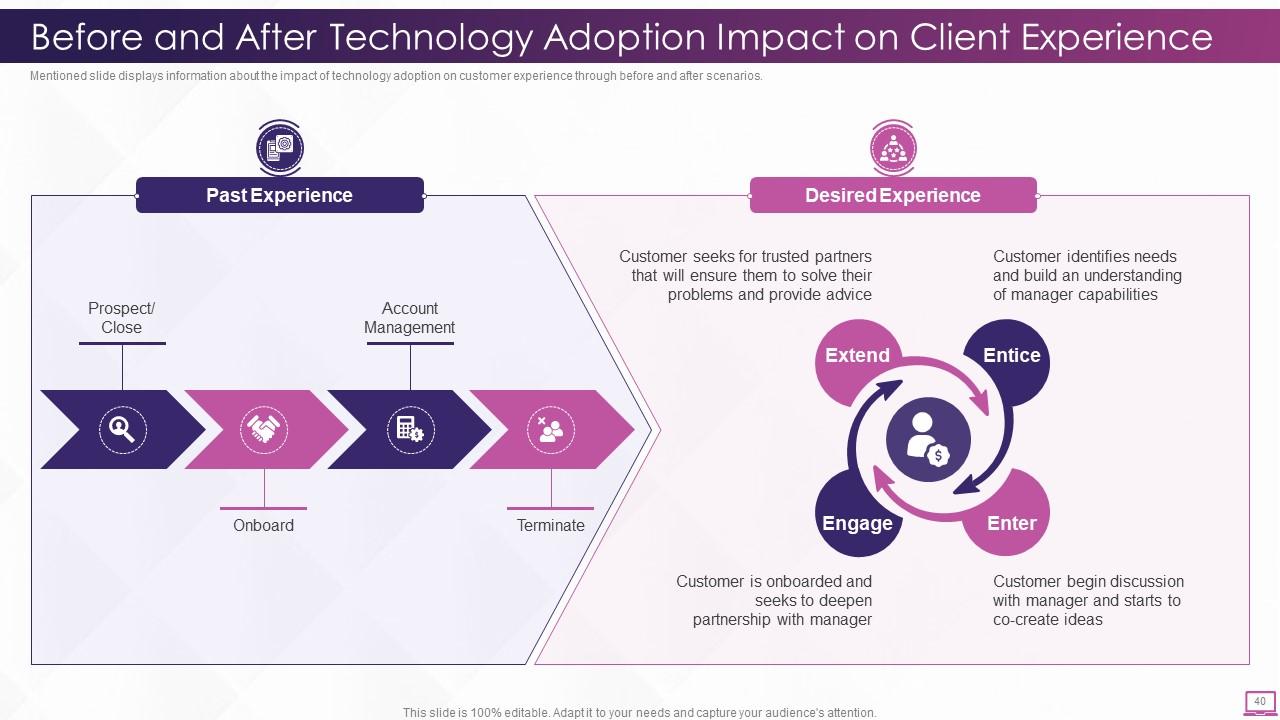
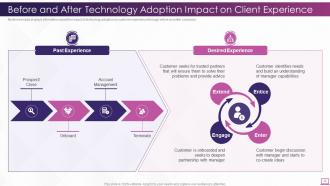
Slide 40 : Este slide representa o impacto da adoção da tecnologia antes e depois na experiência do cliente.
Slide 41 : Este slide destaca o título dos tópicos que serão abordados a seguir no modelo.
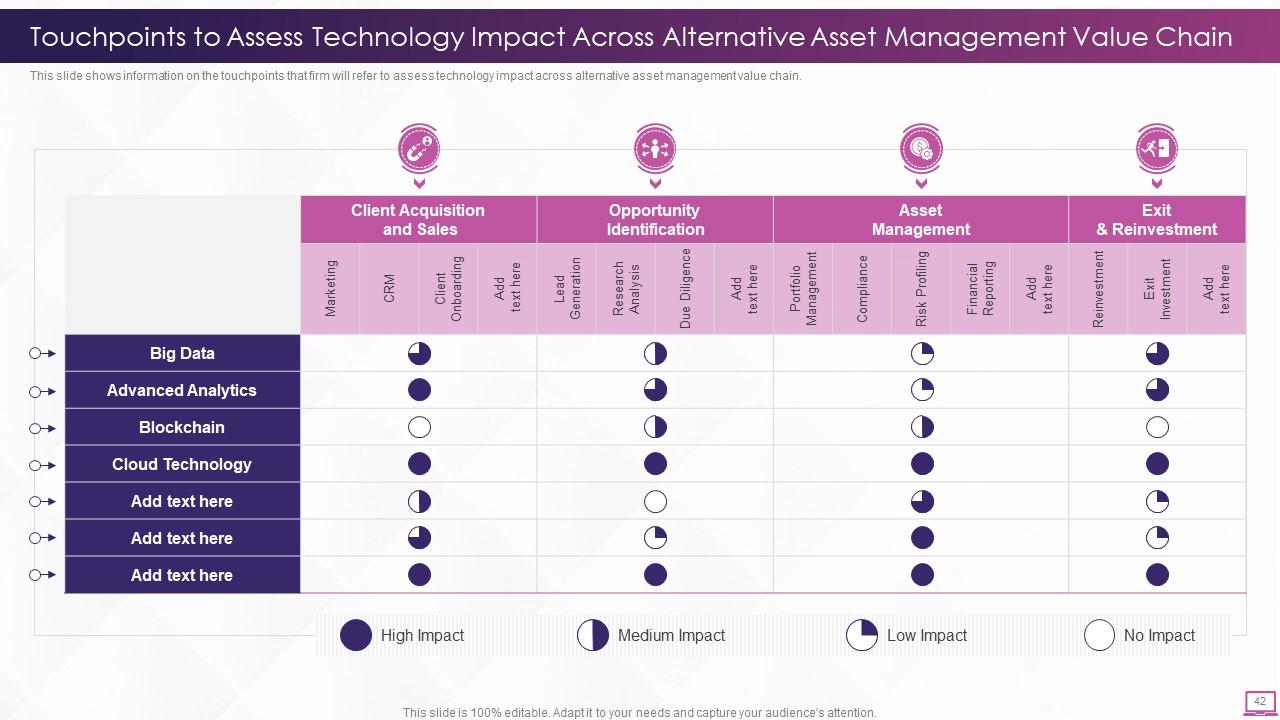
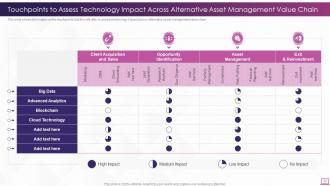
Slide 42 : Este slide mostra os pontos de contato para avaliar o impacto da tecnologia na cadeia de valor de gestão de ativos alternativa.
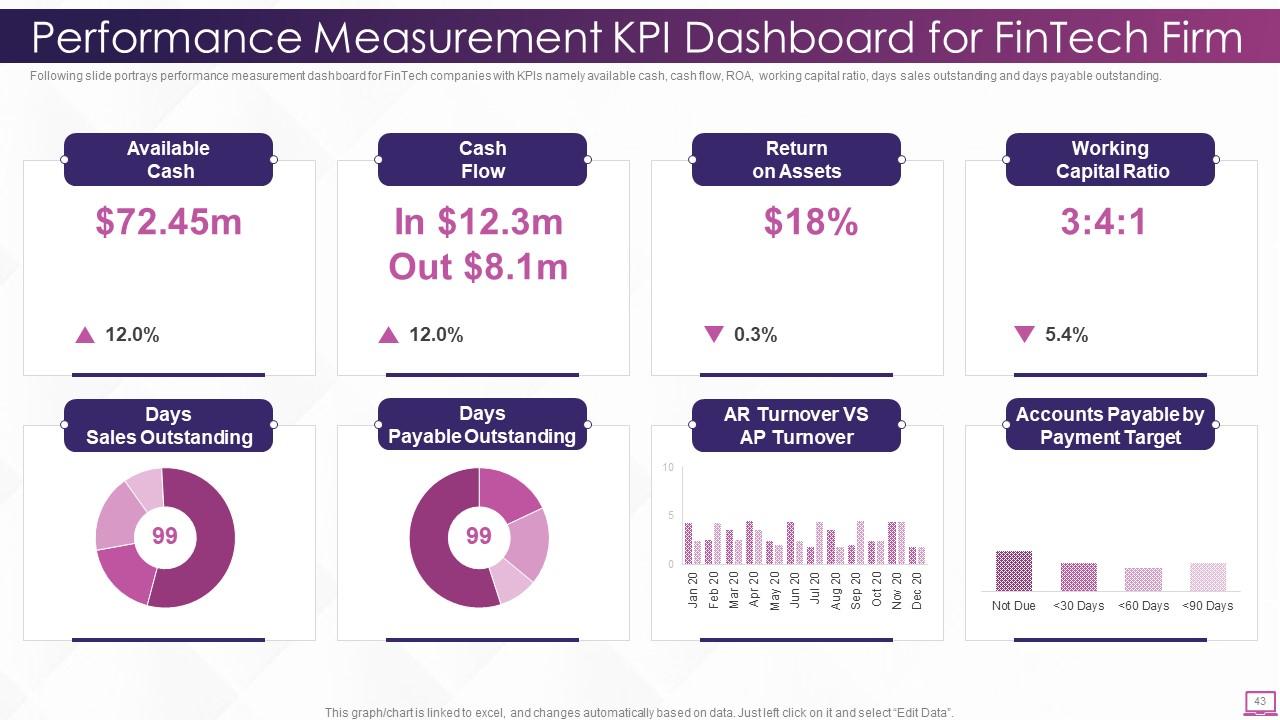
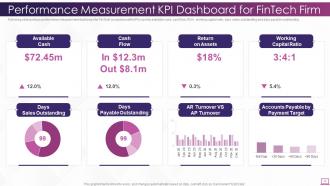
Slide 43 : Este slide mostra o Painel de KPI de Medição de Desempenho para FinTech Firm.
Slide 44 : Este slide mostra Ícones para Investir em Tecnologia e Inovação.
Slide 45 : Este slide é intitulado como Slides Adicionais para avançar.
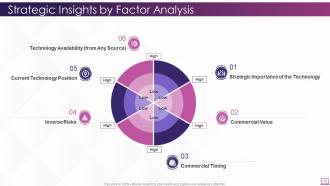
Slide 46 : Este slide mostra Insights Estratégicos por Análise Fatorial.
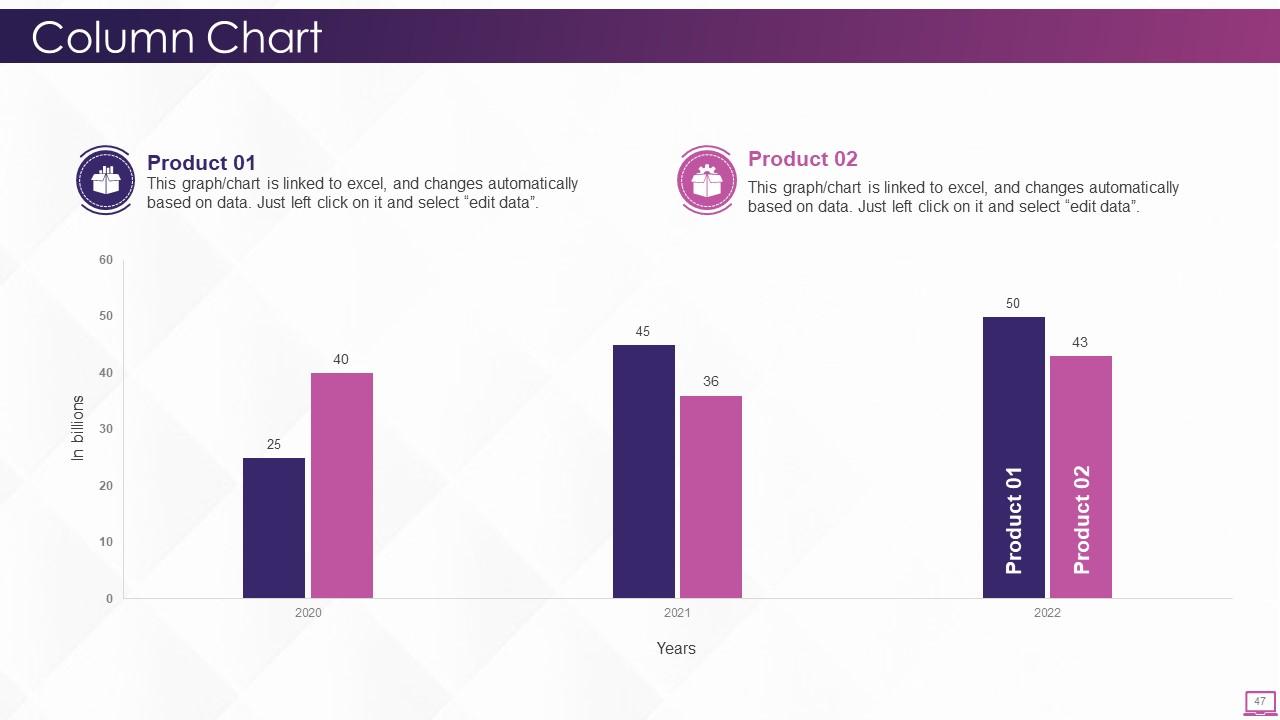
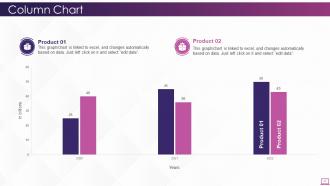
Slide 47 : Este slide mostra o gráfico de colunas com a comparação de dois produtos.
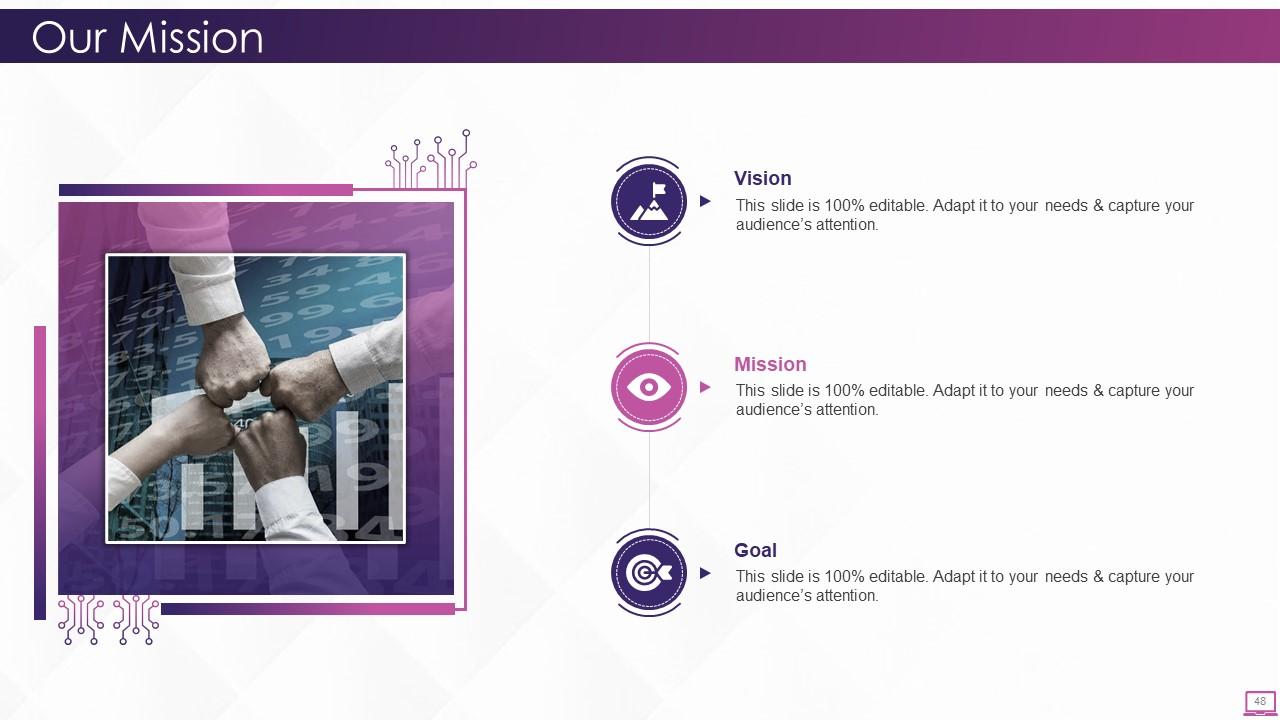
Slide 48 : Este é o slide Nossa Missão com imagens e textos relacionados.
Slide 49 : Este slide mostra o Mapa Mental com imagens relacionadas.
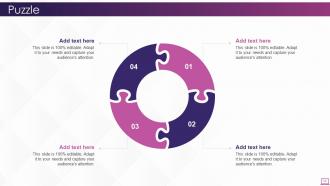
Slide 50 : Este slide contém Puzzle com ícones e textos relacionados.
Slide 51 : Este é um slide sobre nós para mostrar as especificações da empresa etc.
Slide 52 : Este slide mostra o diagrama de Venn com caixas de texto.
Slide 53 : Este slide mostra Post It Notes. Poste suas notas importantes aqui.
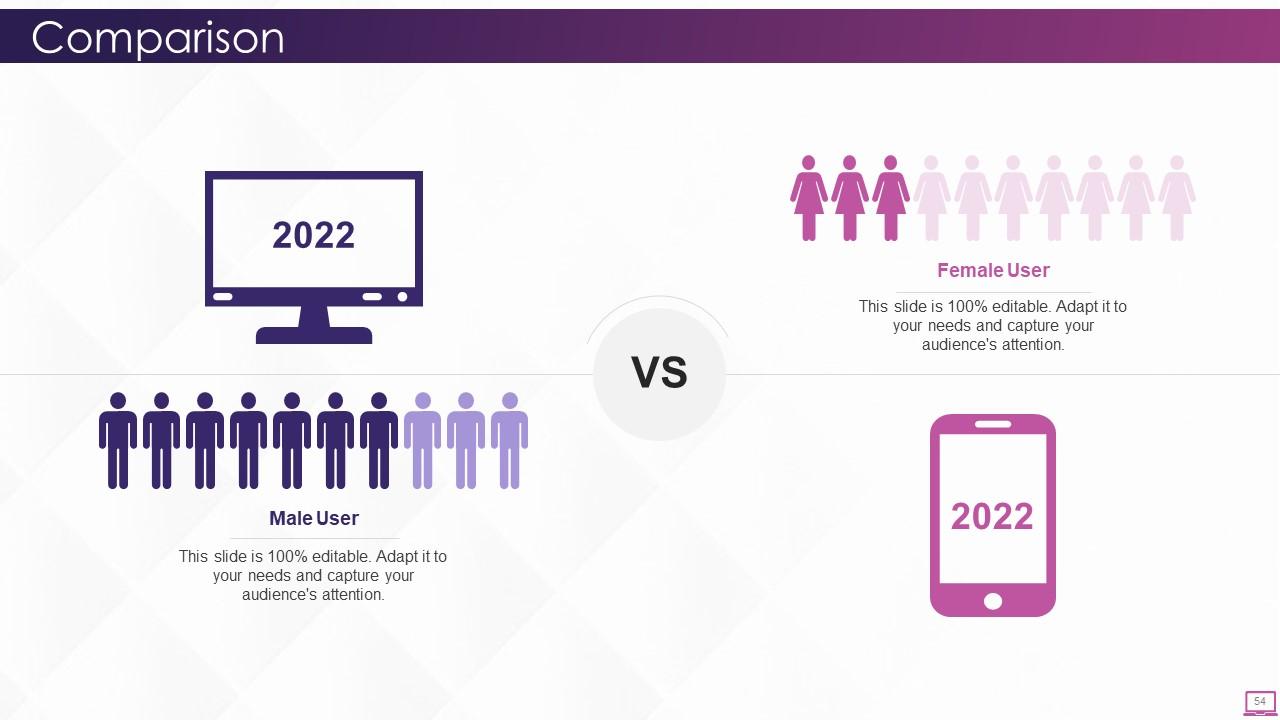
Slide 54 : Este é um slide de comparação para comparação de estados entre commodities, entidades etc.
Slide 55 : Este é o slide Nossa Meta. Indique seus alvos aqui.
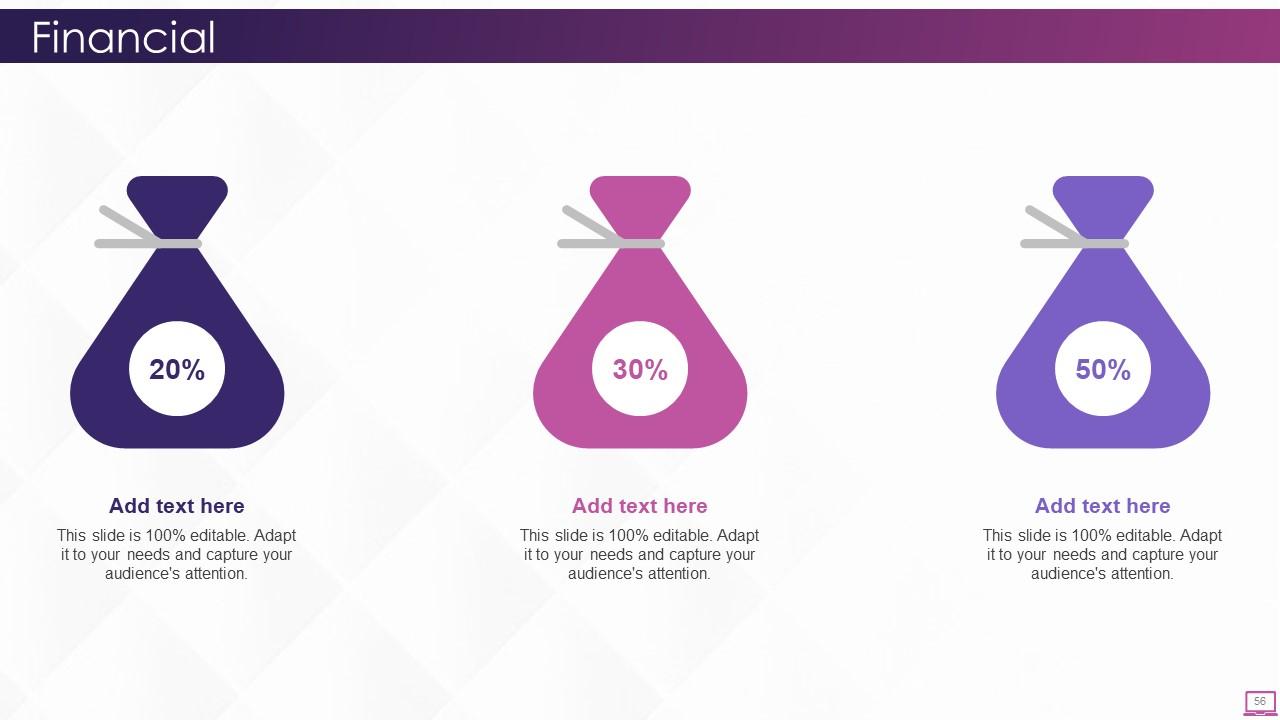
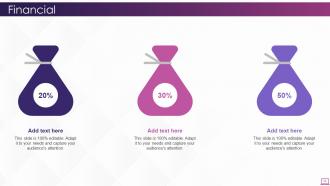
Slide 56 : Este é um slide financeiro. Mostre suas coisas relacionadas a finanças aqui.
Slide 57 : Este é um slide de agradecimento com endereço, números de contato e endereço de e-mail.
Investindo em Tecnologia e Inovação Slides de apresentação em Powerpoint com todos os 62 slides:
Use nossos slides de apresentação em Powerpoint para investir em tecnologia e inovação para ajudá-lo a economizar seu valioso tempo. Eles são readymade para caber em qualquer estrutura de apresentação.
-
Stunning collection! With a wide variety of options available, I was able to find a perfect slide for my presentation. Thank you, SlideTeam!
-
I can say with full confidence that all your business, academic, or professional work requirements will be sufficed with SlideTeam. Their gallery is as rich as 2Million+!!
