IoT In Education Powerpoint Ppt Template Bundles

Rating:
80%
IoT In Education Powerpoint Ppt Template Bundles
Slide 1 of 28
Favourites Favourites

Try Before you Buy Download Free Sample Product

Audience Impress Your
Audience
Editable 100%
Editable
Time Save Hours
of Time
The Biggest Sale is ending soon in
0
0
:
0
0
:
0
0
Rating:
80%
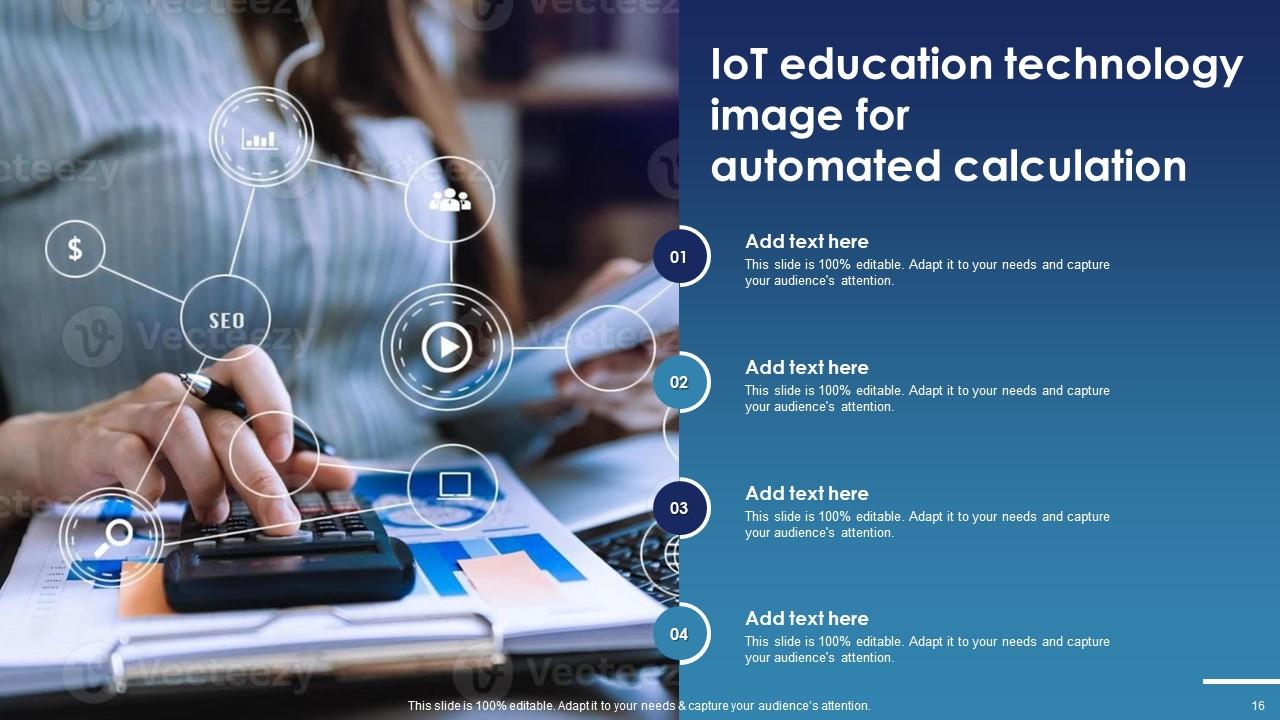
Engage buyer personas and boost brand awareness by pitching yourself using this prefabricated set. This IoT In Education Powerpoint Ppt Template Bundles is a great tool to connect with your audience as it contains high-quality content and graphics. This helps in conveying your thoughts in a well-structured manner. It also helps you attain a competitive advantage because of its unique design and aesthetics. In addition to this, you can use this PPT design to portray information and educate your audience on various topics. With twenty three slides, this is a great design to use for your upcoming presentations. Not only is it cost-effective but also easily pliable depending on your needs and requirements. As such color, font, or any other design component can be altered. It is also available for immediate download in different formats such as PNG, JPG, etc. So, without any further ado, download it now.
FAQs for IoT In Education Powerpoint

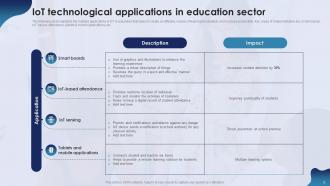
Honestly, IoT stuff in classrooms is pretty cool when it works. You can track attendance automatically and adjust lighting/temp based on how many kids show up. Smart whiteboards actually get students engaged - way better than staring at a regular board all day. The sensors monitor air quality too, which is clutch for safety. What's really helpful though is seeing which students struggle through their device interactions, so you can spot learning patterns. Plus it just makes everything more interactive with tablets and whatnot. I'd start with basic attendance systems first - you'll see results fast without going overboard on tech.

So basically, IoT stuff can watch how kids learn and tweak things on the fly. Smart sensors pick up on how long they're stuck on problems, when they zone out, even stress levels if they're wearing fitness trackers or whatever. Pretty wild honestly - the system automatically makes things easier or harder, tells them to take breaks, switches up teaching styles. Picture desks that figure out a kid's bombing at math but doing fine with reading, then completely change tactics. Though I'd probably start simple, maybe just basic activity trackers to see what actually keeps them engaged first.

Dude, data privacy is going to be your biggest headache with school IoT stuff. These devices hoover up SO much student info - how kids learn, behave, even biometric data if you're using wearables. Honestly kind of creepy when you think about it. You absolutely need solid encryption and clear consent processes before rolling anything out. Schools get hit with cyberattacks constantly, so your security can't have any weak spots. Oh, and definitely audit what data you're actually grabbing - most places collect way more than they need. Trust me on this one.

Honestly? Money's gonna be your biggest headache. Schools are already broke and you're asking them to buy fancy tech when they can't even afford decent textbooks lol. Privacy stuff is a total nightmare too - one data breach and you're screwed. Most teachers don't know how to fix these things when they break, which happens constantly. Your IT team will hate you. Start super small though, maybe just one classroom as a test. Show clear results that prove kids are actually learning better, not just playing with gadgets. That's literally the only way you'll get budget approval.

So basically these IoT sensors can track a ton of stuff - how engaged kids are, their actual performance, even random things like if the room's too hot or noisy. Teachers get live data on how long students work on assignments, stress levels from wearables, participation through smart boards, whatever. Pretty wild honestly. The cool part is teachers can pivot right away when they notice kids struggling. Students get instant feedback too through apps and connected devices. Oh, and definitely start simple - maybe smart attendance or basic engagement tracking first. The biometric stuff can wait until you've figured out the basics.

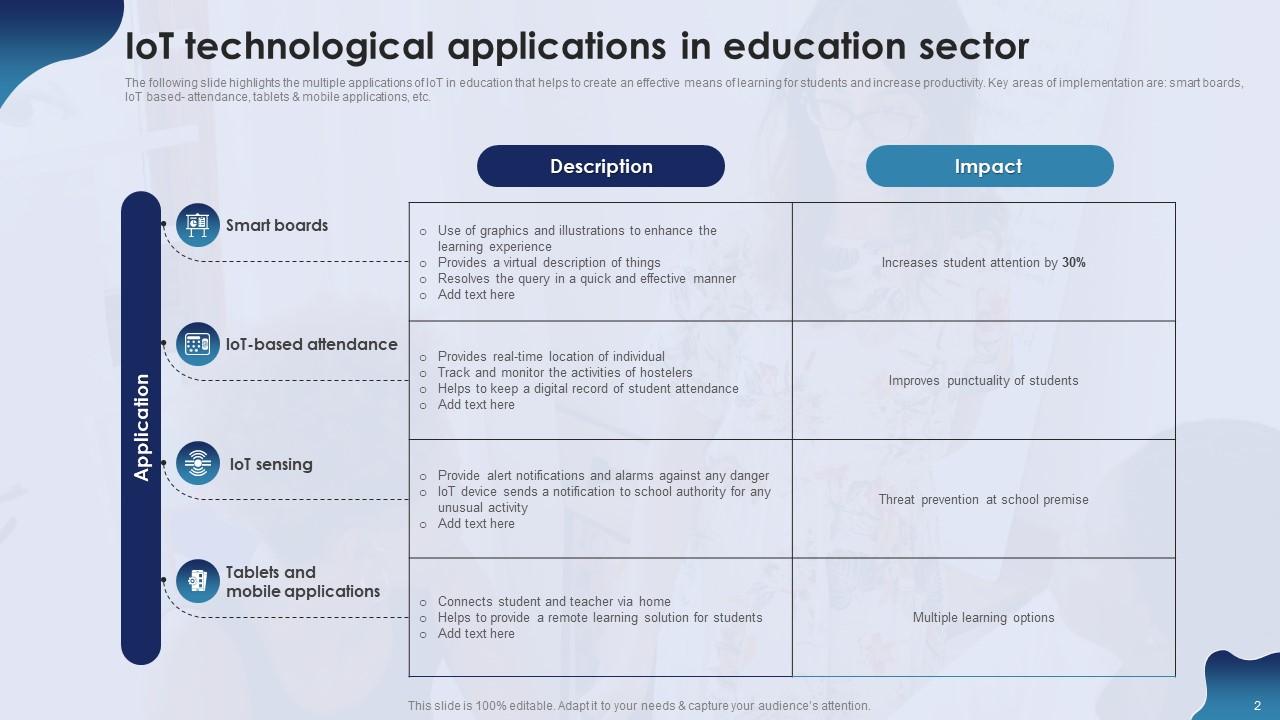
Smart boards and clicker systems are solid choices - they really do get kids participating more. Those environmental sensors are pretty cool too, students go crazy watching real-time classroom data. VR is amazing but man, the cost and setup headaches aren't worth it unless you've got serious budget. Wearables work great for PE classes, gets them competitive. Honestly though? Start with student response systems first. They're cheap, super easy to use, and you'll see the difference right away in discussions and quizzes.

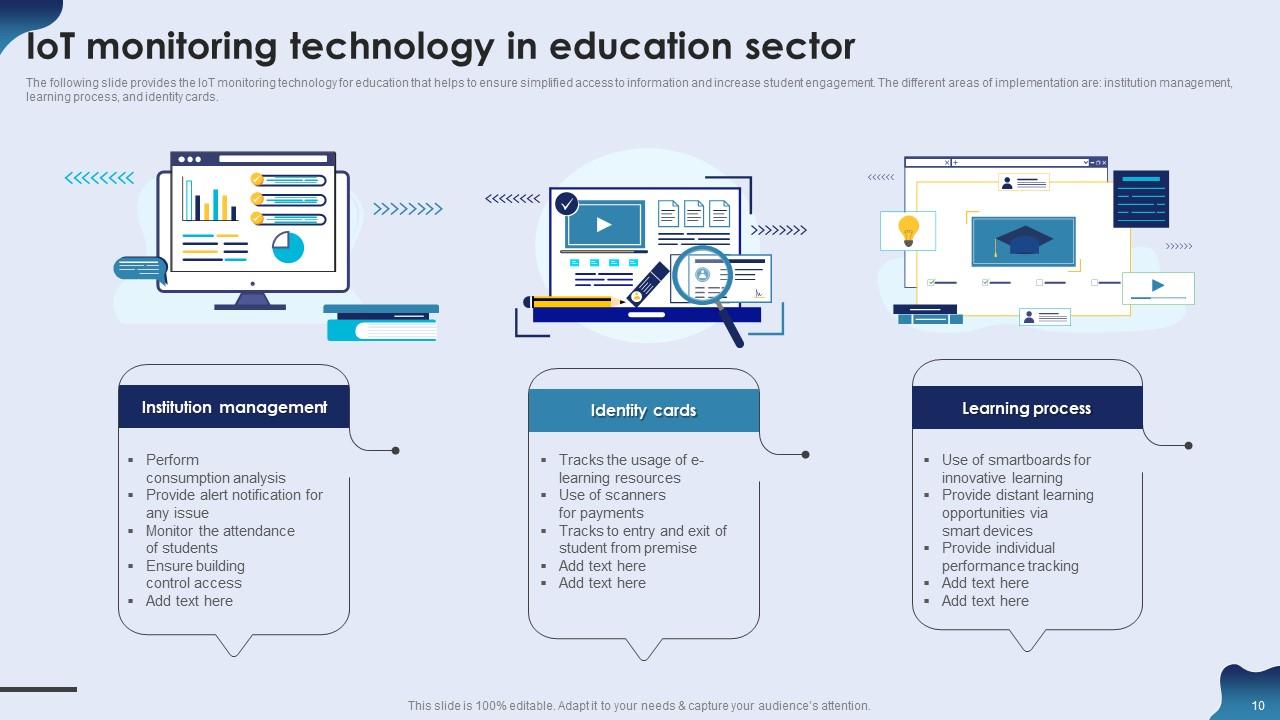
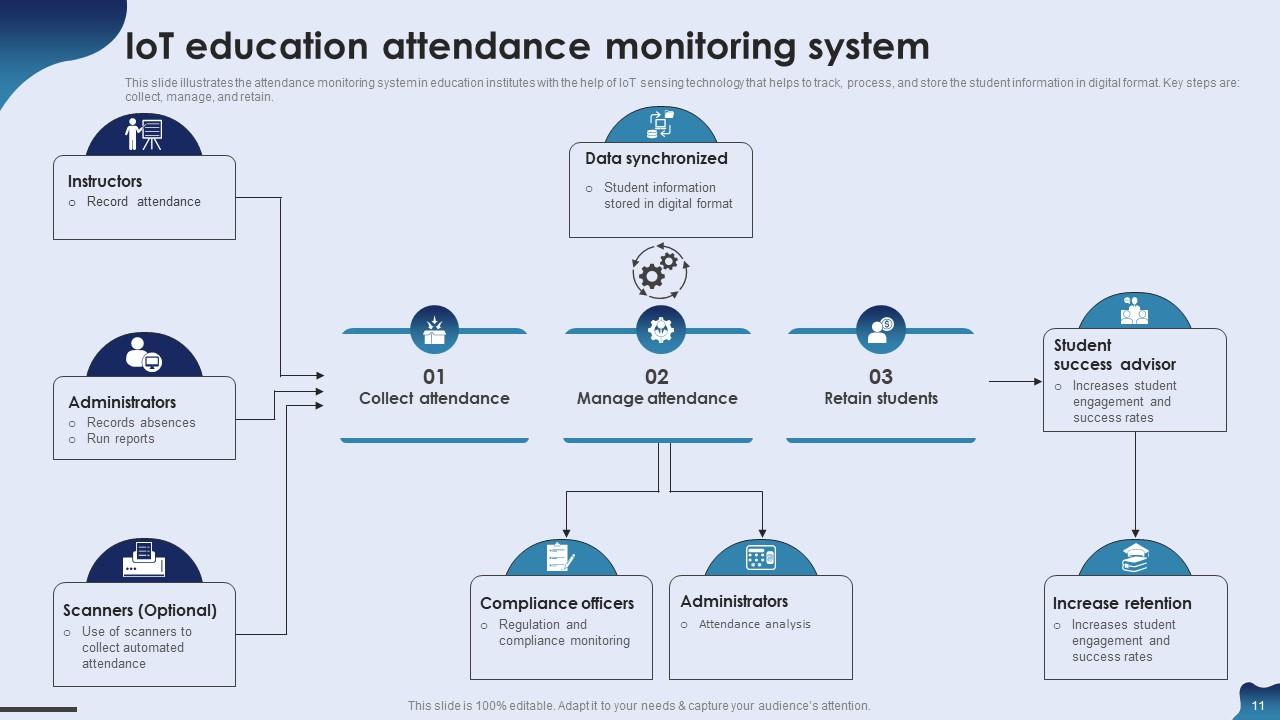
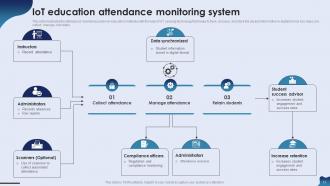
RFID cards or smart badges can handle attendance automatically - saves so much class time compared to roll call. Facial recognition works too but might freak some parents out. Sensors track classroom engagement by monitoring movement patterns and how students interact with displays. Some schools are testing wearables that measure stress during exams, which is honestly pretty cool tech. The best part? You'll get real-time data on attendance patterns and participation. Don't go crazy with it though. Try RFID in one classroom first before you install sensors everywhere.

So basically, IoT turns your classroom into this smart setup where everything just works better. Attendance gets tracked automatically - no more calling names forever. Air quality and temperature adjust themselves so kids aren't falling asleep or complaining it's stuffy. You'll get data on which spots students actually use (honestly pretty cool to see the patterns). Admin stuff handles itself since all the systems talk to each other. Best part? Way less time dealing with boring logistics, more time teaching. I'd start with something simple like smart attendance first, then add environmental sensors once you see how much easier life gets.

First thing - isolate those IoT devices on their own network. Trust me, you don't want a compromised smart thermostat accessing your student data. Change every default password right away (hackers literally have lists of these). Keep firmware updated, obviously. Monitor your traffic for weird activity and create some kind of policy for who can add what devices. Your IT team needs to actually know what's connected - last year we found three unauthorized Alexas that somehow made it onto our network. Strong authentication is key too, but honestly the network segmentation thing will save you the most headaches.

Honestly, IoT stuff is pretty cool for getting kids to work together. You can have multiple students messing around with the same 3D models on smart boards or sharing data instantly between tablets. Environmental sensors are where it gets interesting though - teams can run science experiments and analyze results together in real time. The file sharing between devices is seamless too, so one kid can start something and another picks it right up. Oh, and digital whiteboards where everyone contributes from their own device? Game changer. I'd say just start with a few tablets connected to one display and see what happens.

So basically IoT makes everything on campus talk to each other - pretty wild actually. Lights adjust when rooms are empty, HVAC systems save tons on energy costs, and parking sensors show open spots (thank god, right?). Security gets better with facial recognition cameras too. The really sick part is integration - like your student ID automatically warming up your dorm when you get there. Honestly when you're pitching this, lead with the money savings from energy stuff. Students love convenience but admin cares about budget first. Then hit them with how much better the experience gets.

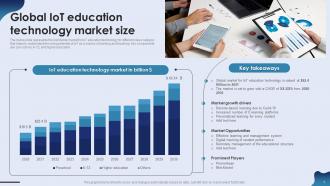
Yeah, the upfront costs are brutal - hardware, sensors, network upgrades, software licenses. We're talking tens of thousands depending on how big your campus is. Don't forget about maintenance and data storage costs either (everyone always does). Most schools hit ROI in 2-3 years though, mainly from energy savings and better resource management. Honestly? Start with a pilot program first. Pick one building or department, prove it works, then expand. Way easier to sell to the board than dropping a massive budget bomb on them right away.

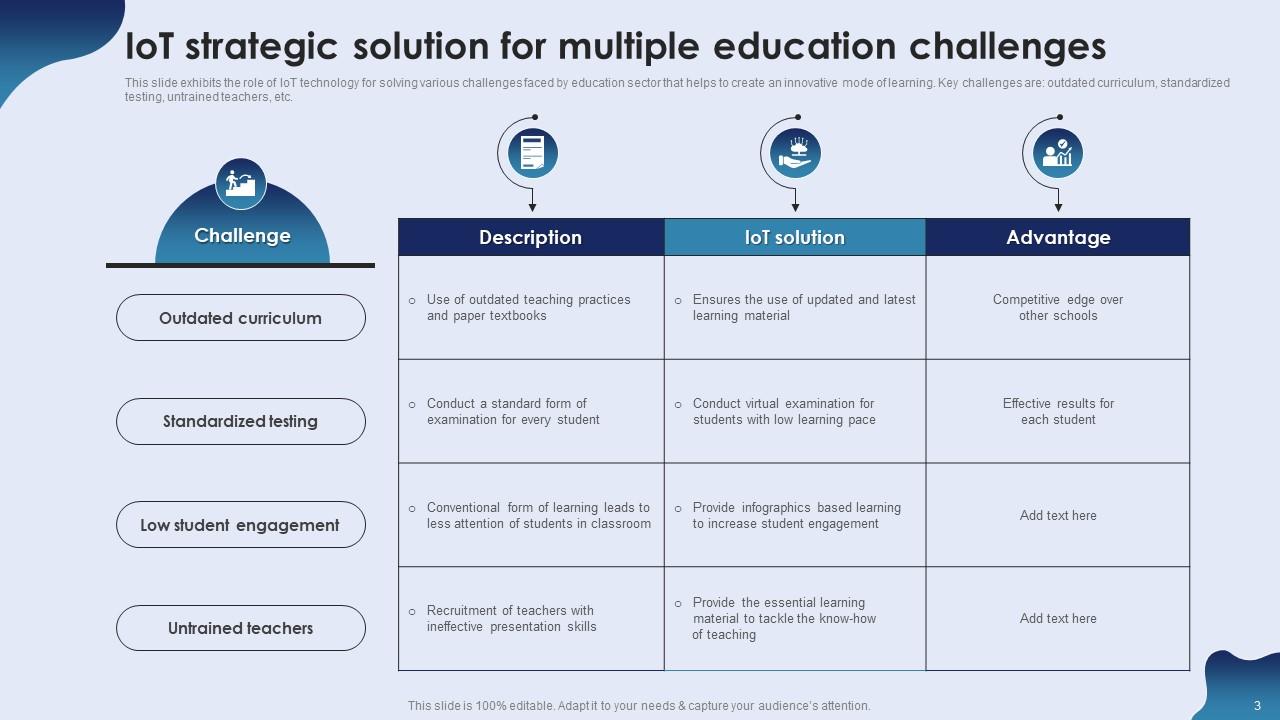
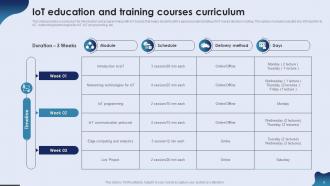
Get teachers into hands-on workshops where they're actually using the smart classroom stuff - interactive whiteboards, sensors, student response systems. Most teachers hate sitting through another boring slideshow about tech anyway. Start with practical scenarios like tracking student engagement or monitoring room temperature. Science experiments work great for this too. Pilot programs are your friend here - let them mess around with the tools safely first. Real-time data collection makes way more sense when you're actually doing it yourself. Then you can scale up based on what clicks with their specific teaching style.

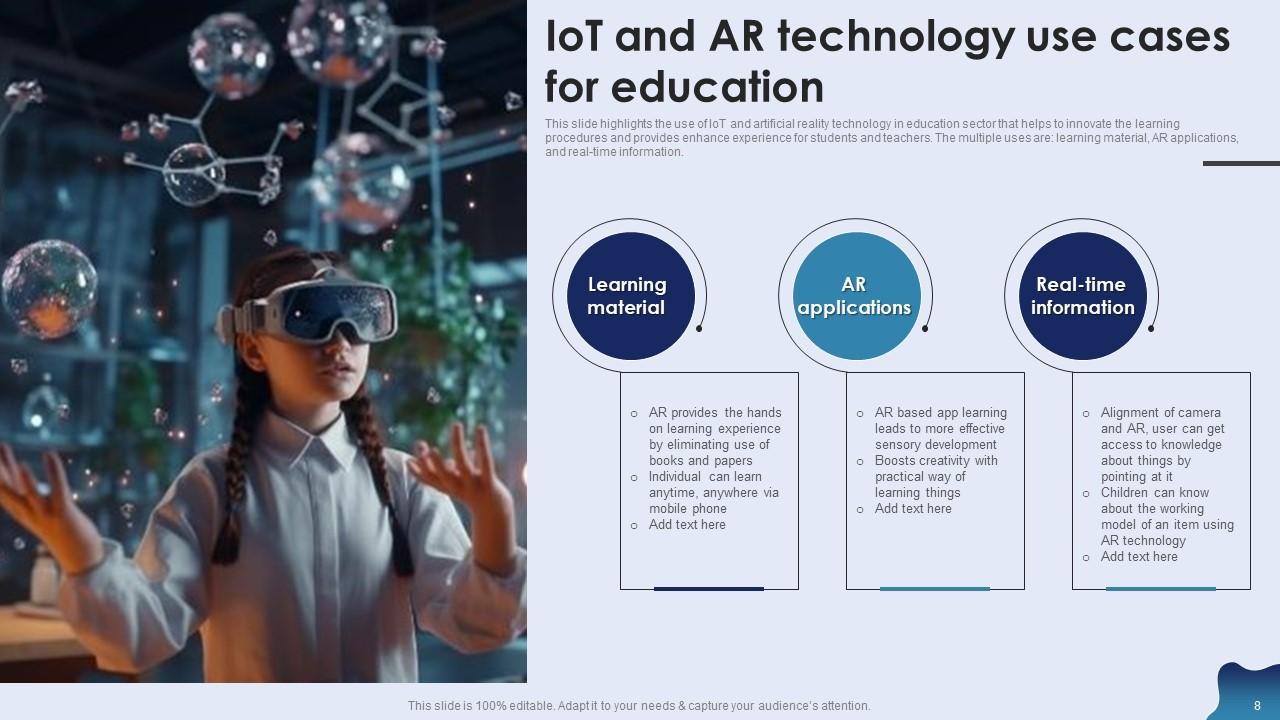
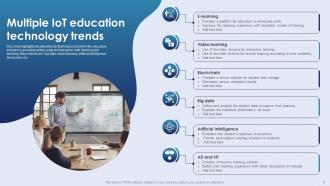
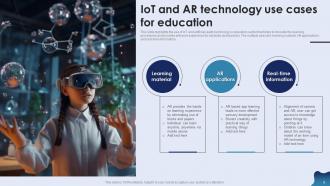
Honestly, IoT in education is about to get wild. Wearables will track if kids are actually paying attention (kinda creepy but useful?). Desks that automatically adjust to how you learn best. Smart campuses will handle attendance and energy stuff without anyone thinking about it. The crazy part is AI spotting struggling students before they realize they're lost. AR/VR connected to everything will make lessons way more immersive. My take? Schools should start testing small programs now. The ones experimenting today won't be scrambling to catch up later when this becomes standard everywhere.

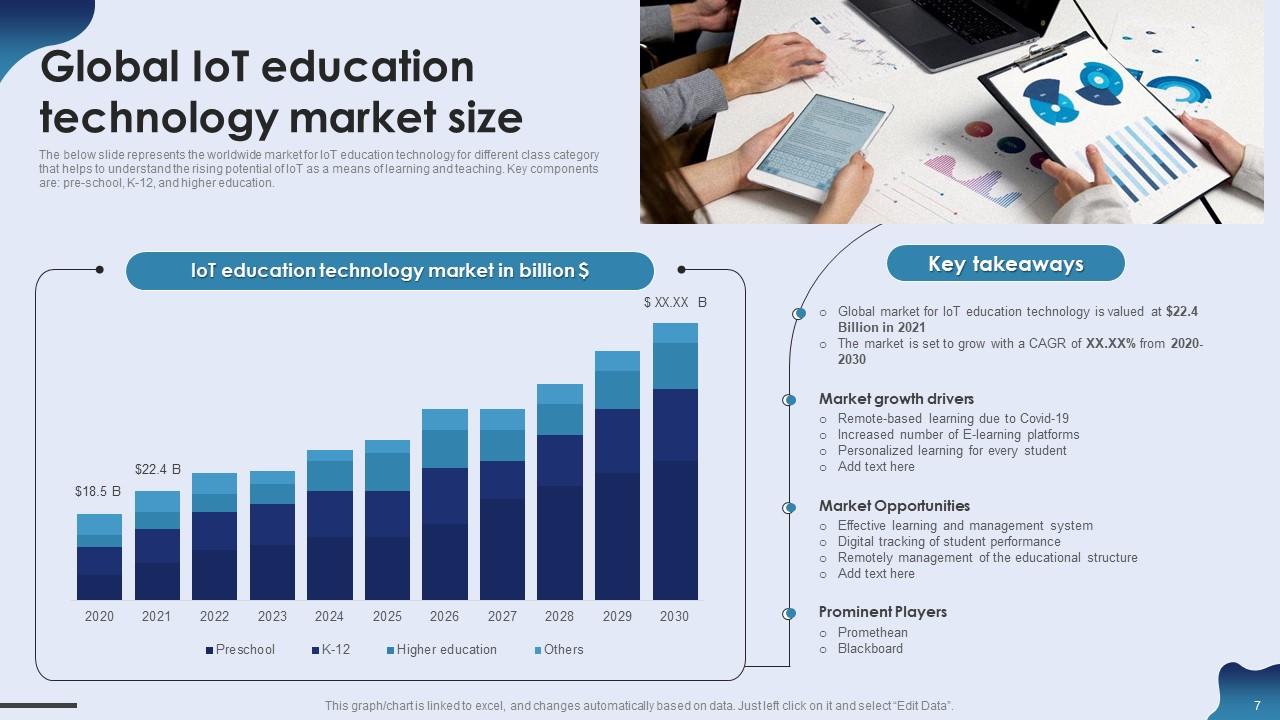
Honestly, IoT could be a game-changer for schools with tight budgets. Cheap sensors and basic connected devices can create pretty smart classrooms without costing a fortune. Schools can track attendance automatically, monitor air quality, manage shared tablets - stuff that stretches those limited dollars further. Remote learning got massive during COVID (and let's be real, it's sticking around). I'd tell them to start small though. Pick one thing, prove it works, then expand from there. Way easier to get buy-in from principals when you've got actual results to show.

Ratings and Reviews

80% of 100
Review Form
Write a review
Most Relevant Reviews
  1. 80%

    by Don Hansen

    I am really satisfied with their XYZ products. Used their slides for my business presentations and now I am taking their help for my son's high-school assignments. Super satisfied!!
  2. 80%

    by Chuck James

    I am glad to have come across Slideteam. I was searching for some unique presentations and templates for my business. There are a lot of alternatives available here.

2 Item(s)

per page: