


ISO 9001 Powerpoint Powerpoint-Präsentation
ISO 9001 wird verwendet, um festzustellen, ob das vorhandene Qualitätskontrollprogramm angemessen und effizient ist, wodurch das Unternehmen dazu gedrängt wird, Verbesserungen zu erkennen und zu integrieren. Hier ist eine effizient gestaltete Vorlage zu ISO 9001, die für das Unternehmen nützlich ist, um ein Qualitätsmanagementsystem in Übereinstimmung mit den Anforderungen der neuen Norm zu erstellen und zu integrieren und ein Audit zu ermöglichen, das von einer Zertifizierungsstelle CB oder einem Registrar durchgeführt wird, um die Leistung zu bewerten von das QMS gegen die aktuelle Norm ISO 9001. Diese Vorlage deckt die aktuelle Situation des Unternehmens ab, einschließlich Problemen bei Managementverfahren, Ursachen finanzieller Verluste usw. Es umfasst auch den ISO 9001-Implementierungsprozess, wie z. Es umfasst auch das Auswahlverfahren für den Registrar und die Vereinbarung für die Registrierung des Qualitätsmanagementsystems. In diese Vorlage haben wir auch interne Audits des Unternehmens, Managementbewertung und Korrekturmaßnahmen, Grundursachen des Problems und seine Lösungen aufgenommen. Es behandelt auch die prozessbasierte QMS-Struktur, die Leistungs- oder Prozessansicht von Systemen und die Ergebnisse nach der Implementierung von ISO 9001-Qualitätssystemen zusammen mit Qualitätsmanagementsystem-Dashboards, ISO 9001-QMS-Dashboards usw. Laden Sie es jetzt herunter. ISO 9001 wird verwendet, um die Qualität zu bestimmen Das vorhandene Kontrollprogramm ist angemessen und effizient und drängt das Unternehmen, Verbesserungen zu erkennen und zu integrieren. Hier ist eine effizient gestaltete Vorlage zu ISO 9001, die für das Unternehmen nützlich ist, um ein Qualitätsmanagementsystem in Übereinstimmung mit den Anforderungen der neuen Norm zu erstellen und zu integrieren und ein Audit zu ermöglichen, das von einer Zertifizierungsstelle CB oder einem Registrar durchgeführt wird, um die Leistung zu bewerten des QMS gegen die aktuelle Norm ISO 9001. Diese Vorlage deckt die aktuelle Situation des Unternehmens ab, einschließlich Problemen bei Managementverfahren, Ursachen finanzieller Verluste usw. Es umfasst auch den ISO 9001-Implementierungsprozess, wie z. Es umfasst auch das Auswahlverfahren für den Registrar und die Vereinbarung für die Registrierung des Qualitätsmanagementsystems. In diese Vorlage haben wir auch interne Audits des Unternehmens, Managementbewertung und Korrekturmaßnahmen, Grundursachen des Problems und seine Lösungen aufgenommen. Es behandelt auch die prozessbasierte QMS-Struktur, die Leistungs- oder Prozessansicht von Systemen und die Ergebnisse nach der Implementierung von ISO 9001-Qualitätssystemen zusammen mit Qualitätsmanagementsystem-Dashboards, ISO 9001-QMS-Dashboards usw. Laden Sie es jetzt herunter.







-

- Google Slides is a new FREE Presentation software from Google.
- All our content is 100% compatible with Google Slides.
- Just download our designs, and upload them to Google Slides and they will work automatically.
- Amaze your audience with SlideTeam and Google Slides.
-

Want Changes to This PPT Slide? Check out our Presentation Design Services
-

- WideScreen Aspect ratio is becoming a very popular format. When you download this product, the downloaded ZIP will contain this product in both standard and widescreen format.
-

- Some older products that we have may only be in standard format, but they can easily be converted to widescreen.
- To do this, please open the SlideTeam product in Powerpoint, and go to
- Design ( On the top bar) -> Page Setup -> and select "On-screen Show (16:9)” in the drop down for "Slides Sized for".
- The slide or theme will change to widescreen, and all graphics will adjust automatically. You can similarly convert our content to any other desired screen aspect ratio.
Compatible With Google Slides

Get This In WideScreen
You must be logged in to download this presentation.


Do you want to remove this product from your favourites?
Merkmale dieser PowerPoint-Präsentationsfolien :
Begeistern Sie Ihr Publikum mit dieser ISO 9001-Powerpoint-Powerpoint-Präsentation. Erhöhen Sie Ihre Präsentationsschwelle, indem Sie diese gut gestaltete Vorlage bereitstellen. Es fungiert aufgrund seines gut recherchierten Inhalts als großartiges Kommunikationswerkzeug. Es enthält auch stilisierte Symbole, Grafiken, visuelle Elemente usw., die es zu einem sofortigen Blickfang machen. Dieses komplette Deck besteht aus 56 Folien und ist alles, was Sie brauchen, um wahrgenommen zu werden. Alle Folien und ihr Inhalt können an Ihre individuelle Geschäftsumgebung angepasst werden. Darüber hinaus können auch andere Komponenten und Grafiken modifiziert werden, um diesem vorgefertigten Set eine persönliche Note zu verleihen.

People who downloaded this PowerPoint presentation also viewed the following :
Inhalt dieser Powerpoint-Präsentation
Folie 1 : Diese Folie stellt ISO 9001 vor. Nennen Sie Ihren Firmennamen und beginnen Sie.
Folie 2 : Dies ist eine Agenda-Folie. Geben Sie hier Ihre Agenden an.
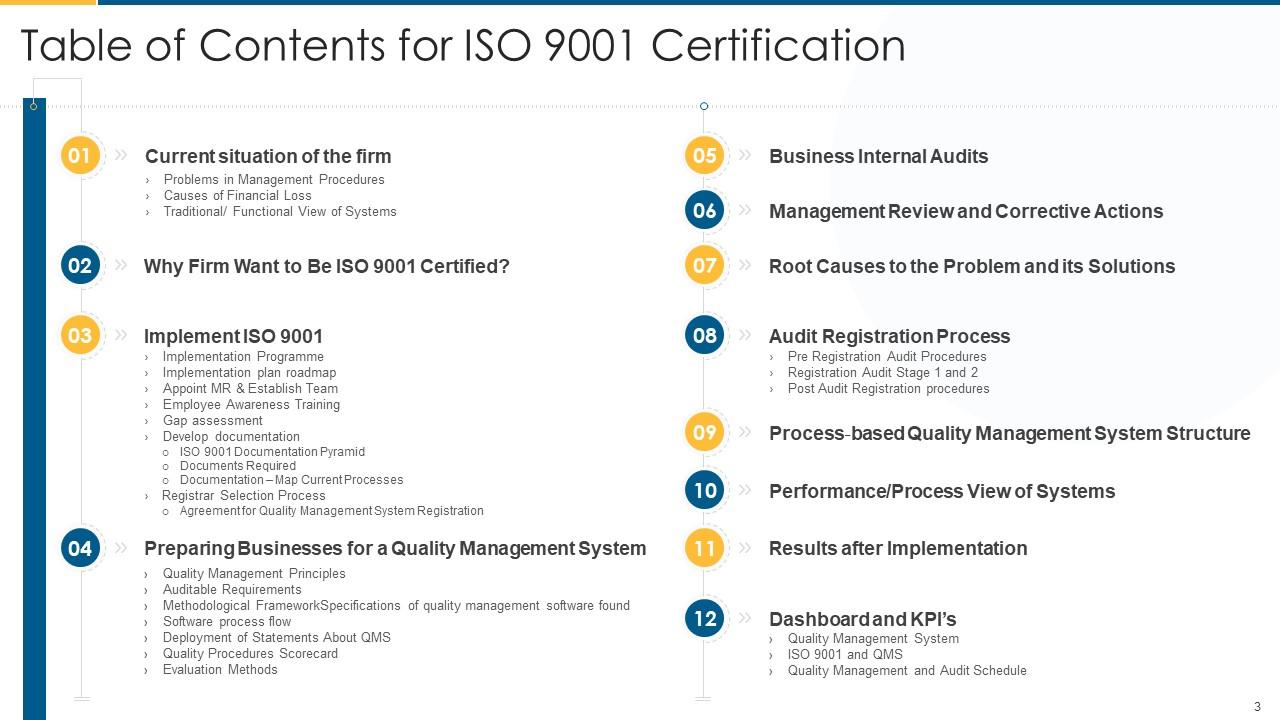
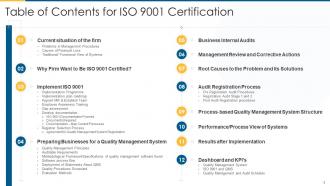
Folie 3 : Diese Folie zeigt das Inhaltsverzeichnis für die ISO 9001-Zertifizierung.
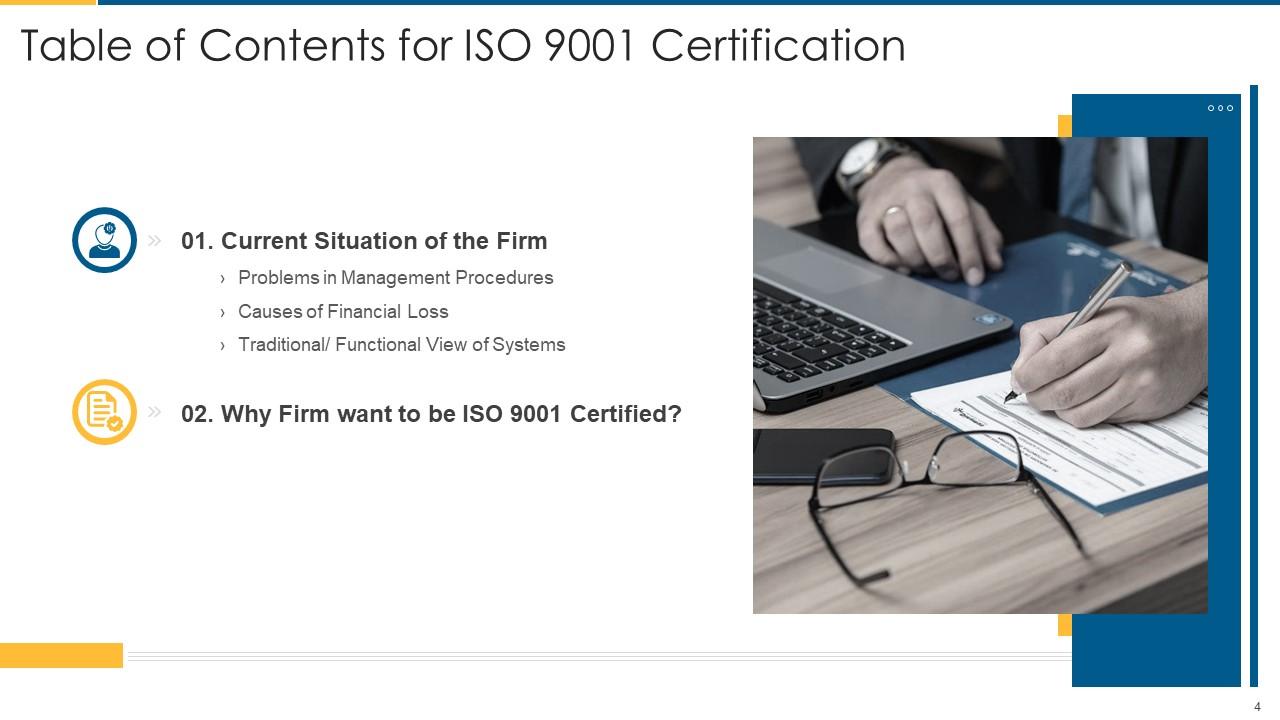
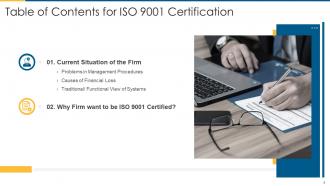
Folie 4 : Diese Folie zeigt das Inhaltsverzeichnis für die ISO 9001-Zertifizierung.
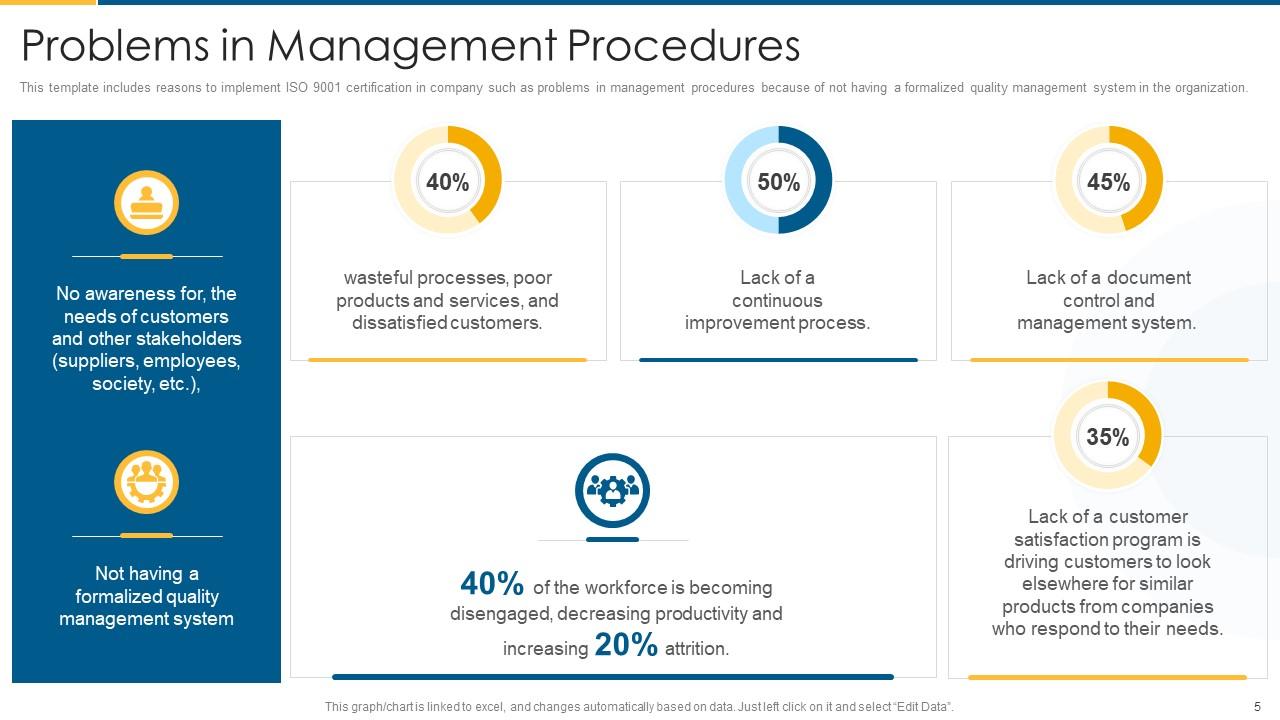
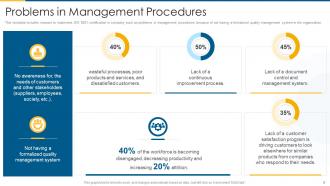
Folie 5 : Diese Folie zeigt Gründe für die Implementierung der ISO 9001-Zertifizierung im Unternehmen.
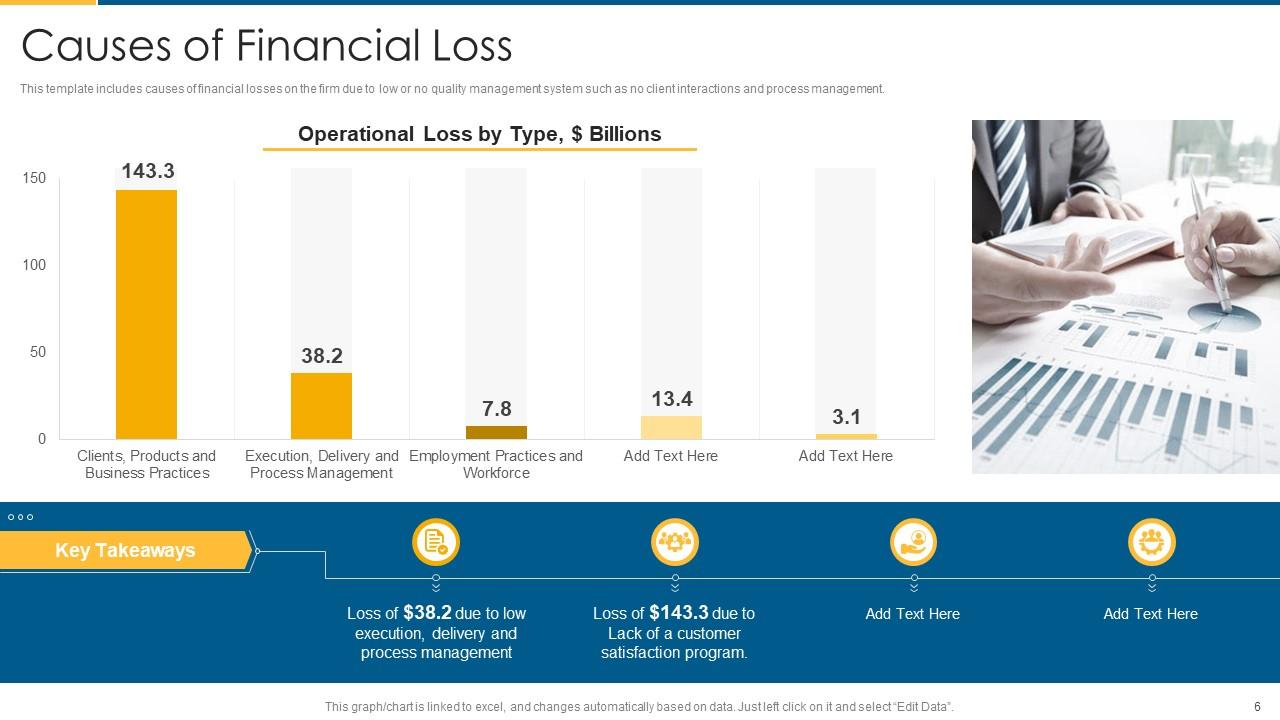
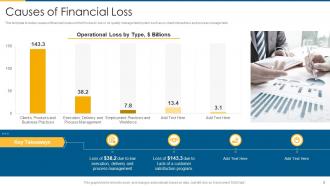
Folie 6 : Diese Folie zeigt die Ursachen für finanzielle Verluste in der Firma aufgrund eines niedrigen oder fehlenden Qualitätsmanagementsystems, wie z. B. keine Kundeninteraktionen und kein Prozessmanagement.
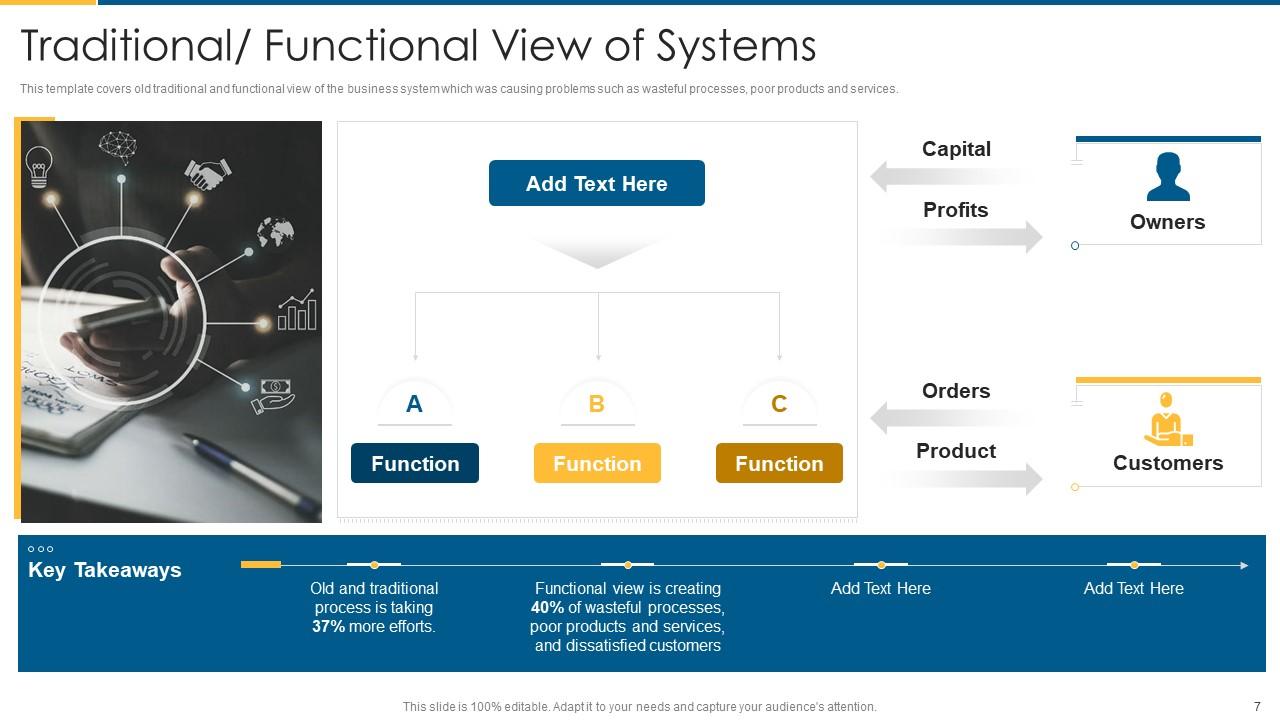
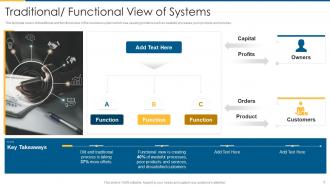
Folie 7 : Diese Folie stellt die alte traditionelle und funktionale Sicht auf das Geschäftssystem dar, das Probleme wie verschwenderische Prozesse, schlechte Produkte und Dienstleistungen verursachte.
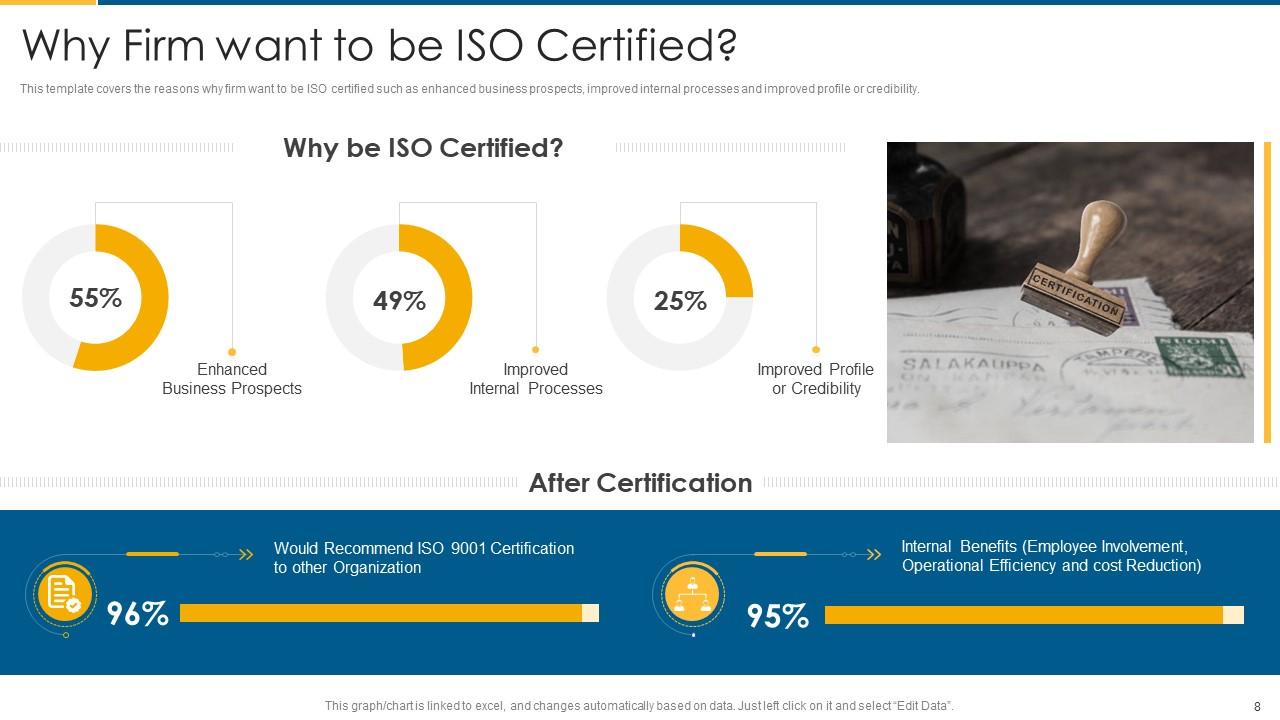
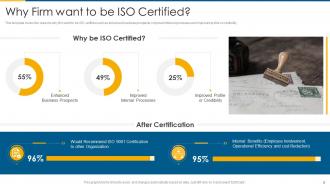
Folie 8 : Diese Folie zeigt Gründe, warum Unternehmen ISO-zertifiziert werden möchten, wie verbesserte Geschäftsaussichten, verbesserte interne Prozesse und verbessertes Profil oder Glaubwürdigkeit.
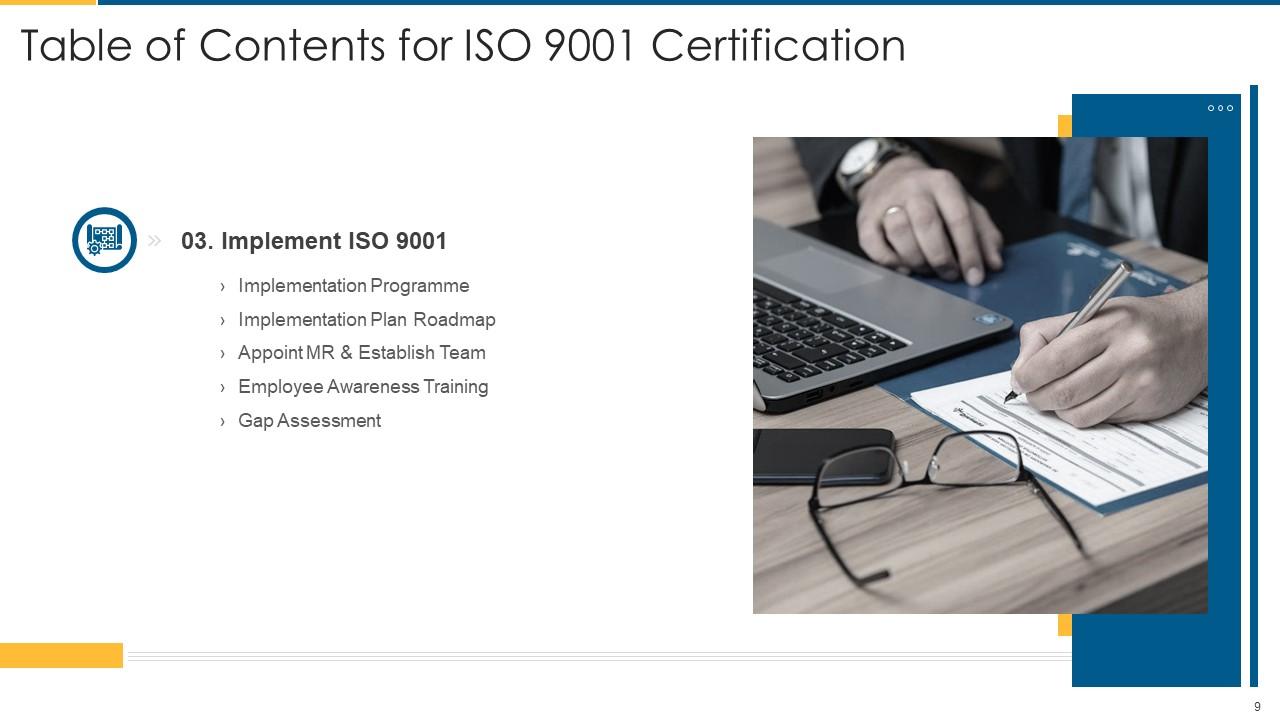
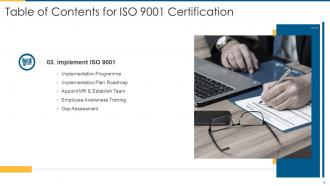
Folie 9 : Diese Folie zeigt das Inhaltsverzeichnis für die ISO 9001-Zertifizierung.
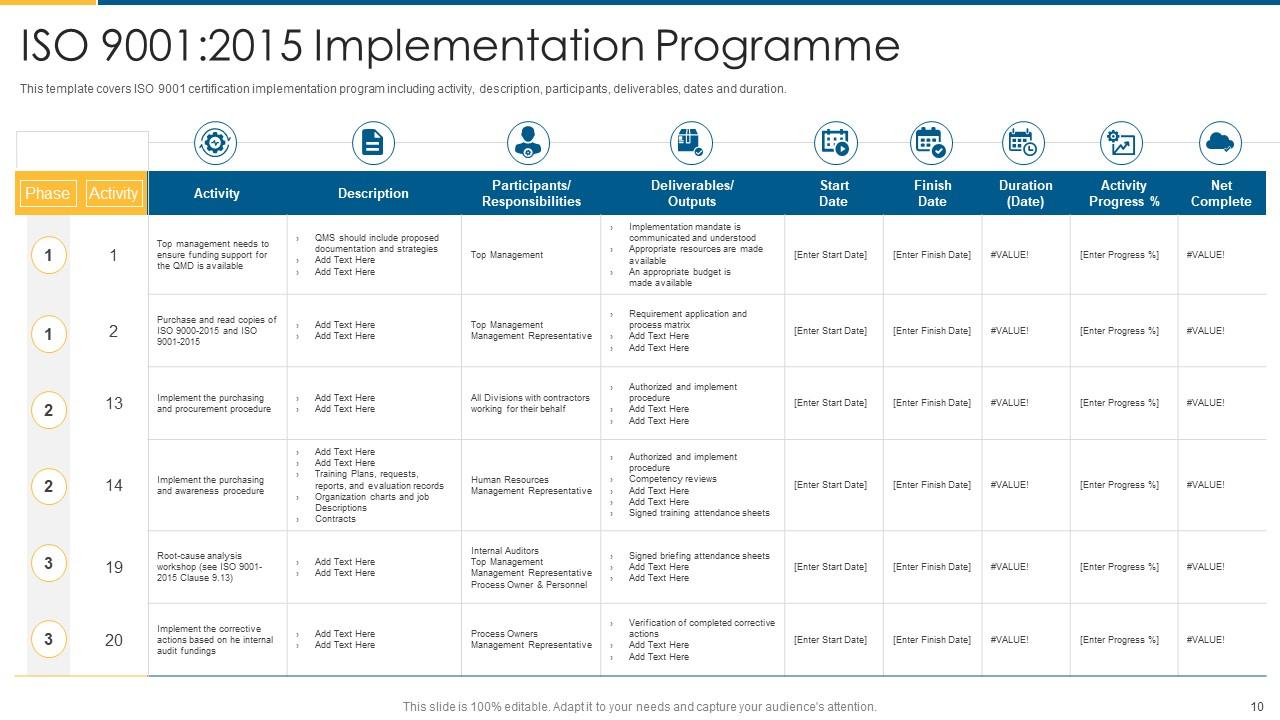
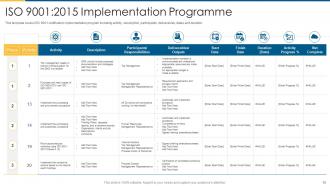
Folie 10 : Diese Folie zeigt das Implementierungsprogramm für die ISO 9001-Zertifizierung, einschließlich Aktivität, Beschreibung, Teilnehmer usw.
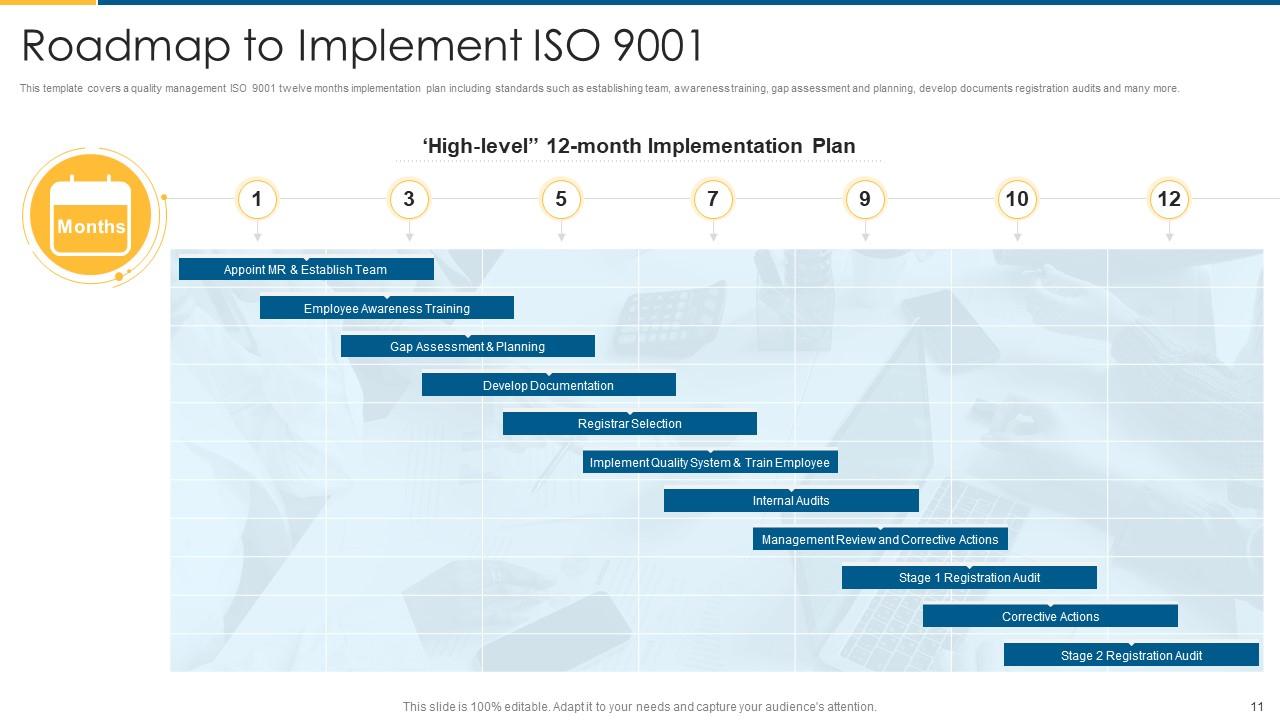
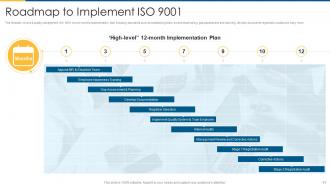
Folie 11 : Diese Folie zeigt den zwölfmonatigen Umsetzungsplan für das Qualitätsmanagement nach ISO 9001.
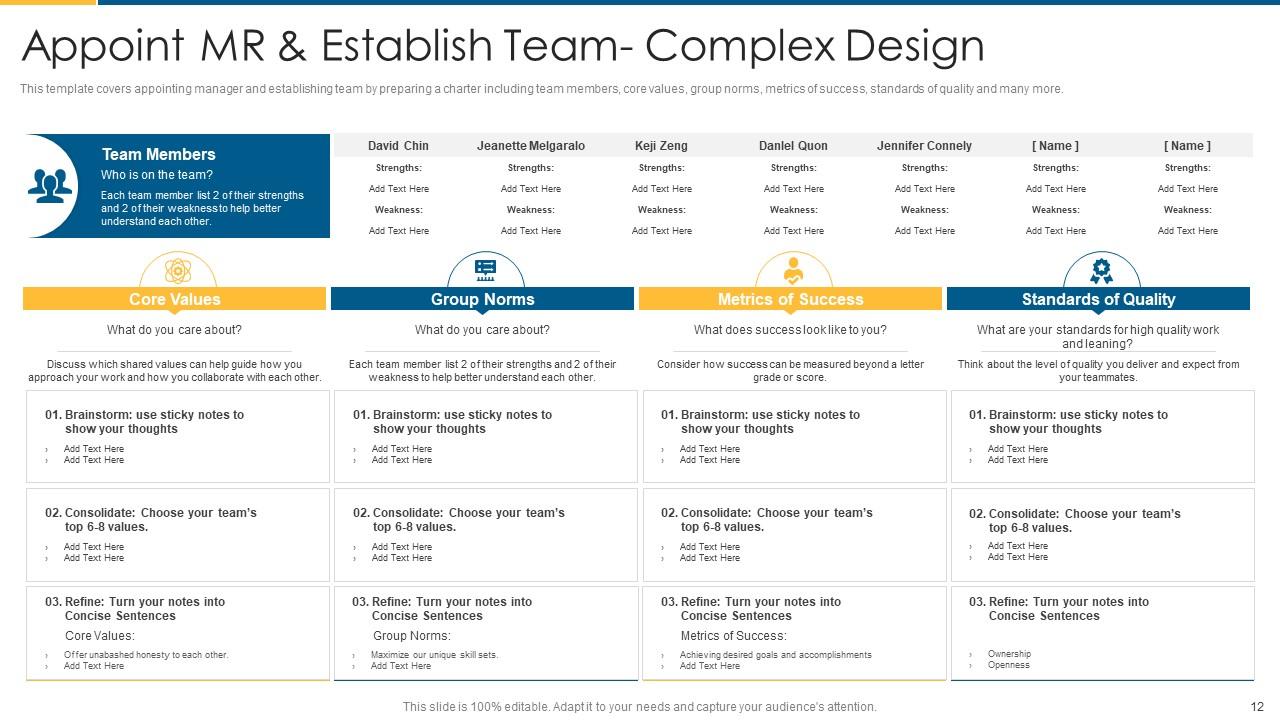
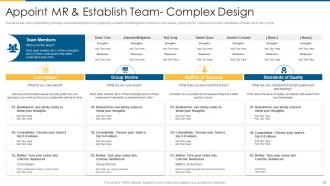
Folie 12 : Diese Folie stellt die Ernennung eines Managers und die Gründung eines Teams dar, indem eine Charta erstellt wird, die Teammitglieder, Grundwerte usw. enthält.
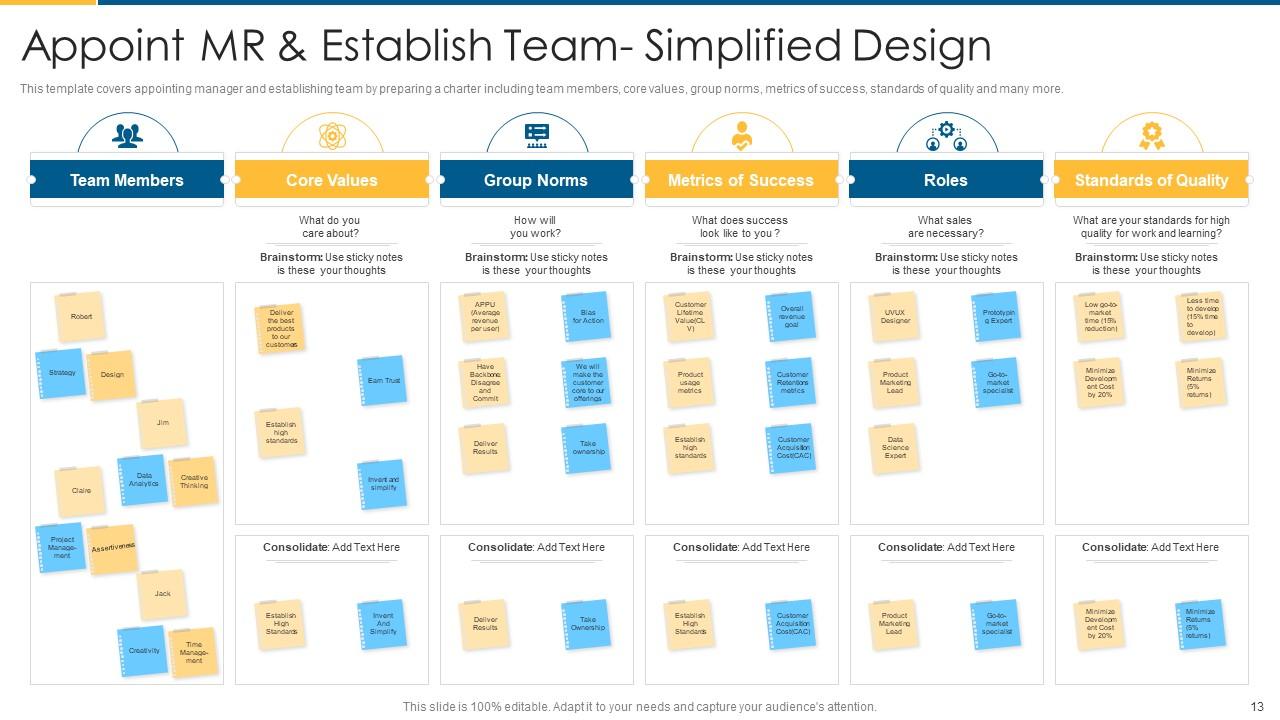
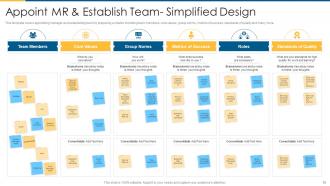
Folie 13 : Diese Folie zeigt die Ernennung eines Managers und die Gründung eines Teams durch die Vorbereitung einer Satzung.
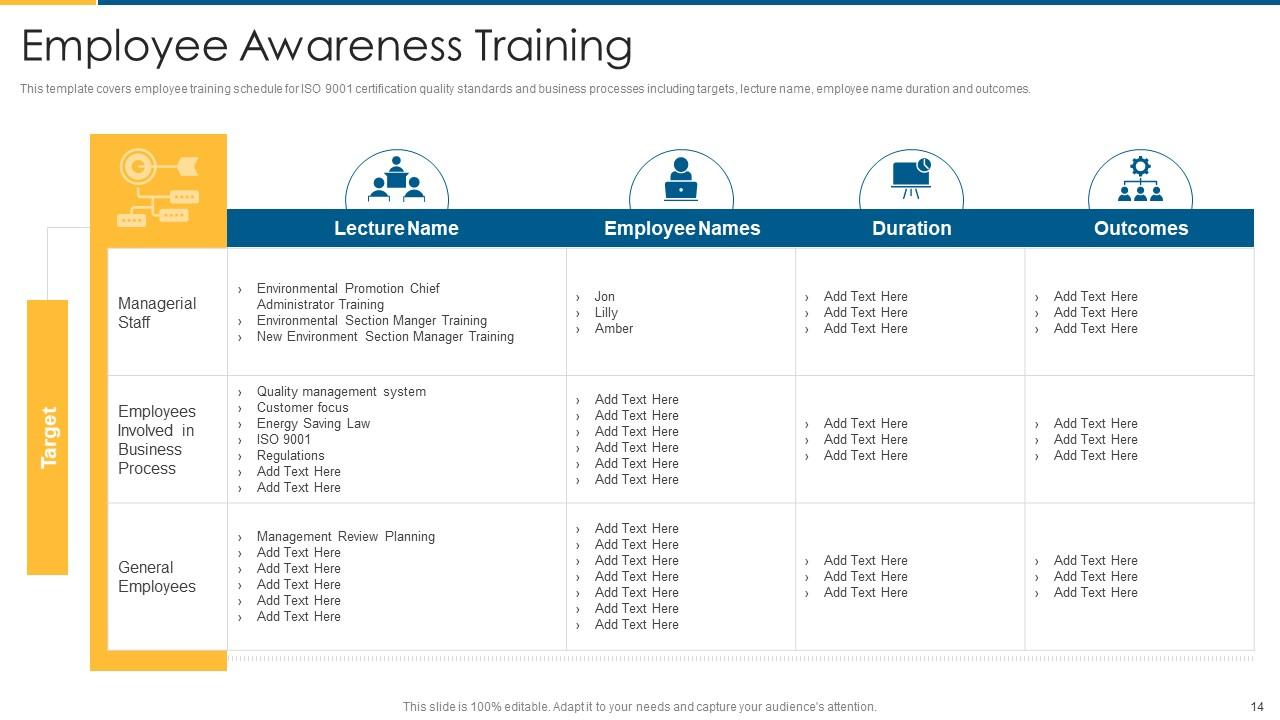
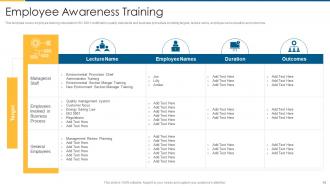
Folie 14 : Diese Folie zeigt den Mitarbeiterschulungsplan für ISO 9001-Zertifizierungsqualitätsstandards und Geschäftsprozesse.
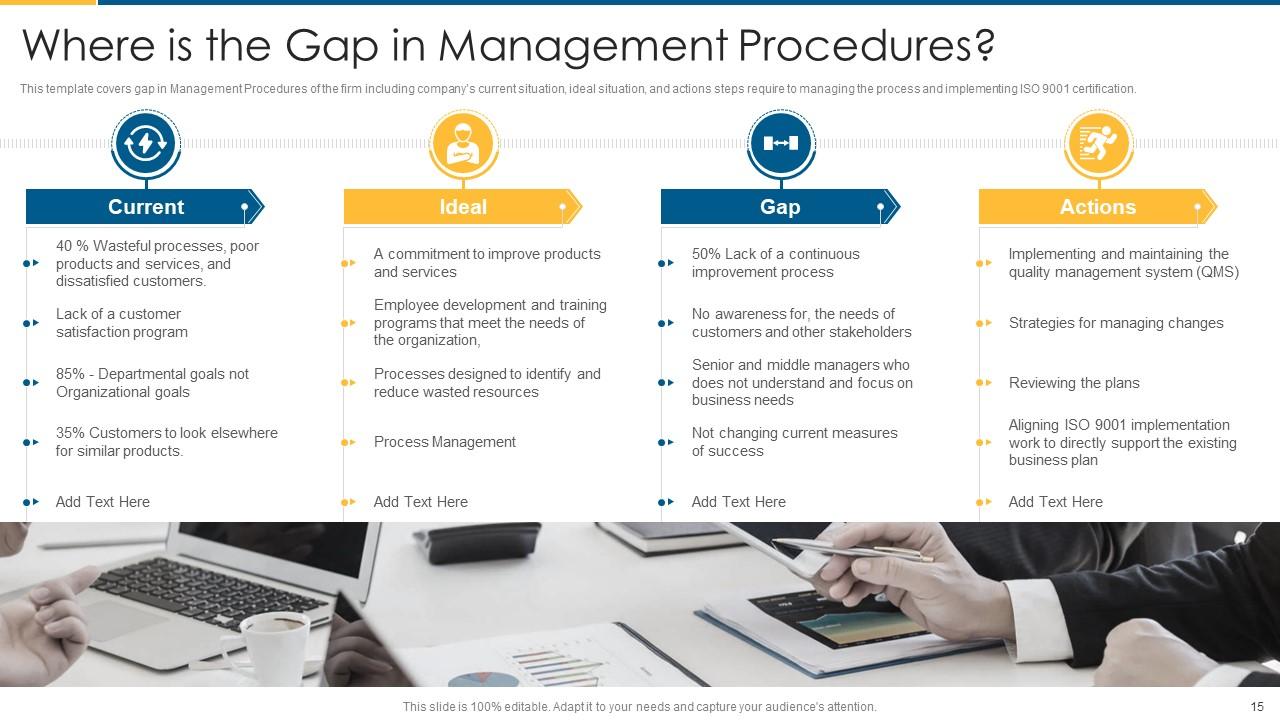
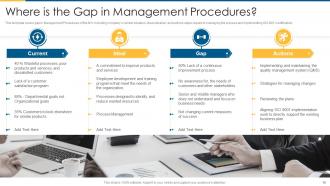
Folie 15 : Diese Folie zeigt die Lücke in den Managementverfahren des Unternehmens, einschließlich der aktuellen Situation des Unternehmens, der idealen Situation usw.
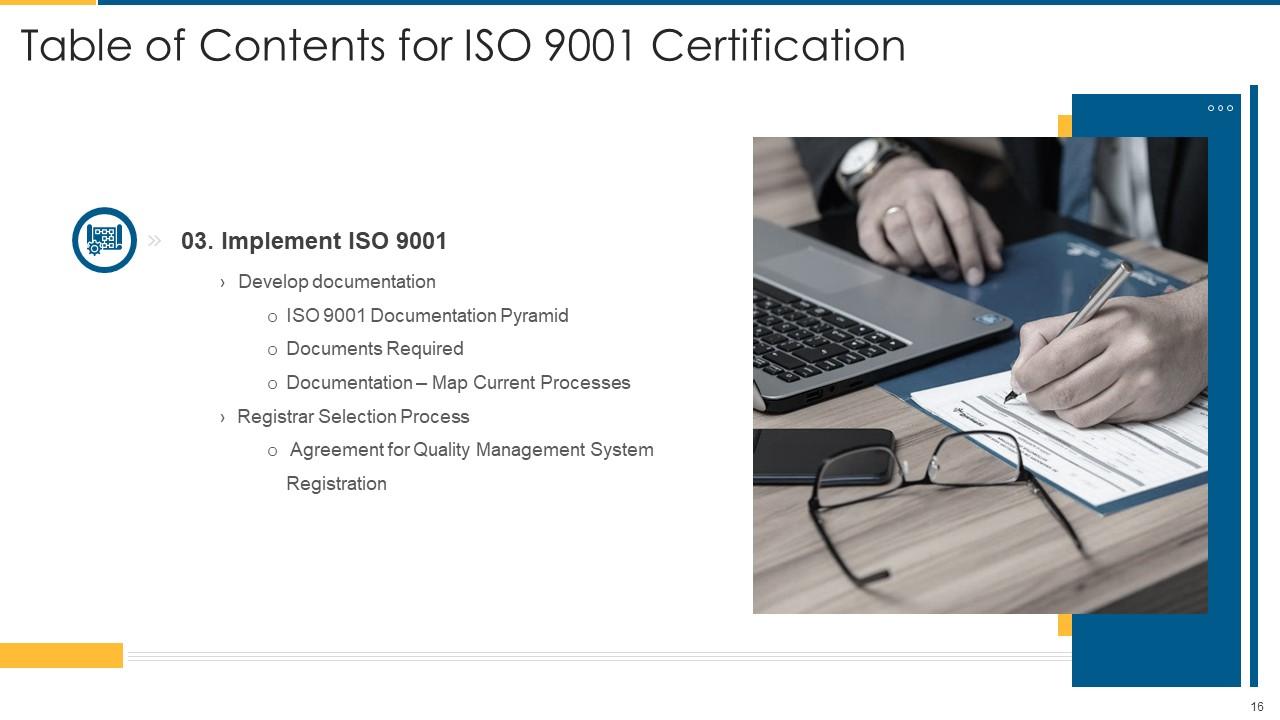
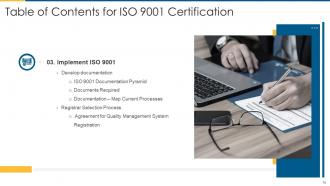
Folie 16 : Diese Folie zeigt das Inhaltsverzeichnis für die ISO 9001-Zertifizierung.
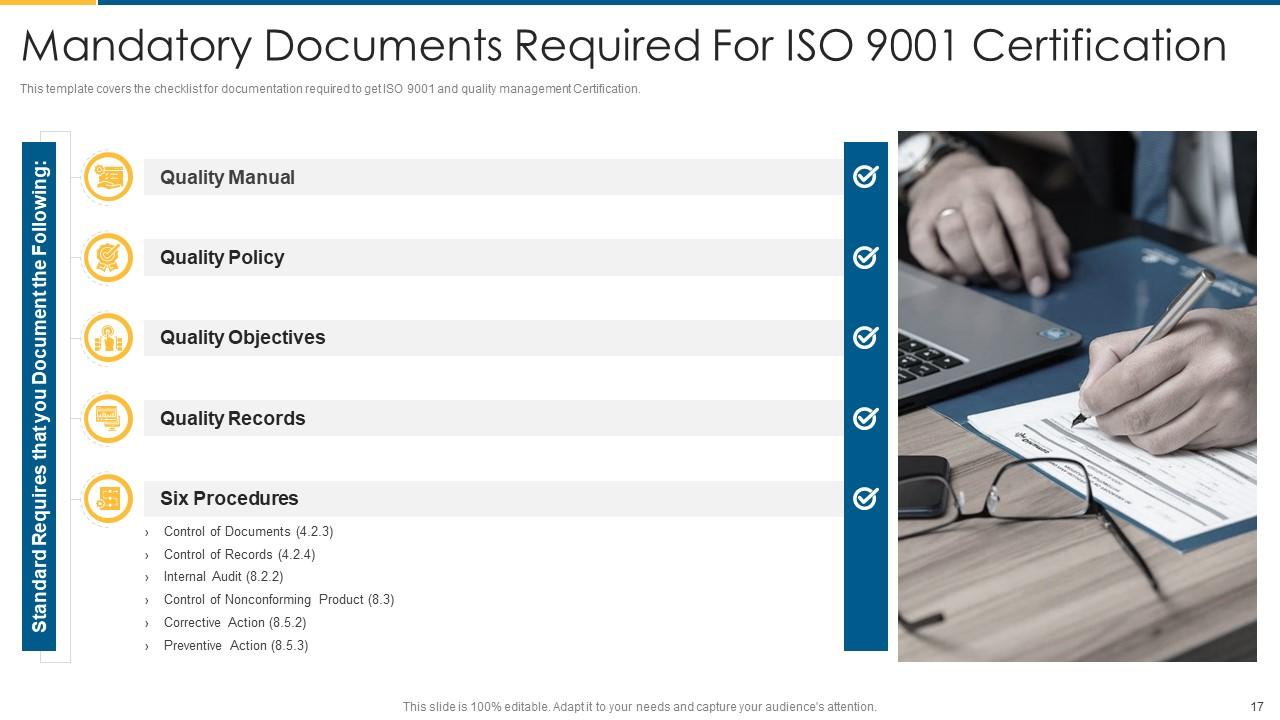
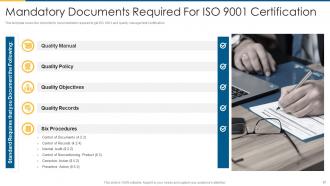
Folie 17 : Diese Folie stellt eine Checkliste für die Dokumentation dar, die erforderlich ist, um eine ISO 9001- und Qualitätsmanagement-Zertifizierung zu erhalten.
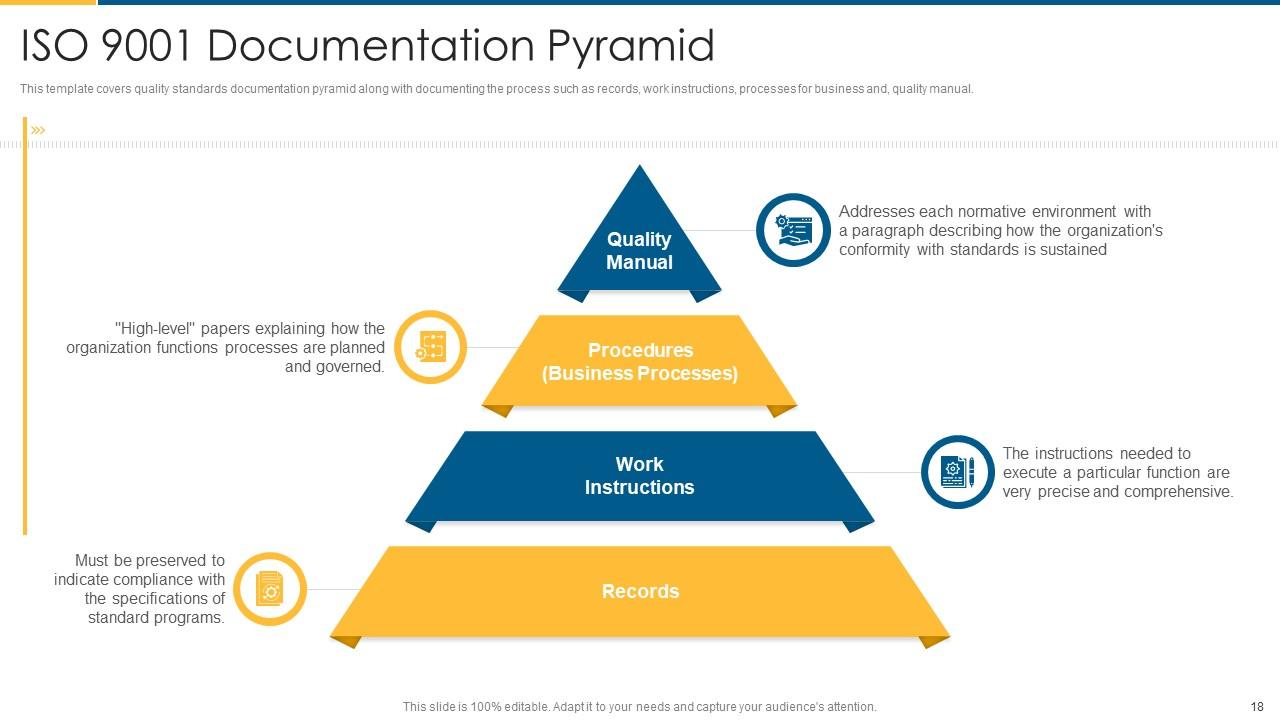
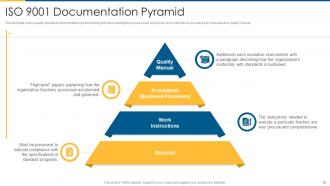
Folie 18 : Diese Folie zeigt die Dokumentationspyramide der Qualitätsstandards zusammen mit der Dokumentation des Prozesses wie Aufzeichnungen, Arbeitsanweisungen usw.
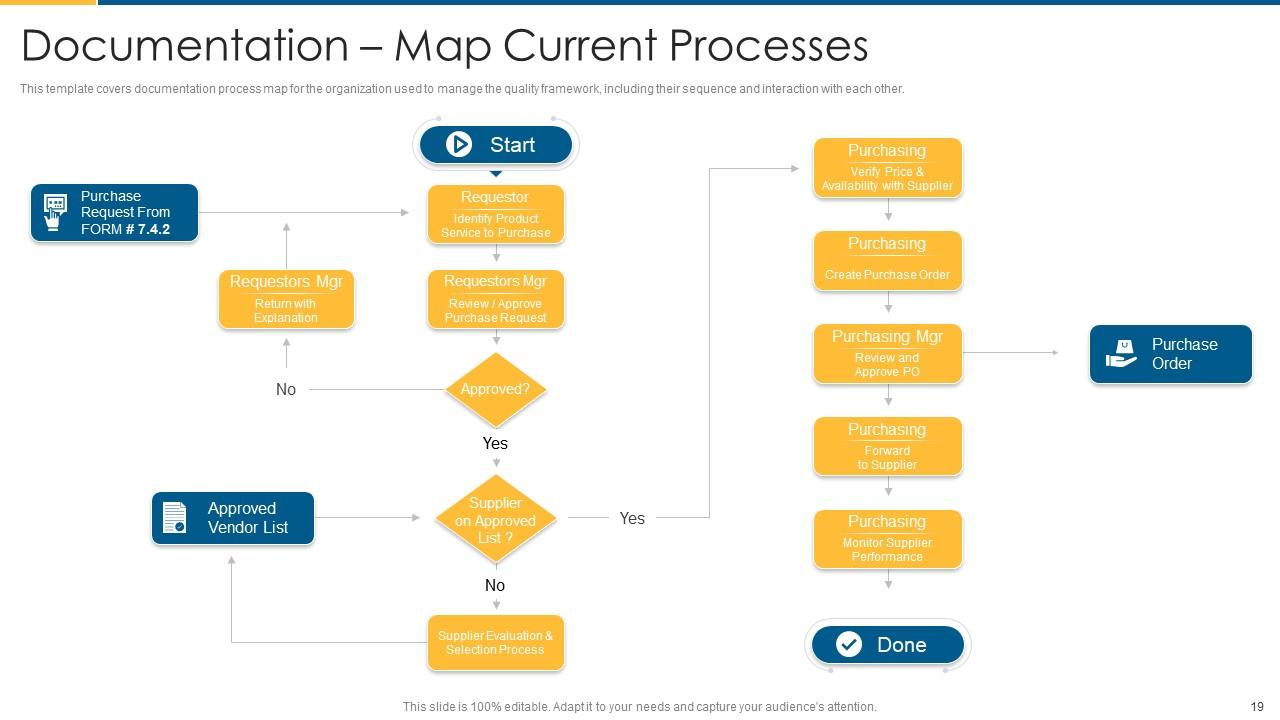
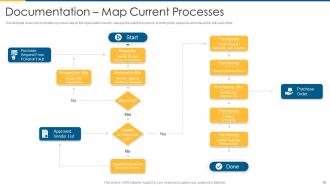
Folie 19 : Diese Folie zeigt eine Dokumentationsprozesskarte für die Organisation, die zur Verwaltung des Qualitätsrahmens verwendet wird.
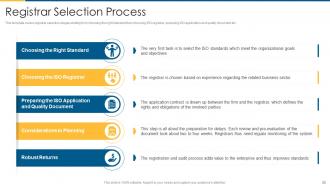
Folie 20 : Diese Folie zeigt den Auswahlprozess für den Registrar.
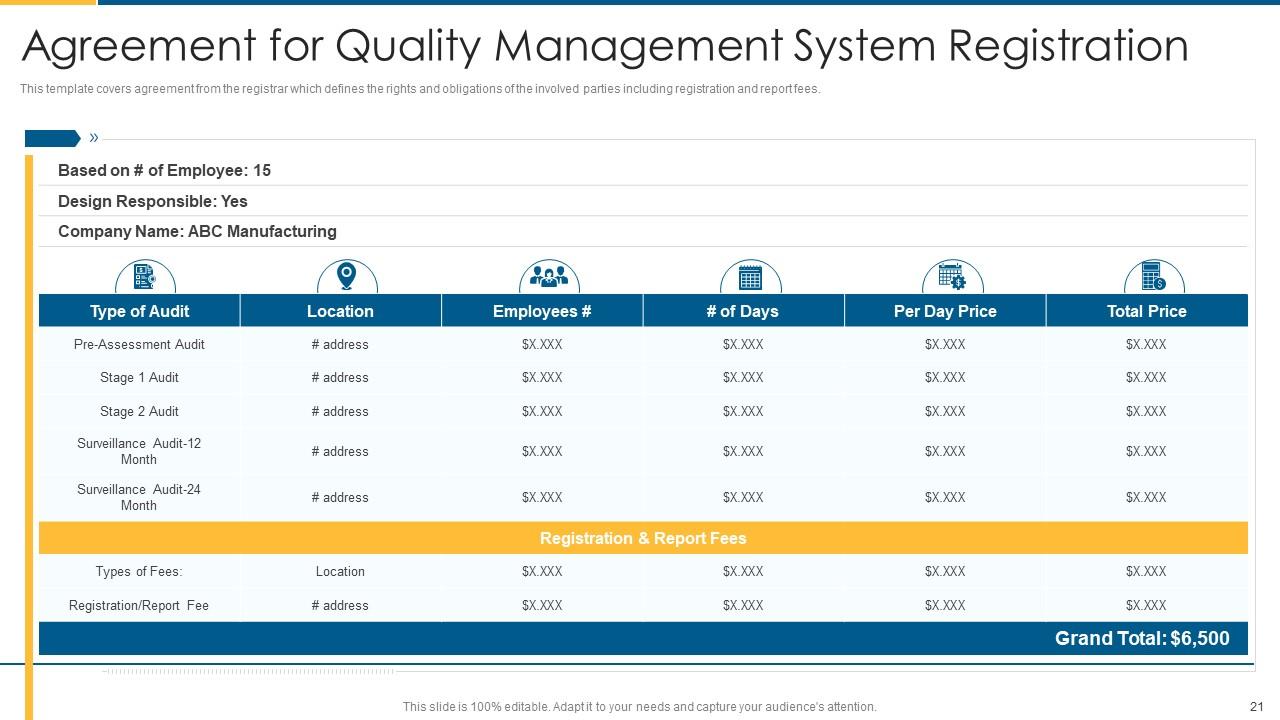
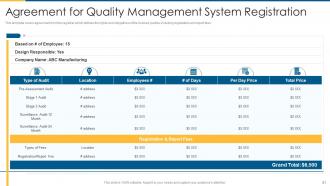
Folie 21 : Diese Folie zeigt die Vereinbarung des Registrars, die die Rechte und Pflichten der beteiligten Parteien definiert.
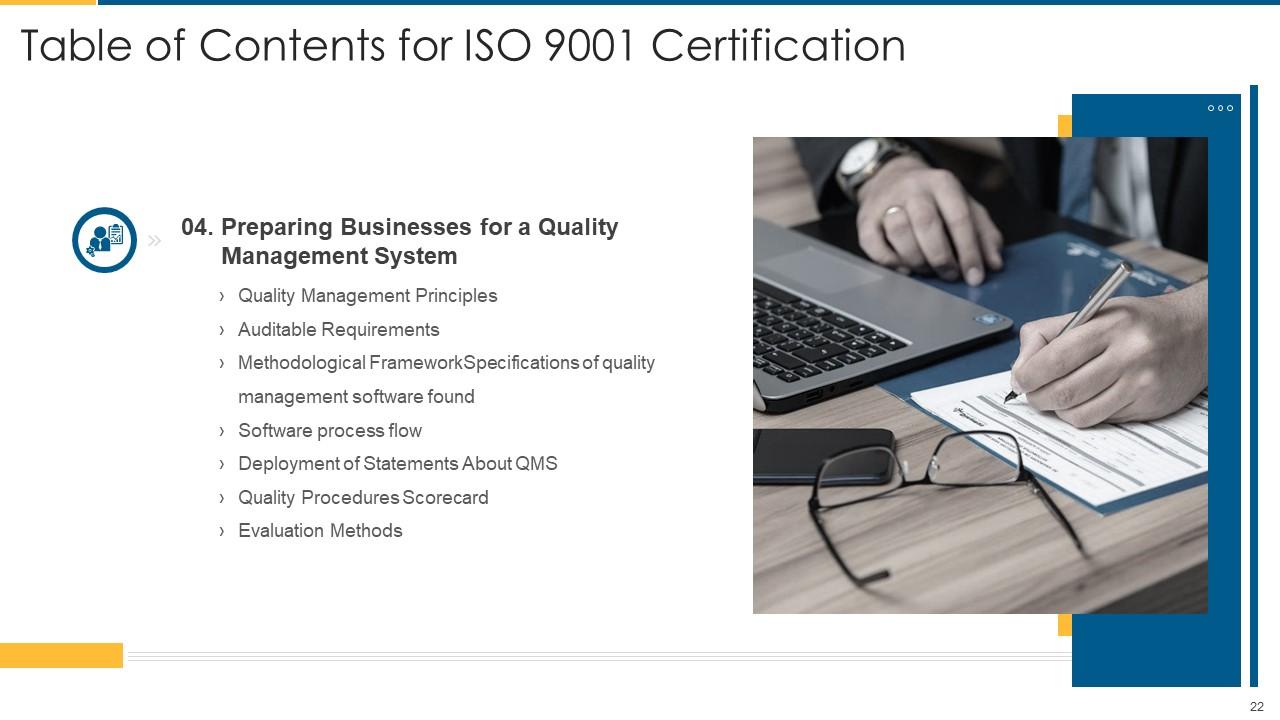
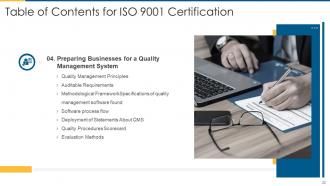
Folie 22 : Diese Folie stellt das Inhaltsverzeichnis für die ISO 9001-Zertifizierung dar.
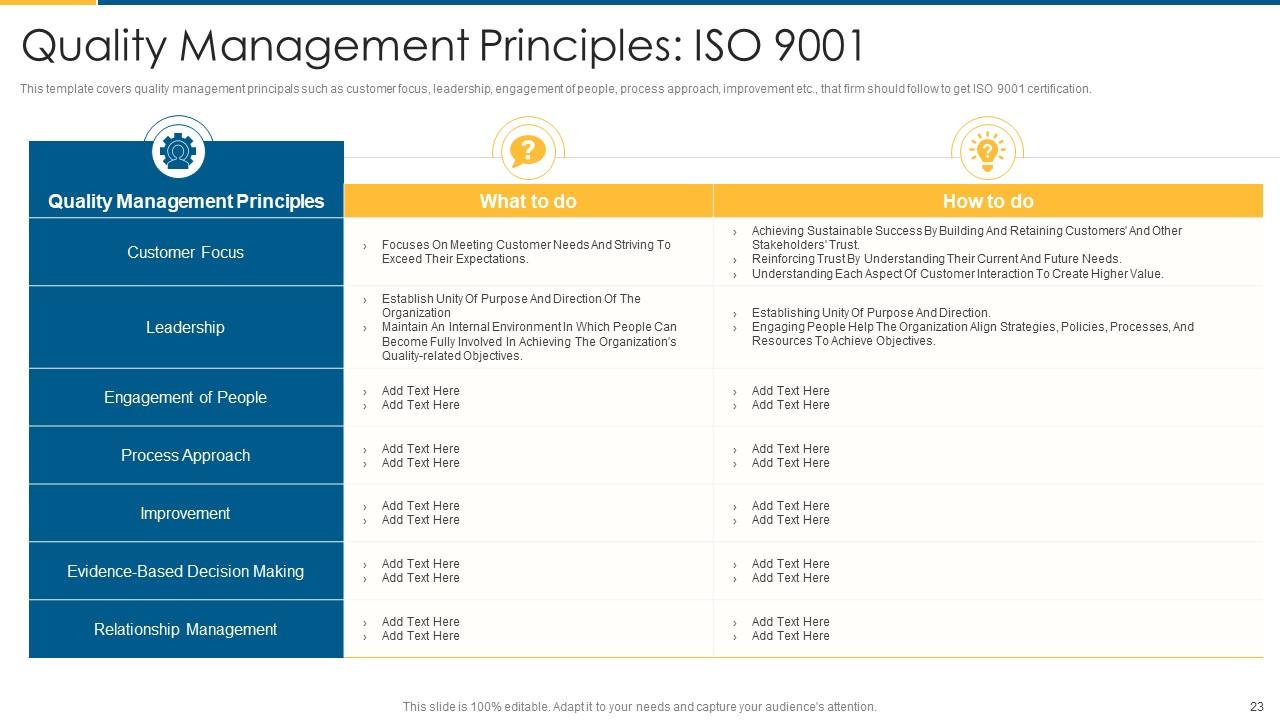
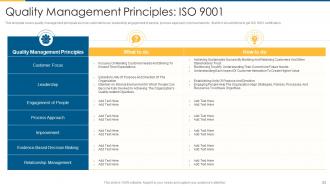
Folie 23 : Diese Folie zeigt Prinzipien des Qualitätsmanagements wie Kundenorientierung, Führung, Engagement von Menschen usw.
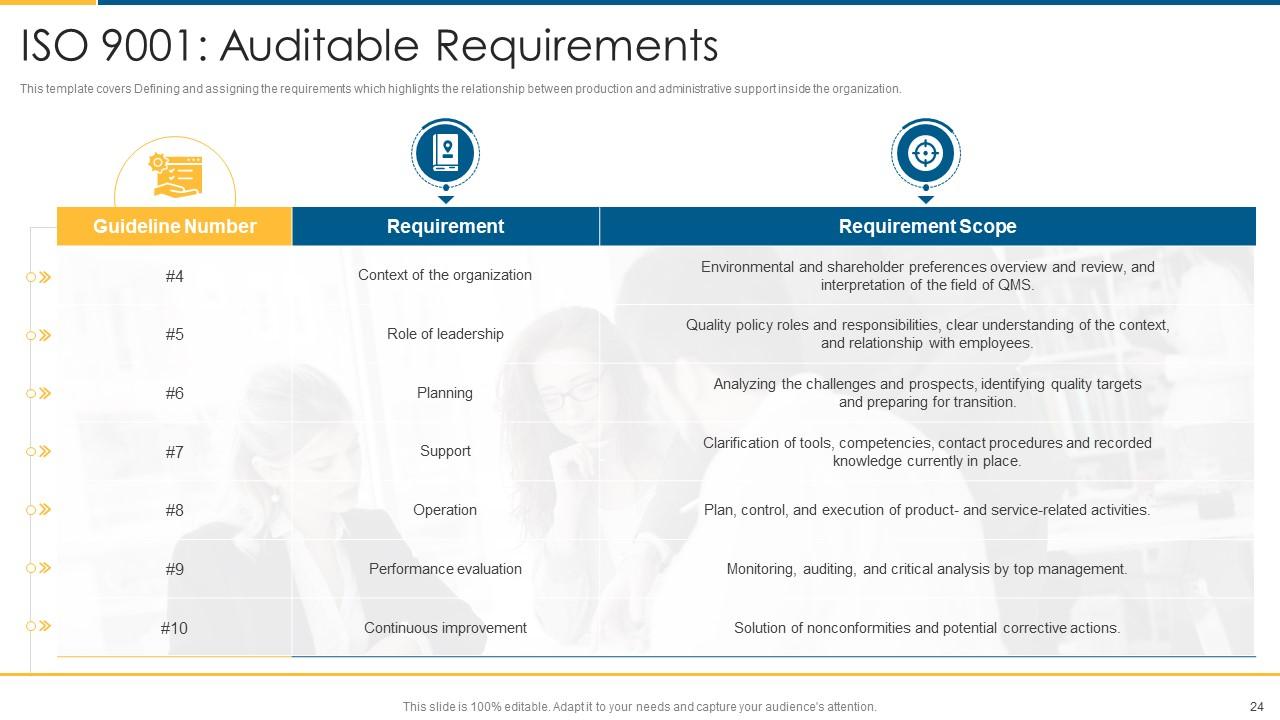
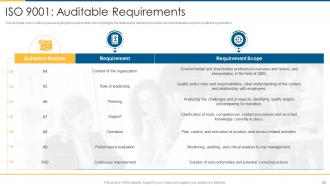
Folie 24 : Diese Folie zeigt das Definieren und Zuweisen der Anforderungen, das die Beziehung zwischen Produktion und administrativer Unterstützung innerhalb der Organisation hervorhebt.
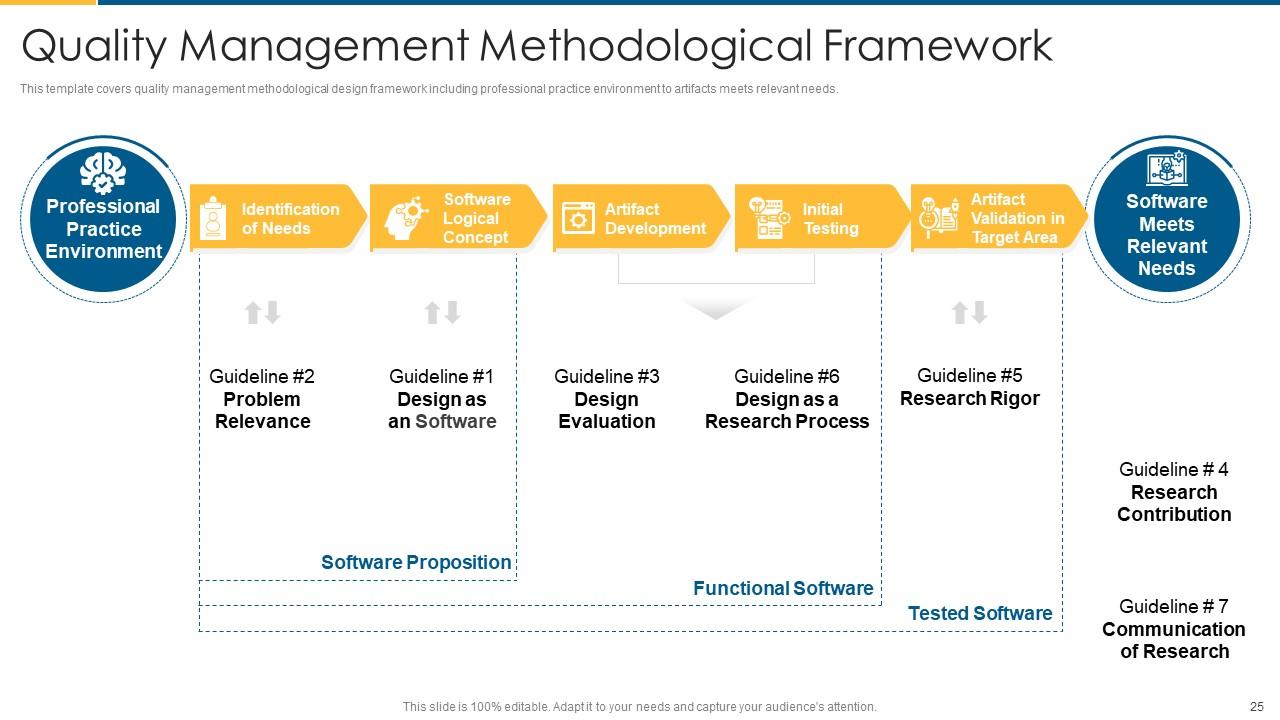
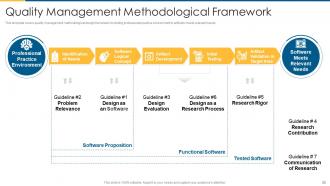
Folie 25 : Diese Folie zeigt den methodischen Entwurfsrahmen für das Qualitätsmanagement.
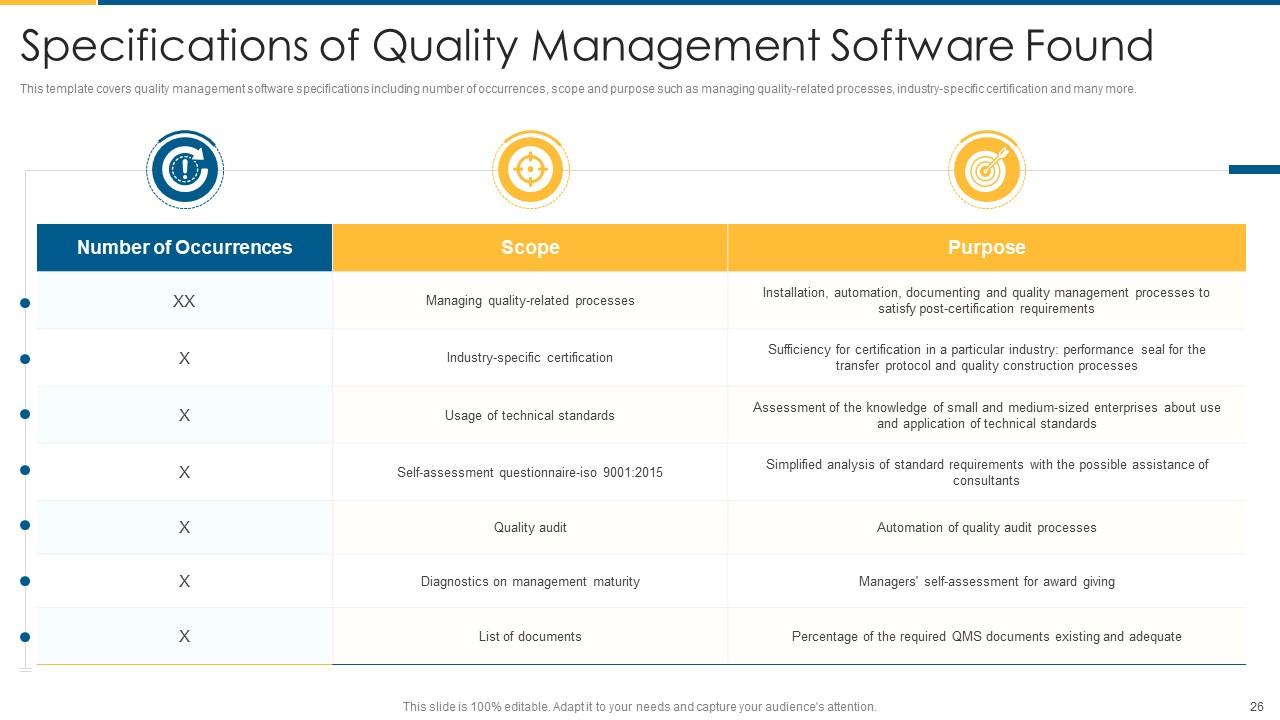
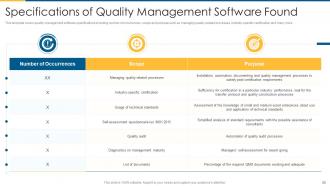
Folie 26 : Diese Folie zeigt die Spezifikationen der Qualitätsmanagement-Software, einschließlich der Häufigkeit, des Umfangs und des Zwecks.
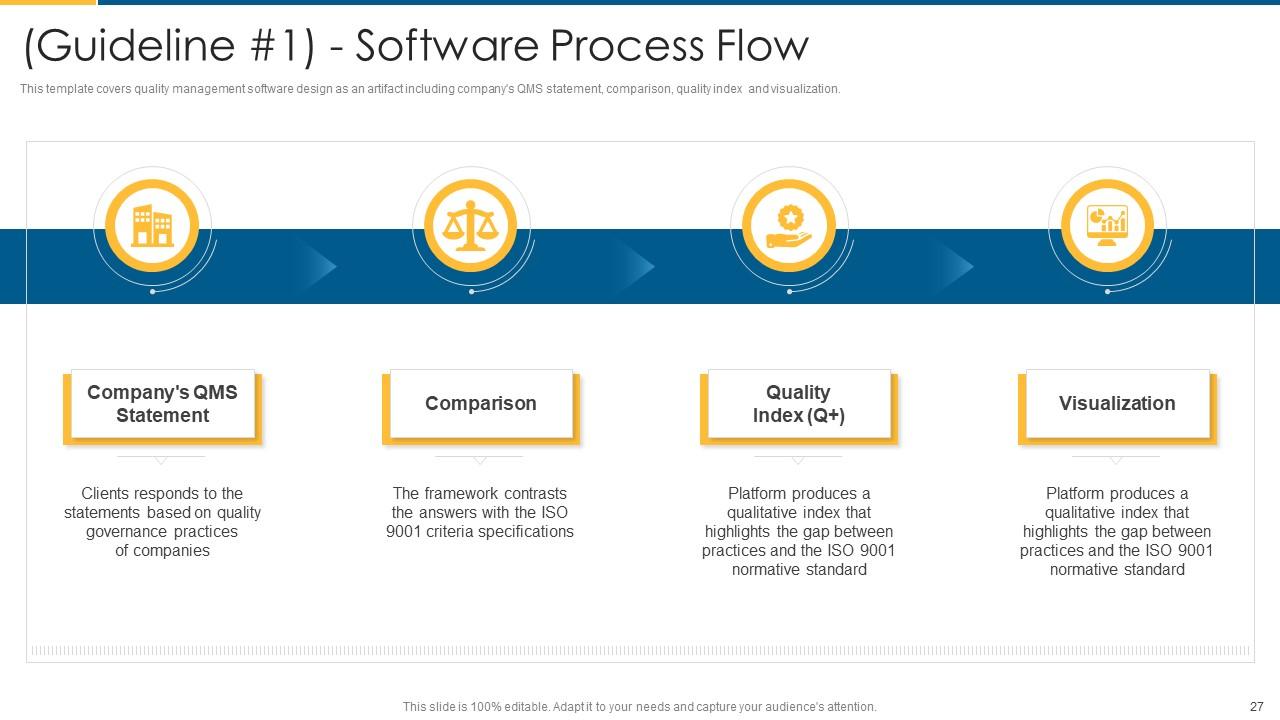
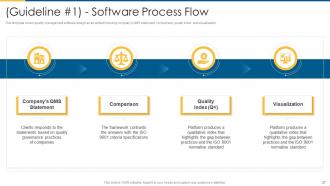
Folie 27 : Diese Folie stellt das Design von Qualitätsmanagement-Software als Artefakt dar, einschließlich der QMS-Erklärung, des Vergleichs, des Qualitätsindex usw. des Unternehmens.
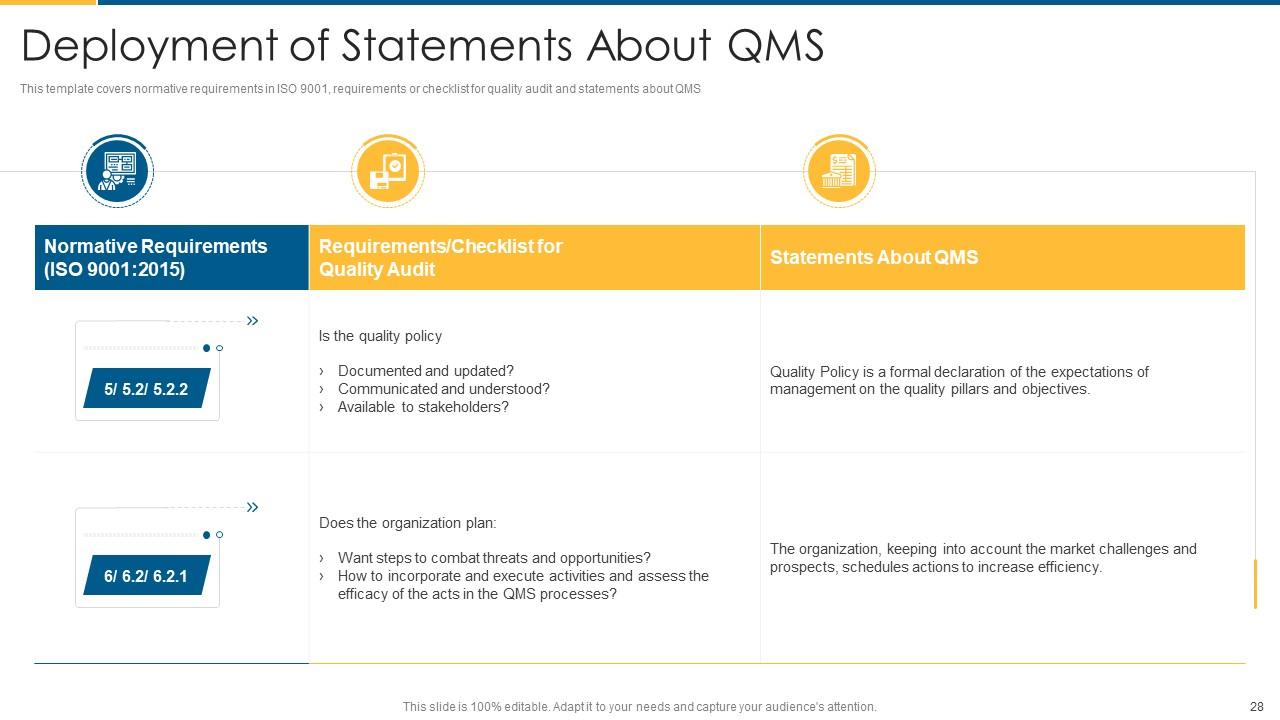
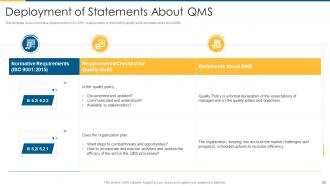
Folie 28 : Diese Folie zeigt normative Anforderungen in ISO 9001, Anforderungen oder Checklisten für Qualitätsaudits und Aussagen zum QMS.
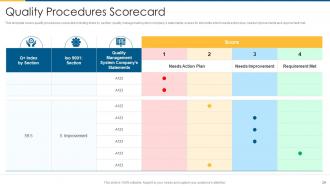
Folie 29 : Diese Folie zeigt eine Scorecard für Qualitätsverfahren, einschließlich Index nach Abschnitt, Erklärungen des Qualitätsmanagementsystems des Unternehmens usw.
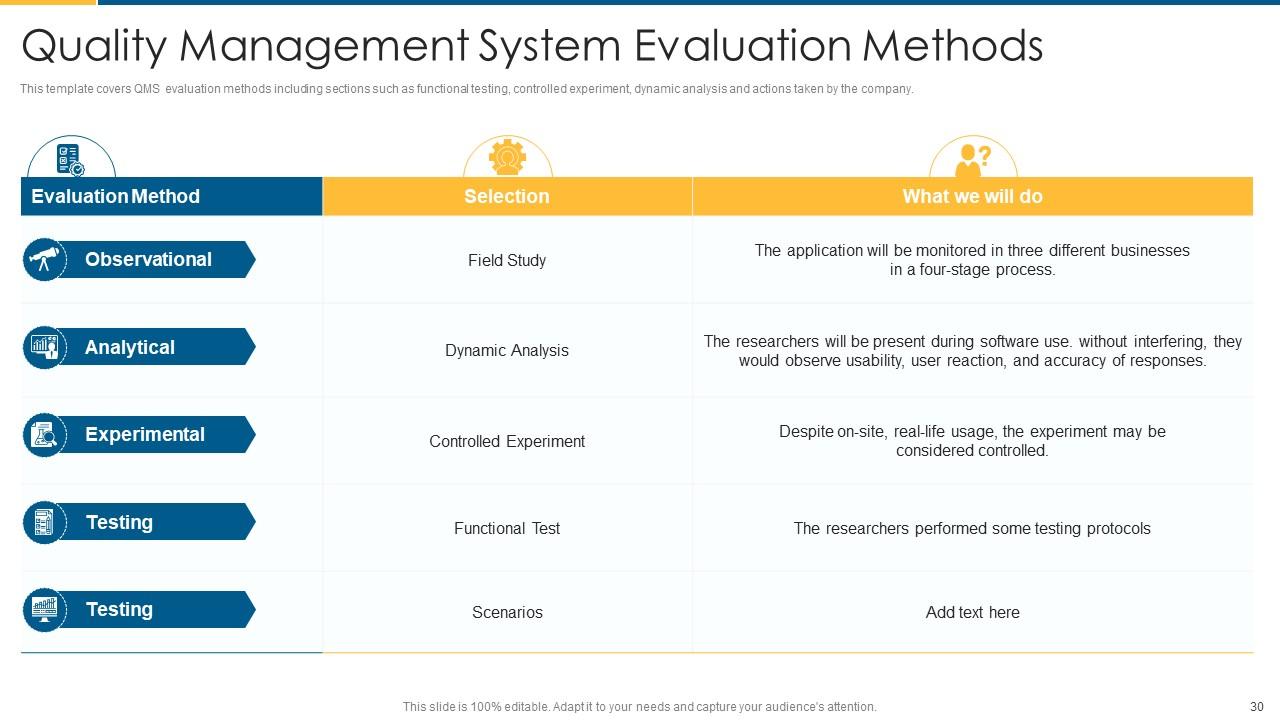
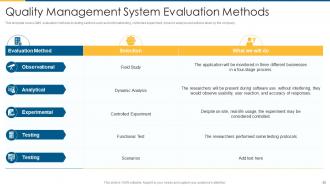
Folie 30 : Diese Folie zeigt QMS-Bewertungsmethoden, einschließlich Abschnitten wie Funktionstests, kontrollierte Experimente usw.
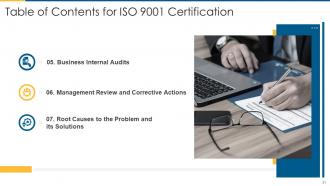
Folie 31 : Diese Folie zeigt das Inhaltsverzeichnis für die ISO 9001-Zertifizierung.
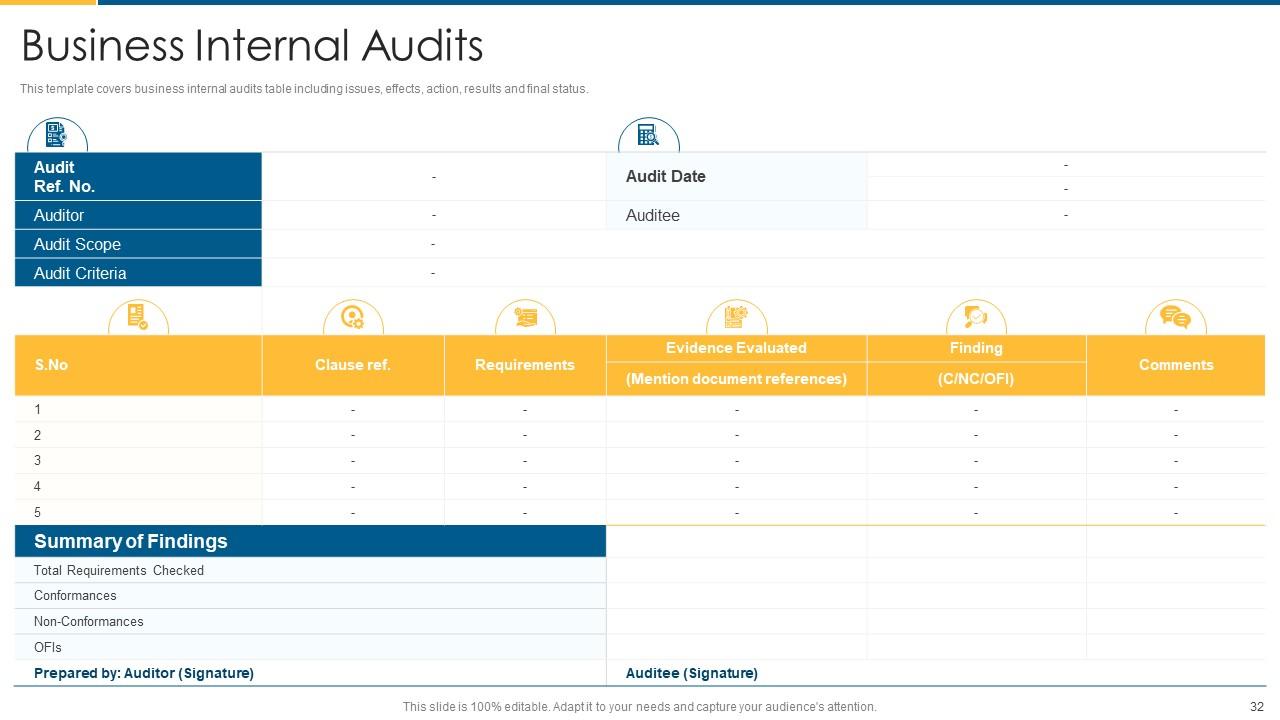
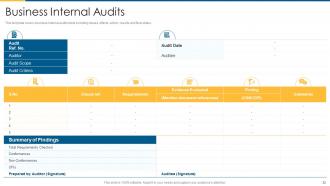
Folie 32 : Diese Vorlage stellt die Tabelle der internen Audits des Unternehmens dar, einschließlich Probleme, Auswirkungen, Maßnahmen, Ergebnisse und Endstatus.
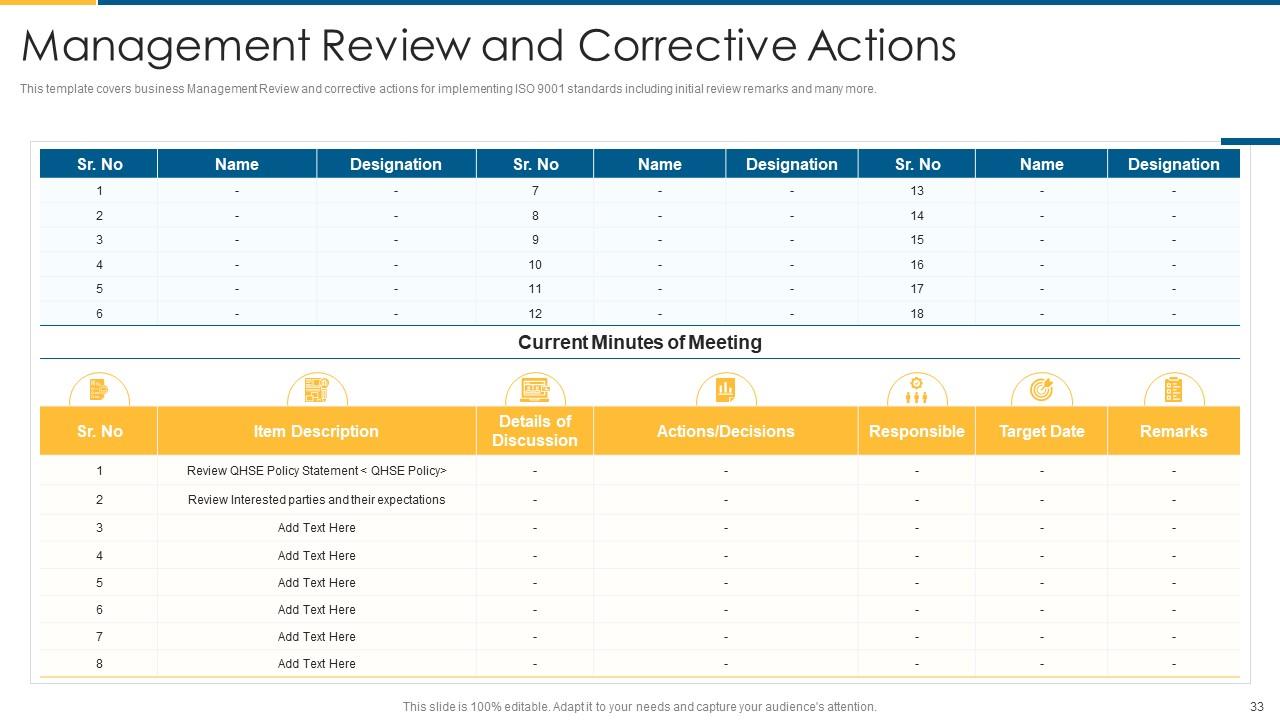
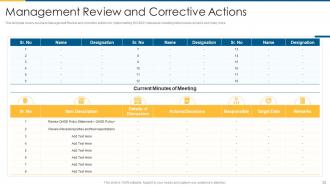
Folie 33 : Diese Folie zeigt die Überprüfung der Unternehmensführung und Korrekturmaßnahmen zur Umsetzung der ISO 9001-Standards.
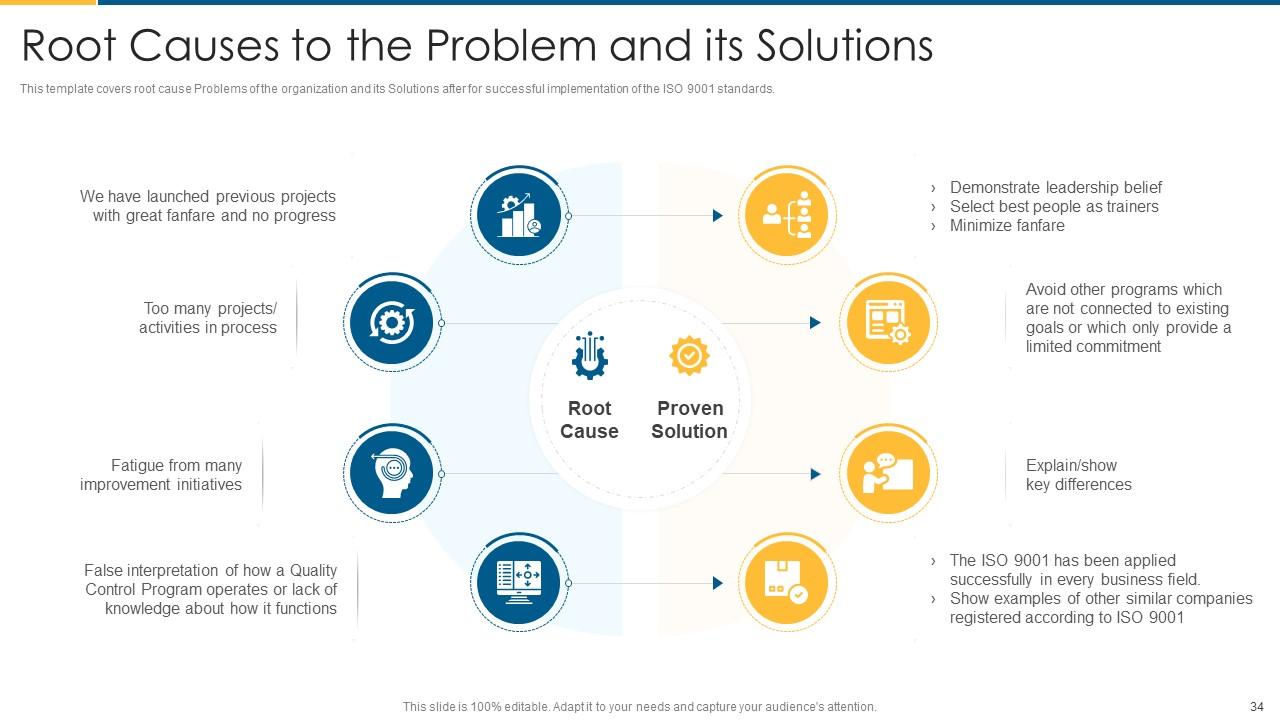
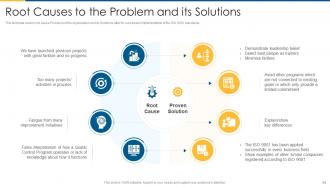
Folie 34 : Diese Folie präsentiert die Grundursachenprobleme der Organisation und ihre Lösungen für eine erfolgreiche Implementierung der ISO 9001-Standards.
Folie 35 : Diese Folie zeigt das Inhaltsverzeichnis für die ISO 9001-Zertifizierung.
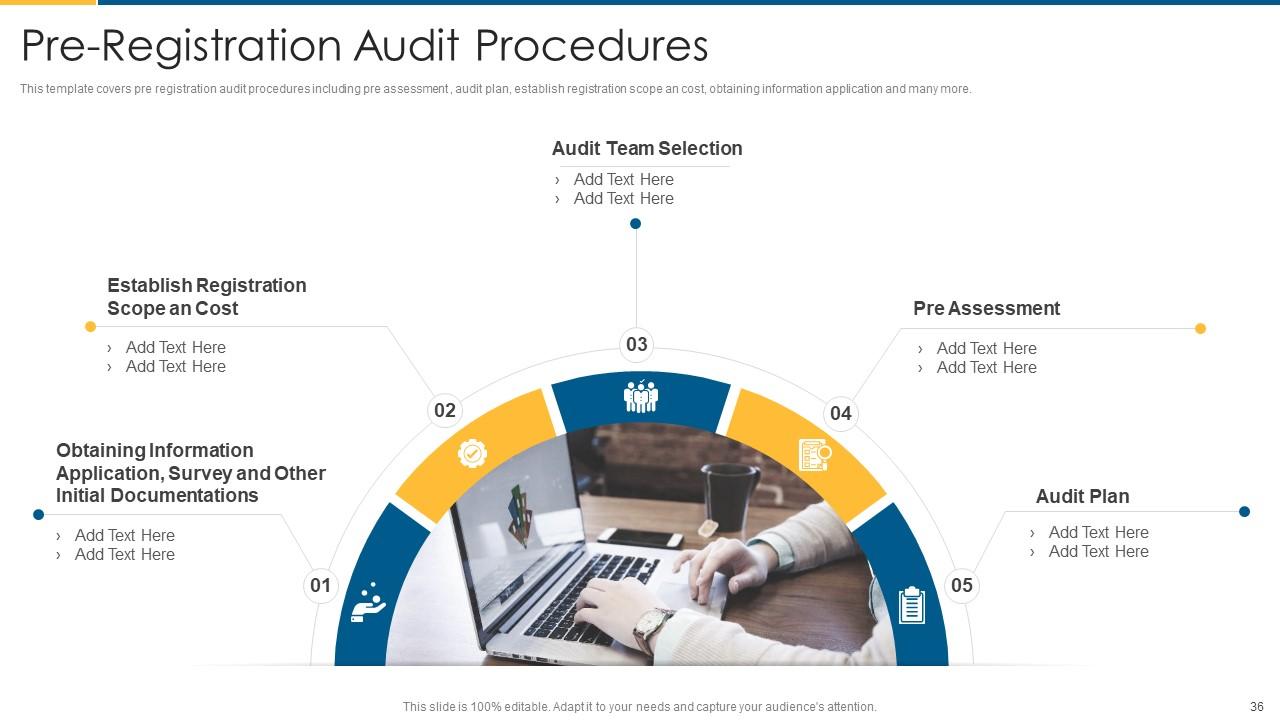
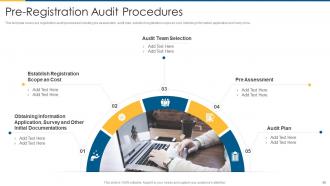
Folie 36 : Diese Folie zeigt Auditverfahren vor der Registrierung, einschließlich Vorbewertung, Auditplan, Festlegung des Registrierungsumfangs usw.
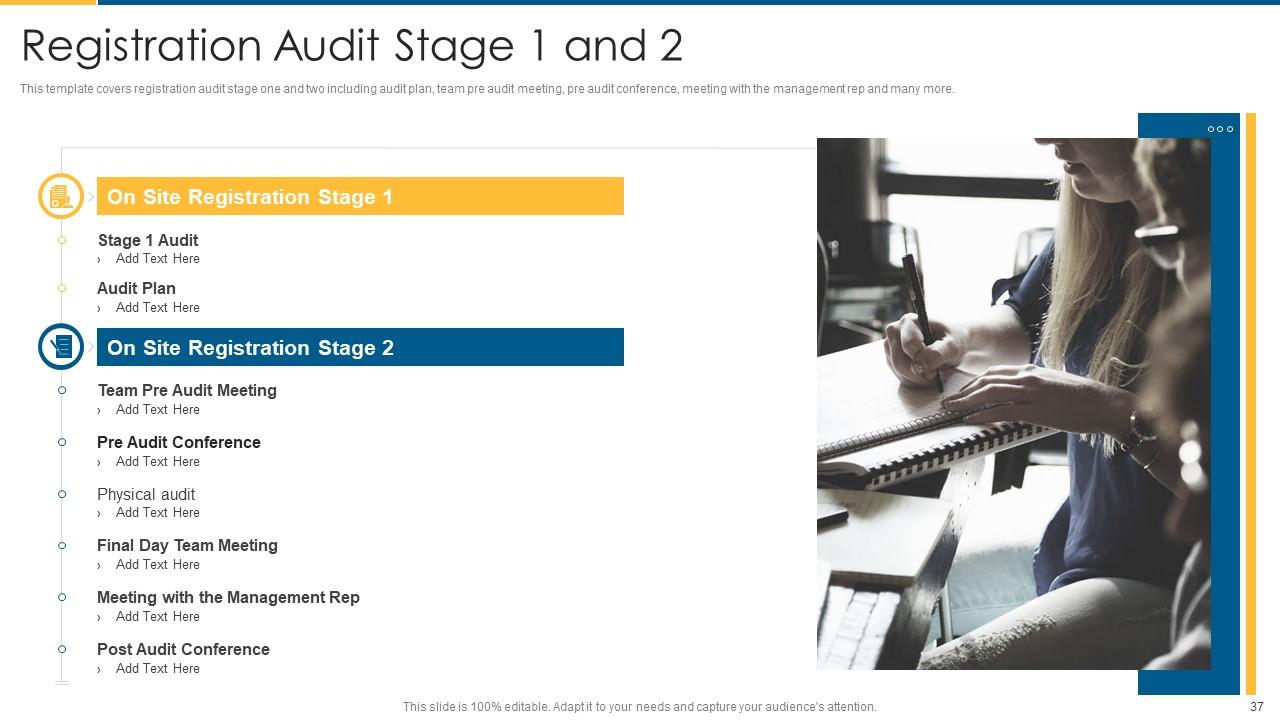
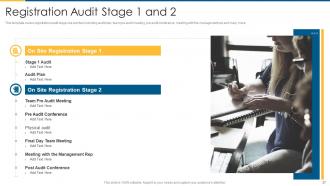
Folie 37 : Diese Folie stellt die Phase eins und zwei des Registrierungsaudits dar, einschließlich des Auditplans, der Teambesprechung vor dem Audit usw.
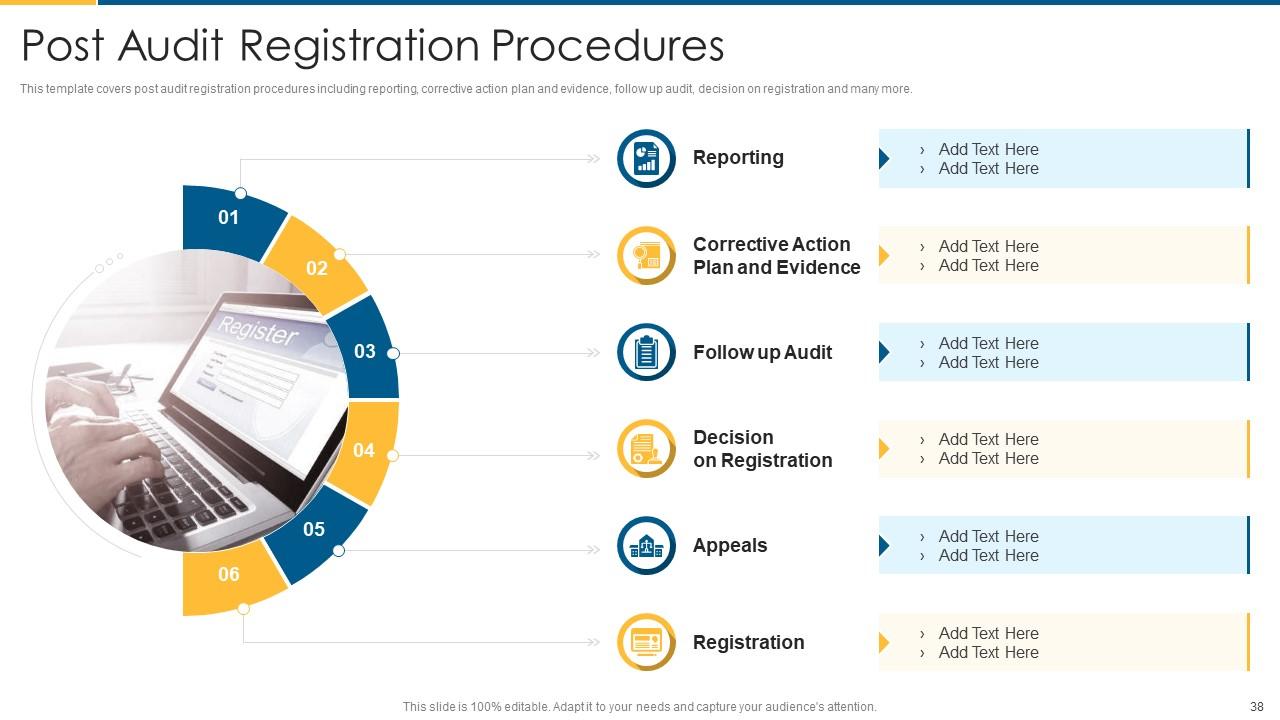
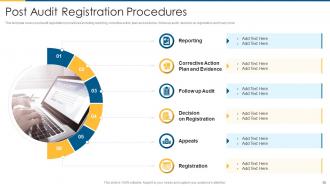
Folie 38 : Diese Folie zeigt Registrierungsverfahren nach dem Audit, einschließlich Berichterstattung, Korrekturmaßnahmenplan und Nachweise usw.
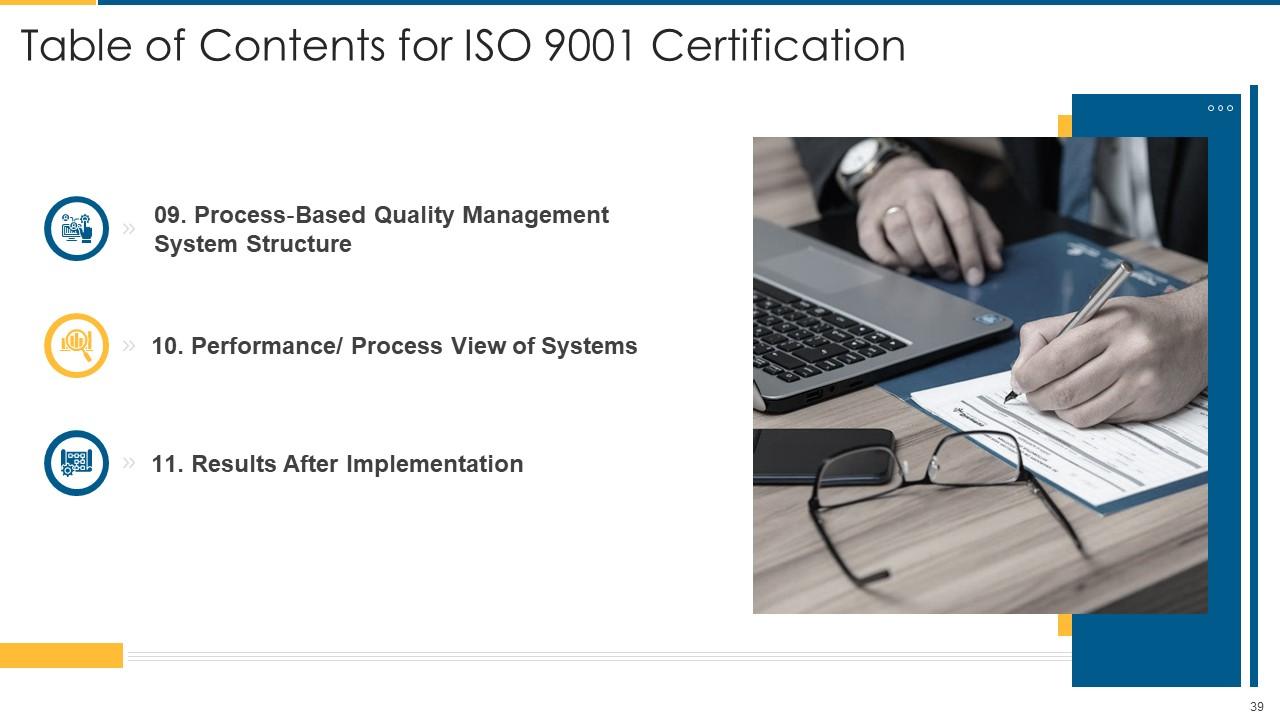
Folie 39 : Diese Folie zeigt das Inhaltsverzeichnis für die ISO 9001-Zertifizierung.
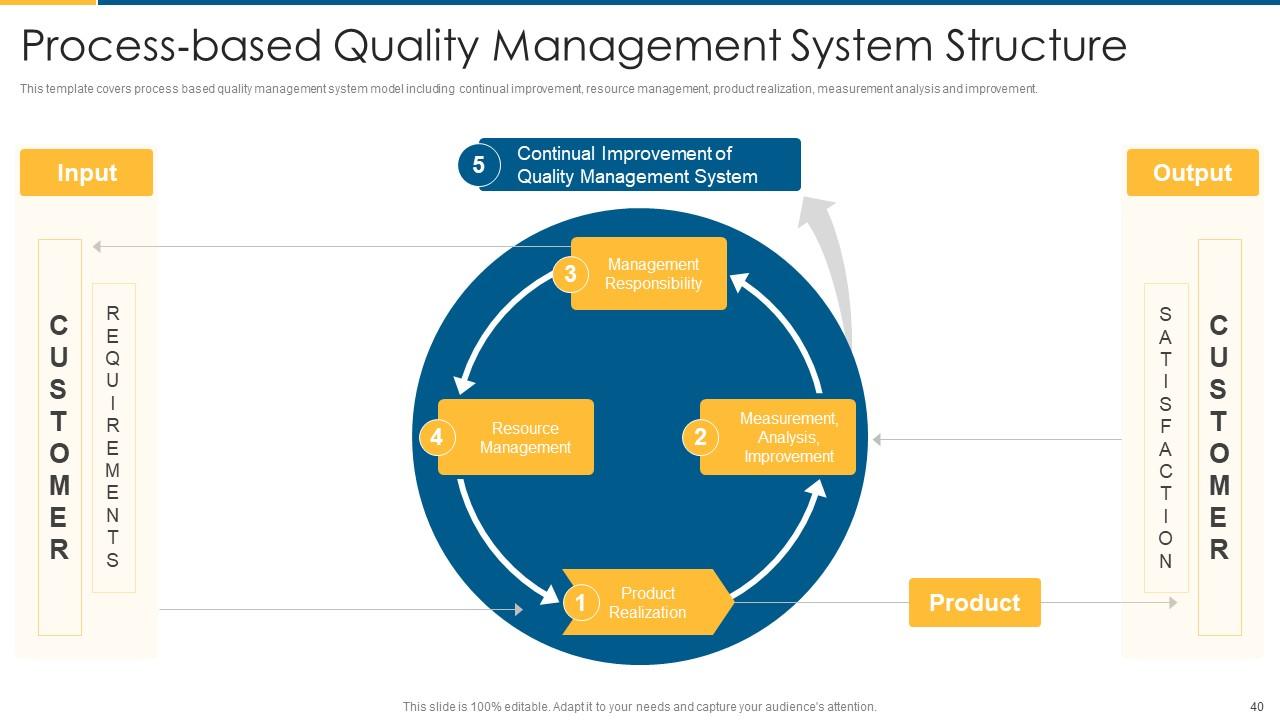
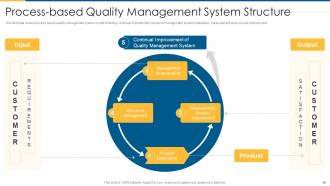
Folie 40 : Diese Folie zeigt ein prozessbasiertes Qualitätsmanagementsystemmodell, einschließlich kontinuierlicher Verbesserung, Ressourcenmanagement usw.
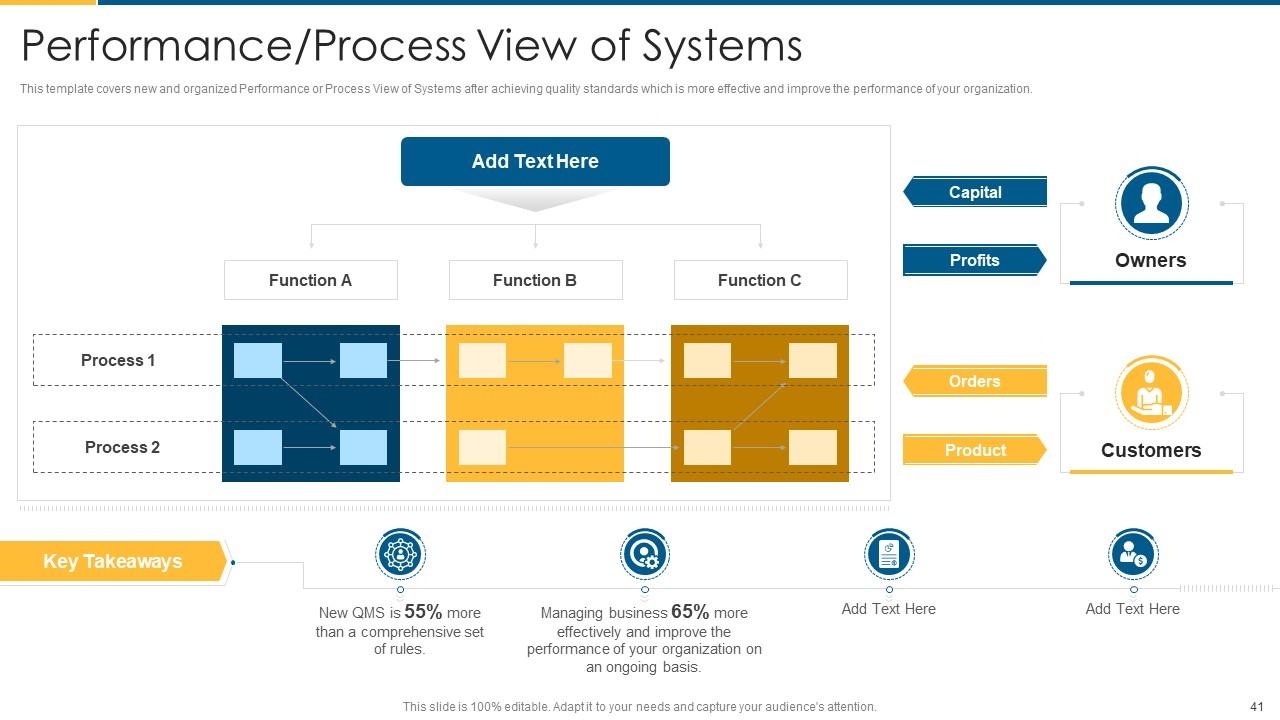
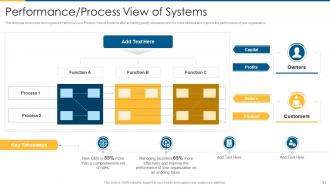
Folie 41 : Diese Folie zeigt eine neue und organisierte Leistungs- oder Prozessansicht von Systemen nach dem Erreichen von Qualitätsstandards.
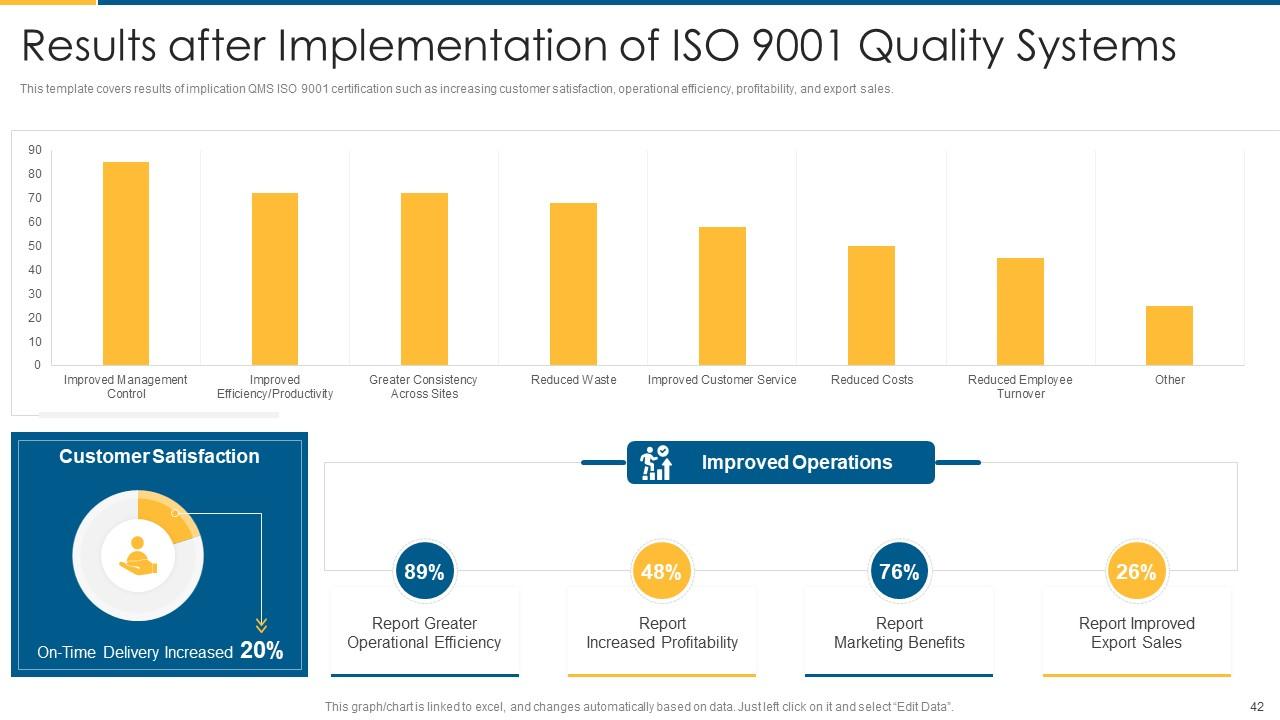
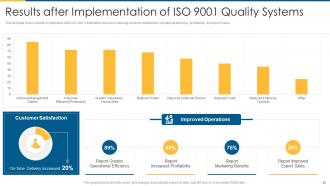
Folie 42 : Diese Folie stellt die Ergebnisse der impliziten QMS ISO 9001-Zertifizierung dar, wie z. B. die Steigerung der Kundenzufriedenheit, der betrieblichen Effizienz usw.
Folie 43 : Diese Folie zeigt das Inhaltsverzeichnis für die ISO 9001-Zertifizierung.
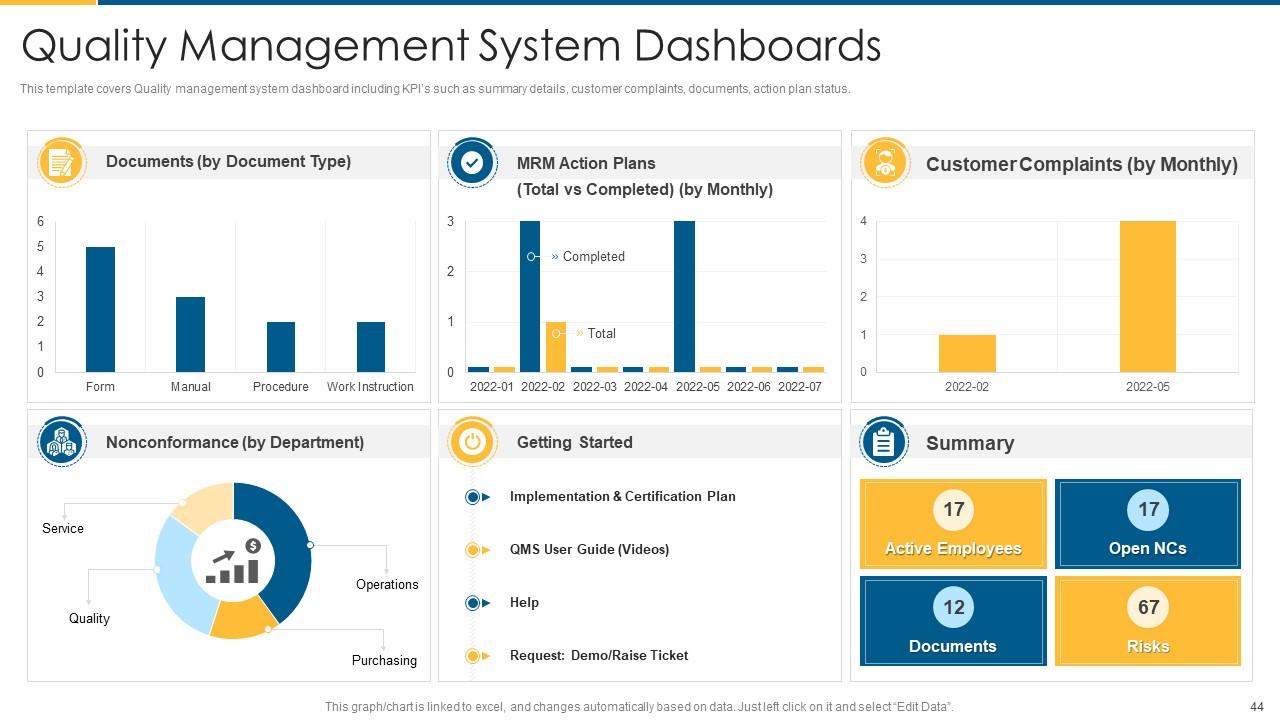
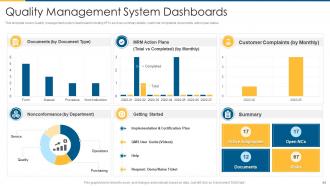
Folie 44 : Diese Folie zeigt das Dashboard des Qualitätsmanagementsystems, einschließlich KPIs wie zusammenfassende Details, Kundenbeschwerden usw.
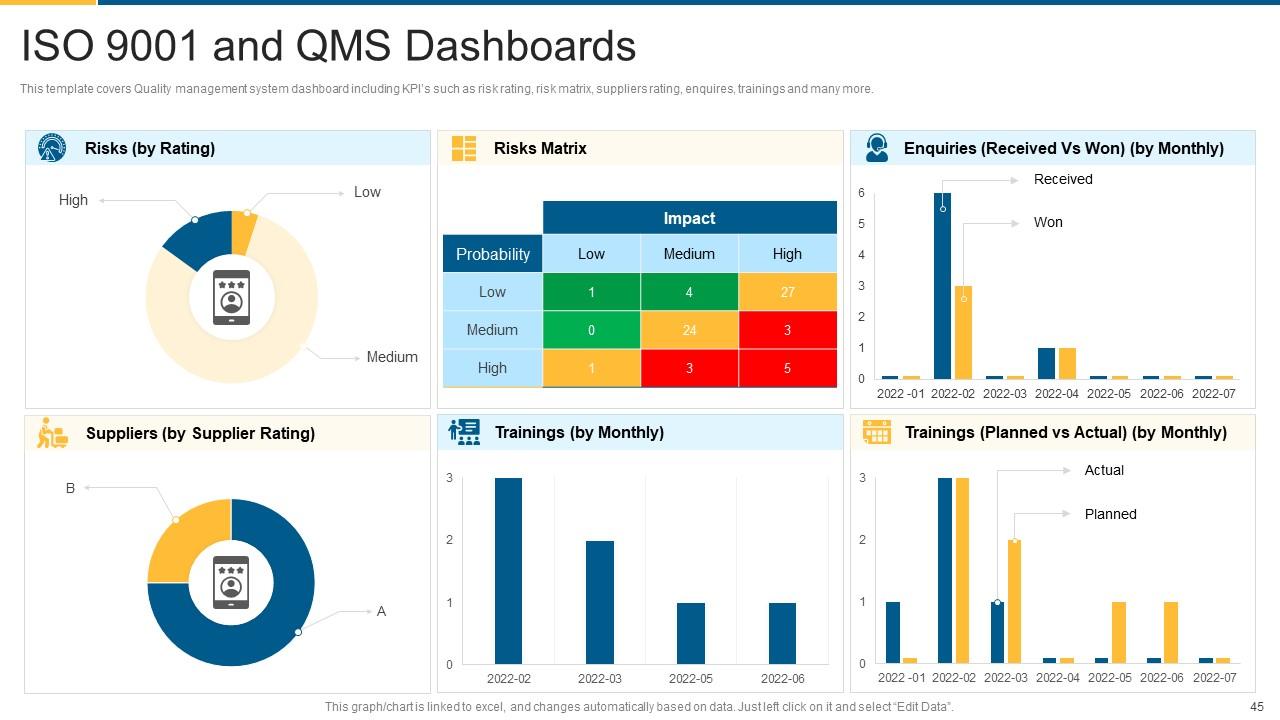
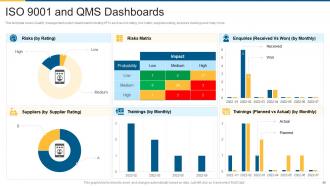
Folie 45 : Diese Folie zeigt das Dashboard des Qualitätsmanagementsystems einschließlich KPIs wie Risikobewertung, Risikomatrix, Lieferantenbewertung usw.
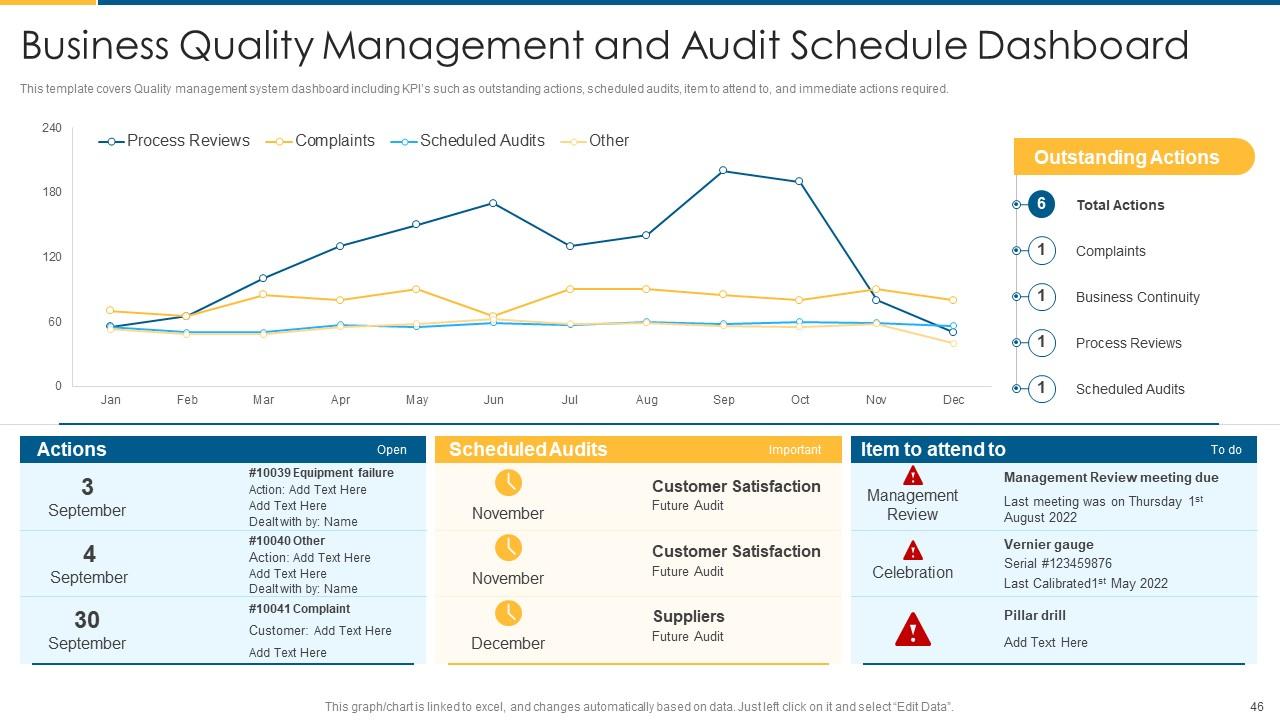
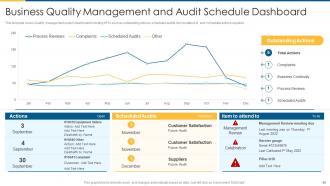
Folie 46 : Diese Folie zeigt das Dashboard des Qualitätsmanagementsystems einschließlich KPIs wie ausstehende Maßnahmen, geplante Audits usw.
Folie 47 : Diese Folie zeigt Symbole für ISO 9001.
Folie 48 : Diese Folie trägt den Titel „Zusätzliche Folien“, um voranzukommen.
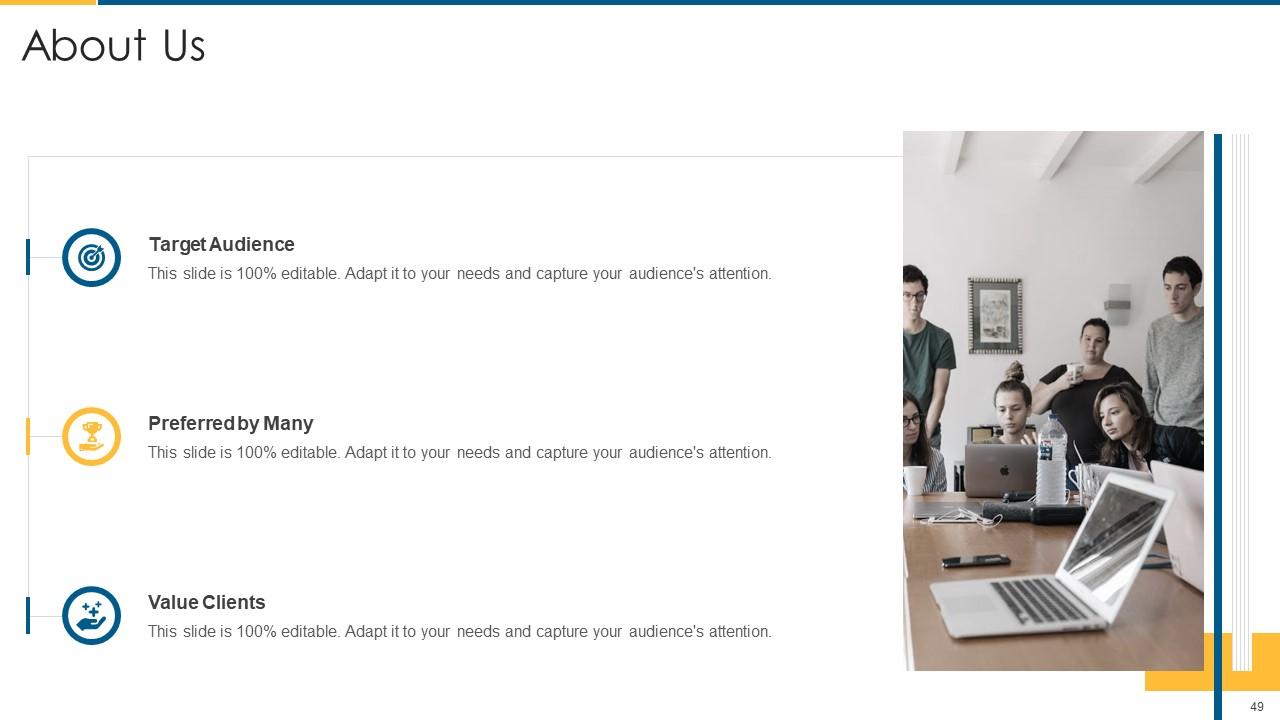
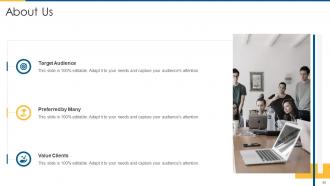
Folie 49 : Dies ist die Folie „Über uns“, um Unternehmensspezifikationen usw. anzuzeigen.
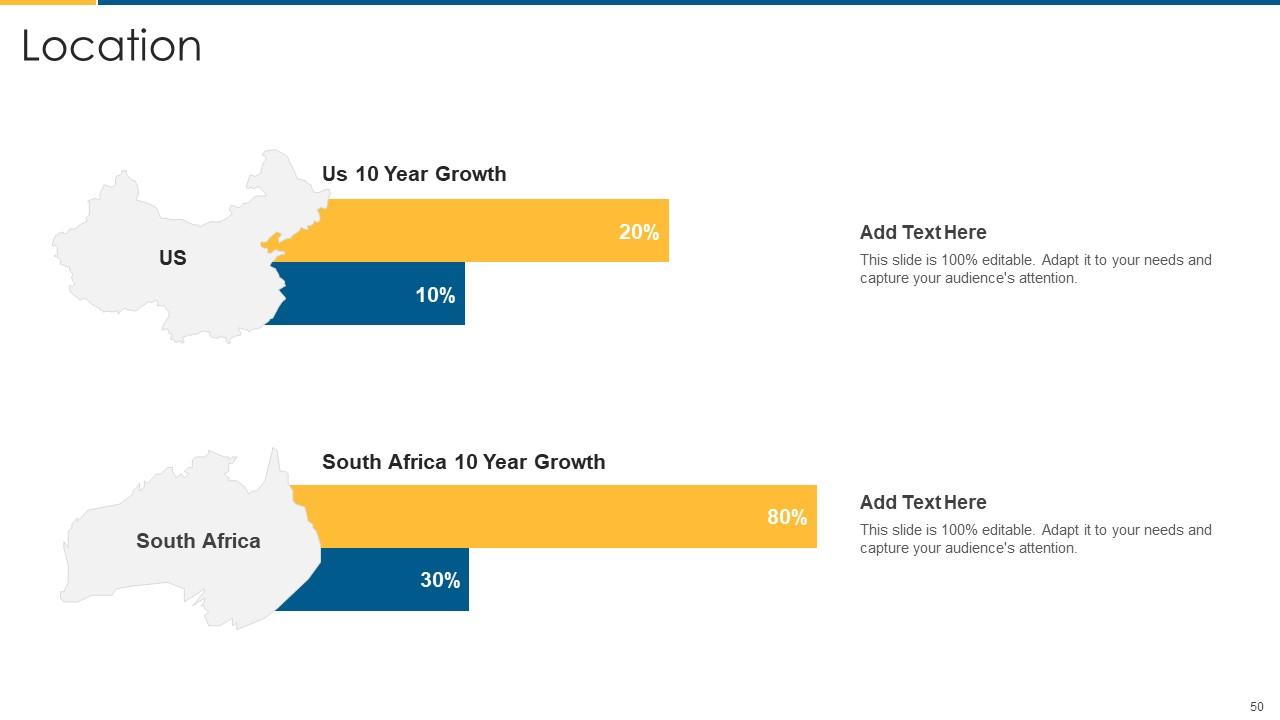
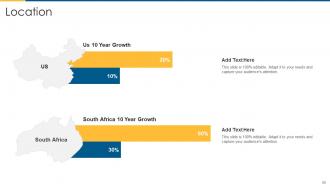
Folie 50 : Dies ist eine Standortfolie mit Karten, um Daten anzuzeigen, die sich auf verschiedene Standorte beziehen.
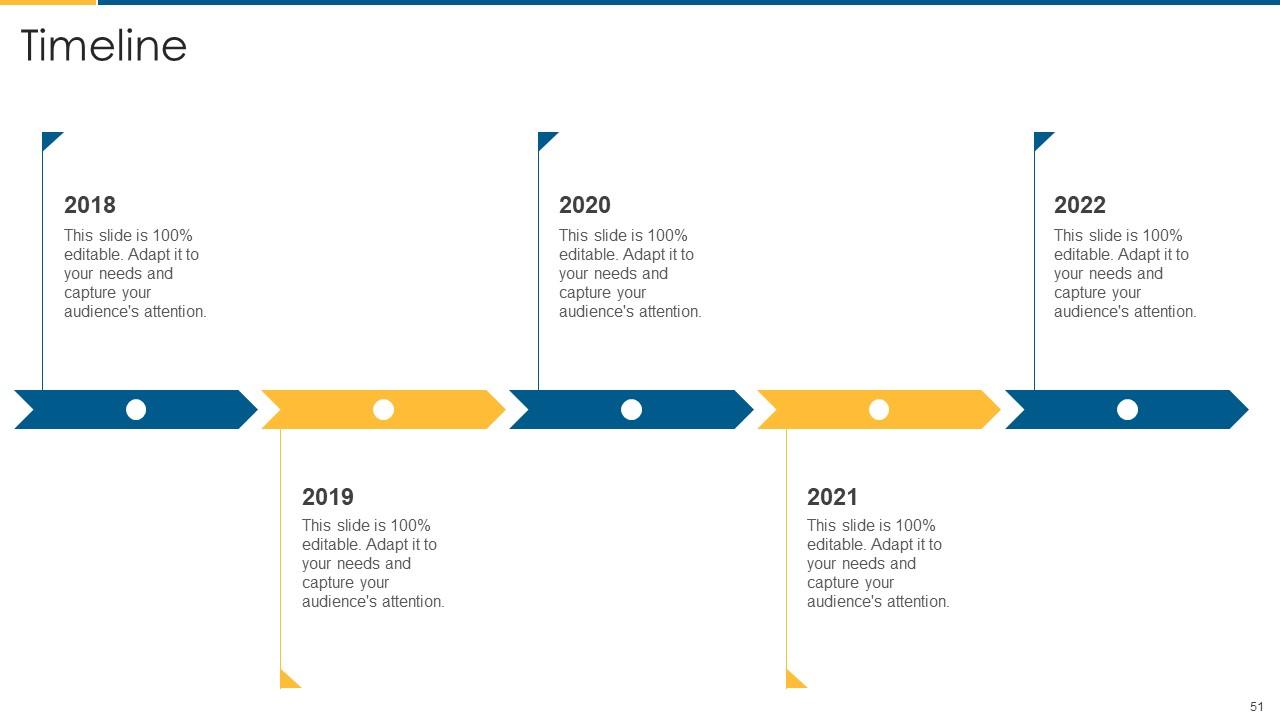
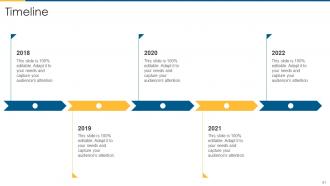
Folie 51 : Dies ist eine Timeline-Folie. Zeigen Sie hier Daten zu Zeitintervallen an.
Folie 52 : Diese Folie stellt Haftnotizen dar. Posten Sie hier Ihre wichtigen Notizen.
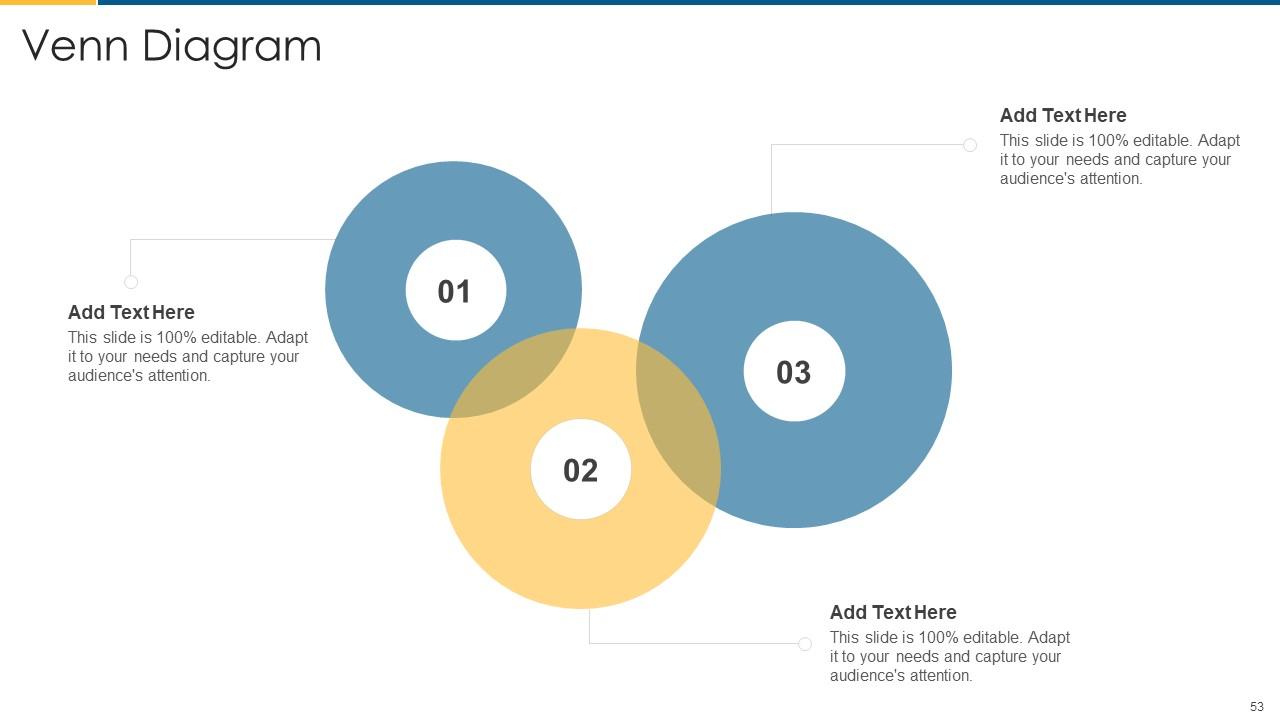
Folie 53 : Diese Folie zeigt das Venn-Diagramm mit Textfeldern.
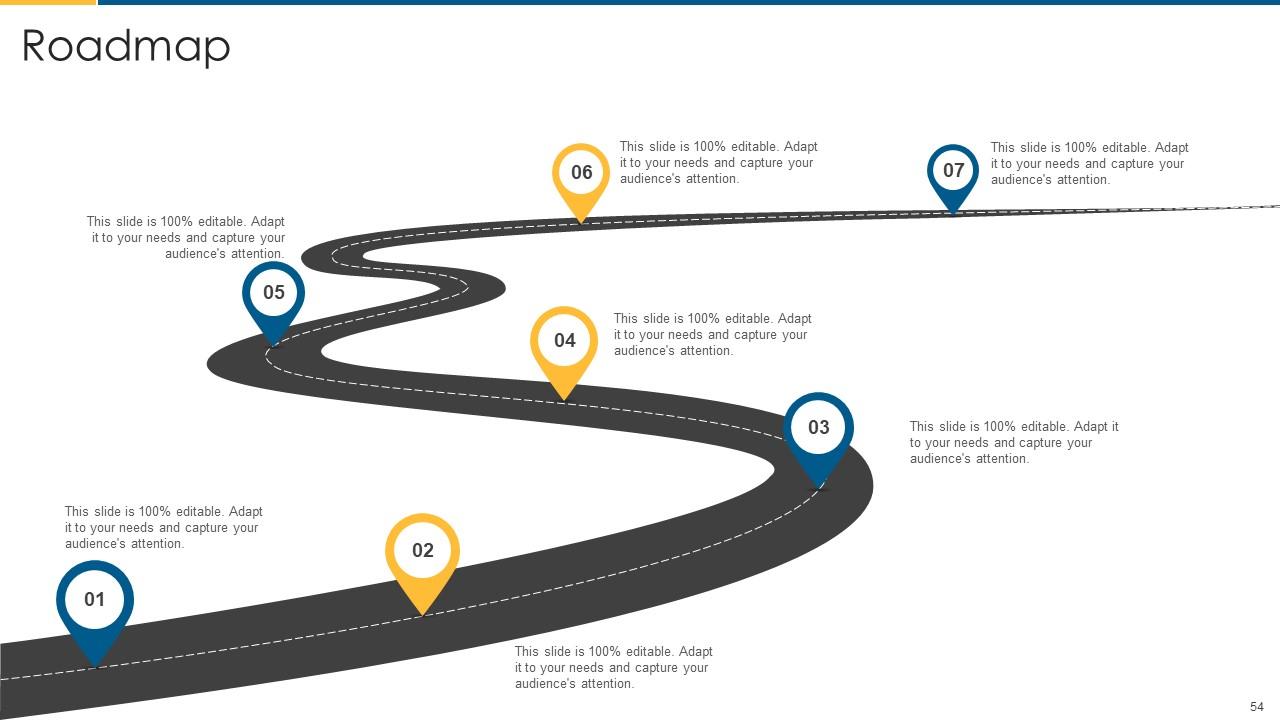
Folie 54 : Diese Folie präsentiert die Roadmap mit zusätzlichen Textfeldern.
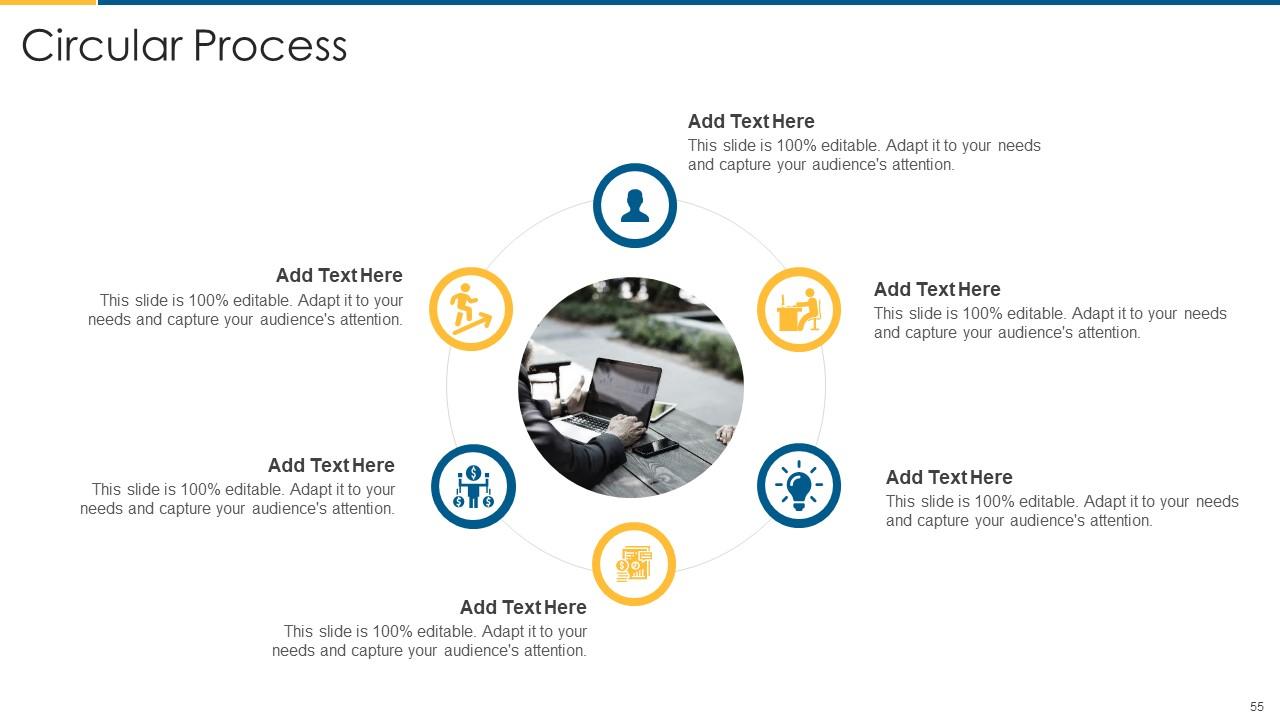
Folie 55 : Diese Folie zeigt den Kreislaufprozess mit zugehörigen Symbolen und Text.
Folie 56 : Dies ist eine Dankeschön-Folie mit Adresse, Kontaktnummern und E-Mail-Adresse.
ISO 9001 Powerpoint Powerpoint-Präsentation mit allen 56 Folien:
Nutzen Sie unsere ISO 9001 Powerpoint Powerpoint-Präsentation, um Ihre wertvolle Zeit effektiv zu sparen. Sie sind gebrauchsfertig und passen in jede Präsentationsstruktur.
-
The Designed Graphic are very professional and classic.
