James 3 13 the humility that comes powerpoint church sermon

Rating:
90%
James 3 13 the humility that comes powerpoint church sermon
Slide 1 of 8
Favourites Favourites

Try Before you Buy Download Free Sample Product

Audience Impress Your
Audience
Editable 100%
Editable
Time Save Hours
of Time
The Biggest Sale is ending soon in
0
0
:
0
0
:
0
0
Rating:
90%
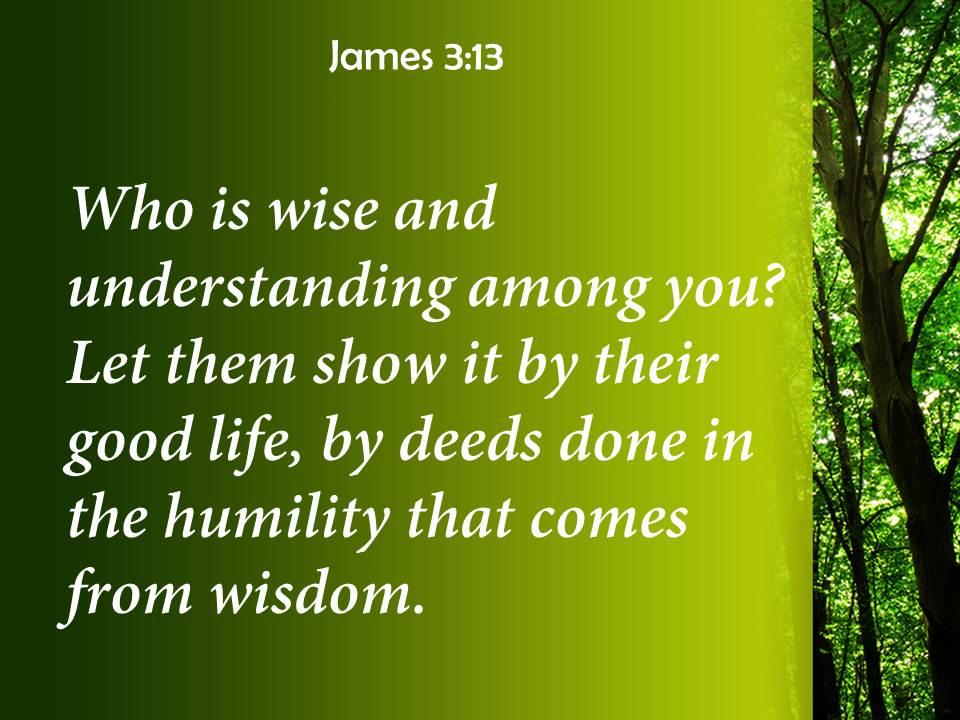
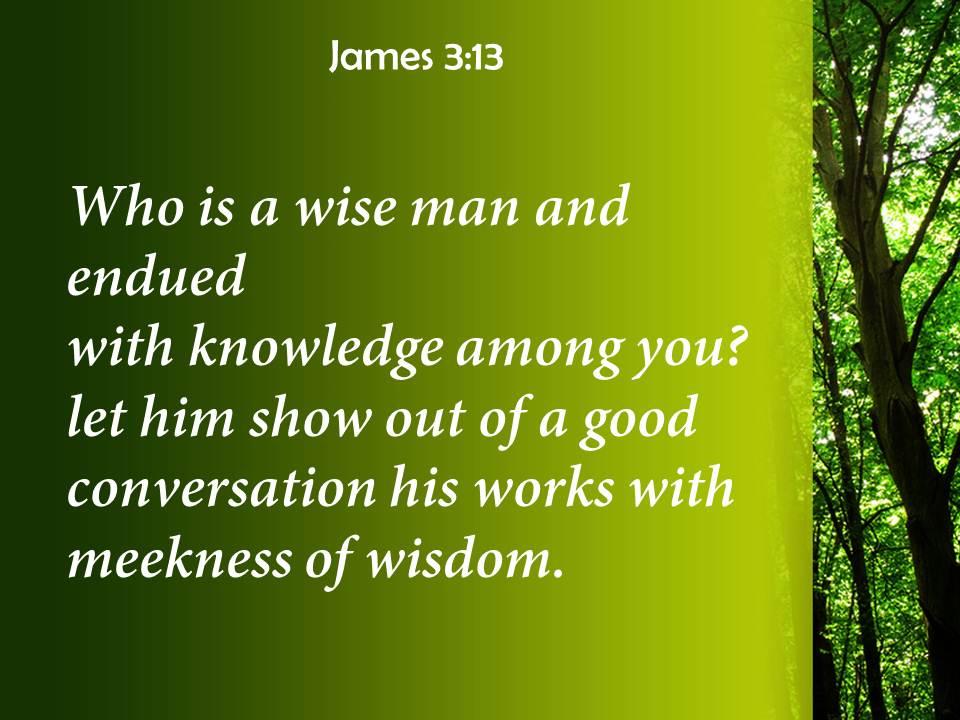
We are proud to present our james 3 13 the humility that comes powerpoint church sermon. Our James 3.13 contain symbols of the Church. Their meaning becomes loud and clear. Attract them to the portals of your Church with our Knowledge PowerPoint sermon slides for pastors. They will act like a flashing beacon. James 3.13 Who is wise and understanding among you Let them show it by their good life, by deeds done in the humility that comes from wisdom.

People who downloaded this PowerPoint presentation also viewed the following :

FAQs for James 3 13 the humility that comes

Humility enables leaders to foster trust, encourage open communication, admit mistakes, and prioritize team success over personal recognition. Through humble leadership, organizations experience enhanced collaboration, increased innovation, and stronger employee engagement, with many companies finding that leaders who demonstrate vulnerability and active listening create more resilient teams and sustainable competitive advantages.

Humility enhances collaboration by encouraging open dialogue, active listening, and receptiveness to diverse perspectives, while fostering psychological safety where team members feel valued. This approach enables organizations to leverage collective intelligence more effectively, with many companies finding that humble leadership styles drive breakthrough innovations, reduce workplace conflicts, and ultimately deliver stronger creative outcomes through enhanced team cohesion.

Practical strategies include actively seeking feedback from colleagues, acknowledging mistakes openly, crediting team contributions during presentations, asking questions instead of assuming expertise, and regularly reflecting on personal blind spots. These approaches enhance collaboration, build trust with stakeholders, and create psychological safety within teams, with many organizations finding that humble leadership ultimately delivers stronger employee engagement and more innovative problem-solving across departments.

Humility contributes to personal growth by fostering openness to feedback, encouraging continuous learning, and enabling honest self-reflection about strengths and weaknesses. This mindset helps individuals recognize knowledge gaps, adapt to new challenges more effectively, and build stronger relationships through genuine listening, ultimately delivering enhanced emotional intelligence and professional development opportunities.

Humility improves presentation communication by encouraging active listening to audience feedback, acknowledging knowledge limitations, adapting content based on participant needs, and creating genuine connections through authenticity. These approaches enhance audience engagement, build trust with stakeholders, and ultimately deliver more impactful presentations, with many presenters finding that humble communication fosters collaborative environments and stronger business relationships.

Humility and resilience work together by enabling leaders to view criticism as valuable feedback rather than personal attacks, fostering continuous improvement and adaptability. This strategic combination helps organizations build stronger teams, enhance decision-making processes, and maintain competitive advantage, with many companies finding that humble leadership ultimately delivers better crisis management and sustainable growth.

Presenting with humility enhances audience engagement by creating psychological safety, building authentic connections, and demonstrating openness to feedback and collaboration. This approach encourages active participation, reduces defensive responses, and fosters trust, with many speakers finding that humble delivery styles ultimately deliver stronger persuasive outcomes and more meaningful dialogue than authoritative approaches.

Common workplace humility misconceptions include viewing it as weakness, passivity, lack of confidence, or inability to self-promote. While some perceive humble employees as pusher-overs or less ambitious, research shows that humble leaders actually enhance team performance, foster innovation, and build stronger organizational cultures, with many companies finding that humble leadership drives employee engagement, reduces turnover, and ultimately delivers sustainable competitive advantage.

Leaders balance confidence and humility by demonstrating decisive action while remaining open to feedback, acknowledging knowledge gaps, and consulting diverse perspectives before making critical decisions. This strategic combination enables stronger team trust, more informed choices, and adaptive leadership, with many organizations finding that humble confidence ultimately delivers better outcomes and sustainable competitive advantage.

Humility examples include Warren Buffett's simple lifestyle despite vast wealth, Oprah Winfrey's acknowledgment of mentors and mistakes, and Patagonia's transparent environmental accountability. These leaders and organizations build trust by admitting limitations, crediting others, and prioritizing purpose over ego, ultimately delivering stronger stakeholder relationships and sustainable competitive advantages.

Humility can be integrated into corporate culture through transparent communication practices, collaborative decision-making processes, open feedback systems, recognition of employee contributions, and leadership accountability measures. These approaches streamline organizational dynamics by reducing hierarchical barriers, enhancing trust between teams, and fostering innovation, with many organizations finding that humble leadership ultimately delivers improved employee engagement and sustainable competitive advantage.

Humility facilitates conflict resolution by encouraging active listening, acknowledging different perspectives, and creating space for compromise rather than defending rigid positions. In negotiations, humble leaders demonstrate openness to alternative solutions, admit knowledge gaps when appropriate, and focus on mutual benefits, with many organizations finding that this approach builds trust and ultimately delivers more sustainable agreements.

Humility significantly enhances feedback reception by reducing defensiveness, increasing openness to constructive criticism, and fostering genuine self-reflection for continuous improvement. Leaders and professionals who embrace humble approaches often demonstrate stronger learning agility, build more collaborative relationships with colleagues, and ultimately deliver superior performance outcomes through their willingness to adapt and grow.

Humility can be showcased through acknowledging team contributions, sharing lessons learned from failures, crediting mentors and collaborators, and presenting data objectively without overstating achievements. These approaches resonate across industries, with many leaders finding that authentic vulnerability, combined with transparent communication about challenges overcome, ultimately builds stronger audience connection and trust while demonstrating genuine leadership authenticity.

Teaching humility to students enhances emotional intelligence, fosters collaborative learning environments, improves peer relationships, strengthens critical thinking skills, and develops authentic leadership capabilities. These educational approaches streamline conflict resolution, encourage open-minded inquiry, and build respectful classroom dynamics, with many schools finding that humble students demonstrate better academic engagement, stronger teamwork abilities, and ultimately deliver more meaningful contributions to their learning communities.

Ratings and Reviews

90% of 100
Write a review
Most Relevant Reviews
  1. 100%

    by Jacob Wilson

    Much better than the original! Thanks for the quick turnaround.
  2. 80%

    by Darwin Mendez

    Unique research projects to present in meeting.

2 Item(s)

per page: