


Job Interview Presentation On Yourself Powerpoint Presentation Slides





Try Before you Buy Download Free Sample Product
 Impress Your
 Audience
 100%
100% Editable
 Save Hours
 of Time


Win the attention of your audience with our Job Interview Presentation On Yourself PowerPoint Presentation Slides. Our team has designed these presentation slides to showcase detailed work experience that helps you to leave a lasting impression on your viewers. Using a visual resume PPT layout, you can present your skills and competencies in a vivid style. This PowerPoint template is ideal to structure an interview presentation. The PPT slide of self-introduction covers a wide range of infographic slides such as the path to a career, SWOT analysis, personal qualifications, achievements, training, experience, case study, language skills, and hobbies, etc. The self-presentation complete deck also contains predesigned templates column chart, area charts, line charts, clipart icons, roadmaps, using these slides you can make an organized format of your qualifications and experiences. Download introduce yourself PPT slides to deliver best interview presentation ever. Instruct the interns with our Job Interview Presentation On Yourself Powerpoint Presentation Slides. Acquaint them with the essentials of first aid.
People who downloaded this PowerPoint presentation also viewed the following :
Content of this Powerpoint Presentation
Slide 1: This slide presents Job Interview Presentation On Yourself. State company name and begin.
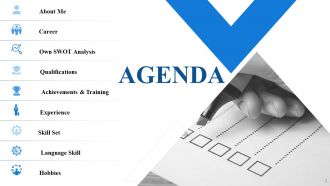
Slide 2: This is an AGENDA slide with- About Me, Career, Own SWOT Analysis, Qualifications, Achievements & Training, Experience, Skill Set, Language Skill, Hobbies.
Slide 3: This is an About Me slide. You can add text as per your requirement here.
Slide 4: This is an About Me slide with the following data you can use, add, or edit- Contact Info, Skills & Languages, Work Experience, Personal Profile, Achievements, Education, Hobbies.
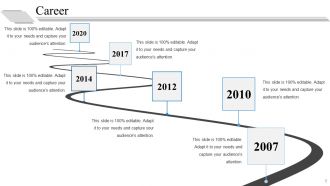
Slide 5: This slide showcases Career Roadmap with the number of years. You can add/ edit it as per requirement.
Slide 6: This slide also showcases Career Roadmap. You can add/ modify it as per need.
Slide 7: This slide presents Path to Career. Add/ edit text as per need.
Slide 8: This slide presents SWOT Analysis. Use it to state your- Strengths, Weaknesses, Threats, Opportunities.
Slide 9: This slide also showcases SWOT Analysis.
Slide 10: This slide showcases Professional Qualifications. State your qualifications in a professional manner here.
Slide 11: This is an Achievements slide. Describe your various achievemnts here.
Slide 12: This slide showcases Training with description and text boxes.
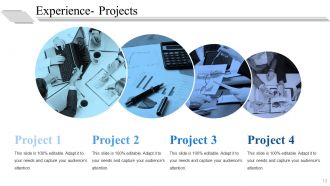
Slide 13: This is Experience- Projects slide. State them here.
Slide 14: This is a Case Study slide showing- Challenge, Solution, Results.
Slide 15: This slide showcases Skills such as- Creating Vision of Change, Developing Political Support, Managing the Transition of Change, Sustaining Momentum, Motivating Change.
Slide 16: This slide showcases Language Skills of 3 languages, you can add more as per your expertise- English, German, French.
Slide 17: This slide showcases Hobbies. We have mentioned a few to give you an idea. You can add your own hobbies here.
Slide 18: This is a Coffee Break slide to halt. Add/ modify content as per need.
Slide 19: This slide forwards to Charts & Graphs. Edit as per need.
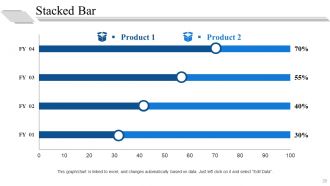
Slide 20: This is a Stacked Bar Chart slide to present product/ entity comparison, specifications etc.
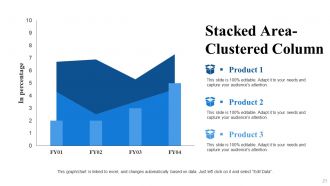
Slide 21: This is a Stacked Area-clustered Column slide to present product/ entity comparison, specifications etc.
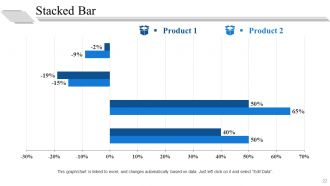
Slide 22: This is a Stacked Bar Chart slide to show product/ entity growth, comparison, specifications etc.
Slide 23: This slide is titled Additional Slides to move forward. You can change the slide content as per need.
Slide 24: This slide showcases Our Mission. Show your company mission and goals here.
Slide 25: This slide showcases Our Team with Name and Designation to fill.
Slide 26: This is an About Us slide. State team/ company specifications here.
Slide 27: This is Our Goal slide. State your goals here.
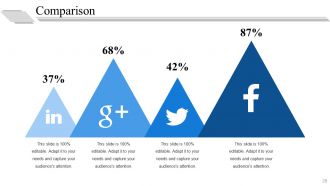
Slide 28: This is a Comparison slide to show comparison, analysis etc.
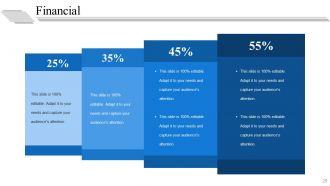
Slide 29: This is a Financial Score slide to show financial aspects here.
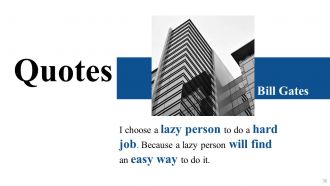
Slide 30: This is a Quotes slide to convey message, beliefs etc.
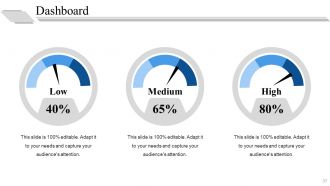
Slide 31: This is a Dashboard slide to state Low, Medium and High aspects, kpis, metrics etc.
Slide 32: This is a Timeline slide to present important dates, journey, evolution, milestones etc.
Slide 33: This is Our Target image slide. State your targets here
Slide 34: This slide presents a Mind map with text boxes.
Slide 35: This is a Bulb or Idea image slide to show information, ideas, specifications etc.
Slide 36: This slide shows a Magnifying Glass with imagery and text boxes to go with.
Slide 37: This is a Thank You slide with Address# Street number, city, state, Email Address, Contact Numbers.
Job Interview Presentation On Yourself Powerpoint Presentation Slides with all 37 slides:
Initiate action to close the gap with our Job Interview Presentation On Yourself Powerpoint Presentation Slides. It helps address any deficit.
-

Job Interview Presentation On Yourself
-
Agenda Slide
-
About Me Option 1 of 2
-

About Me Option 2 Of 2
-
Career
-
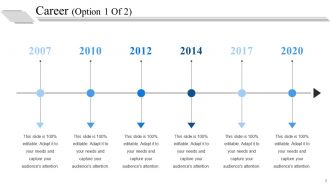
Career Option 1 Of 2
-
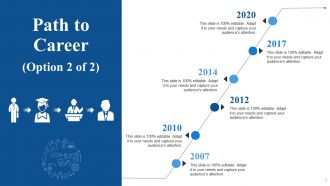
Path to Career Option 2 of 2
-
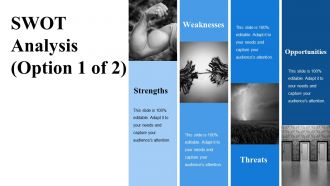
SWOT Analysis Option 1 of 2
-
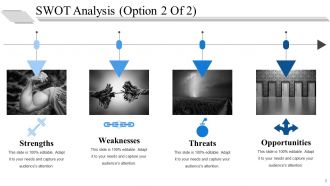
SWOT Analysis Option 2 Of 2
-
Professional Qualifications
-
Achievements
-
Training
-
Experience Projects
-
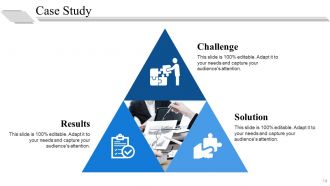
Case Study
-
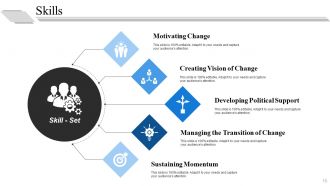
Skills
-
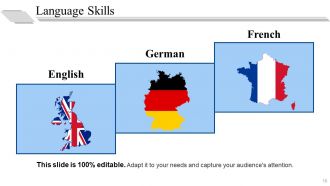
Language Skills
-
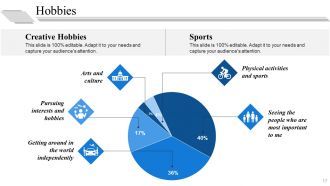
Hobbies
-

Coffee Break
-

Charts Graphs
-
Stacked Bar
-
Stacked Area Clustered Column
-
Stacked Bar
-
Additional Slides
-
Our Mission
-
Our Team
-
About Us
-
Our Goal
-
Comparison
-
Financial
-
Quotes
-
Dashboard
-
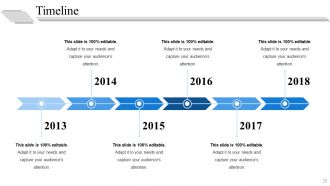
Timeline
-
Our Target
-
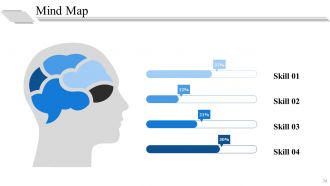
Mind Map
-
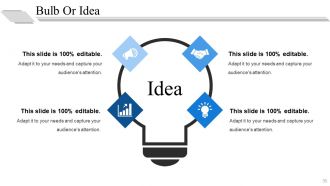
Bulb Or Idea
-
Magnify Glass
-
Thank You
FAQs for Job Interview Presentation On Yourself
Okay so three things matter: structure, content that actually relates to the job, and not sounding like a nervous wreck. Map out an agenda first - people like knowing what's coming. Then hit your main points with real examples from work you've done. Skip the random college stuff unless it's super relevant. Practice your slide transitions because awkward pauses are painful for everyone. Oh, and definitely prep for questions - they'll throw some curveballs. Wrap up by connecting everything back to what they're looking for. Run through it out loud at least twice though, seriously. You don't want to be fumbling around when you're trying to land the job.
Check out their website and Glassdoor reviews first - you want to match their vibe completely. Startups hate when you show up all corporate and stiff. I learned this the hard way! Look at how they actually talk about problems on their site, then use that same language in your presentation. If they're super collaborative, don't bring some rigid PowerPoint that screams "consulting firm." Mirror their energy level. Oh, and throw in specific examples that prove you get their day-to-day reality, not just their mission statement. It's honestly the difference between landing the job and getting ghosted.
Keep it super simple - 5-7 slides tops with minimal text and clean fonts. Data? Charts work great. But skip the crazy animations, they're just annoying honestly. I'd use professional colors, maybe even their company colors if you're feeling ambitious. The whole point is supporting what you say, not having people stare at busy slides while you talk. Oh, and definitely practice beforehand so you're not just reading everything word for word - that's awkward for everyone.
Okay so here's what works for me - open with something specific about their company, then tell it like a story. Problem, your fix, what happened. I do a quick intro, then 2-3 examples that show you're getting better at stuff, plus how you'd tackle their issues. Each example needs the situation, what you actually did, and numbers if you have them. Most people talk way too much honestly. Oh and definitely end with "here's my first 90 days" - they love that shit. Practice saying it out loud and time yourself because you want them asking questions, not checking their watch.
Don't overload your slides with text - nobody wants to read a novel. Practice out loud beforehand, seriously. I've seen too many people wing it and just read word-for-word from their deck. Test your tech stuff early too because there's nothing worse than fighting with HDMI cables while everyone watches. Time yourself when you practice so you don't run over. Skip the basic company research they already know about themselves. Instead, dig into their actual problems and come with real solutions. Oh, and do at least two full run-throughs before you go in there.
Honestly, stories make such a huge difference in interviews. Facts and achievements are boring - but when you tell them how you actually solved that problem or got your team through a crazy deadline? That's when they see you as a real person, not just another resume. I always think stories are way easier to follow than random bullet points anyway. Plus you're showing your skills in action instead of just talking about them. Just keep them short and relevant to what they're looking for. Oh, and definitely practice a few examples beforehand so you don't freeze up when the perfect moment comes.
Start with their website - mission, leadership bios, recent press releases. LinkedIn's amazing for getting a feel for company culture and seeing who might be in your meeting. I'm kind of obsessed with Glassdoor reviews because they reveal so much about internal drama and challenges. Check their social media too, plus any industry reports that mention them. Oh, and definitely research their main competitors so you can position your pitch better. Financial performance matters if it's public info. Honestly, block out like 3 hours for this - it's worth it.
Okay so definitely practice out loud a bunch - I know it feels weird but just do it. Record yourself too because you'll catch all those "ums" you don't even realize you're saying. Time it so you're not going over their limit. Oh and practice the Q&A part! That's honestly where most people mess up because they get curveball questions. If you can, grab a friend to listen and ask random stuff you haven't prepped for. Your opening and closing need to be rock solid though - like you could say them in your sleep. Those parts really make or break the whole thing.
Dude, body language is everything! You could have the best content ever but if you're slouching and staring at your shoes, you're done. I've literally watched amazing candidates bomb just because they looked nervous - so frustrating to see. Stand up straight and make eye contact with people around the room. Use your hands when you talk, but don't go crazy waving them everywhere. And definitely don't pace back and forth like a caged animal lol. Pro tip: practice in front of a mirror first. You'll be shocked at the weird stuff you do without realizing it.
Just breathe and give yourself a sec - say "great question" or "let me think about that." Honestly, if you don't know something, just say so. Way better than trying to BS your way through it. Interviewers actually respect the honesty more than you'd expect. Then you can pivot to "here's how I'd figure that out" or connect it to something you actually know well. Oh, and definitely prep for the tough questions ahead of time - especially stuff that might poke holes in your presentation. They're not trying to sabotage you though. They just want to see how your brain works when things get tricky.
Okay so here's what works - hit them with your three best points, one sentence each. Like "I can boost your sales 15%, I've got direct experience in your target market, and I'm available to start right now." People are basically checked out by the end anyway, so keep it punchy. Then tie it back to their actual problem: "This solves your biggest issue - expanding into that midwest market you mentioned." I always finish with something confident like "I'm excited to talk about next steps" instead of just... ending awkwardly. Works way better than rambling on forever.
Okay so first thing - don't rush your answers! Take a beat before you respond, even if it feels awkward. Honestly, I've watched people just word-vomit when they panic and it's painful. If you need a sec, just say "good question, let me think about that." Way better than rambling through something weak. Oh and definitely practice the obvious questions beforehand - you'll feel way more confident. Try to keep answers focused and tie them back to your main points when you can. The biggest thing though? It's a conversation, not some weird interrogation. Ask for clarification if you need it. They actually want you to do well.
Okay so first thing - open with something that'll grab them. Like a crazy stat or question that actually connects to the job. Don't just stare at the hiring manager the whole time either, look around at everyone there. Here's something that works: present your main points in groups of three since people remember those way better. Also? Don't wait until the end for questions - pause halfway through and ask if they want to jump in. Shows you're not nervous about your stuff. But honestly the biggest thing is telling them a real story about how you'd fix their actual problems. Nobody cares about your boring bullet points, but they'll pay attention when you paint a picture they can see working.
Definitely ask for specific feedback if they just said "we went with someone else" - that's useless. What you want are patterns: too much detail? Not engaging? Racing through slides? I used to talk way too much until someone finally told me, which was honestly embarrassing but super helpful. Record yourself doing practice runs or grab some friends to listen. Keep notes after each interview so you can spot what keeps coming up. The stuff that tanked you last time? That's exactly what you'll crush next time.
So basically, highlight whatever you're actually good at that matches the job. Problem-solving, analytical stuff, whatever your thing is - work those into your examples. Let your personality come through naturally when you're talking too. Skip the random hobbies unless they actually matter (like, I don't need to know you climb rocks on weekends unless it shows leadership or something). What really works is sharing your specific take on industry challenges. Oh, and make sure it all connects back to why they'd want you for THIS job specifically. That's honestly the most important part.
-
Great product with effective design. Helped a lot in our corporate presentations. Easy to edit and stunning visuals.
-
Very well designed and informative templates.