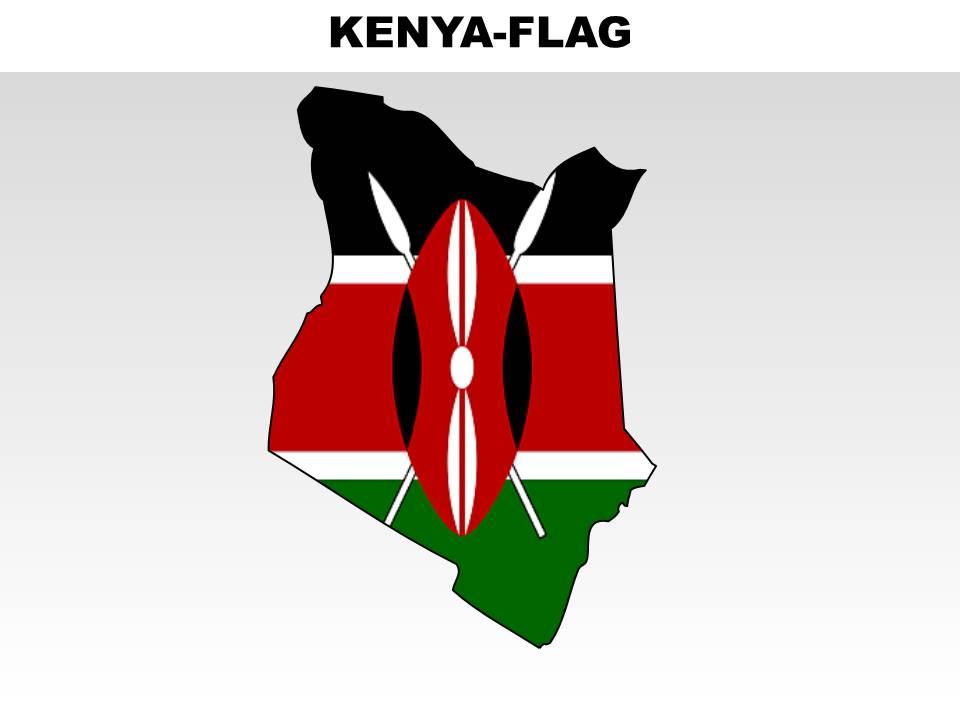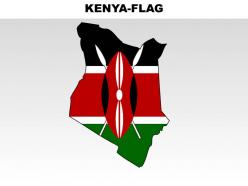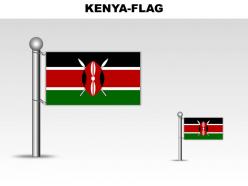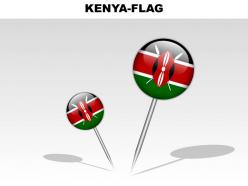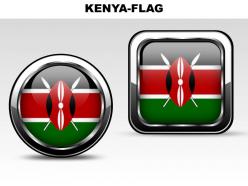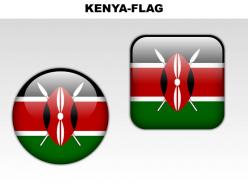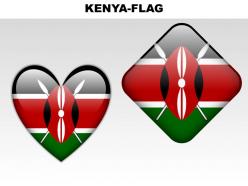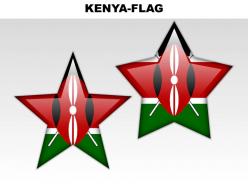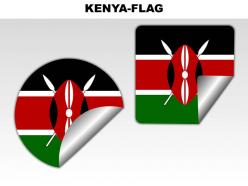
Kenya country powerpoint flags
Try Before you Buy Download Free Sample Product
Audience
Editable
of Time
Toast your views with our Kenya Country Powerpoint Flags. Hear your audience roar their approval.
People who downloaded this PowerPoint presentation also viewed the following :
Kenya country powerpoint flags with all 11 slides:
Your thoughts will glow with our Kenya Country Powerpoint Flags. Create a halo around your thoughts.
FAQs for Kenya
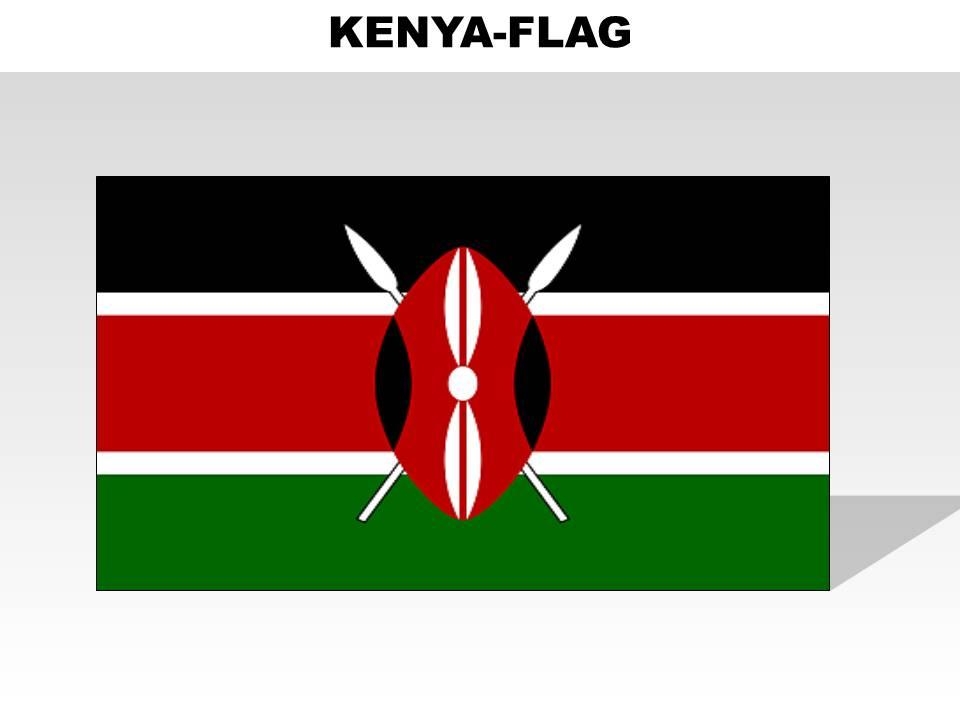
The Kenyan flag's colors carry deep national significance: black represents the people of Kenya, red symbolizes the blood shed during the struggle for independence, green signifies the country's natural wealth and agriculture, while white stripes represent peace and unity. These symbolic elements combine to tell Kenya's story of liberation, natural abundance, and harmonious coexistence, with the central Maasai shield and spears reinforcing themes of defense and traditional heritage that resonate across Kenya's diverse communities.
Kenya's flag design has remained remarkably consistent since its 1963 adoption, with only minor refinements to proportions and color specifications over the decades. The core elements—black, red, and green horizontal stripes with white fimbriations and the central Maasai shield and spears—have stayed intact, demonstrating Kenya's commitment to preserving its foundational national symbolism while ensuring standardization across governmental and institutional applications.
The Kenya flag served as a powerful symbol of unity and resistance during the independence struggle, representing the aspirations of freedom fighters and nationalist movements against British colonial rule. While originally inspired by the Kenya African National Union colors, it became a rallying point for anti-colonial sentiment, ultimately delivering national identity and pride that strengthened resolve across diverse communities fighting for self-determination.
The Kenyan flag shares Pan-African colors with many continental neighbors but distinguishes itself through unique elements like the traditional Maasai shield and crossed spears centerpiece. While countries like Ghana, Ethiopia, and South Africa incorporate similar red, black, and green symbolism representing struggle, heritage, and prosperity, Kenya's design specifically emphasizes warrior traditions and agricultural abundance, ultimately delivering a distinctive national identity that balances shared African values with specific cultural heritage.
The Kenya flag's elements hold profound meaning across communities, with black representing the people's unity, red symbolizing their struggle for independence, and green reflecting the nation's agricultural heritage and natural beauty. These colors, alongside the traditional Maasai shield and spears, unite diverse ethnic groups through shared symbols of protection, courage, and collective identity, ultimately fostering national cohesion while honoring Kenya's rich cultural diversity.
The Kenya flag serves as a central symbol in national celebrations, prominently displayed during Jamhuri Day, Mashujaa Day, independence commemorations, and state ceremonies across government buildings, schools, and public venues. Through these celebrations, the flag enhances national unity and patriotic engagement, with many institutions finding that ceremonial flag displays strengthen civic pride and cultural identity, ultimately delivering deeper community connections and national cohesion.
The Maasai shield and spears on Kenya's flag represent the nation's commitment to defending freedom and unity, drawing from traditional Maasai warrior culture that symbolized protection and courage. These elements honor Kenya's indigenous heritage while representing the country's determination to safeguard independence, with many African nations finding that incorporating traditional symbols strengthens national identity and cultural pride.
Kenyans view their flag as a powerful symbol of unity, independence, and cultural heritage, with its black, red, and green stripes representing the people, struggle, and land respectively. The central Maasai shield and spears resonate deeply across diverse communities, fostering shared pride and national cohesion, while increasingly serving as a unifying element in Kenya's growing regional influence.
Common misconceptions about the Kenya flag include believing the shield and spears represent warfare, that the colors follow Pan-African standards exactly, or that the design remained unchanged since independence. The flag's symbols actually represent unity and defense of freedom, while the specific color shades and proportions are uniquely Kenyan, with many educational institutions finding that proper flag education enhances national understanding and cultural appreciation.
Globalization has influenced Kenya flag representation through digital standardization across international platforms, increased visibility in global sporting events, diplomatic ceremonies, and multinational corporate communications. Through international partnerships and global media exposure, Kenya's flag now appears consistently in worldwide contexts like Olympic broadcasts, United Nations assemblies, and international business presentations, ultimately enhancing national brand recognition and cultural diplomacy.
Artists and designers incorporate the Kenya flag through textile patterns, fashion accessories, architectural elements, digital graphics, and ceremonial decorations. These creative applications appear across sectors like tourism marketing, cultural events, and corporate branding, with many designers finding that strategic flag integration enhances national identity representation while delivering authentic cultural connection and patriotic appeal.
Flag etiquette in Kenya demonstrates national respect and unity, encompassing proper display protocols, ceremonial procedures, handling guidelines, and symbolic recognition of sovereignty. These practices enhance civic pride by ensuring dignified treatment during national events, government ceremonies, and public gatherings, while fostering patriotic awareness and cultural identity, ultimately strengthening Kenya's democratic values and national cohesion.
The Kenya flag can be used in educational settings through daily ceremonies, history lessons about independence struggles, and interactive activities explaining symbolism of black, red, green stripes and the Maasai shield. These approaches enhance civic education by fostering national pride, teaching historical context, and encouraging student participation in patriotic discussions, ultimately delivering stronger cultural identity and citizenship awareness.
The Kenya flag significantly enhances tourism by serving as a powerful national symbol that represents cultural heritage, natural beauty, and unity across marketing campaigns, promotional materials, and international events. Through its distinctive colors and symbolism, the flag creates instant recognition for Kenya's brand identity, helping tourism boards attract visitors seeking authentic African experiences, wildlife safaris, and cultural immersion, ultimately boosting visitor numbers.
Sports events use the Kenyan flag through ceremonial displays during opening ceremonies, victory celebrations, and athlete uniforms featuring the distinctive black, red, and green colors. These visual representations create emotional connections by symbolizing national unity and athletic achievement, with many international competitions finding that flag displays during medal ceremonies and team entrances ultimately enhance patriotic sentiment and collective celebration among Kenyan supporters.
-
Excellent products for quick understanding.
-
Design layout is very impressive.