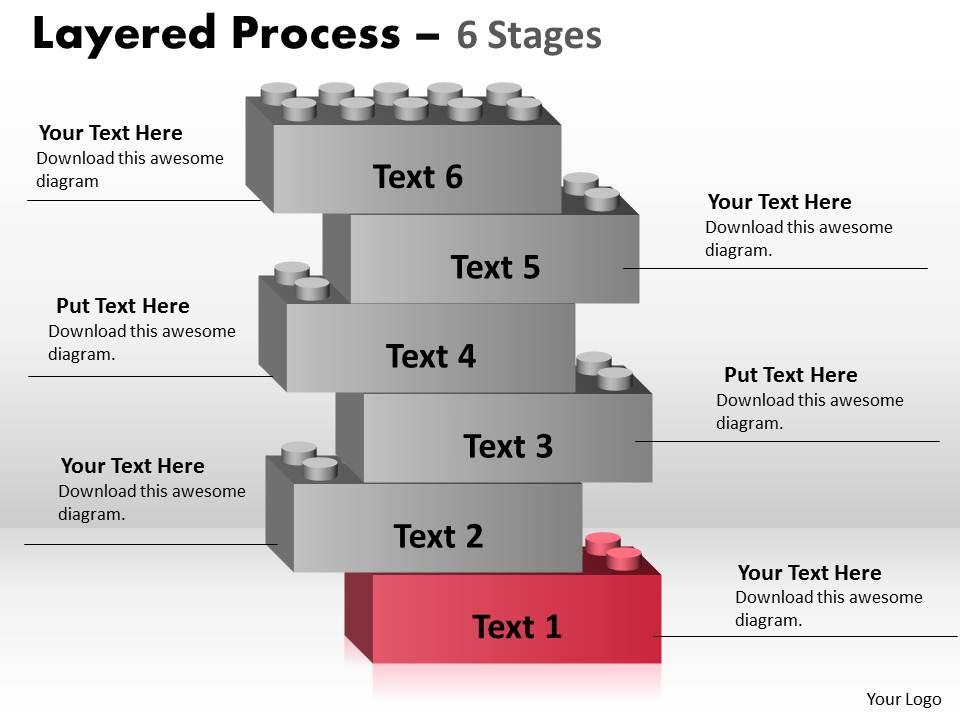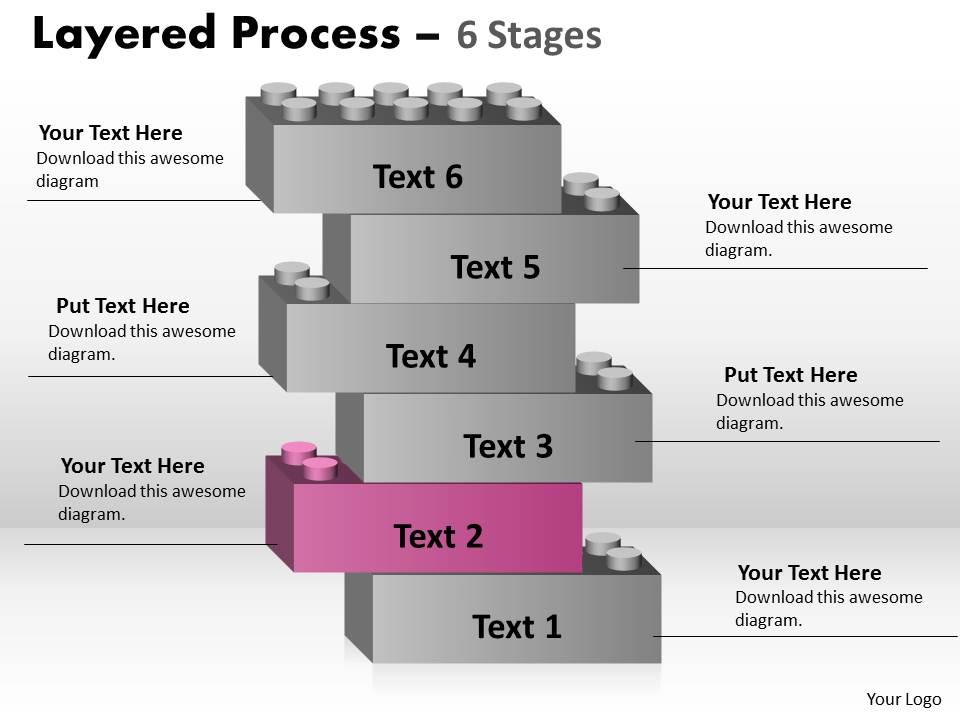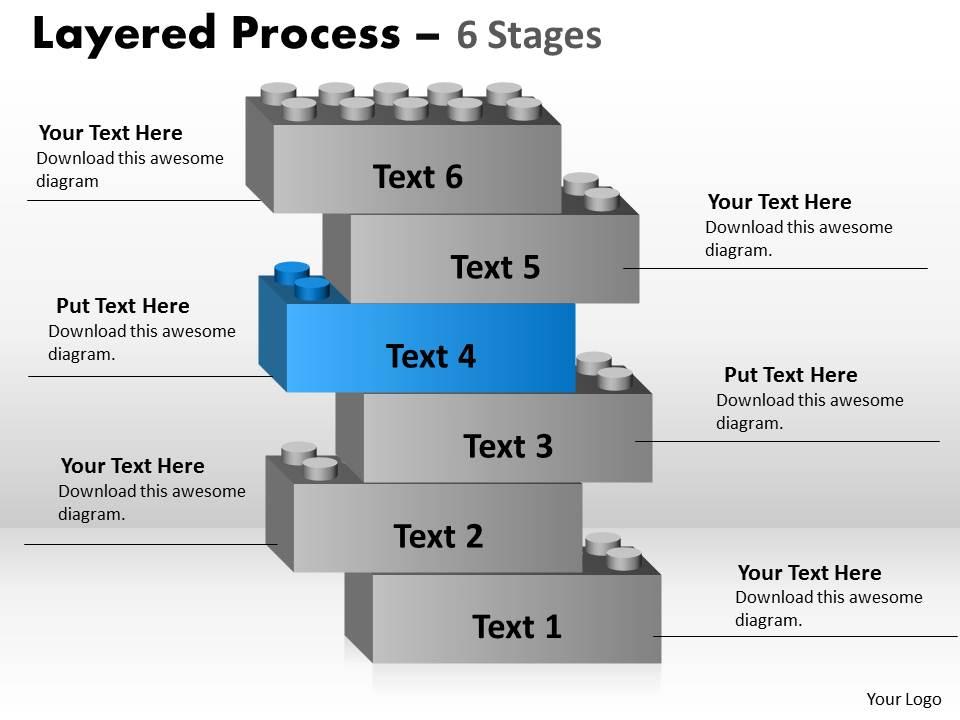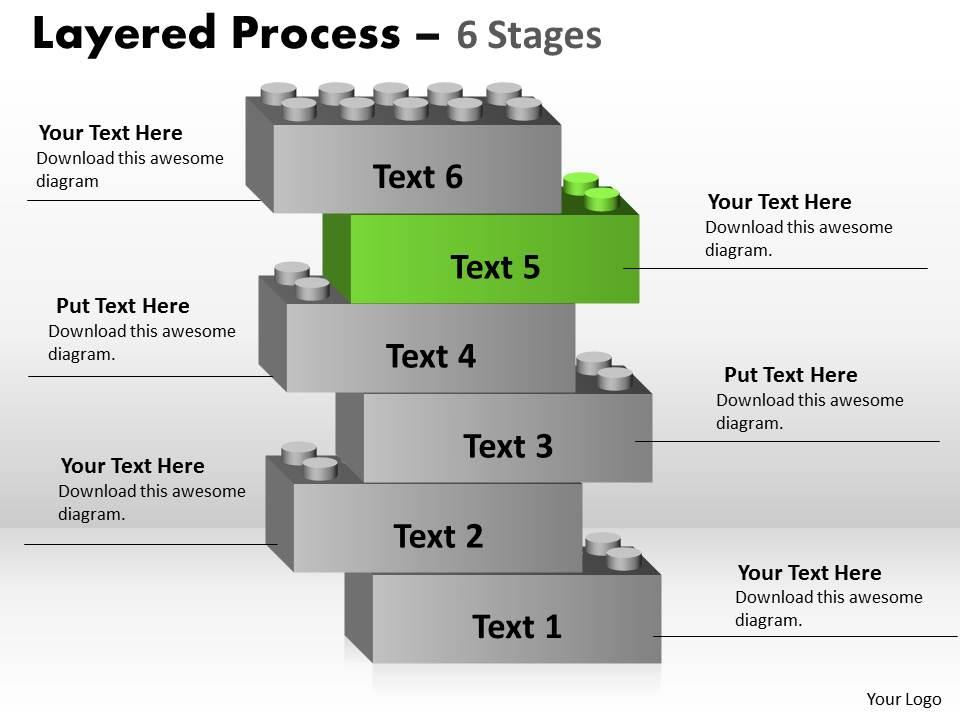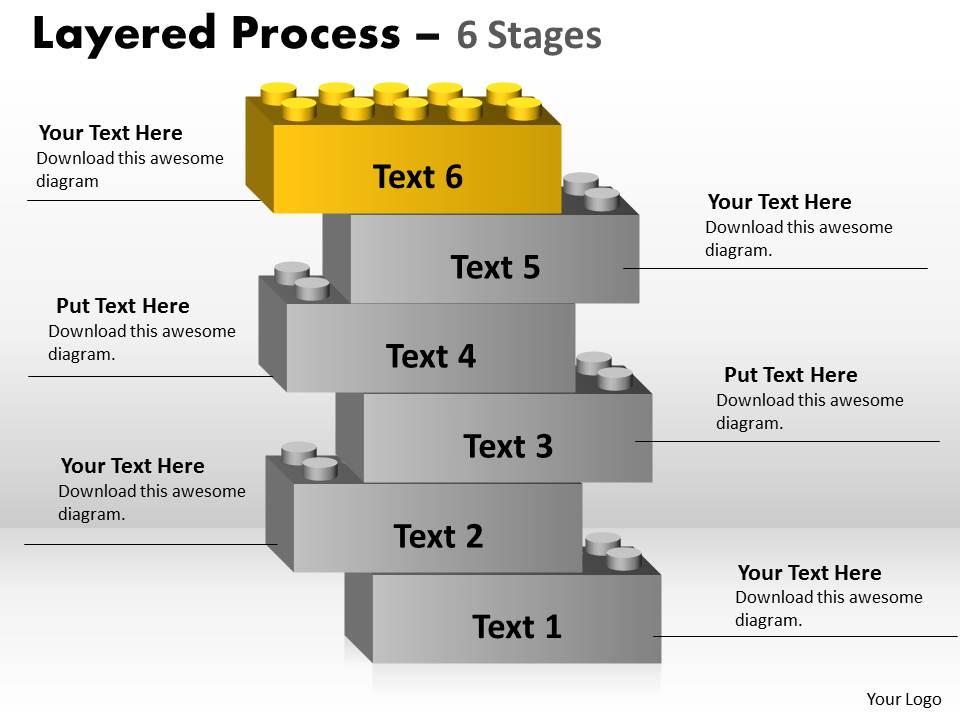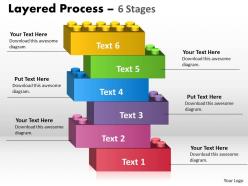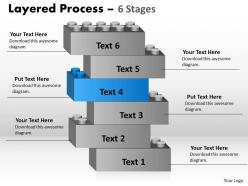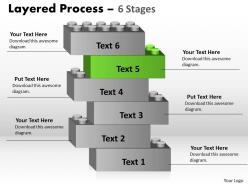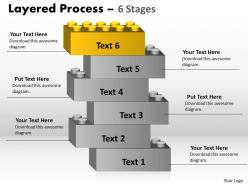
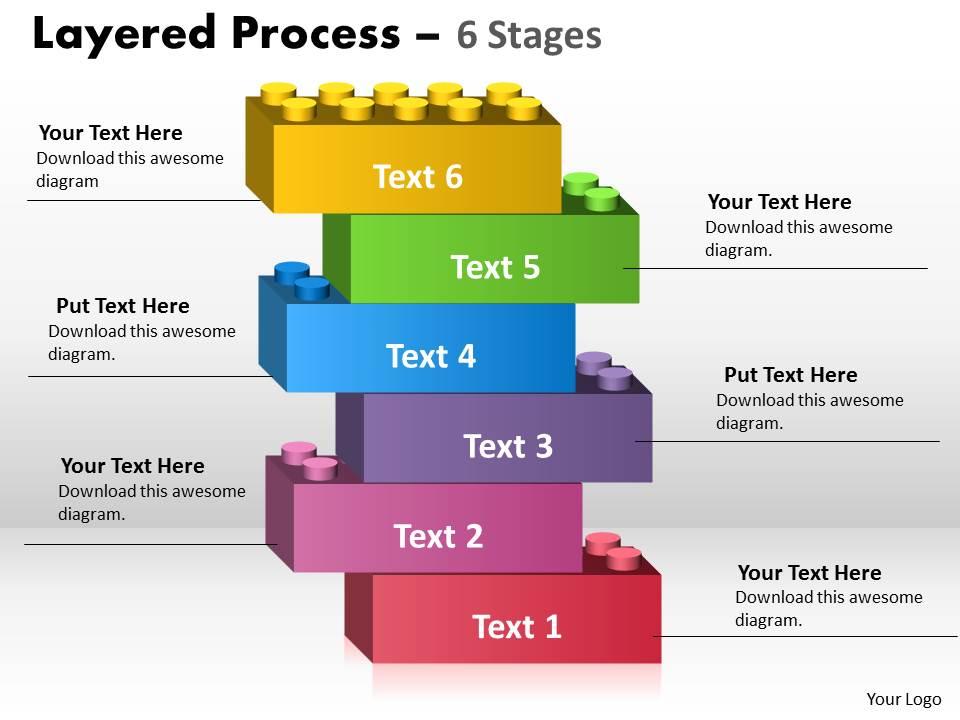
Layered process 6 stages stratified 24
Try Before you Buy Download Free Sample Product
Audience
Editable
of Time
Put our Layered Process 6 Stages stratified 24 in your basket. You will get a bargain buy.
People who downloaded this PowerPoint presentation also viewed the following :
Layered process 6 stages stratified 24 with all 11 slides:
Switch on the turbines of your mind. Produce usable energy with our Layered Process 6 Stages stratified 24.
FAQs for Layered process 6
Layered process stratification principles include systematic data segmentation, hierarchical analysis levels, root cause identification through categorical breakdown, and multi-dimensional process examination. These methodologies enhance quality management by isolating variation sources, streamlining defect analysis, and enabling targeted improvement initiatives, with manufacturing and healthcare organizations finding that strategic data layering ultimately delivers faster problem resolution and sustained operational excellence.
Layered process stratification differs from traditional methodologies by creating structured audit layers at multiple organizational levels, implementing systematic daily checks, and establishing real-time feedback loops rather than periodic reviews. While traditional approaches focus on long-term projects and isolated improvements, stratification enables continuous monitoring, immediate issue identification, and sustained performance enhancement, with manufacturing and service organizations finding that this systematic approach delivers faster problem resolution and prevents quality drift more effectively.
Layered process stratification delivers enhanced operational visibility, improved accountability, faster problem resolution, standardized communication protocols, and reduced escalation times across organizational levels. Through systematic daily management reviews, organizations streamline decision-making, minimize process variations, and ensure consistent performance monitoring, with many manufacturing and service companies finding that this approach ultimately enhances productivity and competitive responsiveness.
Data analysis plays a crucial role in layered process stratification by identifying patterns, trends, and variations within different process layers through statistical examination, root cause analysis, and performance measurement techniques. Through systematic data collection and interpretation, organizations can pinpoint specific layers contributing to defects or inefficiencies, ultimately enabling targeted improvements that streamline operations and enhance overall process quality.
Common challenges include resistance to change from established workflows, difficulty in identifying appropriate stratification criteria, inadequate data collection systems, insufficient training for team members, and maintaining consistency across different organizational levels. While initial implementation requires significant time investment and cultural shifts, many manufacturing and service organizations find that systematic approach to process layering ultimately delivers improved quality control, enhanced operational visibility, and reduced variation in outcomes.
Organizations can effectively train staff on layered process stratification through hands-on workshops, visual mapping exercises, cross-functional team simulations, and role-specific case studies tailored to their operational context. These training approaches enable employees to identify process layers systematically, understand hierarchical dependencies, and implement stratified improvements, with many manufacturing and service organizations finding that structured, department-specific training accelerates adoption and delivers measurable operational efficiency gains.
Key metrics include cycle time reduction, defect rates by process layer, resource utilization efficiency, throughput improvements, and cost per unit across stratified segments. These measurements enable organizations to identify bottlenecks, optimize resource allocation, and enhance operational performance, with many manufacturing and service companies finding that tracking layer-specific KPIs delivers significant competitive advantages.
Layered process stratification enhances communication by establishing clear hierarchical review cycles, standardized reporting formats, and defined escalation pathways across organizational levels. This structured approach enables managers to quickly identify process deviations, facilitates targeted problem-solving discussions, and ensures critical issues reach appropriate decision-makers promptly, ultimately streamlining operational coordination and accountability.
Manufacturing, healthcare, financial services, automotive, and pharmaceuticals have experienced substantial improvements through layered process stratification. These industries streamline operations by creating clear process hierarchies, reducing defects, and enhancing quality control, with many organizations finding that systematic layering delivers faster production cycles, improved compliance, and ultimately greater operational efficiency.
Layered process stratification integrates seamlessly with Lean, Six Sigma, and Kaizen frameworks by providing structured data collection and systematic performance monitoring at multiple organizational levels. Through regular audits and standardized checkpoints, manufacturing plants, healthcare systems, and service organizations enhance problem identification, accelerate root cause analysis, and sustain process improvements, ultimately delivering faster cycle times and reduced variation.
Recommended tools include statistical software like Minitab and JMP, process mapping platforms such as Visio and Lucidchart, and specialized Lean Six Sigma applications like SigmaXL and EngineRoom. These technologies streamline data collection, automate stratification analysis, and enhance visualization capabilities, with manufacturing and healthcare organizations finding that integrated software solutions deliver faster insights, improved process control, and ultimately significant operational efficiency gains.
Leadership supports layered process stratification deployment by establishing clear accountability structures, providing adequate resources and training, and fostering a data-driven culture across all organizational levels. Through regular performance reviews, standardized communication protocols, and systematic problem-solving frameworks, leaders enable teams to identify process variations quickly, implement targeted improvements, and ultimately deliver enhanced operational efficiency and sustainable competitive advantage.
Employee engagement drives layered process stratification success by ensuring active participation in data collection, fostering ownership of process improvements, and maintaining consistent adherence to review protocols. Engaged teams provide more accurate performance data, proactively identify process bottlenecks, and sustain continuous improvement initiatives, with many manufacturing and service organizations finding that higher engagement levels directly correlate with faster problem resolution and enhanced operational efficiency.
Feedback loops in layered process stratification are established through systematic data collection at each process layer, real-time monitoring systems, and structured communication channels between operational levels. Manufacturing plants and service organizations implement these loops by tracking performance metrics, conducting regular cross-layer reviews, and creating automated reporting mechanisms, ultimately enabling continuous improvement and faster response to process variations across all stratification levels.
Manufacturing companies like Toyota and General Electric have successfully implemented layered process stratification to reduce defects, minimize waste, and enhance operational efficiency across production lines. These organizations achieved significant quality improvements, cost reductions, and faster problem resolution by systematically analyzing process layers, with many finding that this structured approach delivers measurable competitive advantages in increasingly complex operational environments.
-
Great quality slides in rapid time.
-
I discovered this website through a google search, the services matched my needs perfectly and the pricing was very reasonable. I was thrilled with the product and the customer service. I will definitely use their slides again for my presentations and recommend them to other colleagues.