Imágenes Prediseñadas de Esquema de Presentación de Powerpoint Ppt de Ubicaciones de Carreteras Principales Obstáculos u Obstáculos
Try Before you Buy Download Free Sample Product
Audience
Editable
of Time
Nuestras Imágenes Prediseñadas de Esquema de Presentación de Powerpoint Ppt de Ubicaciones de Carreteras Principales aseguran que los cambios lo beneficien. Son conscientes de que es una certeza.
Características de estas diapositivas de presentación de PowerPoint:
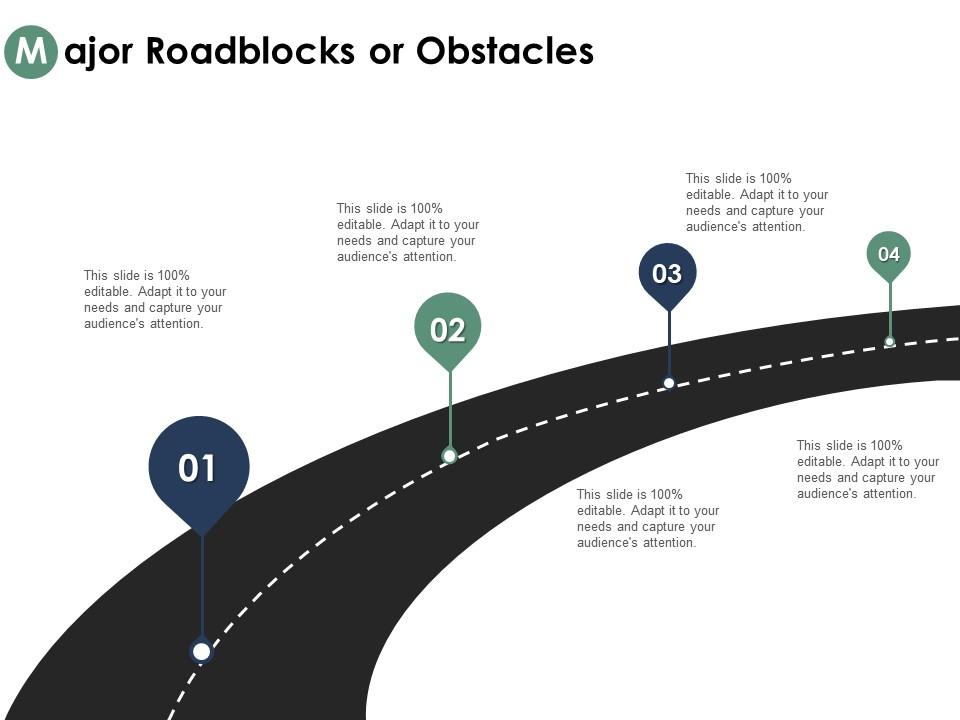
Presentación de este conjunto de diapositivas con el nombre Principales Obstáculos u Obstáculos Ubicaciones de Carreteras Ppt Presentación de PowerPoint Esquema Prediseñada. Este es un proceso de cuatro etapas. Las etapas de este proceso son Ubicación, Información, Geografía, Gestión, Estrategia. Esta es una presentación de PowerPoint completamente editable y está disponible para su descarga inmediata. Descárguelo ahora e impresione a su audiencia.
People who downloaded this PowerPoint presentation also viewed the following :
Principales Obstáculos u Obstáculos Ubicaciones de Carreteras Ppt Presentación de Powerpoint Esquema Clipart con las 5 diapositivas:
El cambio es una constante para nuestras principales barricadas u obstáculos en las ubicaciones de las carreteras Ppt Powerpoint Presentation Outline Clipart. Absorben ideas frescas con presteza.
FAQs for Major roadblocks or obstacles road locations ppt powerpoint
Dude, scope creep and crazy deadlines kill most projects. Everyone thinks they're on the same page but they're not - stakeholders want different things and bosses always think stuff takes half the time it actually does. Budget gets tight, good people get pulled onto other "urgent" things, and departments stop talking to each other. Honestly, the communication thing drives me nuts because it's so preventable. Get everyone to agree on a detailed charter upfront (I know, boring paperwork). Also pad your timeline with extra weeks. Trust me on this one.
Don't wait for disasters to hit - bake problem-spotting right into your regular routine. Do "pre-mortems" where you literally ask your team what could kill the project. Sounds morbid but it works. Check your old projects too - you'll probably see the same stuff going wrong over and over. Talk to frontline people monthly since they catch issues way before managers do. The trick is making it automatic, not just something you do once. I'd set up regular "what's gonna bite us?" sessions so you're always looking ahead instead of playing defense.
Honestly? Good communication can totally save your butt when things go sideways. People actually speak up about problems before they snowball into disasters. I've watched teams pull miracles just because someone finally mentioned they'd been struggling for weeks - crazy how that works. You can shuffle resources around faster too. Short, regular check-ins help a ton. The real trick though is making sure your team feels safe sharing bad news without getting their heads bitten off. Nobody wants to be the messenger, you know?
Oh man, resource shortages are the worst - they'll totally kill your project momentum. Budget cuts, people getting yanked to other priorities, equipment that shows up late... I've watched projects just die for months because of this crap. Build buffer time everywhere you can and cross-train people so you're not screwed if someone leaves. Keep backup vendors on speed dial too. Honestly, the biggest thing is bugging your boss constantly about what you need - waiting until everything's on fire never works out. Have your Plan B ready before you actually need it, trust me on this one.
Honestly, it's mostly fear and ego holding teams back. People clam up because they don't want to look dumb in meetings. Others get territorial about their projects instead of actually working together - which is super frustrating to watch. Confirmation bias is another killer where everyone just nods along with ideas that sound familiar. Trust becomes this huge issue, especially when people feel like they're competing with teammates rather than collaborating. And when stuff inevitably goes wrong? Cue the finger-pointing. You really need that psychological safety where people can mess up without getting roasted for it.
Ugh, external stuff can totally wreck your project even when you're doing everything right. Economic downturns hit and suddenly your customers care about completely different things. Supply chain issues mess up your timeline. New regulations come out of nowhere - honestly, it's like the universe is testing you sometimes. Competitors make surprise moves that force you to change direction midway through. You can't control any of this, but it'll definitely impact your results. Best thing? Build in flexibility from the start. Have backup plans ready so you're not scrambling when things go sideways.
Okay so first thing - figure out what's actually blocking you vs just slowing things down. Blockers are the real killers that stop everything dead. Deal with those first, obviously. For the slowdowns, check which ones mess with your biggest priorities or deadlines. I'm weird about this but I literally make a little spreadsheet to see impact vs effort - sounds nerdy but it works. Focus on stuff that's screwing over multiple people or hitting soon. Don't try fixing everything though, you'll just lose your mind. Pick like 2-3 max and tell everyone else about the rest with actual realistic timelines.
Look, your leadership style basically decides if your team panics or problem-solves when stuff hits the fan. Micromanage too much? They'll never learn to think for themselves and just freeze up. Go completely hands-off and they're lost without direction. What works is staying available as backup while letting them actually work through problems. I've seen this play out so many times - the best leaders build their people's confidence to try things and mess up. Don't always jump in to fix everything. That sweet spot between supportive and empowering makes all the difference.
Dude, poor planning is like walking into a minefield blindfolded. You skip thinking through the "what could go wrong" stuff upfront, then BAM - problems hit you sideways. I learned this the hard way on my last project (ugh). Dependencies you didn't map out suddenly matter. Resources aren't available when you need them. It's basically a recipe for chaos. Honestly, spending extra time at the beginning doing proper risk assessment saves your sanity later. Always pad your timeline too - things take longer than you think they will.
Definitely grab a project management tool first - Asana or Monday.com are solid choices. Set up dedicated logs for tracking obstacles and assign someone to own each issue. Trust me, don't let problems just float around in email chains because that's where stuff dies. Dashboards help you see everything at once, which is clutch. Slack works great for quick heads-ups when something new pops up. Oh, and whatever tool you pick? Make sure everyone actually uses it consistently or you're back to square one.
Oh man, stakeholder expectations are the worst when they're totally unrealistic or keep shifting every week. You get stuck between the CEO demanding impossible timelines, finance freaking out about budget, and users asking for random features that weren't even discussed. Honestly feels like you're managing toddlers sometimes. The real killer? Everyone has their own idea of what "success" looks like but nobody mentions it until you're deep into the project. Document everything upfront - seriously, get it in writing. Make them sign off on changes and do regular check-ins to catch these misalignments early.
Honestly, being flexible is what saves you when projects go sideways - and they always do. When your plan hits a wall, you gotta pivot fast. Maybe that's shifting deadlines, moving people around, or scrapping your approach entirely. I've watched so many teams crash because they got stubborn about strategies that clearly weren't working. Stay open to feedback even if it means your brilliant idea was actually trash. Oh, and build in extra time from the start - seriously, always assume things will take longer than you think. Future you will thank you for having backup plans ready.
Honestly, getting people to actually talk instead of being passive-aggressive changes everything. Your team's probably stuck because there's some weird tension nobody wants to deal with - I've watched groups waste literally weeks avoiding one awkward conversation. The stuff that actually works? Listen to what people are really saying, figure out what you all want, and don't make it personal. Oh, and try asking "what are we even trying to do here?" next time things get messy. Sounds obvious but it cuts through so much BS.
Hey! So there's a few key things I'd track. Schedule variance is huge - basically comparing what you planned vs what actually happened. Also watch your critical path delays and how long it takes to resolve roadblocks (this one's honestly my favorite because it shows if your team can adapt quickly). Milestone slippage will tell you exactly where stuff went wrong. Resource utilization rates matter too, plus budget impact since delays usually mean more money spent. Oh, and track what percentage of tasks are blocked at any time - gives you a quick snapshot of project health. I'd start with maybe 2-3 of these depending on your project type.
Honestly, you've got to make failing feel normal - even celebrate the smart attempts that just didn't pan out. When leaders actually share their own screw-ups, it changes the whole vibe (I've seen this work magic). Set up regular sessions where teams can dig into what went sideways without anyone getting thrown under the bus. Give people real decision-making power and room to bounce back from mistakes. Oh, and train them on problem-solving stuff too. One company I know throws actual "failure parties" to celebrate lessons learned - sounds cheesy but apparently it works great.
No Reviews