


Gerenciando o risco cibernético em slides de apresentação em powerpoint da era digital
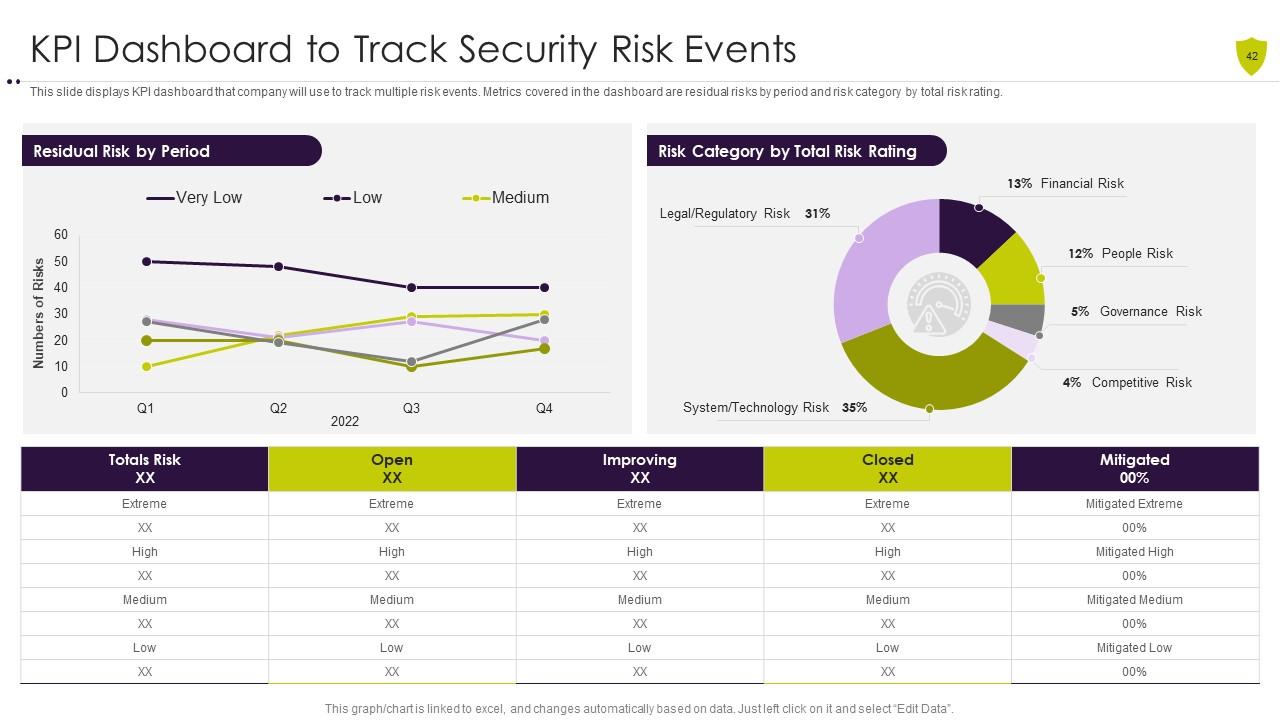
À medida que as organizações de TI lutam pela digitalização, muitas enfrentam desafios significativos de segurança cibernética. Aqui está um modelo projetado de forma eficiente sobre como gerenciar riscos cibernéticos na era digital que beneficiará as empresas que desejam introduzir um programa de segurança da informação para lidar efetivamente com os riscos de segurança cibernética em seu cenário digital. A apresentação começa com o slide de insights do mercado global. uma empresa pode usar este slide para abordar o resumo do mercado global de segurança cibernética. O slide de insights de mercado é seguido por declínios, como níveis de digitalização da empresa, requisitos prioritários para comprar produtos de IoT, drivers de ameaças e tecnologias emergentes que afetam a segurança cibernética. Para garantir a segurança da informação, a empresa pode utilizar o slide de definição de prioridades de negócios, com foco na gestão eficaz de riscos e incidentes. Com o slide de identificação de lacunas, a empresa pode destacar sua abordagem atual e os detalhes de seu processo, falhas significativas e custo de gerenciamento de riscos. Um plano de comunicação para violações cibernéticas ajudará a empresa a manter uma comunicação eficaz entre os diferentes proprietários e coordenadores de equipe, o que ajudará no tratamento eficiente de eventos de risco. Por fim, as métricas para rastrear a seção de eficácia do programa ajudarão a empresa a rastrear eventos de risco de segurança. Obtenha acesso a este poderoso modelo agora.














-

- Google Slides is a new FREE Presentation software from Google.
- All our content is 100% compatible with Google Slides.
- Just download our designs, and upload them to Google Slides and they will work automatically.
- Amaze your audience with SlideTeam and Google Slides.
-

Want Changes to This PPT Slide? Check out our Presentation Design Services
-

- WideScreen Aspect ratio is becoming a very popular format. When you download this product, the downloaded ZIP will contain this product in both standard and widescreen format.
-

- Some older products that we have may only be in standard format, but they can easily be converted to widescreen.
- To do this, please open the SlideTeam product in Powerpoint, and go to
- Design ( On the top bar) -> Page Setup -> and select "On-screen Show (16:9)” in the drop down for "Slides Sized for".
- The slide or theme will change to widescreen, and all graphics will adjust automatically. You can similarly convert our content to any other desired screen aspect ratio.
Compatible With Google Slides

Get This In WideScreen
You must be logged in to download this presentation.


Do you want to remove this product from your favourites?
Características destes slides de apresentação do PowerPoint :
Entregue este deck completo aos membros de sua equipe e outros colaboradores. Com slides estilizados apresentando vários conceitos, este Slides de apresentação Powerpoint Gerenciando o risco cibernético na era digital é a melhor ferramenta que você pode utilizar. Personalize seu conteúdo e gráficos para torná-lo único e instigante. Todos os cinquenta e seis slides são editáveis e modificáveis, portanto, sinta-se à vontade para ajustá-los à sua configuração de negócios. A fonte, cor e outros componentes também vêm em um formato editável, tornando este design PPT a melhor escolha para sua próxima apresentação. Então, baixe agora.

People who downloaded this PowerPoint presentation also viewed the following :
Conteúdo desta apresentação em PowerPoint
Slide 1 : Este slide apresenta o gerenciamento de riscos cibernéticos na era digital. Indique o nome da sua empresa e comece.
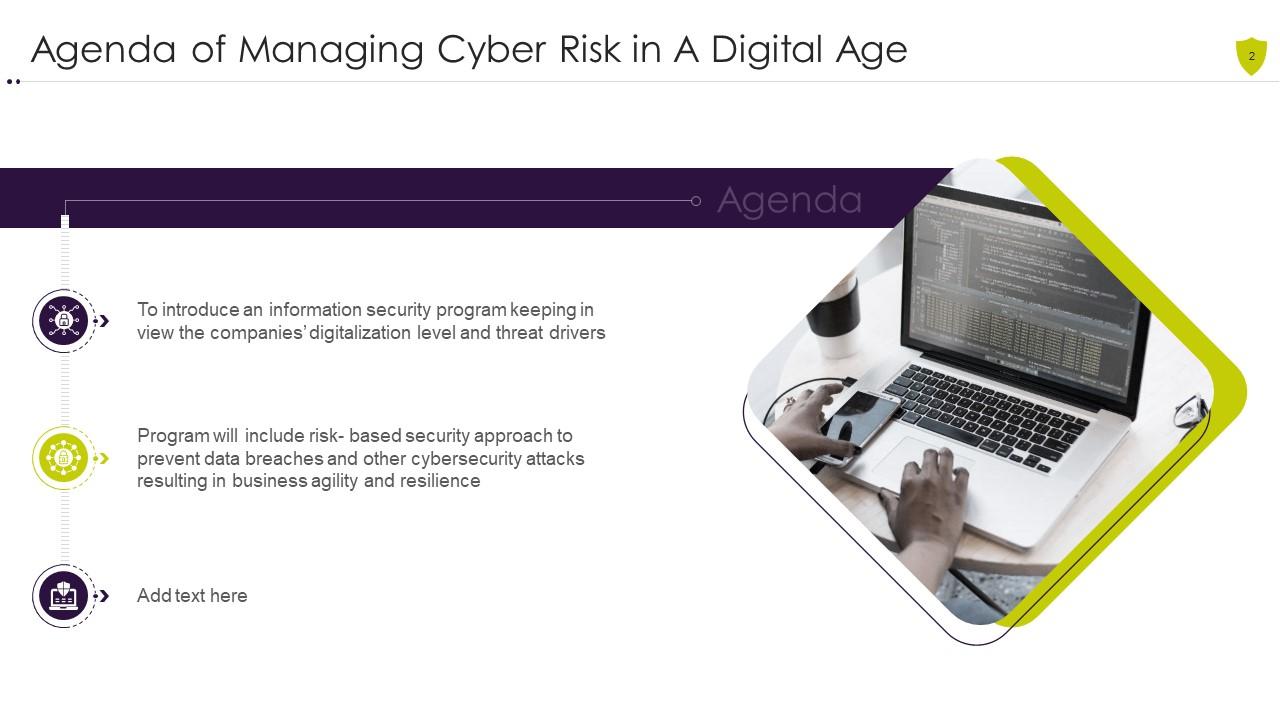
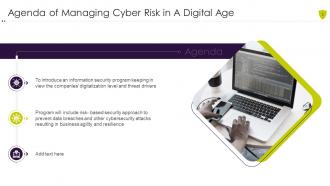
Slide 2 : Este slide mostra a Agenda de Gerenciamento de Riscos Cibernéticos na Era Digital.
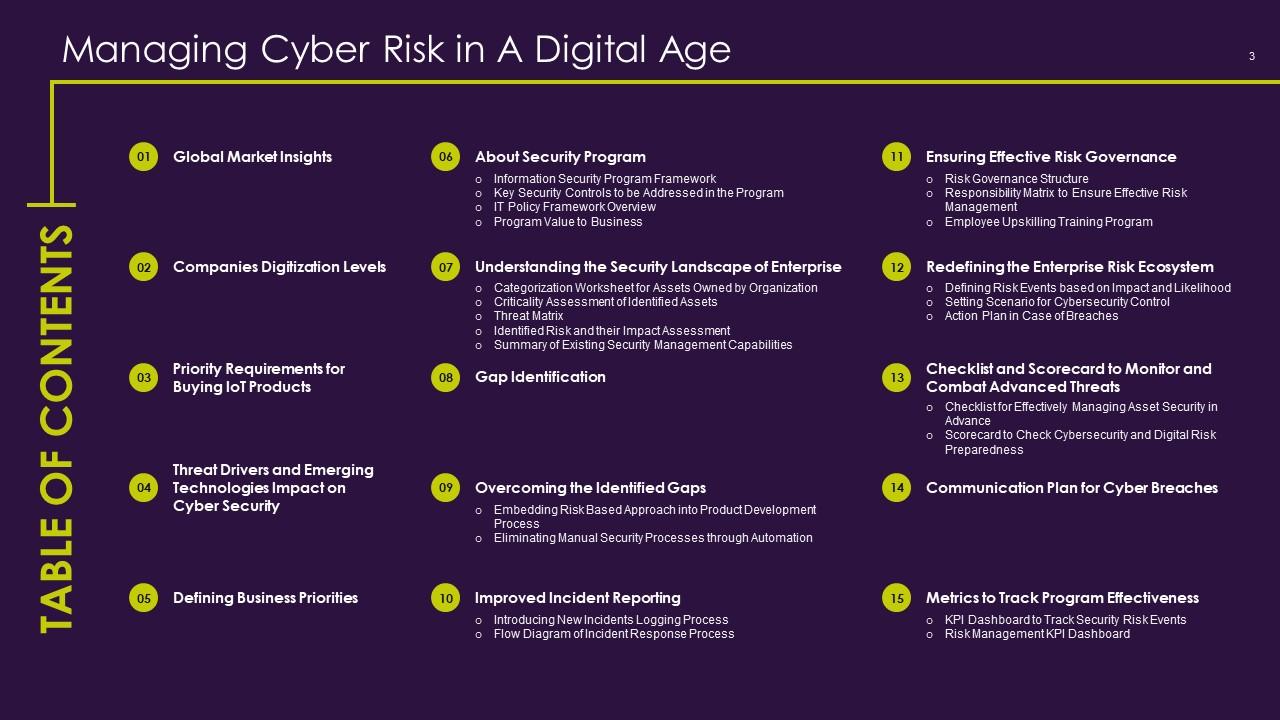
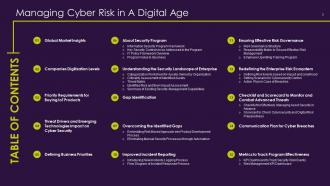
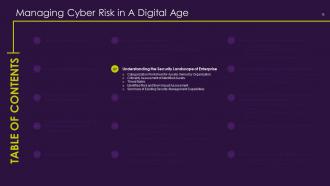
Slide 3 : Este slide apresenta o Índice da apresentação.
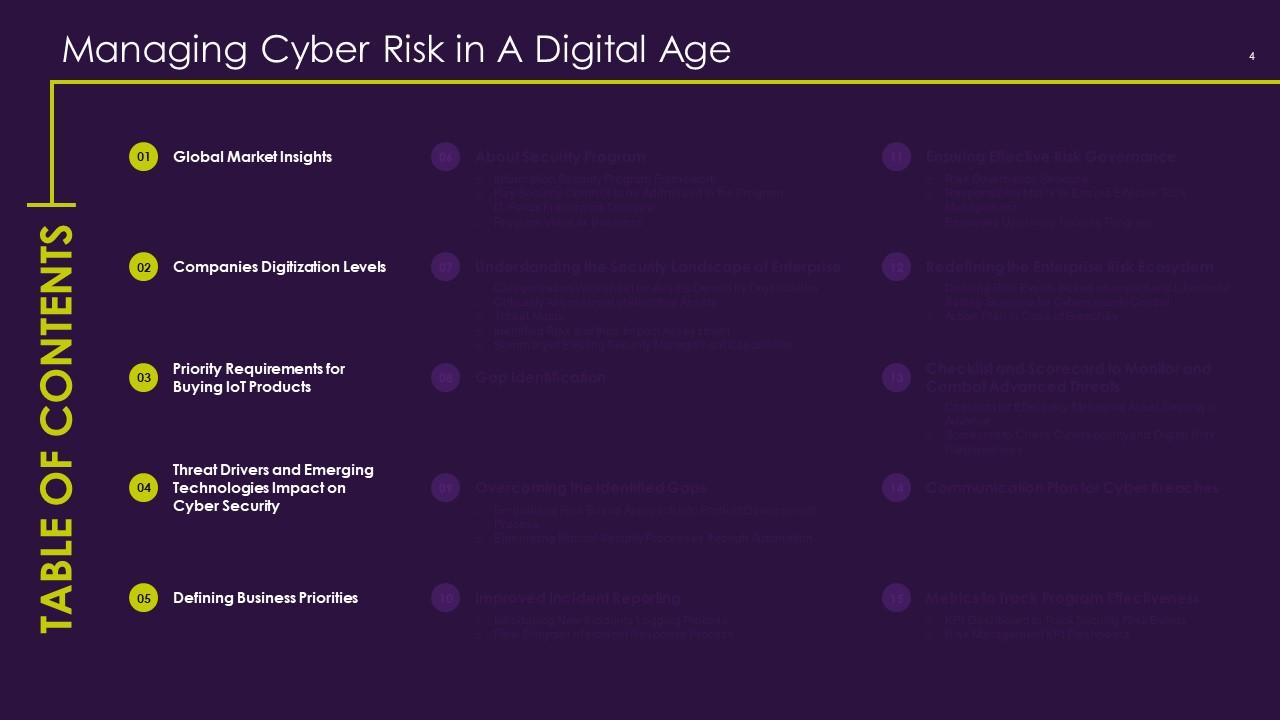
Slide 4 : Este é outro slide que continua o Índice da apresentação.
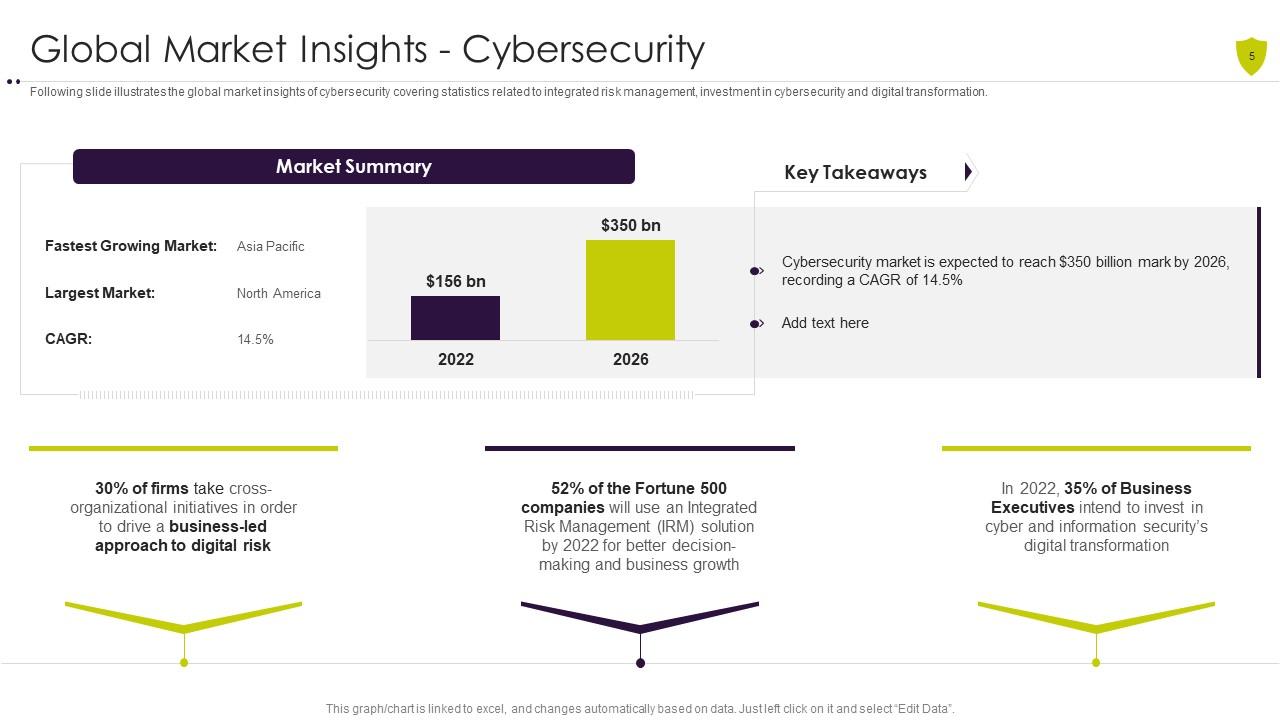
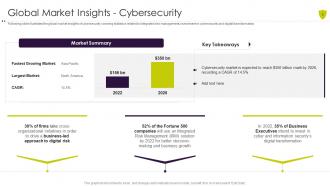
Slide 5 : Este slide mostra insights do mercado global de segurança cibernética, abrangendo estatísticas relacionadas ao gerenciamento integrado de riscos, investimento em segurança cibernética e transformação digital.
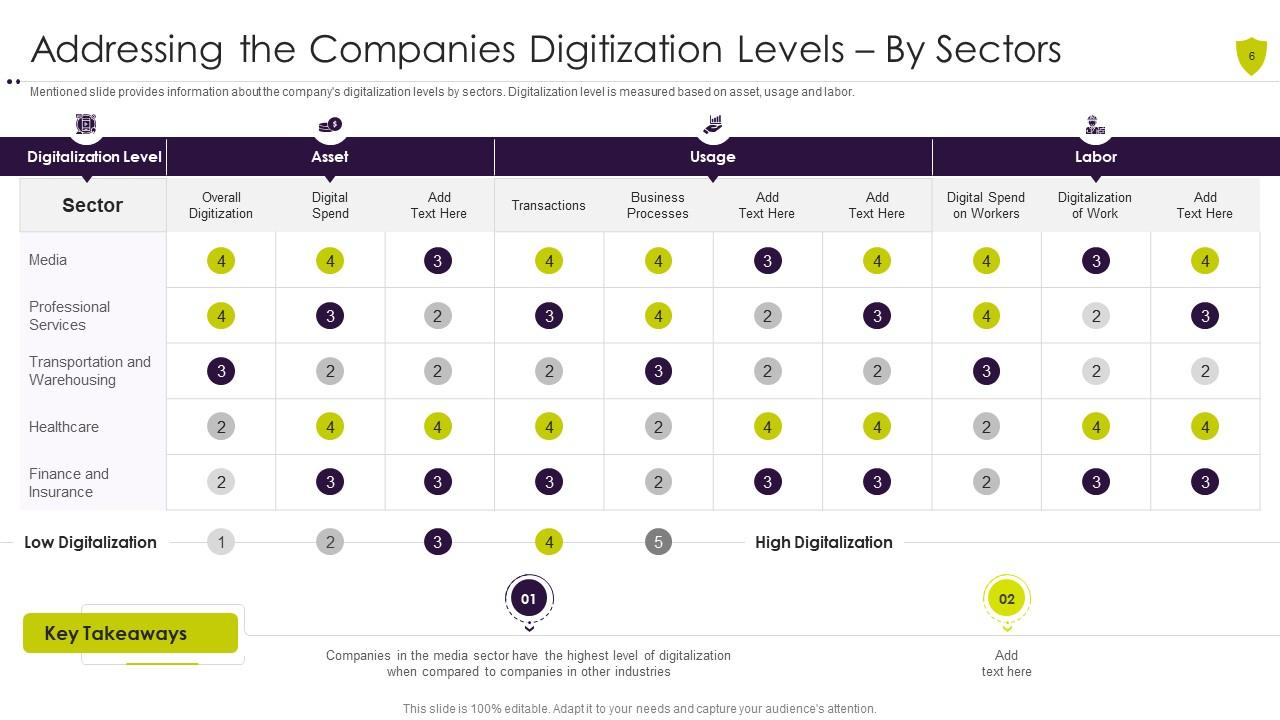
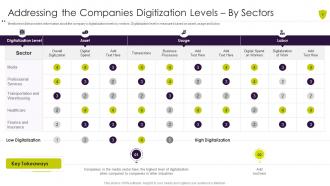
Slide 6 : Este slide mostra Abordando os Níveis de Digitalização das Empresas – Por Setores.
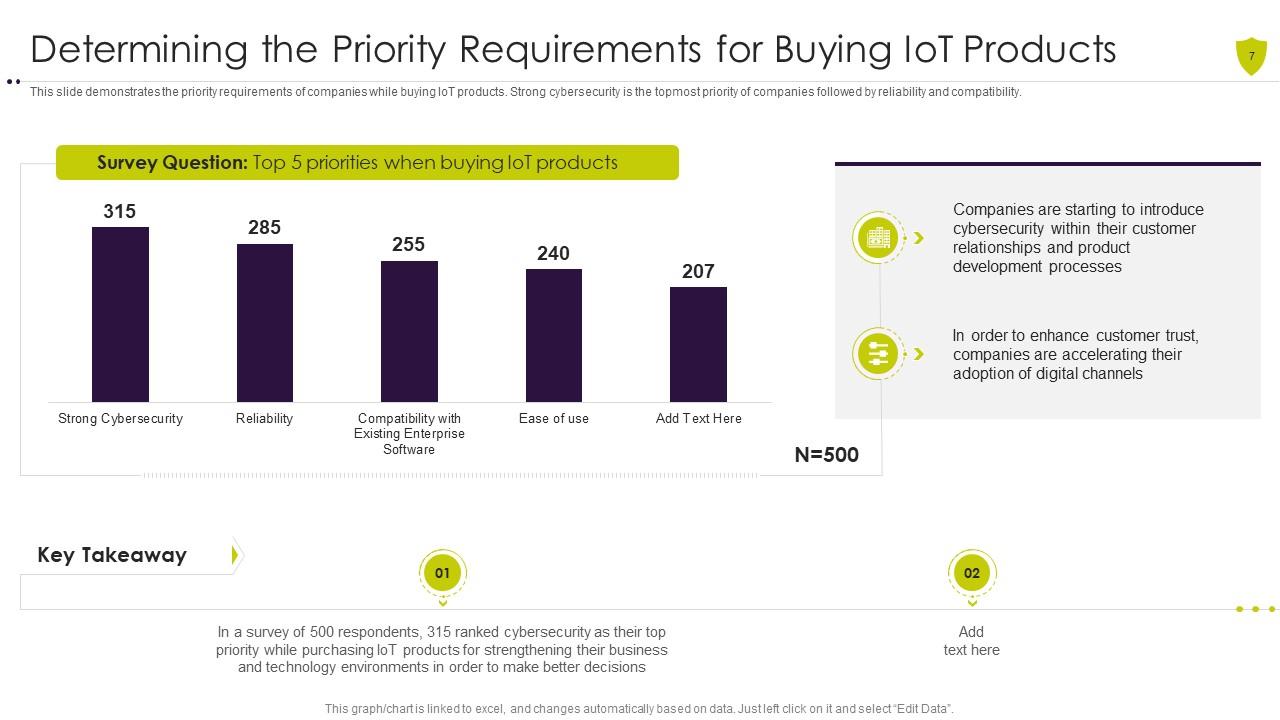
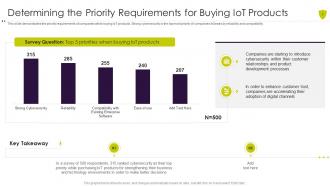
Slide 7 : Este slide representa a determinação dos requisitos prioritários para a compra de produtos de IoT.
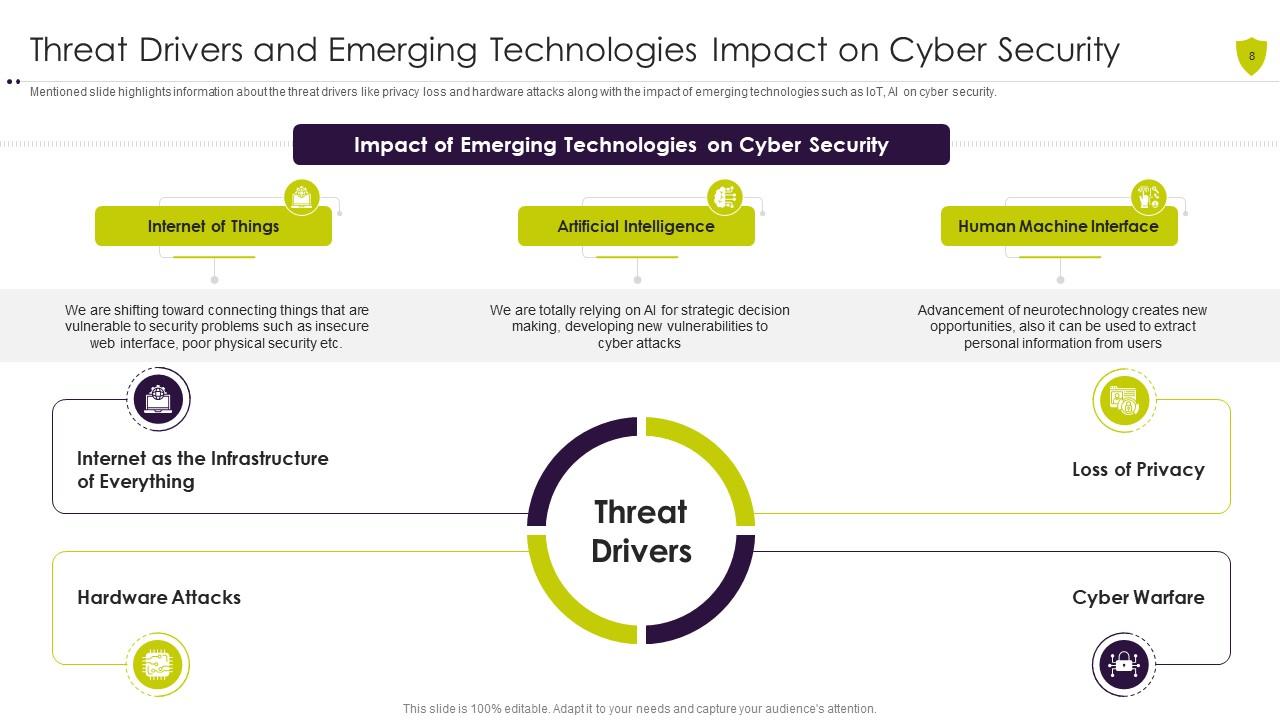
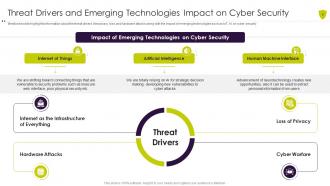
Slide 8 : Este slide mostra os drivers de ameaça e o impacto das tecnologias emergentes na segurança cibernética.
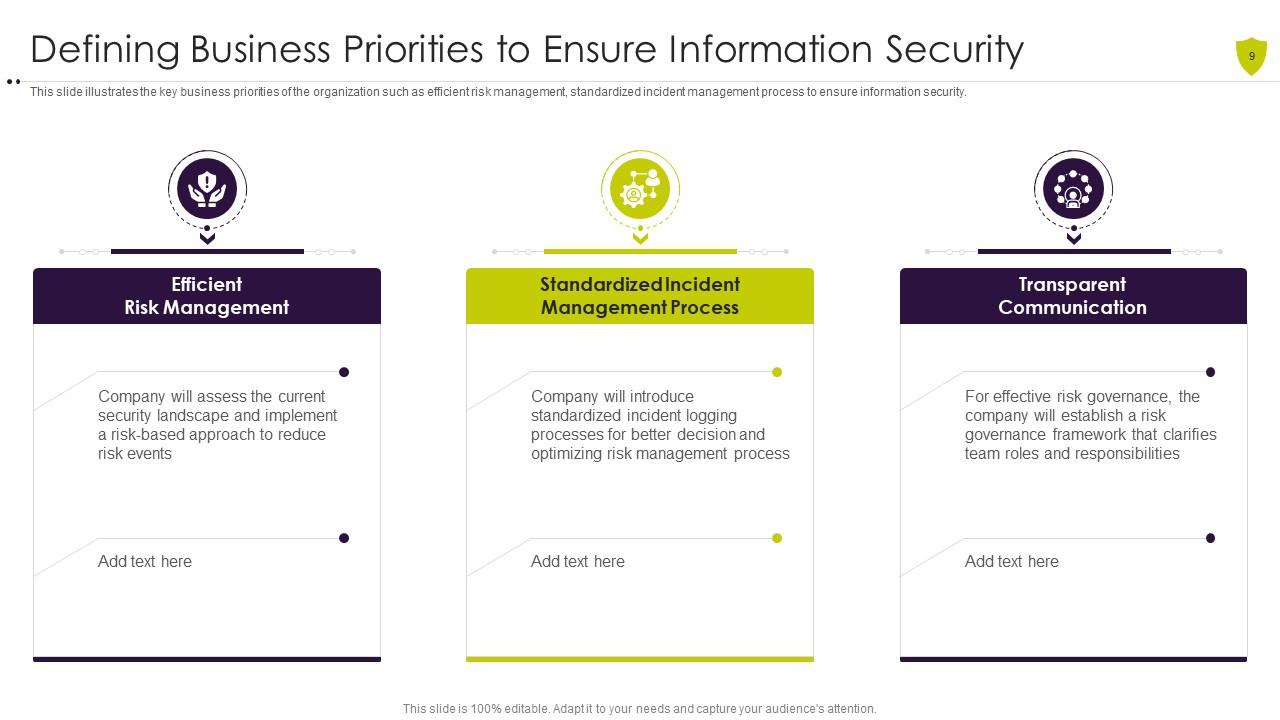
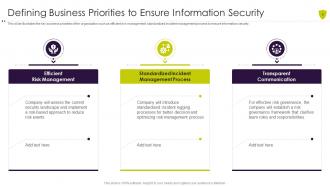
Slide 9 : Este slide apresenta a Definição de Prioridades de Negócios para Garantir a Segurança da Informação.
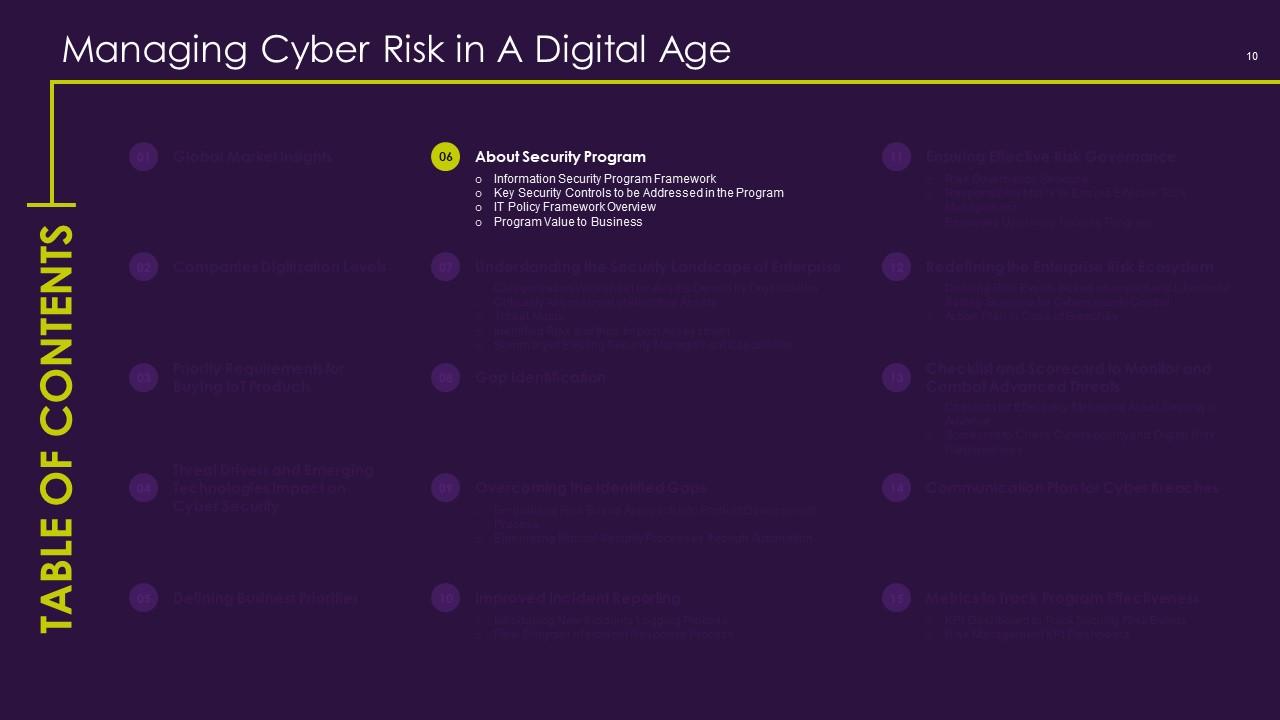
Slide 10 : Este slide mostra o Índice da apresentação.
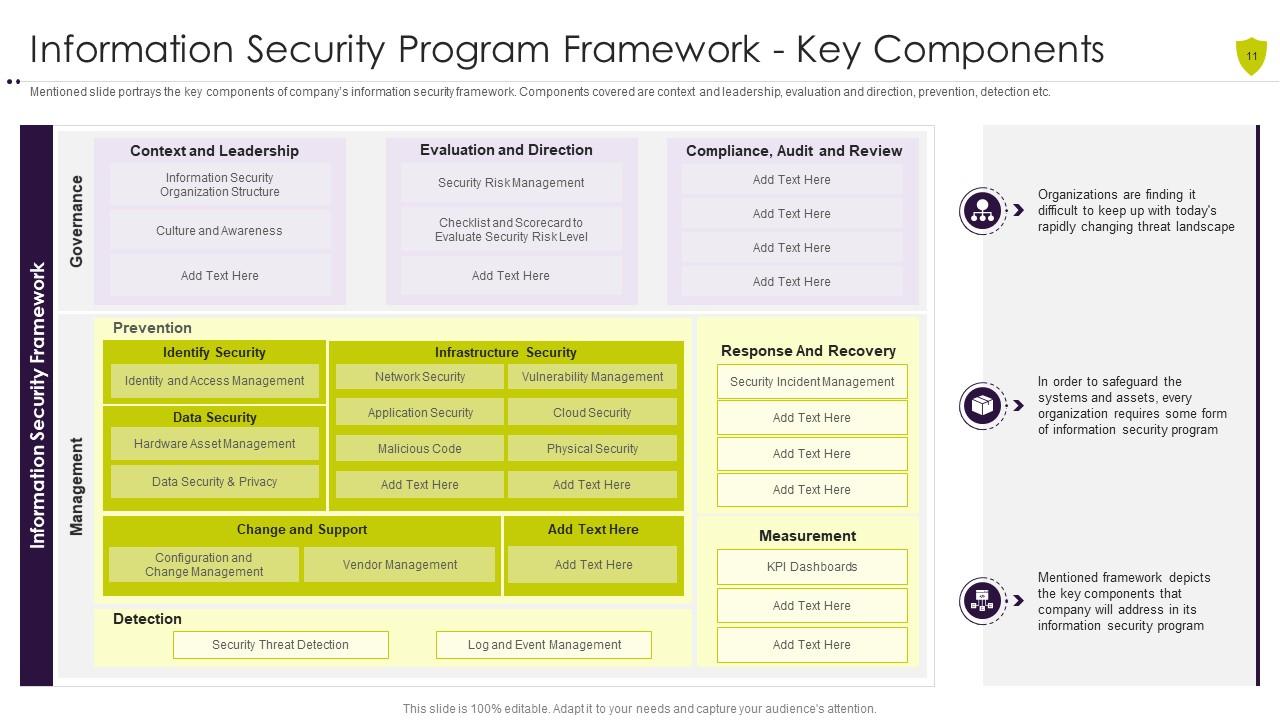
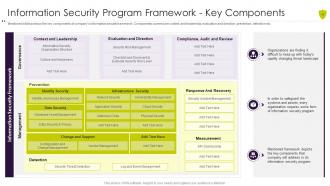
Slide 11 : Este slide mostra os principais componentes da estrutura de segurança da informação da empresa.
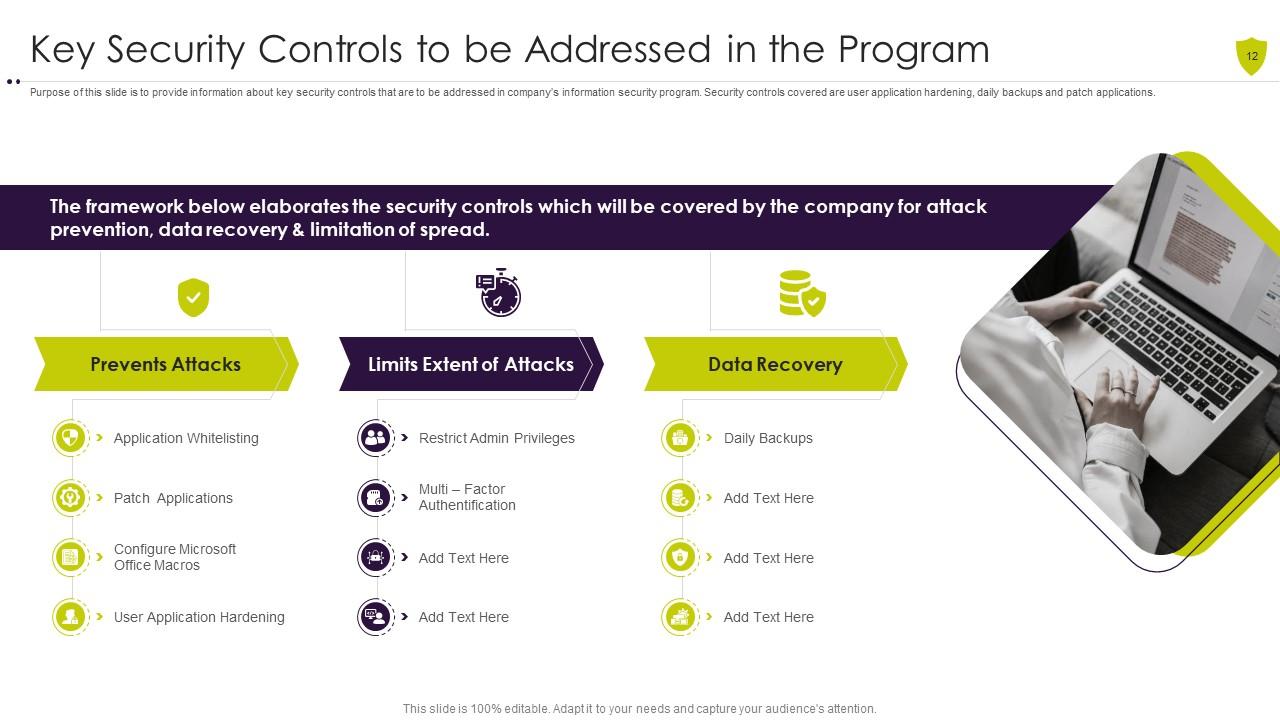
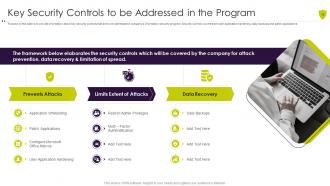
Slide 12 : Este slide representa os principais controles de segurança a serem abordados no programa.
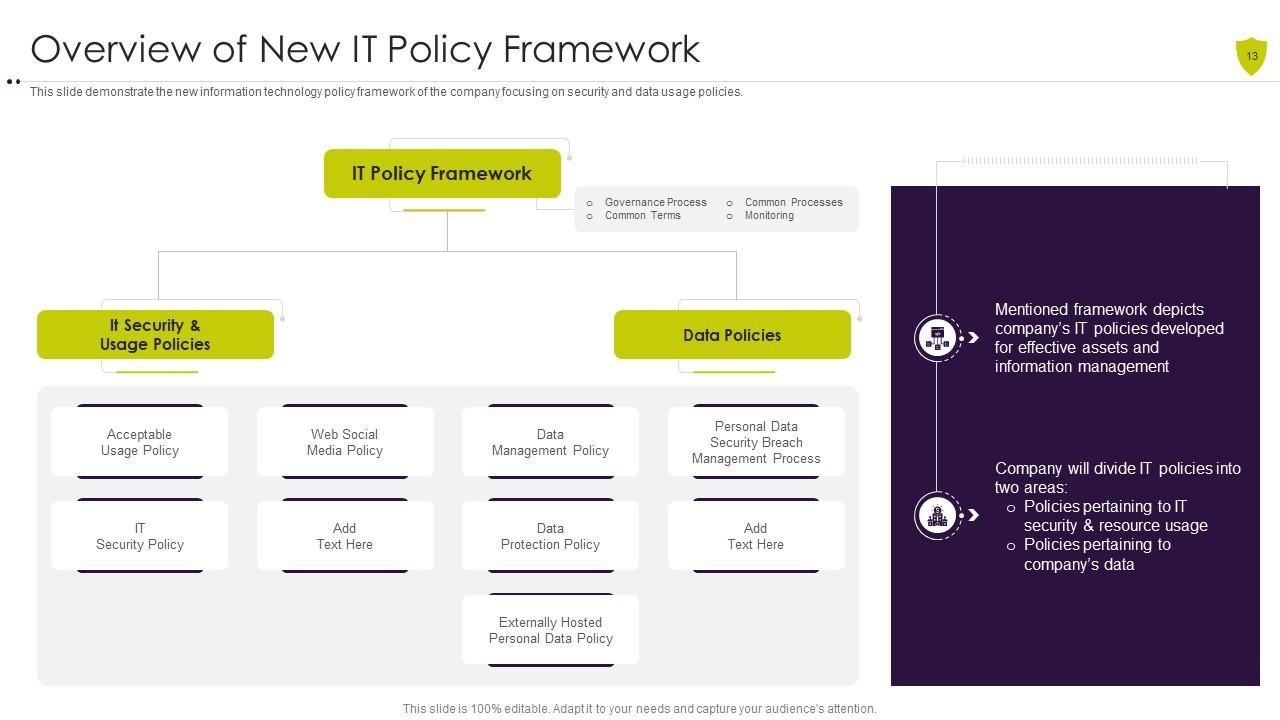
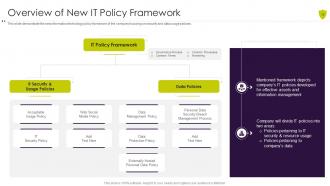
Slide 13 : Este slide demonstra a nova estrutura de política de tecnologia da informação da empresa com foco em políticas de segurança e uso de dados.
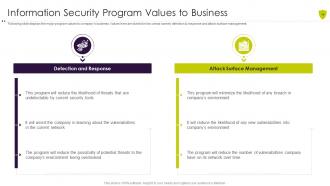
Slide 14 : Este slide apresenta os Valores do Programa de Segurança da Informação para os Negócios.
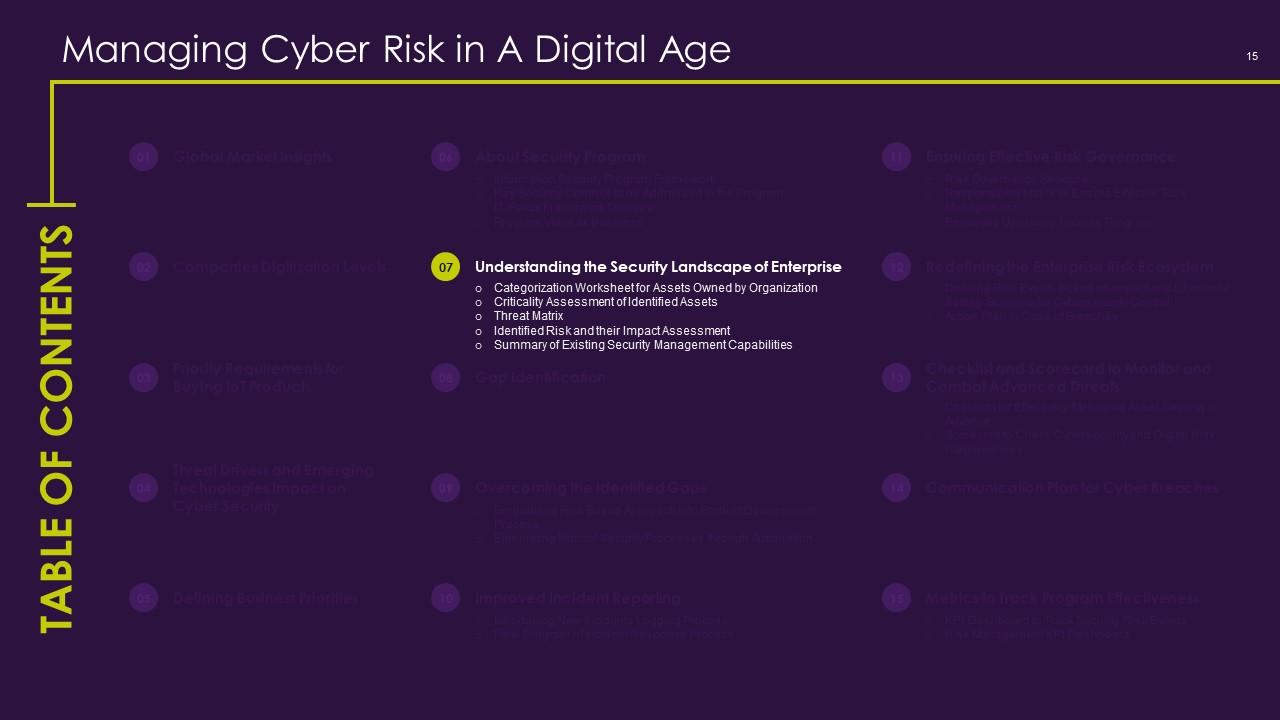
Slide 15 : Este slide mostra o Índice da apresentação.
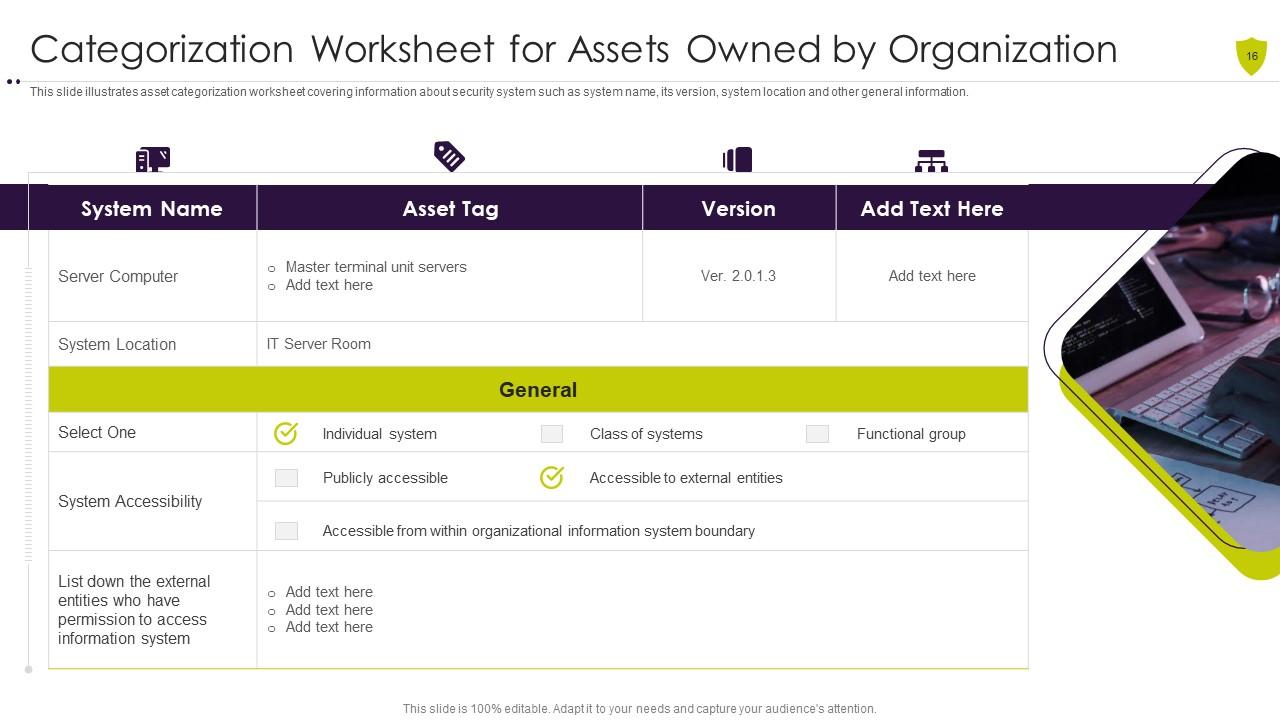
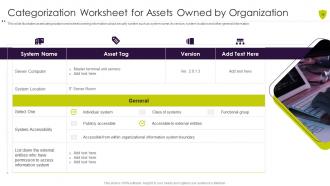
Slide 16 : Este slide exibe a Planilha de Categorização de Ativos de Propriedade da Organização.
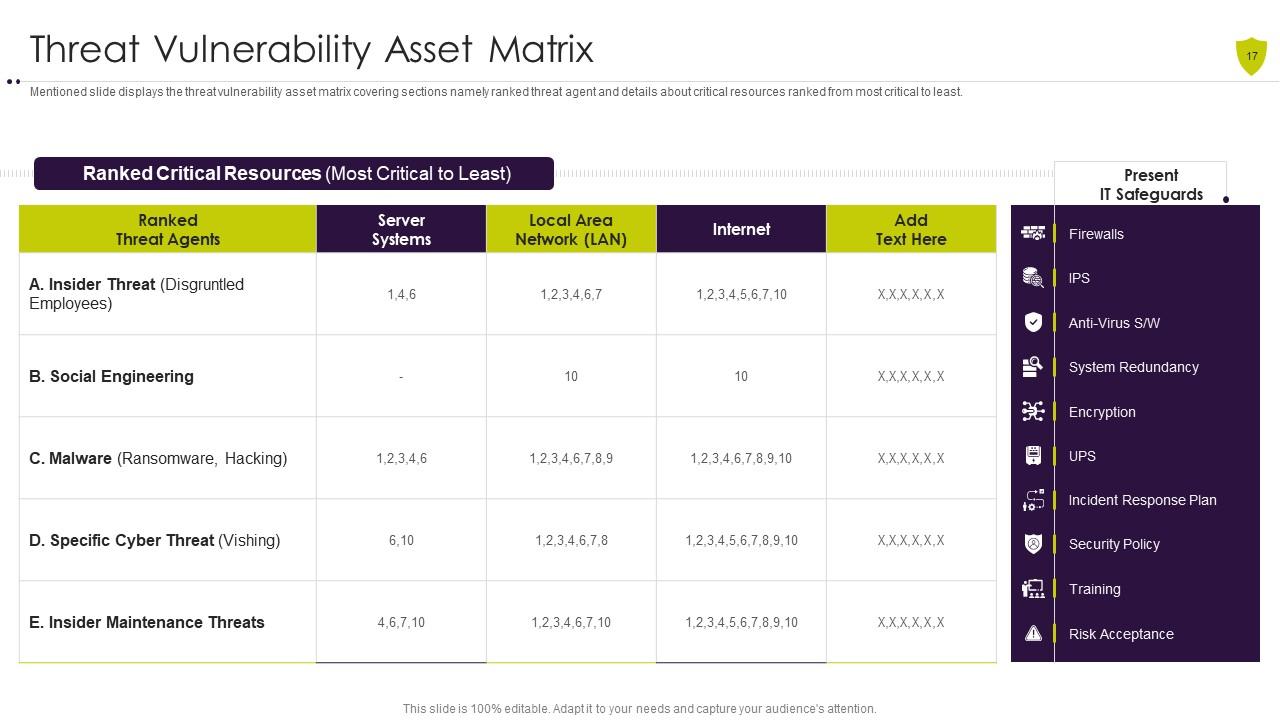
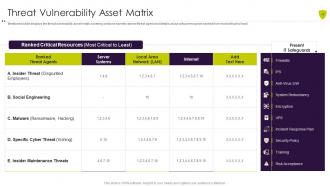
Slide 17 : Este slide representa a matriz de ativos de vulnerabilidade de ameaças que abrange seções como agente de ameaças classificado e detalhes sobre recursos críticos.
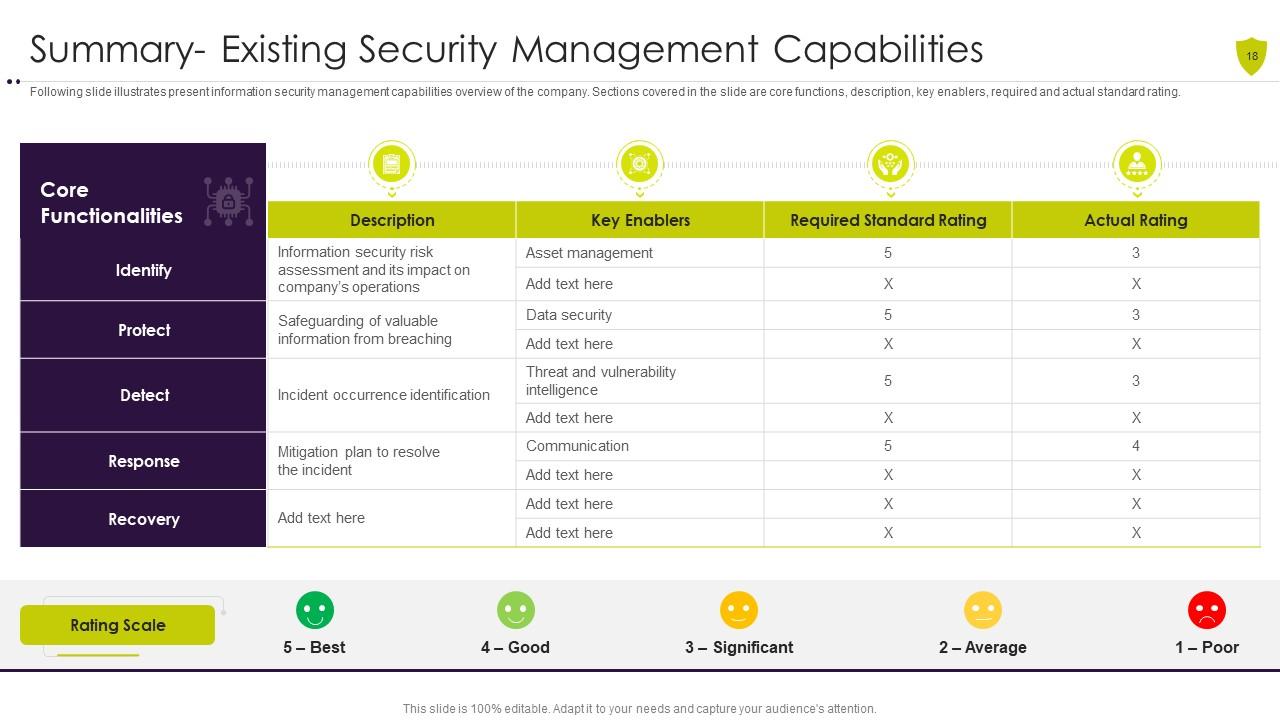
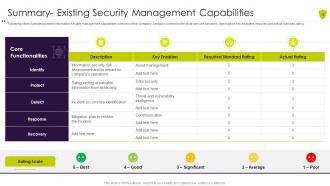
Slide 18 : Este slide mostra o Resumo - Recursos de Gerenciamento de Segurança Existentes.
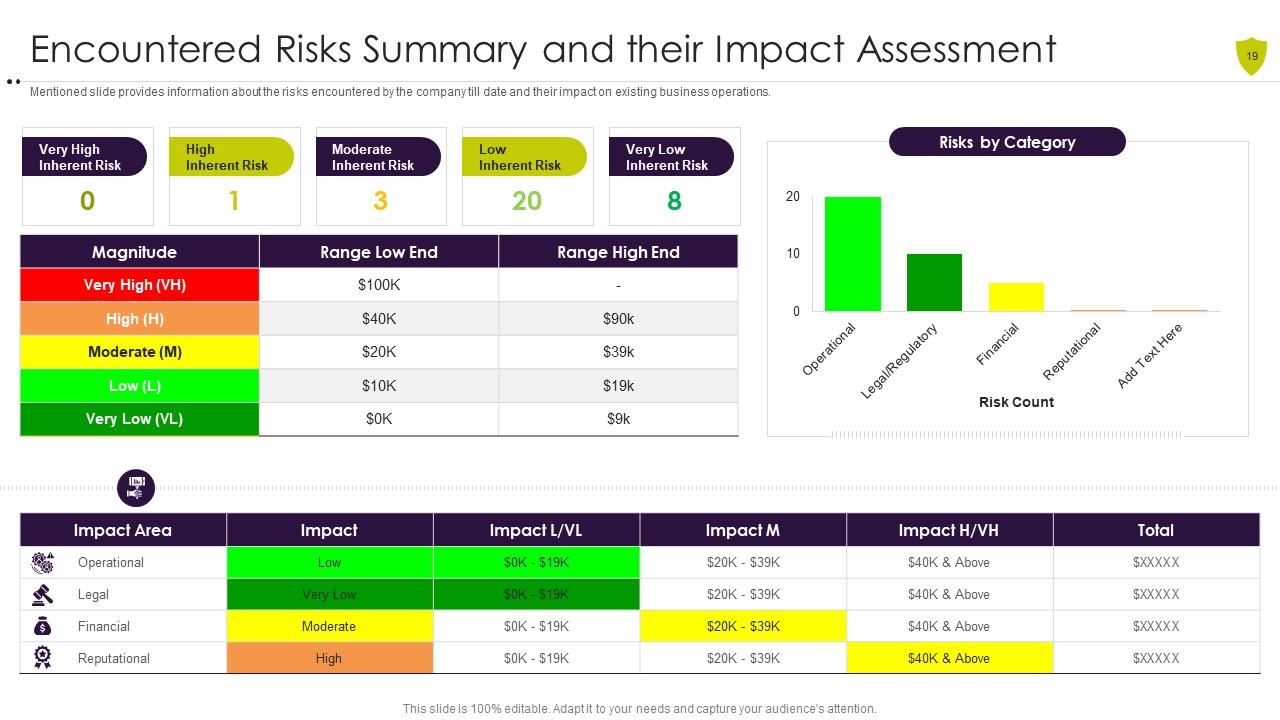
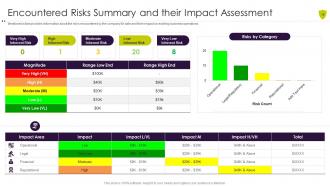
Slide 19 : Este slide apresenta o Resumo dos Riscos Encontrados e sua Avaliação de Impacto.
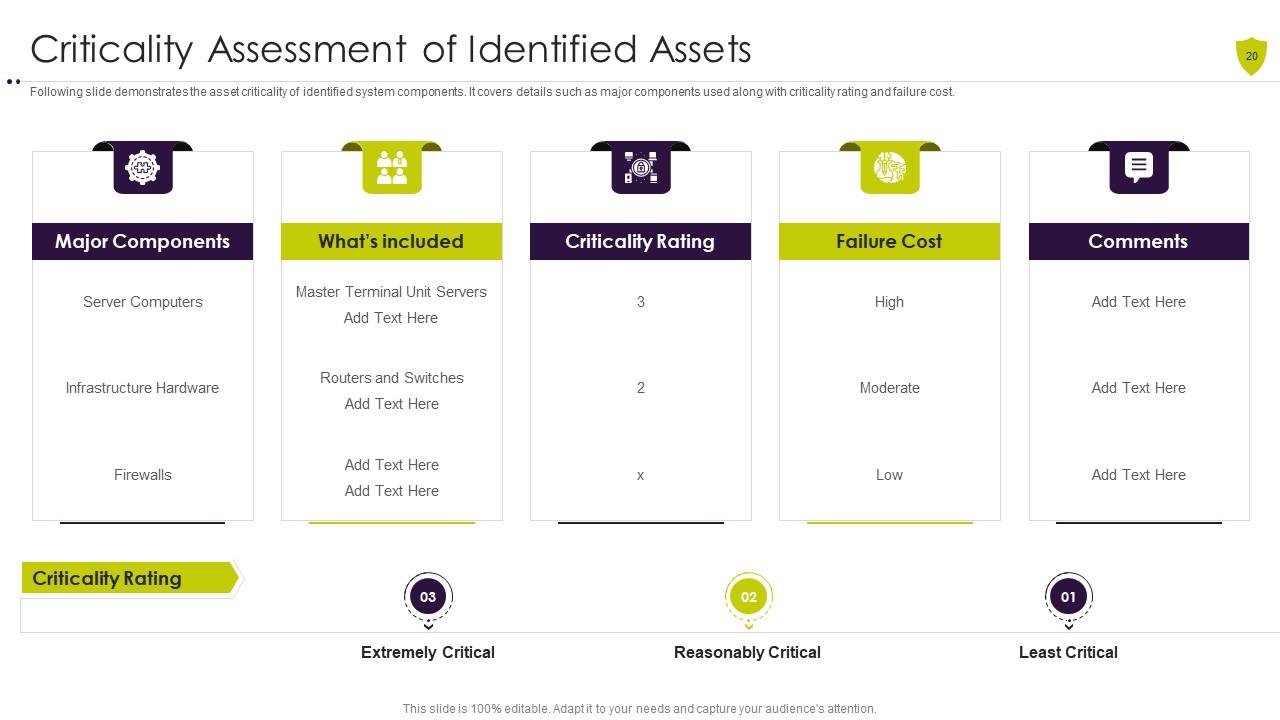
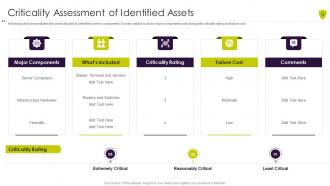
Slide 20 : Este slide mostra a criticidade dos ativos dos componentes do sistema identificados.
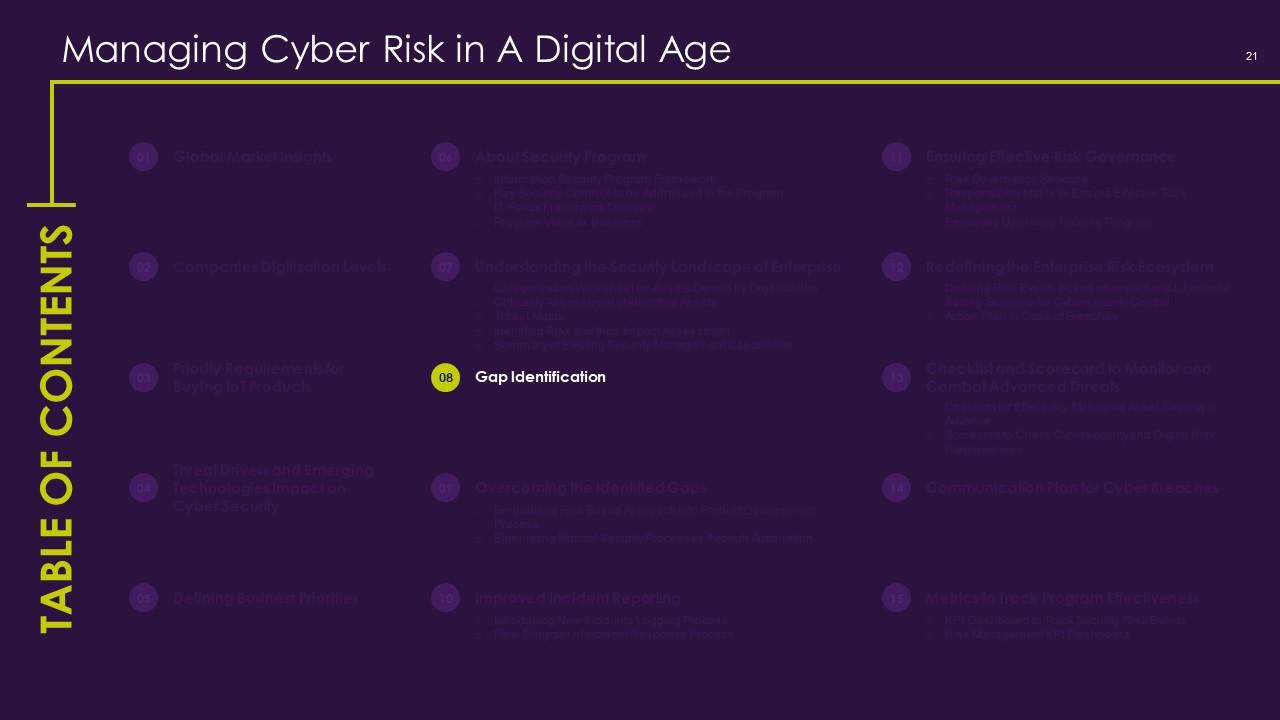
Slide 21 : Este slide exibe o Índice da apresentação.
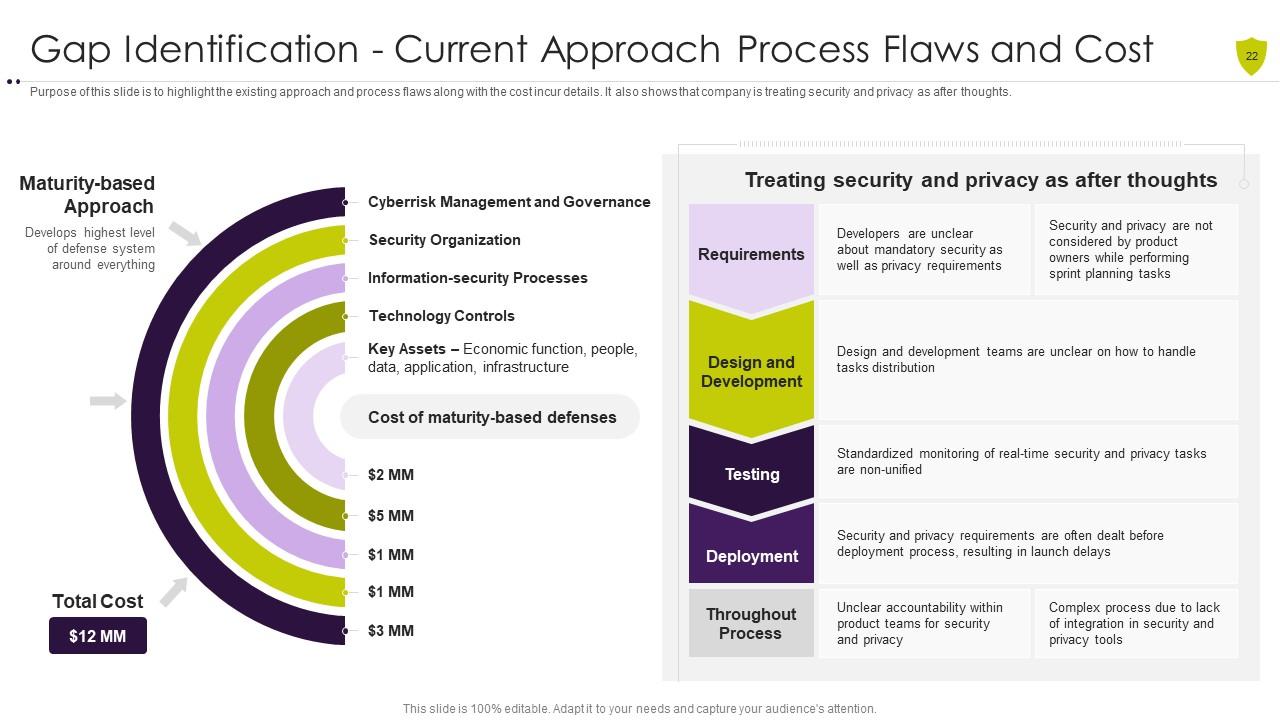
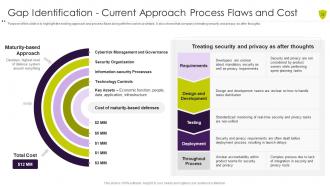
Slide 22 : Este slide representa a Identificação de Gap - Falhas e Custos do Processo de Abordagem Atual.
Slide 23 : Este slide mostra o Índice da apresentação.
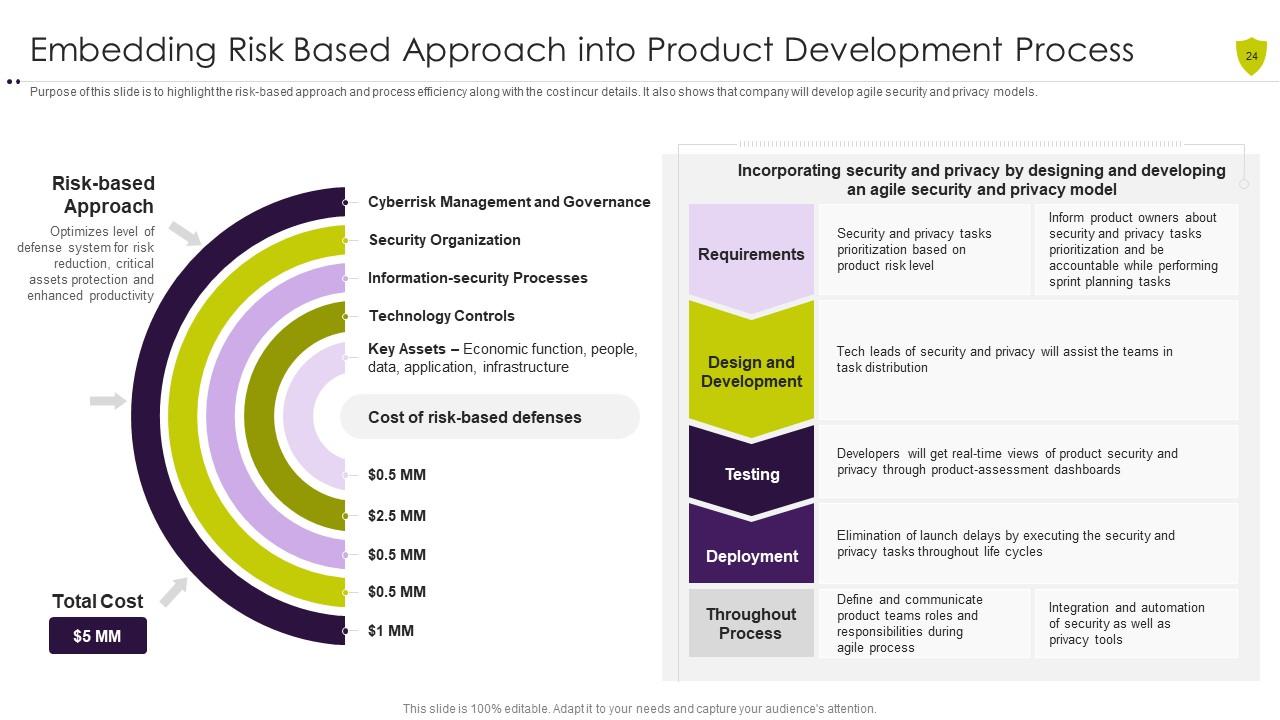
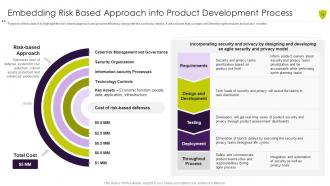
Slide 24 : Este slide apresenta uma abordagem baseada em risco e eficiência do processo, juntamente com os detalhes de custos incorridos.
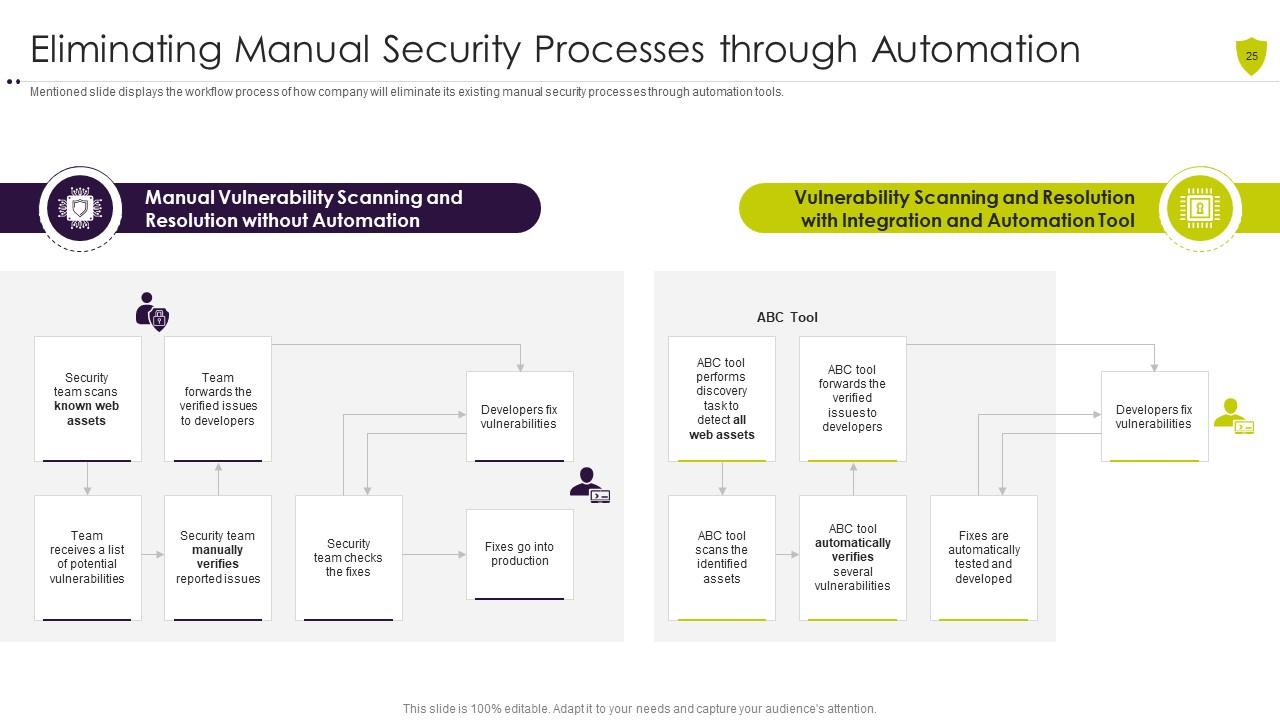
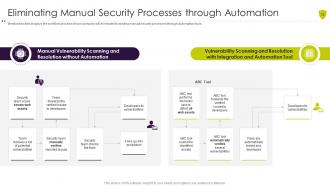
Slide 25 : Este slide mostra a eliminação de processos manuais de segurança por meio da automação.
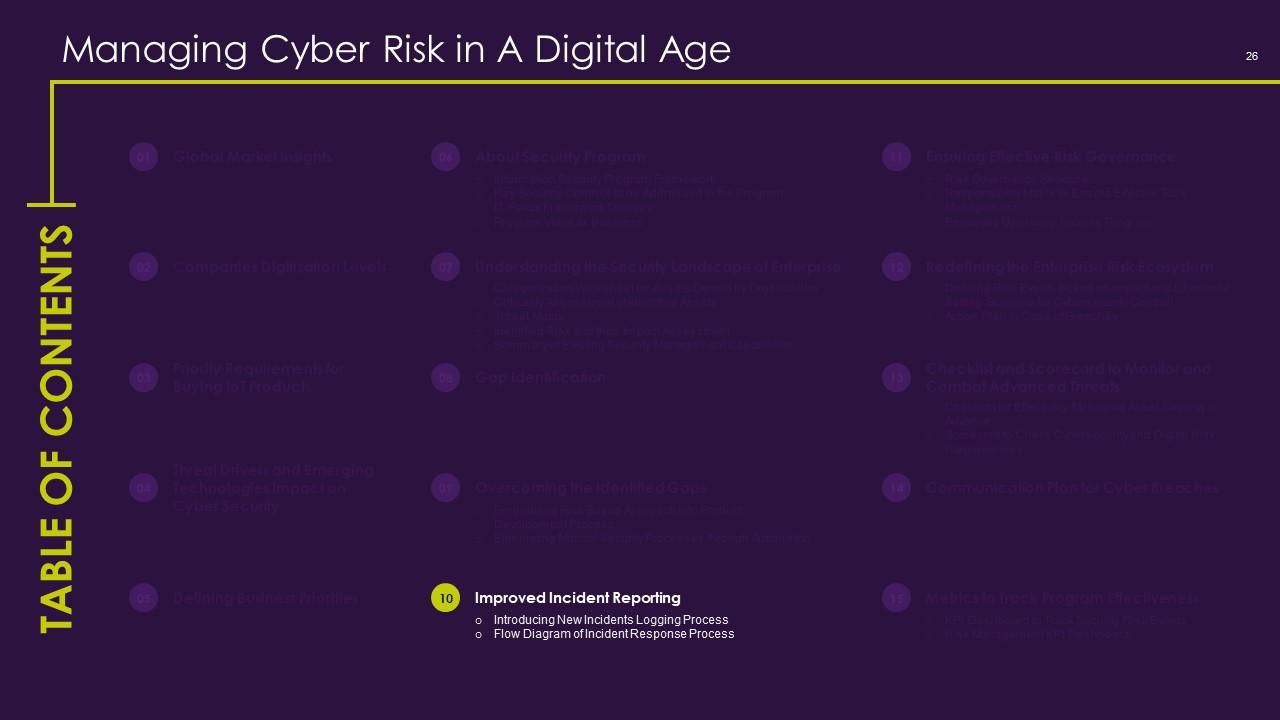
Slide 26 : Este slide exibe o Índice da apresentação.
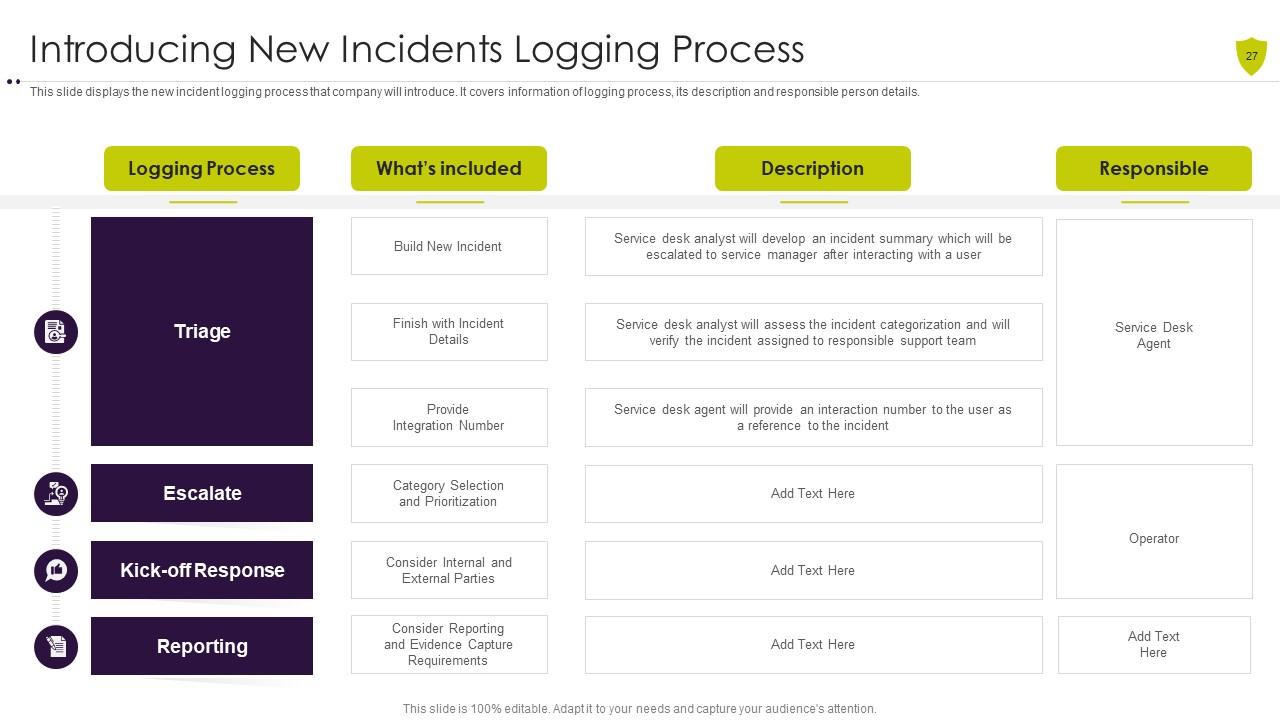
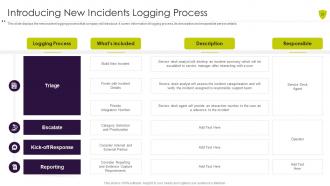
Slide 27 : Este slide representa o novo processo de registro de incidentes que a empresa apresentará.
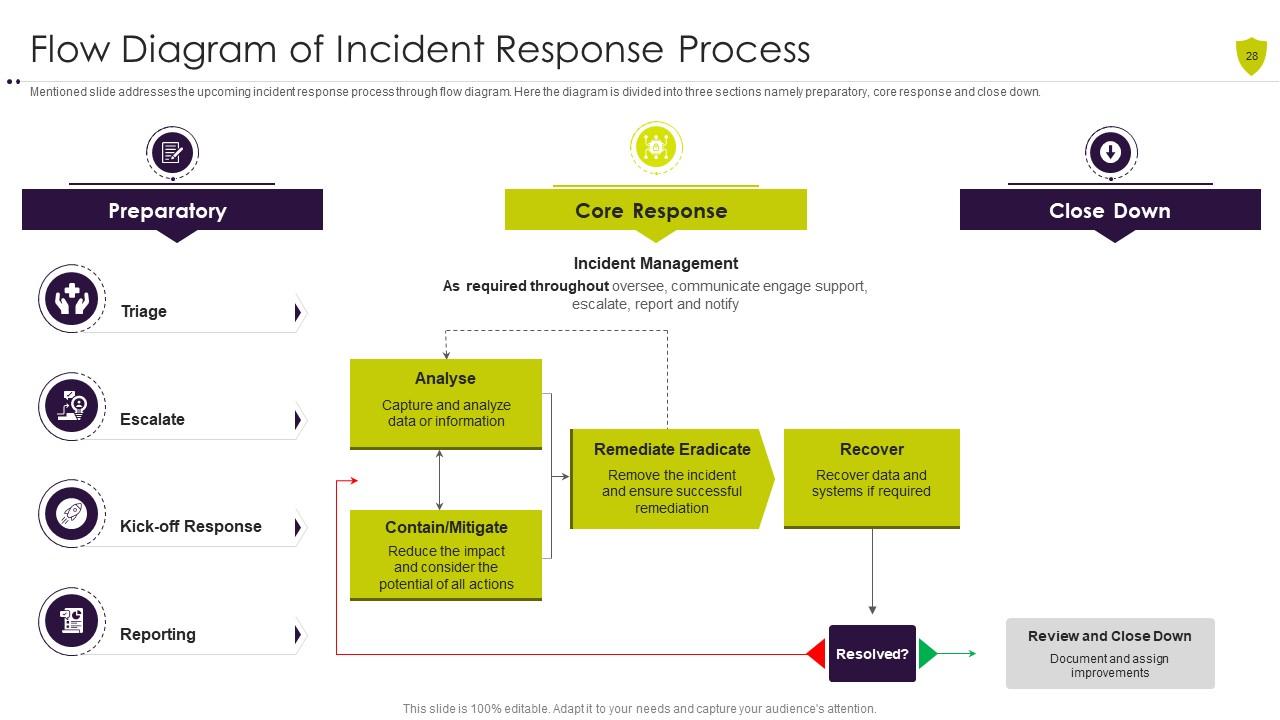
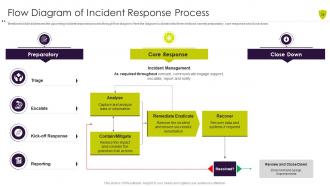
Slide 28 : Este slide mostra o processo de resposta a incidentes futuros por meio do diagrama de fluxo.
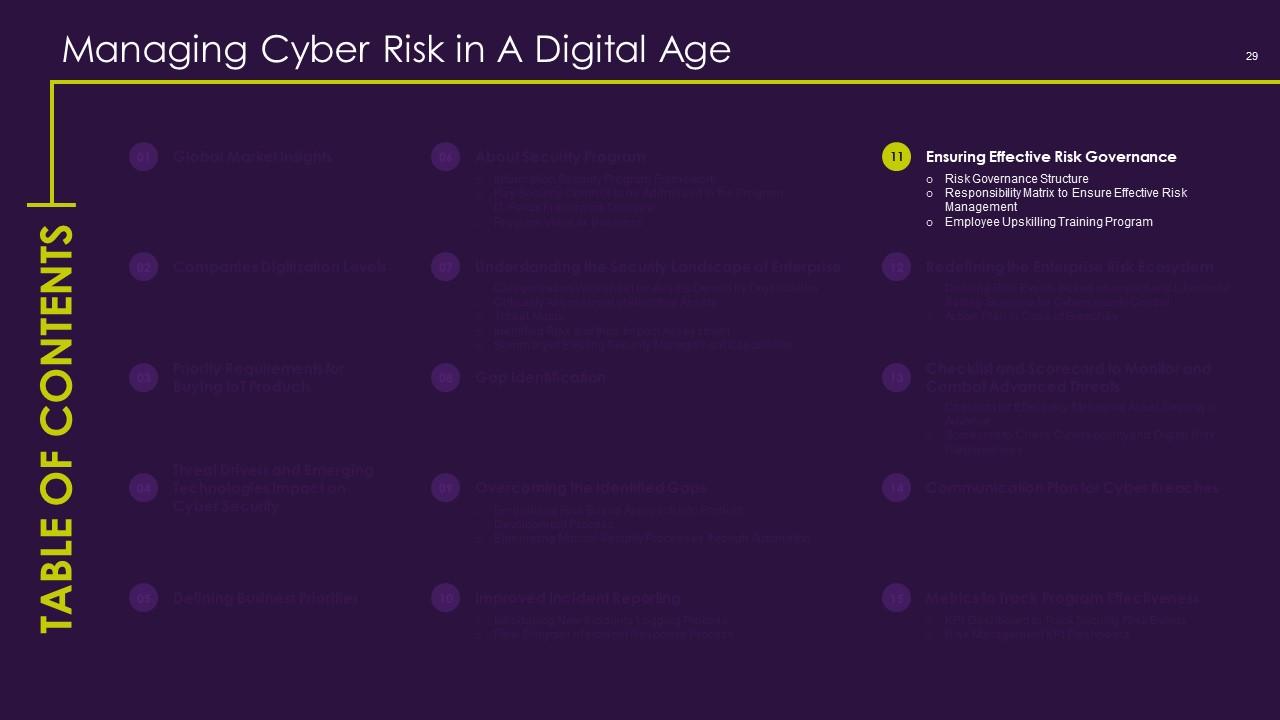
Slide 29 : Este slide apresenta o Índice da apresentação.
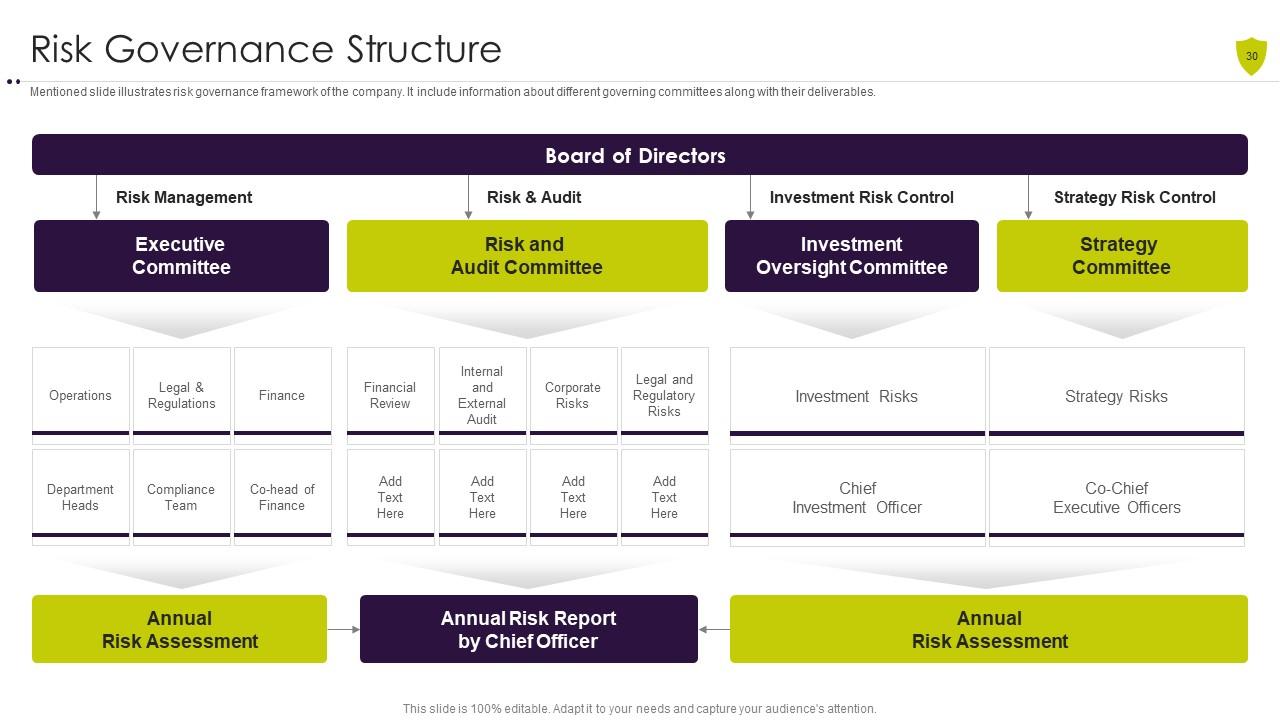
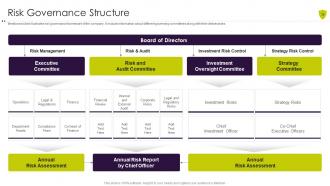
Slide 30 : Este slide mostra a estrutura de governança de risco da empresa.
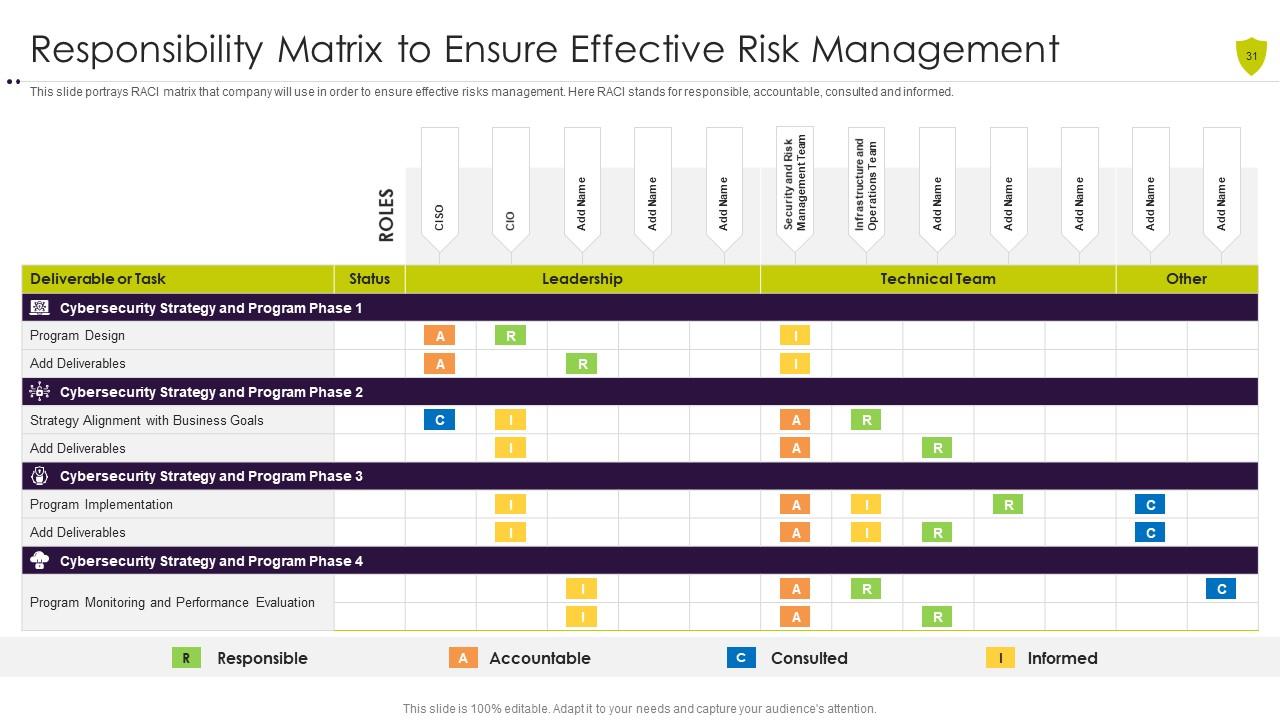
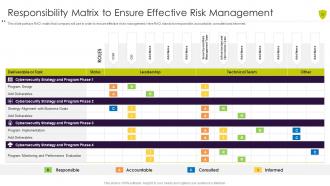
Slide 31 : Este slide mostra a matriz RACI que a empresa utilizará para garantir uma gestão de riscos eficaz.
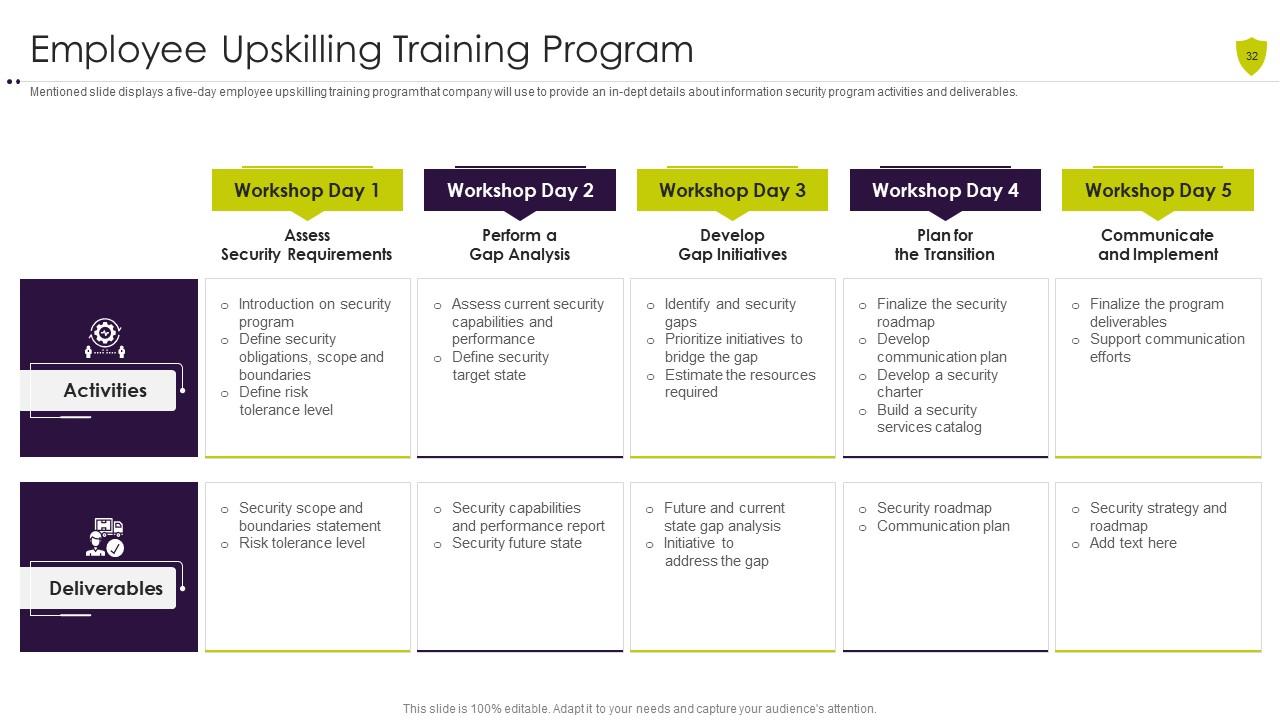
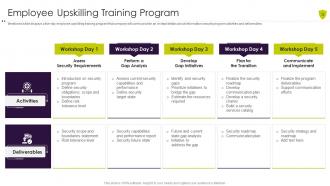
Slide 32 : Este slide representa um programa de treinamento de cinco dias de aprimoramento de funcionários que a empresa usará para fornecer detalhes detalhados sobre as atividades e resultados do programa de segurança da informação.
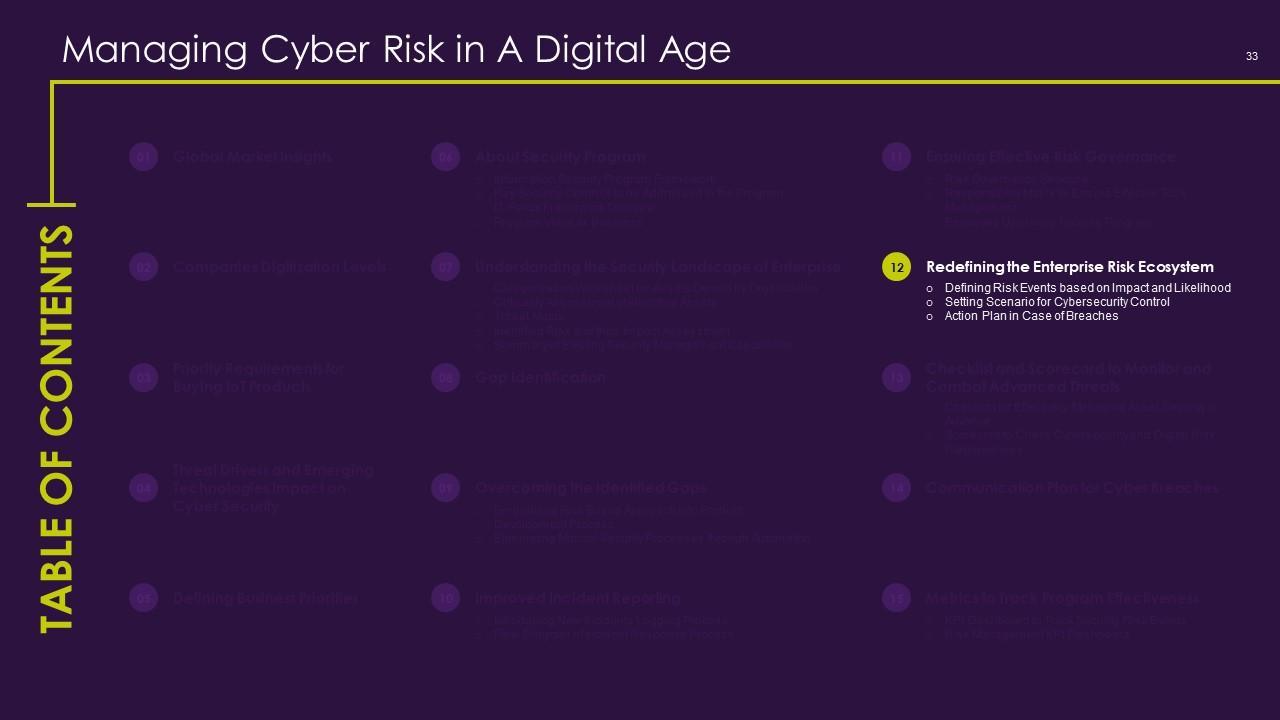
Slide 33 : Este slide mostra o Índice da apresentação.
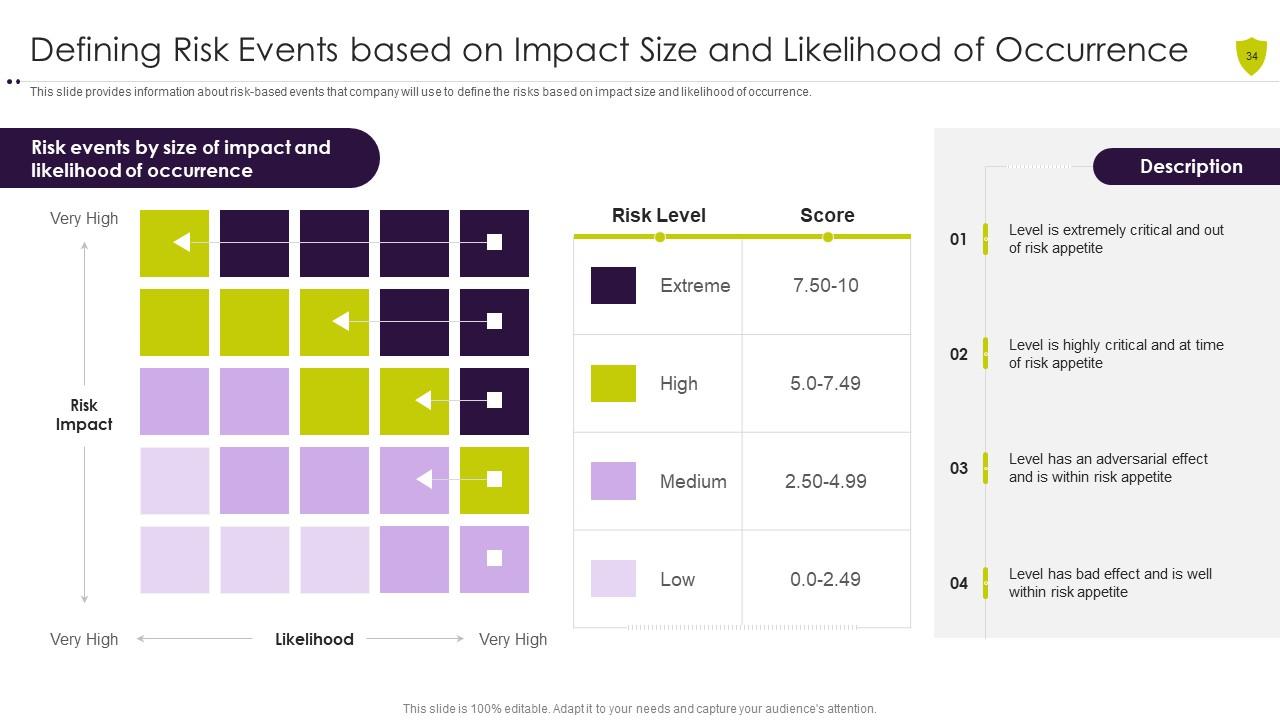
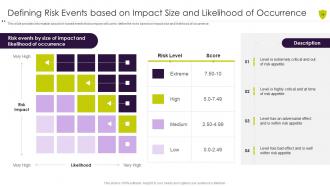
Slide 34 : Este slide apresenta a Definição de Eventos de Risco com base no Tamanho do Impacto e Probabilidade de Ocorrência.
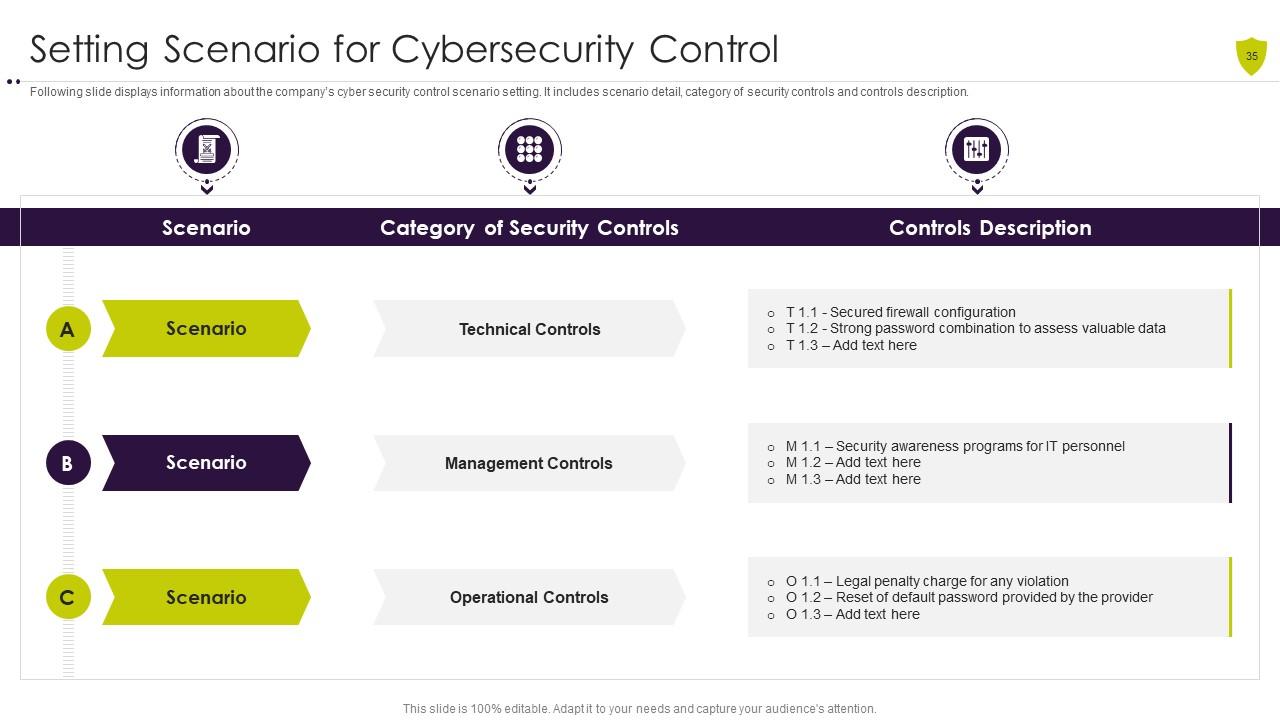
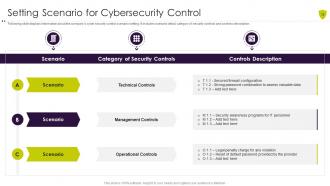
Slide 35 : Este slide mostra informações sobre a configuração do cenário de controle de segurança cibernética da empresa.
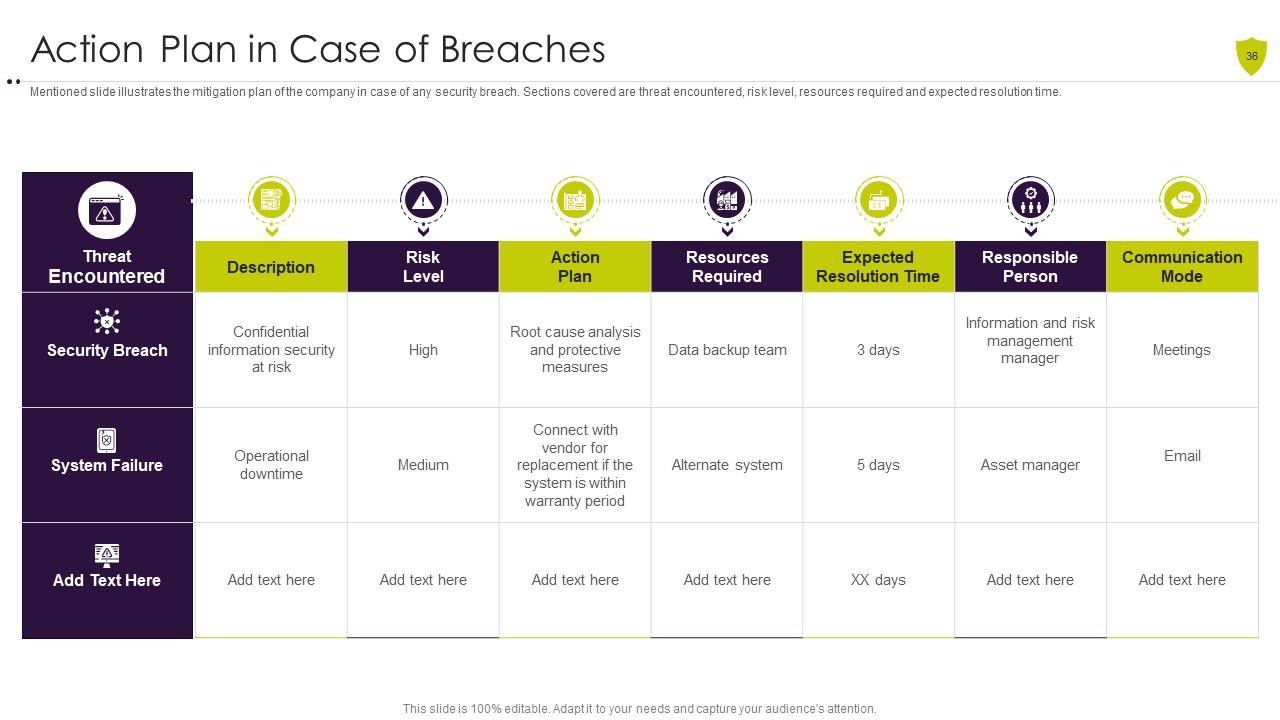
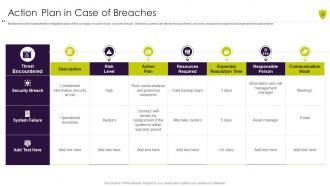
Slide 36 : Este slide mostra o plano de mitigação da empresa em caso de qualquer violação de segurança.
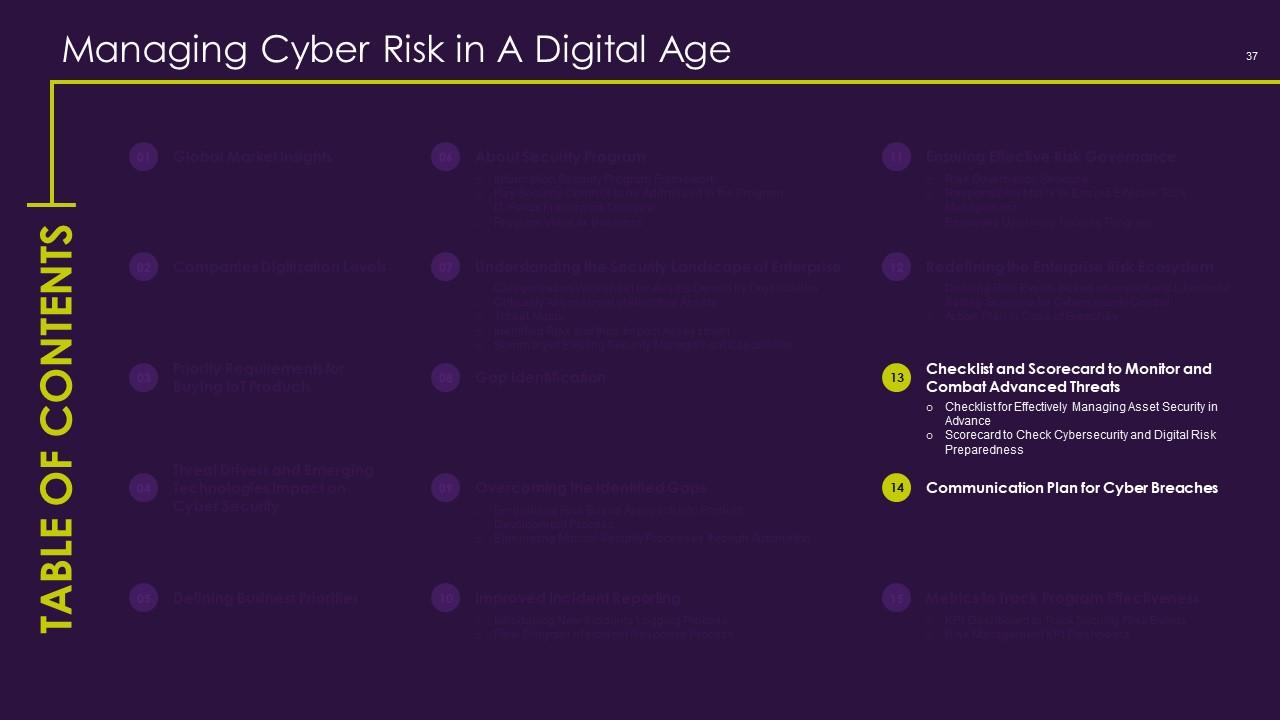
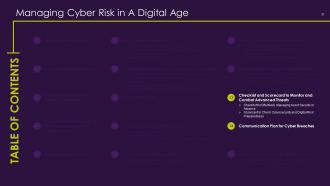
Slide 37 : Este slide representa o Índice da apresentação.
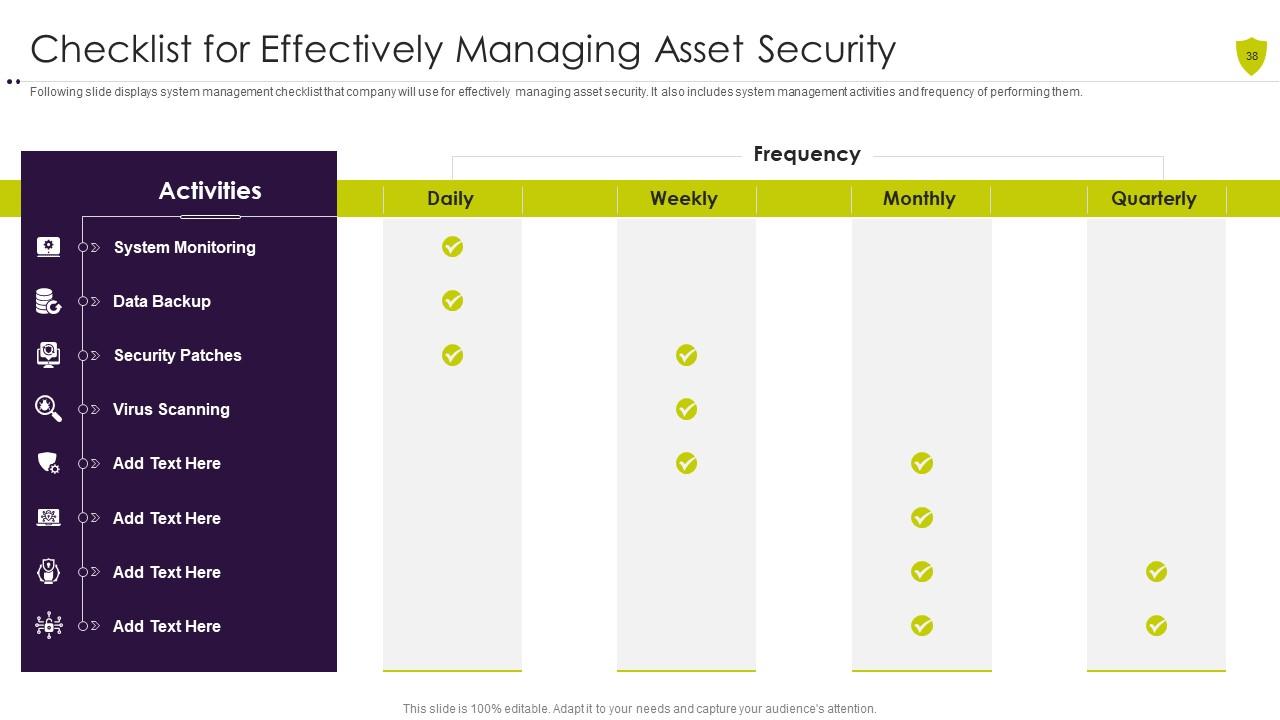
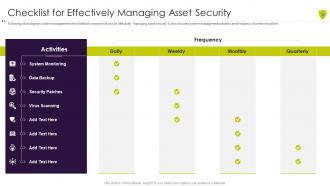
Slide 38 : Este slide mostra a Lista de Verificação para Gerenciar Efetivamente a Segurança de Ativos.
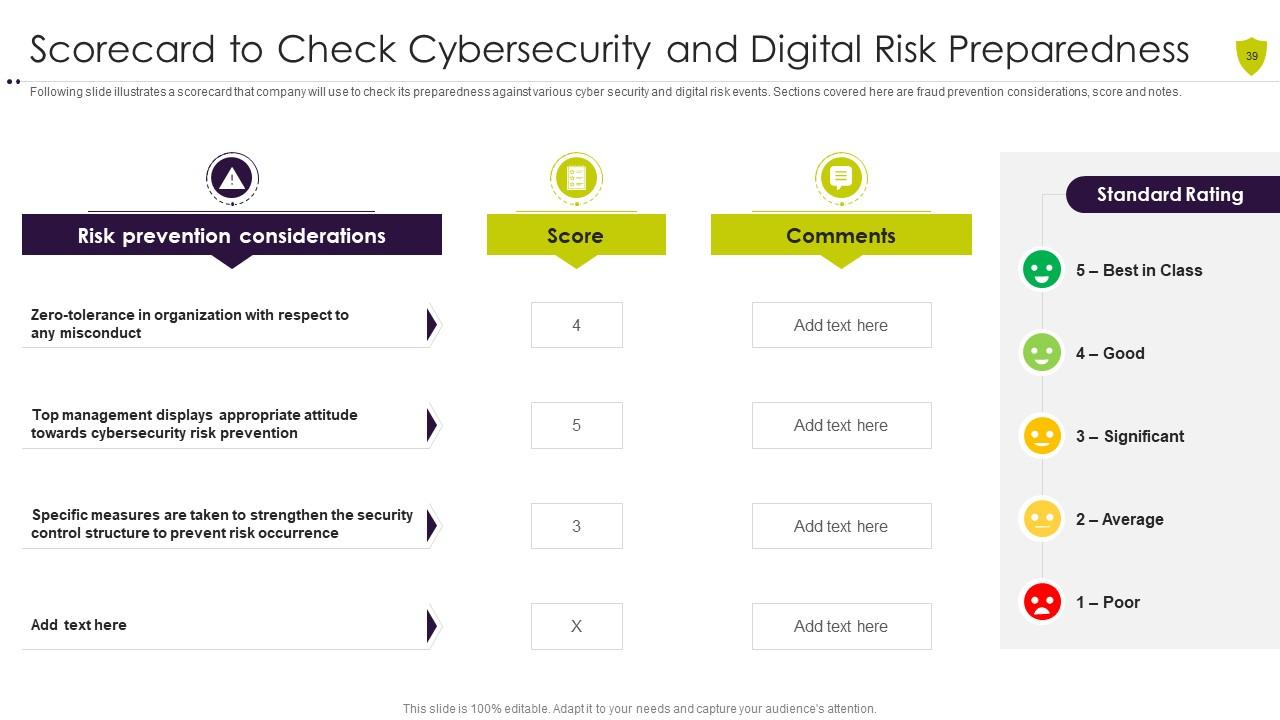
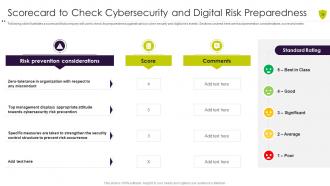
Slide 39 : Este slide apresenta o Scorecard para verificar a segurança cibernética e a preparação para riscos digitais.
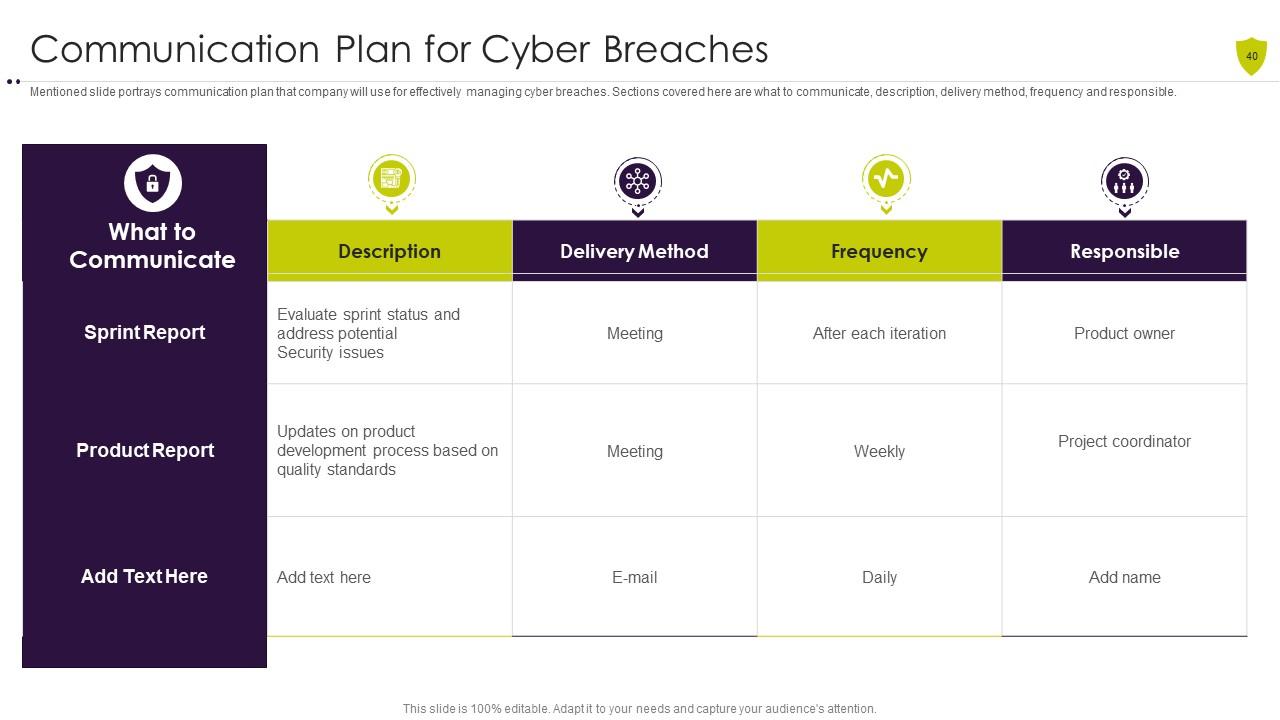
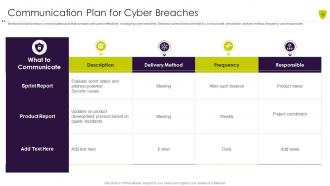
Slide 40 : Este slide mostra o plano de comunicação que a empresa usará para gerenciar efetivamente as violações cibernéticas.
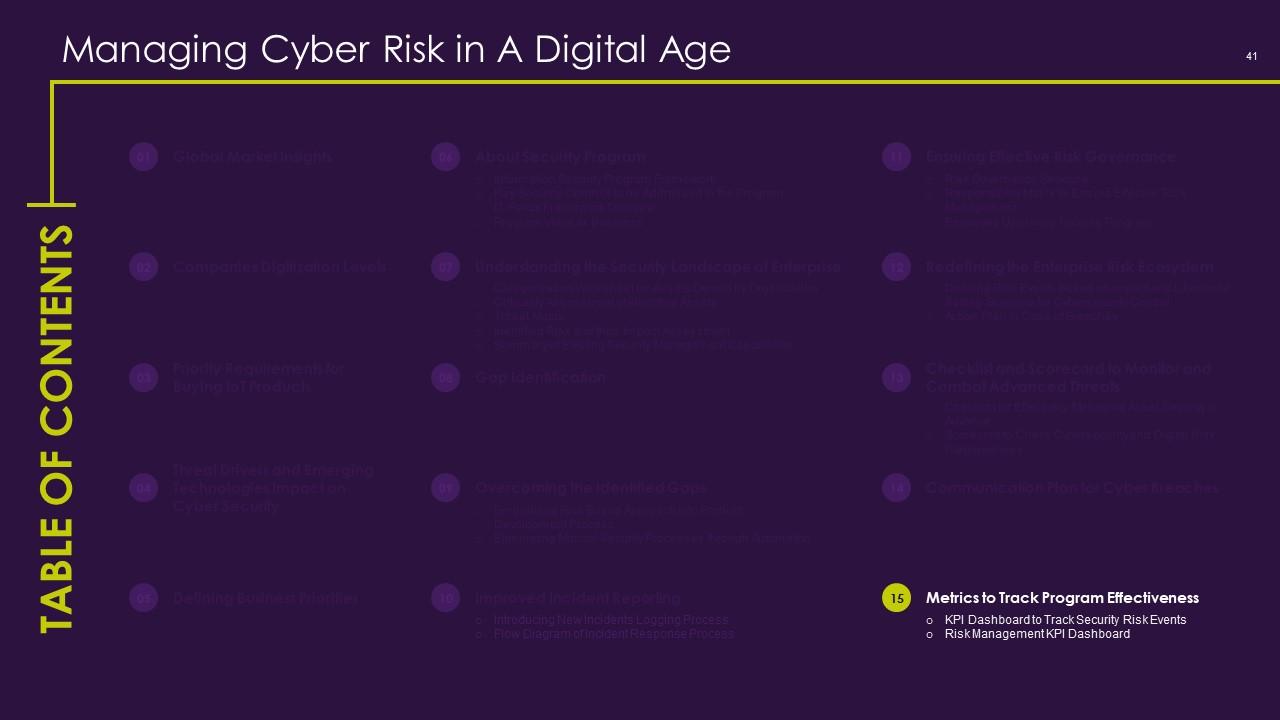
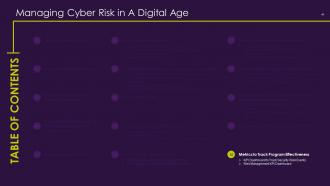
Slide 41 : Este slide exibe o Índice da apresentação.
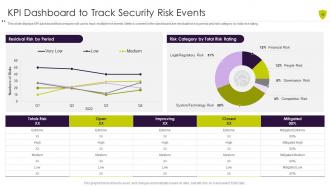
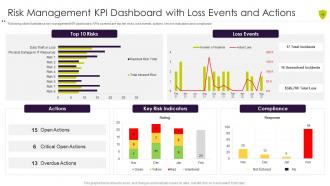
Slide 42 : Este slide exibe o painel de KPI que a empresa usará para rastrear vários eventos de risco.
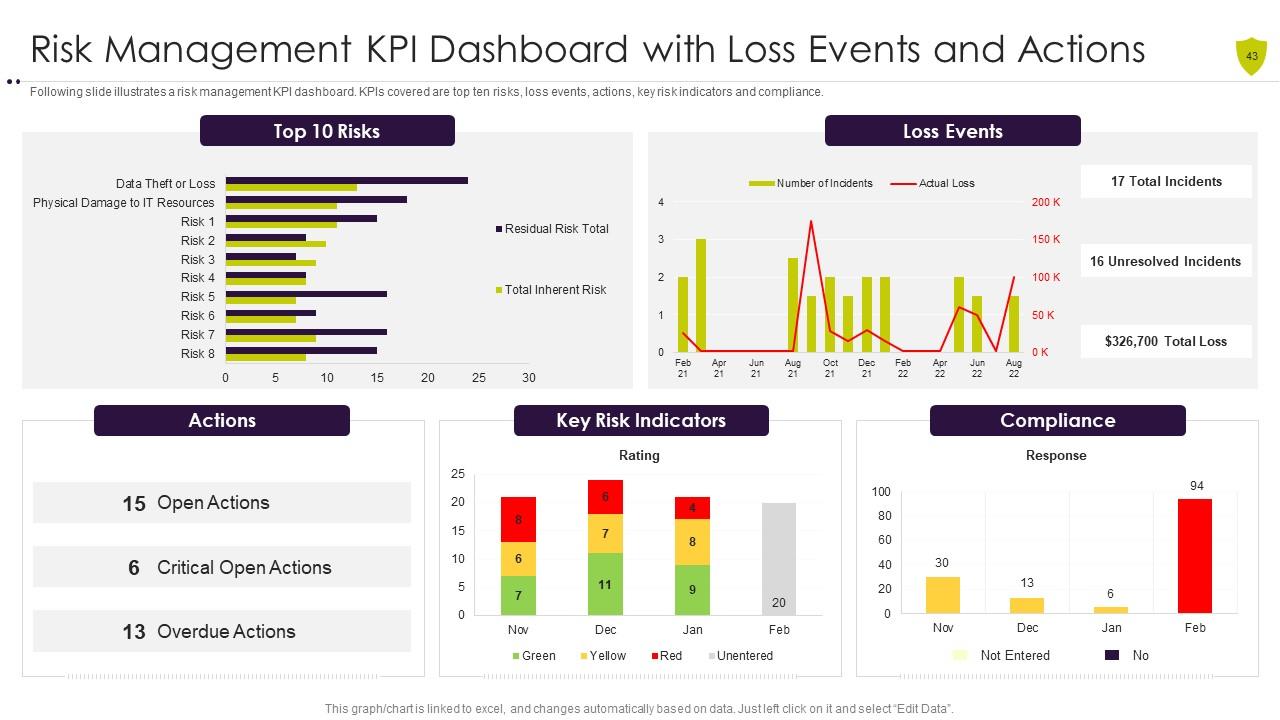
Slide 43 : Este slide mostra o Painel de KPI de Gerenciamento de Risco com Eventos e Ações de Perda.
Slide 44 : Este slide exibe ícones para gerenciar riscos cibernéticos na era digital.
Slide 45 : Este slide é intitulado como Slides Adicionais para avançar.
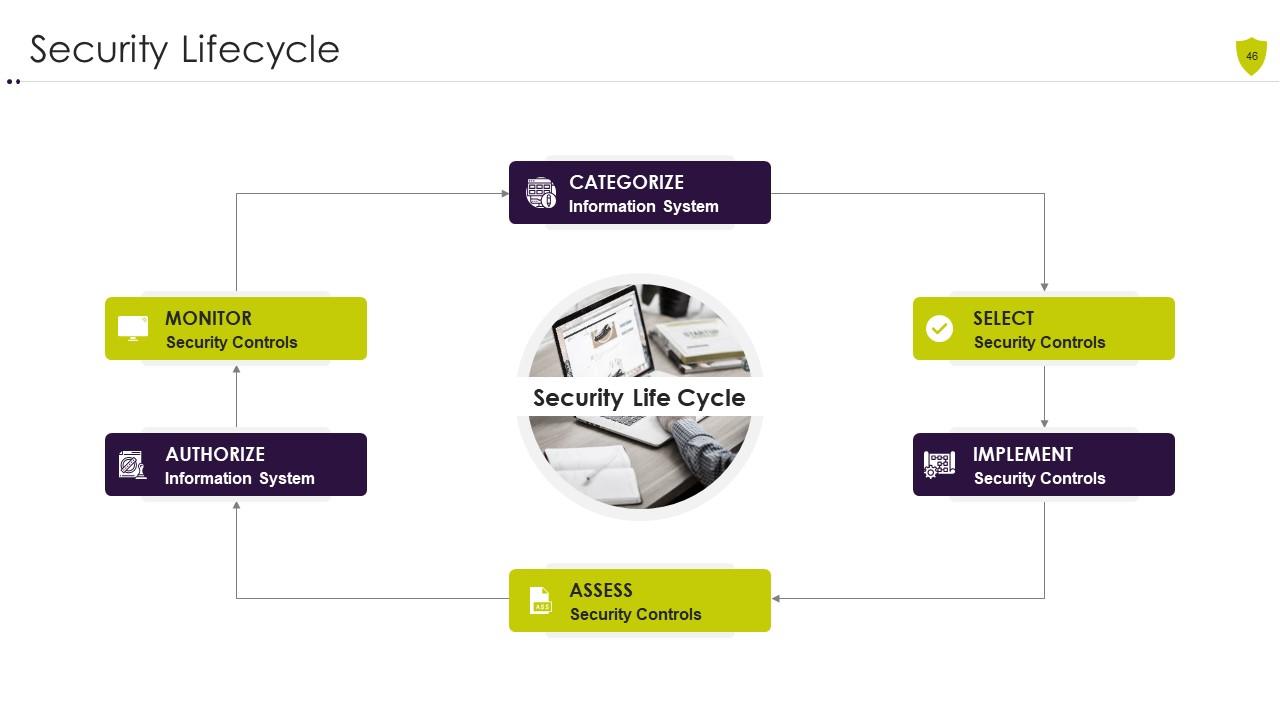
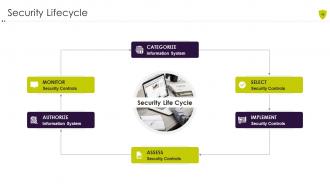
Slide 46 : Este slide mostra a descrição do Ciclo de Vida de Segurança - Sistema de Informação, Controles de Segurança, etc.
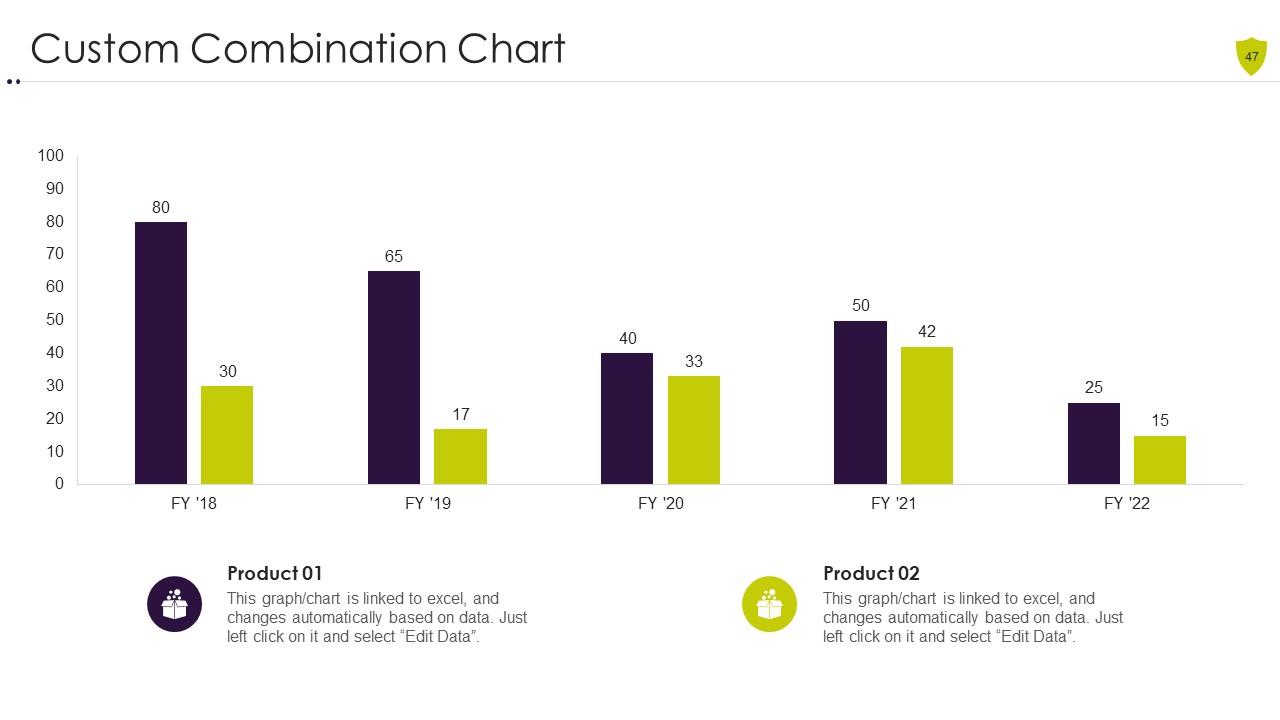
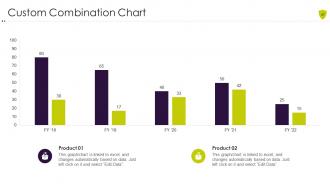
Slide 47 : Este slide mostra o gráfico de combinação personalizada com comparação de dois produtos.
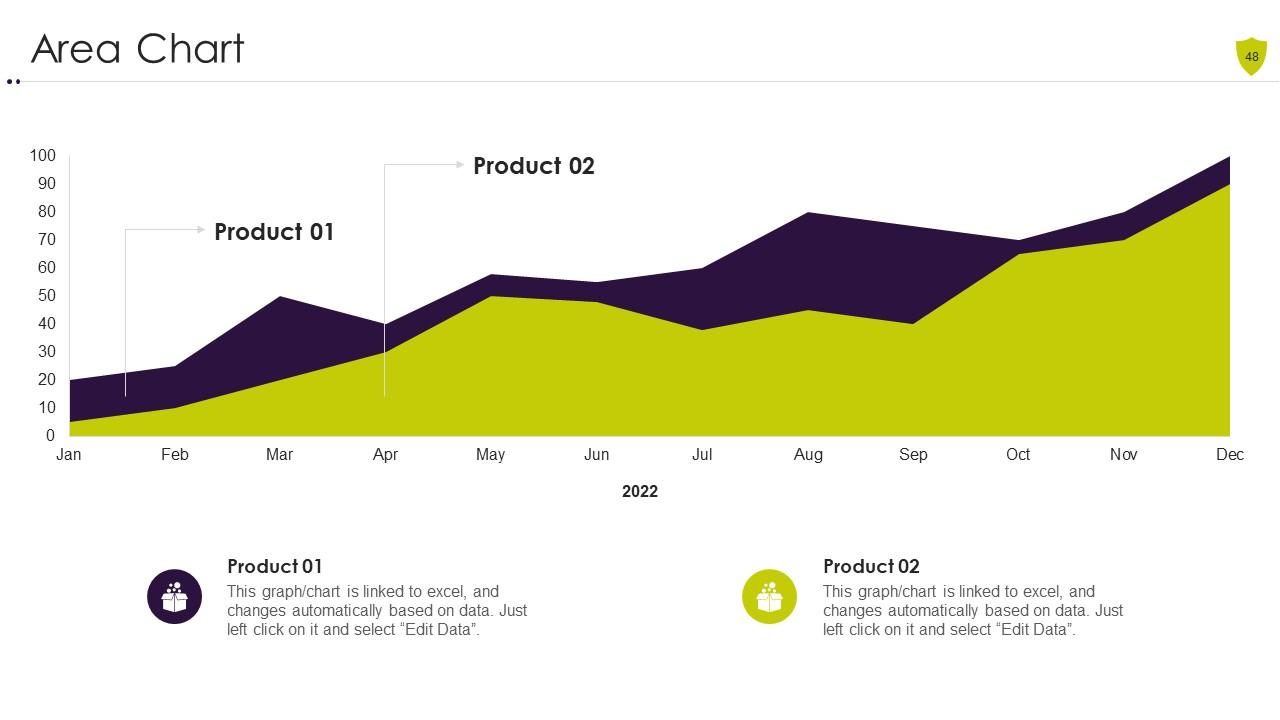
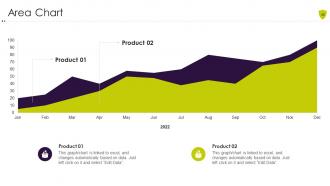
Slide 48 : Este slide mostra o gráfico de área com a comparação de dois produtos.
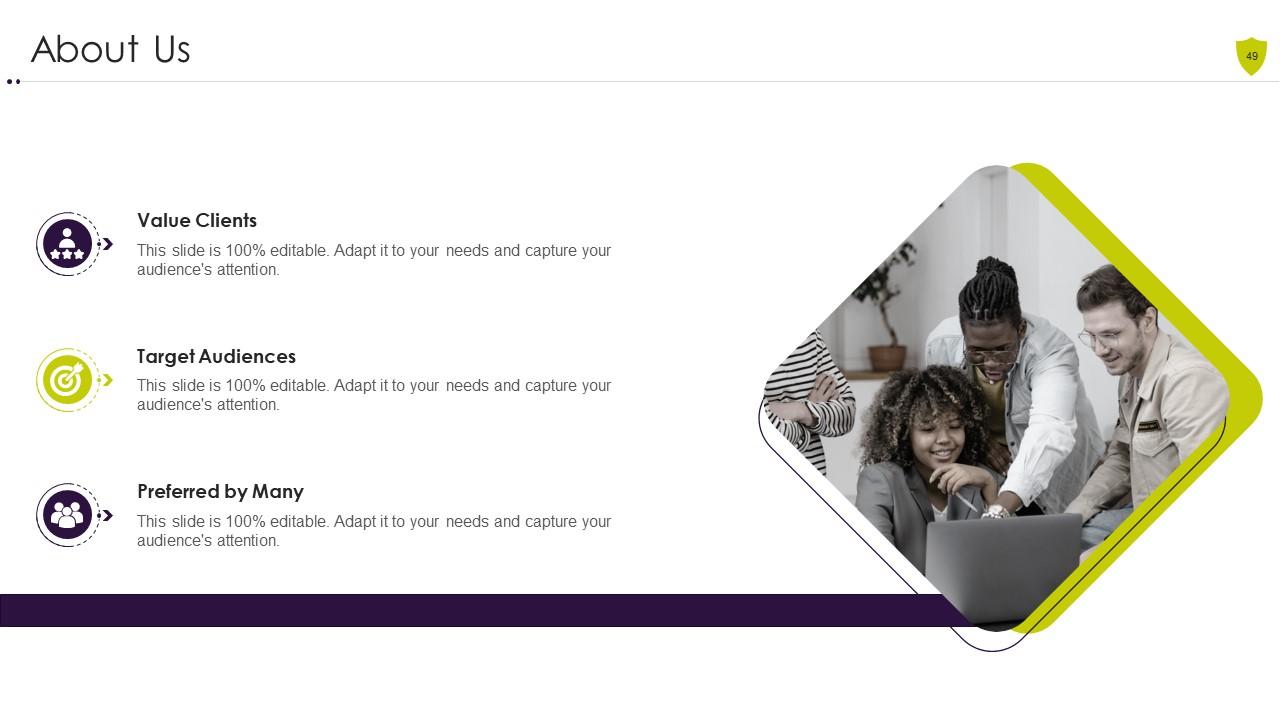
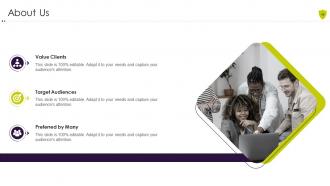
Slide 49 : Este é o slide Sobre nós para mostrar as especificações da empresa etc.
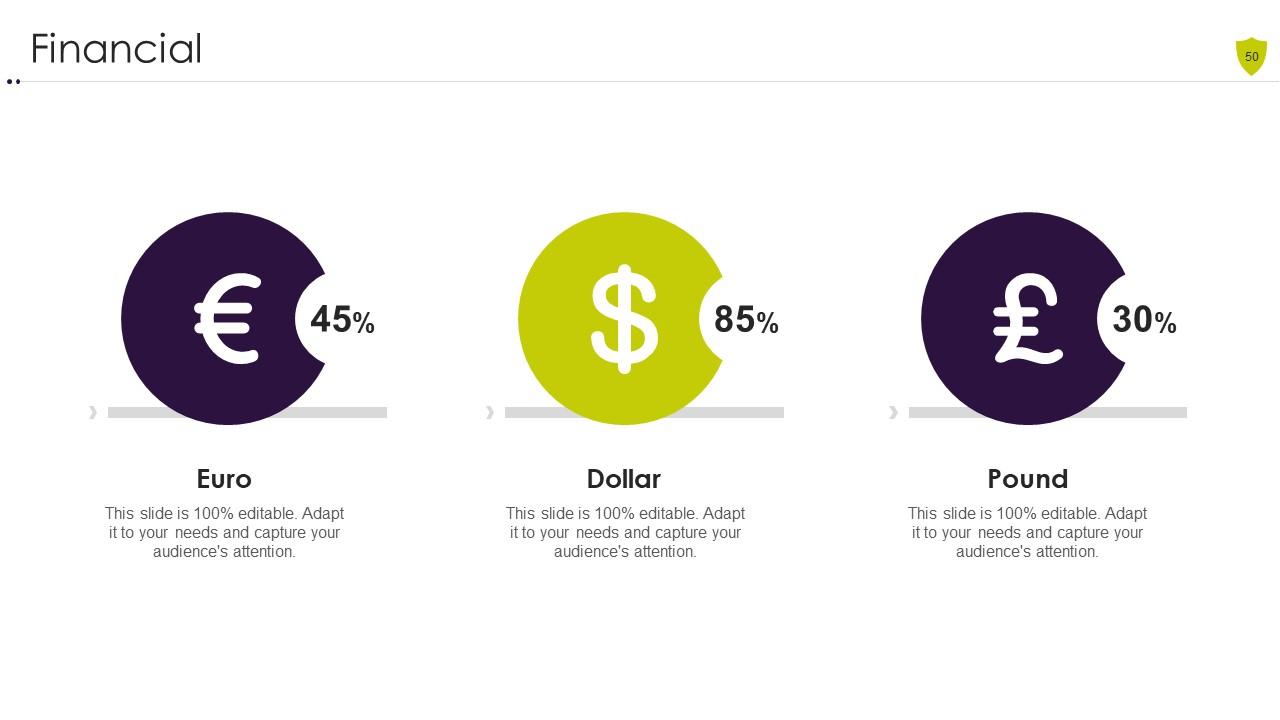
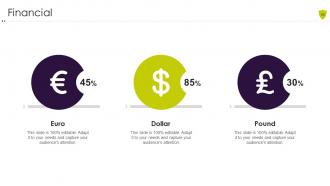
Slide 50 : Este é um slide financeiro. Mostre suas coisas relacionadas a finanças aqui.
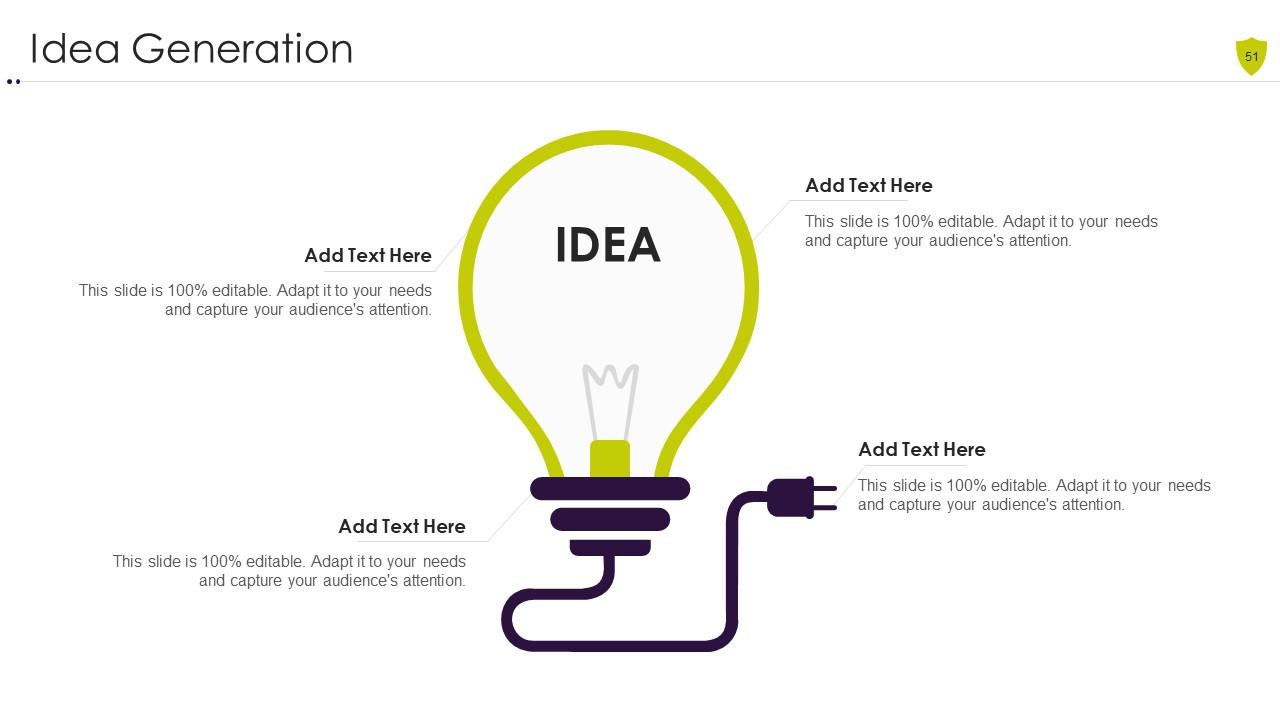
Slide 51 : Este é um slide de Geração de Ideias para apresentar uma nova ideia ou destacar informações, especificações, etc.
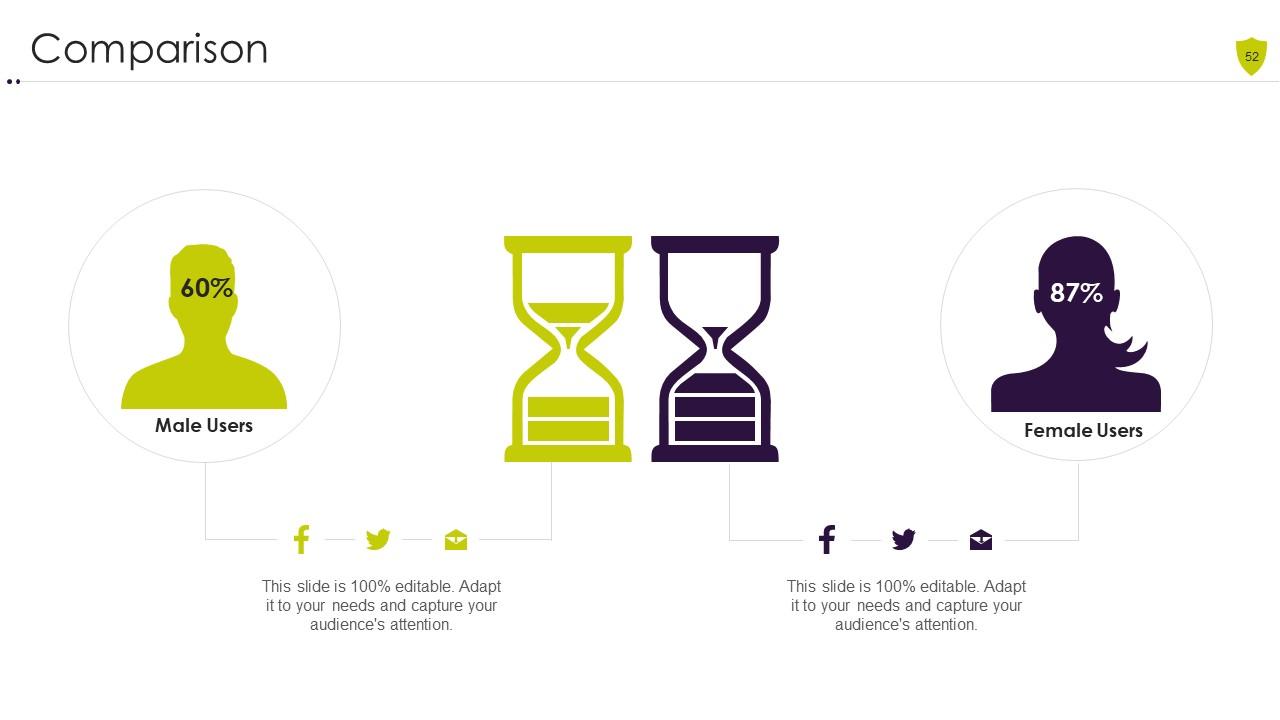
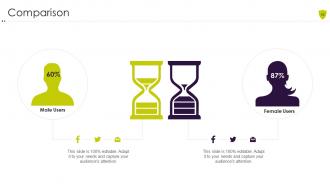
Slide 52 : Este é um slide de comparação para comparação de estados entre commodities, entidades etc.
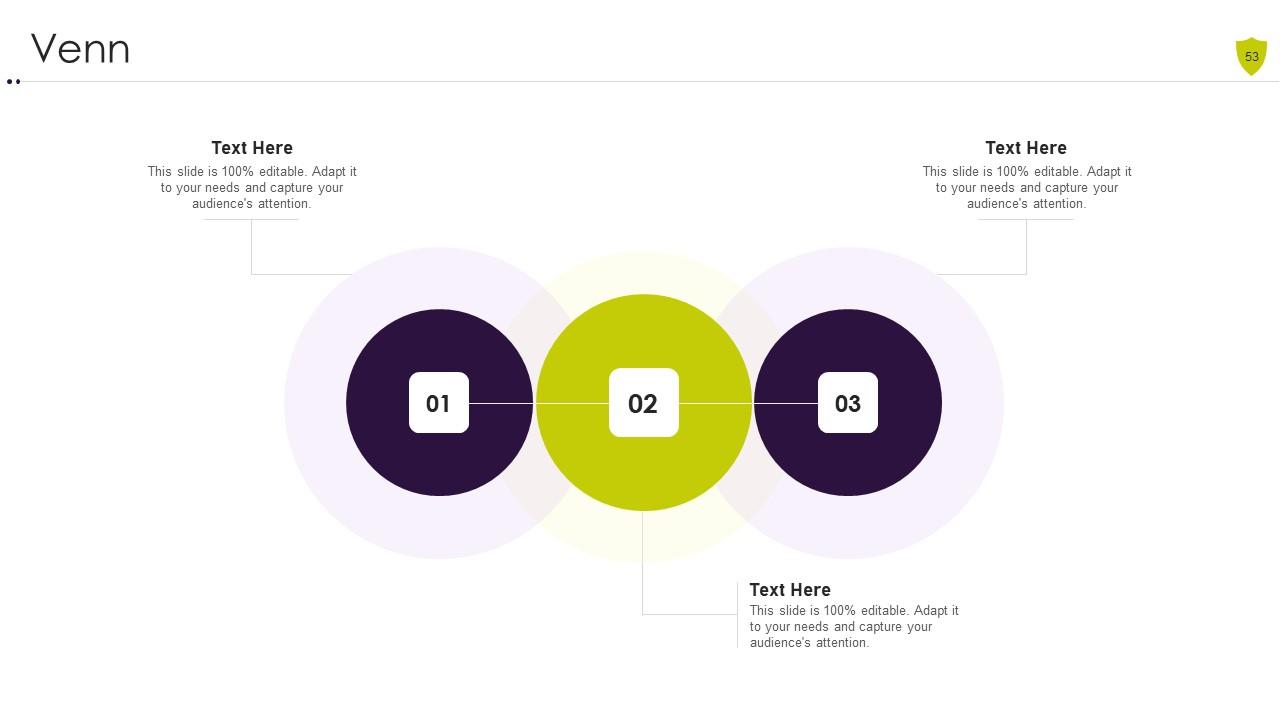
Slide 53 : Este slide mostra o diagrama de Venn com caixas de texto.
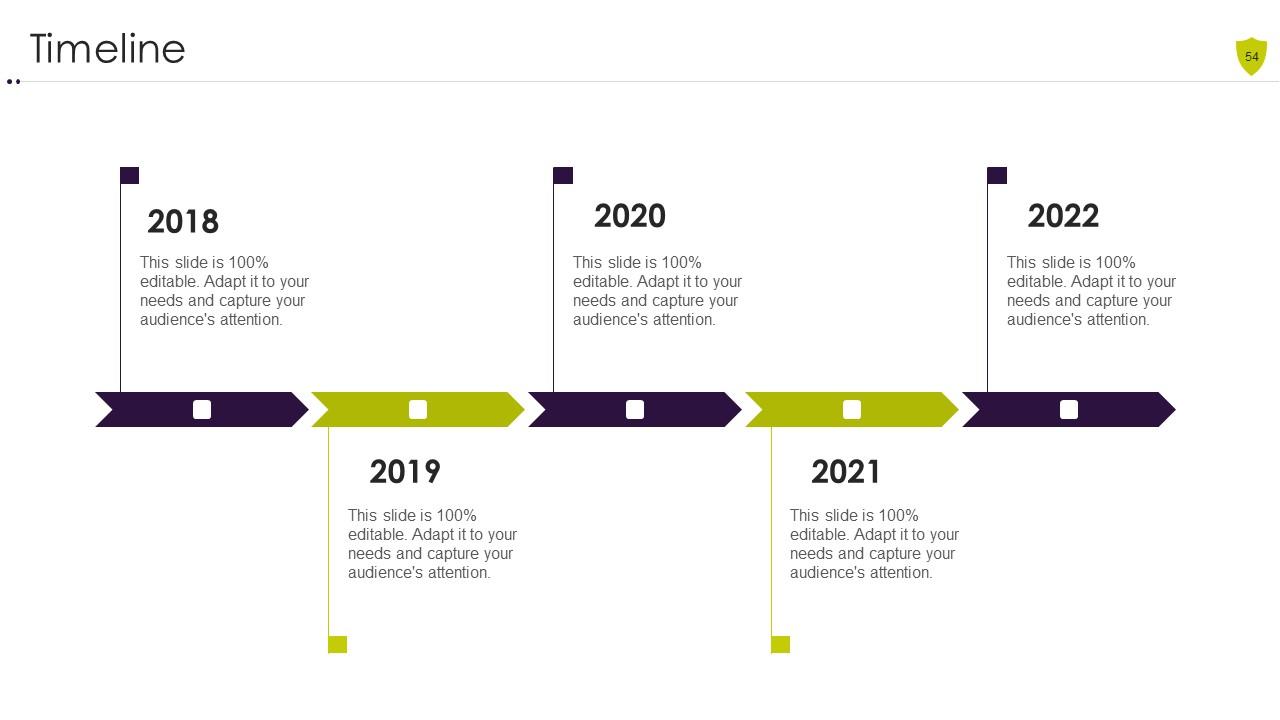
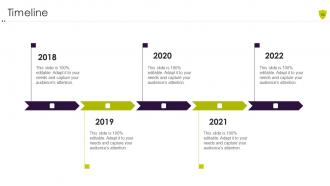
Slide 54 : Este é um slide de linha do tempo. Mostrar dados relacionados a intervalos de tempo aqui.
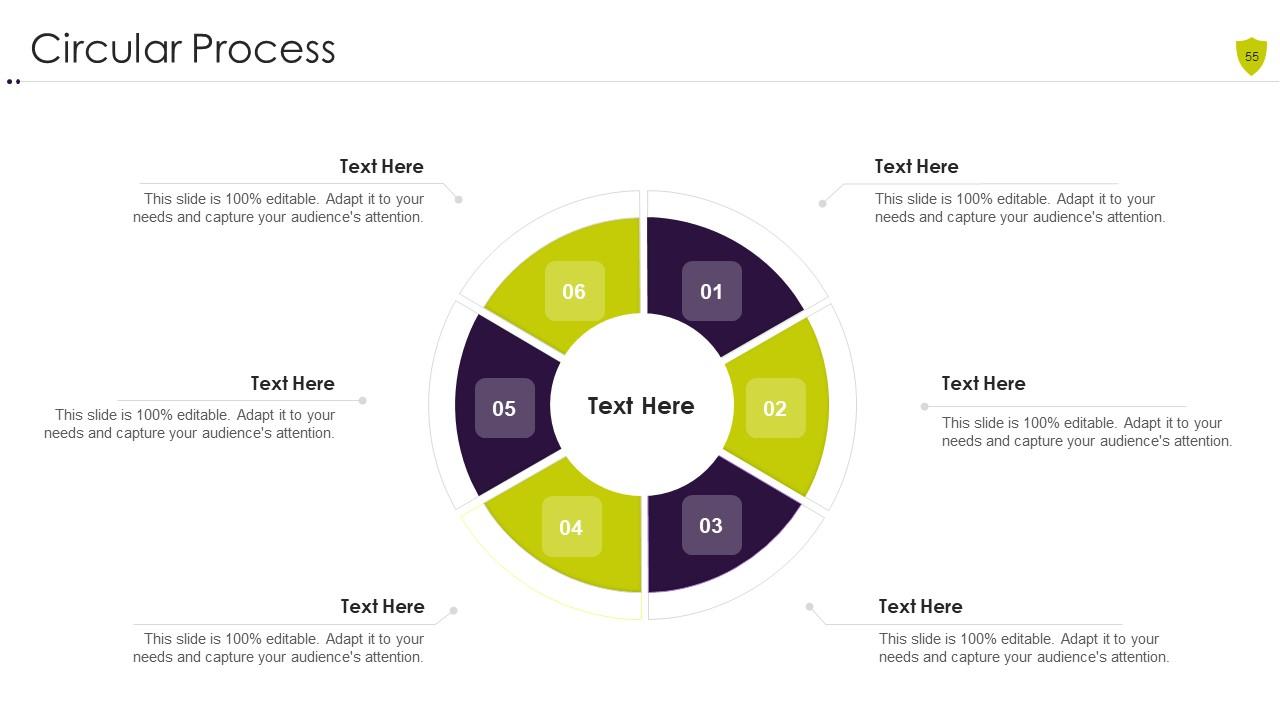
Slide 55 : Este slide mostra o Diagrama Circular com caixas de texto adicionais.
Slide 56 : Este é um slide de agradecimento com endereço, números de contato e endereço de e-mail.
Gerenciando o risco cibernético em slides de apresentação em powerpoint da era digital com todos os 61 slides:
Use nossos slides de apresentação em Powerpoint Gerenciando riscos cibernéticos na era digital para ajudá-lo a economizar seu valioso tempo. Eles são readymade para caber em qualquer estrutura de apresentação.
-
Good research work and creative work done on every template.
-
Illustrative design with editable content. Exceptional value for money. Highly pleased with the product.
