


Managing strategic partnerships powerpoint presentation slides




Try Before you Buy Download Free Sample Product
 Impress Your
 Audience
 100%
100% Editable
 Save Hours
 of Time


Strategic partnerships lead to long term profits and increase brand awareness for businesses. Grab our insightfully designed template on Managing Strategic Partnerships that talks about effective partnership management and incorporates various slides about building essential business connections. Focus on the current issues your business faces and showcase the same utilizing the editable graphs given in the presentation. Acquaint your audience with the need for partnership management within your organization by displaying it using this fantastic template. You can also talk about the challenges the sales channel partners face, such as channel conflict, underperforming partners, and misaligned goals. The managing strategic partnerships proposal also talks about strategies for channel sales partners, which includes different phases like strategy and analysis, program design, delivery, support, and management. This partner relationship management template also incorporates a slide showcasing an interactive service partnership path. Shed some light on the ways to build relationships with customers. The given template also includes a dashboard showcasing the active projects, issues found root cause analysis, and top vulnerabilities. Customize this 100 percent editable template based on your needs. Get access and download it now.
People who downloaded this PowerPoint presentation also viewed the following :
Content of this Powerpoint Presentation
Slide 1: This slide displays title i.e. 'Managing Strategic Partnerships' and your Company Name.
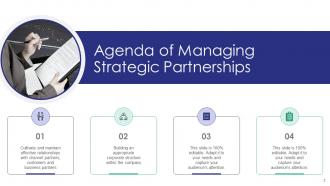
Slide 2: This slide presents agenda.
Slide 3: This slide exhibits table of contents.
Slide 4: This slide shows title for two topics that are to be covered next in the template.
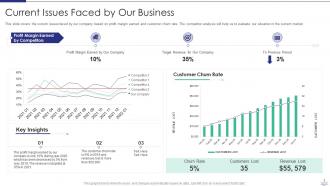
Slide 5: This slide covers the current issues faced by our company based on profit margin earned and customer churn rate.
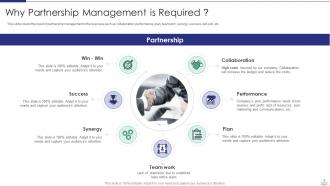
Slide 6: This slide covers the need of partnership management in the business such as collaboration, performance, plan, etc.
Slide 7: This slide depicts title for next eleven topics to be covered in the template.
Slide 8: This slide covers the challenges faced by sales channel partners such as channel conflict, finding right technology, etc.
Slide 9: This slide covers the channel sales management maturity levels such as awareness, identification, value proposition, and independence.
Slide 10: This slide covers the strategies to be followed for channel sales partners which includes phases like strategy & analysis, etc.
Slide 11: This slide covers the matrix to categorize channel partners and identify appropriate investment options in the company.
Slide 12: This slide covers the steps involved to collaborate with channel partners such as taking the time, promoting together, getting social, etc.
Slide 13: This slide covers the roles of the channel account manager on different partner lifecycle phases such as attract, engage, enable, ramp and manage.
Slide 14: This slide covers the functions which must be taken care while choosing the right channel management partner software for the company.
Slide 15: This slide covers the competitive analysis of different partner relationship management software.
Slide 16: This slide covers the impact of channel partnership on the business which leads to improved sales productivity, business profitability, etc.
Slide 17: This slide covers the partner executive dashboard that focuses on revenues, pipeline, capability scoreboard, key program activity summary, etc.
Slide 18: This slide covers the partner performance scorecard that focuses on employee scores based on different categories.
Slide 19: This slide displays title for next nine topics to be covered.
Slide 20: This slide covers the challenges faced by company to deliver customer satisfaction such as fulfilling customer expectations, etc.
Slide 21: This slide covers the rules required for creating customer partnerships such as partner with potential customers, lost customers, etc.
Slide 22: This slide covers the three models for customer partnership which focuses on tailoring, partnering, etc.
Slide 23: This slide covers the steps involved in customer partnership model offered by our company.
Slide 24: This slide covers the path of interactive service partnership which involves both internal and external.
Slide 25: This slide covers the ways which will help to build better relationship with the clients by focusing on steps.
Slide 26: This slide covers the steps required to integrate customer partnerships into business practices.
Slide 27: This slide covers the impact of company client partnership on business which leads to increased productivity, revenues, business growth, etc.
Slide 28: This slide covers the customer relationship management dashboard which includes in progress and completed activities, lead target details, etc.
Slide 29: This slide covers the customer relationship management dashboard which includes company goals, revenue by deal source, new deals, etc.
Slide 30: This slide presents title for next ten topics to be covered in the template.
Slide 31: This slide covers the challenges faced by business partnership due to different management styles, setting boundaries, etc.
Slide 32: This slide covers the strategies that will help business partnership to grow. Values, shared purpose, strategic planning, etc.
Slide 33: This slide covers the partners management framework which has classified on assessed criticality, risk and complexity.
Slide 34: This slide exhibits business partnership strategy scheme.
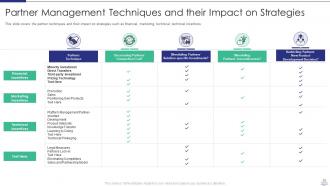
Slide 35: This slide covers the partner techniques and their impact on strategies such as financial, marketing, technical, technical incentives.
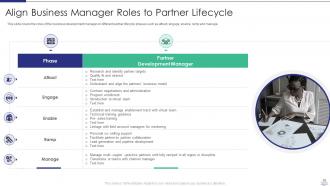
Slide 36: This slide covers the roles of the business development manager on different partner lifecycle phases such as attract, engage, etc.
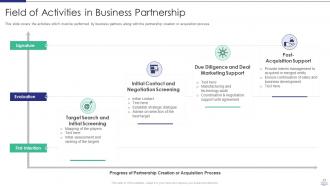
Slide 37: This slide covers the activities which must be performed by business partners along with the partnership creation or acquisition process.
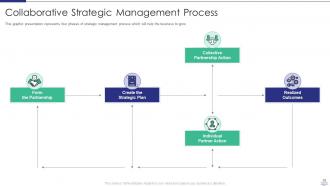
Slide 38: This slide uses graph to represent four phases of strategic management process which will help the business to grow.
Slide 39: This slide covers the impact of business partnership in the company due to knowledge and people access, effectiveness, etc.
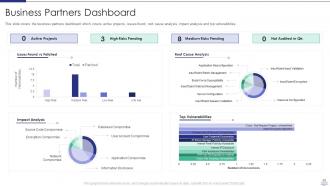
Slide 40: This slide covers the business partners dashboard which covers active projects, issues found, root cause analysis, etc.
Slide 41: This is the icons slide.
Slide 42: This slide presents title for additional slides.
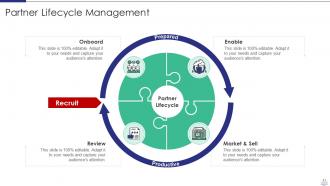
Slide 43: This slide displays 'Partner Lifecycle Management'.
Slide 44: This slide exhibits 'Areas Focused in Customer Partnership'.
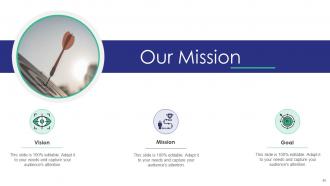
Slide 45: This slide presents your company's vision, mission and goals.
Slide 46: This slide displays Venn.
Slide 47: This slide exhibits ideas generated.
Slide 48: This slide depicts posts for past experiences of clients.
Slide 49: This slide shows roadmap.
Slide 50: This slide presents circular diagram.
Slide 51: This slide highlights comparison of products based on selects.
Slide 52: This slide exhibits yearly column charts for different products. The charts are linked to Excel.
Slide 53: This is thank you slide & contains contact details of company like office address, phone no., etc.
Managing strategic partnerships powerpoint presentation slides with all 53 slides:
Use our Managing Strategic Partnerships Powerpoint Presentation Slides to effectively help you save your valuable time. They are readymade to fit into any presentation structure.
-
Managing Strategic Partnerships
-
Agenda of Managing Strategic Partnerships
-
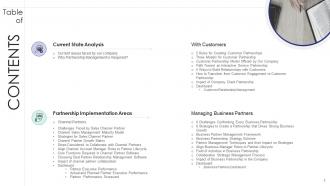
Table of Contents
-
Table of Contents
-
Current Issues Faced by Our Business
-
Why Partnership Management is Required
-
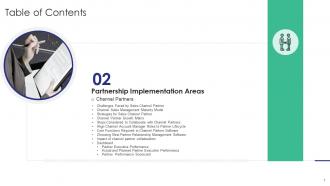
Table of Contents
-
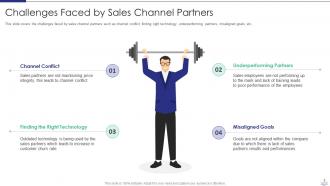
Challenges Faced by Sales Channel Partners
-

Channel Sales Management Maturity Model
-
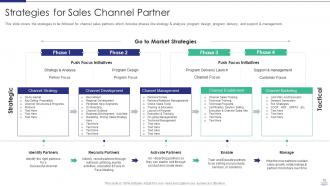
Strategies for Sales Channel Partner
-
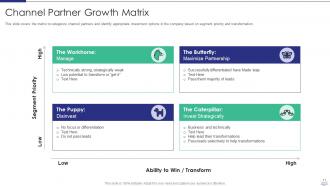
Channel Partner Growth Matrix
-
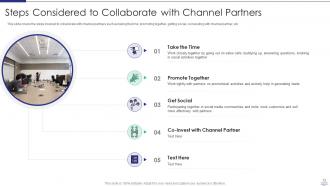
Steps Considered to Collaborate with Channel Partners
-

Align Channel Account Manager Roles to Partner Lifecycle
-
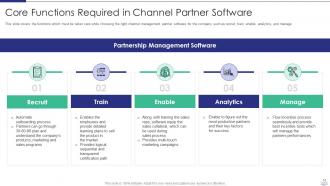
Core Functions Required in Channel Partner Software
-
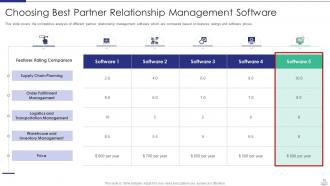
Choosing Best Partner Relationship Management Software
-
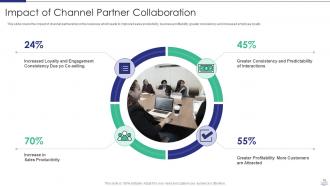
Impact of Channel Partner Collaboration
-
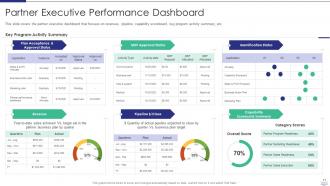
Partner Executive Performance Dashboard
-
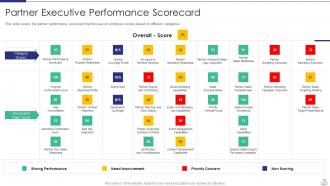
Partner Executive Performance Scorecard
-
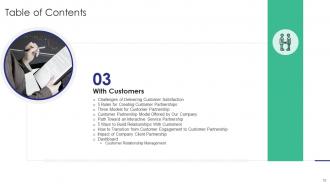
Table of Contents
-
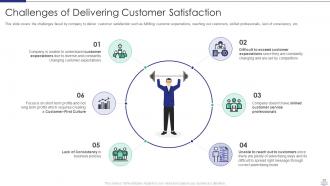
Challenges of Delivering Customer Satisfaction
-
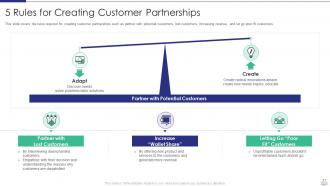
5 Rules for Creating Customer Partnerships
-
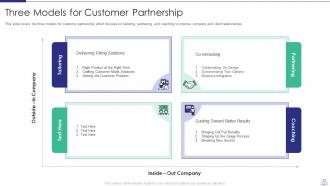
Three Models for Customer Partnership
-
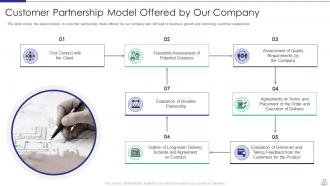
Customer Partnership Model Offered by Our Company
-
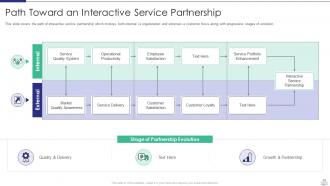
Path Toward an Interactive Service Partnership
-
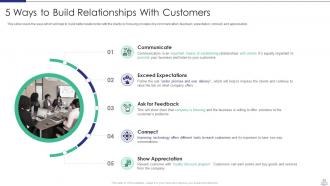
5 Ways to Build Relationships With Customers
-
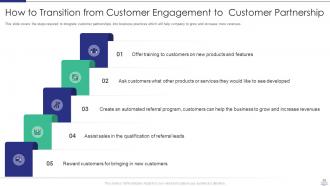
How to Transition from Customer Engagement to Customer Partnership
-
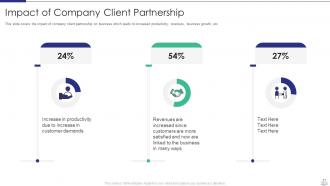
Impact of Company Client Partnership
-

Customer Relationship Management Dashboard 1 2
-
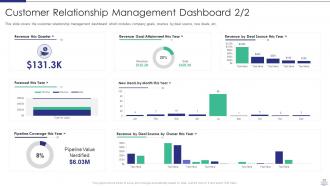
Customer Relationship Management Dashboard 2 2
-
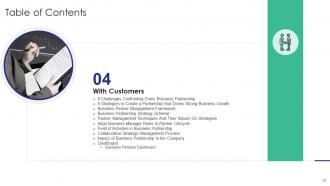
Table of Contents
-
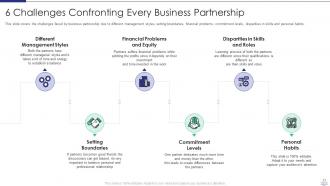
6 Challenges Confronting Every Business Partnership
-
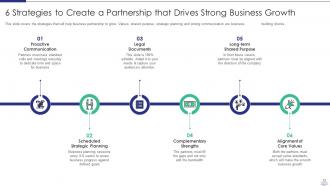
6 Strategies to Create a Partnership that Drives Strong Business Growth
-
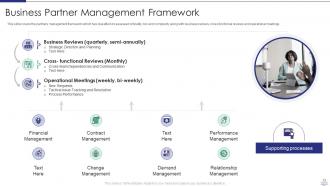
Business Partner Management Framework
-
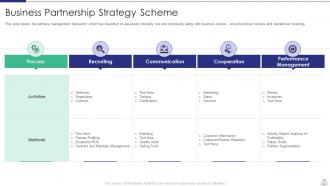
Business Partnership Strategy Scheme
-
Partner Management Techniques and their Impact on Strategies
-
Align Business Manager Roles to Partner Lifecycle
-
Field of Activities in Business Partnership
-
Collaborative Strategic Management Process
-

Impact of Business Partnership in the Company
-
Business Partners Dashboard
-
Icons Slide for Effective Partnership Management with Customers Channel Partners and Business Partners
-

Additional Slides
-
Partner Lifecycle Management
-

Areas Focused in Customer Partnership
-
Our Mission
-
Venn
-
Idea Generation
-
Post it Notes
-

Roadmap
-
Circular Diagram
-
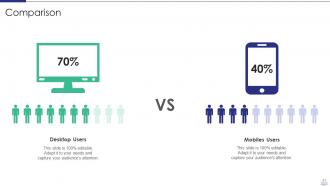
Comparison
-
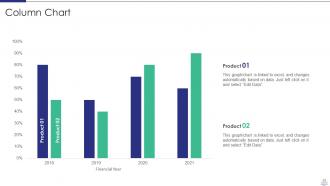
Column Chart
-

Thank You
FAQs for Managing strategic partnerships
Honestly, it comes down to getting everyone on the same page first. Document your shared goals and who's doing what - sounds boring but trust me, it saves drama later. Communication is everything. I mean, I've watched partnerships blow up over stupid misunderstandings that could've been avoided with a simple email. Get the higher-ups bought in early or you'll be spinning your wheels. Oh, and plan for conflict resolution upfront because things will get messy at some point. Regular check-ins help too. Track what's working and pivot when it's not.
Figure out what you actually need first, then hunt for companies that complement your stuff instead of competing. Don't just look at the obvious choices - some of my best partnerships have come from totally random industries I never would've thought of. Do your homework on how they've worked with others before. Bad partners are a nightmare to untangle from later. See if they've got skills or resources that actually fill your gaps, not just overlap with what you already do. Here's the thing though - just call them up for a casual chat before getting all formal about it. You'll know pretty fast if there's real interest and whether you'd actually want to work with these people.
Honestly, bad communication kills more partnerships than anything else. You'll want monthly check-ins to stay aligned on goals and catch problems early. But don't make it all formal - keep those quick text channels open too. I've watched good partnerships completely implode just because people got busy and stopped updating each other. Nobody likes surprises, especially about changes or issues you're dealing with. Figure out upfront who's talking to who and how often. Oh, and be transparent about stuff - even the messy parts. Trust me on this one.
Look, first thing - nail down your KPIs before anything else. Revenue, cost savings, new customers, whatever matters for your specific deal. Don't just track the numbers though. Relationship quality matters too, even if it's harder to measure. Honestly? Most partnerships crash because everyone gets pumped about the initial agreement but never actually defines what "winning" looks like. That's just dumb. Also watch the boring operational stuff - are projects getting done on time, is communication actually working. Set up quarterly check-ins to review everything together. Makes course-correcting way easier when things go sideways.
Honestly, the worst thing that can happen is when your goals don't match up or you become too dependent on them. You'll also risk losing your competitive edge if you're sharing too much data. Cultural differences are brutal - I've watched partnerships blow up just because teams couldn't communicate properly. Set up clear rules from day one and make sure you both agree on what success looks like. Check in regularly so problems don't snowball. Oh, and don't go all-in immediately - test things with a smaller project first. Also keep other partnerships going because you never want to rely on just one.
Oh man, cultural stuff can totally torpedo partnerships if you're not careful. Americans want everything decided yesterday, but Japanese teams need like 47 meetings to build consensus - it's just how they roll. Communication styles are all over the place too. Germans will tell you exactly what they think, while other cultures dance around issues for ages. Some places care way more about building relationships than hitting deadlines, which honestly makes sense but can drive you crazy. Bottom line: research their norms beforehand and figure out communication rules that don't piss anyone off.
Honestly, start with figuring out what type of partnership you're even doing - joint venture, licensing, whatever. IP stuff is where people get screwed over the most, so be super clear about who owns what from day one. Don't forget liability protection either (trust me on this one). Termination clauses are boring but necessary. Same with confidentiality and how you'll actually make decisions together. I know it's tempting to just shake hands and figure it out later, but seriously get a lawyer now. Way cheaper than dealing with a mess down the road.
Honestly, the biggest thing is just getting everyone on the same platforms instead of having info scattered everywhere. I'd grab something like Asana for tracking who's doing what and when. Slack's pretty solid for those quick "hey, what's the status on X?" conversations - way better than email chains that go nowhere. Google Drive or whatever cloud thing you use keeps everyone working off the same docs. Oh, and don't sleep on video calls for actually building relationships with people. Here's the thing though - pick like 2-3 tools max and stick with them. Tool fatigue is real.
Honestly, most partnerships crash because people skip the hard conversations upfront. Like, everyone assumes they're on the same page without actually checking. Big mistake. Don't partner with anyone who can't dedicate real resources or send actual decision-makers to meetings - learned that one the hard way. Contracts matter way more than you'd think. Spell out who does what, how you'll measure success, and yeah... how to break up if things go south. Trust me on this - spend forever on planning. It feels excessive but saves you so much drama later.
Think of your brand values as your dating filter, but for business partnerships. Don't partner with companies that clash with what you stand for - like if you're super eco-friendly, teaming up with known polluters will just confuse everyone. I've watched brands try to bounce back from terrible partnerships and honestly? It's brutal. Look for partners who share your main principles but bring different skills. Oh, and always check their values before you sign anything - saves so much drama later. The best partnerships happen when your core beliefs match up.
Honestly, you need people to feel safe throwing out crazy ideas without getting shut down - that's where the magic happens. Set up some hackathons or workshops mixing folks from both teams. Don't make innovation a side project though, carve out real time for it. Share your R&D budgets and tech platforms too, because nothing kills good ideas faster than "sorry, you can't access that." I'd start with small pilot projects. Build some momentum from quick wins, then scale up from there. Cross-functional stuff gets messy but it's worth it when teams actually click.
Look, you gotta be real about what's broken first and why fixing it helps them too. Bring actual numbers showing how current terms are killing potential growth - don't just whine about what sucks for you (honestly, that's where everyone screws up). Frame everything around mutual wins and how tweaks could create more value for both sides. Set up a proper meeting instead of randomly bringing it up over coffee or whatever. Oh, and be ready to give something back too. The whole thing should feel like you're both optimizing a partnership, not you just asking for handouts.
Look for when communication gets consistently weird or they keep missing deadlines. Also if you're doing way more work than they are - major red flag there. Sometimes your business direction changes and the partnership just doesn't make sense anymore, which honestly happens more than people admit. Trust your gut though - if every conversation feels like a struggle, that's your answer right there. Quality drops? Time to have that awkward conversation. I'd say check in every few months so you catch problems before they snowball into something messier.
Look for businesses that serve your same customers but aren't competing with you directly. Wedding photographer? Team up with florists, venues, caterers - you get the idea. Cross-referrals work amazing for this stuff, way better than dumping money into ads honestly. You could bundle services or do joint events to hit new audiences. Both sides gotta benefit though, can't be one-sided or it'll flop. Oh and don't overthink it - just write down 5 businesses your customers already use, then hit them up with a solid collab idea. I've seen people double their business this way.
Honestly, presentations force you both to actually say what you want instead of dancing around it. I used to skip this step - big mistake. Put your goals and timelines out there upfront. Your partner does the same. Suddenly you're having real talks about what's actually doable instead of just agreeing to whatever sounds good in the moment. The disconnects come out early instead of blindsiding you later when everything's already a mess. Oh, and definitely have someone write down what was decided - people remember things very differently afterward, trust me.
-
Easily Editable.
-
Great product with highly impressive and engaging designs.
-
Excellent Designs.
-
Great product with effective design. Helped a lot in our corporate presentations. Easy to edit and stunning visuals.